Most people always just fill a vase once, drop the flowers in, and hardly ever think about the water again until it turns cloudy and the smell gives it away. By then, the flowers have usually already lost several days of their vase life, which they never needed to give up.
Vase water changes are one of the simplest habits in flower care, yet they make a great difference to how long a bouquet lasts compared to almost anything else you can do. So, when it comes to the water in a vase of flowers, how often should you change it?
The General Rule
For most florists and postharvest experts, the range is almost always the same. One should change the water every one to two days, re-cutting the stems and rinsing the vase each time to remove bacterial buildup. Some sources push for daily changes as the ideal habit, noting that fresh water gives flowers a steady supply of clean, oxygen-rich moisture rather than water that has already started to stagnate.

A two-to three-day window is generally treated as the outer limit for most home arrangements, since bacteria have had enough time by then to start clouding the water and coating the stem ends, a limit echoed across care guides for some of the longest-lasting cut flowers, including hardy stems that can otherwise hold up for two weeks or more with the right upkeep. Waiting much beyond that window rarely ruins a bouquet outright, but it does mean giving up days of vase life that a simple, low-effort habit could have preserved.

Why Bacteria Are the Real Problem
Water itself does not spoil a flower. It is what grows inside the water once it sits undisturbed that spoils it. Stagnant water is an easy medium for bacteria to multiply in, and that bacterial buildup causes flowers to wilt considerably faster than they would in clean, regularly refreshed water.
As bacteria collect around the cut end of a stem, they begin clogging the narrow vascular channels that a flower relies on to draw water upward, which means a vase that still looks full can leave a flower unable to draw up what it needs. This is also why simply topping off a vase with a splash of fresh water is not a real substitute for a full change.

The old, bacteria-laden water stays behind and keeps doing its damage regardless of how much clean water gets added on top of it, so a partial top-off should be treated as a stopgap between real changes rather than a routine on its own.
How Does a Proper Water Change Look?
A full water change is a quick process, but a few steps make it noticeably more effective than just swapping the liquid. Start by gently removing the flowers and setting them aside, then empty the vase and rinse it out, since a lingering film on the glass or ceramic can reintroduce bacteria the moment fresh water goes back in.
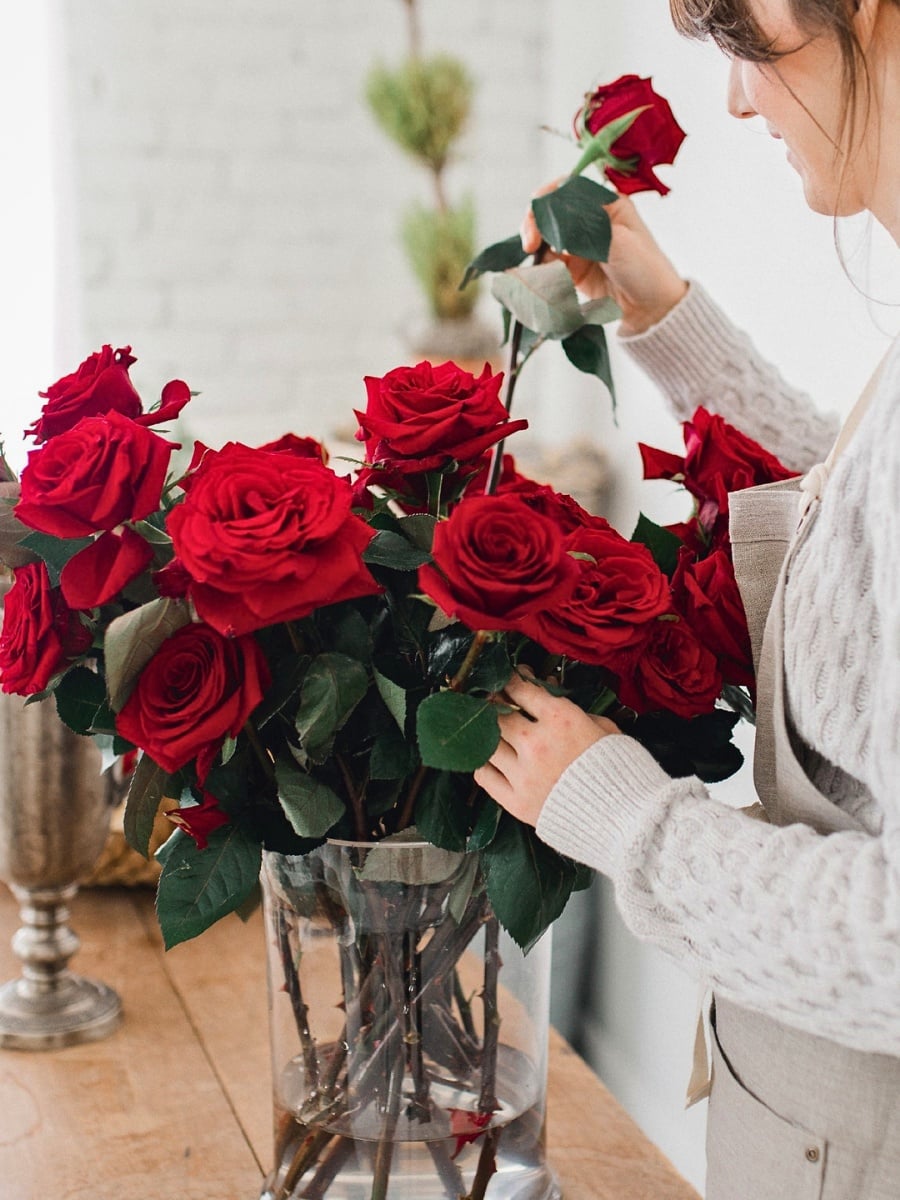
A brief scrub with warm, soapy water followed by a clean rinse handles most of that residue without much effort. Trimming about half an inch off each flower stem at an angle before returning them to the vase reopens the water-absorbing channels that may have become blocked, giving the bouquet a fresh start each time, a step worth repeating at every change as opposed to only once.
Refill the vase with clean, cool water, and if a flower food packet came with the original bouquet, mix in a fresh dose, since these formulas typically combine sugars to feed the flower, an acidifier that improves water uptake, and a mild biocide that slows bacterial growth, keeping the flowers looking fresh for longer.

When You Might Need to Change It More Often
The one-to two-day guideline works well as a default, but certain conditions call for more frequent attention. Warm rooms speed up bacterial growth considerably, so a vase placed in a sunny spot or during a summer heat wave may need a change closer to once a day and not once every two days, since higher temperatures accelerate both bacterial growth and how quickly flowers draw water in the first place.
Large, dense arrangements with many flowers packed into the vase also foul their water faster than a simple mono bunch, since more plant material means more organic matter breaking down in the same amount of water.
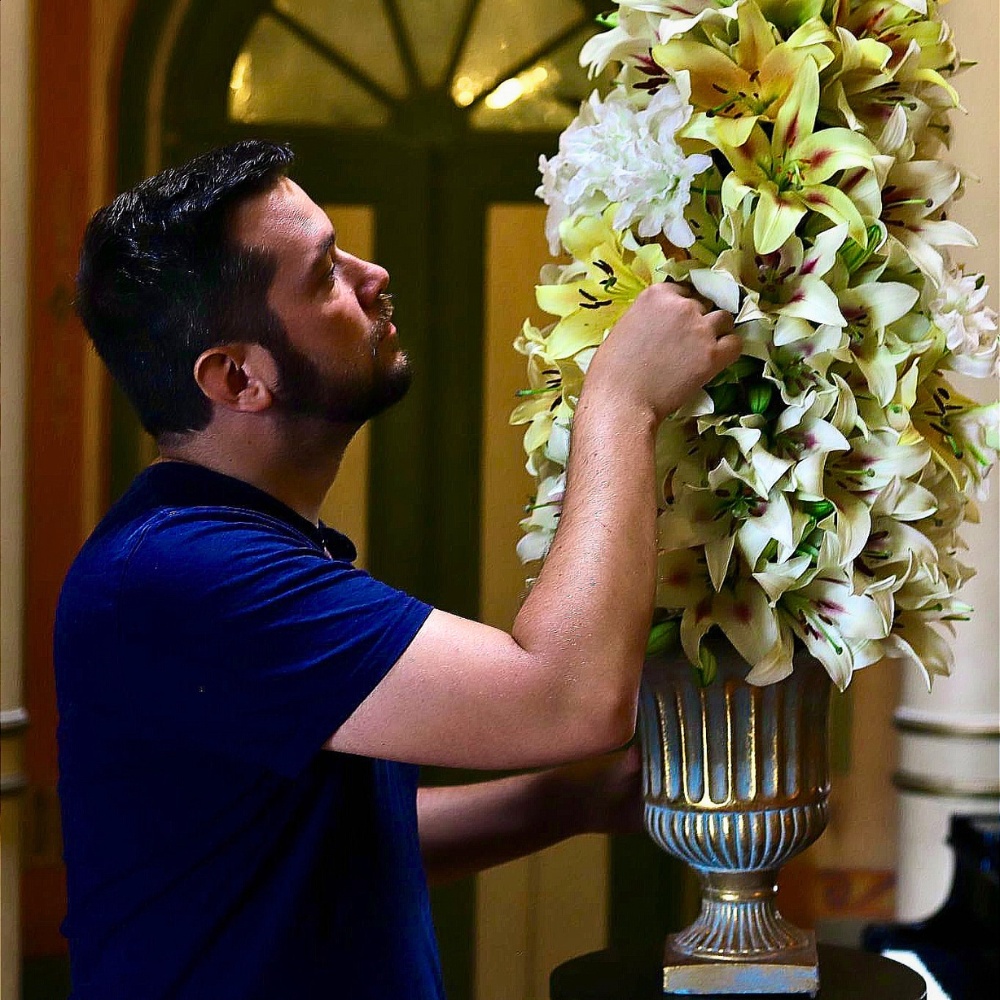
Flowers known for shedding petals or foliage, like certain lilies or roses, can cloud a vase quickly if debris is left to decompose under the surface, which is worth checking daily, even between full water changes, since just one fallen petal left sitting in the water can significantly speed up bacterial growth within a day.
Frequent Water Changes in the Vase Is a Small Habit With a Greater Payoff
Changing a flower vase's water is one of the least demanding tasks in flower care, and it always ranks up there among the most effective. A bouquet given proper water changes every one to two days can often outlast an identical bouquet left with stagnant water by several days, sometimes longer, depending on the flower variety.
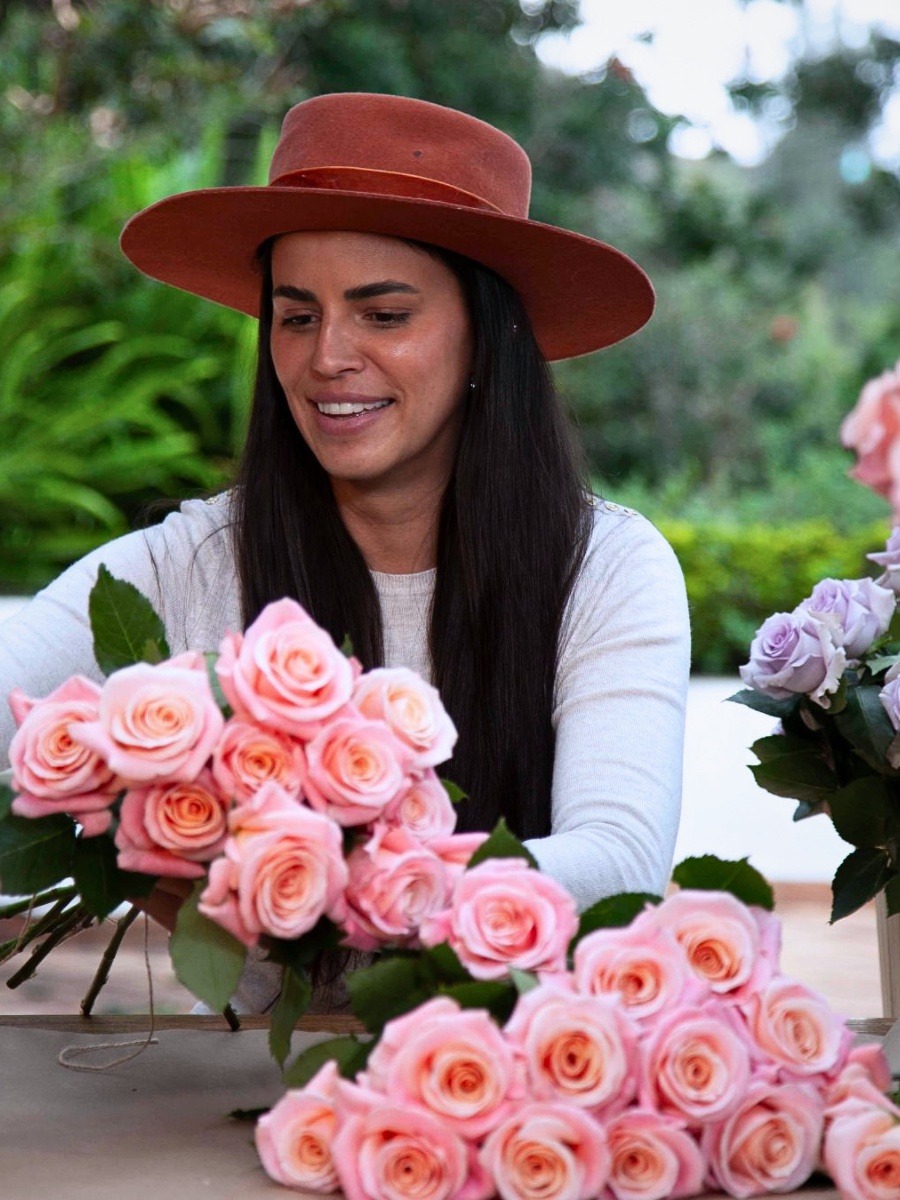
This habit costs nothing more than a minute or two of attention, yet it addresses, perhaps, the single biggest threat to a cut flower's lifespan, which is the water it depends on turning against it.
Featured image by @bredefleur. Header image by AI25.Studio Studio