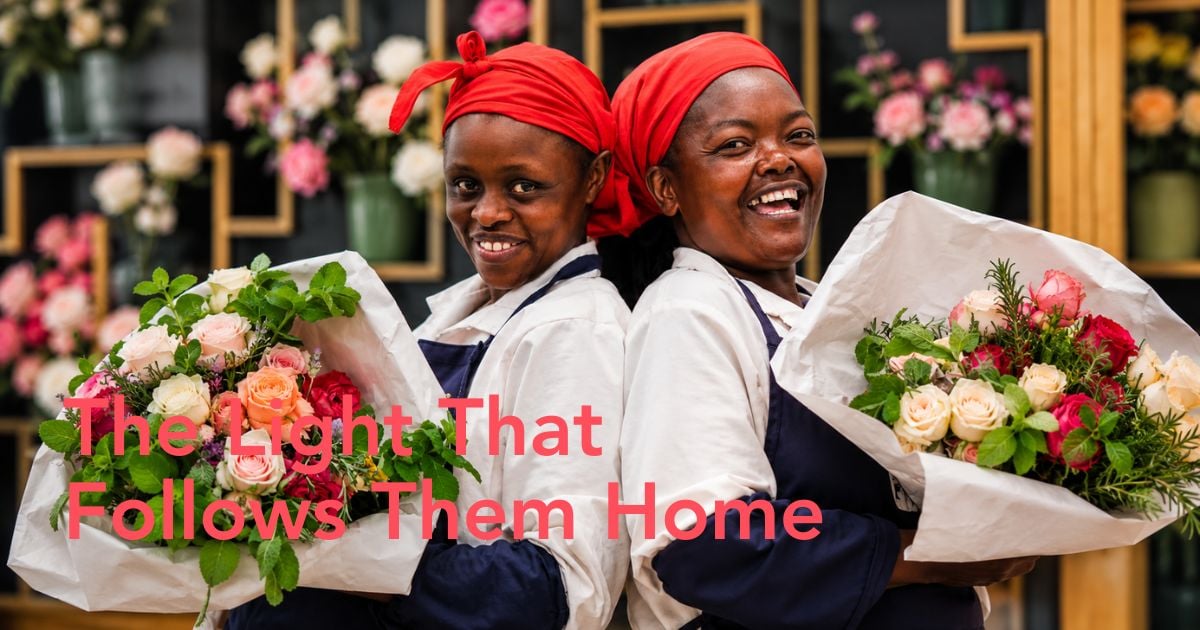
Most sustainability stories about flower farms end at the greenhouse door. Solar panels, rainwater tanks, carbon calculations- the story wraps up neatly at the edge of the growing beds. Tambuzi's doesn't. Walk far enough past the roses, past the packhouse, down the dirt roads that lead to the homes of the people who grow them, and the story keeps going. The light Tambuzi generates doesn't stay on the farm. It goes home with its people, every evening, in the form of a solar lamp switched on over a kitchen table or a gas cylinder lit under a dinner pot.
A Farm That Powers Itself First
The origin of Tambuzi's solar story is, on its own, a familiar one in Kenyan floriculture. In 2013, the farm partnered with Chloride Exide to build a solar plant sized to its own energy audit, which had clocked the farm's average draw at roughly 80 kilowatts at any given moment. Standard Chartered financed part of the build with a 12 million shilling loan, and today the plant covers over 60 percent of the farm's daytime power needs for water pumps and cold storage, cutting diesel use and the farm's footprint dramatically.
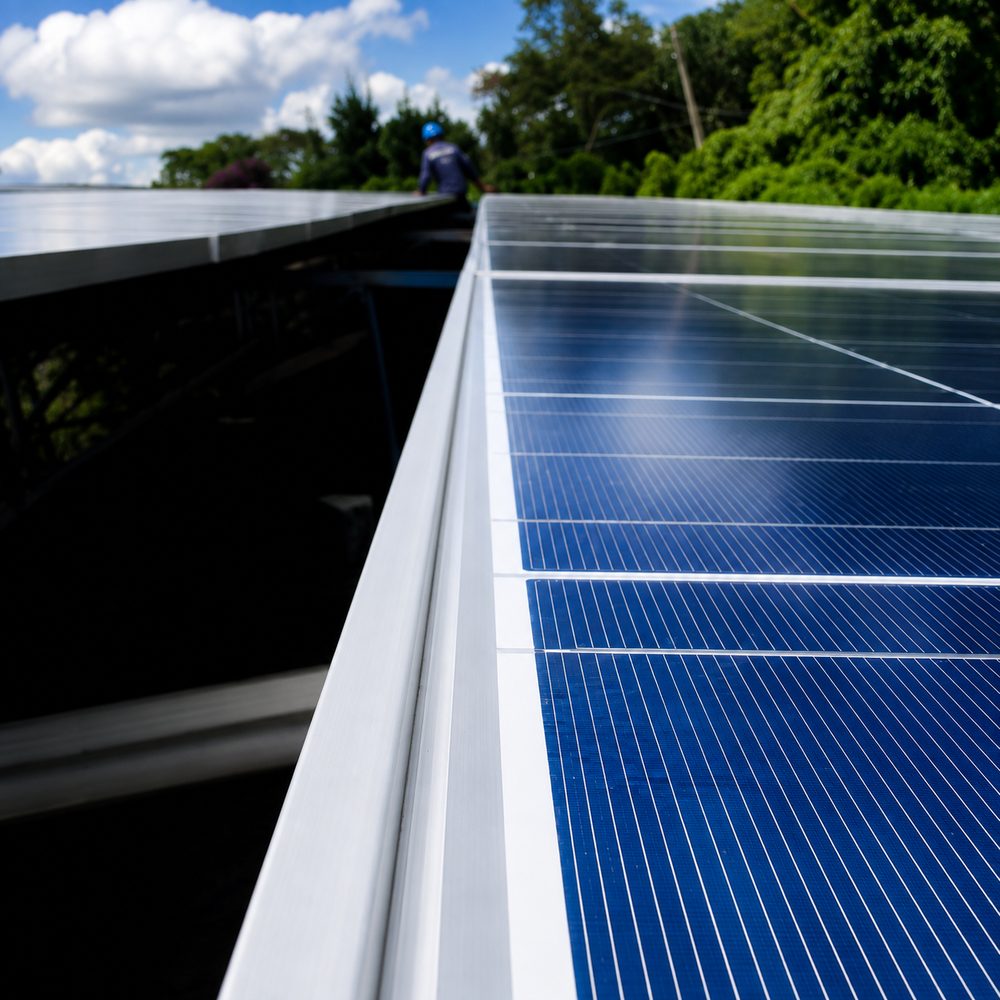
It was one of the moves that eventually made Tambuzi the first flower farm in the world to reach Carbon Neutral Gold Standard. That much has been told before, by Tambuzi and by others. What tends to get left out is what happened next.
Where the Story Usually Ends, Tambuzi Kept Going
Around the same time the farm's own solar plant went up, Tambuzi launched a second, quieter project alongside it: a household solar lighting scheme, run in partnership with the Waitrose Foundation, aimed not at the farm's operations but at the homes of the people who work there. Each unit came with four lights on long cables, enough to light an entire house, plus sockets for radios and phone chargers. Tambuzi covered the full cost of the units up front, which brought the price down for each employee from 10,000 to 6,000 Kenyan shillings, repaid gradually out of wages.
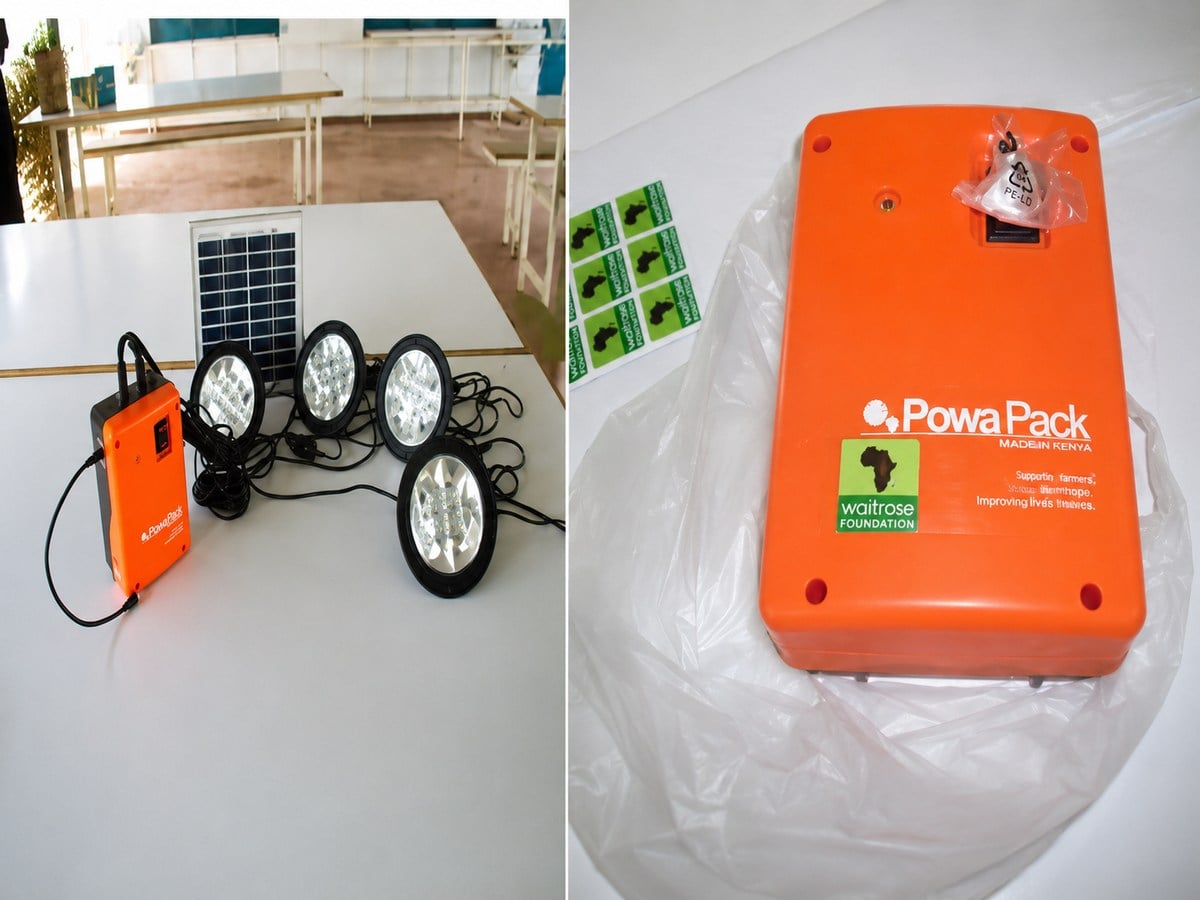
Co-founder Tim Hobbs described the effect in refreshingly domestic terms at the time: with the units installed, children could do their homework while a mother cooked dinner and a father read the newspaper. It's a small image, but it says something larger about what Tambuzi seems to understand: that sustainability which never reaches the dinner table isn't really finished yet.
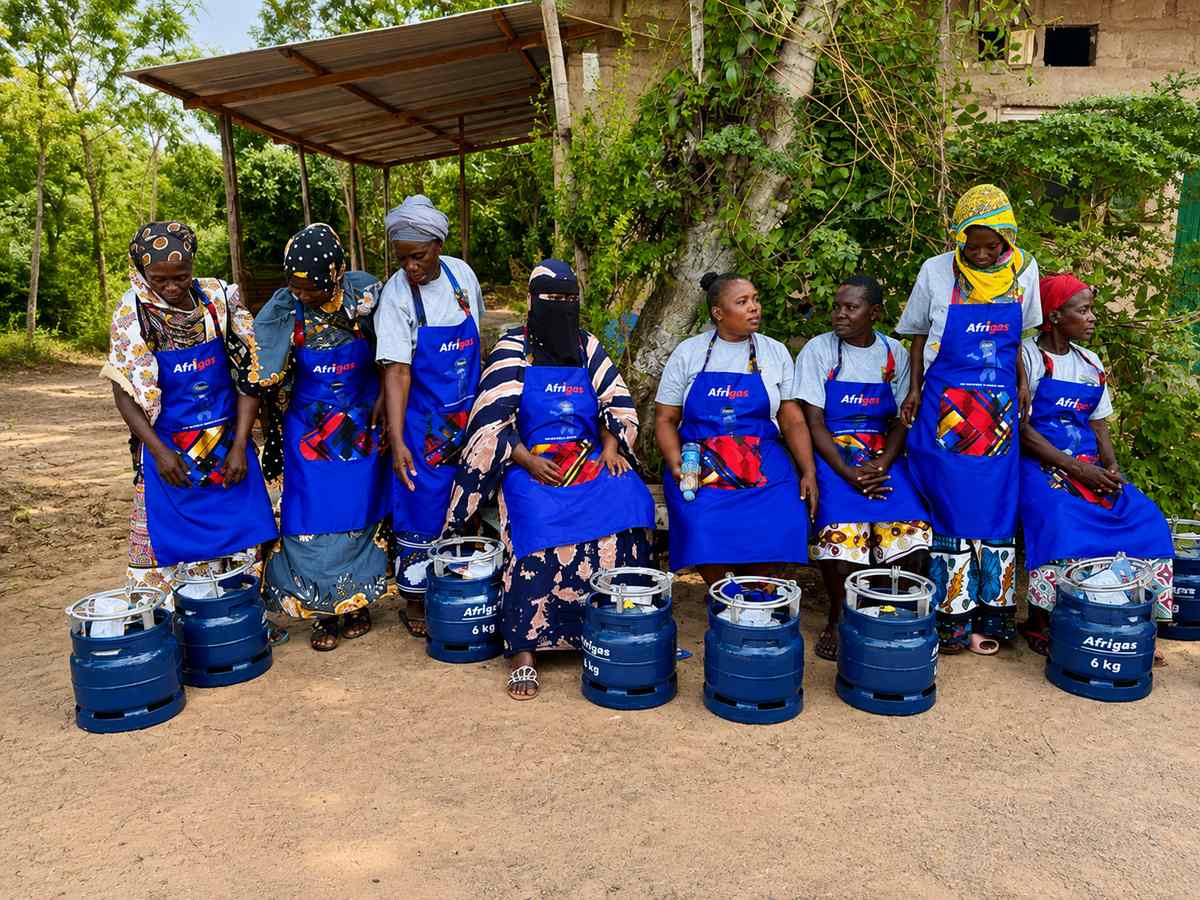
Gas cylinders for home cooking followed the same model, part of a broader set of loan programs that have since expanded to include secondhand bicycles and refurbished laptops. None of it is charity in the traditional sense. It is financed, repaid, and structured like any other benefit, which is arguably what makes it durable rather than symbolic.
The Ripple Nobody Puts on a Certificate
Certifications capture farm-level numbers well: carbon neutrality, B Corp status, water conservation percentages. What they don't capture as easily is a different kind of scale. Tambuzi's 300-plus direct employees each support, on average, three to six dependents, meaning the farm's wages, and the household schemes layered on top of them, ripple out to well over 1,800 people in the surrounding community. A solar kit purchased through a payroll loan doesn't just light one employee's home. It lights a home where several other people, often children doing schoolwork after dark, benefit just as directly.
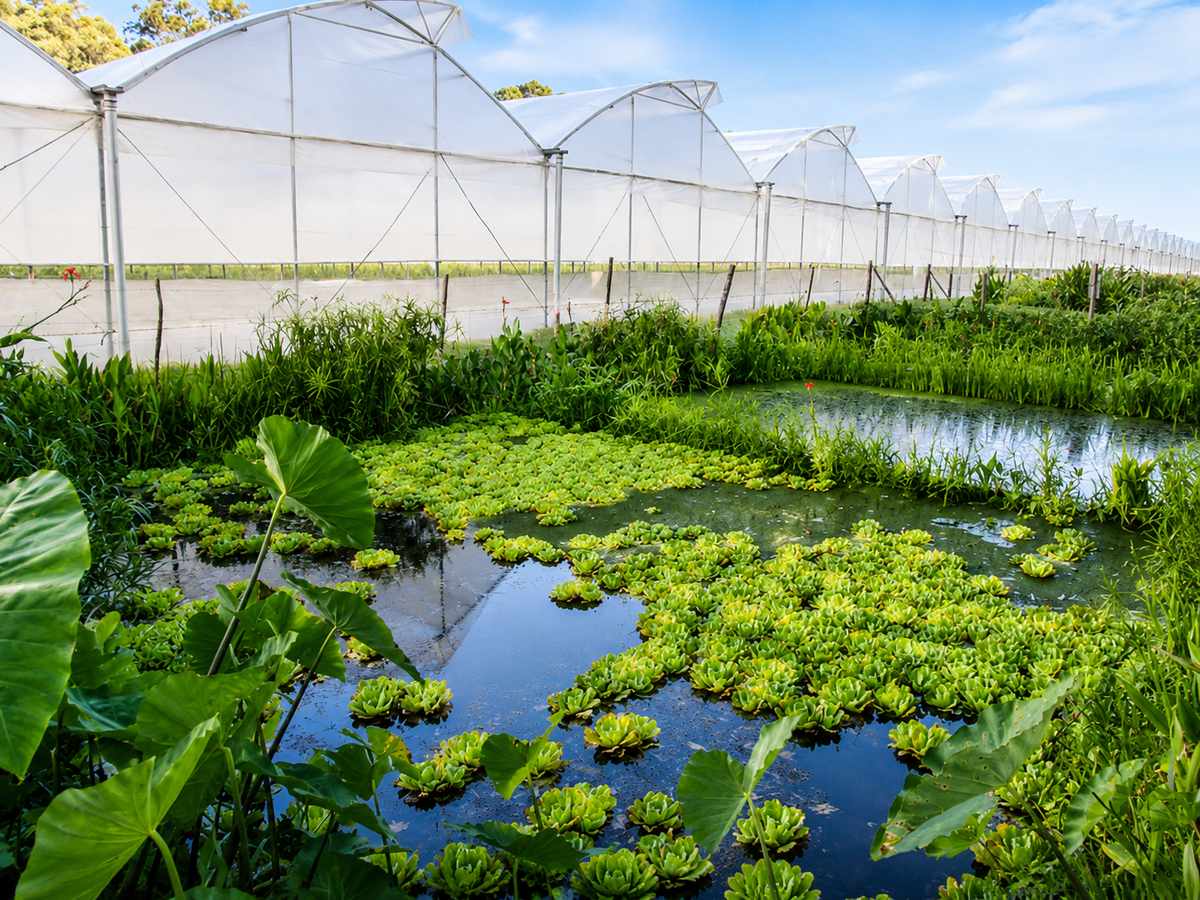
Co-founder Maggie Hobbs has spoken about the farm's climate commitments in terms of pride and shared responsibility rather than compliance, framing sustainability as something the company measures and owns, not something imposed from outside. The household energy schemes read like a logical extension of that stance: if a business is going to hold itself accountable for its emissions, it also makes sense to hold itself accountable for whether its own workforce still lacks reliable light or clean cooking fuel at home.
Why This Story Hasn't Really Been Told
Tambuzi's B Corp certification made headlines. Its Mawingu internet project, born on the farm and later reaching schools, clinics, and a local government office, made headlines too. The solar and gas household schemes have mostly lived in the footnotes, a line in an "around us" page rather than a story of their own. Perhaps because they are less visually dramatic than a field of solar panels or a certification badge. There is no ribbon cutting for a gas cylinder.
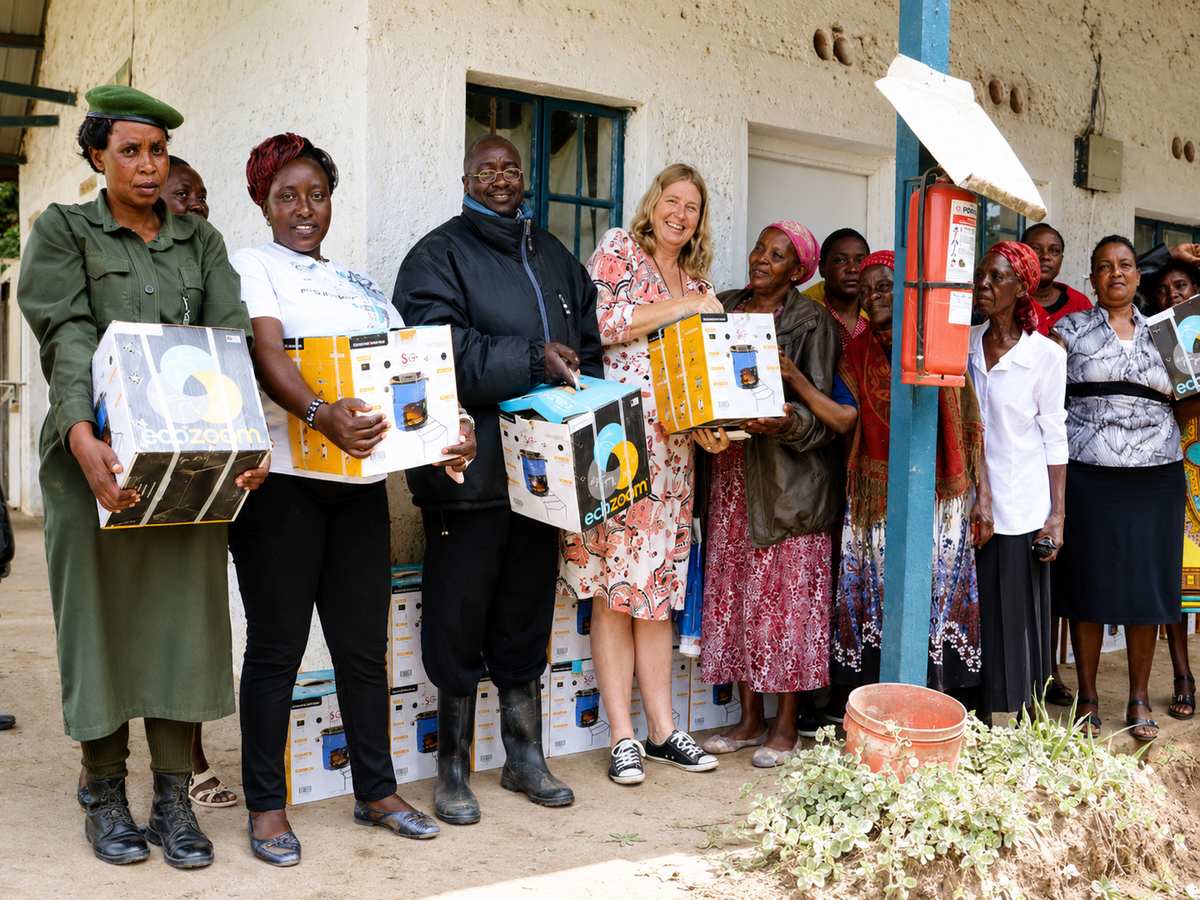
But arguably, this is the most concrete measure of what all of Tambuzi's other sustainability work is actually for. The panels on the farm reduce diesel and lower a footprint on a spreadsheet somewhere. The panels and cylinders that end up in an employee's home reduce something more immediate: the number of hours a household spends without light, the health risks of cooking over an open fire, the ordinary friction of daily life for the families who grow the roses the rest of the world sends as gifts.
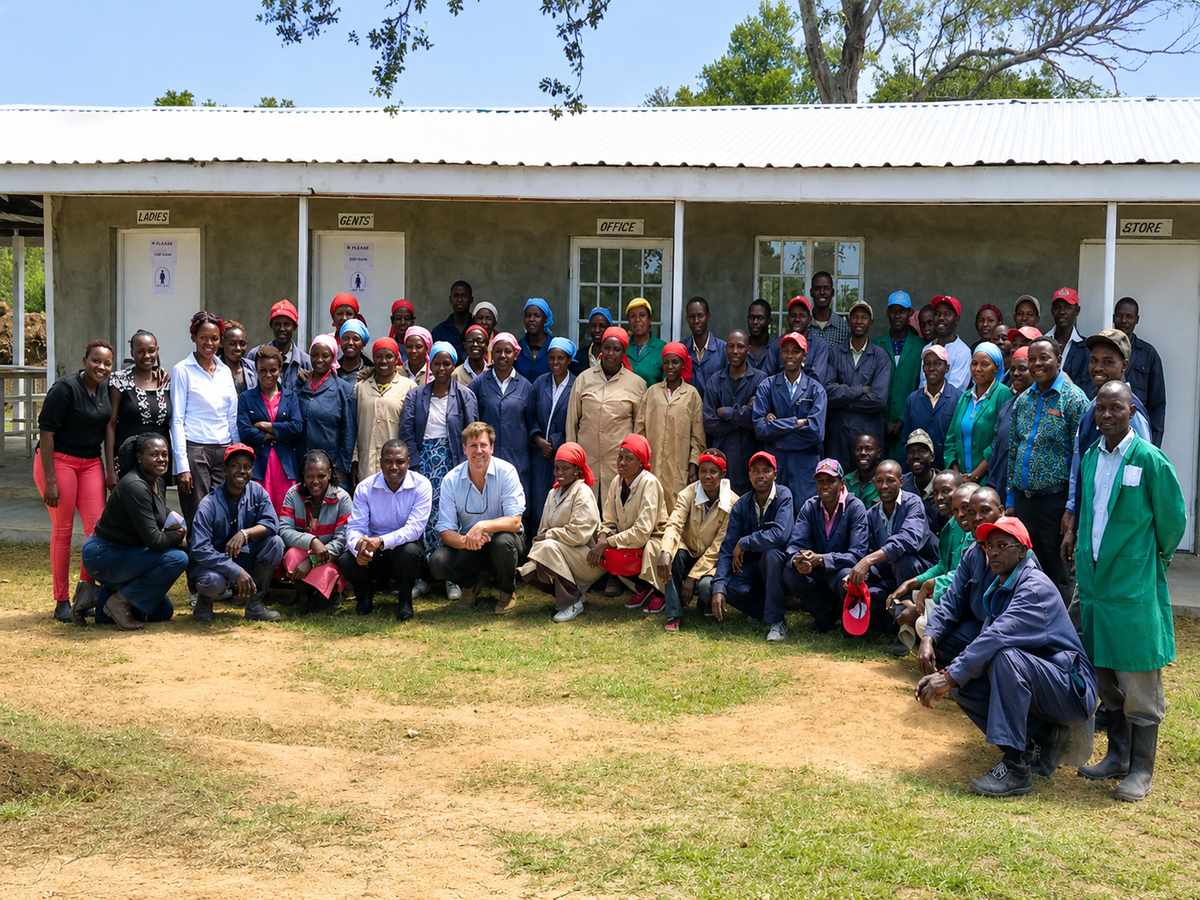
The flowers leave Tambuzi in refrigerated trucks, bound for markets and vases thousands of miles away. The light stays closer to home.