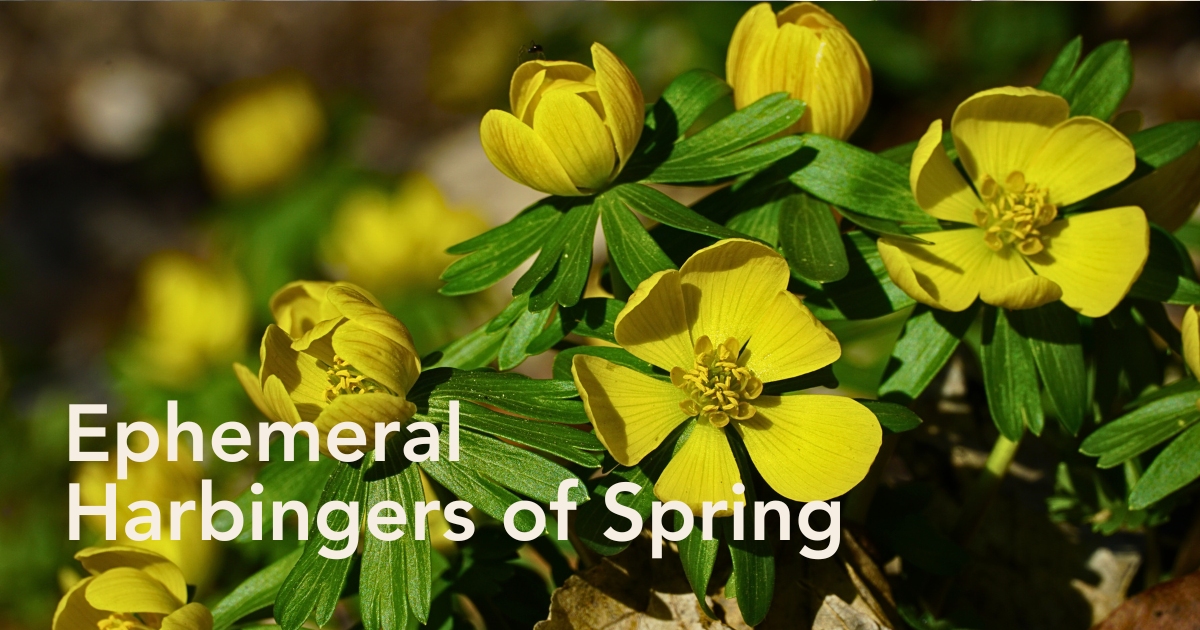
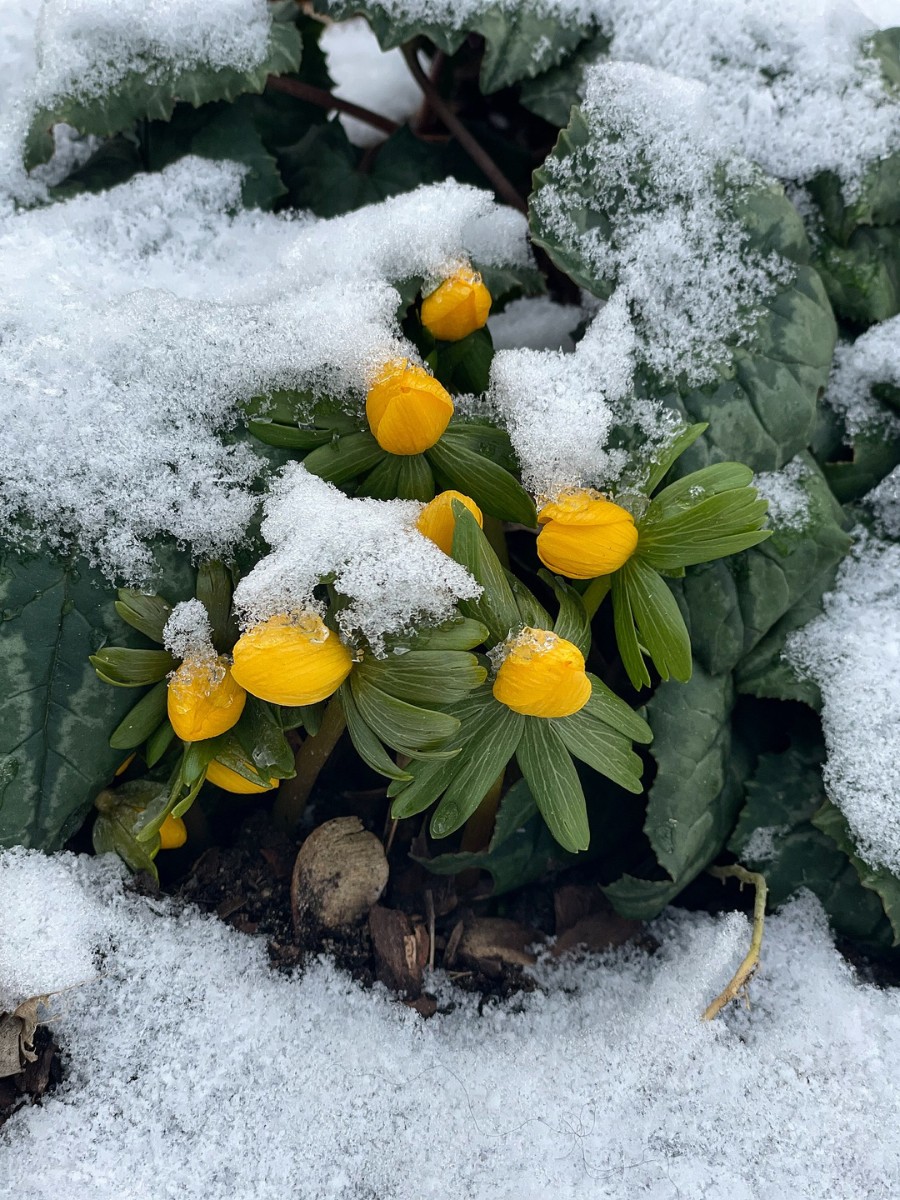
While most plants may have the good sense to wait for warmer weather, Eranthis hyemalis does not seem to. Known to gardeners as winter aconite, this small tuberous perennial pushes out its bright yellow, buttercup-like flowers through frozen ground and, in some years, through a layer of snow itself, heralding the arrival of spring. They arrive in January or February, before almost anything else has roused. For some gardeners (and plant lovers), these flowers' arrival is one of the most reliable signs that the long winter season is, at last, turning.
What Is Eranthis Hyemalis?
This is a tuberous, herbaceous perennial in the Ranunculaceae family, the same family as buttercups, Hellebores, and Clematis. Its common name, winter aconite, refers to its resemblance to the leaves of Aconitum species and its early-winter flowering habit. 16th-century English herbalist John Gerard once called it 'English Wolfsbane', and wrote about it as though it were a native British plant, though it is not.
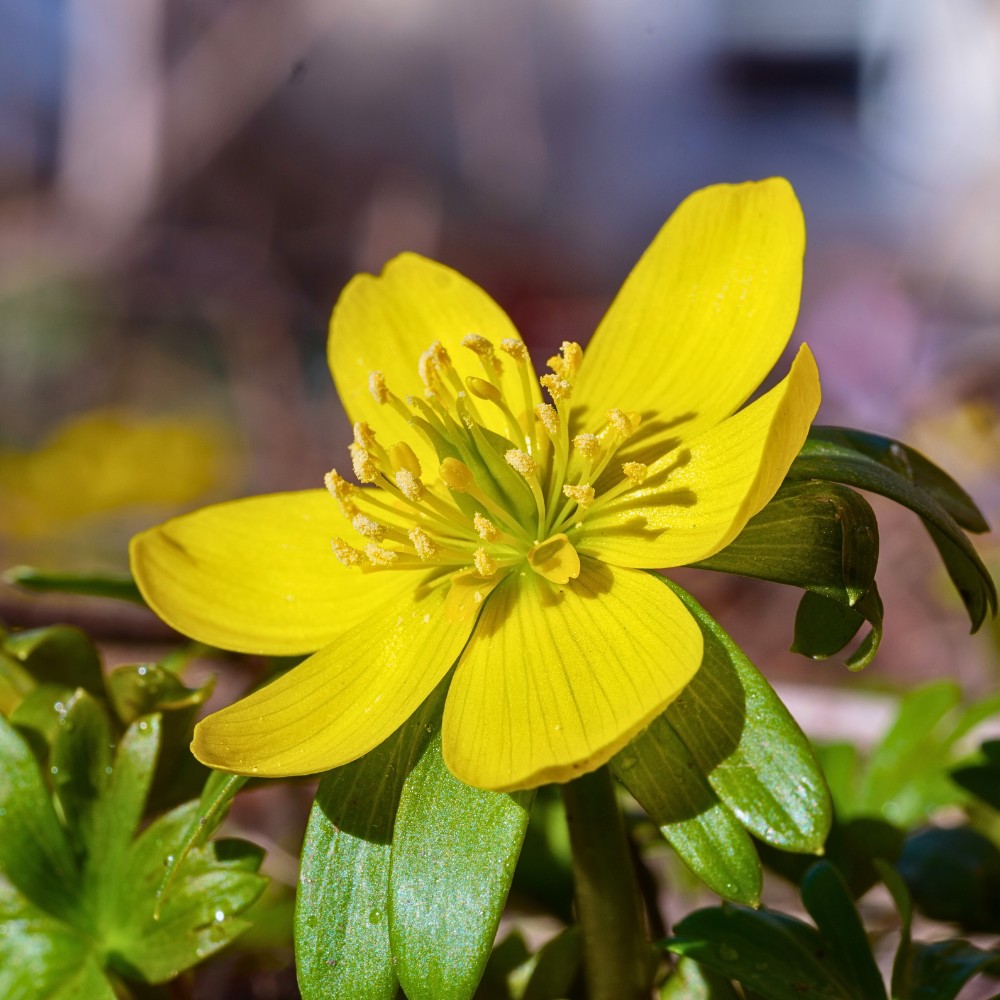
The genus name Eranthis combines the Greek words er, meaning spring, and anthos, meaning flower, so the genus name translates literally as 'spring flower.' The species epithet hyemalis comes from the Latin word for winter. Together, they give you the plant's character: a winter-to-spring flower that arrives when it is least expected and disappears just as fast.
In terms of scale, Eranthis hyemalis is a modest plant, typically growing to no more than 5 to 15cm in height. What it lacks in stature it makes up for in timing, color, and the sheer pleasure it delivers to anyone who spots it on a cold February morning.
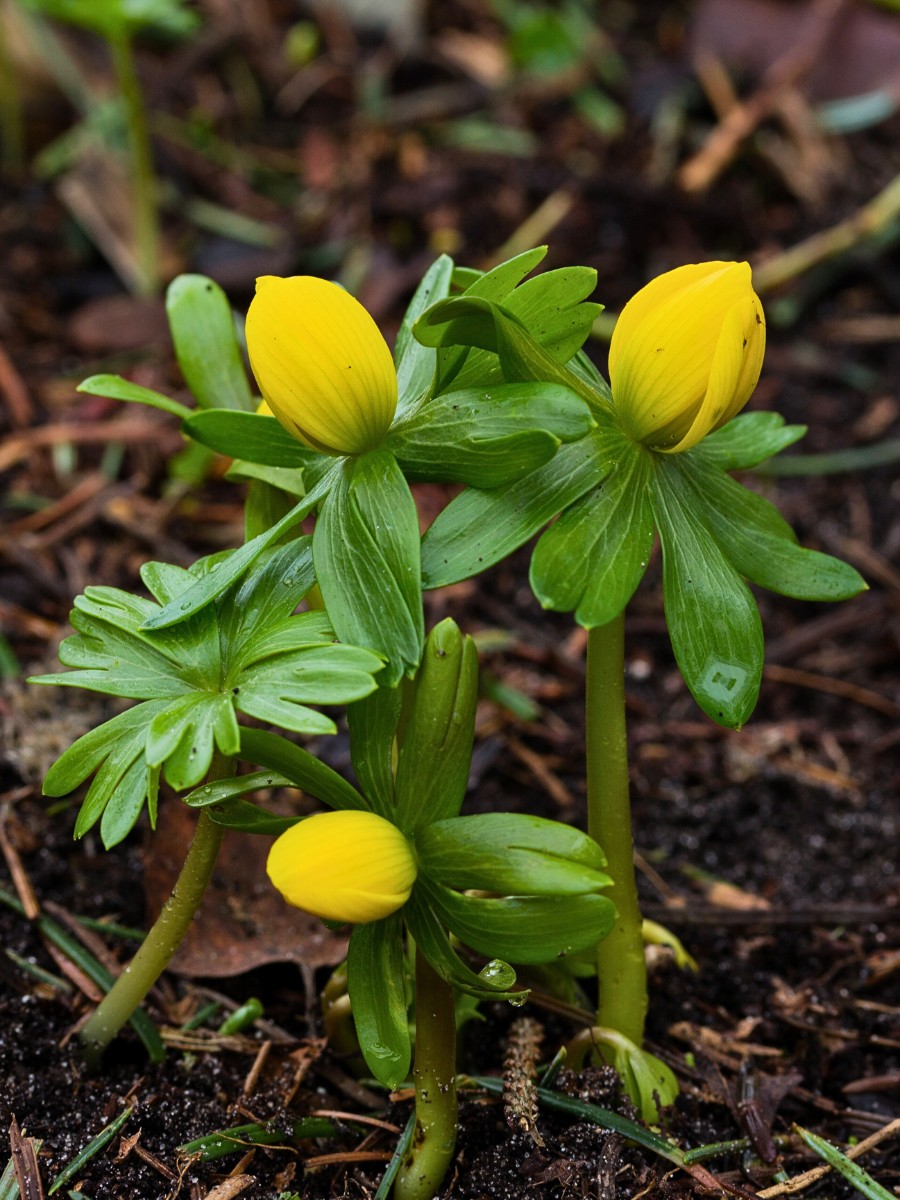
Where Does Eranthis Hyemalis Come From?
Eranthis hyemalis is native to calcareous woodland habitats in southern and central Europe, with its natural range covering parts of France, Italy, and the Balkan Peninsula. It grows wild in deciduous woodlands on chalky or limestone soils, in light, open conditions found underneath broadleaf trees before the canopy closes in spring. This habitat preference is an indicator of the growing conditions that suit it best in gardens.
Over centuries of cultivation, winter aconite has been widely naturalized across much of the United Kingdom, parts of northern Europe, and elsewhere. It has spread so successfully in some areas that it looks entirely at home in settings far outside its original native range. In the Oxford Botanic Garden, records confirm that it was being grown as early as the mid-seventeenth century, where it was listed under the name 'Aconitum hyemale' with the common name 'Winter Wolfesbane’.
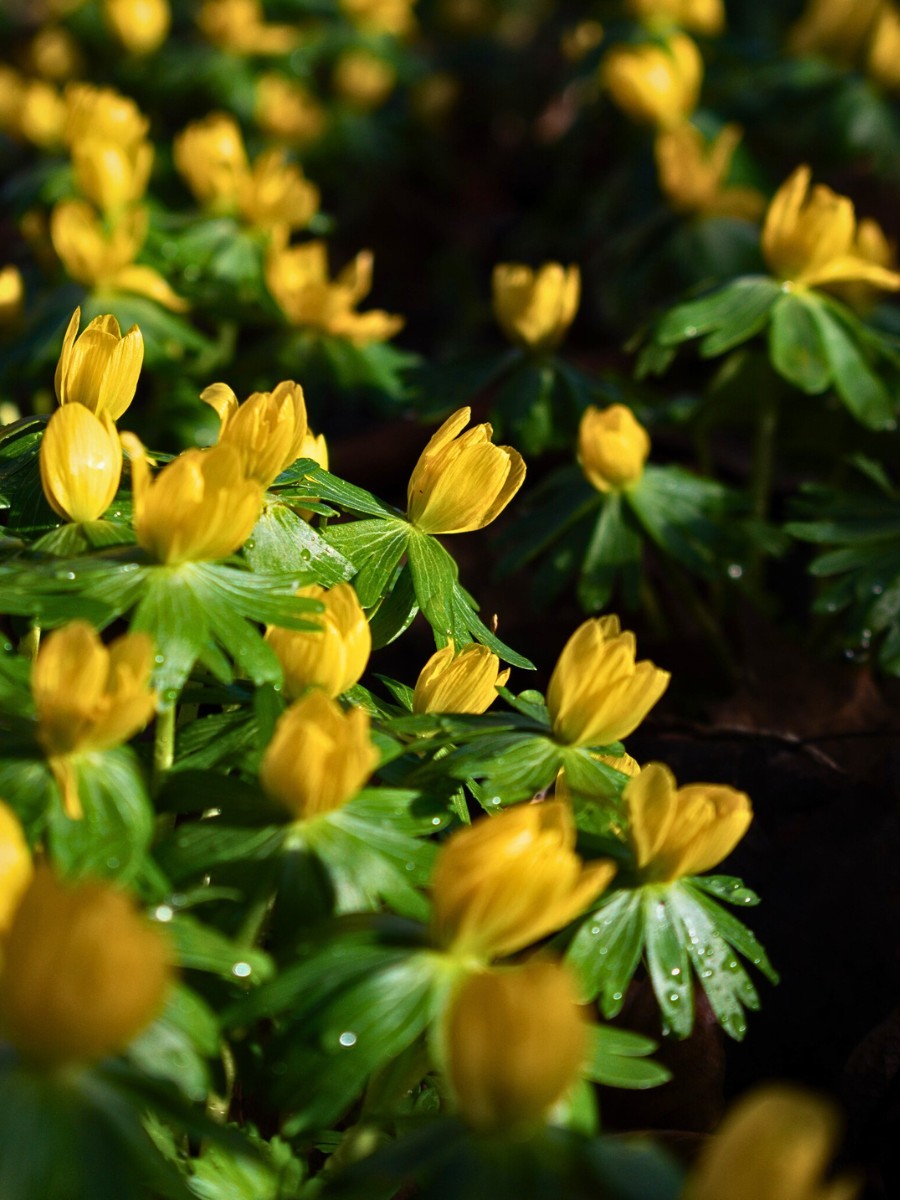
The Royal Horticultural Society even awarded Eranthis hyemalis its Award of Garden Merit, recognizing its reliable performance in cultivation. One of its most commonly planted forms is a sterile cultivar sometimes known as 'Guinea Gold', which produces flowers with aborted anthers and many carpels, giving it a slightly fuller, more double-flowered appearance.
This plant is sometimes classified as a hybrid, Eranthis x tubergenii 'Guinea Gold', and it too holds an RHS Award of Garden Merit. Because it is sterile, it does not self-seed as freely as the straight species, which can be an advantage in more formal garden settings where you want to manage its spread.
Anatomy of the Winter Aconite Eranthis Hyemalis Flower
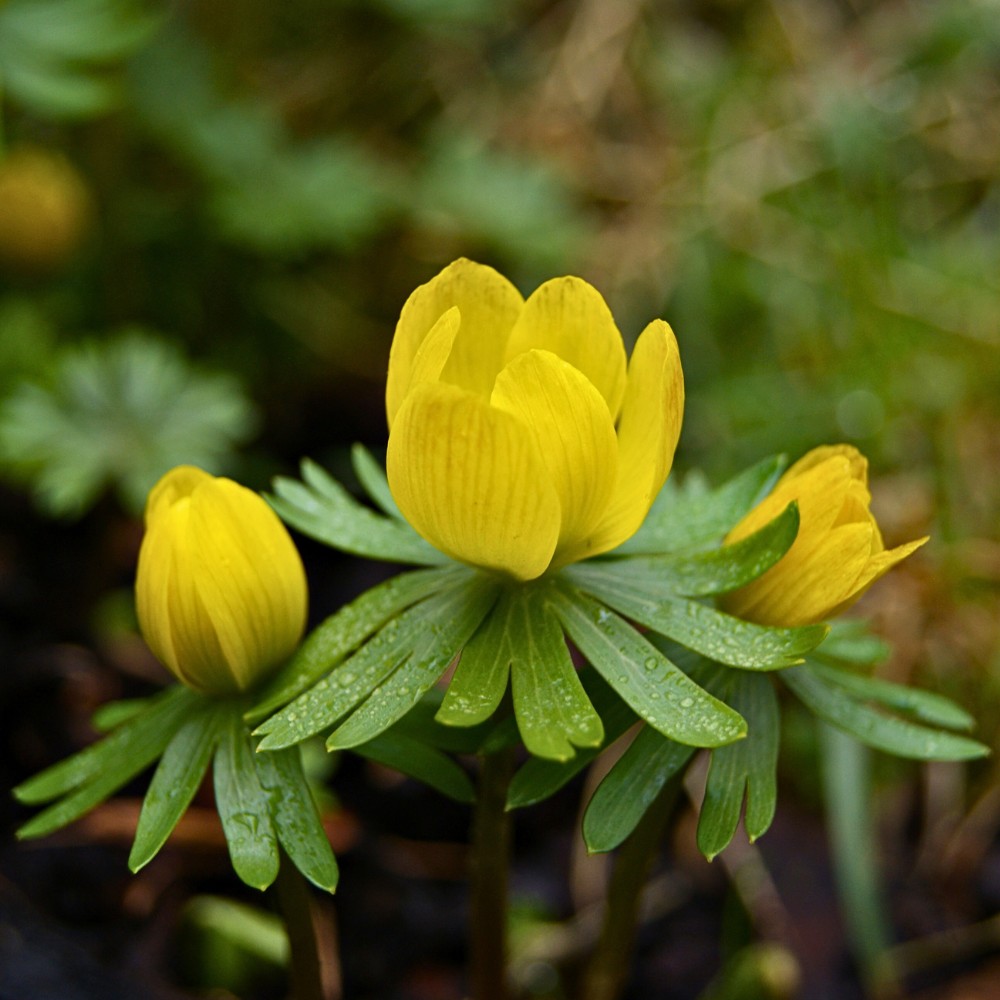
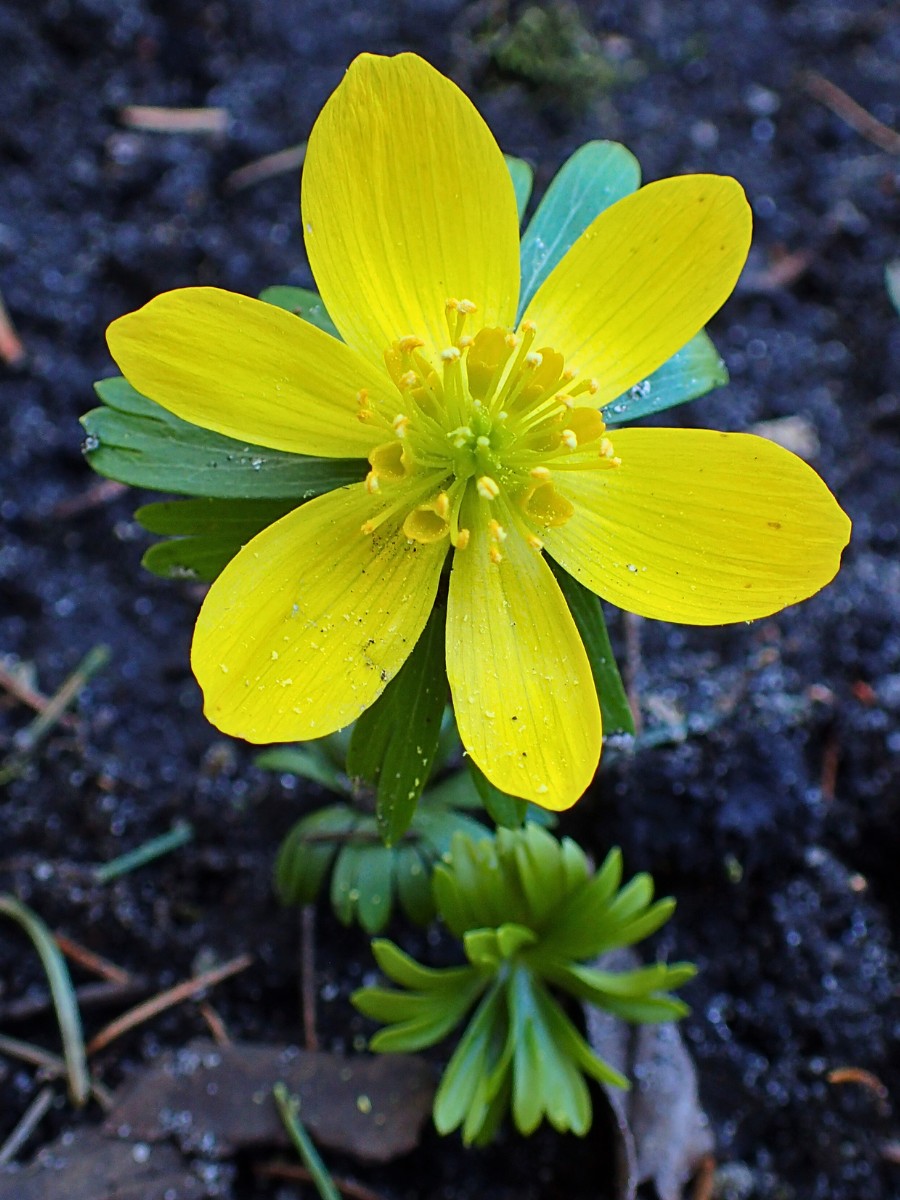
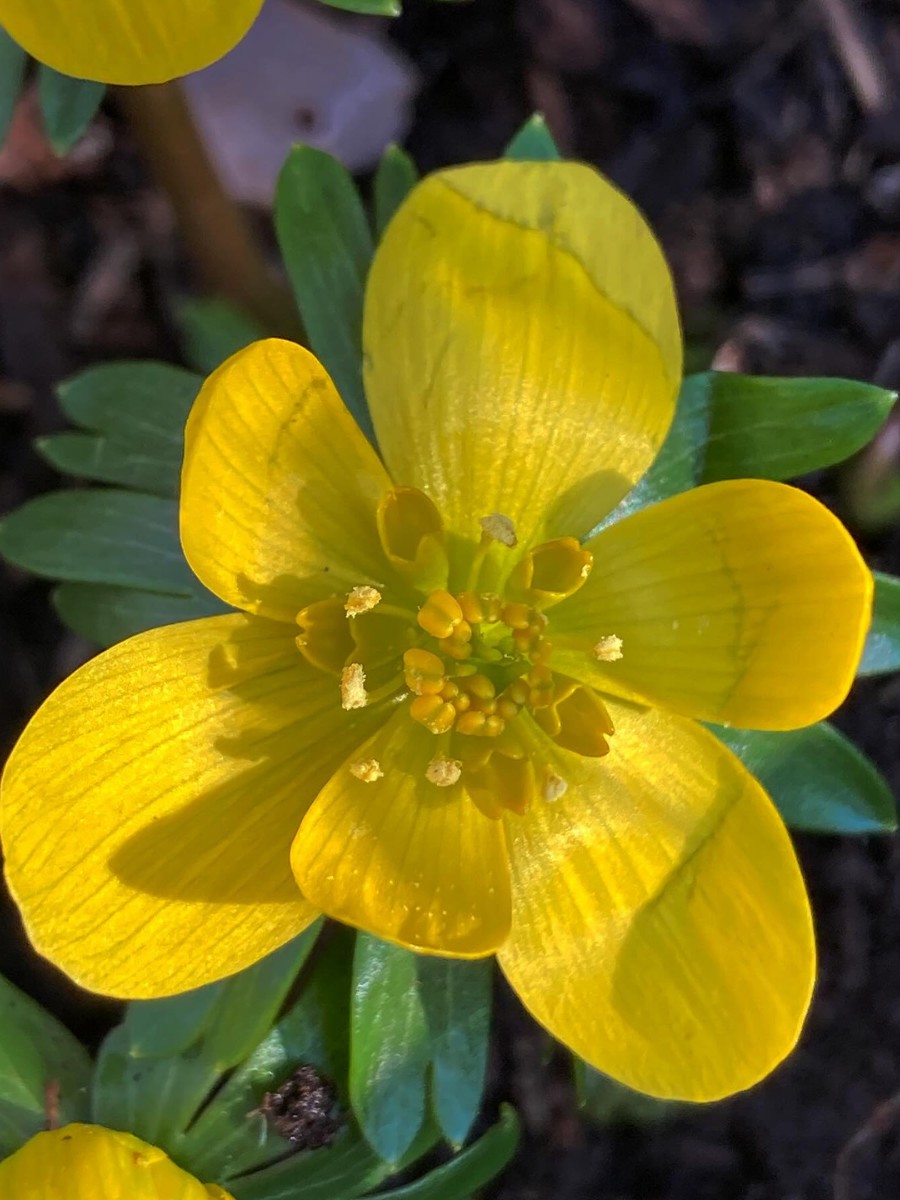
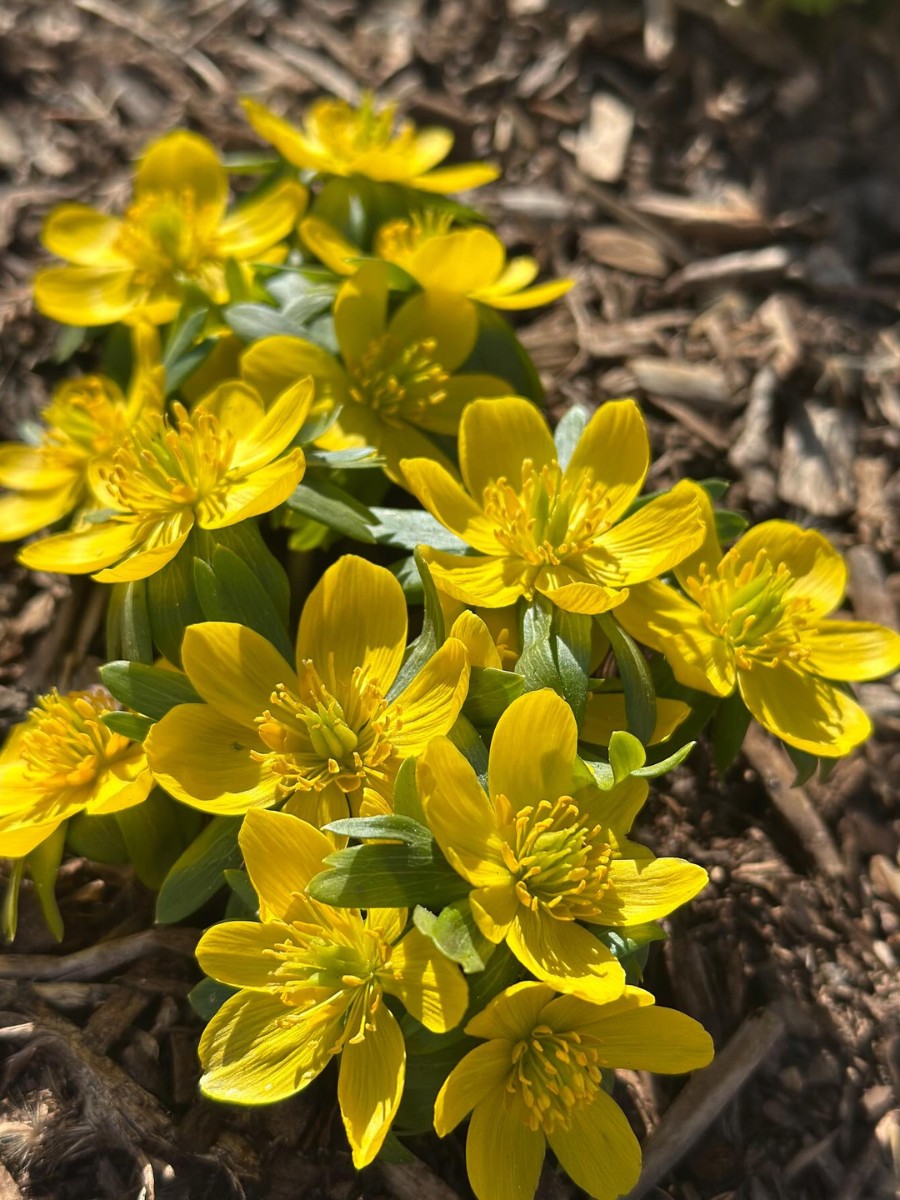
One of the more fascinating details about this plant is that what appear to be its petals are not petals at all. The bright yellow, cup-shaped structures admired as the flower are actually sepals, specifically six petaloid sepals that have taken on the job of attracting pollinators.
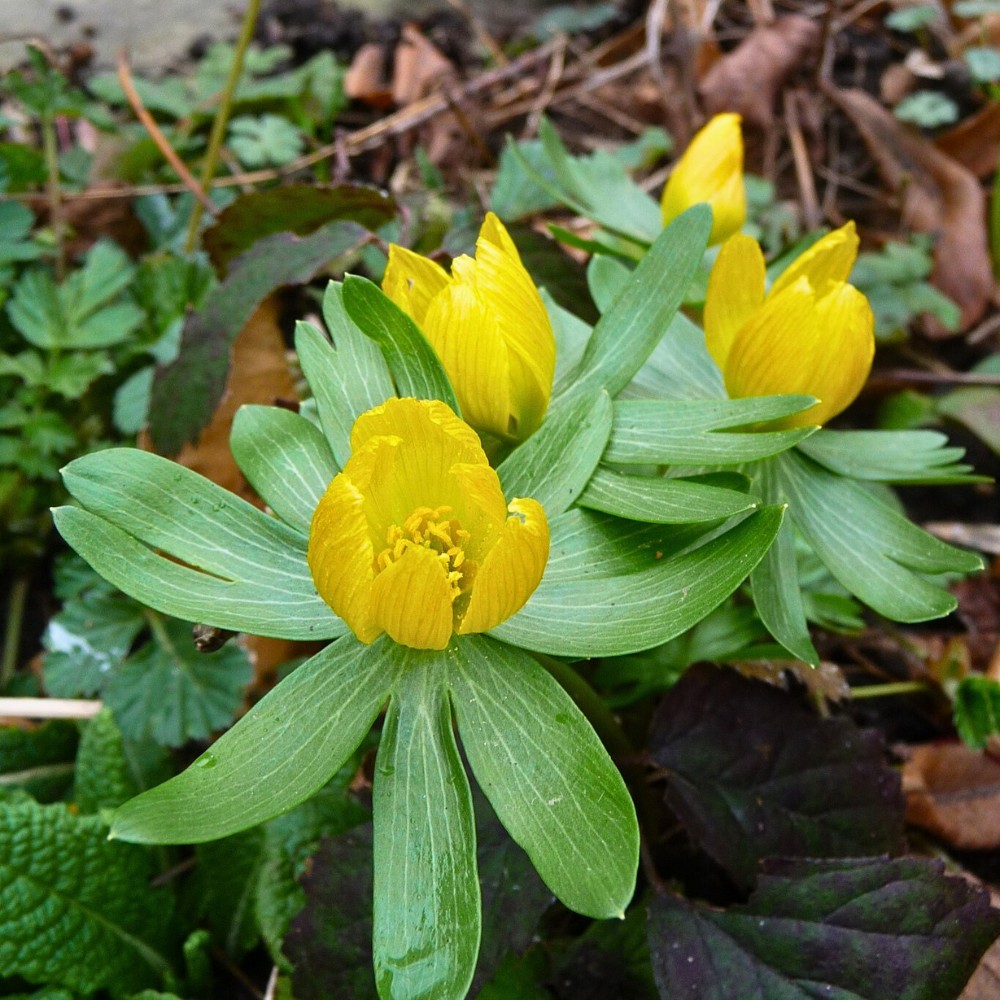
The true petals are the small, tubular, bucket-shaped structures that form a ring between those yellow sepals and the ring of numerous stamens at the center. These true petals function as nectaries, producing nectar for the very few insects willing to be out foraging in late winter.
Each flower is held on a short stem above a distinctive collar, or ruff, of three deeply divided, leaf-like bracts. These bracts are green and finely cut, giving it an almost framed appearance, as though it has been set deliberately against a backdrop of feathery foliage. This combination of bright yellow and fresh green is what makes winter aconite, Eranthis hyemalis, so appealing visually, even at a distance.
The flowers themselves measure roughly 2 to 3cm across, and they close up at night and in cold, overcast weather, opening fully only when temperatures rise and the sun is out. On a clear winter morning when sunlight catches a drifting group of open flowers, the effect is quite striking. Below the flower and its collar of bracts are the basal leaves, which are palmate and deeply lobed. They appear around the same time as the flowers and persist for a few weeks after flowering ends.
The carpels of Eranthis hyemalis, on the other hand, are unfused, a characteristic shared with other members of the Ranunculaceae family. After successful pollination, these carpels mature into small dry fruits called follicles, which contain several large, brown seeds.
Life Cycle of Eranthis Hyemalis
Eranthis hyemalis is what botanists call a spring ephemeral. These are plants that complete most of their above-ground life cycle in a very short window during the late winter and early spring months, before the tree canopy above them closes and the light levels on the woodland floor drop.
Their strategy is that by flowering in January, February, or early March, depending on the location and the season, winter aconite takes advantage of the maximum amount of sunlight reaching the ground through bare deciduous branches, and the minimal competition from other plants that have not yet emerged.
By late spring, all of the above-ground parts of the plant have died back to the underground tuber, leaving no visible trace that they were ever there. This disappearing act has some implications for gardeners. Because Eranthis hyemalis goes dormant so completely, it is easy to accidentally dig up or disturb its tubers when planting other plants in late spring or summer.
Pollination of the Eranthis Hyemalis (Winter Aconite)
Pollinating winter aconite, Eranthis hyemalis, is a challenge for insects, simply because there are so few of them about at the time it flowers. Bees are the primary pollinators when they are active. On warmer late-winter days, bumblebees and early-emerging solitary bees will visit the flowers for their nectar. The nectaries positioned inside the ring of true petals provide nectar, which is thought to be one reason why insects make the effort to seek out these early flowers when temperatures allow.
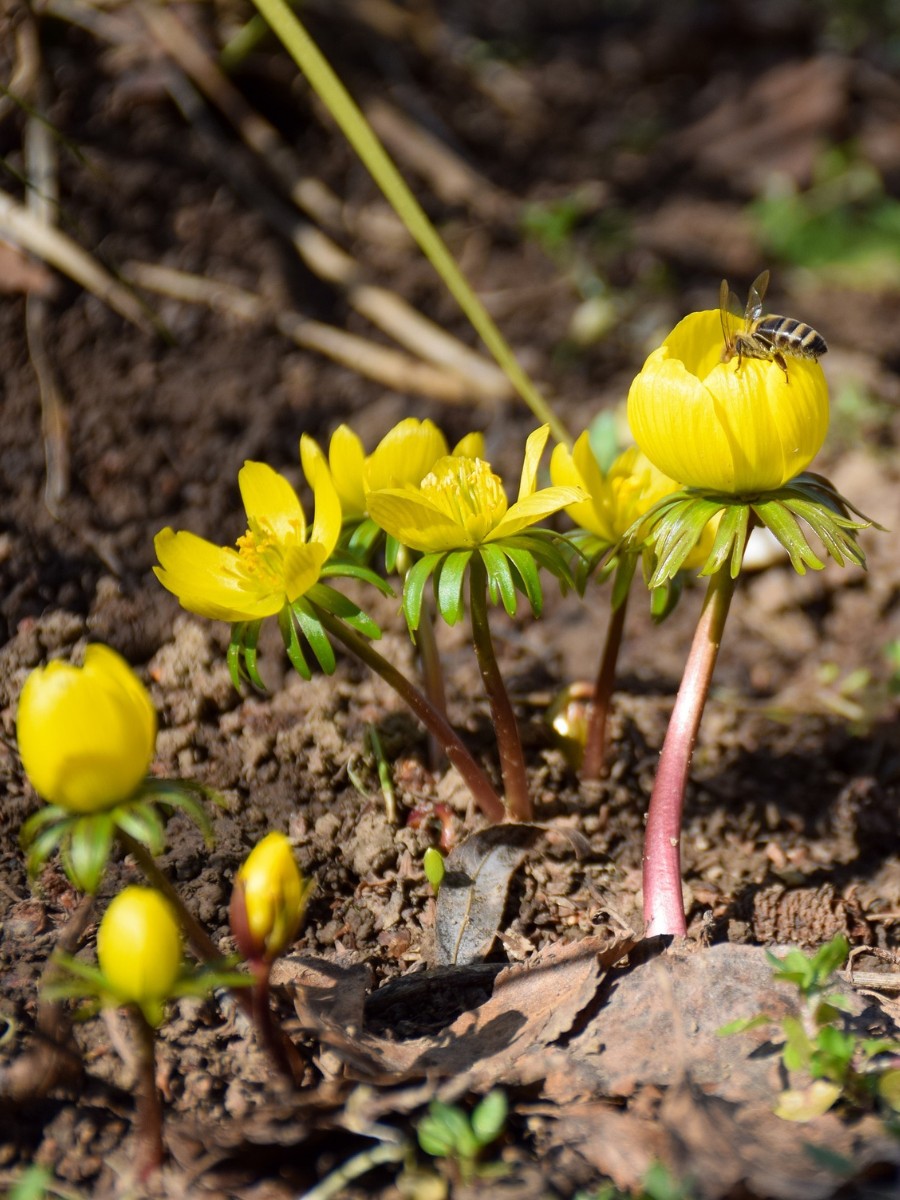
The flowers' habit of closing in cold and overcast conditions is not just a response to temperature, but also protects the pollen and nectar from rain and frost. On sunny winter days, even when temperatures are low, the flowers open widely, making themselves visible and accessible to passing insects. This photoreceptive behavior, common in the Ranunculaceae family, is well observed in Eranthis hyemalis in particular.
Eranthis Hyemalis Seeds
Collecting this plant’s seeds requires good timing and a degree of patience. The seed pods, or follicles, ripen quickly after flowering ends, and once they split open, the seeds are dispersed fast. One only has a narrow window to collect them before they scatter. Watch for the follicles beginning to yellow and dry, and gather them just before they crack open. Alternatively, loosely tie a small paper bag around a ripening seed head to catch the seeds as they fall.
For planting, fresh seed is significantly more reliable than stored seed. The seeds have a short viability window, and older, dry ones can be very slow and unpredictable in germination. If you collect fresh seed, sow it immediately into trays or pots of gritty, moisture-retentive compost, without letting it dry out. Place the containers in a cool, shaded position outdoors where they will experience the natural temperature fluctuations of the seasons. Germination typically occurs in the following late-winter or early-spring, after experiencing a period of cold conditioning.
Growing from seed is a slower method to an established clump than planting tubers, but it is an effective way to build up large numbers of plants over several seasons. Seedlings typically take two to three years to reach flowering size. Most gardeners, however, choose to start with tubers instead of seed, since tubers establish more quickly and can flower in their first or second season.
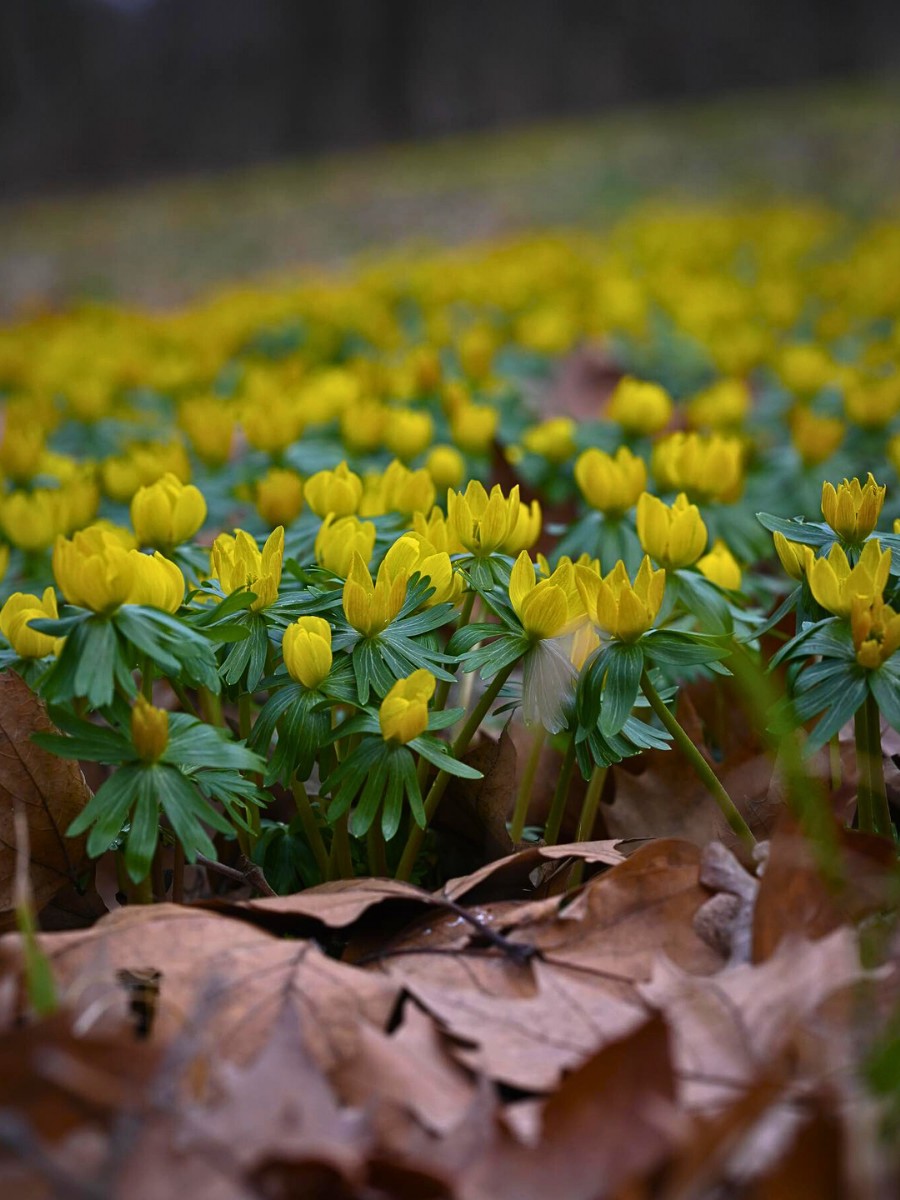
When to Plant Eranthis Hyemalis Tubers
The best time to plant Eranthis hyemalis is in autumn, from September through to November, before the ground hardens with frost. This gives the tubers time to settle in, develop some early root growth, and be ready to flower in late winter or early spring. The earlier you plant in autumn, the better the chances of good establishment in the first year.
If you can source plants 'in the green', which means lifting and transplanting them while they are still actively growing in late winter or early spring, immediately after flowering, you will have a notably higher success rate than with dry tubers. In-the-green plants establish far more reliably because they are transferred with their root system still active and not dormant.
Where to Plant Eranthis Hyemalis
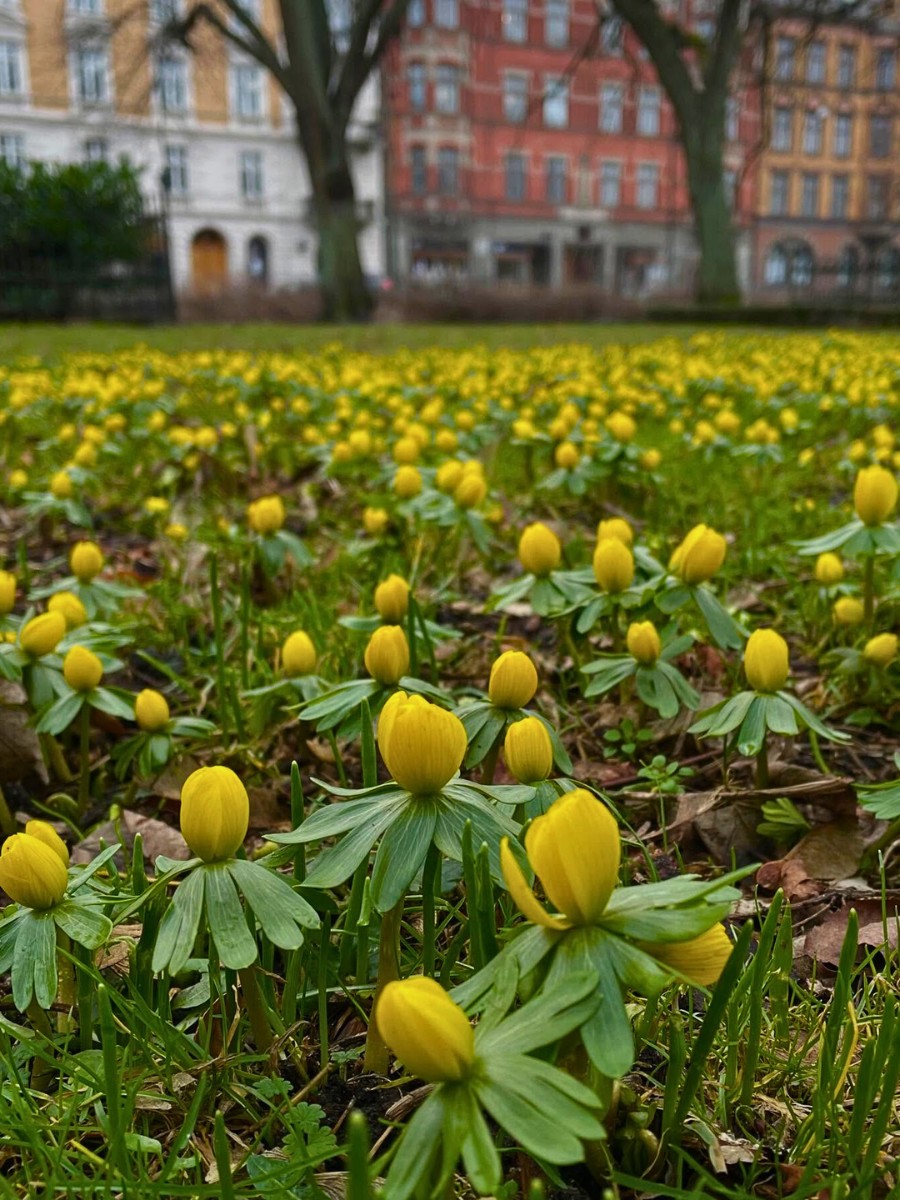
Eranthis hyemalis does best where it receives dappled or partial shade, particularly in the summer months, with reasonable sunlight in winter and early spring when the deciduous canopy is bare. This makes it an ideal plant for growing under deciduous trees and shrubs, along the base of a hedge, or on the shaded side of a garden. It is naturally a woodland-edge plant, so garden positions that mirror that habitat give the best results.
It prefers moisture-retentive but well-drained soil; doing well on alkaline or neutral soils. It is not well-suited to heavy, waterlogged clay or very acidic conditions. If your soil is particularly heavy, adding grit and leaf mould before planting improves drainage while retaining enough moisture for the tubers to establish comfortably.
How to Plant Eranthis Hyemalis Bulbs
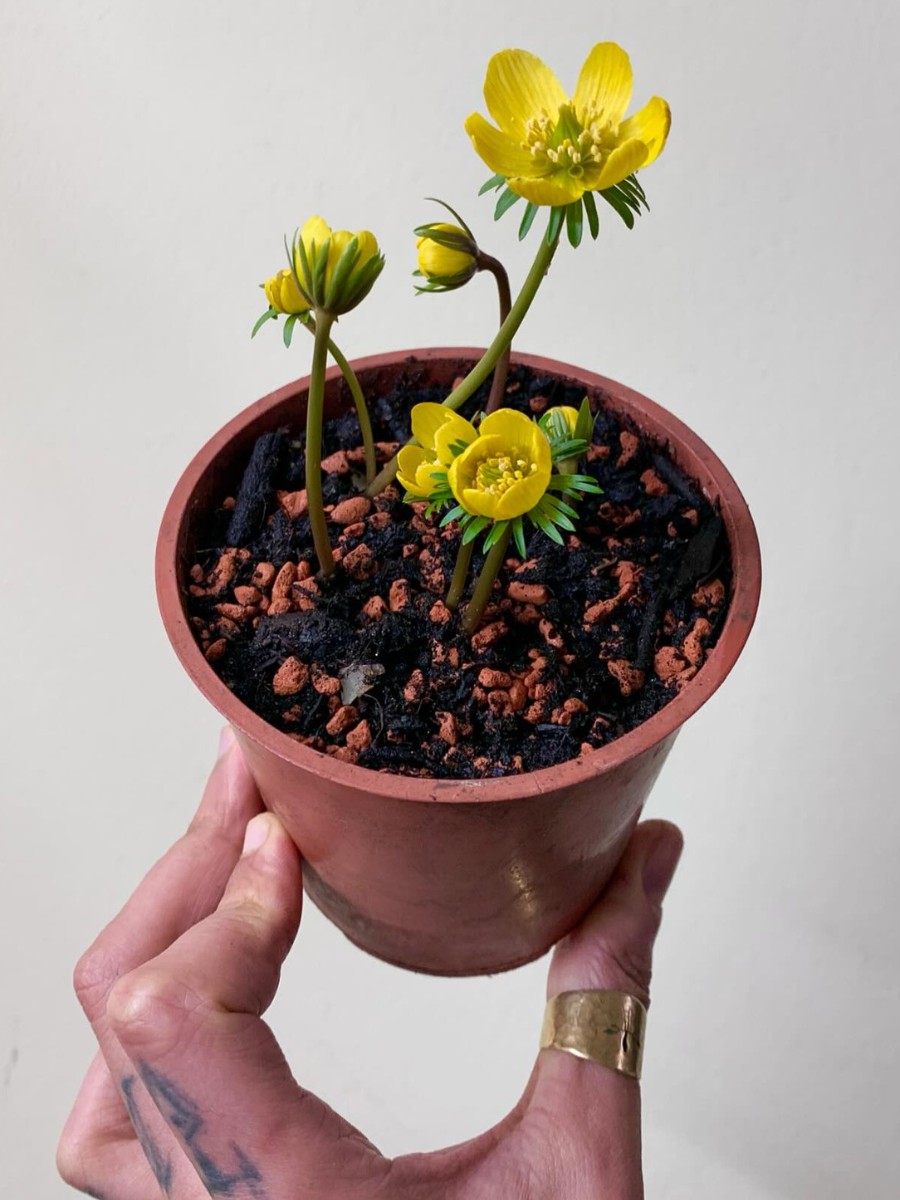
Plant each tuber about 5cm deep. There is no single correct orientation, as the tubers are irregular in shape, but planting them on their flat side, if they have one, and not burying them too deeply, gives them the best start. Spacing of around 5 to 8cm apart is appropriate if you want to build up a natural-looking colony fairly quickly.
If you plant them closer together, they will fill in sooner, but good air circulation around each tuber reduces the risk of fungal problems during establishment. Because the plant spreads by both tuber multiplication and self-seeding, even a small initial planting can develop into a generous colony over a few seasons, provided conditions are right.
Growing and Care for Eranthis Hyemalis
Once established, Eranthis hyemalis is largely self-sufficient and requires very little ongoing care. It is fully hardy in most temperate climates and survives typical European and North American winters without any protection. A period of real winter cold is beneficial, not harmful, since it is part of the plant's natural cycle.
Avoid disturbing the area where your winter aconites are growing during the summer dormancy period. The tubers are not particularly deep, and over-zealous planting of summer bedding or perennials in the same space can disrupt or damage them. If you mulch the area in autumn with leaf mould or fine composted bark, this feeds the soil gradually and keeps moisture levels stable without smothering the emerging shoots when they appear in winter.
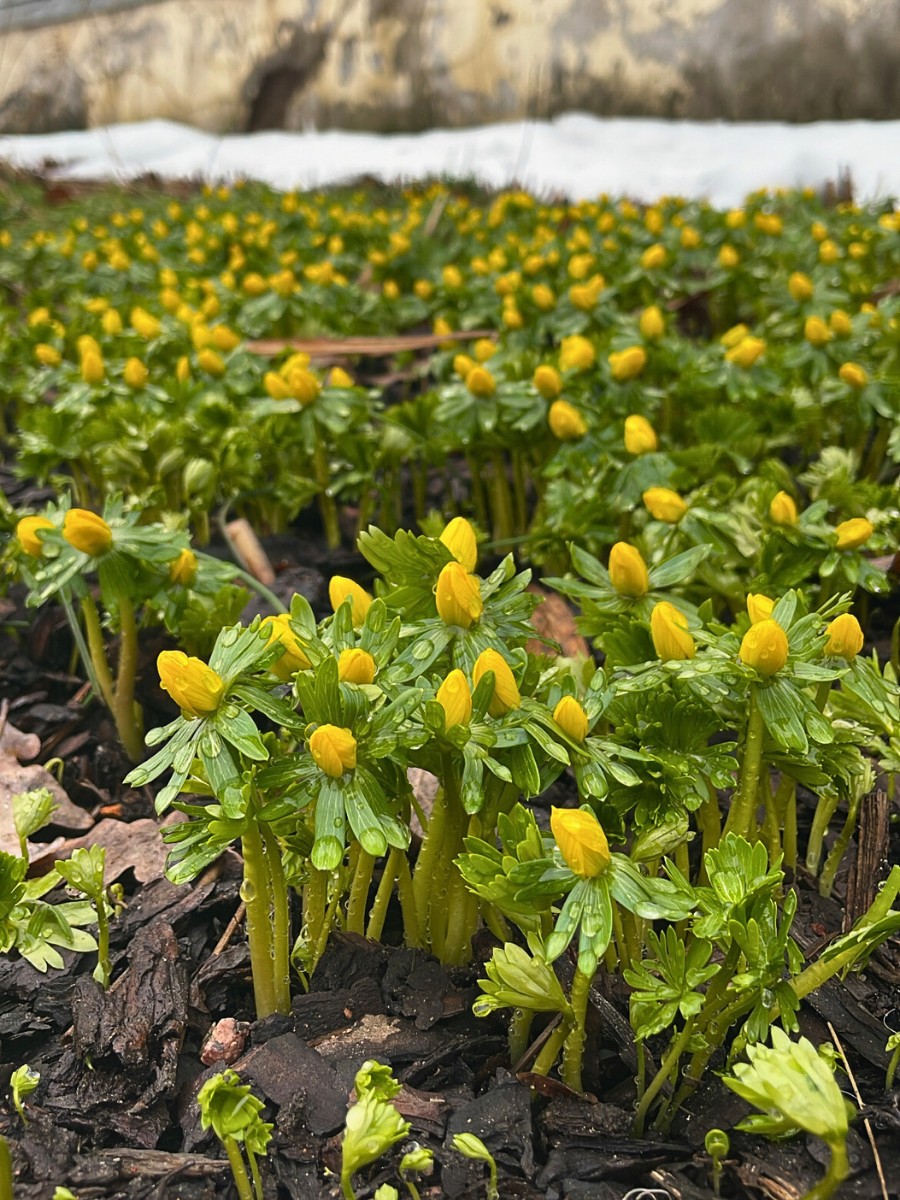
Feeding them is not generally necessary in a good, leafy woodland soil. In poorer soils or where you want to encourage vigorous spread, a light top-dressing of leaf mould after flowering has finished and the foliage is still present can be useful. Do not cut back the foliage after flowering; allow it to die down naturally because the leaves are still photosynthesizing and returning energy to the tuber for the following year's flowering.
Is Eranthis Hyemalis Invasive?
This depends on your perspective and your garden. Eranthis hyemalis spreads by two means: vegetatively through the gradual multiplication of its tubers, and by seed. In conditions that suit it well, particularly in open, lightly shaded positions with good drainage and reasonable soil moisture, it can self-seed freely and colonize large areas over time.
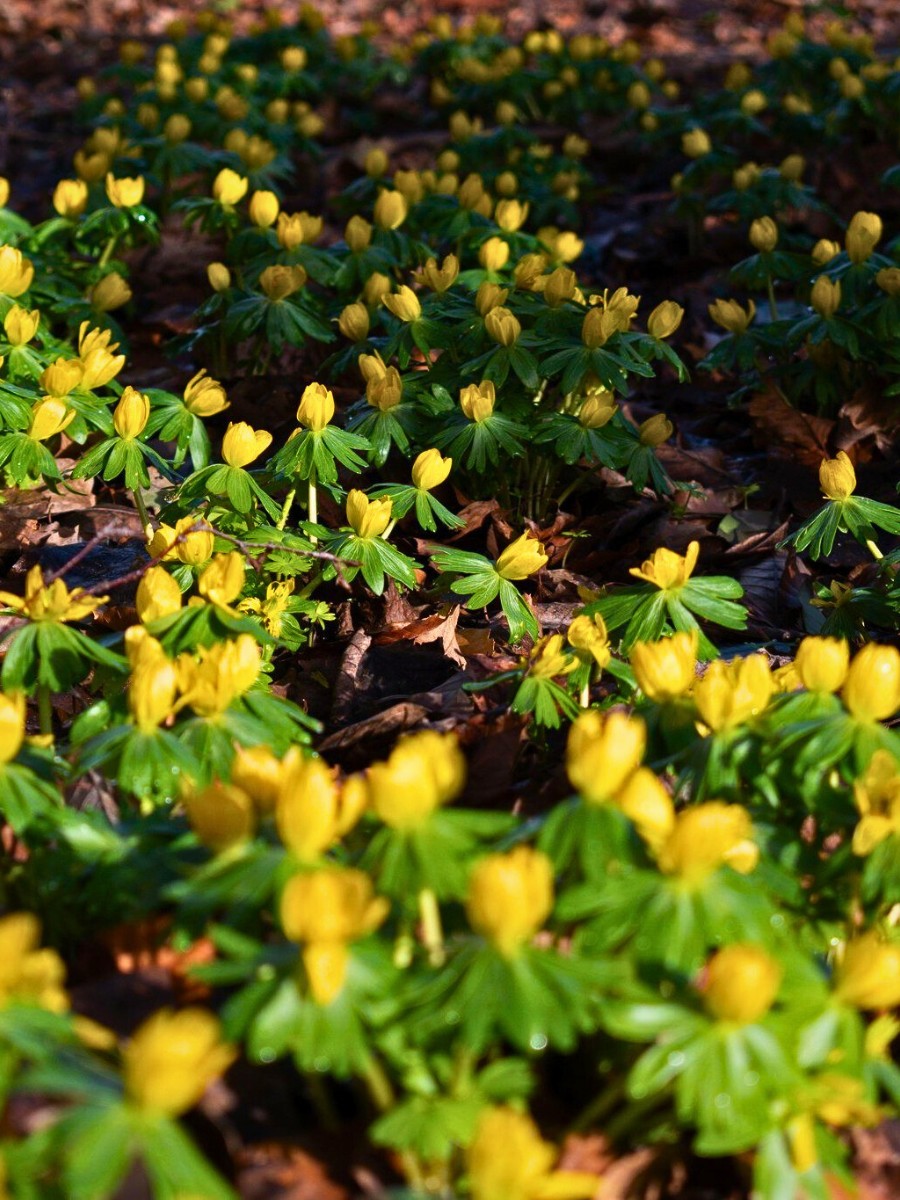
In a woodland garden, under a deciduous hedge, or naturalized in grass underneath trees, this spreading habit is generally considered a virtue and not a problem. A carpet of winter aconite spreading under bare winter branches is widely regarded as one of the finest seasonal effects a garden can produce. When combined with snowdrops, which share its preference for winter flowering and dappled shade, the result is particularly effective.
However, Eranthis hyemalis' invasive potential needs context. In the UK and parts of northern Europe, it has naturalized widely in woodland settings and churchyards and is sometimes found well outside cultivation. In these contexts, it is generally regarded as a naturalized species instead of a damaging invasive, since it does not typically outcompete native flora like more aggressive introductions. In garden settings where you have formal beds or planting schemes with precise boundaries, its self-seeding habit may require occasional management.
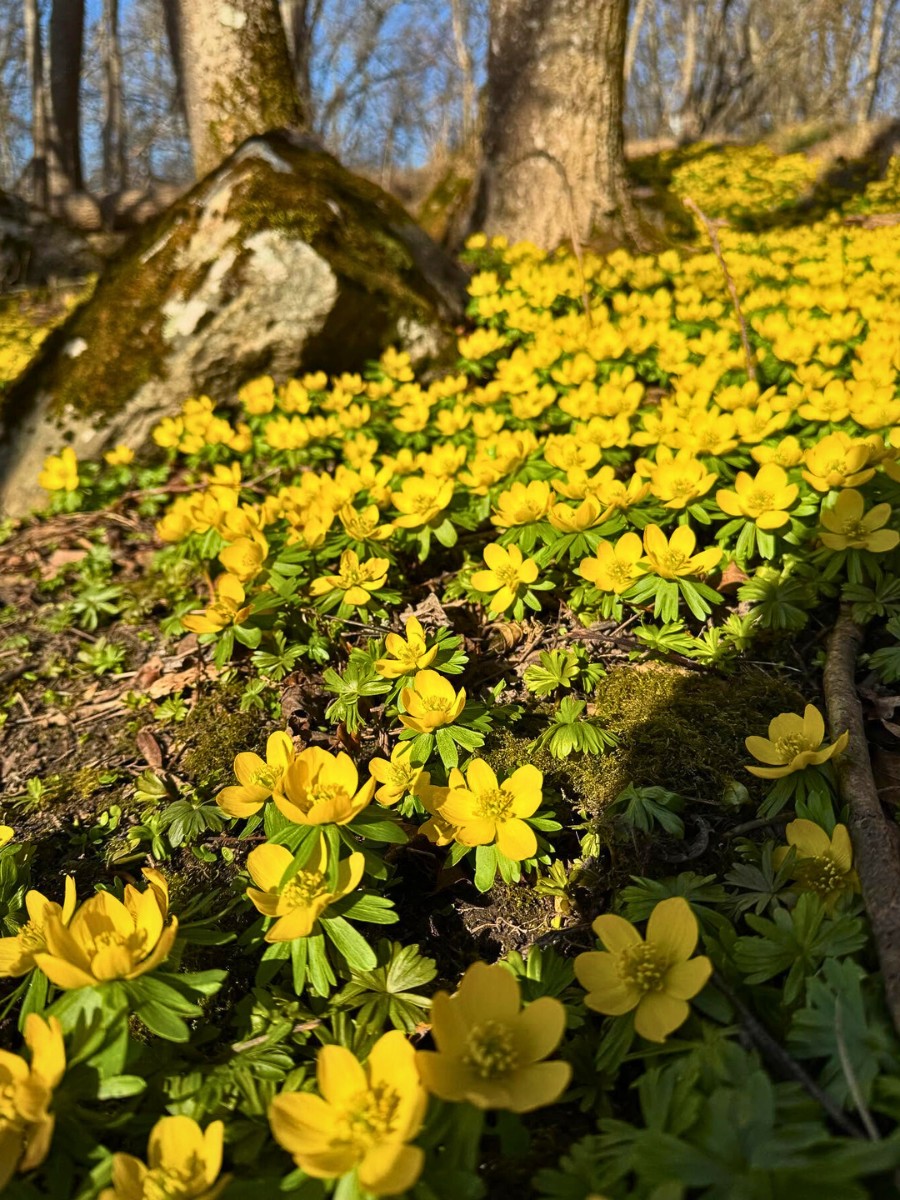
In parts of North America, some caution is advised. Eranthis hyemalis has been noted as potentially spreading in certain woodland habitats outside its intended planting areas, though it has not been classified as a serious invasive species in most regions. If you are gardening in an area adjacent to woodlands, it is worth monitoring their spread and removing seedlings where they are unwanted.
What You’d Want to Know About Eranthis Hyemalis’ Toxicity
As a member of the Ranunculaceae family, it is reasonable to expect Eranthis hyemalis to have some degree of toxicity, and it does. All parts of the plant contain cardiac glycosides, specifically compounds known as Eranthin A and Eranthin B, which belong to the bufadienolide group. In small doses, glycosides of this type can stimulate cardiac activity, but in larger quantities, they can cause serious harm.
Symptoms of winter aconite ingestion in humans and other mammals can include nausea, vomiting, abdominal pain, disturbed vision, and, in serious cases, cardiac effects. Children and pets, particularly dogs, should be kept away from the plant. John Gerard himself wrote about the plant's apparent toxicity in the 16th century, though he also recorded the curious folk belief that it was effective against scorpion stings.
In practice, documented poisoning cases from Eranthis hyemalis are uncommon, partly because the plant tastes unpleasant and is not one that humans or animals are likely to eat in quantity. That said, it is wise to handle it with care, wash your hands after handling, and keep it out of reach of small children and curious pets.
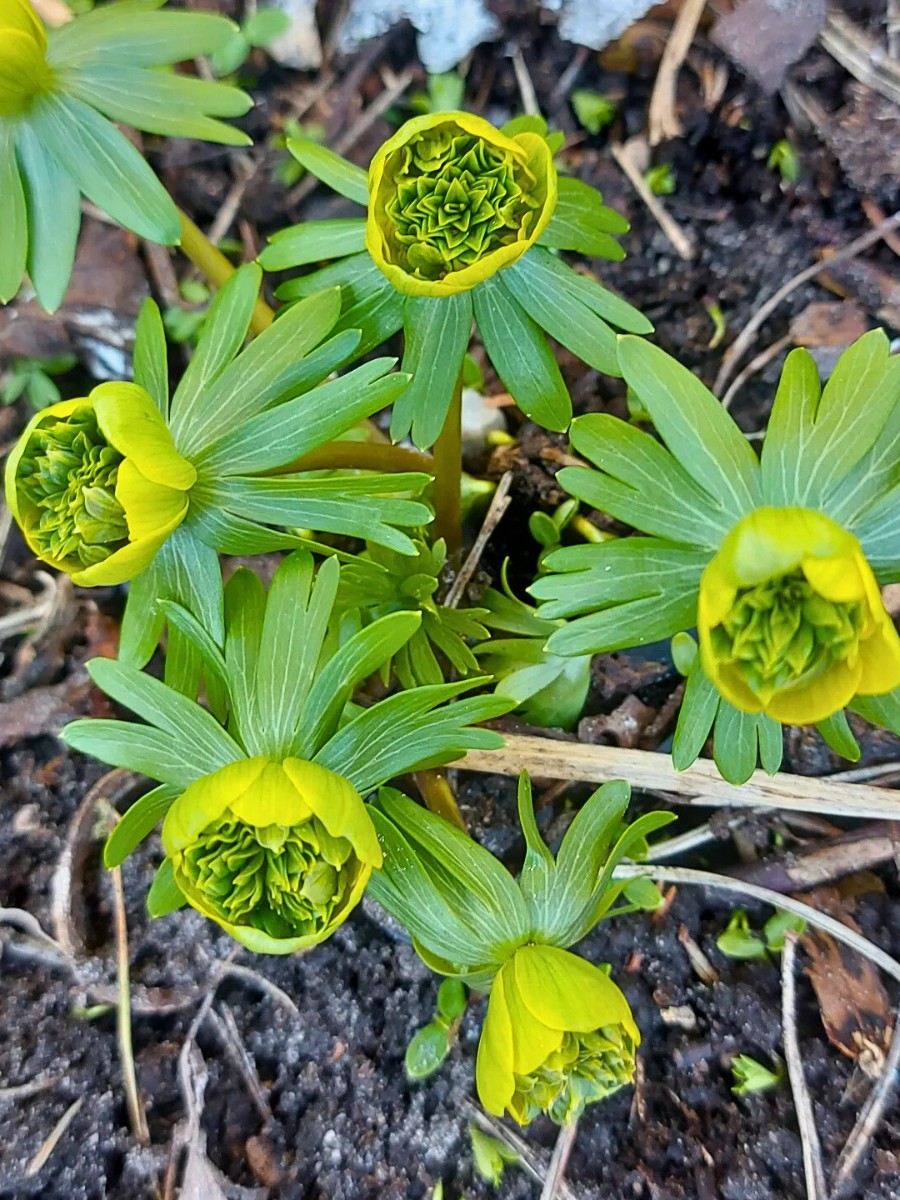
Eranthis Hyemalis in the Garden
Winter aconite Eranthis hyemalis is at its most effective when planted in substantial quantities. A handful of tubers scattered under a tree produces a pleasant little display in time. Still, several tubers planted together, or a clump built up over several years from an initial planting, create an ethereal effect.
The classic combination is Eranthis hyemalis with snowdrops, because both prefer similar conditions, flower at the same time or in quick succession, and the contrast between the bright yellow of the aconite and the white and green of the snowdrop is as good as winter planting gets. Add early Cyclamen coum in shades of pink and magenta, and you have a planting combination that sustains visual interest for six to eight weeks from mid-January through March. For more on growing Cyclamen as a companion to winter-flowering bulbs, see this Thursd feature.
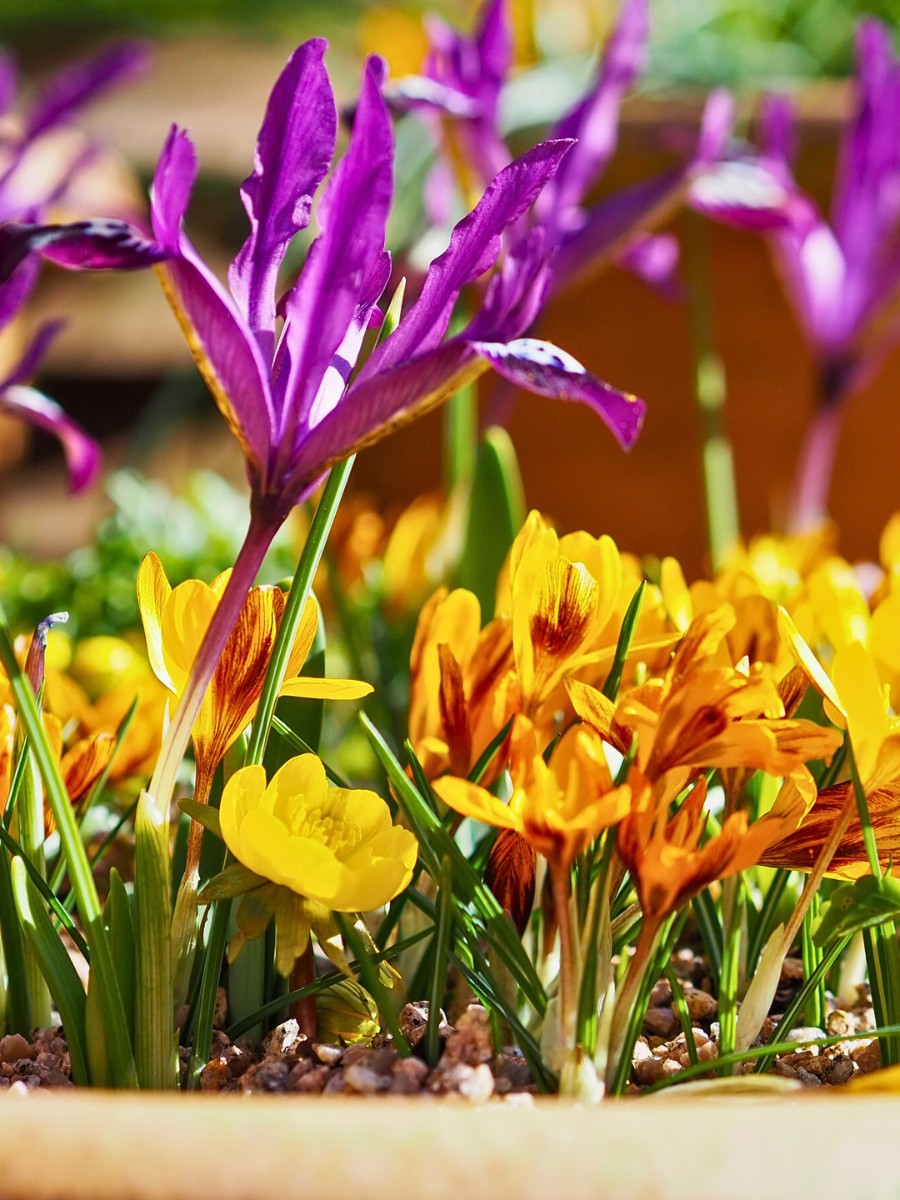
Eranthis hyemalis also works well under the canopy of large deciduous shrubs, like witch hazel (Hamamelis) or cornelian cherry (Cornus mas), both of which flower at a similar time and create a layered winter-like display. Under apple trees, in a traditional orchard setting, a naturalized drift of winter aconites is one of those delightful garden moments, too.