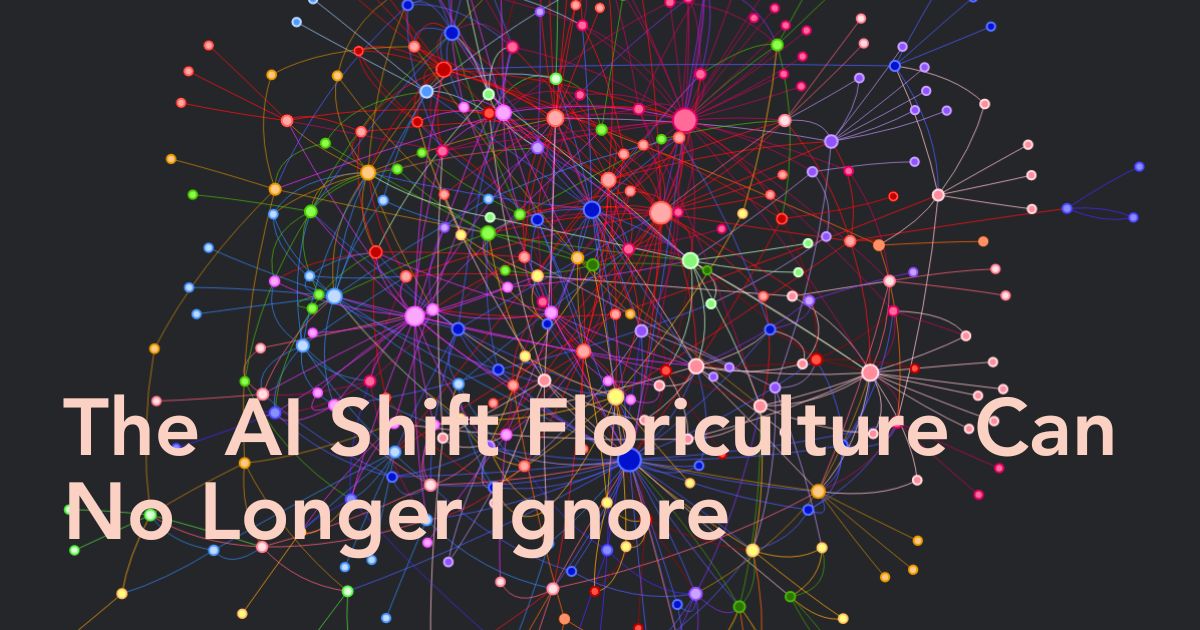
In May 2026, on Joe Rogan, Marc Andreessen said it plainly. We crossed AGI quietly, and most people did not notice, because they are judging today's AI on yesterday's models. His test is simple. Ninety-nine percent of the time, the answer from the best model beats almost any expert he has access to. That is the world we operate in now. Floriculture has not noticed.
The gap is not in capability. It is adoption and perception.
What I Have Already Built Inside a Flower Business
This is not a theory. Over the past few months, inside a flower business, I have built a working system:
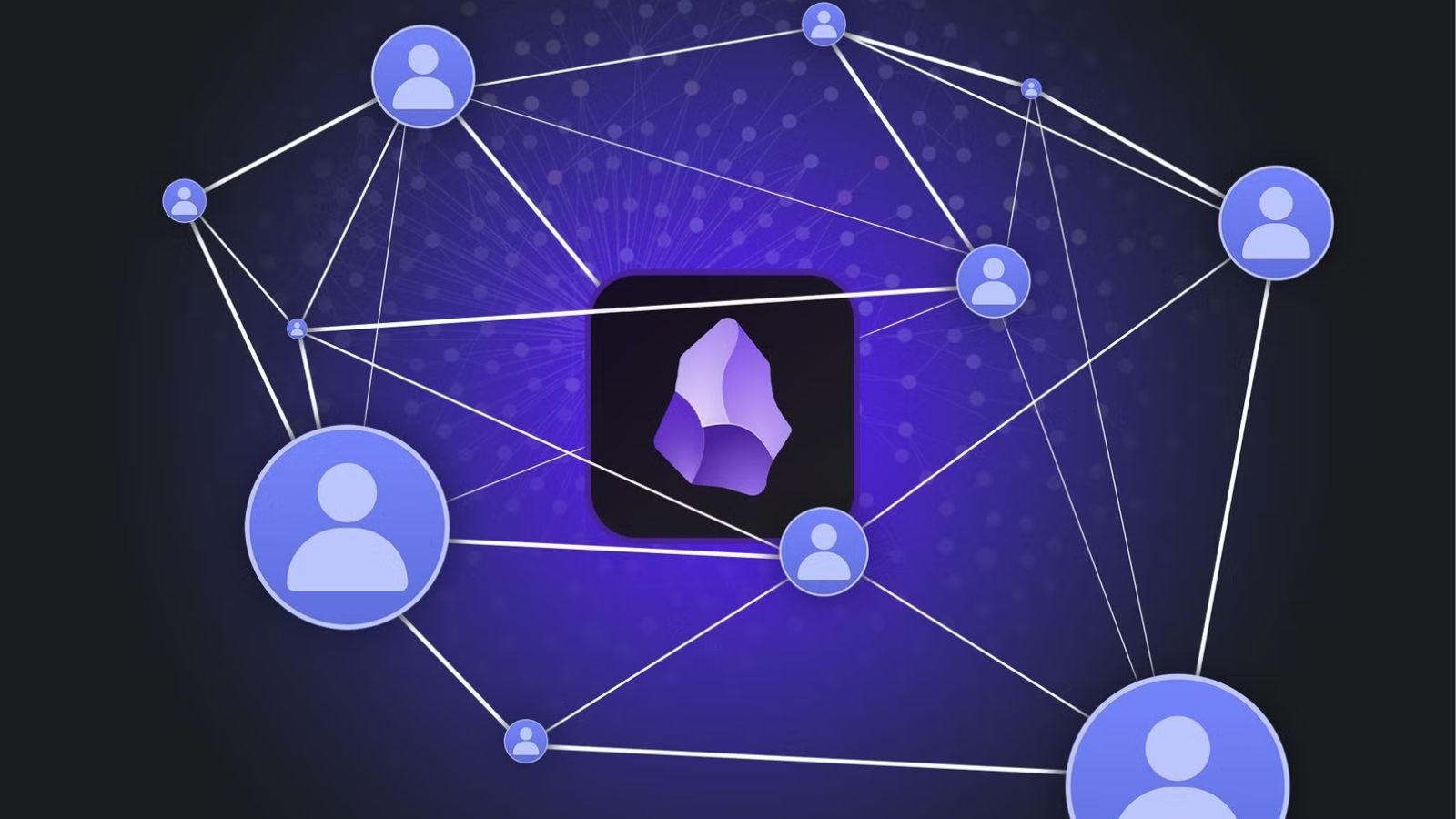
- A structured knowledge vault holding people, companies, decisions, growers, every podcast guest, and every market. Machine-readable and the single source of truth for my company.
- An ingestion pipeline that turns emails, transcripts, WhatsApp messages, voice notes, and documents into structured intelligence, with a human review gate before anything becomes truth.
- A Gmail loop that reads threads, speaks in my voice, extracts durable facts, and never auto-sends.
- An open-loop system that tracks every commitment I make across every channel.
- Agents that do real knowledge work while I sleep.
The state of the art Andreessen described, one person running roughly twenty autonomous agents at once, each as capable as a specialist, working continuously, is not a 2030 prediction. It is operating now.
Why Floriculture Is the Perfect Candidate
Floriculture is relationship-driven and deeply data-rich, but almost none of that data is structured. Availability lists, auction outcomes, grower specs, quality complaints, logistics, customer comms. Most of it is trapped in heads, spreadsheets, email and WhatsApp.
Every serious grower I know has a top salesperson carrying decades of customer knowledge in his head. When he retires, that knowledge walks out the door. That is exactly the problem AI now solves, and almost no one in this sector is solving it.
The Practical Sequence for Breeders, Exporters, and Growers
If you run a breeding company, an export business, or a serious growing operation, here is the order that works.
- Run a knowledge audit. Find the intelligence trapped in your people's heads and inboxes.
- Map the repetitive knowledge work: order handling, availability matching, grower comms, quality complaints, and content.
- Pick the leverage points, the workflows where an agent, as good as your best person, working continuously, actually pays off.
- Build the knowledge layer, one structured source of truth.
- Put a model in the loop. Start with one workflow, human-reviewed and measured.
- Scale to agents only once trust is earned.
- Set governance. Decide what stays human, set hard safety rules, and let nothing customer-facing go out unreviewed. Reality is always the source of truth.
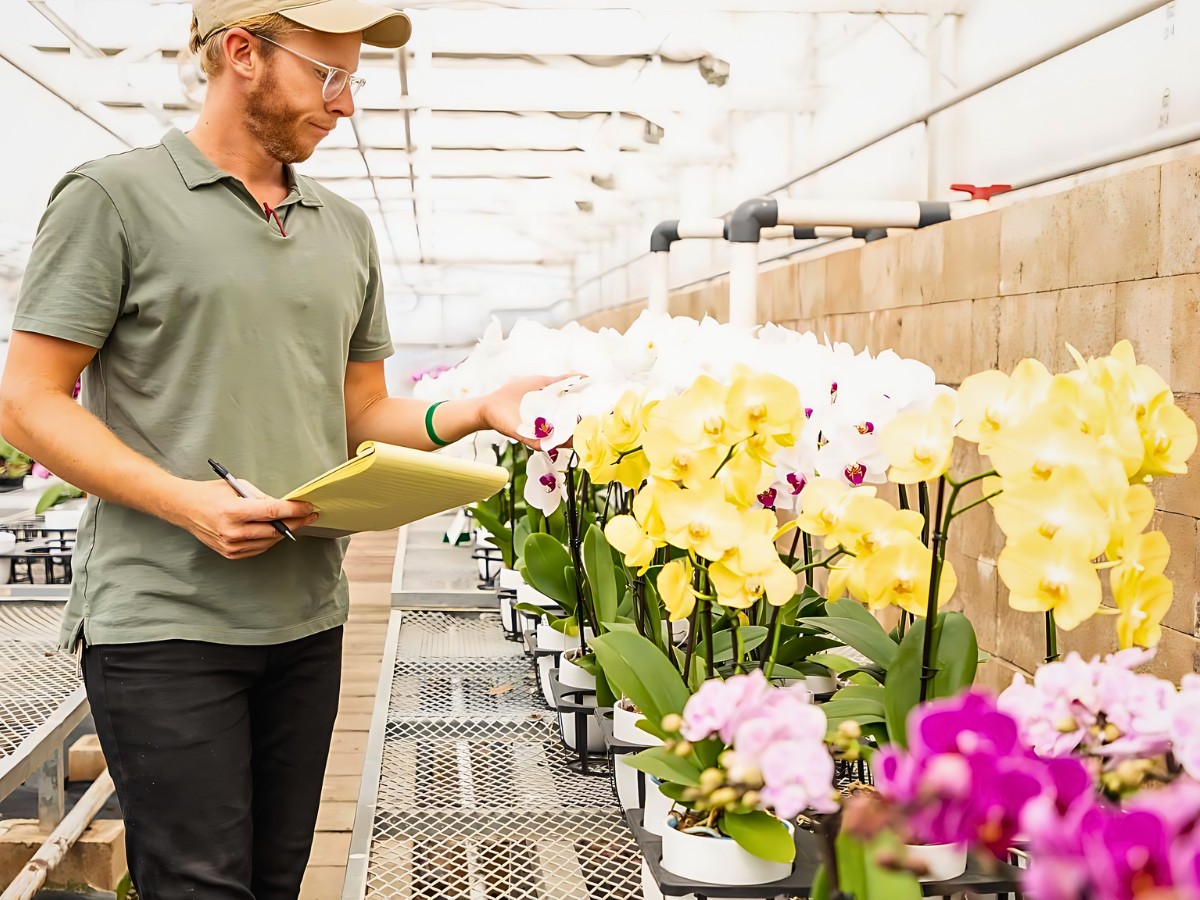
AI for the Back Office, Humanity for the Flower
Here is the part the sector keeps missing. The argument for AI in floriculture is not that AI replaces what we do. It is the opposite. The repetitive knowledge work is exactly what should be automated, so that human attention, judgment, craft and relationship go where they belong: the flower, the grower, the customer.
In a landscape saturated with synthetic content, durable expertise gains value. The real, living, fragile thing only becomes more valuable as everything else becomes synthetic. No algorithm competes with that. But the back office is no longer a place for human time. The breeders, exporters, and growers who understand this in the next eighteen months will operate differently from those who do not.
I work at the intersection of nature, business, and society. If you are running a serious floriculture business and thinking about where to start, I am always open to a conversation.
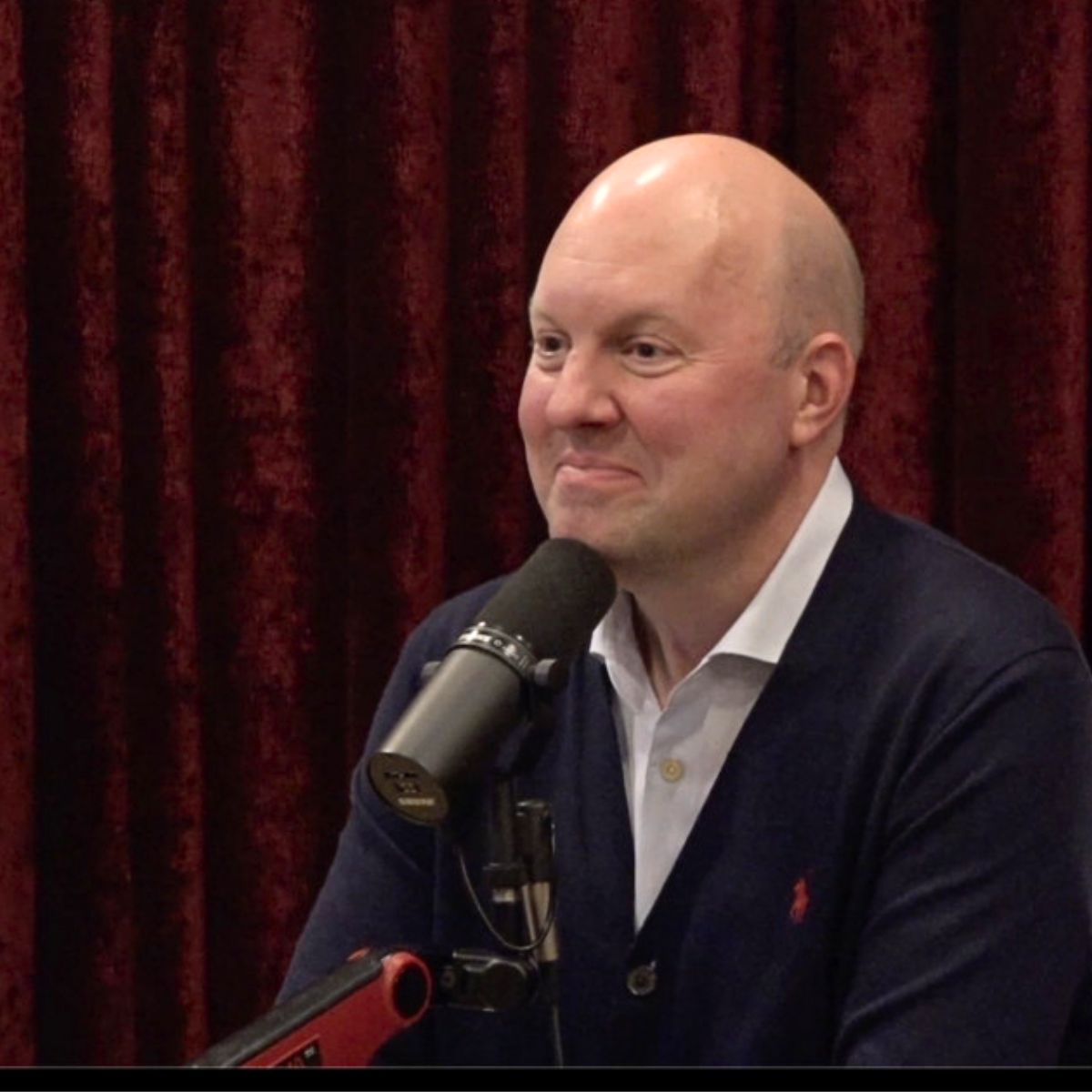
Source: Marc Andreessen on The Joe Rogan Experience, episode #2501, May 2026.