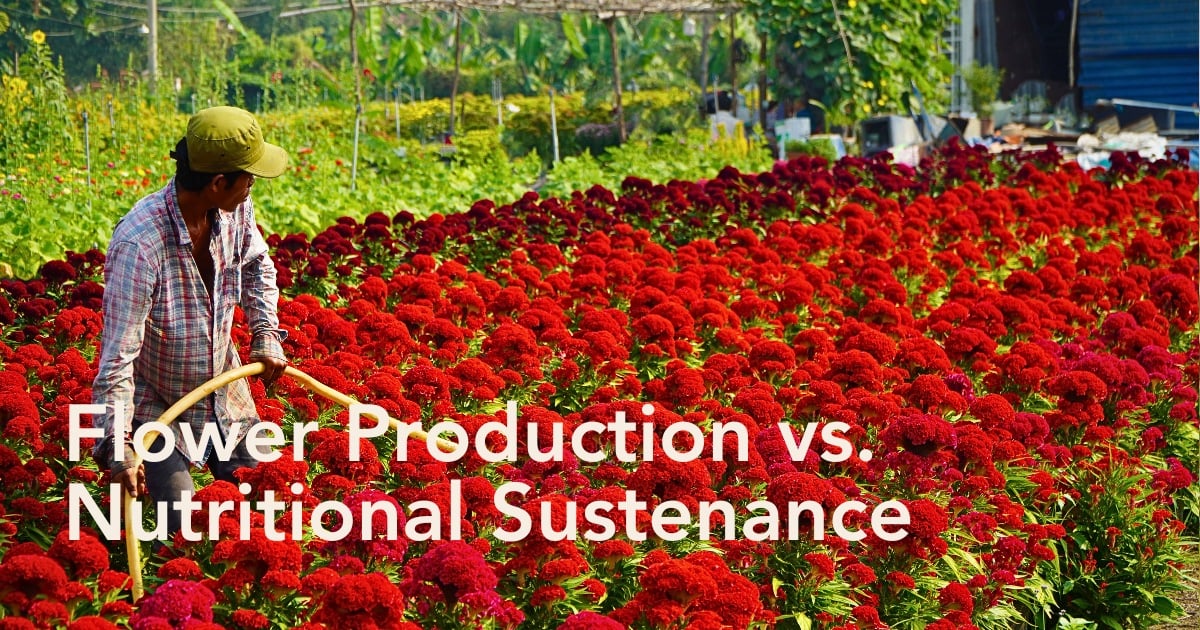
Millions of cut flower stems from Colombia, Ecuador, Kenya, Ethiopia, and other countries reach European auctions, wholesalers, supermarkets, and retailers every year. The countries growing the flowers earn vital foreign exchange from them, while the industry supports hundreds of thousands of jobs.
But the catch is that many of these countries also rank among the most food-insecure. When arable land, scarce water resources, and labor are devoted to something inedible, then the stakes for these local communities also rise. How, one would wonder, is that so?
Floriculture as an Economic Pillar
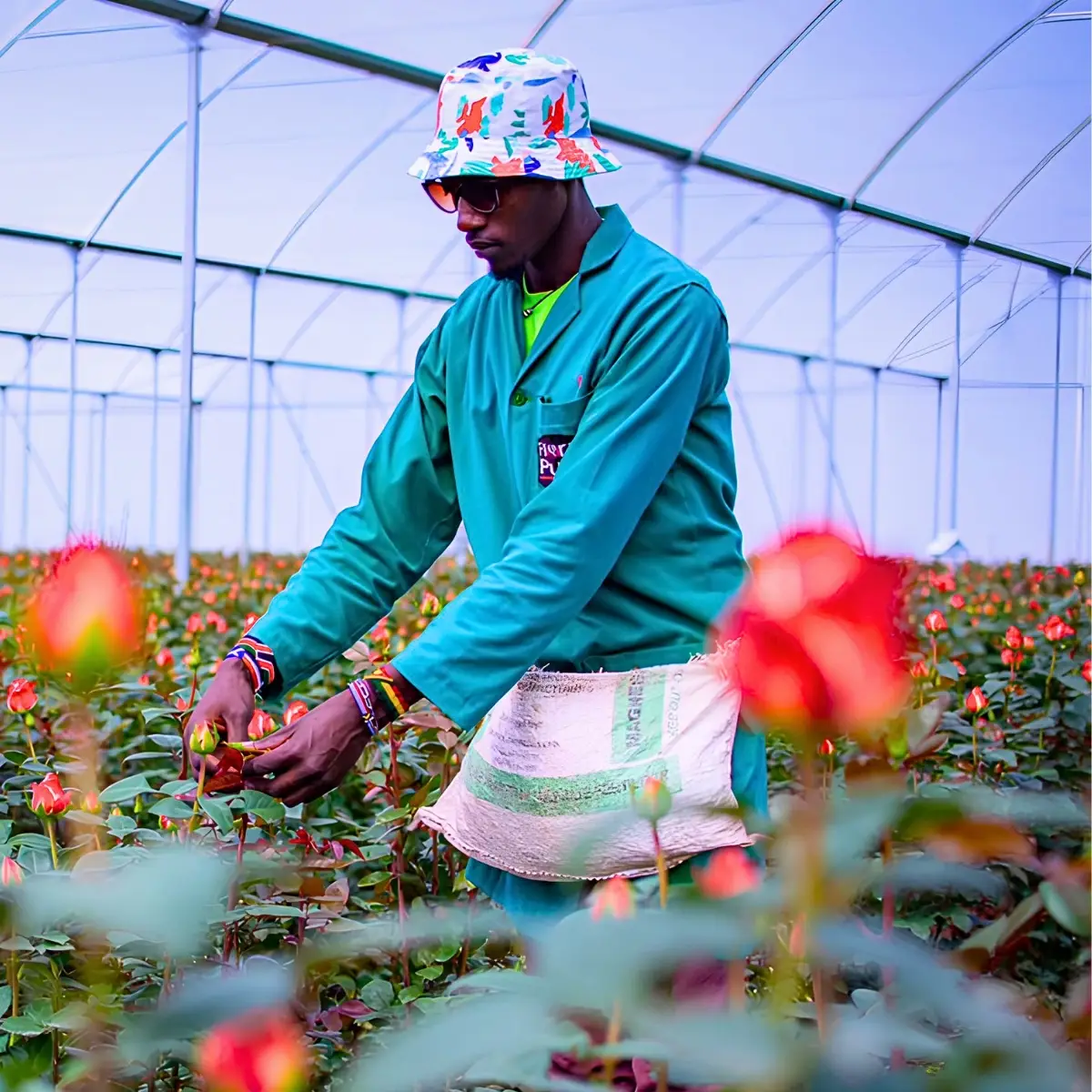
It is hard to dismiss the economics of flower production in the Global South. Kenya's floriculture sector contributes more than 2.5% of national GDP, ranking it as the country's third-largest export earner after tea and tourism. It employs more than 200,000 people, both directly and indirectly.
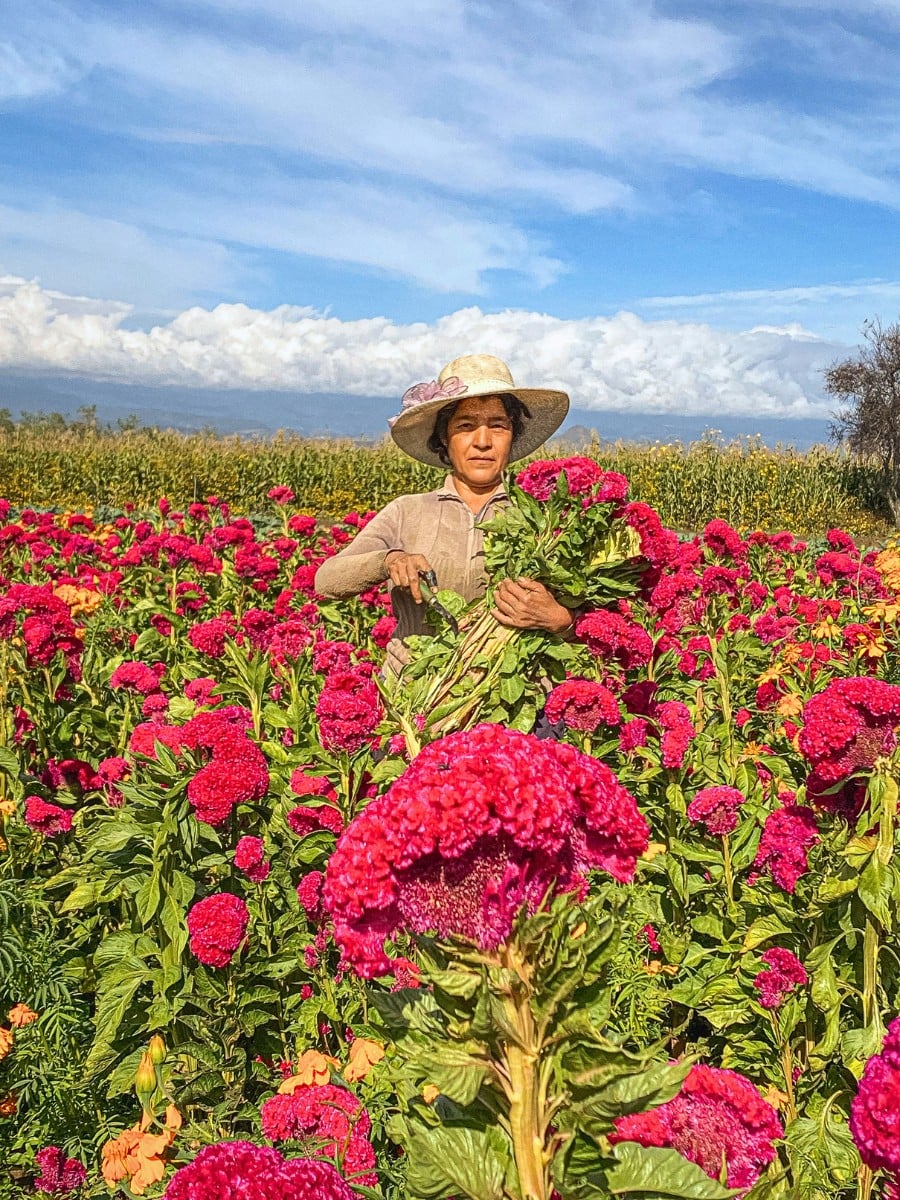
Ethiopia grew from zero flower farms in 1997 to more than 80 by 2013, becoming Africa's second-largest flower exporter, directly employing at least 85,000 people. In Colombia, the Sabana de Bogotá region anchors a cut-flower export model that supplies roughly 80% of all fresh flowers sold in the United States.
The flower industry, as one can see, is a structural pillar of national economies. And yet food insecurity runs deep in most of these countries. Around 1 million Kenyans in arid and semi-arid regions were classified as being in a food crisis in mid-2024. Ethiopia continues to face recurring drought and conflict-driven displacement affecting millions.
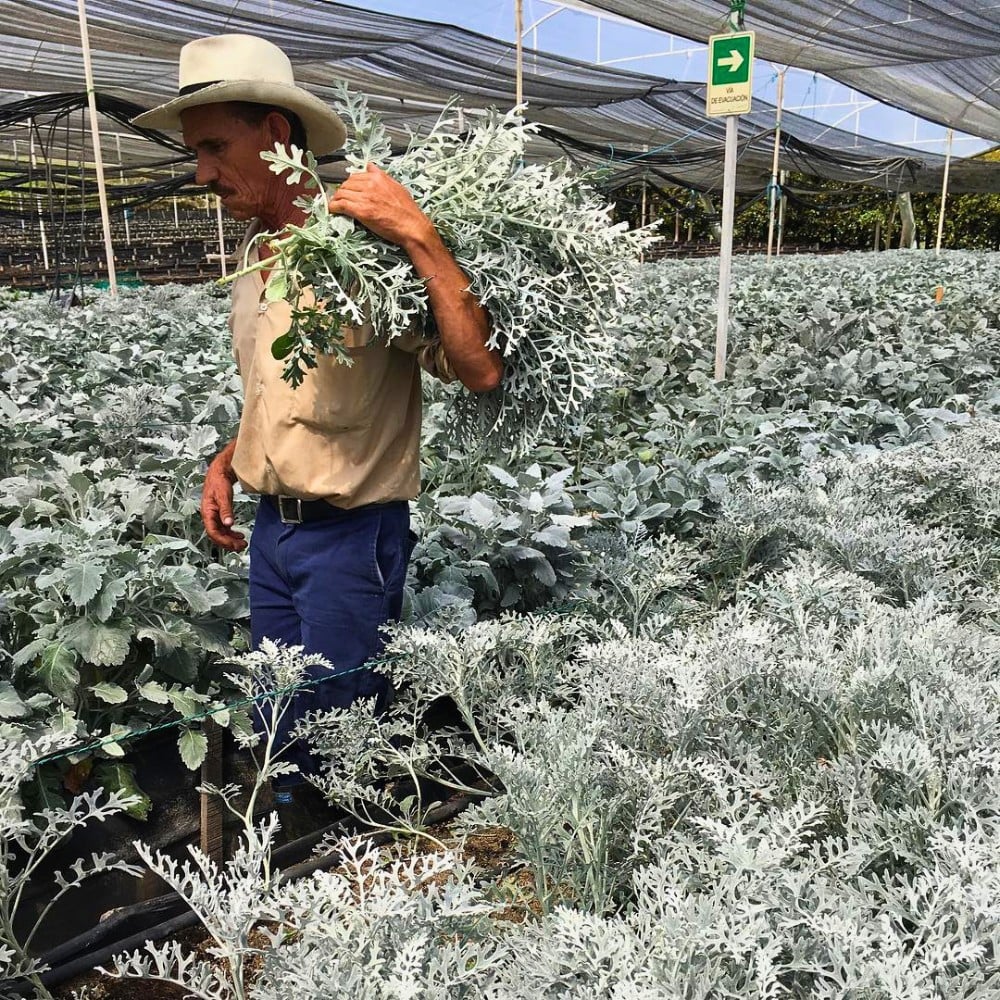
In Ecuador, community water rights and food sovereignty remain open flashpoints in highland areas dominated by flower agribusinesses. So, the question is not whether floriculture is beneficial, but rather whether it is being managed in such ways that protect the food security of the communities it operates within.
Where Floriculture Competes With Food Production
Land use is one of the areas where the two industries collide. A 2016 scoping study by the Netherlands Academy on Land Governance (LANDac) examined 20 flower farms across Kenya, Tanzania, Uganda, and Ethiopia. Of the roughly 1,022 hectares acquired, approximately 572 had previously been used for smallholder food production or pastureland.
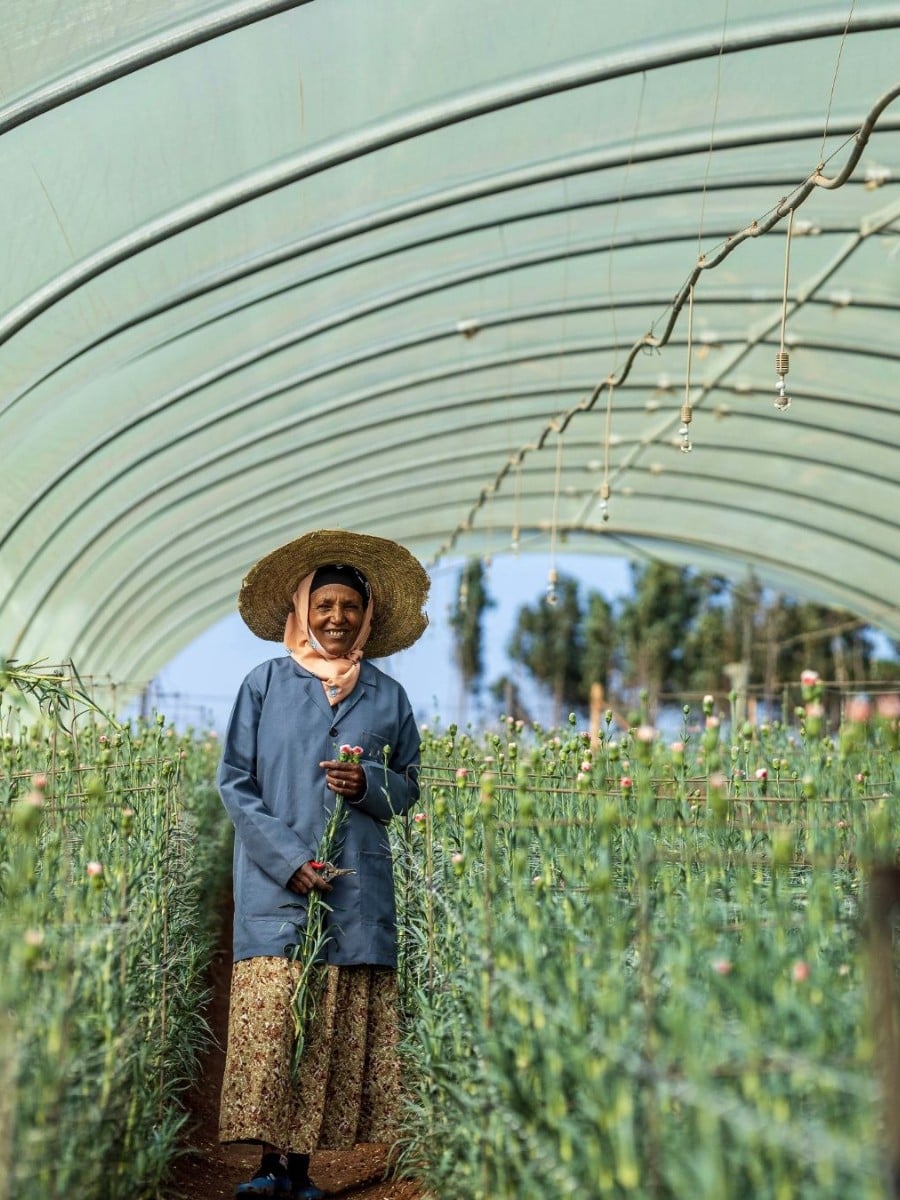
In some cases, notably in Ethiopia near Ziway, land previously used for a state vegetable project was transitioned to floriculture, which affected local food supply in the short term. Yet the same farms created stable employment and energized local markets, with food vendors and small businesses benefiting from workers with regular income.
Where land governance frameworks are strong, and investors engage communities early, the transition tends to be more constructive. In Kenya's regions around Nanyuki, flower farms have operated alongside smallholder food producers without significant displacement, where stronger land tenure protections were in place. The lesson is not that floriculture inherently displaces food production, but that the quality of land governance determines whether both can coexist.
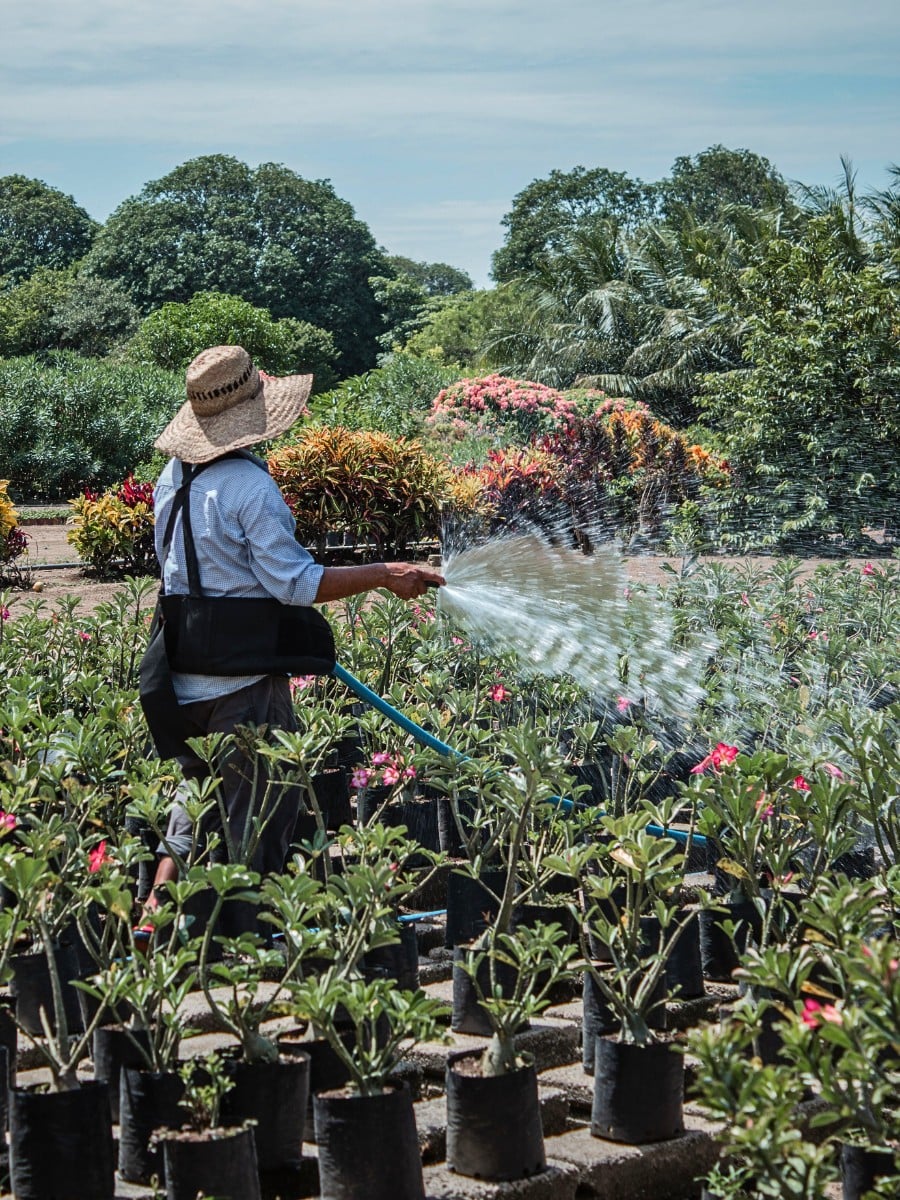
Water use has also been quite a challenge. A single rose stem requires a significant amount of water to produce, and the Eastern African farms studied by LANDac used between 1,000 and 3,000 cubic meters per day. The scale of use raises appropriate questions about how water is shared with neighboring food producers and communities.
A more illuminating finding is what happens when flower farms take smart water management seriously. Around Lake Naivasha in Kenya, the floriculture sector helped fund a Payment for Environmental Services scheme that trained upstream smallholder farmers in sustainable agricultural practices, reducing siltation and improving the lake's long-term health for all users.
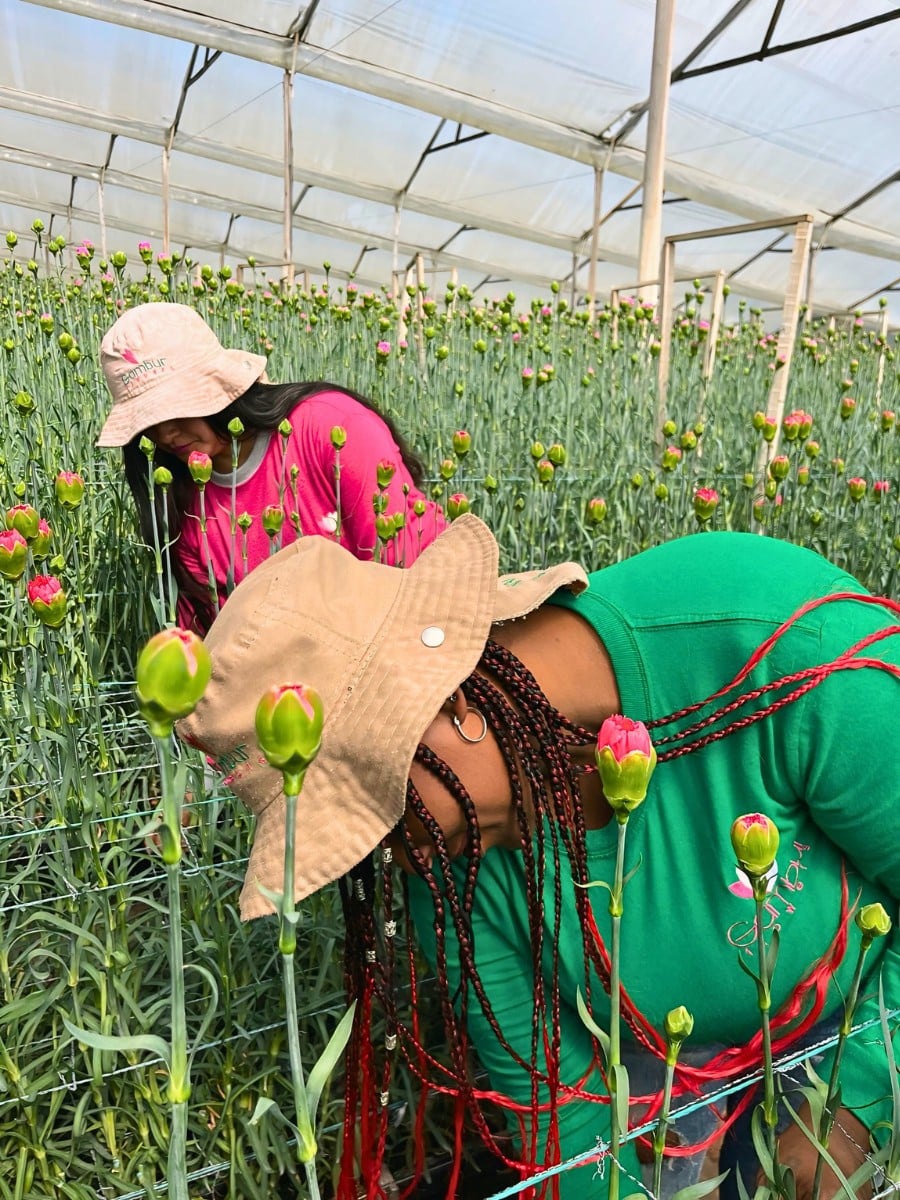
In Ecuador's Pisque watershed, where large rose farms and local food producers draw from the same highland sources, tensions persist, but they also point clearly to where investment in water-sharing agreements and efficiency technology can make a difference. Farms that have adopted drip irrigation and rainwater harvesting have shown that high-volume production and responsible water use are not mutually exclusive.
Employment Angle and Why It Needs Continuous Improvement
Job creation is the floriculture industry's most consistent defense, and it is rightly so. Women make up roughly 68% of the Eastern African flower farm workforce, and female-earned income is generally more likely to be directed toward household nutrition and children's health. For many, a flower farm wage is the primary means of accessing food.
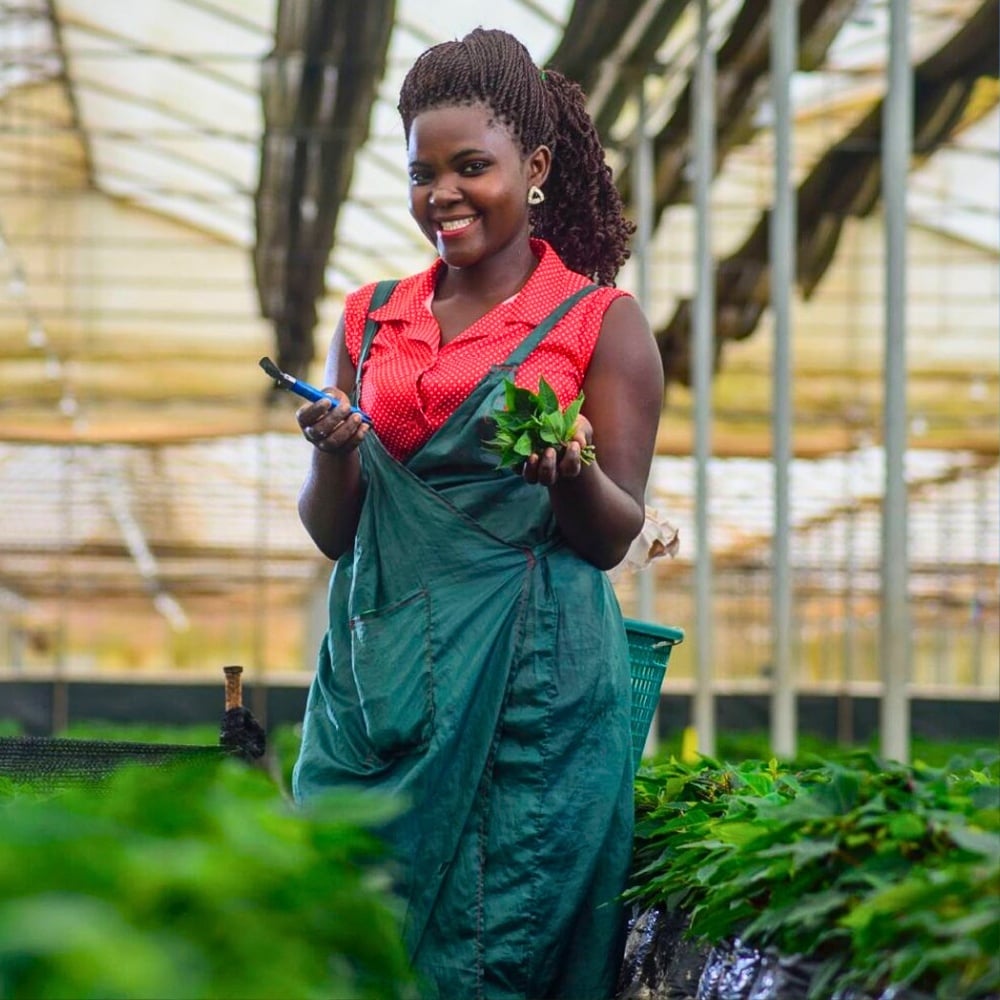
But to some extent, the argument has limits, as wages in some regions often fall below living-wage benchmarks. And in other instances, while workers earn above statutory minimums, those minimums have, in some cases, not been revised in years.
The majority of flower farm employees also come from regions other than the farms where they work. In Uganda, nine out of fourteen interviewed employees had relocated from more than 100 kilometers away. Local communities near farms, likewise, benefit less from employment than expected, while the influx of those from other regions puts pressure on necessities like land, housing, and even food prices. Relocating workers, lacking land access in their new locations, are largely dependent on markets and are acutely exposed to seasonal price volatility.
Similar Pressures in Colombia and Ecuador
Colombia is the world's second-largest cut flower exporter. Its industry employs hundreds of thousands of workers, generates significant foreign exchange earnings, and has grown under trade agreements that have removed barriers to the U.S. market.
Yet as researchers and labor advocates have documented, the Bogotá savanna's flower sector has created an economic lock-in where entire regional communities depend on a single export industry, making it structurally difficult for workers to advocate for better conditions. In some instances, agrochemical use contaminates soil and water, compounding longer-term risks to the agricultural base on which food production depends.
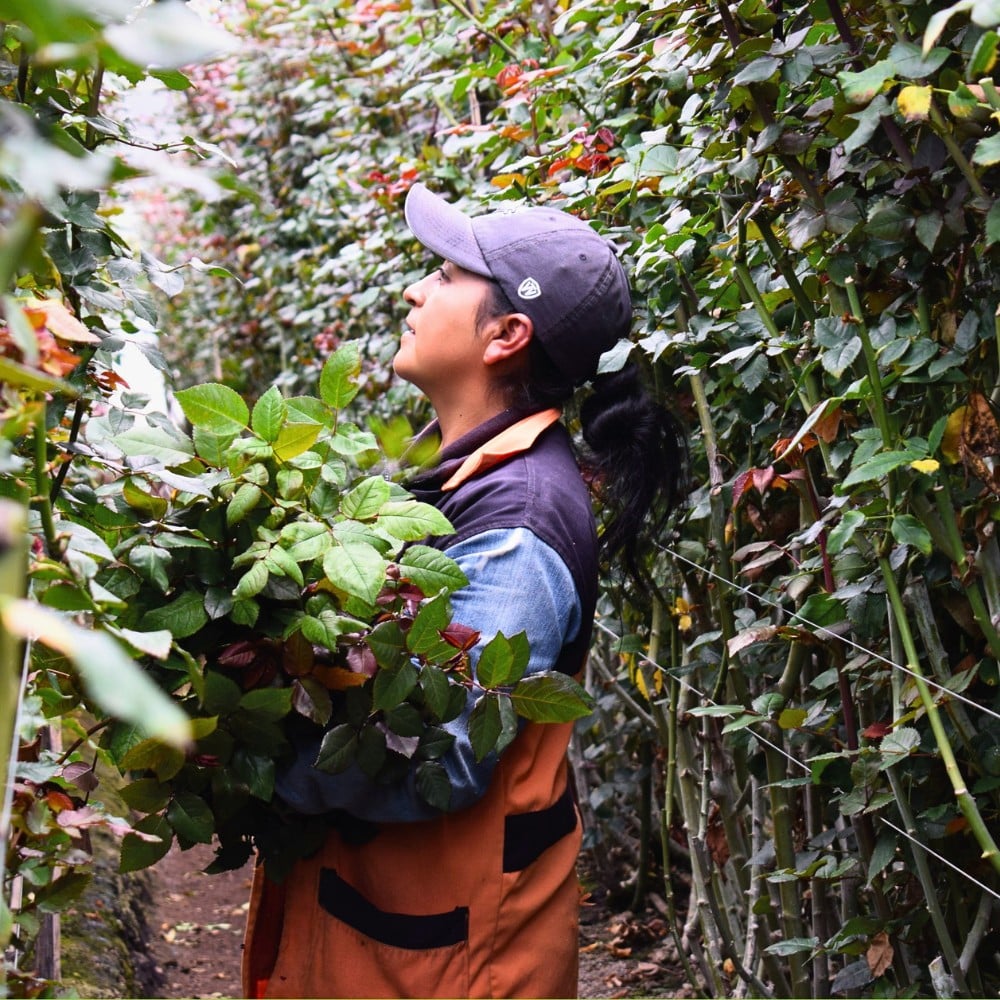
In Ecuador, the conflict between flower exports and food security is most visible at the water level. Large farms occupy historic hacienda properties with long-standing water concessions. As smaller growers have copied the export model, shared water resources have tightened, leaving communities that grow food crops for local consumption with less than before.
Balanced Workable Models
The smallholder out-grower model is one of the most ideal. The most instructive example in the LANDac research was a contract farming scheme near Thika, Kenya, where more than 3,000 smallholder farmers grew summer flowers on small, inherited plots and sold them to a Kenyan-owned exporter. These farmers earned an average of USD 240 per month, nearly double what general employees on large farms received and above the living wage benchmark.
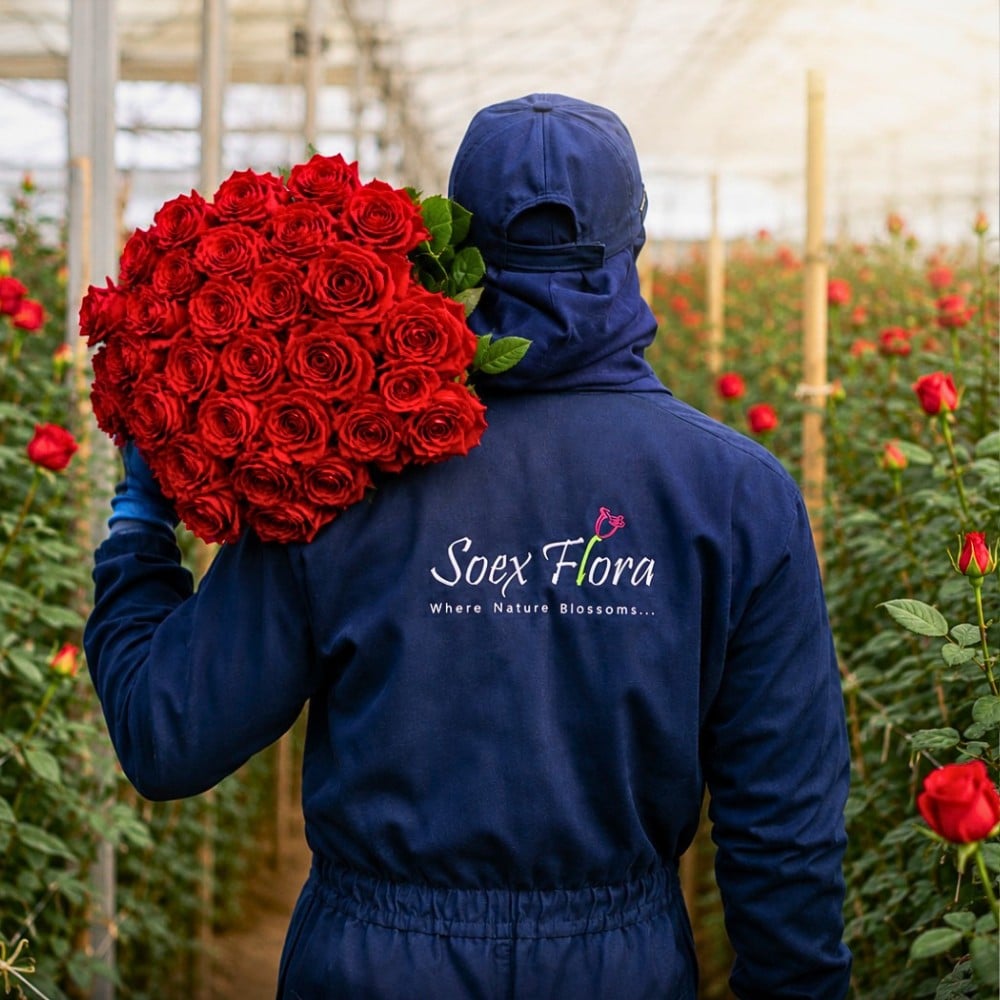
Crucially, they continued to grow food crops on the same land, and several reported that food production increased after joining the scheme because income from flowers made farming as a whole more financially motivating. This model shows that floriculture need not displace food production.
With the right institutional arrangements, smallholders can participate in global supply chains while maintaining their role as food producers. Land governance and community consent offer another good model. Evidence across Kenya, Ethiopia, Uganda, and Ecuador consistently shows that conflict escalates when floriculture companies or governments acquire land without on-the-ground consultation.
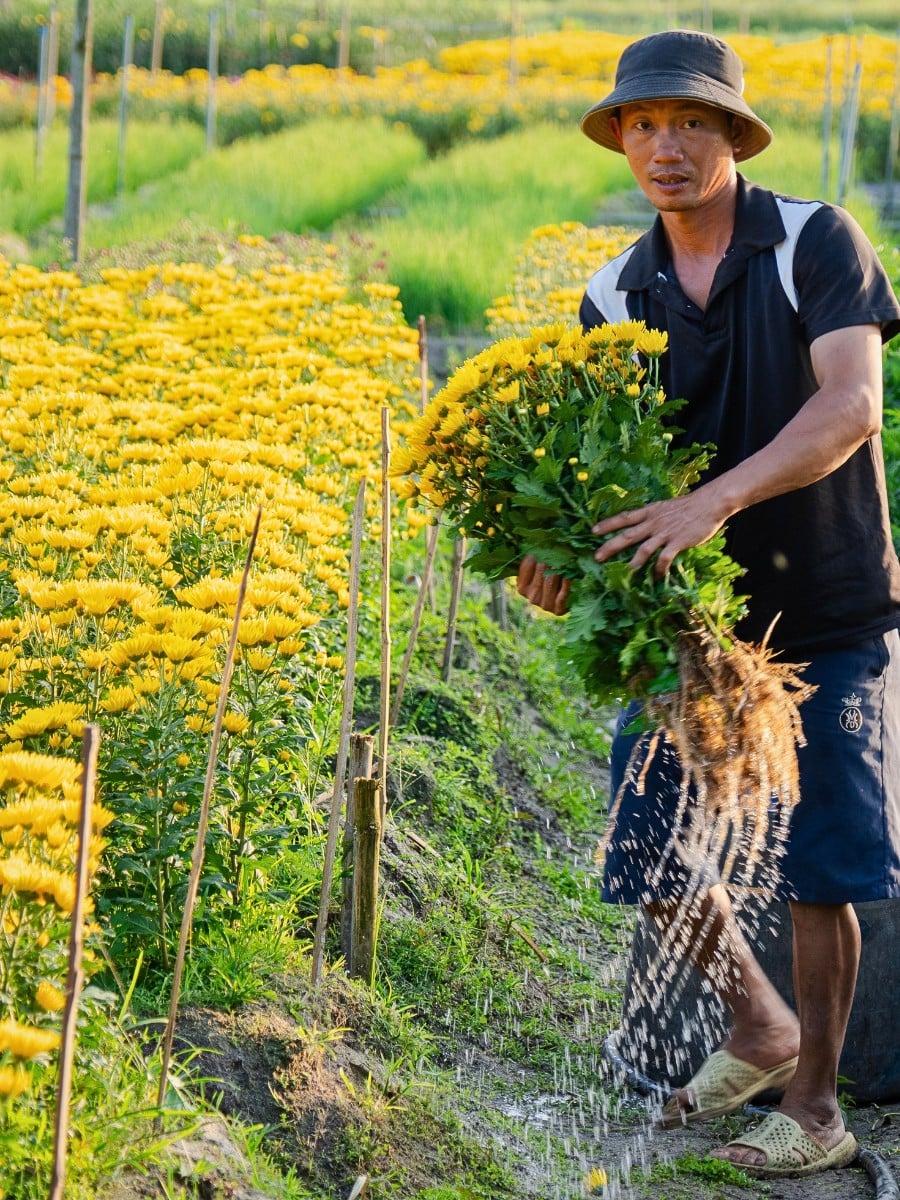
Free, prior, and informed consent (FPIC) processes, followed by fair compensation and sustained community engagement, reduce conflict and build more stable operating environments for investors and communities alike.
Technology Transfer and Living Wages
Several flower establishments, including Dutch flower companies in Eastern Africa, use drip irrigation, hydroponics, and integrated pest management systems that neighboring smallholders lack access to. None of the companies in the LANDac study had implemented structured programs to transfer these technologies to local farmers.
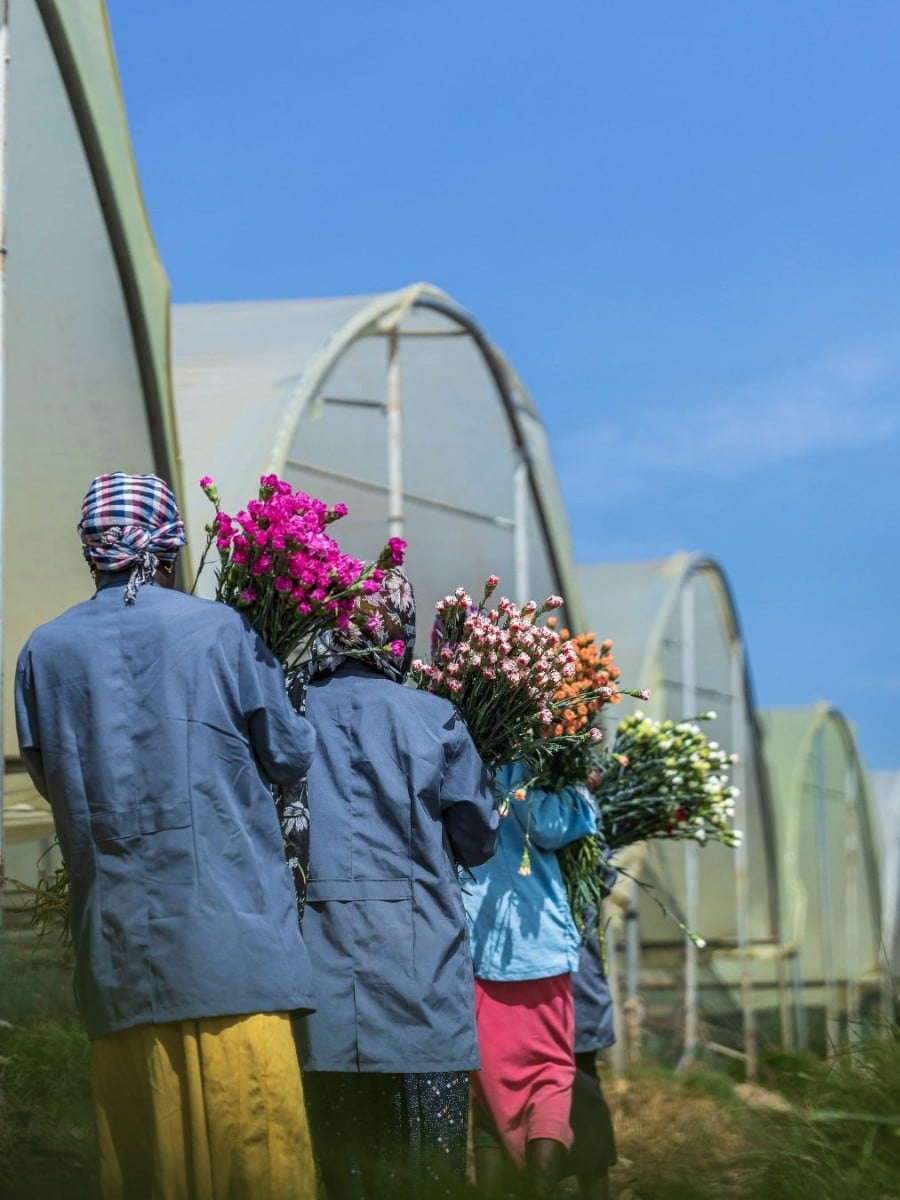
Payment for Environmental Services schemes, such as the one around Lake Naivasha, have shown that knowledge sharing between flower farms and upstream communities is feasible and mutually beneficial.
On wages, the entire supply chain bears responsibility. Fairtrade certification, collective bargaining, and responsible procurement policies within major retail chains have shown a significant impact when applied. Consumers in Europe and North America who buy cut flowers are part of a value chain that begins on farms, where workers often cannot afford adequate food.
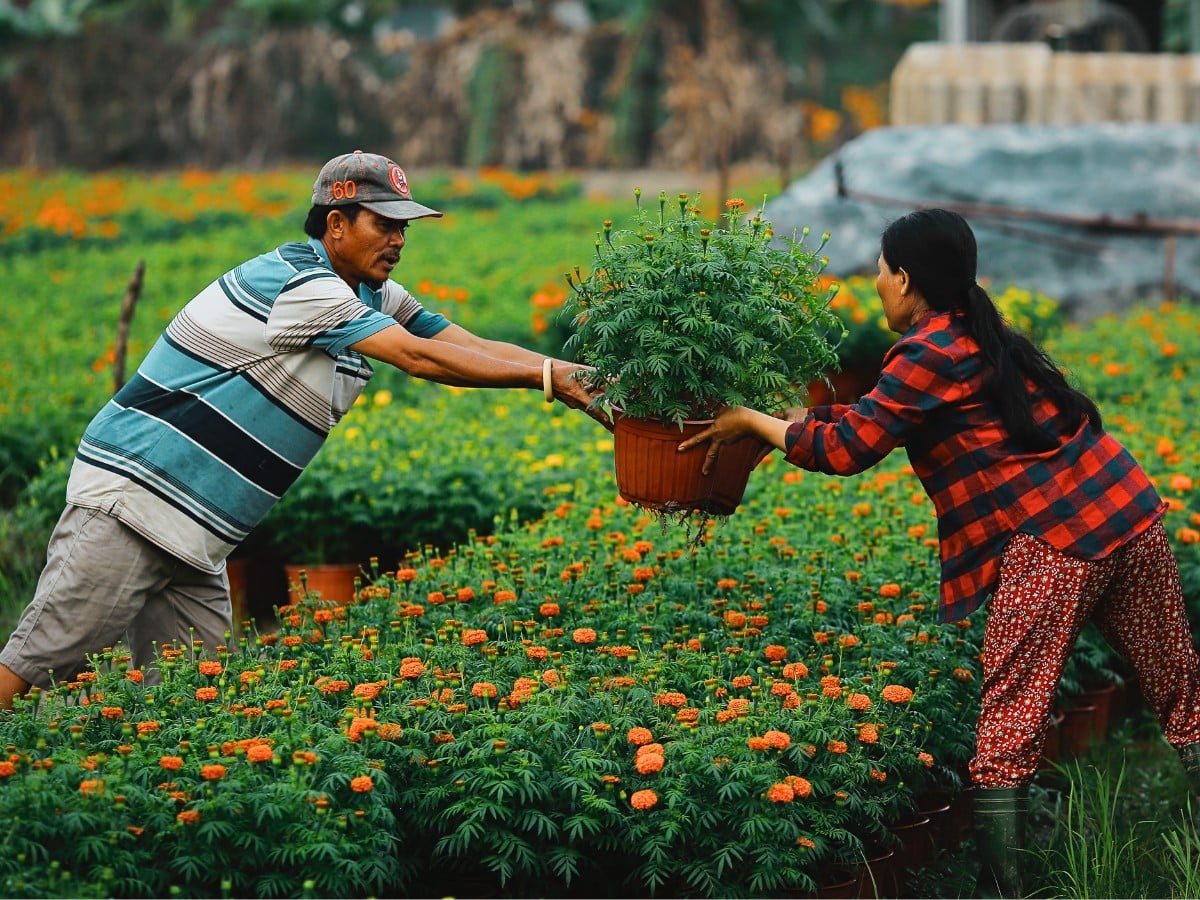
In Kenya, the Kenya Flower Council (KFC) FOSS-certified farms and producers have invested in general welfare initiatives, including healthcare services, worker training, financial literacy programs, childcare support, and community development activities.
With the input of KFC FOSS, the floriculture industry has progressively strengthened remuneration structures by complying with national labor laws, collective bargaining agreements, conducting regular wage reviews, and making statutory contributions to social protection schemes.
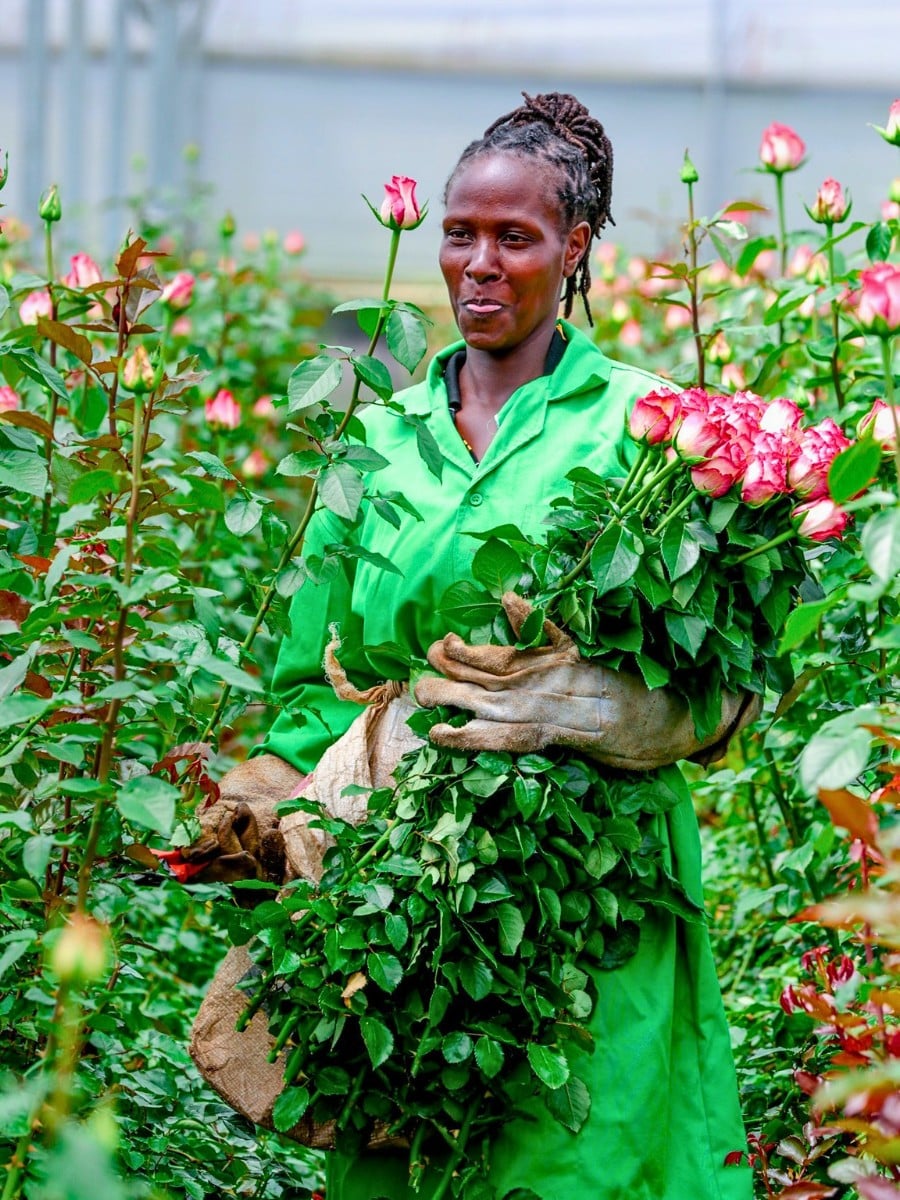
Producers are required to apply whichever requirements provide the highest level of worker protection and benefit, whether derived from national legislation, collective bargaining agreements, or certification requirements, which eventually trickle down to their food security.
What, Then, Is Required From the Growing Floriculture Market?
Analysts project that the floriculture market is expected to grow to at least USD 114.2 billion in 2035, at a CAGR of 4.6%. This growth will, as expected, draw on land, water, and labor in some of the world's most food-insecure countries. Whether it strengthens or undermines local food systems depends on choices made by growers, governments, buyers, and consumers.
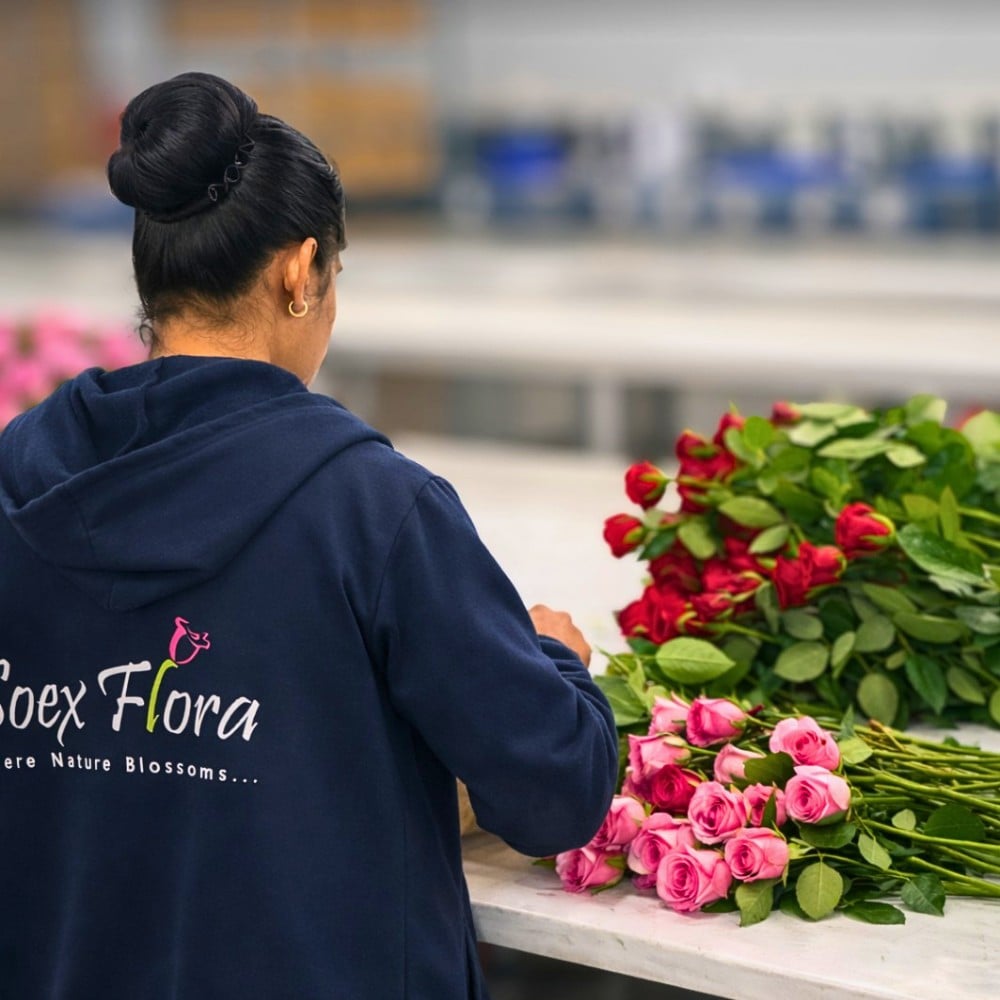
But what is important is that integrating smallholders into supply chains, enforcing living wages, applying proper land governance, and treating neighboring communities as partners rather than costs are not idealistic demands but the very conditions under which floriculture remains a net contributor to the countries it calls home.
Featured image by @emf_flowers. Header image by Đỗ Bảo.