A clear pattern is emerging across global cities and digital culture. Gen Z is not just buying plants as decor. This generation is integrating plants into daily life as functional, emotional, and ethical infrastructure. In an era defined by climate anxiety, housing insecurity, and digital overload, AI fakes, plants offer something special: tangible control, visible care, and a sense of progress that feels real.
Unlike previous generations, Gen Z does not treat the home as a static endpoint. Home is fluid, temporary, and often small. Plants fit perfectly into that mindset. They travel, adapt, grow, and respond to care. They align with a generation that values experiences over ownership and responsibility over perfection.
Plants as a Daily Climate Action for Gen Z
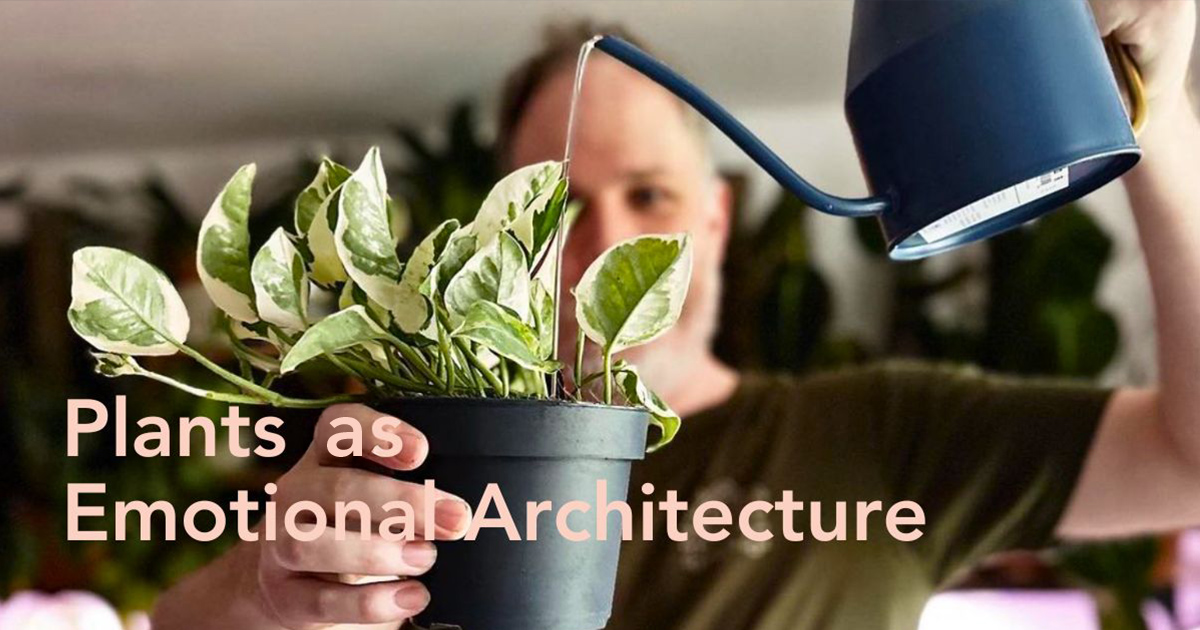
For Gen Z, sustainability is not an abstract concept or a marketing slogan. It is a daily decision-making framework. Plants allow small but meaningful actions that feel aligned with planetary responsibility. Watering a plant at the end of the day becomes a ritual of care, not just for the plant, but for the environment it represents.
Research consistently shows that younger generations experience higher levels of eco-anxiety. According to data from the American Psychological Association, Gen Z reports significantly more stress related to climate change than older cohorts. Plants provide a counterbalance. They do not solve climate change, but they restore a sense of agency. Growth becomes visible. Care becomes measurable.
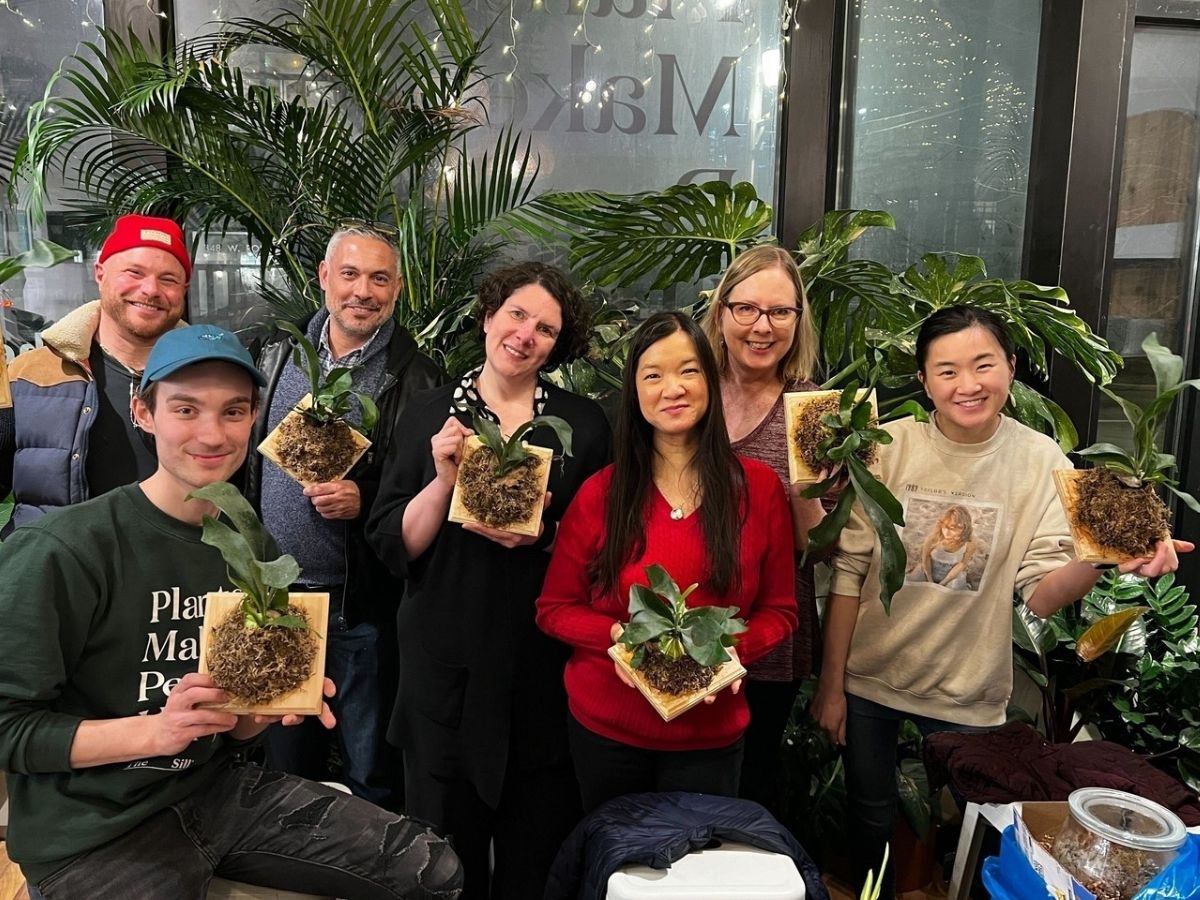
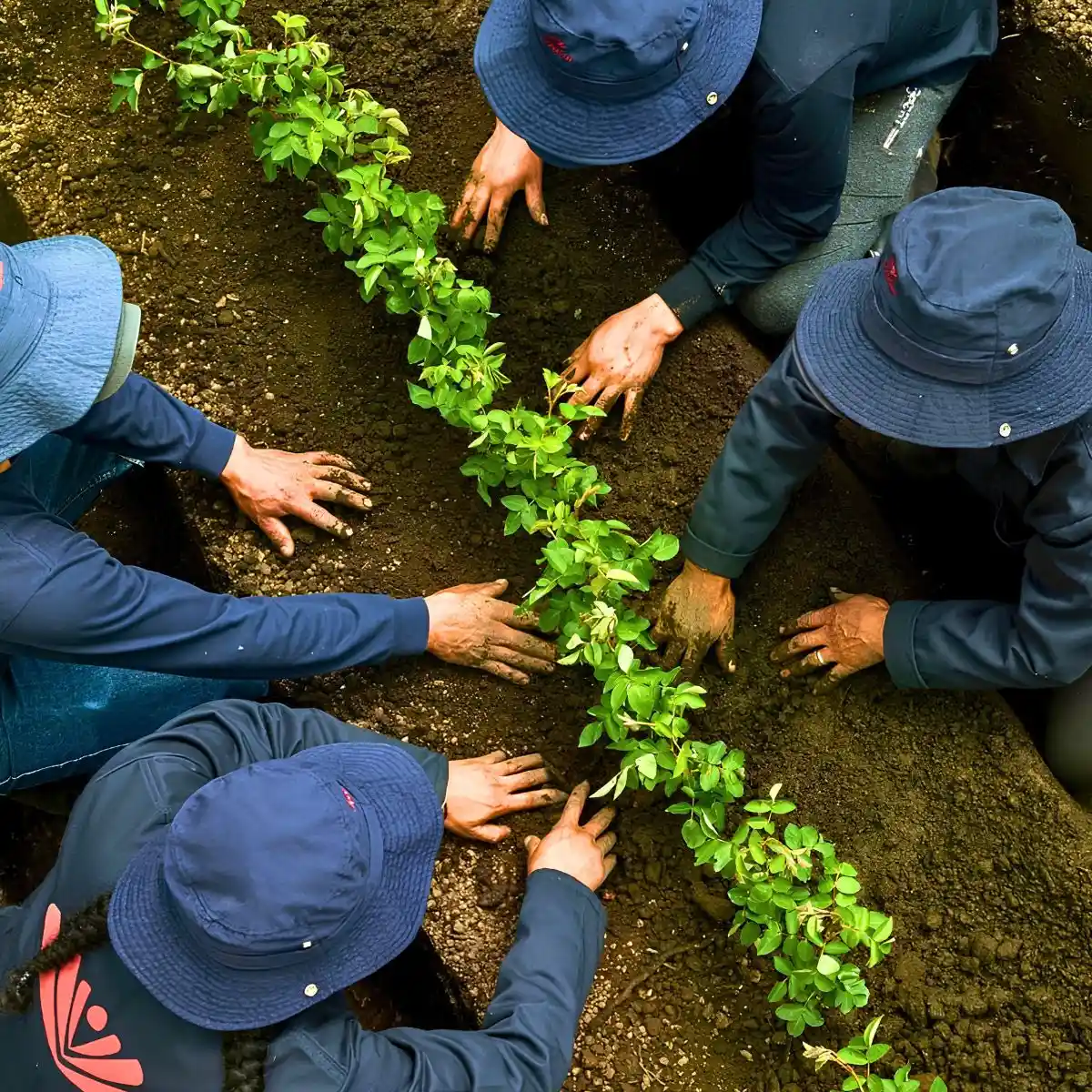
From composting experiments to choosing native species or low-water plants, Gen Z uses plants as an entry point into environmental stewardship. It is sustainability scaled to human size.
The Psychology Behind Plant Obsession of Gen Z
The mental health dimension cannot be ignored. Multiple studies link exposure to plants with reduced stress, improved focus, and enhanced well-being. A widely cited experiment from the Journal of Environmental Psychology demonstrated how indoor plants improve air quality, but more recent research emphasizes psychological benefits over purely functional ones. The study found that indoor plants significantly reduce cortisol levels and improve mood. This aligns with Gen Z’s broader focus on mental resilience, routine, and self-care systems that are practical rather than performative.
This shift mirrors a broader pushback against synthetic experiences accelerated by AI, a dynamic explored further in this perspective on AI, nature, and the future of floriculture.

Gen Z Is Redefining the Meaning of Home
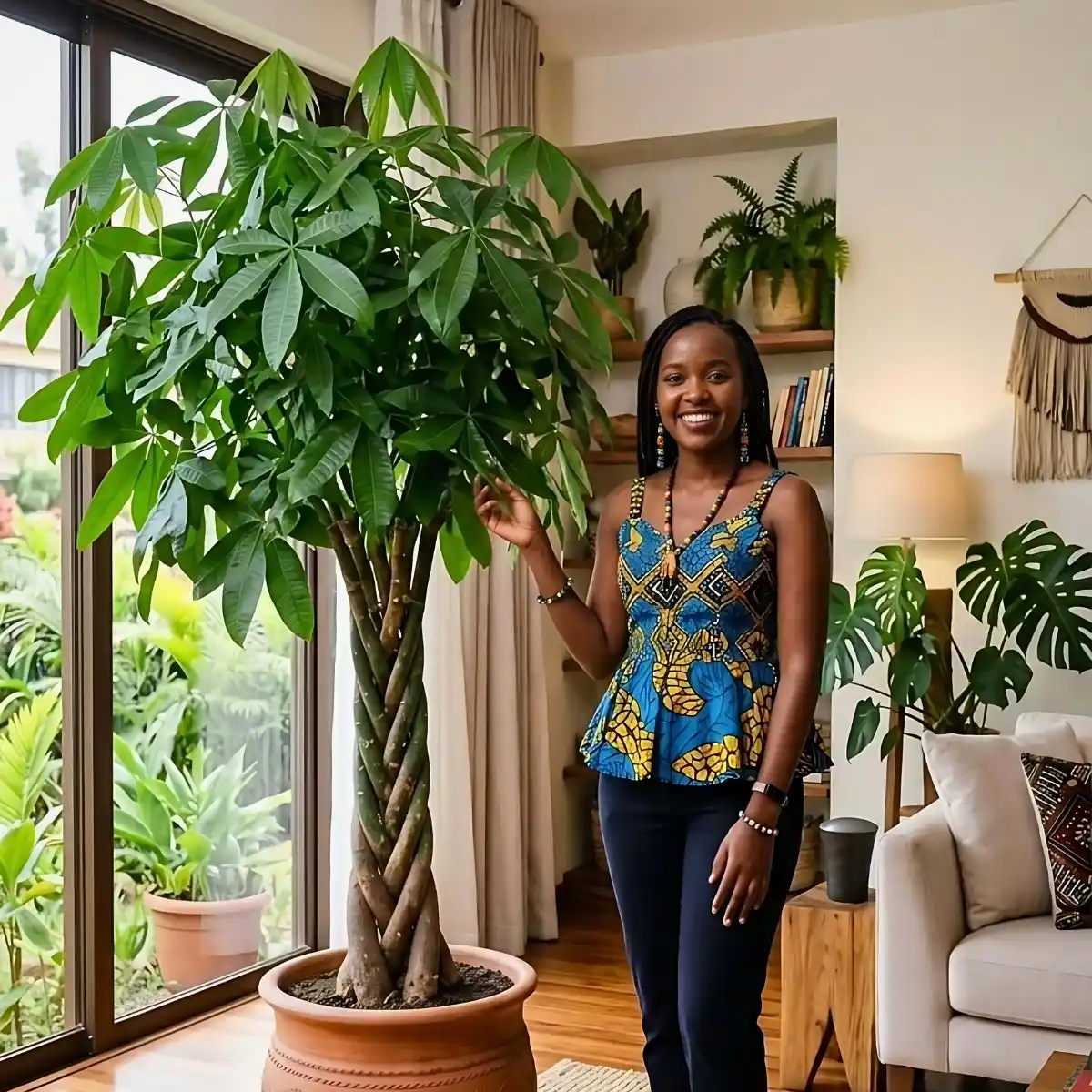
For Gen Z, home is no longer defined by square meters, ownership, or permanence. It is defined by feeling. Plants transform temporary spaces into personal environments. A rental apartment, dorm room, or shared living space becomes anchored through living elements.
This generation is less interested in trend-driven interiors and more focused on emotional safety and identity. Plants are neutral yet expressive. They allow individuality without overconsumption. A monstera, a pothos, or a herb garden communicates values without words.
Interior design platforms show a strong correlation between Gen Z aesthetics and biophilic design principles. According to other scientific insights, biophilic environments improve cognitive performance and emotional well-being. Gen Z adopts this intuitively, not academically.
Gen Z and Plants: From Decoration to Responsibility
What makes this shift structurally different from earlier plant trends is intent. Plants are no longer accessories. They are commitments. Gen Z openly shares plant failures, learning curves, and growth journeys across social platforms. This transparency reframes failure as part of care.
This mindset mirrors how Gen Z approaches work, relationships, and sustainability. Progress over perfection. Learning over appearance. Plants fit seamlessly into that operating system.
From a business perspective, this signals long-term engagement rather than short-term trend cycles. Plants are not seasonal impulses for this generation. They are embedded in lifestyle design.
What looks like plant content is actually a mindset shift.
Gen Z treats plant care as a skill, not a talent, and that changes how value, sustainability, and responsibility are understood. Video by @plantkween
What This Means for the Floral and Plant Industry
The opportunity is clear. Gen Z expects authenticity, traceability, and purpose. They want to know where plants come from, how they are grown, and what impact they have. Brands that communicate transparently and invest in education will outperform those that rely on aesthetics alone.
This generation responds to storytelling that connects plants to broader systems: ecology, mental health, urban living, and climate awareness. The industry must shift from selling products to enabling relationships between people and plants.
Plants have become a language Gen Z uses to express care for the planet and for themselves. That is not a trend. That is a structural shift.
Sources and Further Reading on Gen Z and Plants
- American Psychological Association – Climate anxiety and Gen Z mental health
- Journal of Environmental Psychology – Psychological benefits of indoor plants
- NASA Clean Air Study – Indoor plants and air quality
- World Green Building Council – Biophilic design and well-being
Looking Ahead for the Flower and Plant Industry Regarding Gen Z
Gen Z is not obsessed with plants because they are fashionable. They are committed because plants deliver something rare in modern life: control, care, and continuity. The floral and plant industry is uniquely positioned to support this shift, not by selling more, but by enabling deeper connections.
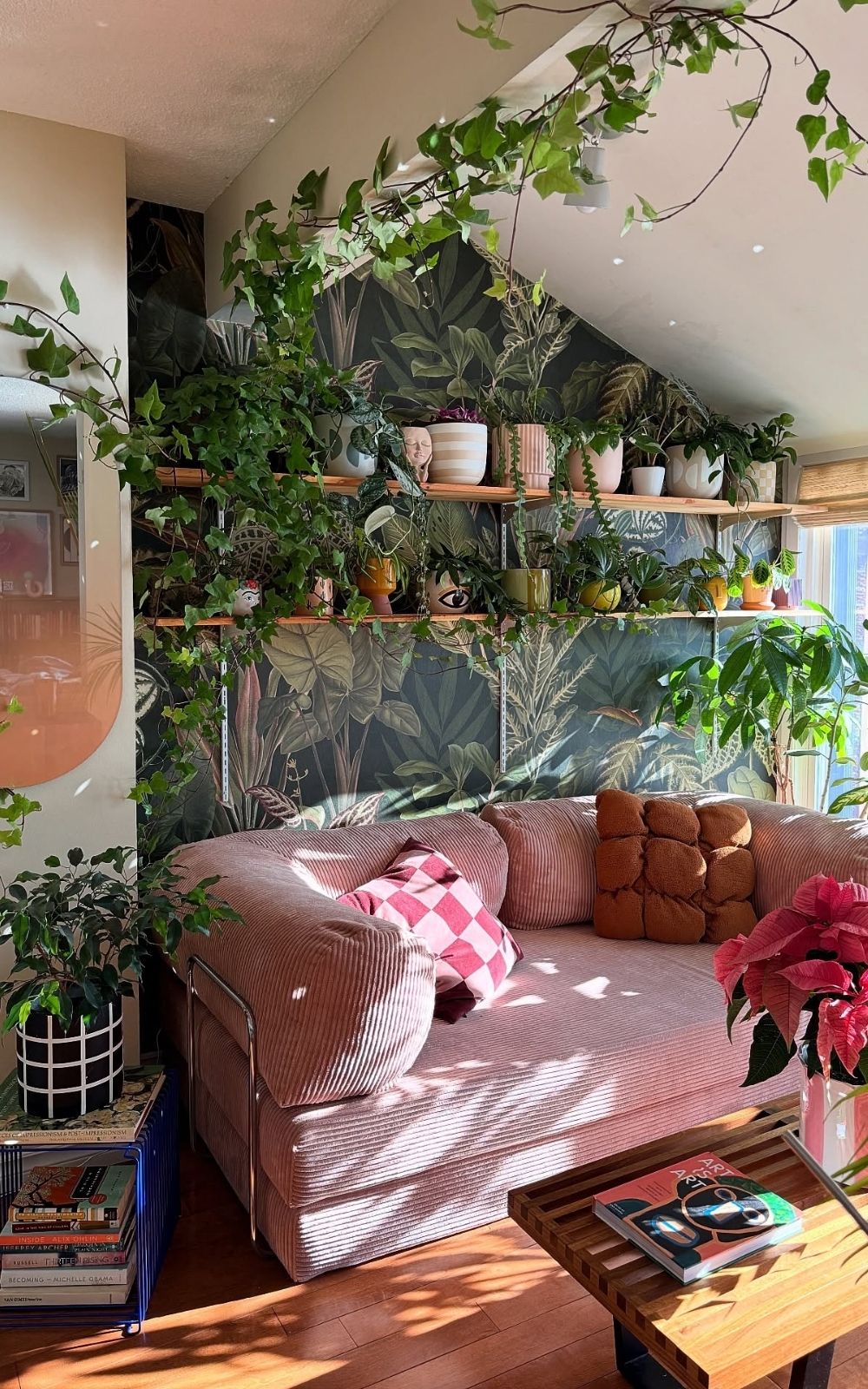
Header image by @houseplantclub, featured image by @hiltoncarter.