Lilies and I go back a long way.
In the 1980s and early 1990s, domestic rose growers were looking for new crops to grow because of the rise of South American roses in the US market. I sold flower bulbs, and especially lily bulbs, to commercial cut flower growers throughout the United States and Canada. I worked directly with lily breeders and watched new varieties come into production, so lilies have always been a flower I follow with special interest.
Even after more than 45 years in the flower business, I believe you have to keep learning.
That is one reason I travel to Holland once or twice a year. I like to visit growers, breeders, and hybridizers, and I go to the annual Trade Fair Aalsmeer and the IFTF in Vijfhuizen. That is where I learn about the latest developments in cut flowers and stay informed about where our industry is heading. There is no substitute for walking through a greenhouse, seeing new varieties firsthand, and talking directly with the people who are developing and growing them.
This past June, that included a visit with Henk Onings of Onings America, which is owned by Onings Holland, during the Dutch Lily Days. Henk's office is about 75 miles north of us here on California's Central Coast.
Because of my history with lily bulbs, I thought I knew lilies well. I came away impressed by how much they have changed.
Breeding Never Stands Still
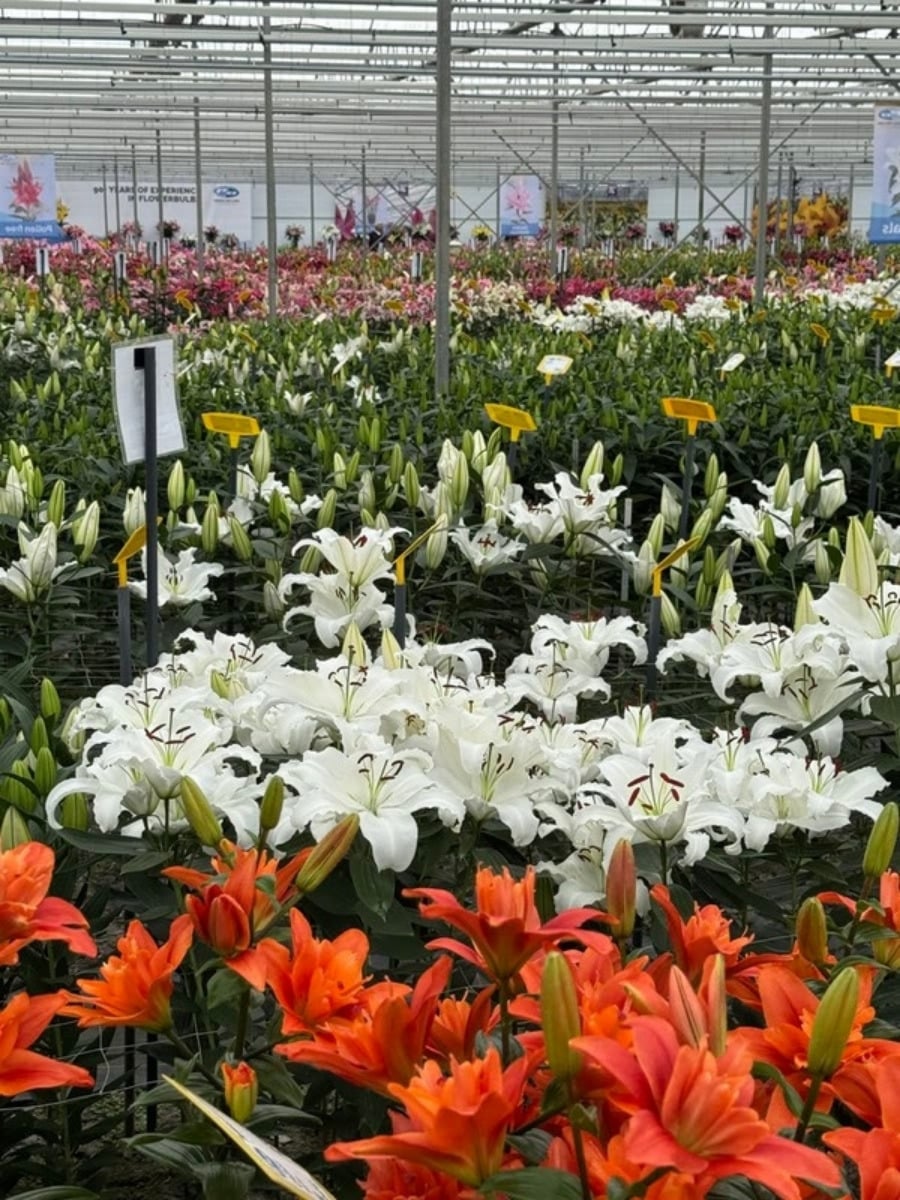
Walking through the lily trials, I saw rows and rows of varieties in whites, pinks, yellows, oranges, reds, and many shades in between. I took quite a few videos because photographs alone really couldn't capture the scale of what I was seeing.
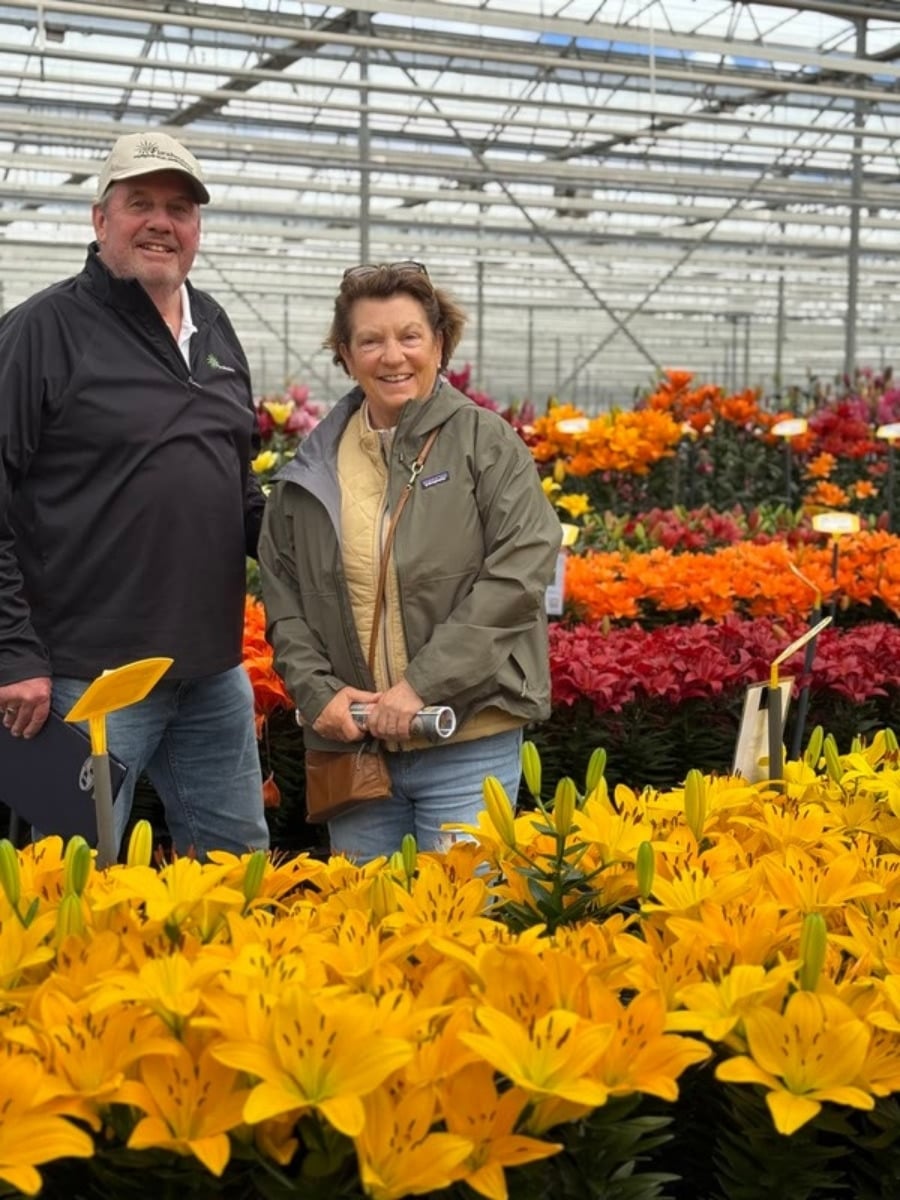
There were new colors, different flower forms, and improvements in the characteristics that matter to growers and florists, and in the end to consumers. That is what good breeding is about.
When I was selling lily bulbs more than 45 years ago, we were looking for improved varieties then, too. But breeding never stands still. Seeing today's lilies reminded me how dangerous it is in our business to assume we already know a flower simply because we have worked with it for many years.
Double, Pollen-Free Lilies Are Changing the Category
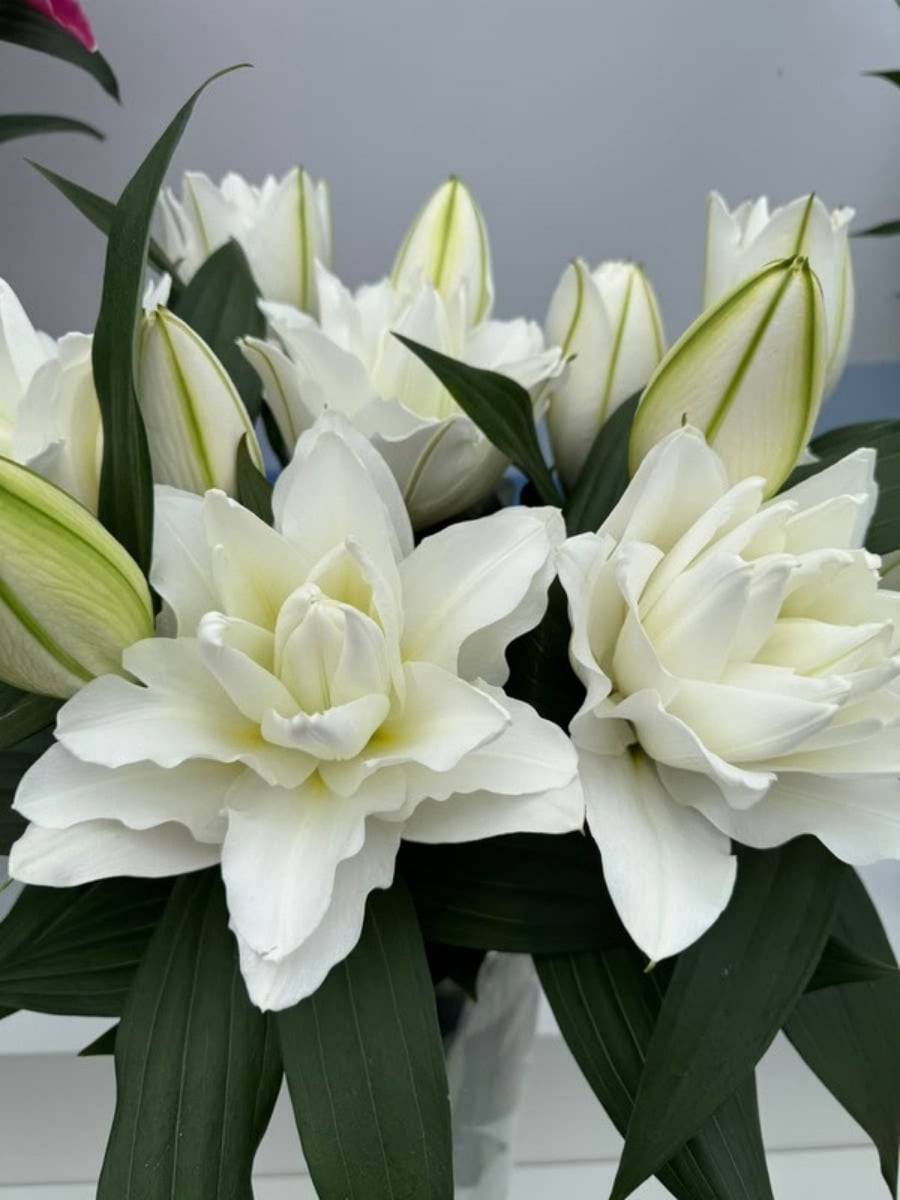
The development that particularly caught my attention was the double, pollen-free lilies known as Rose lilies.
These flowers can look very different from the traditional lily many consumers remember. They are fuller and more layered, and some almost look like a garden rose or a peony.
More importantly, these double lilies are becoming popular with consumers.
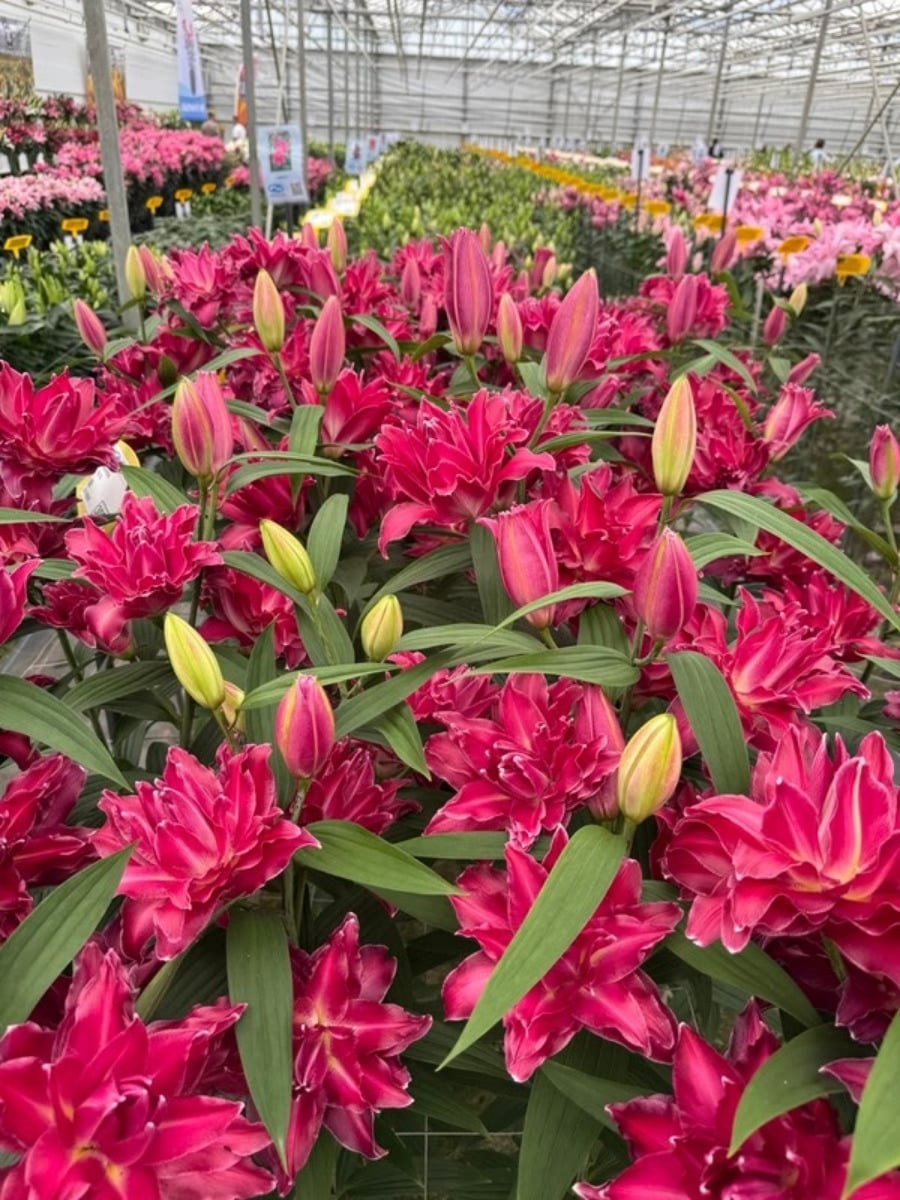
The absence of pollen is a real benefit. Consumers can enjoy lilies in their homes without worrying about pollen dropping onto a tablecloth, furniture, or clothing. Some of the newer varieties also offer a milder fragrance, which can appeal to people who like lilies but find the fragrance of some traditional Oriental varieties too strong.
And there is another important benefit: floral designers can use them differently.
The fuller flower gives plenty of visual impact and makes these lilies easier to work into hand-tied bouquets, wedding work, and centerpieces. Rather than thinking of a lily only as the large, traditional Oriental flower, designers can use some of these new doubles much like other premium focal flowers.
That's a significant change.
We Need to Educate the Consumer
This brings me to something I believe our industry needs to do better.
We need to educate the public about today's lilies, and that starts with florists and floral designers.
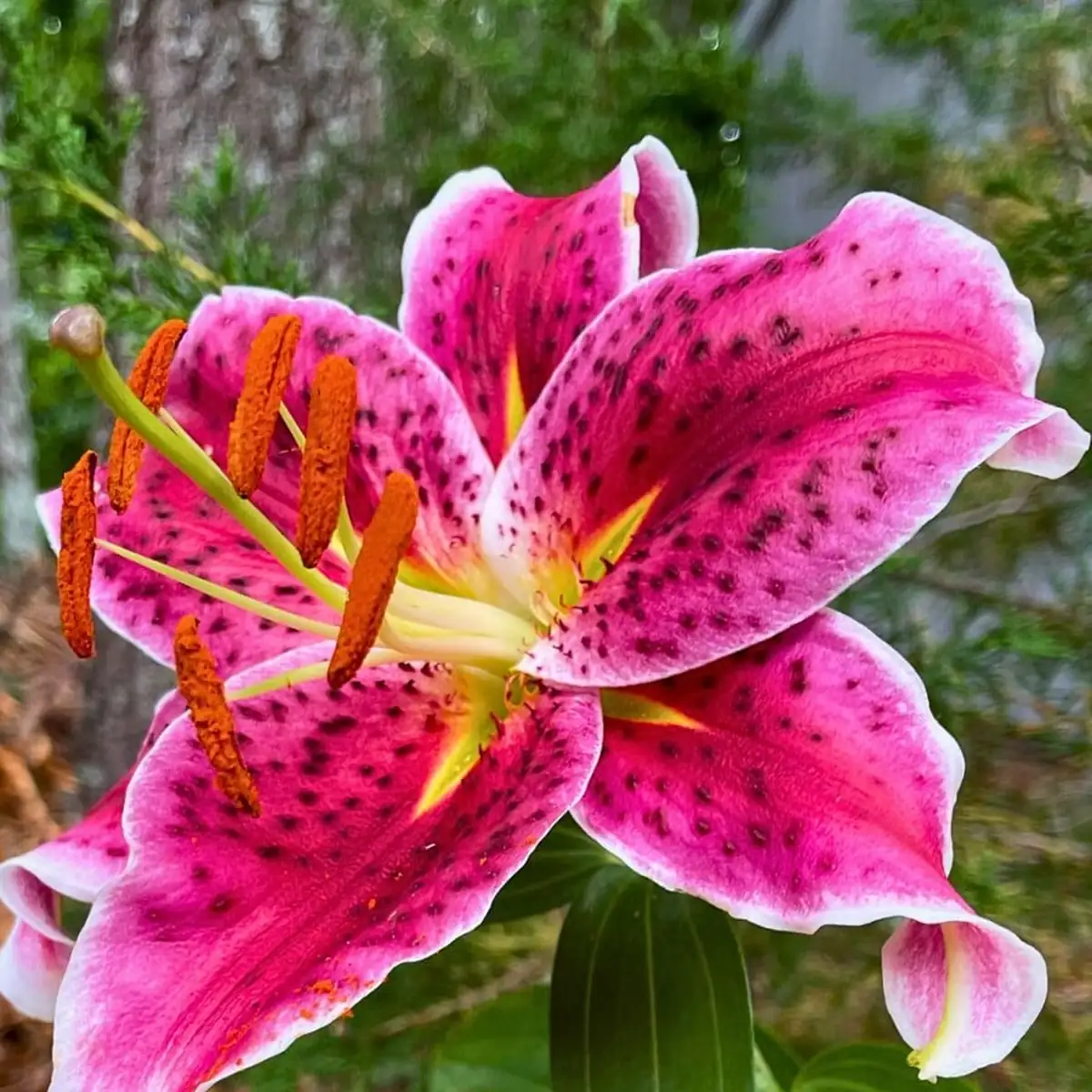
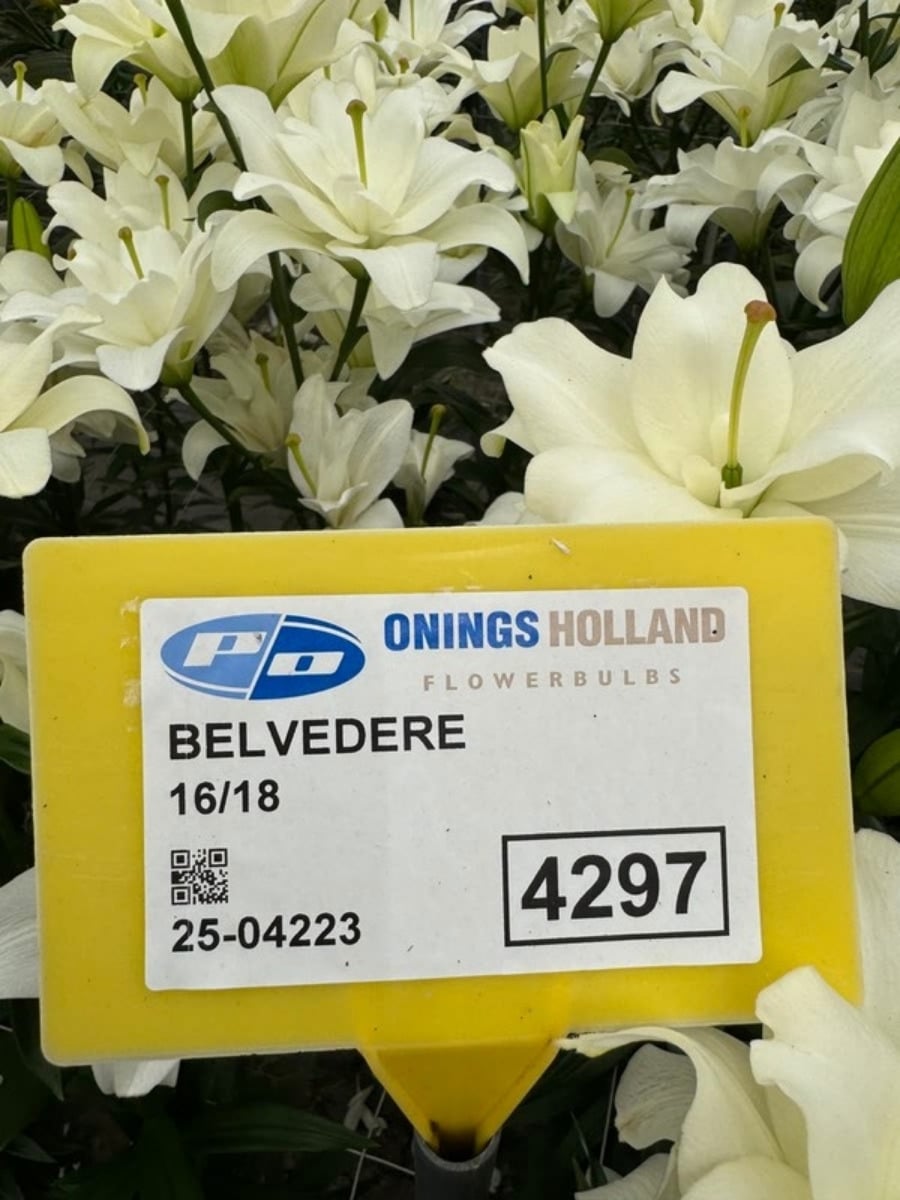
We frequently hear people in our industry ask for a "Stargazer lily" when what they really want is a pink Oriental lily. The same thing happens with "Casa Blanca" when someone is looking for a large white Oriental lily.
Those two varieties became so well known that their names almost became generic descriptions for an entire type of lily. But the reality is that Stargazer and Casa Blanca themselves are barely grown anymore.
Meanwhile, breeders have kept moving forward. At Dutch Lily Days, you can see just how many excellent improved varieties are now available. There are better colors, new flower forms, doubles, pollen-free varieties, and lilies with different fragrance characteristics.
Yet if florists and designers keep talking to consumers mainly about Stargazer and Casa Blanca, we aren't telling the story of what is actually available today.
We are selling today's lilies using yesterday's names and yesterday's perceptions.
That needs to change.
Florists and Designers Can Lead the Change
Florists and floral designers are in the perfect position to introduce consumers to this new generation of lilies.
When a customer asks for Stargazer, don't just substitute another pink Oriental and leave it at that. Explain what you are using. Tell them about the newer variety. Show them a double. Explain that some lilies are pollen-free. Talk about fragrance.
The same goes for white lilies.
Consumers don't need to know hundreds of variety names. But they should know that the lily category has evolved.
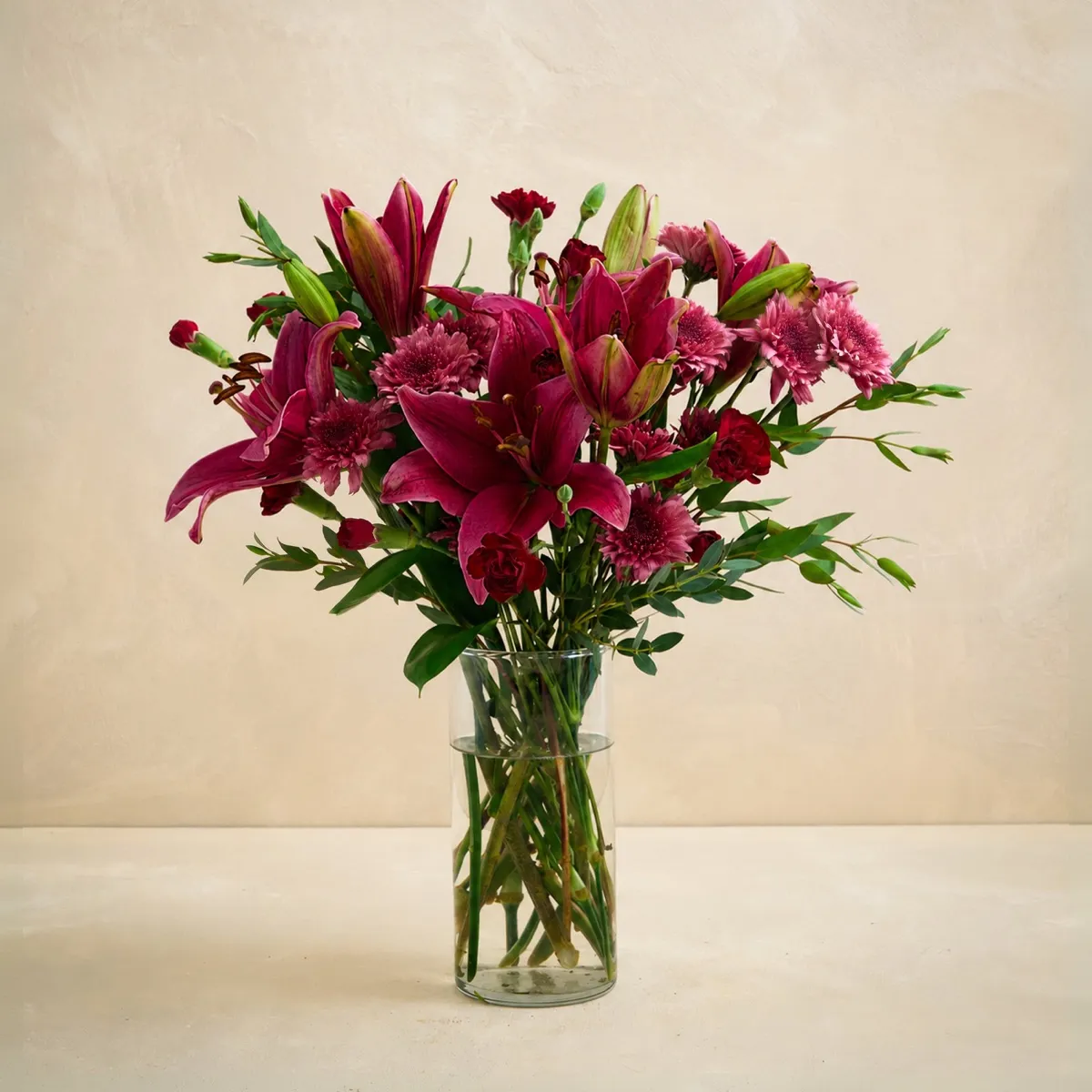
Designers can help make that happen simply by using these flowers in a different way. Put a beautiful double lily into a wedding bouquet. Use several in a contemporary centerpiece. Combine them with garden roses, Ranunculus, or other premium flowers, and let the consumer discover that this is a lily.
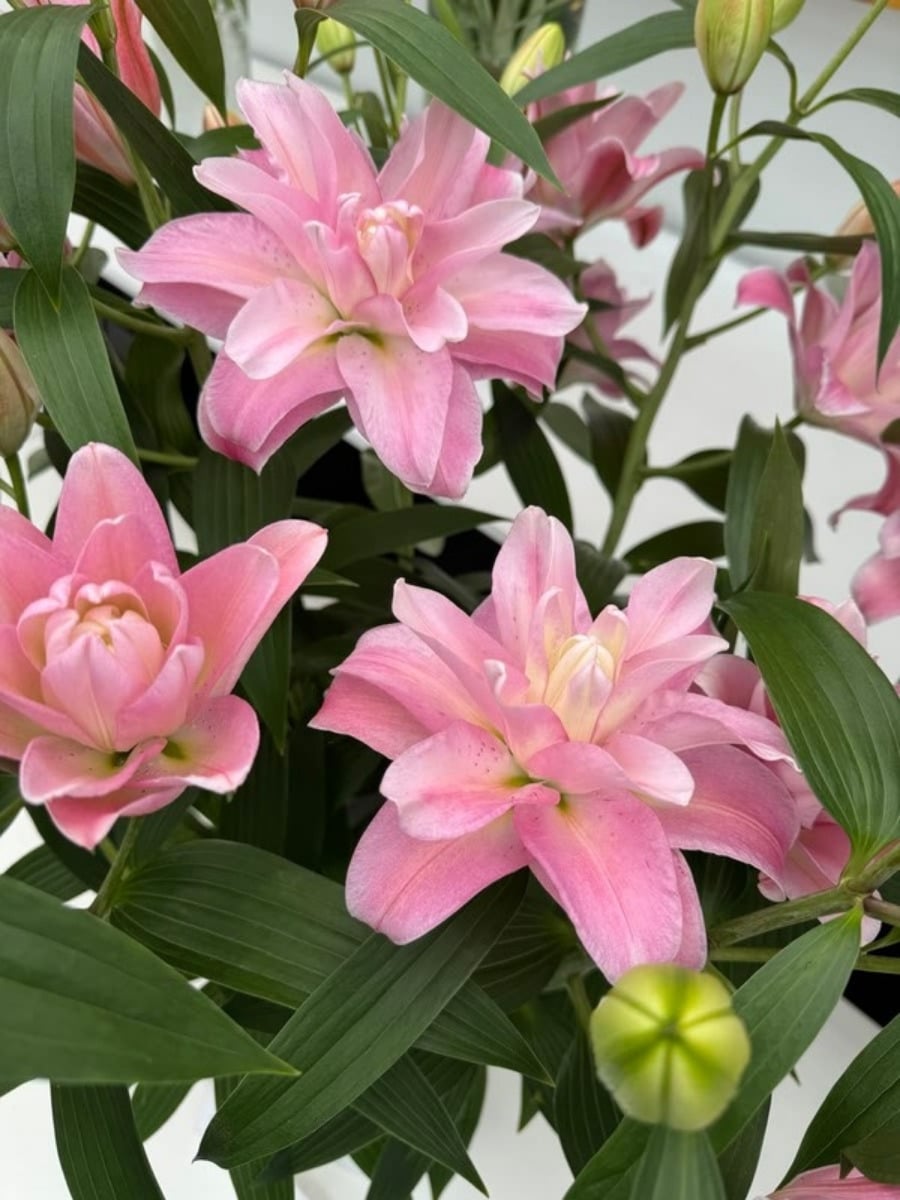
Sometimes the best education happens when someone looks at an arrangement and asks, "What flower is that?"
That's our opportunity.
The Breeders Have Done Their Part
One of my biggest takeaways from spending time with Henk and walking through the trials was that the breeders have done tremendous work. They have continued improving the flower. Now wholesalers, florists, and designers need to help tell that story.
At Florabundance, we see this changing demand firsthand. White Oriental lilies remain important, but we are also seeing interest in double whites, double pinks, and other newer varieties. That tells me consumers have not lost interest in lilies. We may simply need to show them a different lily.
In our industry, there is always something new to learn. Sometimes innovation means discovering an entirely new flower. Sometimes it means rediscovering one we thought we already knew.
My advice to our industry: take another look at all lilies. They have changed. And now we need to make sure the consumer knows it too.
Photos, featured image, and header image by Joost and Alexandra Bongaerts.