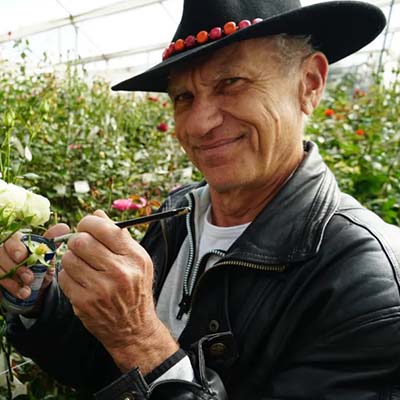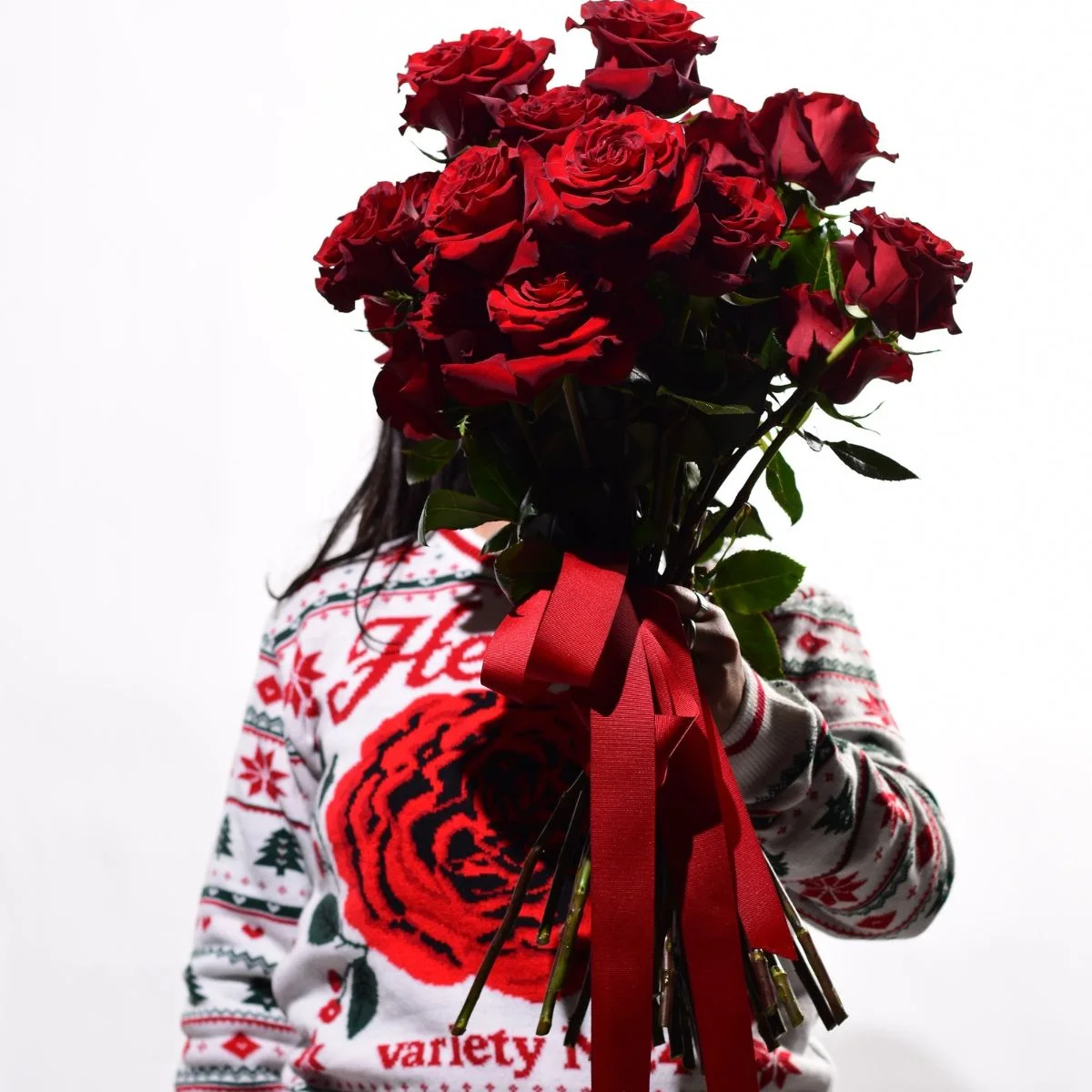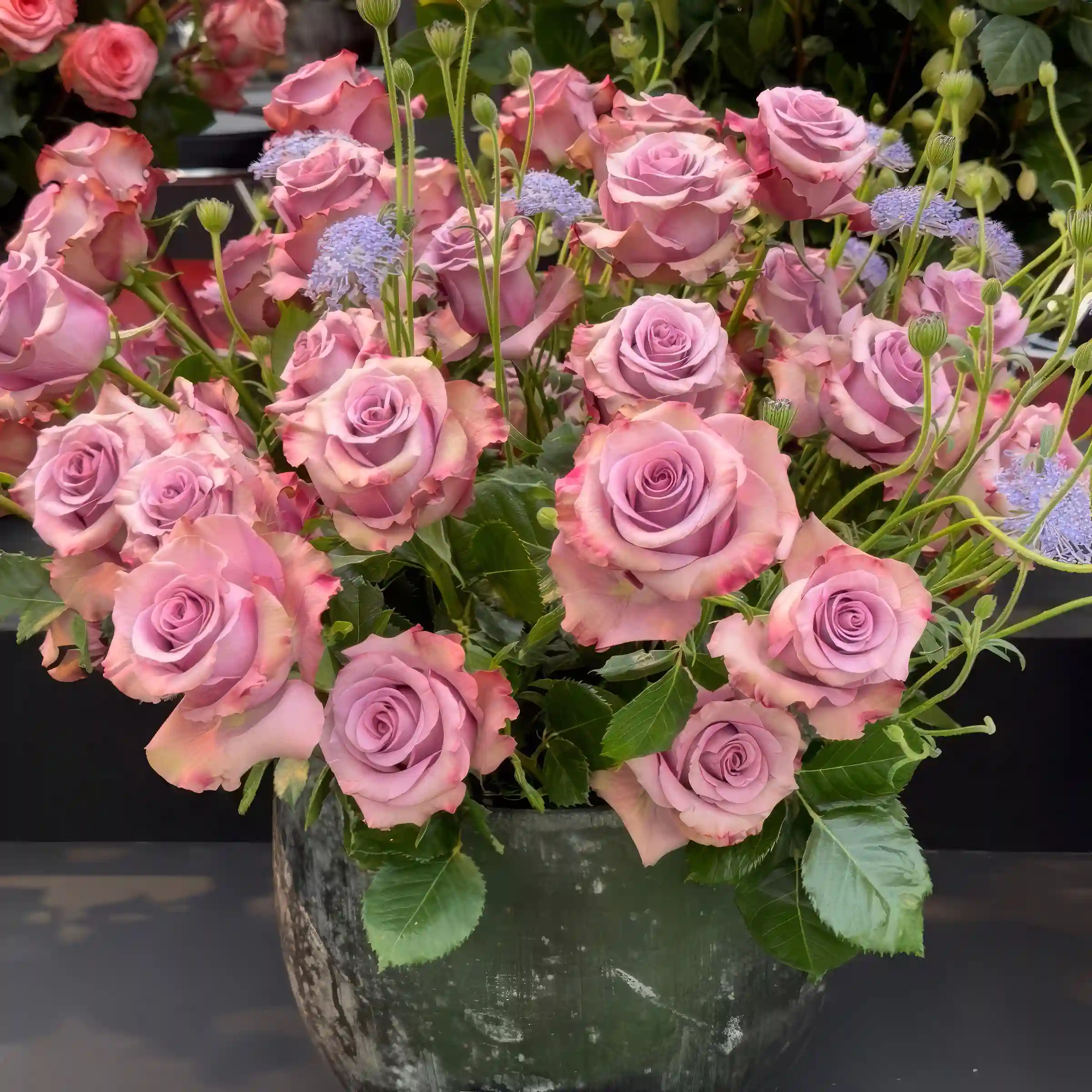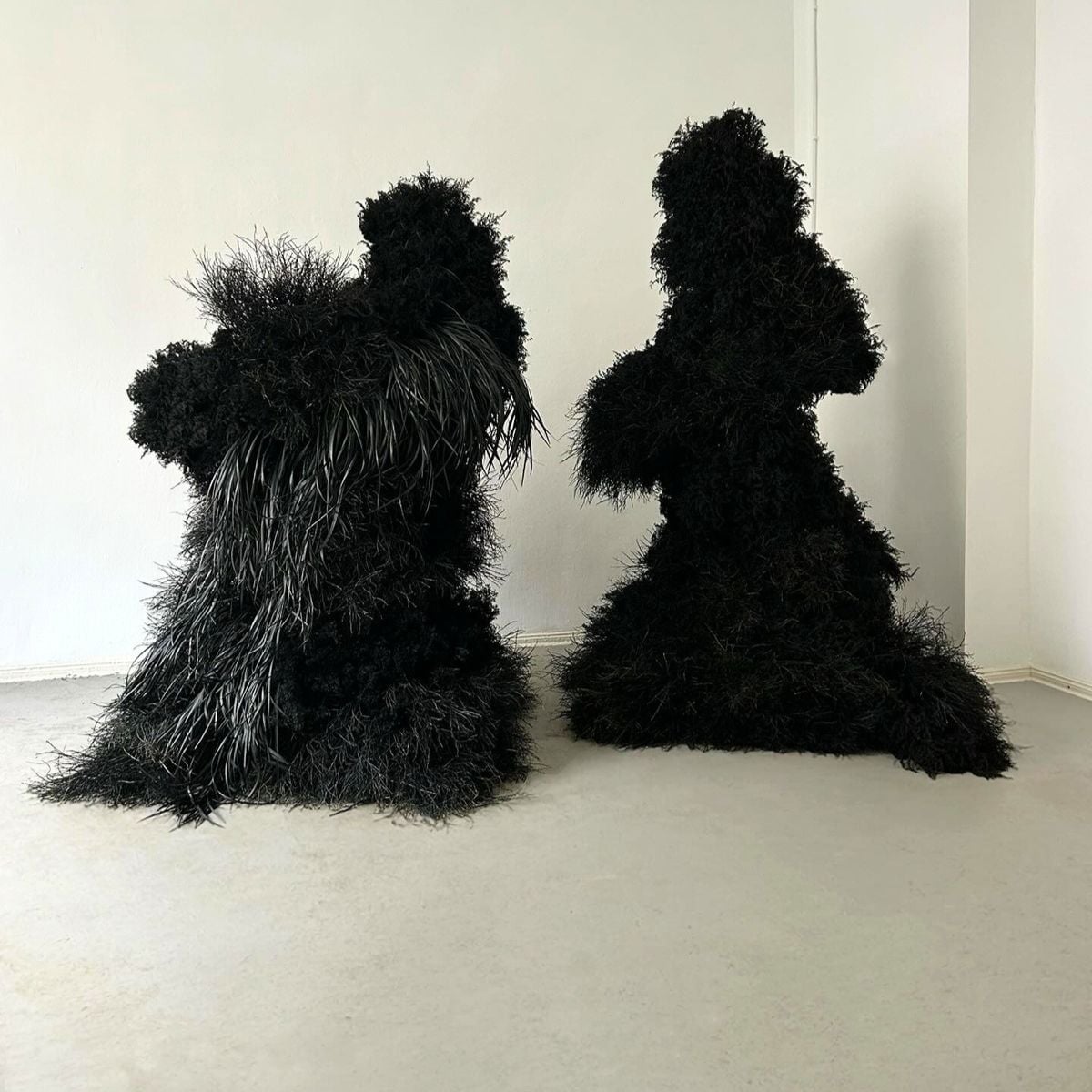
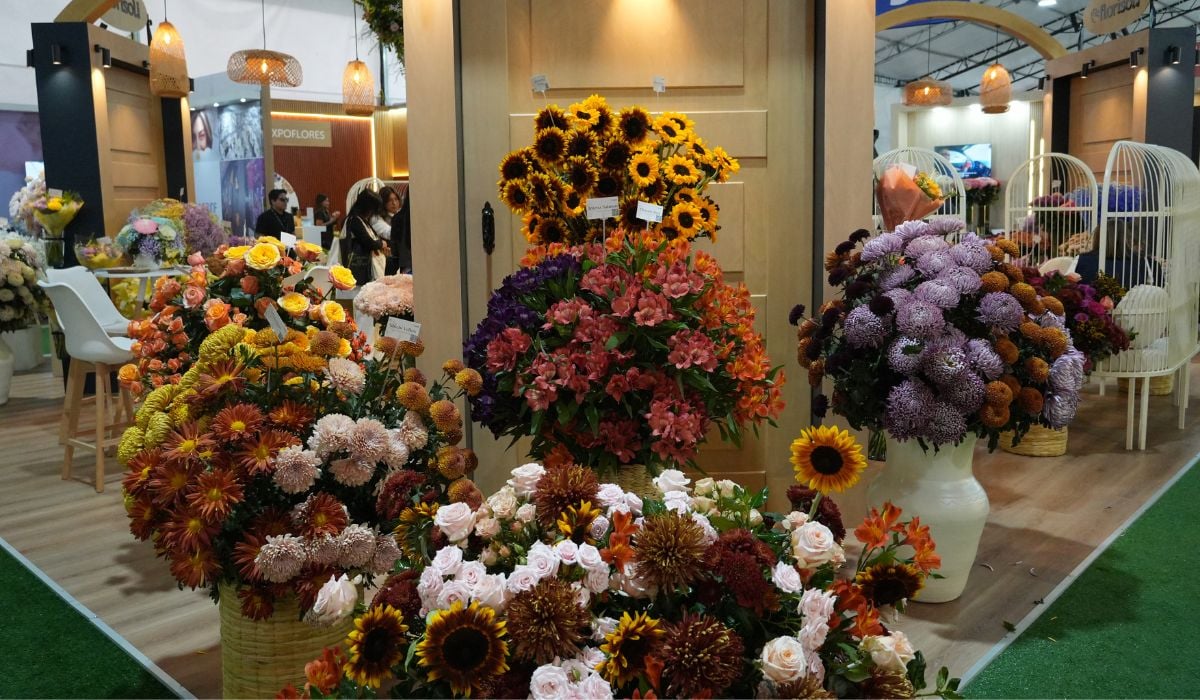
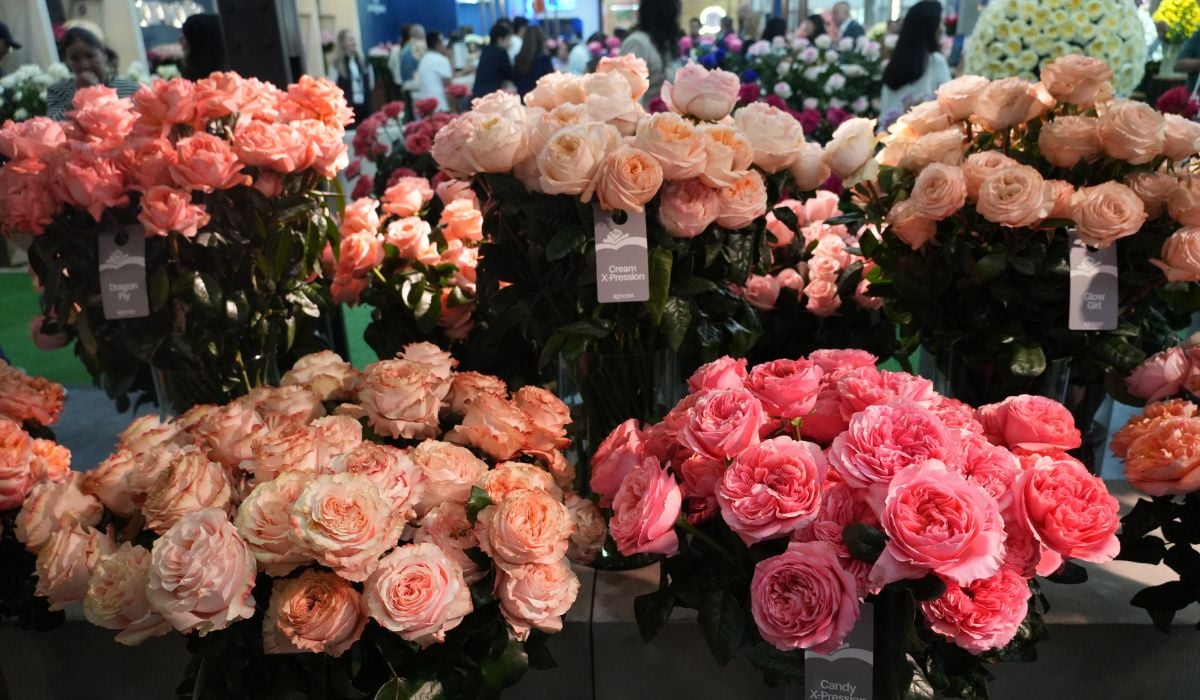
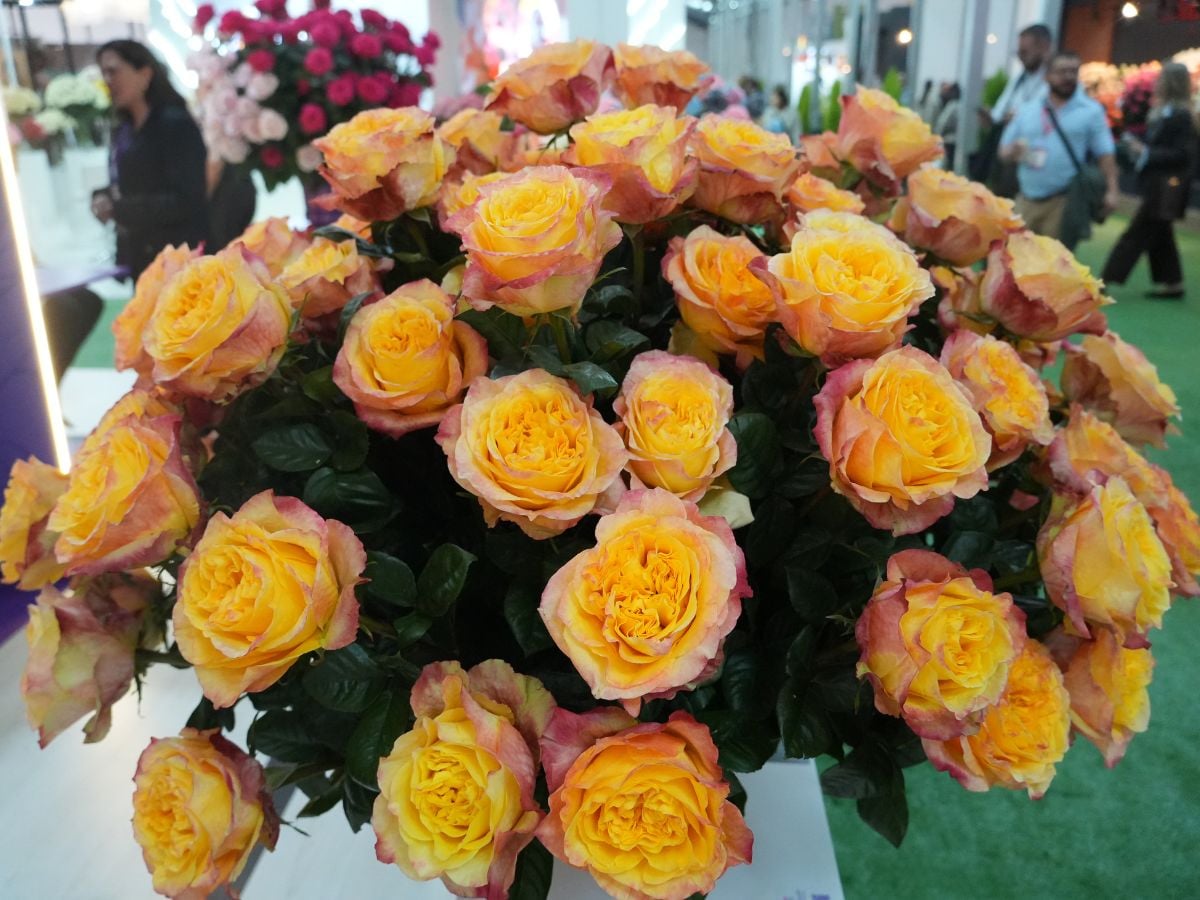
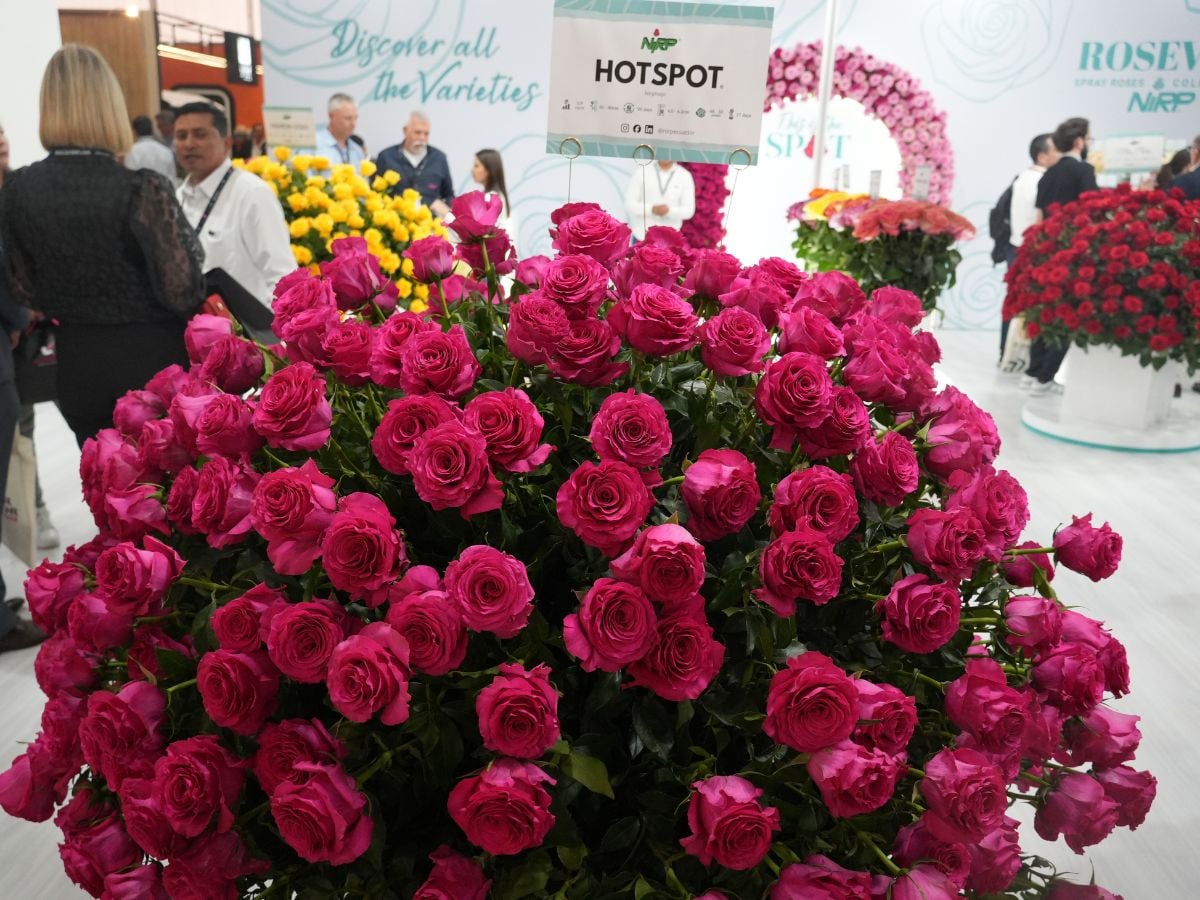
I traveled to Quito to see what the world's best growers and breeders had to show. I was not disappointed; grand exhibits featured the biggest, showiest, frilliest roses and flowers you can imagine. Make no mistake: this is a rose show where most exhibitors show roses. But there are exceptions like Valleflor, which has the most spectacular Delphinium that I have ever seen.
Each year I see more and more farms offering preserved flowers, which have come a long way over the last ten years. Many rose farms have also started growing other crops like ranunculus, anemones, and poppies. Ranunculus has come a long way, and I think you'll see it in more arrangements in the coming years.
I Applaud Expoflores for Organizing a Fine Exhibition
This show is organized by Expoflores, which is the flower growers' association of Ecuador. While I do not give them high marks for communication, I applaud them for organizing a fine exhibition.
Sitting at the opening ceremony, I was challenged to understand the presentation as it was all in Spanish. While I can get by in basic Spanish, I found it odd that the entire presentation was in Spanish, even though many in the audience were English-speaking. This is sort of par for them, as most of their industry communications are in Spanish.
As someone who attends many shows, I can't help but notice that Expoflores is never a sponsor of anything. This is in stark contrast to Asocolflores (Association of Colombian Flower Growers), which is ever present at most of the expos I attend.
Perhaps this is a good time to acknowledge the changing tide that, for once, has placed Ecuadorian flowers in a very competitive market with Colombia.
About the News We Are Hearing From Growers and Asocolflores
For many reasons, including tariffs, exchange rates, and, most importantly, production costs, many growers tell me it is now less expensive to grow in Ecuador than in Colombia.
Ecuador's currency is the American dollar, which has been a challenge for growers since it was adopted in 2000. On the other hand, Colombia uses the peso, which historically benefited growers because they got paid for flowers in dollars but paid expenses in pesos.
Ten years ago, the exchange rate was about 4,500 pesos per dollar, which added a profit margin to foreign sales, whereas today it is 3,200. That rate was often the difference between profit and losses. Before the conversion to the dollar, Ecuadorian growers used sucres, which also worked in their favor. Adopting the dollar made them less competitive with Colombia.
Regarding Colombia, I cannot sugarcoat what we are hearing from growers and Asocolflores. This is a perfect-storm situation where higher wages, a weak peso, and a 12.5% tariff (vs. 6.5% for Ecuador) have made life very challenging for flower growers.
Work Through the Troubling Times and Thrive Like Before
So, what is likely to happen? Underfunded growers will feel the most pain, and the weak will fail. This could create opportunities for companies like Elite, Sunshine, and Passion to acquire growers with the production they need.
However, I am not sure many currently want to increase their footprint in Colombia. I also imagine there will be little to no expansion in production in Colombia for the next few years. That said, Colombians are resilient and good businesspeople, so I am optimistic they will work through these troubling times and thrive as they have before.
Back to the Show, I didn't see as many Asians or Russians as I did in years past. But they're definitely buying flowers and are a big part of the Ecuadorian customer base. It's not easy to get flowers there, but where there is demand, growers are willing to meet it.
Two Features That Define an Excellent Farm
I had the opportunity to visit two farms. Rosaprima was the first, and after a delightful breakfast in their greenhouses, where they test new varieties, guests were invited on a tour of the beautiful farm.
The second tour was at Qualisa, a Dutch farm Elite acquired four years ago. Again, it is a fantastic farm with many innovations that keep them ahead of others. I will be testing their new varieties over the next few months, and I will share the results with you.
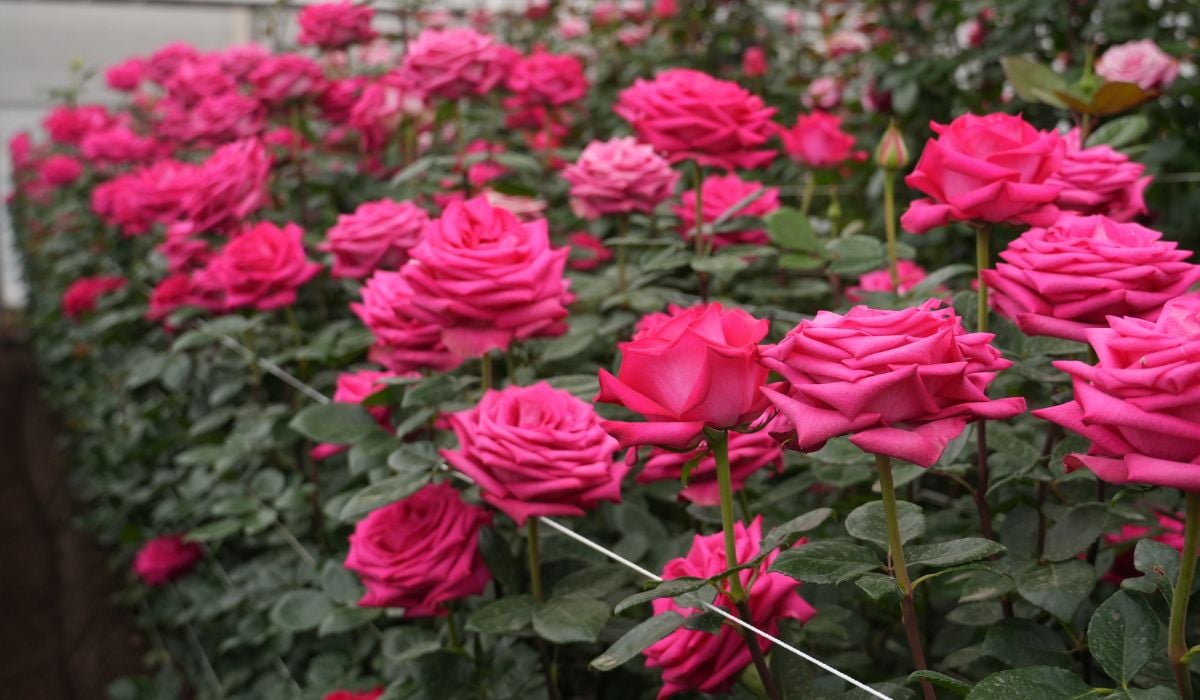
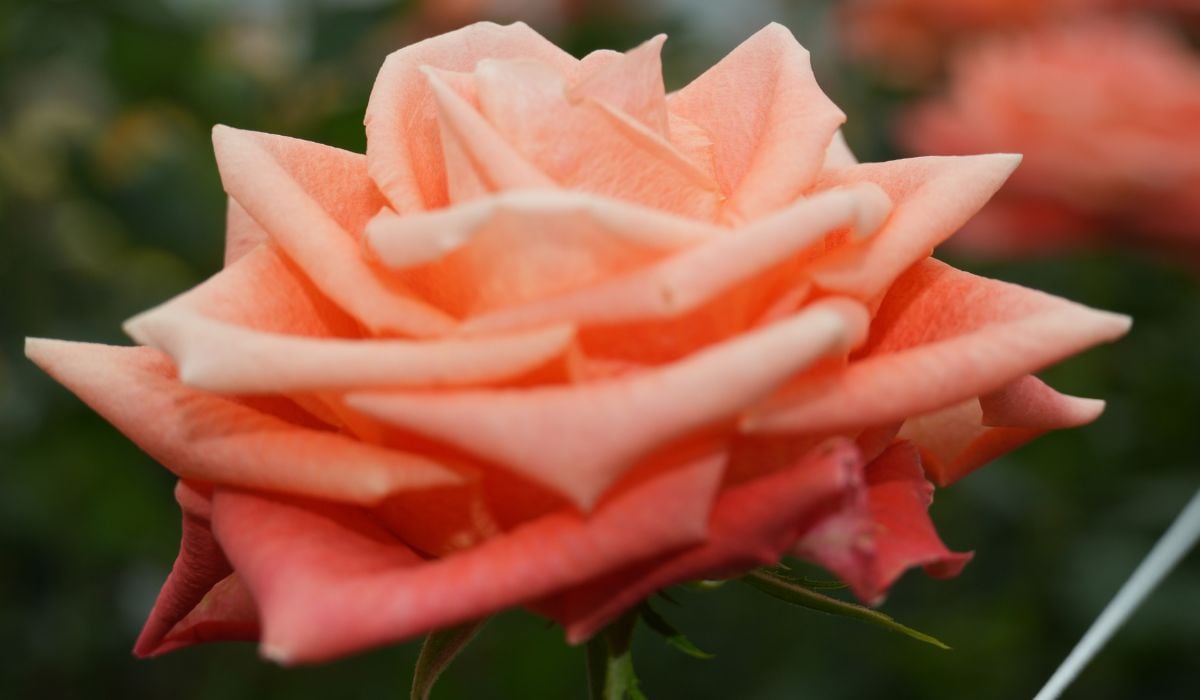
Having visited many farms in my floral career, I have narrowed down the two features that define an excellent farm. If the rows between the flower beds are clean, that is a sign of a good grower. If the post-harvest employees are happy, that is a sign of a good employer.
Both farms met those benchmarks, which is why they produce high-quality flowers.
Random Notes:
In Spain, supermarkets do not carry everyday flowers. Traditional retail florists sell flowers. I heard a new rumor that Elite is once again attempting to acquire Color Republic. I spoke directly to Juan Carlos Hannaford (owner of Elite), who assured me this is not true and will never happen.
There was some talk about flowers from China. While the US likely won't see any flowers from there, they will start exporting to Asia, Russia, and other markets currently serviced from Africa, Ecuador, and Colombia.
Regarding new varieties, it takes approximately one million crossings to get perhaps 20 new potential plants. A grower will take 80,000 seedlings from various breeders to get 4-5 new viable varieties.
It was a great trip with wonderful people, and I hope that my coverage gives you a better idea about what happens at a flower show and on a farm. For those who took the time to tell me that my words and coverage mean something to you, I am most humbled and pleased that I can bring my floral life to you. Thank you!
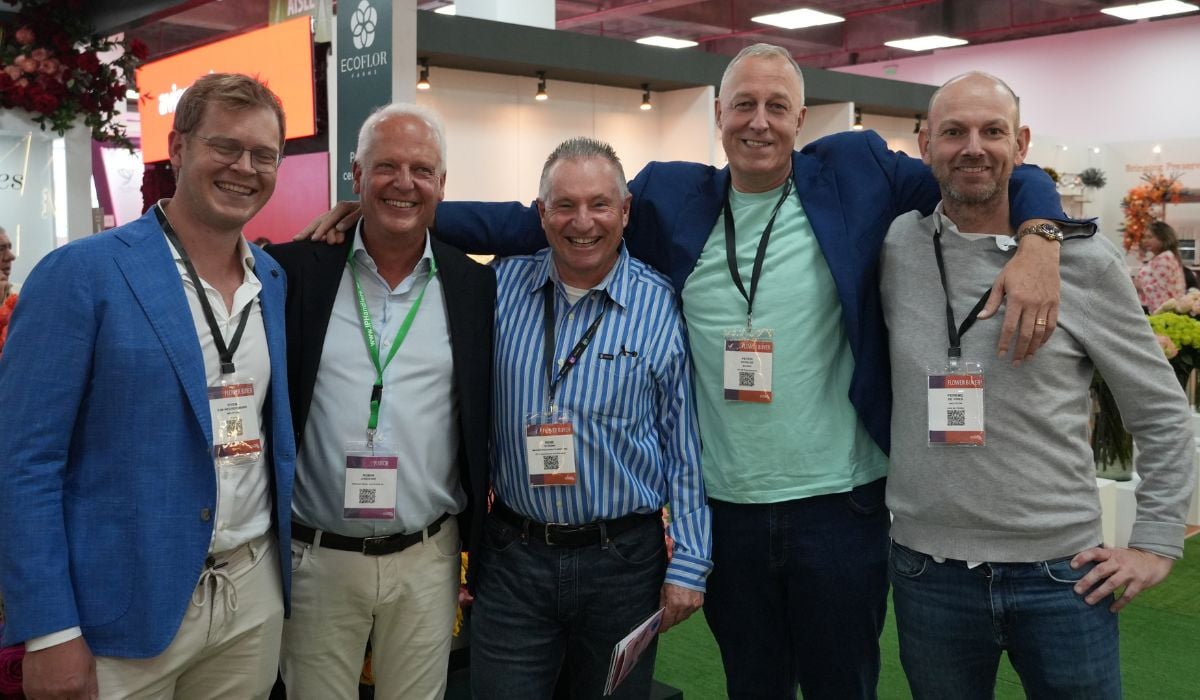
Finally, of course, I took lots of photos and videos and prepared them for my video review.
Photos: William 'Williee' Armellini