Every grower understands that different flowers require different care than others, and that seasonal changes demand continuous adjustments. Just the same way, growing flowers commercially requires attention to water management. Smart water management technologies and tools, in such cases, help these growers produce high-quality flowers using less water, with the result being reduced costs and environmental conservation. Such tools are a viable solution to long-standing challenges in floriculture. But how do they work? Why do they matter?
Understanding the Water Problem
Flower farms consume substantial amounts of water. A single flower greenhouse can use thousands of gallons daily. Yet, for decades, growers relied on experience and observation, watering based on schedules or visual assessment. This approach worked reasonably well but had significant limitations.
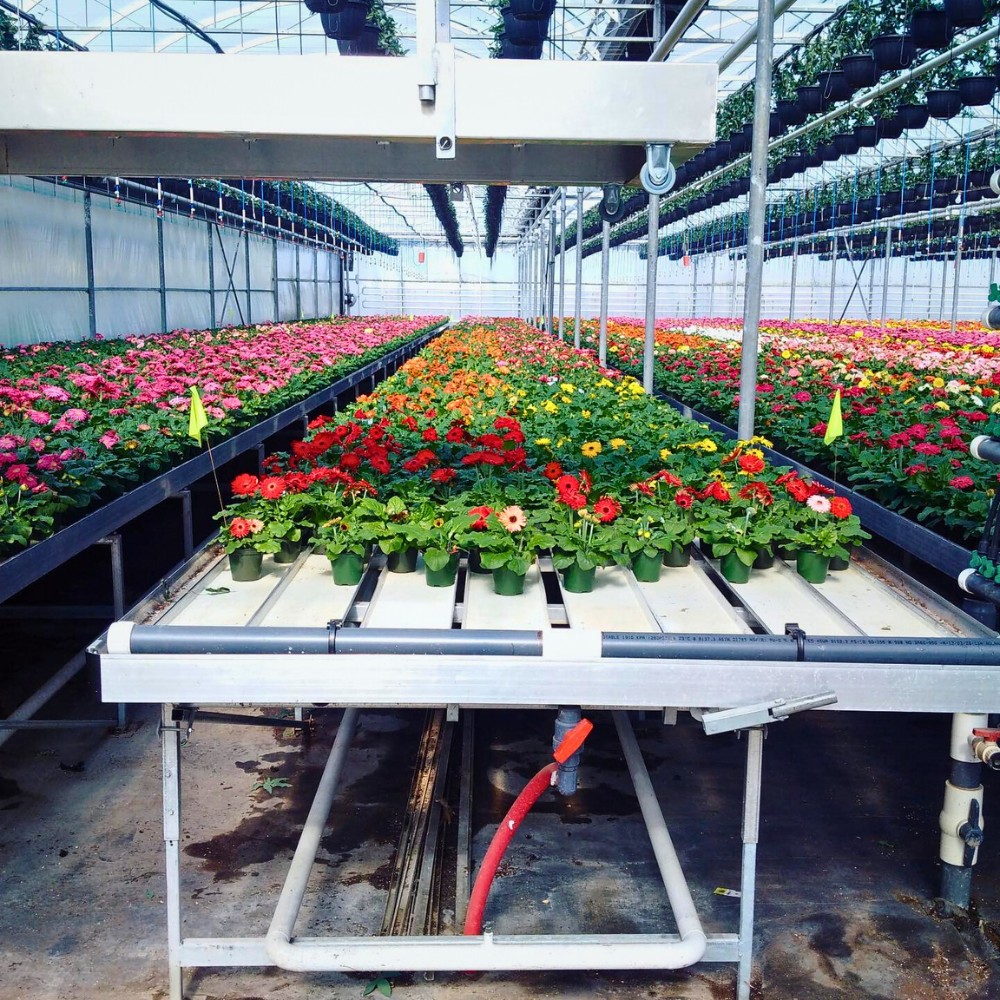
Poor water management creates different problems. Overwatering drowns roots, encourages fungal diseases, and washes nutrients into the ground where they can pollute waterways. Underwatering stresses plants, reduces flower size, and shortens vase life. Finding the right balance has always been difficult.
Climate change has made water management increasingly difficult. Rainfall patterns shift unpredictably, droughts last longer in some regions, and heat waves come without warning. Traditional methods struggle to keep pace with these changing conditions. So, growers need systems that can adapt quickly and respond to real-time conditions.
The Advent of IoT Sensors in Flower Production
With the advent of technology, innovations based on the Internet of Things (IoT) sensors work like monitoring stations. For flower growers, these devices measure key variables including soil moisture, temperature, humidity, and light levels. They collect data specific to their location, building a detailed picture of conditions across the entire operation.
The connectivity these sensors provide makes them, on the whole, useful. Devices communicate wirelessly with central systems, transmitting data to computers, tablets, or smartphones. Growers can remotely monitor their greenhouses' conditions from anywhere. This eliminates guesswork and reduces the need for constant physical inspection.
These systems improve over time through data accumulation and learning, establishing baselines for normal conditions, and can identify deviations that might indicate problems. When readings fall outside expected ranges, the system sends alerts, so growers address issues before they affect plant and flower quality.
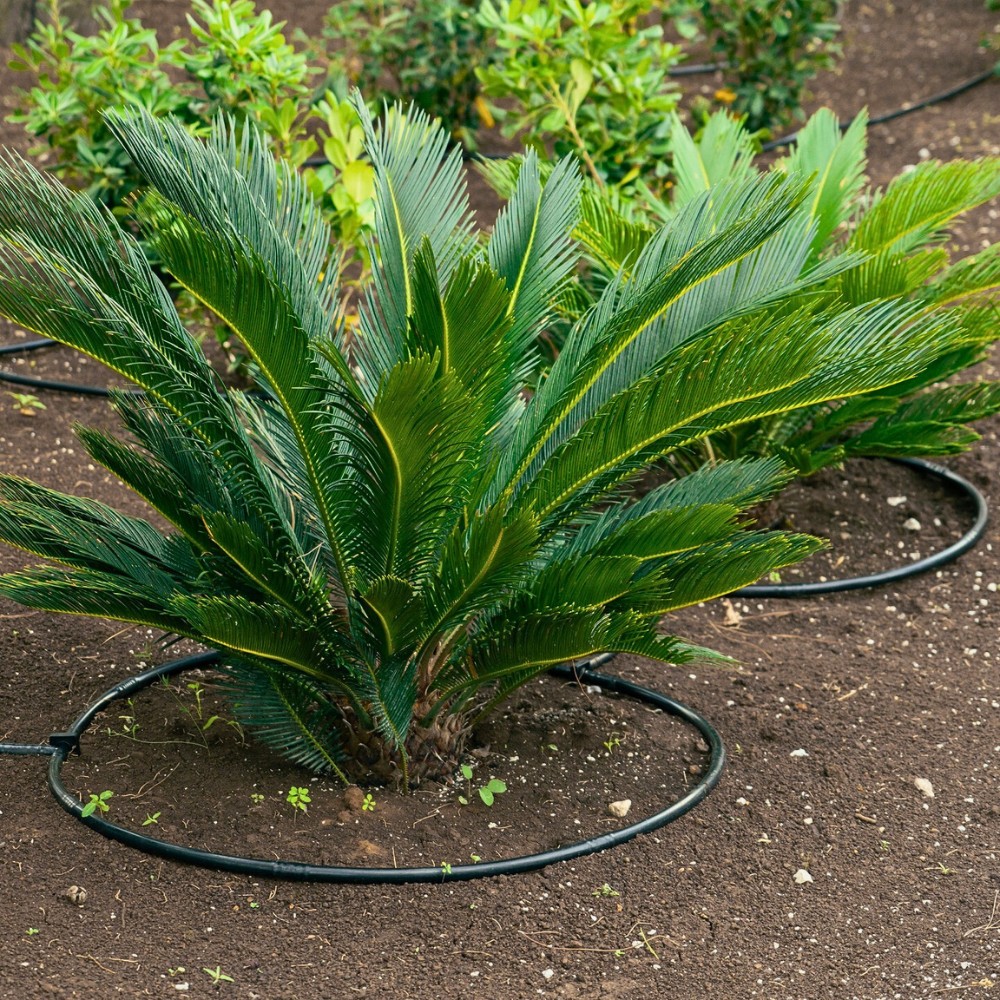
Continuous operation gives these systems an advantage over manual monitoring. Sensors track conditions 24 hours a day, capturing changes that take place overnight (or during weekends). If moisture levels drop critically, automated systems can activate irrigation without human intervention.
The Science of Moisture Monitoring
Moisture sensors measure water availability in growing media with considerable accuracy. This matters because surface wetness doesn't always indicate adequate moisture throughout the root zone. These sensors provide objective data about water status at specific depths and locations.
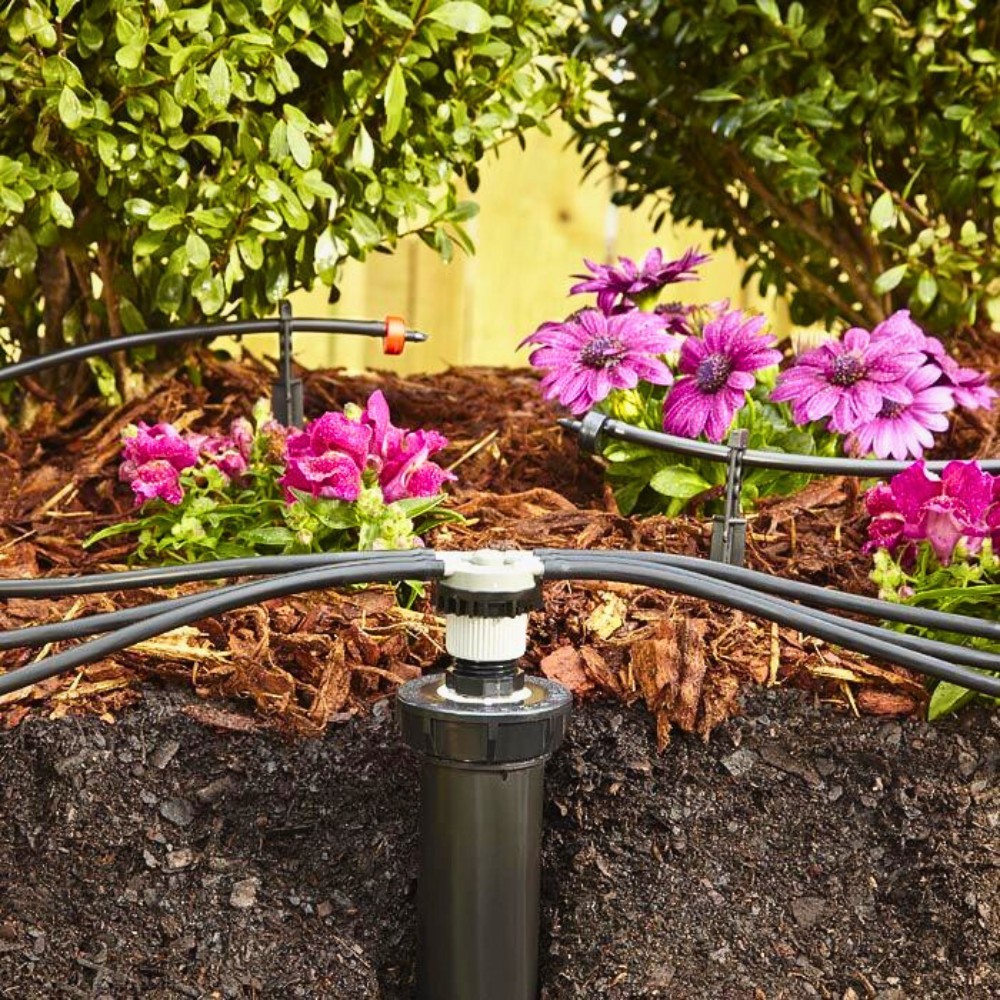
Different growing substrates work differently with water. Peat retains moisture well, sand drains quickly, and coco coir has intermediate characteristics. Sensors calibrated for specific media types give accurate readings that show the real conditions, not general estimates.
Modern systems use different sensors to measure moisture at various depths; a vertical profiling that shows whether water reaches the entire root zone or only wets the surface. Understanding moisture distribution helps growers adjust irrigation timing and duration for better results.
Equally, continuous monitoring shows patterns in plant water use throughout the day and across growth stages. Morning uptake, for instance, differs from afternoon consumption, and plants in active flowering use more water than those in vegetative growth. Sensors capture these variations, enabling irrigation schedules that match changing needs.
Technology also identifies operational problems. Uneven irrigation coverage can easily be identified when sensors in different locations report significantly different moisture levels. Drainage problems also show up when some areas remain saturated while others dry normally. Addressing these issues improves both water efficiency and crop uniformity.
On Precision Irrigation
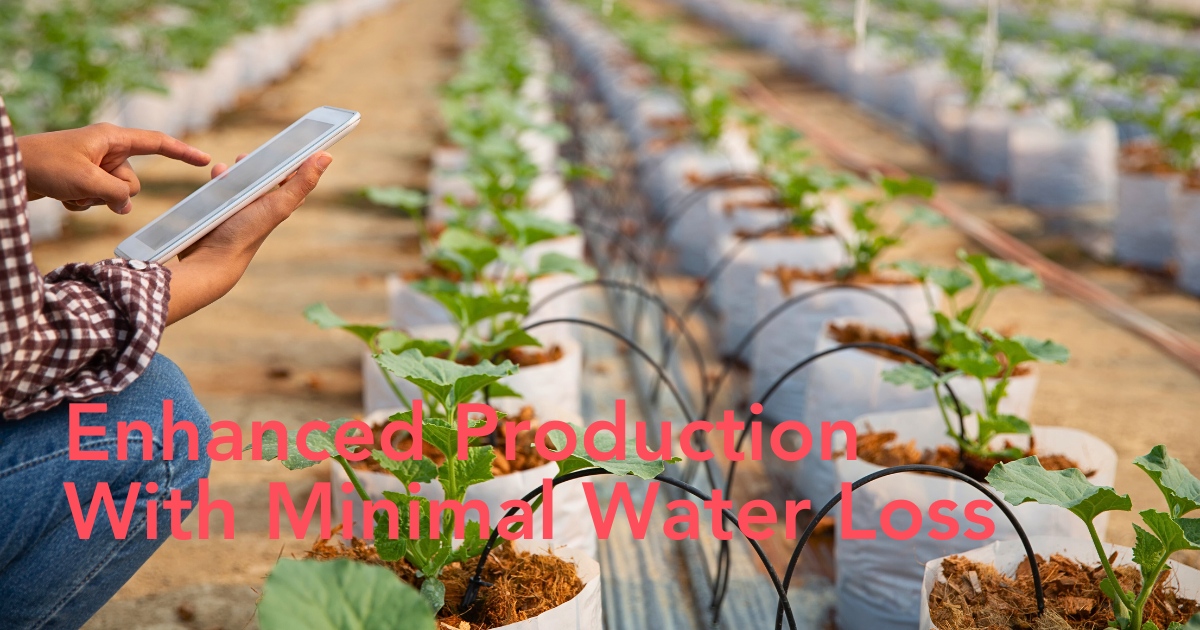
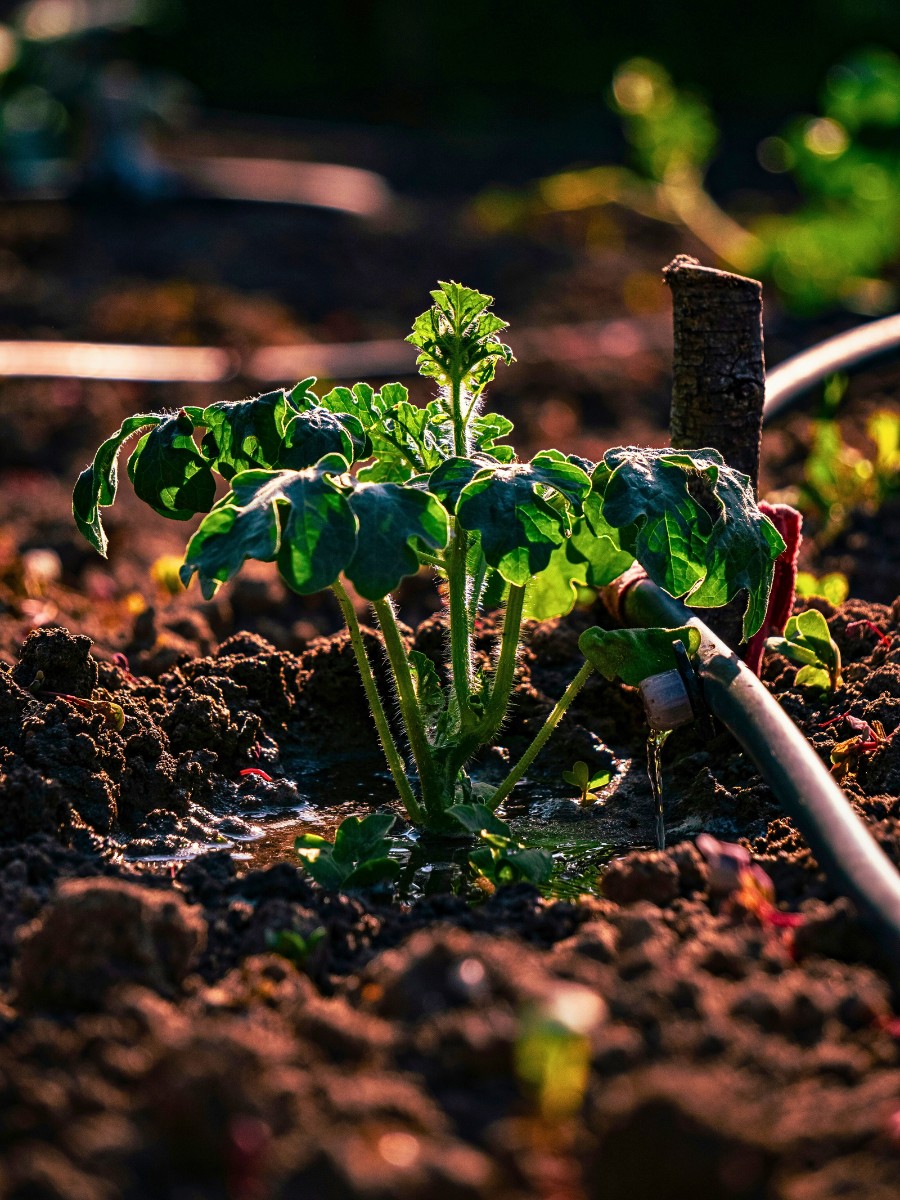
Effective data requires appropriate delivery systems to create impact. Precision irrigation uses sensor information to apply water in amounts and locations that match plant requirements closely. Drip irrigation systems, for instance, deliver water directly to root zones, in a focused application that reduces waste from evaporation or runoff. In greenhouse settings, drip systems can reduce water use by 40% to 50% compared to overhead sprinklers while maintaining (or improving) crop quality.
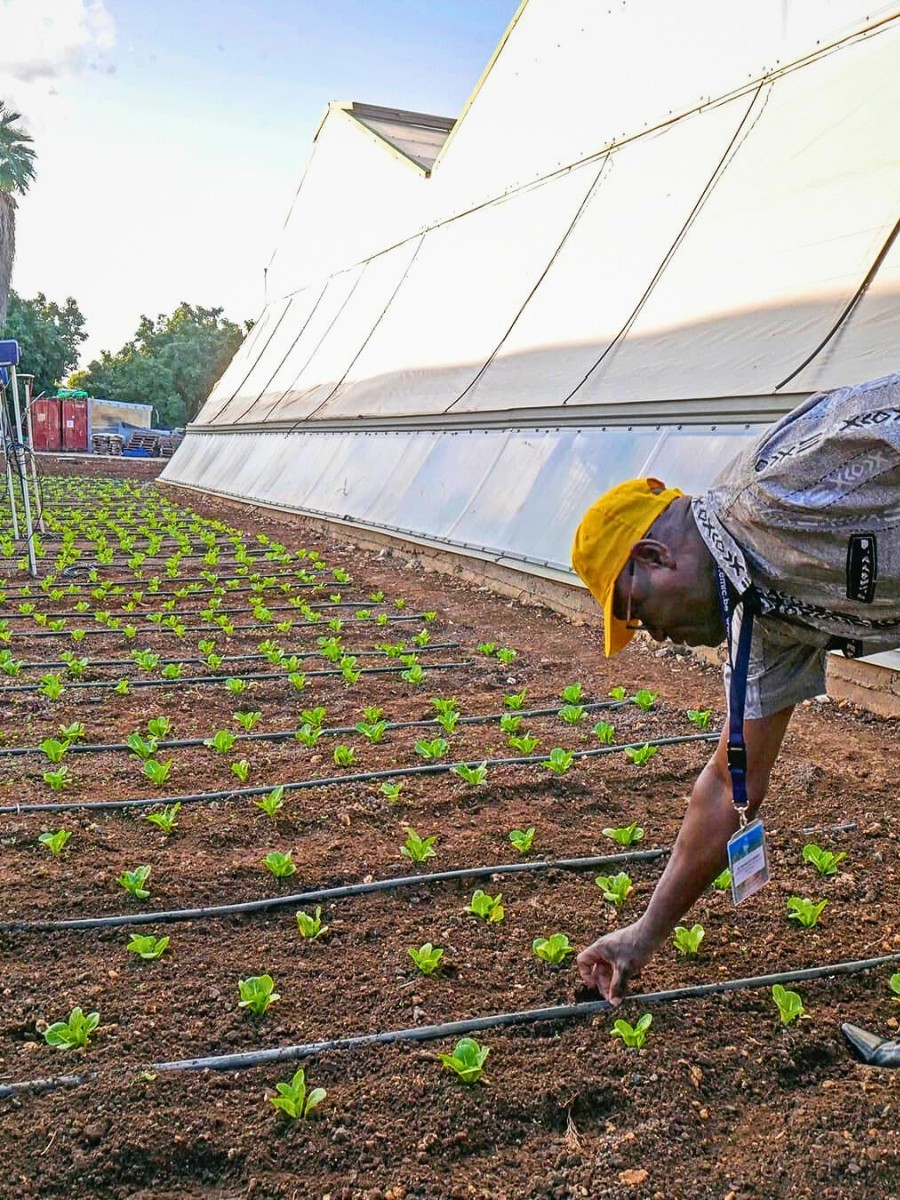
Automated controls make precision irrigation feasible for daily operations. When moisture drops below predetermined levels in the soil, valves open and water flows, and when optimal moisture returns, the system stops. They maintain constant conditions without continuous human attention.
Zone control, on the other hand, allows different areas to receive customized treatment. Locations with high sun exposure could, for instance, get more water than shaded areas. Young transplants receive gentle, frequent water applications, and established plants get deeper, less frequent watering. This customization produces more uniform results across different growing environments.
Some advanced systems also apply water in short pulses instead of continuous flow. This method improves infiltration in heavy soils and reduces runoff on sloped surfaces. The sensors monitor soil response and adjust pulse frequency and duration based on the real absorption rates.
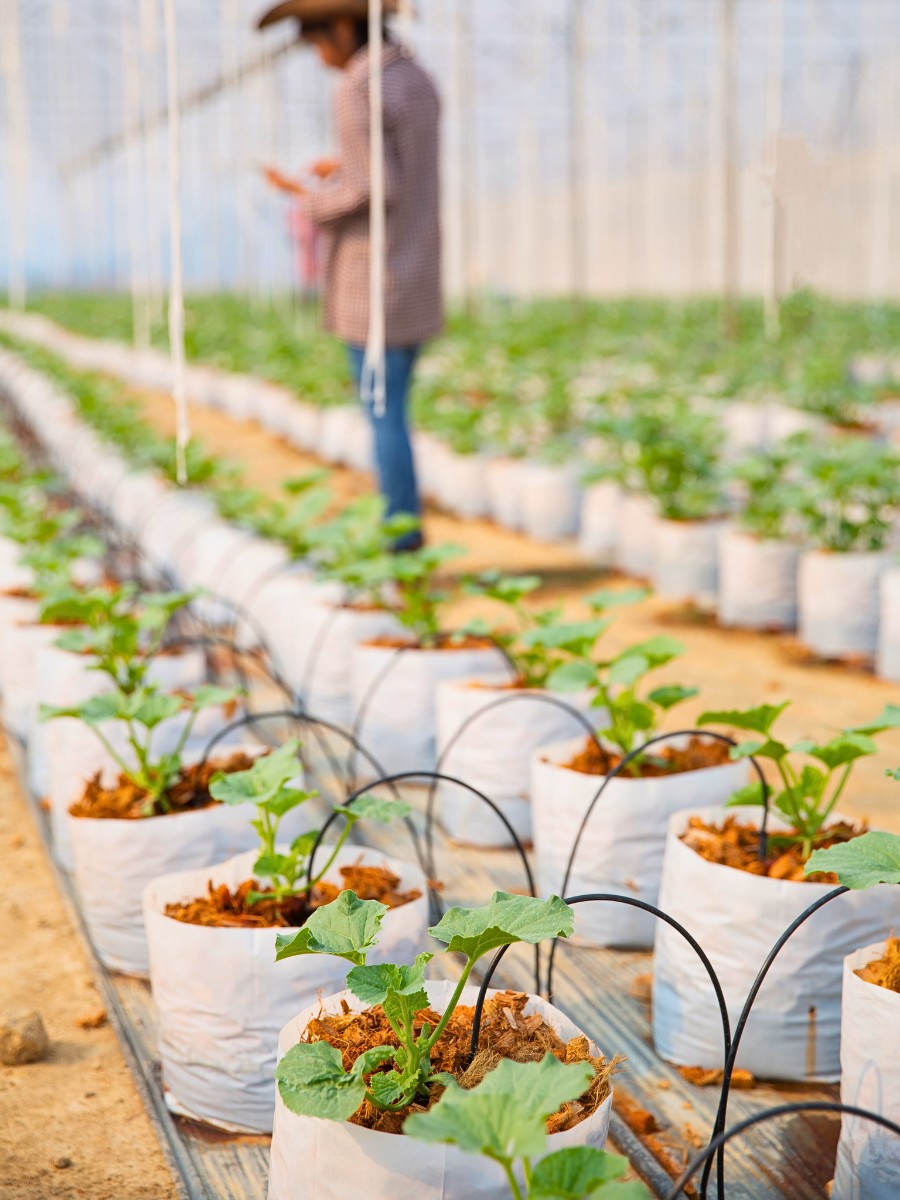
Smart Water Management and Environmental Benefits
Data from growers using sensor-based precision irrigation shows significant water savings. Reductions of 30% to 50% are common compared to conventional methods. For a mid-sized operation, this can mean significant savings that do not come at the expense of plant quality. Some growers even report improvements in plant performance. Flowers receiving appropriate water at optimal times develop stronger stems, better color, and longer postharvest life, meaning quality increases alongside resource efficiency.
Water savings also mean direct economic benefits. Lower water bills provide obvious value as additional savings accrue. Pumping less water reduces electricity costs, treating and heating smaller volumes decreases energy expenses, and reduced water flow through the system means less fertilizer loss, cutting input costs.
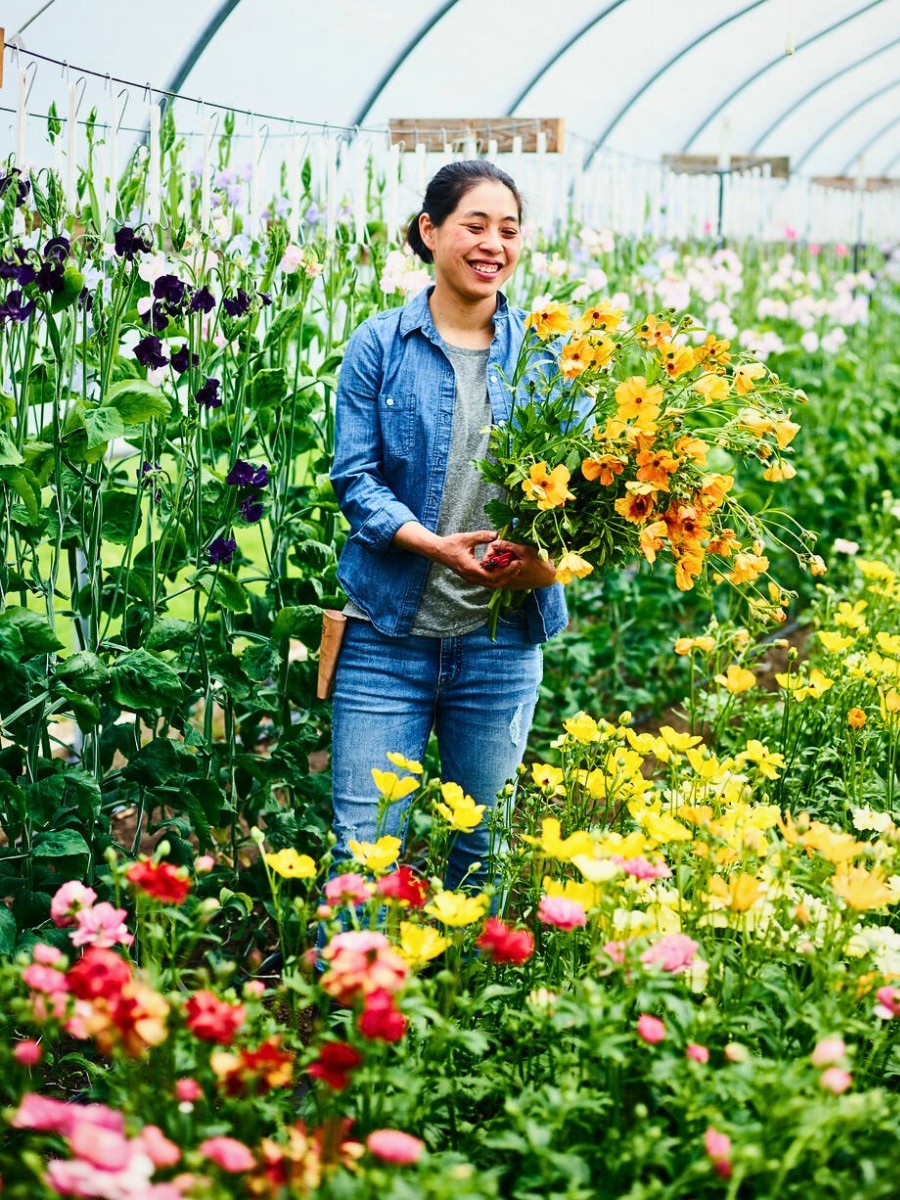
Still, yet, precision water management protects environmental quality. Applying only necessary water keeps nutrients in the root zone instead of leaching into groundwater. This containment matters for water quality in the surrounding areas. Fertilizer runoff causes environmental problems as excess nitrogen and phosphorus promote algae blooms in rivers, lakes, and coastal waters, which deplete oxygen, harming aquatic life and creating dead zones. Precision irrigation helps check this pollution by keeping nutrients where plants need them.
Energy conservation is obvious, as well. Water pumping, treatment, and heating require considerable energy in floriculture operations. Reducing water volumes proportionally decreases energy consumption. Lower energy use means reduced carbon emissions, helping growers reduce their environmental footprint.
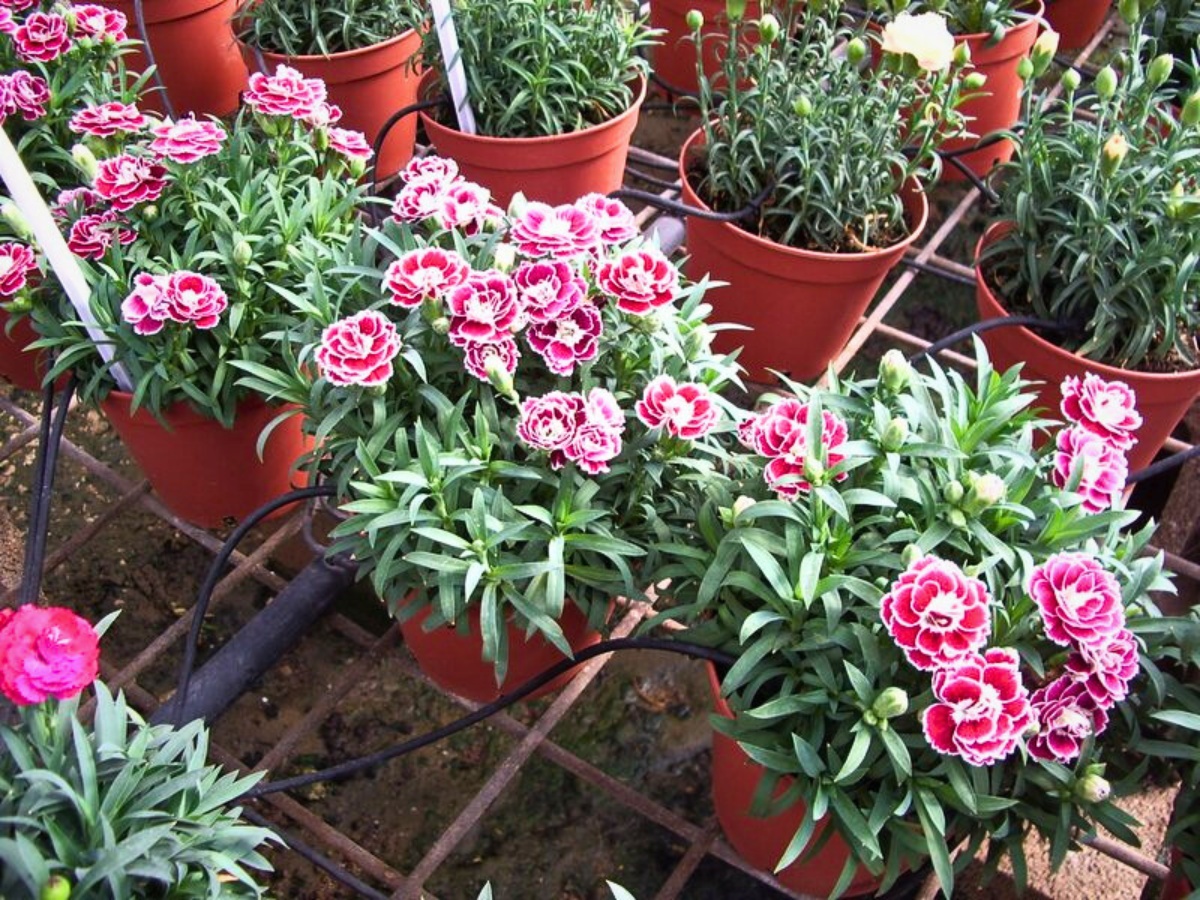
And more, soil biology benefits from precision irrigation, too. Constant cycling between flooding and drying stresses beneficial microorganisms. Stable, appropriate moisture levels support diverse soil life that helps plants resist disease, absorb nutrients efficiently, and grow more effectively.
Why It Makes Economic Sense for Growers
Smart water management implementation requires upfront investment. Quality sensors, controllers, and installation may be costly, but the return on investment is always guaranteed. Labor savings contribute significantly to economic returns. Manually checking moisture and adjusting irrigation takes considerable time, so automated systems can handle these tasks while staff members focus on other activities like pest management or quality control.
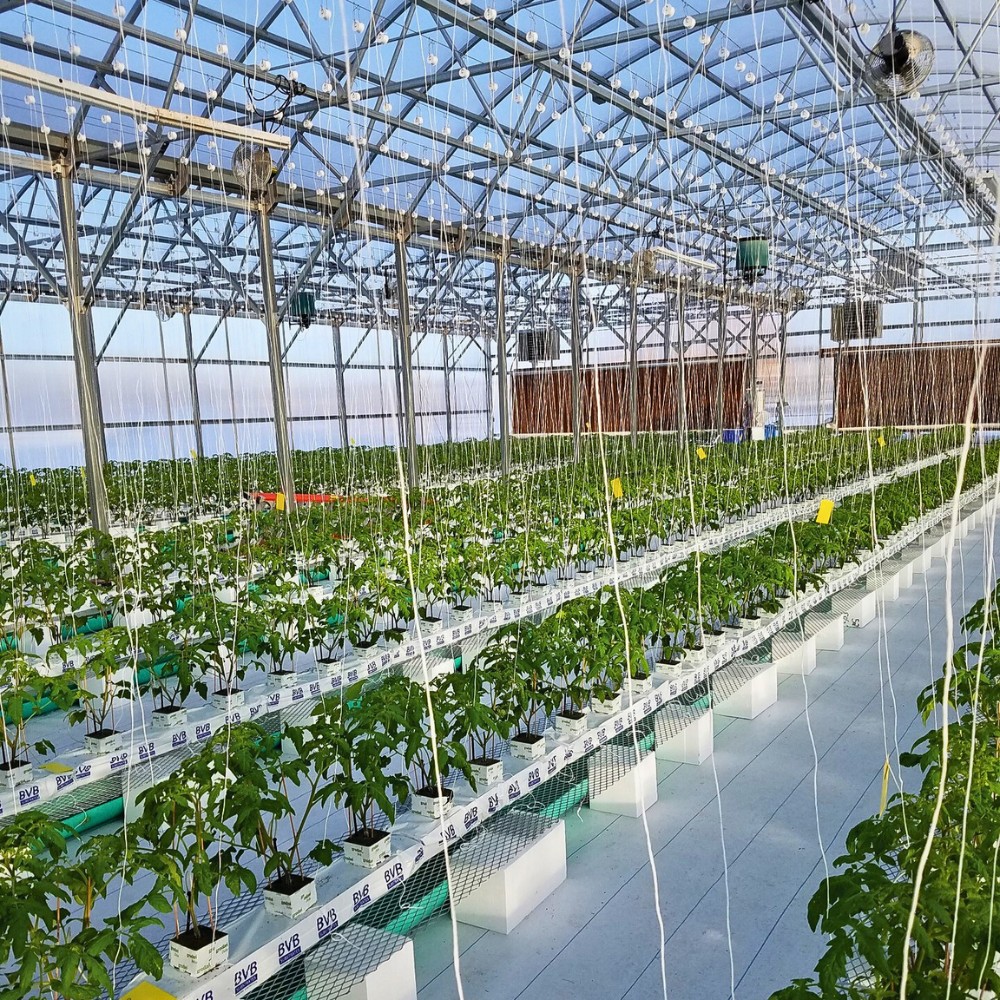
Improved crop consistency increases profitability. When all plants receive appropriate care, fewer are discarded as unmarketable. Yield also increases, and growers can plan production more accurately and meet their customer obligations more reliably. Protection against the weather is also an added value. Heat waves that might damage conventionally irrigated crops have less impact on operations whose systems automatically adjust watering based on temperature changes.
Starting With Smart Water Management
Adopting these technologies does not necessarily require immediate comprehensive changes. Many growers begin with limited installations in one greenhouse or a few production zones, allowing for learning and refinement before scaling up the implementation.
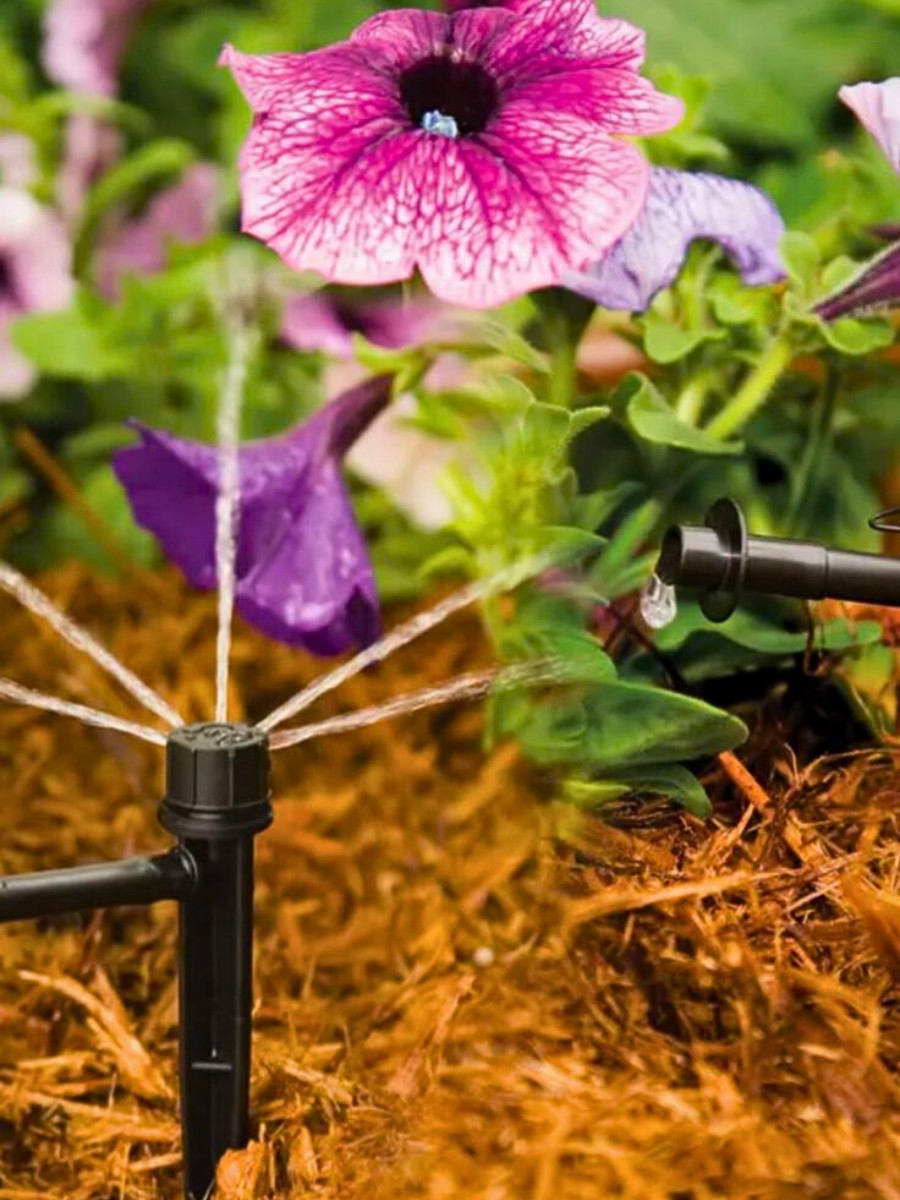
Equipment selection matters, too. Not all sensors perform equally in all substrates. Controllers vary in features and capabilities. Working with suppliers who understand flowers helps avoid costly errors and ensures suitable system design.
Staff training also supports successful implementation. Technology only helps when people understand how to use it properly. Good suppliers provide training and ongoing support. Some growers designate knowledgeable team members as system managers who handle troubleshooting and optimization.
Data interpretation skills, conversely, develop with experience. While initially, the volume of information can seem overwhelming, over time, patterns become clear, and the growers learn what normal looks like for their operations and can identify problems (abnormal) quickly.
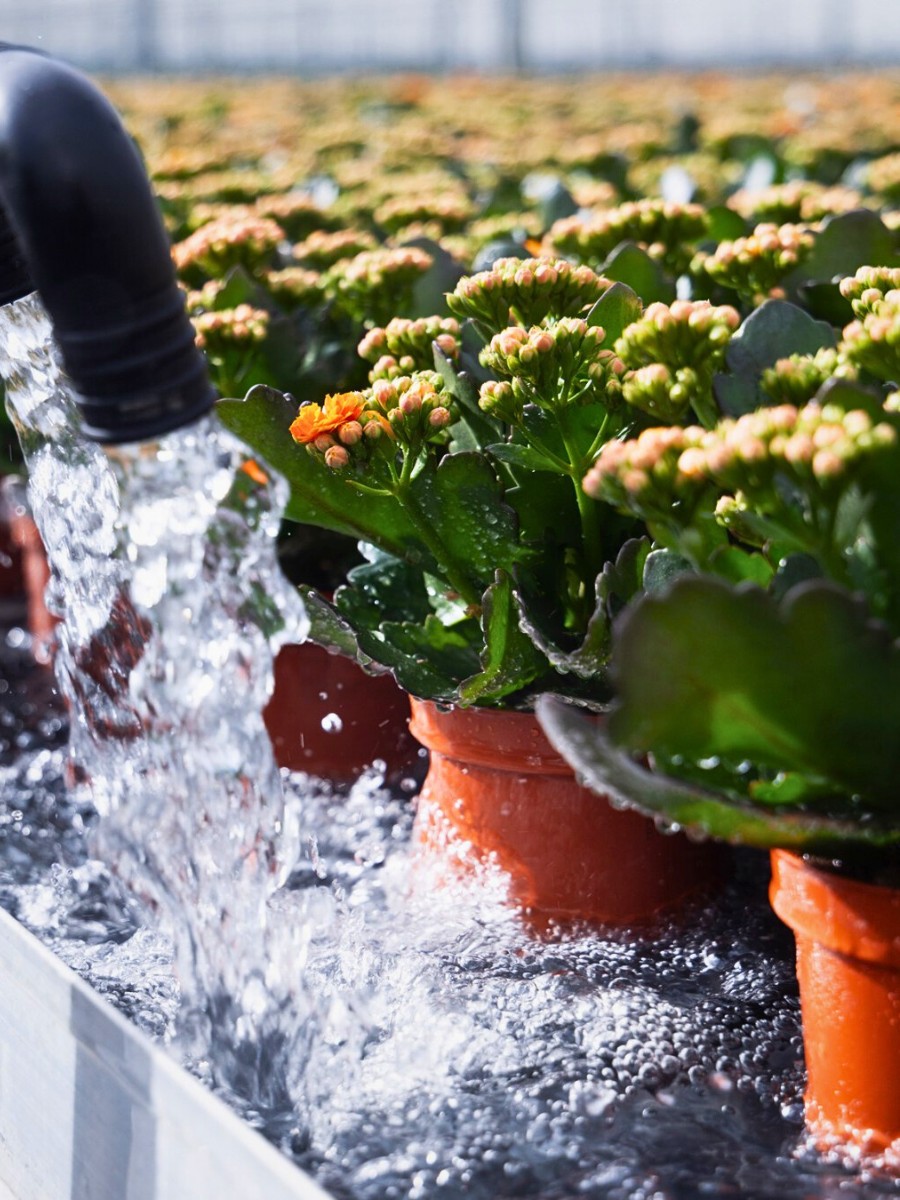
So, for growers keen on sustainability, smart water management matters. Hardly is the question whether to adopt these tools or not, rather how to implement them most effectively, because with the right water management tools, quality plants can be produced with minimal (water) waste.
Feature image by @vilosaplants. Header image by jcomp.