A 2026 North Carolina State University study, supported by the American Floral Endowment’s Sustainabloom, surveyed U.S. flower growers, wholesalers, retail florists, and suppliers to document where the American floral industry stands on sustainability. It outlined how different sectors of the floral chain approach environmental practices. For stakeholders elsewhere globally, these insights reveal a lot about expected production values.
For growers and exporters supplying the U.S. floral market, such a domestic supply chain study is rarely just about local dynamics. Because the global floral industry is intrinsically connected, variations in American retail and consumer habits, supplier pressures, and wholesaler logistics ripple through flower producers in Latin America, Africa, Europe, and even Asia. But what can they do to meet the changing operational demands?
Markets Do Not Operate in Isolation
The larger portion of cut flowers retailed in the U.S. is imported, the majority from Colombia and Ecuador, with some volumes also coming from Canada, Guatemala, Costa Rica, the European Union, the Netherlands, South Africa, Kenya, Thailand, and others. This makes the American floral market one of the most important destinations for downstream floral trade globally.
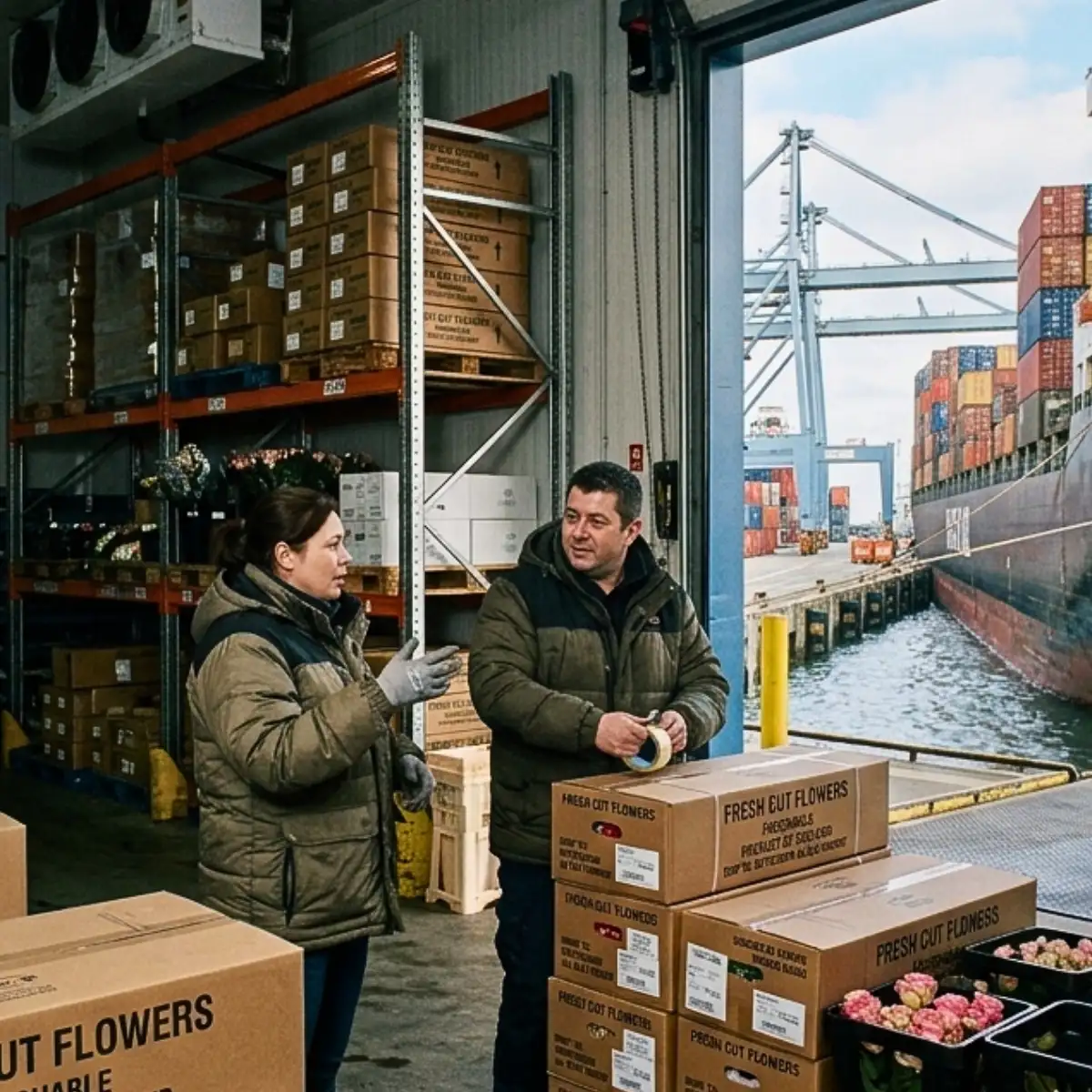
While general production segments focus heavily on input efficiencies like water conservation and integrated pest management, U.S. retail florists and wholesalers are consumed by more. They focus on output issues, specifically cold-chain management and packaging waste. For an international exporter, this means a high-quality, sustainably grown flower is only half the battle, and their product must also fit into the waste-reduction workflows of the consumer.
When American retail florists, for instance, say their primary future goal is addressing packaging, in one way or another, it also means looking upstream for solutions. International growers proactively modifying their post-harvest processes to use minimal, recyclable, or compostable materials relieve an operational burden for their U.S. clients, which is a more attractive supply chain partnership.
Buyers Are Moving Toward Verified Sustainability
While relatively new to the U.S. floriculture scene, sustainability planning is accelerating. What this tells international suppliers is that their U.S. partners are formalizing sustainability, and as these plans mature, supplier evaluation criteria will likely follow suit.
Floral businesses presently buying from other countries, without proper sustainability verification, may well, as internal plans develop and reporting obligations grow, begin to ask their upstream partners the same questions on sustainability. For those, therefore, already certified, it is a competitive advantage.
What Different Segments Are Planning Will Be Required of Exporters
Many retail florists are focused on sustainable packaging and communicating their sustainability practices to customers. Since the packaging coming with the flowers from exporters is the same one that ends up in a florist's shop, the choices of exporters about sleeve materials, wrapping films, and boxes could affect a retail florist's ability to meet their own sustainability goals.
For the exporters and suppliers, therefore, transitioning to sustainable, recyclable, or compostable packaging materials could be a strategic environmental choice just as much as it is a viable commercial one.
Also, while U.S. growers look for alternatives to peat-based substrates and are becoming more interested in integrated pest management (IPM) and biological controls, these are production-level trends worth watching, because they mirror what responsible growing is all about in the American market's own standards. Those already using reduced-chemical approaches or peat-free growing media are, in essence, working ahead.
Cost Is a Shared Barrier, but the Response Differs by Context
Perhaps the most collectively cited barrier in the study was the cost of implementation. Growers, florists, suppliers, and wholesalers ranked it first, which is a familiar territory for those from outside the U.S. as well. Certification processes, infrastructure upgrades, alternative packaging sourcing, and carbon tracking systems all need upfront investment before benefits are felt.
But the distinction for international suppliers is that the business case for these investments is often stronger because the U.S. market is largely premium. Research shows that up to 60% of consumers are more likely to buy from environmentally responsible sources and would pay at least 10% more for flowers with sound sustainability credentials. So, if U.S. retailers can command a premium for sustainably sourced flowers, they have more reasons to source and pay accordingly, while specifying sustainable origin as a procurement criterion.
There’s Reason to Empower Retailers and Florists With Transparent Origin Stories
The research also reveals a noteworthy communication gap. Retail florists are at the end of the supply chain but experience a disproportionate share of sustainability pressure, partly because they deal with consumers directly. They feel the gap between consumer expectations and what the upstream supply chain delivers.
So while American flower buyers frequently express a preference for environmentally responsible products, retail florists often lack the specific data or time to effectively communicate the relevant sustainable practices of flower producers at the sales counter, creating a disconnect in which sustainable efforts go unnoticed.
Yet this dynamic is important because it is often the florists who drive purchasing decisions at the wholesale level. A florist who pushes their wholesale supplier to source certified, traceable, or lower-impact flowers creates demand, which in turn goes back to the farm. Creating direct relationships with the florists, or ensuring certifications and sustainability practices are documented and easy to communicate, reduces the apparent disconnect in that chain.
International supply partners can do this by making complex floriculture metrics clear, digestible narratives for retail florists. They could provide simple marketing kits, verifiable carbon-offset data, water-savings data, and other sustainability metrics that enable the florist to share the flower's journey with the end consumer easily. When they provide such accounts that help retailers justify premium pricing, they solidify their position as ideal supply chain allies.
Sustainabloom, on the other hand, suggests that retail florists and wholesalers in the U.S initiate conversations with growers and other suppliers around sustainability. Given the knowledge they have about end consumers trending towards sustainable preferences, particularly in younger (Gen Z) customers, it helps to bring the story from the growers all the way to those taking the flowers home.
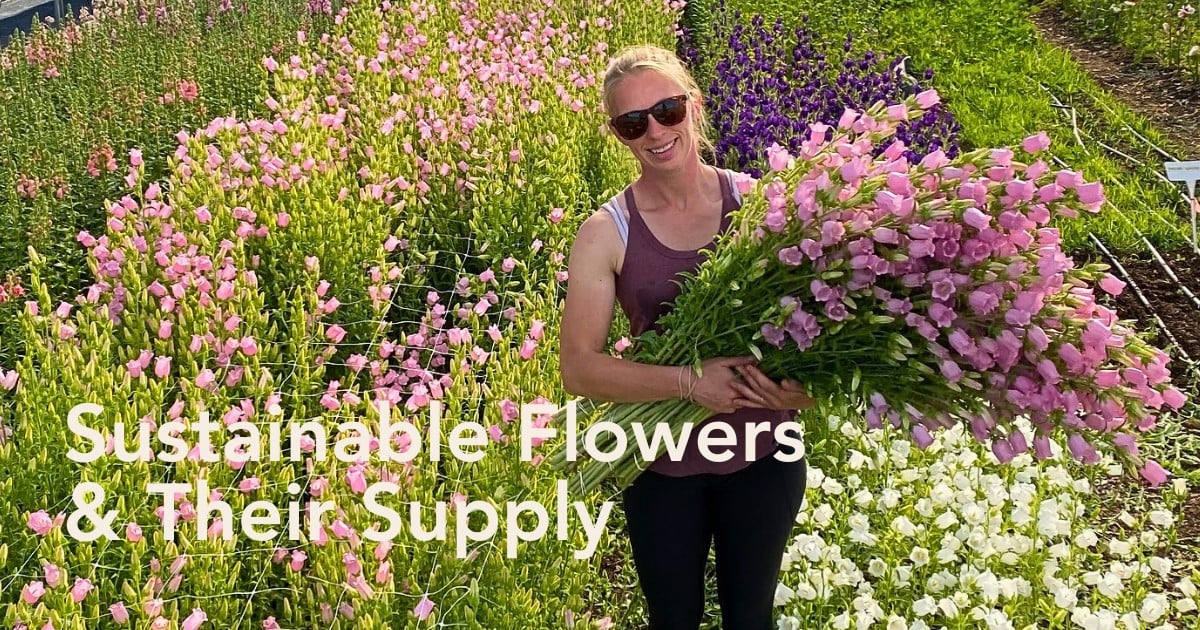
Featured image by @american_floral_endowment. Header image by @trademarkfarmer.