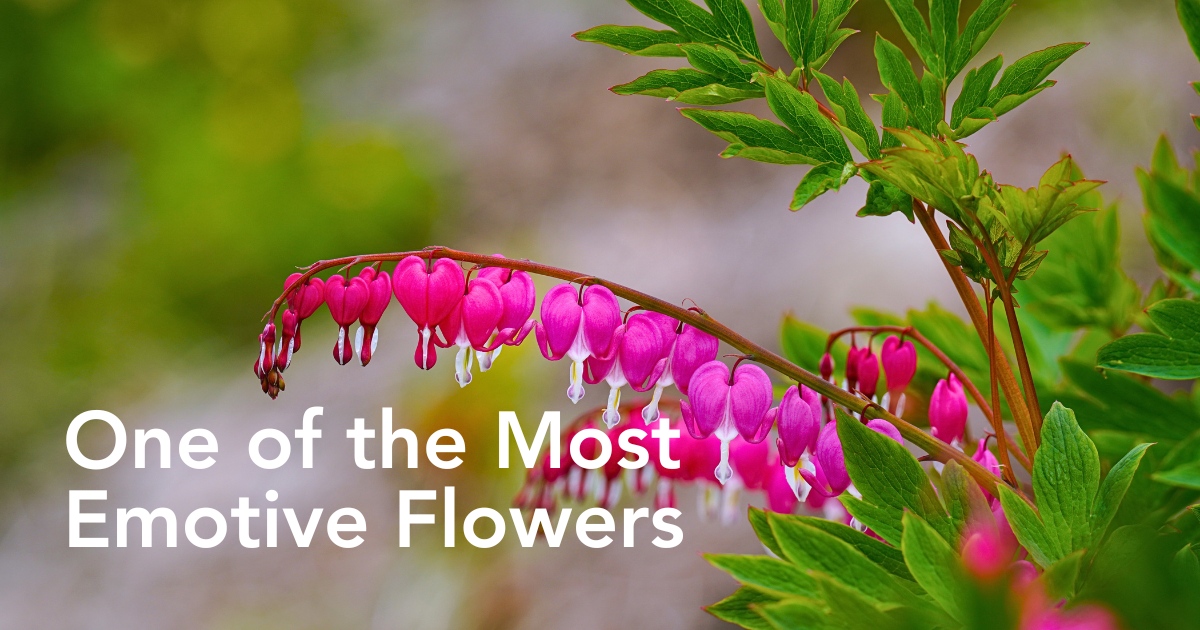
The bleeding heart flower (Lamprocapnos spectabilis); you've likely seen it before - a delicate, arching stem from which dangle a row of perfect, heart-shaped lockets, each seemingly split at the bottom to release a single drop. This flower will likely stop you in your tracks, not just because of its beauty, but because it feels like it is trying to say something.
Perhaps the most emotive flower in the garden, the bleeding heart's imagery is so literal that the flower requires little explanation. It carries with it a weight of symbolism that ranges from tragic romance to deep compassion, and many others in between. This is one flower whose varied meanings you will definitely be fascinated to know more about.
Understanding the Bleeding Heart Flower
Getting to fully know what the bleeding heart flower means requires some knowledge about the plant itself. Botanically, its scientific name is Lamprocapnos spectabilis, though it was formerly classified as Dicentra spectabilis. Many still use its old name.
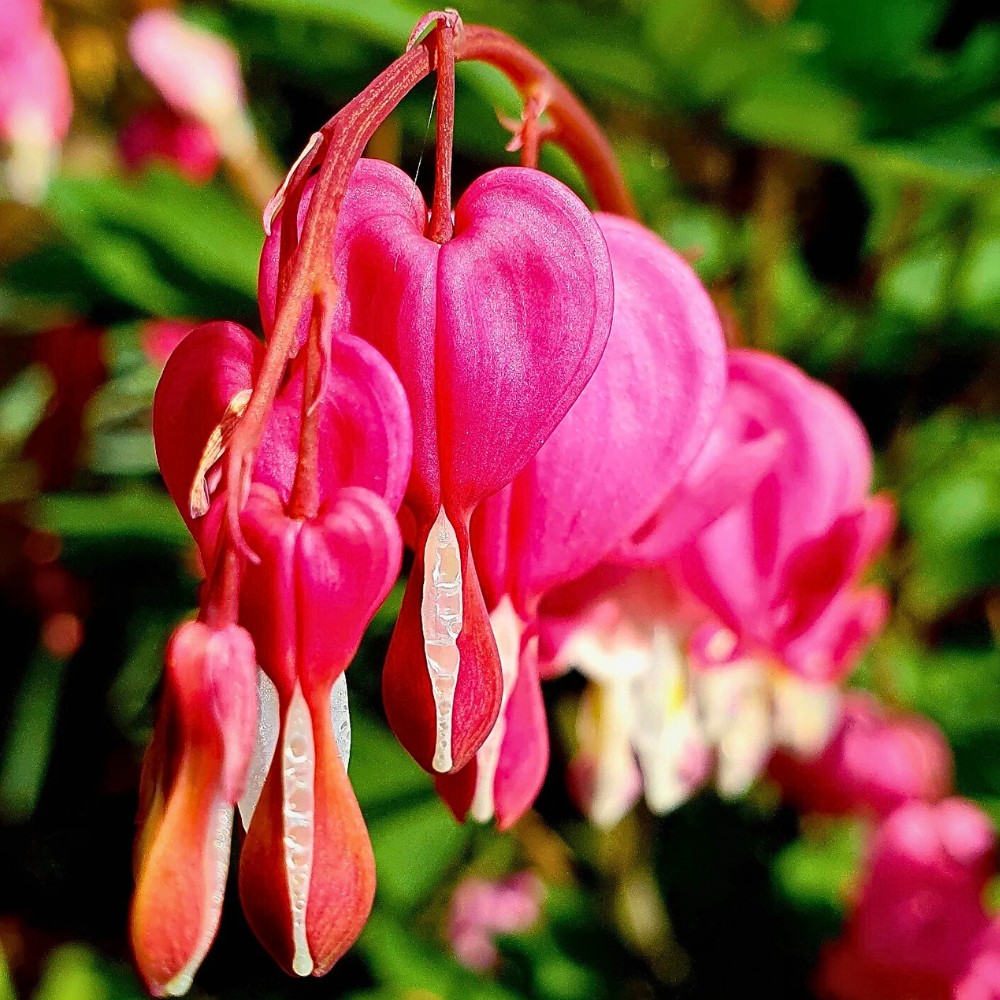
The genus name Dicentra derives from Greek words meaning 'two spurs,' referring to the flower's distinctive shape when viewed from certain angles. The species name spectabilis translates to 'spectacular' or 'worth looking at,' a suitable description for flowers that attract attention. Its newer genus name, Lamprocapnos, means ‘shining smoke,' possibly referring to its delicate appearance or the plant's relationship to the fumitory family.
Native to regions of northern China, Korea, Japan, and Siberia, bleeding hearts grew wild in mountain forests for thousands of years before Western gardeners discovered them. British plant collectors brought them to Europe in the early 1800s, and the flower quickly became fashionable in Victorian gardens, cherished both for ornamental beauty and symbolic meaning.
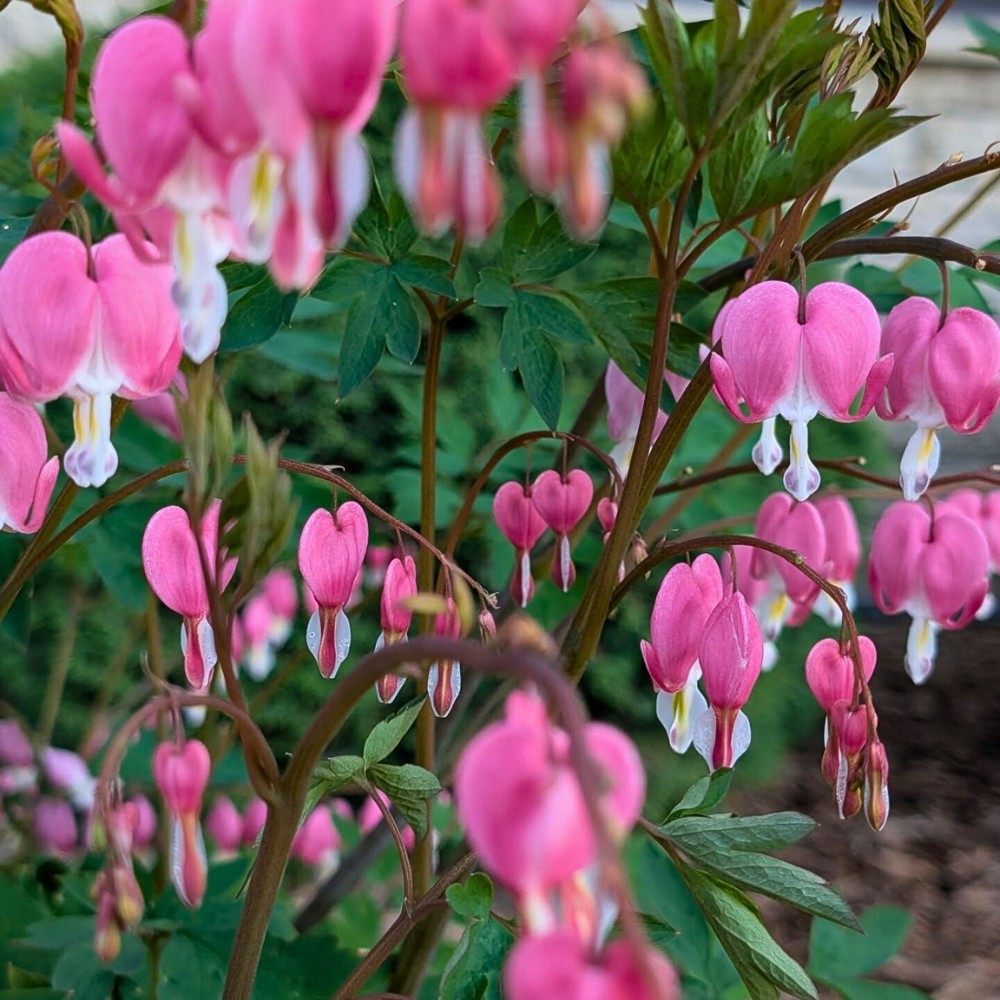
From Europe, bleeding hearts traveled to North America, where they naturalized successfully in suitable climates and became beloved perennials. This relatively recent introduction to Western culture means bleeding heart symbolism developed more recently than many others. The concentrated timeframe gave the flower more focused, consistent meanings across different cultures.
So What Does Bleeding Heart Flower Mean?
Love in its various forms is what the bleeding heart flower's meaning primarily emphasizes. Such are particularly the more complex and painful aspects of human affection. These heart-shaped flowers tell tales of emotion, vulnerability, and the courage to love fully despite the risk of heartbreak.
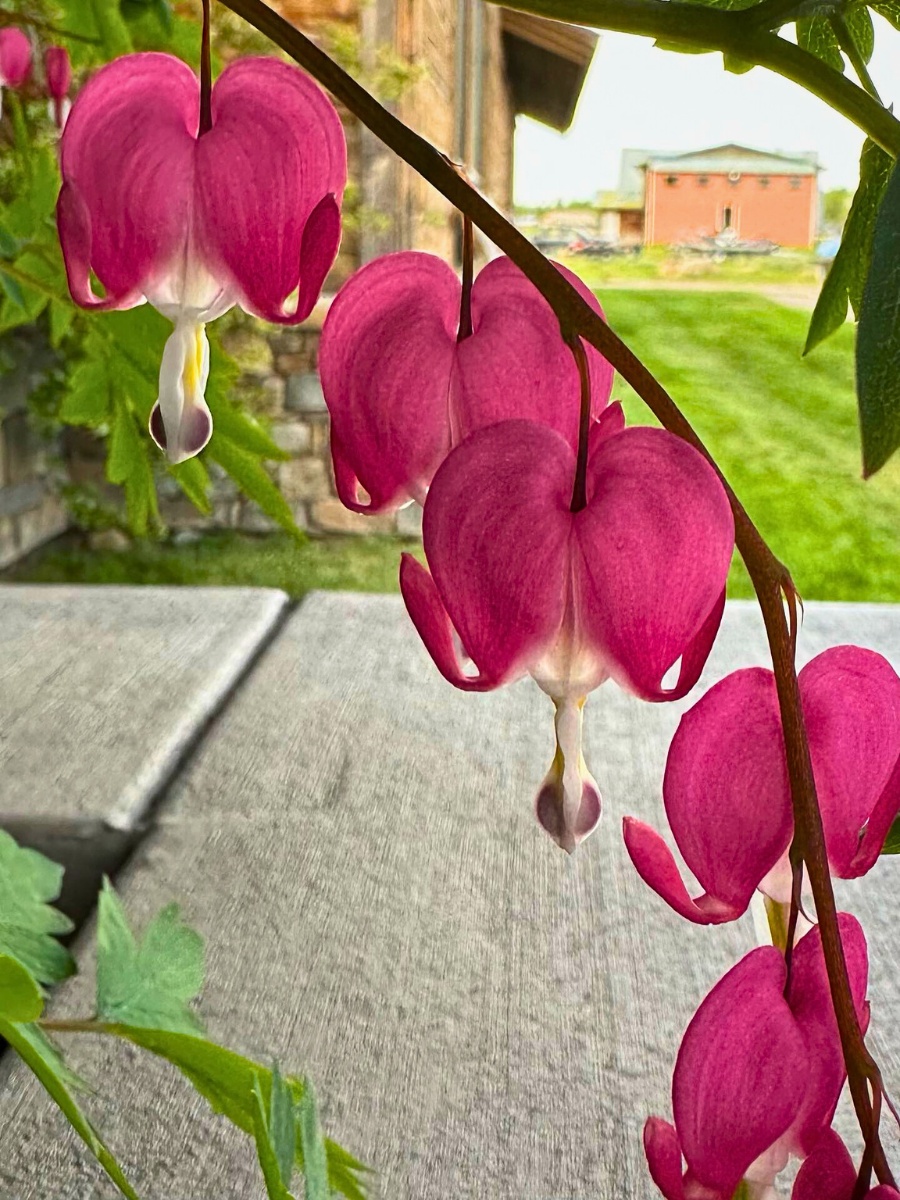
On the surface, the bleeding heart's meaning and flower symbolism are undeniably tied to deep emotion. It is the embodiment of wearing one's heart on one's sleeve. It represents unconditional love and passionate devotion. The flower's shape itself clearly delivers this message, a perfect heart suspended on an arching stem, seemingly offering itself wholly. This interpretation has made these flowers popular choices for romantic gestures, wedding decorations, and anniversary gifts, where couples want to express love without boundaries.
But then again, the meaning of bleeding heart flowers also extends well beyond simple romance. The name itself hints at deeper, more complicated emotions. That visible droplet hanging from each flower symbolizes tears shed for love lost, rejected, or unreciprocated. Many cultures have embraced this idea, recognizing that the deepest love often comes entangled with vulnerability and the possibility of pain.
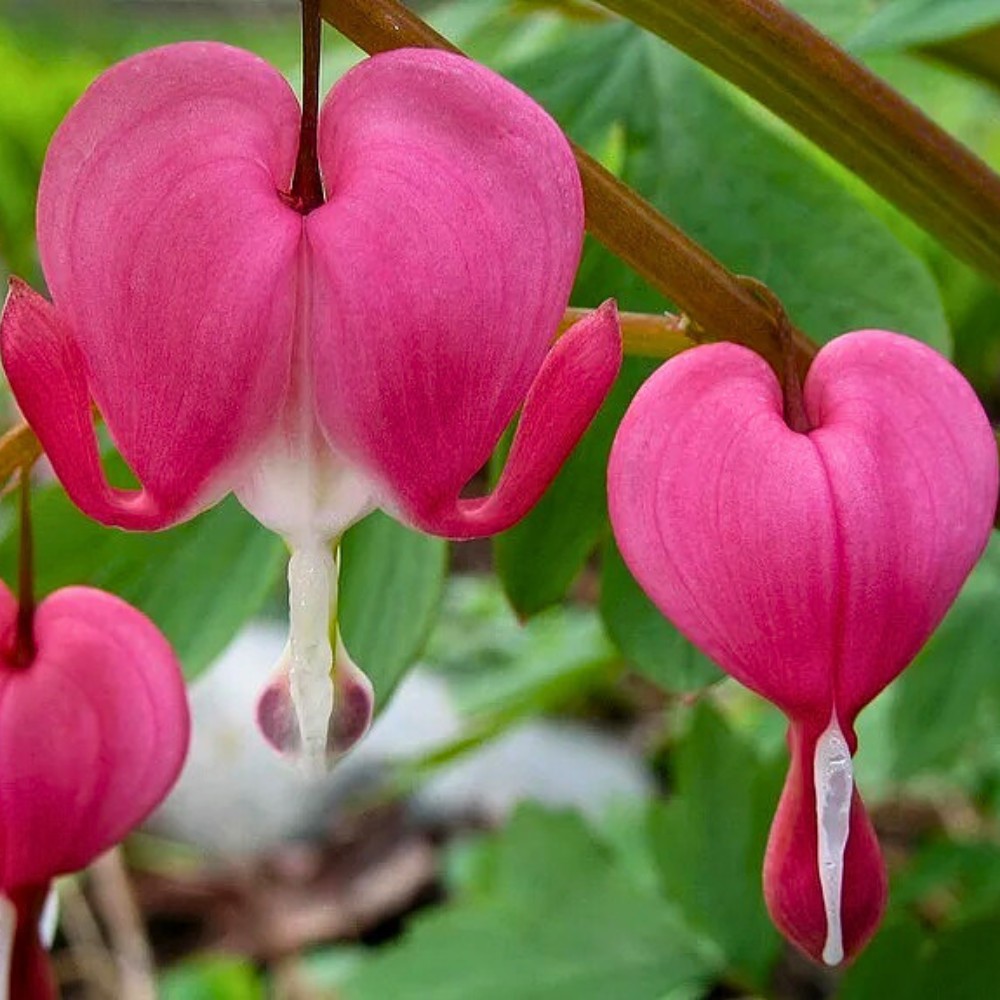
The flower also represents emotional sensitivity and compassion. It characterizes individuals who feel deeply, express emotions openly, and show real empathy for others' suffering. In this context, bleeding hearts communicate that emotional openness, while sometimes painful, remains one of humanity's most beautiful qualities.
Christian communities have adopted bleeding hearts as symbols of divine compassion and the suffering Christ endured. During Lent and Easter, these flowers appear in church gardens and religious settings, representing sacred love and sacrifice. Their droplet is not just a tear but a symbol of Christ's blood shed in compassion for all humanity.
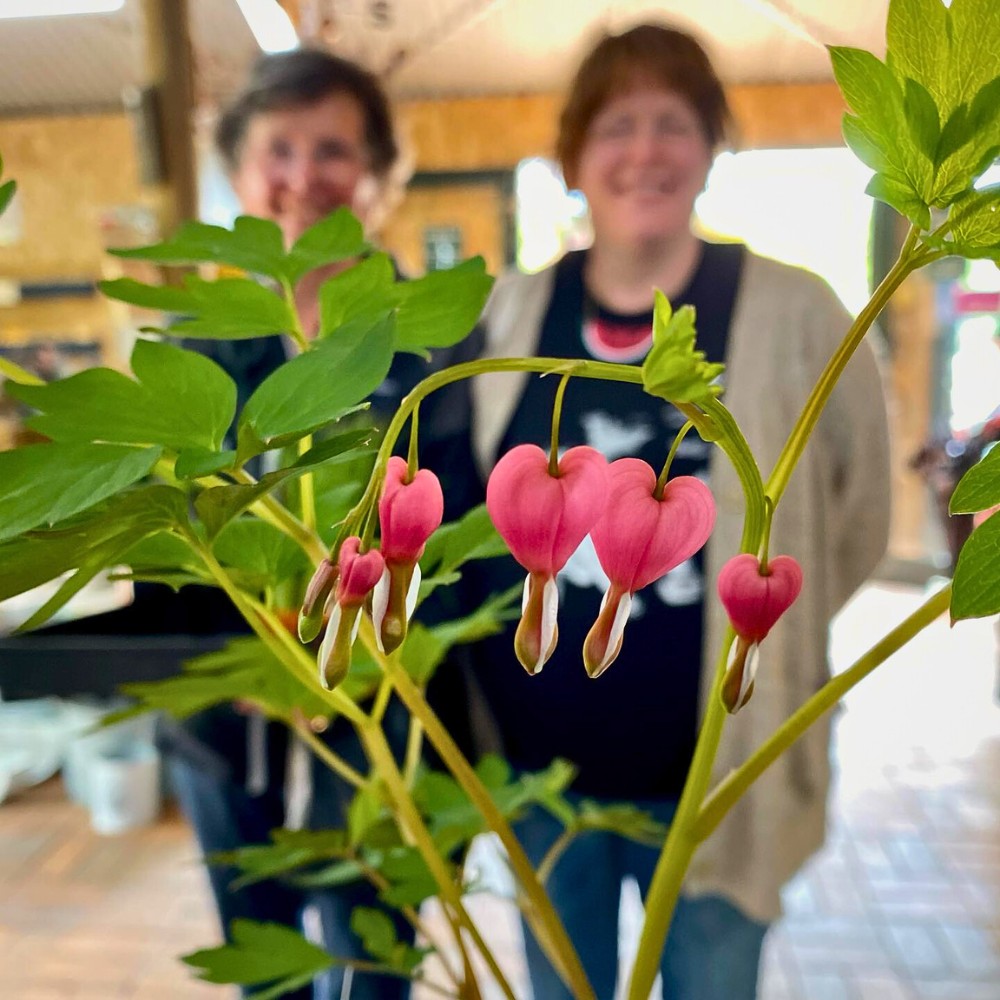
The Tragic Prince's Legend Behind the Bleeding Heart's Meaning
One cannot discuss the bleeding heart's meaning without recounting the old folklore that is literally hidden inside the petals. This story, often told to children in Japan and China (and later adapted in Western settings), explains the flower's unique anatomy.
It tells of a wealthy prince who fell desperately in love with a beautiful maiden. Despite his deep feelings, she remained indifferent to his affections. Determined to win her heart, the prince began presenting her with extraordinary gifts from his travels around the world. Each gift was more precious than the last. Each one was represented by different parts of the bleeding heart flower.
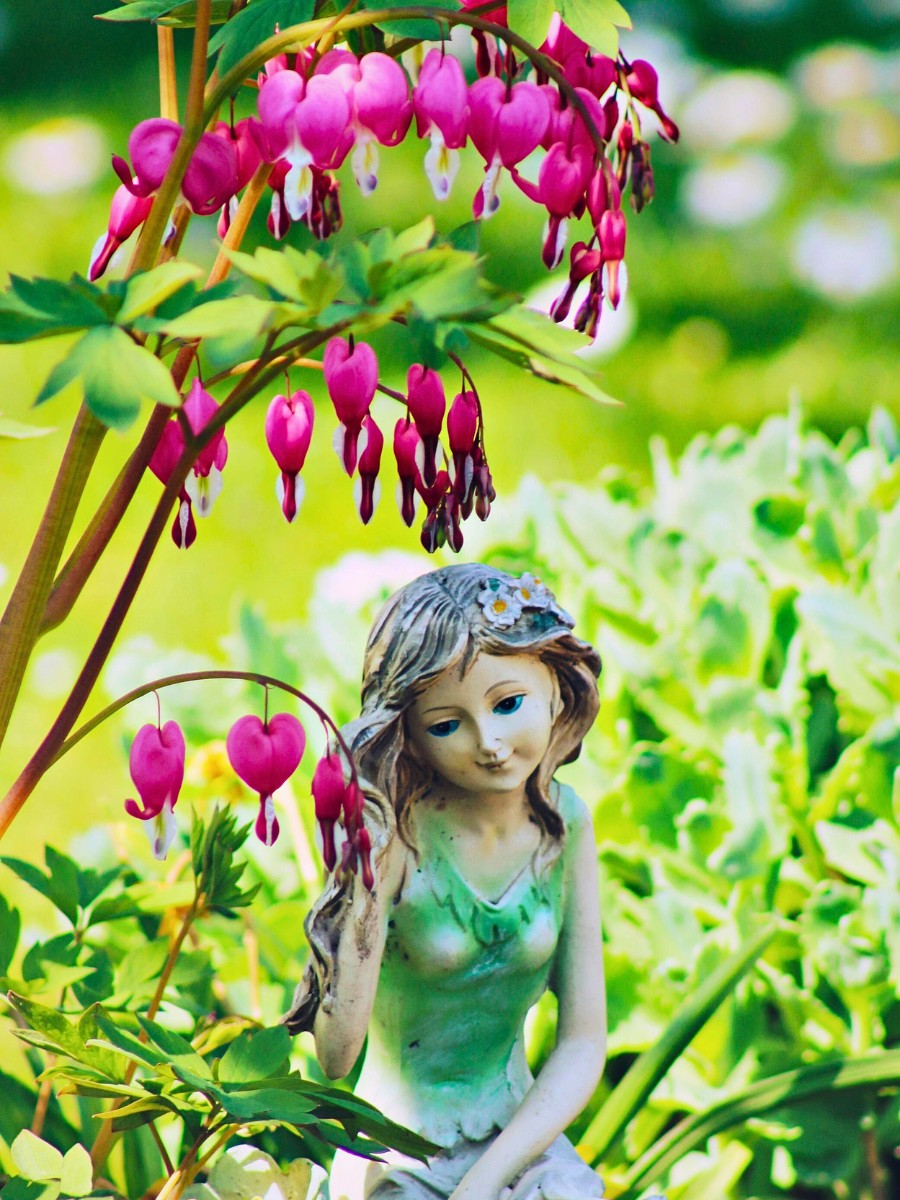
First, he brought her a pair of magical pink rabbits, represented by the flower's two outer pink petals. She accepted them politely but showed no special interest. Undeterred, the prince next presented two silk slippers fit for royalty, symbolized by the flower's inner white petals. Still, she thanked him kindly but explained she could never love him.
The prince then offered her pearl earrings that gleamed like moonlight, represented by two white inner sections of the flower. When she rejected this gift as well, he finally presented his own heart, shown by the flower's central structure. The maiden refused this final offering, unable to return feelings she didn't have.
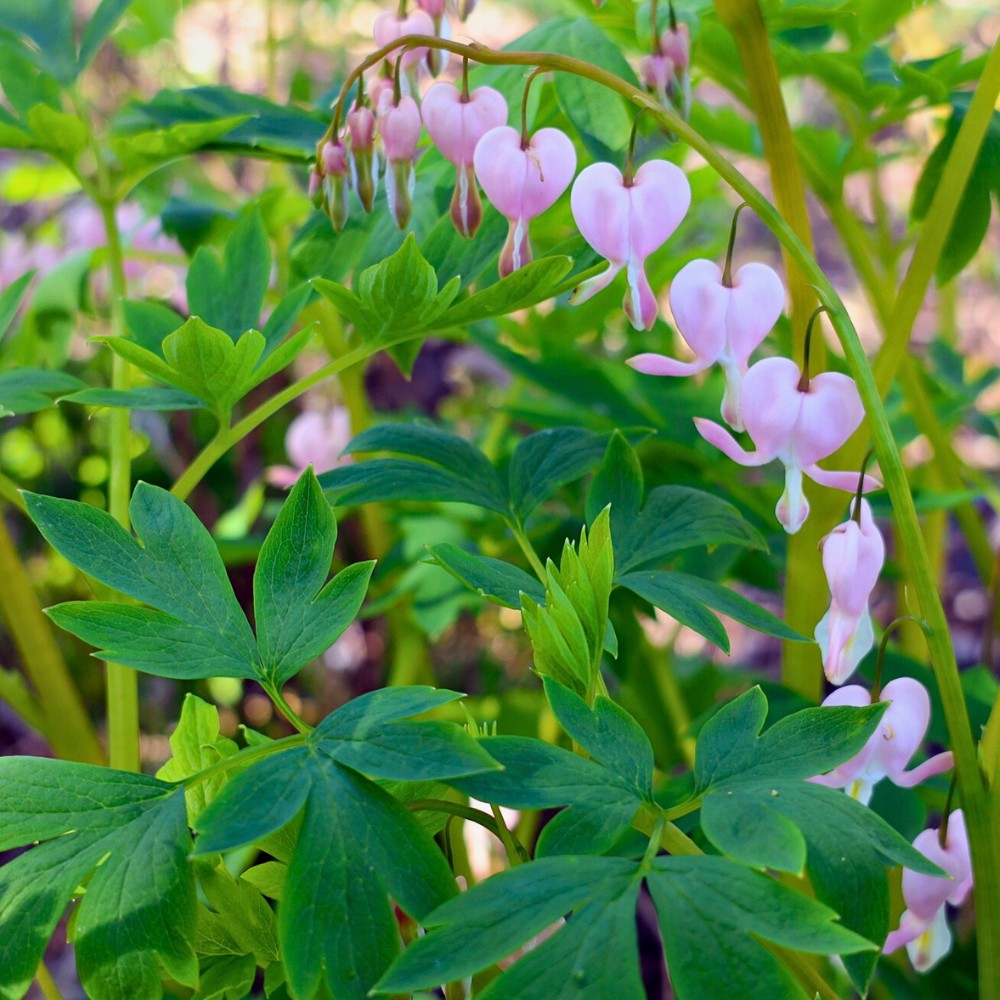
Brokenhearted, the prince took his own life with his sword. From the spot where he died, the first bleeding heart flower sprouted. Only then did the maiden realize the depth of his love and, tragically, her own feelings for him. She wept over the flower, understanding too late that her heart would bleed with regret forever. The droplet hanging from each flower represents her everlasting tears.
This tale emphasizes the bleeding heart's connection to unrequited love, timing's unkindness, and how people sometimes recognize love only after losing it. The story resonates across different cultures because it touches human experiences of missed opportunities presented and love that goes unacknowledged until it's too late.
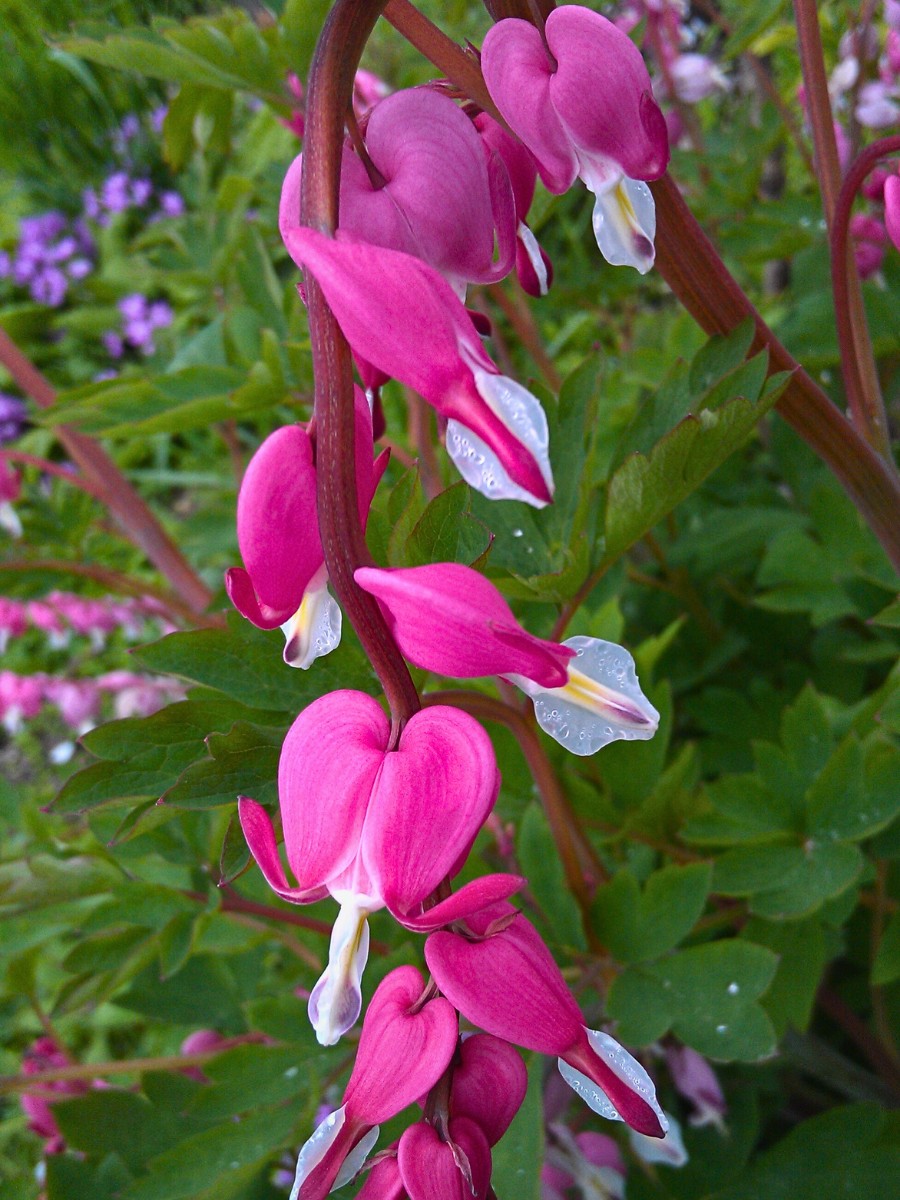
Western Cultural Interpretations of Bleeding Heart Meaning
While Asian folklore shaped early bleeding heart symbolism, Western cultures developed their own interpretations after the flower arrived in Europe during the 1800s. In Victorian England, bleeding hearts became symbols of true love and passionate romantic devotion. During Queen Victoria's reign, when the language of flowers reached its peak, lovers exchanged bleeding hearts as declarations of earnest affection.
Unlike some flowers with ambiguous meanings, bleeding hearts sent a clear message: "My love for you runs deep and true, even if it brings me pain." British and American gardeners embraced the flower not just for its symbolism but for what it represented about emotional honesty. At a time when society expected people, particularly men, to maintain emotional restraint, bleeding hearts celebrated those who dared to feel and express deep emotions. The flower soon became associated with artists, poets, and anyone who lived with emotional authenticity rather than social subterfuge.
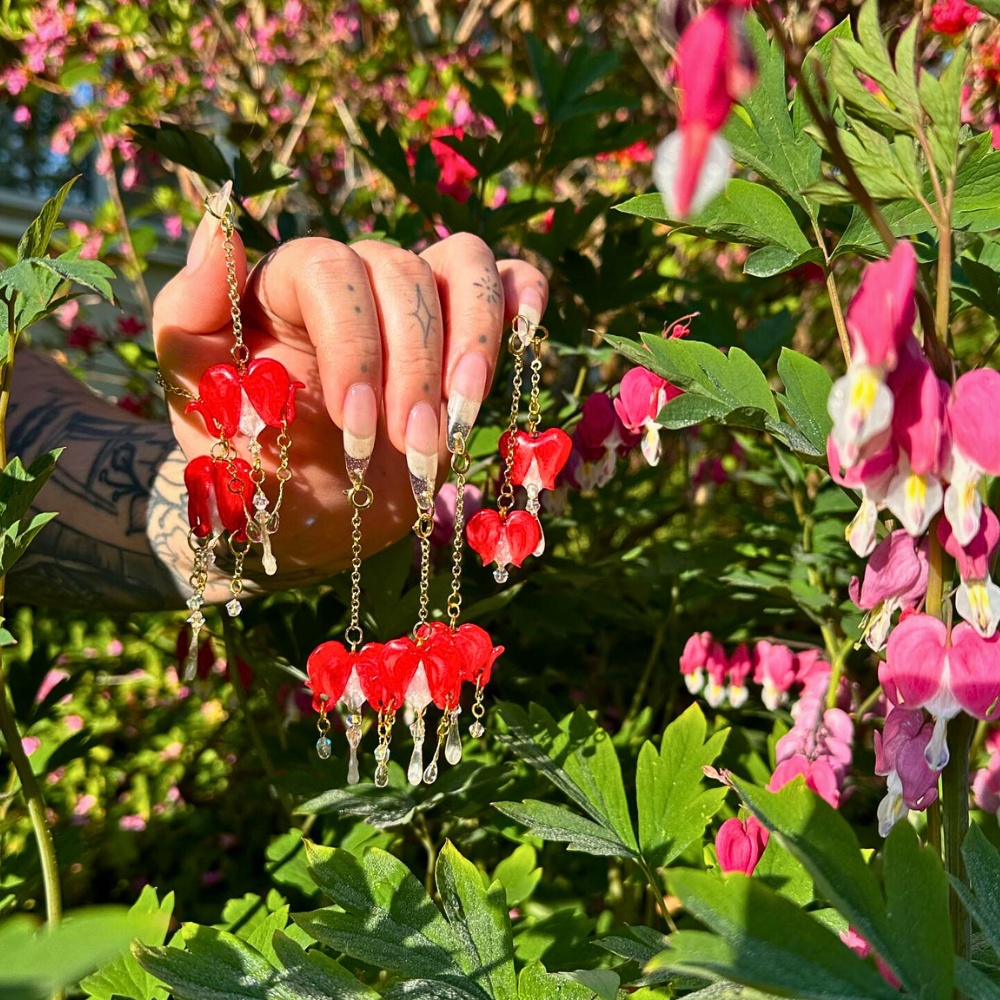
Some religious communities in Western countries plant bleeding hearts in church gardens to show compassion for others' suffering. This interpretation that connects to the flower's association with the Sacred Heart of Jesus in Catholic tradition (the visible 'wound' on each flower mirrors religious imagery of Christ's suffering), makes the flower a symbol of sacrificial love and divine compassion.
Color Meaning of the Bleeding Heart Flower
Color plays a significant role in refining the bleeding heart's meaning. While the classic pink variety dominates gardens, other colors carry their own distinct messages.
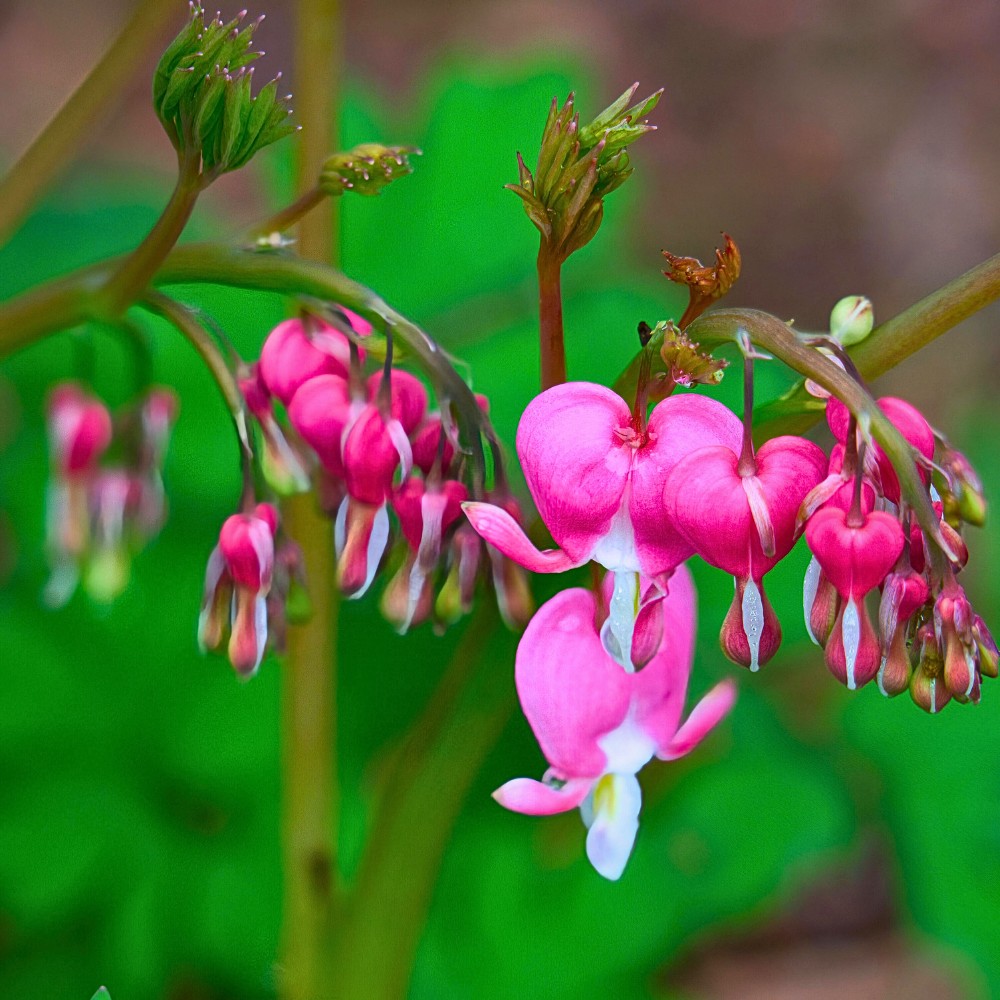
Pink Bleeding Hearts
Pink bleeding hearts embody romantic love, tenderness, and gentle affection. This most common color represents the softer side of emotion, the kind of love that nurtures rather than consumes. Pink varieties speak to happiness in love, femininity, and the sweet remembrance of cherished relationships. They express heartfelt yet not overwhelming affection, perfect for new relationships or expressing friendship that might grow into something deeper.
White Bleeding Hearts
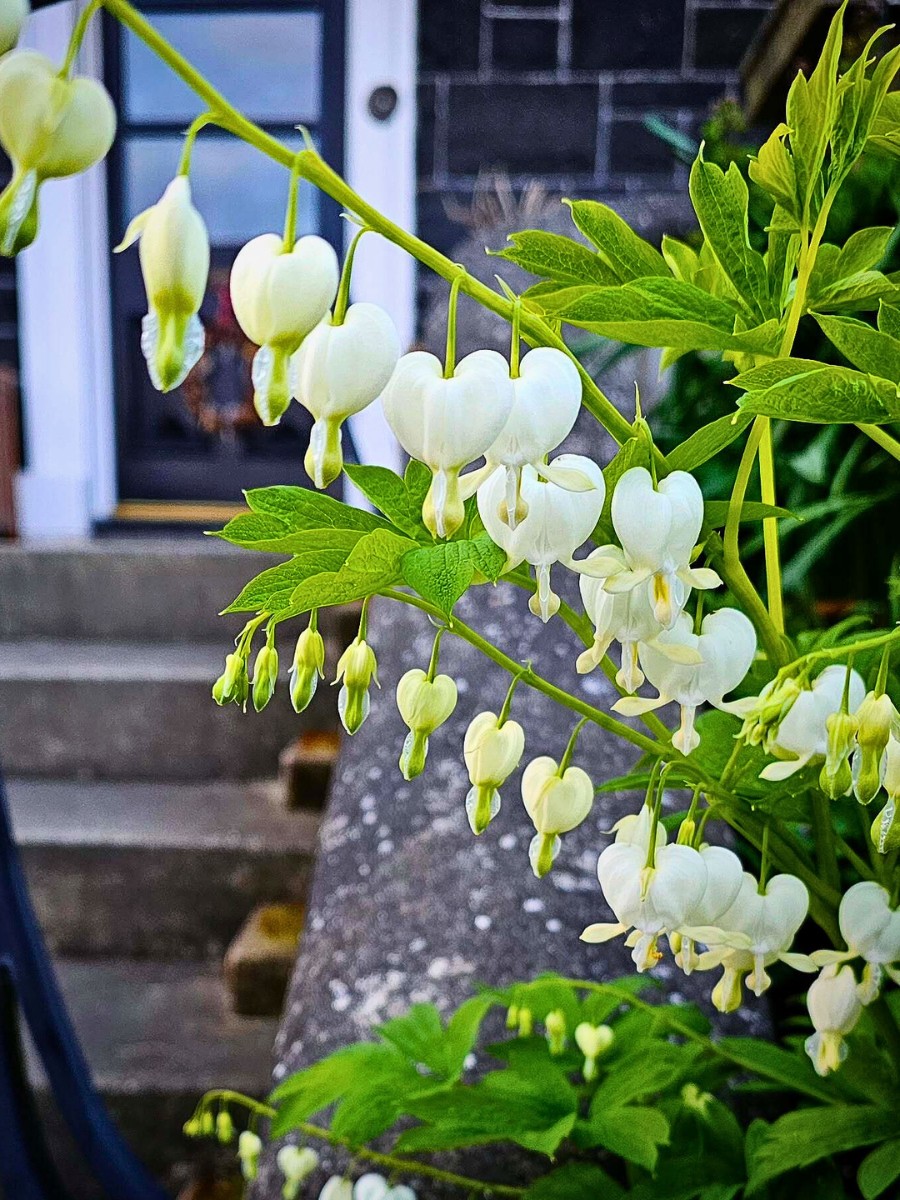
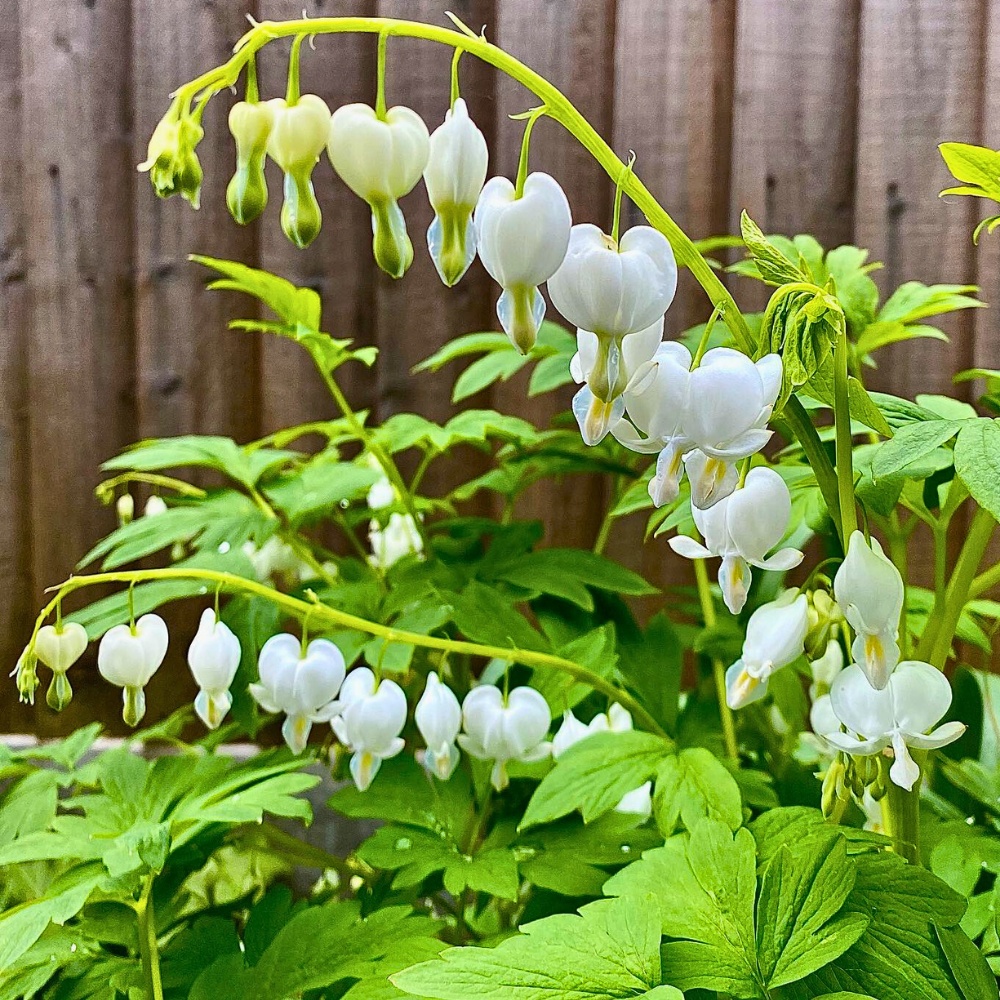
White bleeding hearts (Lamprocapnos spectabilis 'Alba') carry entirely different symbolism. These rare beauties represent purity and innocence, often associated with young women or children. In memorial contexts, they honor those who died tragically or too young, their pure white petals suggesting souls untainted by the world's harsher realities. Victorian mourning traditions sometimes incorporated them as tributes to lost loved ones, particularly when grief mixed with a desire to honor someone's gentle spirit.
Red Bleeding Hearts
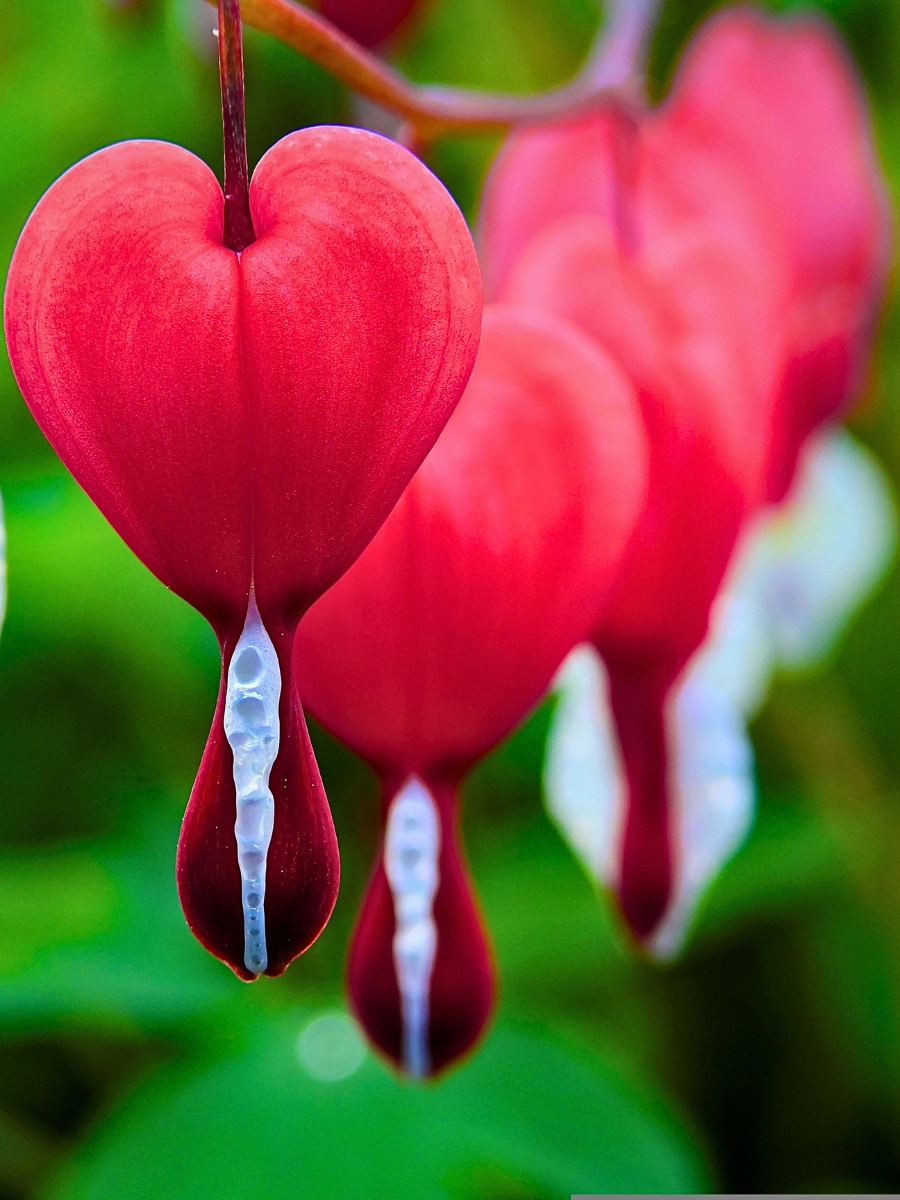
The scarce red bleeding heart flower speaks to intense, passionate love mixed with sorrow and loss. Red varieties don't appear as commonly in gardens, which only amplifies their symbolic power. When you encounter a red bleeding heart, it means love at its most powerful and potentially most painful. These flowers acknowledge that the deepest connections often bring the sharpest heartbreak, yet people pursue them anyway because, to them, love matters more than safety.
The Deeper Philosophy Behind Bleeding Heart Symbolism
What does the bleeding heart flower mean at its deepest rational level? Perhaps it represents the ultimate human tension between self-protection and connection. Everyone wants love, yet love requires vulnerability. Opening one's heart means risking pain, rejection, and loss. The bleeding heart acknowledges this reality.
The flower doesn't pretend love is always easy or that emotional openness comes without cost. That visible droplet admits the truth that love hurts sometimes, and hearts do bleed. Yet the flower also shows that beauty and meaning can coexist with pain, as the bleeding heart remains lovely despite, or perhaps because of, its visible wound. This philosophical element makes the flowers resonate with people navigating emotional complexities.
Young people falling in love for the first time see their nervous excitement reflected in the flower's delicate structure. Those recovering from heartbreak find comfort in symbolism that validates their pain while suggesting healing remains possible. People mourning loved ones discover that bleeding hearts honor their grief without demanding they move on prematurely. These truths explain why bleeding heart symbolism continues to speak to new generations despite cultural changes and evolving social norms.
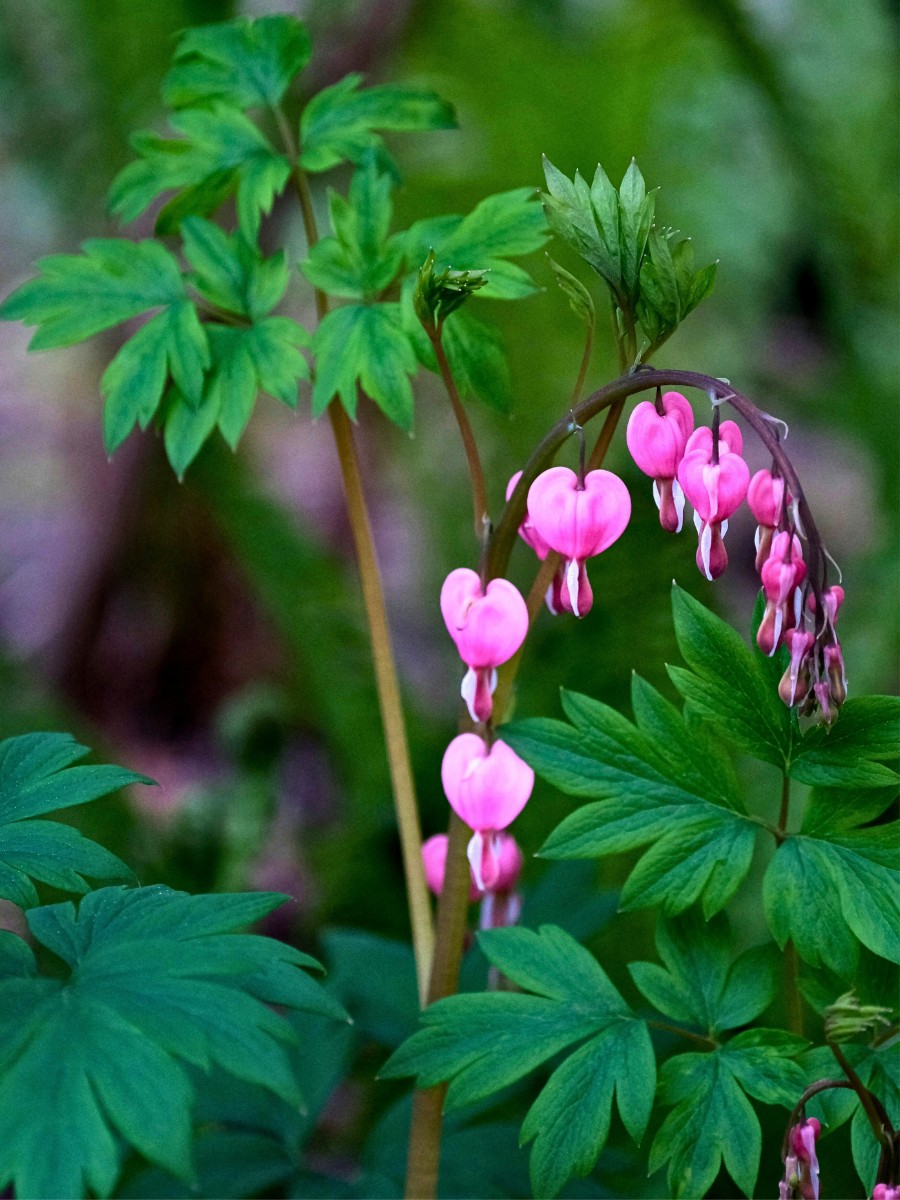
Bleeding Heart Flower Tattoo Meaning
The bleeding heart flower tattoo meaning is a personal form of expression, allowing people to wear their emotional stories on their skin. While tattoos of bleeding hearts draw from traditional flower symbolism, they have developed additional meanings specific to body art culture. Bleeding heart flower tattoos primarily represent emotional vulnerability and the courage to love despite past hurts. People who choose these tattoos often want to honor their capacity for deep feeling, acknowledging that sensitivity is strength, too.
Many people get bleeding heart tattoos to commemorate lost loved ones. The flower's association with grief and remembrance makes it fitting for memorial pieces. Unlike some memorial tattoos that focus solely on loss, bleeding hearts acknowledge both the pain of absence and the love that survives death.
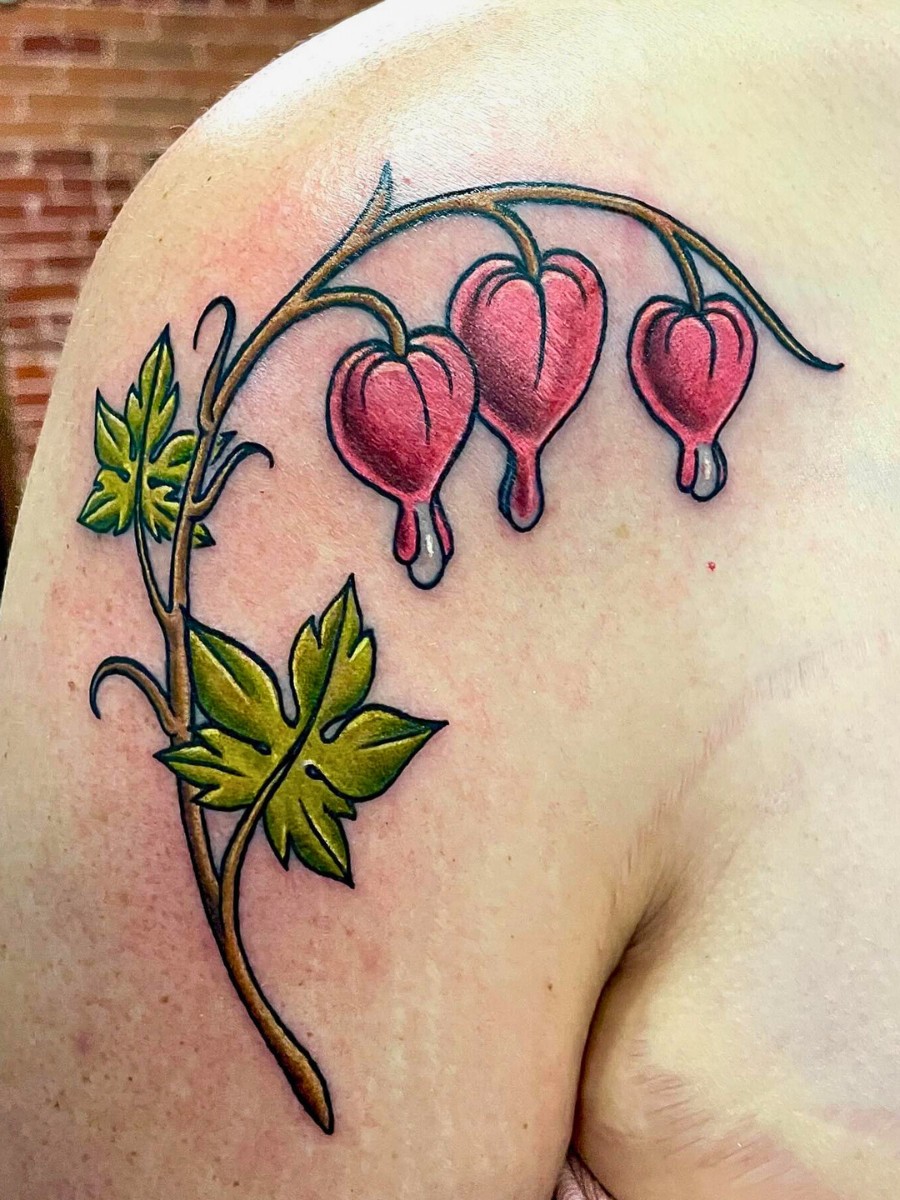
Another common bleeding heart flower tattoo meaning is healing from emotional wounds. The heart, though bleeding, continues to be a heart, symbolizing resilience and the human capacity to recover from betrayal, heartbreak, or trauma. People emerging from difficult relationships or working through emotional pain often choose bleeding heart tattoos to mark their journey.
Some people select bleeding heart tattoos to represent their empathetic nature. They identify with the flower's symbolism of emotional openness and compassion for others' suffering. To them, the tattoo means maintaining kindness and understanding, even when sometimes the reward is emotional detachment.
Artistic Variations
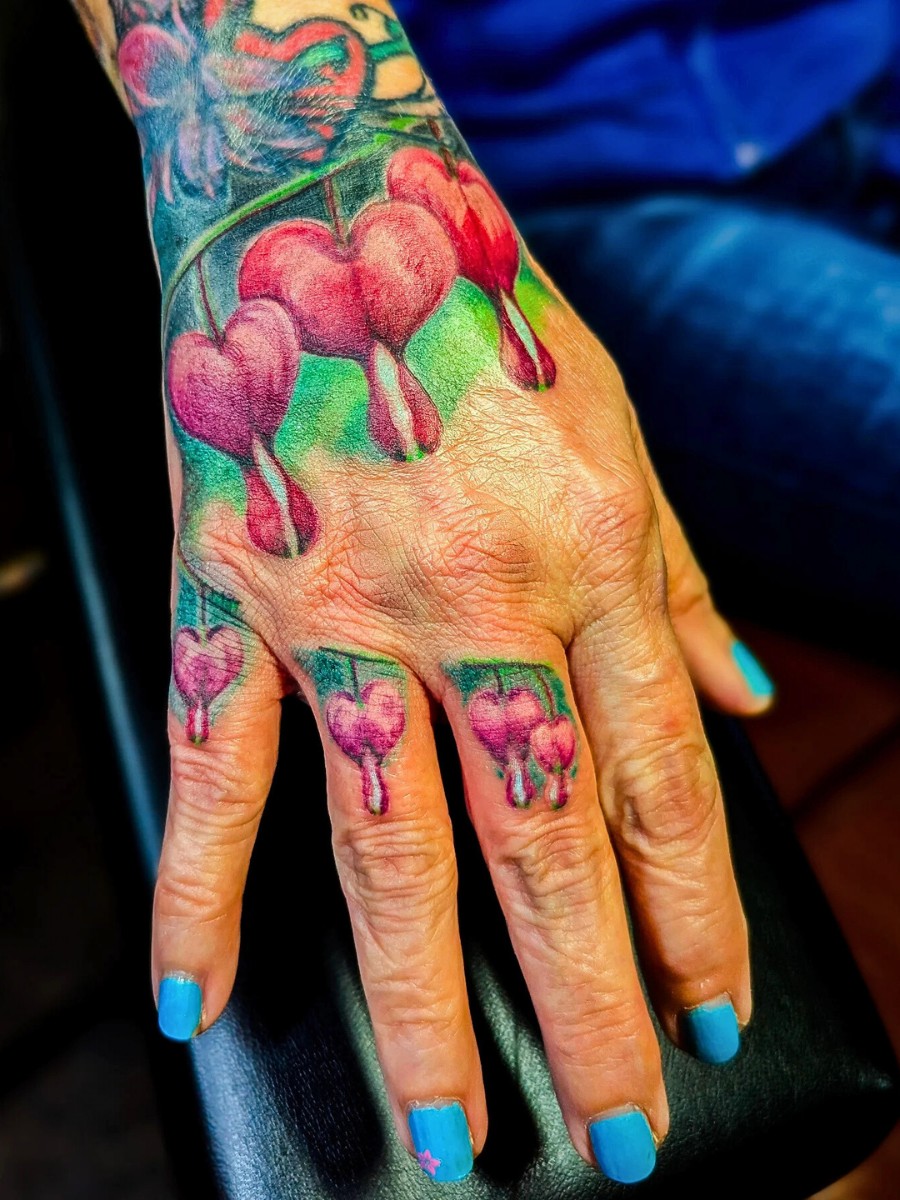
Bleeding heart flower tattoo meaning can change based on design elements. Adding a dagger through the heart emphasizes betrayal or heartbreak. Combining bleeding hearts with roses suggests love persisting through difficulty. Including butterflies adds themes of transformation and renewal. Black and white designs often represent mourning or past pain, while color tattoos celebrate emotional vitality and ongoing capacity for love.
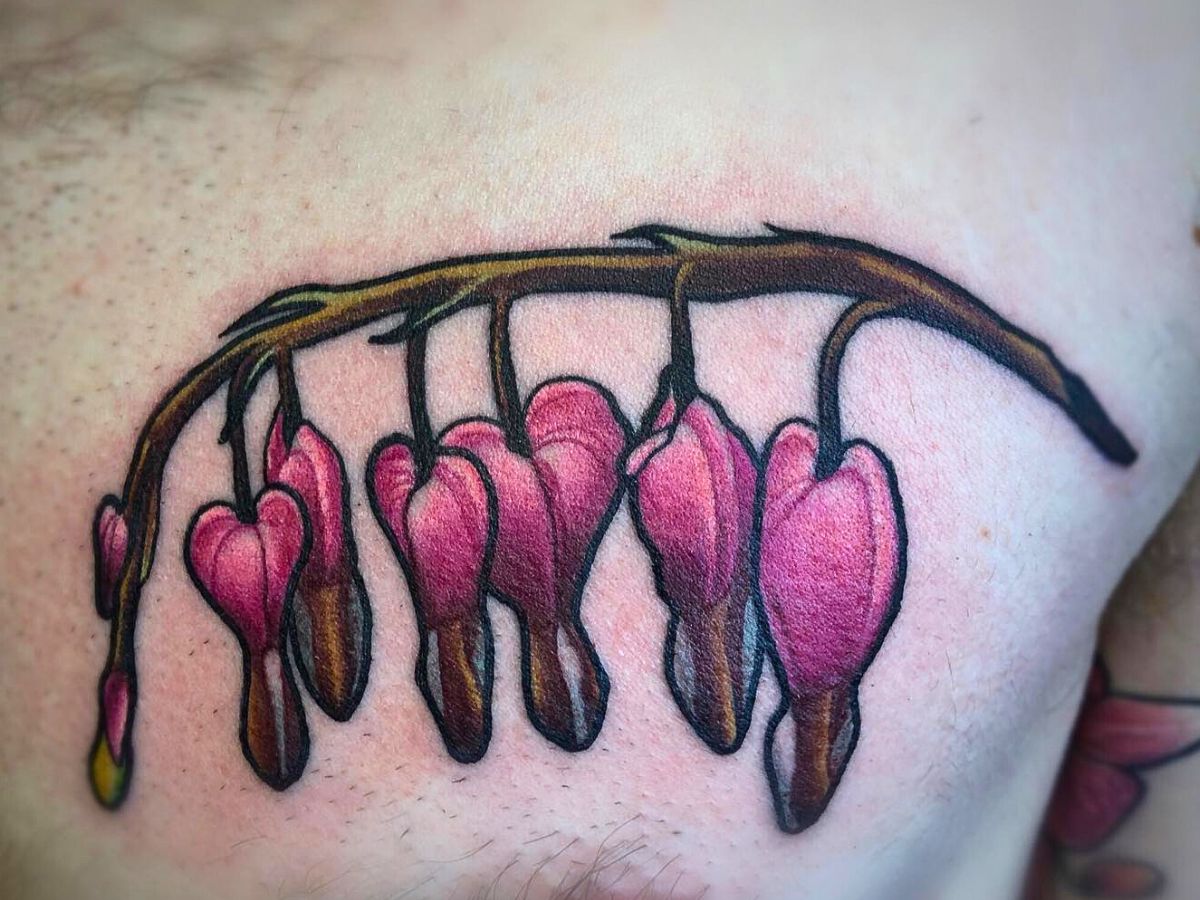
The placement of bleeding heart tattoos also affects their meaning. Above the physical heart suggests vulnerability in love. On wrists or visible locations, it shows a willingness to be emotionally honest with the world. More private placements might represent personal journeys kept close to the heart.
Bleeding Hearts in Art and Literature
Many have found inspiration in the bleeding heart flower meaning, incorporating these distinctive flowers into creative works. Famous American artist Georgia O'Keeffe painted bleeding hearts, capturing their delicate structure and emotional resonance in her characteristic style. Her floral works often explored themes of vulnerability and hidden strength, making the flower a natural subject for her artistic ideas.
In literature, bleeding hearts appear as metaphors for characters experiencing unrequited love or emotional suffering. Victorian poets particularly favored bleeding heart imagery when writing about love's painful aspects. The flower's literal appearance made it perfect for poetry that valued clear symbolism readers could immediately grasp.
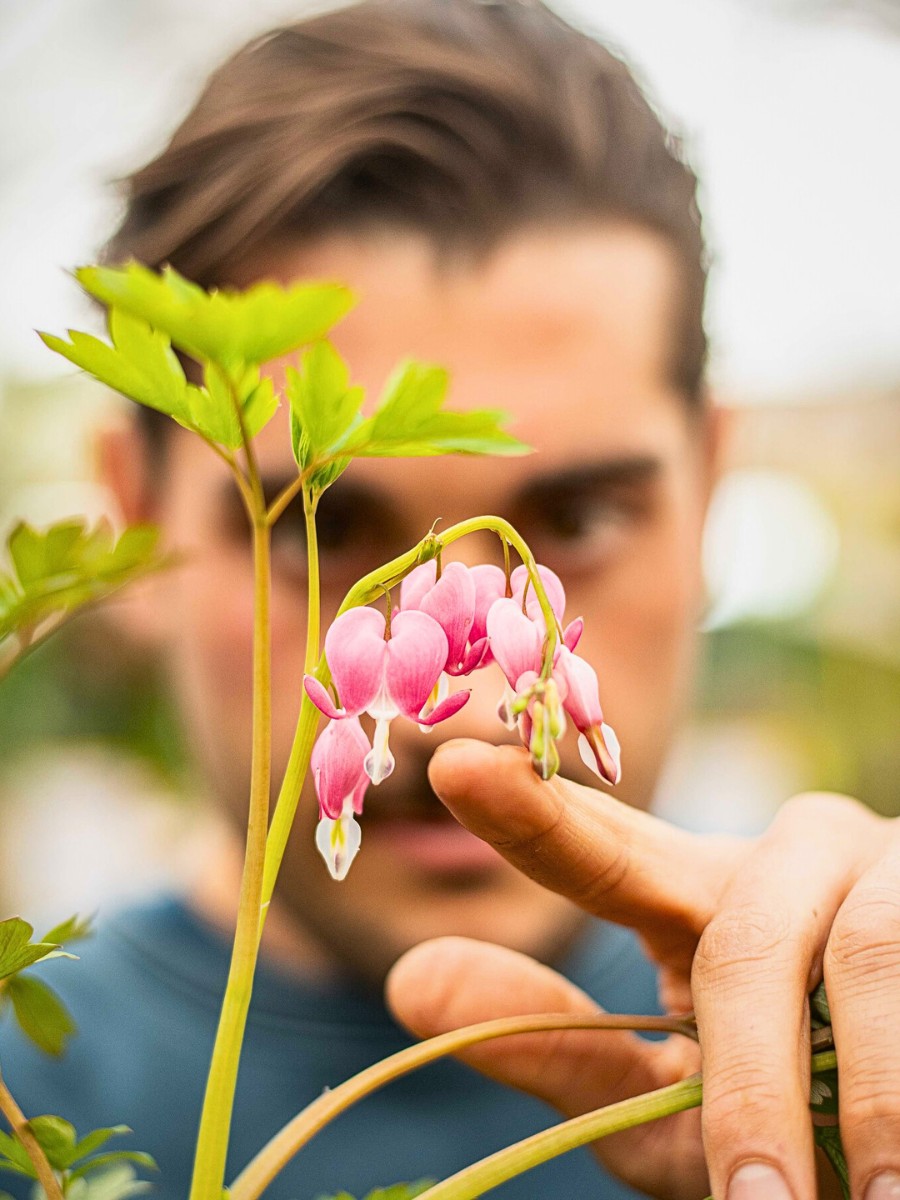
Contemporary photographers often feature bleeding hearts in botanical studies and artistic compositions. The flower's dramatic form photographs beautifully, especially with careful lighting that emphasizes the translucent quality of its petals and that signature droplet.
Garden designers also intentionally plant bleeding hearts in memorial gardens, healing gardens, and meditation spaces where visitors come to process difficult emotions. The flowers' symbolism makes them appropriate for environments dedicated to reflection and emotional work.
Essentially, whichever the case may be, the bleeding heart certainly has a lot of emotions to express. Understanding its language fully gives you an equally clear understanding of what it says.
Feature image by Bru-nO. Header image by KIMDAEJEUNG.