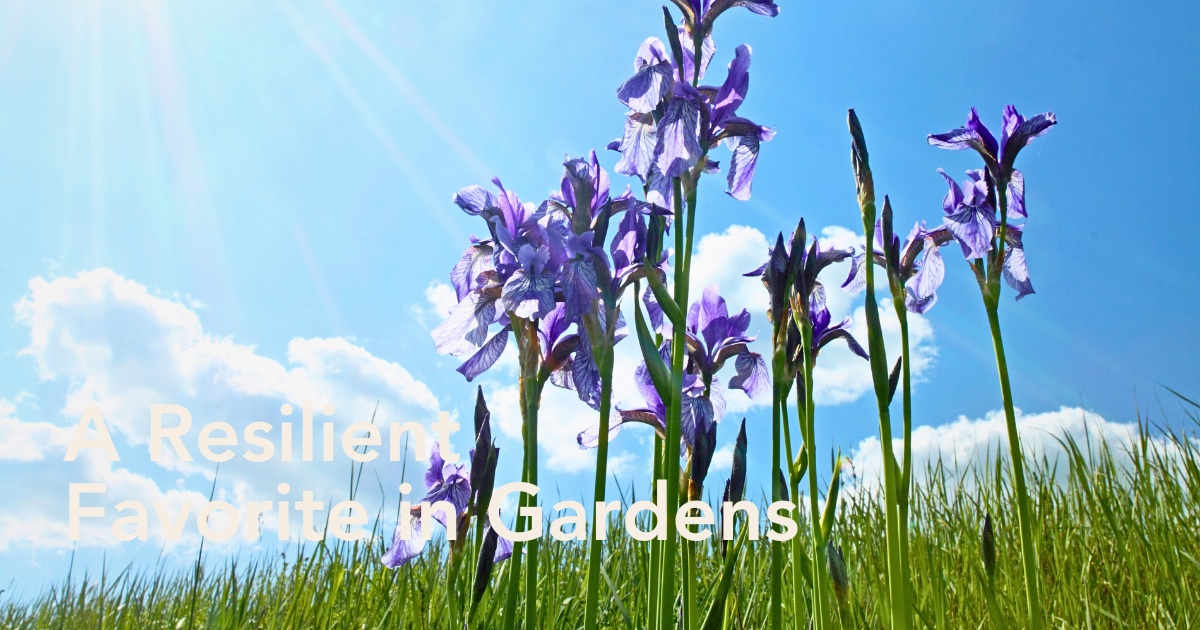
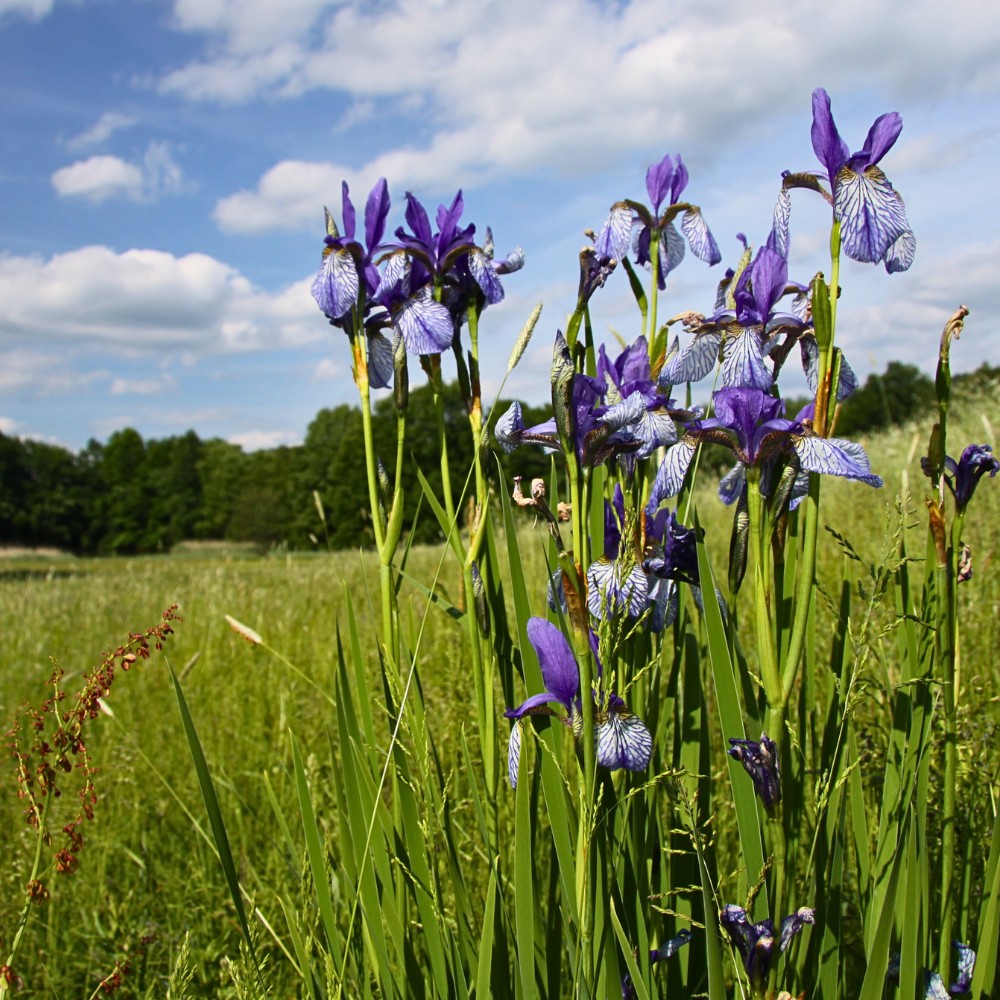
Iris sibirica, or Siberian iris, is one of those plants that easily earn a permanent place in a garden. While other perennials may be demanding and constantly fussing, this elegant beauty from the grasslands of Europe and Asia requires so little, yet delivers profusely.
Its foliage stays neat, its flowers look refined and hardly chintzy, and once it settles in, it asks for practically nothing. Such is the kind of flower that a seasoned gardener seeking reliable performers or a beginner wanting something that does not punish their learning curve yearns for. So here's what you'd, perhaps, want to know about this graceful plant.
Iris Sibirica's Origins and Characteristics
Native to the meadows and stream banks of central Europe through Russia and into parts of Türkiye, Iris sibirica has adapted to thrive in conditions that would challenge many garden favorites. Distinct from its bearded iris cousins that prefer drier feet, this species evolved in wetland margins where soil stays moist through spring and early summer.
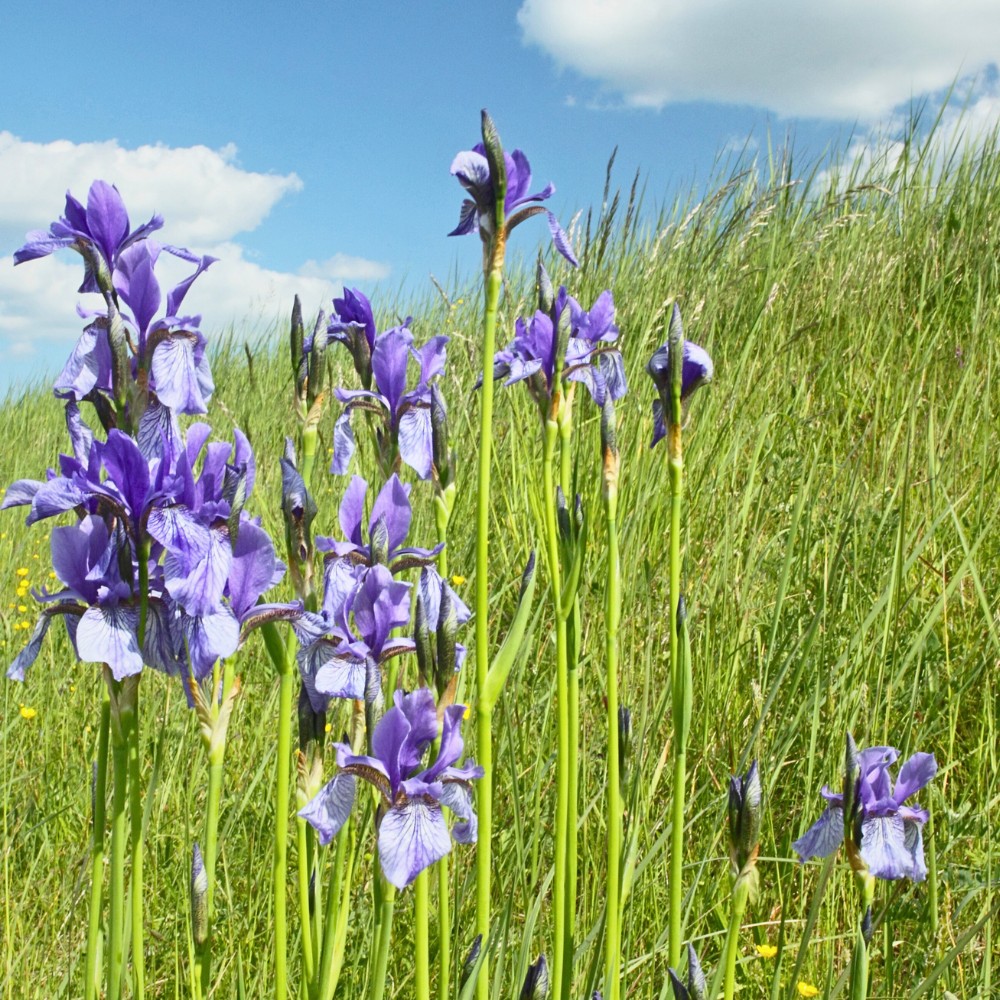
The plant belongs to the Iridaceae family and falls into the beardless iris category. It has slender, grass-like foliage that remains attractive long after flowering ends, which is one of the characteristics that make it unique. Most cultivars reach 60 to 90 cm (roughly 24 to 36 inches) tall, creating vertical interest, hardly inhibiting smaller garden companions.
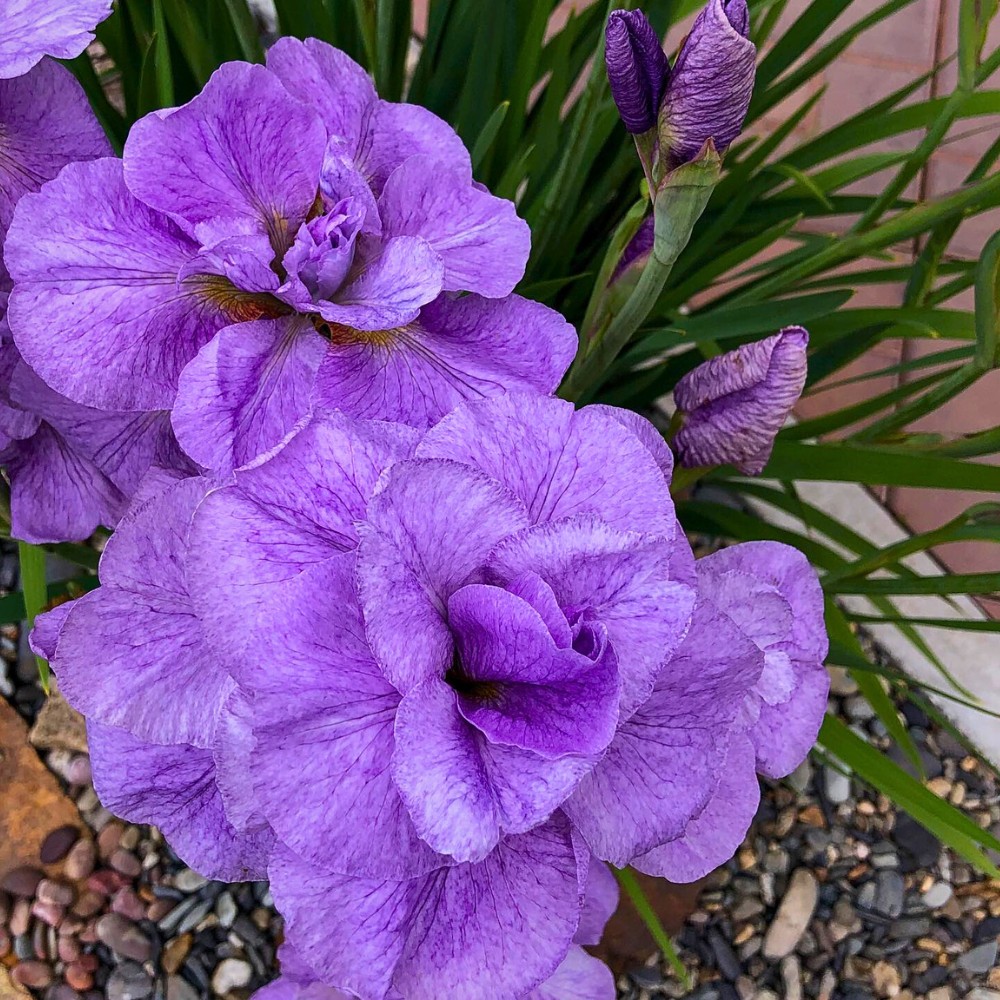
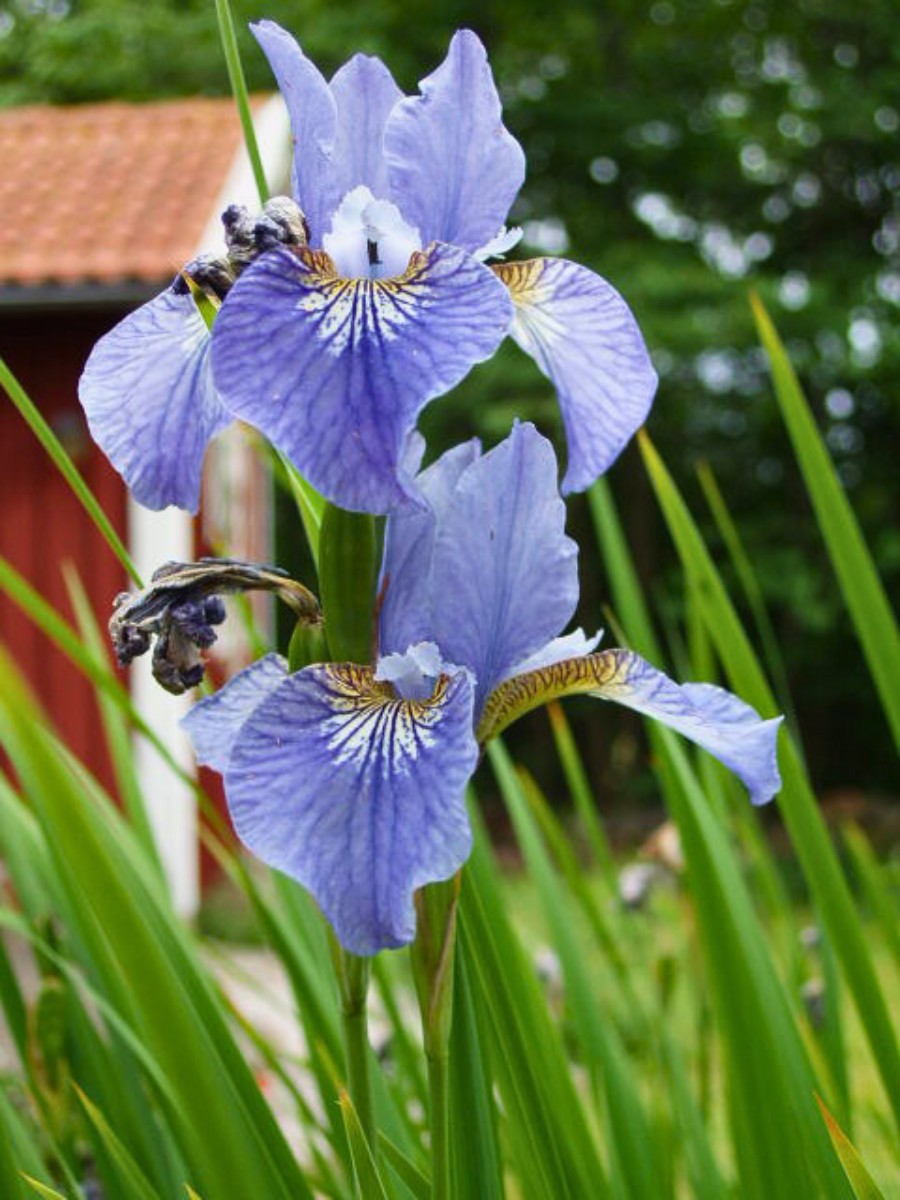
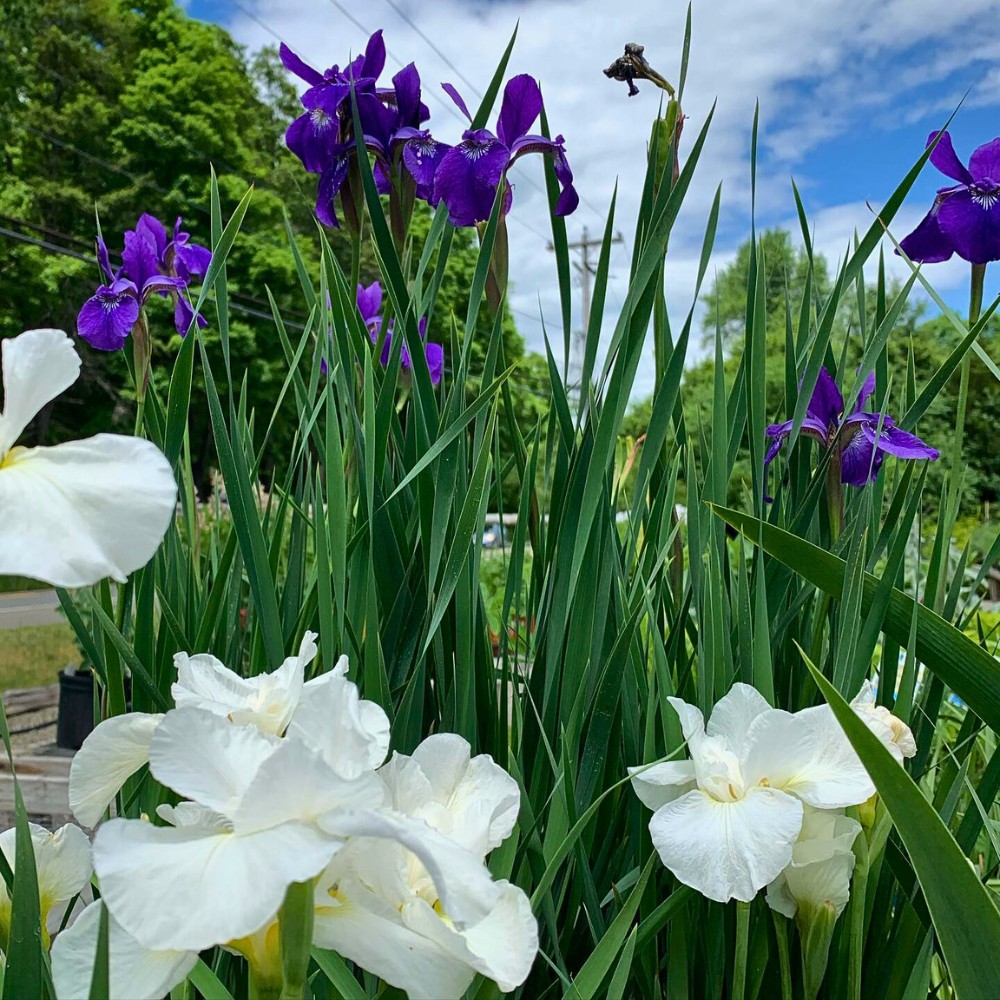
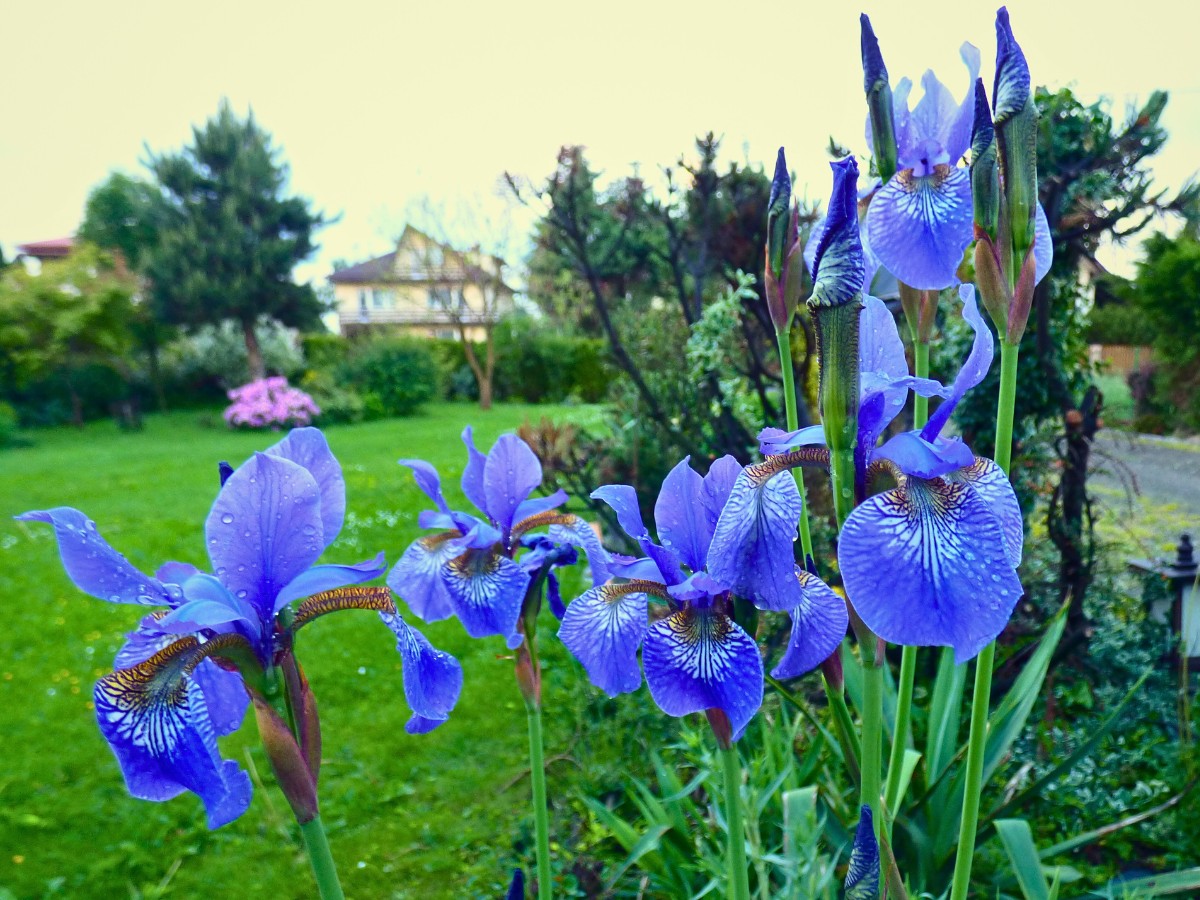
The flowers themselves, appearing in late spring to early summer, feature the classic iris form with falls and standards, typically in shades of blue, purple, white, yellow, and wine-red. With that kind of richness, they are definitely the kind of flowering plants you'd want successfully growing in your garden space.
Getting Started With Iris Sibirica Cultivation
Successful Iris sibirica cultivation begins with understanding what this plant really needs. Yes, quite unlike other fussy perennials, the Siberian iris adapts to a range of conditions, which makes it ideal for gardeners across different climate zones. It works best in USDA hardiness zones 3 through 9, tolerating both cold winters and reasonably warm summers.
And the key to thriving plants lies in soil preparation. While Iris sibirica tolerates various soil types, it desires rich, slightly acidic to neutral soil with good moisture retention. This doesn't mean waterlogged conditions, though the plant can handle wet feet better than most perennials. So, aim for soil that stays evenly moist during the growing season but drains well enough to prevent root rot during dormancy.
Its light requirements lean toward full sun in cooler climates, though afternoon shade is beneficial in hotter regions. Six hours of direct sunlight typically provides enough energy for healthy growth and abundant flowering. Less light, on the other hand, leads to lankier plants with fewer flowers.
When to Plant Iris Sibirica
Timing matters when establishing new Siberian iris plants. The ideal window for planting Iris sibirica falls between late summer and early fall, typically August through September in most regions. This schedule gives roots time to establish before winter dormancy while avoiding the stress of summer heat.
Spring planting works too, especially in colder zones where fall-planted specimens might heave from freeze-thaw cycles. Suppose you choose spring installation, plan for mid-March through May, depending on your last frost date. The trade-off involves more diligent watering through the first part of summer, as plants work to establish root systems during active growth.
Container-grown plants offer more flexibility, allowing installation at any time during the growing season. Just remember that mid-summer planting demands reliable moisture and possibly some temporary shade during the hottest part of the day.
Step-By-Step On How to Plant Iris Sibirica
Planting Iris sibirica correctly sets the groundwork for the flowering plant’s years of performance. Start by preparing your planting area thoroughly. Dig the soil to a depth of 25 to 30 cm (10 to 12 inches), working in five to 7.5 cm (2 to 3 inches) of compost or well-rotted manure. This organic matter improves both drainage and moisture retention while providing slow-release nutrients.
For bare-root divisions or nursery plants, dig a hole about twice the width of the root mass and deep enough that the rhizome sits just at or slightly below the soil surface. This differs from bearded iris, which prefers its rhizomes exposed. Spread roots naturally in the hole, backfill with amended soil, and firm gently to eliminate air pockets.
Space plants 45 to 60 cm (18 to 24 inches) apart, measuring from center to center. This allows room for clumps to expand without crowding. Water the plant thoroughly after planting, settling the soil around the roots. A layer of mulch helps retain moisture and moderate soil temperature, but keep it pulled back slightly from the crown to prevent rot.
Growing Iris Sibirica and Its Continuing Care
Growing Iris sibirica successfully involves establishing a simple maintenance routine. Water it regularly during the first growing season, providing a few centimeters per week if rainfall doesn't cooperate. Established clumps tolerate brief dry spells but perform best with reliable moisture, especially during spring growth and flowering.
Its fertilization needs remain modest. A balanced, slow-release fertilizer applied in early spring as new growth emerges provides adequate nutrition. Alternatively, top-dress with compost annually. Avoid high-nitrogen fertilizers that promote foliage at the expense of flowers.
Deadheading spent flowers keeps plants looking tidy and prevents self-seeding, though seed production doesn't significantly drain plant energy as it does in some perennials. Leave the attractive foliage standing through summer; it continues photosynthesizing and building energy reserves for next year's display. Cut back brown, dried foliage in late fall or early spring before new growth starts.
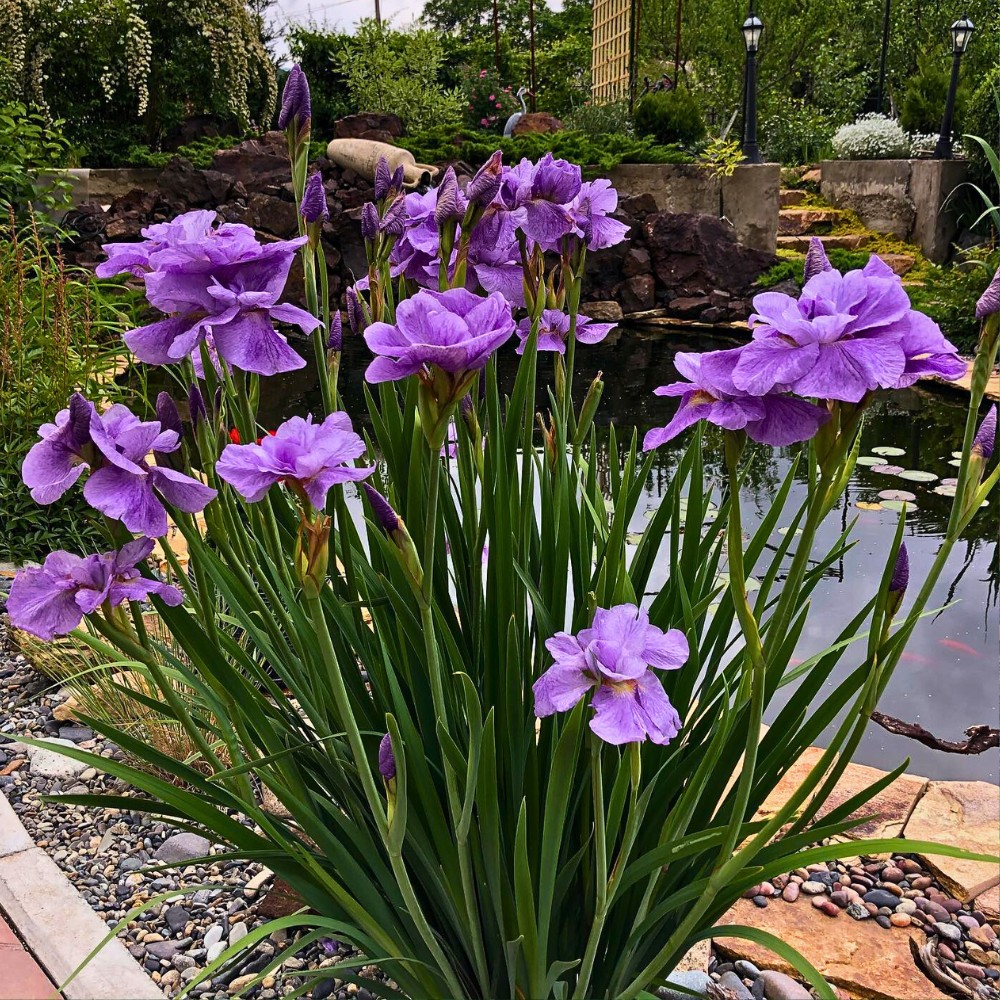
Pest and disease problems rarely trouble the Siberian iris. Occasional iris borers appear, but far less frequently than on the bearded varieties. Good air circulation and avoiding overhead watering minimize fungal issues.
When to Divide Iris Sibirica
Knowing when to divide the Iris sibirica helps maintain vigorous, floriferous clumps. Unlike some perennials that need division every few years, the Siberian iris tolerates staying put for 5 to 10 years or longer. The plant, really, performs better when allowed to form substantial clumps.
Signs that division time has arrived include declining flower production, dead centers in clumps, or simply wanting to propagate plants for other areas. The flowering display often diminishes when clumps become overcrowded, with more foliage and fewer blossoms.
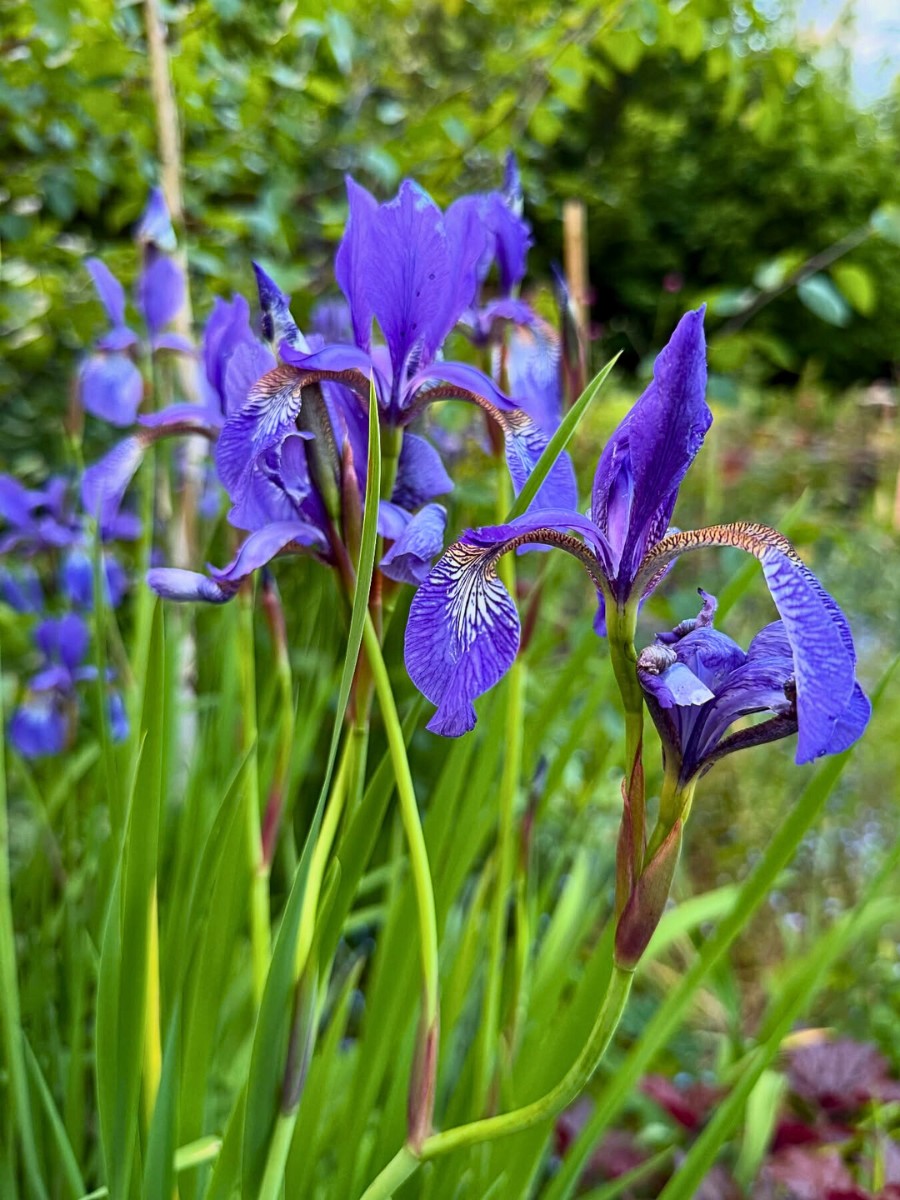
The best time for division falls in late summer, typically six to eight weeks after flowering concludes. This timing, usually late July through early September, depending on your climate, allows divisions to establish before winter. Early spring division works as a second choice, done just as new growth begins, but plants divided in spring may skip flowering that year.
To divide, dig the entire clump carefully, trying to preserve as much root mass as possible. You'll find the rhizomes form a dense, fibrous network, quite different from the chunky rhizomes of bearded iris. Use a sharp spade, garden fork, or even a pruning saw to cut through the mass. Each division should contain at least three to five fans of foliage with attached roots. Trim foliage back to 15 to 20 cm (6 to 8 inches), reducing water loss while roots re-establish.
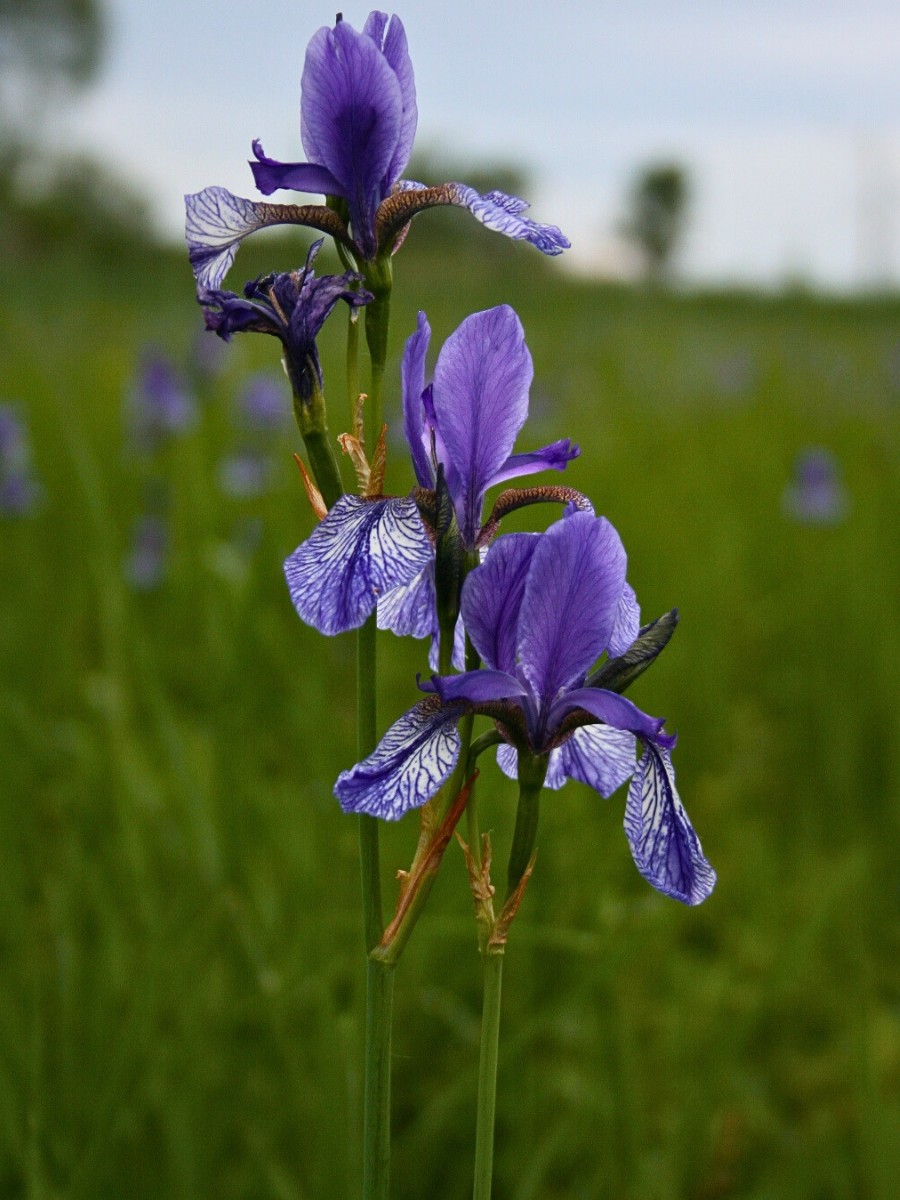
Iris Sibirica Caesar’s Brother and Why It Is a Garden Classic
There are many Siberian iris cultivars available, and among these hundreds of Iris sibirica cultivars, ‘Caesar's Brother’ is one of the most reliable and widely grown selections. Introduced in 1930, this heirloom variety has stood the test of time, remaining popular nearly a century later.
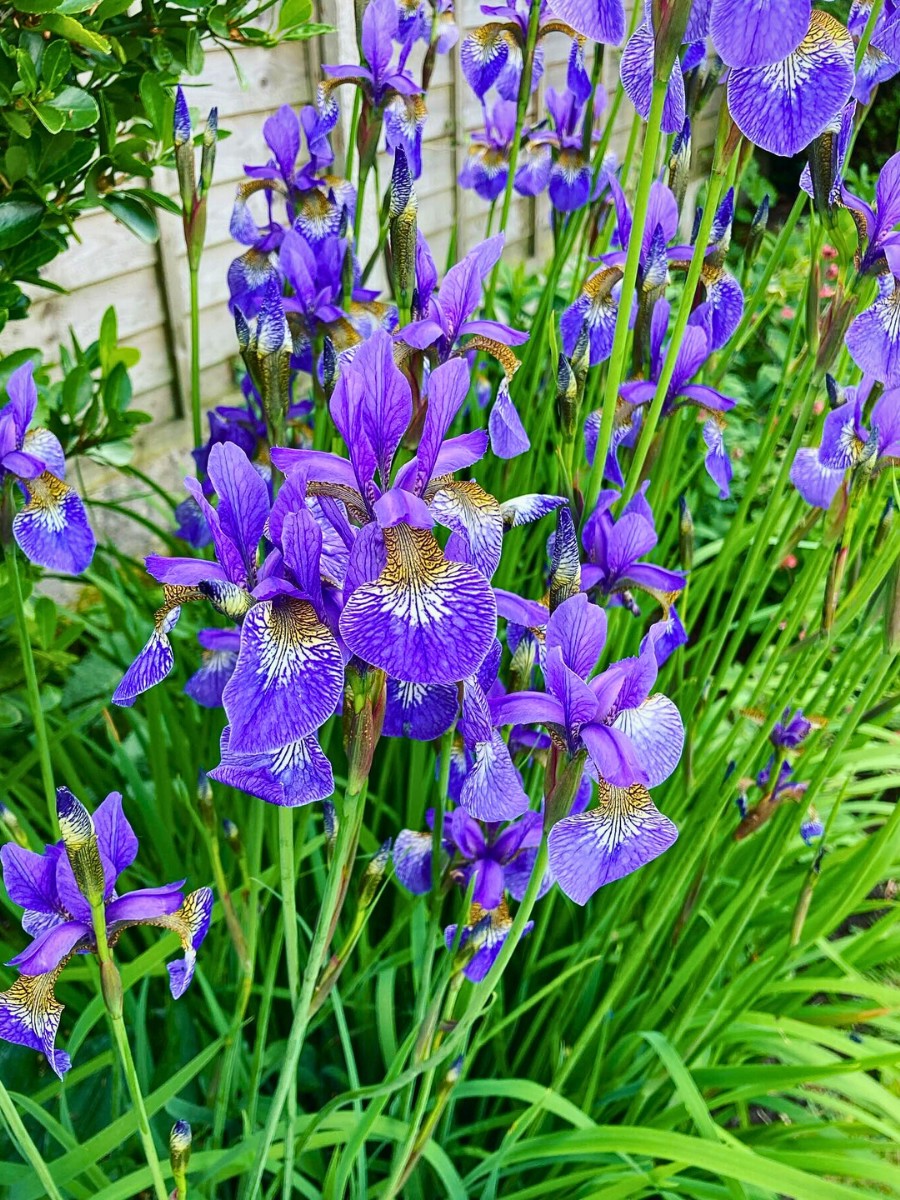
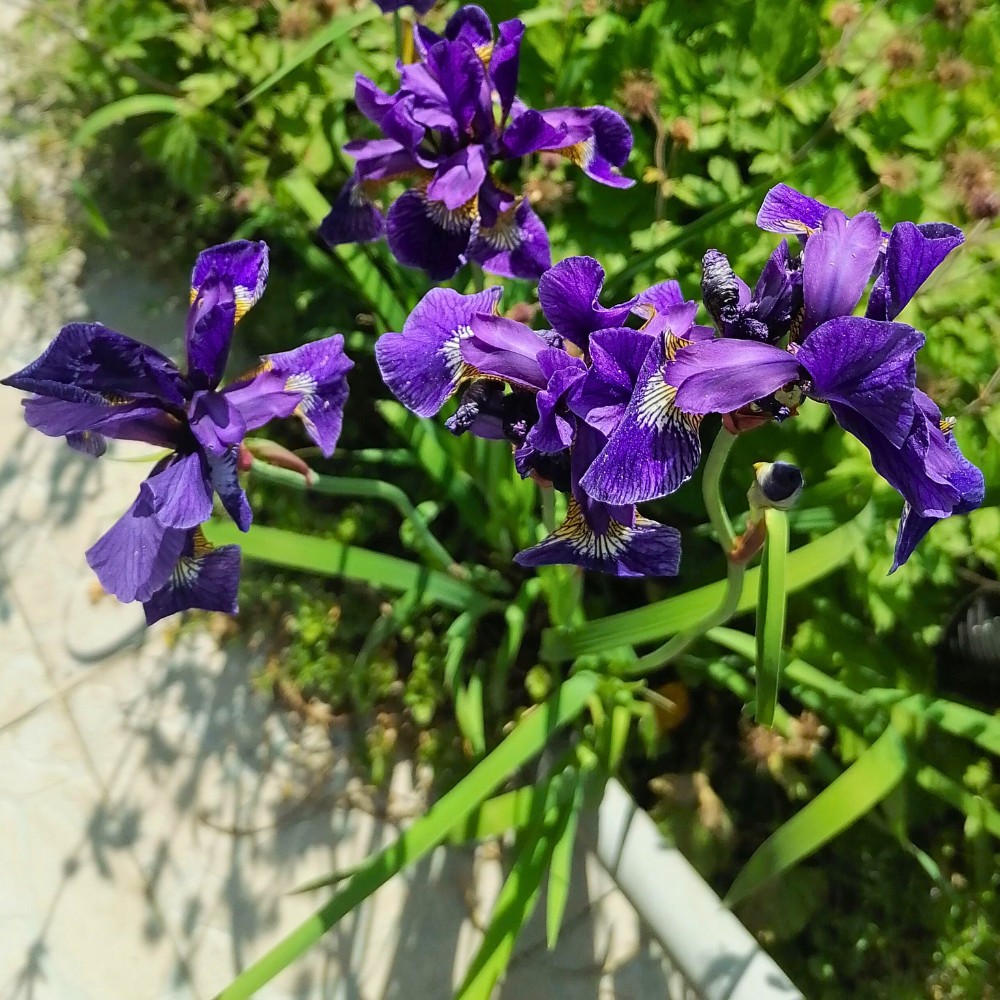
But what makes Iris sibirica Caesar's Brother special? The deep blue-purple flowers with bright yellow signals create a stunning contrast. The color holds up well in bright sun without fading. Being vigorous and hardy, this cultivar also adapts to various conditions and rarely disappoints. Plus, the plants typically reach 75 to 90 cm (30 to 36 inches) tall with flowers appearing in late May through June in most climatic conditions.
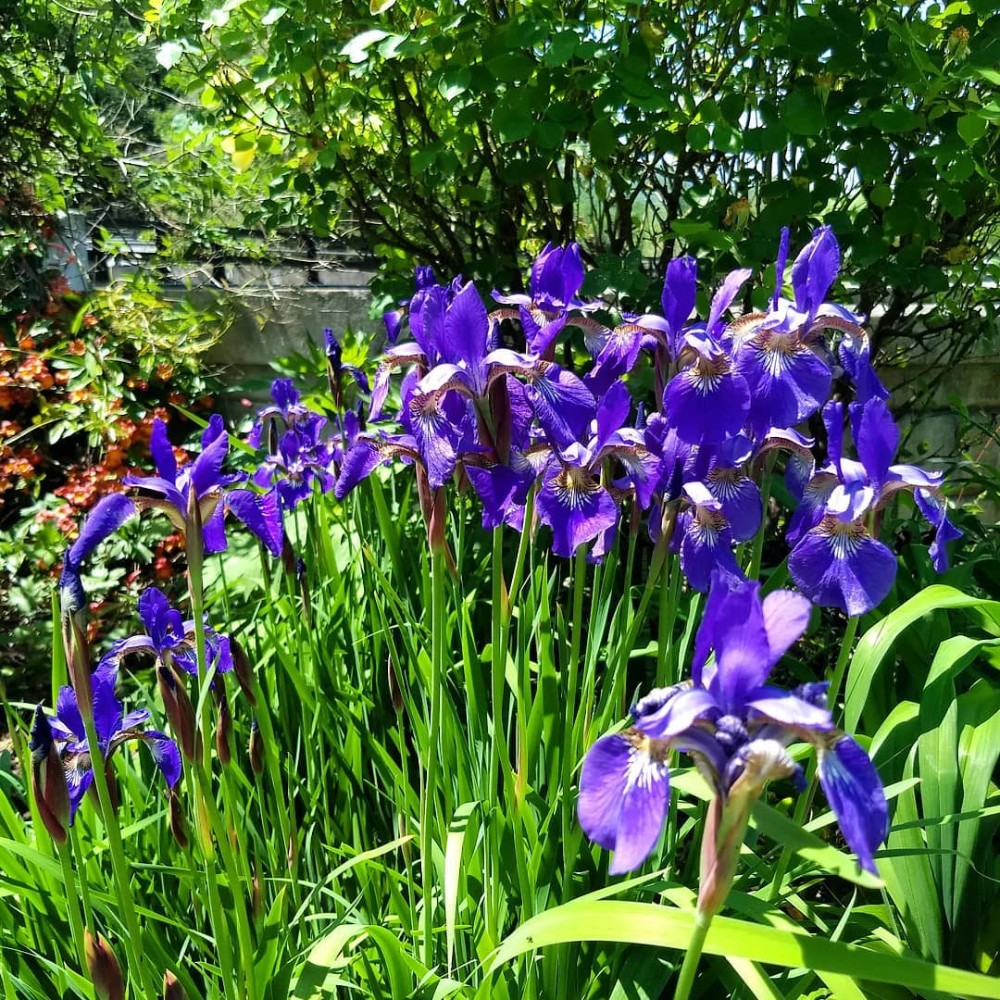
Still, yet, how to plant Iris sibirica Caesar's Brother follows the same guidelines as the general species. The cultivar shares the same cultural requirements, including moist, rich soil, full sun to light shade, and proper spacing. Growing Iris sibirica Caesar's Brother, simply, involves the identical care routine, regular moisture, annual feeding, and allowing clumps to mature before dividing.
Notably, Caesar's Brother Siberian iris works beautifully in mass plantings, where its uniform height and color create impressive drifts. It partners well with other moisture-loving perennials like Astilbe, Ligularia, and ferns. The vertical foliage provides textural contrast to broader-leaved plants.
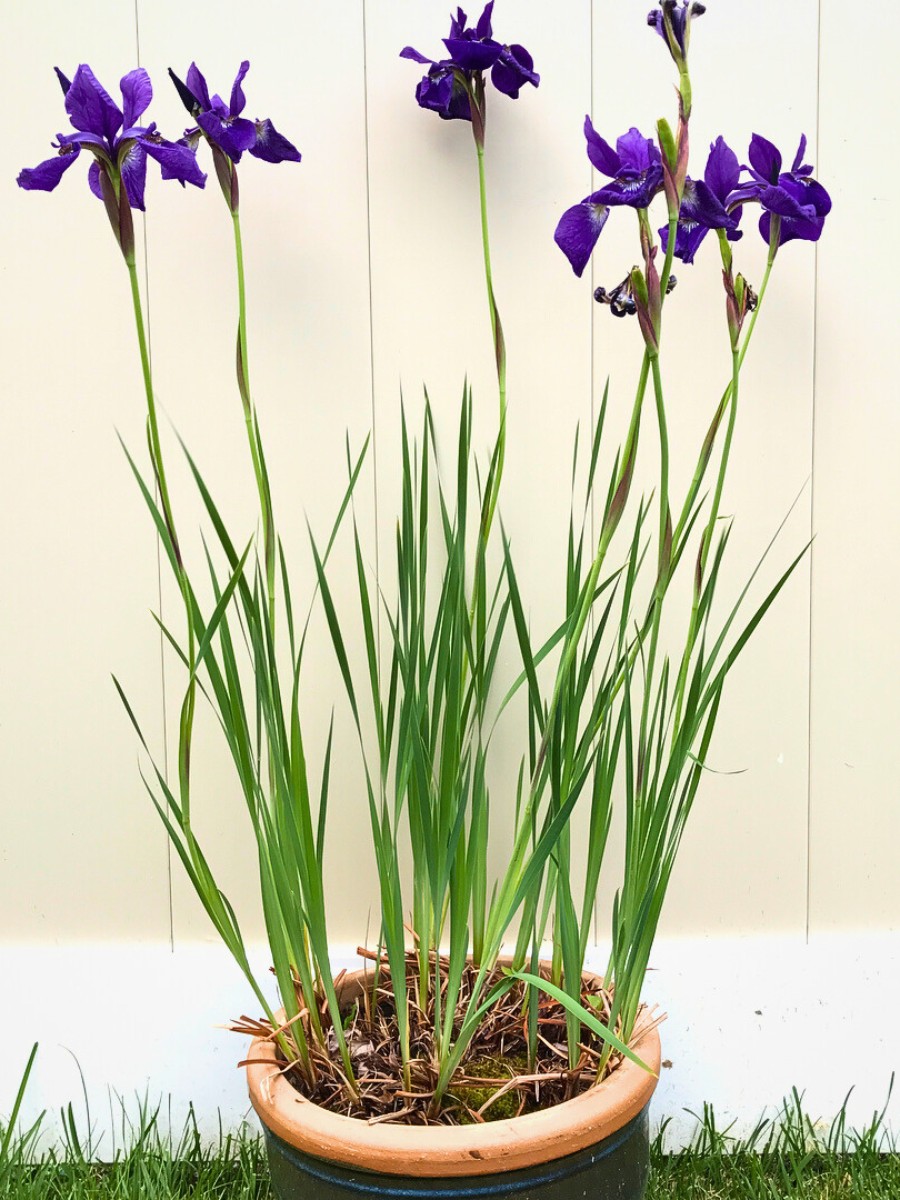
More Varieties Aside From Iris Sibirica Caesar's Brother
While Iris sibirica Caesar's Brother remains a regular, exploring other cultivars means adding the much-needed diversity to your plantings. Varieties like 'White Swirl' offer pure white flowers with yellow signals, and 'Ruffled Velvet' presents deep wine-purple flowers with attractive ruffling.
'Butter and Sugar' combines white standards with yellow falls, creating a bicolor effect, while 'Orville Fay' produces clear blue flowers on sturdy stems. Newer introductions focus on re-blooming traits, compact sizes, and unusual colors. Such include 'Reprise', which flowers twice in many climates. Dwarf varieties like 'Baby Sister' reach only 30 to 40 cm (12 to 15 inches), and are suitable for smaller spaces.
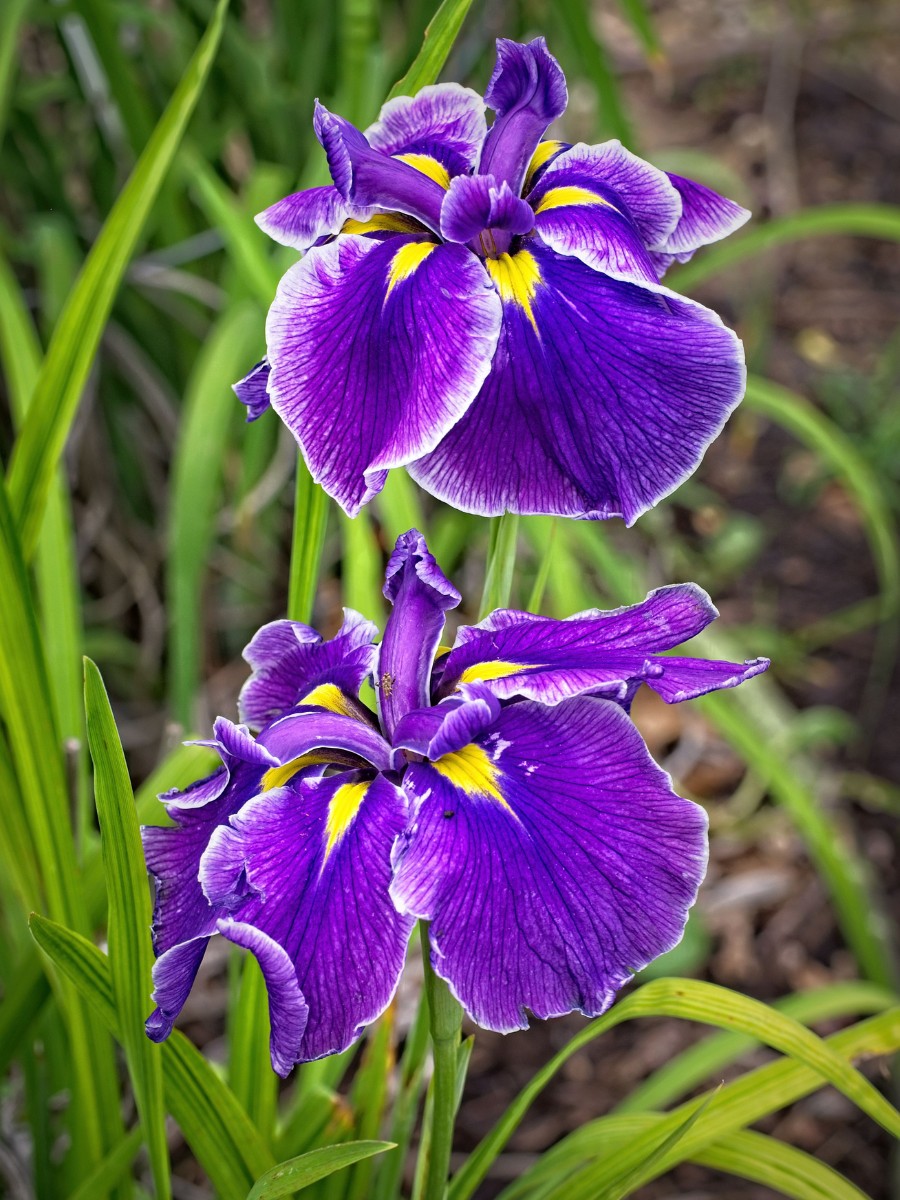
Iris Sibirica Design Ideas and Companion Plants
The Siberian iris fits numerous garden situations. It works well in rain gardens with its moisture tolerance and fibrous root system, which helps stabilize soil. Pond margins and stream banks provide ideal settings where the plant can naturalize. Traditional perennial borders welcome the vertical accent and reliable performance.
Companion planting opportunities are also many. Early-flowering bulbs like daffodils and tulips finish just as iris foliage fills in. Japanese primrose, Ligularia, and Astilbe share similar moisture needs and flower around the same time, creating layered interest. Ornamental grasses provide a textural echo with their similar linear foliage. Later-blooming perennials like coneflowers and black-eyed Susans carry the show after iris flowers fade.
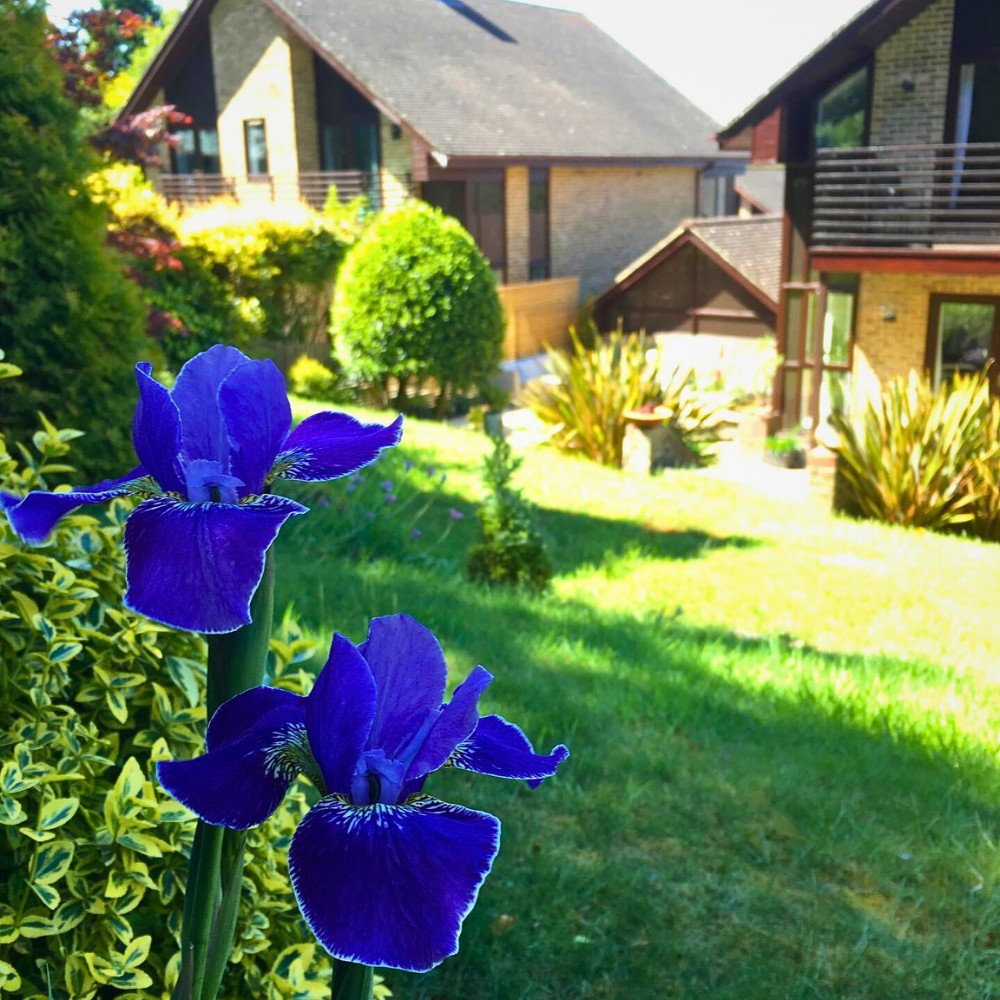
The foliage itself is a design element. The upright, grassy leaves create movement in breezes and maintain structure through the growing season, which makes Iris sibirica prized even when not in flower.
Troubleshooting Common Issues to Ensure a Thriving Siberian Iris
While generally carefree, occasionally the Siberian iris has a few problems. Yellowing foliage mid-season often indicates insufficient water or poor drainage. Check the soil moisture and adjust watering accordingly, and ensure drainage is adequate, especially during winter dormancy.
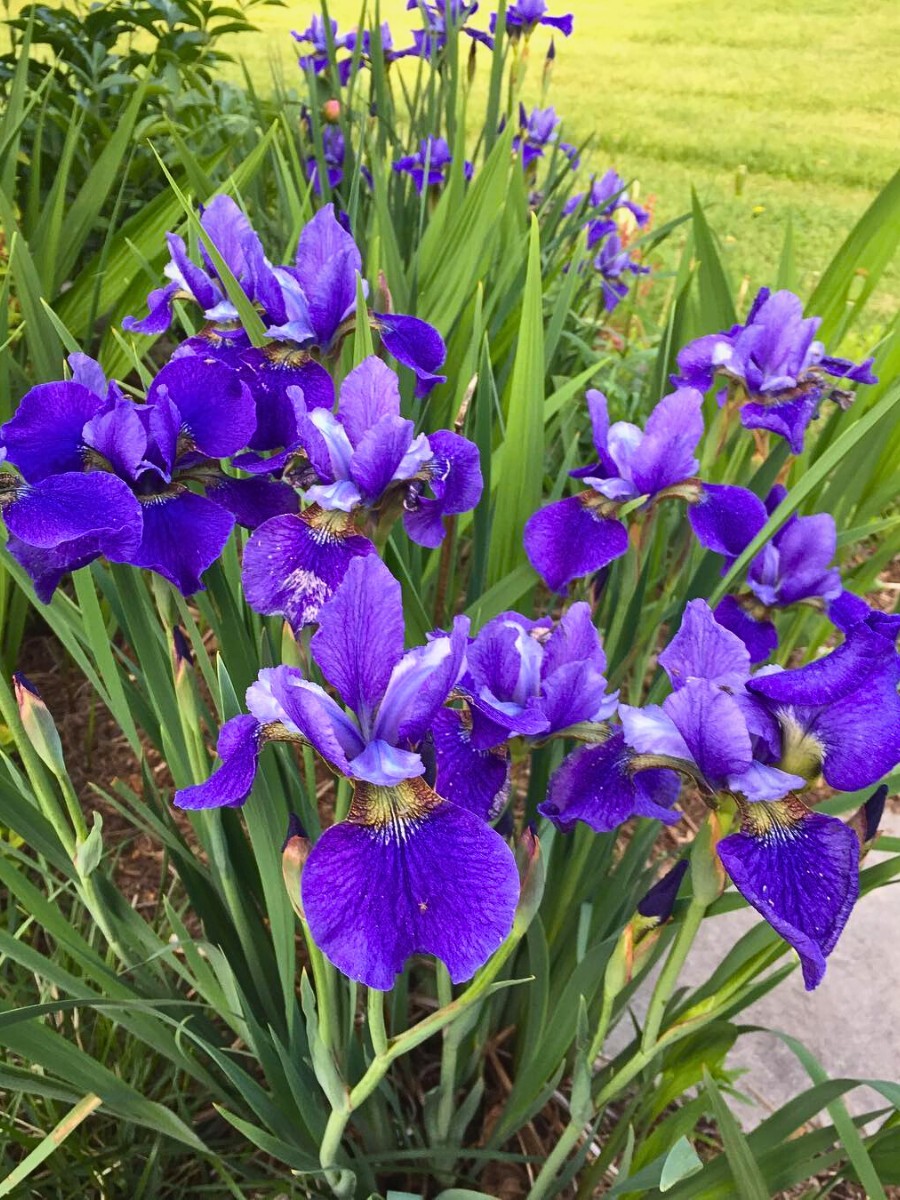
Failure to flower usually traces to insufficient sun, overcrowding, or too much nitrogen. Evaluate light levels, consider division if clumps are ancient and congested, and check your fertilization routine. Even so, sometimes newly divided plants skip a flowering season while re-establishing.
Moreover, leaf spots or crown rot are also a challenge that suggests fungal issues from poor air circulation or excessive moisture on foliage. One needs to space the plants properly, avoid overhead watering, and remove affected foliage promptly to address these challenges and have the perfect flowering plants.
It's easy to, therefore, realize why the Siberian iris is quite a garden workhorse. Elegant flowers, attractive foliage, and easy-going nature; this is the kind of plant that makes novices self-assured gardeners and gives experienced ones more time to enjoy their gardens instead of continually laboring in them, even though spending time working in the garden is pretty much okay!
Feature image by @anastasiya.yaroshenko. Header image by Bouke ten Cate.