ARTICLES

The Crimson Bottlebrush, Also Called Melaleuca Citrina

Scarlet brush-shaped flowers, fine-textured foliage, and easy-going nature make it a favorite in warm-climate landscapes and containers.

By: BRIAN OKINDA | 10-02-2026 | 8 min read
Garden Plants Floral Education
Crimson Bottlebrush, Scientifically Known as Melaleuca Citrina or Callistemon Citrinus

You’ve definitely seen them before; hummingbirds darting between their bright red flower spikes. The crimson bottlebrush is a plant in the myrtle family, Myrtaceae, which has a way of attracting attention, even in a garden full of other competing plants.

Crimson bottlebrush's scarlet, brush-shaped flowers, fine-textured foliage, and easy-going nature make it a favorite in warm-climate landscapes and containers. It combines toughness, color, wildlife value, year-round interest, and a fragrant, lemony character in everyday garden use.

Understanding What Is Crimson Bottlebrush

The crimson bottlebrush, scientifically known as Melaleuca citrina (formerly Callistemon citrinus), is an evergreen shrub or small tree native to eastern Australia. This adaptable plant’s common name comes from the distinctive cylindrical flowers that look exactly like the brushes you'd use to clean bottles.
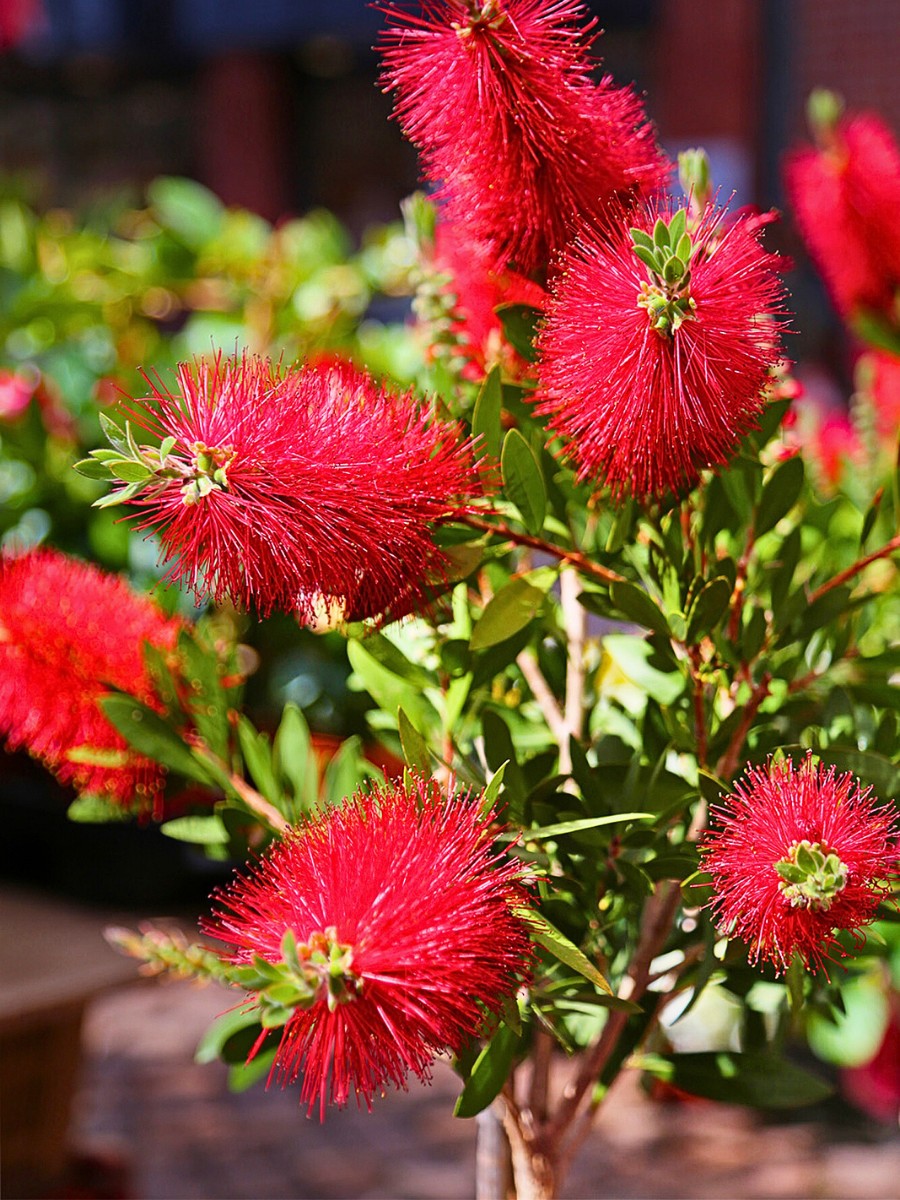
 

Crimson Bottlebrush, Scientifically Known as Melaleuca Citrina or Callistemon Citrinus
Melaleuca citrina, commonly known as the crimson bottlebrush. Photo by W. Bulach


It carries narrow, lance-shaped leaves that release a fresh lemon scent when crushed, which is why you will sometimes see its name as lemon bottlebrush alongside crimson bottlebrush in plant catalogs.

The red, bottlebrush-like flower spikes are formed by masses of long stamens arranged along the stems, giving that distinctive cylindrical brush look easily recognizable. These bright red stamens cluster together in dense spikes, creating a scarlet visual display that appears several times throughout the year.
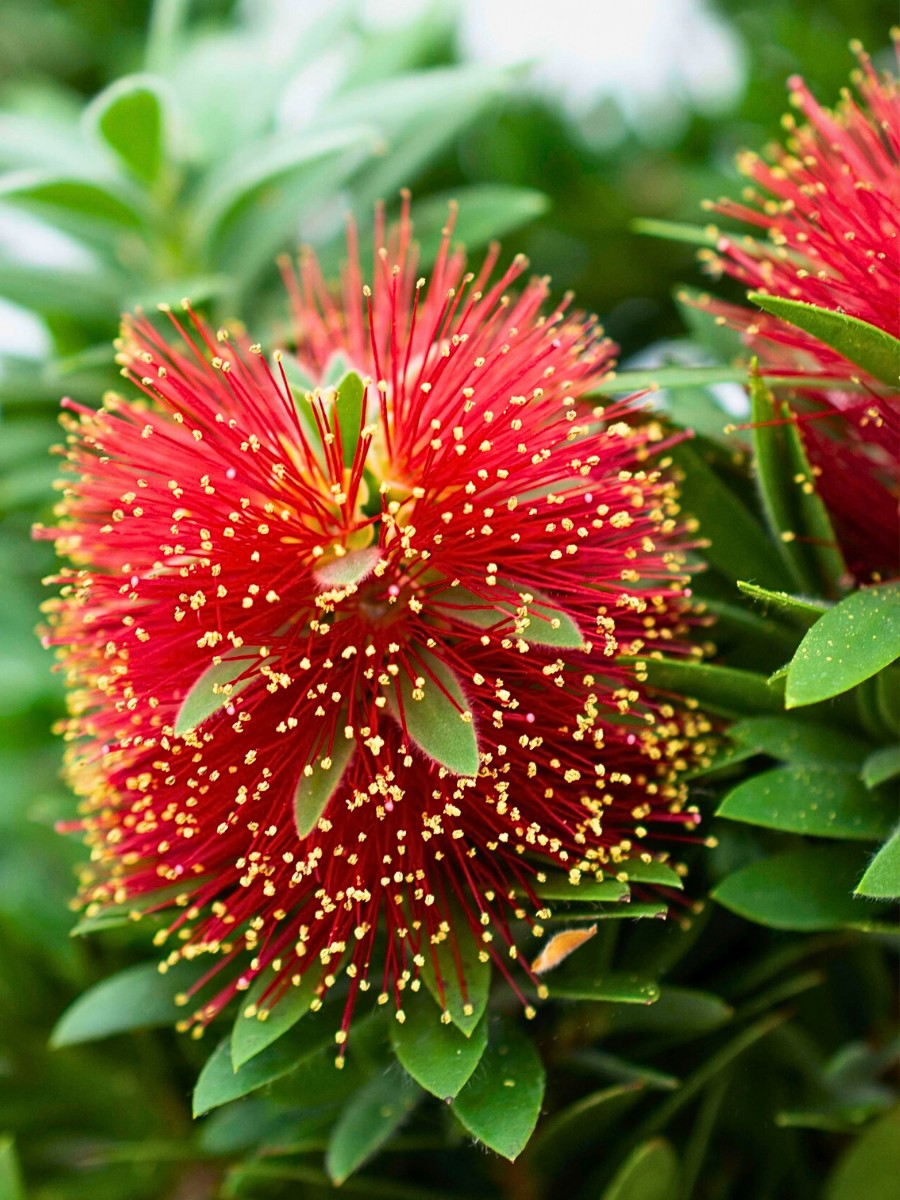
 

The crimson bottlebrush, scientifically known as Melaleuca citrina (formerly Callistemon citrinus)
Photo by @starrosesandplants


In gardens, the typical crimson bottlebrush tree can reach 1 to 7.5 meters (3 to 25 feet) tall and 1 to 6 meters (3 to 20 feet) wide, depending on climate, soil, water, and pruning style.

Crimson Bottlebrush by Other Names

You will encounter this plant under several names, like Melaleuca citrina, Callistemon citrinus, common red bottlebrush, lemon bottlebrush, or simply crimson bottlebrush. Taxonomists have moved many Callistemon species into the genus Melaleuca, which is why Melaleuca citrina and Callistemon citrinus now refer to the same species in many modern references.
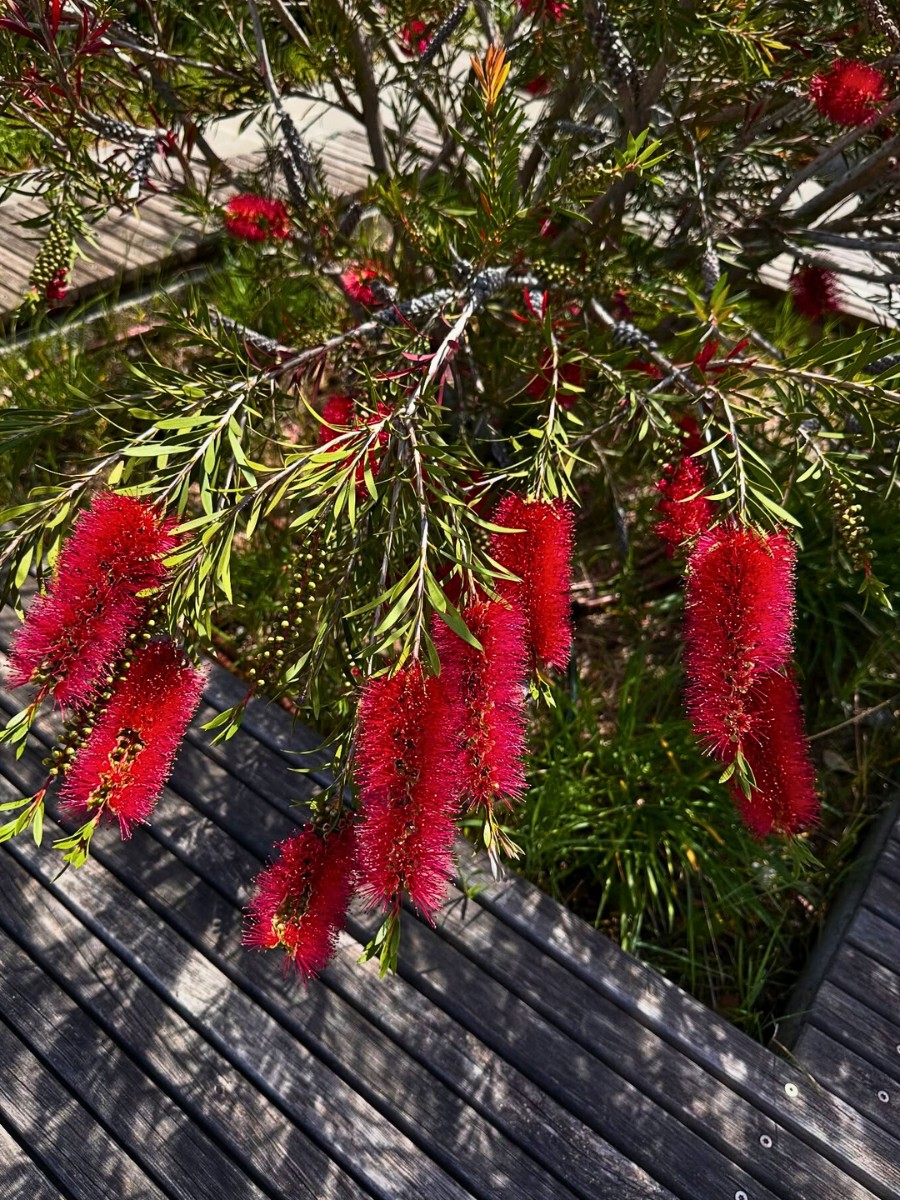
 

You will encounter this plant under several names, like Melaleuca citrina, Callistemon citrinus, common red bottlebrush, lemon bottlebrush, or simply crimson bottlebrush.
Photo by @cozy_rooftop_apartment_izola


Growers, however, still widely use the older Callistemon names, particularly when discussing compact forms like Callistemon citrinus Little John and various other named crimson bottlebrush cultivars.

Popular Varieties Like Callistemon Citrinus Little John and Others

While the standard Callistemon citrinus crimson bottlebrush makes a substantial addition to larger gardens, several cultivars offer different sizes and characteristics to suit different landscape needs.
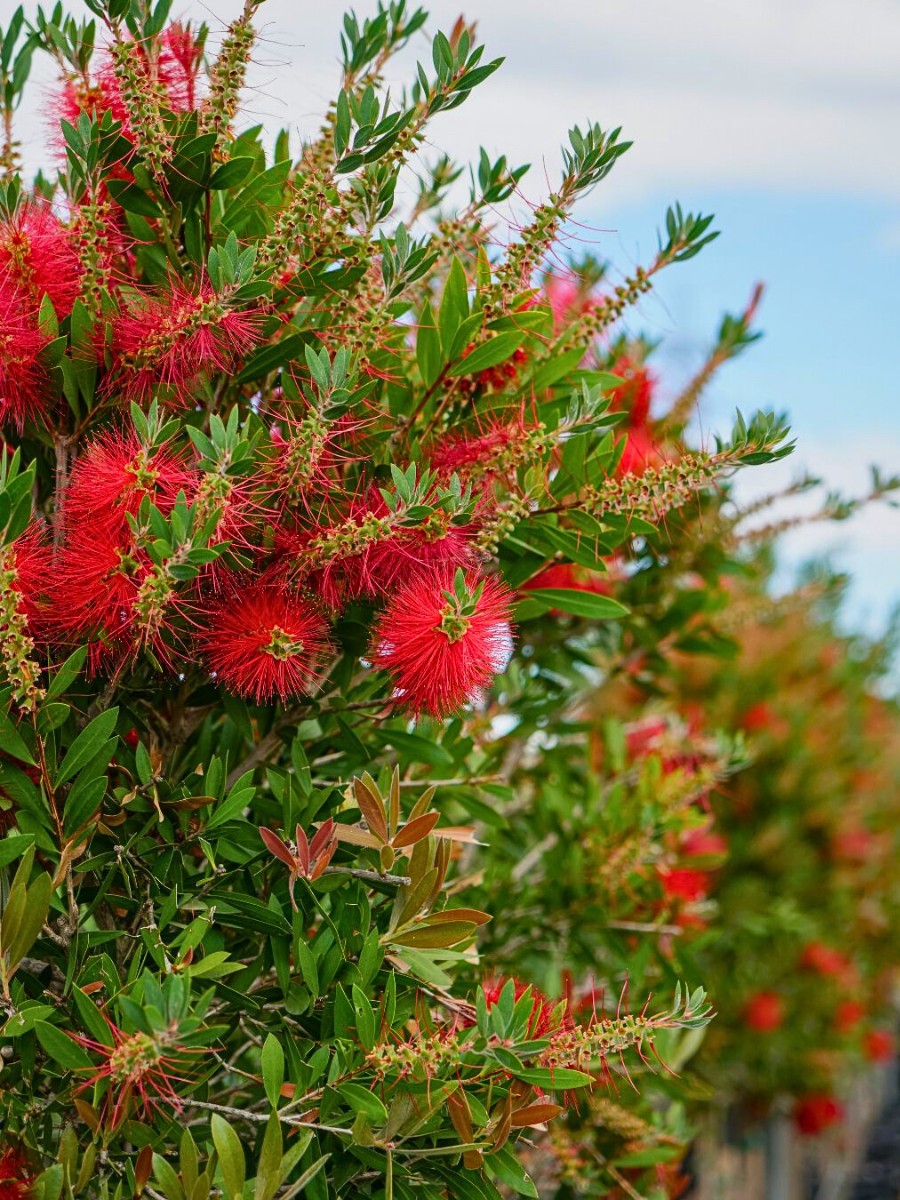
 

The full-sized Callistemon citrinus – crimson bottlebrush can reach heights of 3 meters to 4.5 meters
Photo by @benagesplants


Compact Cultivars for Smaller Spaces

Callistemon citrinus Little John is one of the most popular dwarf varieties. This compact selection typically grows only 0.9 Meters to 1.5 meters (3 to 5 feet) tall and wide, making it perfect for smaller gardens, foundation plantings, or container growing.

Despite its diminutive size, Callistemon citrinus Little John produces the same spectacular red flowers as its larger cousins, often blooming even more profusely. This variety has grown into a favorite among urban gardeners looking for the beauty of the crimson bottlebrush without the space requirements.
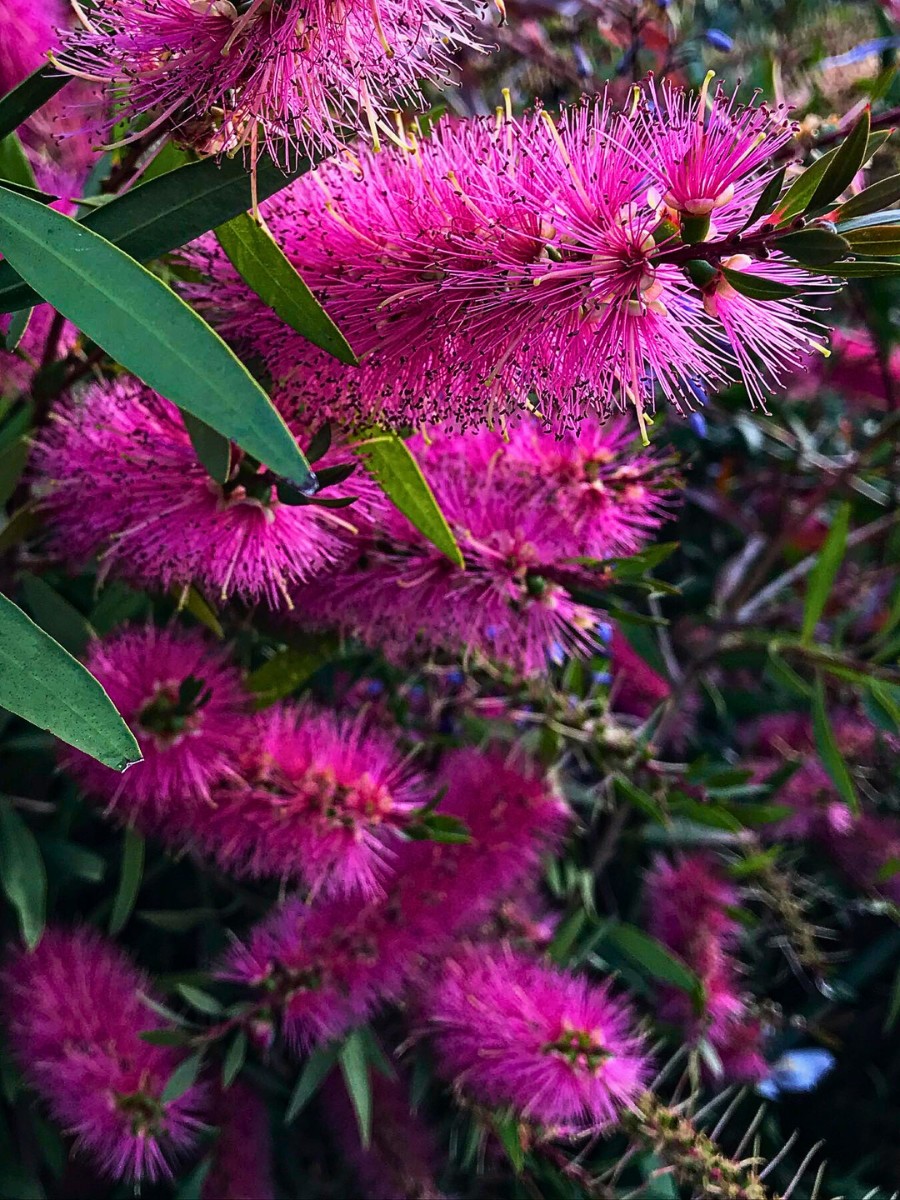
 

The crimson bottlebrush, scientifically known as Melaleuca citrina (formerly Callistemon citrinus), is an evergreen shrub or small tree native to eastern Australia.
Callistemon citrinus ‘Taree Pink’. Photo by @native_flora_of_australia


Standard and Large Varieties

The full-sized Callistemon citrinus – crimson bottlebrush can reach heights of 3 meters to 4.5 meters (10 to 15 feet), creating an impressive focal point in the landscape. These larger specimens work well as privacy screens, windbreaks, or background plantings. Their size also makes them excellent habitat plants for birds and beneficial insects.

Crimson Bottlebrush Tree in the Landscape

A mature crimson bottlebrush tree can act as a focal specimen, screen, informal hedge, or even a multi-stemmed patio feature in frost-free or mild coastal regions. In USDA hardiness zones roughly 8 to 11, it performs as an evergreen shrub or small tree, keeping foliage all year and flowering mainly in spring and early summer, with repeat flushes where winters are mild.
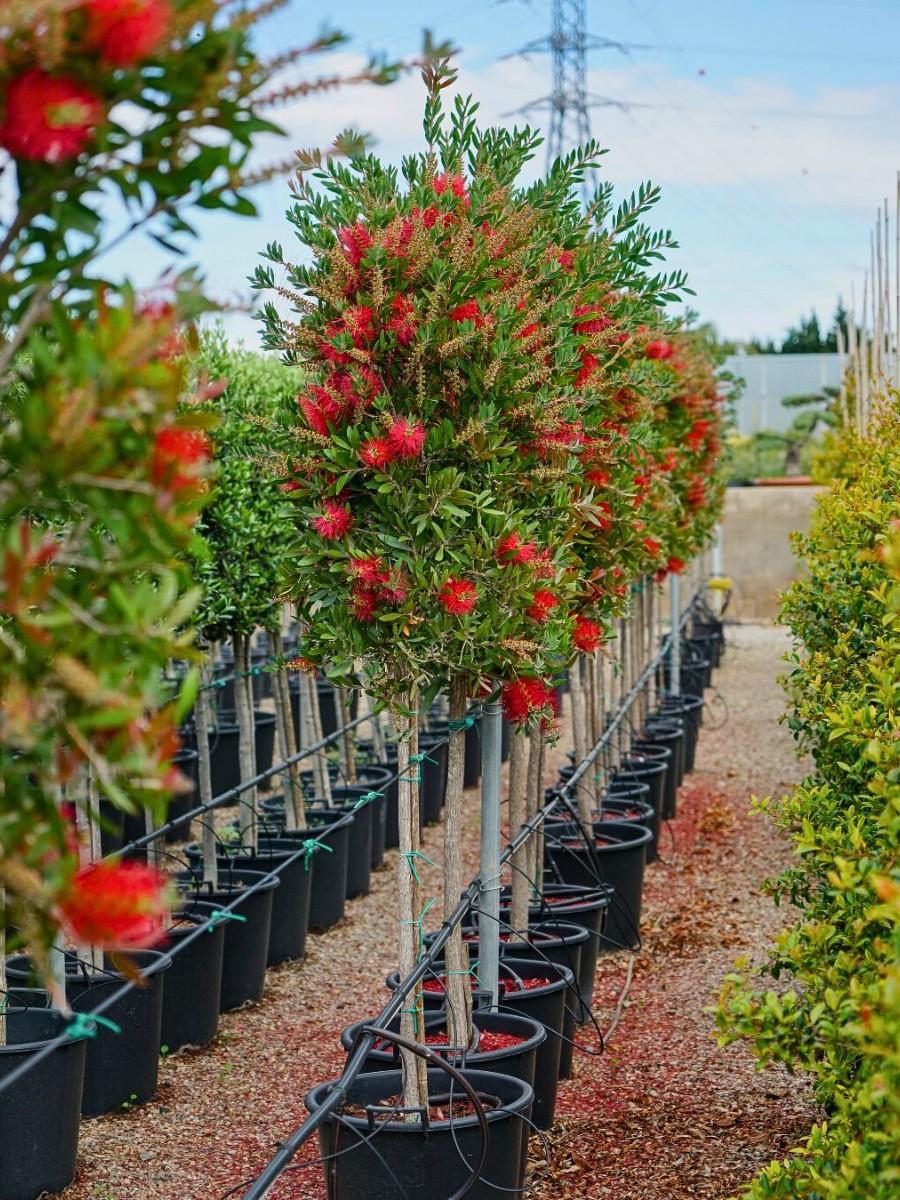
 

The brushes on Callistemon citrinus crimson bottlebrush are typically composed of dozens of individual flowers packed with long, bright red stamens.
Photo by @benagesplants


The evergreen nature provides year-round structure and color, while the repeated flowering cycles ensure seasonal interest. Pair it with other drought-tolerant plants like lavender, rosemary, or native grasses for a water-wise garden design. The red flowers contrast beautifully with silver-foliaged plants and complement purple or blue flowers.

Also, because Melaleuca citrina tolerates pruning, you can train it as a single-trunked small tree, a multi-trunked accent, or a clipped hedge, depending on the character you want in the garden. The fine, arching branches, gray-green leaves, and intense red brushes combine beautifully with Mediterranean-style plantings, gravel gardens, and bird-friendly borders built around nectar-rich shrubs.
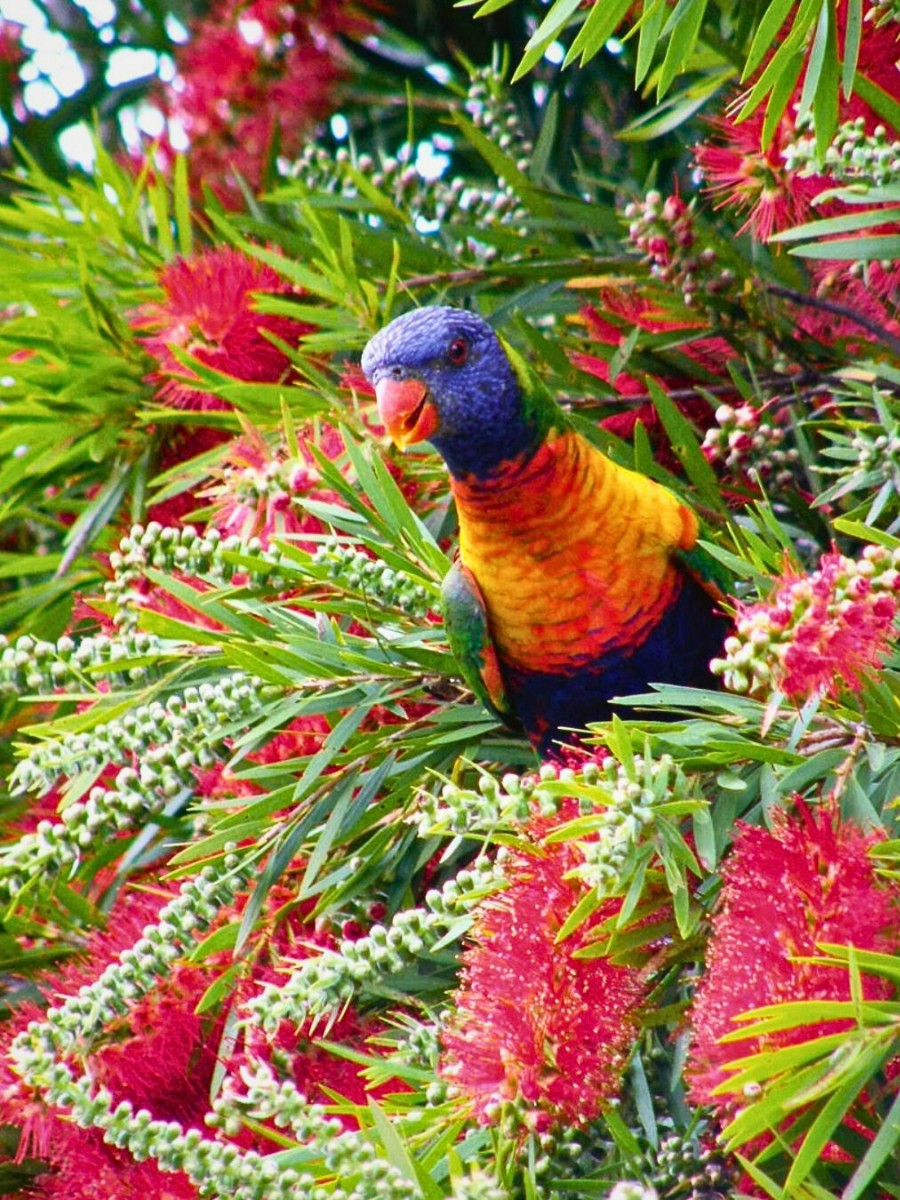
 

Melaleuca citrina has attracted interest for its essential oils, which share a family resemblance to tea tree and eucalyptus oils.
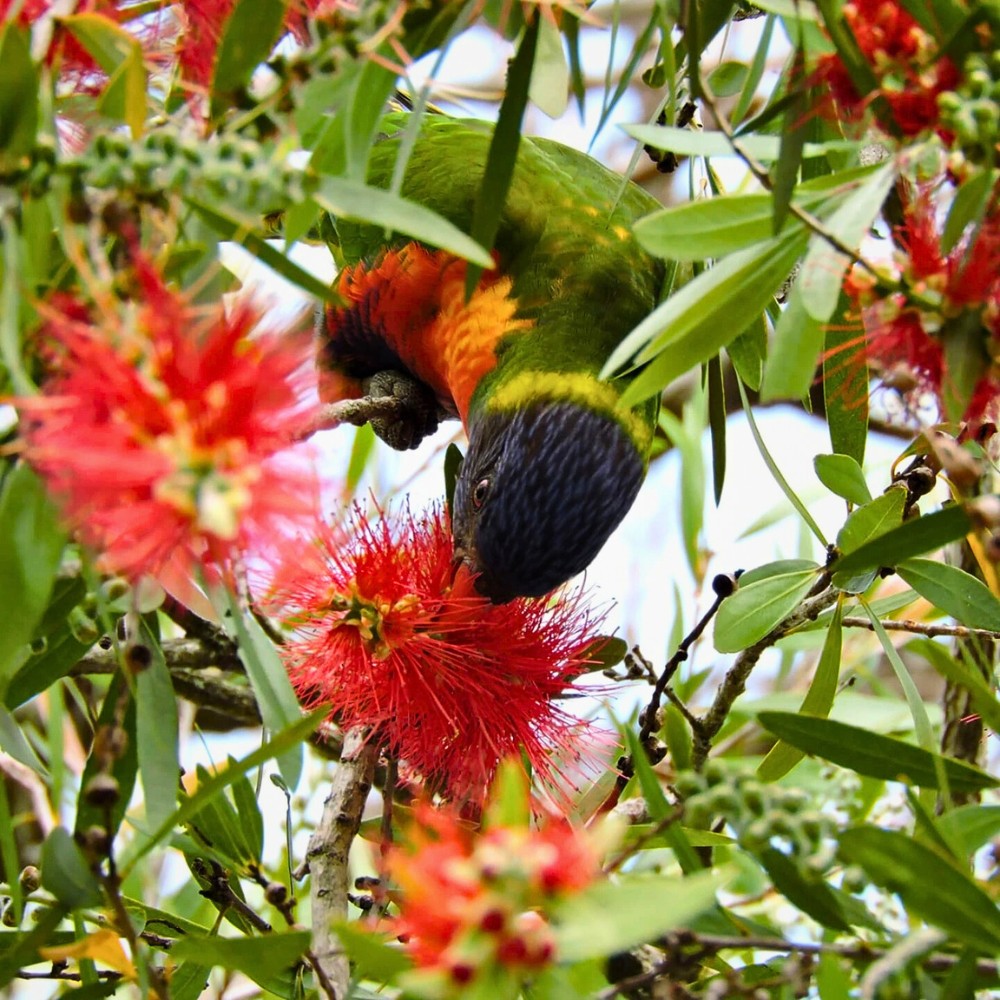
A rainbow lorikeet in a Callistemon bush by @nativeplantproject


Flowers, Fragrance, and Wildlife Value

The brushes on Callistemon citrinus crimson bottlebrush are typically composed of dozens of individual flowers packed with long, bright red stamens. In frost-free climates, they may appear off and on through most of the year, while in cooler climates they concentrate their display in late spring and early summer when growth is strongest.

The nectar is rich and draws in birds, butterflies, and pollinating insects, making a mature crimson bottlebrush tree a natural hub of garden activity. Plus, the leaves of the Melaleuca citrina also release a lemony aroma when bruised, mirroring its close relationship to other aromatic myrtles, like tea tree and eucalyptus. This fragrance adds a sensory appeal as you brush past or prune the plant.
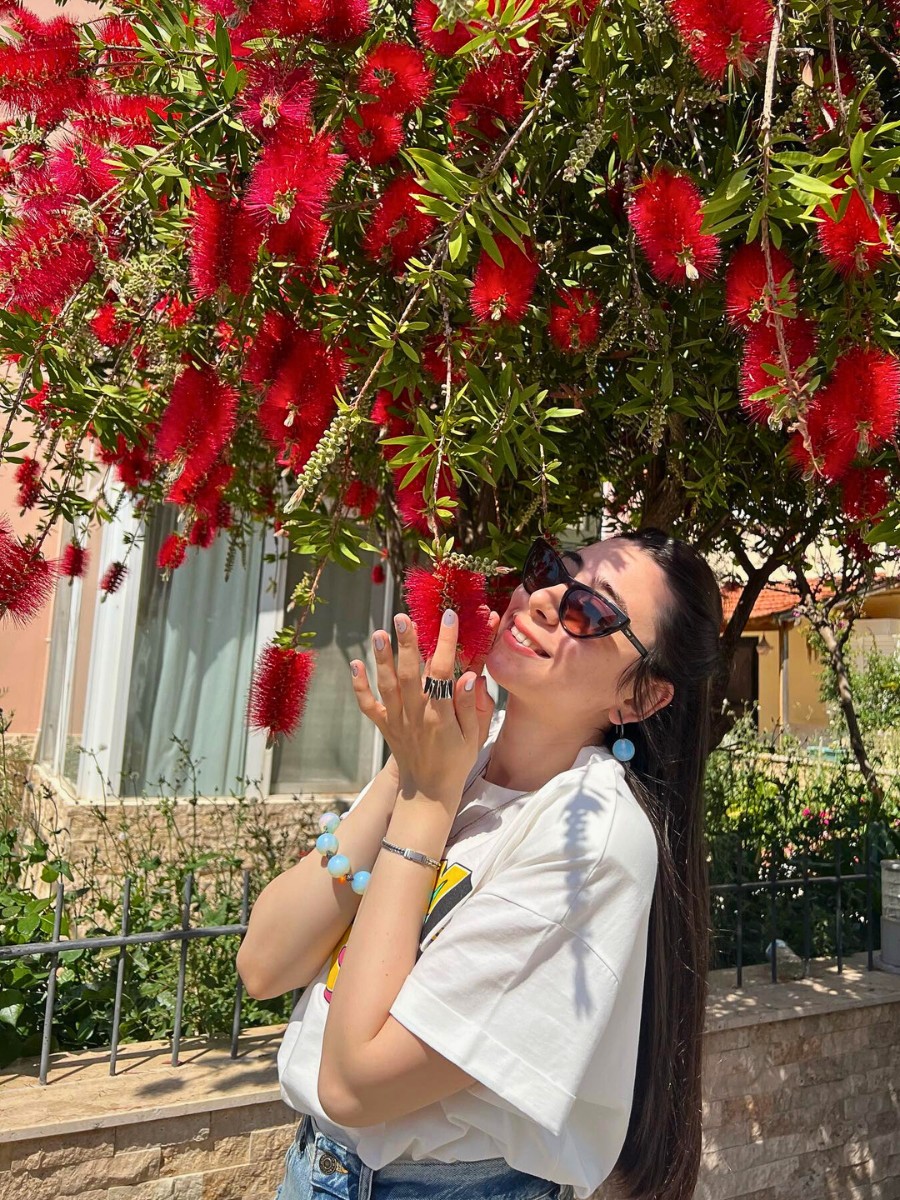
 

Where and how can I buy a crimson bottlebrush for my garden?
Photo by @harmonyofgreen


Container Culture and Small Space Uses

If you garden on a balcony, patio, deck, terrace, or compact courtyard, Callistemon citrinus Little John is a particularly helpful choice, as its naturally compact habit adapts well to large pots. Use a high-quality, free-draining potting mix, ensuring there is good drainage at the base of the container. Water it regularly during warm weather, allowing excess water to run freely out of the drainage holes each time.

Even a dwarf crimson bottlebrush tree in a container can support bees and small birds, especially in urban spaces where nectar-rich shrubs are in short supply. Combine it with other sun-loving companions such as salvias, lavender, or smaller ornamental grasses to create a layered planting that offers structure, movement, and seasonal color around your seating areas.
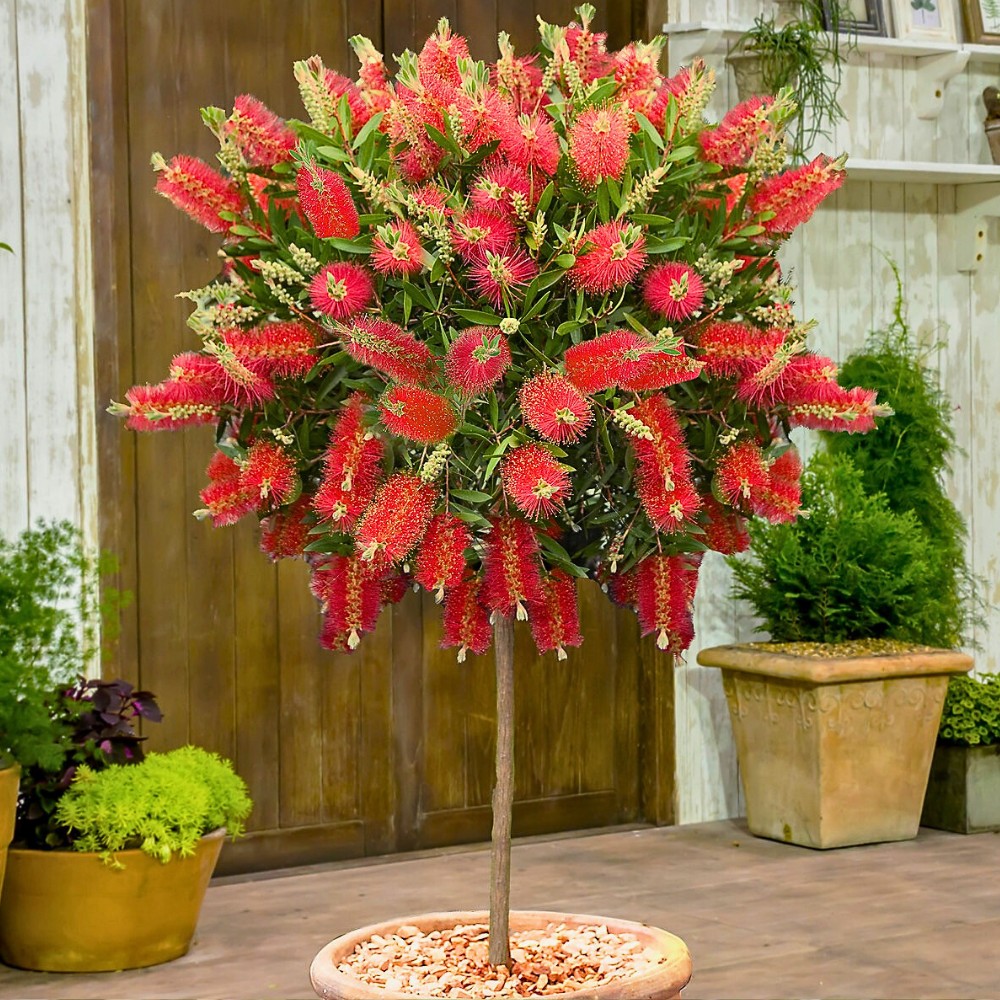
 

f you garden on a balcony, patio, deck, terrace, or compact courtyard, Callistemon citrinus Little John is a particularly helpful choice, as its naturally compact habit adapts well to large pots.
Photo by @zelenaoaza.nett


Medicinal and Aromatic Interest

Outside of its ornamental value, Melaleuca citrina has attracted interest for its essential oils, which share a family resemblance to tea tree and eucalyptus oils. Studies on leaf and flower oils from Callistemon citrinus have revealed components, like 1,8-cineole, alpha-pinene, limonene, and alpha-terpineol, and some research suggests in vitro cytotoxic effects against certain cancer cell lines while showing limited toxicity to normal cells at tested concentrations.

Traditional uses and modern aromatherapy often highlight antimicrobial, antiseptic, and anti-inflammatory properties of red bottlebrush preparations, particularly in hydrosols and carefully diluted topical products. These uses sit alongside the plant’s garden role, even though home gardeners should still handle all concentrated extracts with care and proper guidance.
 

What is the difference between Melaleuca citrina and Callistemon citrinus crimson bottlebrush?
Photo by @loropets.tienda


Growing Conditions and Basic Care

Crimson bottlebrush thrives in full sun, so choose a position that receives at least six hours of direct light each day for the best flowering and compact growth. It grows in a range of soils, including sand, loam, and even heavier clay, provided drainage is reasonably good, and the roots are not left in standing water for long periods.

Once established, a Callistemon citrinus crimson bottlebrush shows good drought tolerance, especially in Mediterranean or dry summer climates, though regular deep watering during the first couple of years helps build a stronger root system. In containers or in particularly hot spells, allow the top layer of soil to dry slightly between waterings, but avoid prolonged dryness that can reduce flowering and cause leaf drop.
 

Is Crimson Bottlebrush Poisonous to Dogs?
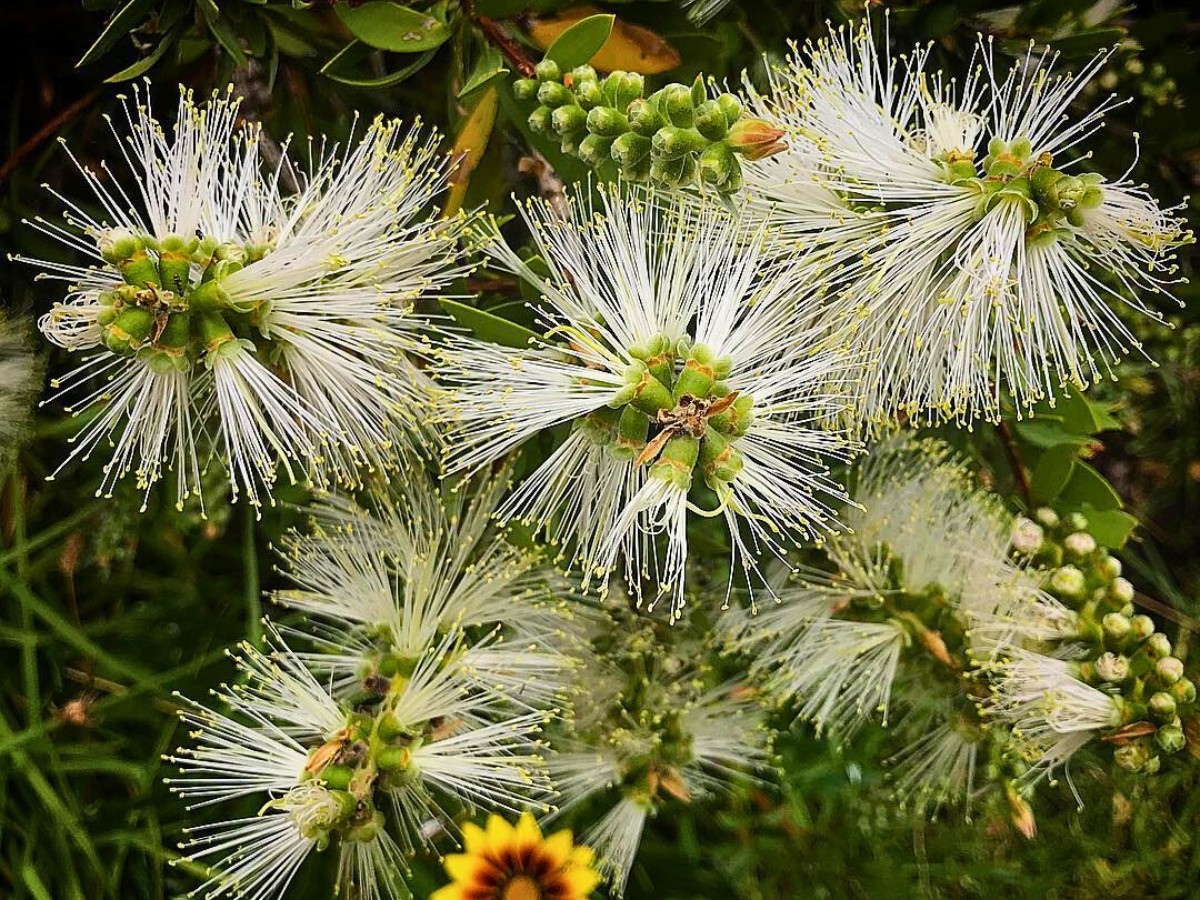
Melaleuca citrina White Anzac. Photo by @woolamai_wanderings


Crimson Bottlebrush Pruning, Shaping, and Maintenance

Routine care of a crimson bottlebrush tree is fairly light, which is one reason it suits busy gardeners who still appreciate year-round structure. The best time to prune is shortly after the main flush of flowers finishes; at this point, you can lightly tip-prune or shorten stems to shape the plant and encourage denser branching without sacrificing next season’s flower buds.

Avoid cutting into very old wood unless you are renovating a neglected shrub, because heavy cuts may take time to heal and can temporarily reduce flowering. A yearly check for dead or crossing branches, combined with a light application of balanced, slow-release fertilizer in spring, is usually sufficient to keep a Melaleuca citrina tree looking healthy and productive.
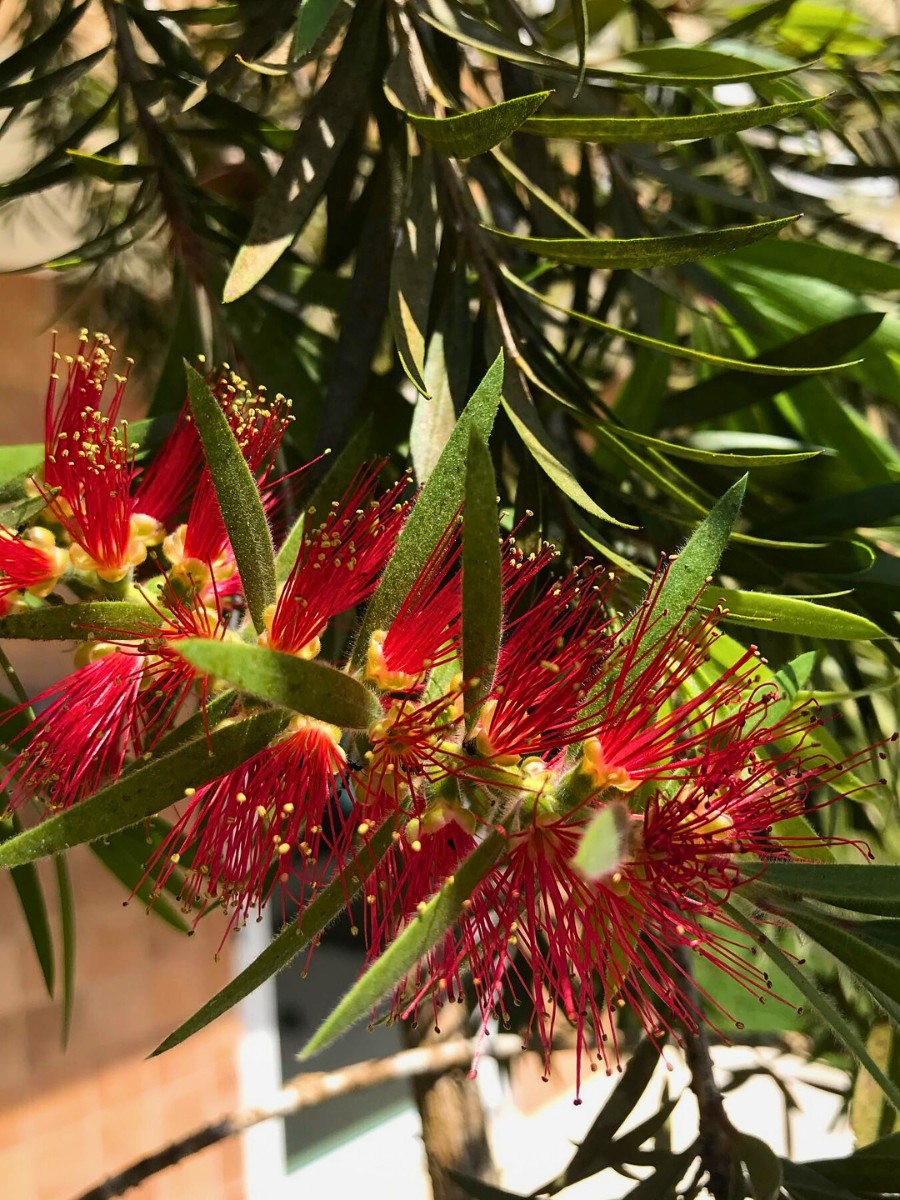
 

The crimson bottlebrush, scientifically known as Melaleuca citrina (formerly Callistemon citrinus), is an evergreen shrub or small tree native to eastern Australia
Photo by @los_tres_dominios


The Question of Toxicity

Is Crimson Bottlebrush Poisonous to Dogs?

The good news for dog owners is that the crimson bottlebrush is generally considered non-toxic to dogs. While it is not listed as poisonous, ingesting large quantities of any plant material can cause mild stomach upset in pets. Most dogs show no interest in the plant, but if your curious canine develops a taste for the foliage, monitor them for any digestive issues and consult your veterinarian if concerns arise.
 

Crimson bottlebrush for sale is usually available from nurseries and online specialists in regions with mild winters, often listed as Callistemon citrinus crimson bottlebrush, Melaleuca citrina, or named forms like Callistemon citrinus Little John.
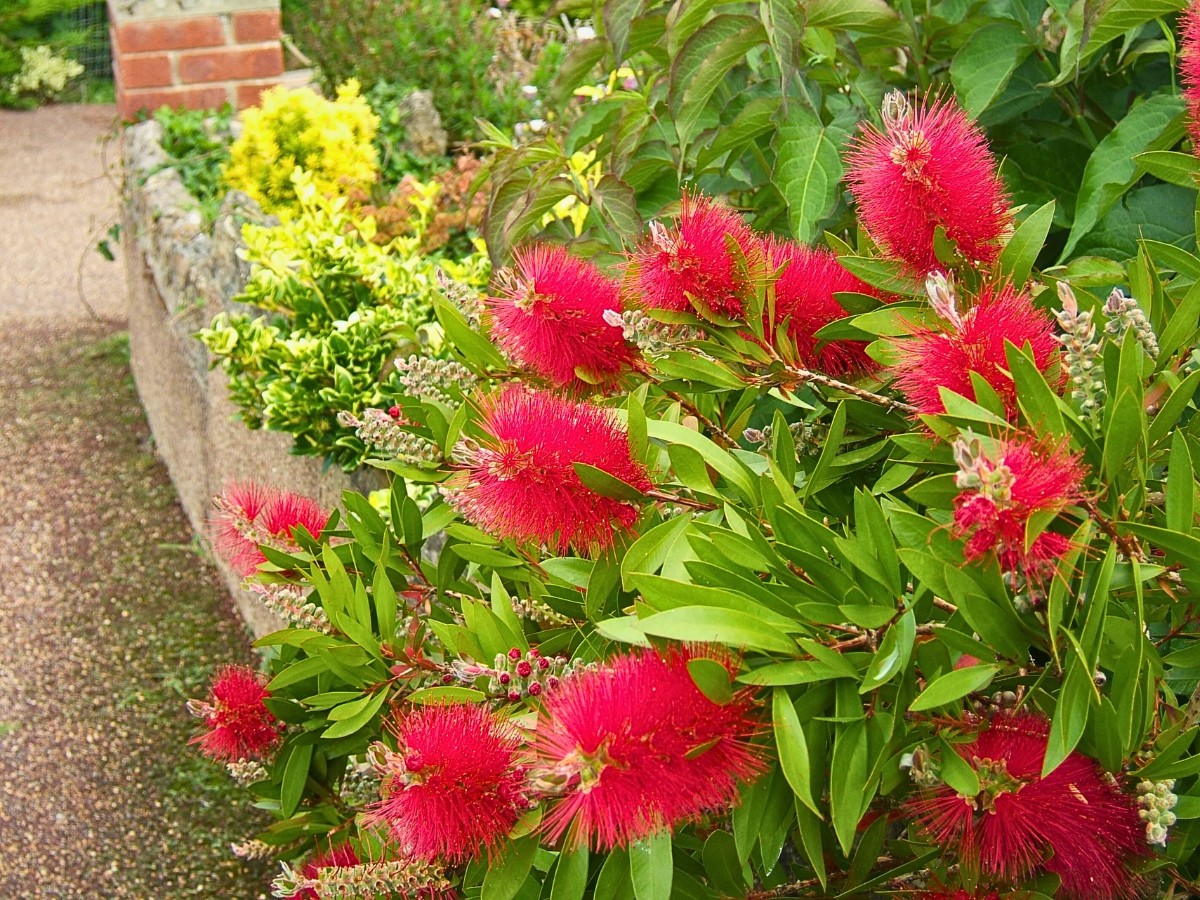
Photo by Susan Wood


Is Crimson Bottlebrush Poisonous to Humans?

The plant is not poisonous to humans either. In fact, some people use the leaves to make tea, similar to their close relatives in the Melaleuca family. However, as with any plant, some individuals may experience skin irritation or allergic reactions when handling the foliage. If you have sensitive skin, wearing gloves during pruning is a sensible precaution.
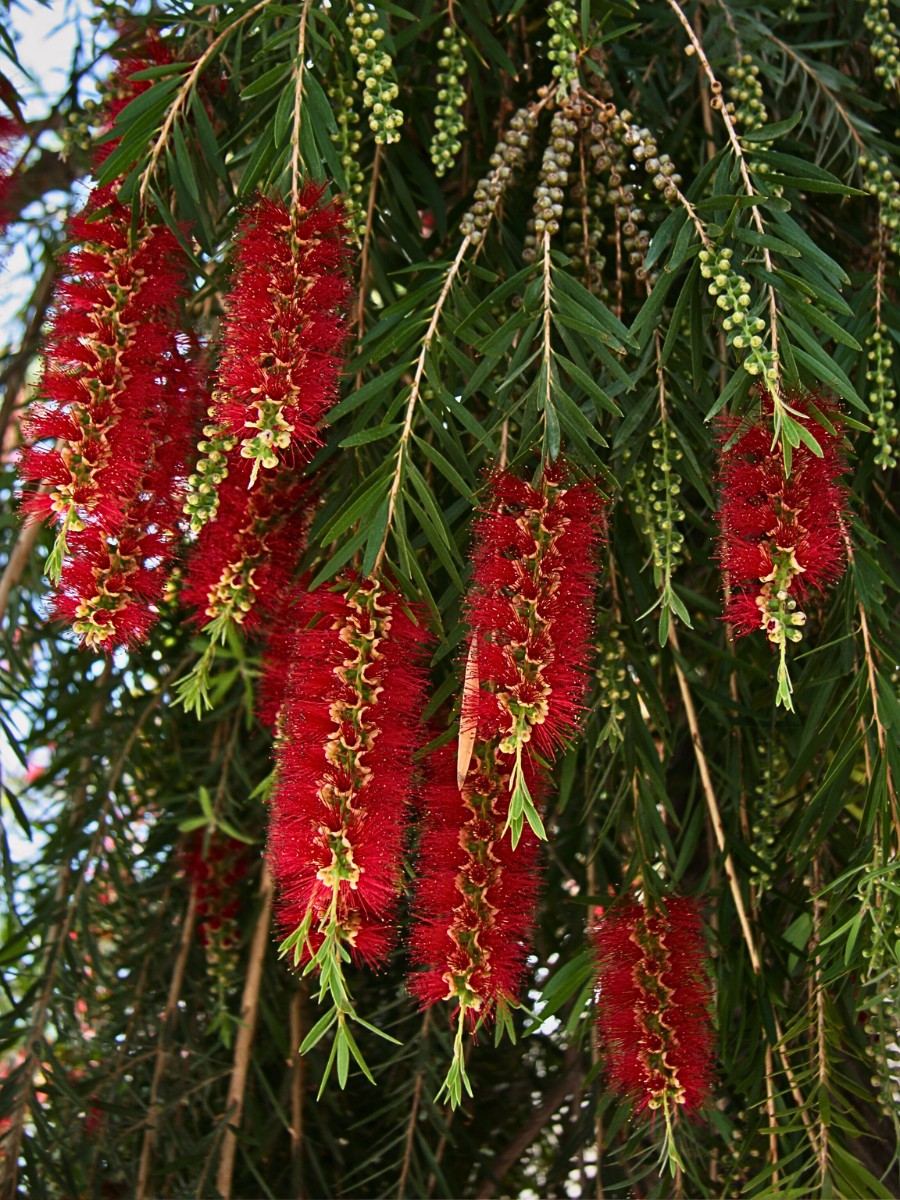
 

Crimson Bottlebrush, Scientifically Known as Melaleuca Citrina or Callistemon Citrinus
Photo by Anna Anichkova


Is Crimson Bottlebrush Poisonous in General?

Overall, the answer to the general question: "Is crimson bottlebrush poisonous?" is no. This plant is considered safe for gardens where children and pets play. The flowers even attract rainbow lorikeets, butterflies, hummingbirds, and bees, all of which feed on the nectar without harm.

Essentially, this Australian native offers several benefits outside of its stunning appearance. And with proper placement and basic care, your crimson bottlebrush plant will definitely give you back years of color, texture, and natural charm.


Feature image by @starrosesandplants. Header image by Anna Anichkova

FAQ

What is the difference between Melaleuca citrina and Callistemon citrinus crimson bottlebrush?

Botanically, many authorities now treat Callistemon citrinus as Melaleuca citrina, reflecting taxonomic changes within the myrtle family. In practical gardening, the names still refer to the same crimson bottlebrush species, so care requirements are identical regardless of which label appears on the pot.

Can I grow Callistemon citrinus Little John in a container?

Yes, Callistemon citrinus Little John is well suited to container culture due to its naturally compact, mounding habit and smaller size. Use a free draining potting mix, provide full sun, and water and feed regularly during the growing season to keep this dwarf crimson bottlebrush looking dense and floriferous.

Is crimson bottlebrush suitable for small urban gardens?

Yes, compact forms and careful pruning make Melaleuca citrina an excellent choice for small gardens, courtyards, and even large containers. Choosing dwarf varieties and positioning your crimson bottlebrush tree as a feature near seating areas allows you to enjoy the color, fragrance, and visiting wildlife even in limited spaces.

Where can I find crimson bottlebrush for sale?

Crimson bottlebrush for sale is usually available from nurseries and online specialists in regions with mild winters, often listed as Callistemon citrinus crimson bottlebrush, Melaleuca citrina, or named forms like Callistemon citrinus Little John. When choosing among plants of crimson bottlebrush for sale, select specimens with healthy foliage, no signs of root rot, and a shape that suits your intended use, whether hedge, specimen, or container accent.

How often does the crimson bottlebrush bloom?

The crimson bottlebrush typically flowers two to three times per year, with the heaviest bloom occurring in spring. Many gardeners also see significant flowering in fall, with sporadic blooms appearing throughout the summer in favorable conditions.

Is crimson bottlebrush poisonous to dogs?

Many gardeners search specifically for “is crimson bottlebrush poisonous to dogs” before planting near pet spaces, and the answer is reassuring. Reputable pet safety resources, including information supported by the ASPCA, classify Callistemon citrinus crimson bottlebrush as non toxic to dogs, cats, and horses.

That means a typical garden planting of a crimson bottlebrush tree or a row of Callistemon citrinus Little John shrubs is considered safe in pet friendly landscapes when grown as ornamental plants. Of course, any plant material eaten in very large quantities can cause mild digestive upset, so it is still wise to discourage habitual chewing and monitor pets if they sample unfamiliar foliage.

Is crimson bottlebrush poisonous to humans?

Questions such as “is crimson bottlebrush poisonous to humans” and, more generally, “is crimson bottlebrush poisonous” are common among home gardeners. Many ornamental sources describe Melaleuca citrina and Callistemon citrinus as suitable for family gardens, and there is long standing traditional use of bottlebrush essential oils in topical and aromatic applications when handled correctly.

At the same time, some commercial plant descriptions caution that the plant or its essential oils can be toxic if ingested in quantity, particularly in concentrated forms, and recommend keeping plant material away from small children as a general safety measure. The safest approach is to treat crimson bottlebrush as an ornamental plant, not a snack, and to avoid ingesting leaves, seeds, or homemade extracts unless guided by reliable, evidence based medicinal sources.

Where and how can I buy a crimson bottlebrush for my garden?

When searching for crimson bottlebrush for sale, you will often see plants labeled as Callistemon citrinus crimson bottlebrush, Melaleuca citrina, or under named cultivars such as Callistemon citrinus Little John. Look for sturdy, well rooted plants with healthy, green foliage and no signs of leaf spotting, dieback, or root rot in the container mix, as this will give your crimson bottlebrush tree the best start once planted out.

Many nurseries in warm climate regions stock crimson bottlebrush for sale in spring and autumn, when planting conditions are kinder, and roots can establish before extreme heat or cold. If you are in a cooler climate, consider growing Melaleuca citrina in a container that can be moved to a sheltered spot for winter, or choose a very protected microclimate close to a sunny wall to help the plant cope with lower temperatures.

What are the common problems affecting the crimson bottlebrush, and their solutions?

While generally trouble-free, a few issues can occasionally affect the crimson bottlebrush.

Pests: Scale insects and spider mites sometimes appear, particularly on stressed plants. Regular inspection helps catch infestations early. Strong water sprays dislodge spider mites, while horticultural oil controls scale. Healthy, well-watered plants resist pests better than stressed specimens.

Diseases: Root rot from overwatering or poor drainage is the most common problem. Prevent this by ensuring good drainage and avoiding overwatering. Powdery mildew can appear in humid conditions with poor air circulation. Proper spacing and pruning to open up the plant's interior improve air flow.

Leaf Yellowing: Chlorosis, or yellowing leaves, sometimes occurs in alkaline soils where iron becomes unavailable to the plant. Apply chelated iron according to package directions to correct this deficiency.

What's the best companion plant for crimson bottlebrush? And can I shape my Callistemon citrinus - crimson bottlebrush into a tree form?

The best companion plants are drought-tolerant perennials and shrubs which work well with the crimson bottlebrush. These incluude lavender, rosemary, salvia, kangaroo paw, and ornamental grasses. Choose plants with similar water and sun requirements for the healthiest garden combinations.

You can shape your Callistemon citrinus - crimson bottlebrush into a tree form. Remove lower branches gradually over several years and train a single trunk or several main stems. This creates an attractive small tree perfect for underplanting with shade-tolerant groundcovers or flowers.

What do you consider when making your crimson bottlebrush purchase decision?

When searching for crimson bottlebrush for sale, you'll find options at local nurseries, garden centers, and online retailers. Look for healthy plants with good color, no signs of pests or diseases, and well-developed root systems. Container sizes typically range from one gallon to fifteen gallons, with larger specimens commanding higher prices but providing more immediate impact.

Consider starting with smaller plants if you're patient, as they establish more quickly and cost less. For immediate impact or to create privacy quickly, invest in larger specimens. Always check the specific variety to ensure it fits your space requirements, remembering that Callistemon citrinus Little John stays much smaller than standard forms.

Poll

What attracts you most to growing a crimson bottlebrush in your garden?

YOU MAY ALSO LIKE

What Are the Best Plants for a Rooftop Garden? And Which Plants Work Best for Rooftop Garden Planters, Especially in Urban Spaces?
The Best Plants for Rooftop Gardens and How to Plant Them
Primula Vulgaris
What Is Primula Vulgaris Plants and Why They Are Called the English Primrose?
If You Have Ever Wondered How to Plant Iris Sibirica, When to Divide Iris Sibirica, or How to Grow Iris Sibirica ‘Caesar’s Brother’ in Particular, This Guide Walks You Through Everything in Practical Steps
Successfully Growing Iris Sibirica, Also Called Siberian Iris
Practical Gardening Ideas Feature image
Plants for High-Rise Living: Practical Gardening Ideas for Condo Residents in Singapore
Bleeding Heart Flower Meaning: What Does Bleeding Heart Flowers Mean? - Thursd Article
Bleeding Heart Flower Meaning, Symbolism, and Cultural Significance
Kingcup Cactus Also Called Echinocereus Triglochidiatus, the Claret-Red Blooming Cactus - Thursd Article
Kingcup Cactus, Also Called Echinocereus Triglochidiatus, the Claret Blooming Cactus
four phones with a thursd page open

Can't get enough?

Subscribe to the newsletter, and get bedazzled with awesome flower & plant updates

Sign up