The global cut flower marketplace is always looking for innovations and novelties that combine aesthetic appeal, production efficiency, and durability into fresh ideas. And for years, the Kenyan floriculture sector has put together an international standing primarily on its world-class flowers.
However, recent developments point to a strategic move toward diversification. The efforts to introduce and commercialize Anigozanthos, commonly known as Kangaroo Paw, are emerging as one among numerous strong indicators of where the local and international floral industry is headed next.
Kangaroo Paw and Its Impact on Floral Design
Native to southwestern Australia, Anigozanthos has so many qualities you would want in a design. Its tubular flowers are covered in dense, velvety hair that open into six claw-like tips, giving the stems a textural quality only matched by a few other flowers.
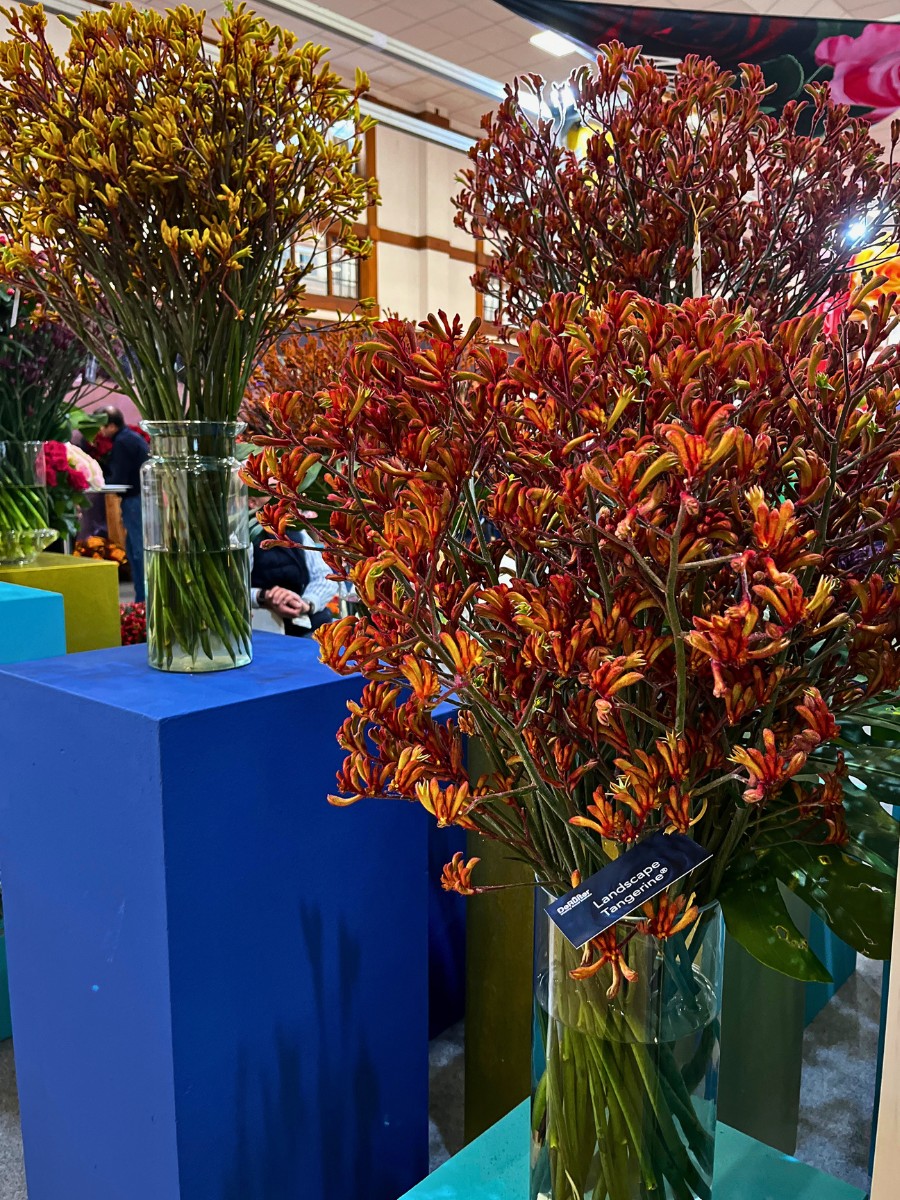
Its tall, upright habit works well as an architectural line element, providing height and dynamism to compositions, and its color range ranges from reds, oranges, yellows, bi-colors, purples, pinks, greens, blues, and greys, practically the full design continuum.
This flower pairs well with textured natives like Banksia and Waxflower, integrates easily alongside tropical exotics like Anthurium, and maintains its poise in designs featuring others, like Hydrangea, Cymbidium, and Craspedia. It suits varied design types, including contemporary structured arrangements, looser garden-style work, and asymmetrical ikebana-inspired compositions.
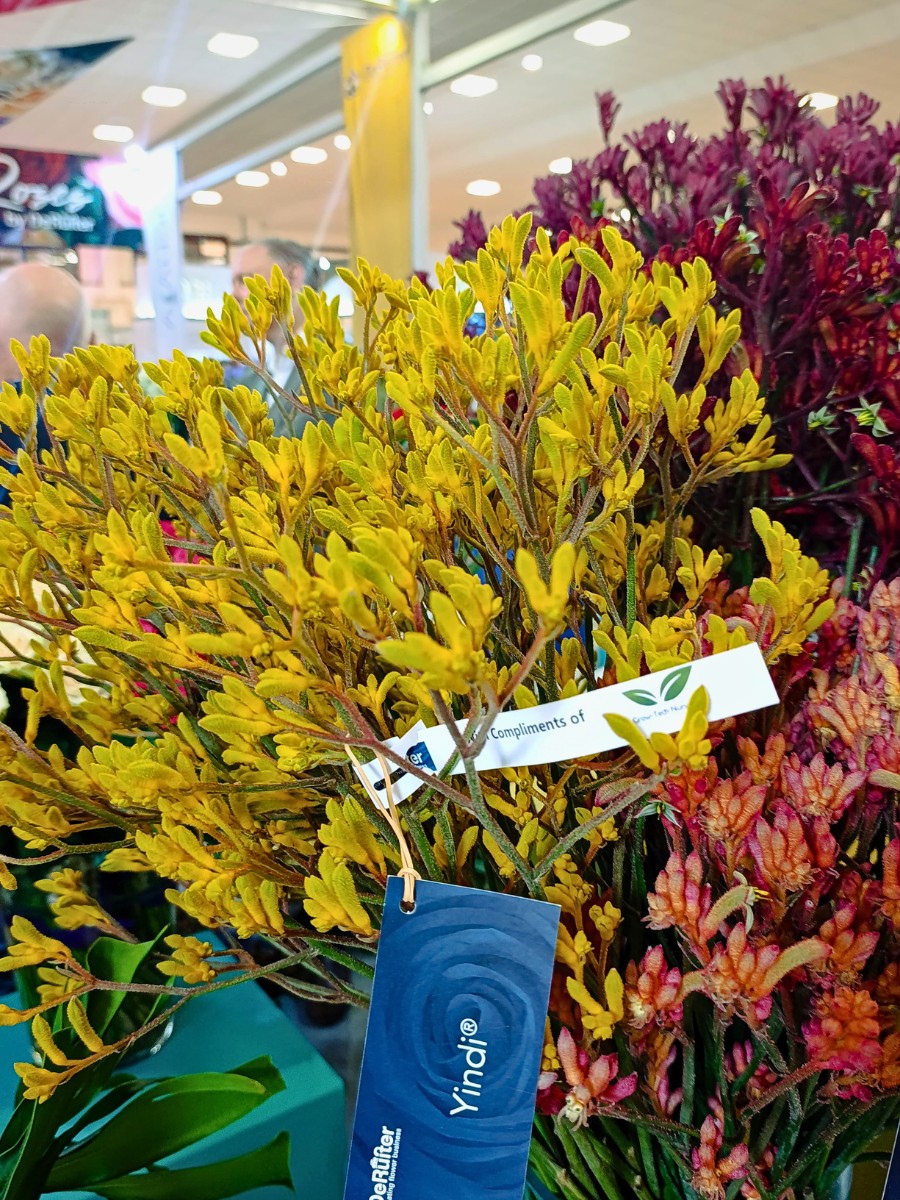
Roy Gachoki, the Managing Director of Anigozanthos grower Imani Flowers, puts it aptly when he says:
“Anigozanthos are not your common flower, and hence are not for your common user; these are flowers for those who want to stand out, who want to make a statement, those who are bold and different. They are for those who lead the pack, for the trend setters and the taste makers. They will turn your bouquet from an ordinary one to an extraordinary one: a bouquet that commands!”
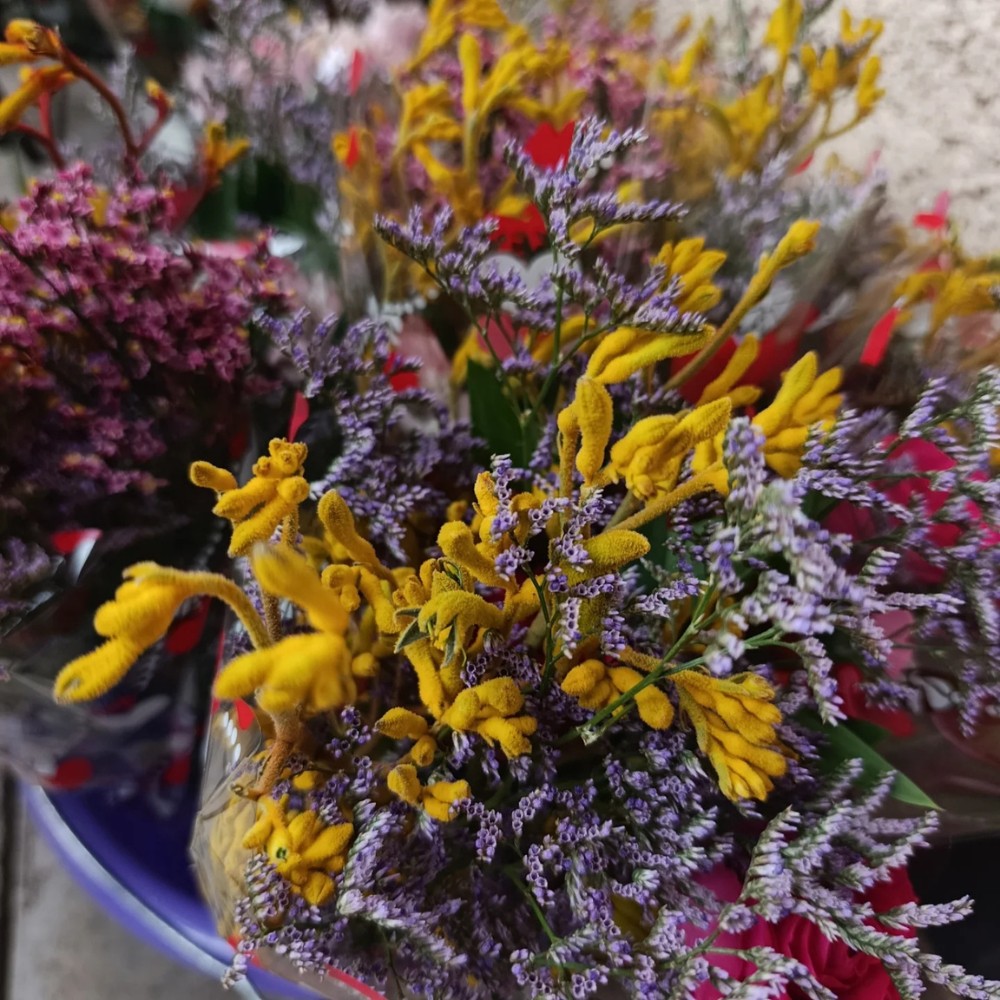
Yet, despite those qualities, in the past few decades, the flower slowly lost ground in commercial floristry, drifting toward the role of an occasional accent flower, far away from being a relied-upon design component.
Flowers That Turn Your Design From an Ordinary One Into an Extraordinary One
Used as an occasional filler or novelty element, now and then, Anigozanthos is now being repositioned as a major focal flower. One of the leading efforts is by a collaborative led by breeder De Ruiter East Africa (DREA). DREA established a Kangaroo Paw Collective alongside pioneering local producers in Kenya: Imani Flowers, Exceptional Africalla, and Growtech Flowers.
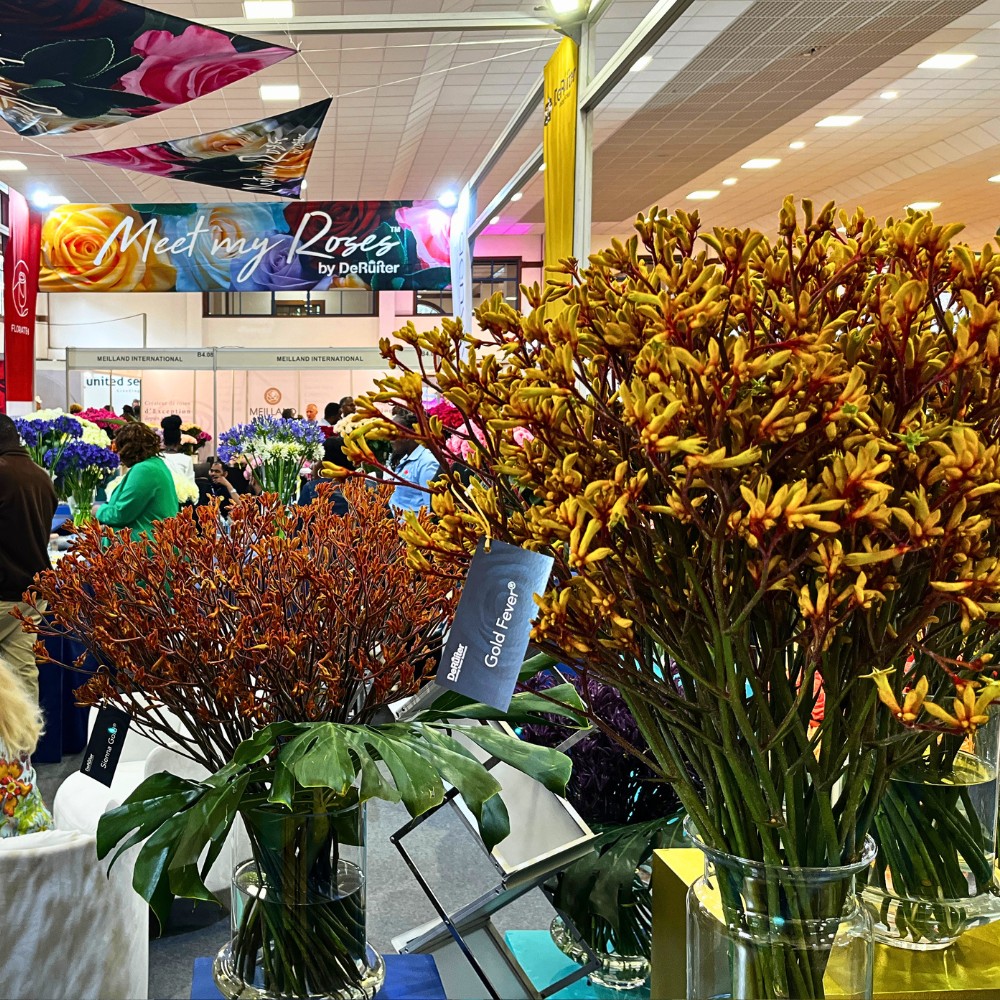
The breeder and the growers are systematically building both the production capacity and the market justification for this unique flower. The Collective’s strategy focuses on growing the available color palette and establishing stable, year-round production parameters under Kenyan growing conditions. Their framework brings together specialized expertise to provide uniform, clean planting material, ensuring long-term crop health and reliable export quality.
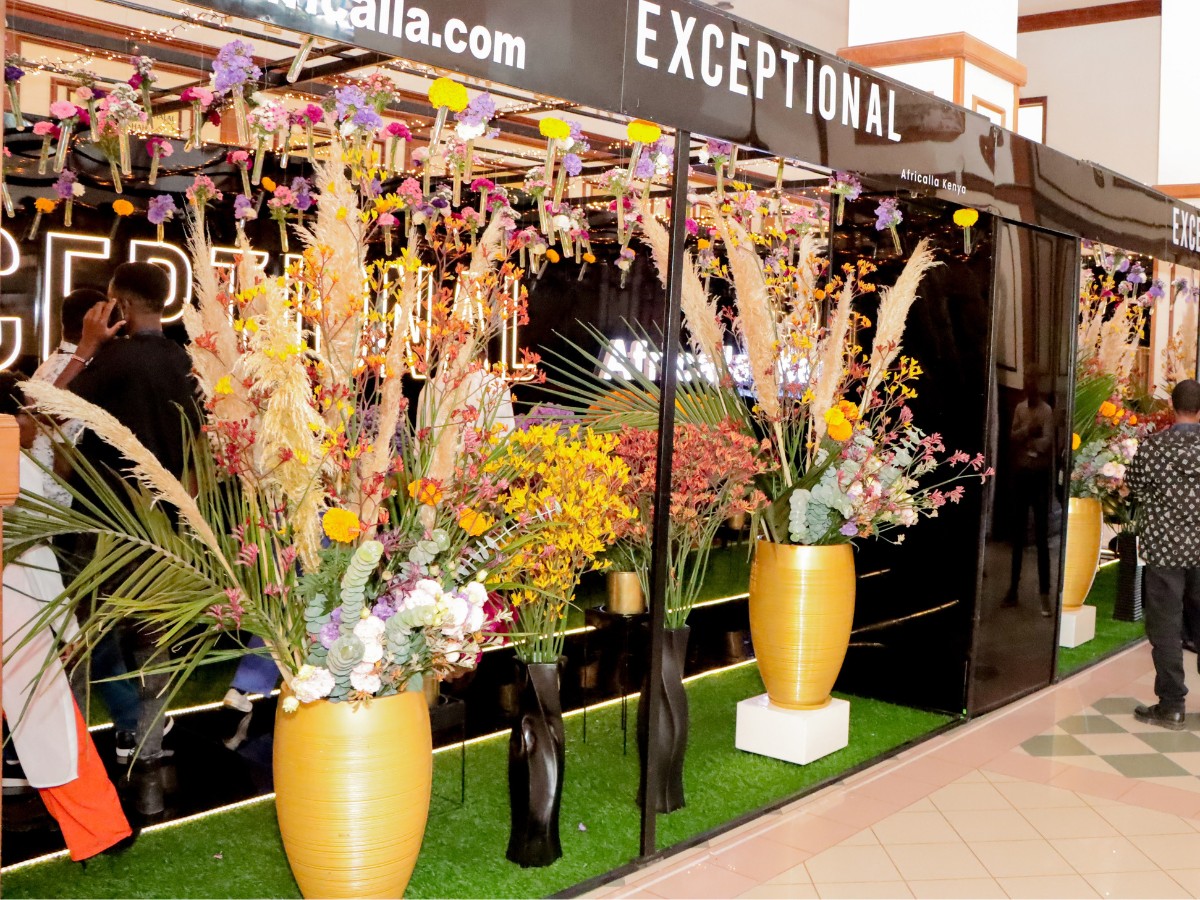
Adoption in the Kenyan Floral Scene
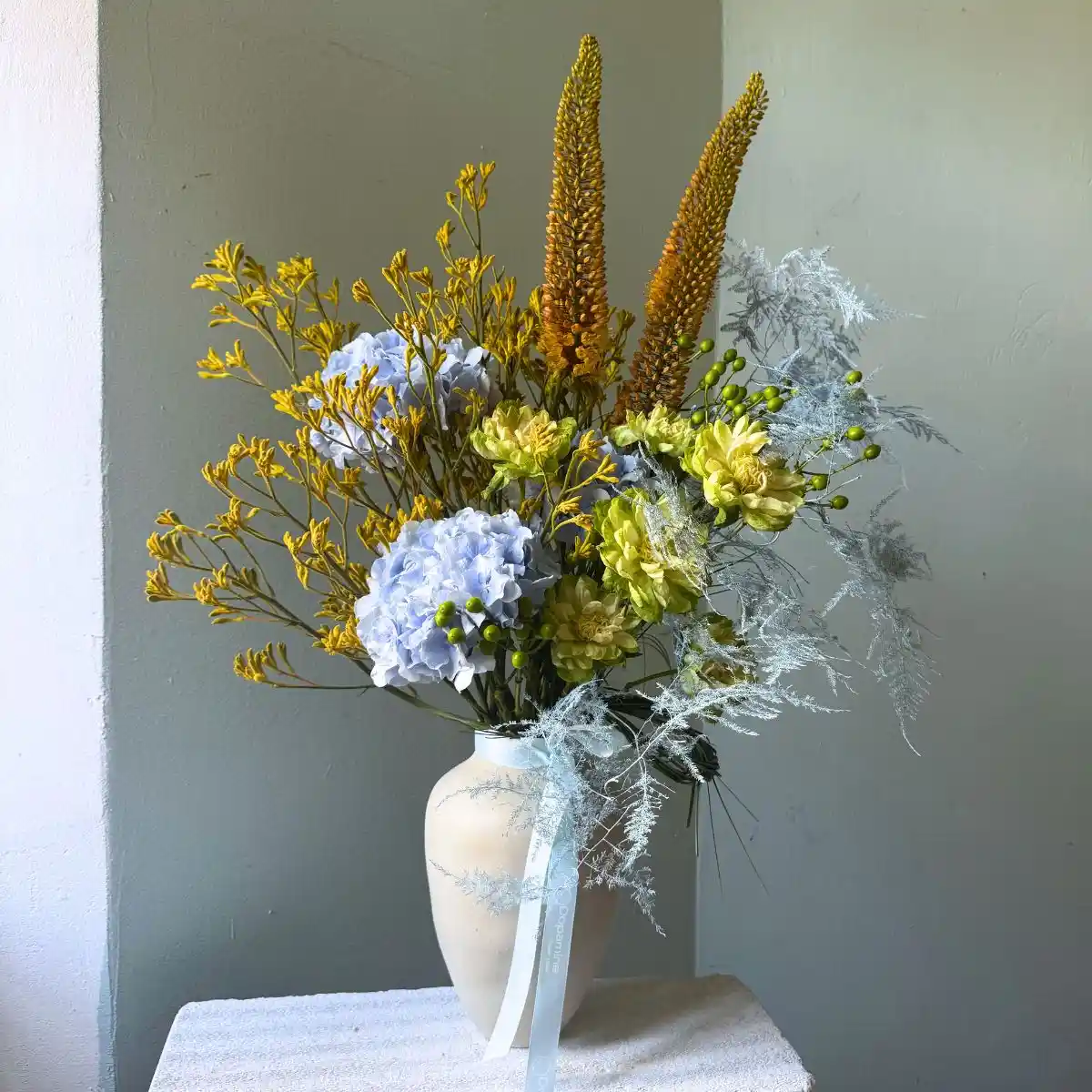
During the 13th International Floriculture Trade Expo (IFTEX 2026) at the Visa Oshwal Center in Nairobi, the commercial potential and viability of Kangaroo Paw were evident. Right at the entrance to the main exhibition halls stood a design featuring Anigozanthos varieties from the growers. You'd hardly miss it if you attended the fair. But then, elsewhere in the exhibition, more growers showcased a growing fervor for Anigozanthos production.
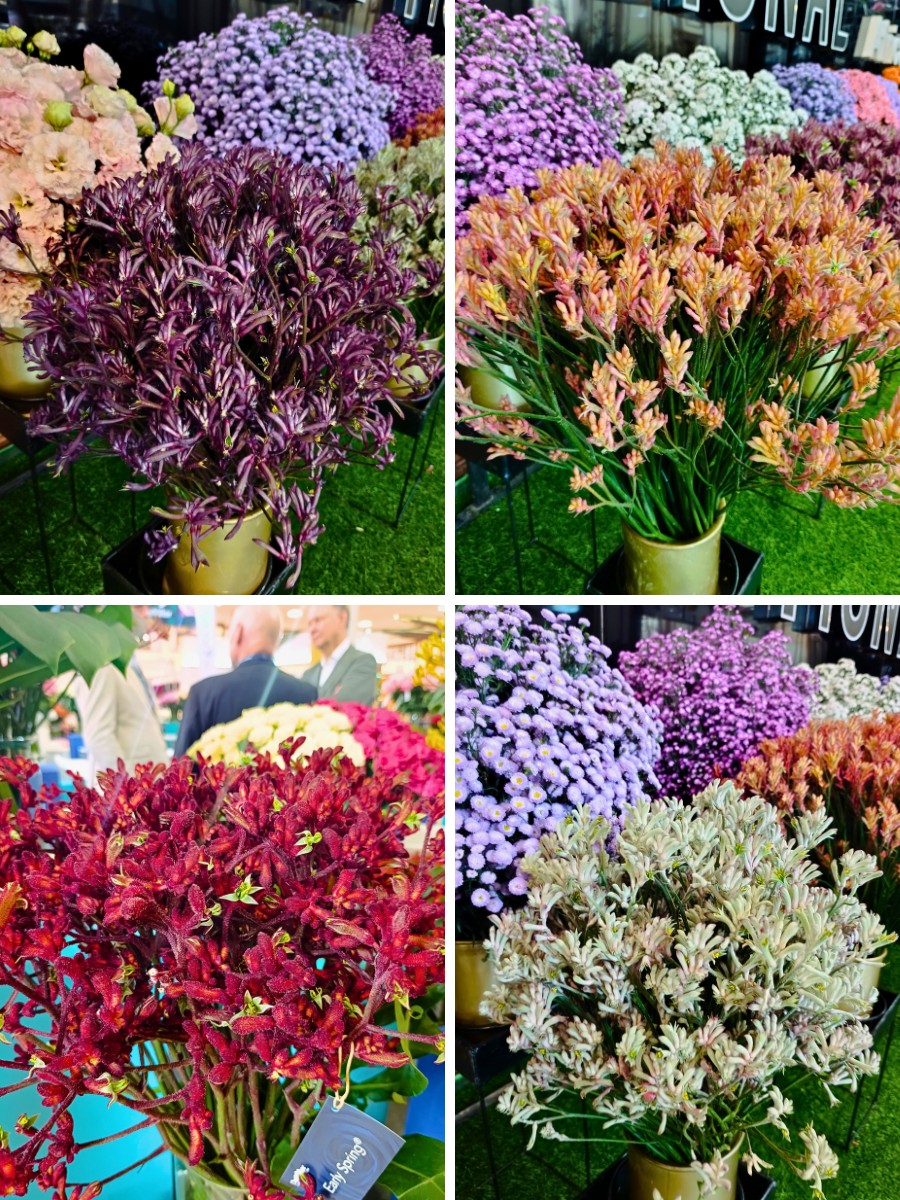
Some already have a few varieties in their portfolios, leveraging the diversity of regional microclimates. The varieties mainly grown include Sienna Gold, Yindi, Gold Fever, Early Spring, Yellow Gem, Bindi, and Bush Merlot, among others. This assortment covers pretty much of the color range, including deep reds, yellows, oranges, pinks, purples, and blues. These give floral designers greater choice and flexibility.
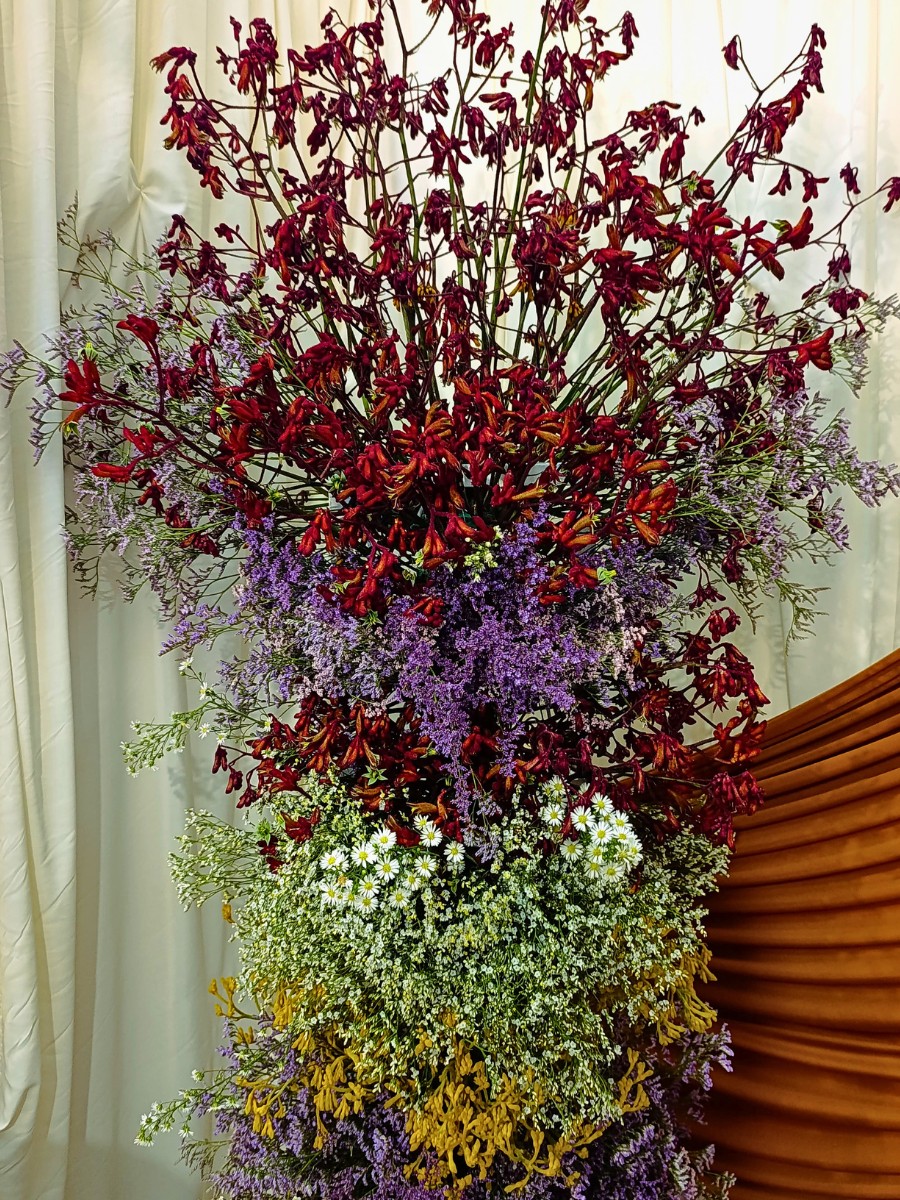
Right (And Ripe) Conditions for an Anigozanthos Takeoff!
Definitely, those growing the Kangaroo Paw see the opportunity in the flower. Exceptional Africalla’s Geert Rooijakkers believes the flower has the potential to become a standard design floral element with year-round availability, comparable in market standing to others like Proteas. Growtech's Xavier Bowen also shares the same conviction. He notes that as more designers work with the flower, it will become a recognizable and essential design component.
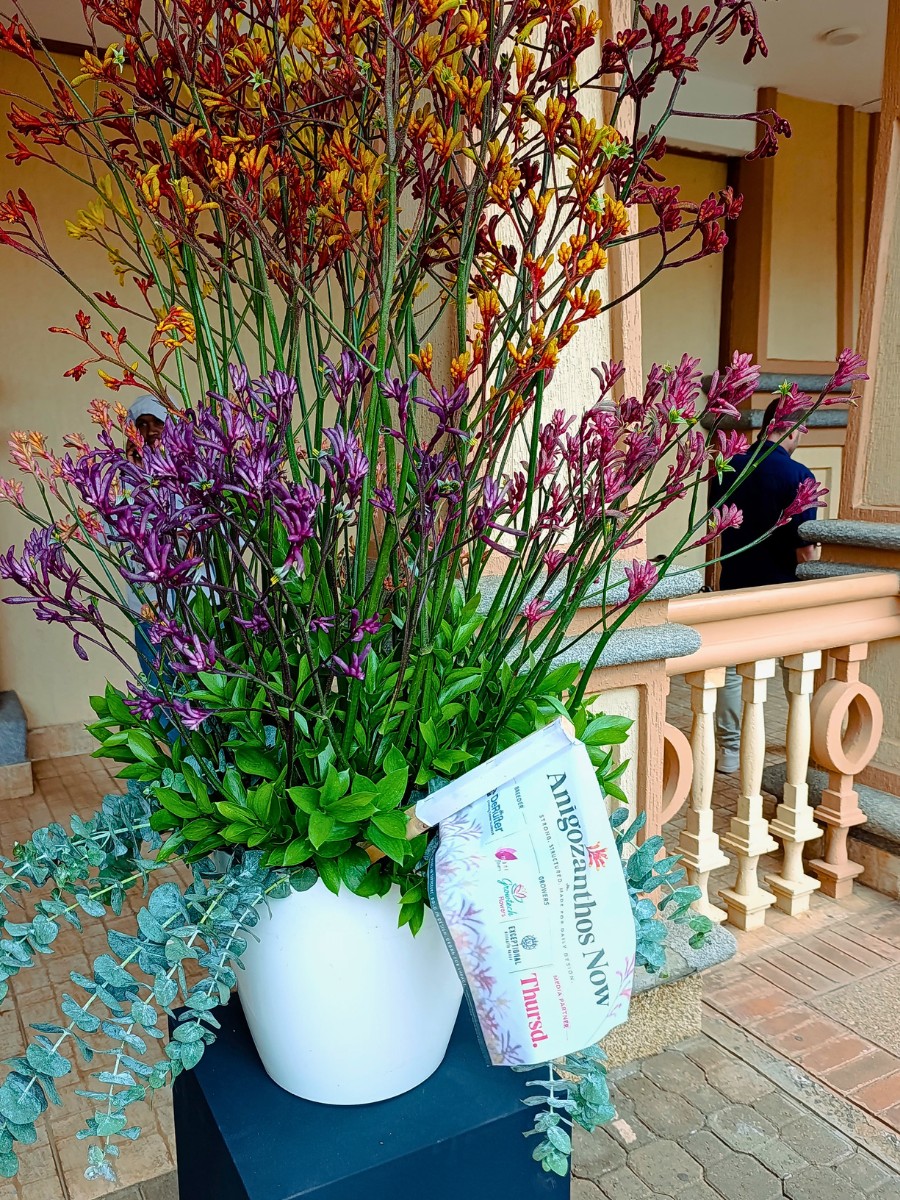
But the requirements for that to happen include supply consistency, the ideal varieties, and market education. The growers actively work on these. When florists know they can depend on a flower being available reliably, in a range of colors, and of a reliable quality, they will definitely build it into their design practice. And the bonus is that Kenya has the production capacity, export infrastructure, and a structured strategy to make it possible.
While Kangaroo Paw may still not be so ubiquitous in Kenyan flower farms, the combination of a renowned breeder (De Ruiter), experienced growers, growing industry participation, and one of the world's most capable flower-producing countries behind it, all pointers indicate to conditions being right (and ripe) for it to grow into a more mainstream, extensively used flower.
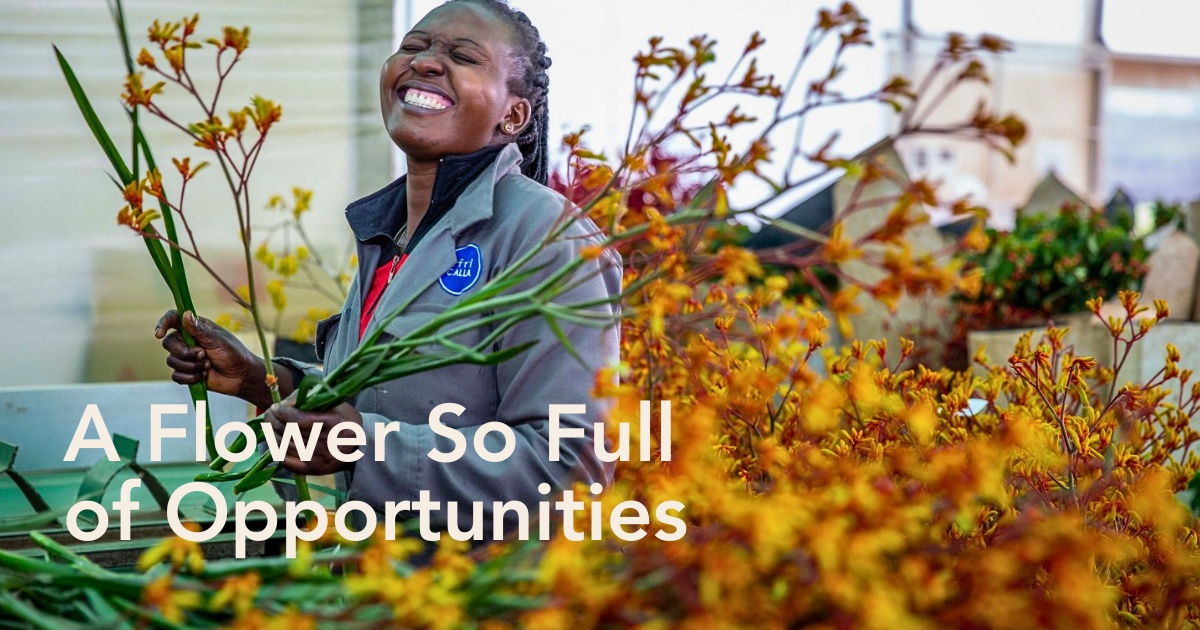
Featured and header image by @theflowerhubkenya.