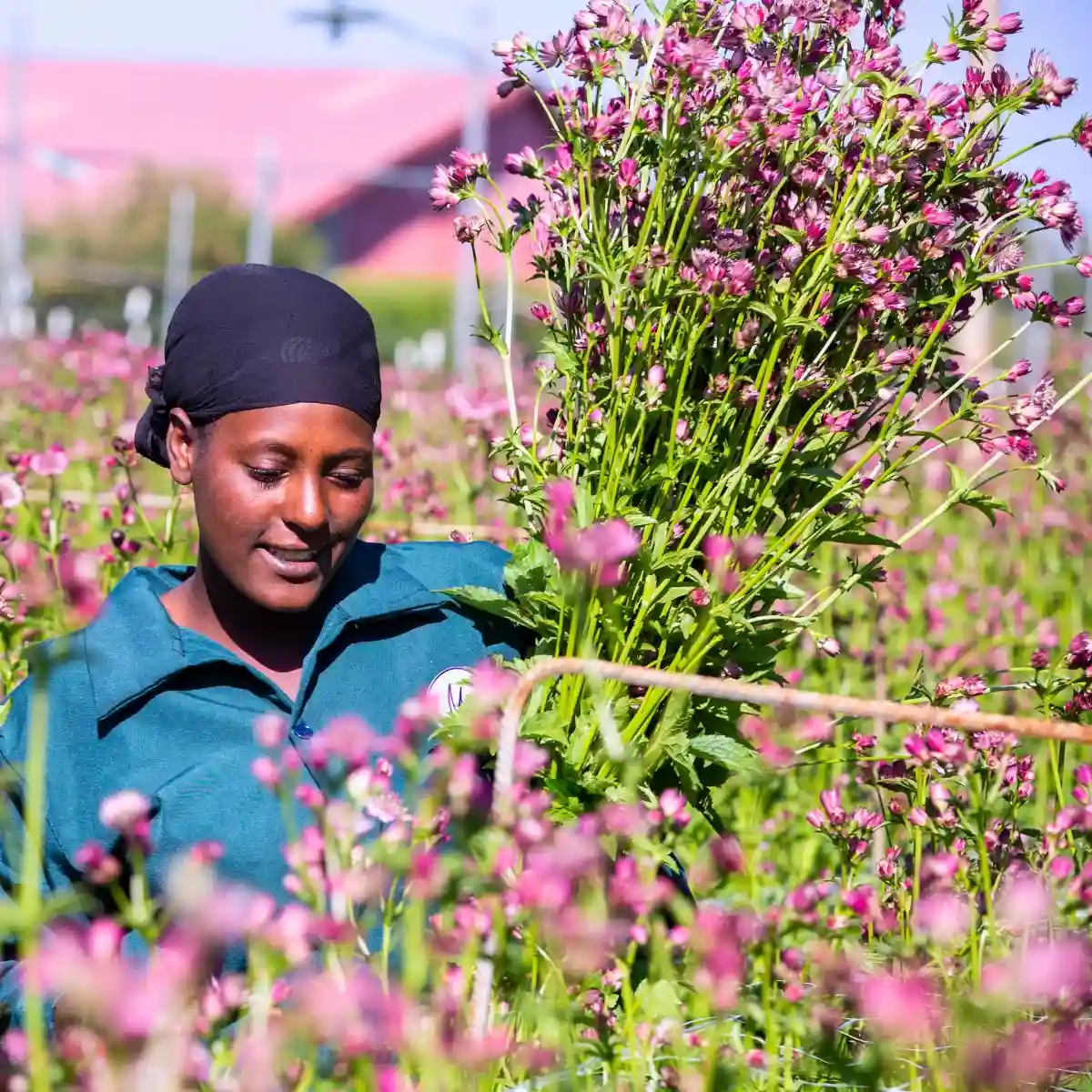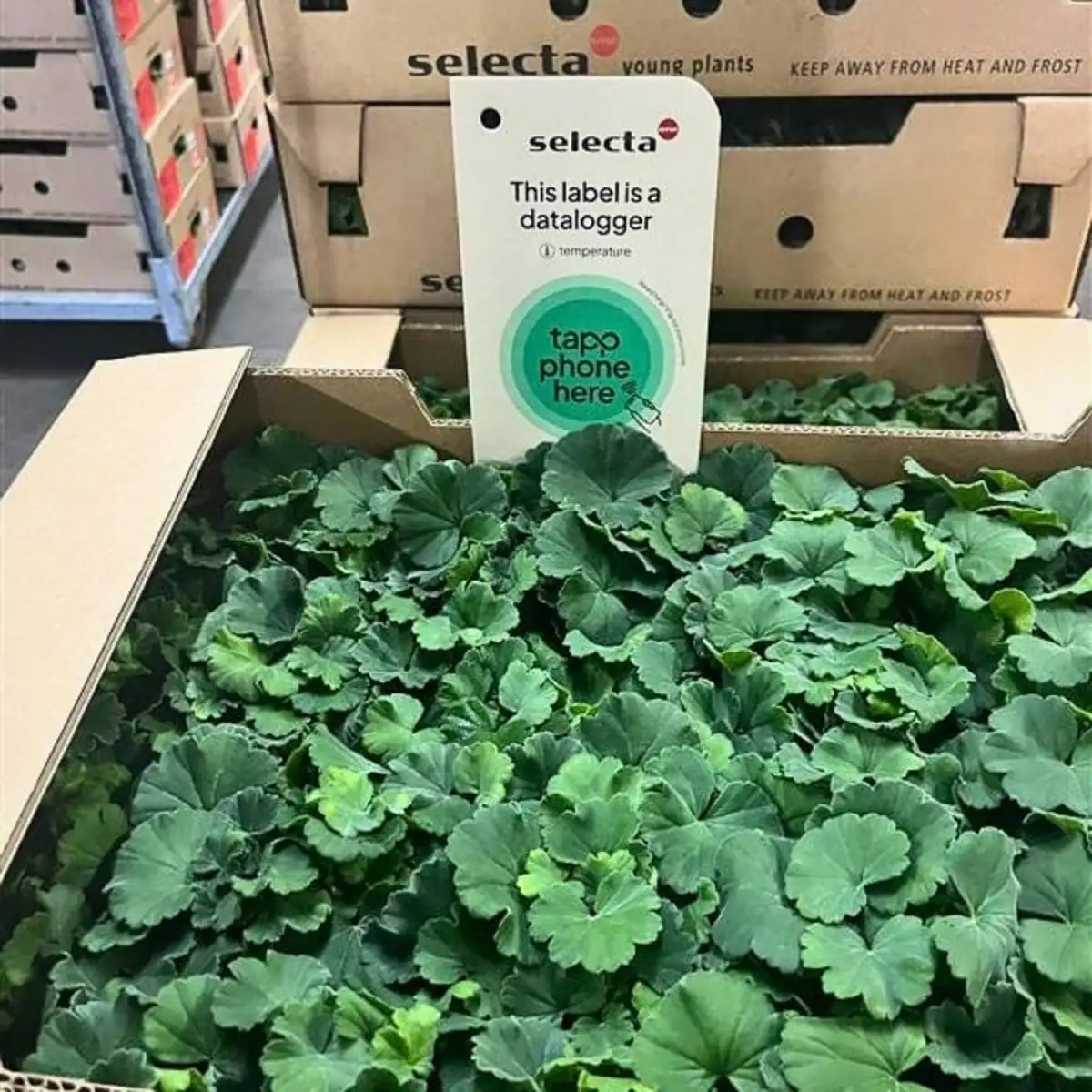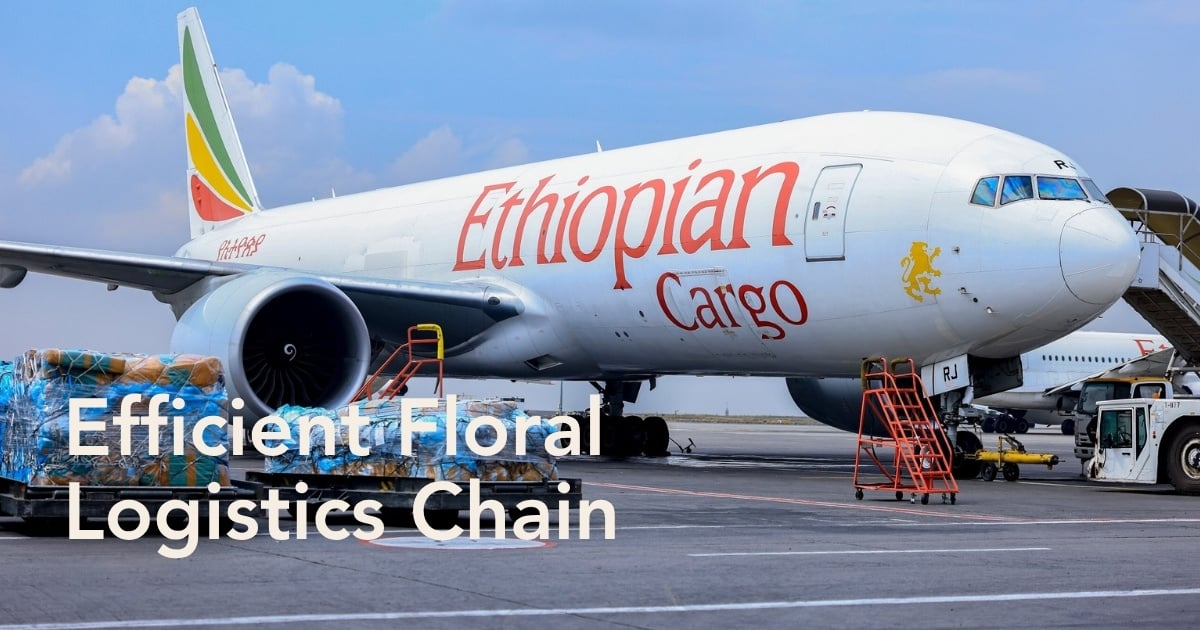
Logistics in the flower industry is a fast race against time. Fresh-cut flowers move from growers in different countries to global markets in as little as 24 to 72 hours. A rose cut in a flower farm in Ziway at dawn can be in a bucket at a Dutch auction house less than two days later, having crossed a continent without losing its color or freshness. This demands strict cold-chain management, keeping the temperature cool throughout the journey to keep the flowers alive.
For the Ethiopian flower sector, this is usually the result of a partnership between the Ethiopian Horticulture Producer Exporters Association (EHPEA) and Ethiopian Airlines Cargo and Logistics Services. These two view the time between harvesting flowers and refrigeration as, perhaps, the most important part of the floral trade. They have, in effect, made Addis Ababa’s Bole International Airport a key hub for perishables.
A Shared Sense of Urgency
The partnership between the EHPEA and Ethiopian Airlines Cargo is often described within the industry as symbiotic, and the phrase holds up. In a recent EHPEA statement, Executive Director Tewodros Zewdie credited the airline with an indispensable role in moving the country's horticulture exports.
Tewodros pointed to its high-tech cold chain facilities, freighter capacity, and staff professionalism as decisive factors in the sector's growth from what he calls ‘grass to grace.’ And the way he puts it sets into context several developments. Three decades ago, Ethiopia had almost no commercial floriculture, but today it ranks among the world's top cut flower exporters. And air cargo capacity has been the precondition that made the growth possible in the first place.
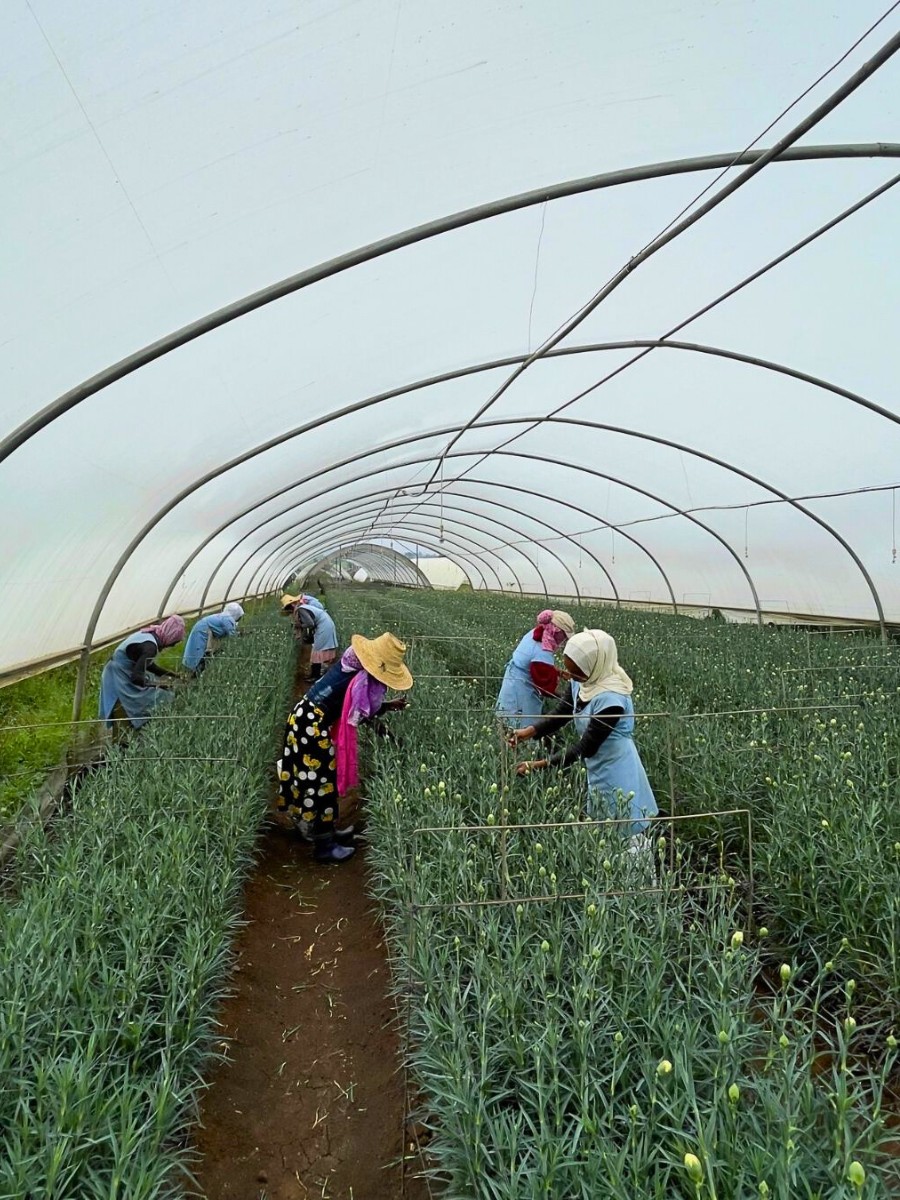
EHPEA has also facilitated site visits between Ethiopian Airlines Cargo teams and flower farms in the Bishoftu growing cluster, giving airline staff firsthand exposure to how flowers are cut, cooled, and packed before they reach the airport. Betelhem Abel, Ethiopian Airlines' Global Cargo Sales and Services Director, pointed to this direct engagement as essential for managing the tight, time-sensitive nature of perishable cargo, since coordination problems between farm and freighter always show up immediately in reduced vase life on the other end.
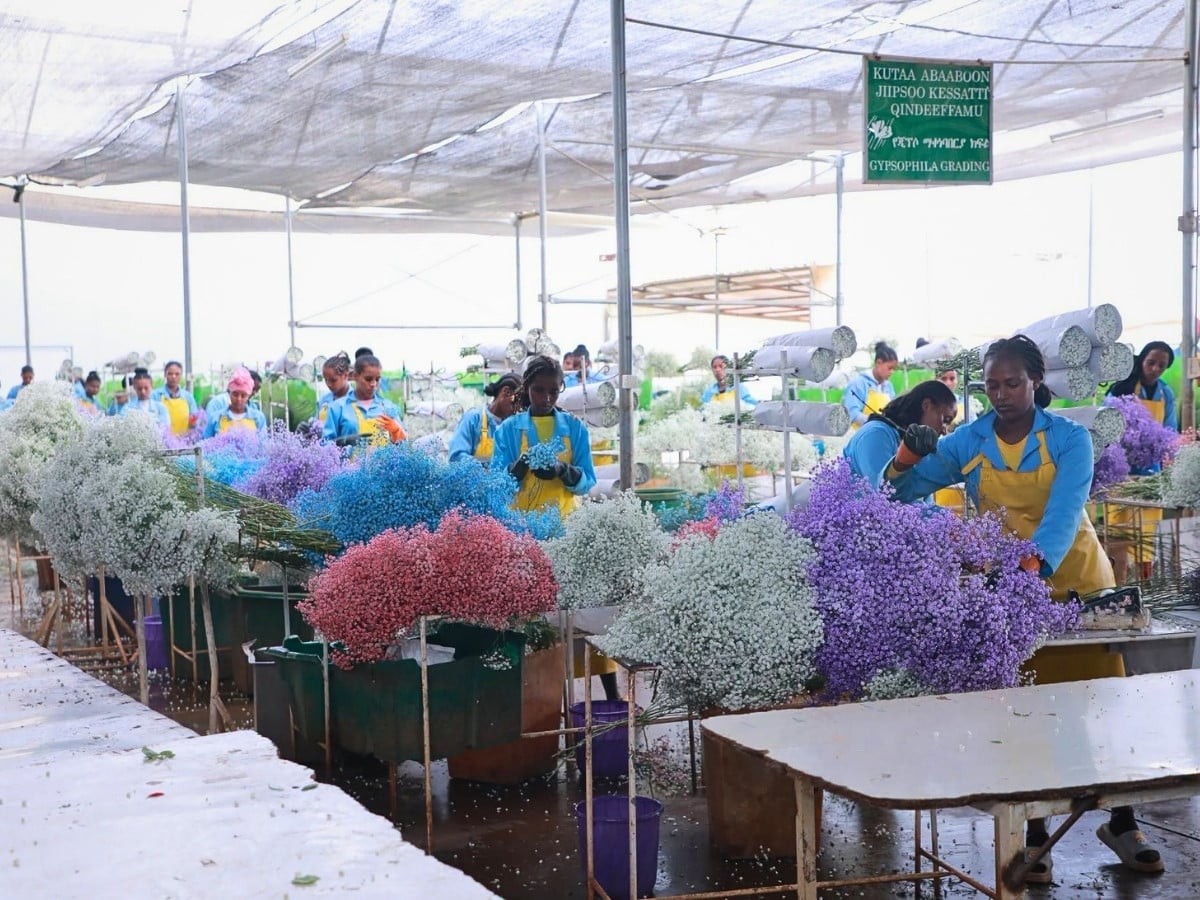
EHPEA has also organized cold chain training sessions that bring flower farms, logistics specialists, and Ethiopian Cargo representatives into the same room to work through more practical improvements in cold chain management, an arrangement that views logistics as a shared technical discipline and not a simple buyer-supplier handoff.
Essentially, while EHPEA sets the quality and handling standards that growers follow to meet the globally set standards, largely through its Code of Practice, Ethiopian Airlines built the infrastructure and flight network needed to move the flowers fast without a break in temperature control.
Temperature-Controlled Infrastructure at Bole International Airport
The physical spine of this corridor is Ethiopian Cargo's terminal facility at Bole International Airport, one of the largest cargo hubs on the African continent. The combined terminal footprint spans roughly 190,000 square meters and offers a rated annual throughput capacity of around one million tons, which the airline has compared to major global freight hubs.
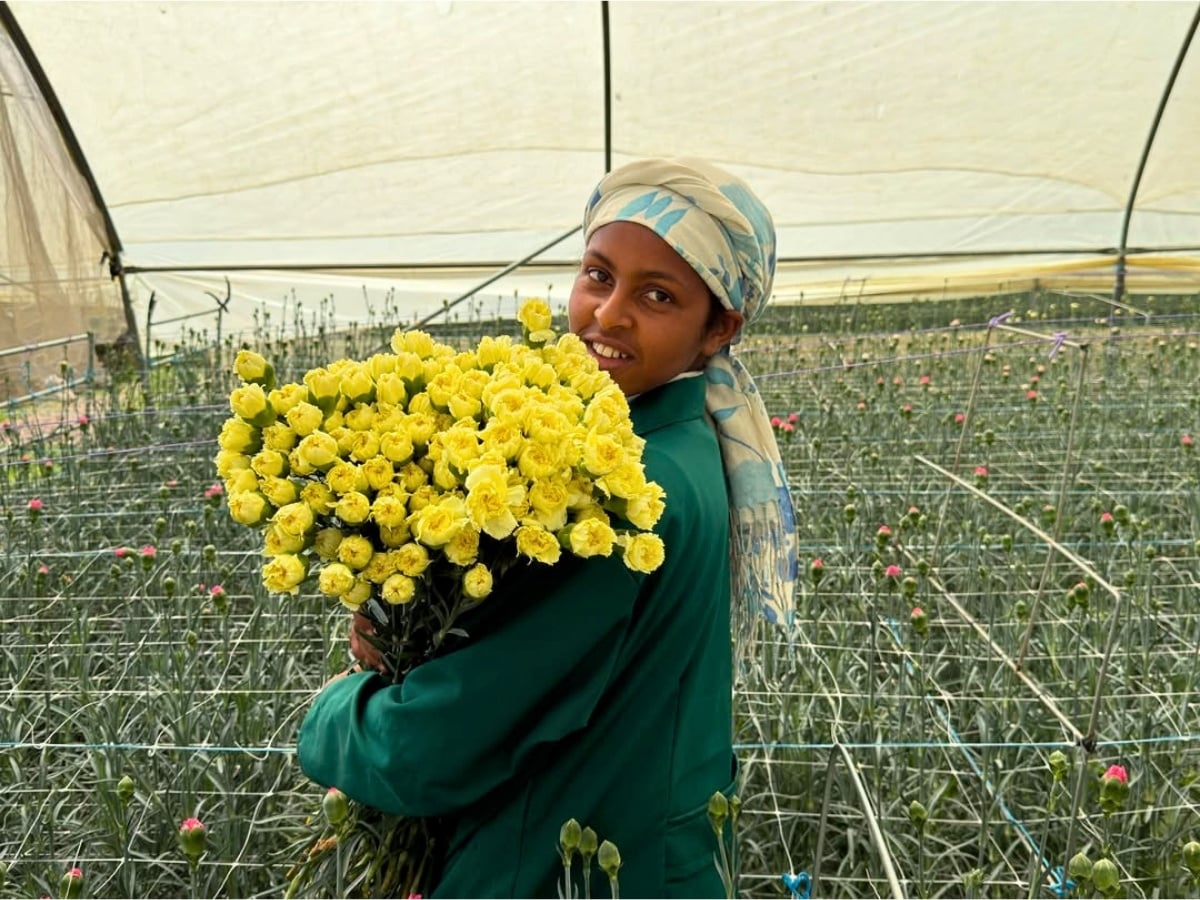
Within this complex is a dedicated cold chain storage chain that keeps perishables within tightly controlled bands, including a cold room network with a combined volume of more than 100,000 cubic meters, and just the range that flowers need to hold their moisture and slow respiration after harvest.
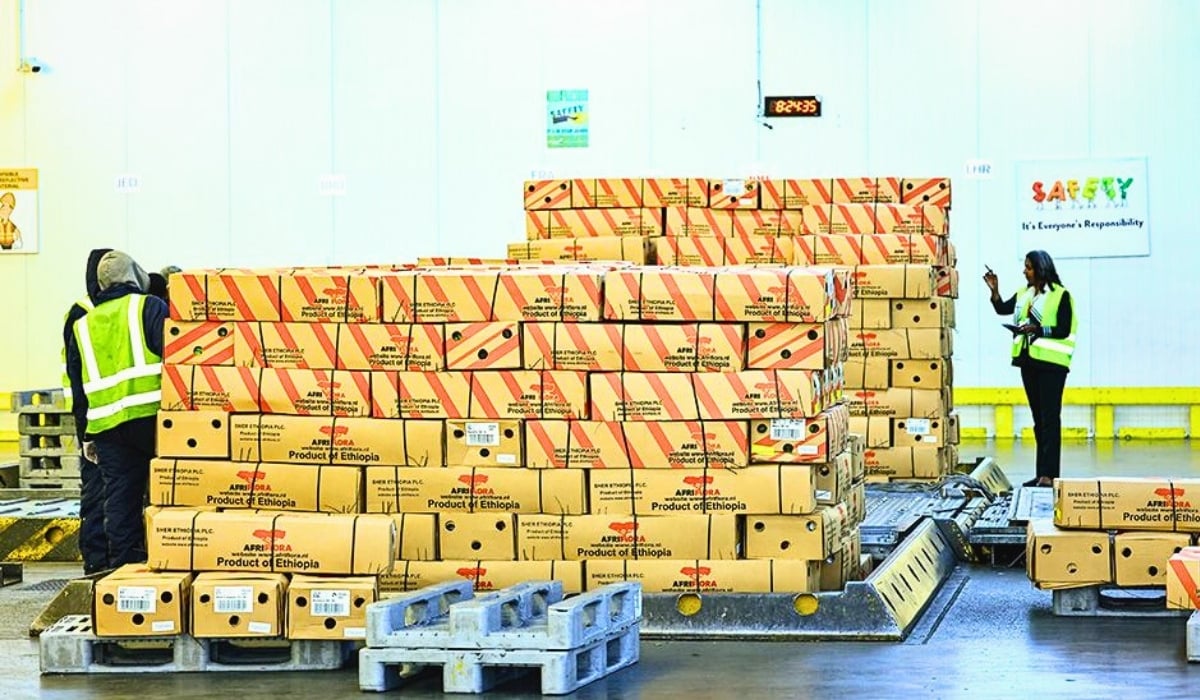
And because cut flowers make up a major share of Ethiopia’s agricultural export revenues, the complex was engineered specifically for perishables. Walk-in cold rooms allow whole-unit load devices (ULDs) and pallets to be built, vacuum-cooled, and staged in a temperature-controlled environment.
This infrastructure is being expanded further. At the HortiFlora Expo Ethiopia 2026, Ethiopian Airlines Cargo Managing Director Dereje Derero indicated that the airline is building a new cargo facility in Bishoftu, an investment valued at more than 10 million dollars, and will place cold storage and handling capacity closer to one of the country's densest flower-growing clusters.
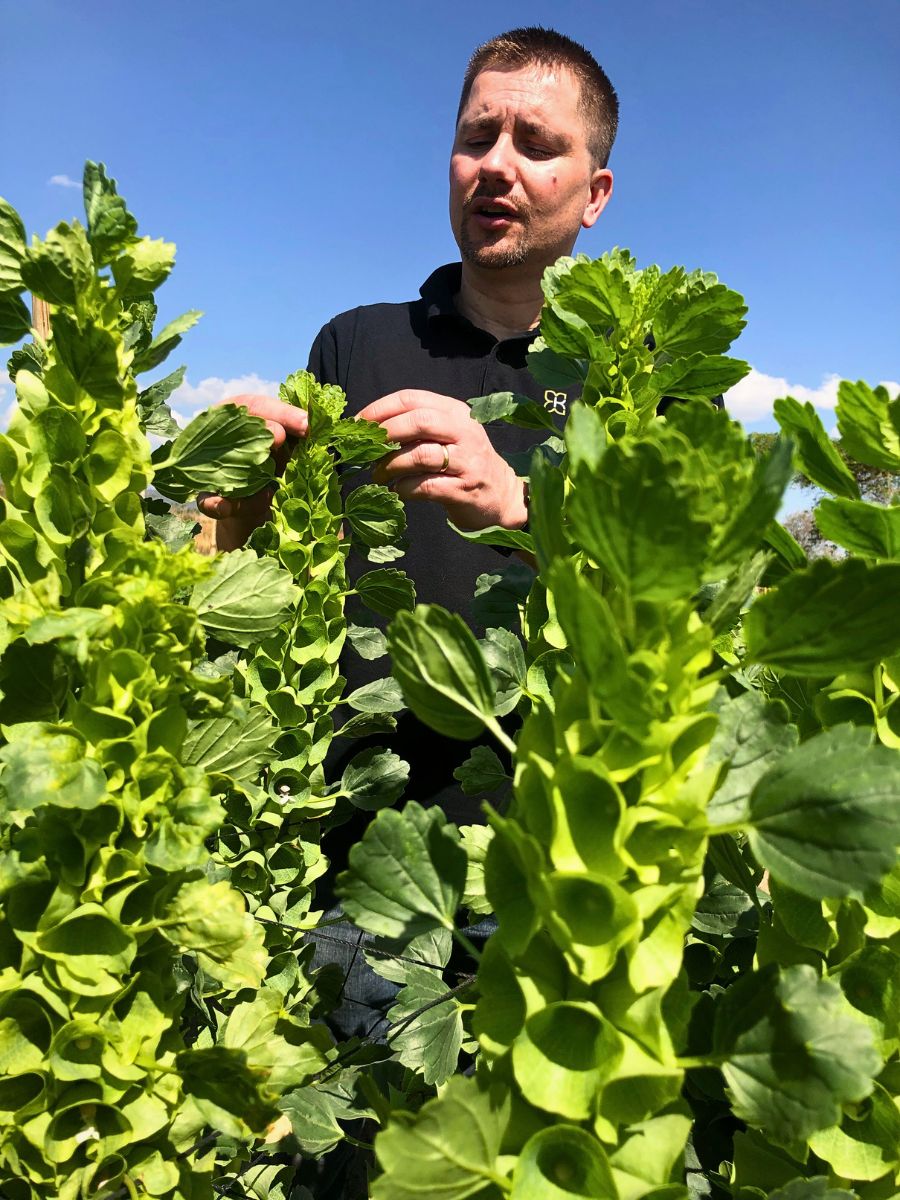
Positioning cold chain infrastructure nearer to the farms shortens the exposed, uncooled leg of the flowers’ journey between the packhouse and the freighter hold, which is often the riskiest stretch for cut flowers. Combined with the airline's ongoing investment in digital temperature tracking and its steadily expanding global network, the move shows that Ethiopia's logistics strength is being built for a bigger flower industry than the one existing today.
Flight Frequency and Dedicated Charter Capacity
Reliable flower vase life depends as much on how often flights depart as on how well the flight is refrigerated. Ethiopian Cargo operates scheduled freighter service to more than 60 international destinations, backed by a modern wide-body freighter fleet built around the Boeing 777F.
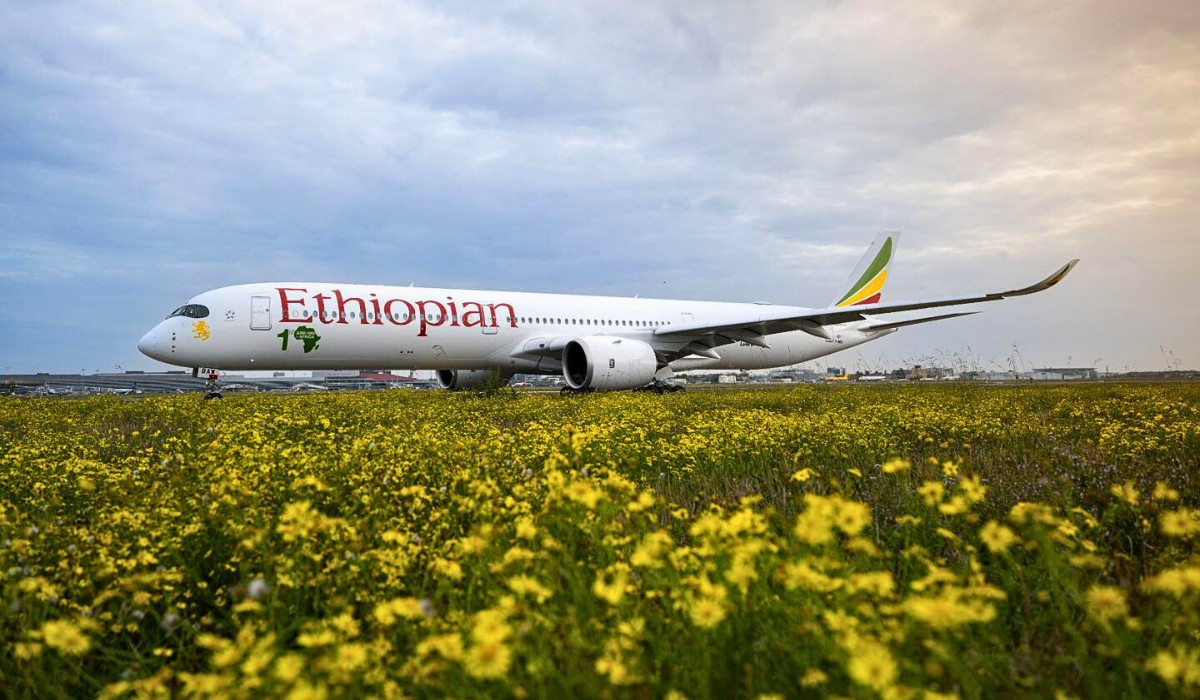
The airline operates daily direct freighter routes into key European distribution hubs, particularly Liège Airport (LGG) and Brussels Airport (BRU) in Belgium, among others, giving exporters routine capacity to Europe, as well as other regions like the Middle East, Asia, the U.S, plus African regional markets throughout the year.
The baseline capacity receives a significant boost during peak-demand windows. Ahead of Valentine's Day, historically the largest test of the corridor, Ethiopian Airlines adds dedicated freighter flights and charter capacity out of Addis Ababa; more recently, the Bahir Dar growing cluster, a route the airline began serving with dedicated freighter operations specifically to support its export volumes.
The results of this seasonal scale-up have seen Ethiopian Cargo move approximately 4,200 tons of flowers for the 2025 Valentine's season, and the airline has previously reported handling more than 4,000 tons during comparable peak periods, which places Ethiopia among the leading African origins for airlifted flowers alongside Kenya.

Horticulture, with flowers accounting for roughly 80% of the category's revenue, generated close to 565 million dollars in export earnings for Ethiopia in the 2024/25 fiscal year, and this highlights how much of the country's foreign exchange earnings now move through this air corridor.
Making a Case for Cold Chain Integrity
The commercial case for this infrastructure comes down to the fact that the first two hours after a flower is cut are the most important in its post-harvest life. This is the period when respiration rates spike, and moisture loss accelerates fastest. But the industry ensures pre-cooling systems and temperature-controlled packhouses are in place, bringing flowers down to a target range of 1°C to 4°C almost immediately after harvest.
Temperature logs also track the process at every stage, given that a gap of even a few degrees during this window can cost a flower 30% to 40% of its potential vase life. Training, too, plays a key role in protecting the chain. EHPEA's Horti Campus platform is one of those offering practical instructions in cold chain management, reinforcing regular practice across farms of different sizes and levels of technical capacity.
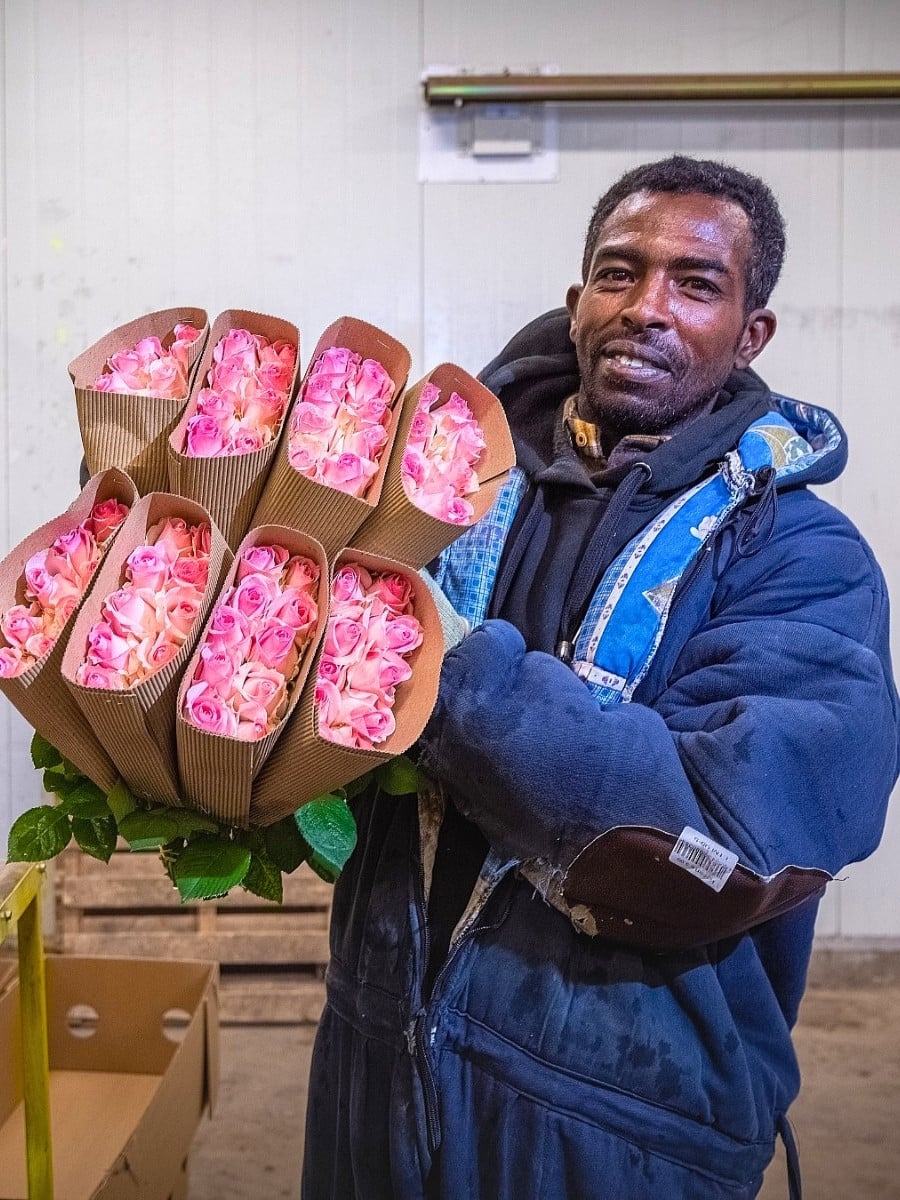
The effect of farm-level pre-cooling, trained handling staff, and an unbroken refrigerated corridor through Ethiopian Cargo's facilities is shown in the flowers that buyers get. Ethiopian roses routinely achieve vase lives of 10 to 14 days, a benchmark that matches or exceeds competing origins, which has helped boost these flowers’ prices at auctions to levels that rival those of more established suppliers.
Resilience Under Pressure
Perhaps the corridor's real test came during a period with no flowers at all to move, when the COVID-19 pandemic collapsed global passenger aviation in 2020. Ethiopian Cargo kept freighters flying even as much of the industry grounded its fleets, maintaining a functioning link between Ethiopian growers and international markets through one of the most disruptive periods of the air cargo sector.
When demand recovered, the infrastructure and route network were already in place, allowing exporters to ramp back up without having to rebuild logistics access from scratch. The episode has become a kind of reference point in the industry for why airline reliability, not just capacity on paper, is what buyers pay for when they source from the country.
Why Is All This Important for Buyers?
For flower markets globally, the EHPEA-Ethiopian Airlines relationship presents a set of guarantees. It offers predictable freighter frequency to major markets, charter capacity that scales up during Valentine's Day and other peak periods, and a cool chain that maintains temperature from the farms to destination markets.
These assurances are why floriculture now represents such a substantial share of Ethiopia's horticultural export revenue, and why the ongoing Bishoftu expansion is being watched closely by exporters who expect production volumes to keep growing. But this is not the end.

Ethiopian farms continue to expand and diversify into varied specialty crops and summer flowers. Ethiopian Airlines also keeps investing in temperature-controlled capacity closer to growing clusters, meaning the infrastructure connecting the country’s floriculture to global markets keeps growing for a larger flower industry than the one we have today. All the visible ongoing investment, therefore, makes a case for why the Ethiopian floriculture industry is among the leading globally.
Featured image by @emf_flowers. Header image by @fly.ethiopian.