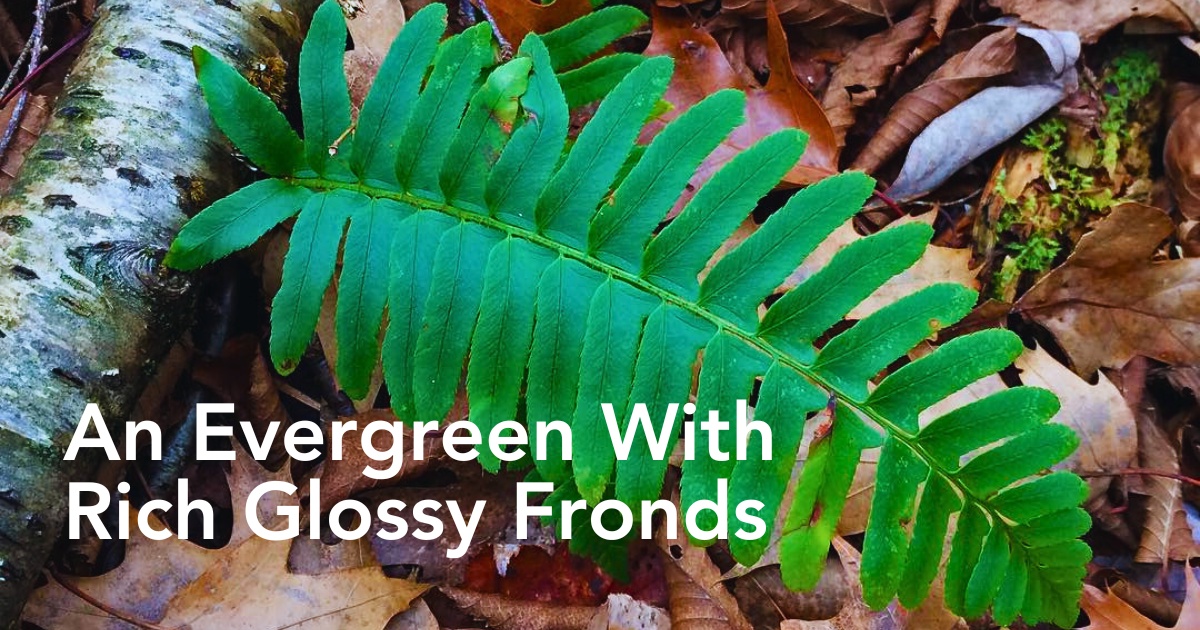
In the cold months, while most plants succumb to winter's cold, the Christmas fern (Polystichum acrostichoides) often remains defiant, its emerald fronds like festive ribbons under the wintry snow. For millions of years, ferns have thrived, and this particular native woodland species offers evergreen beauty through its lush green fronds even in the coldest months when everything else fades away.
The Christmas fern belongs to the wood fern family and holds the distinction of being one of the few really evergreen ferns in eastern North America, where it is native. Hence, if you ever wanted to know more about it or wondered what makes it worthy of yuletide recognition, then here’s a lot that will fascinate you.
What Exactly Is a Christmas Fern?
The Christmas fern plant is an evergreen, herbaceous perennial that belongs to the Dryopteridaceae family (commonly called the wood fern family). This plant doesn't produce flowers or seeds; instead, it reproduces through spores, making it quite fascinating.
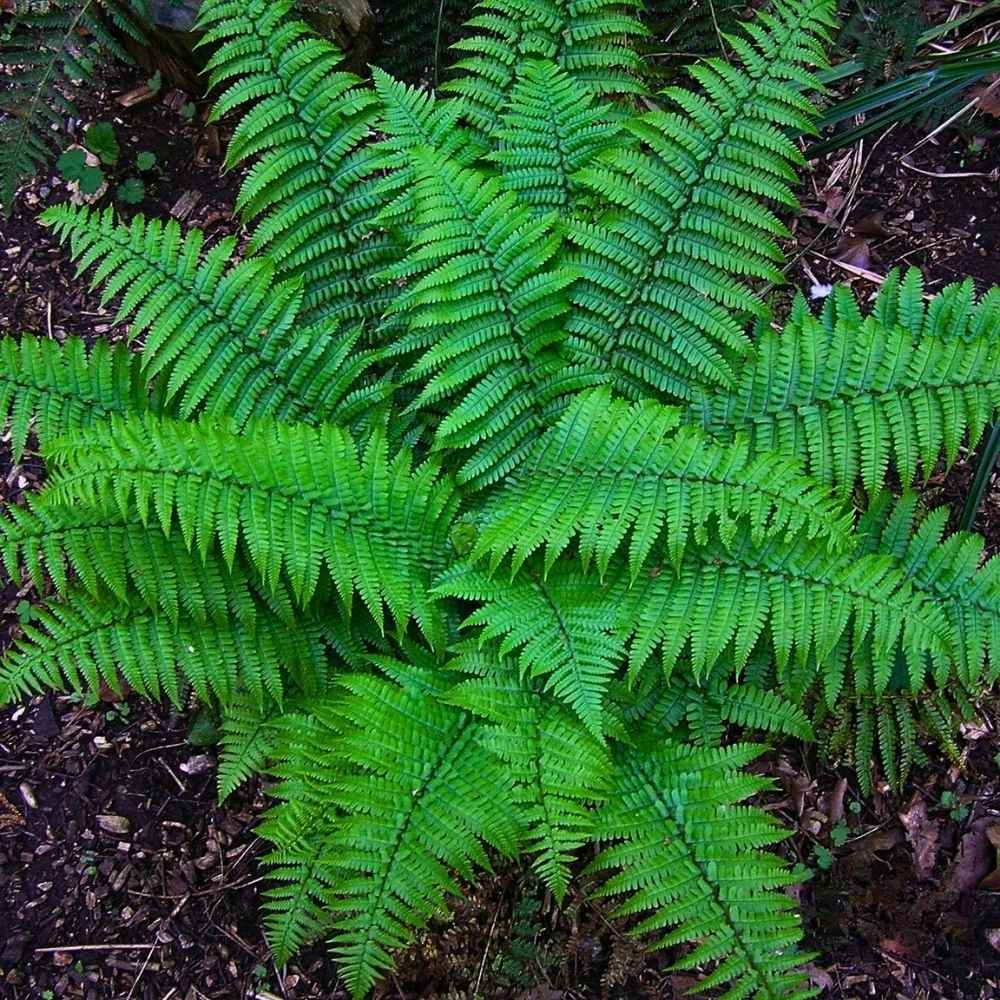
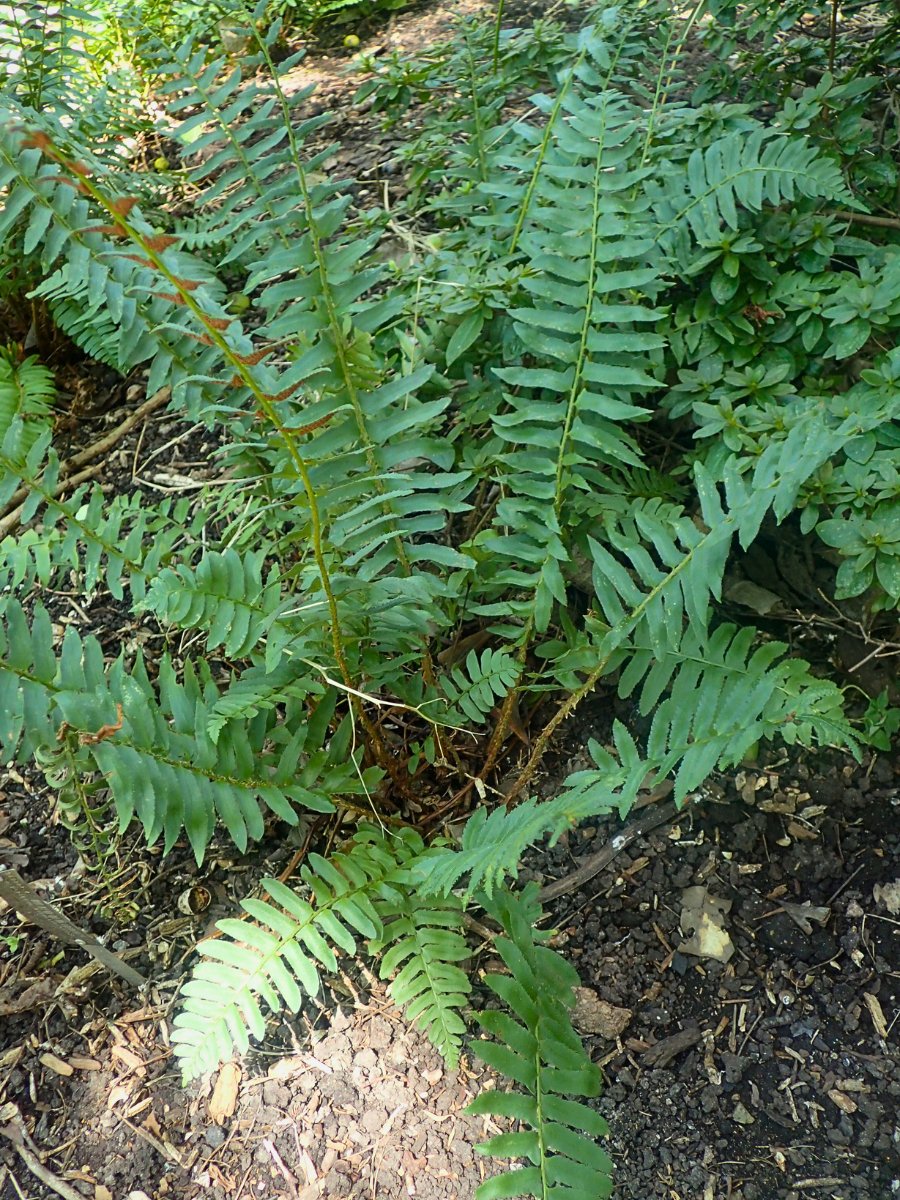
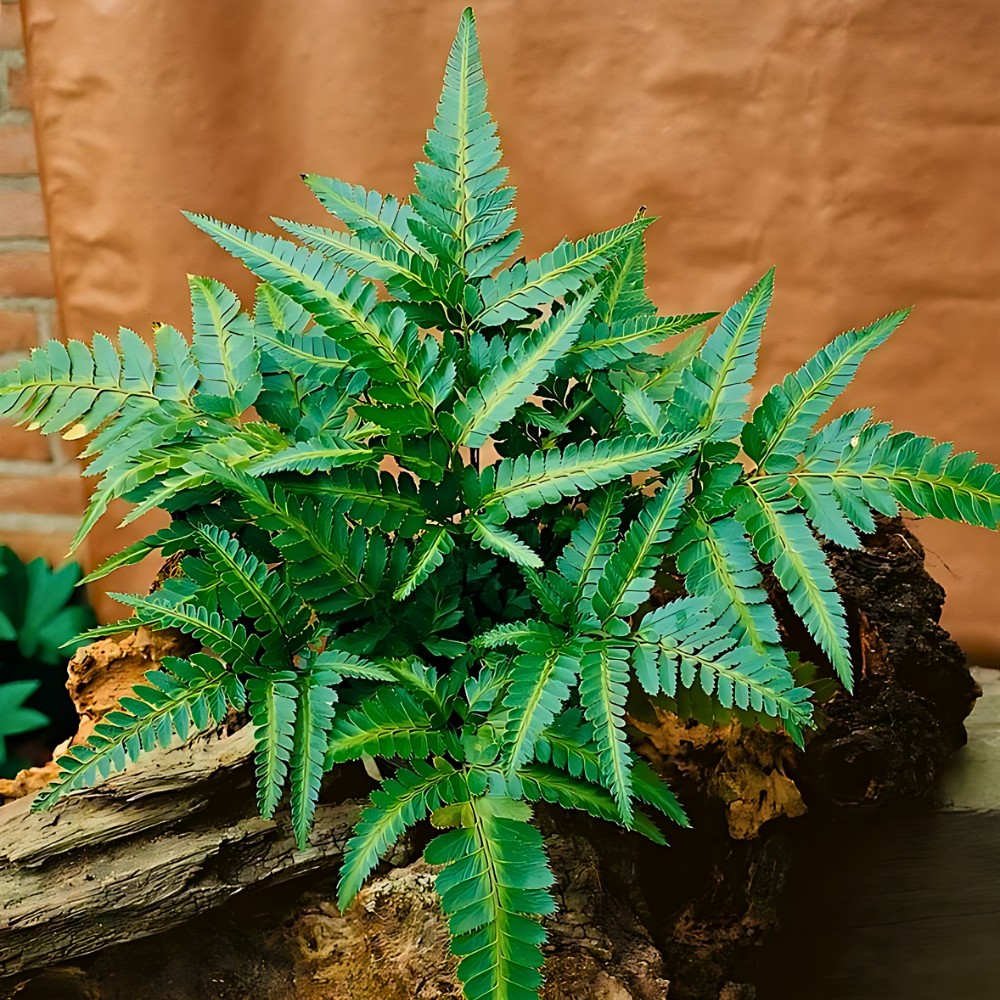
It grows as a dense, fountain-like clump, typically reaching 30-60 cm (1-2 feet) in height and width. The most distinctive feature of the Polystichum acrostichoides Christmas fern is its array of leathery, lance-shaped fronds that emerge directly from the ground.
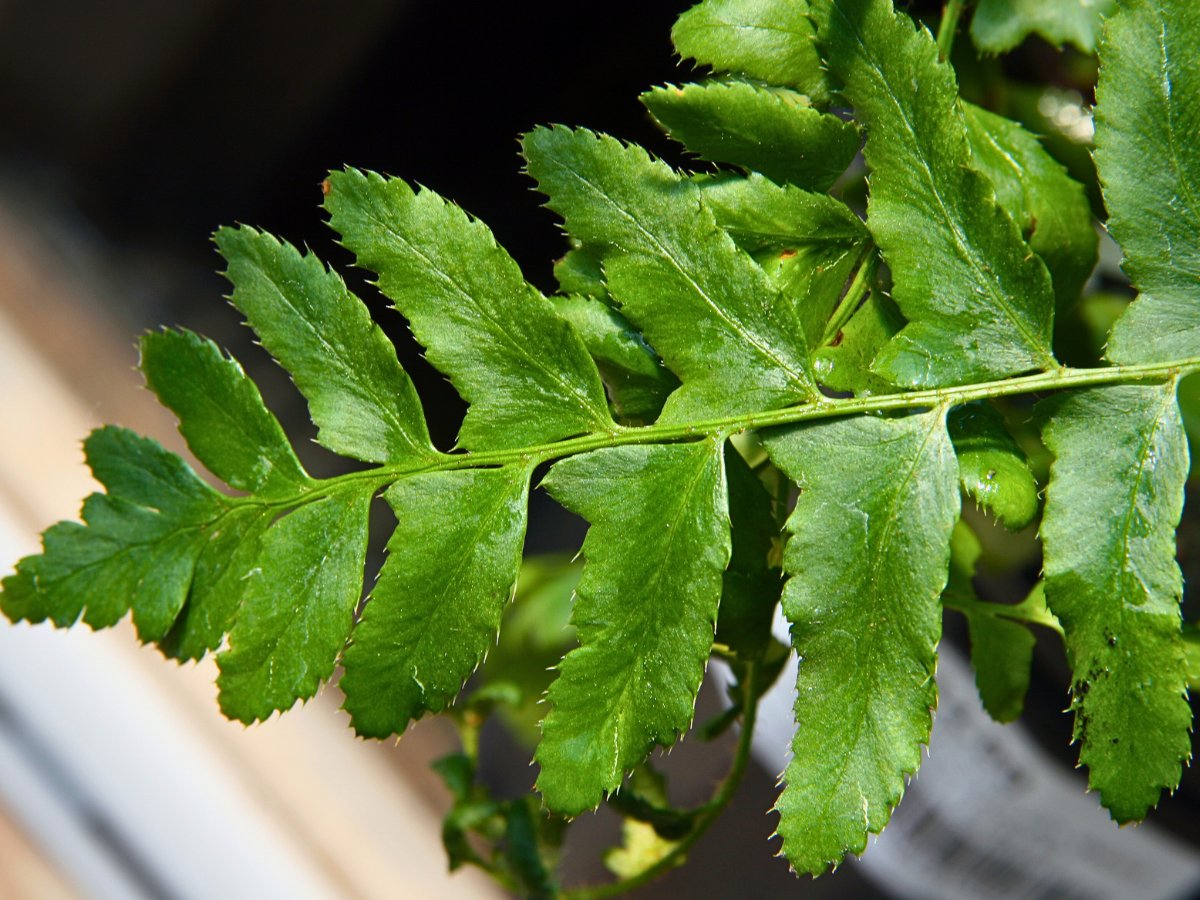
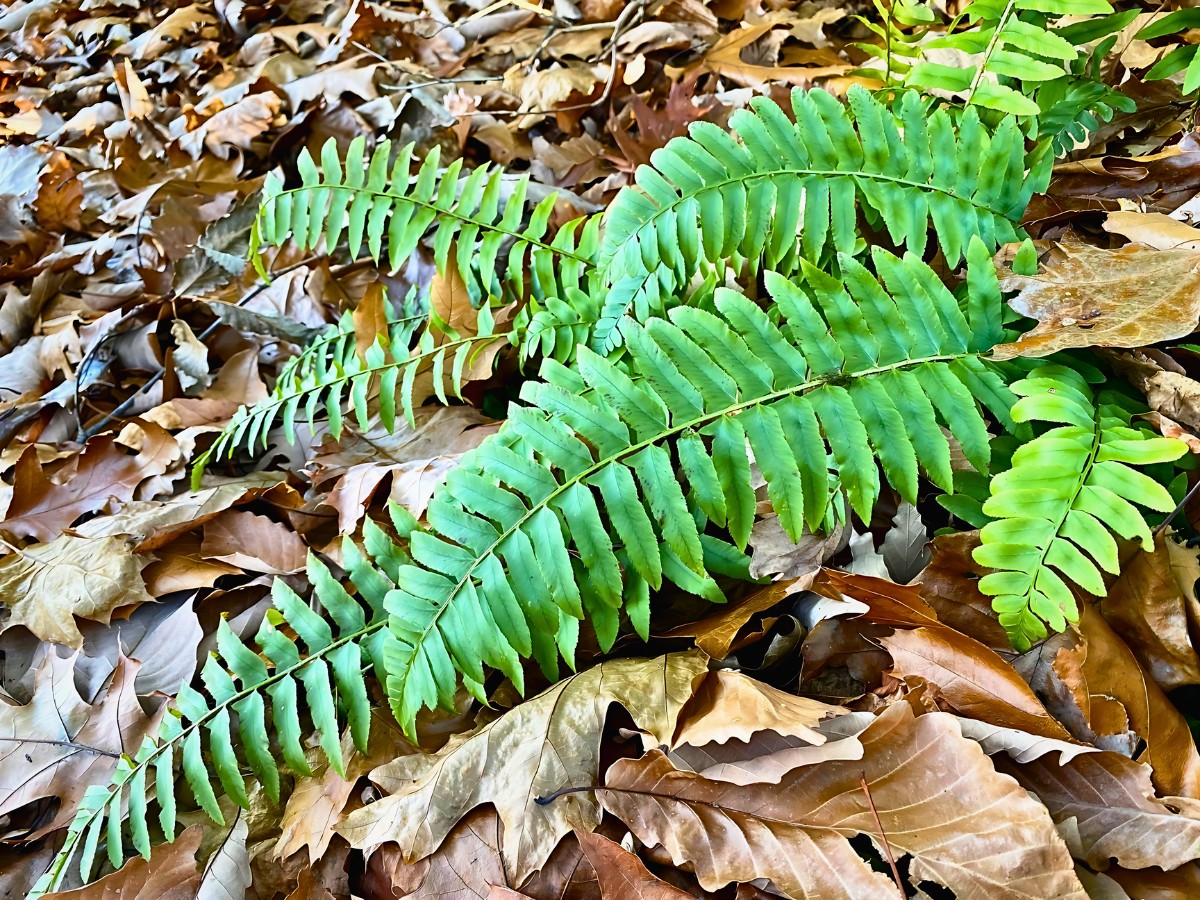
These fronds are a rich, glossy, deep green color and remain that way throughout the year, even when winter snow blankets the landscape. Each frond is composed of smaller leaflets called pinnae, which line up along the central stem in a pattern that resembles a feather. Looking closely at each pinna, you will notice a distinctive little ‘thumb' or lobe at the base, which some say looks like a Christmas stocking, which inspired the plant's popular name.
Christmas ferns grow from short, slowly creeping rhizomes just below the soil surface. In spring, this rhizome produces silvery, coiled fiddleheads that grow into new fronds in a delightful display of fresh growth. On mature plants, the first fronds to emerge are the fertile ones, held stiffly upright and narrower at the tip. These fertile fronds contain spores on their undersides and eventually die back by mid-summer. Later, sterile fronds develop and remain throughout the year, adopting a more gracefully arching form.
Why Is It Called a Christmas Fern?
So why do we call it the Christmas fern? First, the answer has less to do with December 25th traditions and more to do with timing and tenacity. When colonial Americans wandered into winter woods, they found this fern still proudly displaying its green fronds while everything else had turned brown or disappeared entirely. It stood out from its surroundings, so people began associating it with Christmas greenery.
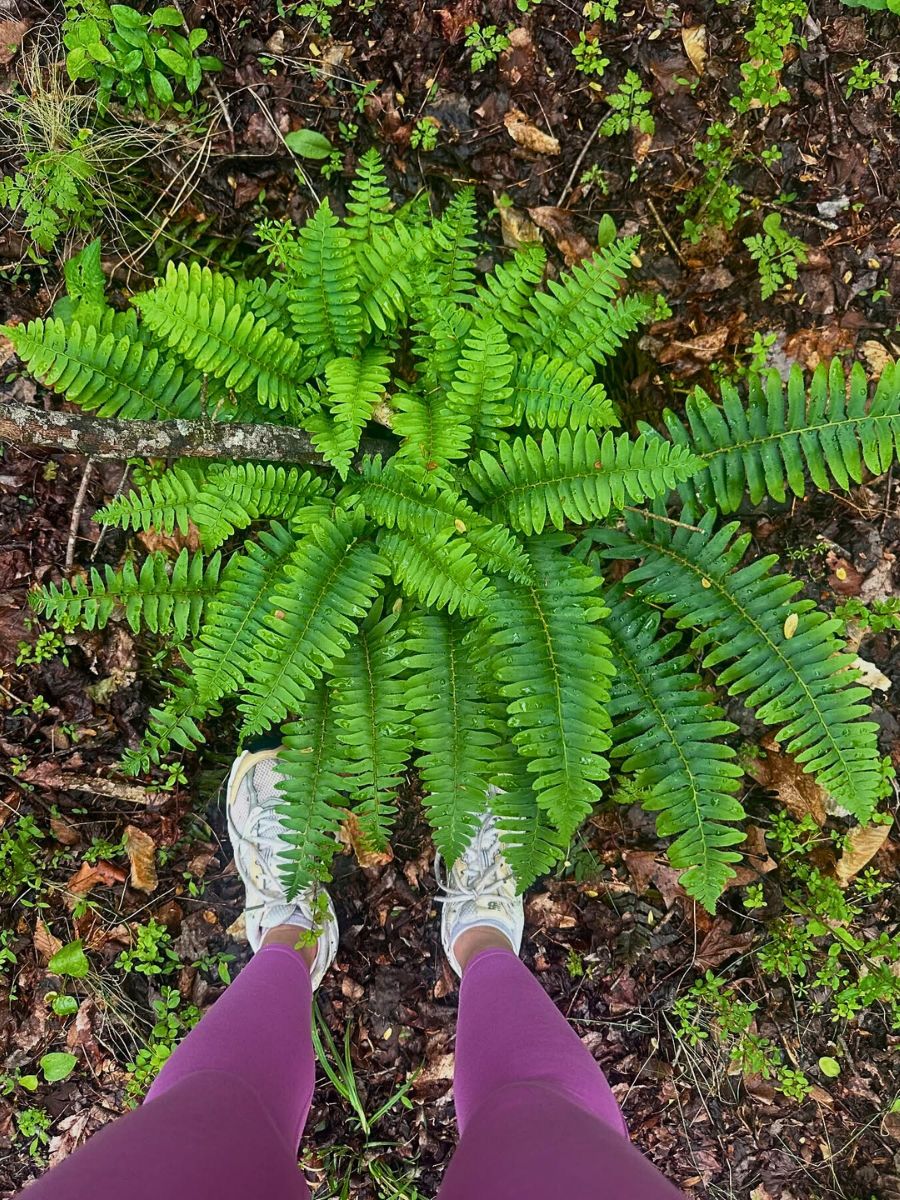
The secondary reason for its name is equally delightful. The individual pinnae, or leaflets, of the fronds bear a striking resemblance to Christmas stockings hung on a fireplace mantel. Each leaflet has a lance-shaped tip with an asymmetrical, hook-like base that resembles a tiny stocking. This distinctive shape makes the Christmas fern recognizable to those familiar with it.
Additionally, Polystichum acrostichoides (Christmas fern) fronds were long used in holiday decorations, particularly by early settlers, who valued their evergreen quality for festive arrangements and their sturdy, long-lasting foliage for wreaths, garlands, and table arrangements. This enhanced the Christmas connection in popular culture.
Where Christmas Ferns Grow
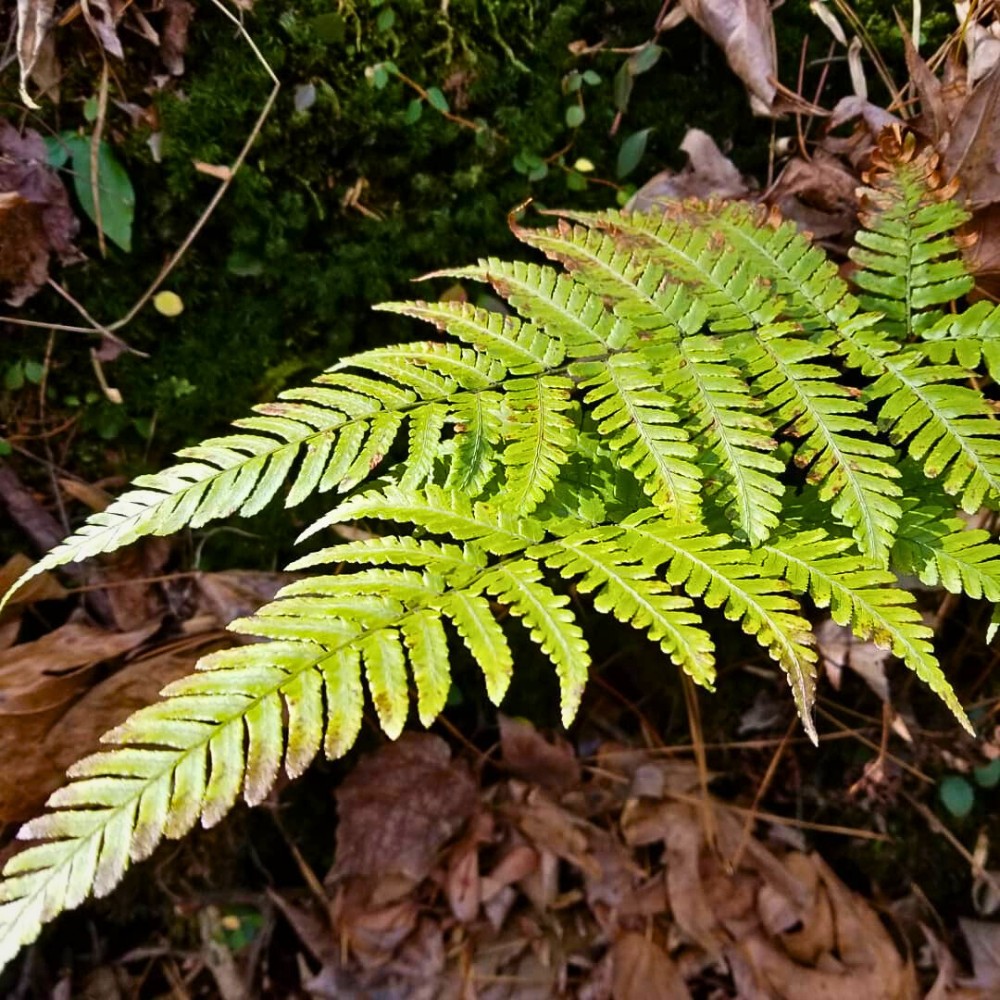
Native to eastern North America, Christmas ferns’ range extends from Nova Scotia and Quebec in the north, west to Minnesota, and south all the way to Florida and eastern Texas. They are true woodland plants, thriving in the dappled shade of deciduous forests where they carpet the forest floor alongside other native species. You'll often find them growing on rocky slopes, in ravines, and along stream banks where the soil stays moist but well-drained.
These plants prefer acidic to neutral soils and are often found growing near boulders and rock outcrops in forests. However, they also do well in conditions far outside of their native range. Being hardy in USDA zones 3 through 9 means it can be grown successfully across most of the eastern United States and even into cooler regions; therefore, they are ideal candidates for home gardens, especially if you're working with challenging shady spots where other plants struggle.
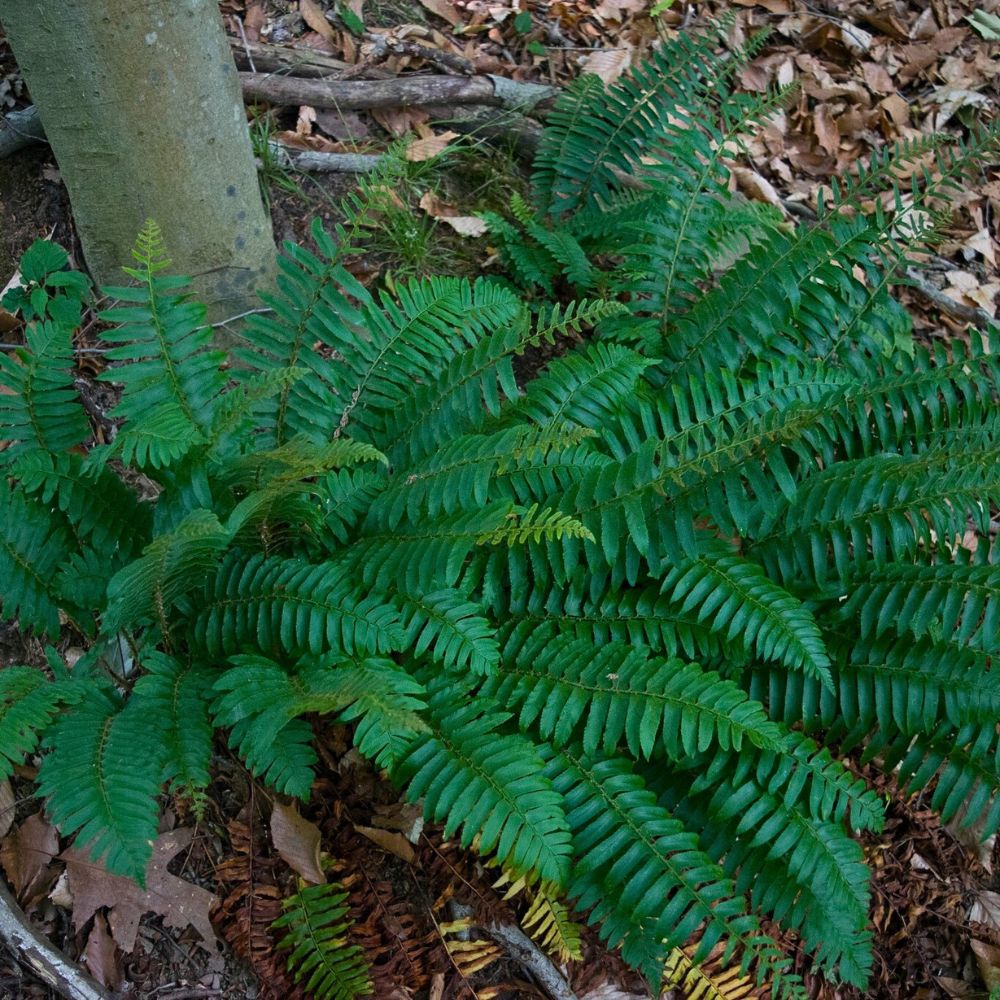
Cultivating them, Christmas ferns grow from a slowly expanding crown, which means they do spread, but at a gentle, manageable pace. They don't take over the garden like some aggressive perennials, but gradually form attractive clumps that can be divided every few years if you want to propagate more plants. That said, here are some perennials that you still can add to your garden.
Their spreading habit makes them well-suited for naturalizing in woodland gardens, where they can be planted in groups of three or five over time. They fill in to create beautiful, flowing masses of evergreen foliage. This slow but steady growth also means one does not have to fight to control it, which is always a welcome trait in any garden plant.
How to Grow and Care for Christmas Ferns
Growing Christmas ferns requires mimicking their natural habitat. They prefer partial to full shade, though they can tolerate some morning sun if the soil stays reliably moist. In excessive sunlight, the fronds may yellow or brown at the margins. Well-drained soil rich in organic matter is ideal. If your soil is heavy clay, amend it with compost before planting. Water newly planted Christmas ferns regularly until they establish, usually taking one growing season.

Once established, they are quite drought-tolerant for a fern, though they will look their best with consistent moisture. A layer of leaf mulch or compost simulates forest conditions and helps retain moisture while adding organic matter as it decomposes. The plants require minimal maintenance once established. Remove any damaged or dead fronds in early spring before new growth emerges. This tidying helps showcase the fresh fiddleheads and keeps the plant looking neat.
Christmas Ferns and Their Quiet Symbolism
When the Christmas fern was introduced to Europe, it became a popular ornamental plant. During the Victorian era, when fern enthusiasm reached its peak through a phenomenon called ‘Pteridomania’ or fern fever, they were grown indoors, displayed in conservatories, and featured in decorative arts throughout homes.
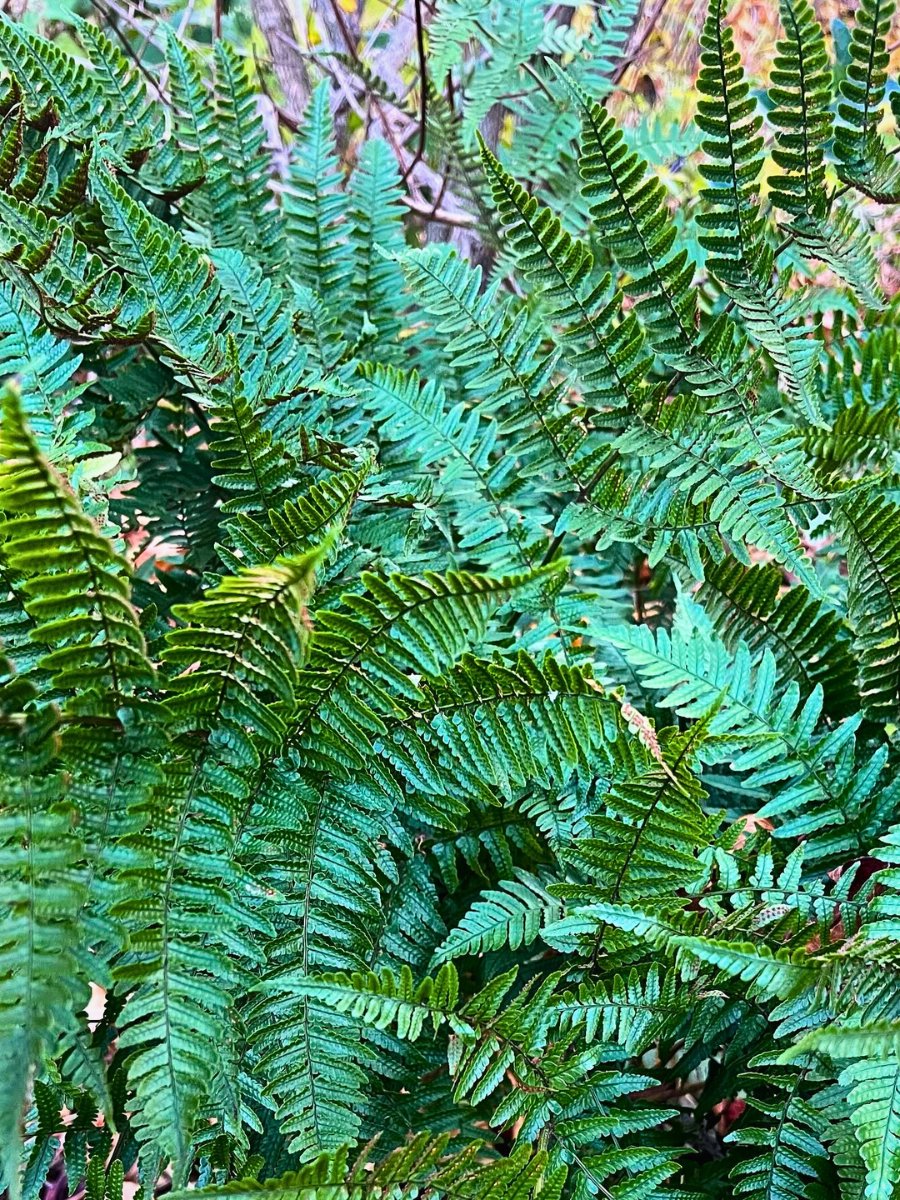
In Victorian flower language, ferns in general symbolized magic, fascination, confidence, shelter, and hidden wisdom. Their preference for shadowy places and their mysterious method of reproduction through invisible spores made them the perfect symbol of hidden knowledge and inner strength during an era that valued subtlety and restraint.
For Victorian ladies, keeping ferns was a way of expressing refined sensibilities and hidden complexities. Their requirement for attentive care also made them an allegory for nurturing relationships and showing gentle strength. In some traditions, ferns symbolize endurance and resilience, qualities embodied by the Christmas fern's ability to remain green and vibrant when all else seems dormant.
Elsewhere, they represent quiet resilience. They are the steady presence in the garden, quite like the reliable friend who always shows up. Native Americans also used Christmas ferns medicinally, though specific uses varied among tribes. Some used the plant to treat various ailments, recognizing its resilience as a sign of its strength. Today, it is valued more for its ecological contributions, providing cover and habitat for woodland creatures throughout the year.
What Are Christmas Fern Fiddleheads?
In spring, Christmas ferns produce new growth in the form of fiddleheads, those charming coiled fronds that emerge from the crown. Christmas fern fiddleheads are covered in silvery-brown scales that catch the light beautifully. Watching these tightly wound spirals slowly open into full fronds is one of spring's quiet joys.
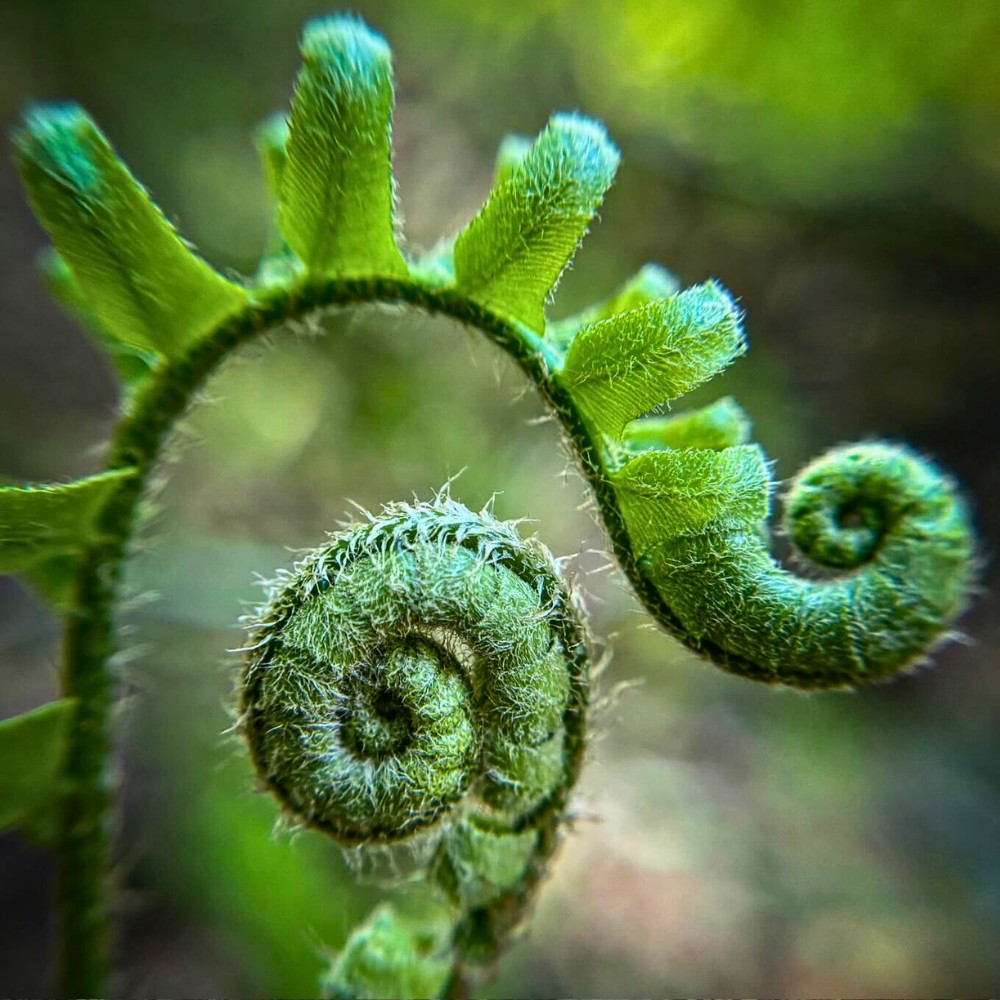
This brings us to a question many ask: Are Christmas fern fiddleheads edible? The short answer is no, you had better not eat them. Unlike ostrich fern fiddleheads, which are considered a delicacy, Christmas fern fiddleheads are not palatable and may cause digestive upset. The plant contains compounds that make it unappetizing at best and potentially problematic at worst. So while they are beautiful to observe, leave these fiddleheads for the deer and stick to proven edible species if you are foraging.
Are Christmas ferns themselves edible in any form? Again, the short answer is that they are not quite edible. While the plant isn't considered highly toxic, it's not the ideal food source for humans. This is also good news for gardeners because deer and rabbits typically leave Christmas ferns alone, making them reliable in areas with heavy wildlife browsing pressure.
Christmas Ferns in Design
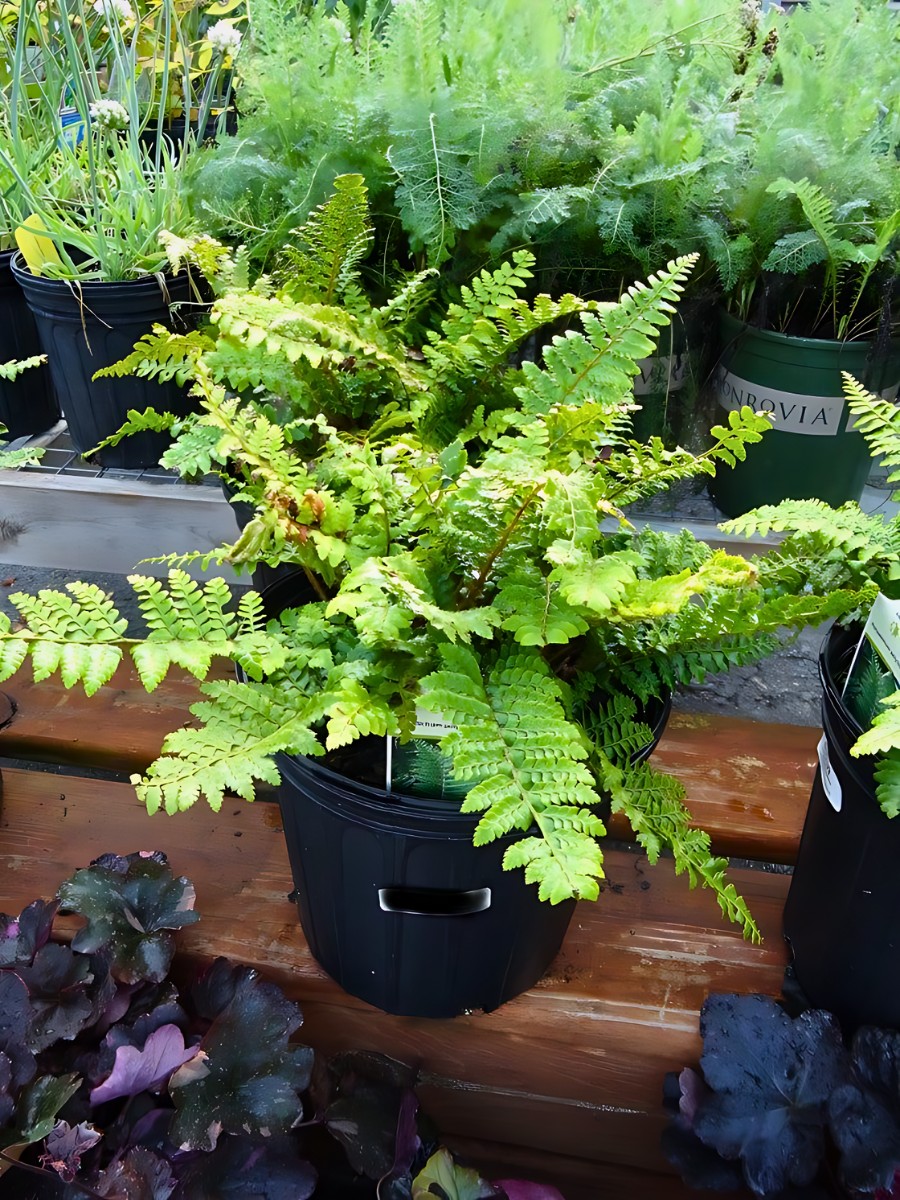
The design possibilities with Christmas ferns are delightfully varied. Their evergreen nature makes them prized for year-round structure, particularly in shade gardens that can look sparse in winter. Plant them along shaded paths where their glossy fronds will catch your eye even on the dreariest days. They work beautifully as understory plants underneath trees and shrubs, filling that middle layer that is often neglected in gardens.
Pair Christmas ferns with spring ephemerals like trilliums, bloodroot, and Virginia bluebells. The ferns provide a backdrop that persists after these early bloomers fade away. They also complement hostas, Heucheras, and other shade-loving perennials, creating layers of texture and color throughout the growing season.
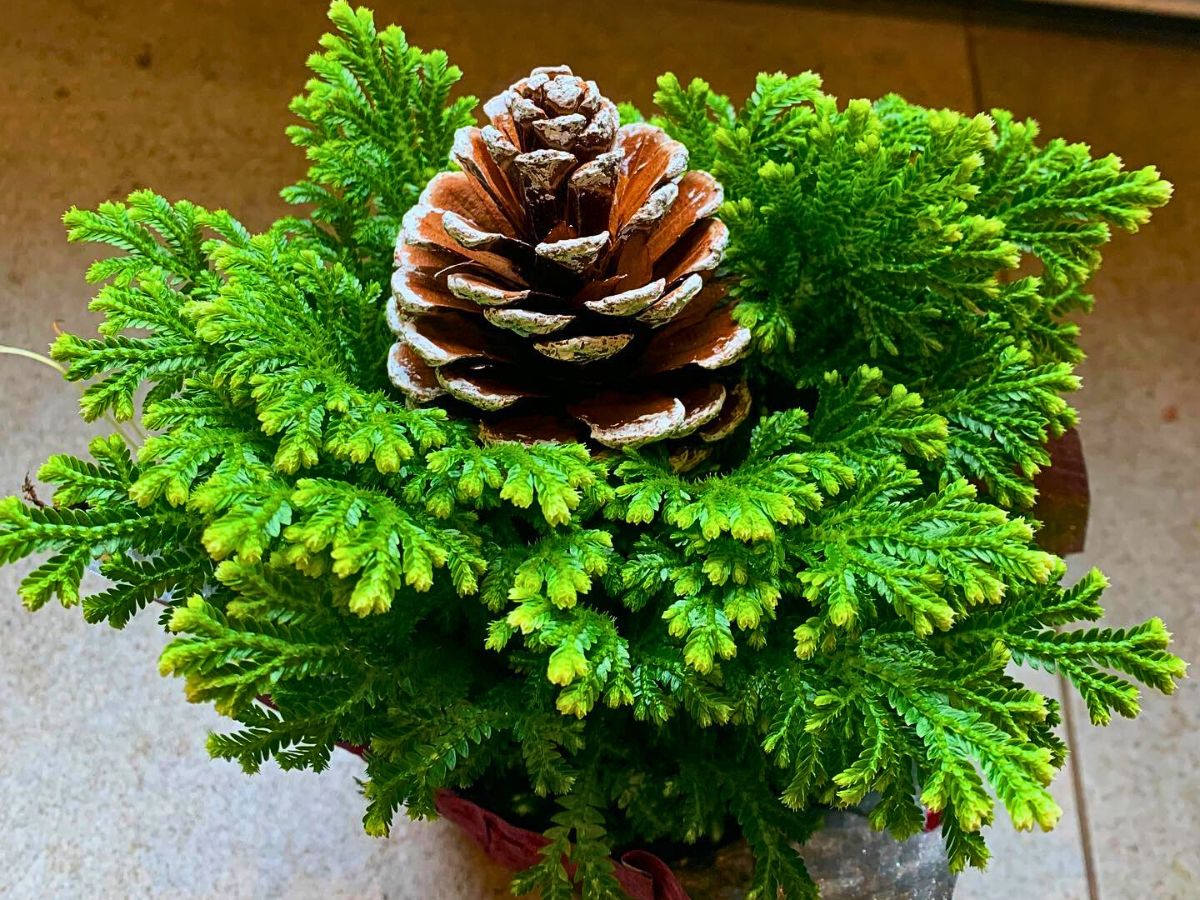
For a naturalistic look, combine Christmas ferns with native woodland wildflowers and groundcovers. They are particularly stunning with native sedges, wild ginger, and foam flowers. The key is thinking in layers, just as plants grow in natural forest settings, with the ferns occupying that important middle ground between groundcovers and taller perennials.
Why Your Garden Needs Christmas Ferns
Adding Christmas ferns to your landscape connects you to the rich botanical heritage of North America. These plants were there long before European settlement, thriving in forests. When you plant them, you take part in a tradition of cultivation acknowledging native flora and supporting local ecosystems.
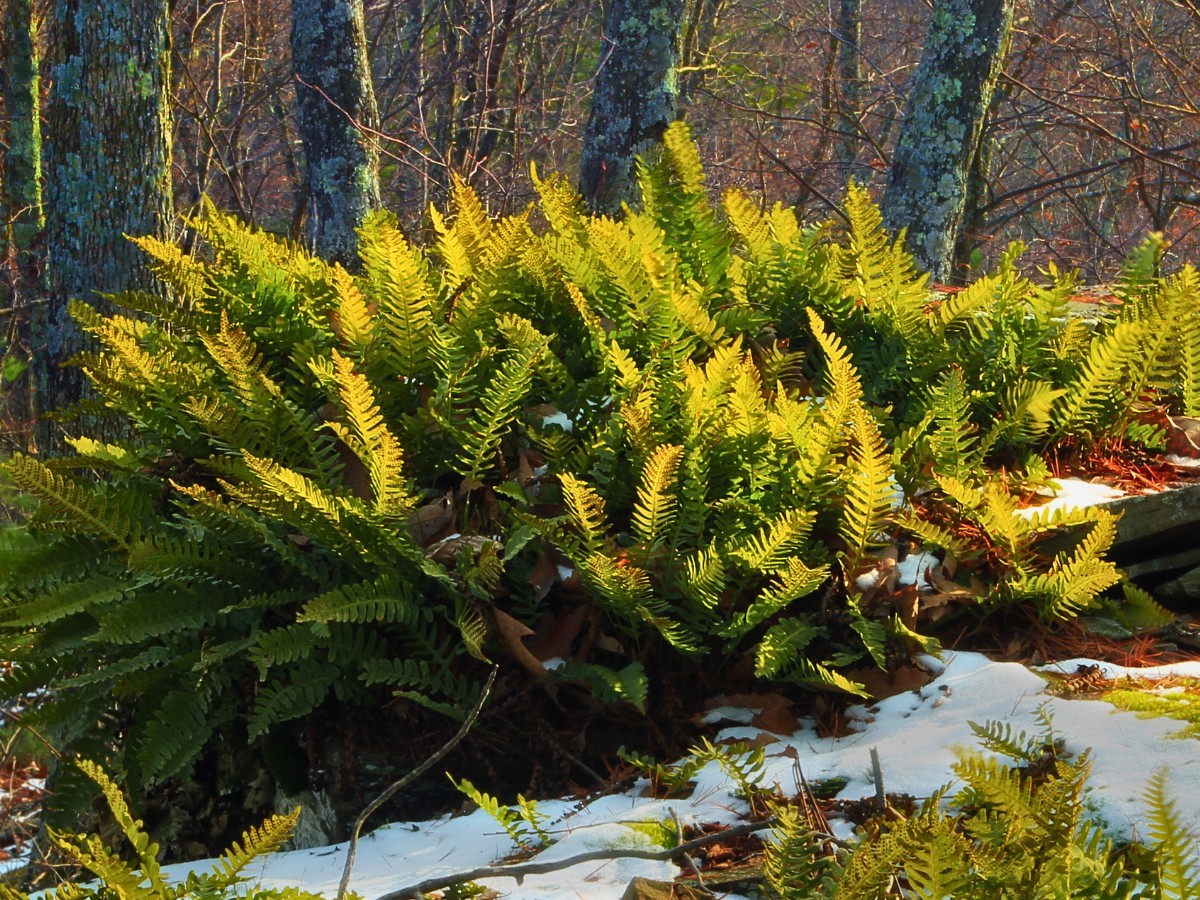
Christmas ferns are also beautiful, practical plants that solve real garden problems. They are the groundcover for dry shade, winter interest in a woodland garden, and the deer-resistant plant that does not need babying.
Featured image by @tnnursery. Header image by @rockandfern