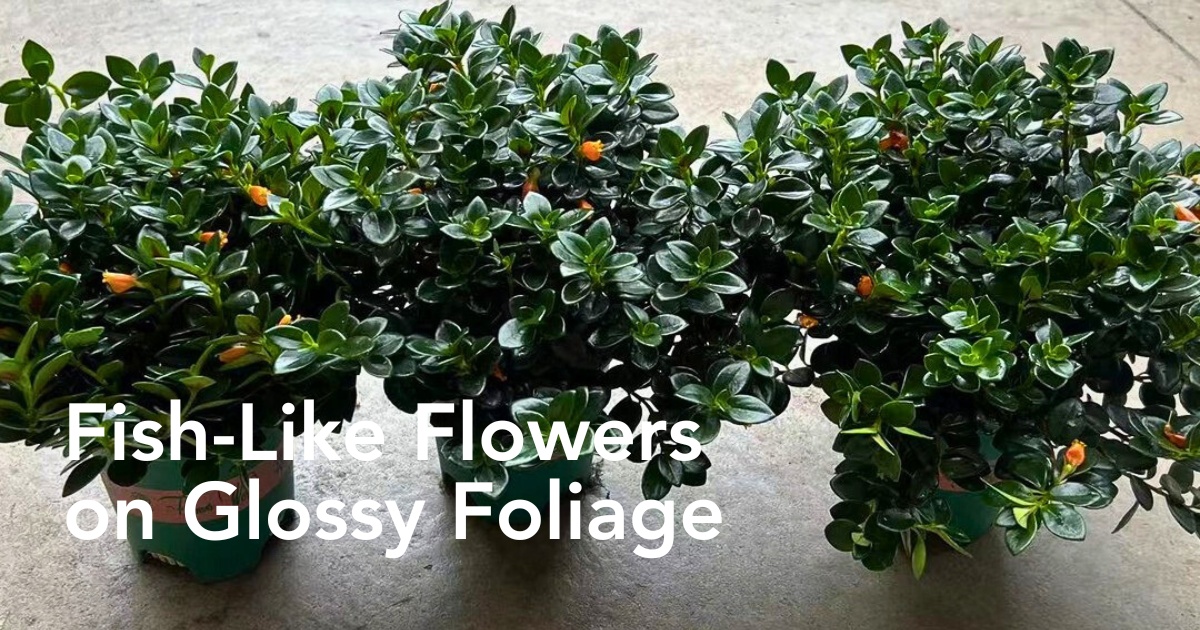
If you're thinking of a houseplant that brings personality and color to your indoors, the goldfish plant (Nematanthus gregarius) deserves your attention, much because there's something delightfully whimsical about a plant that produces flowers looking exactly like tiny goldfish swimming through glossy green leaves.
Also known as the clog plant, this plant has become a favorite among plant lovers, mainly because its tropical, trailing nature isn’t just fanciful; growing the plant itself is also quite manageable for growers of all experience levels. If you’ve thought of the goldfish plant, then here’s everything you need to know to keep it thriving.
What Is a Goldfish Plant and How Does It Suit Design?
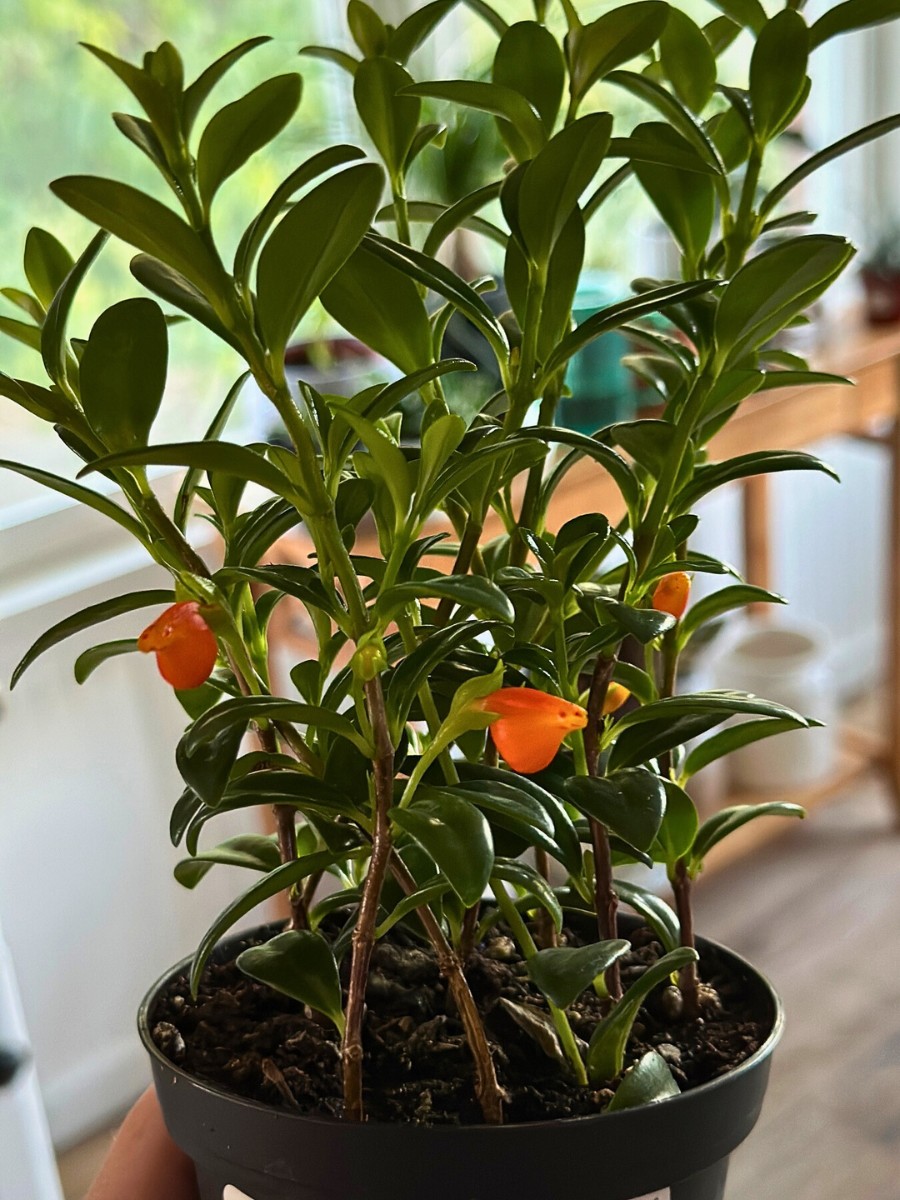
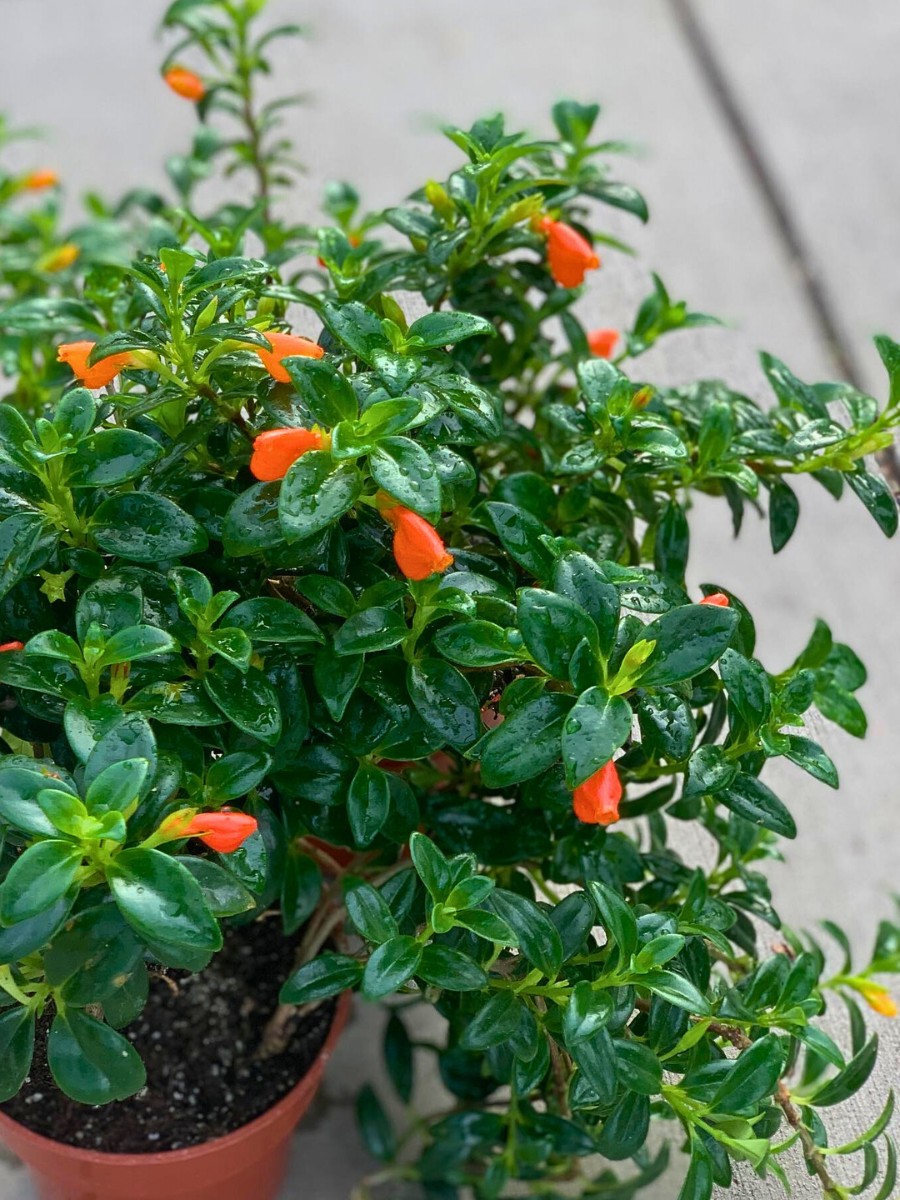
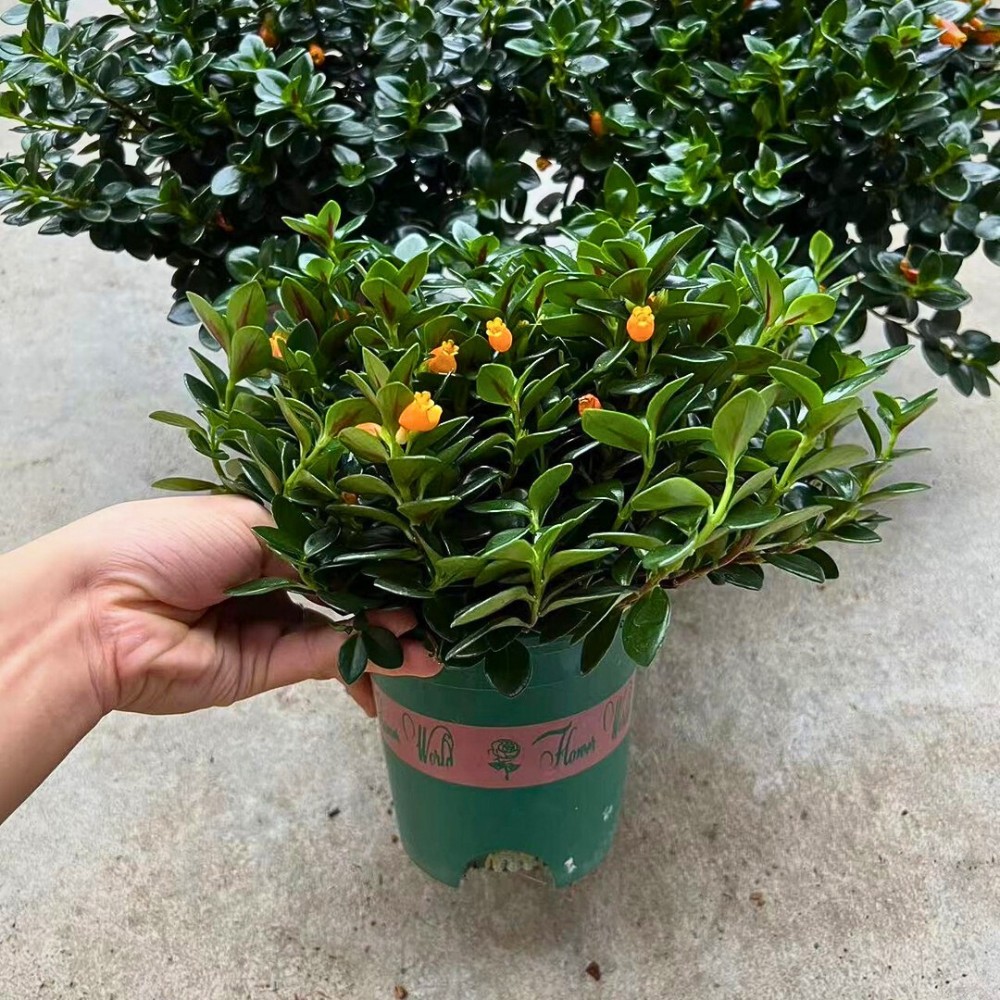
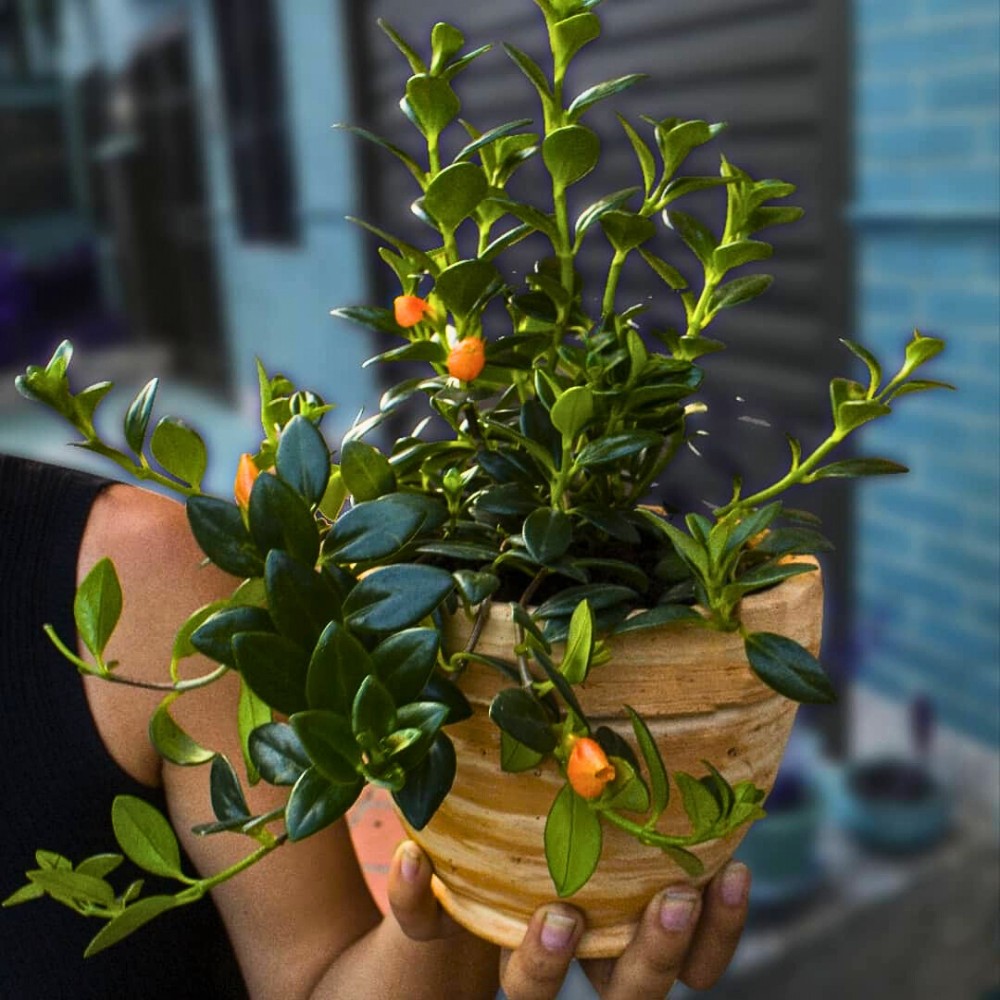
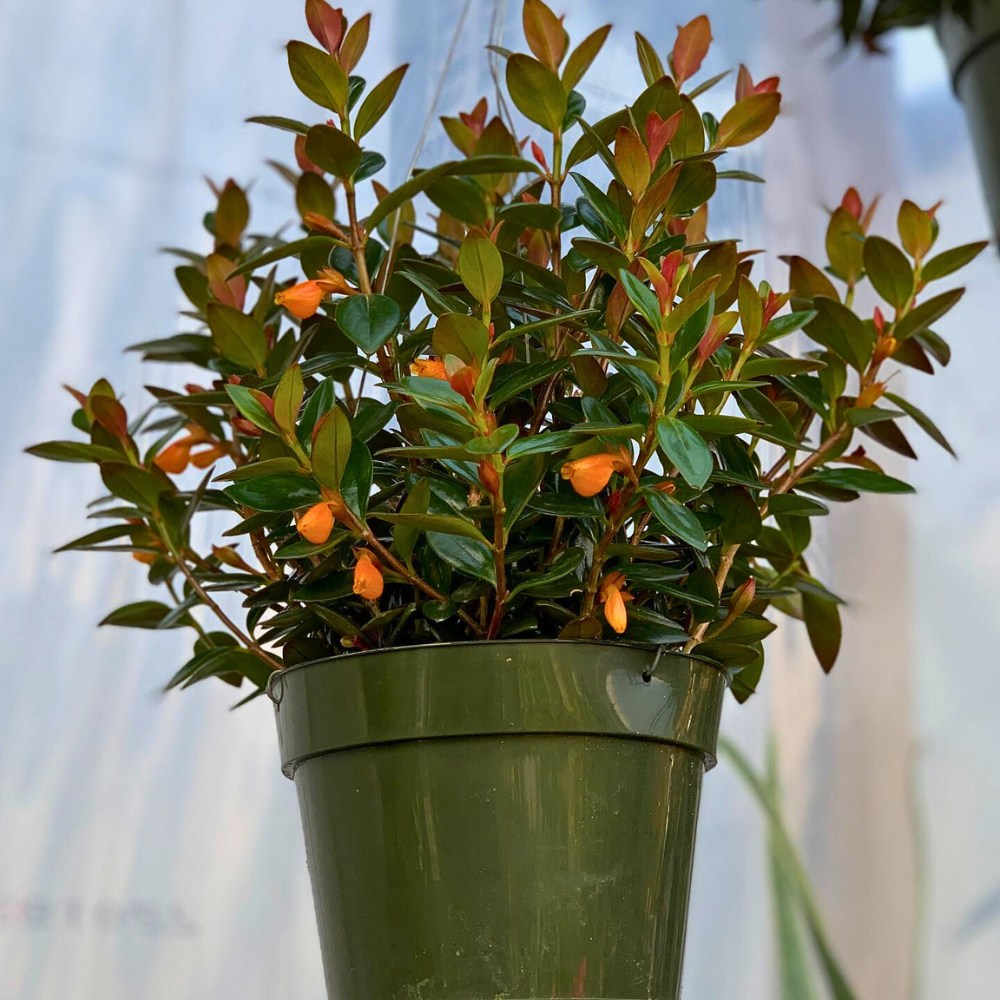
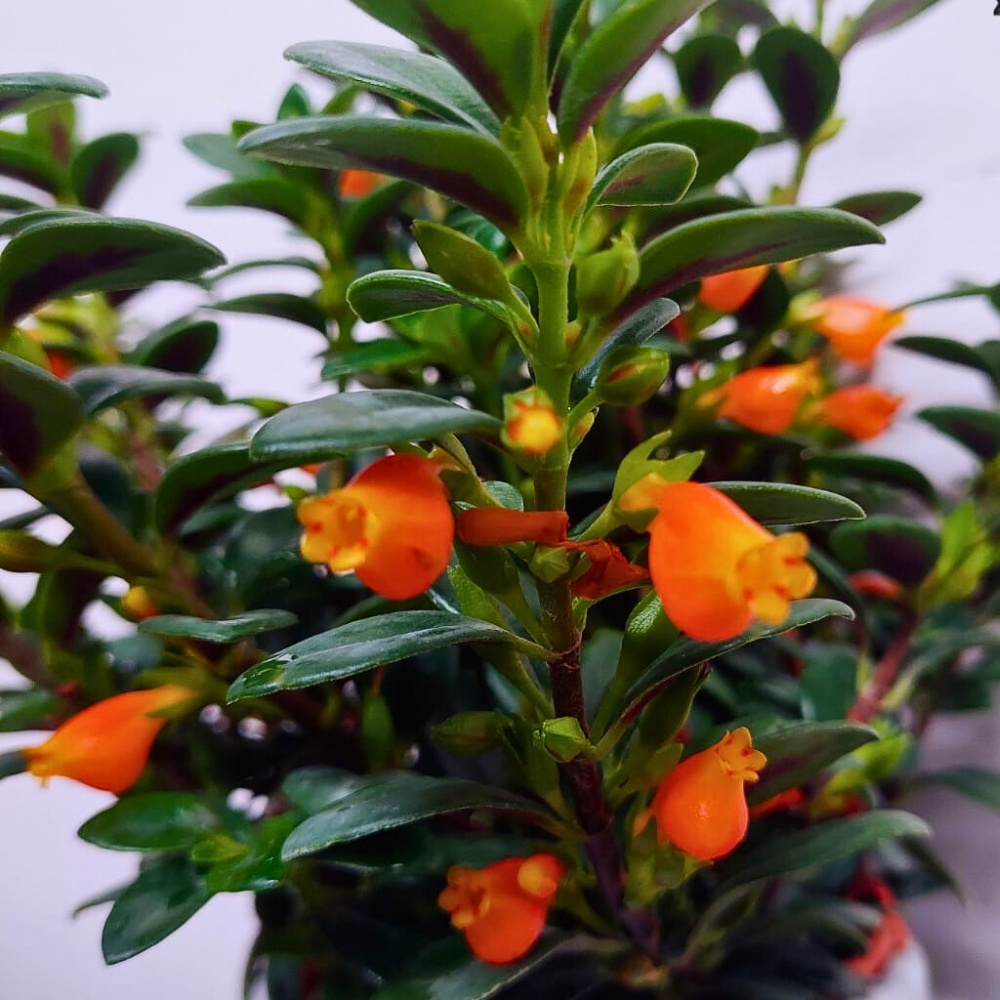
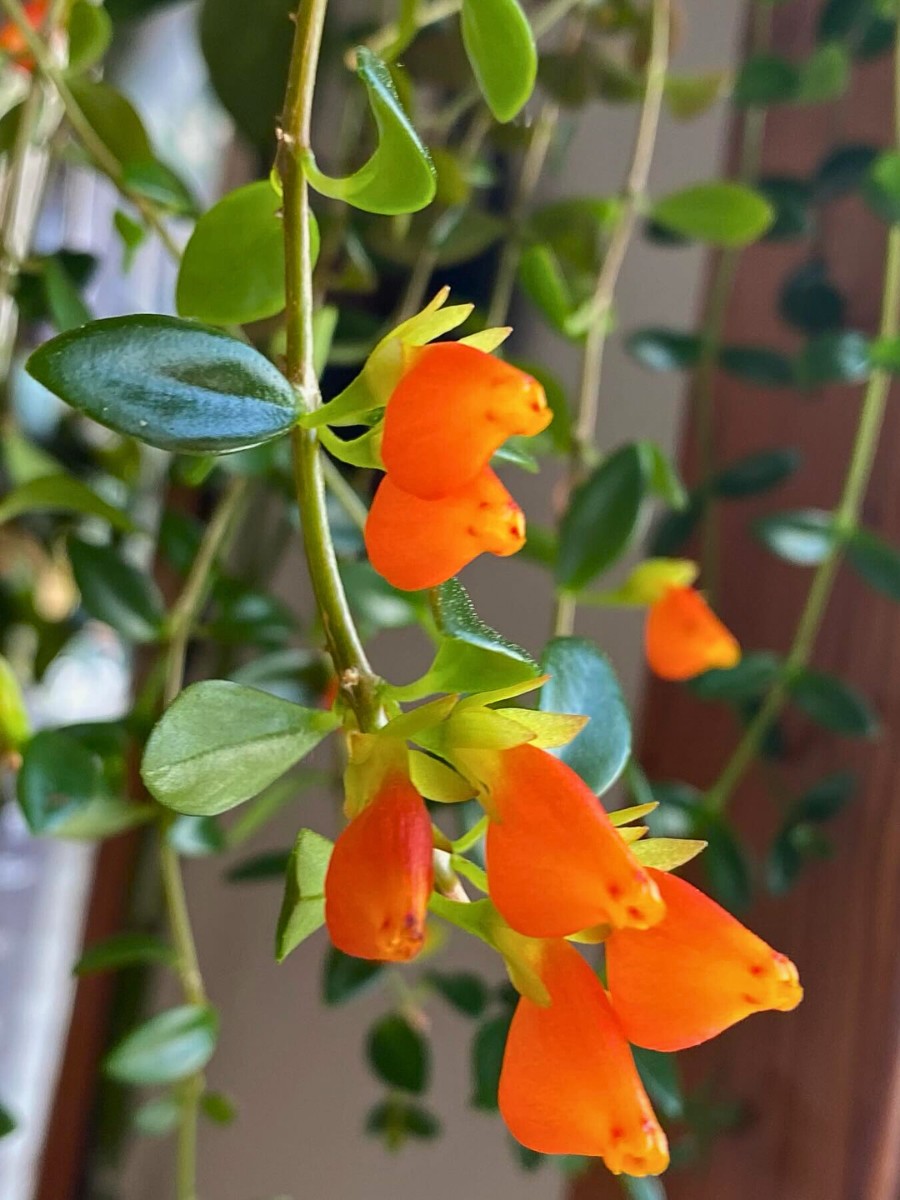
Scientifically known as Nematanthus gregarius, this plant belongs to the Gesneriaceae family (which includes African violets and lipstick plants or Aeschynanthus), and hails from the tropical forests of Central and South America. True to its common name, the plant features small, pouch-shaped flowers that really do resemble tiny goldfish in mid-leap. These flowers typically appear in shades of orange, red, or yellow, contrasting against the plant's dark green, waxy foliage.
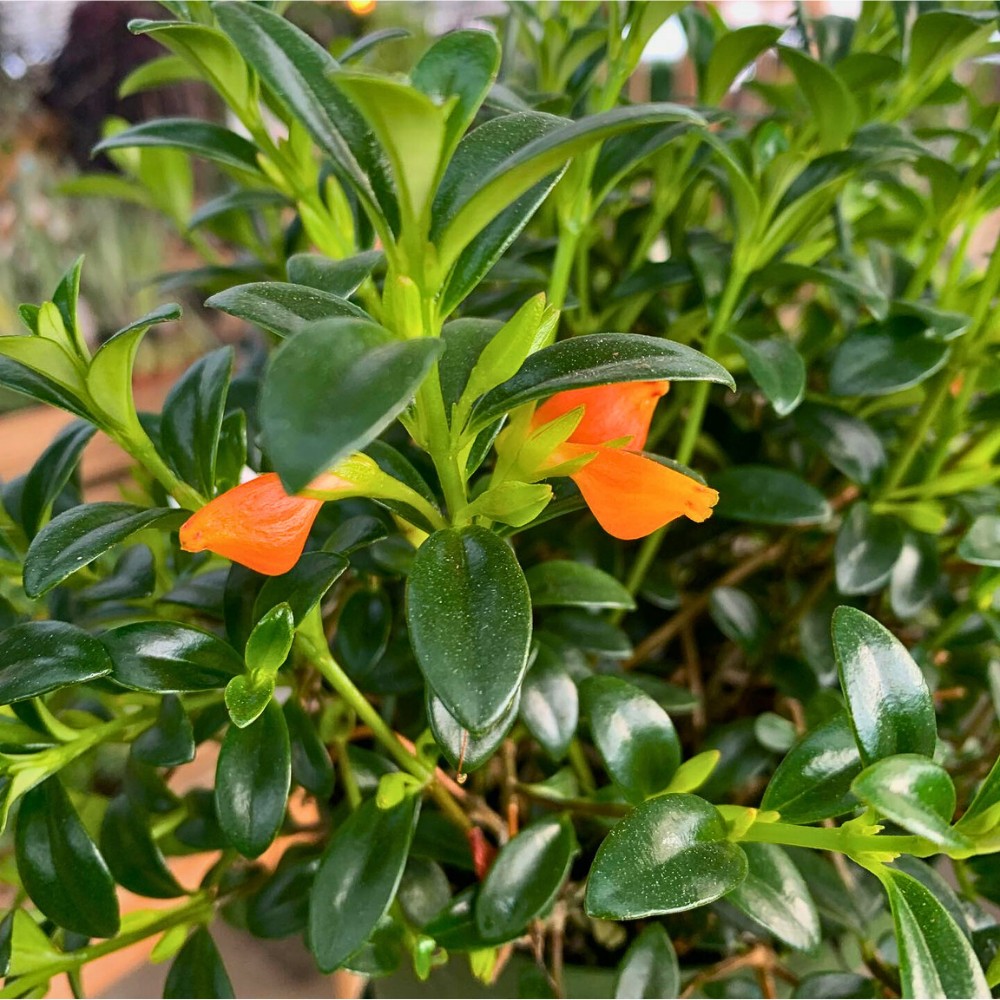
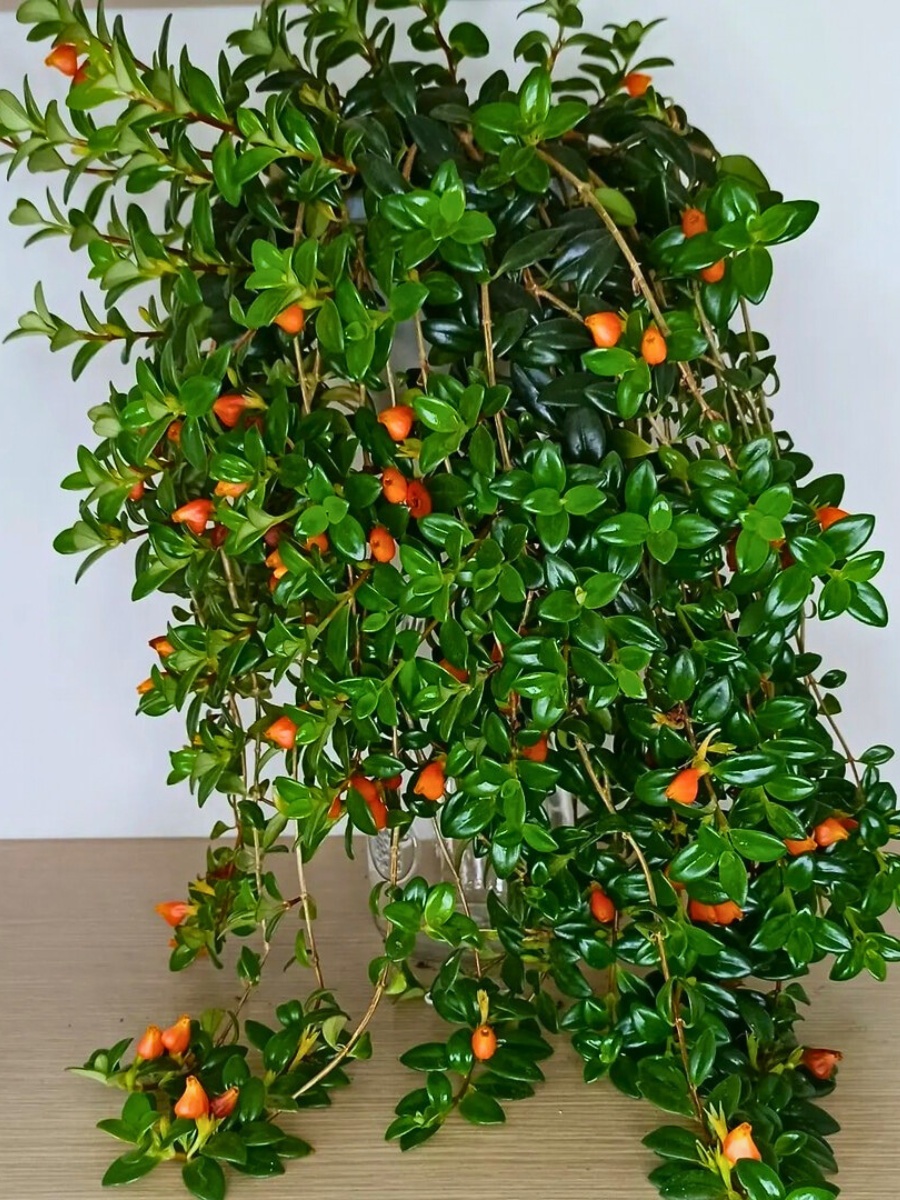
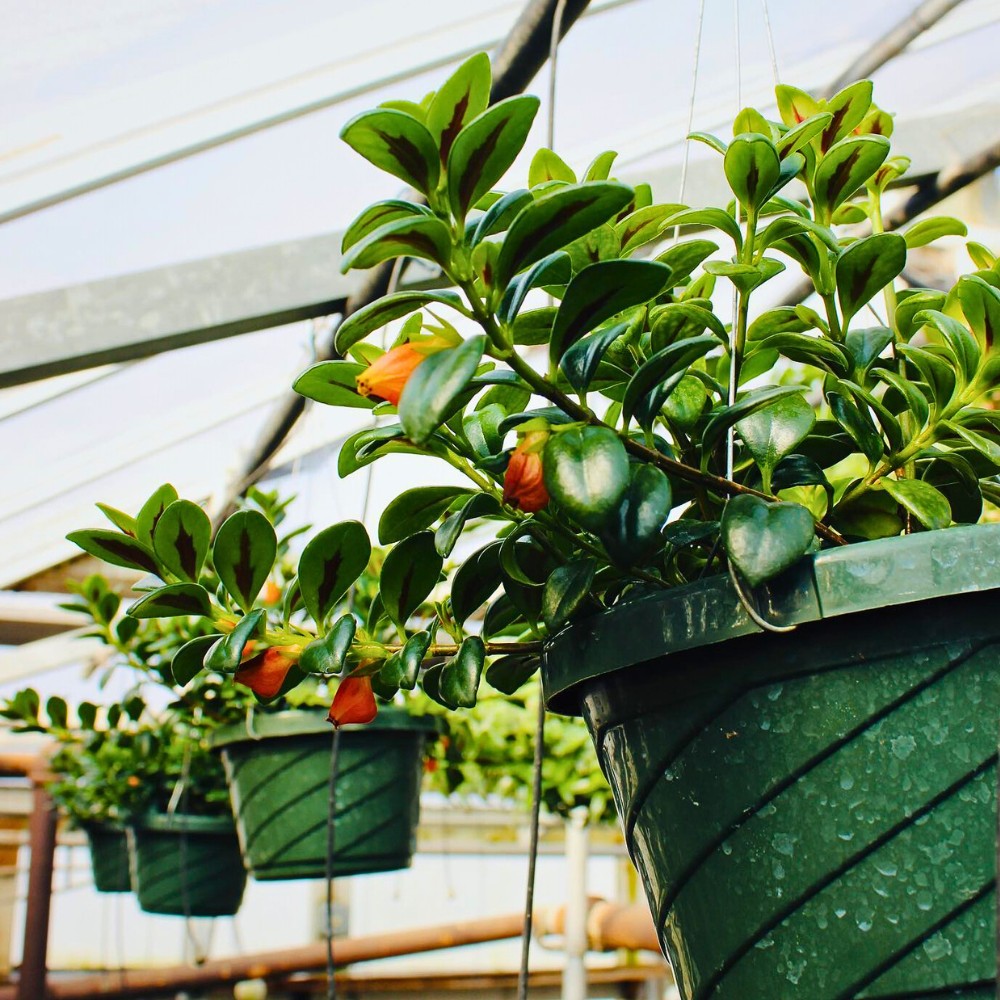
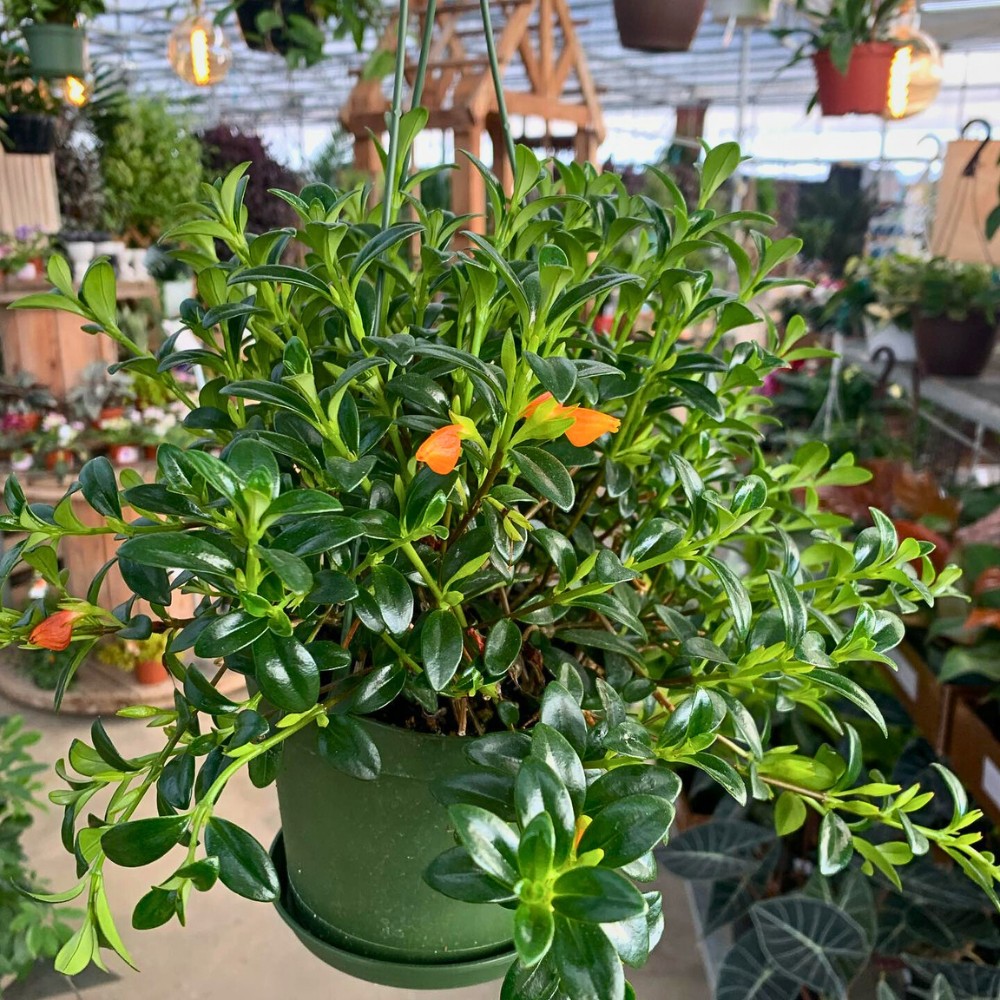
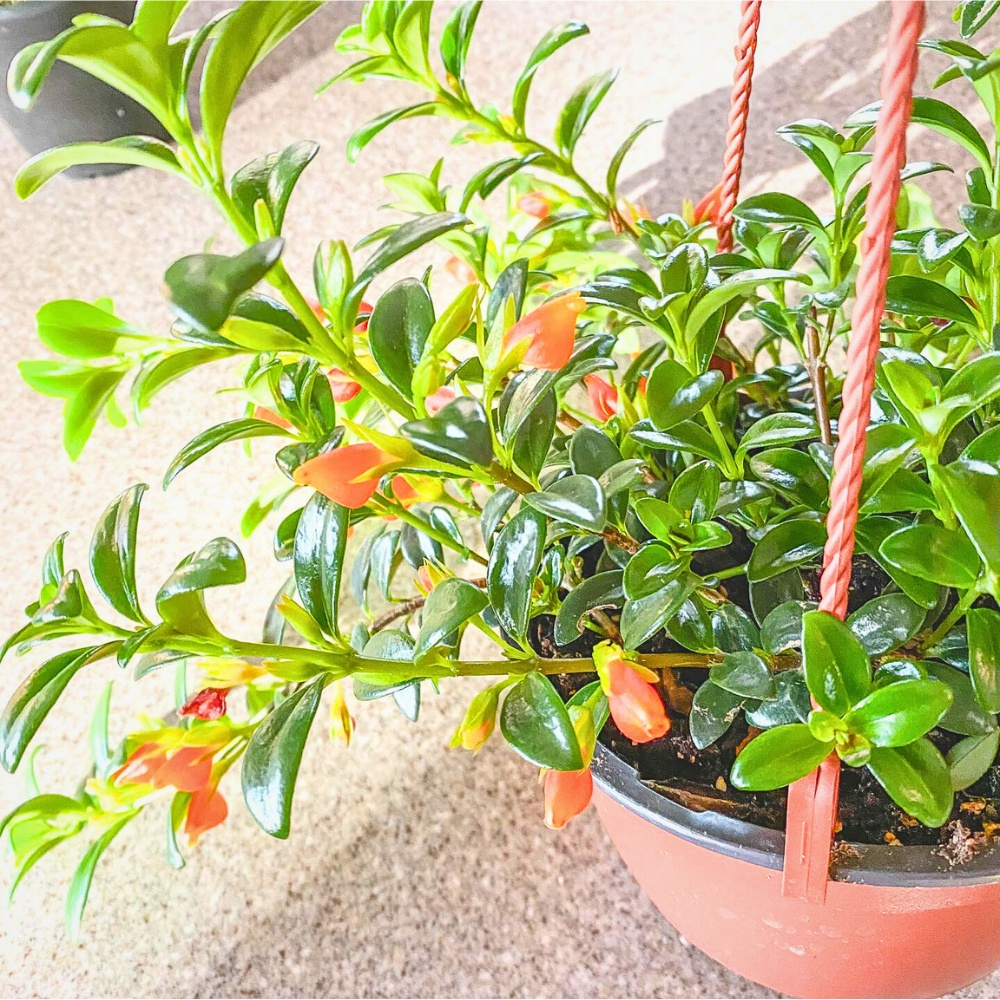
Native to the tropical forests of Brazil, the goldfish plant grows naturally on rocky outcrops as an epiphyte, meaning it grows on other plants rather than in soil. Here, the plant develops thick, glossy, dark green leaves arranged along trailing stems that can grow between 15 and 30 cm (6 and 12 inches) tall but spread to over 3 feet when the stems cascade. This growth habit makes it naturally suited for hanging baskets and elevated planters where you can appreciate both the flowers and the flowing foliage.
From a design perspective, the goldfish plant offers numerous possibilities. Its trailing nature makes it perfect for hanging above shelves or windowsills, creating a cascading display that draws the eye. You can also use it as a tabletop specimen in a decorative pot, where its compact form and frequent flowering make it a conversation starter. In offices, it adds a touch of natural color without taking up much desk space.
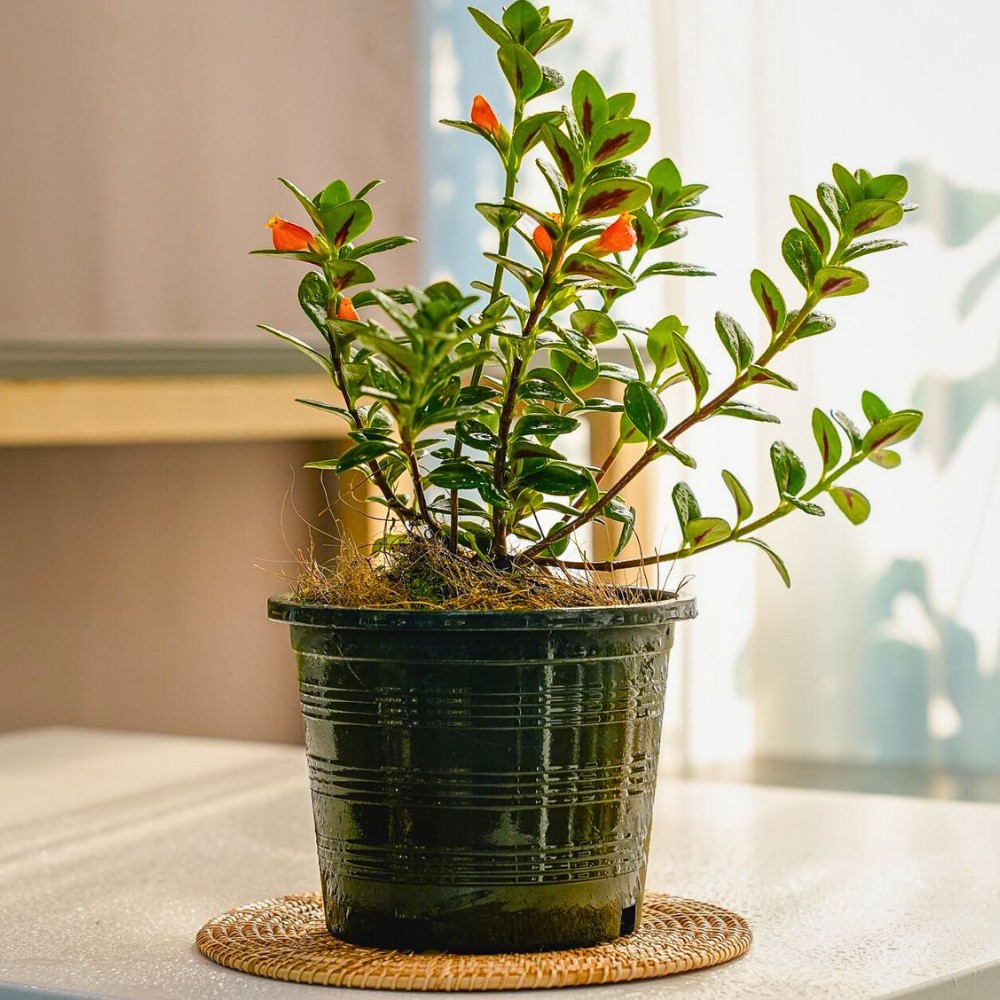
This plant also works beautifully in contemporary, bohemian, and tropical-inspired spaces. The glossy foliage adds texture and depth to rooms, while the colorful flowers inject playful energy. Group it with other trailing plants like pothos or string of pearls for a layered look, or let it stand alone as a focal point. Some designers even incorporate goldfish plants into terrariums, taking advantage of their moderate humidity requirements and manageable size.
The combination of trailing stems and frequent orange-red flowers provides visual interest across all seasons, making it one of the more reliable flowering houseplants for year-round appeal. Plus, its compact root system and moderate size make it suitable for smaller spaces, apartments, and rooms where floor space is limited but vertical interest is desired.
Understanding Goldfish Plant Care Basics
Before getting into the specifics, it is worth understanding that the goldfish plant is generally forgiving. It has a reputation for being an easier tropical houseplant to manage, making it suitable for both beginners and more experienced growers. That said, like any plant, it has preferences, and understanding them could be key to keeping it healthy and flowering.
But the good news is that care for a goldfish plant doesn't require special expertise or expensive equipment. What it does need is consistency, particularly in terms of watering and humidity. Once you establish a routine, caring for goldfish plants becomes almost second nature. You'll quickly learn to read your plant's signals and adjust as needed.
Light Requirements for Your Goldfish Plant
Light is one of the most important factors in how to care for a goldfish plant successfully. These plants thrive in bright, indirect light, and this preference comes from their natural habitat in the dappled light underneath the Brazilian forest canopy. Position your plant near a window that receives filtered sunlight throughout the day, ideally an east or north-facing window that provides gentle morning light without harsh afternoon rays.
What happens when light isn't quite right? Too little light makes your plant become leggy with fewer flowers and slower growth. Too much direct sun, especially the intense afternoon light of a south or west-facing window, can scorch the leaves and fade the flower colors. If you notice your plant reaching toward the light or producing smaller leaves, it says it wants brighter conditions. Conversely, if leaves appear bleached or papery, move the plant away from direct sun.
For those with limited natural light, you can supplement with a grow light placed 30 to 45 cm (12 to 18 inches) above the plant. Aim for about 12 to 14 hours of light daily during the growing season, and you can reduce this slightly in winter when the plant naturally rests.
Watering and Moisture Care for Goldfish Plants
Proper watering is where many people struggle with their goldfish plants, yet getting it right is easy once you understand the plant's needs. Keep the soil regularly moist but not waterlogged. Check the top inch of soil with your finger, and water when it feels dry to the touch. During the growing season in spring and summer, this might mean watering every 5 to 7 days, while in fall and winter, you might water less frequently.
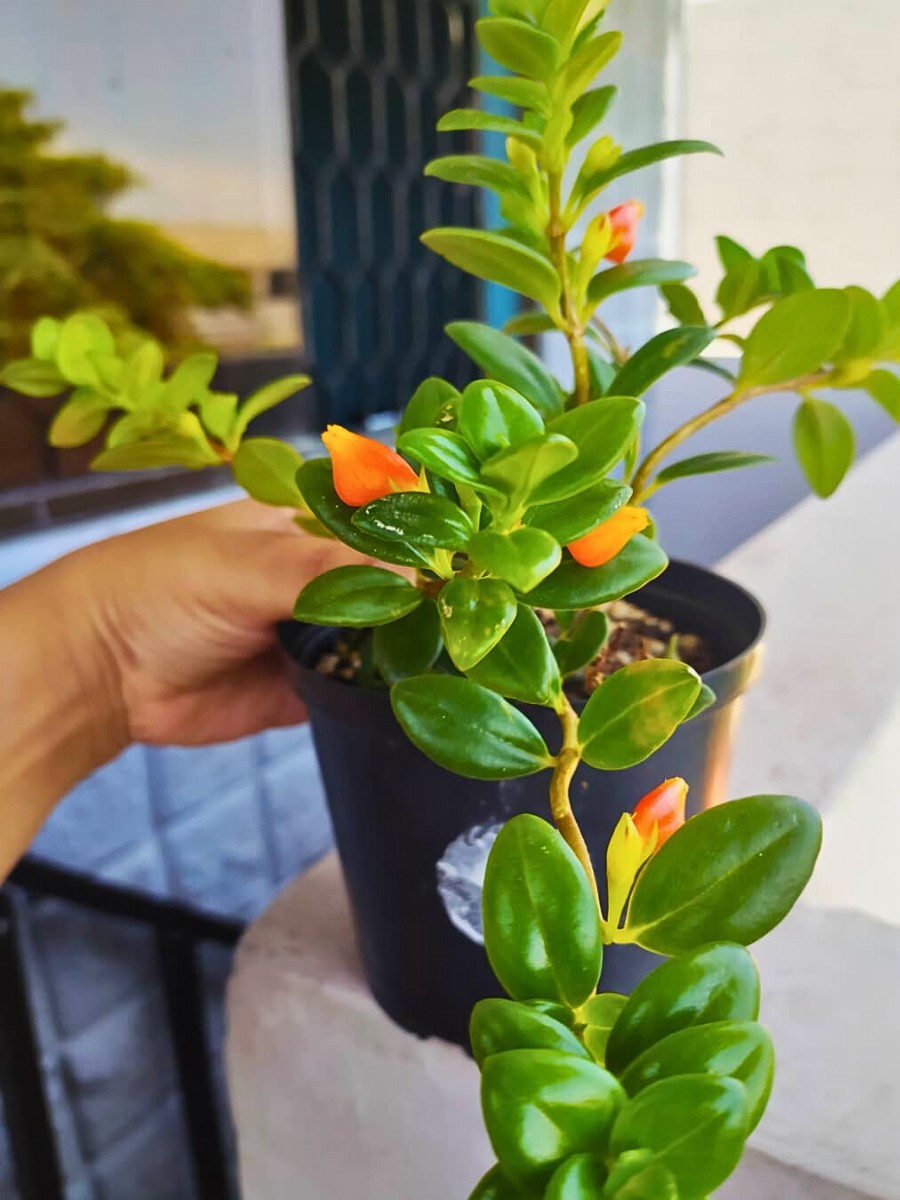
Just keep them moist, not wet, and not dry. Overwatering is the primary killer of goldfish plants, leading to root rot, which shows as mushy stems, yellowing leaves, and that distinctive sour smell from the soil. Underwatering, while less likely to kill the plant quickly, causes leaves to wilt and drop, and flowering suffers significantly.
Always use a container with drainage holes, and consider using a pot slightly smaller than you might use for other plants. This reduces the amount of soil and moisture that sits unused, making it easier to maintain the right moisture level, which is why well-draining soil is essential.
In winter, when temperatures drop and the plant grows more slowly, reduce watering accordingly. Let the soil dry out a bit more between waterings, though never allow it to dry out completely. During humid summers, your plant will need less frequent watering than during dry winter months when heating systems run constantly.
Choosing the Right Soil for Goldfish Plant Care
The soil you use directly affects how well you can care for a goldfish plant. These plants need a light, airy, well-draining mix that still retains some moisture. The ideal mix combines equal parts peat moss or coco coir, perlite, and either orchid bark or vermiculite. This combination mimics the loose, organic debris where the plant grows naturally in its epiphytic habitat.
Never use heavy garden soil or standard potting soil intended for vegetables. These compact too easily and retain too much moisture, creating root rot situations. If you prefer a simpler approach, you can buy a prepared epiphytic orchid mix, which works beautifully for goldfish plants.
Some growers add extra perlite or pumice to increase drainage and aeration, which is particularly helpful if you tend to water on the generous side. The soil should feel light and fluffy when you work with it, and water should drain freely from the bottom of the pot within seconds of watering. If water sits on top of the soil or drains very slowly, your mix needs adjustment.
One practical tip: when repotting, don't pack the soil down. Gently fill around the plant and let the soil settle naturally. This preserves the air pockets that the plant's roots need to stay healthy.
Humidity and Temperature Needs
Humidity is where the goldfish plant's tropical origins really show. This plant flourishes in high-humidity environments, ideally 50% to 80%. In most homes, especially during winter months when heating systems run, the air becomes quite dry, and your goldfish plant may appreciate extra attention.
There are several practical ways to increase humidity without turning your home into a greenhouse. Place the pot on a humidity tray filled with pebbles and water, keeping the pot itself above the water level. Group plants together to create a higher-humidity microclimate, or mist the foliage with a fine spray every few days, particularly in dry seasons. A bathroom window can be an ideal location since bathroom humidity from showers naturally rises. Some growers invest in a small humidifier placed nearby, which benefits both the plant and household comfort.
Also, keep your plant in temperatures between 18.3°C and 26.7°C (65°F and 80°F), with an ideal range of 21°C to 23.9°C (70°F to 75°F). The goldfish plant is quite sensitive to cold, so temperatures below 10°C (50°F) cause stress, leading to leaf drop and stunted growth. Avoid placing the plant near air conditioning vents, drafty windows in winter, or anywhere that experiences sudden temperature swings. Constant warm conditions keep the plant healthy and promote better flowering.
Feeding Your Goldfish Plant Throughout the Year
How to take care of a goldfish plant also includes understanding its nutritional needs, which change with the seasons. During the active growing season from spring through summer, feed your plant every two weeks with a balanced liquid fertilizer diluted to half strength. This balanced formula provides equal amounts of nitrogen, phosphorus, and potassium, supporting both foliage and flower development.
When fall and winter arrive, and the plant naturally slows its growth, reduce feeding to once a month or stop entirely, depending on your growing conditions. A plant in a cool room during winter truly enters dormancy and doesn't need fertilizing. However, if your plant continues to grow actively under grow lights and warmth, continue light fertilizing but with longer intervals.
Avoid the temptation to overfeed your goldfish plant. More fertilizer won't lead to faster growth or more flowers; instead, it can build up salt residues in the soil and burn the roots. Always follow the package instructions, and when in doubt, dilute even more. Many experienced growers actually use an even more dilute solution applied more frequently, which the plant often prefers to concentrated applications.
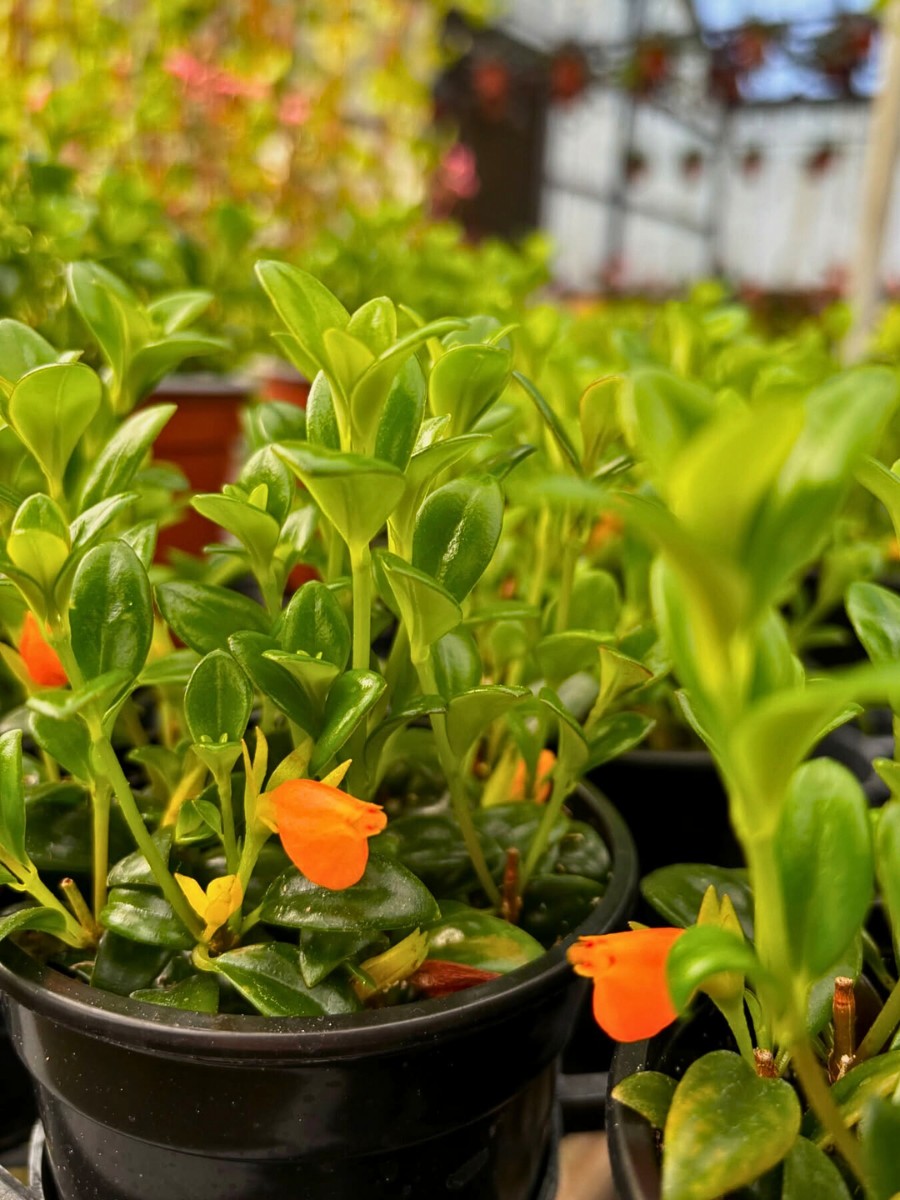
Pruning and Maintenance of Your Goldfish Plant
Regular pruning keeps your plant looking attractive and encourages fuller, bushier growth rather than long, sparse stems. The best time to prune is after the plant finishes its main flowering cycle, typically late summer or early fall. Using clean, sharp scissors, trim back the stems to just above a leaf node, removing about one-third of the total length.
Pruning removes any dead or damaged growth, opens up the plant to better light and air circulation, and stimulates the growth of new branches. When you pinch back the growing tips of younger plants, you encourage them to branch earlier and develop a fuller form. For mature plants, more substantial pruning can rejuvenate older, woody stems.
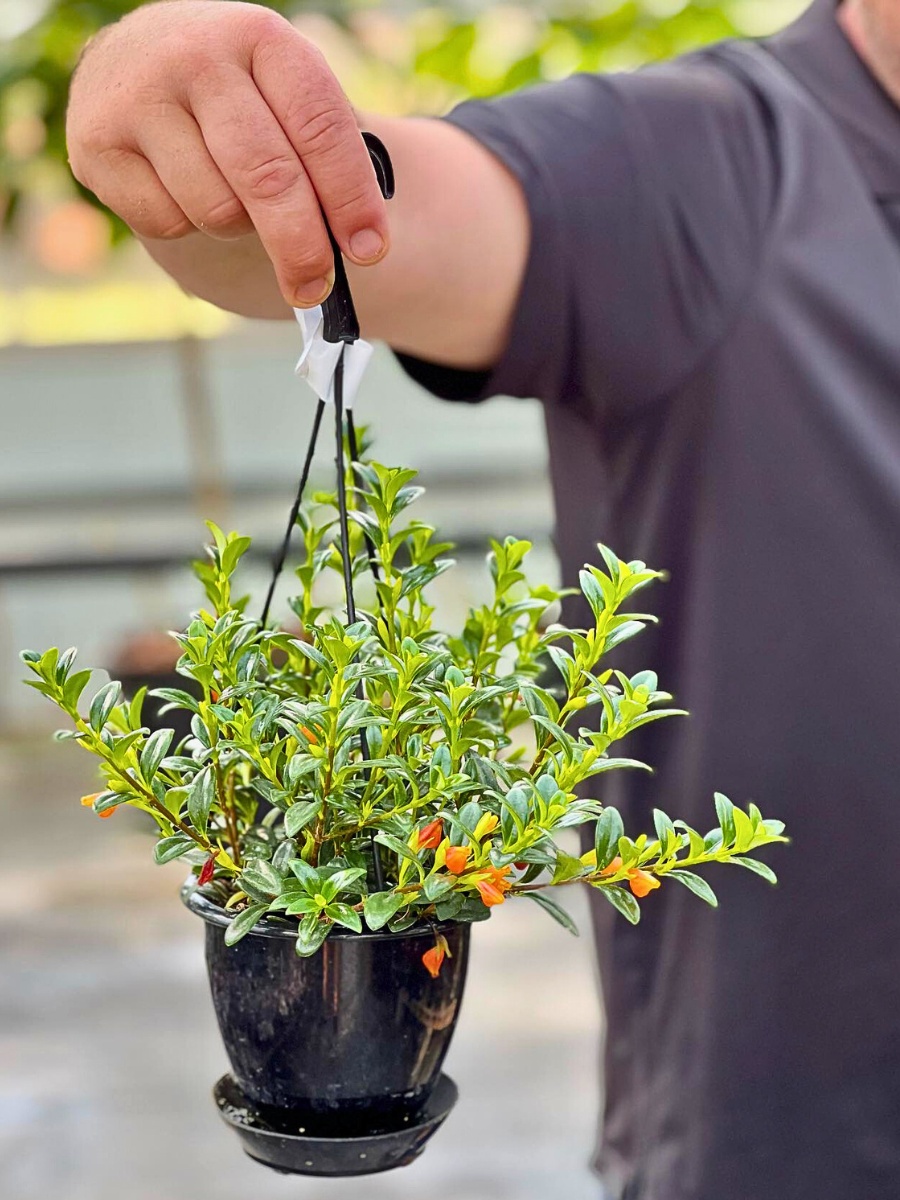
Also, don't be timid about pruning. The goldfish plant responds well to it and bounces back quickly. Remove any yellowing or damaged leaves as you notice them. If any stems develop a soft, mushy appearance, cut them off entirely, as this indicates rot.
Repotting Your Goldfish Plant
Are goldfish plants easy to care for? They certainly are, and repotting is one of the simpler maintenance tasks. Most goldfish plants need repotting every 12 to 18 months during the spring growing season. You'll know it's time when roots emerge from the drainage holes or the plant dries out too quickly between waterings.
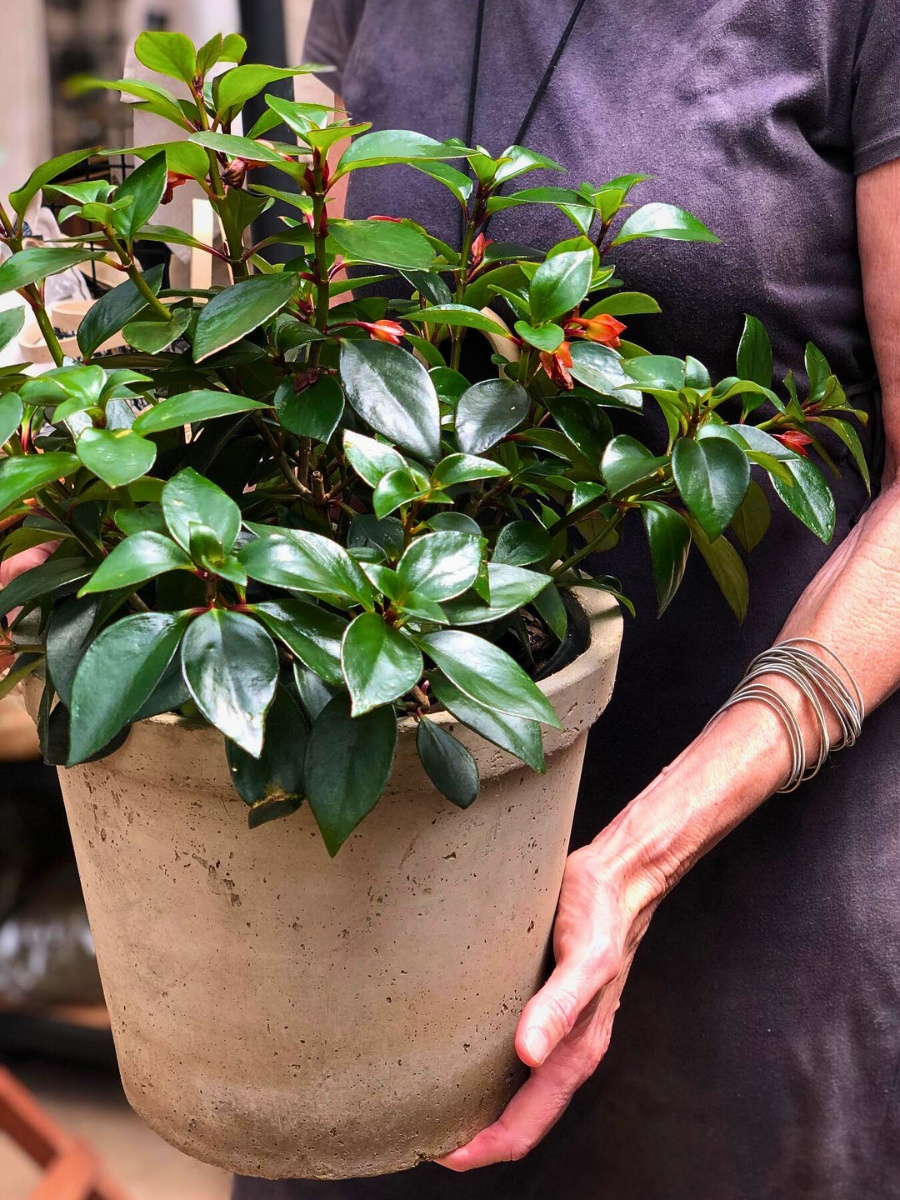
Choose a pot only slightly larger than the current one, typically just a few cms wider in diameter. Goldfish plants actually flower better when slightly root-bound, so resist the urge to move them into much larger containers. The new pot must have adequate drainage holes.
To repot, water your plant a few hours before to make the process easier. Gently remove the plant from its old pot, lightly tease apart the roots with your fingers to encourage outward growth, and set it in the new pot with fresh potting mix around it. Water thoroughly to settle the soil, then place the plant in indirect light for a week or two to help it recover. Don't fertilize immediately after repotting; wait about a month to let the plant adjust.
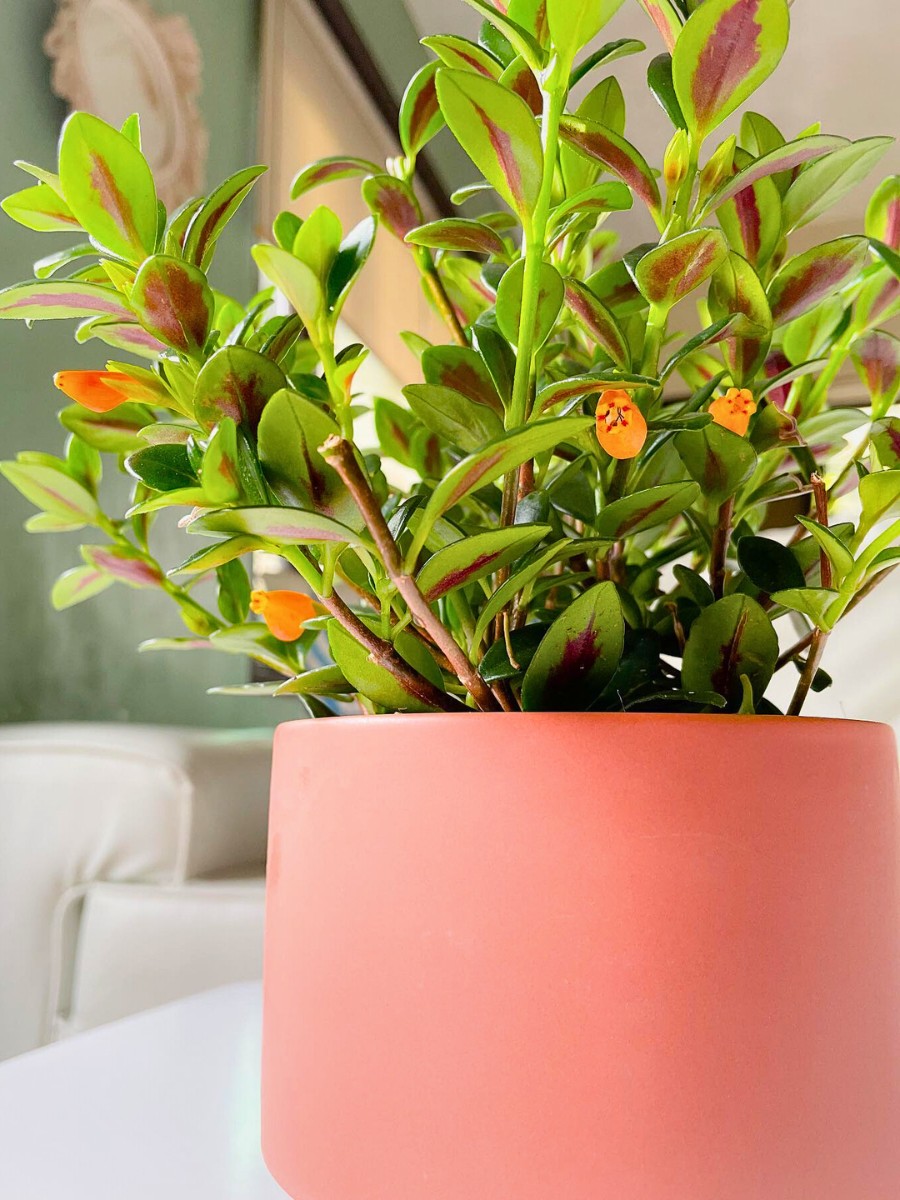
Propagation and Growing More Plants
One of the delights of having a goldfish plant is how easily you can propagate it to create more plants. Goldfish plant propagation from stem cuttings is simple and reliably successful. In spring or early summer, cut 10-15 cm (4 to 6 inches) sections of healthy stems just below a leaf node. Each cutting should have at least two or three pairs of leaves. Remove the lower leaves, leaving only the top pair or two. Dip the cut end in rooting hormone powder, which speeds up root development, and plant the cutting in moist, well-draining potting mix.
Place the pot in a warm location with bright, indirect light. Cover it loosely with a plastic bag or place it in a propagation tray to maintain high humidity around the cutting. Keep the soil lightly moist, and check every few days. Roots typically develop within 2 to 4 weeks. Once you see new growth emerging, remove the plastic covering and gradually acclimate the young plant to lower humidity. After another few weeks, you can treat it like a mature plant.
Common Goldfish Plant Pests and Problems
While the goldfish plant is generally hardy and problem-free, a few issues can arise, particularly in indoor environments. Understanding what to watch for helps you address problems early. Spider mites are the most common pest problem. These tiny arachnids thrive in hot, dry conditions and suck sap from the leaves, creating a stippled, yellowed appearance.
You might not see the mites themselves, but you'll notice fine webbing on the plant. Fight this by misting the foliage regularly to increase humidity and inspecting the plant frequently. If an infestation occurs, spray the foliage with a fine mist of water mixed with a small amount of insecticidal soap, repeating every few days.
Mealybugs and aphids occasionally appear, showing up as small insects clustered on new growth. These sap-suckers can be removed with gentle rubbing and a damp cloth or sprayed off with water. For persistent infestations, use an organic insecticidal soap. Then, there is powdery mildew, a white coating on leaves, which results from high humidity combined with poor air circulation. Improve air movement with a small fan nearby and reduce leaf wetness from misting.
Root rot develops when the soil remains too wet for extended periods. The stems become soft, the leaves yellow, and the plant eventually dies if not addressed. The only solution is to repot immediately into fresh soil after removing any rotted roots. Leaf drop also occurs from sudden temperature changes, cold drafts, or watering inconsistencies. Maintain steady conditions and consistent moisture levels to prevent this stress response.
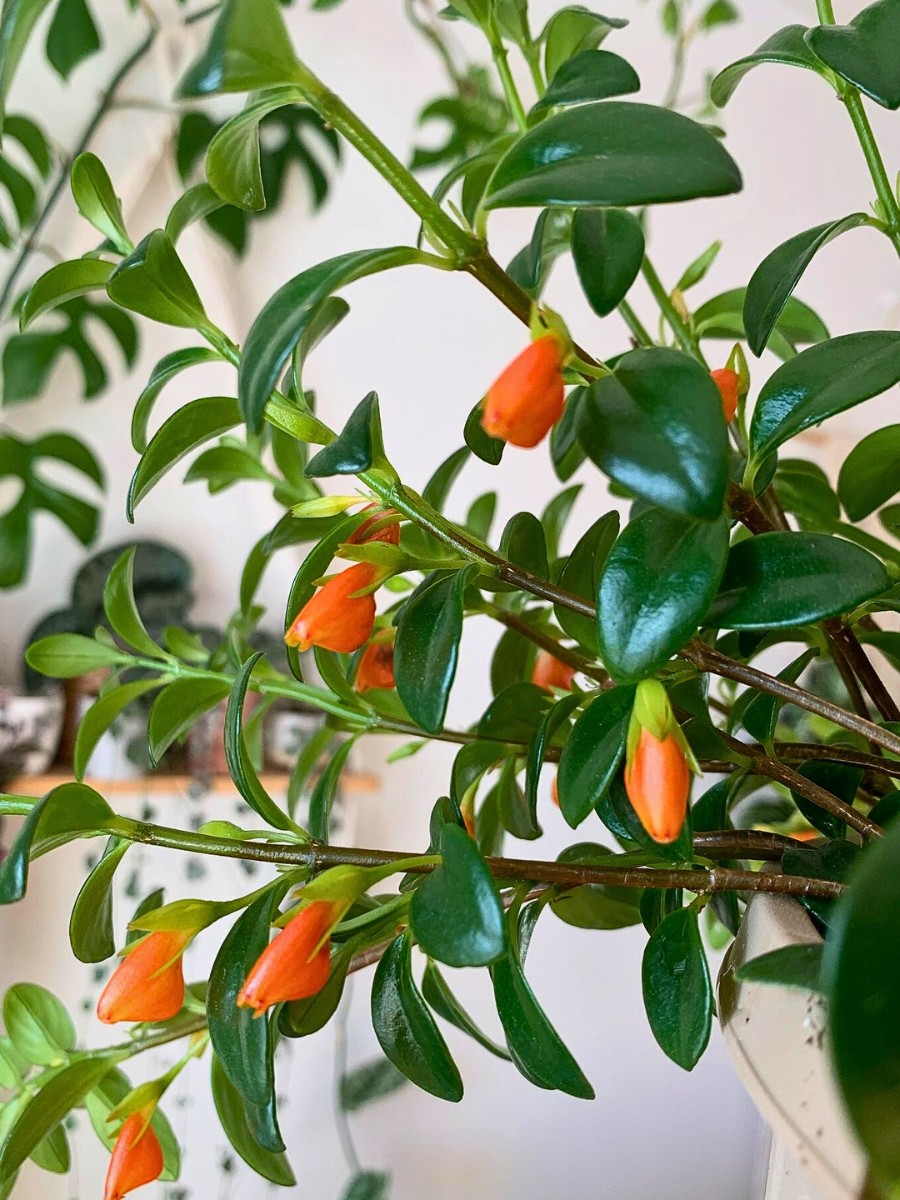
Essentially, caring for your goldfish plant is so easy once you understand the basics, because this tropical beauty doesn't demand perfection, only consistency and attention. In turn, it gives you back lovely flowers, lush foliage, and year-round interest.
Featured image by @plantstoryph. Header image by @plantsfarmflowers.