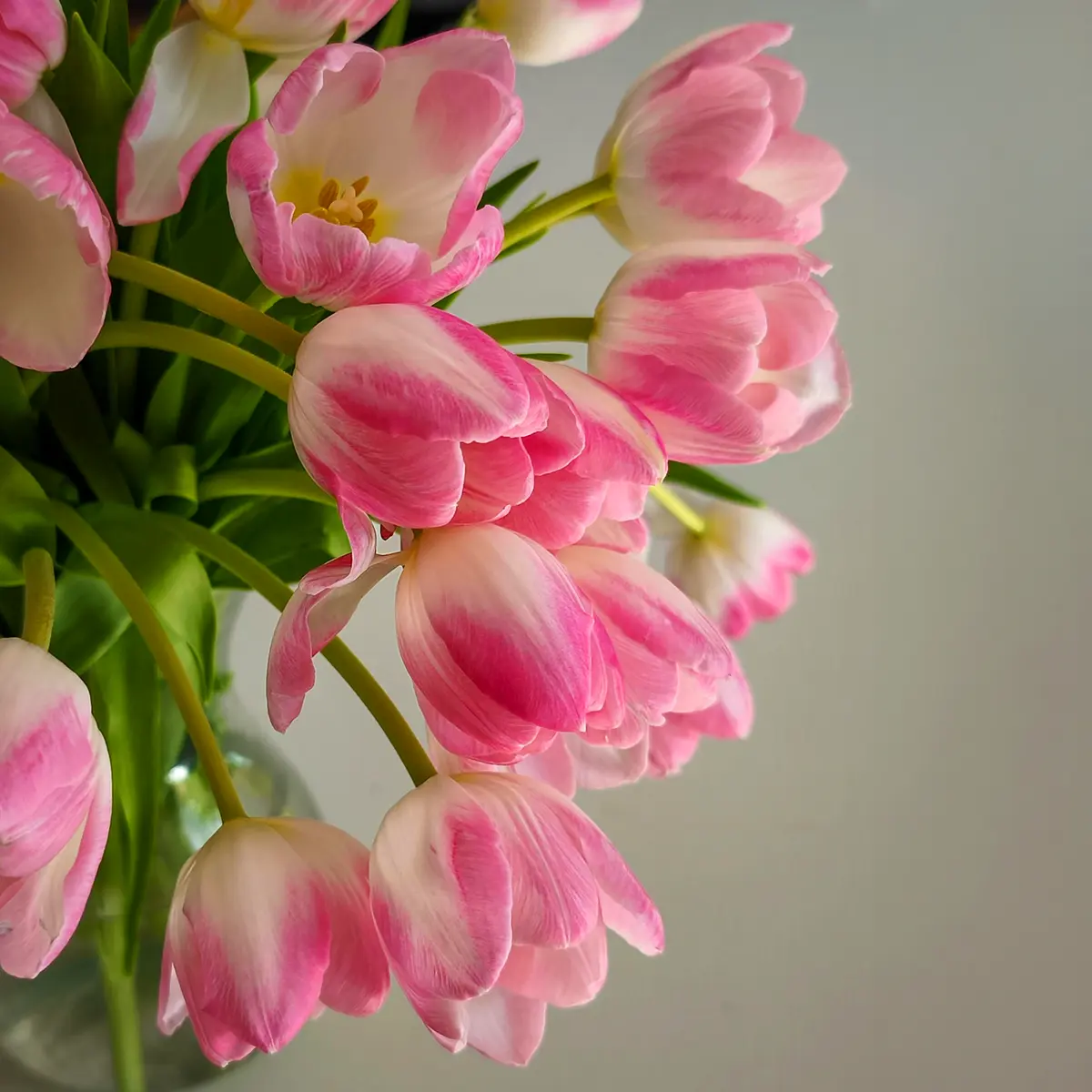
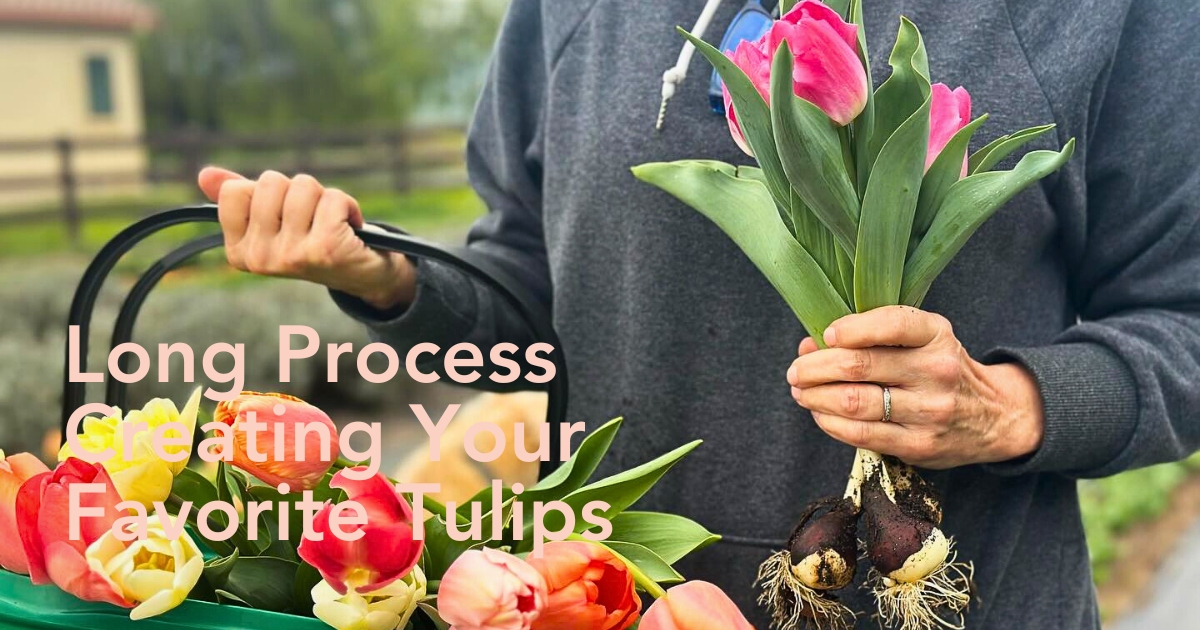
New tulip varieties do not appear overnight. Apart from the original varieties from the rugged steppes of Central Asia, specifically in Kazakhstan, Uzbekistan, and the Tian Shan and Pamir-Alai mountains, virtually every tulip you have seen, be it the velvety near-black Queen of Night or a candy-pink peony-style beauty, began as an idea.
A chain of choices was involved, including the parents to pair, how to move pollen by hand, how to raise seedlings that behave unlike their parents, and how to multiply one promising bulb into millions that will look and perform the same. So, if you ever wondered what ‘bred’ really means for tulips, well, here it is.
Setting Breeding Goals and What Breeders Try to Improve
The breeding of tulips starts in a breeder's mind. Before pollen is moved, a goal is set. A breeder’s wish list, in this case, usually sounds simple, but is it so? It may incorporate stronger stems, cleaner color, superior disease resistance, a better forcing schedule, and enhanced vase life. Many often consider more saturated colors, or fringed petals on a double-flowered variety, or just Fusarium-resistant tulips. This fungal disease causes bulb rot and has been the bane of growers.

A scientific review on breeding tulips and lilies summarizes common breeding targets as productivity, disease resistance, flower color, flower shape, strong stems, fragrance, and vase life. But the difficulty is that these traits hardly arrive as a neat package. You could improve one feature, and accidentally weaken another. So breeders make many crosses and accept that most will not make the cut.
Choosing Parent Plants
Parent choice is where experience matters. Breeders check how a variety behaves across seasons, not just on its best day. They pay attention to factors such as stem strength under different conditions, sensitivity to disease, and the crop's reliability when grown at scale.
Breeding companies often keep large trial collections precisely because you cannot choose good parents from catalog photos. Reserving greenhouse space for new variety development and improving cultivation is precisely what you need when making long-term selection decisions.
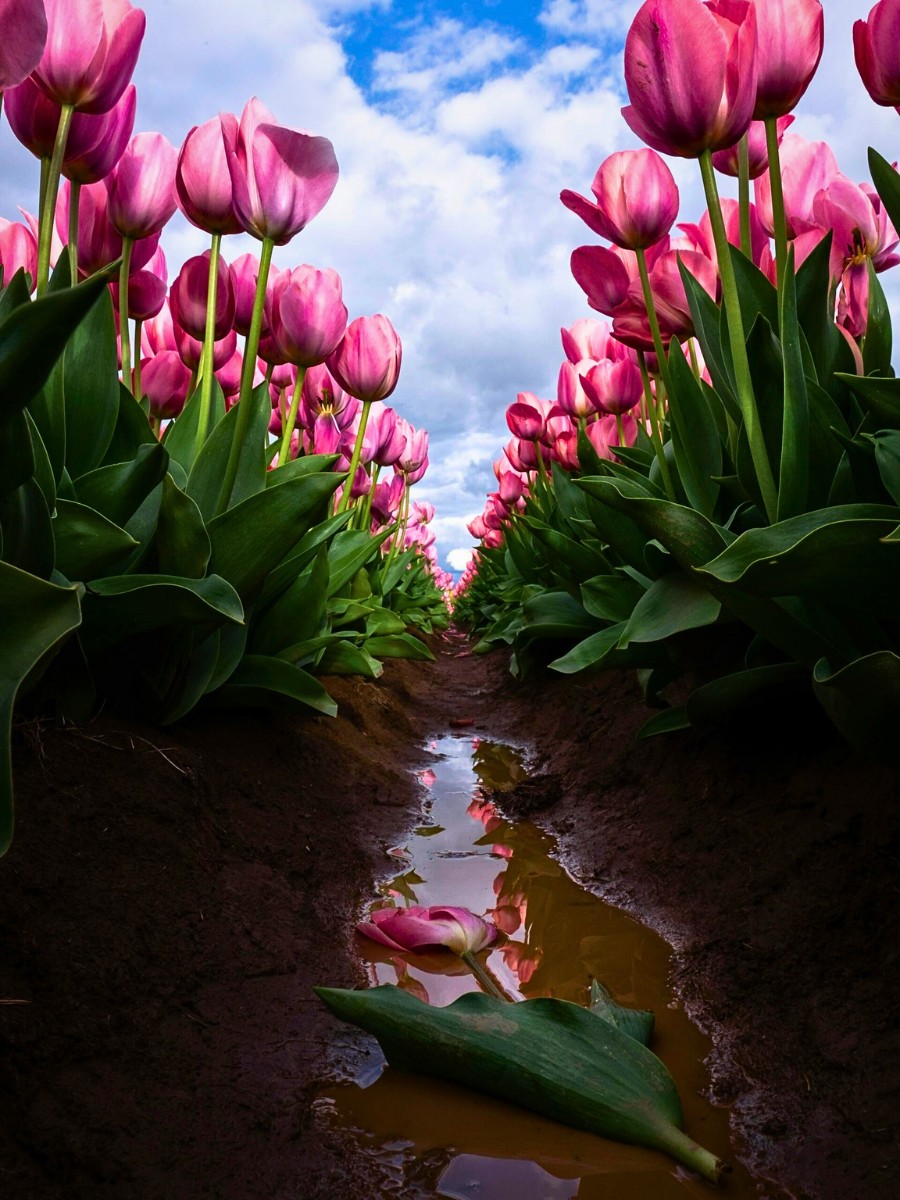
So, once that goal is set, the breeder picks two parent plants whose characteristics, when combined, might produce offspring with the desired traits. This is easier said than done. Tulips belong to the genus Tulipa, which contains roughly 80 wild species and many hybrids, whose genetic relationships are complex.
Most commercial tulips are derived from Tulipa gesneriana, itself an early hybrid. Darwin hybrid tulips, some of the most popular varieties on the market, arose from crosses between Tulipa gesneriana and Tulipa fosteriana, and most of them are triploid, meaning they carry three sets of chromosomes instead of the usual two.
Triploidy gives them their characteristic large flowers and sturdy stems, but it also makes them sterile, which is why triploid varieties are not used for further breeding. For breeders working with diploid varieties, though, the possibilities are wide open.
Cross (Hand) Pollination
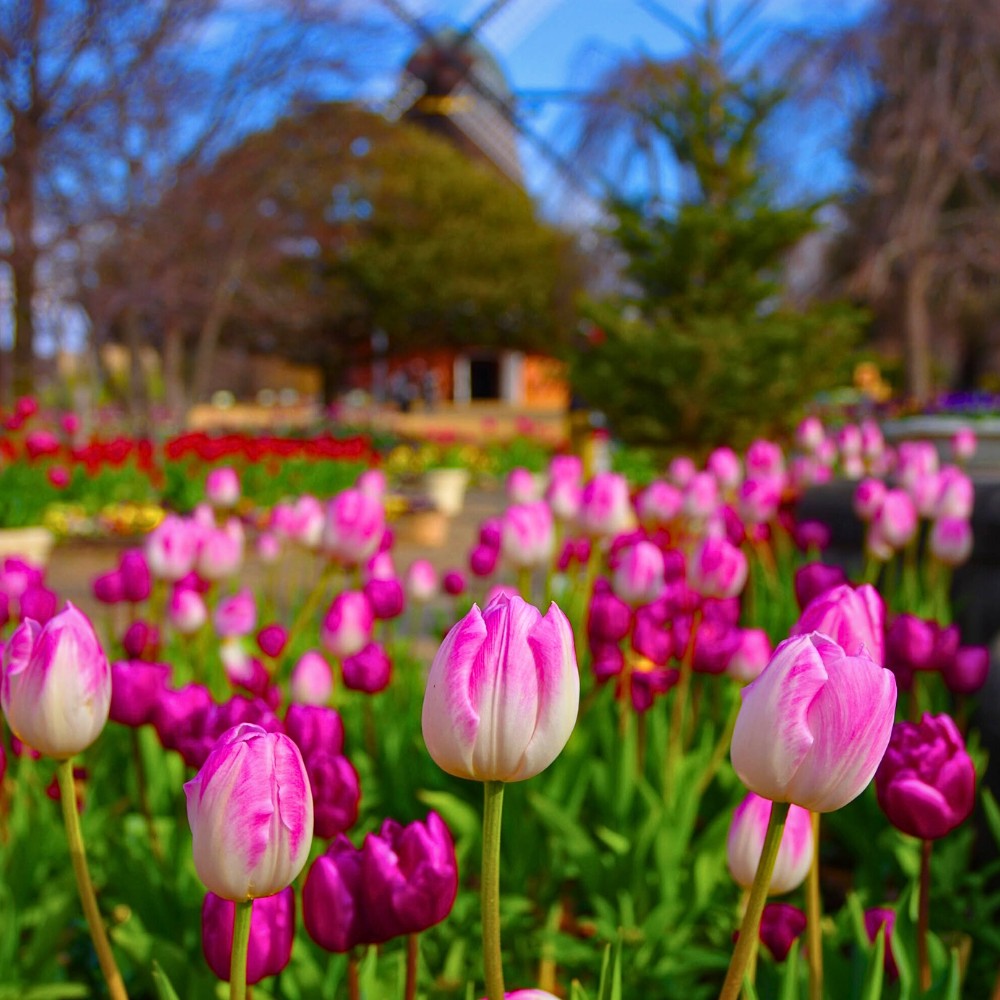
When the parent flowers are in bloom, and the timing is right, the breeder performs the cross. This delicate, hands-on work sees pollen collected from the stamens of one flower (the ‘father’ plant) and transferred, usually with a small brush or directly by hand, to the stigma of the ‘mother’ plant. To prevent any accidental pollination from wind or insects, the flowers are often bagged or grown in controlled greenhouse conditions.
If the cross is successful, the stigma accepts the pollen, fertilization occurs, and the flower begins forming a seed pod. Within a few weeks, that pod ripens and can be harvested, with the seeds holding the genetic mystery. No one can tell, at this point, what these seeds will produce, since each one is a new combination of the parents' genetics. Some will be disappointments, others just average, and a rare few might turn out to be special.
Years of Waiting From Seed to First Flower
Once seeds are planted, the waiting begins in earnest. In the first year, the seedlings produce only leaves and no flowers. The plant spends all its energy building up the tiny bulb beneath the surface, storing carbohydrates and gathering strength. In the second year, the bulb grows a little larger, and the leaves reach a little higher. This cycle repeats, for anywhere between five and seven years, before a seedling finally flowers.
Breeders like Jan de Wit en Zonen know this waiting period very well, so they maintain large trial gardens where thousands of these tiny plantlets grow, most of which will never be seen by the public. It is also a game of numbers. A breeder might start with ten thousand seeds just to find one or two really special plants.
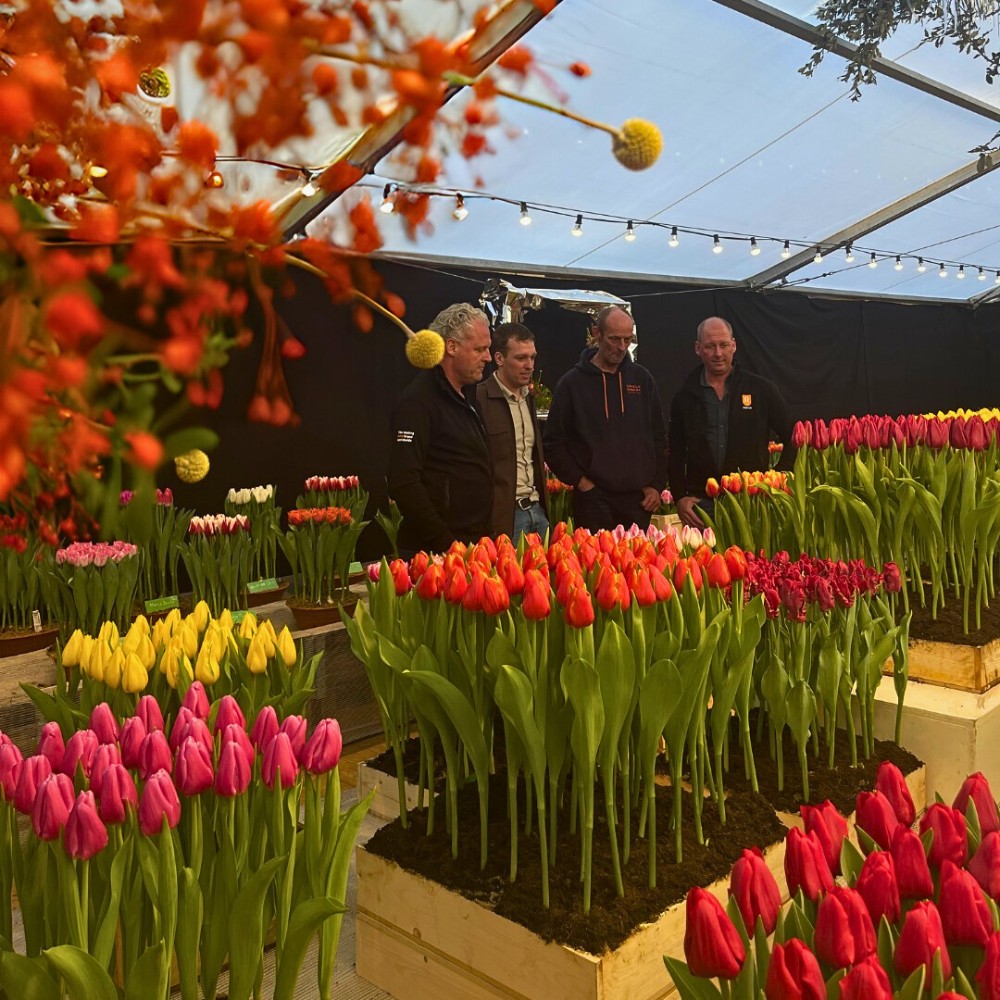
During those long years, natural selection does some of the work. Seedlings that are too weak, slow-growing, or susceptible to disease do not make it. Those that survive are harvested in summer, sorted, stored in dry conditions, and replanted in autumn. But modern greenhouses and temperature-controlled environments have helped speed things up a little. There is, however, no real shortcut, because the tulip has its own timelines that must be respected.
First Flowering and Beginning of Selection
When the long-awaited flowers finally appear, sometimes thousands of seedlings flowering at once across a field, the selection process begins. Breeders walk the rows and make decisions…fast. They look at color, its clarity, petal shape, stem strength, leaf position, and overall plant habit. They also watch for anything that stands out, positively or negatively.
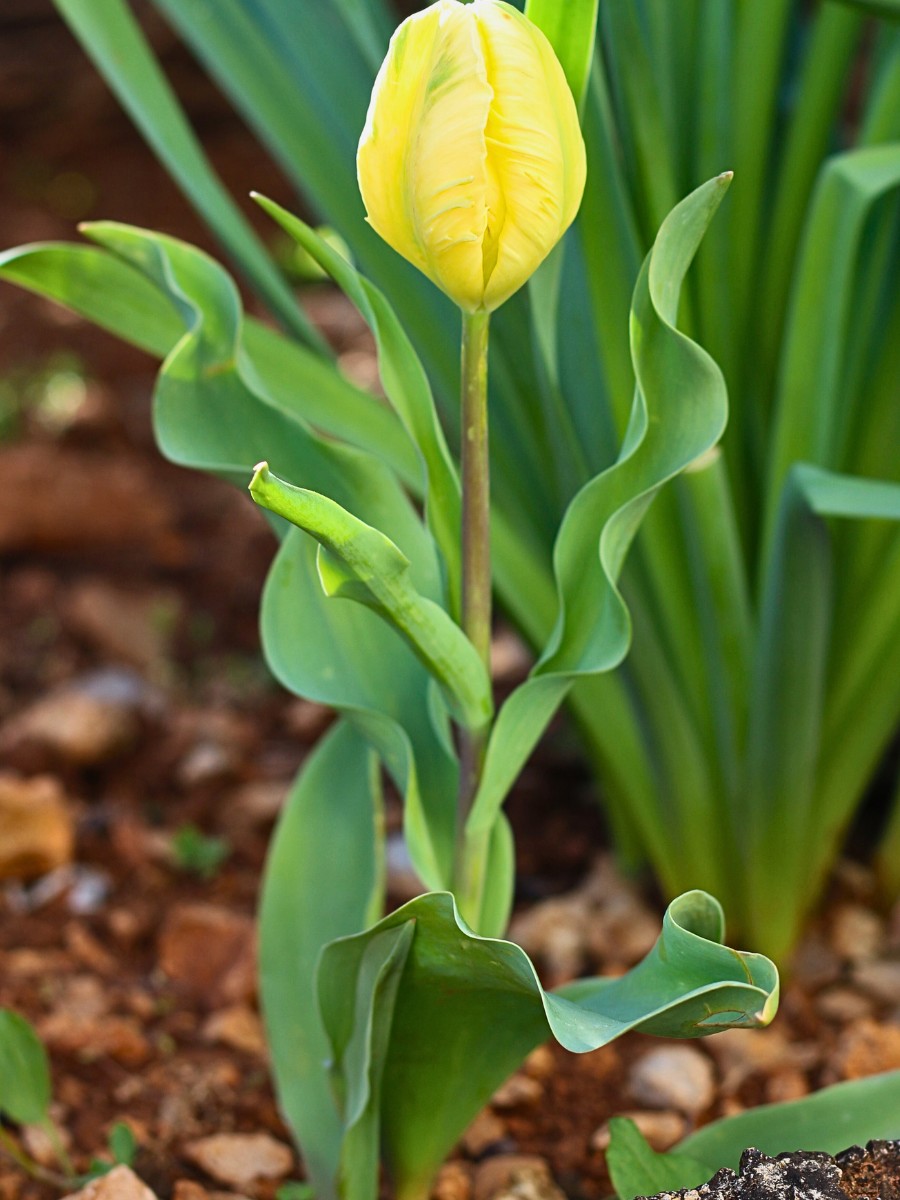
Of the thousands of seedlings that might have germinated from one crossing session, a breeder will typically select somewhere between 0.1% and 1%. The rest are discarded. But the story does not usually end with a beautiful flower. The bulb also has to perform, producing a good number of offsets, be sufficiently resistant to diseases like Fusarium and Botrytis, and work well under forcing conditions. This means it has to flower reliably when growers chill and then warm them in a controlled schedule.
Bulb Offsets and How New Varieties Are Multiplied
Once a promising (seedling) candidate is selected, the challenge changes from finding the flower to multiplying it. Here, seeds are no longer required. Because tulip seeds involve sexual reproduction, every seed produces a genetically unique plant. If you grew seeds from your new favorite tulip, the offspring would likely look different from their parent.
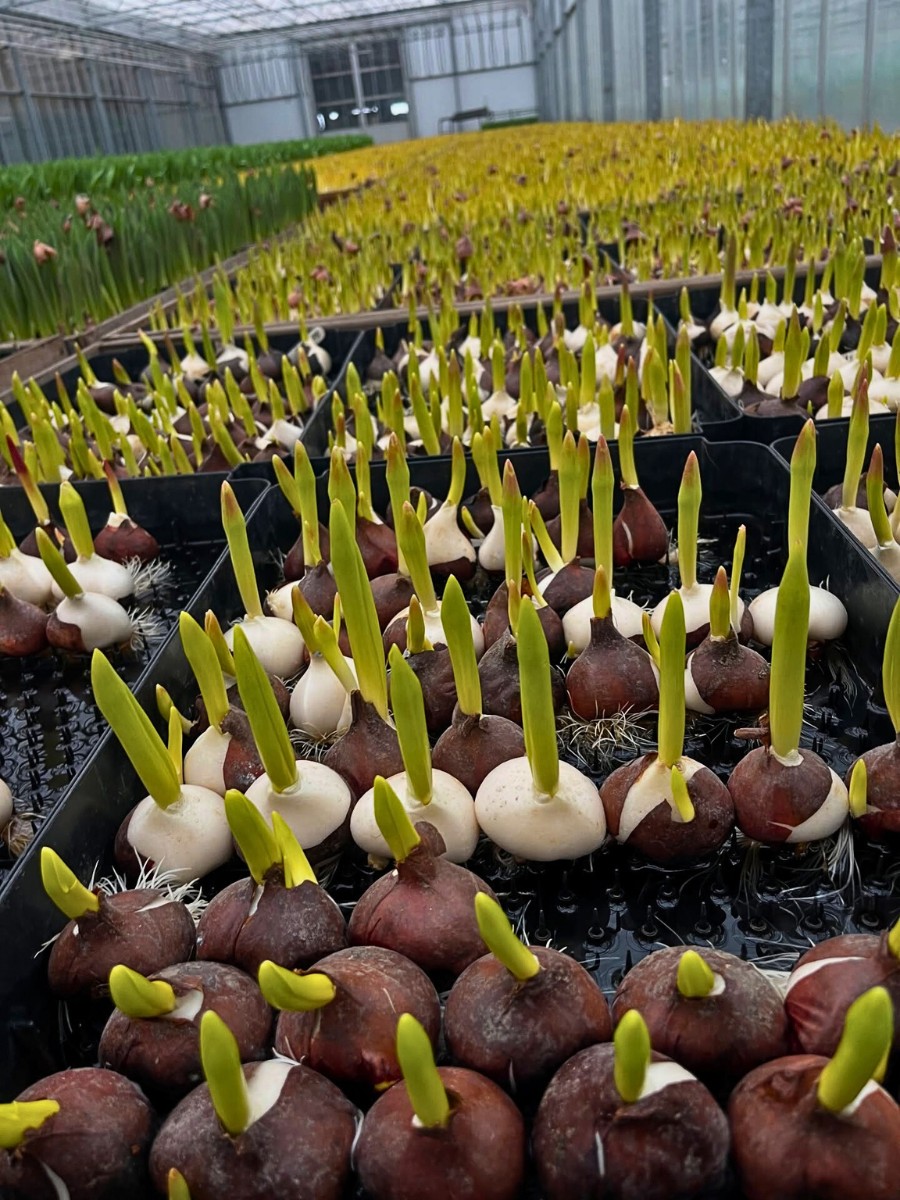
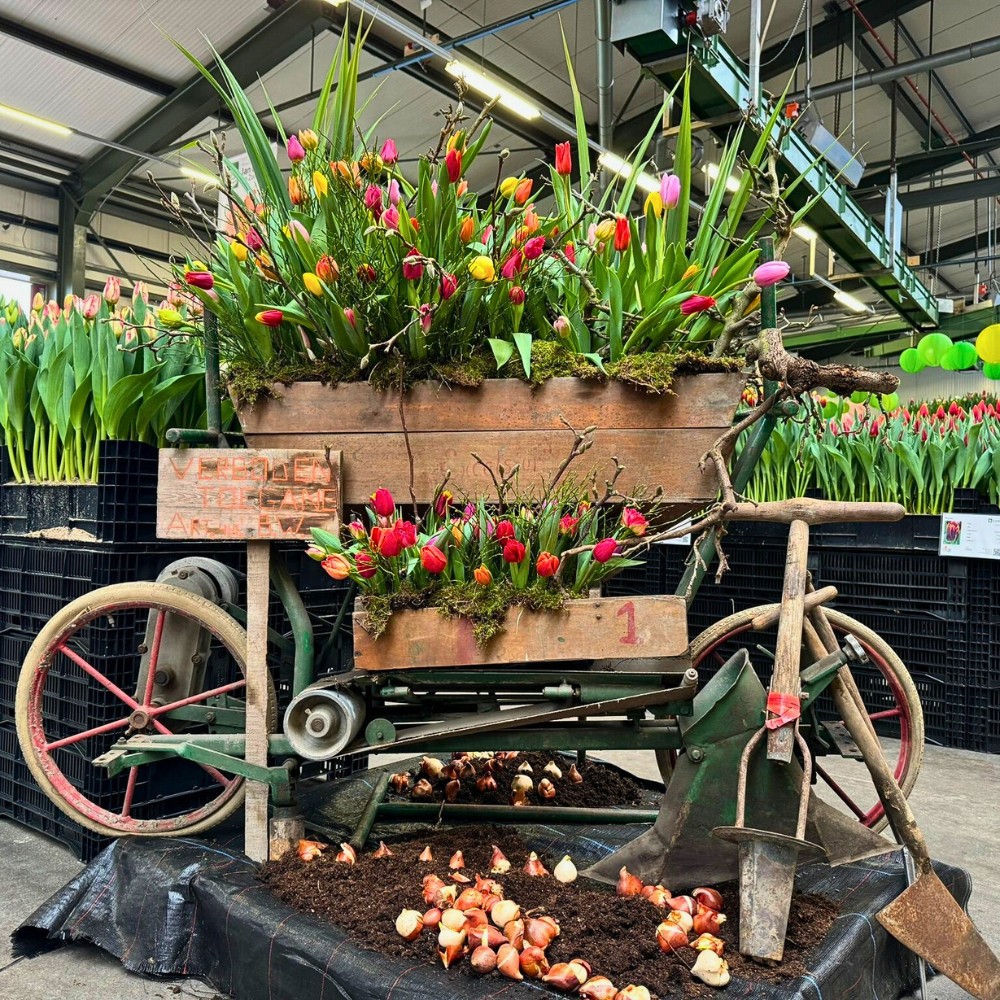
So, the industry relies on bulb offsets, a form of asexual reproduction in which the mother bulb produces smaller ‘daughter’ bulbs that are genetically identical to it. These offsets are separated from the parent bulb after harvest, sorted by size, and replanted. Over several growing seasons, one bulb can produce thousands (or even millions) more.
This process takes years. Even after a new variety has been selected, it typically takes another decade of vegetative propagation before there are enough bulbs to launch a commercial release. From the moment of the original cross to the day a new tulip variety reaches the market, the total timeline is commonly 15 years or more.
Faster Multiplication
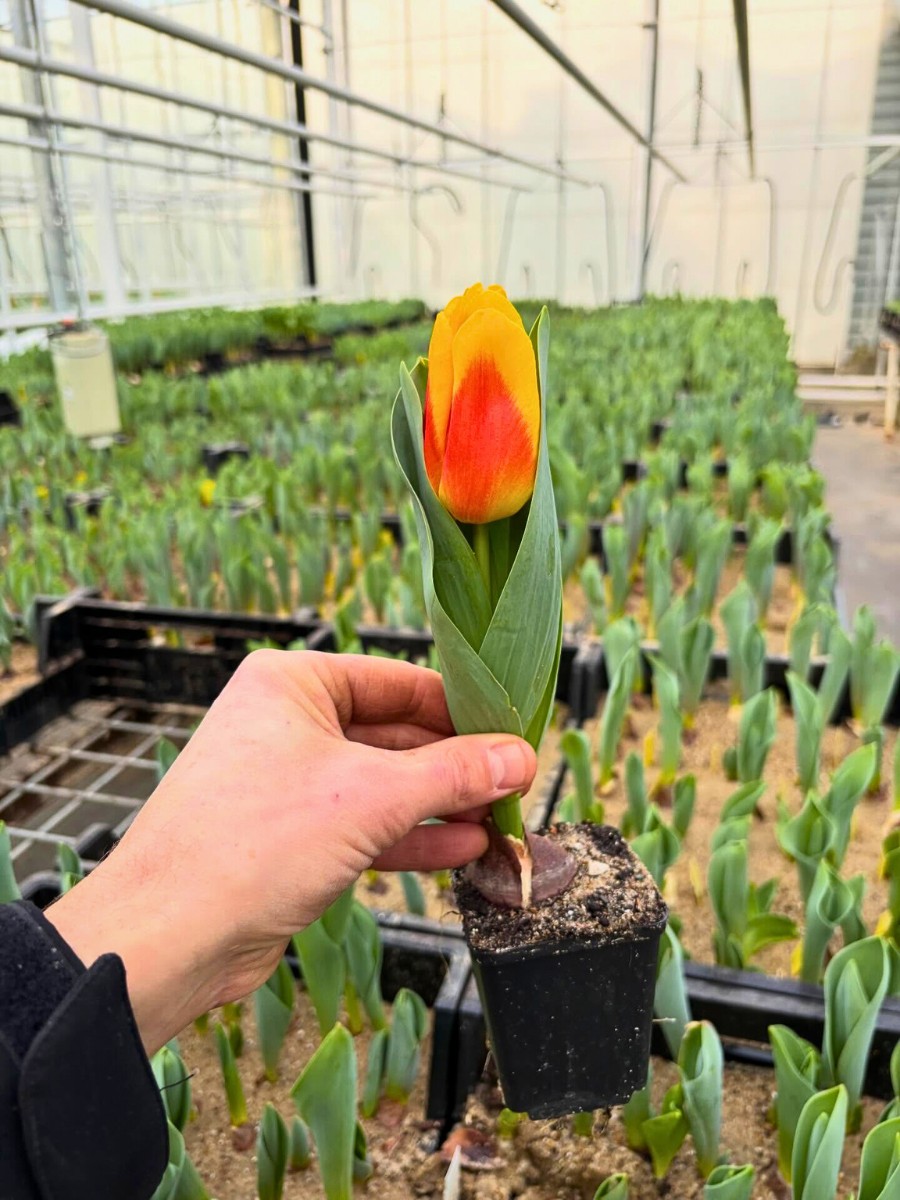
Traditional tulip multiplication is slow, which ripples through the whole business, limiting how quickly a new variety can be introduced at volume. Dümmen Orange’s laboratory-based propagation method, developed with IribovSBW, can increase the multiplication rate, from roughly three per growing season to several thousand per year from one bulb, followed by field trials. They also connect this to breeding timelines and argue that faster propagation can change the dynamics of how quickly new cultivars reach the market.
Disease Resistance
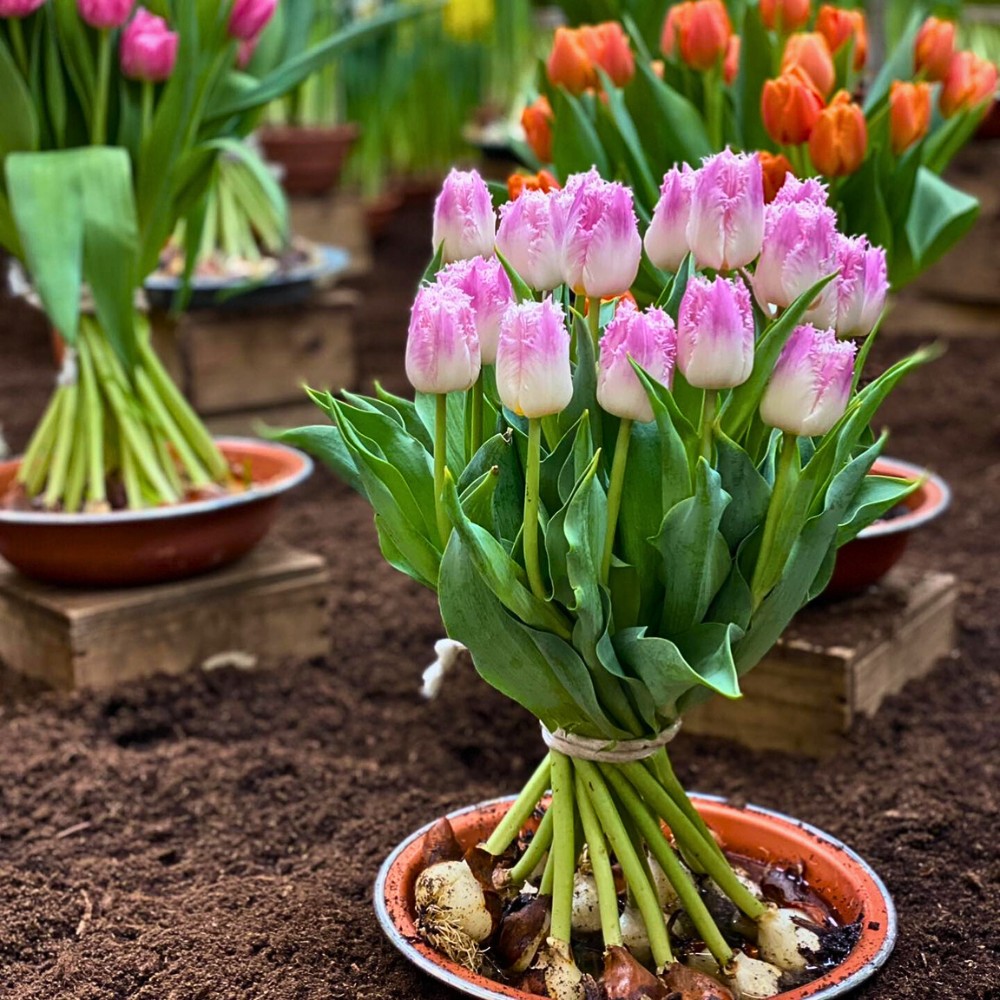
No account of tulip breeding would be complete without talking about disease. Fusarium oxysporum, which causes bulb rot, is one of the biggest concerns for growers. Botrytis tulipae causes ‘tulip fire,’ a devastating fungal disease that spreads quickly in wet conditions. Then there's Tulip Breaking Virus (TBV), which, ironically, was once admired for the streaked and feathered color patterns it produced on petals during the 17th-century Dutch Tulip Mania. Today, it is known that those patterns were, in fact, a viral infection.
Modern breeders, therefore, prioritize disease resistance. At Borst Bloembollen, the Dutch tulip nursery and also Decorum grower, Fusarium insensitivity is listed as one of the most important selection criteria in their in-house breeding program. Their seedlings are tested extensively on both water and potting soil, with forcing speed, leaf position, and bud presentation also rigorously tracked as key performance factors.
Interspecific Hybridization and Reaching Across Species
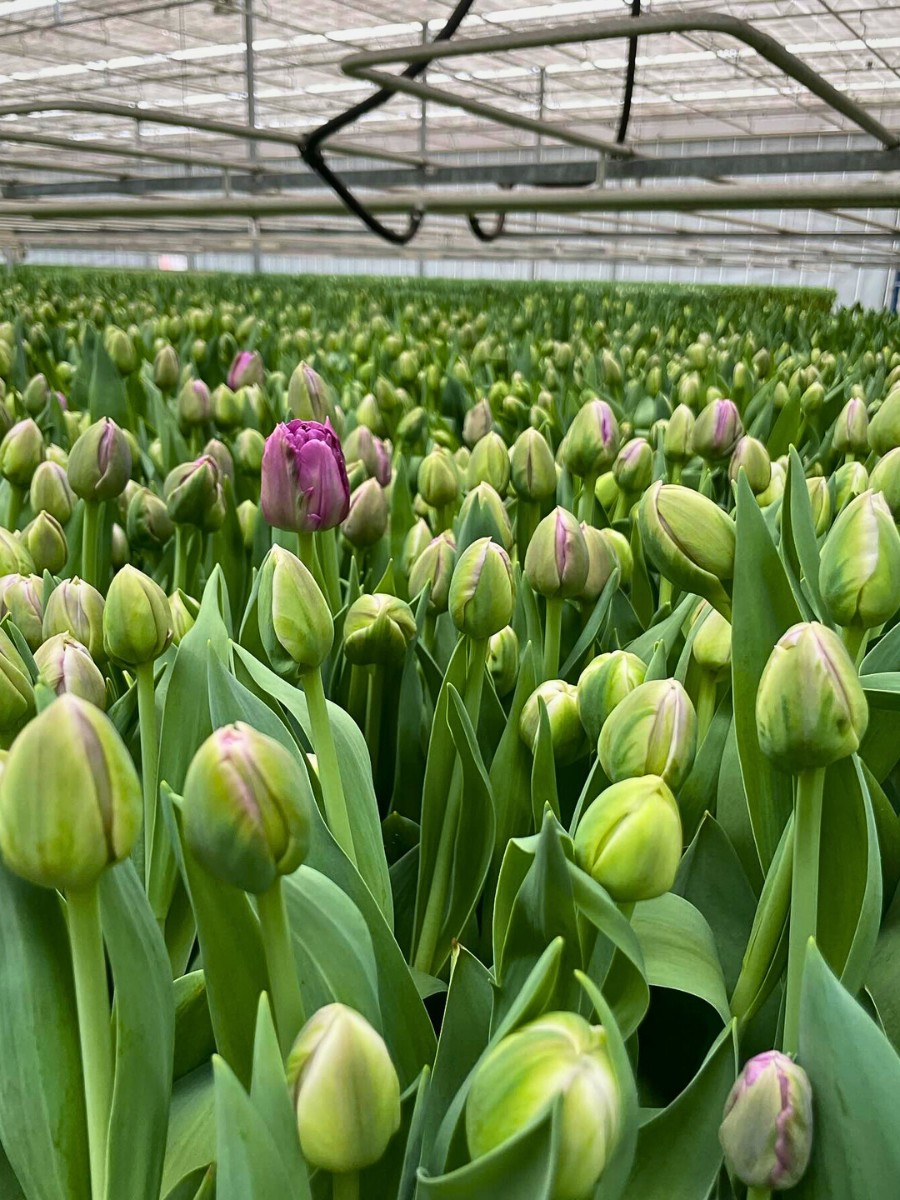
Some of the most ambitious breeding work involves crossing tulips from different species entirely, because not all tulip crosses work naturally. Then, breeders try to pull traits from distant wild relatives. This is called interspecific hybridization, and it is how breeders have introduced some traits from wild species, including stronger disease resistance, new flower forms, and unusual colors.
These crosses are technically difficult. When pollen tubes from one species try to grow through the pistil of a very different species, they often stop growing before fertilization can occur. This is called a pre-fertilization barrier. When fertilization does occur but the resulting embryo fails to develop properly, it is a post-fertilization barrier, which leads to a lack of endosperm and abnormal tissue formation that hampers embryo growth.
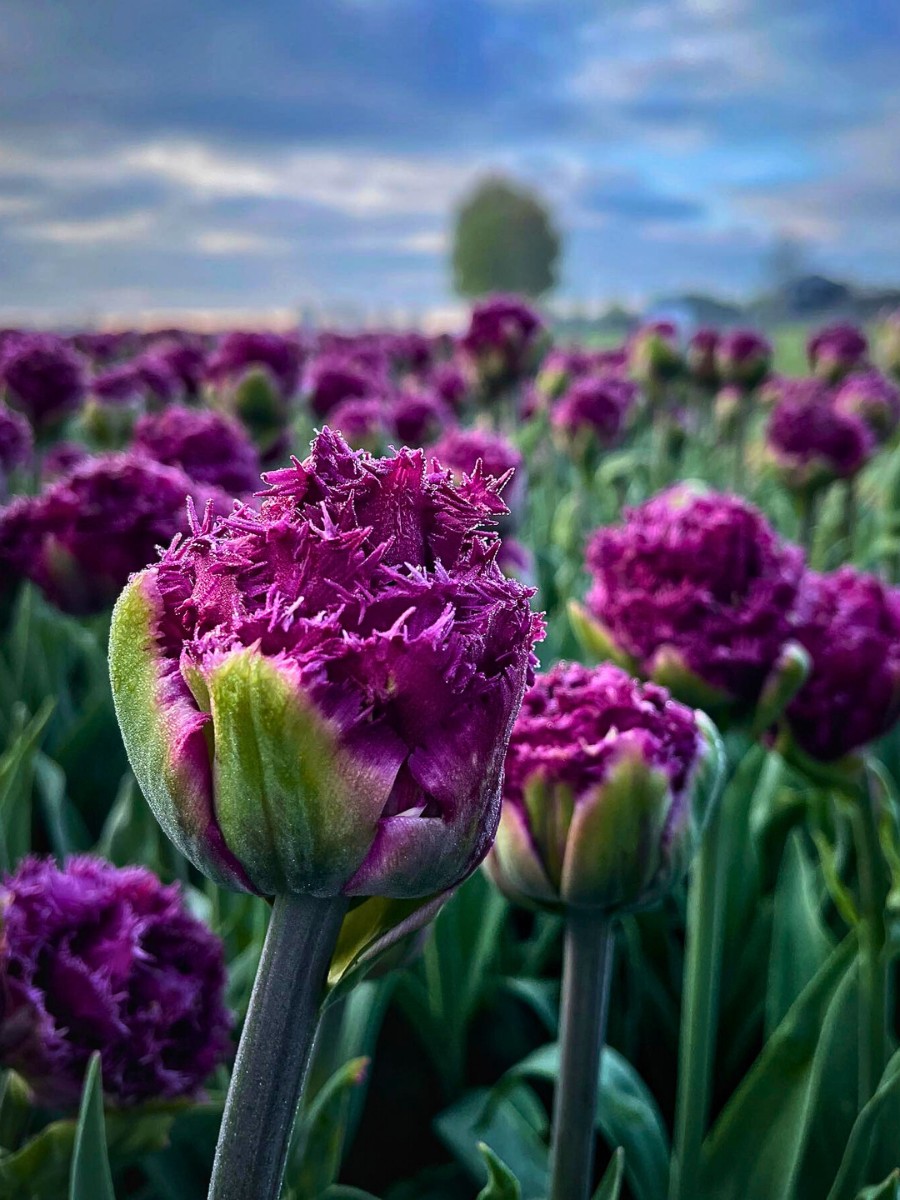
To address these, researchers developed a technique called embryo rescue, in which the young embryo is removed from the seed early and placed in a nutrient-rich culture medium where it can continue developing in the lab. Combined with in vitro pollination methods, this approach has created crosses that would otherwise be biologically impossible. The Darwin hybrid group is the most famous outcome.
What Happens After a Winner Is Found?
A new tulip variety, once selected (and code-named), still has to survive the commercial gauntlet. It goes through field trials under different growing conditions, and has to show reliable performance when forced out of season. It also has to be appealing. The vast majority of varieties that survive the initial selection rounds still never make it to market. They might lose their color intensity under forcing conditions, produce too few offsets to scale economically, or just fail to generate enough excitement.
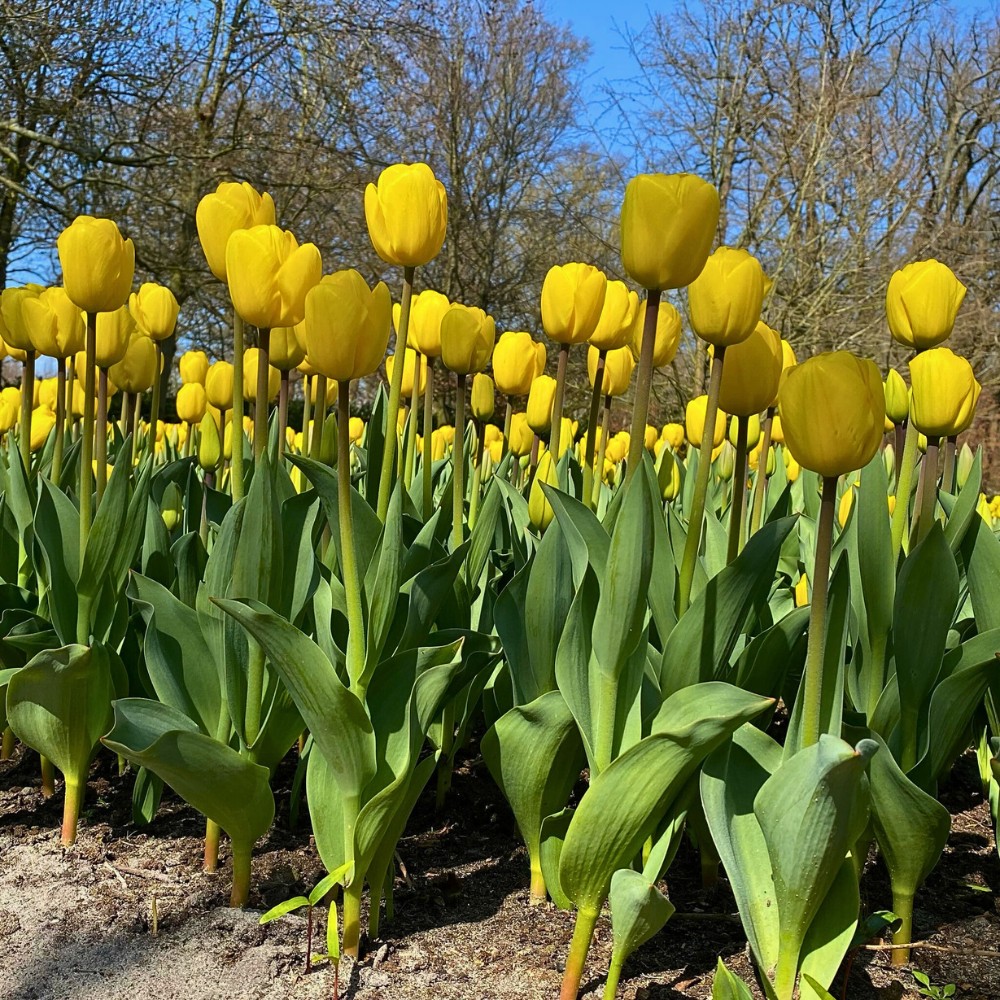
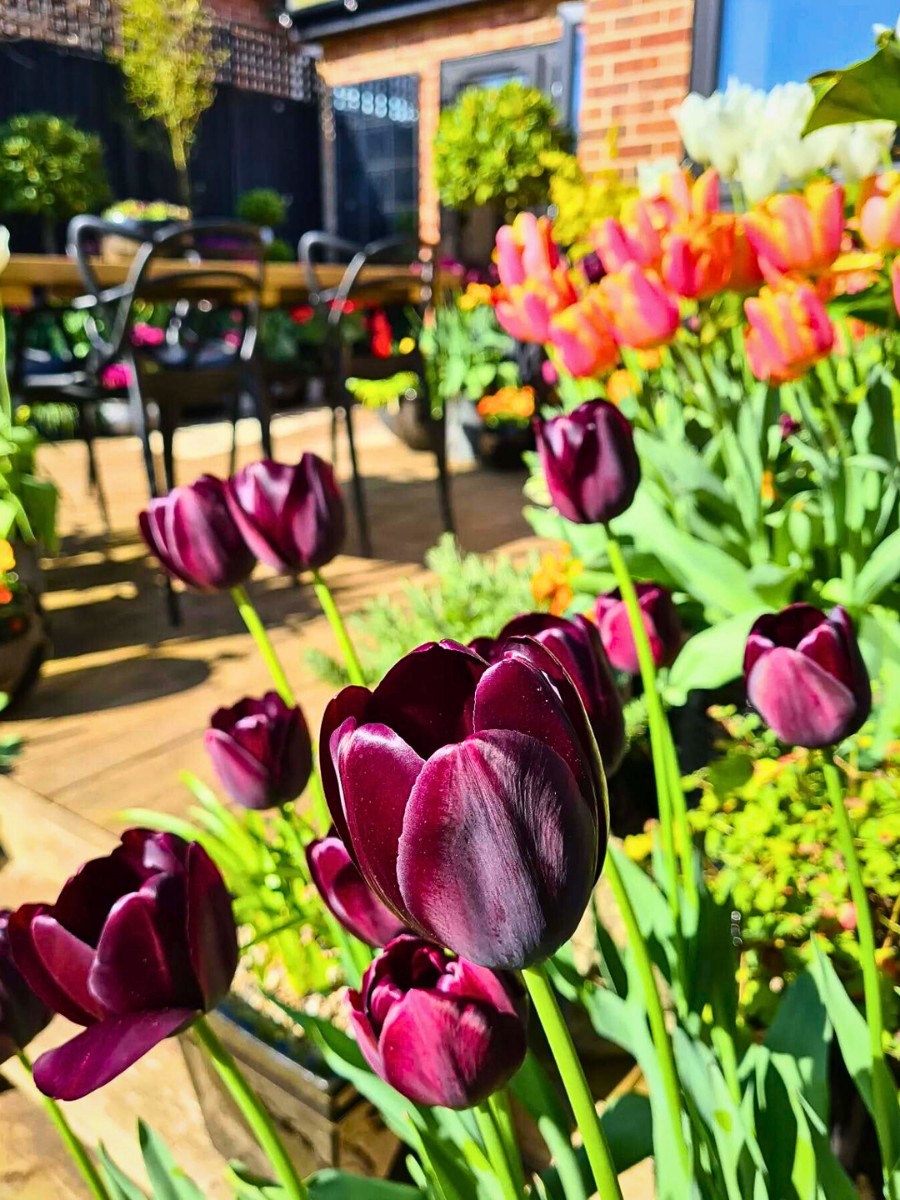
Because the market for tulip varieties is already particularly deep, with thousands of registered cultivars in dozens of different classifications, a new variety needs to offer really unique qualities to earn a place. And when it earns that place, it keeps it. Some varieties remain commercially viable for decades. The classic 'Queen of Night' is a good example.
Notably, back to when seeds germinate, the early years are not about pretty outcomes, but more about survival, vigor, and whether the plant builds bulbs sensibly. A breeder raises thousands of seedlings because only a small fraction will have the combination of traits needed for professional production.
So, selection is not only about looks, but also about how the plant behaves, with features like uniformity, stability across seasons, response to forcing schedules, and general health considered. A seedling that looks great in a small trial has to prove itself in real production settings, or it is discarded.
Naming, Protection, and Ensuring Volume Stability
Once a variety is stable and scalable, the commercial space needs to protect the breeder’s investment and clarify who may propagate and market it. The Dutch Board for Plant Varieties explains that holders of plant breeders’ rights determine who may trade or grow material of their varieties. Generally, national plant breeders’ rights last up to 30 years for flower bulbs, helping keep licensing clear and discouraging illegal propagation.
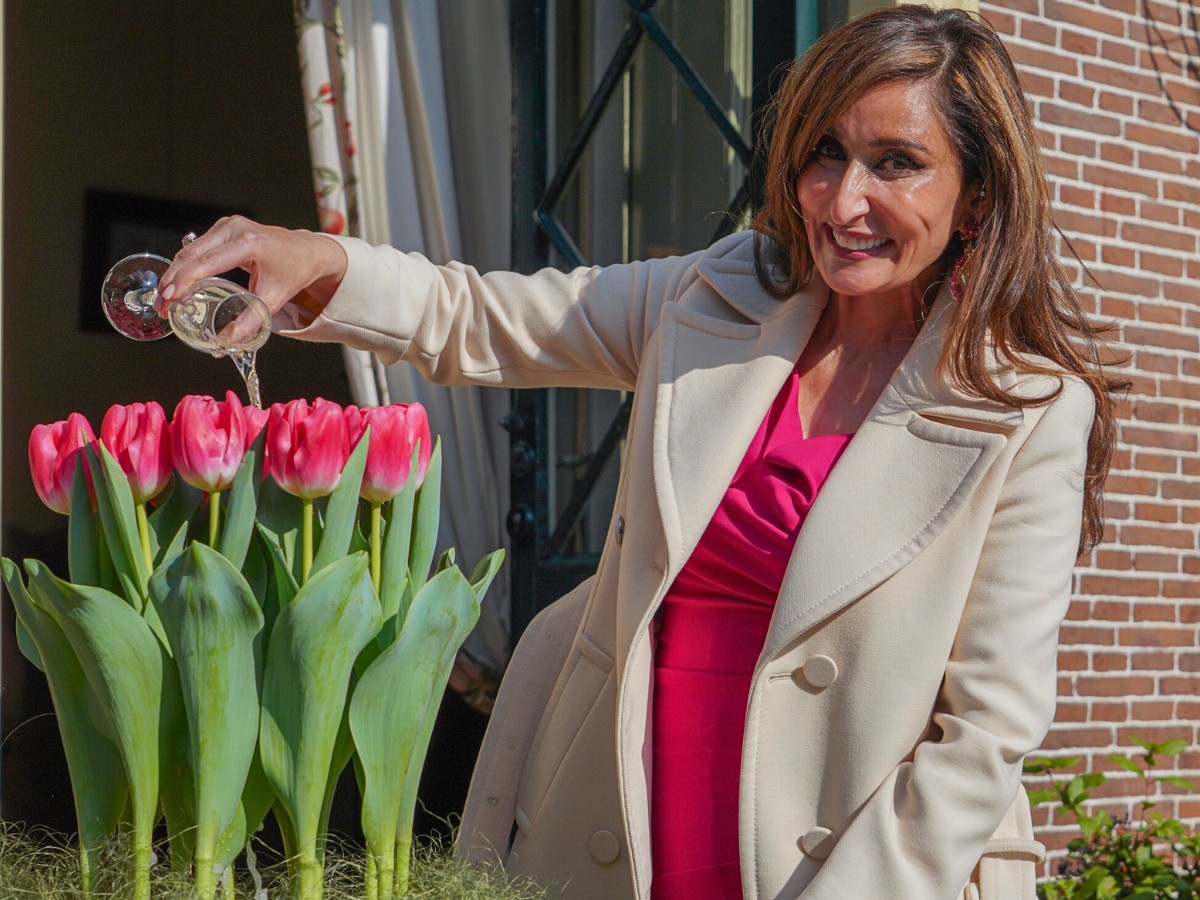
Dedicated bulb and cut tulip producers like Ronico also grow the bulbs outdoors (on hundreds of hectares), harvesting and temperature-treating them, and then using several greenhouse locations to produce larger volumes of tulips.
Feature and header image by @visitvacaville.