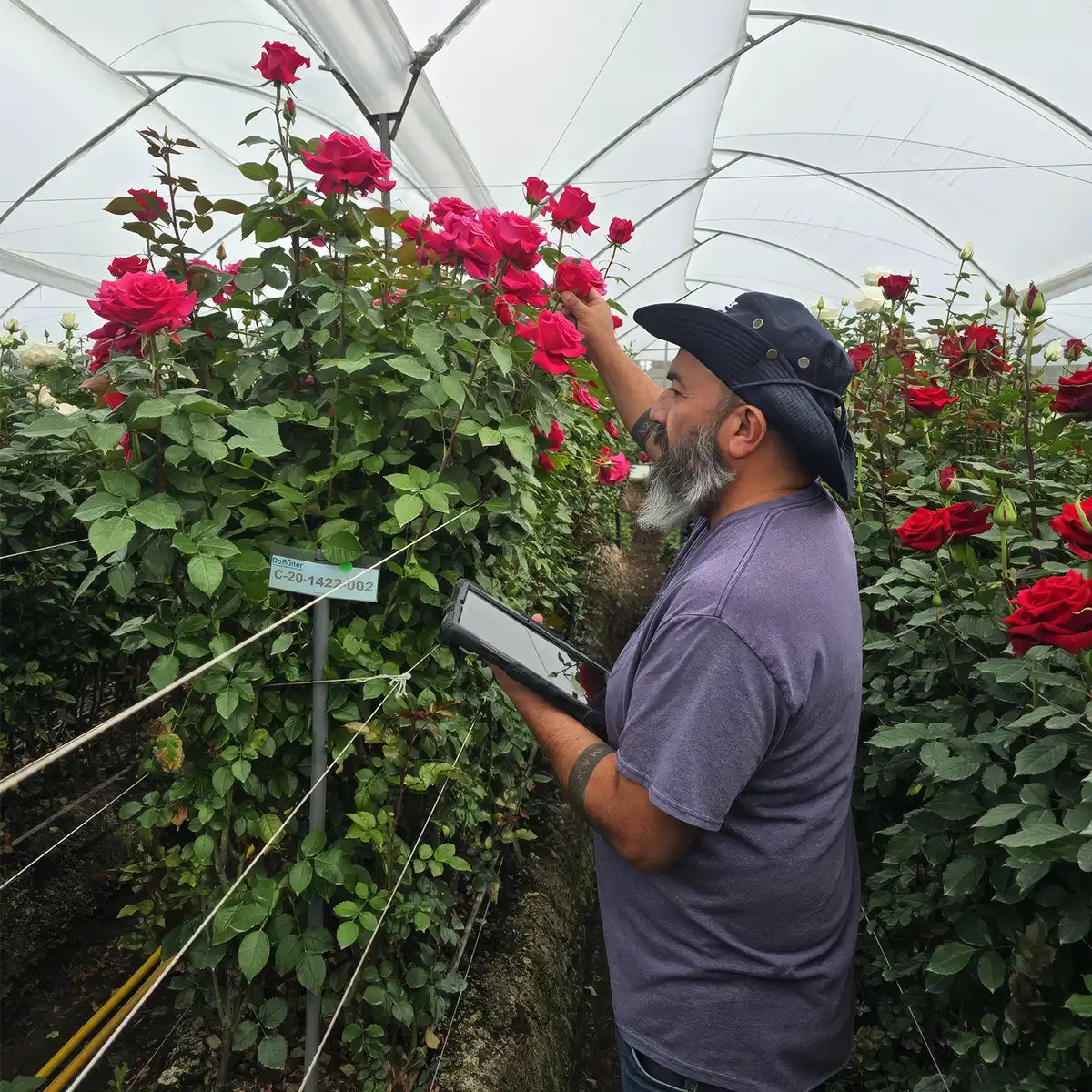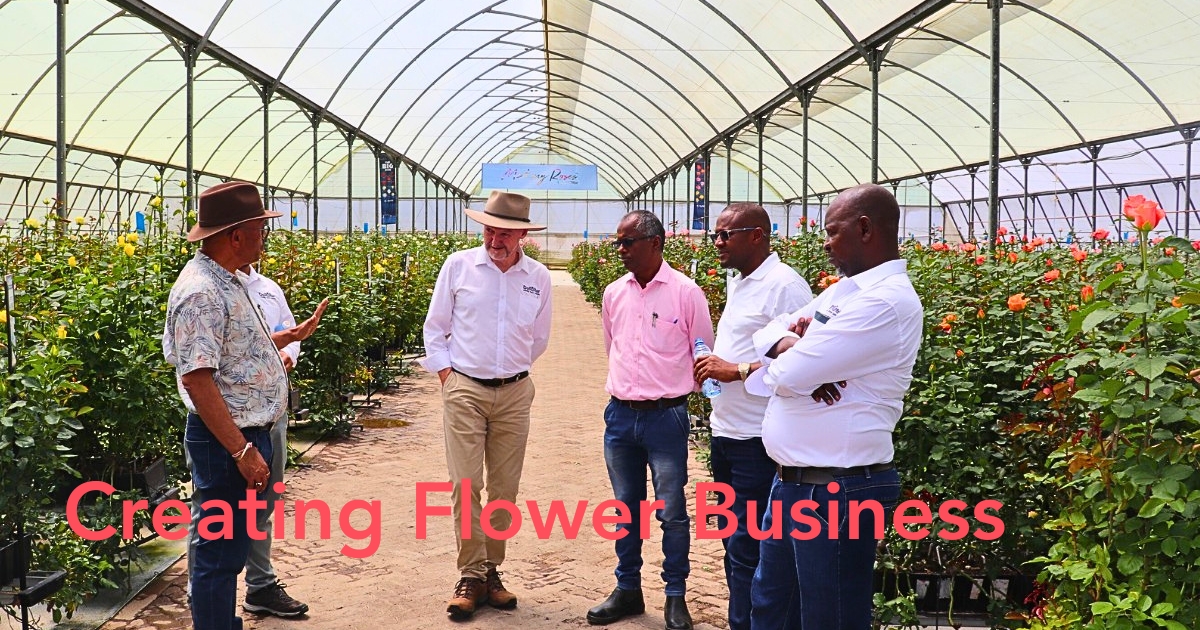
In Kenya, rose production is not defined by one condition but by many. From higher-altitude farms producing longer stems for premium markets to mid-altitude production supplying retail programs, the country operates across a range of growing environments that shape how varieties perform and where they are positioned.
For De Ruiter, this diversity is not a challenge to work around. That is why local presence matters. Understanding how a variety behaves in Naivasha is different from how it performs in other regions, and that difference is where decisions are made.
Kenya’s Role Across Different Market Segments
Kenya remains one of the most important rose-producing regions globally, not just for volume but also for its flexibility. Different altitude zones allow growers to target a wide range of markets, from retail supermarkets to high-end floral segments.
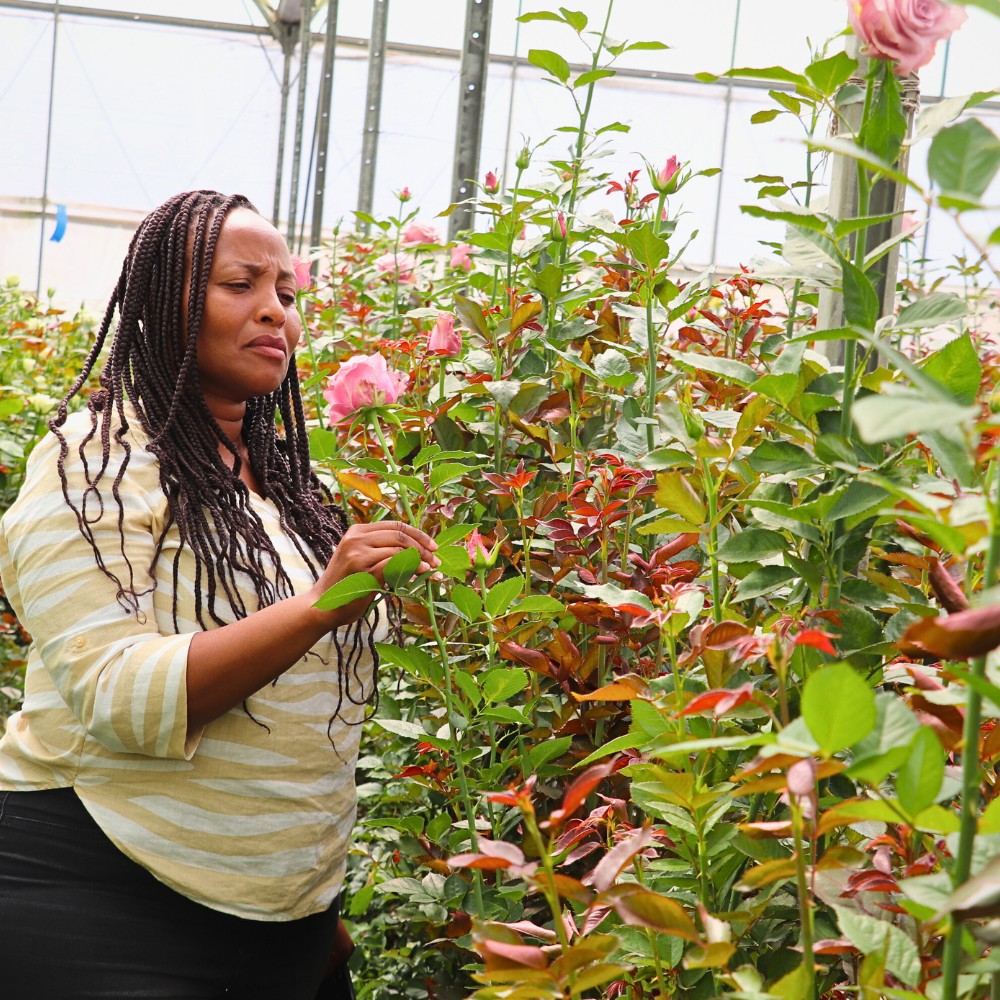
This also means that variety selection is not a one-size-fits-all decision. What works for one farm may not work for another. Performance, stem length, and productivity are closely tied to location, and growers are constantly adjusting their portfolios to meet market demand and buyer expectations.
Where Global Breeding Meets Local Reality
At De Ruiter East Africa, the connection between breeding and production is continuous. Breeders from the Netherlands (head office) regularly visit the Kenyan operation, working alongside the local team to evaluate new selections, review data, and align on future needs.

These visits are not just about introducing new varieties. They are about refining direction. Color preferences, category gaps, and performance data from Kenyan farms all feed back into breeding decisions. This creates a system where development is informed by real market conditions rather than assumptions, ensuring that new varieties are relevant from the start.
Working Collaboratively With Growers
On the ground, this connection is carried forward by the local team. Rob Letcher, Rohit Patil, and Ethan Chege work closely with growers across East Africa, combining technical advice with commercial understanding.
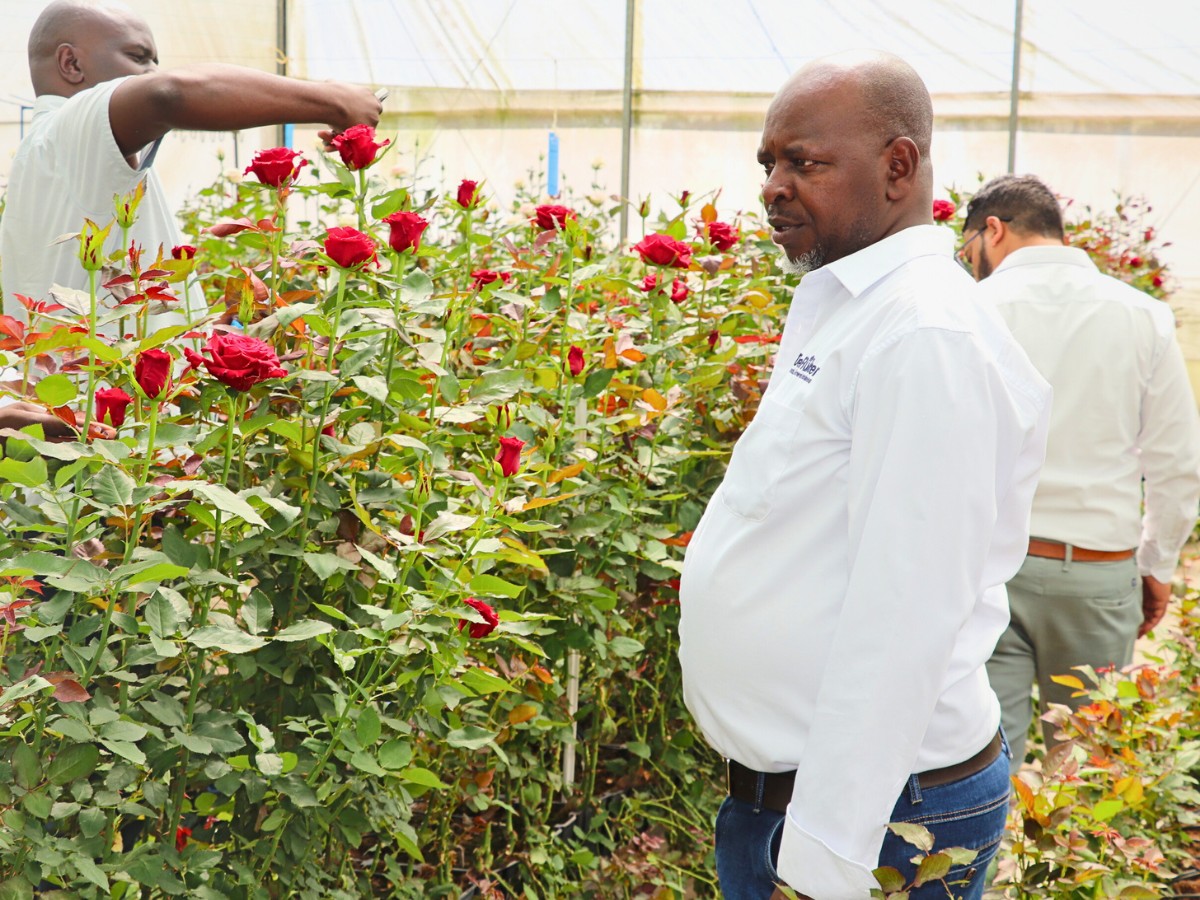
Their roles start with helping growers identify the right varieties based on altitude, production goals, and market demand. From there, they remain involved throughout the entire process, following trials, evaluating performance, and supporting growers as they move toward commercial production.
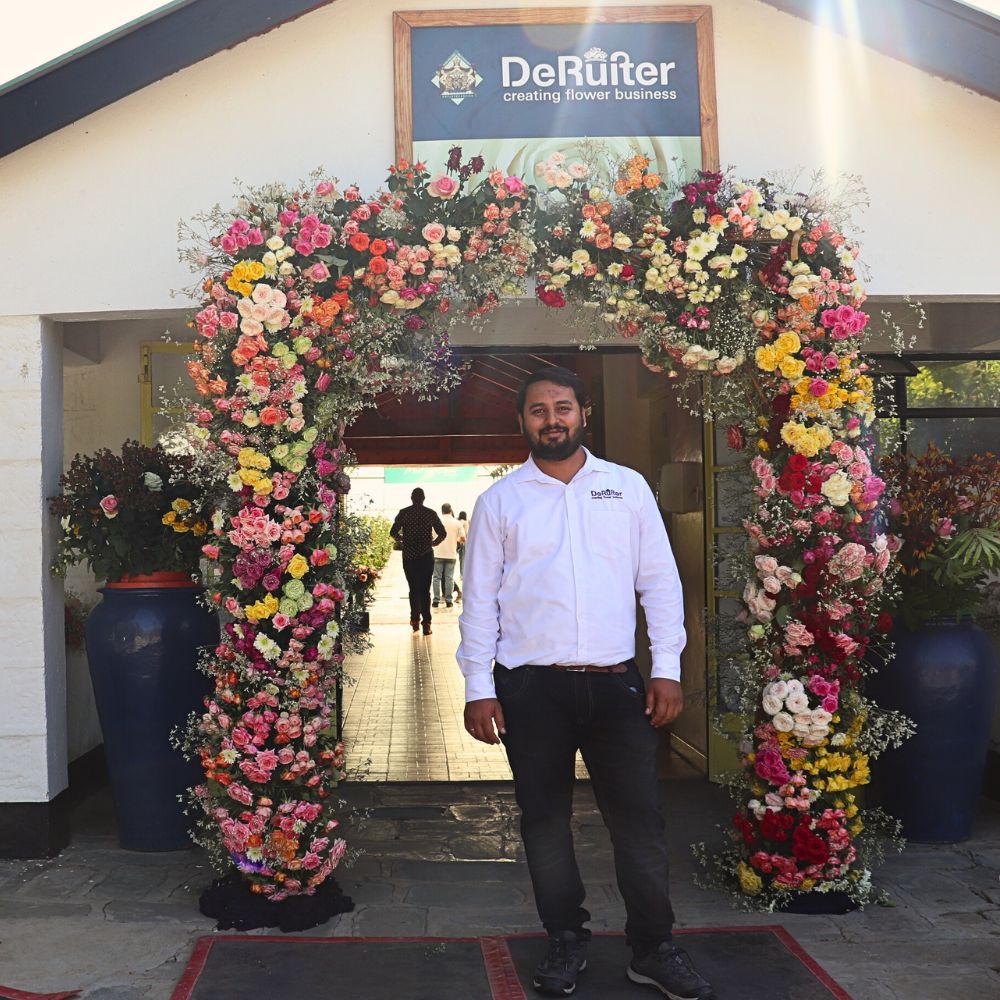
Rohit explains:
Kenya is a very dynamic rose market. Growers are constantly looking for varieties that combine productivity, reliability, and market appeal. Our role is to work closely with farms to understand how varieties perform in practice and to help growers make the right decisions for their production.
This approach reflects how De Ruiter operates in the region. It is not just about supplying plant material, but about guiding decisions over time and building confidence in the choices growers make.
From Trial to Commercial Level
Variety development on farms follows a structured and deliberate process. It begins with trials, in which performance is observed under specific conditions and initial data are collected. If results are promising, the variety progresses into a semi-commercial stage, where its behavior is tested at a slightly larger scale.

At this stage, decisions are informed by multiple inputs. Data from De Ruiter East Africa is combined with feedback from buyers, as well as an assessment of how the variety fits within the grower’s existing portfolio. Growers consider whether the variety strengthens their color mix, meets market demand, or has the potential to replace an existing product. Only after this process does a variety move into full commercial production. This step-by-step approach ensures that scaling decisions are based on evidence, reducing risk and allowing growers to build their production with greater certainty.
Reliability When It Matters Most
For Kenyan growers supplying global markets, consistency is not optional. Peak moments such as Valentine’s Day require not only quality, but also volume and uniformity.
Varieties such as Ever Red, Rhodos, Revolution, Mandala, Trivia, Wham, and Proud play an important role during these periods. They are selected for their ability to deliver stable output and meet the demands of high-volume programs when timing is critical.
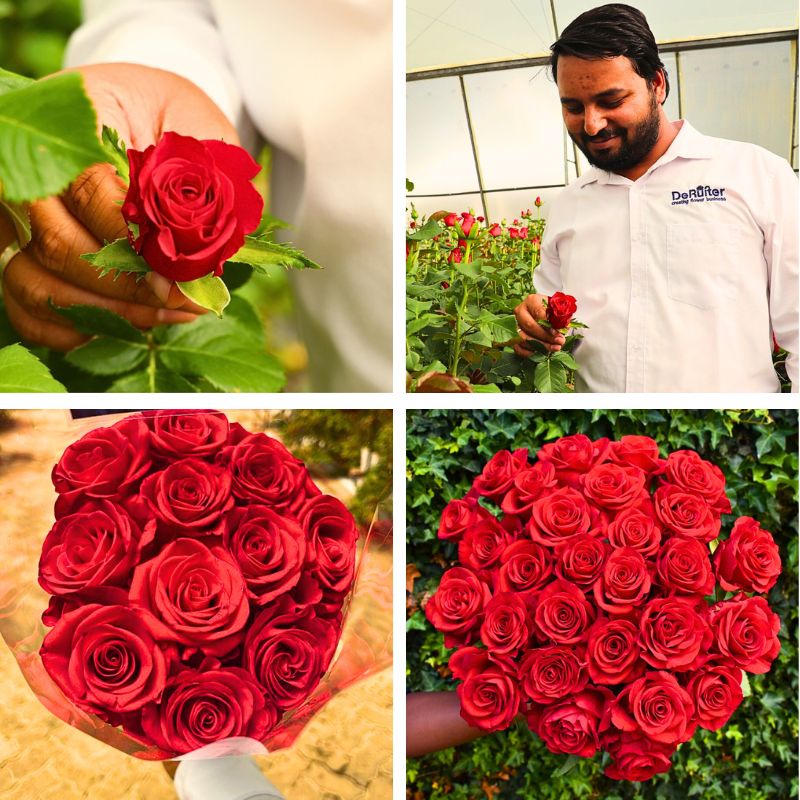
The focus extends beyond appearance. Growers need varieties that can perform reliably under pressure, ensuring that they can meet orders and maintain their position in competitive markets.
A Partnership in Practice
The collaboration between De Ruiter and its clients offers a clear example of how this approach works in practice. Growers have built a long-standing relationship with De Ruiter based on continuous exchange and shared objectives.
At the growers' farms, several De Ruiter varieties are grown and evaluated as part of an ongoing process of selection and development. The growers regularly engage with the De Ruiter team to review new introductions and assess how they fit within their production and market strategy.
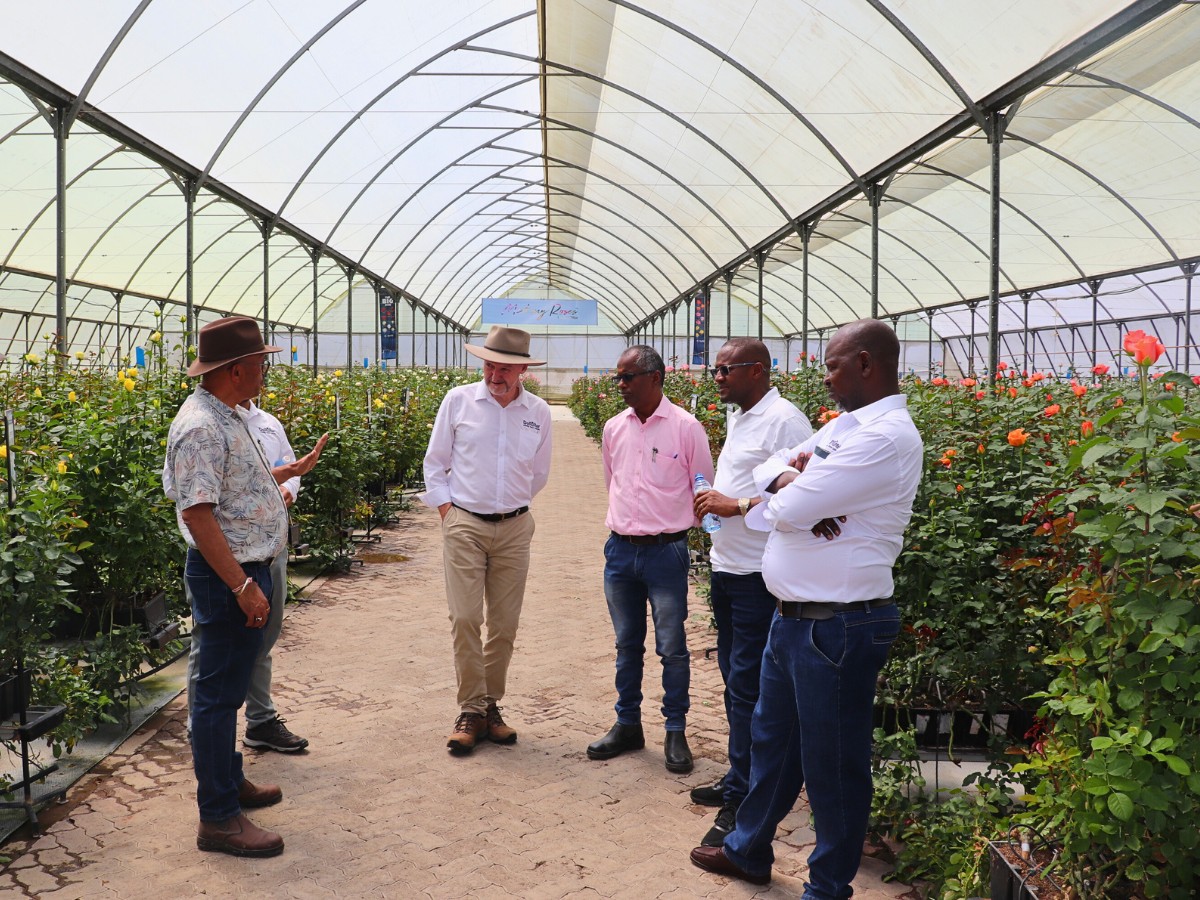
This collaboration evolves. As new varieties are introduced and market demand shifts, both teams remain in close communication, ensuring that decisions are supported by both technical data and market insight. The result is a working partnership where progress is shared. The transition from trial to commercial production is handled jointly, enabling more informed decisions and stronger outcomes for both parties.
Creating a Flower Business in Practice
De Ruiter’s approach in Kenya goes beyond breeding and technical support. Through collaborations with growers and platforms such as Thursd and florists' collaborations, the company actively supports the positioning of varieties in the market.

Campaigns built around specific varieties, grower features, and design collaborations help create awareness and connect production to end markets. These efforts bring growers, breeders, and florists into the same conversation, strengthening the entire value chain. This is where the idea of creating a flower business becomes tangible. It is not only about what is grown, but also about how it is positioned, communicated, and adopted within the market.
A System Built on Partnership and Reliability
At the regional level, this approach is supported by Robin Letcher, Managing Director of De Ruiter East Africa, who connects strategy to execution. The focus remains clear. Build strong partnerships, understand local conditions, and ensure that every variety introduced has a clear path to success.
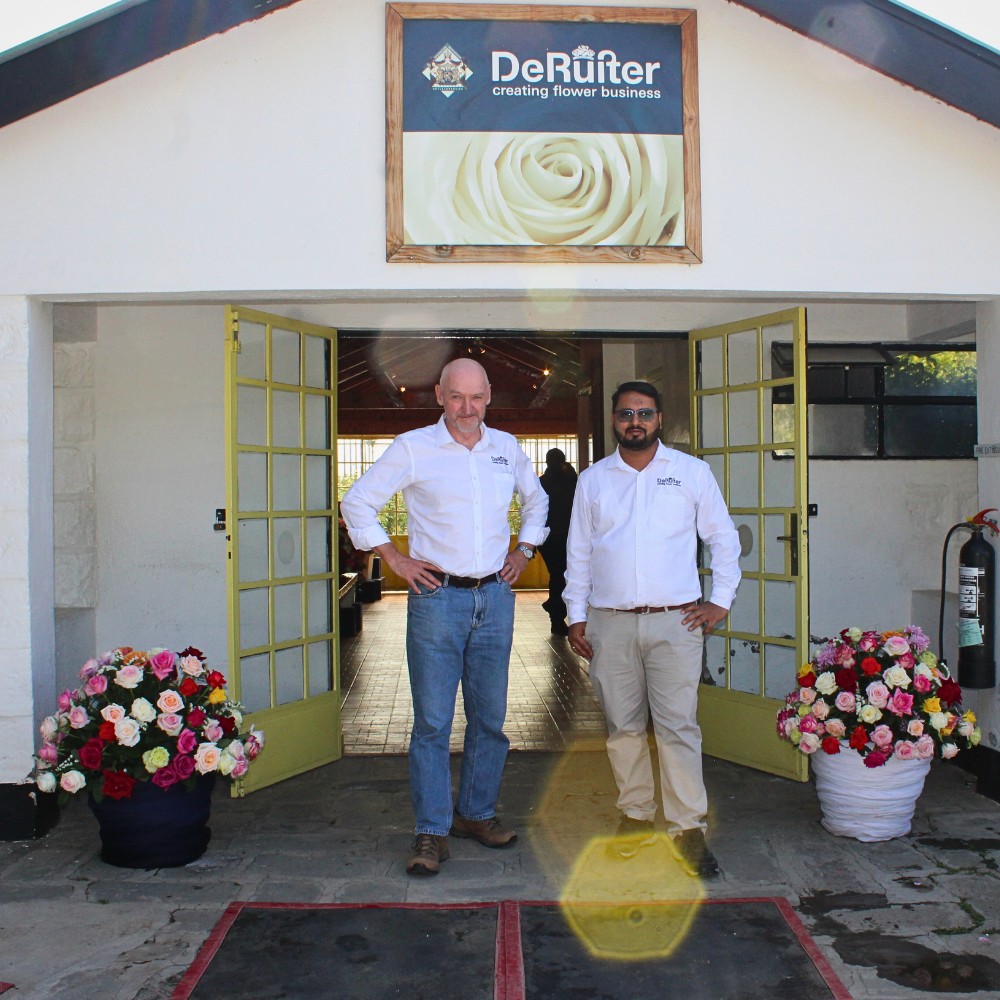
In Kenya, this combination of breeding knowledge, local expertise, and grower collaboration continues to shape how varieties are selected, scaled, and sustained over time. The result is not just performance in the greenhouse, but confidence in the long term. For growers, that reliability, supported by a close partnership, is what ultimately defines success.
Pictures by @deruitereastafrica.