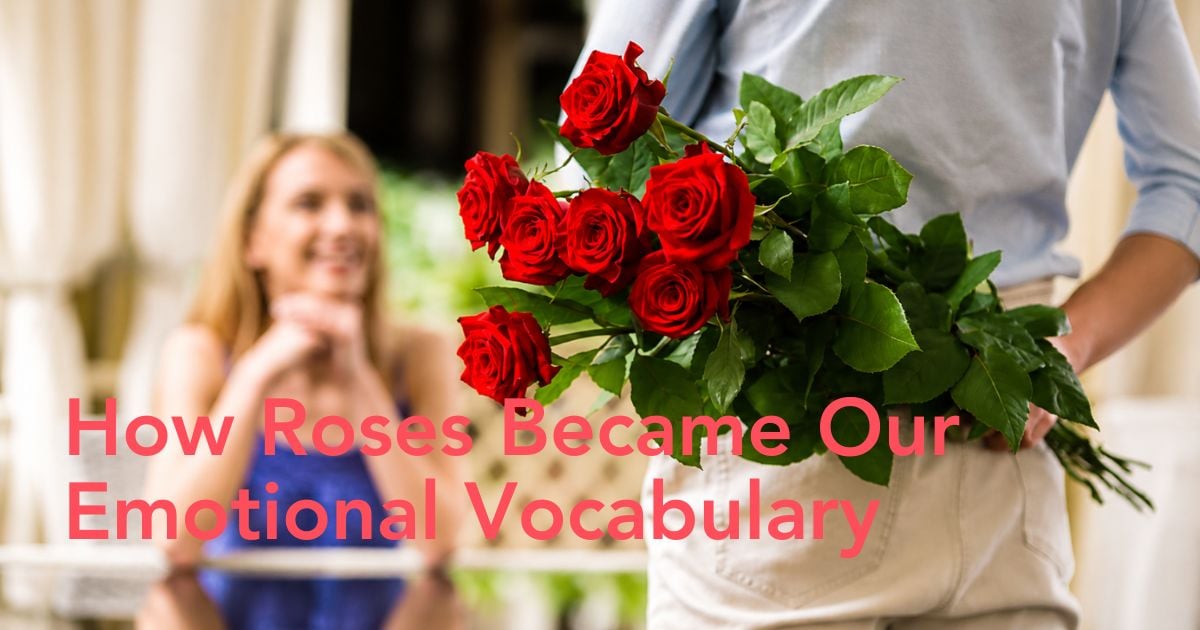
Walk into any flower shop and ask for a dozen red roses. You won't need to explain why. The florist already knows. So does the stranger standing behind you in line. Even the person receiving them will likely understand the message before a single word is said.
Now ask for white instead. The entire conversation shifts. Swap in yellow, lavender, peach, or burnt orange, and the bouquet suddenly seems to be telling a completely different story. Here's the question almost nobody stops to ask: do rose colors actually make us feel something, or have we spent a lifetime being trained to feel it on cue? The answer is more interesting than either option alone.
The Language We Never Noticed Learning
Flowers are often called a universal language, but the phrase has lost its edge. But most of what a rose 'says' isn't written into the petal at all. It's inherited through weddings, funerals, films, family habits, and a thousand small cultural repetitions most of us never consciously register.
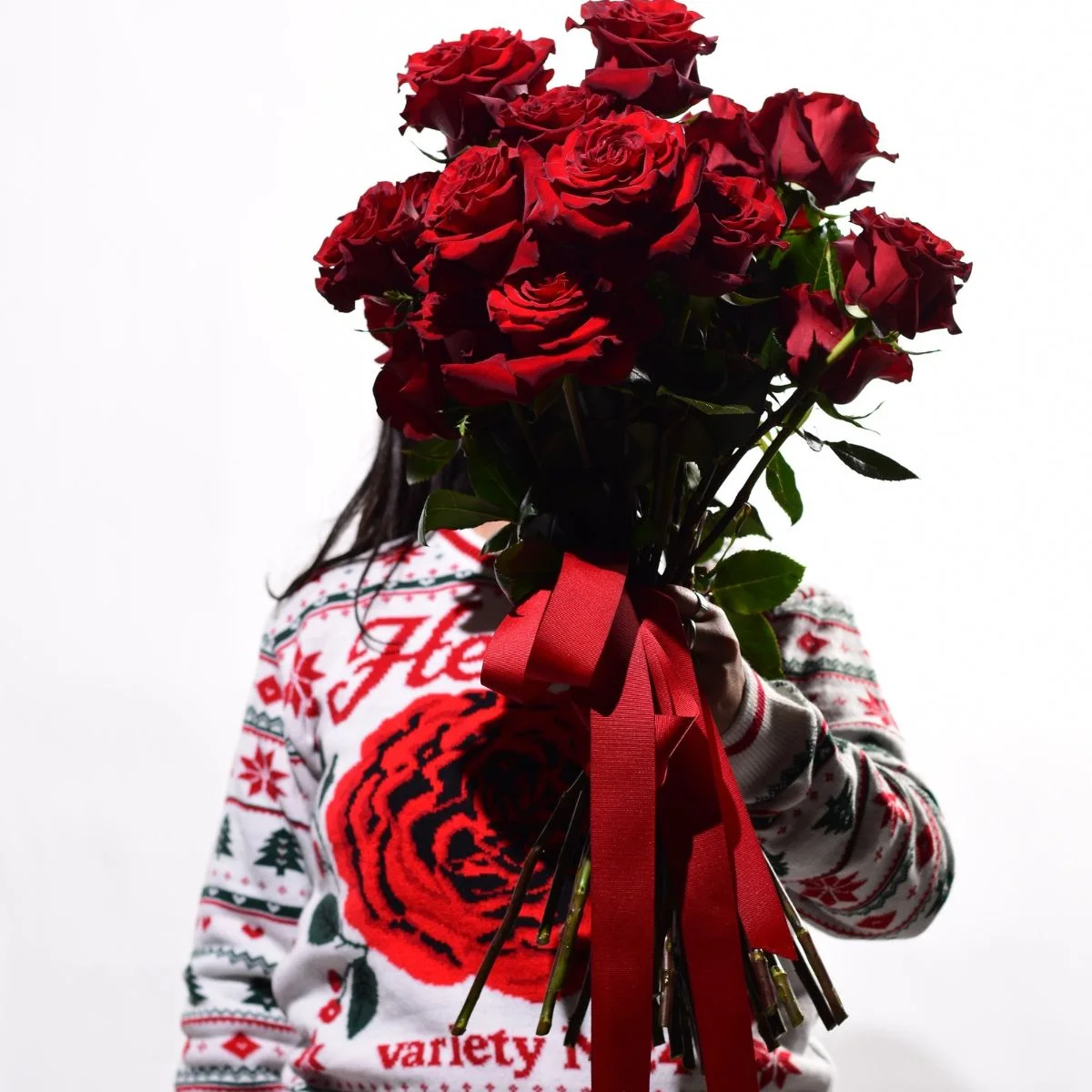
Take red. Long before anyone hands you your first rose, you've already absorbed what it's supposed to mean from proposals, anniversaries, Valentine's Day windows, and every romantic film scene a set designer ever built around it. By the time the flower reaches your hands, the emotional work is already done. The rose doesn't create the feeling. It cashes in on one you've been building your entire life.
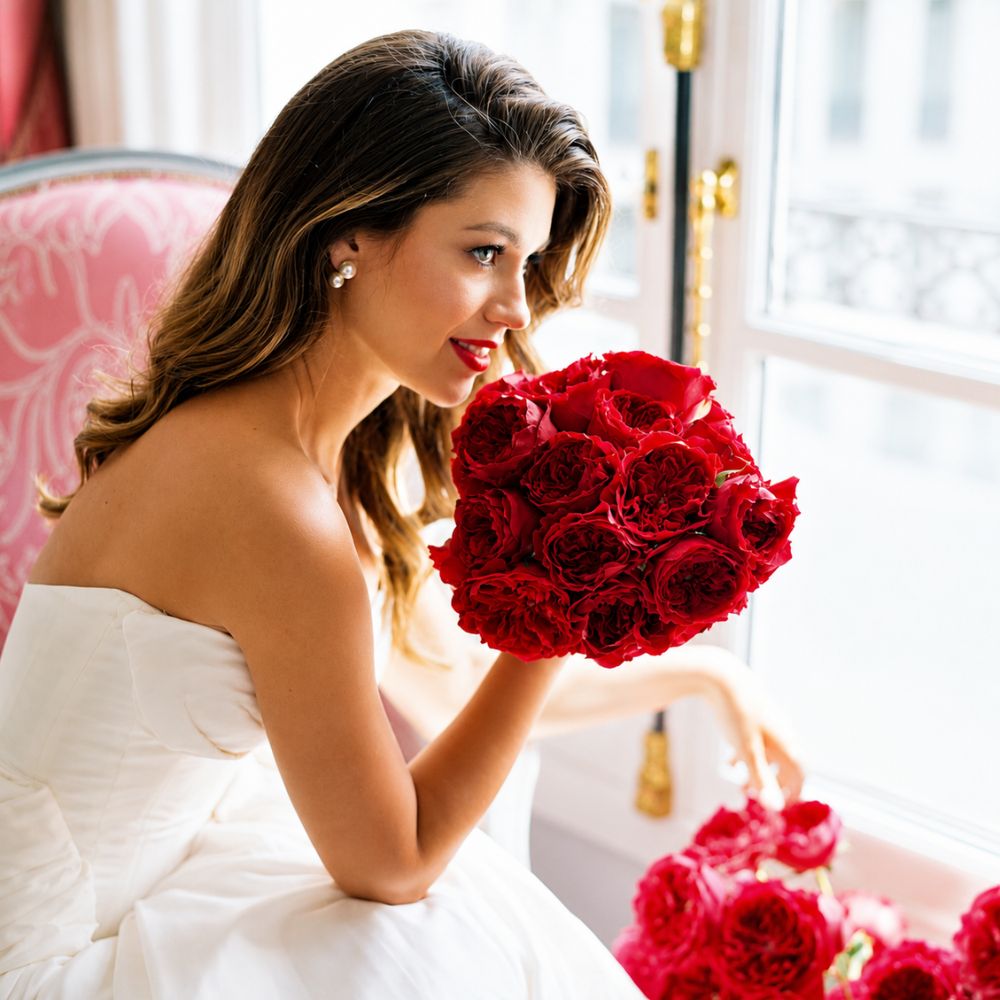
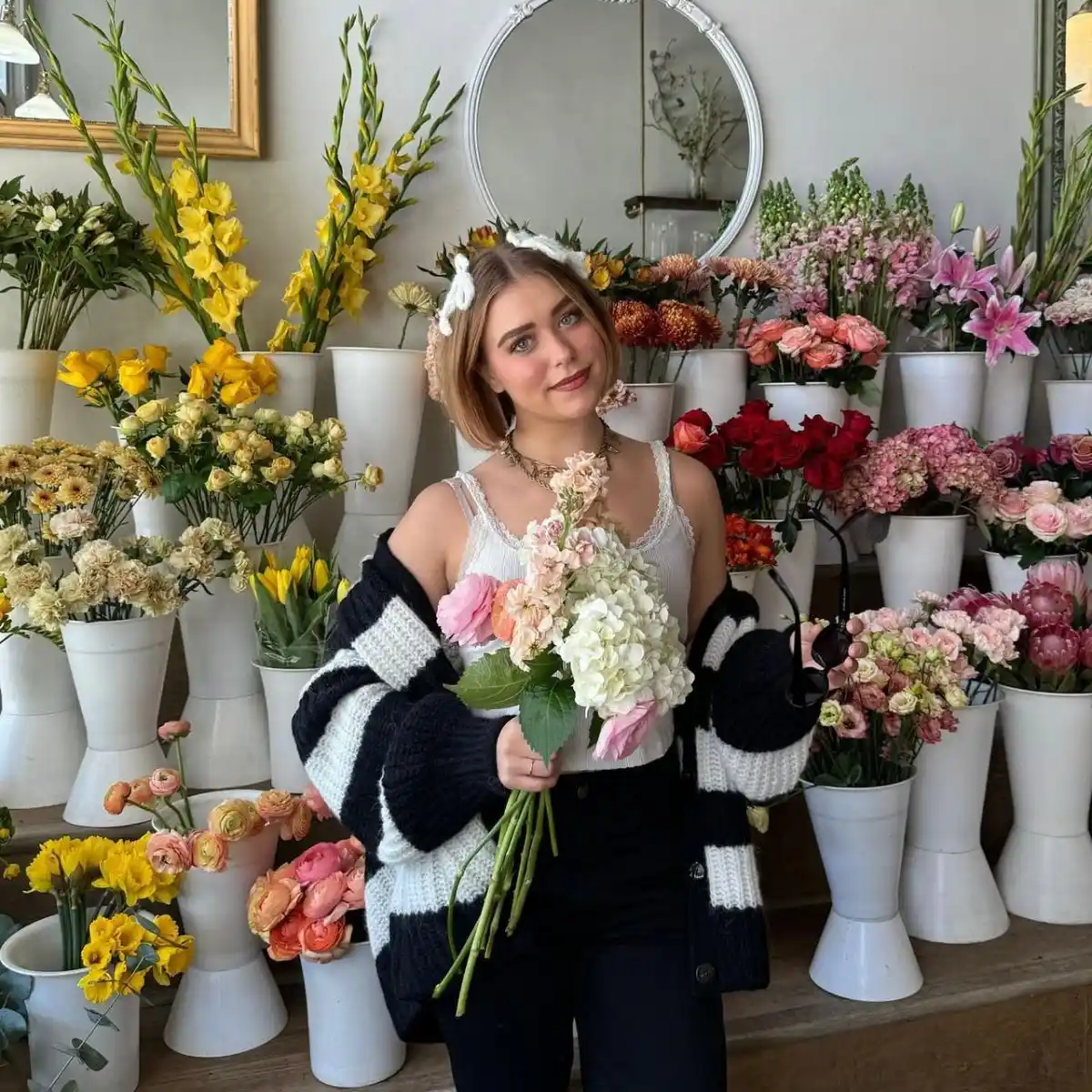
Photo by alexiasbridal
White tells the same story from the opposite direction. In much of the Western world, it signals purity and new beginnings, making it the obvious choice for a wedding. In parts of East Asia, that same white carries the weight of mourning. The flower hasn't changed at all. The story wrapped around it has.
What the Science Actually Says
Color psychology has the look of settled science: tidy charts, confident claims, and a hundred years of design theory built on top of it. The reality underneath is far messier. Researchers generally agree that brightness and saturation can nudge attention and energy in small, measurable ways. But the specific emotional meanings we attach to individual colors – passion, purity, joy, and grief – are shaped far more by culture and personal association than by anything close to biology.
Put plainly: a red rose probably isn't generating romance on its own. It's retrieving every romantic moment you've ever filed under 'red'. That distinction matters more than it sounds.
Why It Still Matters to the Person Holding the Shears
Here's the twist: whether the meaning is inherited or instinctive, florists still have to work with it every single day, and in a strange way, that makes the skill more impressive, not less.
When a customer asks for peach instead of red, or blush instead of bright yellow, they're often expressing something they haven't fully put into words yet. Experienced designers know this instinctively. Color selection was never just an aesthetic decision. It's an act of translation, reading the occasion, the recipient, and the story that the arrangement needs to carry.
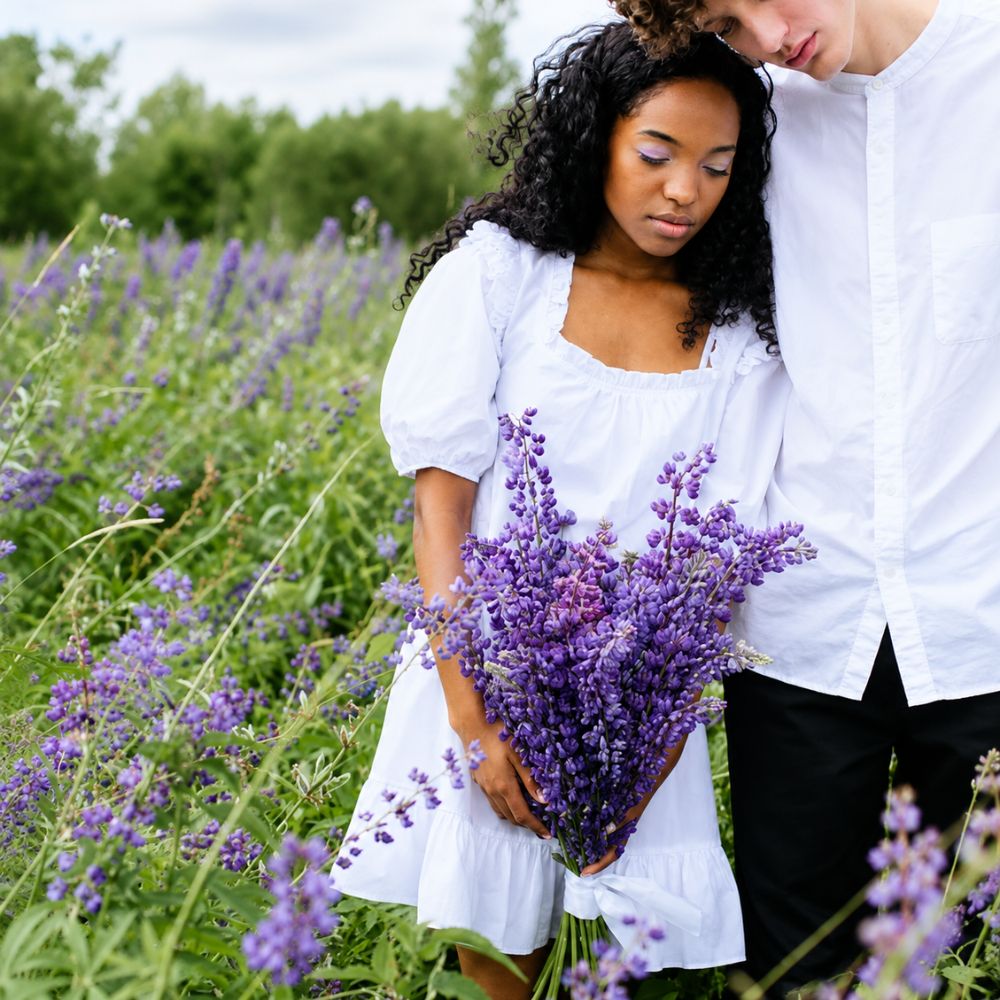
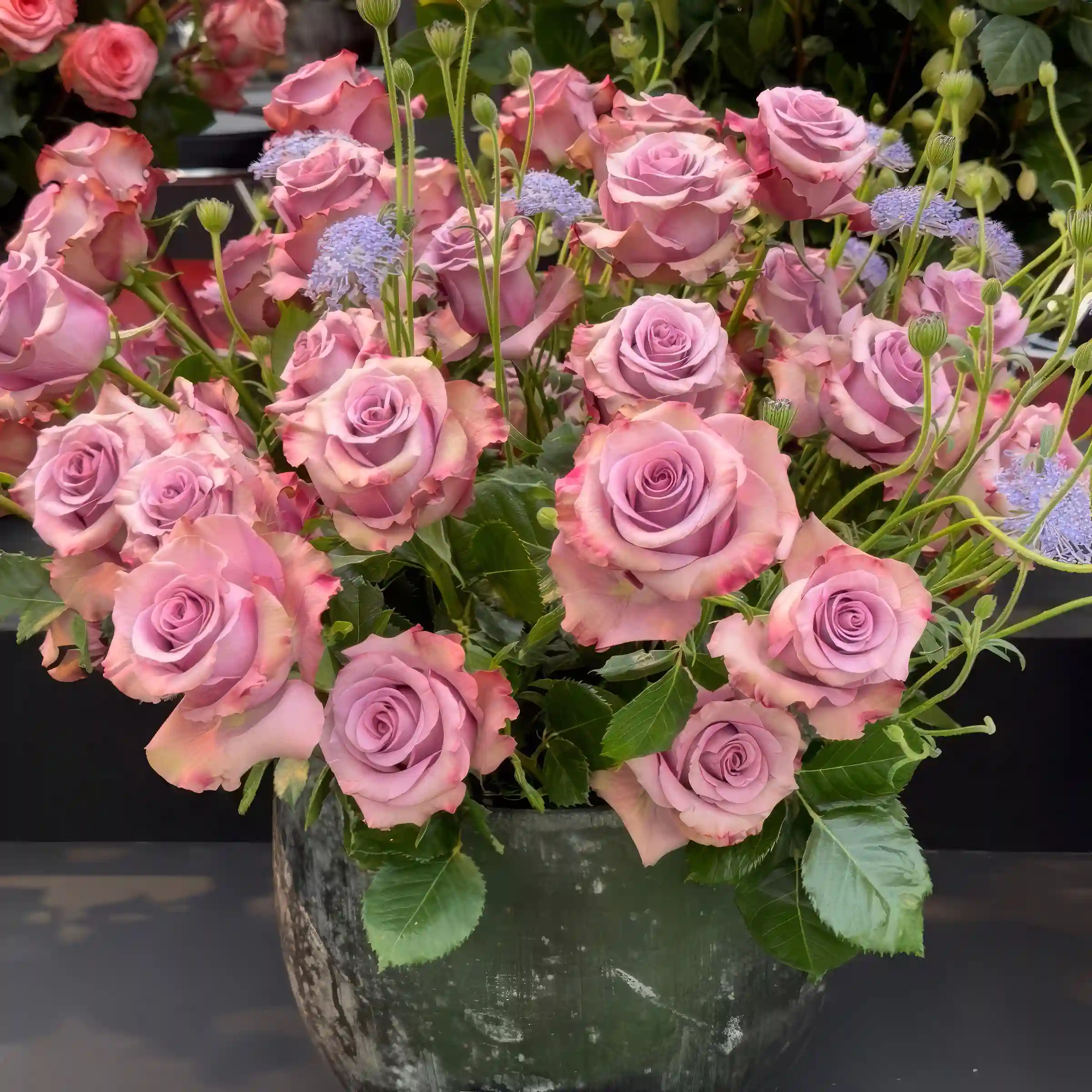
Photo by Cotton Bro Studio from Pexels
That's why a good consultation rarely opens with "Which rose do you like best?" It opens with "Tell me about the person this is for." The color comes second. The story comes first.
The Meanings Are Already Rewriting Themselves
If flower-color symbolism were fixed and permanent, floral design would have stood still decades ago, but it hasn't.
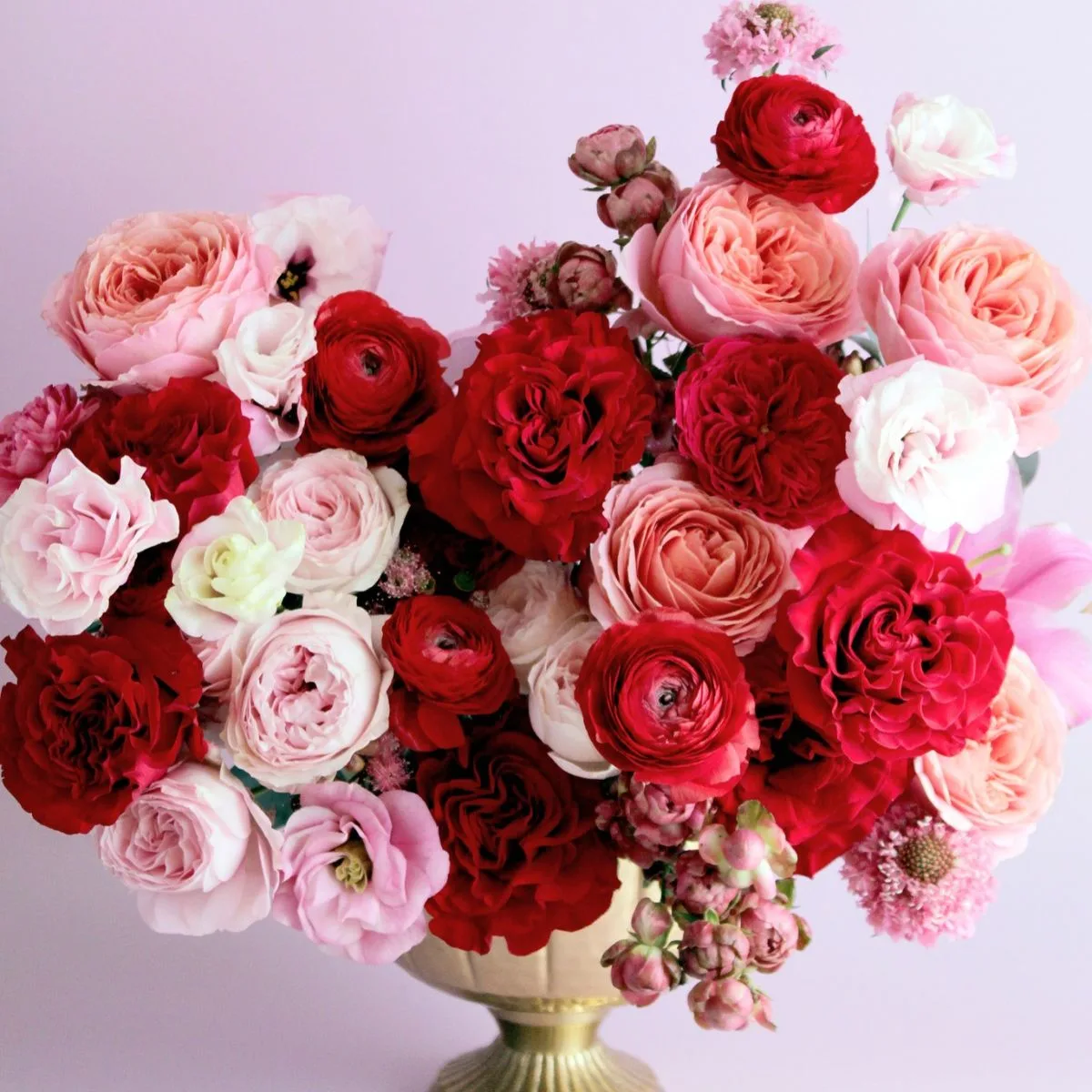
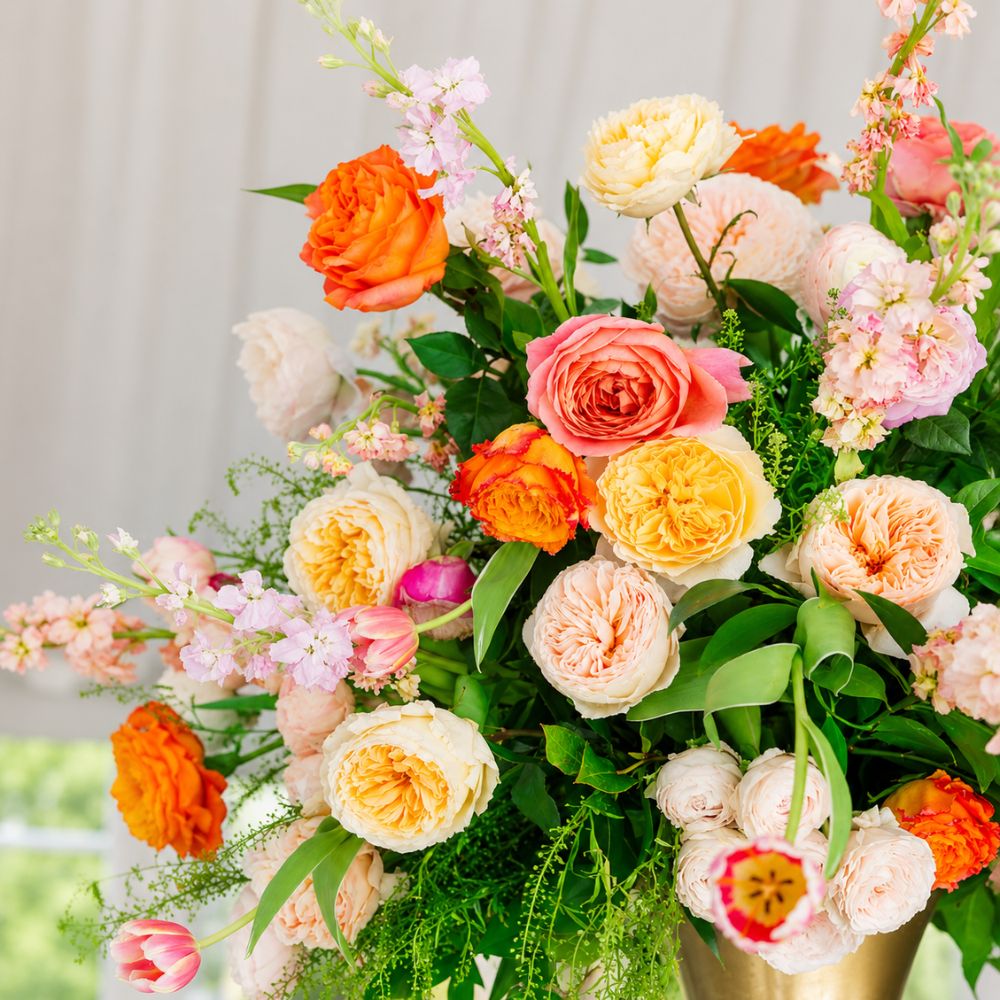
Look at what's happening in weddings right now: muted caramel, terracotta, toffee, and antique tones palettes that would once have been dismissed as dull or unfinished are now the ones read as elegant and luxurious. Green has made a similar leap, moving from background filler to a lead color in its own right, bringing calm and modern restraint.
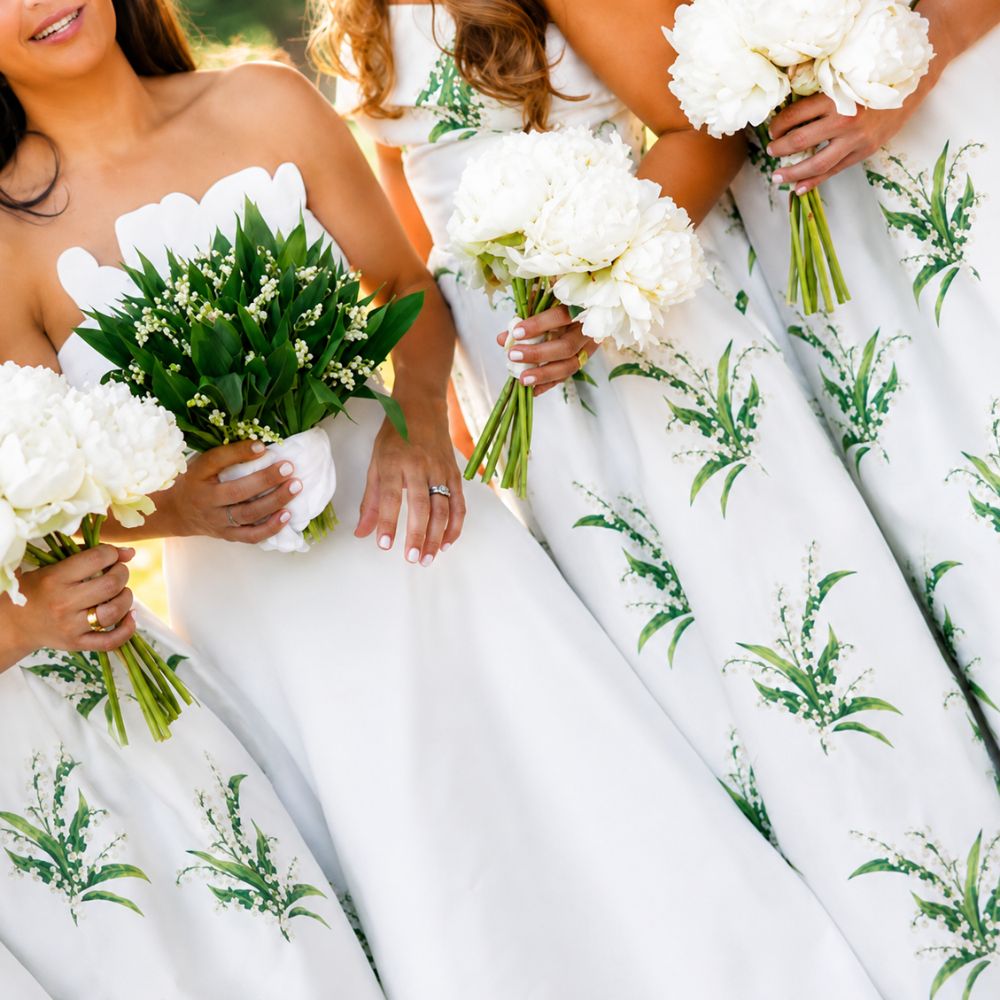
Photo by Alexias Bridal
This is exactly the mechanism behind something like Thursd's Crimson Nocturne. A color doesn't carry cultural weight based on its wavelength. It earns it because an industry, a design community, and eventually a buying public collectively decide to give it meaning, one arrangement at a time.
So, Real Feeling, or Learned Reflex?
Almost certainly both, tangled together past the point of a clean answer. There may be a faint, genuine physiological nudge buried in color and brightness. But the specific emotional stories, the ones a florist relies on every day, are cultural inheritance dressed up as instinct.
That doesn't make the rose any less powerful. If anything, it makes the whole exchange more remarkable. The fact that a single stem can carry a precise, unmistakable emotional message isn't proof that color controls the mind. It's proof of something far rarer: that people are so good at building shared meaning together that we can hand each other a flower and both know exactly what it means without either of us ever saying it out loud.
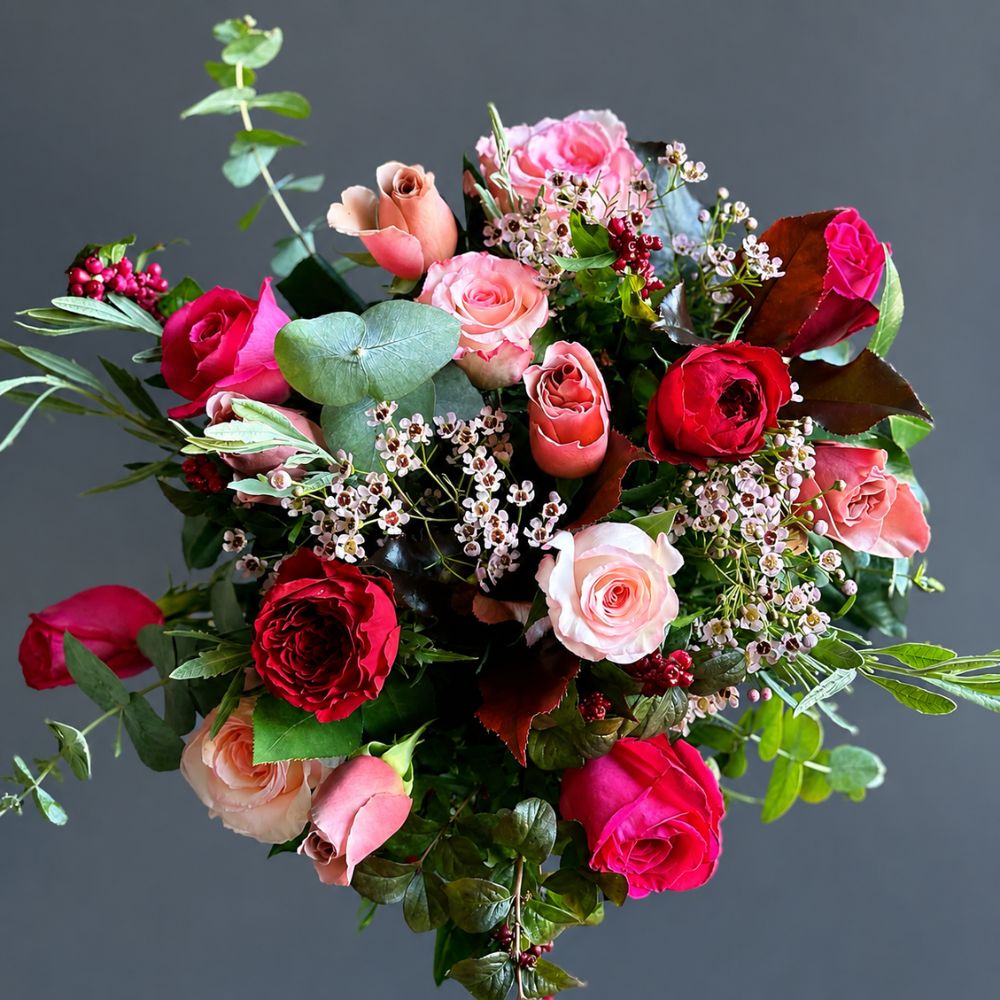
The next time a bouquet stops you mid-thought, skip the question, "What does this color symbolize?"
Ask instead: What memory is this color handing back to me?
Because the emotion was probably never hiding inside the petals at all. It was already in you. The rose just gave it somewhere to go.