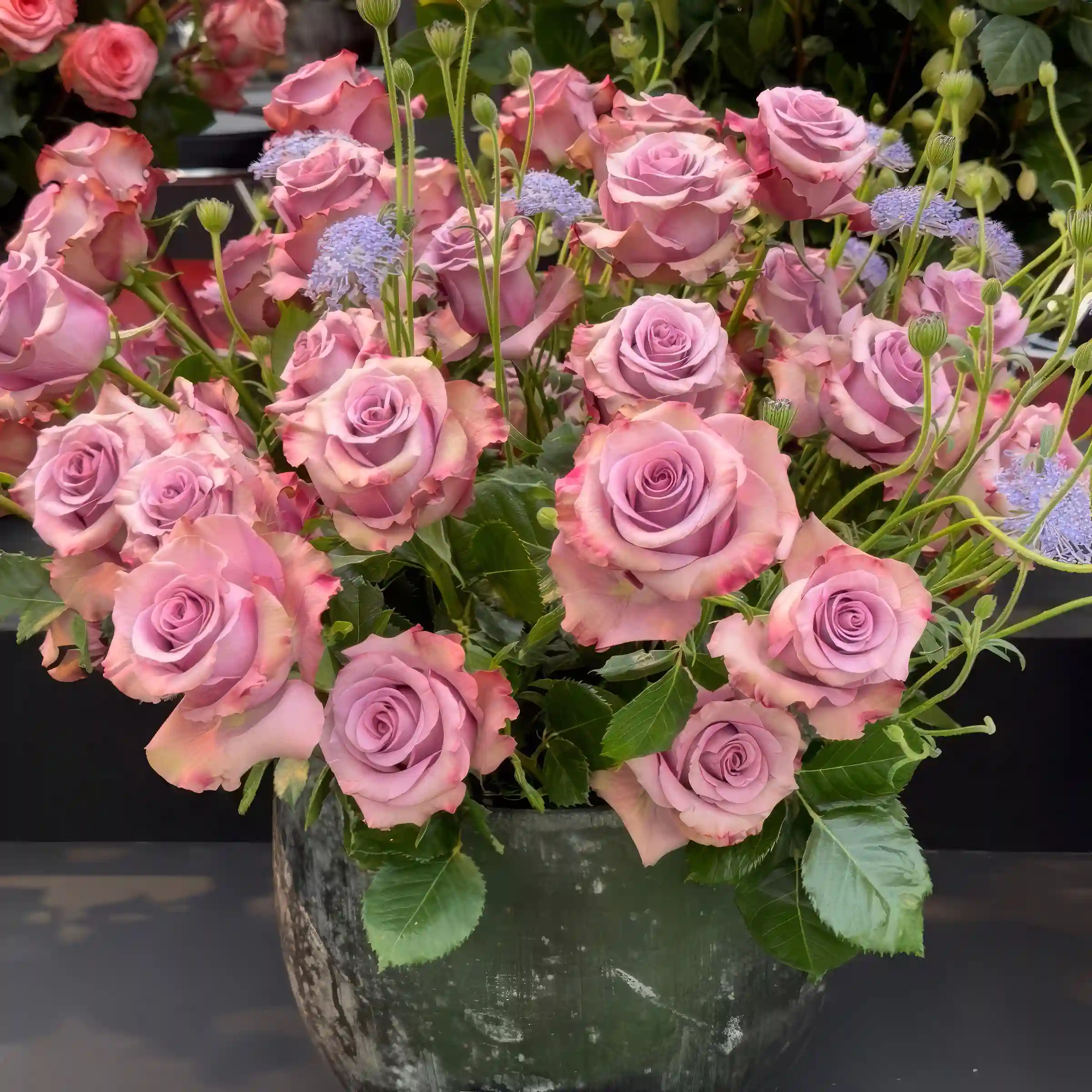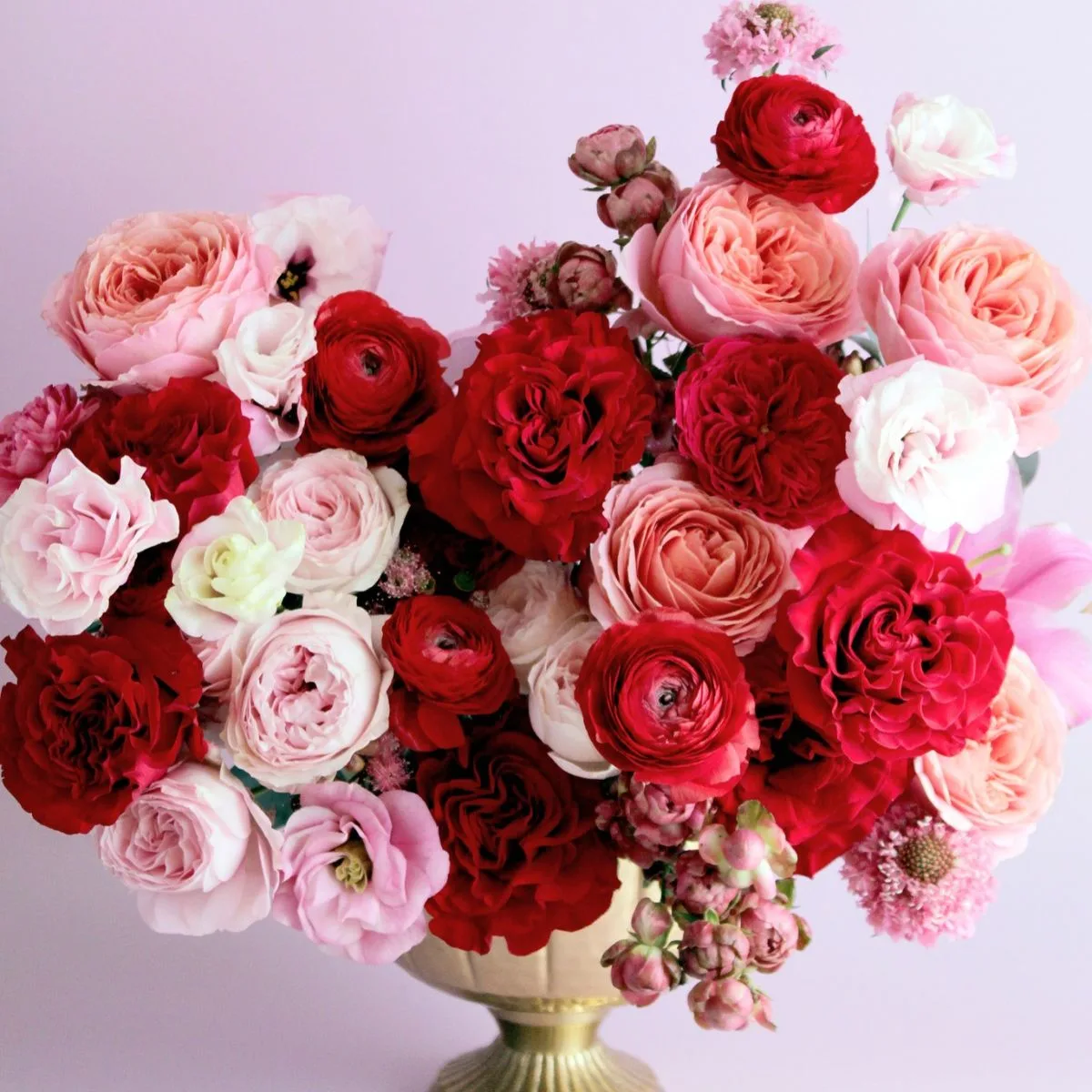
Not every beautiful flower becomes a bestseller. In the world of roses, some of the most visually striking varieties are also the ones that sell in smaller volumes. Bicolored roses, with their captivating blends of contrasting hues, have long fascinated breeders, florists, and flower enthusiasts alike. Yet despite their visual appeal, single-colored roses continue to form the backbone of the global cut flower market.
This is not because bicolored roses lack beauty. Varieties such as Cherry Brandy, High & Magic, Esperance, Cabaret, and Circus are celebrated for their remarkable color combinations and distinctive character. So why do solid colored roses continue to dominate commercial demand? The answer lies in a combination of consumer behavior, floral design, symbolism, and the practical realities of the flower trade.
Consumers Buy What They Recognize
Whether shopping in a flower shop, supermarket, or online, many consumers make purchasing decisions in just a few moments, and that speed depends on recognition. Few flowers carry as much symbolism as the rose, and most of that meaning centers on solid color. Red has long symbolized romantic love; white, purity and remembrance; yellow, friendship; and pink, admiration and gratitude. These associations have been reinforced for generations through weddings, anniversaries, and everyday gifting, so a shopper making a quick decision does not need to think twice about what a solid rose communicates.
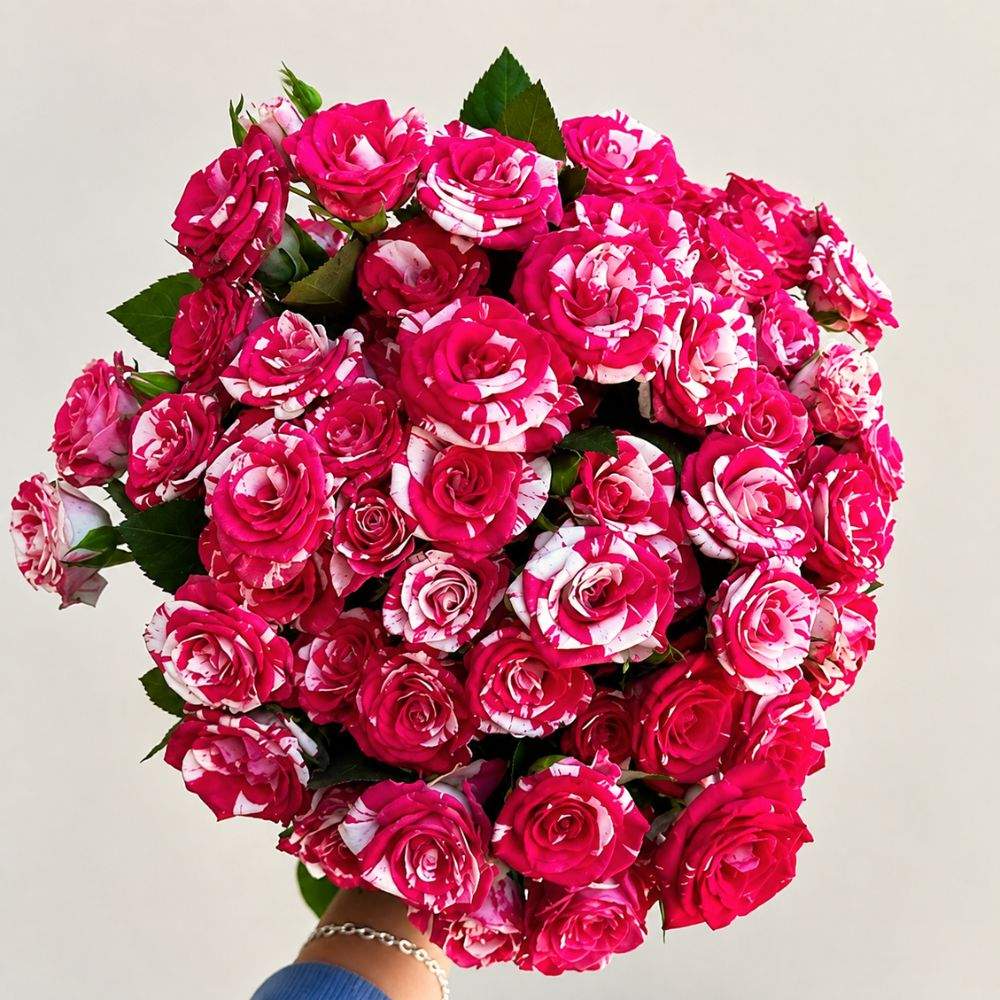
Bicolored roses offer something different. Their layered colors create intrigue and individuality, but they have not developed the same universally understood meaning. For a customer choosing quickly, that ambiguity is often enough to send them back to something familiar, even if the bicolored option is more visually striking.
Florists Value Consistency
For florists, beauty is only one part of the equation. A designer preparing wedding flowers, corporate installations, or large events depends on consistency across every arrangement. Solid-colored roses provide a reliable foundation because their appearance remains uniform from stem to stem, making it easier to achieve a cohesive design at scale.
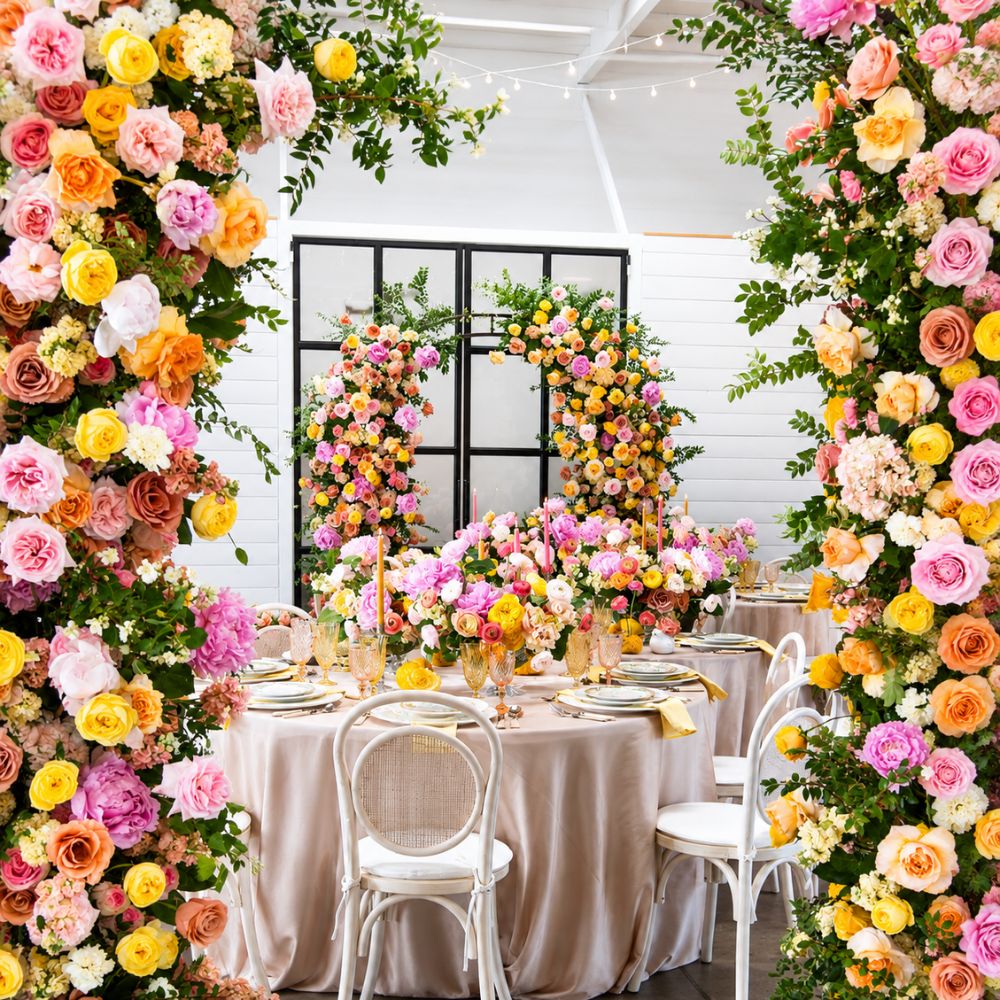
Bicolored roses naturally display greater variation. The color balance may differ slightly from one flower to another, and changes in light or stage of opening can affect how the colors appear. That variation is part of what gives bicolored roses their charm in a bouquet meant to stand alone, but it also makes them harder to use when complete uniformity across a hundred stems is the goal.
Commercial Demand Favors Familiarity
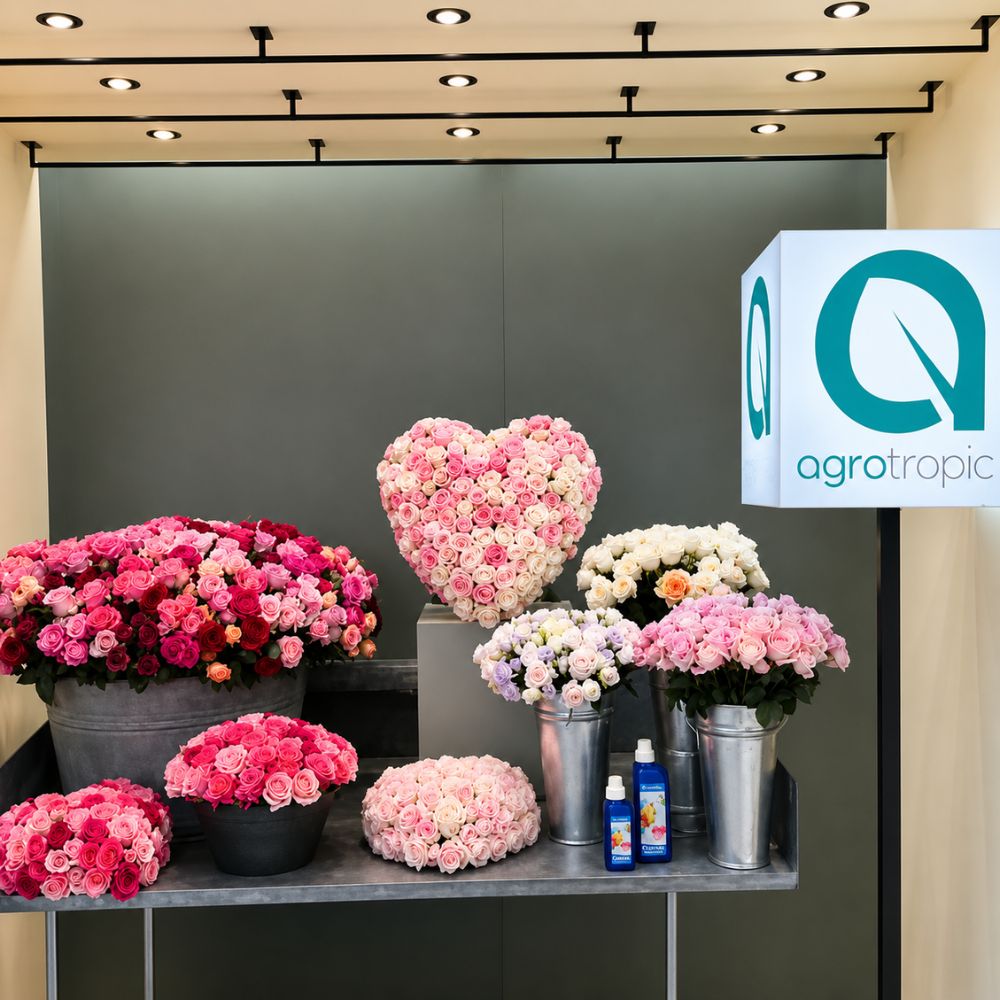
Across the global flower trade, solid colored roses remain the varieties most commonly seen in supermarkets, retail florists, and large floral events. Their broad appeal encourages growers to allocate more greenhouse space to colors that consistently perform well year-round. At major flower auctions such as Royal FloraHolland, solid colored roses in red, white, and pink consistently make up the largest share of rose volume traded, which helps maintain stable availability and more competitive pricing across international markets.
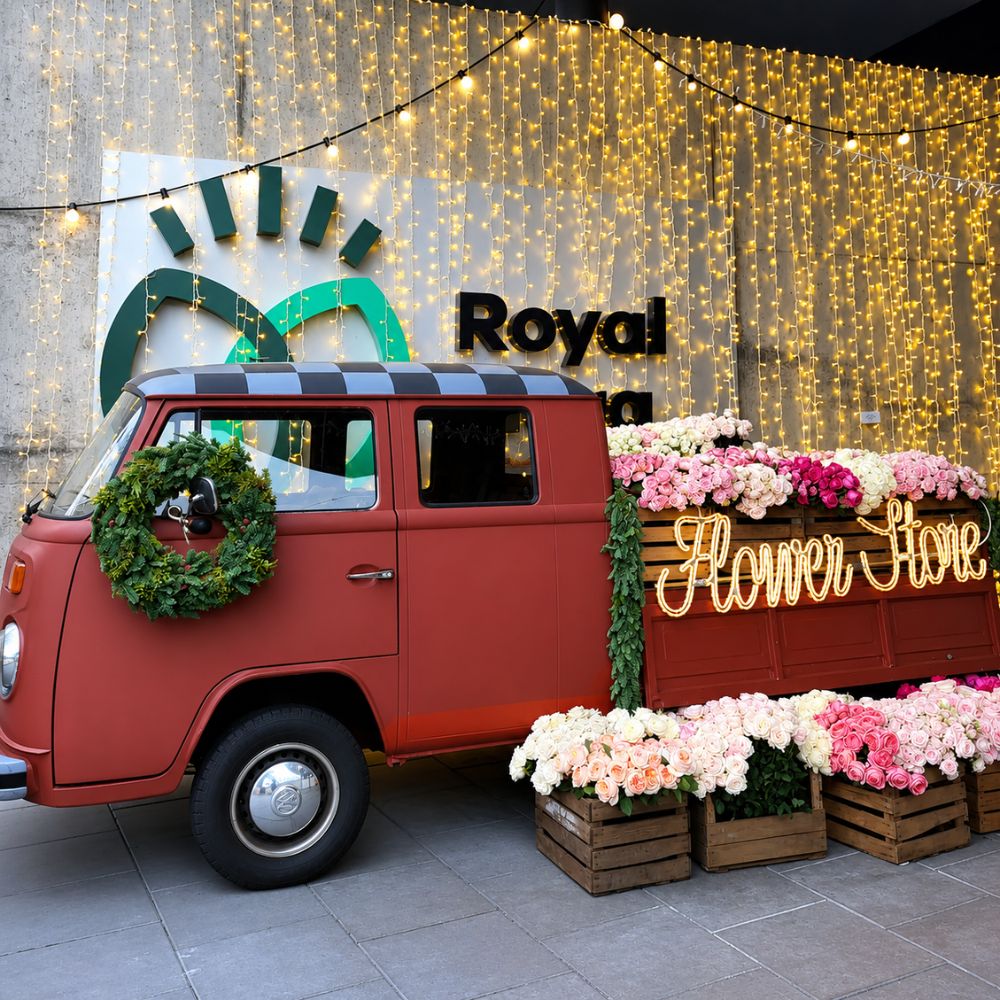
Bicolored roses are generally produced in smaller quantities, and that scarcity often comes with a higher per-stem cost. Rather than competing directly with traditional varieties, they occupy a premium niche where originality matters as much as volume, giving wholesalers and exporters a market where solid roses satisfy everyday demand and bicolored roses provide something distinctive for the occasions that call for it.
Why Breeders Keep Creating Bicolored Roses
If solid-colored roses dominate commercial sales, why do breeders keep introducing bicolor varieties? The answer is innovation. Breeders are constantly searching for new colors, patterns, and characteristics that inspire growers, florists, and consumers, and distinctive varieties help keep the floral industry fresh.
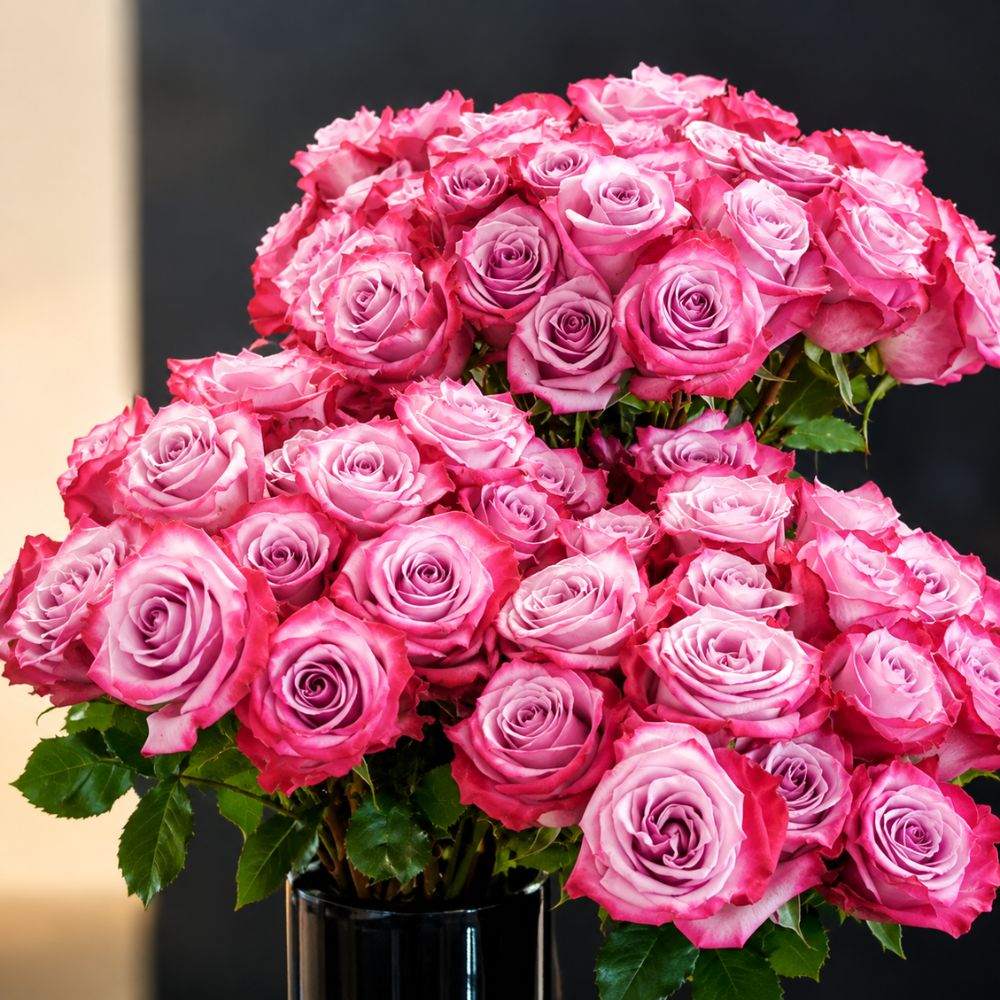
A rose such as High & Magic, with its striking yellow petals edged in deep red, offers a completely different visual experience from a classic red rose. Cherry Brandy combines warm orange and red tones that evolve beautifully as the flower opens. At the same time, Esperance brings together soft cream and blush pink in a way that feels both elegant and contemporary. These varieties may never match the production volumes of classic single-colored roses, but they give the industry something equally valuable: room to experiment.
Different Roses for Different Stories
The success of a rose is not measured only by how many stems are sold. Classic varieties such as Avalanche+, Madam Red, Rhodos, and Athena continue to dominate everyday occasions because of their versatility and broad appeal.
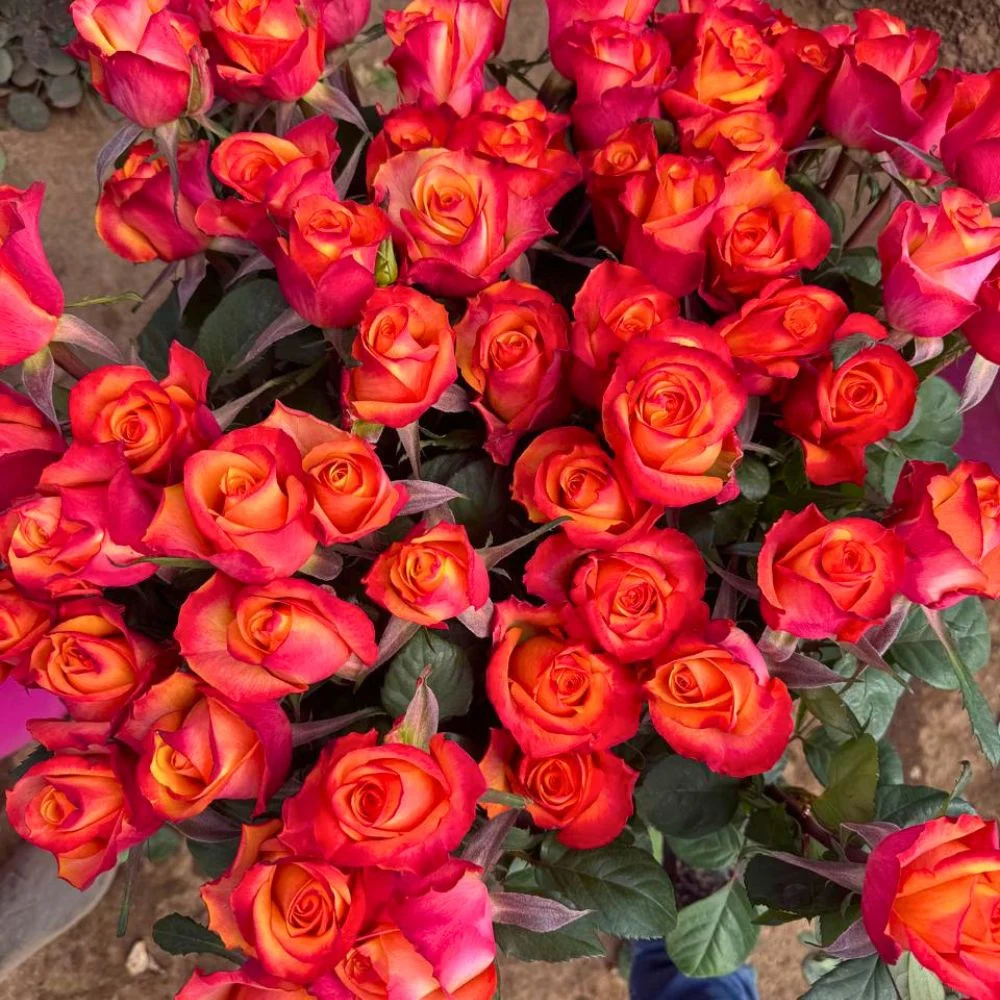
Bicolored roses, meanwhile, have earned their place in luxury events, editorial photography, and bespoke floral designs, where individuality matters more than uniformity. Rather than replacing one another, the two categories serve different purposes within the same industry, each built for a different kind of moment.
Beauty Is Not Measured by Volume
Single-colored roses continue to lead the market because they are familiar, versatile, and easy for consumers to understand at a glance. That simplicity is what allows growers, wholesalers, florists, and retailers to meet demand across countless occasions throughout the year.
Bicolored roses will likely never outsell them, and that was never really the point. Their value lies in what they make possible: a rose chosen not for what it symbolizes, but simply because someone likes it. Perhaps the question is not whether one is better than the other, but which story each rose is meant to tell.
Header Image by @HojaVerde Roses.