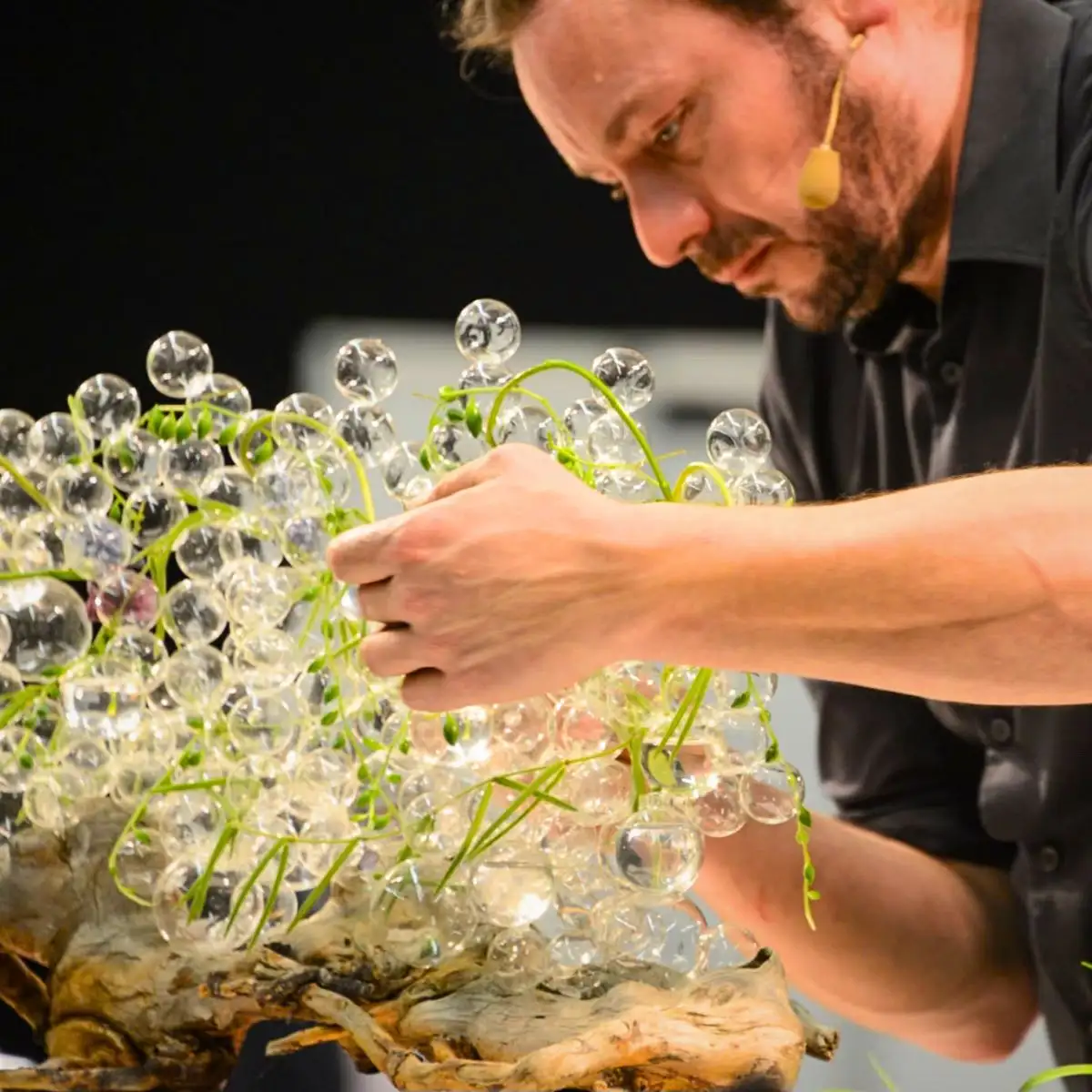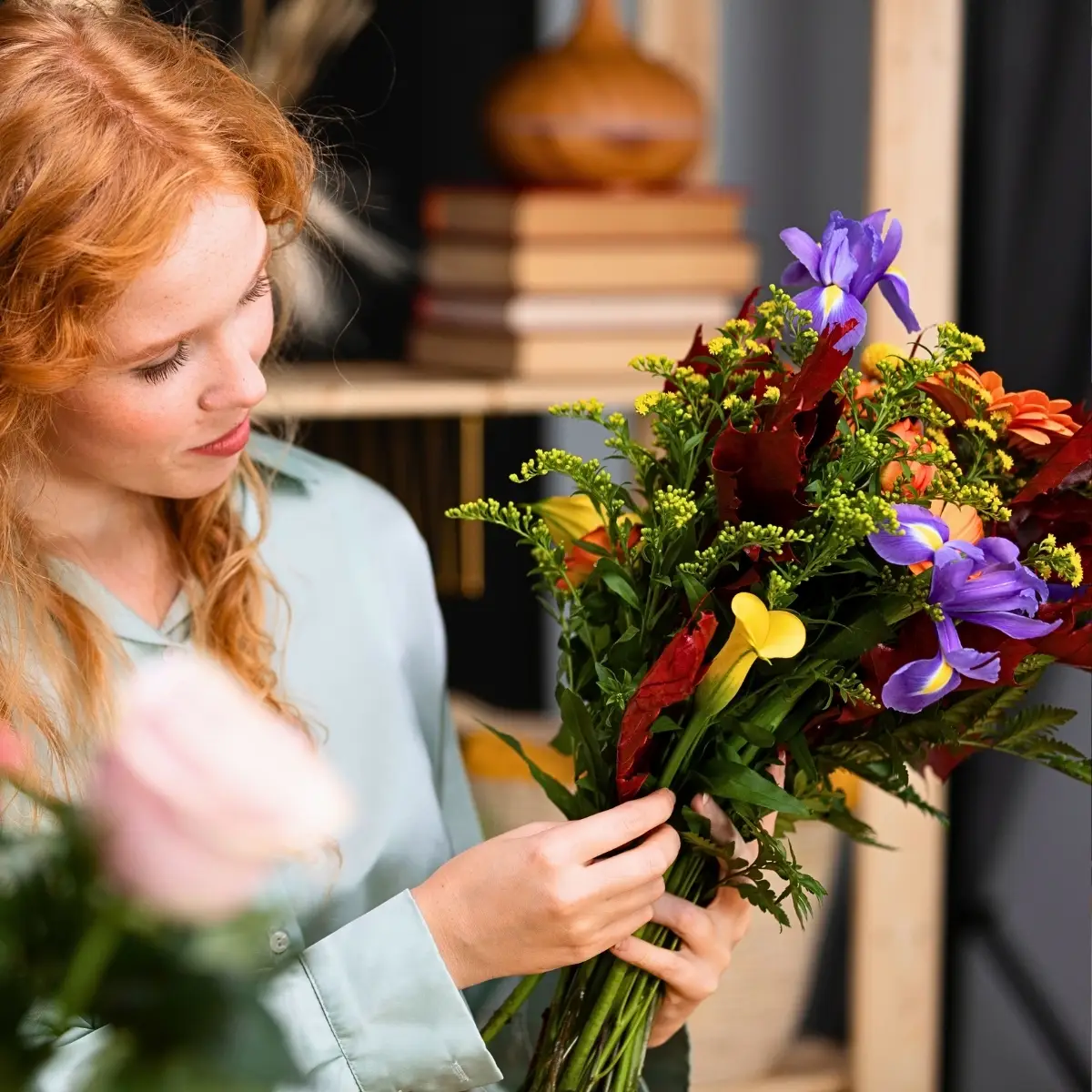
A wedding bouquet is not simply a collection of flowers tied together. It is a constructed design with structure, weight, proportion, and technical considerations behind it. But even more, it's a story they carry. Full of emotions and dreams. For brides, understanding the different types of wedding bouquets helps in choosing a shape that complements the dress, venue, and personal style. The character of the couple and the goals in life they want to achieve can guide the choice. For florists, knowing the structural differences between bouquet forms and what the meaning can be is essential for proper construction, pricing, and client guidance.
This comprehensive guide outlines the major types of wedding bouquets, followed by essential insights into the types of flowers and greenery for wedding bouquets that define their final appearance.
What Are the Main Types of Wedding Bouquets?
Wedding bouquets are generally categorized by structure and how they are carried. Below are the primary recognized forms used in modern and traditional floristry.
Round Bouquet
The round bouquet is one of the most widely requested styles. It is symmetrical, compact, and typically built with a spiral-stem technique to create balance and stability. The flowers are arranged evenly to form a dome shape when viewed from the front.
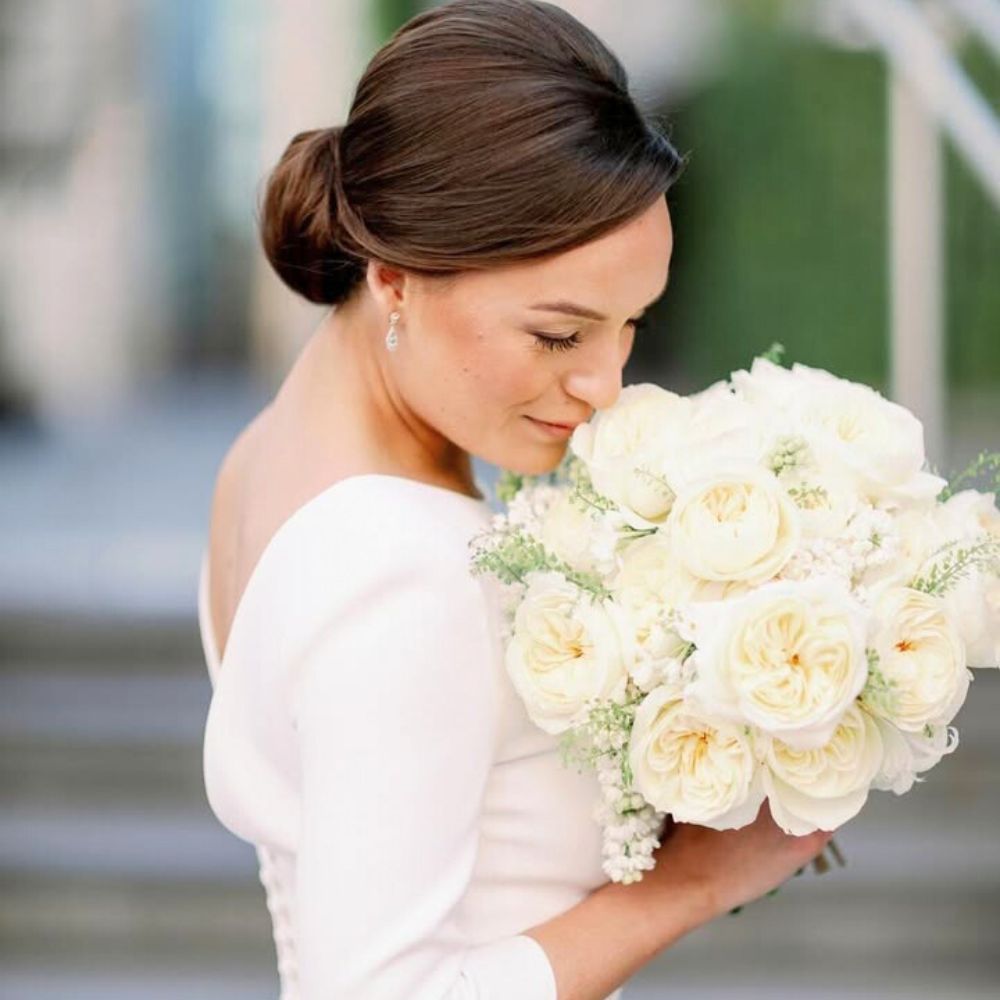
This bouquet suits formal ceremonies and structured gowns because its geometry is controlled and predictable. Florists often recommend this style for clients who want a refined and timeless look. It is also one of the easier foundational designs for new florists to master because it teaches proportion and stem control.
Posy Bouquet
A posy bouquet is smaller than a traditional round bouquet and is designed to be lightweight and easy to hold. It is often used for civil ceremonies, elopements, or as bridesmaid bouquets.
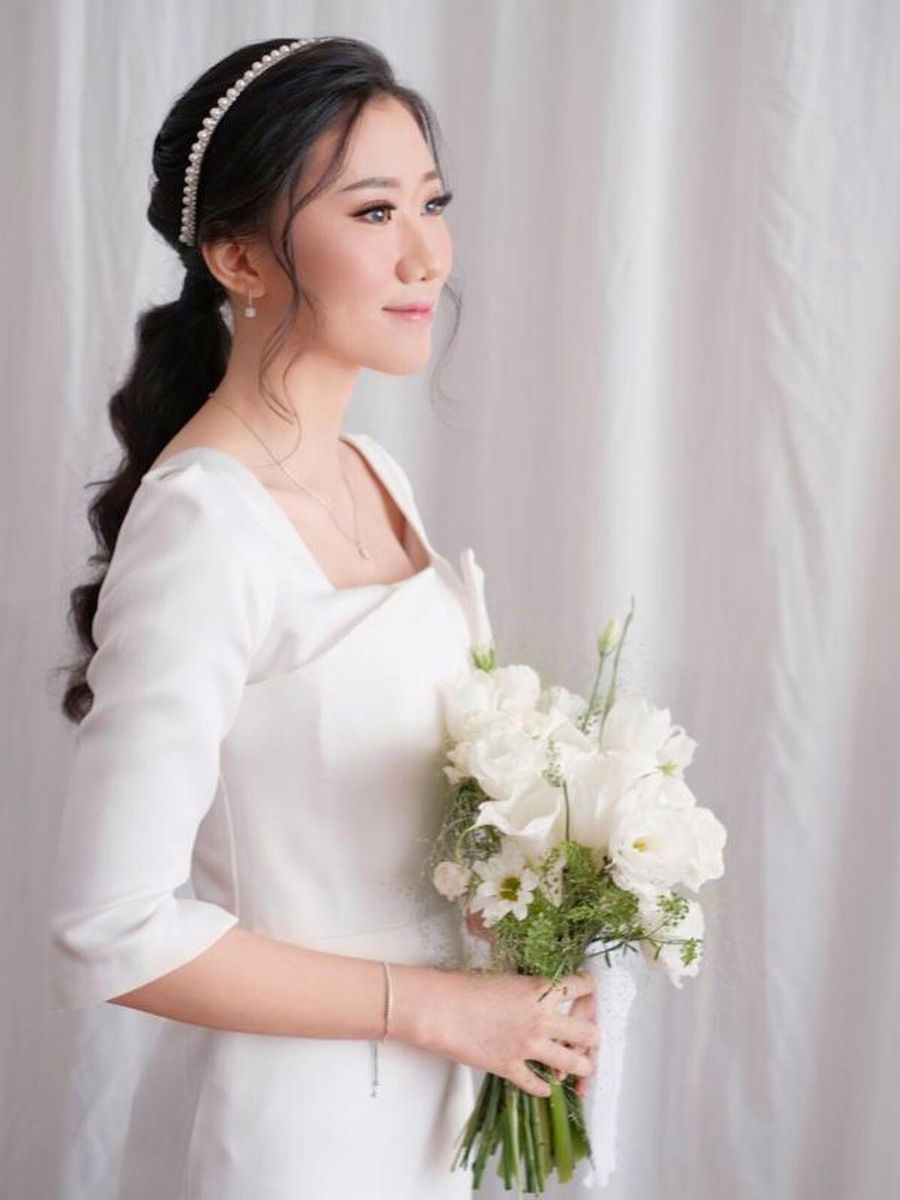
From a construction standpoint, the posy follows similar mechanics to the round bouquet but on a reduced scale. Because of its size, flower selection must be deliberate. Larger blooms can quickly overwhelm the shape, so balance is key.
Nosegay Bouquet
The nosegay resembles a posy but includes a clearly defined collar of greenery that frames the flowers. This foliage layer creates visual separation between the floral center and the outer edge.
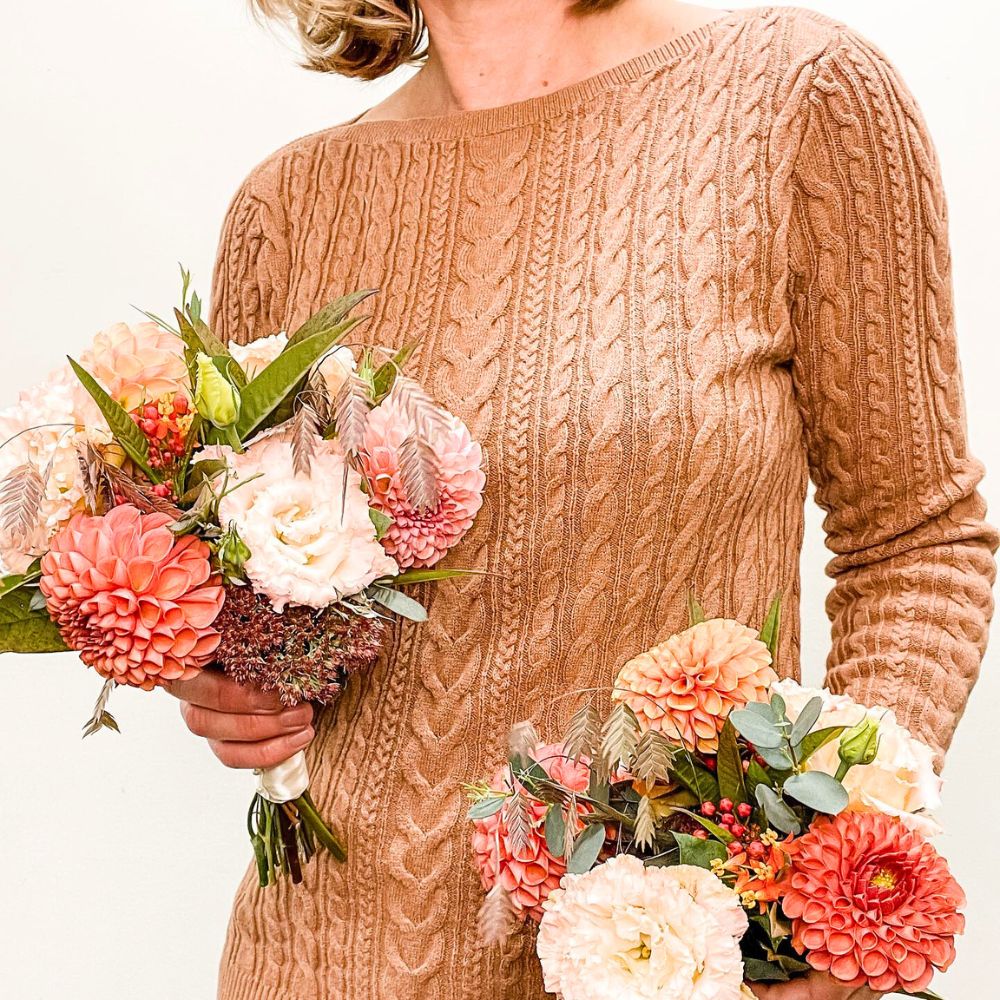
The types of greenery for wedding bouquets become particularly important in this design. Ruscus, salal, or structured foliage are often used to maintain a clean border. The nosegay works well for traditional weddings where definition and structure are preferred.
Hand-Tied Bouquet
The hand-tied bouquet is constructed by spiraling stems together and allowing the flowers to sit in a more natural arrangement. Unlike the tightly controlled round bouquet, this style permits variation in height and texture.
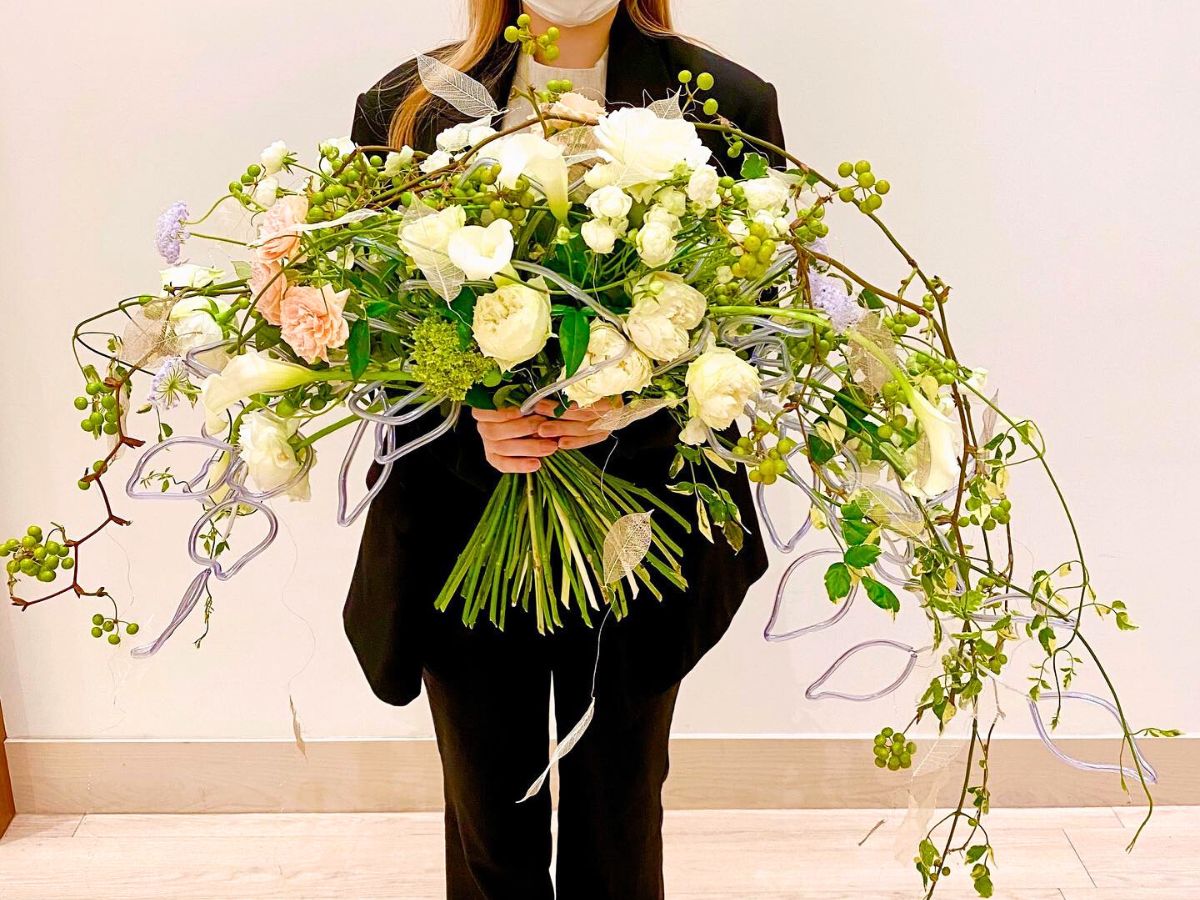
This form is popular in garden weddings and outdoor ceremonies. It accommodates mixed flower varieties and works well when combining focal flowers, secondary flowers, and textural elements. Although it appears relaxed, proper spiral technique is still necessary to ensure durability and balance.
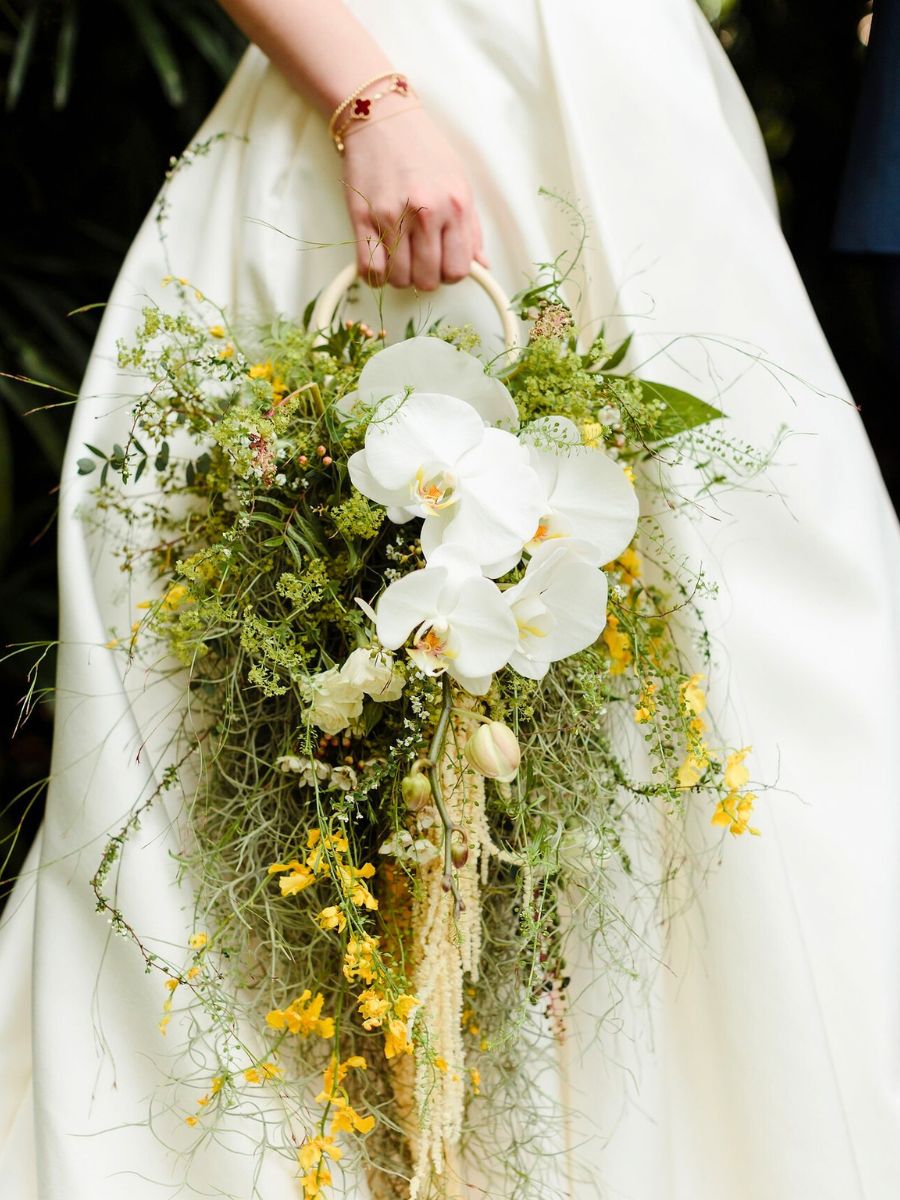
Cascade Bouquet
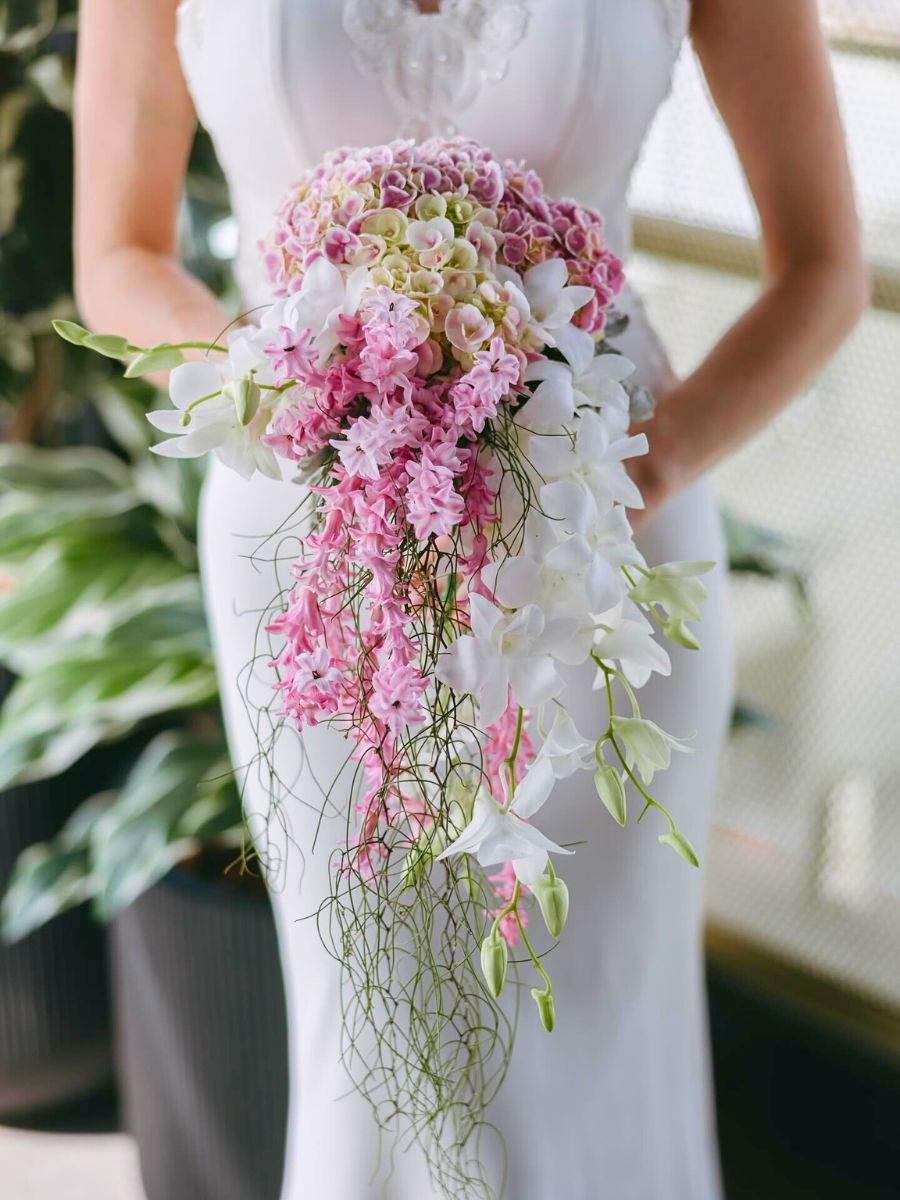
The cascade bouquet features flowers and foliage that flow downward beyond the main body of the bouquet. The shape creates vertical movement and can elongate the bride’s silhouette.
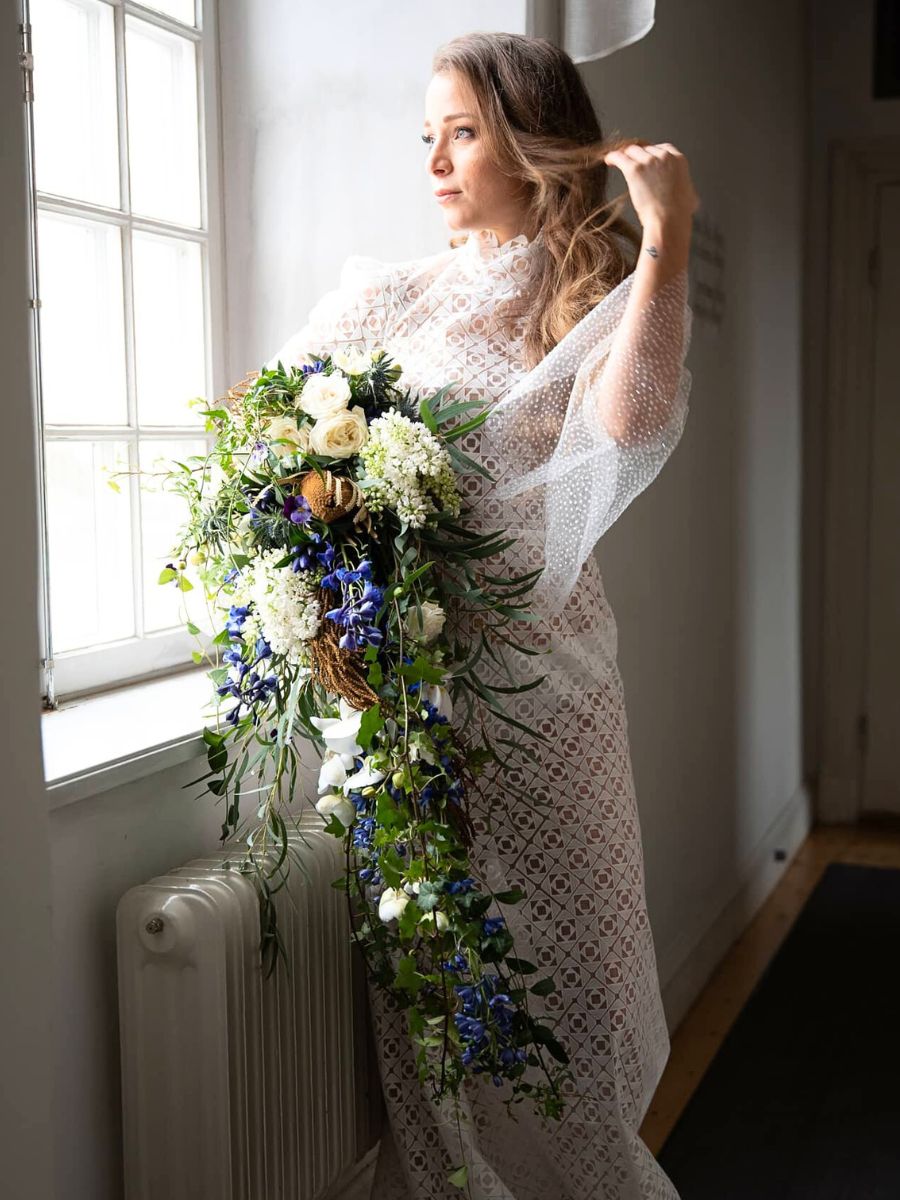
This type requires careful internal wiring or strategic stem placement to prevent base heaviness. Orchids, Amaranthus, ivy, and trailing greenery are commonly used to create controlled movement. The cascade bouquet is often selected for formal weddings or when a dramatic statement is desired.
Presentation Bouquet
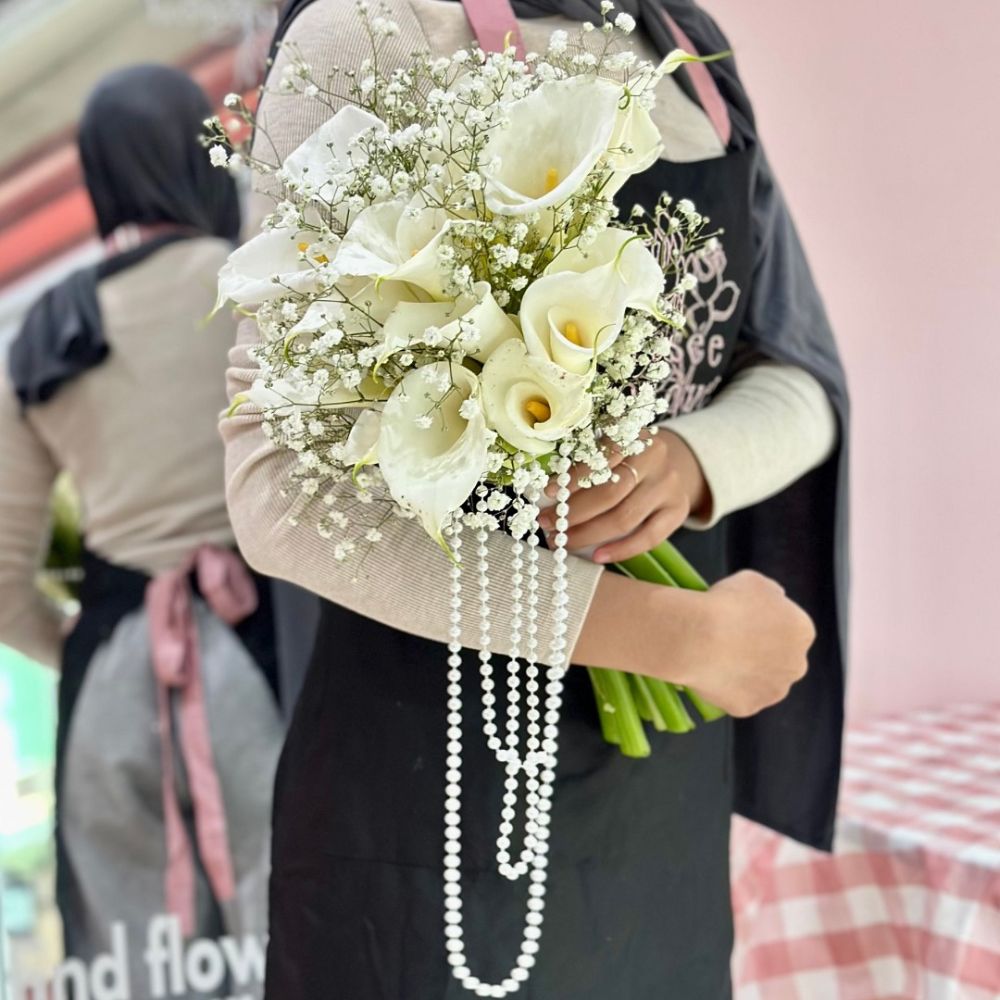
The presentation bouquet is carried in the arms rather than held upright. It typically features long-stemmed flowers arranged in parallel.
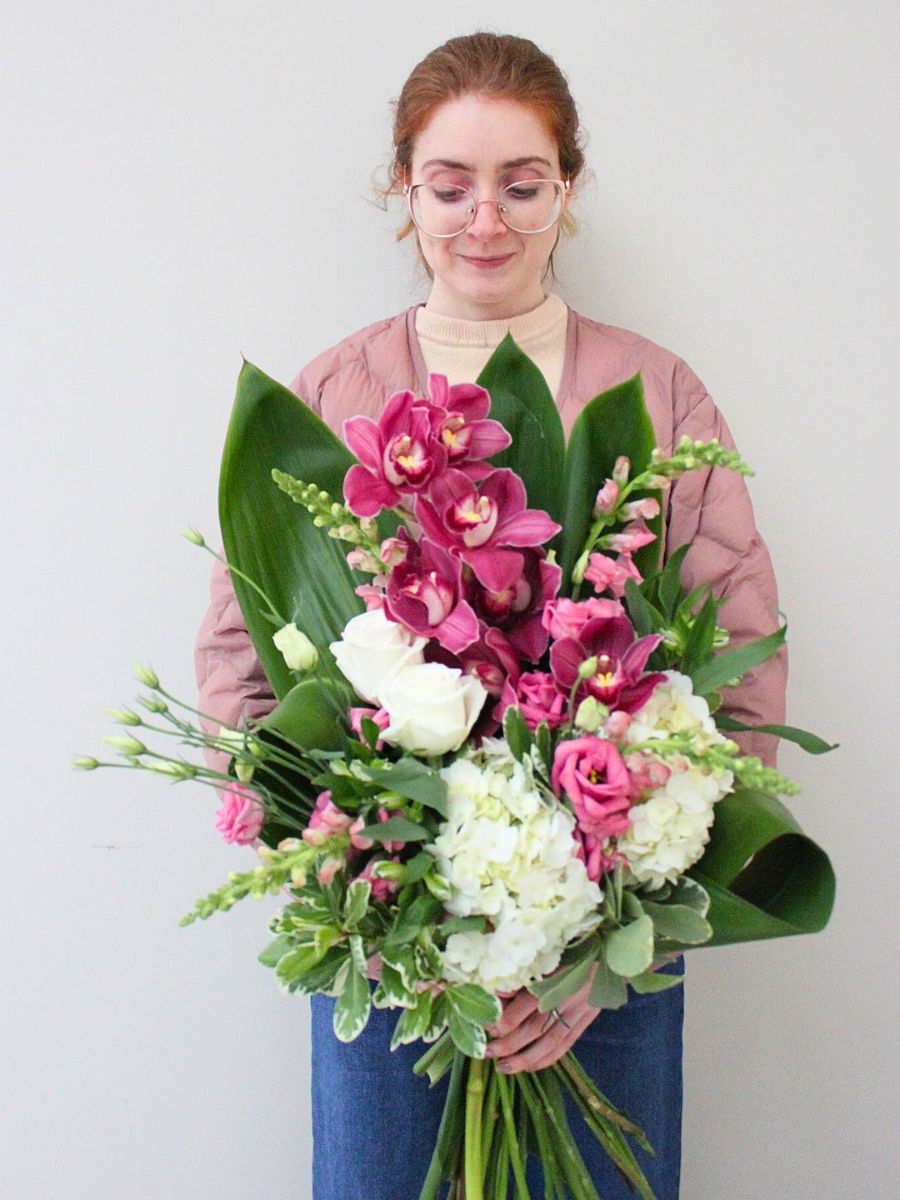
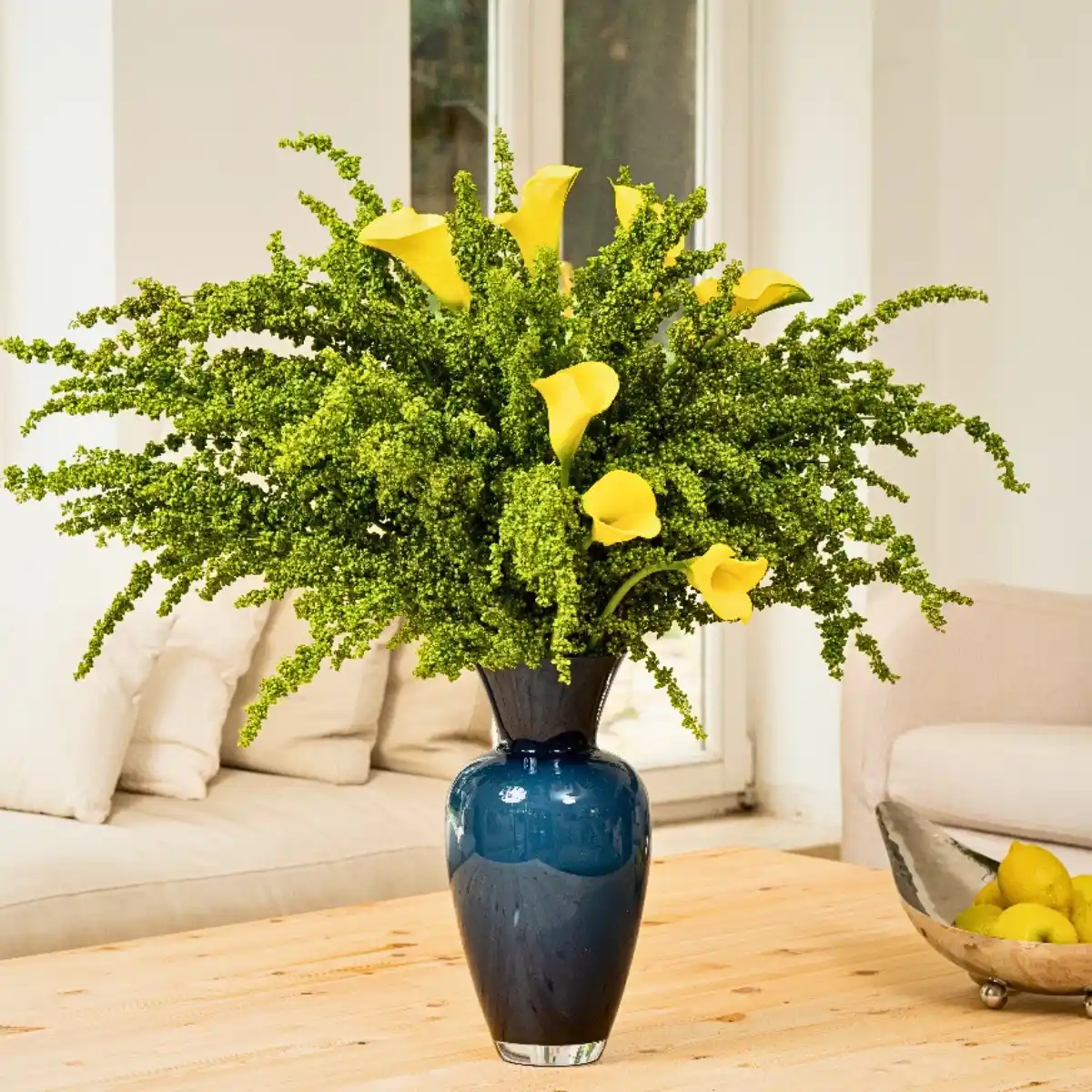
Calla lilies and long-stem roses are frequently used in this style. Because the stems remain visible and extended, flower quality and stem length must be consistent. This bouquet is well-suited to minimalist weddings and modern venues.
Composite Bouquet
A composite bouquet is created by wiring individual petals together to form one large artificial bloom. Each petal is attached by hand to build a single flower structure.
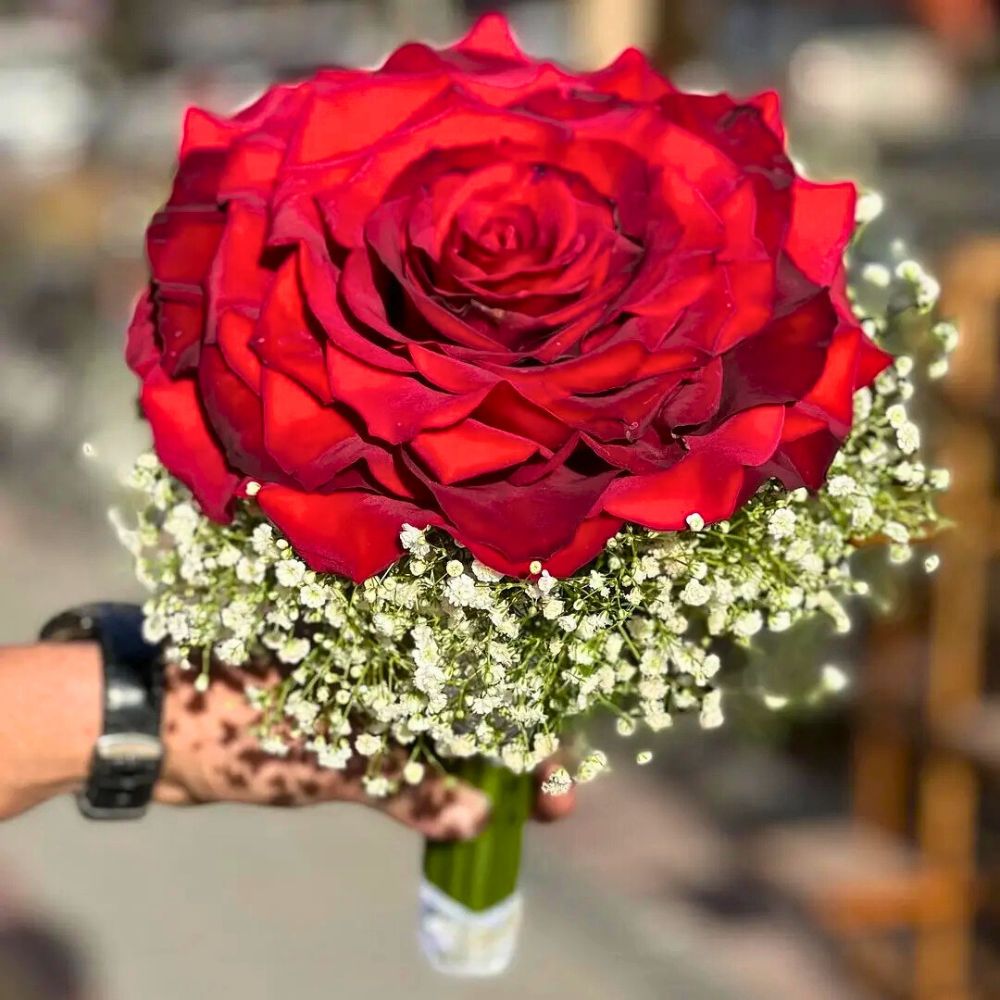
This is a highly technical bouquet style and requires advanced floral skills. While less common today, it remains relevant in couture bridal design where precision and uniqueness are prioritized.
Biedermeier Bouquet
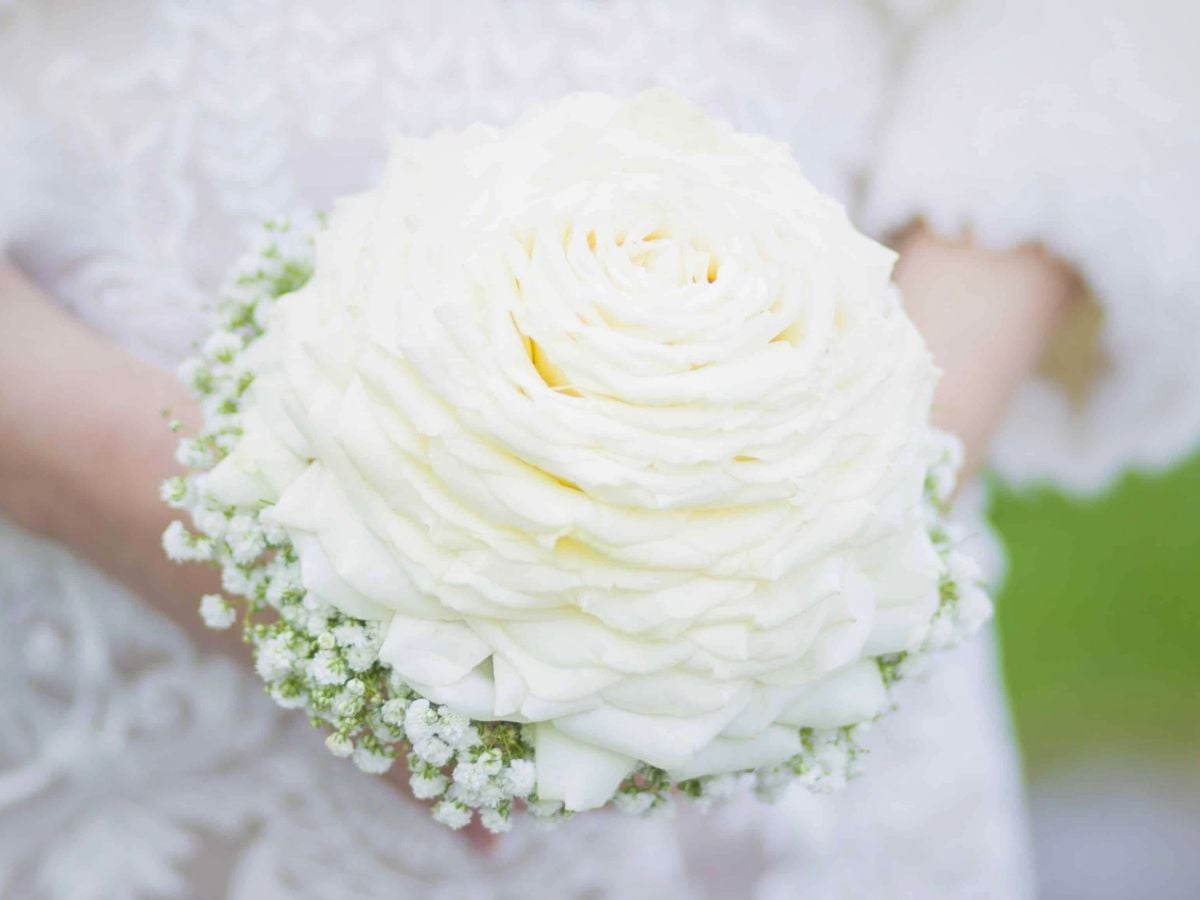
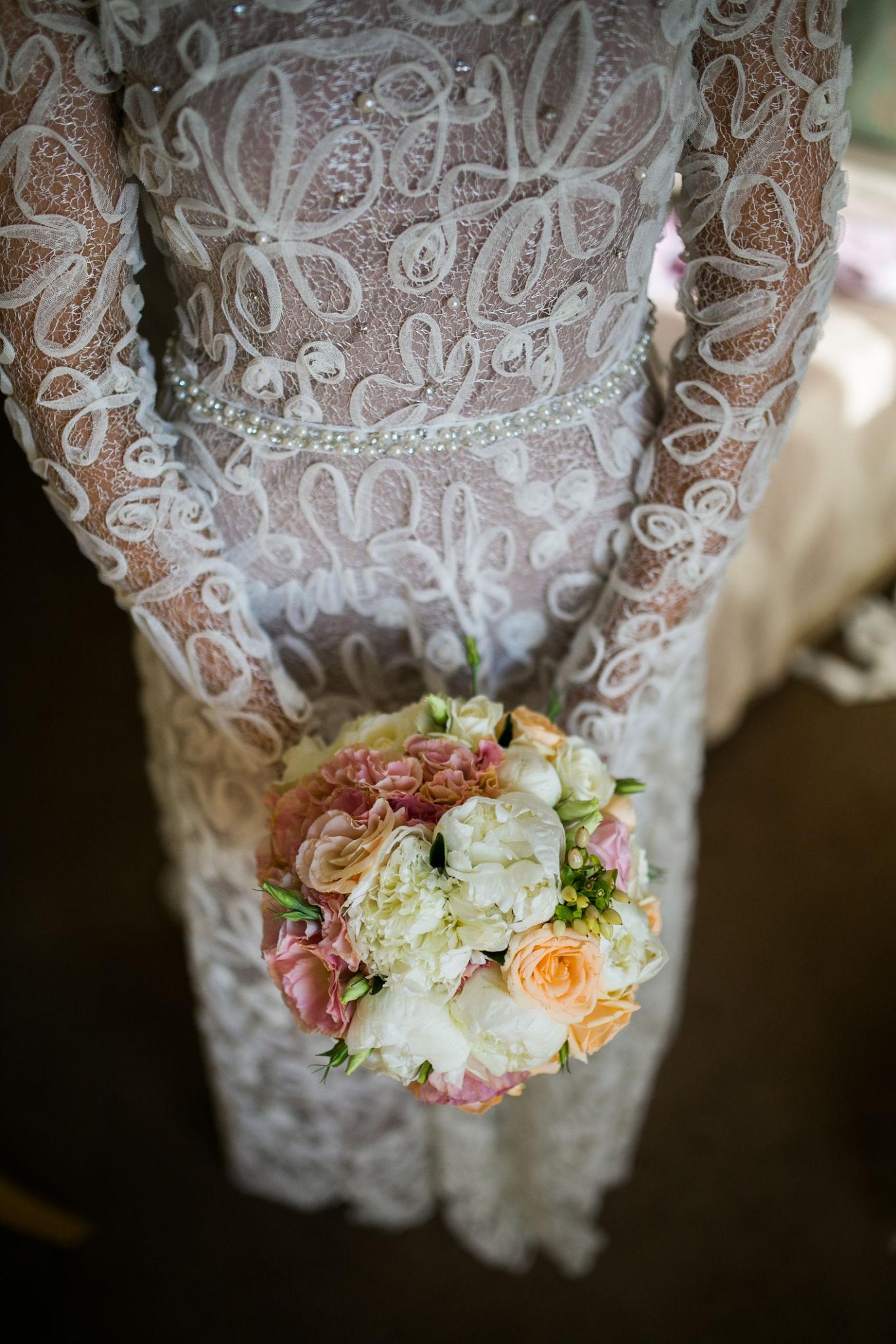
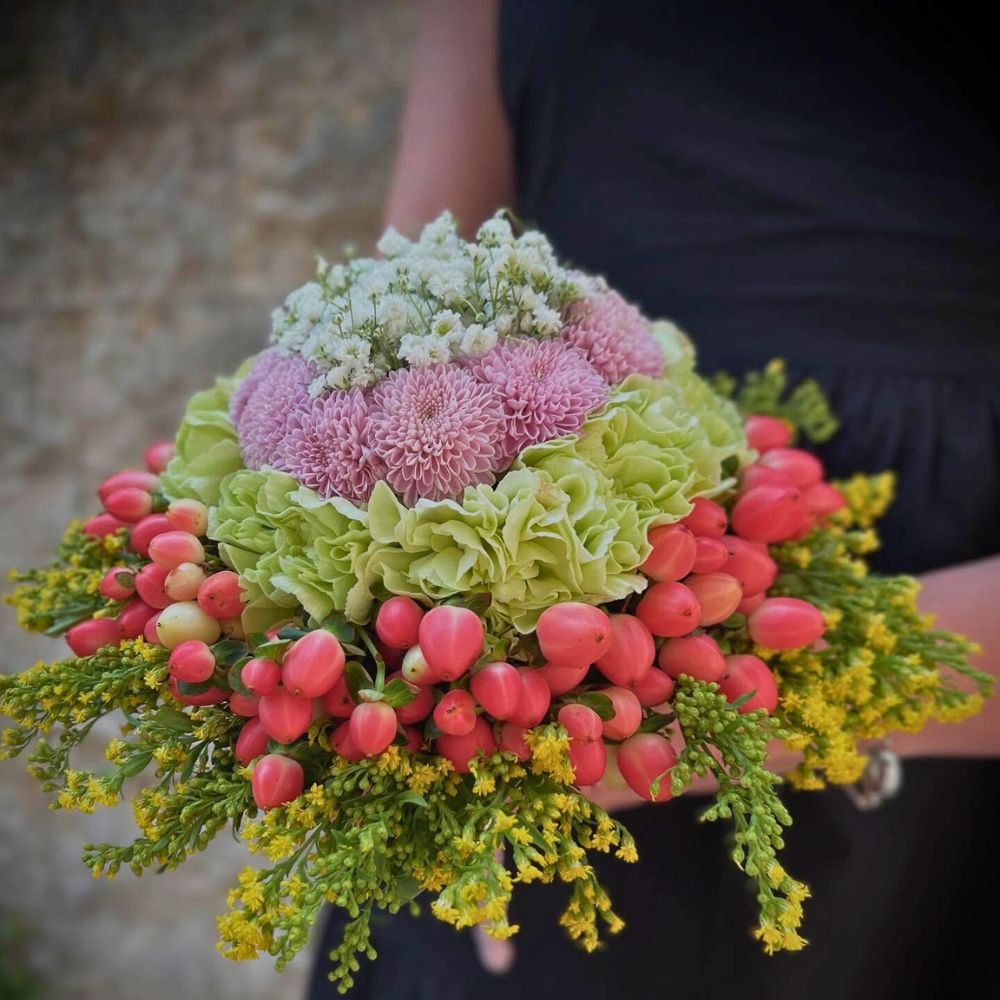
A Biedermeier bouquet is a carefully structured round bouquet that emphasizes balance and floral craftsmanship. Traditional designs often showcase flowers arranged in circular patterns, while modern versions may interpret the style with a more subtle sense of order and precision.
The following Biedermeier bouquet is arranged in concentric rings of different flower varieties or colors. Each ring is distinct and clearly defined. Precision is essential for this design. Flower heads must be consistent in size to maintain even rings. This bouquet is rooted in European floral tradition and remains popular in formal and structured wedding settings.
Pomander Bouquet
The pomander bouquet is spherical and suspended from a ribbon, allowing it to be carried around the wrist. It is most commonly used by flower girls but can be adapted for alternative bridal concepts.
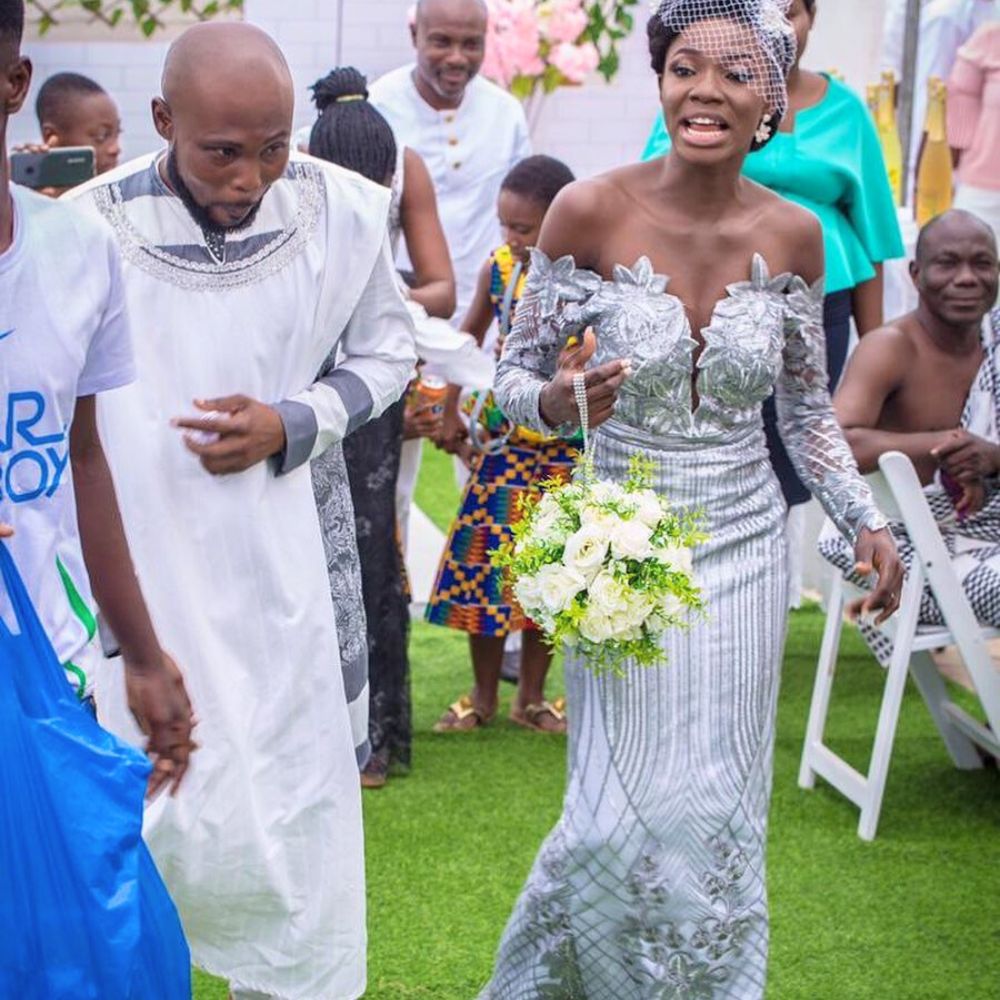
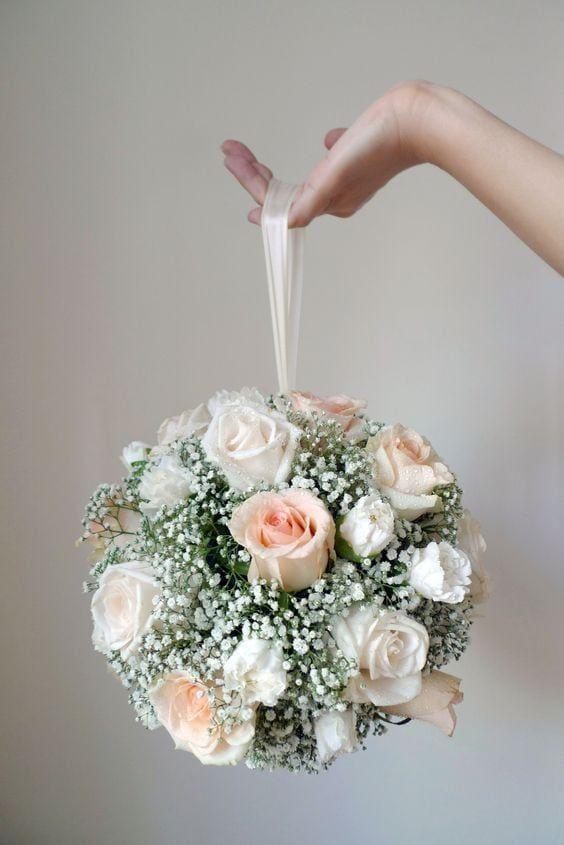
Because it is viewed from all angles, it must be fully covered in flowers or foliage. Foam-based construction is typically used to maintain shape.
Pageant Bouquet
The pageant bouquet is similar to the presentation bouquet but larger and more elongated. It is designed to rest along the forearm and is often seen in staged or highly formal settings.
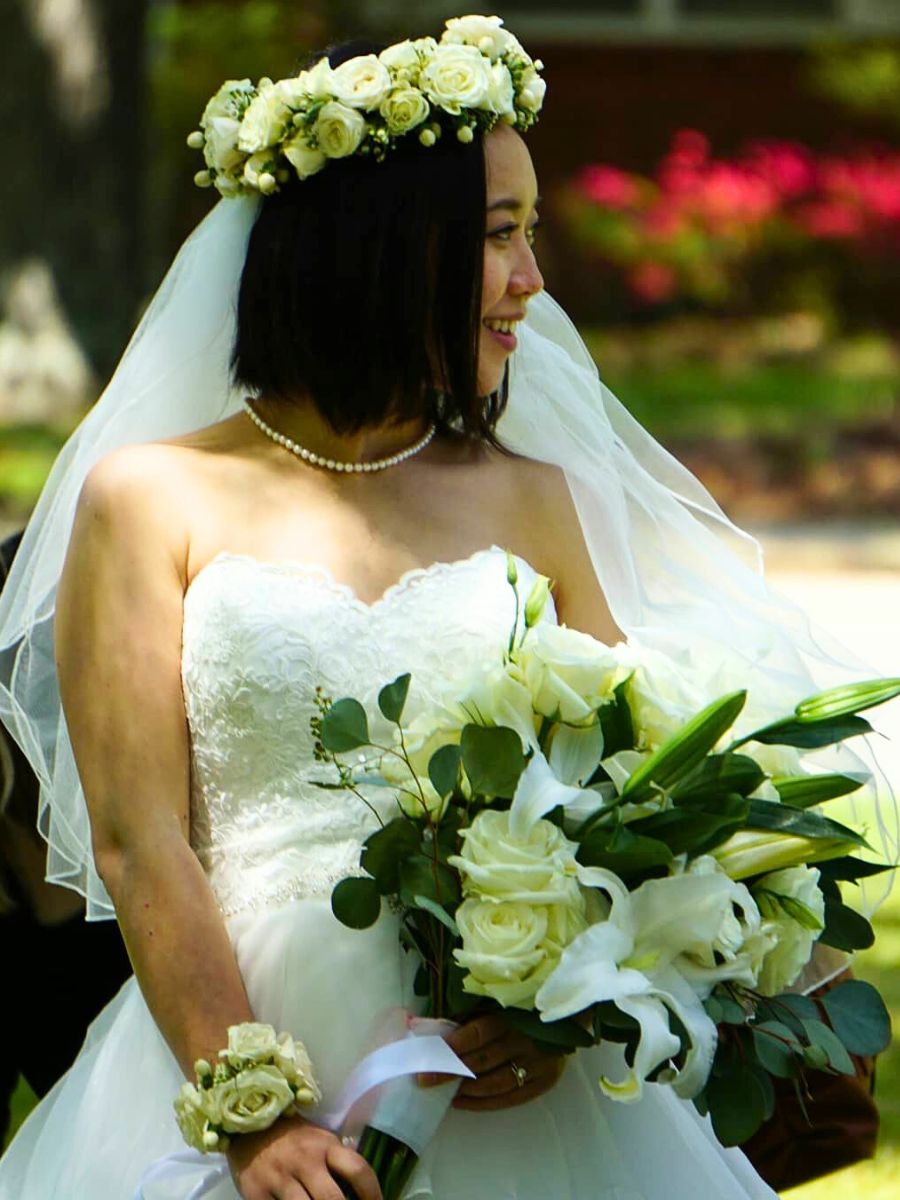
It requires careful flower spacing to maintain a clean line while ensuring fullness.
Hoop Bouquet
The hoop bouquet is a contemporary design in which flowers and greenery are attached to a circular frame. It is often lightweight and minimal.
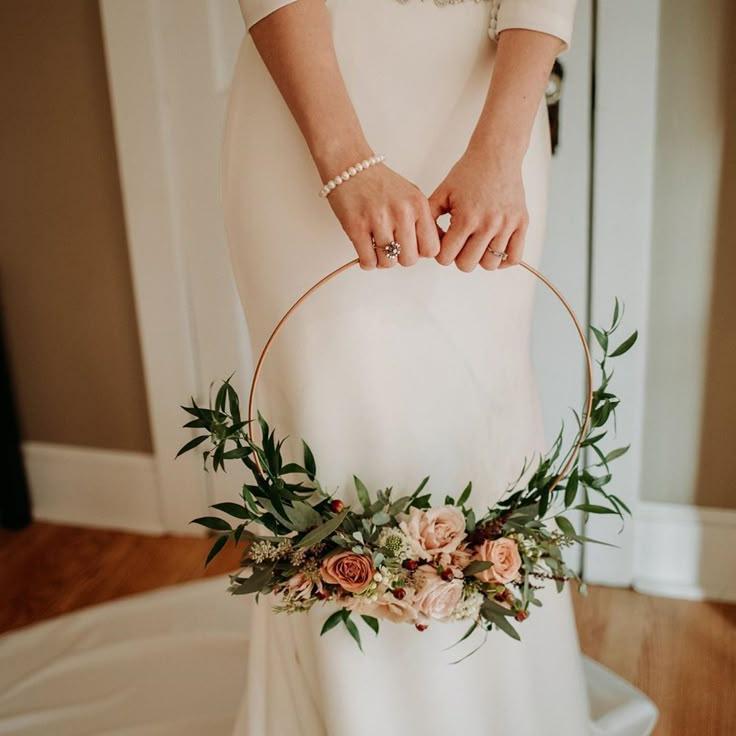
This type appeals to modern couples seeking non-traditional floral elements. Structural integrity depends on secure attachment techniques, since the flowers are exposed and unsupported by tightly bound stems.
Single Stem Bouquet
A single-stem bouquet features one dominant flower or a very small cluster. This minimalist choice emphasizes quality over quantity.
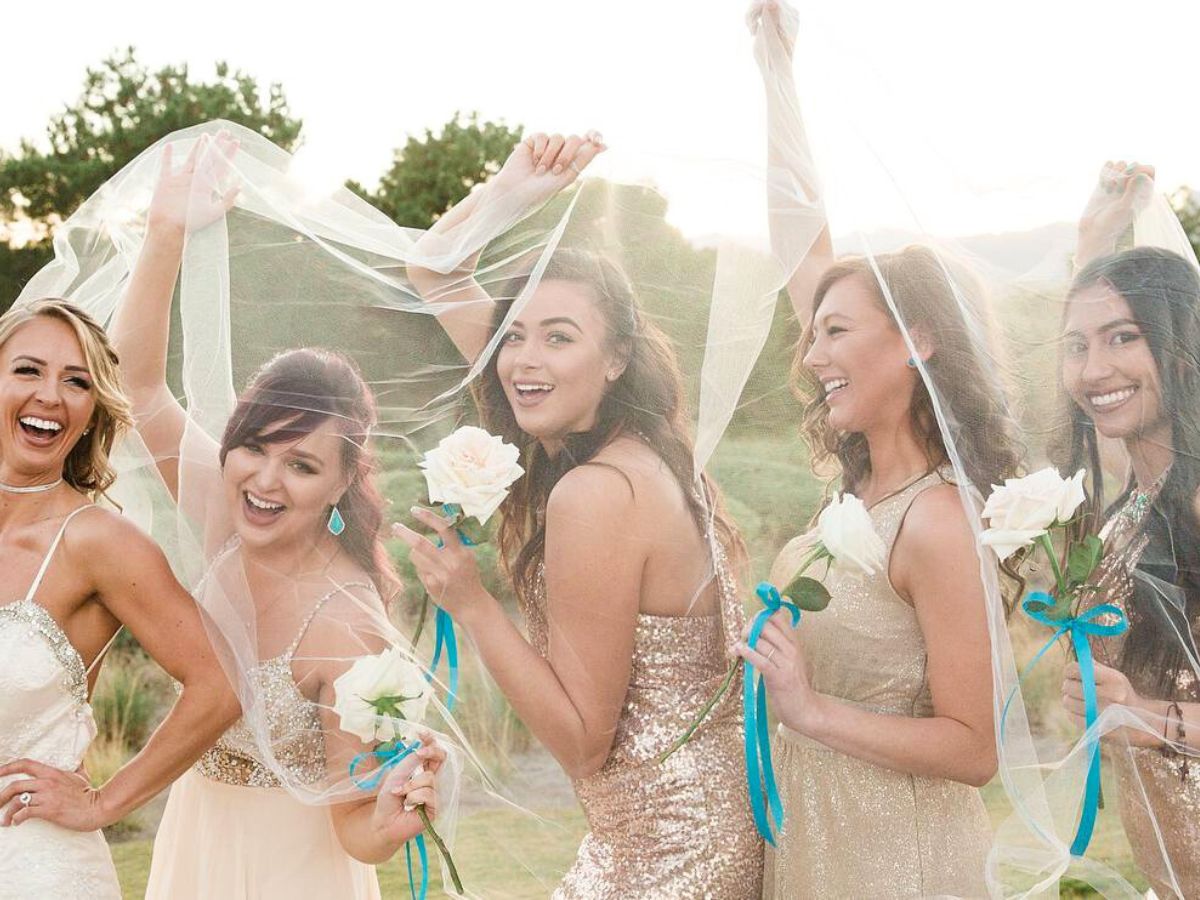
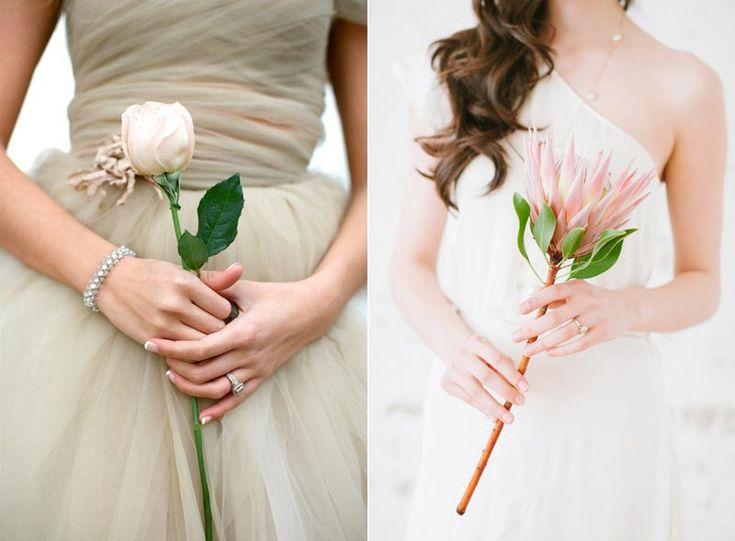
It is suitable for courthouse weddings, elopements, or highly contemporary ceremonies. The selected flower must be strong enough to stand out visually.
Asymmetrical Bouquet
An asymmetrical bouquet extends further on one side, creating movement and visual direction. This style is common in editorial wedding design.
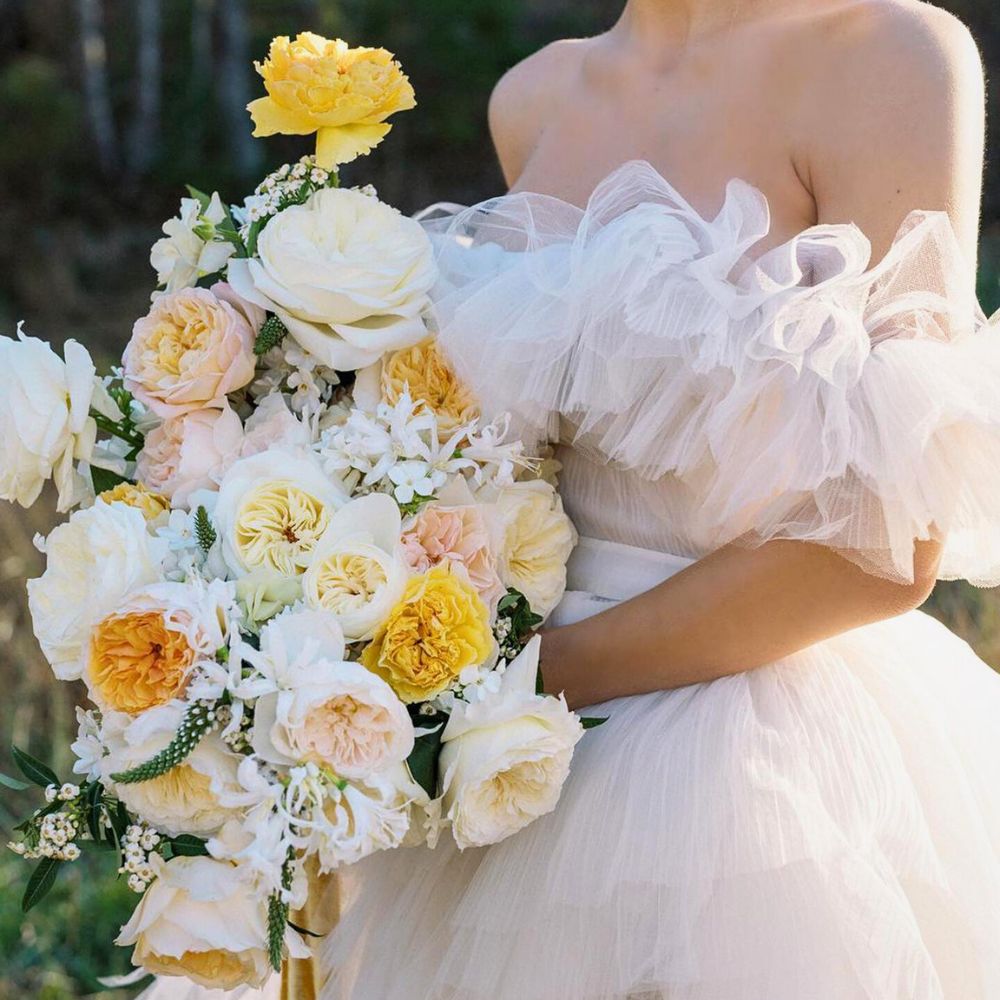
Balance remains essential. Although the shape appears uneven, weight distribution must be carefully managed to prevent structural weakness.
Free-Form Bouquet
The free-form bouquet emphasizes line, negative space, and the natural direction of stems. It often includes varied stem lengths and airy spacing.
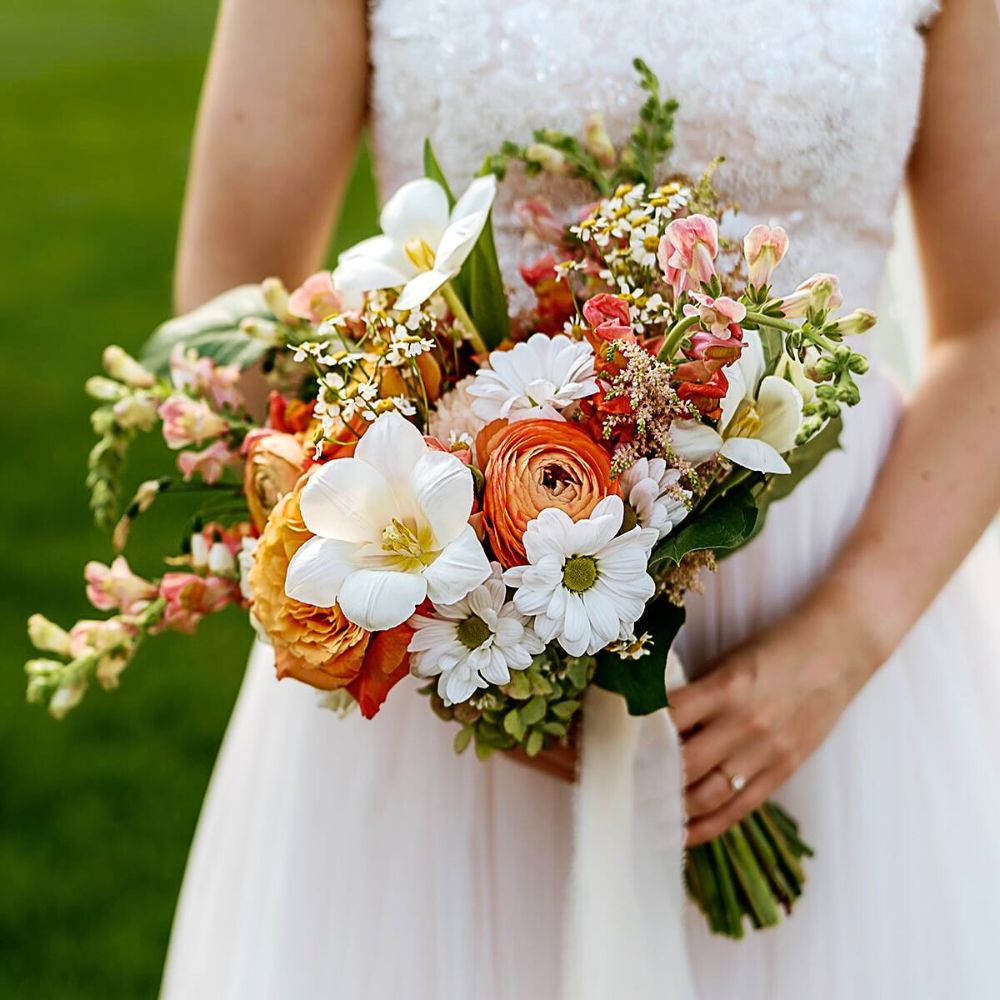
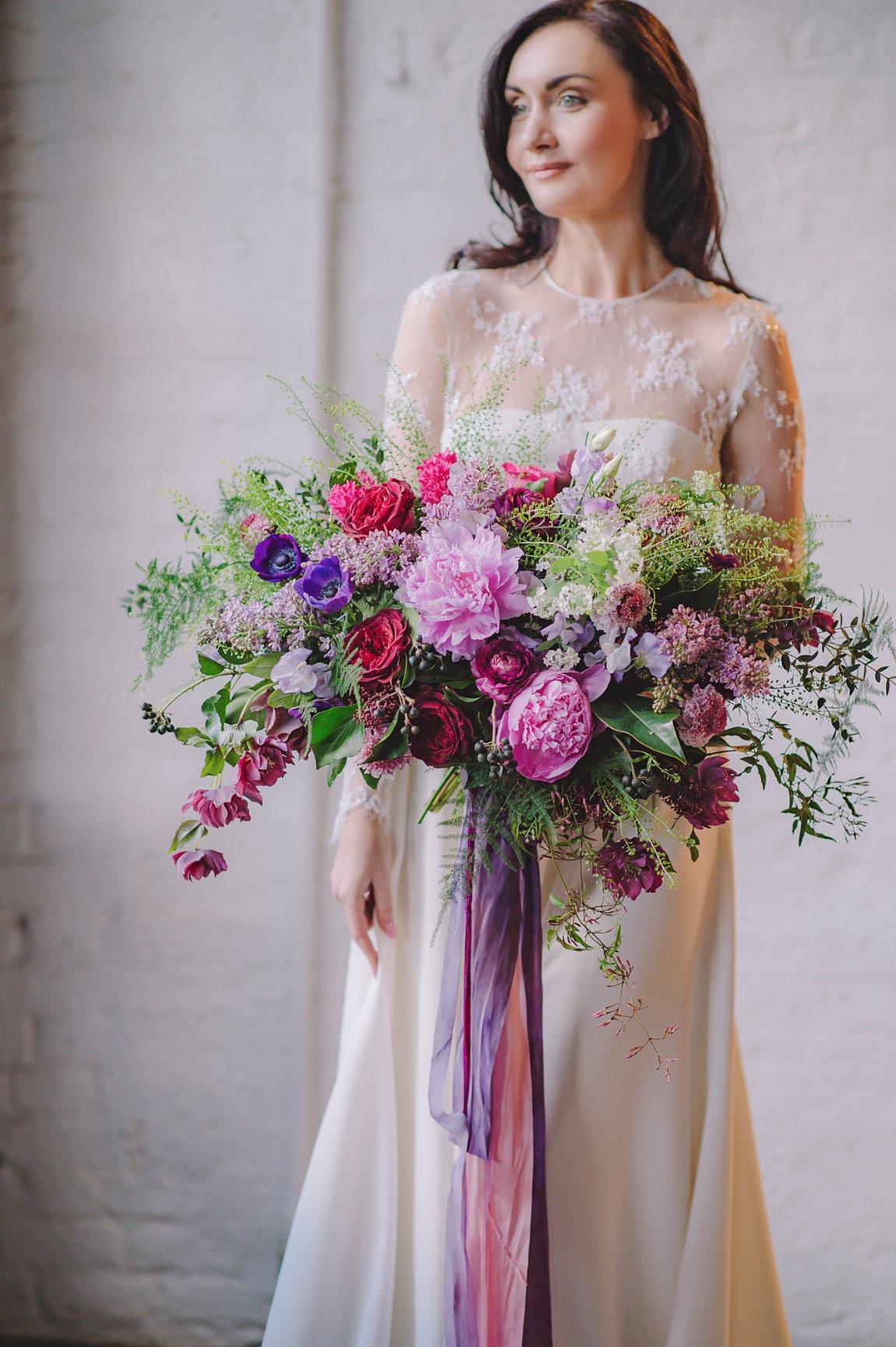
This bouquet requires a strong understanding of floral design principles. It is frequently used in artistic or high-concept weddings where individuality is prioritized.
Types of Flowers for Wedding Bouquets
Wedding flower selection influences both structure and longevity. When choosing flower types for wedding bouquets, seasonality and stem strength must be considered. Roses are widely used due to their availability and structural reliability. They perform well in round, posy, and presentation bouquets.
Peonies are favored in spring weddings. Their large heads quickly create fullness but require careful handling because of their delicate stems. Ranunculus adds layered texture and works well in compact bouquets.
Calla lilies are ideal for presentation and pageant bouquets because of their strong stems and linear form.
Orchids are frequently used in cascade bouquets to create downward movement.
Florists must also consider hydration needs and opening time, as some flowers change shape significantly within hours.
Types of Greenery for Wedding Bouquets
Greenery defines outline, spacing, and contrast. Understanding the types of greenery for wedding bouquets is critical for both aesthetics and structure.
Eucalyptus provides softness and works well in hand-tied and free-form bouquets. Ruscus offers durability and clean lines, making it suitable for nosegays and structured bouquets.
Ivy creates trailing movement for cascade designs. Olive branch introduces a lighter texture suited for outdoor settings.
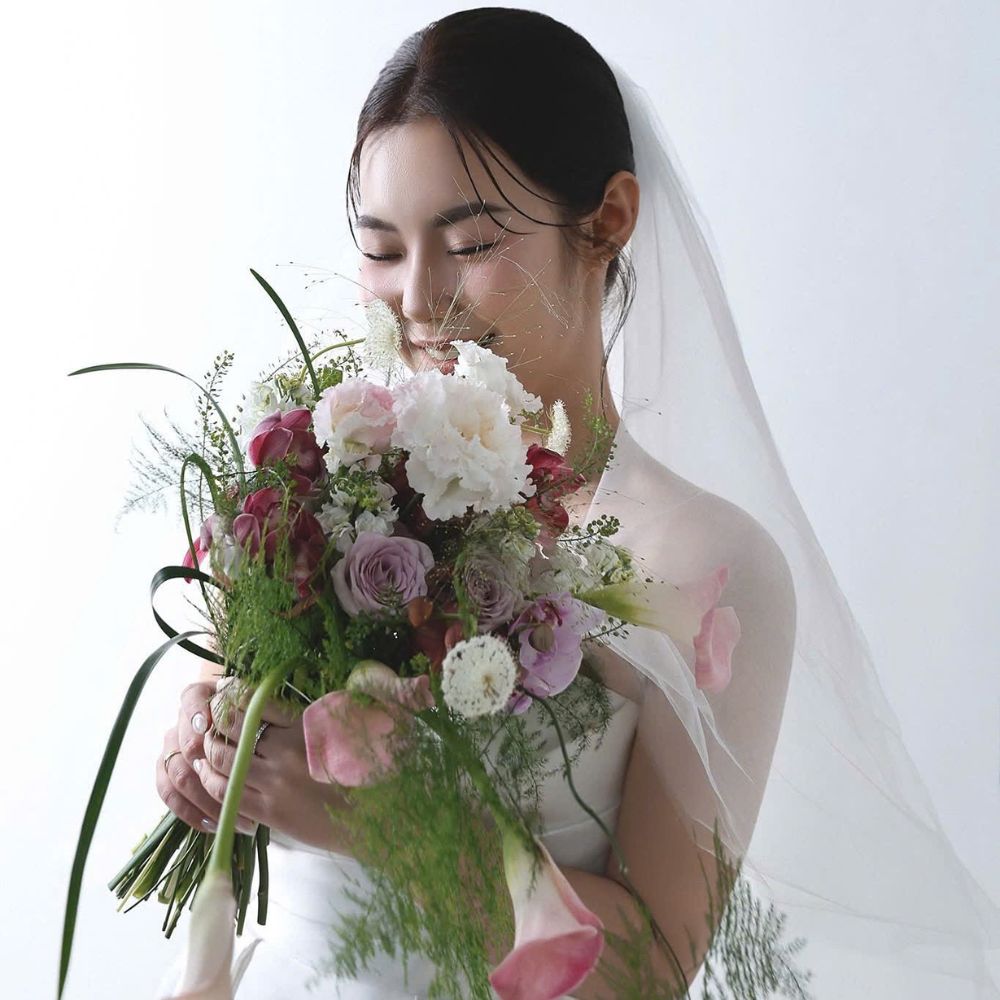
Ferns add fine texture and are often used in natural or woodland concepts.
Greenery is not simply filler. It determines silhouette, spacing between flowers, and overall volume.
Choosing Among Different Types of Wedding Bouquets
Selecting among the different types of wedding bouquets should be based on dress silhouette, venue scale, and comfort. A large cascade bouquet may suit a cathedral setting but overwhelm a small civil ceremony. A compact posy may complement a tailored gown but appear understated in a grand ballroom.
For florists, understanding each structure allows for accurate pricing and time estimates for construction. For brides, clarity around bouquet types ensures confident decision-making.
The range of wedding bouquet types extends beyond a single aesthetic. Each form has technical requirements and design logic behind it. By understanding structure, flower behavior, and greenery selection, both consumers and professionals can approach wedding floral design with knowledge and precision. And above all this, each form tells a story that fits you or not; choose wisely, and make your dreams come true.
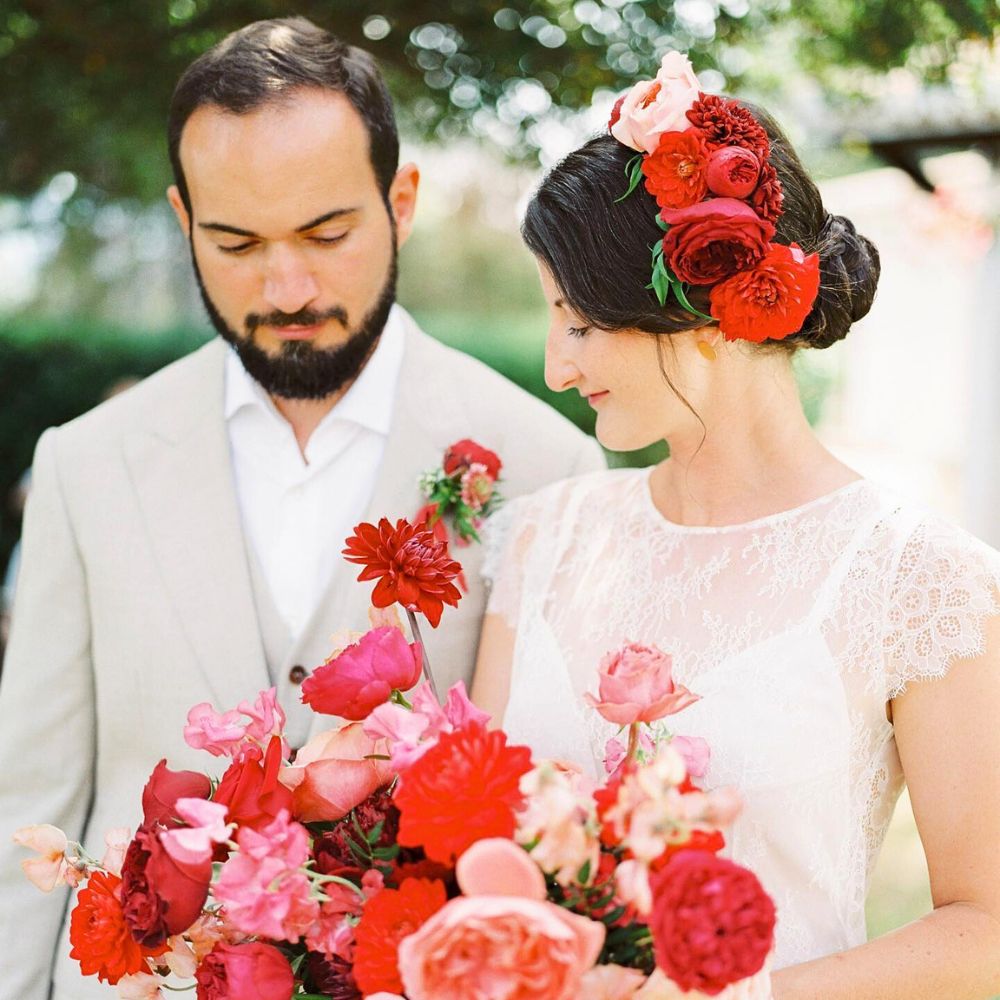
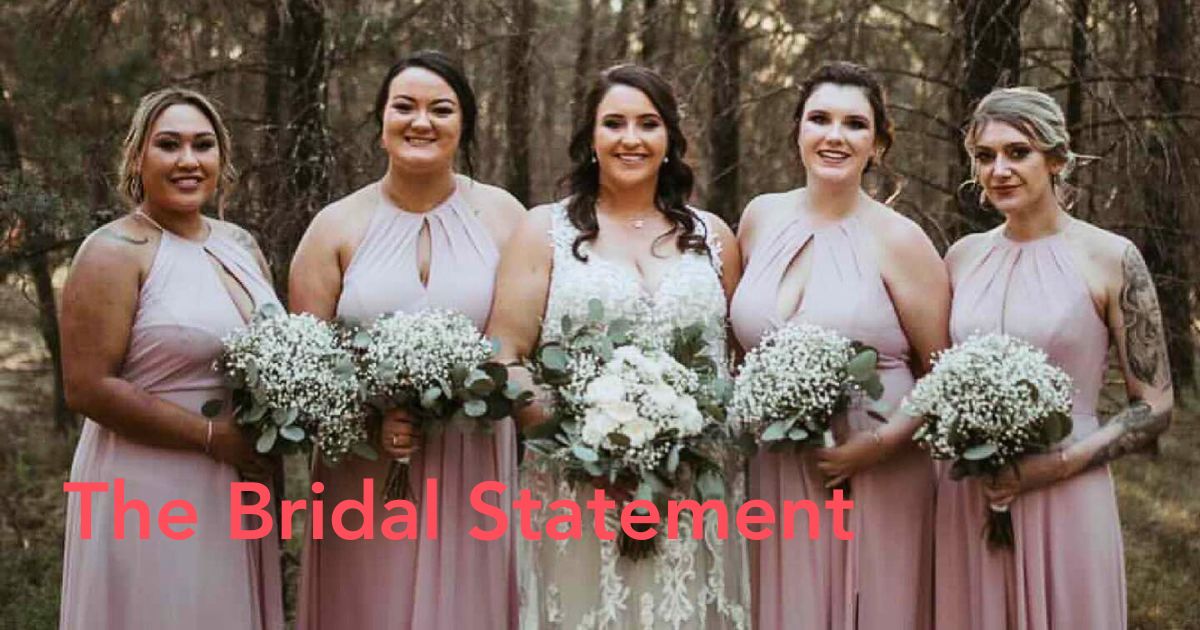
Header image by @taylormadeweddingsevents.