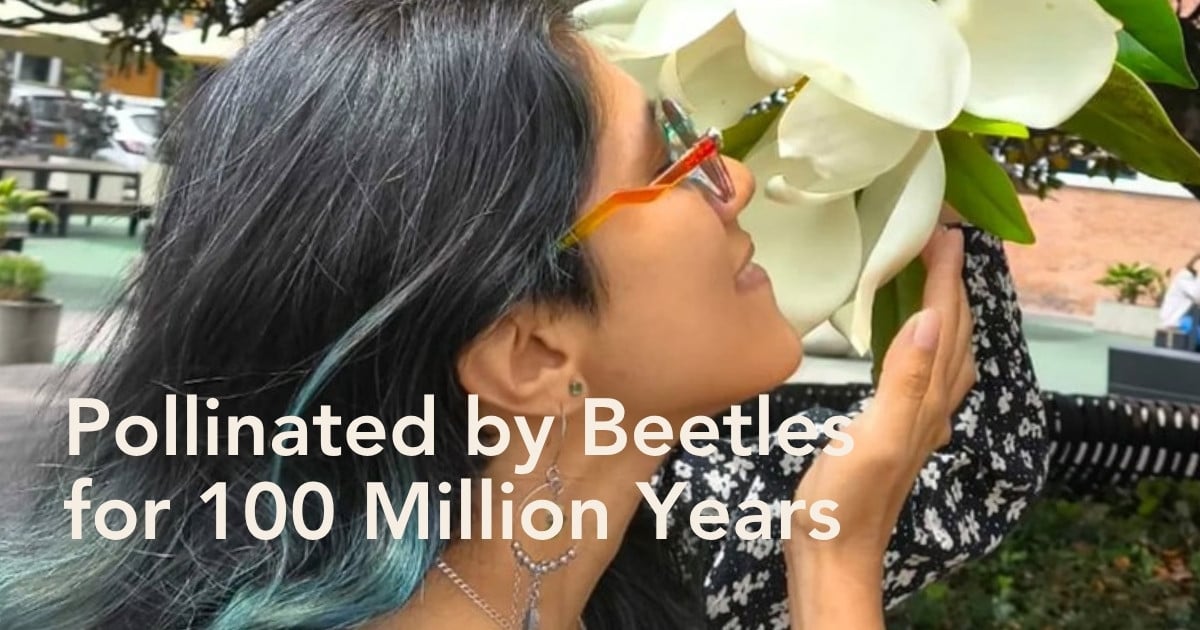
Stand under a Southern Magnolia in June, and you will smell it before you see it: a heavy, lemony scent drifting down from flowers as wide as a dinner plate. The Magnolia flower grows on trees and shrubs of the genus Magnolia, one of the oldest genera among flowering plants. As for the Magnolia flower meaning: Magnolias symbolize dignity, nobility, purity, and a love of nature, with a quiet feminine strength running through it. White Magnolia blossoms lean toward purity, pink ones toward grace and romance.
This one is for the florist working with branches, the gardener choosing a tree, and anyone who wants to know what a Magnolia says before giving one. Why does it matter? Well, the Magnolia has had about 100 million years to collect a story, and most of it still shows in the flower.
What Is a Magnolia Flower?
A Magnolia is a flowering tree or shrub of the Magnolia family, Magnoliaceae, which it shares with the tulip tree, Liriodendron. How many species of Magnolia there are depends on which botanist you ask: about 210 on a narrow count, around 340 on the broad view, which folds former genera such as Michelia into the genus Magnolia. Native species grow in East Asia and in the Americas, from the southeastern United States through Mexico and Central America into South America.
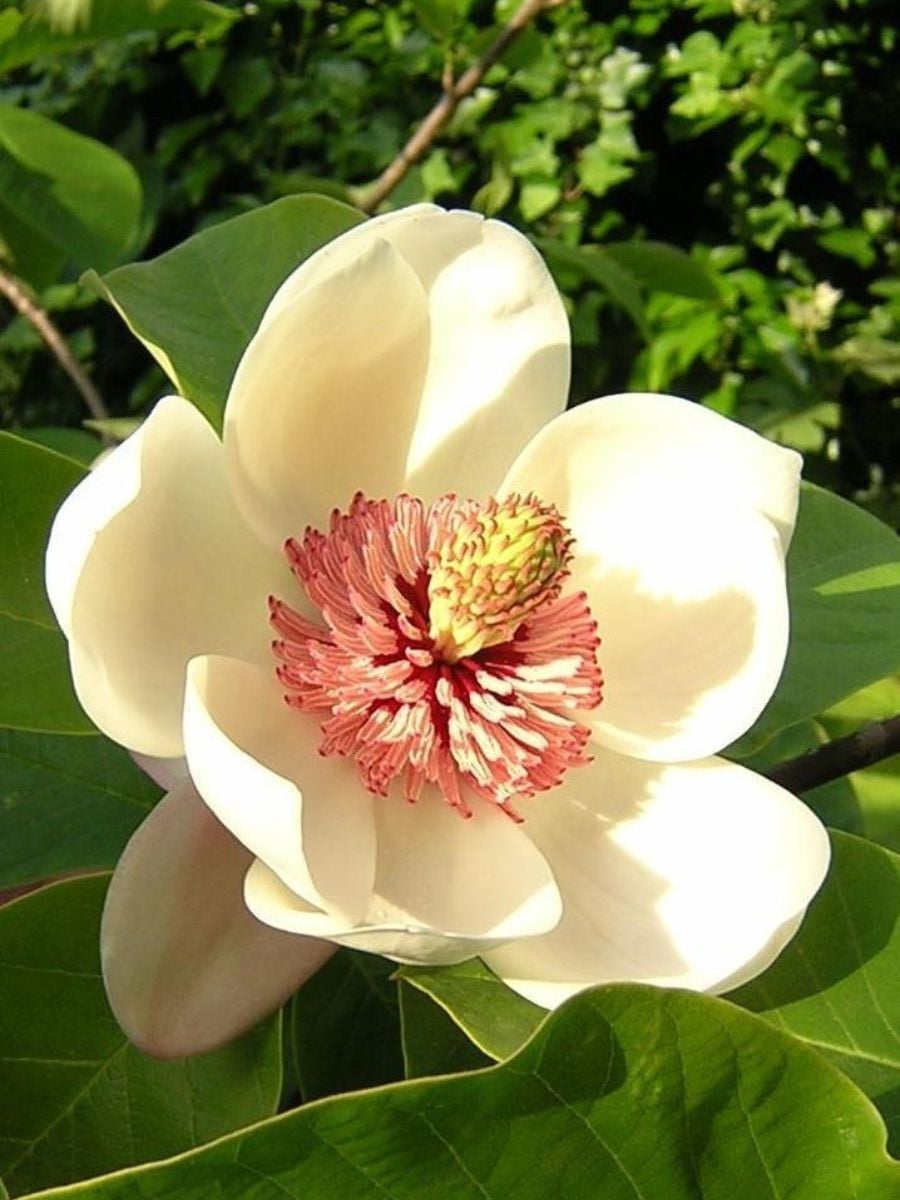
Look closely at a Magnolia flower, and you will notice something odd. There are no true petals and sepals; botanists call the thick, waxy parts tepals, because the two cannot be told apart. In plain use, though, everybody calls them petals. Roughly, the evergreen varieties, such as the Southern types, love warmth, while the deciduous varieties are the cold-hardy ones that flower on bare wood in early spring.
Growers know that more than one name can be used: the banana shrub, Magnolia figo, was long sold as Michelia figo, and the compact evergreen Magnolia laevifolia Vanilla Pearls, which Dutch garden plant producer Van Son & Koot tested in its pilot program from 2018, was introduced as a shrub of about 70 by 70 cm (28 by 28 inches), winter hardy to minus 12 °C (10 °F).
Magnolia, a Flower With Ancient Roots
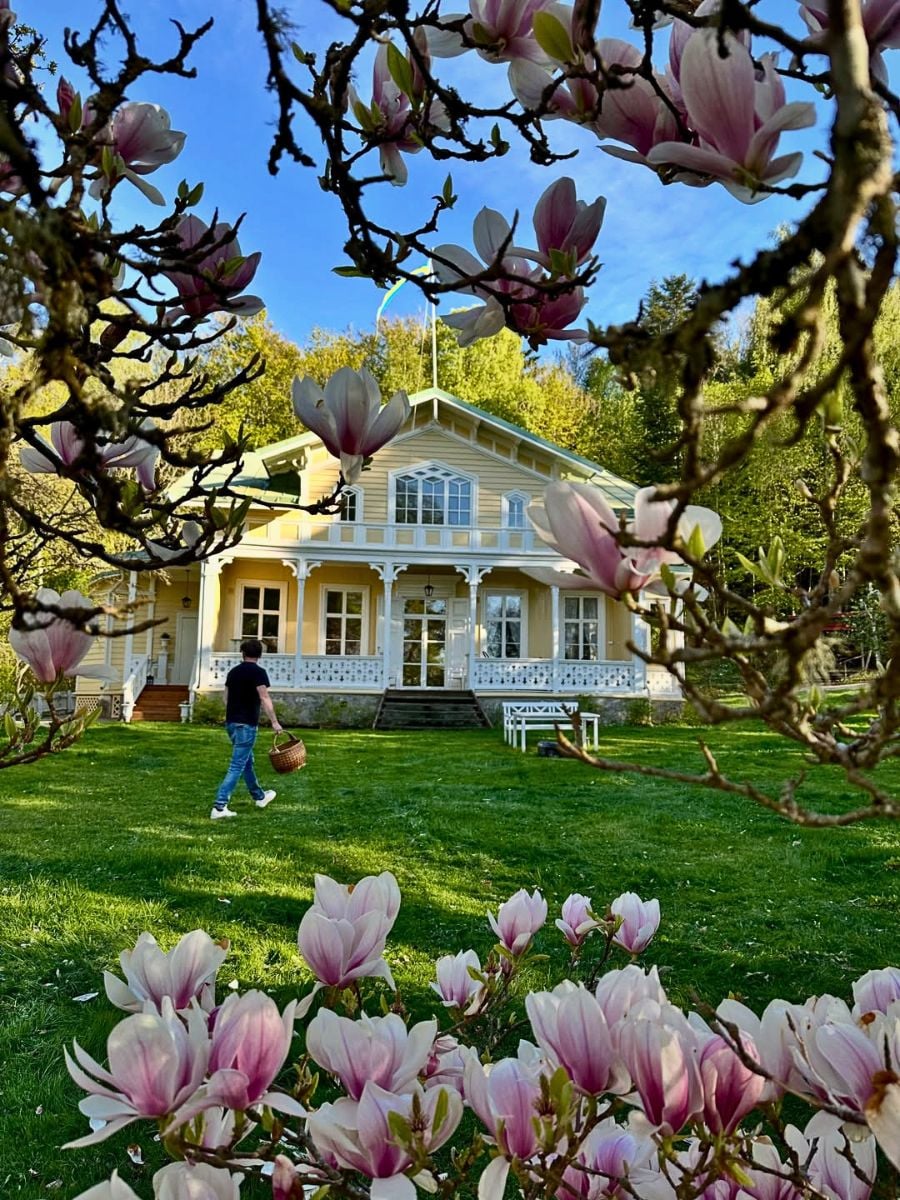
Magnolias are ancient. The fossil record holds Magnolia-like flowers, such as Archaeanthus from Kansas, that are roughly 95 to 100 million years old, and it shows Magnolia trees once grew across Europe as well; the ice ages pushed them out, which is why many Magnolia species now live on two continents far apart.
When scientists around Hervé Sauquet and Jürg Schönenberger reconstructed the first flower in the history of Earth, some 140 million years ago, their model looked a lot like a Magnolia. Yep, you read that right. That does not make the Magnolia the first flower, but it puts it close to the oldest branches.
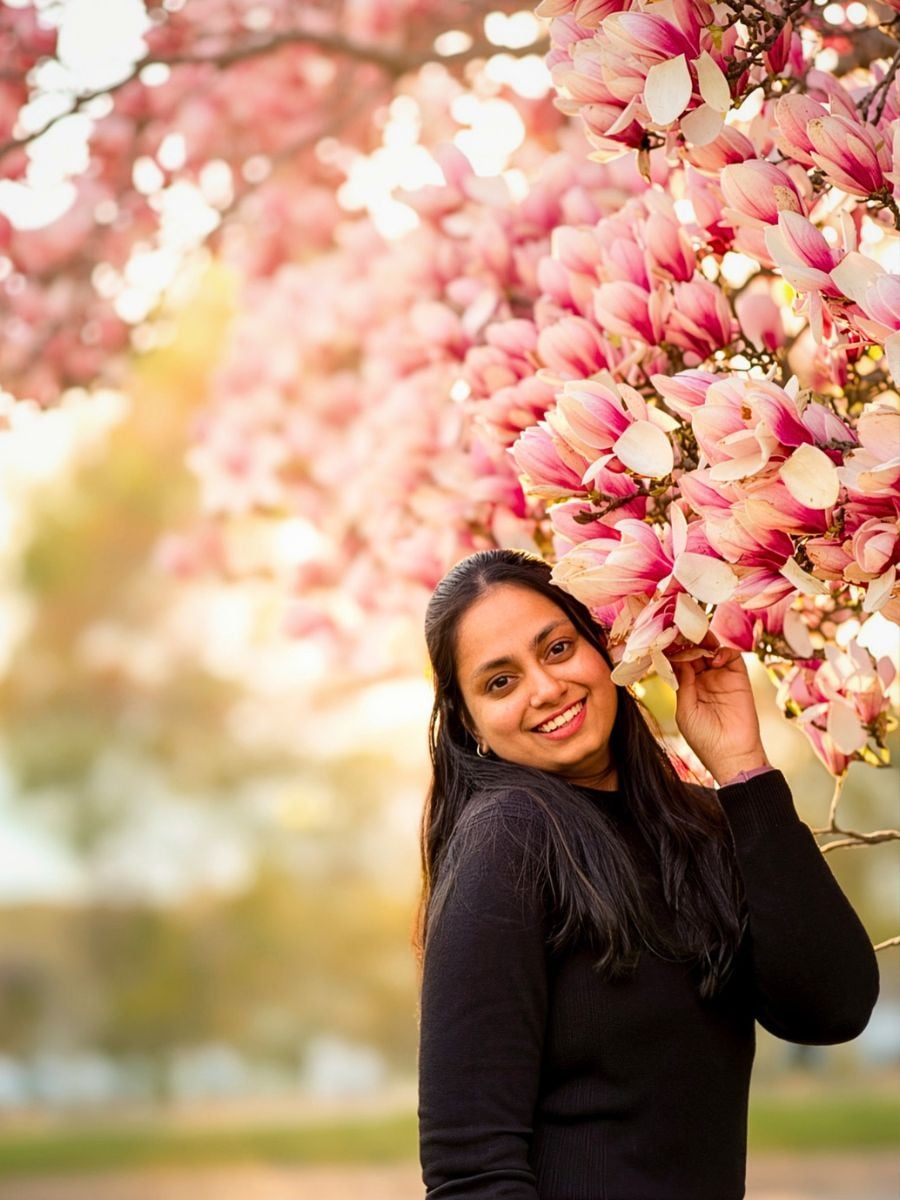
These flowers are thought to be older than bees and relied on beetles for pollination (they still do!), which is why their petals are so thick and tough; they needed to withstand the clumsy antics of beetles stomping around.

No wonder Magnolias are seen as symbols of endurance, strength, and stability. They've literally stood the test of time.

Where Does the Name Magnolia Come From?
The genus name Magnolia honors Pierre Magnol (1638 to 1715), a French botanist in Montpellier who was among the first to sort plants into families. Magnol did not name it himself. Charles Plumier gave the name to a flowering tree from Martinique in 1703, and Carl Linnaeus adopted it, formally in his Species Plantarum of 1753. So the Magnolia name means, strictly speaking, "Magnol's plant." As a given name, Magnolia borrows the flower's dignity and its Southern grace.
What Does the Magnolia Flower Symbolize?
The meaning of the Magnolia varies with where you are in the world. But generally, Magnolias symbolize qualities like:
- Dignity and nobility: The sheer presence of a Magnolia tree in full bloom has a certain stately elegance. It's no wonder they're often used in weddings and formal events.
- Purity: White Magnolias, with their white petals, are tied to purity and innocence, a popular choice for bridal bouquets.
- Femininity: Many cultures link Magnolias with feminine beauty and grace, though not in a shallow way. It's more about strength wrapped in softness.
- Love of nature: In Asian cultures, Magnolias can be tied to spirituality, enlightenment, or harmony with nature.

The Victorian era saw the rise of Floriography, the 'language of flowers'. Giving someone a Magnolia was like saying, "I admire your strength and beauty" without uttering a word. See how it compares in the flower meanings guide from A to Z.
Magnolia Color Meanings
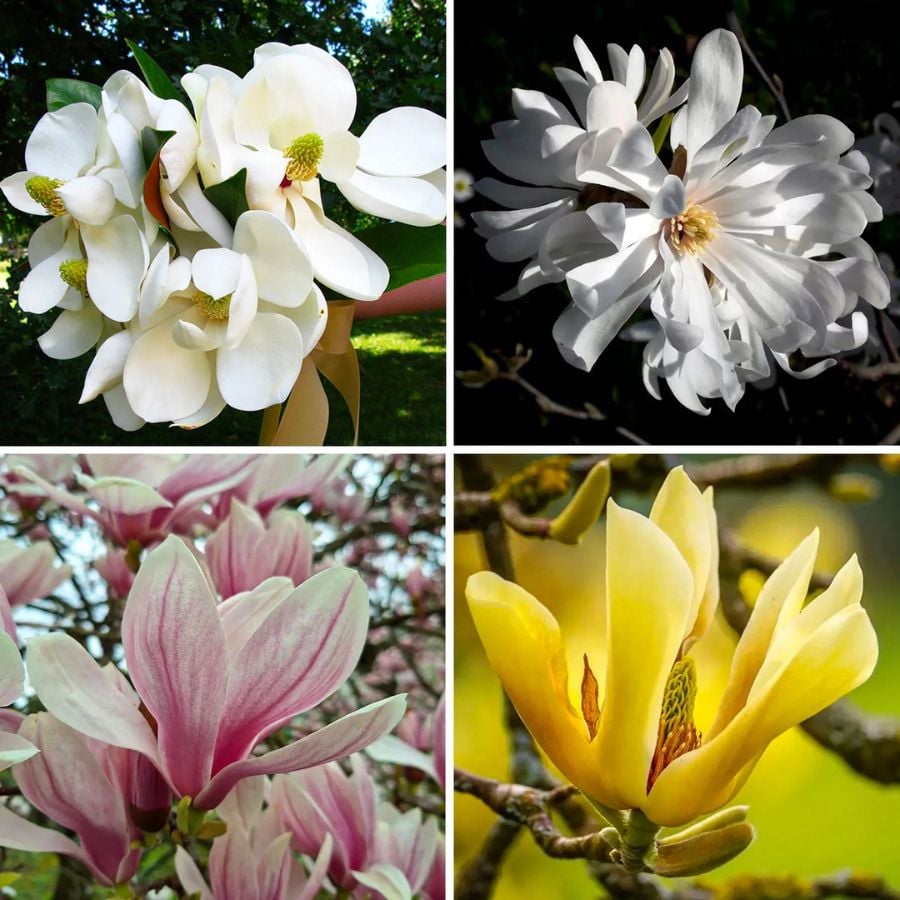
White Magnolias stand for purity and new beginnings (think Magnolia grandiflora and the sweetbay), close to the symbolism of white flowers in general. Pink Magnolia blossoms, their petals blush to deep pink, stand for grace, joy, and romance; purple ones, such as the Lily Magnolia (Magnolia liliiflora), stand for royalty. Yellow Magnolias, hybrids such as Elizabeth and Butterflies bred from the American Magnolia acuminata, say cheerfulness, and rare red-purple ones such as Vulcan, bred in New Zealand, read as passion.

Magnolia Tattoos
People get Magnolia tattoos for a bunch of reasons, but it mostly boils down to symbolism: strength, beauty, perseverance, and purity. A Magnolia tattoo can stand for someone's ability to withstand challenges, or be a tribute to a mother, grandmother, or partner. See more black flower tattoos.
Magnolia Meaning Across Cultures
For the wider picture, see flower symbolism in different cultures.

The American South
People from two US states wear Magnolias more than most, because it is the symbol of both Louisiana and Mississippi. The Magnolia is the state flower of Louisiana (since 1900) and both the state flower and the state tree of Mississippi, the Magnolia State. In the southeastern United States, Magnolia grandiflora, the best-known American evergreen species, stands for hospitality, warmth, and tradition, on front porches and on dining tables alike.
Magnolias even had a place at the White House. The Jackson Magnolia, said to have grown from a sprout Andrew Jackson brought from Nashville, stood by the South Portico for close to two centuries, until part of it was cut back in 2017 and the rest came down in 2025.

China, Korea, and Japan
In Chinese culture, the Magnolia has long been a symbol of feminine beauty, gentleness, and nobility, and its association with yin energy ties it to intuition and nurturing. The Yulan Magnolia (Magnolia denudata), with white, cup-shaped flowers on bare branches, is the city flower of Shanghai, and Siebold's Magnolia (Magnolia sieboldii) is the national flower of North Korea.
In Japan, where Magnolia kobus and Magnolia stellata grow wild, Magnolias are admired for their simplicity. They're not overly ornamental, which fits the Japanese eye for things in their purest form, and the branches turn up in ikebana. For the wider flower language, read the guide to hanakotoba.

Types of Magnolia Trees and Flowers
Gardens grow many different species of Magnolia trees, each with its own personality. These are the ones you are most likely to meet:
- Southern Magnolia (Magnolia grandiflora): The classic of the American South, evergreen, with leathery leaves that are often rusty brown underneath and fragrant, creamy white flowers of up to 30 cm (12 inches) across.
- Sweetbay Magnolia (Magnolia virginiana): Smaller, with lemon-scented white flowers and silvery leaf undersides; it copes with wet soils better than most.
- Star Magnolia (Magnolia stellata): A shrub or small tree with star-shaped white or pink flowers, often among the early bloomers of spring.
- Saucer Magnolia (Magnolia × soulangeana): The French hybrid of the 1820s with large, cup-shaped flowers in pink, purple, and white, nicknamed the tulip tree in parts of the US.
- Cucumber Tree (Magnolia acuminata): Named for its cucumber-like young fruit, it's less flashy, but it is the hardiest American species.
- Ashe Magnolia (Magnolia ashei): A small tree from Florida with huge leaves that will flower at only 3 to 4 years old, according to NC State Extension.
- Yulan and Kobus Magnolias (Magnolia denudata and Magnolia kobus): Asian species with white, fragrant petals on bare wood.
When Do Magnolias Bloom?
In the Northern Hemisphere, deciduous Magnolias bloom first in March and April, usually before their leaves appear. That early start has a price: one night of frost can turn the open petals brown. The Southern Magnolia and the sweetbay bloom from late spring into early summer and keep producing occasional flowers until early fall. A single flower lasts only a few days; a healthy tree can stay in full bloom for weeks.
Magnolia in Floristry: Branches, Leaves, and Flowers
For florists, the Magnolia is three products, not one. In late winter, branches cut from Magnolia trees are forced into flower indoors, just like the cherry blossom and Forsythia. Silke Tijkotte, co-founder of the Dutch organic flower network Wilderful, sees that as one answer to the customer who wants summer flowers in January.
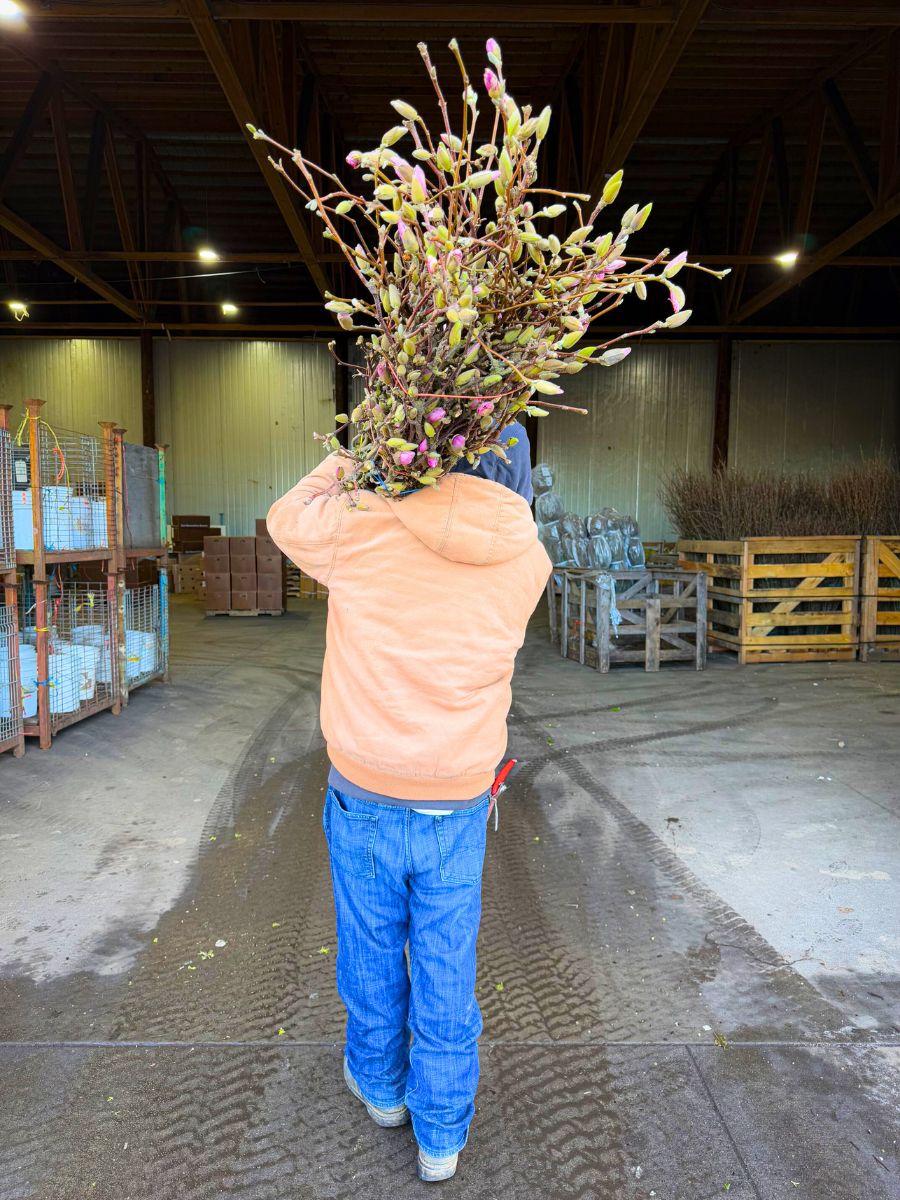
"We often get customers who say they'd love Dahlias with Gladiolus in January. We don't have those in January. But we do have a beautiful bouquet of branches," she said in a Dutch podcast interview in April 2026. "Forsythia branches, Magnolia branches, with the first bulbs in it. It lasts for weeks." She is quick to add that selling a bouquet of branches is a process, and a change for the customer too.
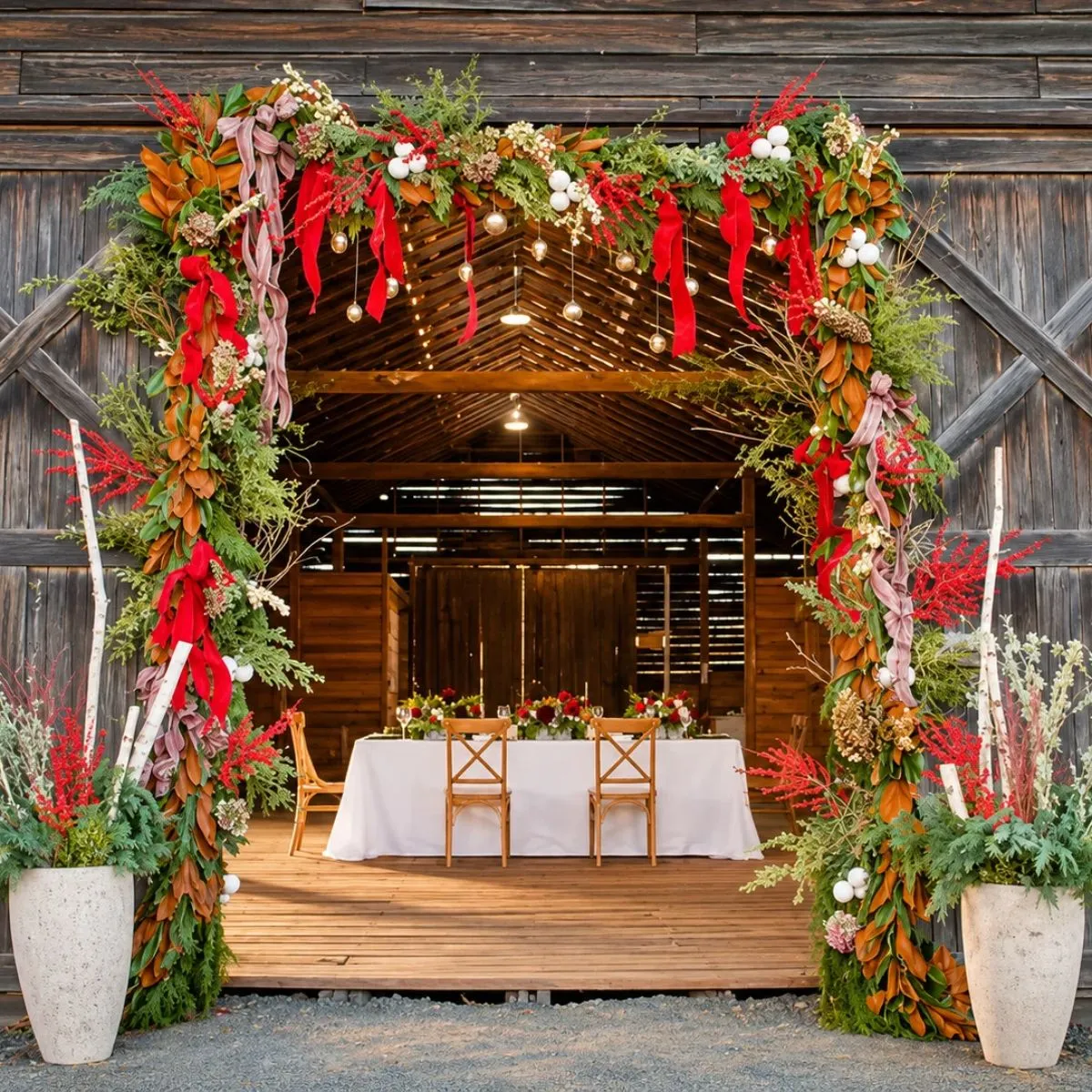
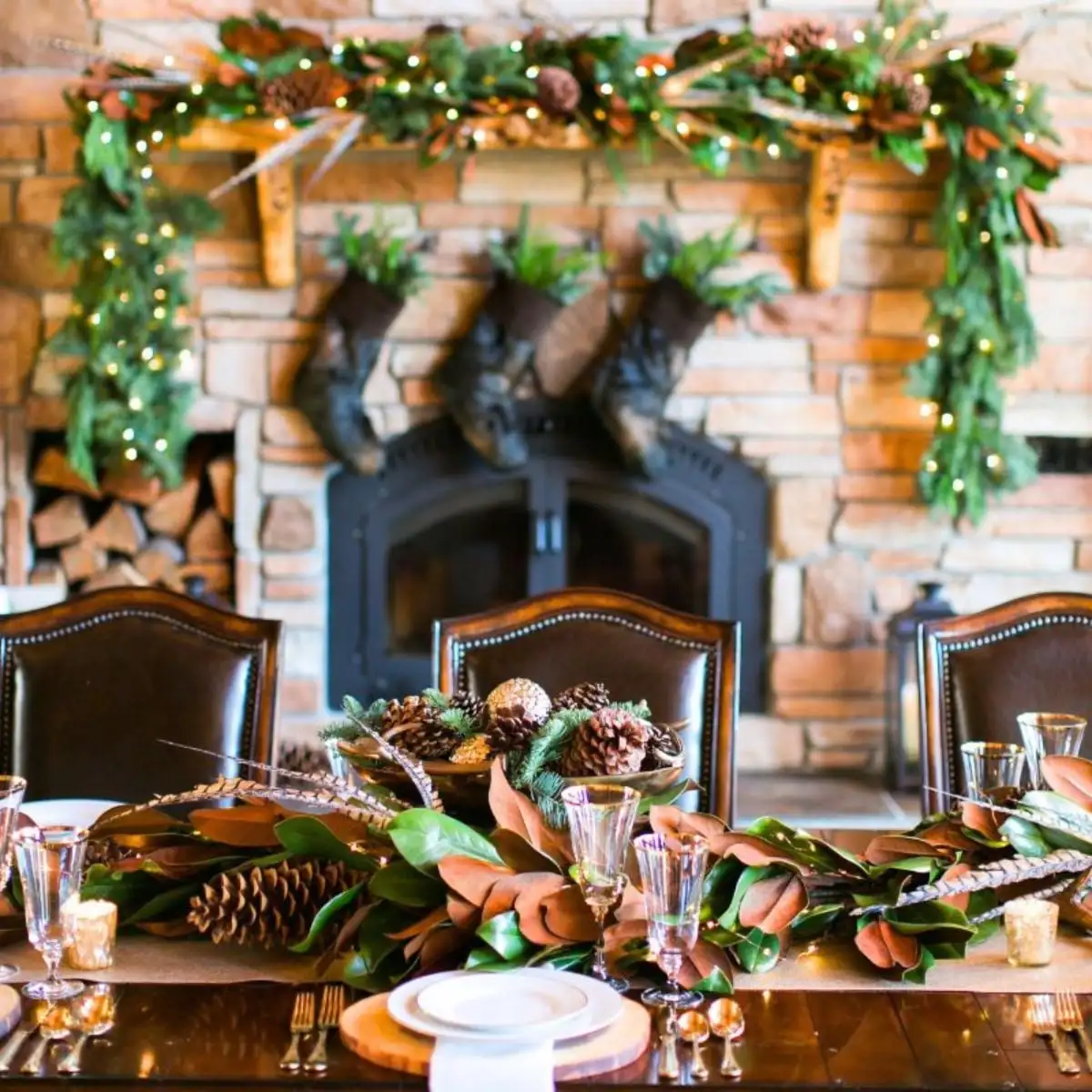
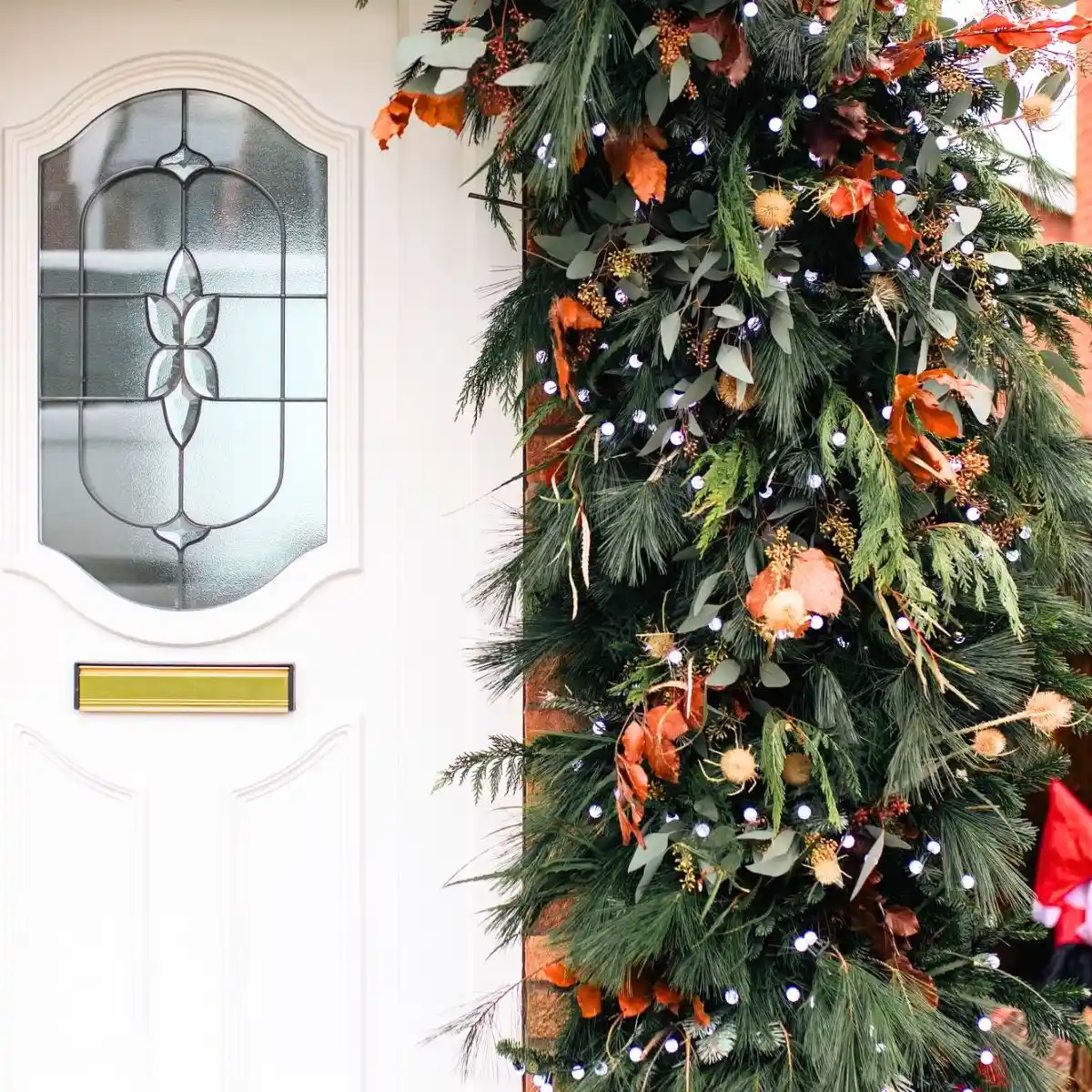
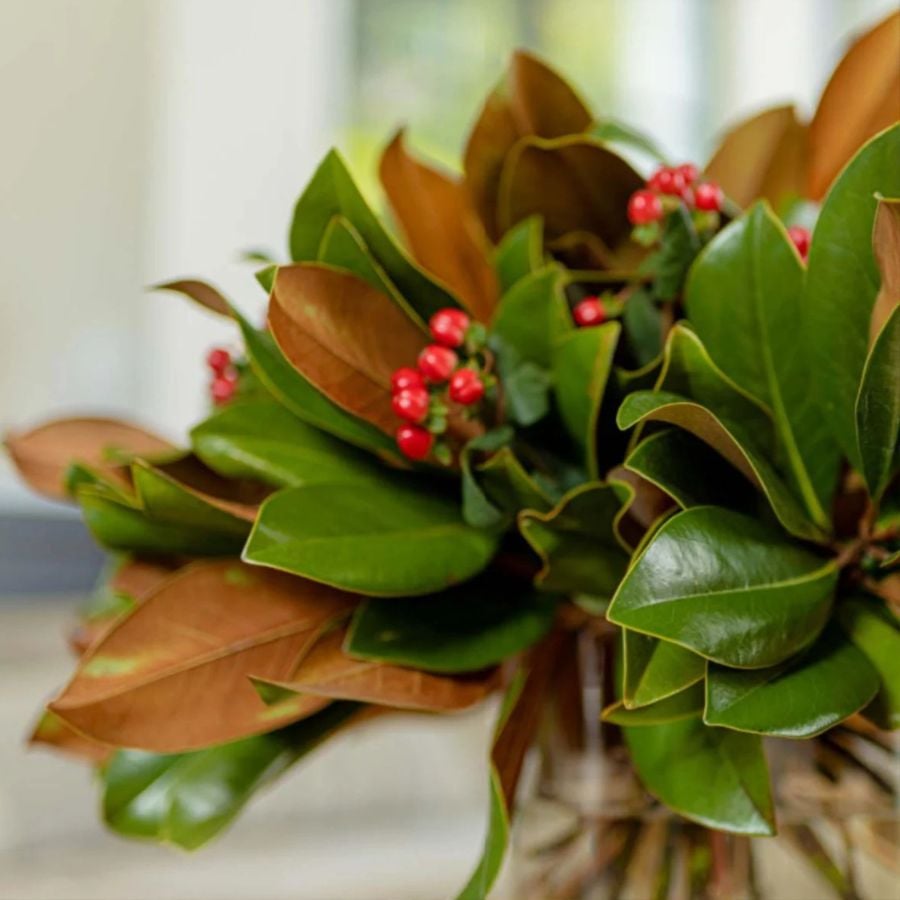
The second product is the leaf. Southern Magnolia leaves, glossy green on top and suede-brown underneath, are a staple of wreaths and garlands from November onward, and they dry without losing their shape; see this Magnolia leaf holiday collection and more Christmas wreath ideas.
The third is the Magnolia flower itself, and it is the trickiest: a cut Southern Magnolia flower is a showpiece for a day or two, but its petals bruise brown at the slightest touch. For branches, cut when the buds show color, recut and split the woody ends, and stand them in cool water with flower food. Quite a process, you'd agree, but worth every minute.
Growing Your Own Magnolia
If you're thinking of adding one of these Magnolia trees to your garden, you're in for a treat. But they do require some TLC:
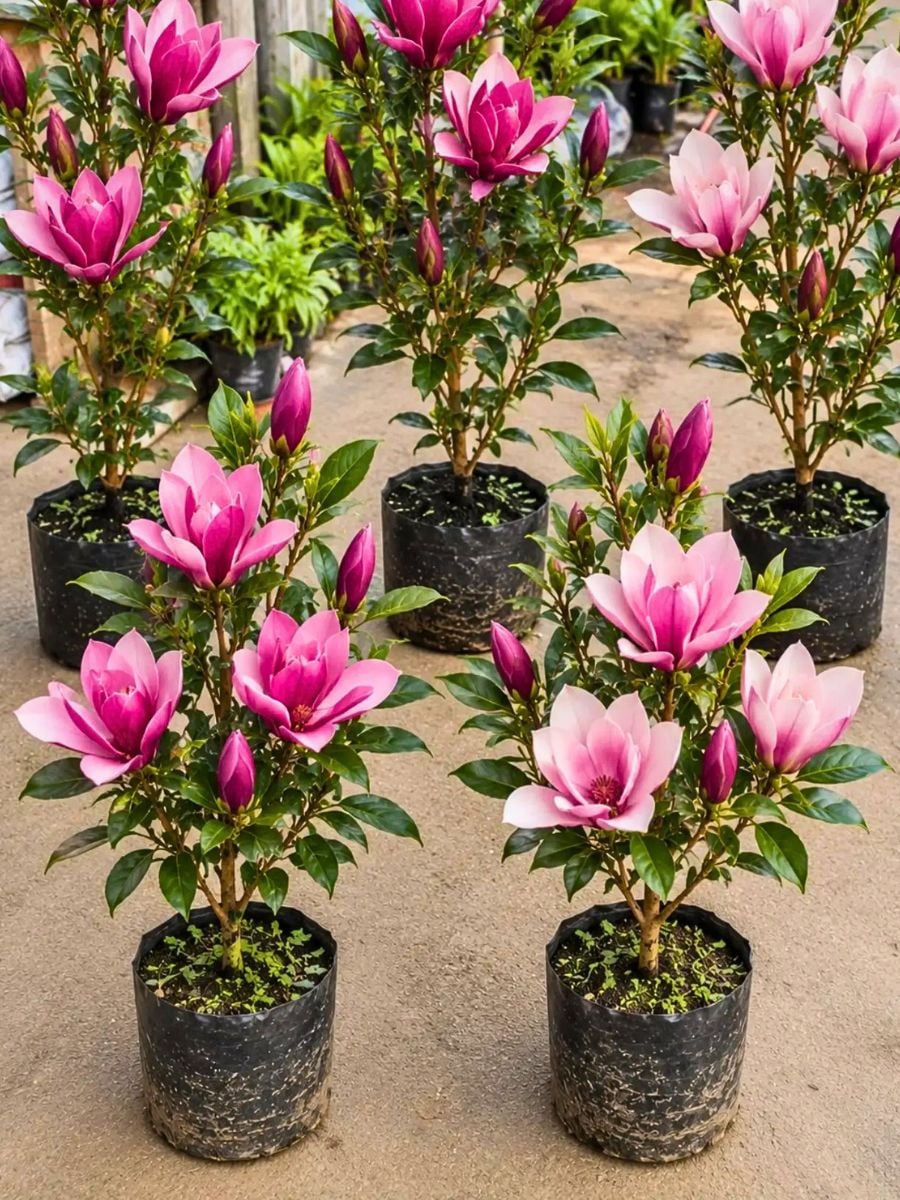
- Spot and soil: Plenty of sun and moist, well-draining, slightly acidic soil, sheltered from wind, with room to grow.
- Planting: The roots are fleshy and dislike deep planting, so set the root ball slightly higher than the surrounding soil, as UF/IFAS advises, and mulch rather than dig around it.
- Pruning: Minimal. The Royal Horticultural Society advises pruning deciduous Magnolias between midsummer and early autumn, when cuts bleed least.
Pair them with white flowering shrubs or other white flowers.
Medicinal, Edible, and Fragrant Uses
Magnolia bark has a long record in traditional Chinese medicine: the bark of Magnolia officinalis (Houpo, also written Houpu) contains magnolol and honokiol, two compounds studied for anti-inflammatory and calming effects. And did you know you can also eat Magnolias?
Foragers pickle young petals in rice vinegar with a little sugar and salt for a gingery bite; Japan's best-known Magnolia dish, hoba miso, uses the dried leaf of Magnolia obovata as a grilling plate instead. Only eat flowers you have identified with certainty, from a tree nobody has sprayed. More drinkable ideas are in these edible flowers for cocktails.

Perfume houses use Magnolia for floral notes from fresh to sensual, so there's likely a scent that fits your vibe: Gucci Flora Gorgeous Magnolia, Frederic Malle Eau de Magnolia, Bvlgari Splendida Magnolia Sensuel, or Acqua di Parma Magnolia Nobile. More on how the floral and perfume industries connect.
Magnolias in Art and Film
Artists love Magnolias because they're evocative without being over-the-top. Frida Kahlo painted the still life 'Magnolias' in 1945. Martin Johnson Heade painted Southern Magnolias on velvet cloth again and again in 1880s Florida. And Josephine Joy painted 'Magnolia Blossoms' in the late 1930s for the New Deal's Federal Art Project, now in the Smithsonian American Art Museum.

And what about the movies? Many of you will have seen Paul Thomas Anderson's 1999 film 'Magnolia', with Tom Cruise, Julianne Moore, and Philip Seymour Hoffman, a story of human fragility and small miracles. A decade earlier came 'Steel Magnolias', set in Louisiana. The title says it all: women as delicate as Magnolias and as tough as steel.
Magnolia Is More Than Just a Pretty Face
Magnolias are more than just a pretty face: a beetle-proof flower, a medicinal bark, a leaf for the wreath, and a branch that brings spring into a shop in February. It is the flower that outlived the ice ages, is still pollinated by beetles, and still shows how strength and softness can go together.
Sources: Sauquet et al., Nature Communications (2017); Botanic Gardens Conservation International; Magnolia Society International; Royal Horticultural Society; UF/IFAS Gardening Solutions; NC State Extension; Journal of Zhejiang University Science B (2017); Eat Weeds; Smithsonian American Art Museum; Museum of Fine Arts, Houston.
Header image by @ranamasters, featured image by @kai_ofc.
About the author: Brian Okinda is an editor at Thursd and a trained journalist specializing in agriculture, science, and sustainable floriculture. He covers the flower industry from the inside, from farms and expos to the people behind the flowers. Connect with Brian on LinkedIn.