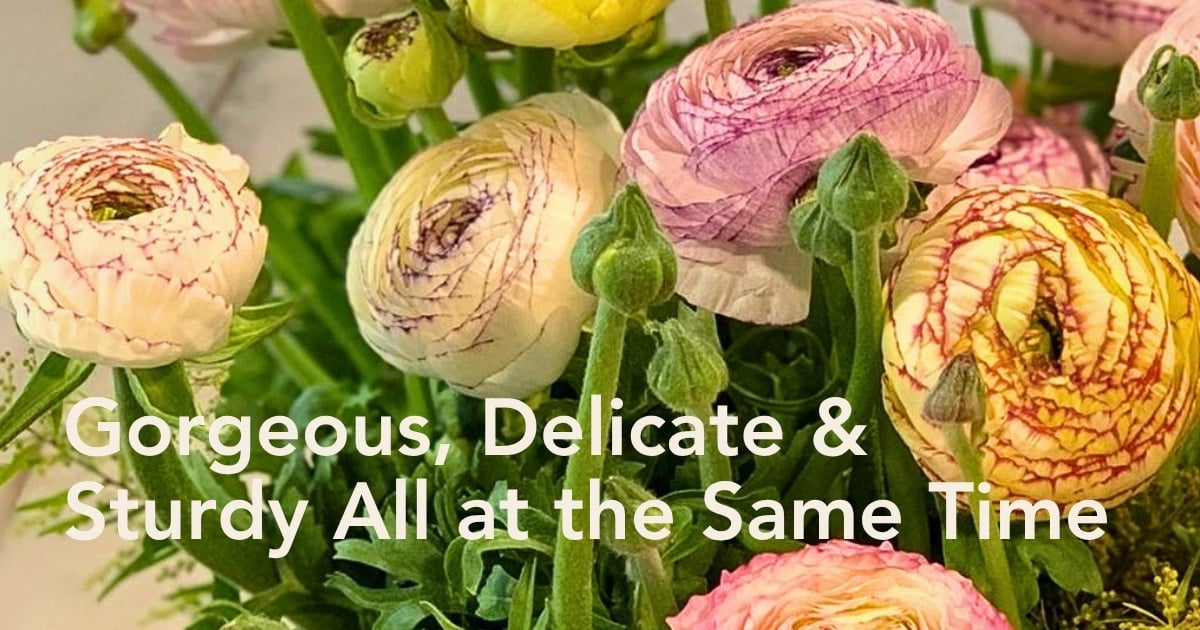
If you ever check many florists’ assortments or visit a floral studio worth its salt, chances are you will find Ranunculus flowers nestled among the roses or peeking out from behind the Hydrangeas. If you ask many of them to name which flower they would likely have if they could only choose one, Ranunculus would probably come up in most cases. This flower has, essentially, become one of the most beloved in the florist's toolkit, and for good reasons.
Perhaps it is its looks, its tissue-thin petals, stacked one upon another in perfect disarray, or its center so tight it looks almost sculpted. Or because it photographs beautifully, holds its shape for days, and somehow manages to look both delicate and sturdy at the same time. Whichever the case, why do many florists really love these flowers, though?
Why Florists Can’t Get Enough of Ranunculus
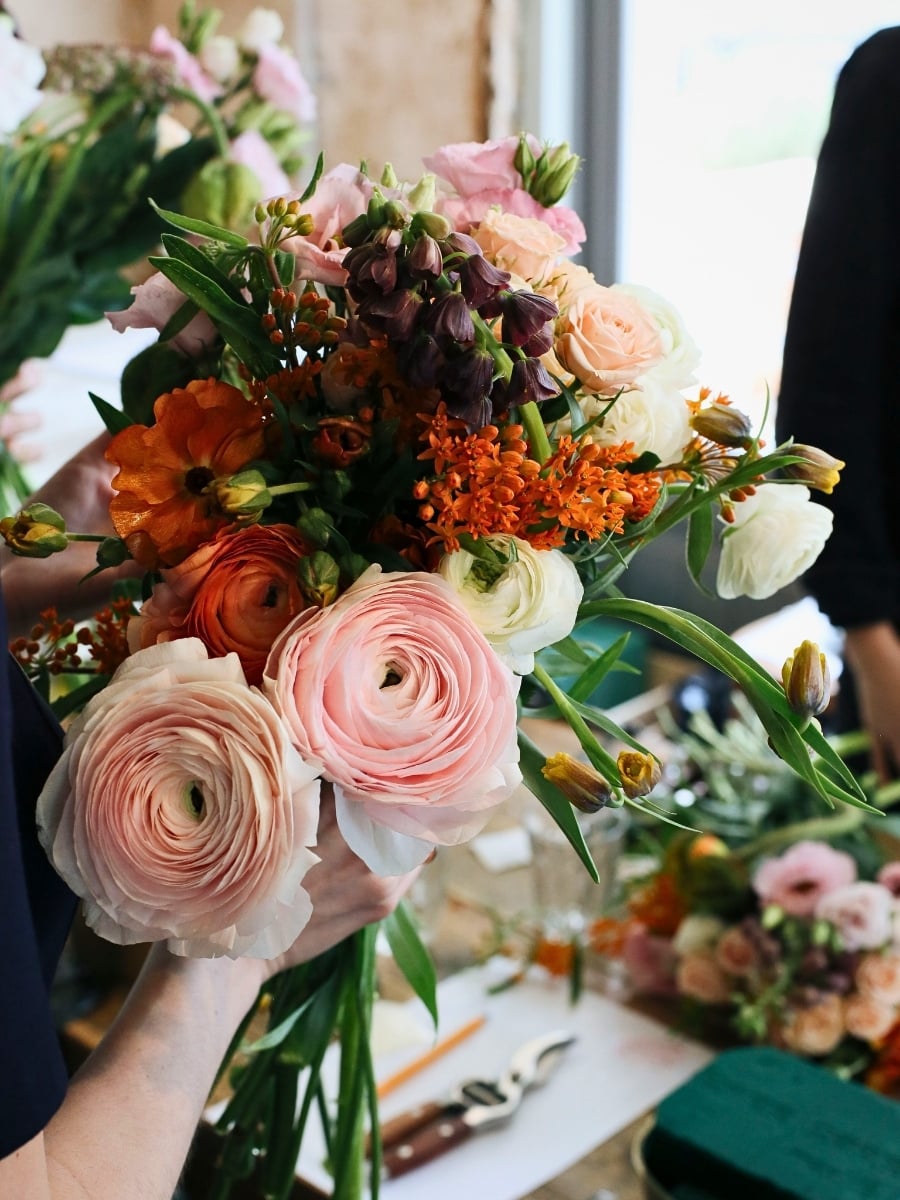
The reasons are many, but there are a few obvious ones. First, Ranunculus is just gorgeous to look at. With up to 130 petals per flower, it is a study in texture and form. It opens from tight little buds into full, rosette-like flowers that are a delight to look at. As they age, the petals transition through subtle shades, adding depth and dynamism to a design. Florists love this playfulness as it gives their work a sense of life and spontaneity that is difficult to achieve with more rigid flowers.
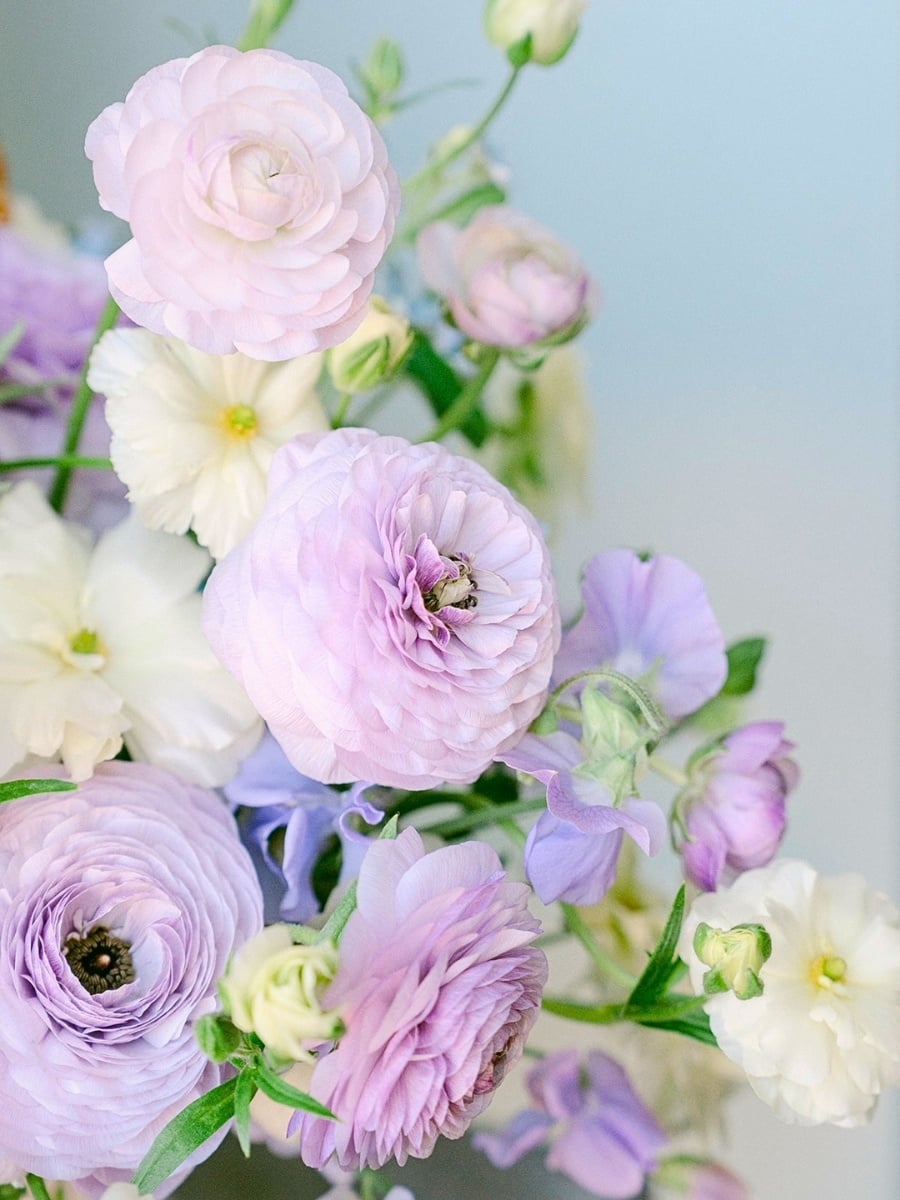
But beauty alone is not enough. A flower that wilts before its time is of little use to a professional who needs arrangements to last through a weekend of events. Ranunculus delivers on this front with impressive vase life. With proper care, it can last seven to fourteen days in a vase, a reliability that gives florists peace of mind, especially when designing for weddings, events, or retail.
Ranunculus’ sturdy stems, despite being hollow and requiring careful handling, hold up well in arrangements. They do not flop over or lose their shape after a few hours, which is more than can be said for some of its more delicate cousins.
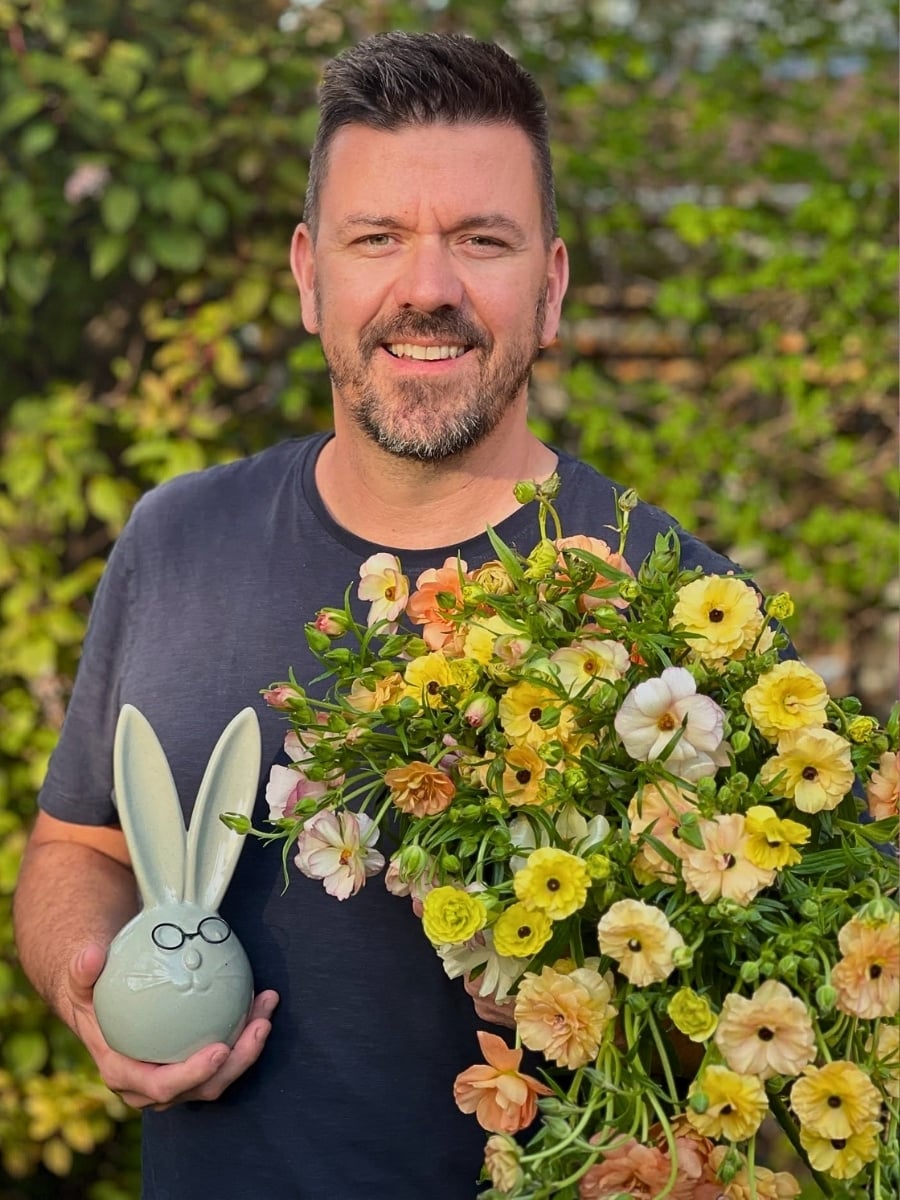
Then there is the color palette. Its flower heads open gradually over several days, giving one the joy of watching the display evolve over time. And as they do so, these flowers unfurl in nearly every color you’d think of. From pure white to deep burgundy, soft blush pink, vibrant orange, and yellow, there is a Ranunculus for any mood and occasion. Hybrid strains like Aviv, Victoria, Telecote, and Tomer produce large flowers in pastels and bi-colors that keep pace with changing florist and consumer preferences.
Part of its appeal also comes down to pure structure. Ranunculus produces rows of thin, papery petals that wrap tightly around one another, giving the flower a full, rounded shape that many designers compare to a rose or a peony, minus the higher price tag that often comes with these two. The Butterfly™ and Romance™ series in particular have become popular among florists and retailers.
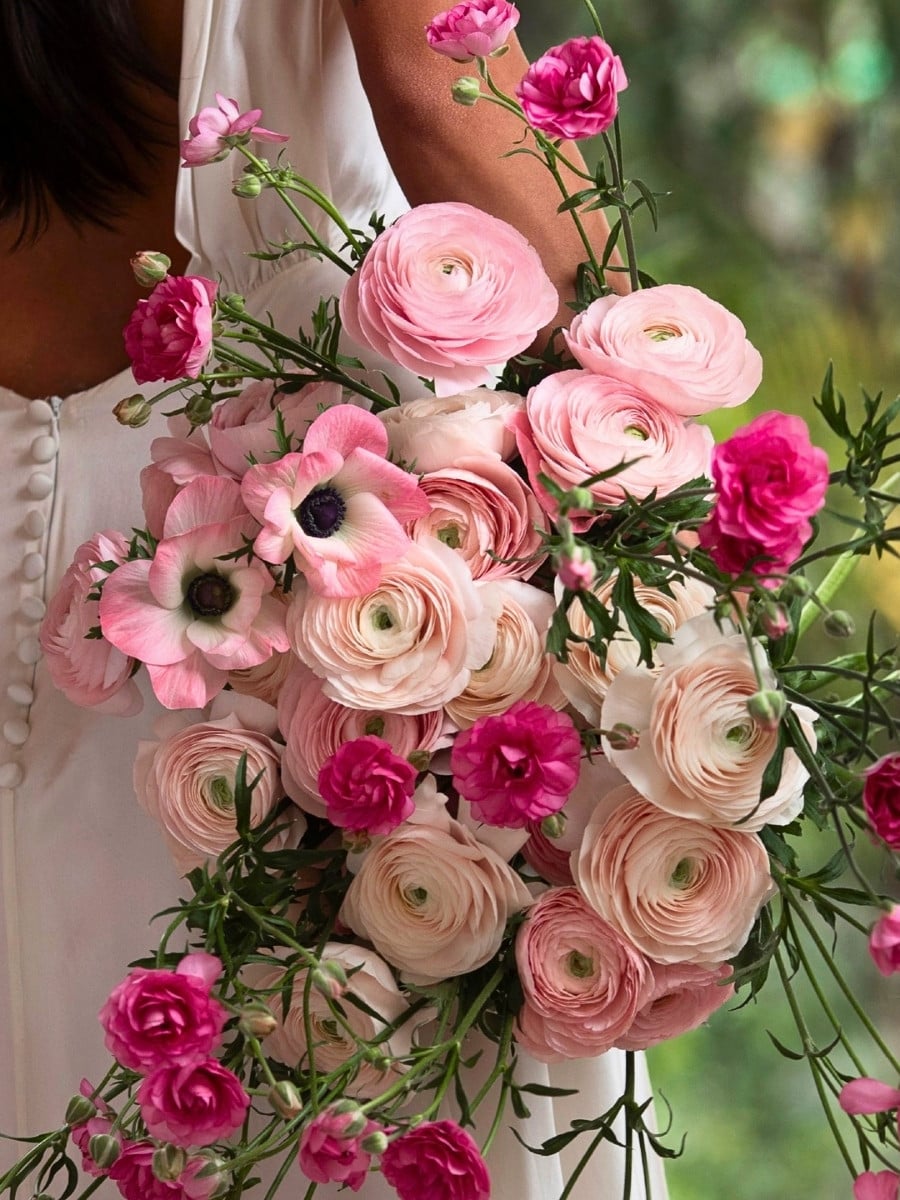
Ease of handling also matters just as much as appearance in a professional setting. Ranunculus is relatively easy to manage from cultivation through pre and post-harvest care, and aside from a handful of finicky varieties, most types are considered easy to work with. Unlike stiffer flowers that break under pressure, it can be gently wired or supported to achieve varied angles without snapping.
This flower also allows florists to create a range of ideas, from clean monochromatic bouquets to modern and colorful, wild arrangements full of energy. So, for a florist juggling dozens of flowers across different arrangements, a flower that works predictably is worth its weight in gold. Ranunculus is, essentially, one such flower that performs quite like the great pair of jeans in a (florist's flower) wardrobe; a staple that works well with everything.
…Plus a History Wrapped in Legend
Ranunculus also carries a bit of old-world romance in its background. Persian folklore tells of a young prince whose unrequited love for a beautiful nymph led to his transformation into a Ranunculus. Yet, whether or not a florist mentions this legend to a client, it adds subtle meaning to a flower that already has associations with charm and attraction in general floral symbolism.
For designers who like their work to carry a bit of story alongside its beauty, this gives Ranunculus an edge over any purely decorative flower.
Uses, From Weddings to Everyday Occasions
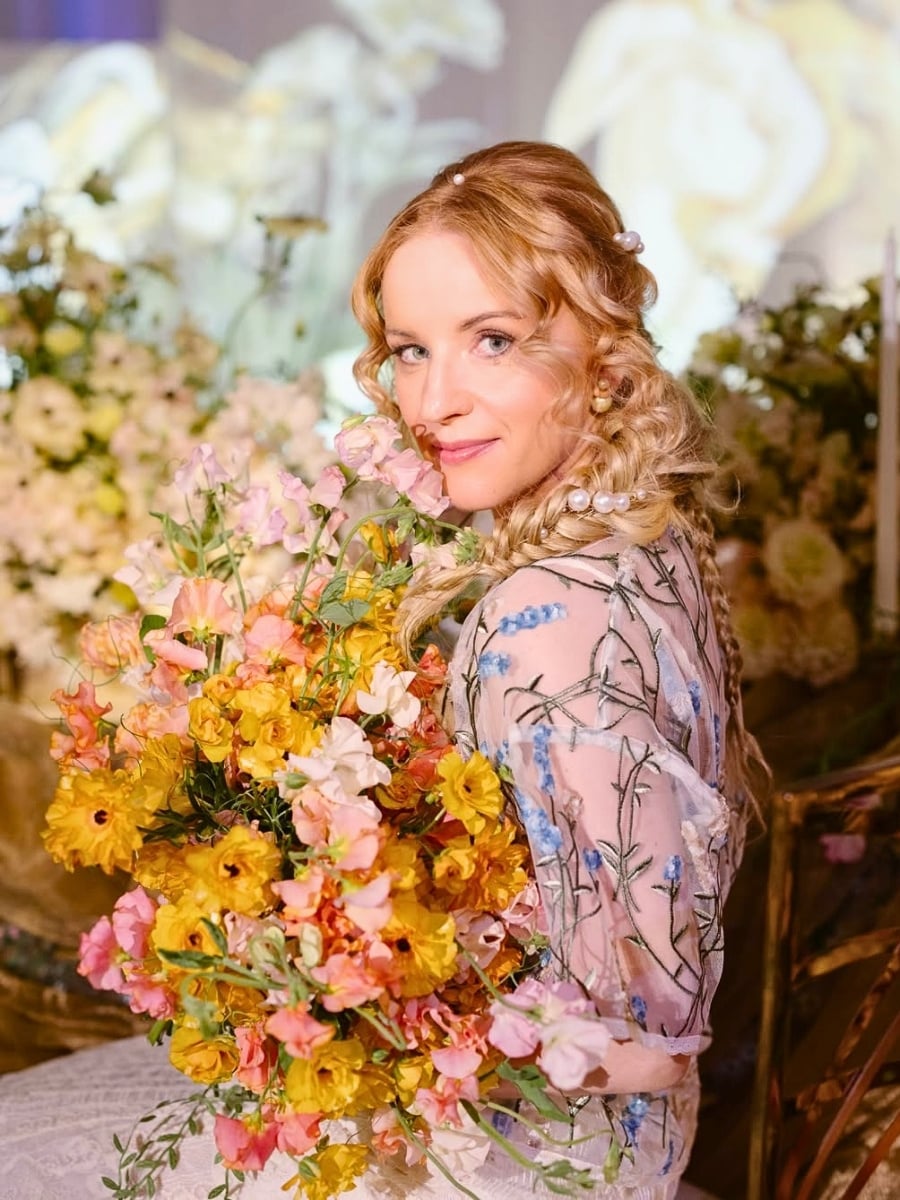
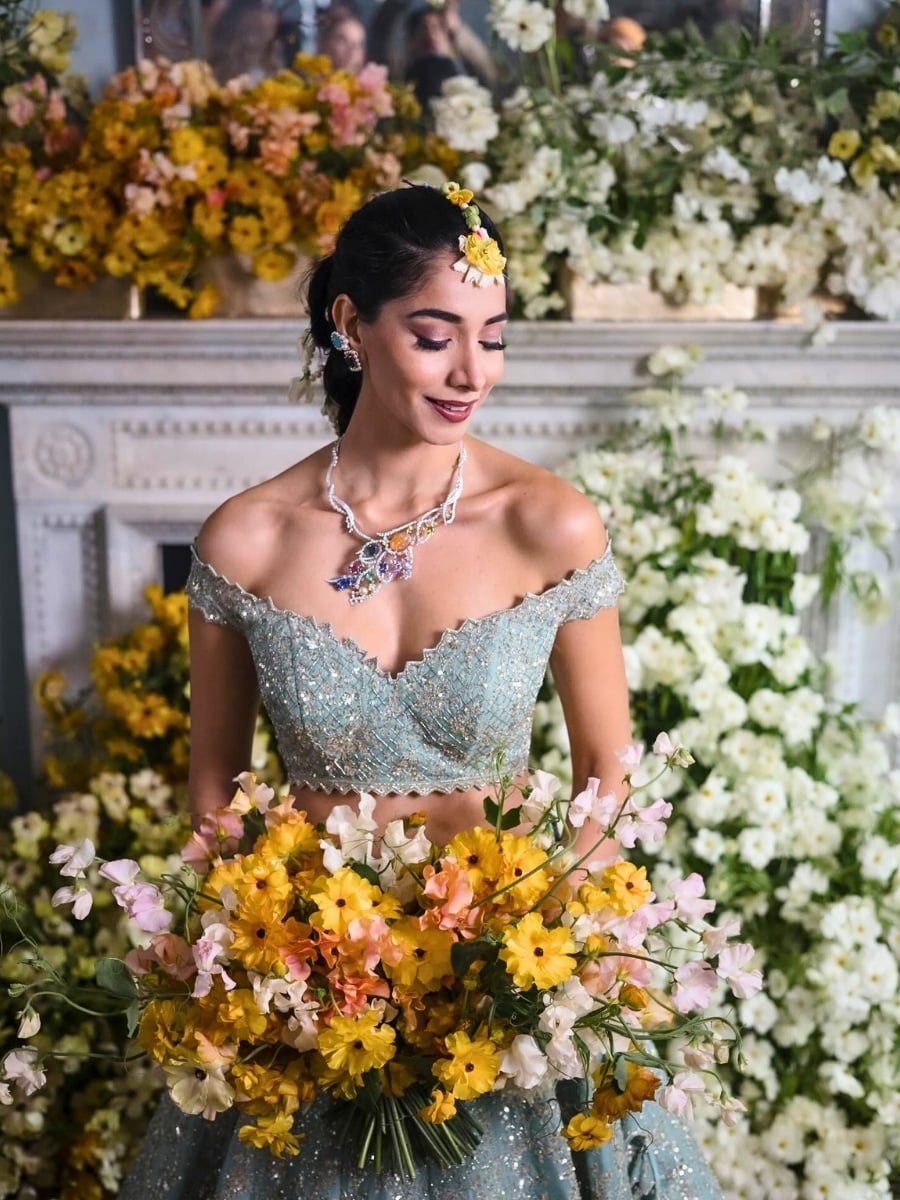
If there is one occasion where Ranunculus truly shines, it is weddings. These flowers have become a favorite for bridal bouquets, and it is easy to see why. Their romantic, ruffled appearance pairs beautifully with the elegance of a wedding gown. They add volume, texture, and depth, hardly overwhelming the overall look. Their delicate look and wide color range also make them especially well-suited for bridal work. Used alone in a simple hand-tied bouquet or combined with other flowers, it beautifully brings a soft, luxurious feel.
These flowers also work wonderfully in centerpieces, aisle decorations, and floral arches. They can be scattered along the aisle for a romantic touch or gathered into lush garlands that frame the ceremony space. Their year-round availability means that brides are never limited by season. A winter wedding can have the same fresh, spring-like Ranunculus as a summer celebration.
But spring weddings in particular lean heavily on Ranunculus, since the flower is at peak quality and lowest price from late February through April, offering excellent value alongside tulips during a season when demand for fresh, romantic arrangements runs high.
Ranunculus is also a go-to choice for birthdays, anniversaries, and any occasion that calls for a touch of charm. It makes stunning mono-bouquets that need no other flowers to look complete, but also brighten up interiors, adding warmth and a sense of home to the space. Florists, likewise, love using them in retail arrangements since they catch the customer's eye and hold their attention. There is something irresistible about such a flower that looks almost too perfect to be real!
Valentine's Day and other romance-forward occasions also make good use of Ranunculus, often as a softer, more textured alternative to a dozen roses. Its photogenic quality makes it a favorite for editorial work as well, since just a stem can enrich a photo whether it appears in a styled tablescape or a spontaneous studio shot. But aside from these, this flower is also a top choice for Mother's Day arrangements and Easter celebrations. It also shows up often in everyday retail bouquets, paired with softer greenery, and springtime centerpieces meant to show renewal.
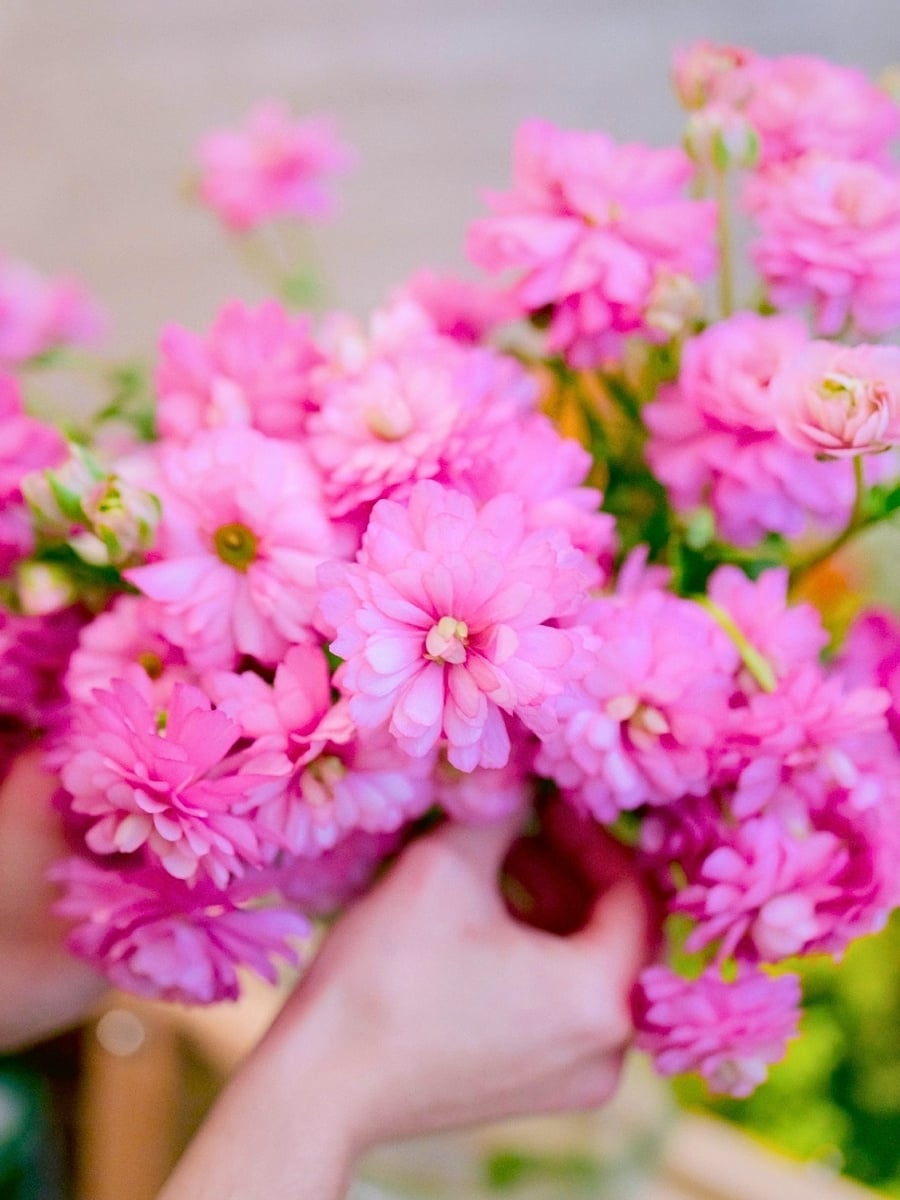
Which Are Ranunculus’ Perfect Partners?
One of the greatest strengths of the Ranunculus is its ability to play well with others. It pairs beautifully with roses, especially blush or cream-colored garden roses. The combination creates a classic, romantic air, working well in a wedding look. Peonies are another natural partner. In a design, the peony adds soft volume, while the Ranunculus adds layered detail. Together, they create bouquets that look lush and abundant.
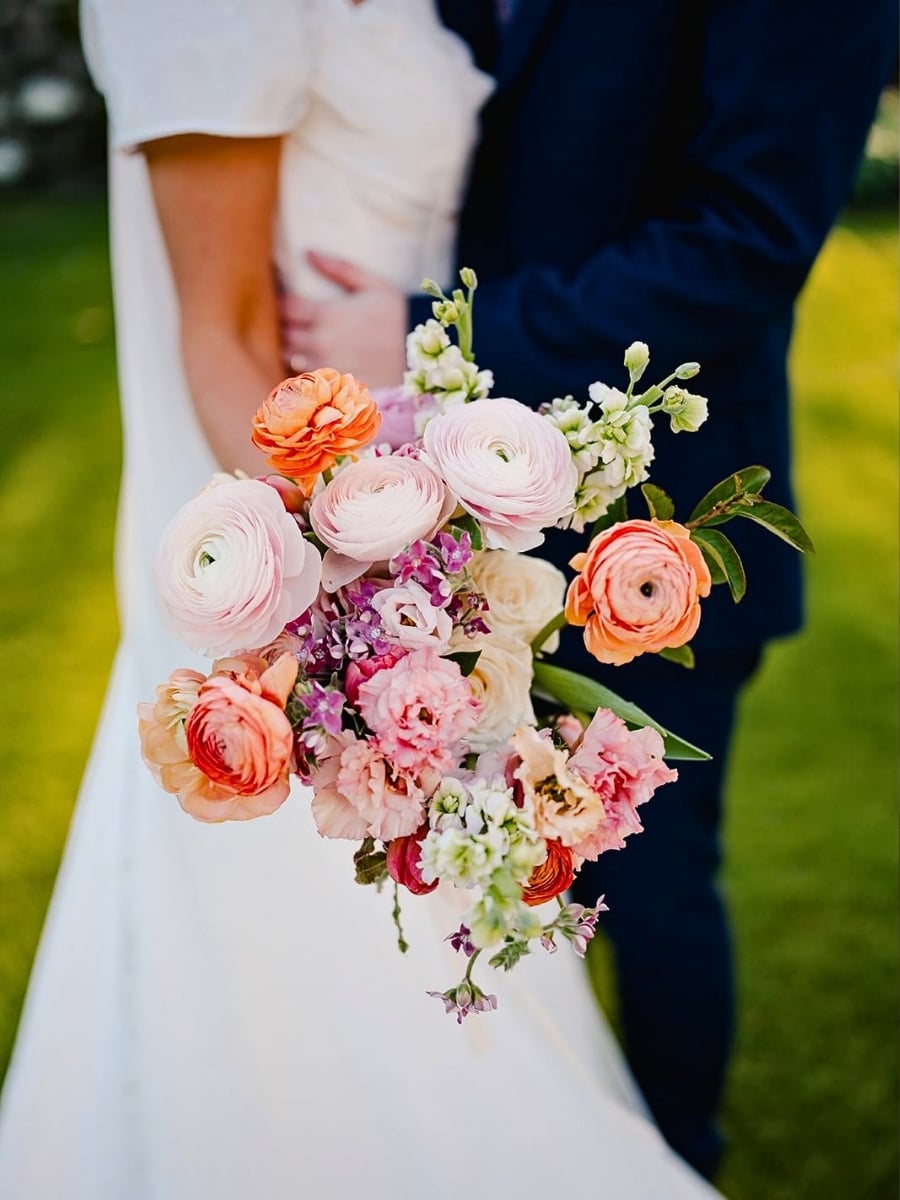
Sweet peas are also another ideal partner. They add a whimsical, ruffled texture that complements the tighter, more structured petals of Ranunculus. Tulips (paired with Ranunculus) bring a cost-effective way to add volume to an arrangement without competing for attention, since both flowers share a similar spring season and price point.
In contemporary, high-contrast designs, many florists often pair white or pale pink Ranunculus with dark-centered anemones, allowing the bold centers to stand out against the soft petals. In a more modern, minimalist look, Ranunculus look stunning with eucalyptus, olive foliage, dusty miller greenery, or ferns, which soften the edges of the arrangement.
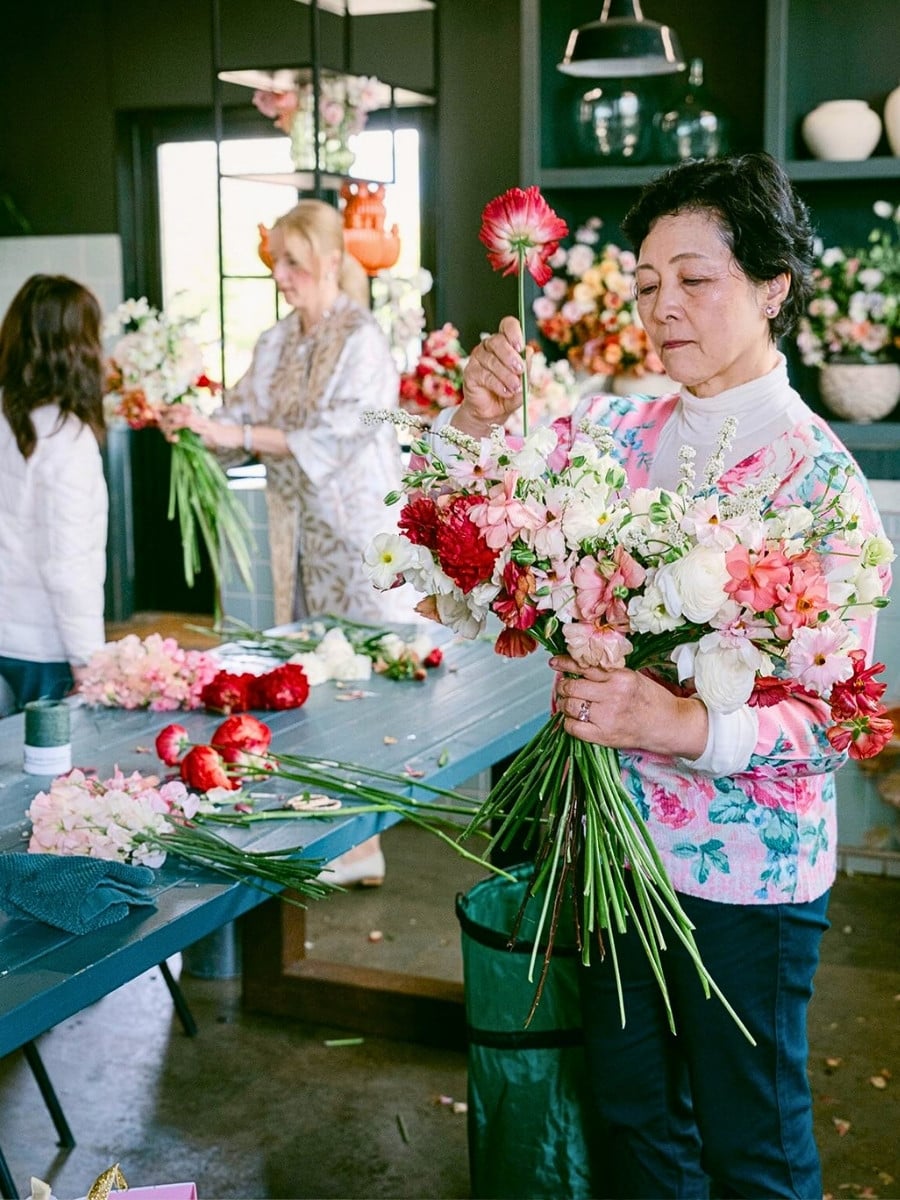
In such cases, the clean lines of the greenery contrast with the flower's ruffled petals, creating a balanced, elegant arrangement. It can also be paired with light accents like Astilbe or waxflower that add playful height.
Used in boho or wildflower-inspired designs, it pairs beautifully with dried grasses, lavender, and other wildflowers, where the Ranunculus’ bright colors pop out against the muted tones of dried elements, adding just the right amount of vibrancy.
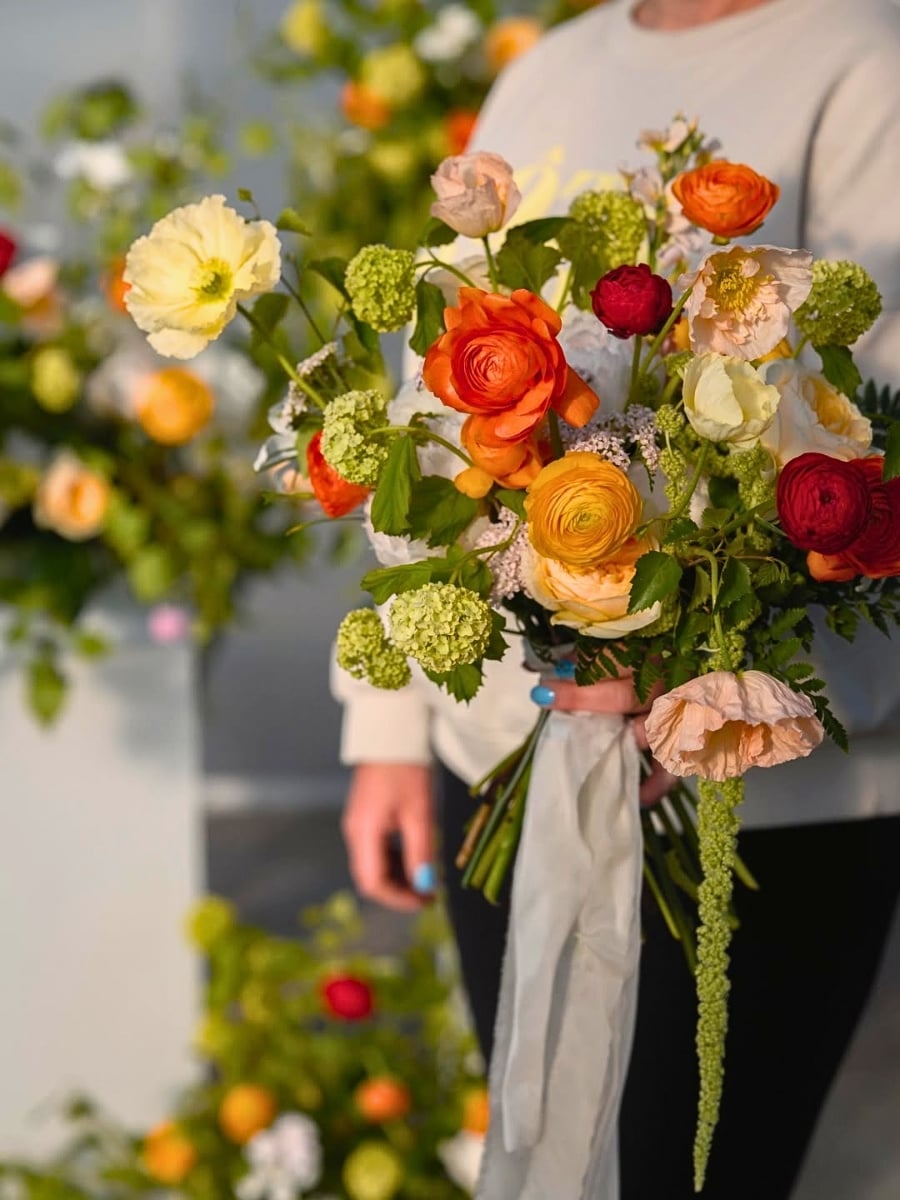
In other designs, for instance, Ranunculus Clooney White’s crisp, stark-white petals are particularly versatile, looking stunning in a rustic-inspired arrangement just as they do in a classic wedding bouquet. The Butterfly series also has single-form flowers, offering a lighter, airier alternative that works well in loose, garden-style arrangements.
Essential Conditioning and Care Tips for These Flowers
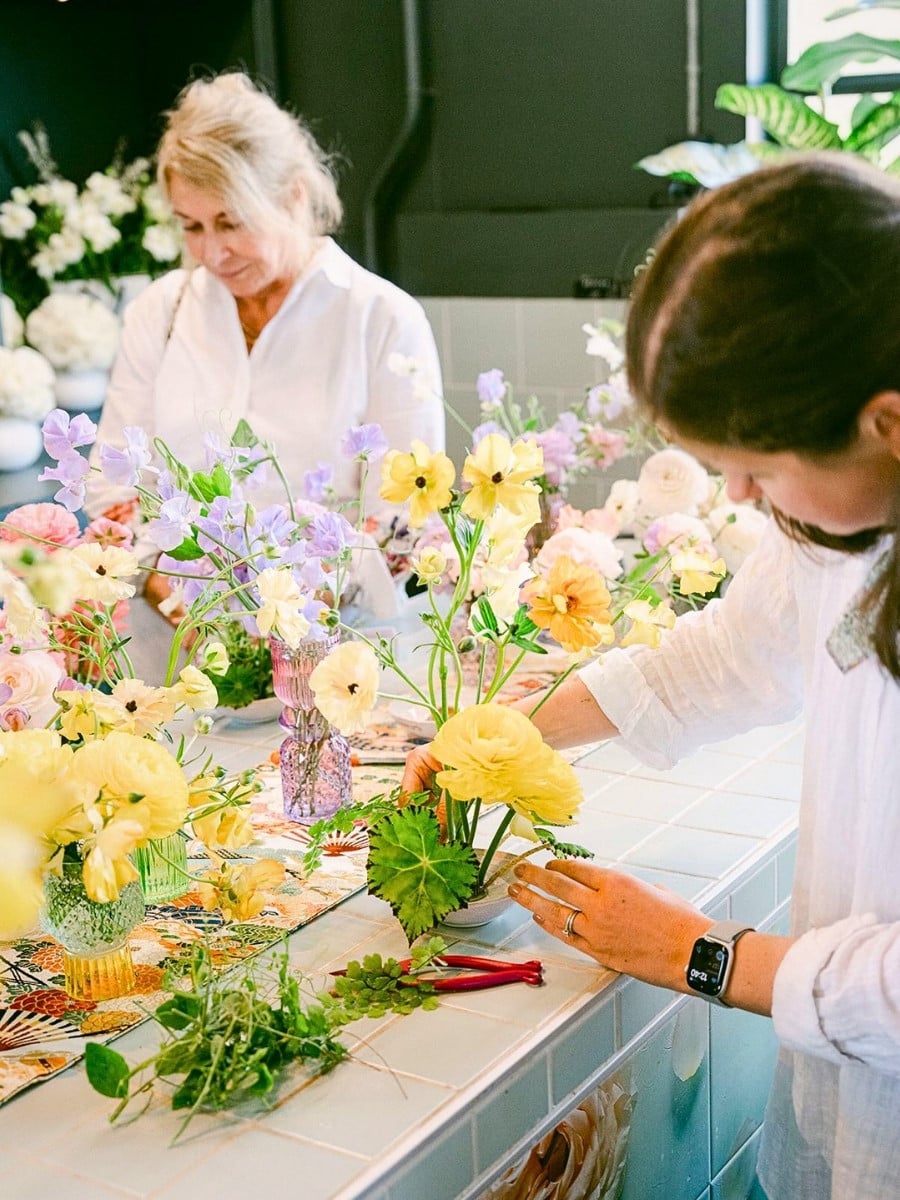
To ensure Ranunculus reach their full potential, florists follow specific conditioning steps. Because these flowers’ stems are hollow, they require sharp, clean cuts at a slanted angle to prevent crushing the delicate vascular channels. Placing them in cool, shallow water mixed with floral food keeps them sturdy and prevents stem rot, which can occur if soft stalks sit in deep water for too long.
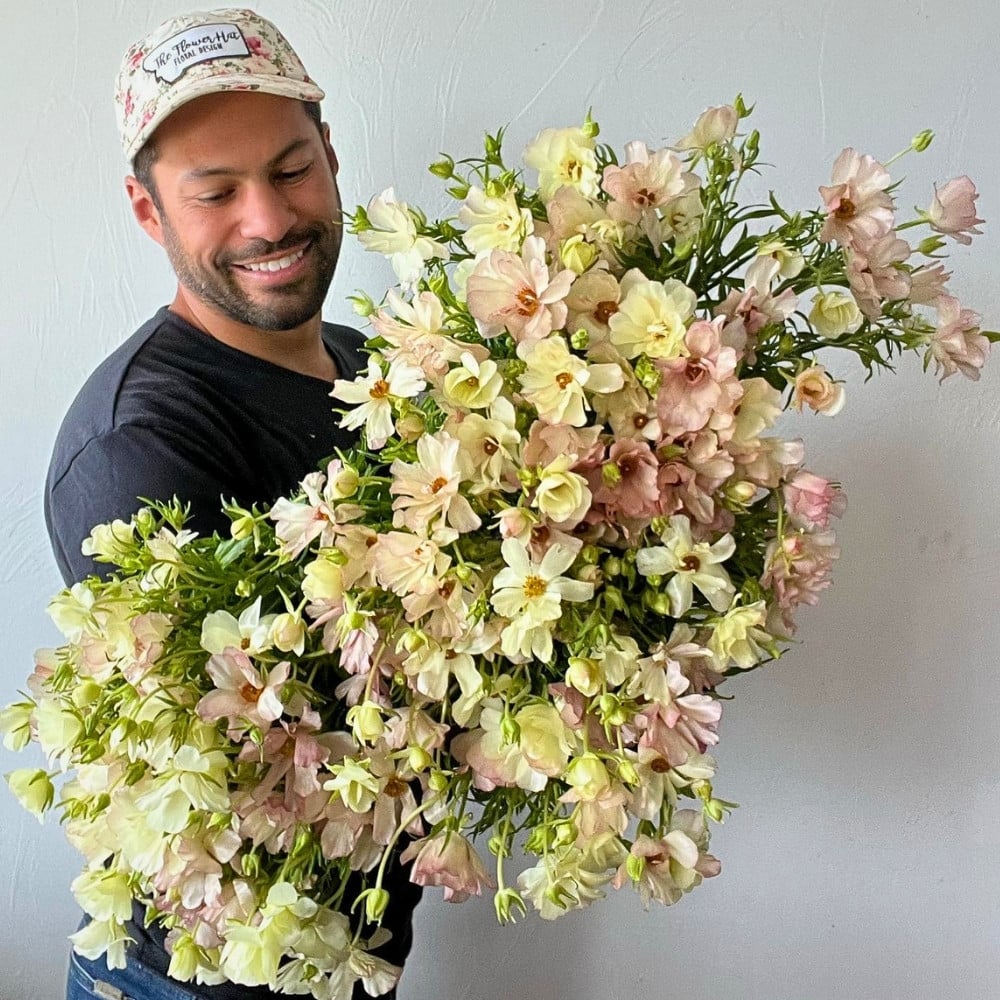
Keeping the arrangements in cool rooms away from direct sunlight and ethylene-producing fruits also preserves their fresh appearance. With even more proper sanitation and gentle handling, these beautiful flowers remain pristine for longer.
Featured image by @botanicart.kover.krisztian. Header image by @italian_ranunculus