If you think back to the last time someone gave you a bouquet, chances are that you remember where you were, who gave them to you, and what it felt like, even later on after the flowers had faded, wilted, and gone. That's the essence of it all; few items have that type of staying power. A flower costs little, lasts only a week or two, and yet somehow outlasts its own bloom in memory, carrying a relationship inside a handful of petals.
Flowers have been closing the distance between people for longer than written language has been, showing up at weddings, hospital bedsides, funerals, and front doors around the world, and requiring no translation. Understanding why this is so comes down to biology, shared ritual, and a communication that predates spoken words; one still visible in the specific flowers people reach for during the most important times in each other's lives.
So, why is it exactly that flowers connect people?
Floral Language Understood Even Without Translation
Even before floriography came into being and formalized flower meanings into a Victorian code, people were already using flowers to say what words could not. Red roses speak of passionate love, white lilies represent purity and remembrance, and marigolds signal joy across several cultures in a shared vocabulary. Many other flowers convey different messages and meanings.
But then again, what makes this language so remarkable is how it works across groups of people who certainly did not coordinate on the meaning. A flower given during a wedding, a funeral, or an apology has emotional weight that both giver and receiver understand instinctively, which to a great extent explains why flowers show up at nearly every major life event a person experiences, from birth through loss and everything scheduled in between.
The Sensory Connection Between People
Part of what makes flowers such an effective connector is how directly they reach and connect to the brain. Floral scent connects to the limbic system, the region governing emotion and memory, which is why a particular fragrance can pull two people into the same remembered moment from a long time ago, almost immediately.
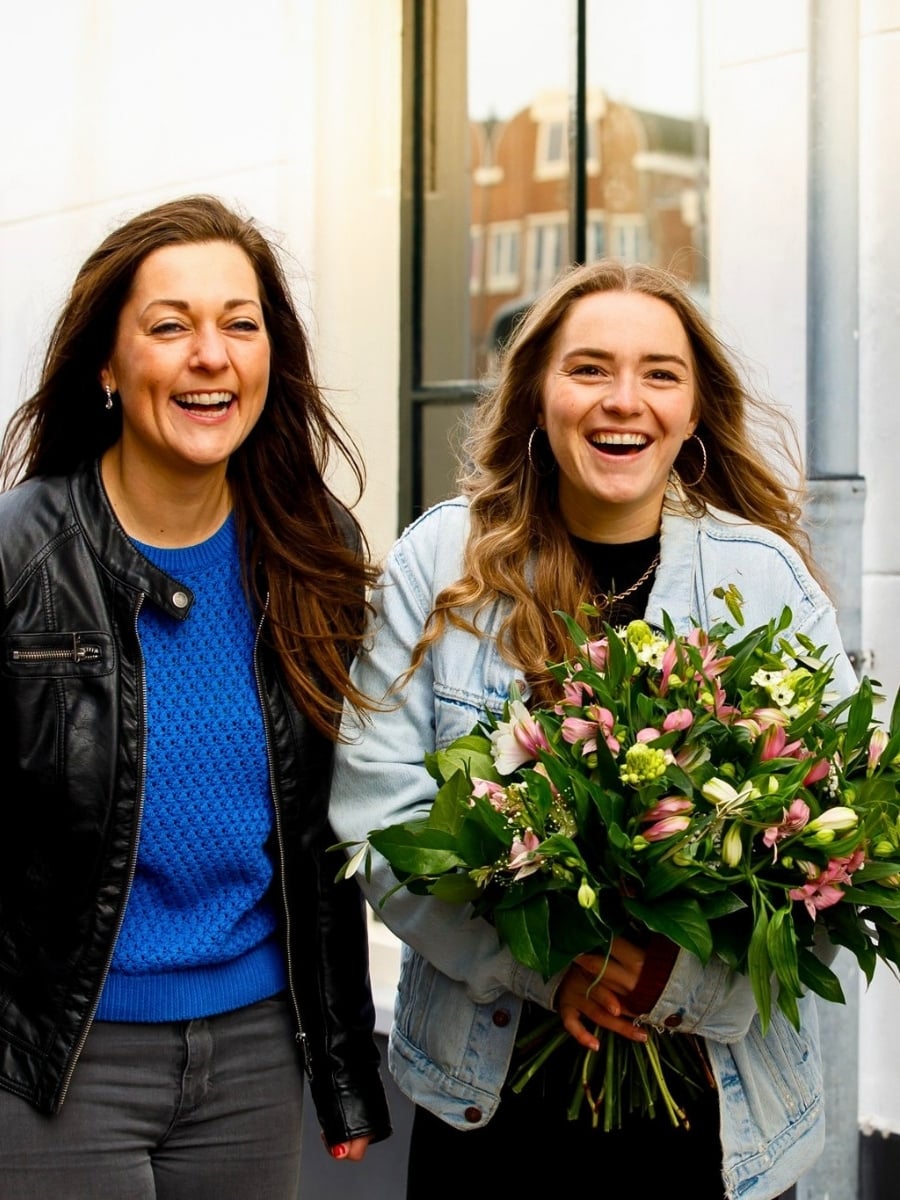
Color and form work in a similar way, triggering shared emotional responses that hold up across cultures and age groups with surprising consistency. This shared sensory experience is what gives two people, even total strangers, something immediate in common the moment a flower enters the space between them, well before either person says a word.
Flowers at the Center of Shared Life Events
Flowers rarely appear alone in a person's life. They show up specifically at the moments meant to be shared with others, including weddings, graduations, anniversaries, hospital visits, and small gestures of comfort during grief. Alstroemeria has, for instance, earned the nickname the friendship flower for symbolizing devotion and long-lasting bonds, while yellow roses work well across close friendships, professional relationships, and people reconnecting after time apart.
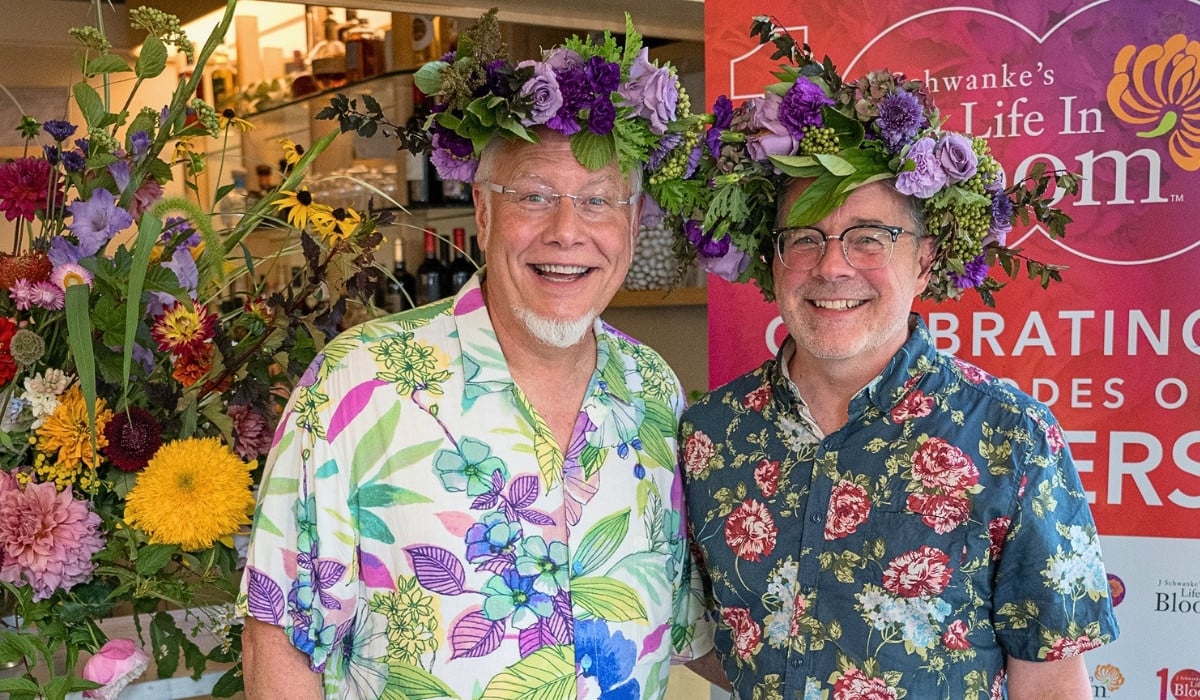
These seemingly insignificant, repeated acts of connection, offered during celebration or hardship, strengthen social bonds and help people feel recognized in ways that carry more weight than they are often given credit for. Days set aside specifically to celebrate relationships, such as the International Day of Friendship, lean on flowers as an important symbol exactly because they translate feeling into a perceptible feeling that two people can hold between them.
Community Spaces Built Around Flowers
Flowers connect people at a group level as well as an individual level. Public gardens, flower festivals, and floral events always draw people together, whether that means a shared afternoon at a tulip field, a gathering for a floral event, or a neighborhood turning out for a local flower show.
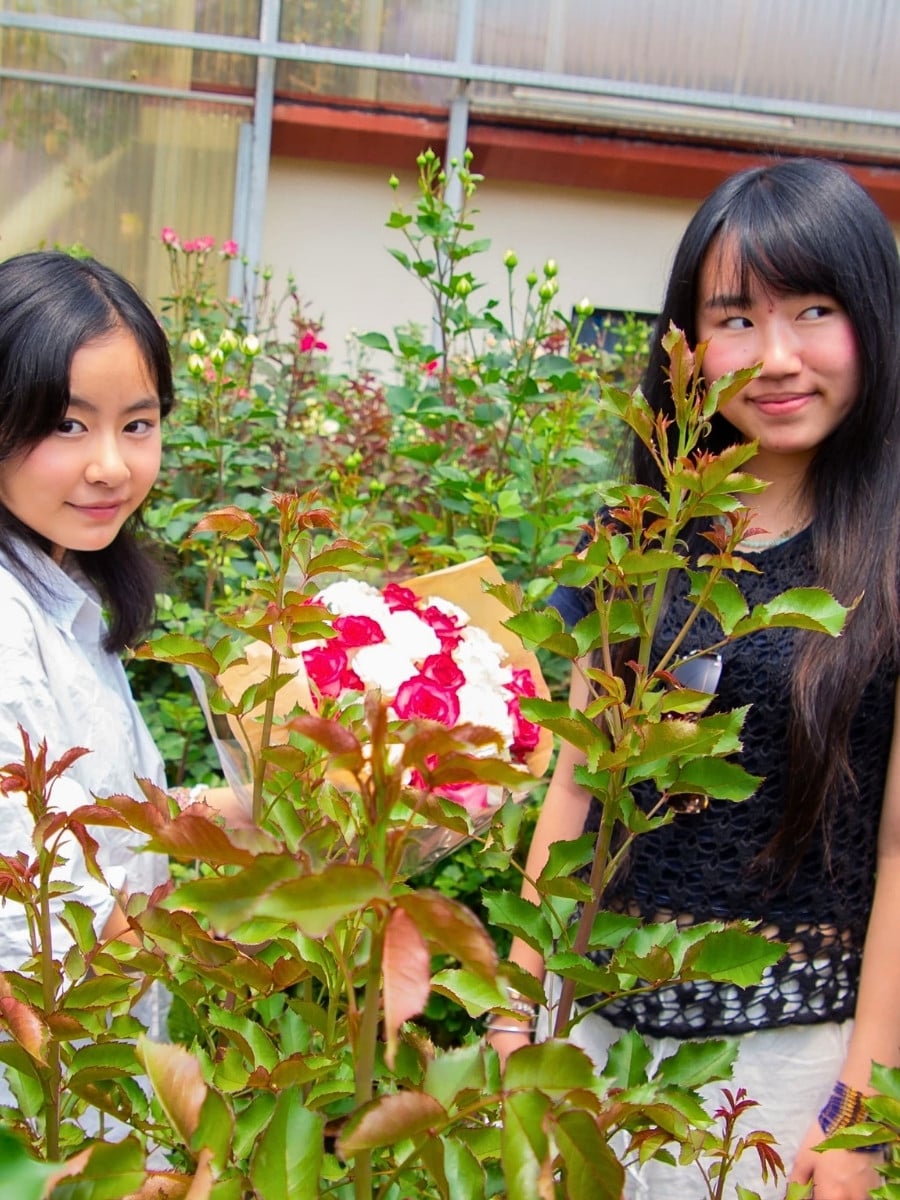
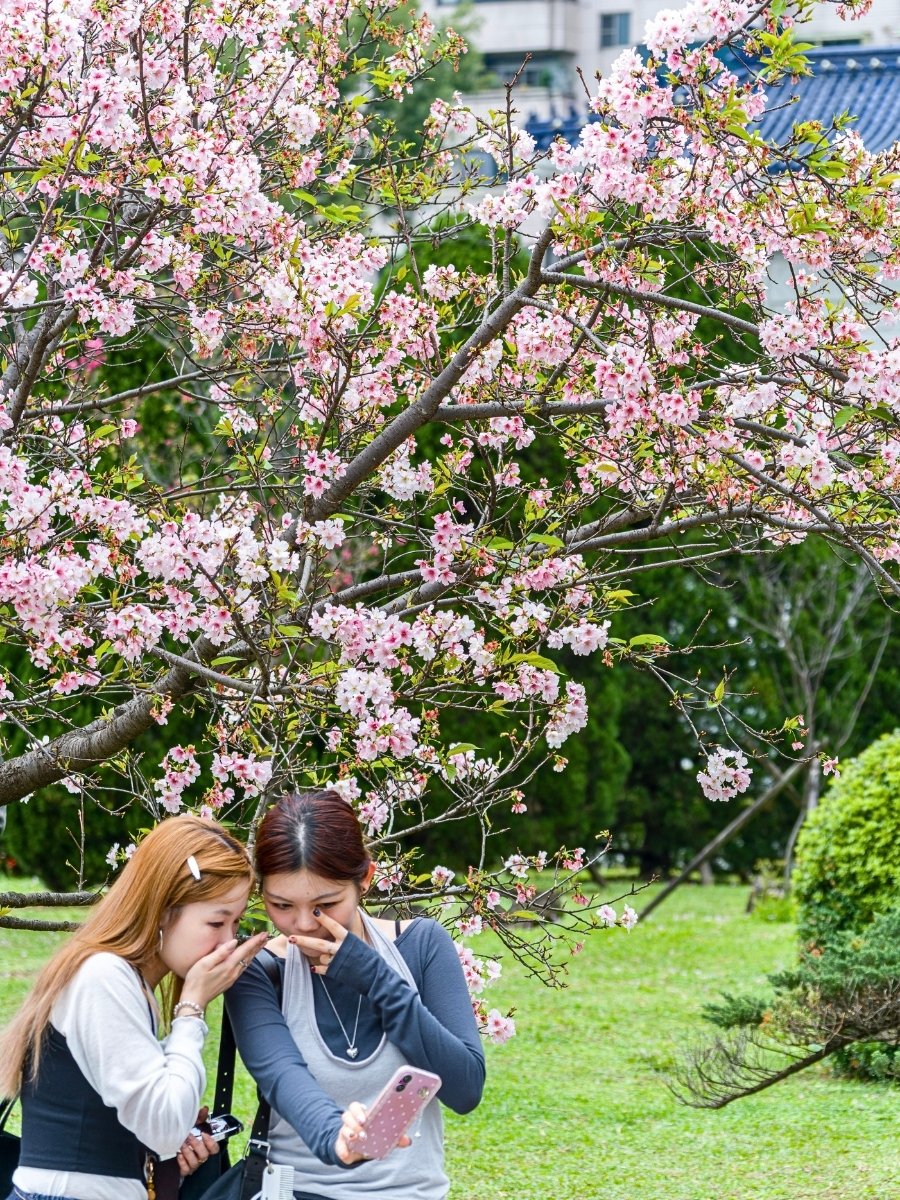
Cities that prioritize green and flowering spaces tend to see community-wide benefits, since these areas become natural gathering points that facilitate social interaction, quite unlike how sterile, plant-free environments would manage, an observation echoed across research on public green space design. From the Tulip Festivals of the Netherlands to the cherry blossom viewing season in Japan, flowering events give communities a shared occasion to gather and connect.
What Research Endorses
The emotional pull flowers create is not merely anecdotal. A widely cited Rutgers University study tracked people over ten months and found that flower deliveries produced an immediate and lasting boost in mood along with an increase in social interaction, a finding that held steady across different genders, cultures, and age groups.
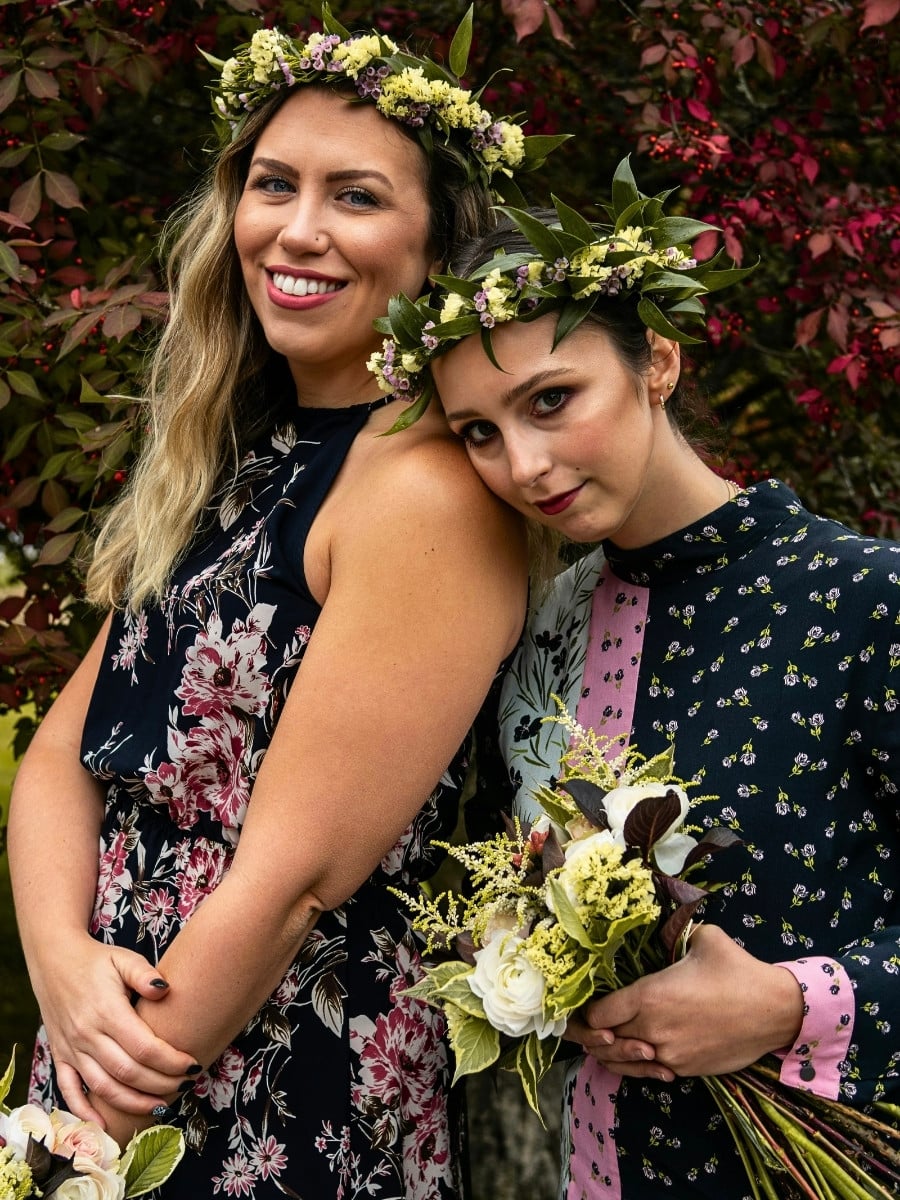
Researchers have also documented what is sometimes called a Duchenne smile, the involuntary expression of true delight that appears almost universally when someone receives a bouquet. This permutation of shared meaning, shared sensory experience, and a recognized lift in social behavior helps explain why a simple bouquet does what few other things manage to do, turning a private feeling into something that two people can mutually experience together.
Why the Connection Lasts Thereafter
Flowers connect people because they solve a problem that nearly every relationship runs into eventually, which is the difficulty of expressing a feeling accurately in words. They offer a shared vocabulary that is understood across cultures, a sensory experience that reaches the brain's emotional centers directly, and a consistent presence at the exact moments when people most need to feel less alone.
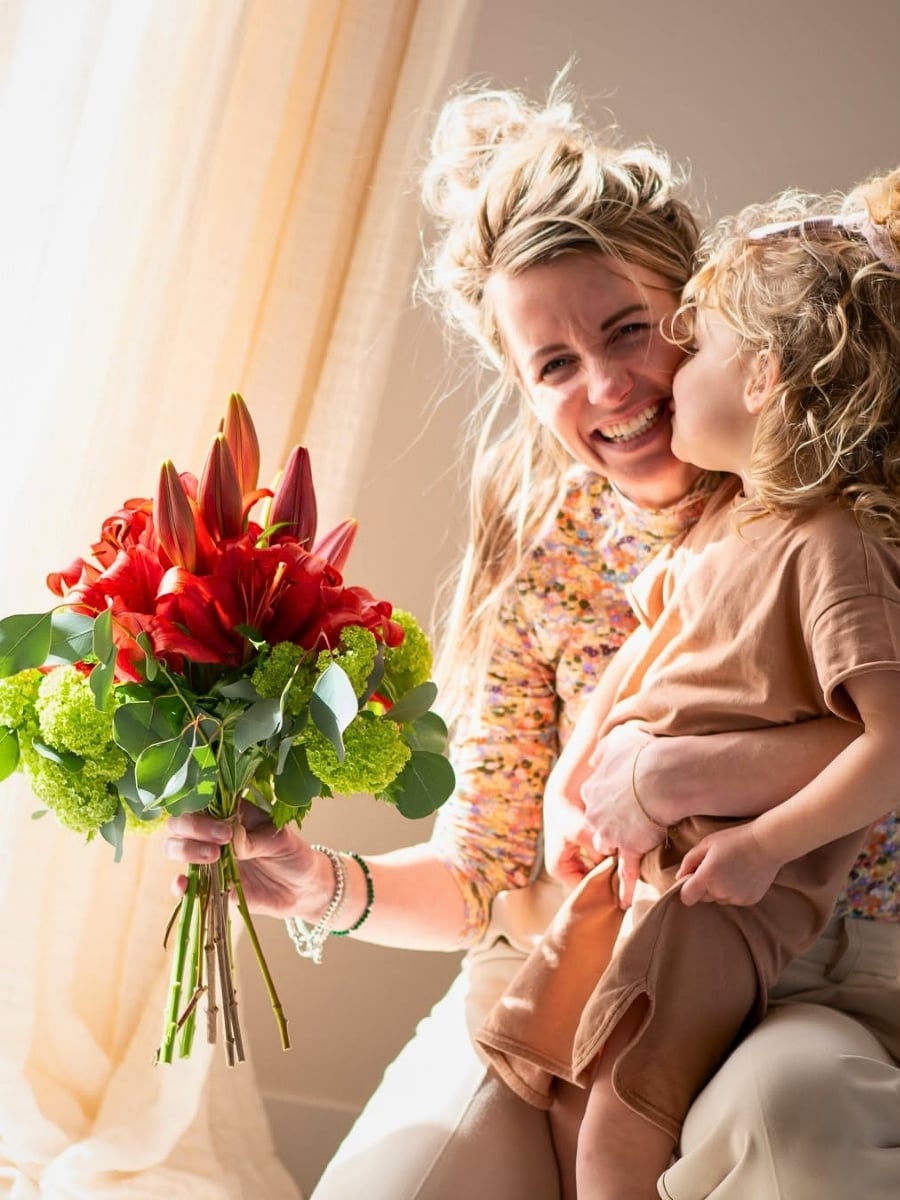
This combination has held steady across many years and within different cultures, which is why a flower, handed from one person to another or received from someone, still manages to communicate a sentiment that neither person needed to explain in words.
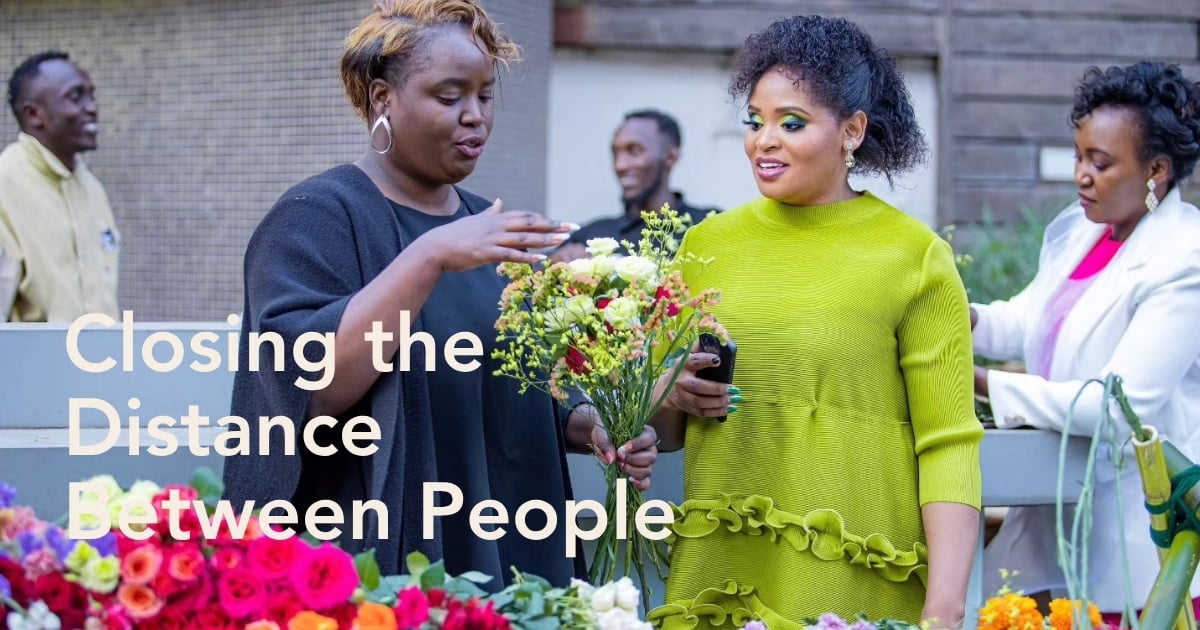
Featured image by Johnell Pannell. Header image by @queen_of_flowers_ke.