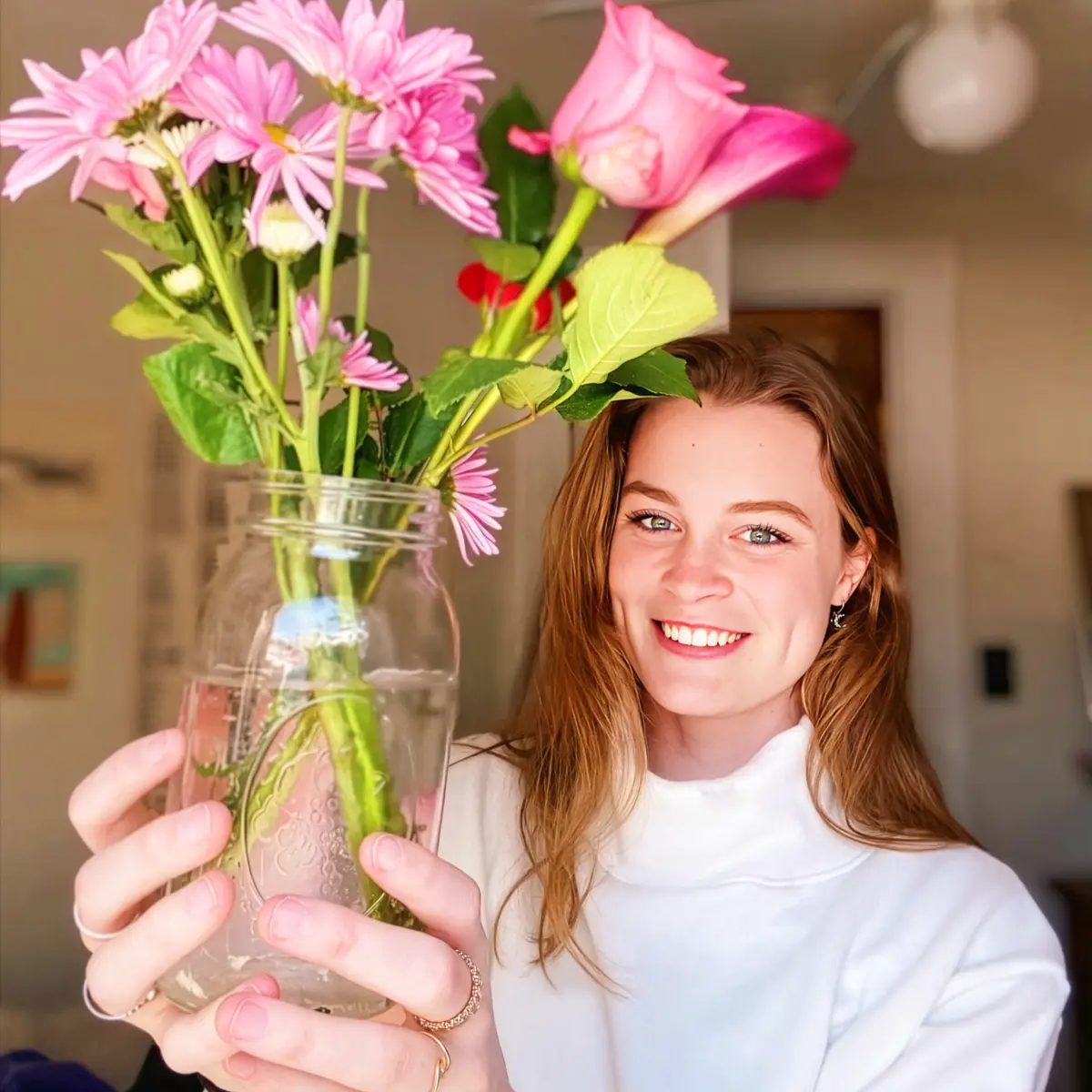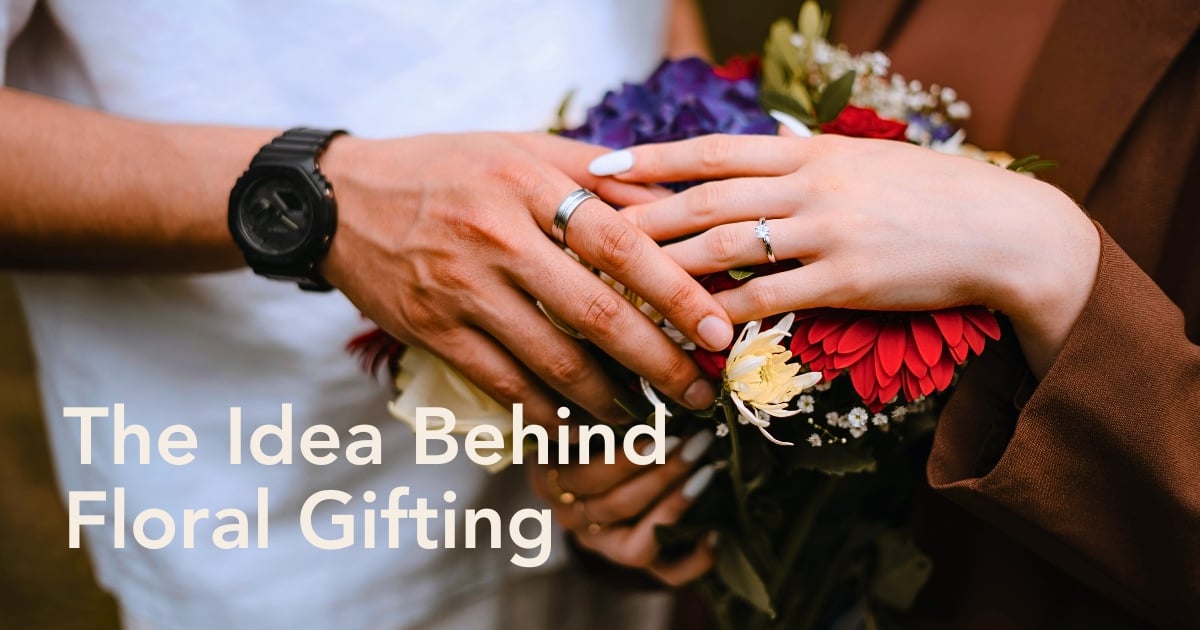
Giving flowers to loved ones is one of the oldest and most beautiful forms of human communication. Even before written words or complex languages existed, human beings relied on these floral gifts to express deep emotions that words could not easily capture. Today, this tradition remains just as influential.
Gifting flowers is a beautiful link between human hearts and a universally appreciated practice. When a birthday arrives, a friend loses someone they love, or a couple marks another year together, flowers are often gifted, and somehow the instinct is the same each time. Yet, perhaps no other gift covers such a wide emotional range.
Gifting Flowers Is as Old as Civilization Itself
Offering flowers to another person predates written history, and evidence of the custom appears across nearly every major ancient civilization. The ancient Egyptians used flowers in religious ceremonies as offerings to their gods, decorated war carts with them before battle, and carved floral motifs into their art.
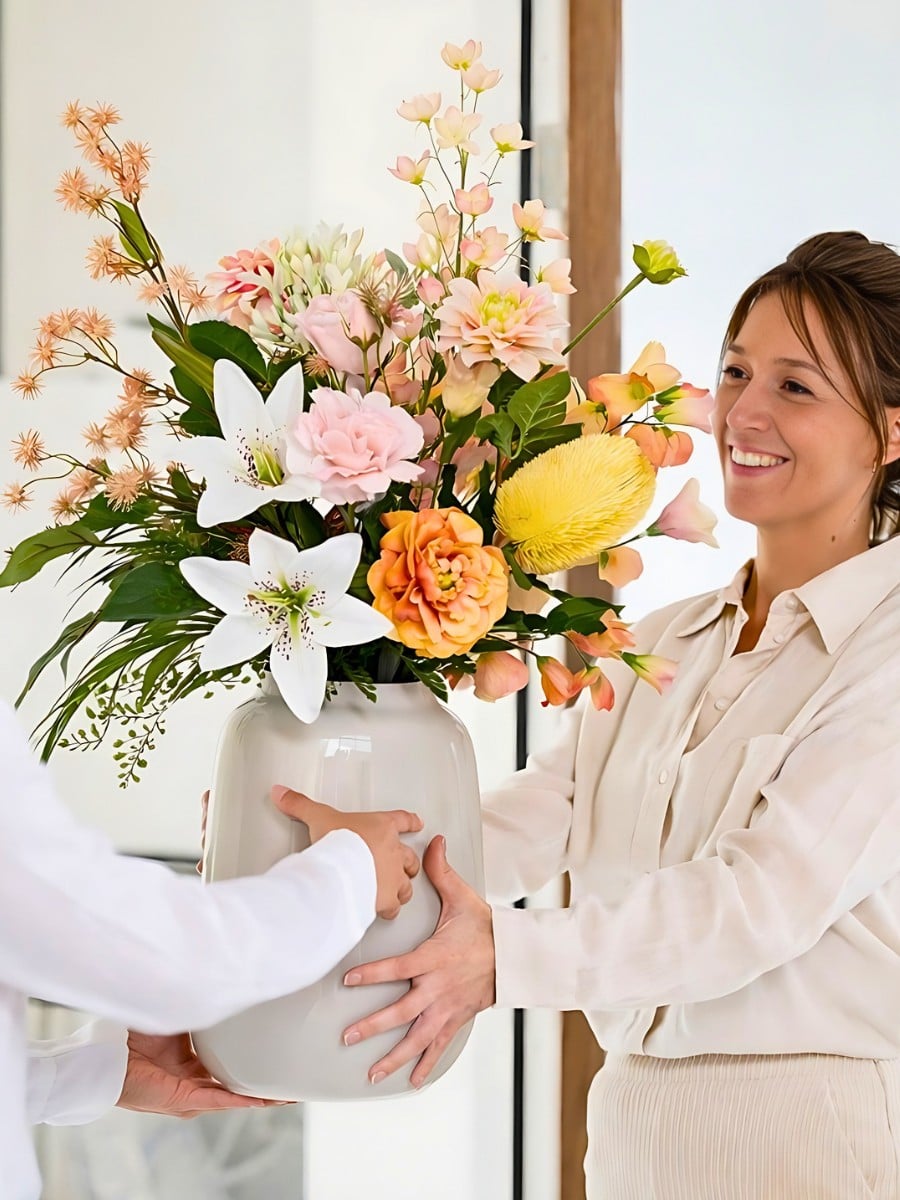
They gathered colorful varieties from the banks of the Nile River to present to royalty, celebrate seasonal festivals, and honor deities, appreciating the aesthetic beauty of these plants and attaching spiritual meaning to specific varieties, such as the sacred blue lotus, which represented rebirth, creation, and the sun.
The Greeks and Romans followed a similar route, integrating floral gifts tightly into their daily lives, political arenas, and religious practices. They tied specific flowers to their deities and folded flowering plants into festivals, rituals, and everyday enjoyment. They also used wreaths beautifully woven from laurel leaves and wild celery to reward athletes, poets, and military heroes, signifying high social honor, victory, and lasting respect.
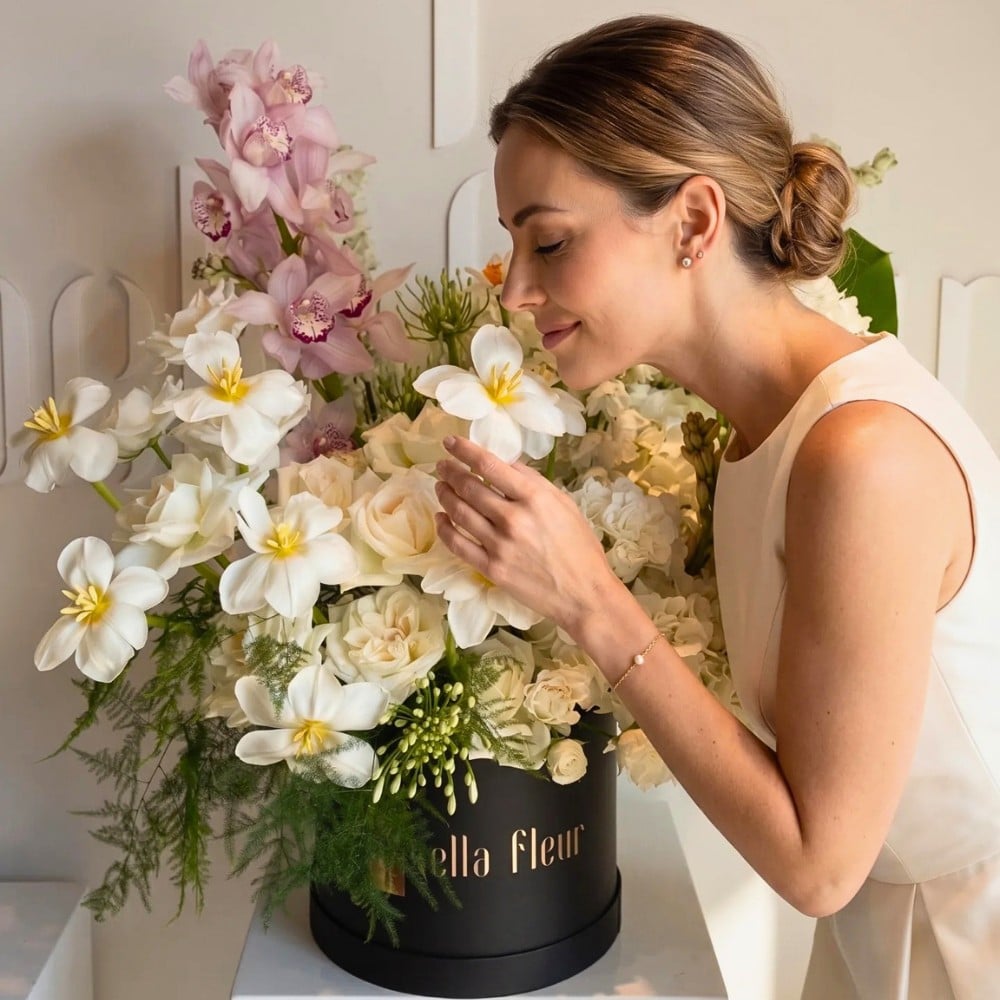
During these ancient times, giving a floral arrangement was not just a casual gesture, but a formal declaration of status, deep devotion, or divine reverence. These early societies also recognized that the natural beauty of vegetation possessed an eloquence that could mark significant milestones with greater dignity than any material wealth.
Roses, among the most lasting gifting flowers today, were first cultivated in Chinese gardens roughly five thousand years ago, before they became associated with romance in the West. In Japan, cherry blossoms have been treasured since the Heian period, a stretch of history running from 794 to 1185, for their brief, beautiful bloom, a fact tied to their symbolism around the fleeting nature of life.
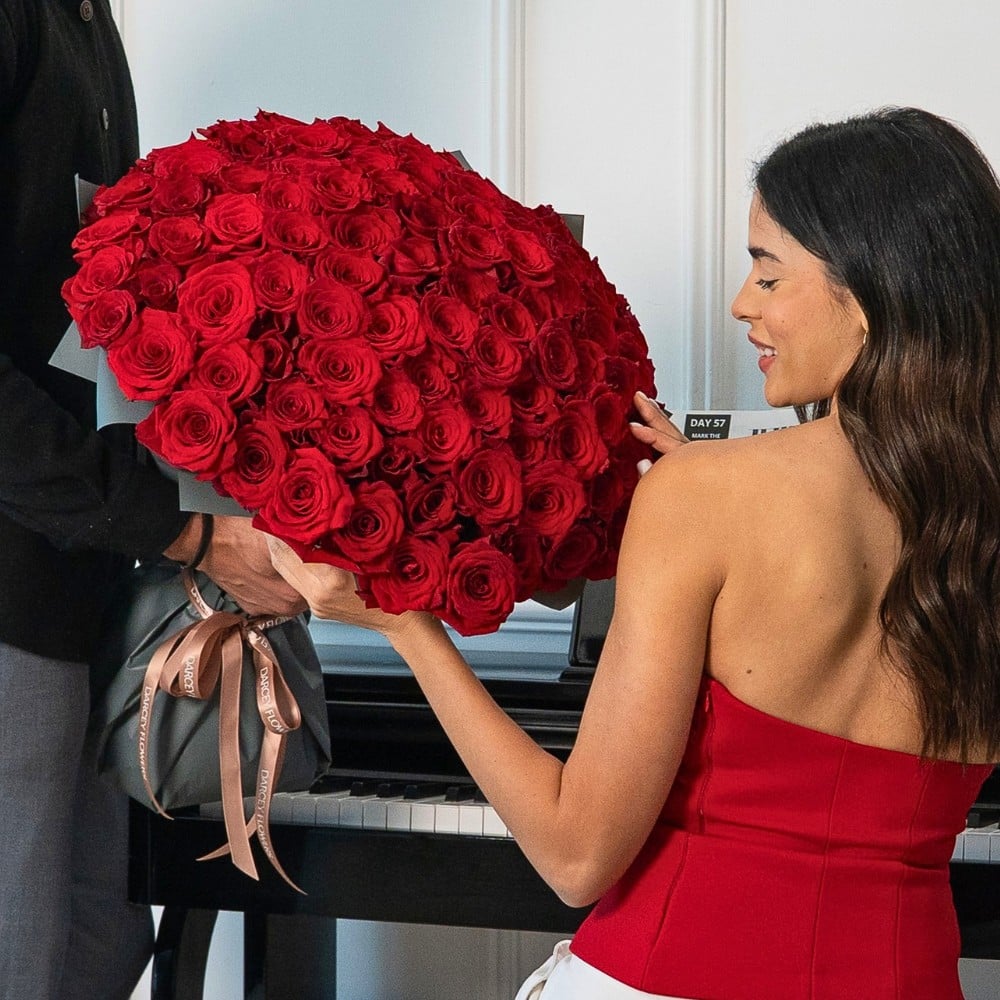
Across these separate cultures, working with no contact with one another, the same basic conclusion emerged: a flower, handed from one person to another, said something that words alone often could not, and appeared again and again.
Victorian Evolution and the Secret Language
While ancient cultures established the initial groundwork, the Victorian era truly formalized the custom into a social art that continues to influence modern floral habits. Essentially, by the nineteenth century, this ancient instinct had hardened into an actual code, which is why floriography, or the language of flowers, allowed Victorian society to communicate feelings considered too delicate to say aloud, with roots tracing back to the same Egyptian, Greek, and Roman traditions that first paired flowers with meaning.
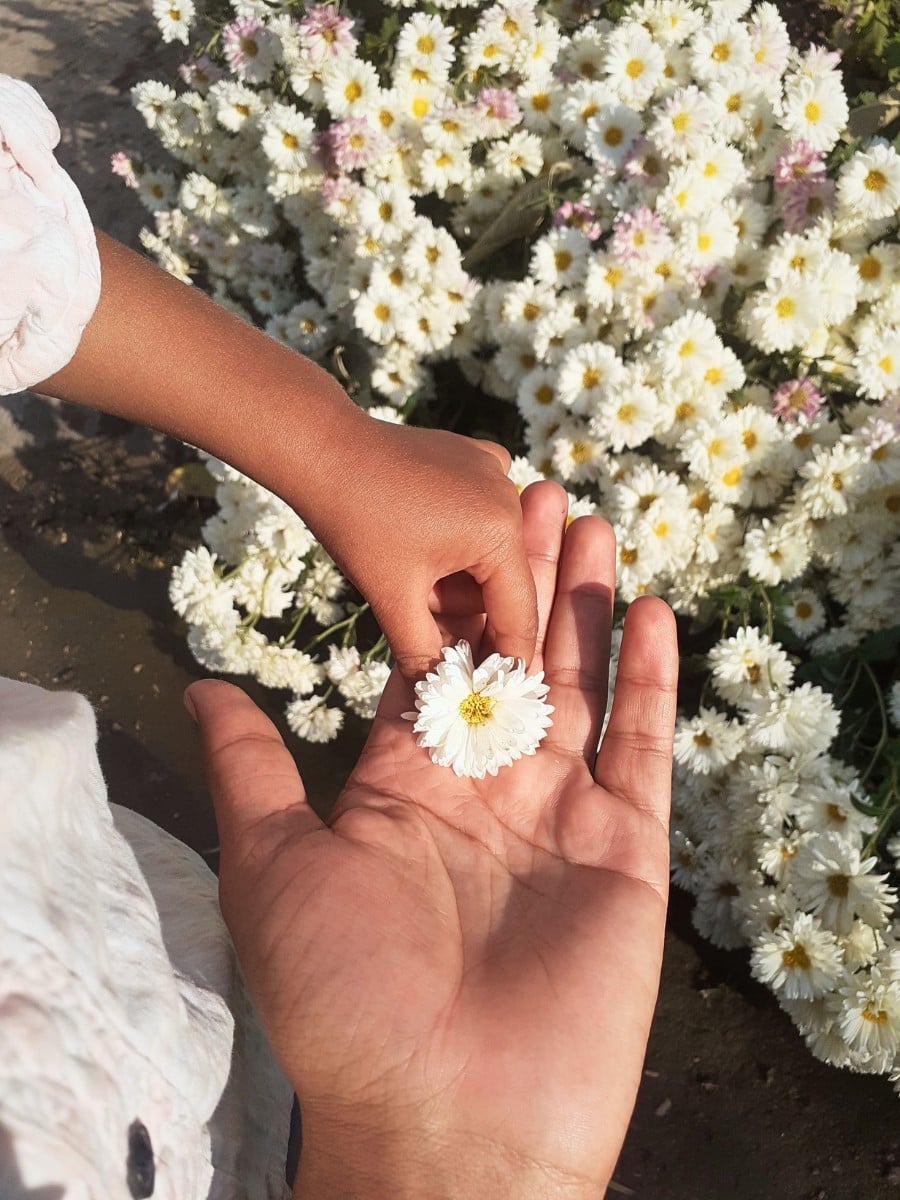
The main reason for the development of floriography was that during the nineteenth century, strict societal rules heavily restricted the open expression of romantic feelings and personal emotions. To bypass these rigid constraints, people turned to this language of flowers, where the flowers, their colors, and arrangement method carried a specific message, allowing individuals to speak their minds secretly.
Roses became linked with Aphrodite and, by extension, romantic love, while other flowers took on meanings tied to friendship, loyalty, or remembrance. Pocket dictionaries of flower meaning circulated widely during this period, allowing a suitor, a mourner, or a friend to select a bouquet with real accuracy.
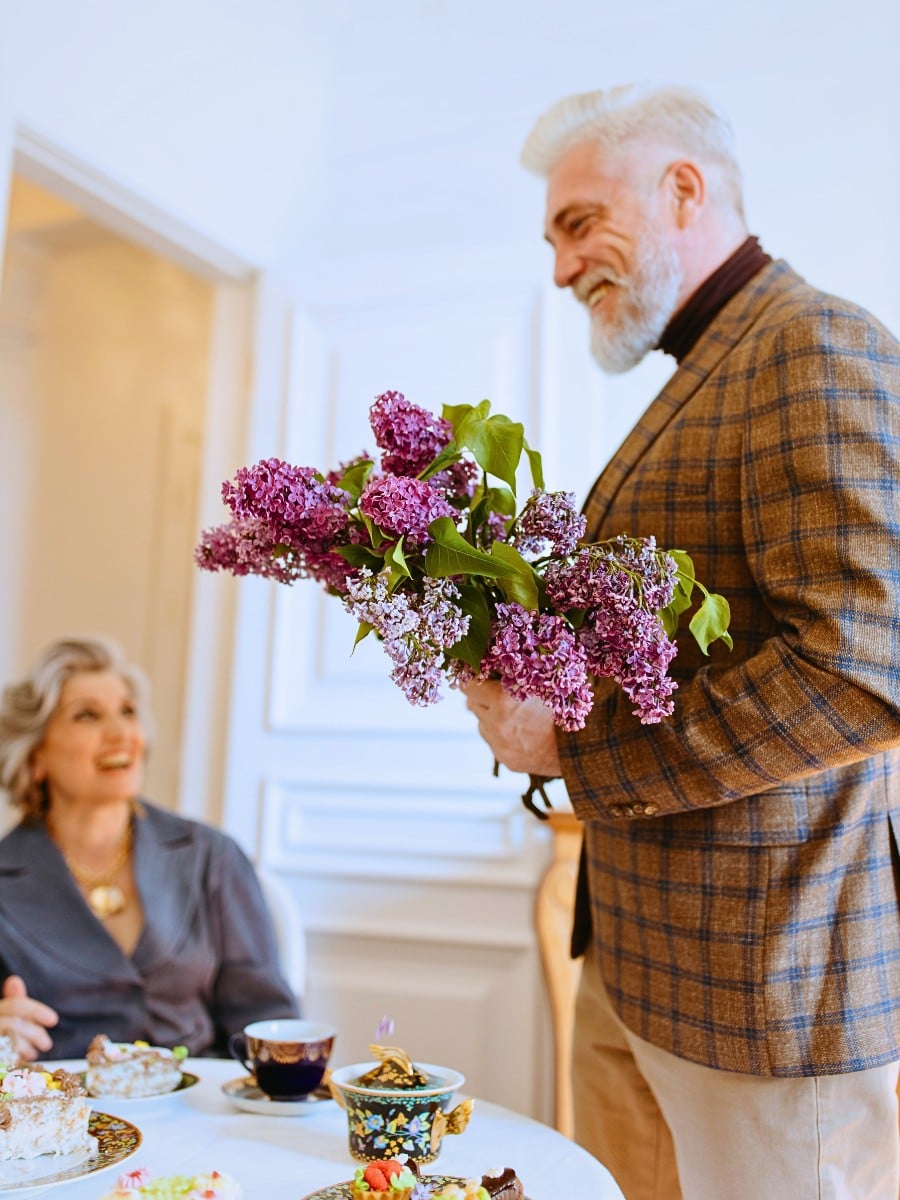
A bouquet handed to someone in that era was rarely a random assortment but a message, chosen flower by flower. For instance, sending a bouquet of red roses expressed a passionate declaration of love, while yellow roses often indicated jealousy or a decrease in affection. A gift of sweet-scented white jasmine conveyed a message of amiability, and a stem of lavender might have suggested distrust or caution.
Much of that vocabulary survives in how people select flowers for specific occasions today, even among gift givers who have never heard the word floriography. This elaborate system has, basically, turned every floral gift into a fascinating puzzle to be carefully solved by the recipient. And through this tradition, the floral industry grew significantly, and giving a bouquet soon became an intellectual and emotional interaction shaping modern courtship customs and gift-sharing etiquette.
Psychology of Floral Gifting and What Modern Science Says
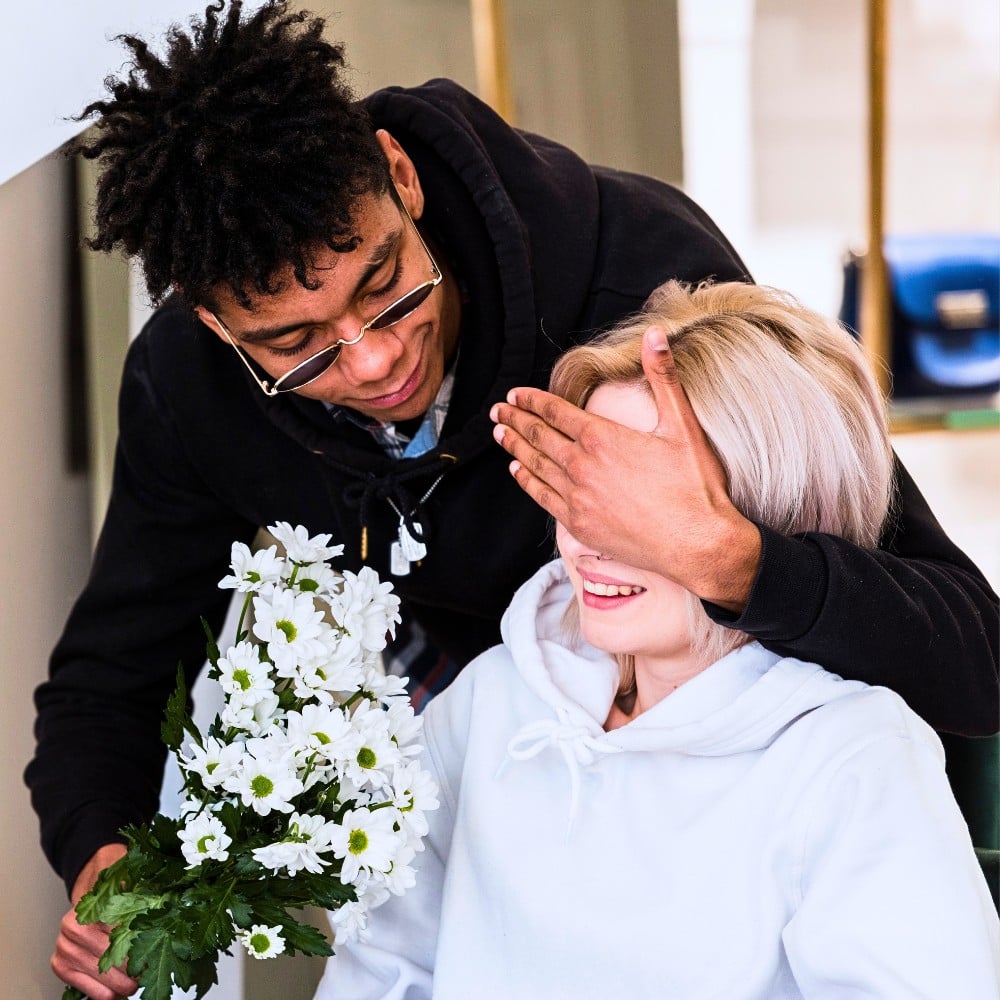
Before anyone had a word for it, people seemed to sense that flowers changed how a recipient felt, and researchers eventually caught up to that intuition. Behavioral scientists have conducted numerous studies showing that receiving a floral arrangement triggers an immediate and universal wave of happiness. When a person receives a bouquet, they almost always show a true smile of delight, often referred to by researchers as a Duchenne smile.
One widely cited 2005 study from Rutgers University found that receiving flowers produced an immediate and lasting positive emotional response across every age group studied, with participants reporting less anxiety and greater life satisfaction than those who received other kinds of gifts.
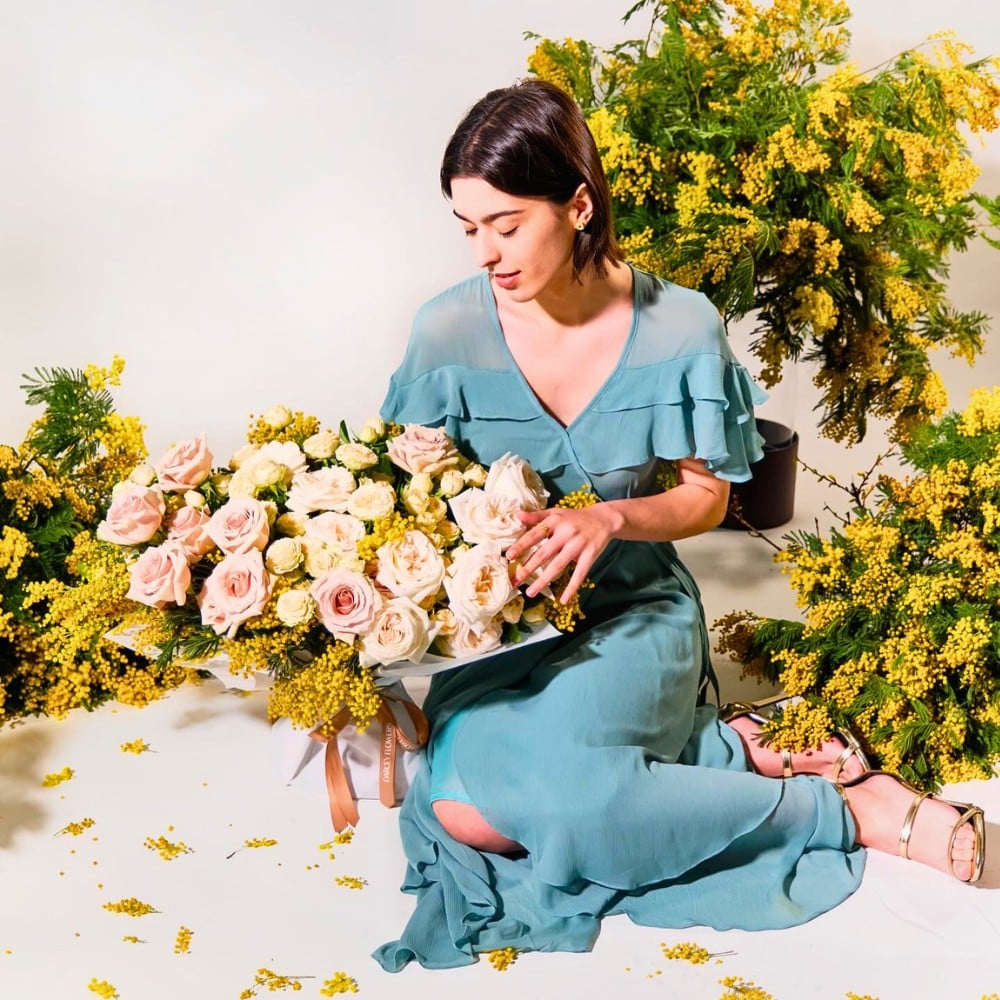
This reaction occurs because flowers stimulate several senses simultaneously through their delicate fragrances, diverse textures, and rich colors. The human brain naturally associates these traits with natural abundance, safety, and comfort. Psychologists point to a few overlapping reasons for this.
Flowers engage sight and smell at the same time, which helps explain their mood-lifting effect, and giving them allows a person to express affection, gratitude, or sympathy without needing to find the right words, which is important in exactly the moments when words tend to fail. Gift-giving research more widely also suggests that the act also benefits the giver, activating reward centers in the brain and reinforcing people's social bonds.
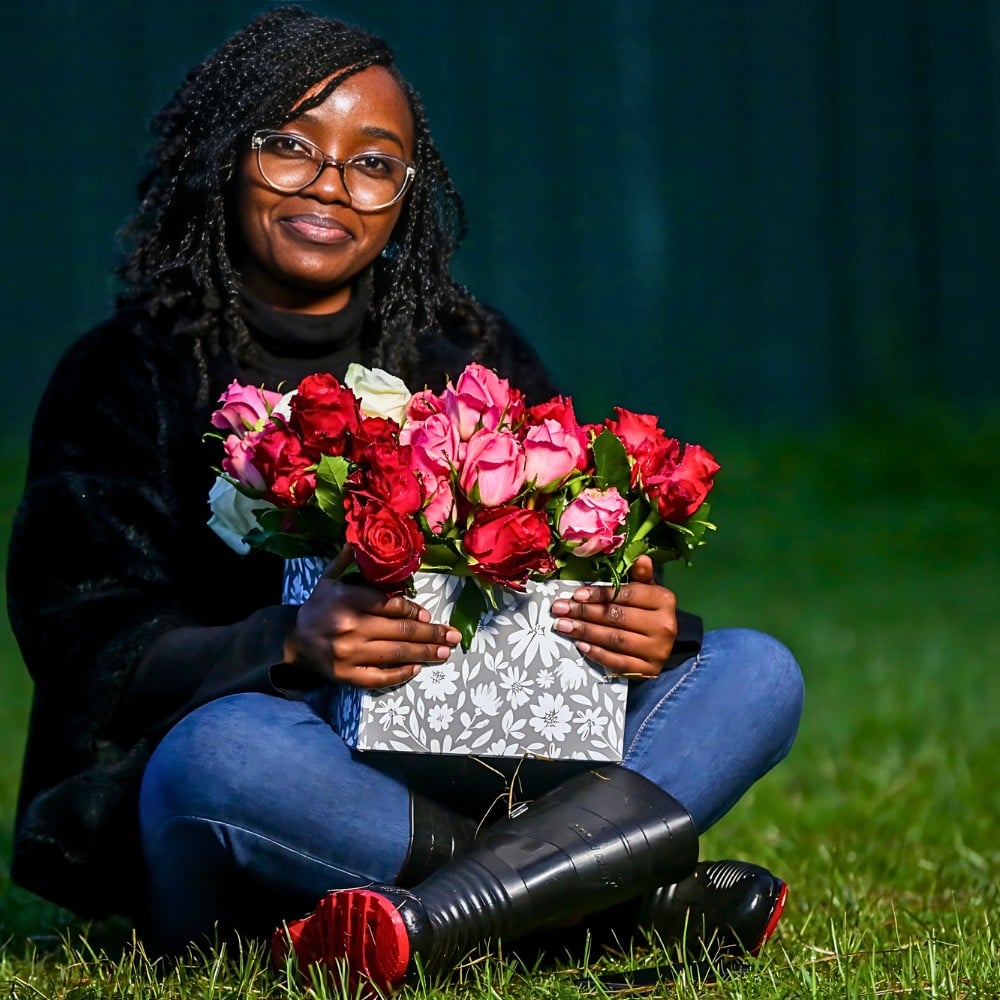
Furthermore, the positive emotional effect of a floral gift is not temporary; studies show that recipients continue to feel less anxious, more connected to others, and generally more optimistic for several days after receiving them. This long-lasting psychological benefit makes a floral arrangement an incredibly effective tool for lifting spirits, reducing daily stress, and showing sincere care during difficult times.
Gifting Flowers on Different Occasions
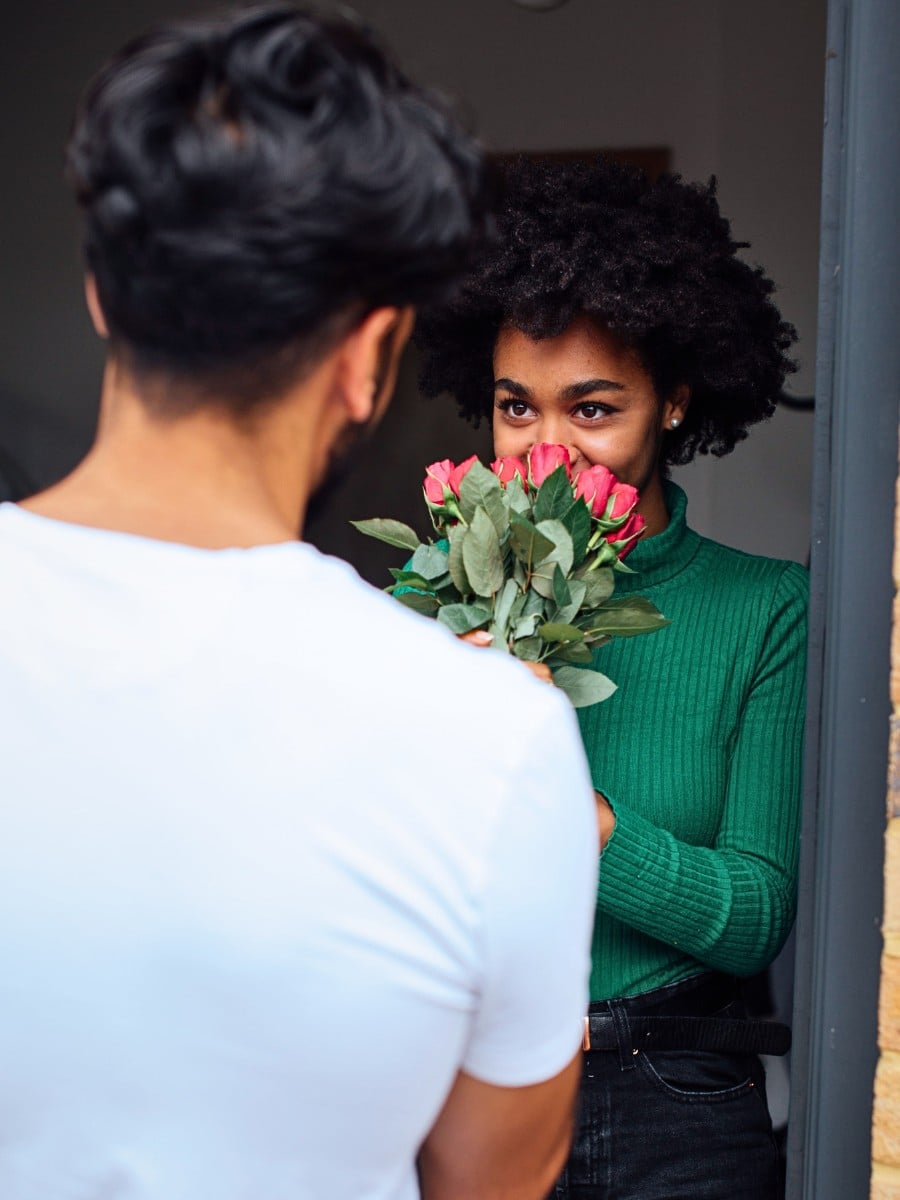
Part of what keeps flowers relevant across many different moments is how easily their symbolism adapts. Anniversaries and romantic milestones lean on red roses or similarly bold arrangements to show devotion, while a couple celebrating a longer marriage might upgrade to a larger arrangement or pair flowers with another meaningful gift. Pink peonies are also highly favored as they symbolize a happy marriage and future prosperity.
Sympathy flower gifting has a totally different vocabulary, where white lilies represent peace and remembrance and are joined by chrysanthemums, gladiolus, and carnations as traditional funeral choices. White itself has added significance in mourning contexts, since the color is closely associated with humility and remembrance across many sympathy and funeral traditions. The flowers are also traditionally chosen because their clean, pale petals represent peace, honor, and the remembrance of a life well lived.
Celebratory occasions like birthdays, graduations, or major career achievements swing in the opposite direction, with sunflowers offered as a way to bring cheer into someone's day, pink carnations chosen to mark first dates or milestone anniversaries, and cheerful yellow daffodils or multi-colored carnations help communicate a message of enthusiasm, pride, and bright hope for the future.
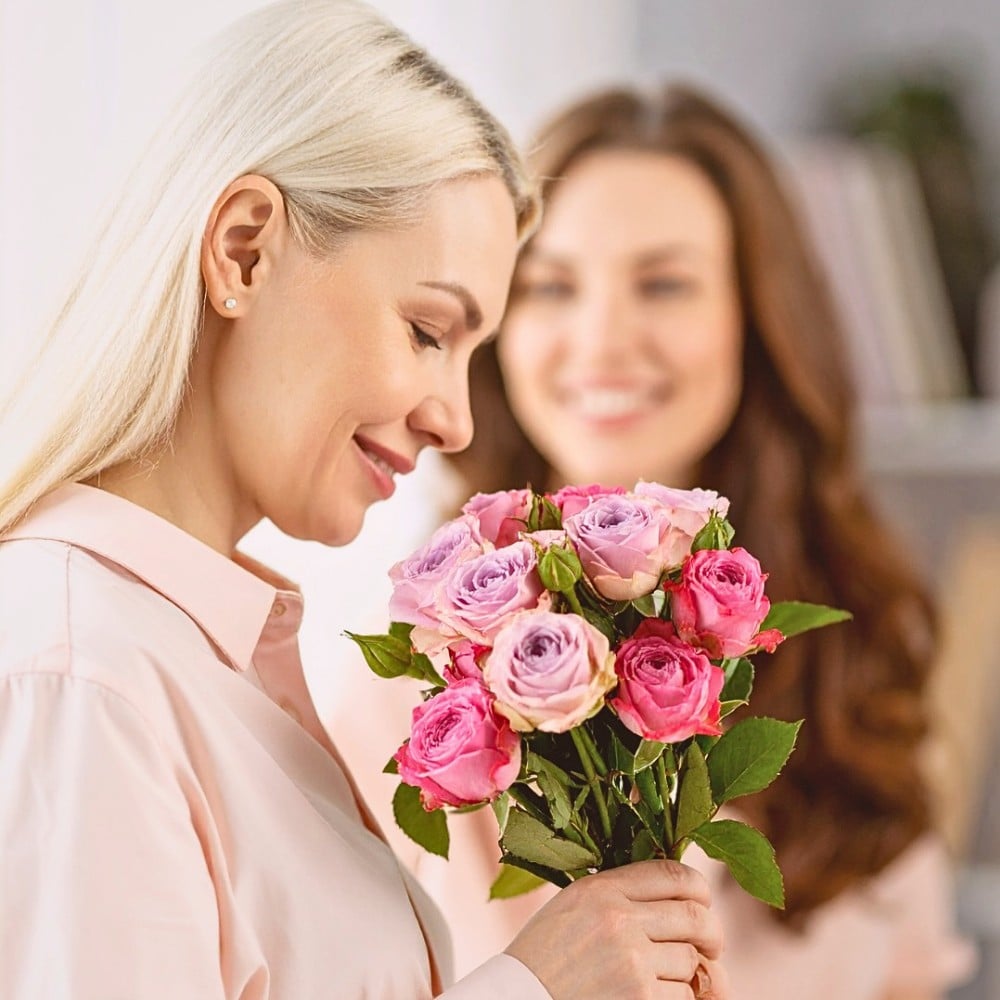
Even during times of illness, a gift of dried lavender or potted orchids is a wonderful wish for good health and strength, offering support that requires minimal daily maintenance. The careful matching of the flower to the occasion ensures that the recipient feels really understood, supported, and valued.
Why Gifting Flowers Has Never Faded
Every era has its own reason to keep reaching for flowers, whether that reason was religious offering, coded courtship, or a documented lift in mood. What has not changed, however, is the underlying function: flowers let a person say something significant without composing a speech. It uses symbolism that reaches back thousands of years and continues to tailor itself naturally to the occasion at hand.
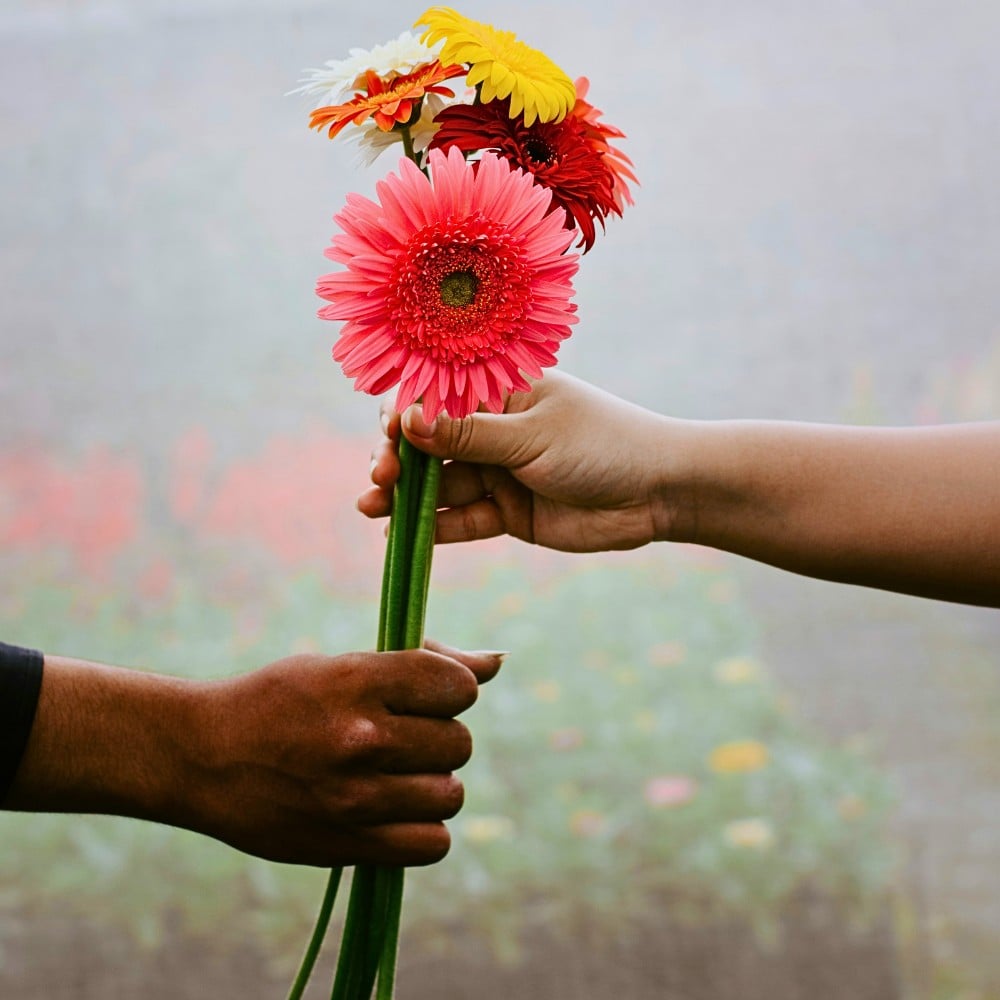
Essentially, a physical floral gift has even greater significance than in the past, since it is an expression of time, thought, and effort. The combination of gifting flowers as an ancient habit reinforced by modern research is difficult for any other gift to match, which is likely why flowers remain one of the few gifts appropriate for nearly any moment in a person's life, happy or otherwise!
Featured image by magnific. Header image by Khaled Ali