Flowers are regularly described as expensive, but the final price of a bouquet rarely tells the full story. By the time flowers reach a customer, they have passed through months of production, international logistics, cold storage, quality control, distribution, retail operations, and floral design. The discussion around flower pricing was recently brought into focus by a Flower Summit Instagram post. The post argued that the flower industry does not have a flower problem, but a pricing problem, and questioned why businesses are continually expected to justify the value of flowers.
The comments beneath the post opened a broader conversation among growers, florists, and other flower professionals. Their responses revealed that pricing pressure is not isolated to one part of the industry. It moves through the entire supply chain, although growers frequently carry the greatest production risk while receiving a relatively small share of the final retail price.
Editor’s note: The quoted comments included in this article were shared publicly in response to the Flower Summit Instagram post. They have been lightly edited for spelling and clarity where necessary, without changing their intended meaning.
Every Stem Travels a Long Road
A flower begins its commercial journey long before it is harvested. Breeders may spend several years developing varieties with improved color, productivity, disease resistance, transport performance, and vase life. Propagators then multiply the planting material before growers can begin commercial production.

The grower invests in land, greenhouses, irrigation, labor, crop nutrition, crop protection, certification, harvesting, grading, packaging, and post-harvest handling. Exporters manage documentation, quality inspections, freight, and logistics. Importers receive the flowers, handle customs requirements, manage inventory, and distribute the product into domestic markets.
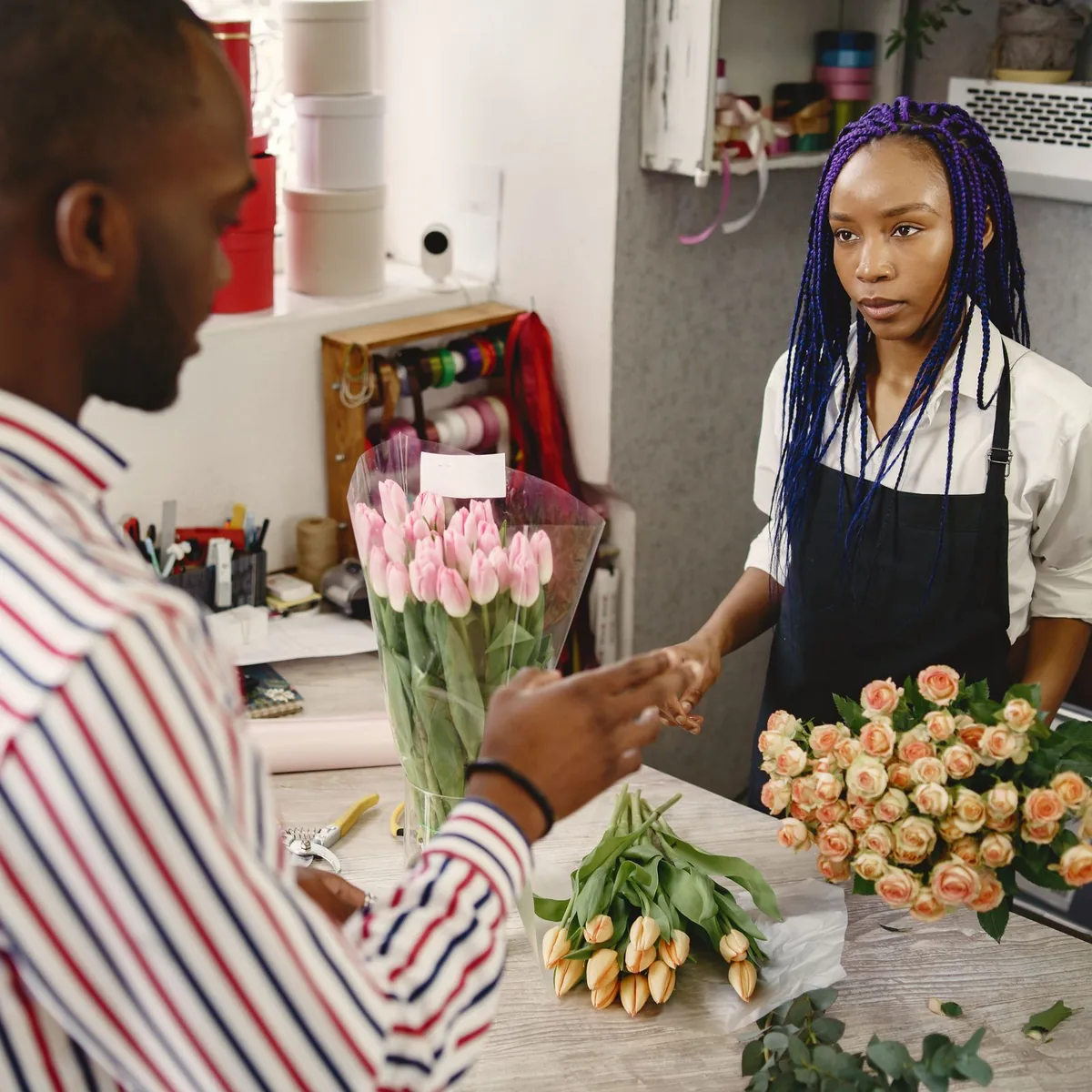
Wholesalers provide assortment, availability, market access, and delivery to florists and retailers. Florists condition the flowers, manage wastage, consult with customers, design arrangements, coordinate deliveries, and transform individual stems into products suited to specific occasions.
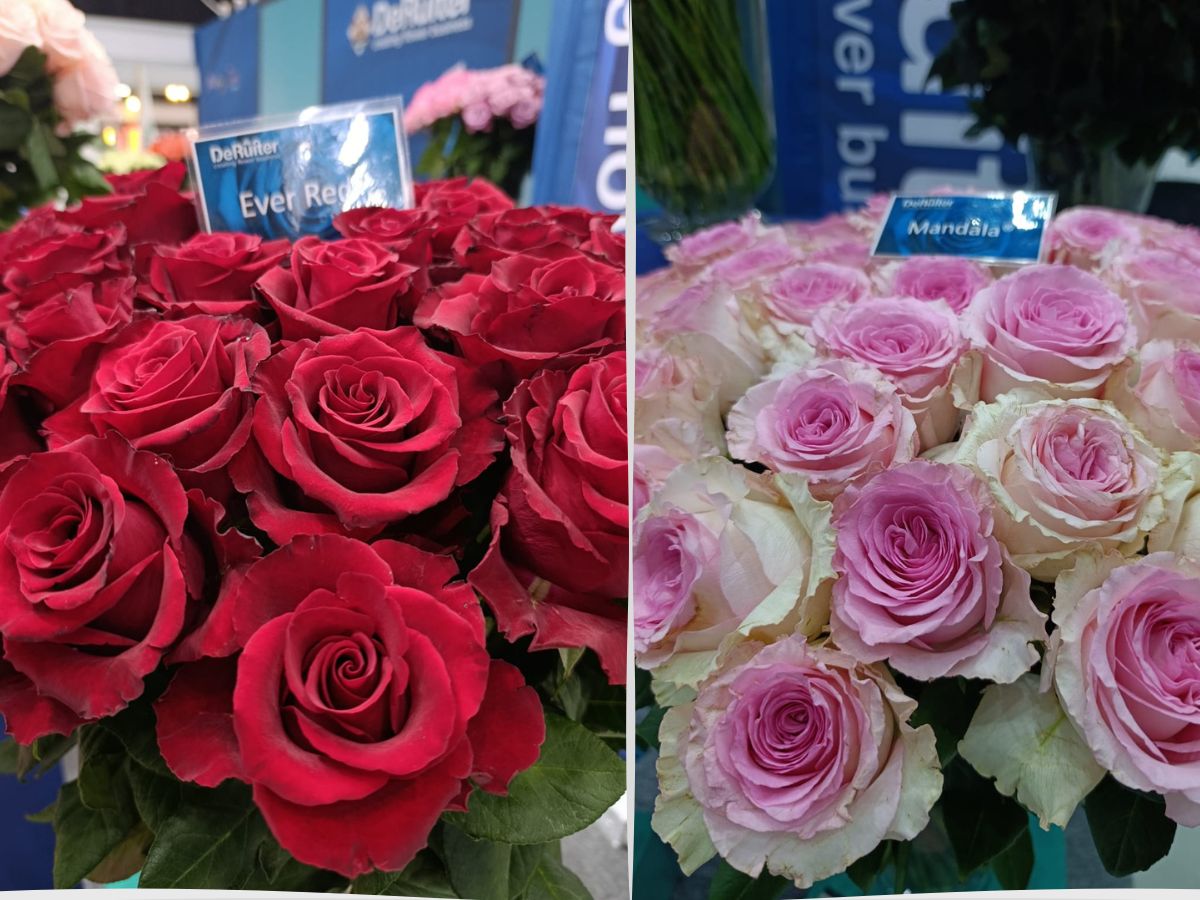
Every stage adds value and carries costs. The challenge is not that only one participant deserves to earn money. The challenge is determining whether the value created throughout the chain is distributed fairly enough for every business to remain viable.
The Grower Carries the First and Greatest Production Risk
The grower makes significant investments months before knowing what the flowers will eventually sell for. Production continues regardless of short-term market fluctuations, rising input costs, freight disruptions, changing exchange rates, or weak demand.
Weather, pests, diseases, labor shortages, rejected stems, inconsistent quality, and delayed shipments can reduce or completely erase expected returns. Flowers are also highly perishable. Once harvested, a grower cannot simply store them indefinitely while waiting for a more favorable price.
One grower commenting on the Flower Summit Instagram post expressed the frustration directly:
“As a grower, I don’t want recognition. I want money. I want to be paid fairly. I can pull up any florist’s website and see $120 bouquets containing flowers for which I may receive $10 from the wholesaler. It is an absolute crying shame.”
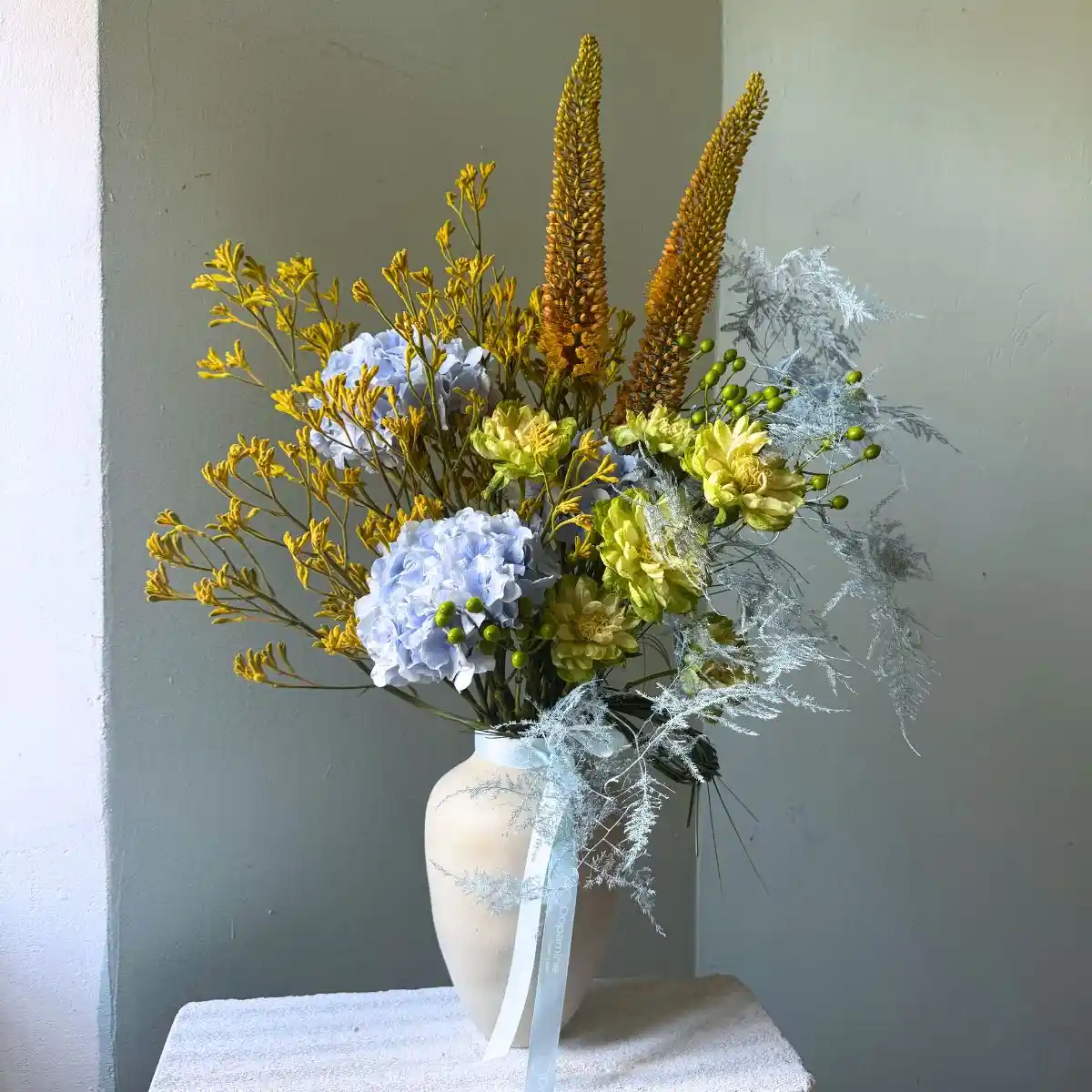
The exact difference between farm gate and retail prices varies according to product, country, supply route, design complexity, and business model. However, the comment reflects a wider concern among growers who feel the price they receive does not always correspond with the work, investment, and uncertainty involved in production.
Another flower farmer responding to the same post wrote:
“Just because flowers are pretty does not mean growing them is easy. Sometimes it is blood, sweat, and tears.”
The romantic image of flower farming can obscure the physical work and commercial pressure behind it. Growing flowers is not simply walking through fields and collecting beautiful stems. It is a demanding agricultural business exposed to biological, climatic, logistical, and financial risks.
The Retail Price Is Not the Price of the Flowers Alone
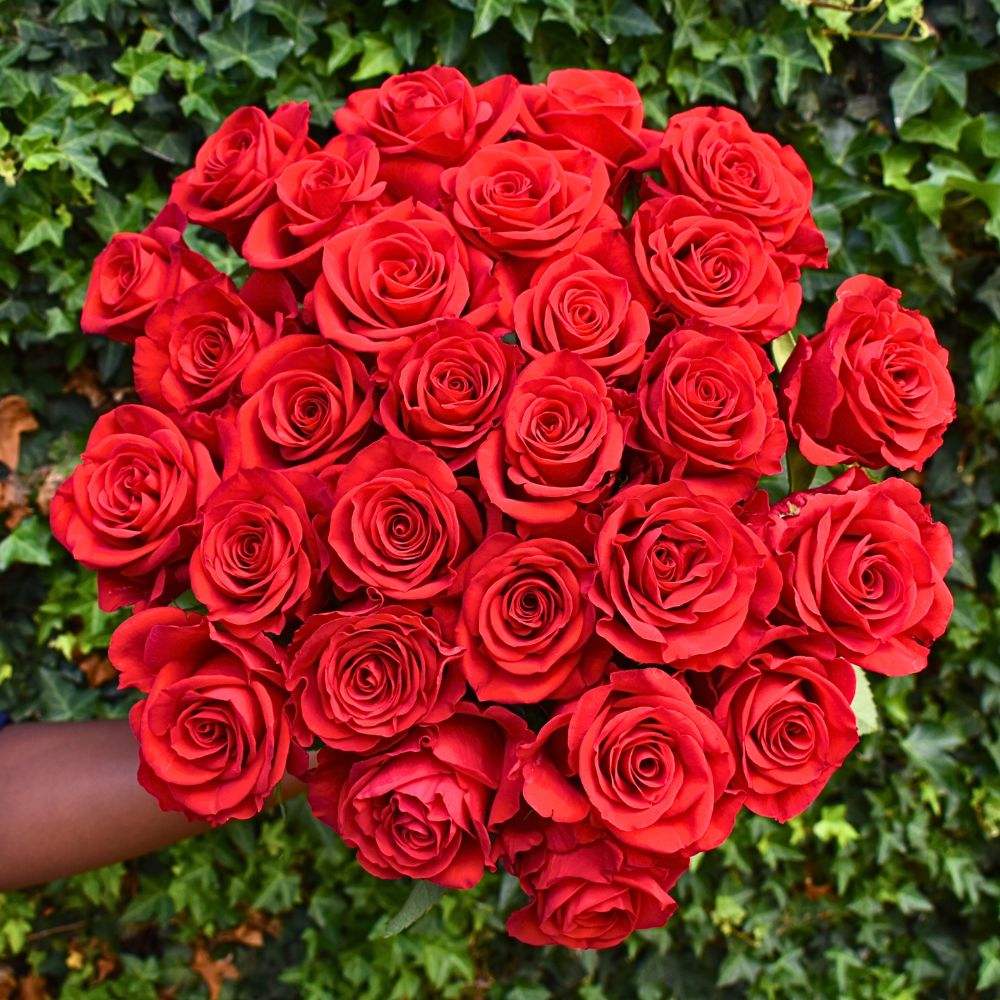
A customer may see a bouquet selling for $120 and assume that the difference between the farm price and retail price is profit. In reality, the retail price must cover every cost accumulated after the flowers leave the farm.
Exporters and importers manage transport, documentation, inspections, cold chain requirements, customs procedures, and potential losses. Wholesalers hold perishable inventory while trying to offer sufficient variety and reliable availability. Florists pay for rent, labor, utilities, tools, packaging, marketing, consultations, design time, administration, delivery, and unsold flowers.
One contributor to the Flower Summit Instagram conversation explained:
“The middle person wants to purchase the product at the lowest possible price to keep costs down and customers buying. Florists are different from other middle people because they add value by designing beautiful arrangements. This is an invisible cost that is not appreciated as much as it should be.”
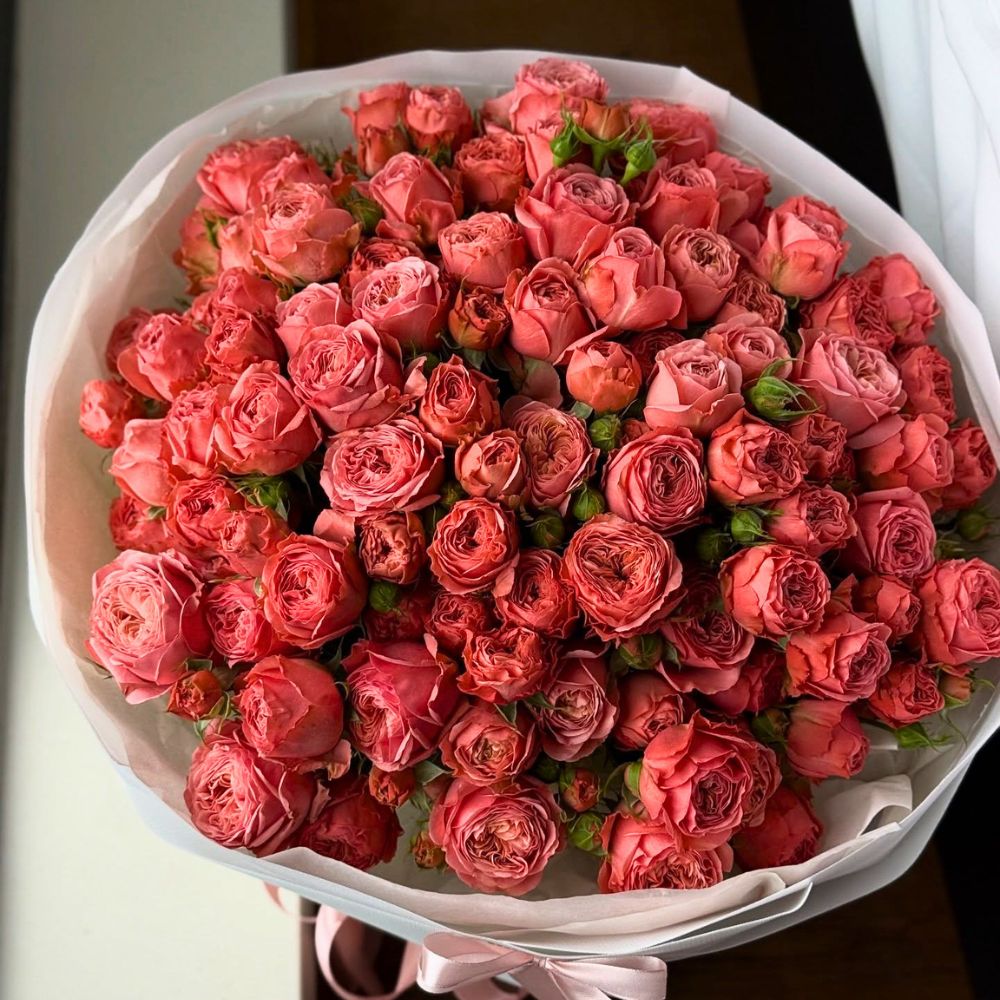
A florist is not merely reselling stems. The customer is also paying for selection, conditioning, design, reliability, convenience, and professional judgment. These costs are legitimate, even when they are not immediately visible in the finished arrangement.
Another comment summarised the distinction clearly:
“The retail price of a bunch of flowers does not necessarily reflect the cost of those flowers.”
Pricing Pressure Travels Backward Through the Chain
Every business within the supply chain wants to protect its margins while remaining competitive. Consumers seek affordability. Retailers compete for sales. Florists compete with supermarkets, online platforms, and other designers. Wholesalers compete for volume, while exporters and importers face changing freight and operating costs.
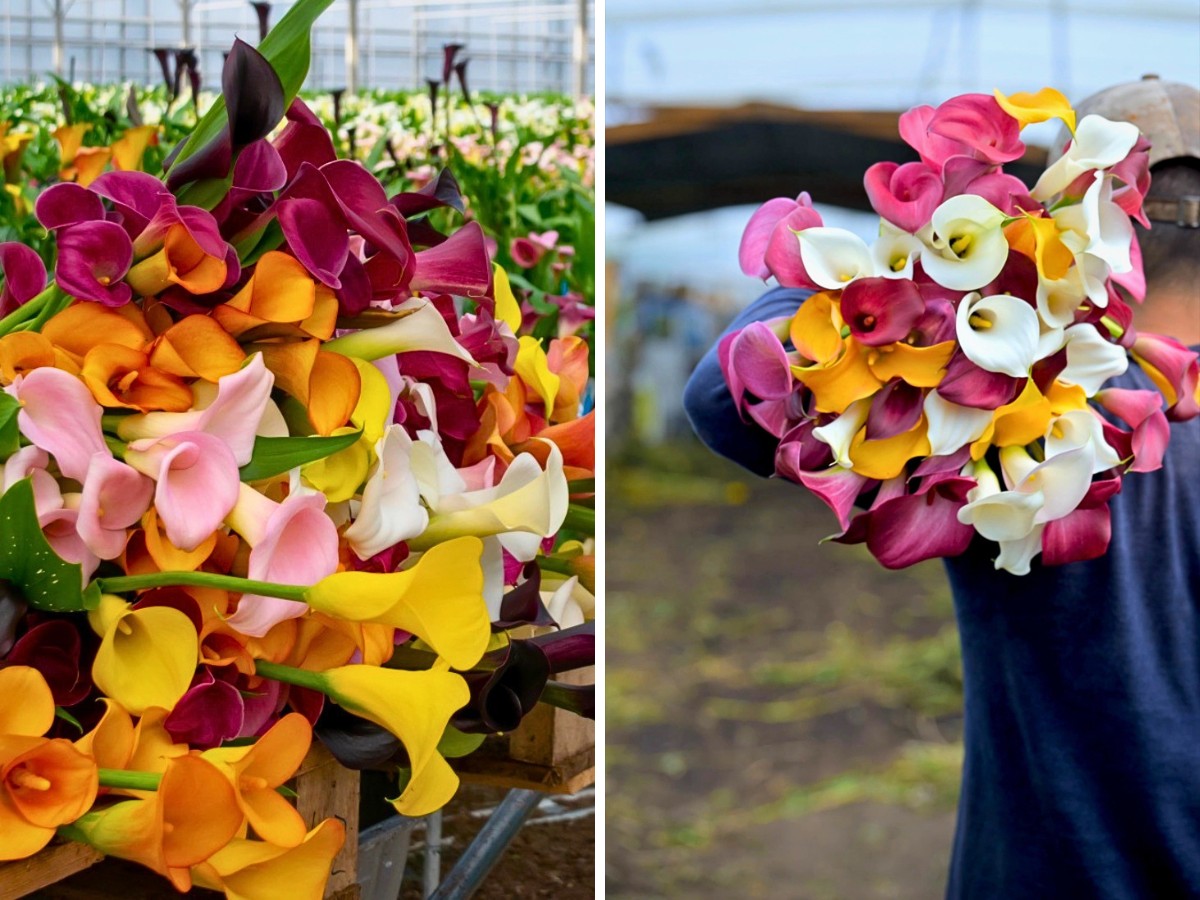
The pressure to maintain an attractive final price often moves backward through the chain. The florist negotiates with the wholesaler, the wholesaler negotiates with the importer or exporter, and the pressure eventually reaches the grower.
One contributor to the Flower Summit discussion compared the situation to other agricultural sectors:
“There is a point where it is no longer viable to grow the produce or flowers because the middle person wants to squeeze the farmer too much to keep the price point down.”

This does not mean that exporters, importers, or wholesalers are automatically making excessive profits. Many of them also work with narrow margins and substantial exposure to wastage, freight increases, rejected shipments, and delayed payments. However, growers have limited flexibility because production costs have already been incurred and the harvested product has only a short commercial life.
Undercutting Changes the Market for Everyone
Pricing decisions do not affect only the business making them. When one florist repeatedly undercharges, customers begin expecting other florists to match that price. When one grower sells directly to consumers without accounting for retail costs, established florists may struggle to explain why their arrangements cost more.
One commenter responding to the Flower Summit post warned against flower farmers entering the retail market without understanding how florists calculate their prices:

“Flower farmers undercutting florists, without being educated on how florists charge, is disrespectful to florists.”
The same contributor also criticized sales initiatives that promote community while requiring growers to pay participation costs, compete through price bidding, or absorb hidden expenses that further reduce their returns.
“Farmers need to get educated about industry standards, learn what products are in the marketplace, read the fine print, and stand up for themselves.”
Growers need accurate costing systems that include labor, land, production losses, packaging, transport, administration, and reinvestment. Florists must also understand their true operating costs, including design time, consultations, wastage, delivery, and overheads.
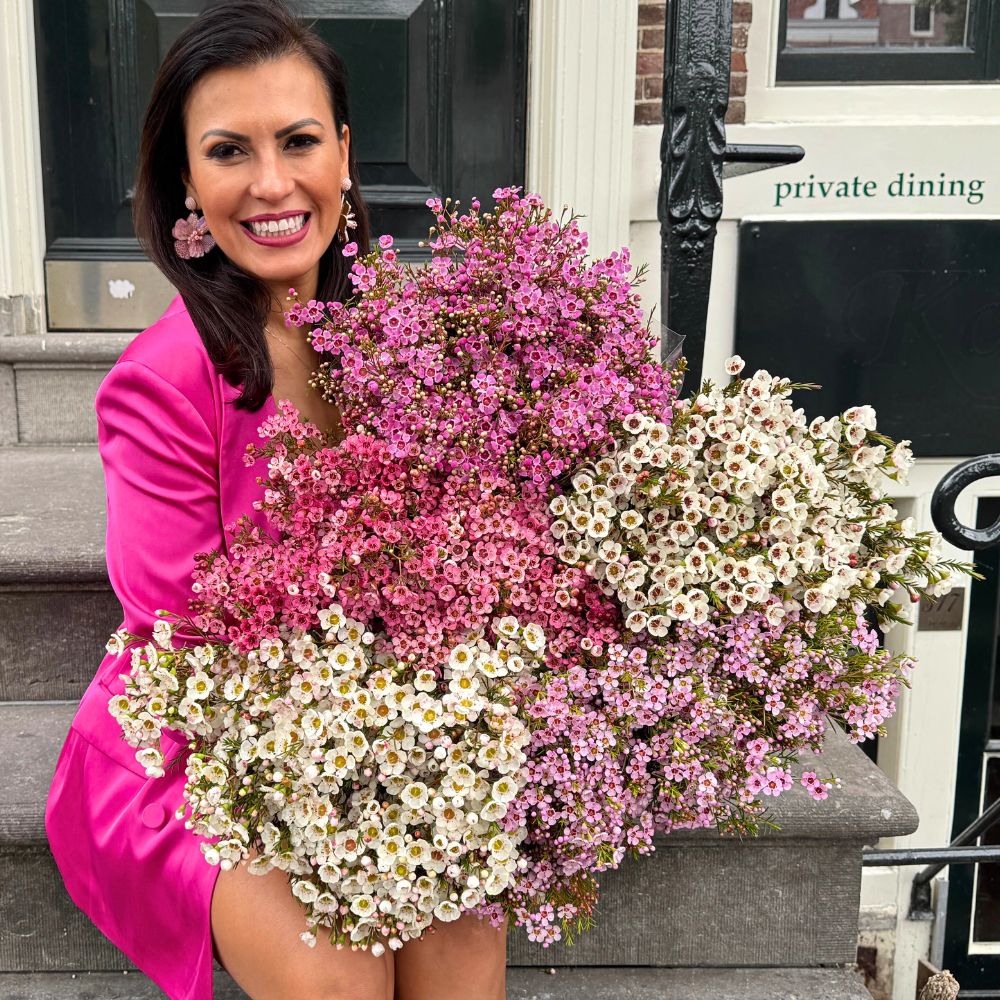
When any participant prices without understanding the full cost of doing business, the consequences extend beyond one sale. Undercharging gradually shifts customer expectations and reduces the perceived value of flowers across the market.
Sustainability Must Include Financial Sustainability
The flower industry frequently discusses sustainability through water use, energy, packaging, certification, carbon emissions, and responsible employment. These issues are essential, but environmental progress depends on businesses having enough financial strength to invest in improvement.
A grower operating below a sustainable margin may struggle to upgrade irrigation, improve worker welfare, adopt new production methods, or invest in stronger plant material. Florists working without adequate profit may be unable to retain skilled employees, improve customer service, or survive quieter trading periods.
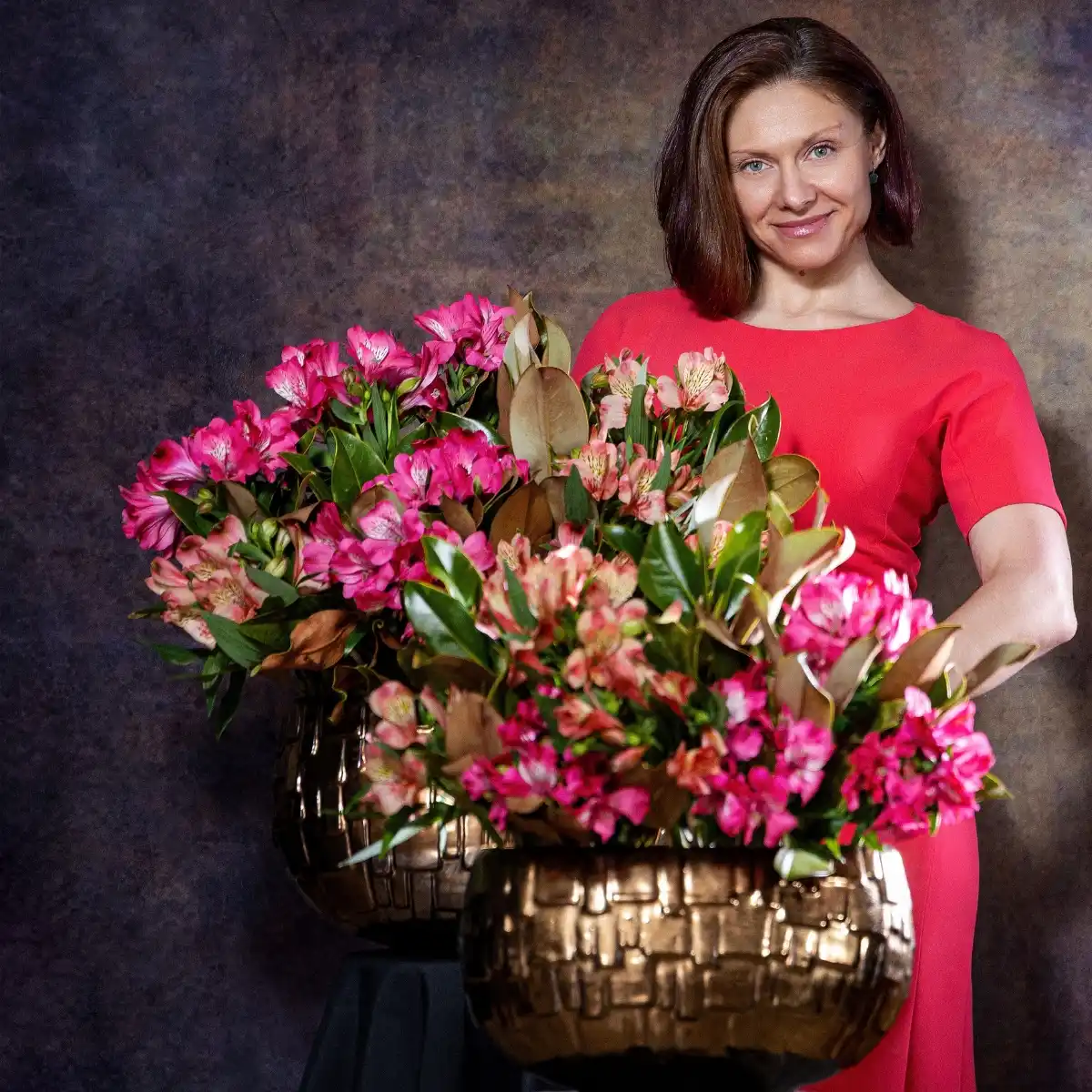
One flower farmer commenting on the Flower Summit post wrote:
“Our prices do not go up yearly, and they should, like everything else. People do not understand the enormous amount of work that goes into flower farming.”
Fair pricing is therefore not simply about increasing prices for their own sake. It is about building businesses that can still exist several years from now, employ people, support growers, serve customers, and reinvest in the industry.
A Fairer Conversation Across the Entire Chain
The flower industry should resist turning this discussion into a conflict between growers and florists. Growers deserve fair compensation for production and risk. Exporters, importers, and wholesalers deserve compensation for logistics, market access, inventory management, and distribution. Florists deserve to be paid for design, skill, service, and the experience they provide.
One participant in the Flower Summit Instagram discussion welcomed this more balanced approach:
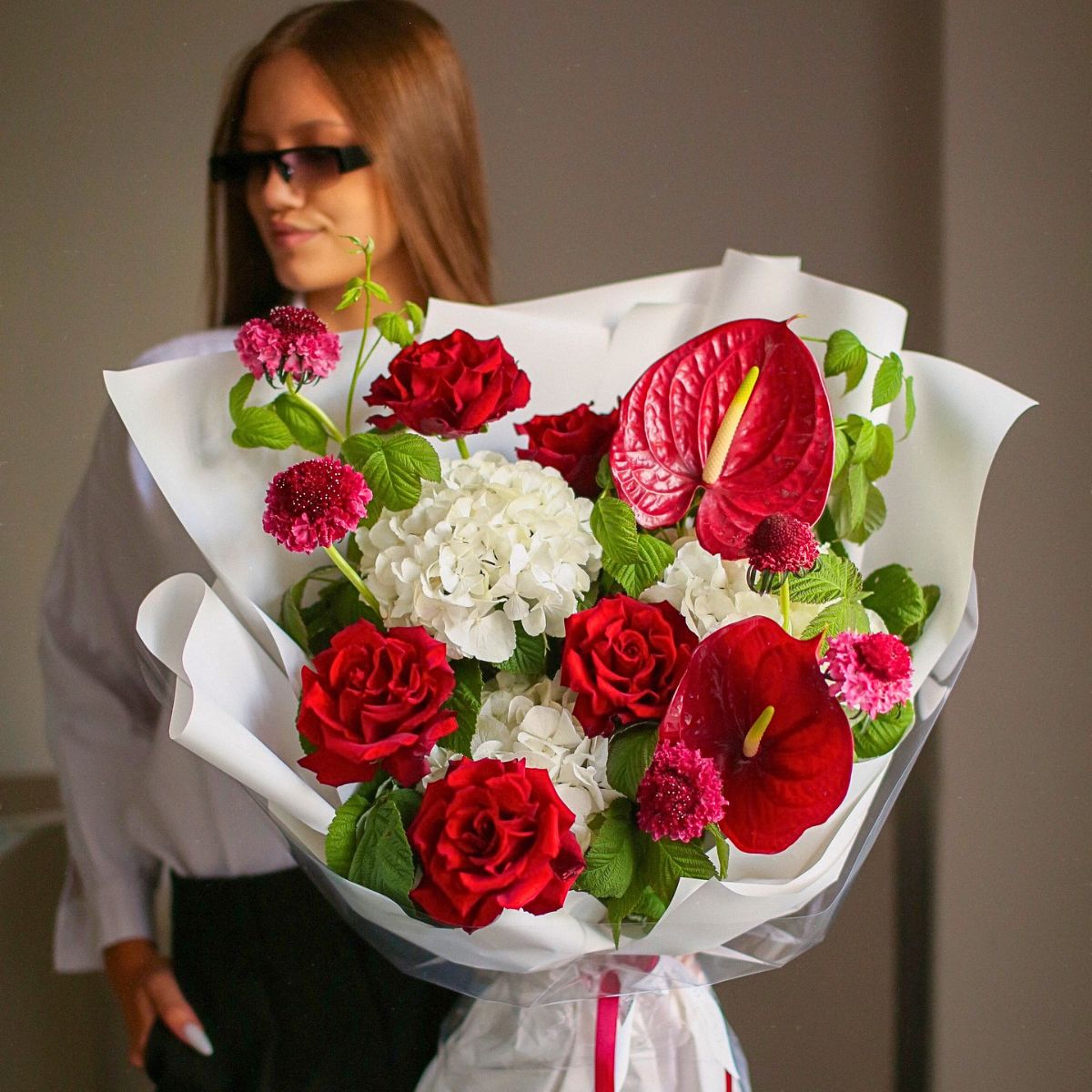
“This conversation excites me. I am excited to see Flower Summit advocating for all sides equally.”
That is the conversation the industry needs. Pricing transparency, stronger costing knowledge, better communication, and respect between supply chain partners can help businesses understand where value is created and where unsustainable pressure is being applied.
Flowers carry emotional value, but emotion alone cannot sustain the companies behind them. Every stem represents plant genetics, land, water, labor, agricultural expertise, transport, temperature control, inventory risk, creative skill, and customer service. The question should therefore not be limited to whether flowers are expensive. A more useful question is whether every person and business responsible for bringing them from the farm to the vase is being rewarded fairly enough to continue.
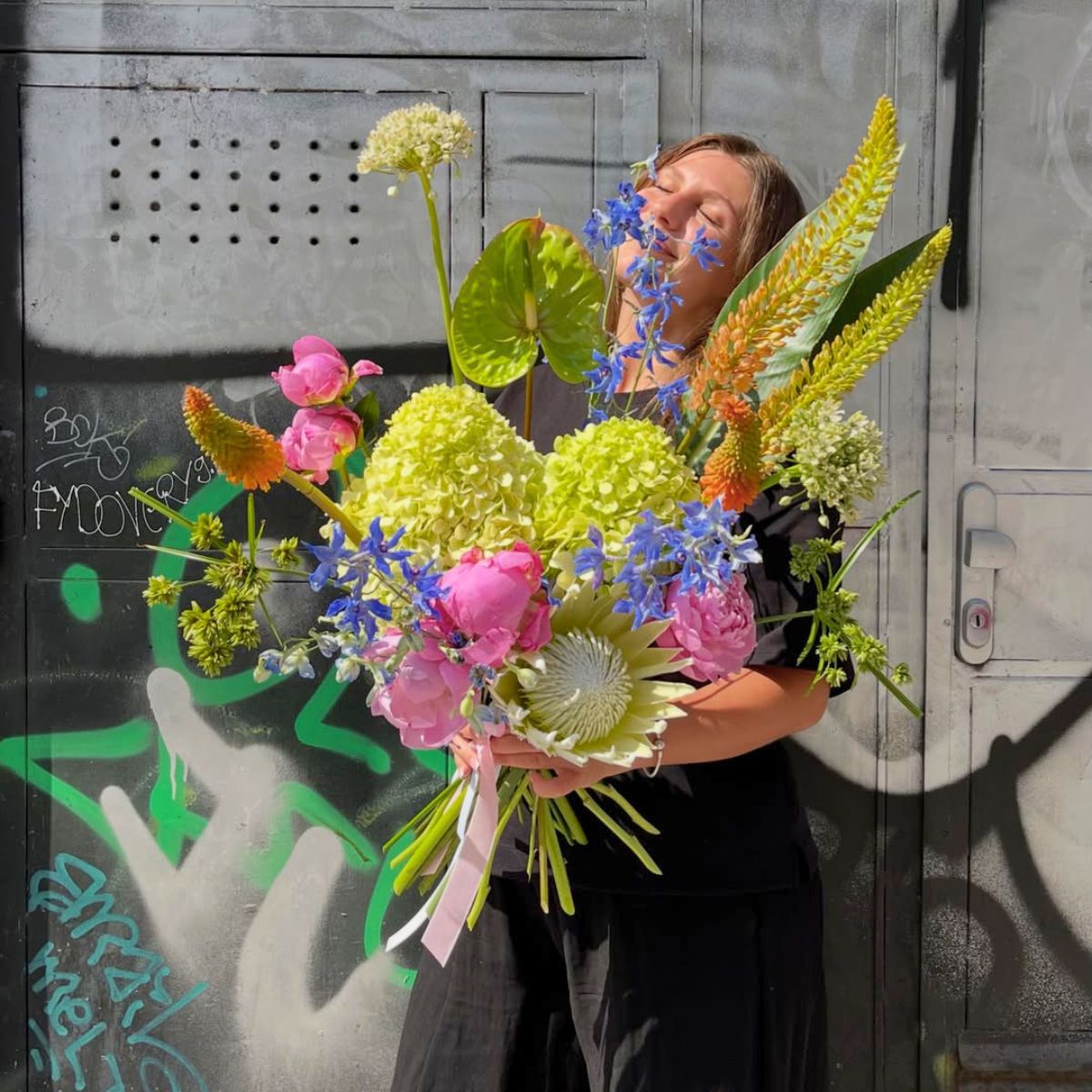
Protecting the value of flowers does not mean defending every price or assuming every margin is justified. It means recognizing that an industry cannot remain strong when one part of its supply chain consistently absorbs more risk than it can afford. When growers, exporters, importers, wholesalers, retailers, and florists can all operate sustainable businesses, the benefits move through the entire chain. Growers can invest in quality, supply chain partners can maintain reliable distribution, florists can deliver better service, and customers can continue receiving flowers suited to life’s most important moments.
Header image by @vals_cvetov_26.