In the first part of this series, Who Really Gets Paid? Rethinking Value Across the Flower Supply Chain, I looked at how value and risk are shared across the year. But there is one week when the whole picture changes. Valentine's Day flower prices reach their highest point of the year, and almost everyone in the flower supply chain gets paid, from the growers in Kenya to the florist wrapping the last bouquet.
So who earns what in February? And what does it take to make sure some of that money comes to you? Let's follow the stem.
How Much Do Flower Prices Rise for Valentine's Day?
During the Valentine's season, prices per stem can rise by 100 to 250 percent, depending on the variety. Red roses lead the way. Some red varieties can reach almost €1 or $1 per stem. Pinks, whites, and the other straight colors usually sell for around 60 to 80 euro or dollar cents per stem.
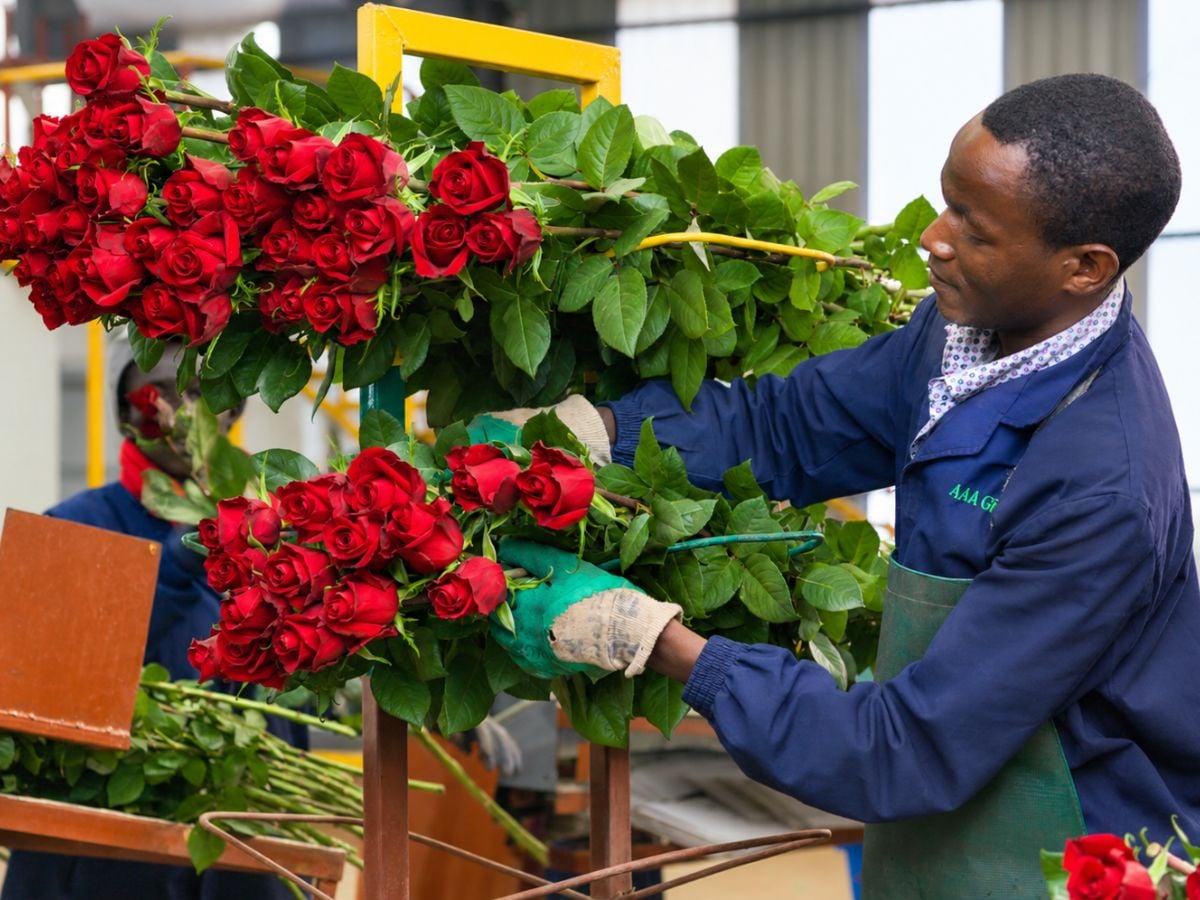
The exact price depends on the market a farm is shipping to and on demand at that moment. But the pattern never changes. Compared with the low season, and even with other peaks like Women's Day, Mother's Day, or Easter, Valentine's Day is always the all-time high.
Why Every Stem Counts for the Grower
For growers, this is the best news of the year. There is demand for every single stem, and each one earns top euro or top dollar. That is exactly why preparation matters so much. When prices are this good, losing production at any stage hurts twice as much, whether it is lost to disease, poor timing, or missing freight space. I explain how farms get ready for this in Valentine's Day Flower Production Starts Now: Inside Kenyan Farms.
Who Gets Paid Along the Valentine's Supply Chain?
The short answer: almost everyone. A Valentine's rose passes through many hands, and each one earns from the season.
Packaging and Crop Protection Suppliers
Before a single stem ships, farms need huge quantities of boxes, sleeves, and other packaging. Then there are the suppliers of crop protection products, both chemical and biological, plus everything else needed to grow and produce the flowers. These suppliers get paid too, often settling up at the end of the Valentine's season.
Freight and Cargo Companies
The freight and cargo companies earn in a big way. Prices per kilo are at an all-time high during Valentine's season. For growers, the risk is the other way around. Those who did not book space in advance may struggle to find any capacity at all, no matter what they are willing to pay.
Buyers, Importers, Wholesalers, Retailers, and Florists
Even with standing orders in place, buyers know that prices are revised upward for this season. It is simple supply and demand: almost every farm sees a surge in orders, and prices follow.
Further down the chain, importers, wholesalers, retailers, and florists all earn as well. Prices rise at each step toward the end consumer, which is why a Valentine's bouquet costs so much more in February than in any other month. You can see how a buyer approaches the season in how Mona Flowers prepares for Valentine's Day.
How to Make the Most of the Valentine's Season
If almost everyone gets paid, why do some businesses still end February disappointed? In my experience, the difference comes down to three things: being timely, being strategic, and being reliable.
- Timely: book freight, confirm orders, and plan production early, before the rush makes everything harder.
- Strategic: know your markets, your customers, and which varieties and colors will be in demand. Opening new markets helps too, which is what we set out to do in Gardenia 2026: We Planted Seeds in Poland.
- Reliable: deliver what you promised, at the quality you promised, when you promised it.
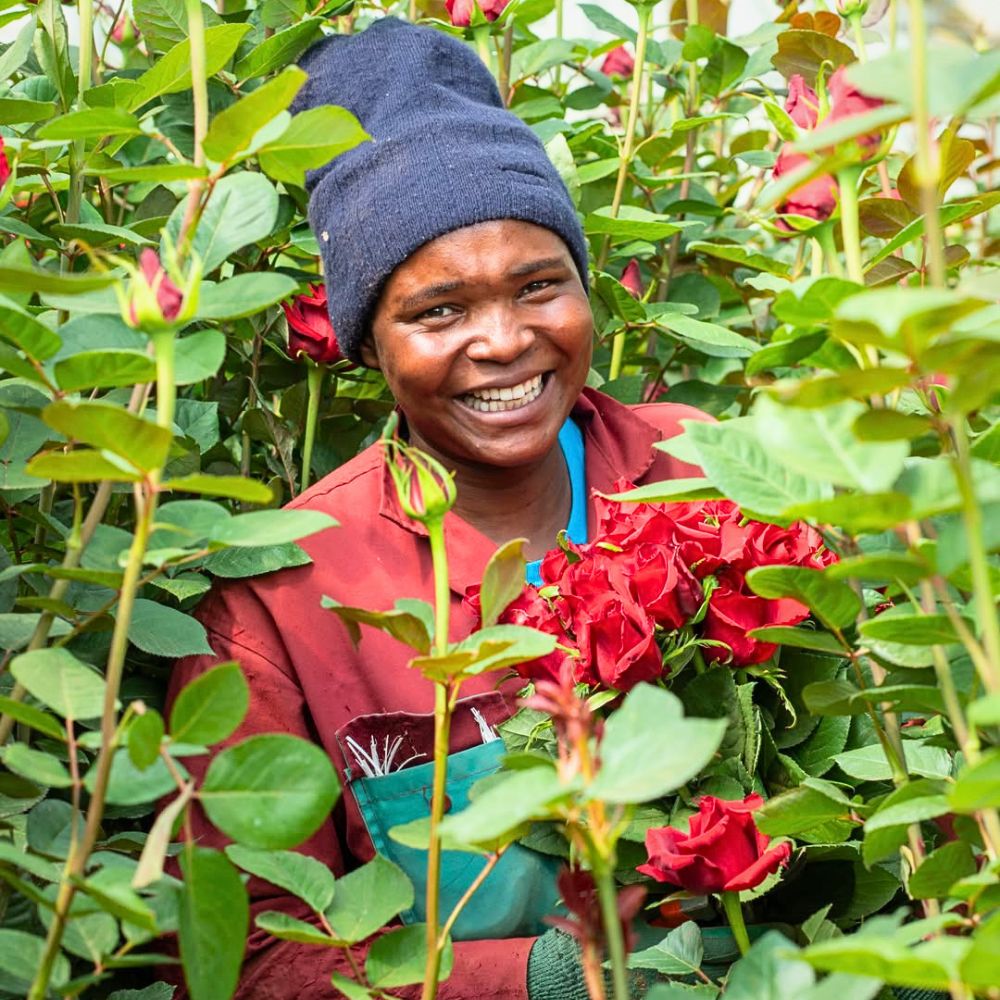
It also helps to have a strong catalog of products ready for the season. Whether you are a grower, an exporter, an importer, a wholesaler, a retailer, or a florist, if you can move swiftly and offer the right products, you are bound to make your money. To see what a strong variety lineup looks like, read our feature on Red Monarch® Meiriposo at Bliss Flora.
Reliability is also something you can build into your brand, a point I make in Marketing for Growers Shouldn't Be an Afterthought and The Future of Floral Sales Lies in Storytelling. Buyers remember who delivered when it mattered most.
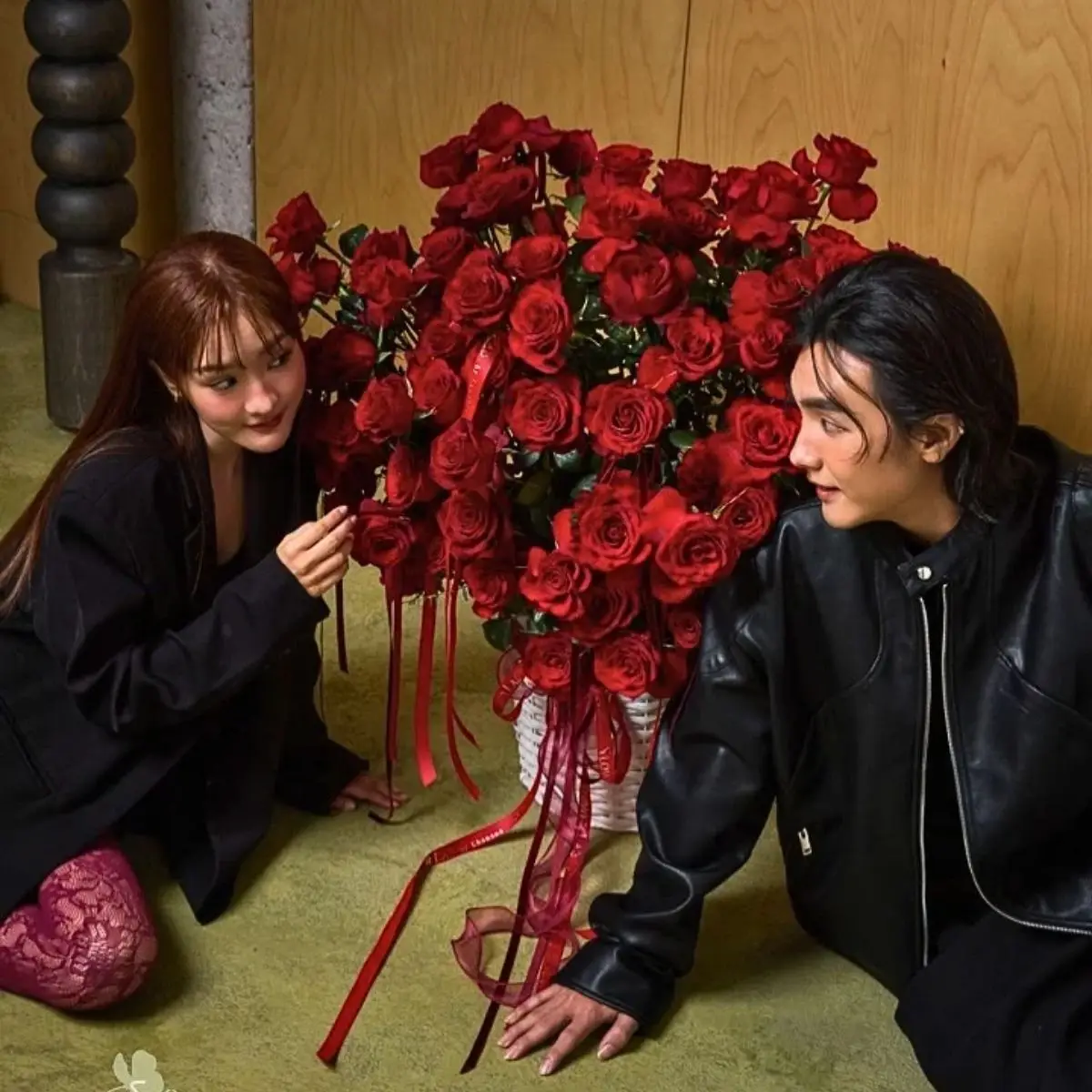
In the end, Valentine's Day is about emotion, as I wrote in The Emotional Value of Flowers in a Fast-Moving World and Flowers Are How We Know Life Can Be Beautiful. But behind every rose is a business, and a long chain of people who depend on getting February right. That is why I hope everyone in the chain is paid fairly for the value they add.
More from the farms is coming as the season gets closer. You can follow along on my author page.
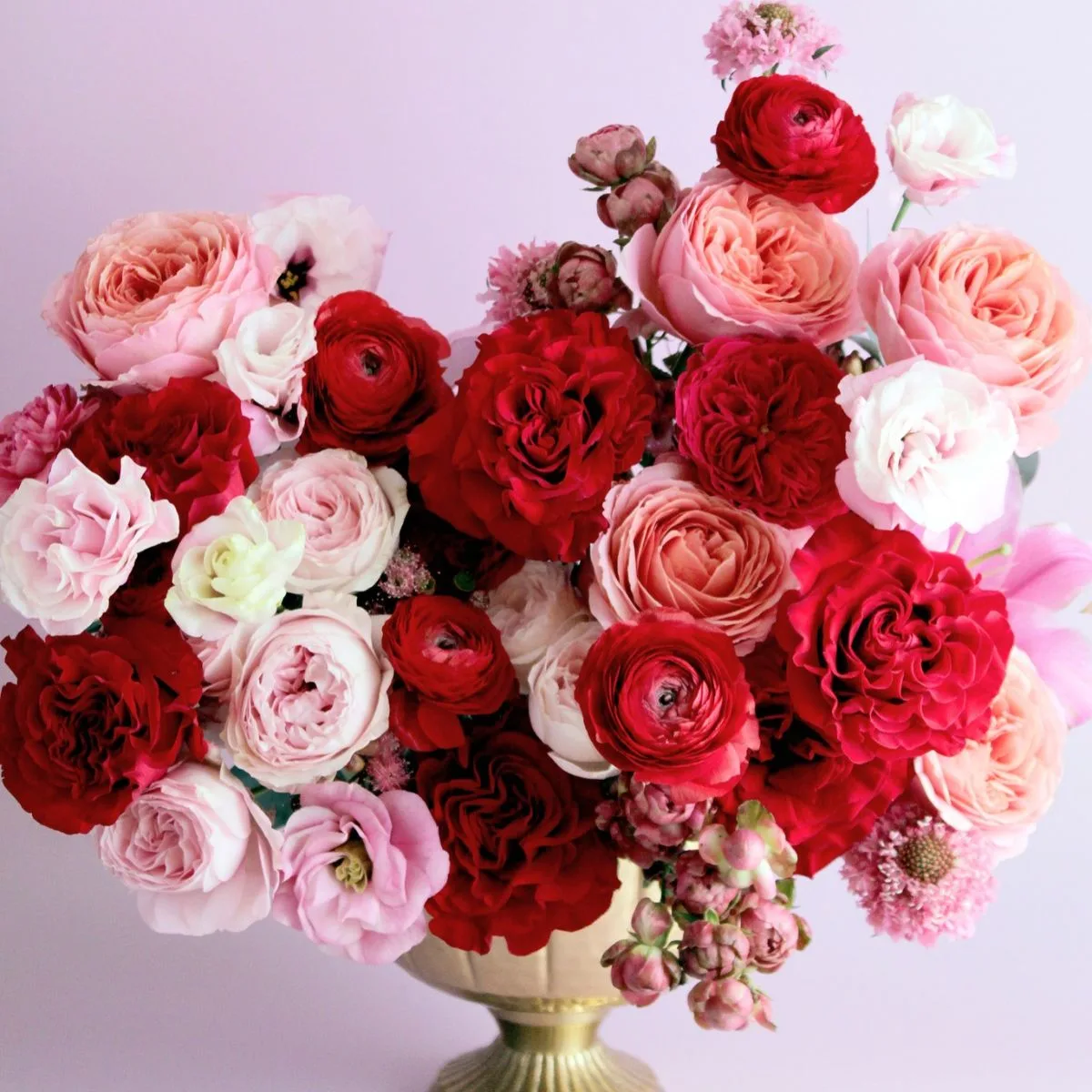
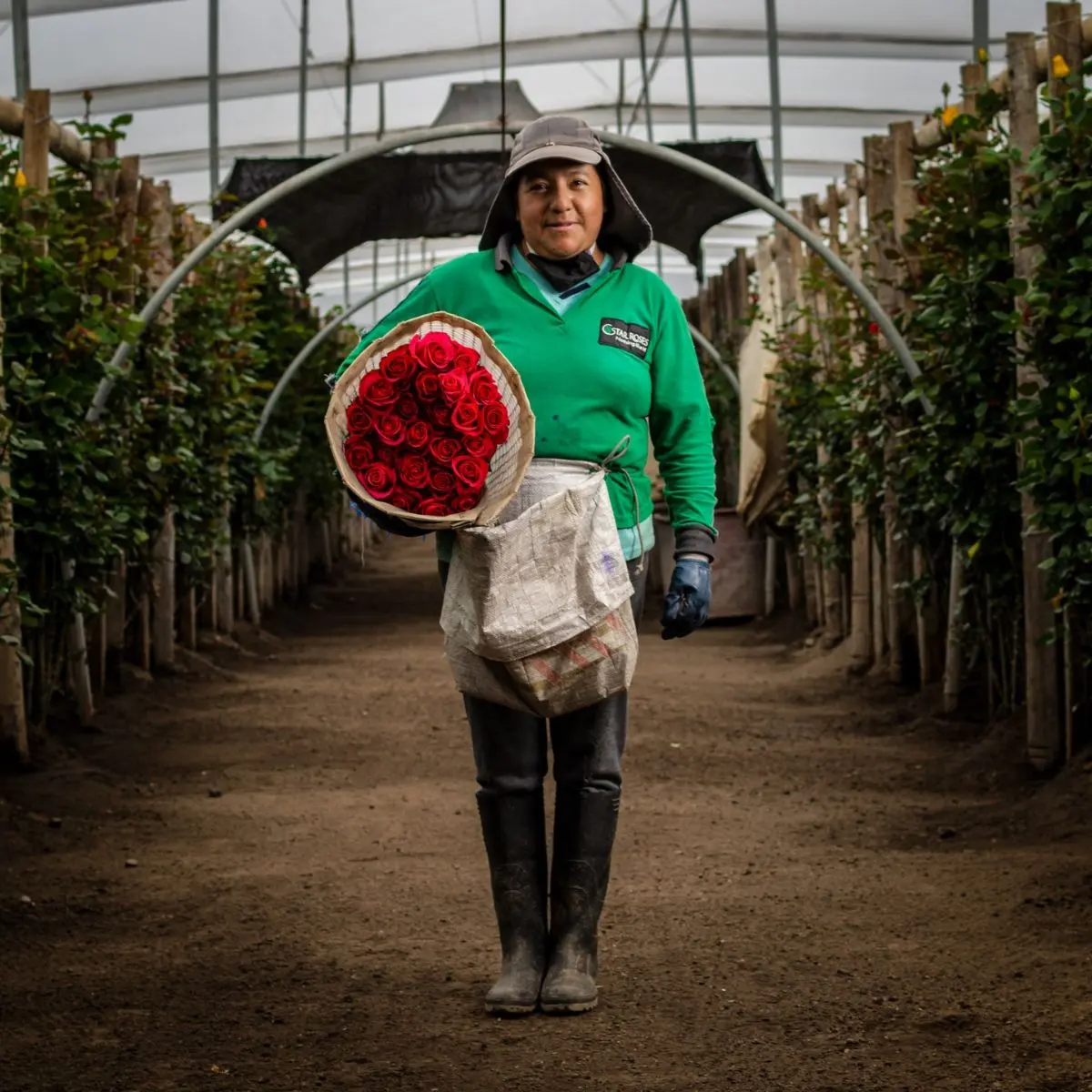
Header image by @rosaprimaroses and featured image by @flowerlabbychanana