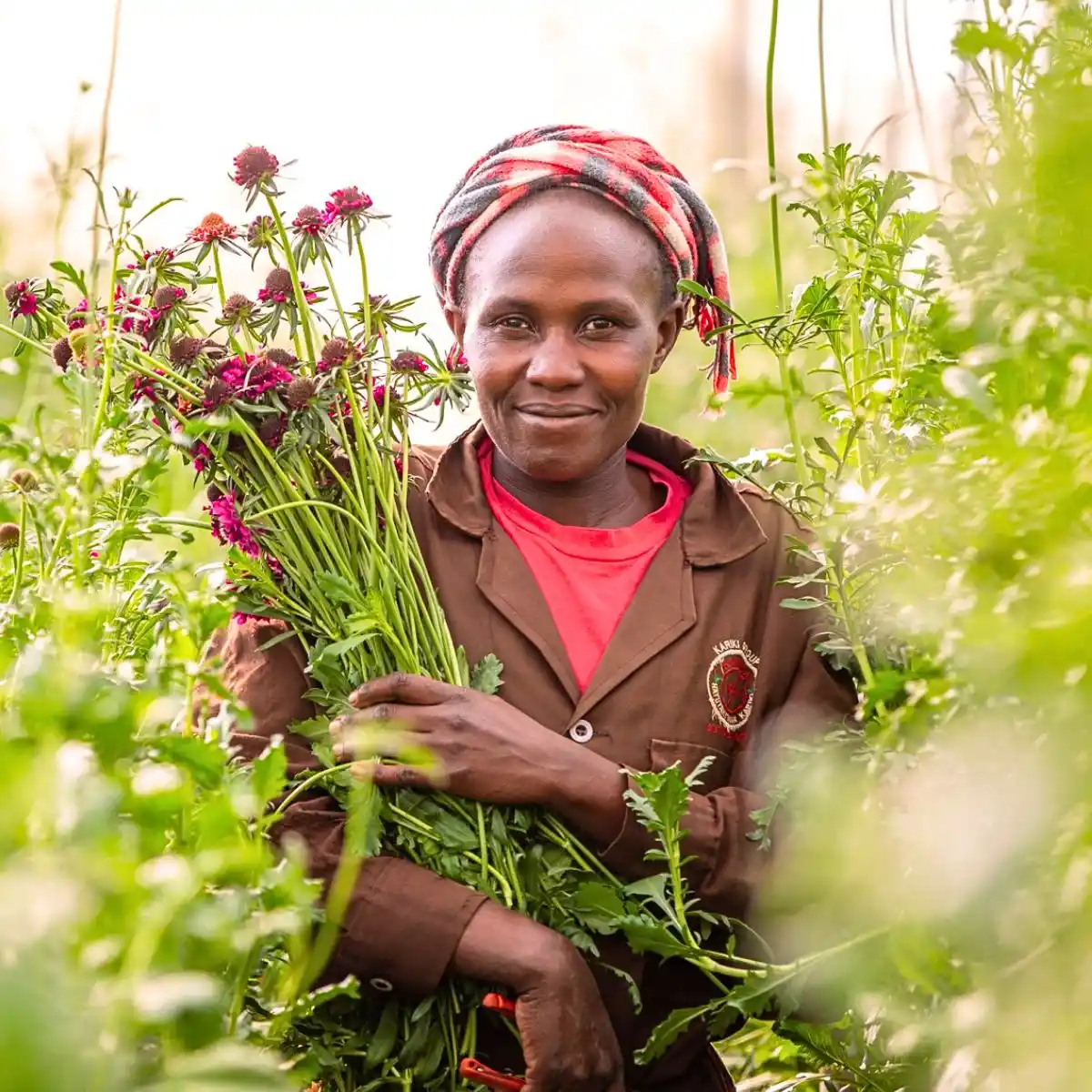
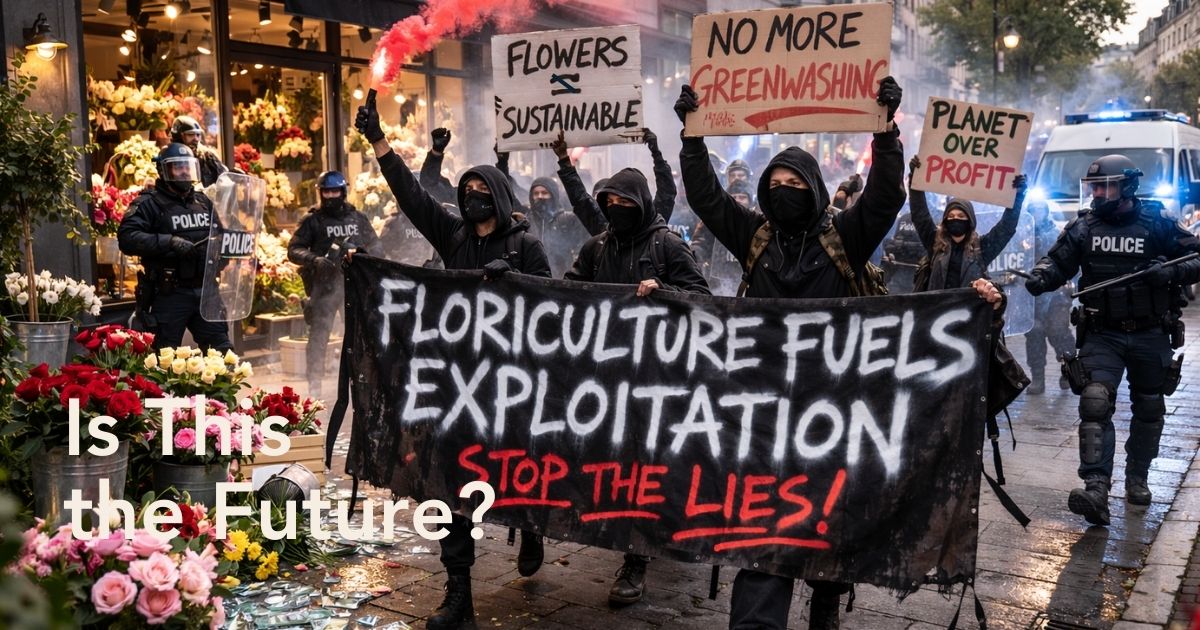
The public debate around crop protection products has intensified in recent years. Specifically in the Netherlands. Words like glyphosate, residues, and toxicity dominate headlines. The tension between perception and practice becomes unmistakably clear. It is clear how fear-driven narratives shape public opinion, but also how the floriculture and horticulture sectors can respond with confidence, transparency, and measurable progress.
Mass media often favors speed and sensation over nuance. Complex scientific assessments are reduced to striking soundbites. Claims circulate widely before facts can be carefully weighed. For many growers, this creates a sense of powerlessness. Years of careful Integrated Crop Management, biological control programs, and water recycling systems are overshadowed by a single polarizing headline. The result is a widening gap between what consumers believe and what actually happens in modern cultivation.
Fear, Framing, and the Fragile Trust of Consumers
The debate surrounding crop protection products is rarely neutral. Activist pressure keeps the sector on its toes, yet the framing is often one-dimensional. Words are chosen strategically. Images are powerful. Complex trade-offs are rarely explained. Meanwhile, sector organizations sometimes respond with equally one-sided optimism, presenting only positive stories while avoiding difficult realities such as inconsistent enforcement in certain import chains. This creates a credibility vacuum. When uncomfortable truths are not addressed openly, public trust erodes further.
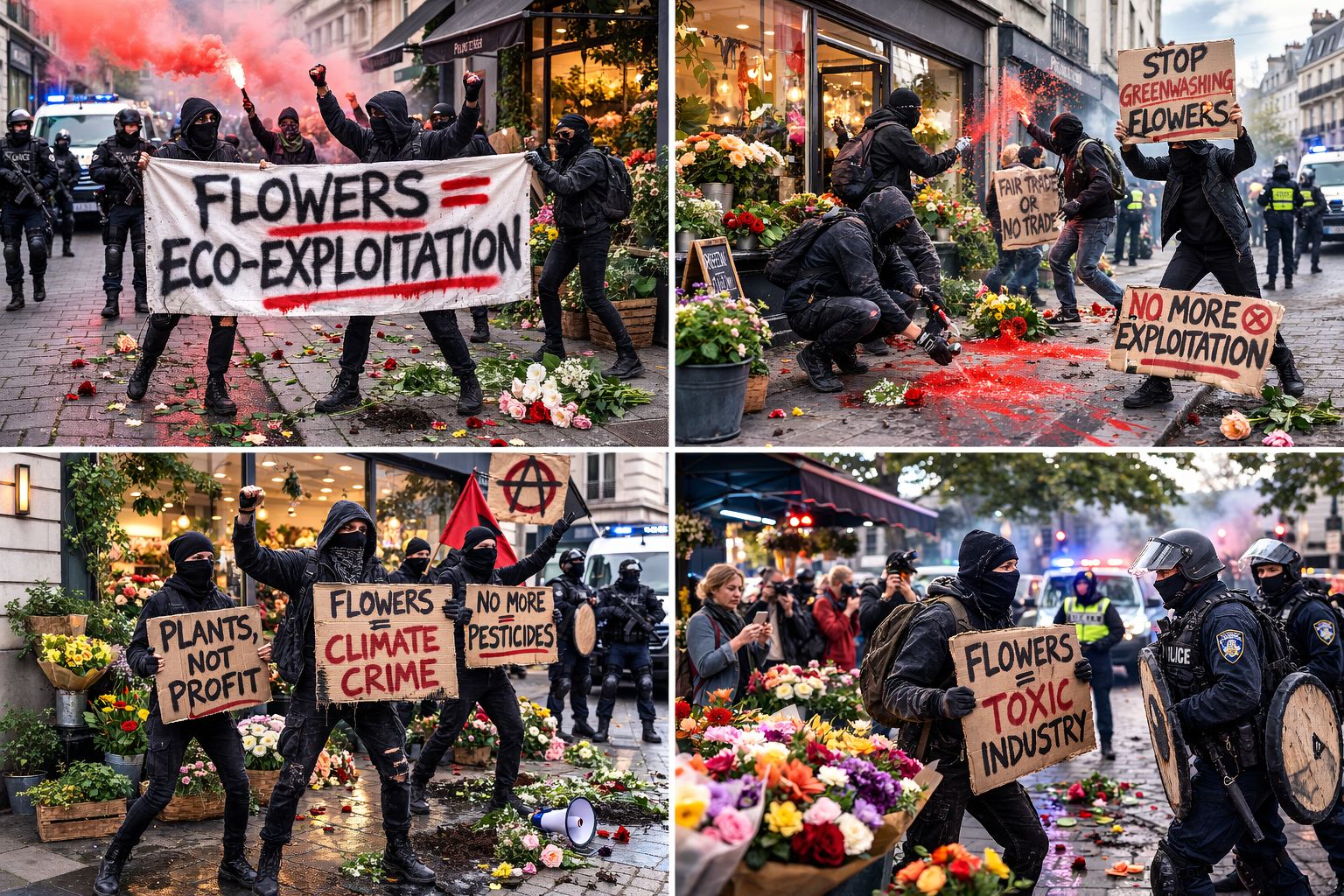
Citizens are not asking for perfection. They are asking for clarity. Questions about health, environmental impact, and water quality deserve direct, data-supported answers. When container concepts dominate the debate, meaningful dialogue disappears. Stronger moderation in public discussions, fact-based journalism, and the courage to address difficult topics explicitly can help restore balance. Transparency must become the foundation rather than the afterthought.
Detailed environmental profiles, digital registration of crop protection use, and structural residue testing can provide measurable evidence. When reductions are documented and progress is visible, discussions shift from accusation to verification. Data transforms emotion into dialogue.
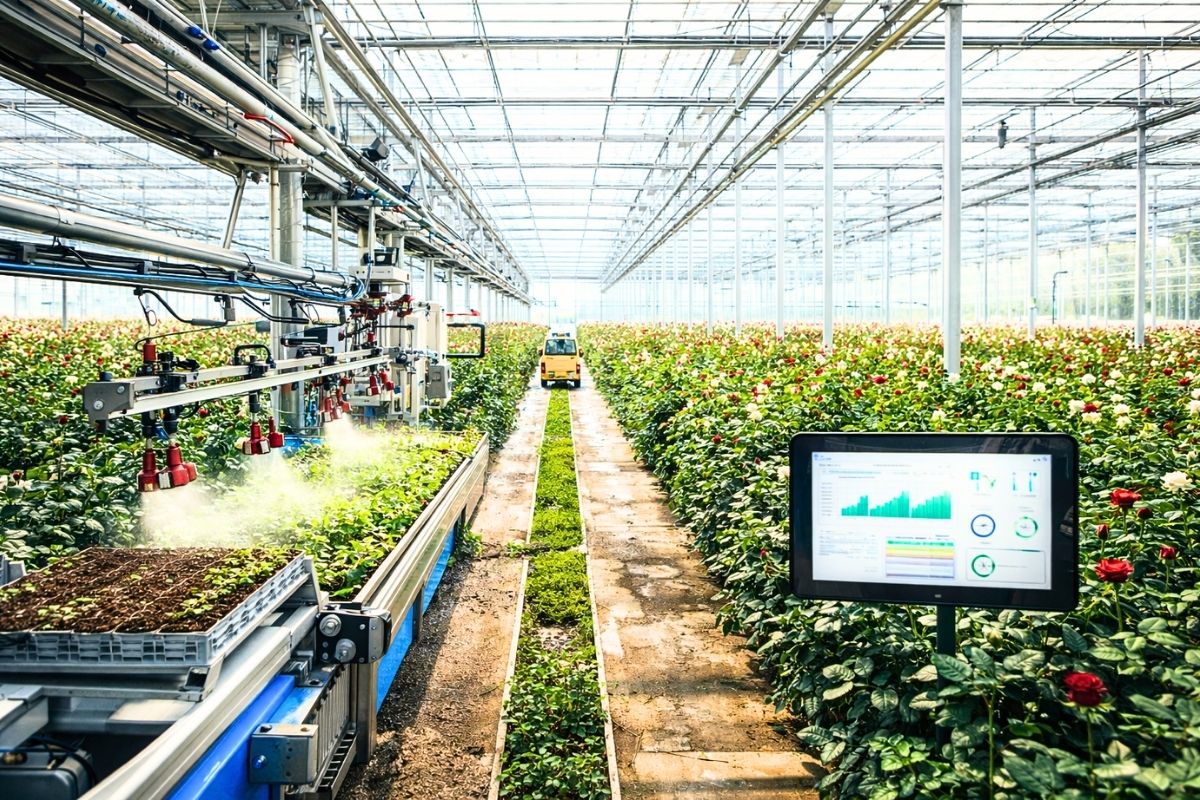
Technology already enables fine-grained monitoring. Precision spraying techniques reduce drift. Closed water systems minimize emissions. Independent water coaches support growers in achieving measurable improvements in water quality. Instead of defensive discussions about measurement standards or international comparisons, the focus should be on continuous, demonstrable reduction of emissions. Clear metrics create clarity in communication and credibility in the marketplace.
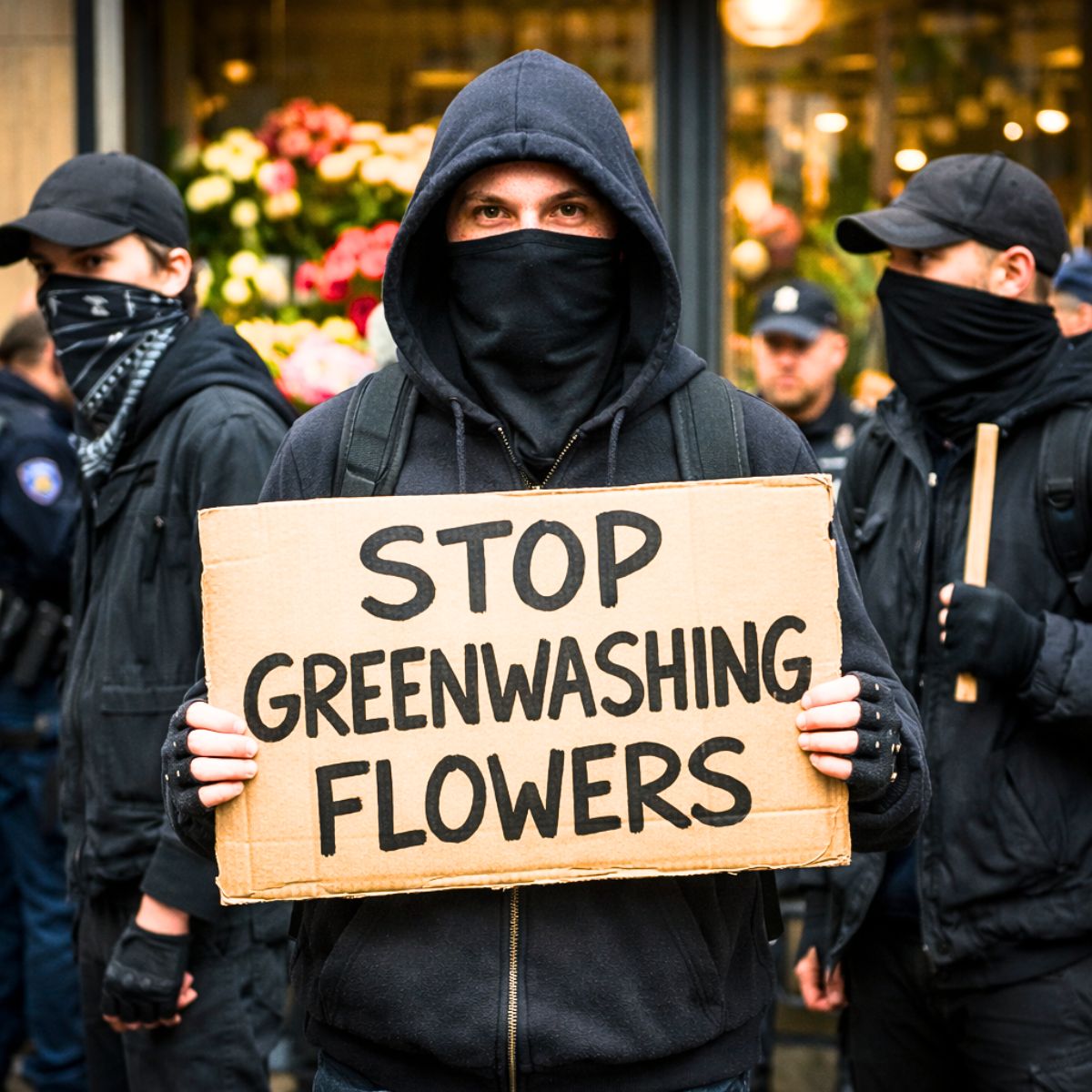
No One Size Fits All in Modern Cultivation
The horticultural sector is diverse. Open field production differs fundamentally from high-tech greenhouse cultivation. Vegetable growers operate in another context than ornamental plant producers. Generalizations obscure reality. Modern greenhouse floriculture in the Netherlands, for example, has made significant strides in reducing chemical dependency through biological control agents and closed-loop water systems. Yet sustainability is always a multi-dimensional equation. Energy use, emissions, labor conditions, biodiversity, and human health all intersect.
Biological production is not automatically more sustainable. Context determines impact. A product grown locally in an efficient greenhouse may have a different environmental footprint than an imported alternative marketed as green. Honest evaluation requires integrative thinking. The Dutch model of achieving high output with minimal input demonstrates that precision and system design can drastically reduce resource use while maintaining productivity.
Innovation Under Pressure
While growers innovate at the company level, regulatory frameworks often move slowly. EU authorization processes for new biological solutions can take years. The precautionary principle, although rooted in safety, sometimes delays promising innovations such as biological crop protection agents and advanced breeding techniques, including CRISPR-Cas. This slows the transition toward more sustainable systems.
Acceleration does not require compromising safety. Adaptive approval pathways, periodic reassessment, and transparent recall mechanisms could create a more dynamic system. A coordinated, data-driven information flow to policymakers is more effective than fragmented lobbying efforts. The sector needs a broader and more effective toolbox. Without it, growers face rising expectations with limited instruments.
The Human Dimension of Change
Growers differ in motivation, speed, and capacity. No professional applies crop protection products out of preference. Every application represents cost, labor, and risk. Transitioning toward lower-input systems requires investment, new knowledge, and sometimes cultural change. Without incentives or market rewards, proactive behavior can stagnate. Sector instruments that reward early adopters and measurable improvement are essential.
Water quality has become a defining issue in the Netherlands. Instead of debating international benchmarks, measurable emission reduction should remain the priority. Practical improvements in spraying techniques, infrastructure, and wastewater management create tangible results. These results should be communicated clearly and consistently to the public.
Cognitive Dissonance and Visible Agriculture
Public perception often contains a paradox. Highly visible agriculture attracts scrutiny, while less visible industries remain under the radar. Lists such as the so-called dirty dozen overshadow the broader health benefits of fruit, vegetables, and ornamental plants. Yet consumer demand remains strong. Flowers and plants continue to bring comfort, beauty, and well-being to millions of households.
Extreme political statements can damage reputations, but they can also trigger resilience. Many entrepreneurs respond to criticism not with retreat, but with acceleration. Innovation increases. Collaboration strengthens. The transition toward more sustainable systems is not a quest for a single Holy Grail. It is an ongoing process of refinement, transparency, and smarter system design focused on maximum output with minimal input.

From Defensive to Proactive Storytelling
The way forward requires a shift in communication. Listening to concerns must precede defending positions. Difficult themes should be addressed openly and contextualized properly. Data must underpin claims. Growers, breeders, and traders who embrace transparency gain a strategic advantage. When facts are accessible and measurable, fear loses its grip.
The conversation about crop protection and sustainability will continue. It should. Healthy tension stimulates progress. But the tone and structure of that conversation determine whether it polarizes or progresses. By grounding debate in practice, by accelerating innovation responsibly, and by embracing transparency as a strength, the floriculture and horticulture sectors can move from reactive defense toward confident leadership.
Flowers and plants represent life, growth, and resilience. The systems behind them deserve the same thoughtful balance. The future of the sector lies not in silence or slogans, but in measurable progress, honest dialogue, and visible innovation rooted in the greenhouse itself.