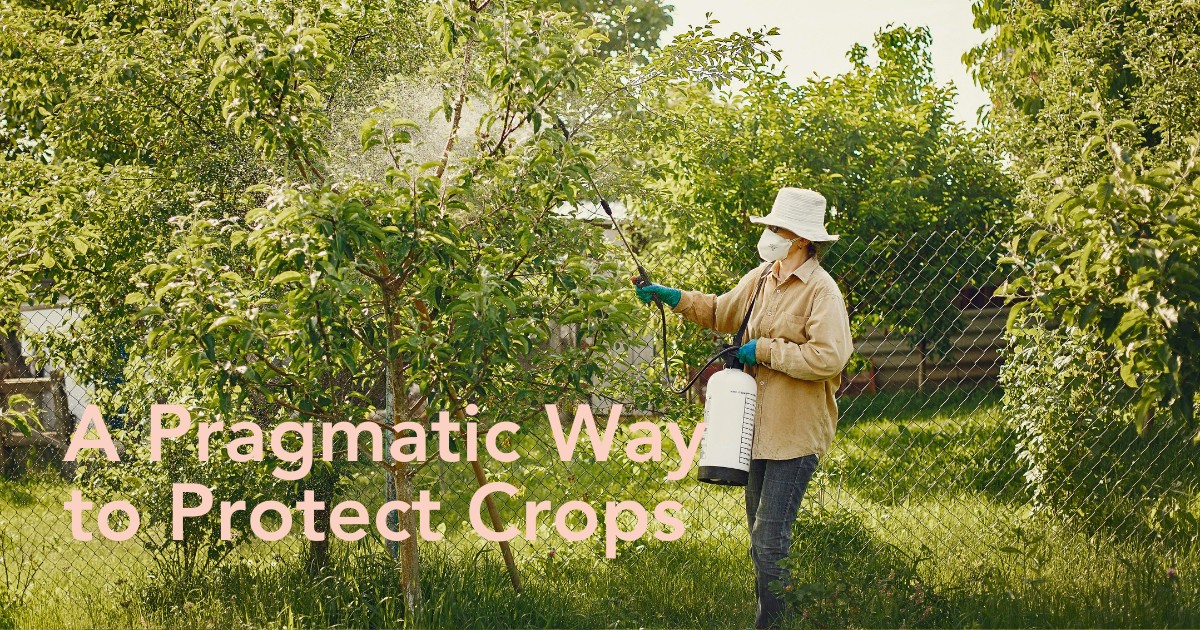
The floriculture industry thrives on floral beauty, but it does so under considerable pressure. Before flowers reach the buyers, a lot goes into play, which includes a judiciously managed system of pest control, disease prevention, and environmental management.
For those working within this industry, the topic of crop protection is, therefore, anything but peripheral. It is at the very center of everyday operational, commercial, and sustainability decisions. This means understanding its relevant nuances is hardly an option anymore.
Chemical Versus Biological
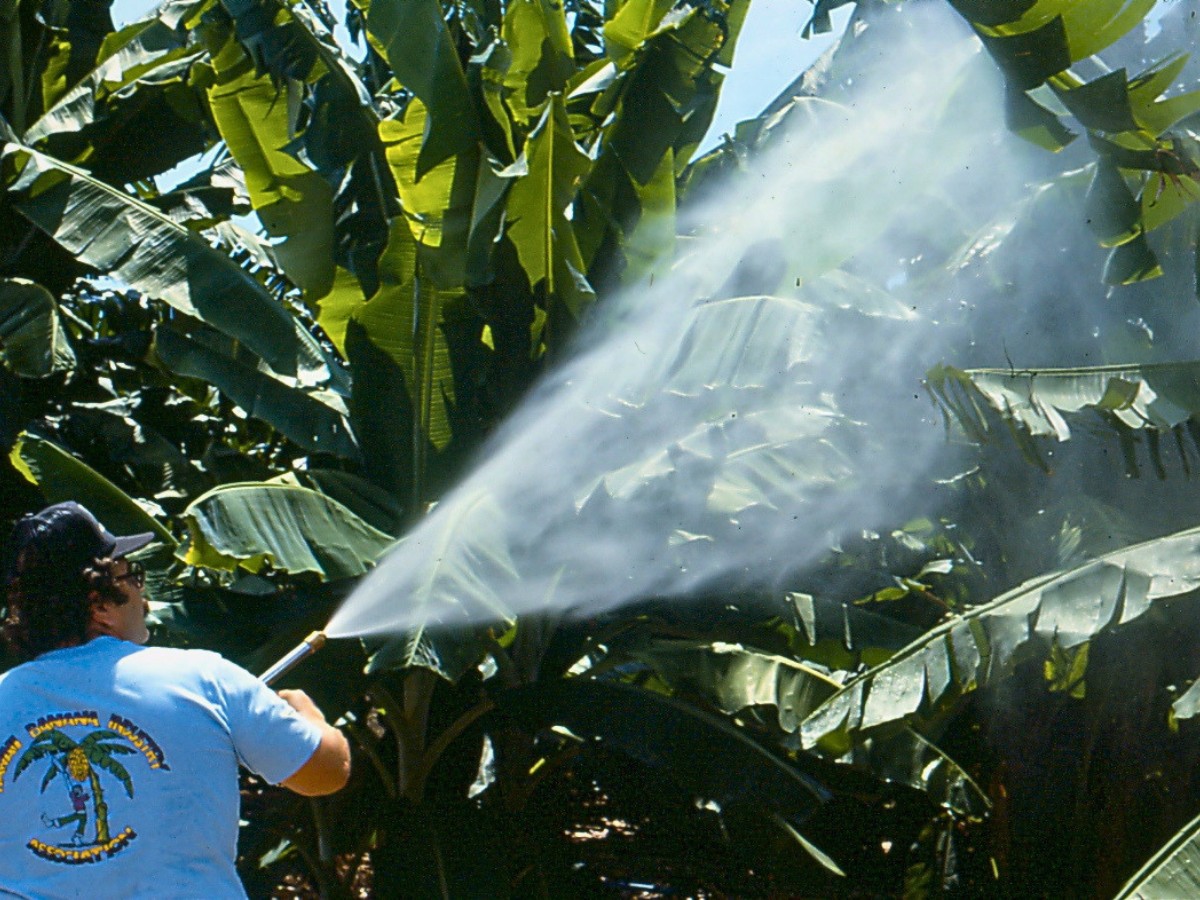
Before examining the applied scopes, it is worth establishing a clear working vocabulary, as the terms chemical and biological are frequently used loosely in industry discussions. Chemical crop protection refers to synthetically produced substances applied to manage pests, diseases, or weeds. These include insecticides, fungicides, miticides, and herbicides.
As Philippe Veys, Director at Herburg Roses and Nini, explains clearly:
"Chemical agents are synthetic and developed in a laboratory. They are often broad-spectrum and can remain present in soil and water for longer."
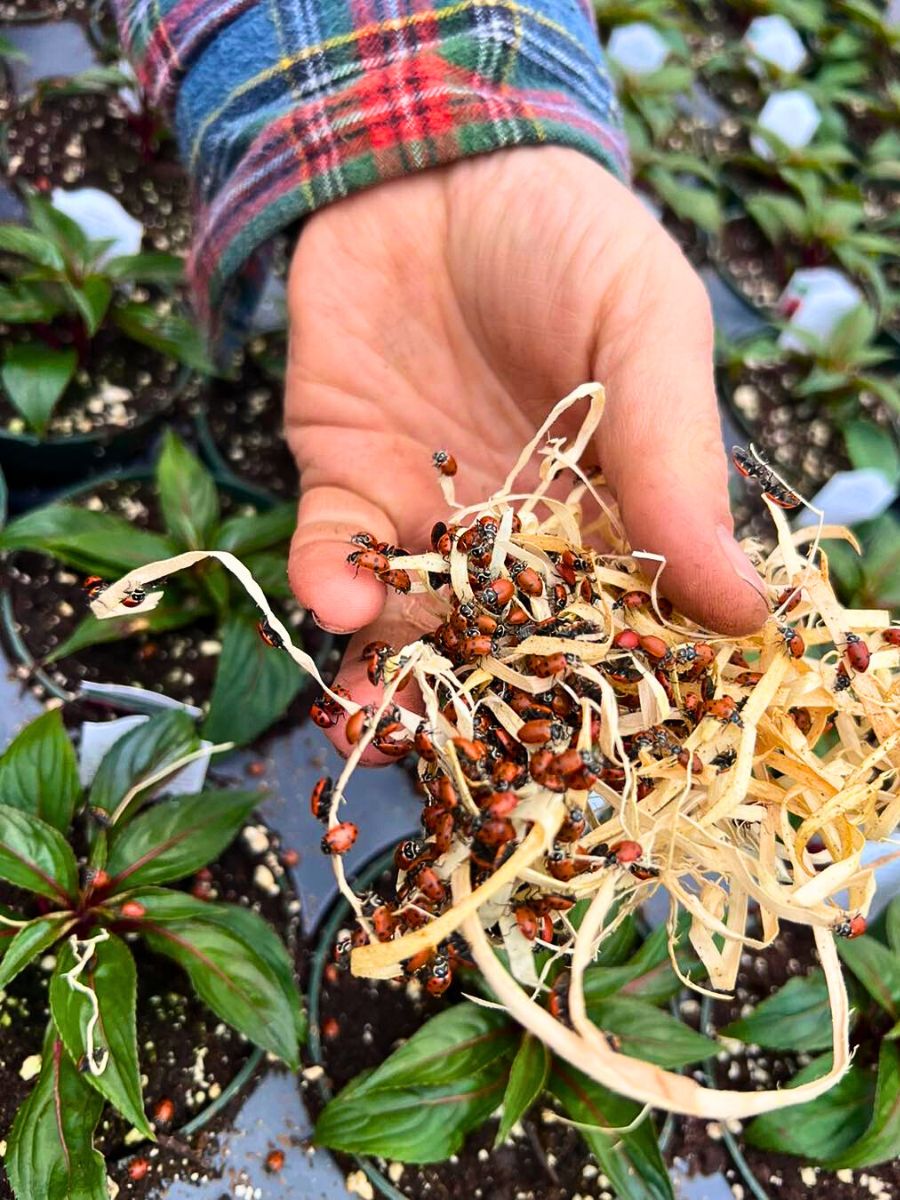
Their speed and reliability under high pest pressure have made them the conventional spine of commercial floriculture for years. But that status is being looked at with considerable scrutiny. Biological crop protection, by contrast, draws on natural systems. It employs predatory insects, predatory mites, parasitic wasps, beneficial nematodes, and beneficial microorganisms to control pests and diseases, helping growers minimize pest resistance and strengthen plant resilience.
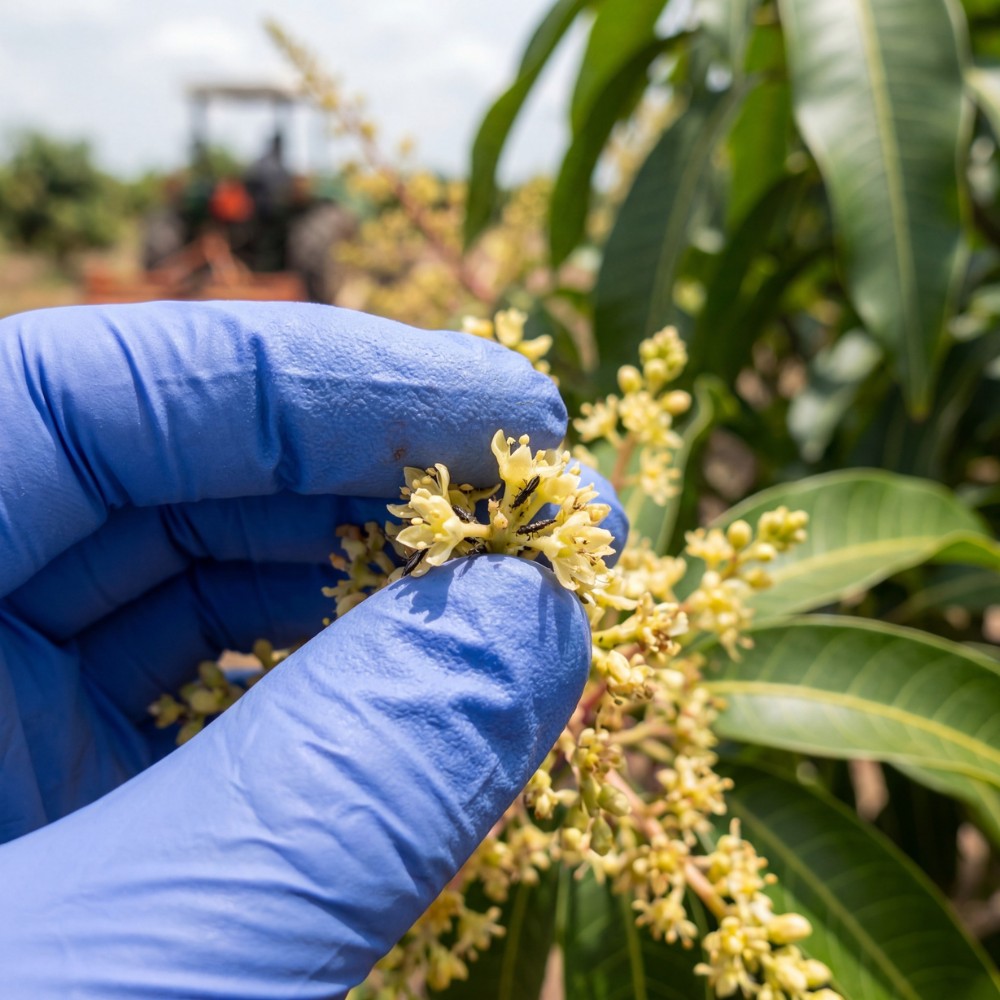
Where a chemical insecticide might eliminate every insect in a greenhouse indiscriminately, a biological solution is deployed to target a specific pest while leaving the rest of the ecosystem intact. The distinction is significantly important both ecologically and commercially.
What Does Crop Protection Mean in Flowers?
For a flower grower, crop protection is simply everything you do to prevent pests, diseases, and weeds from eroding quality, yield, and market access. It spans far more than what comes out of that spray tank. Key elements include:
- Preventing introduction: hygiene, greenhouse integrity, pest‑free planting material.
- Monitoring: regular scouting, sticky traps, pheromone traps, climate, and disease forecasting.
- Decision tools: economic thresholds, residue rules from buyers, and resistance management plans.
- Interventions: biological control agents, bio-stimulants, synthetic plant protection products, and physical or mechanical measures.
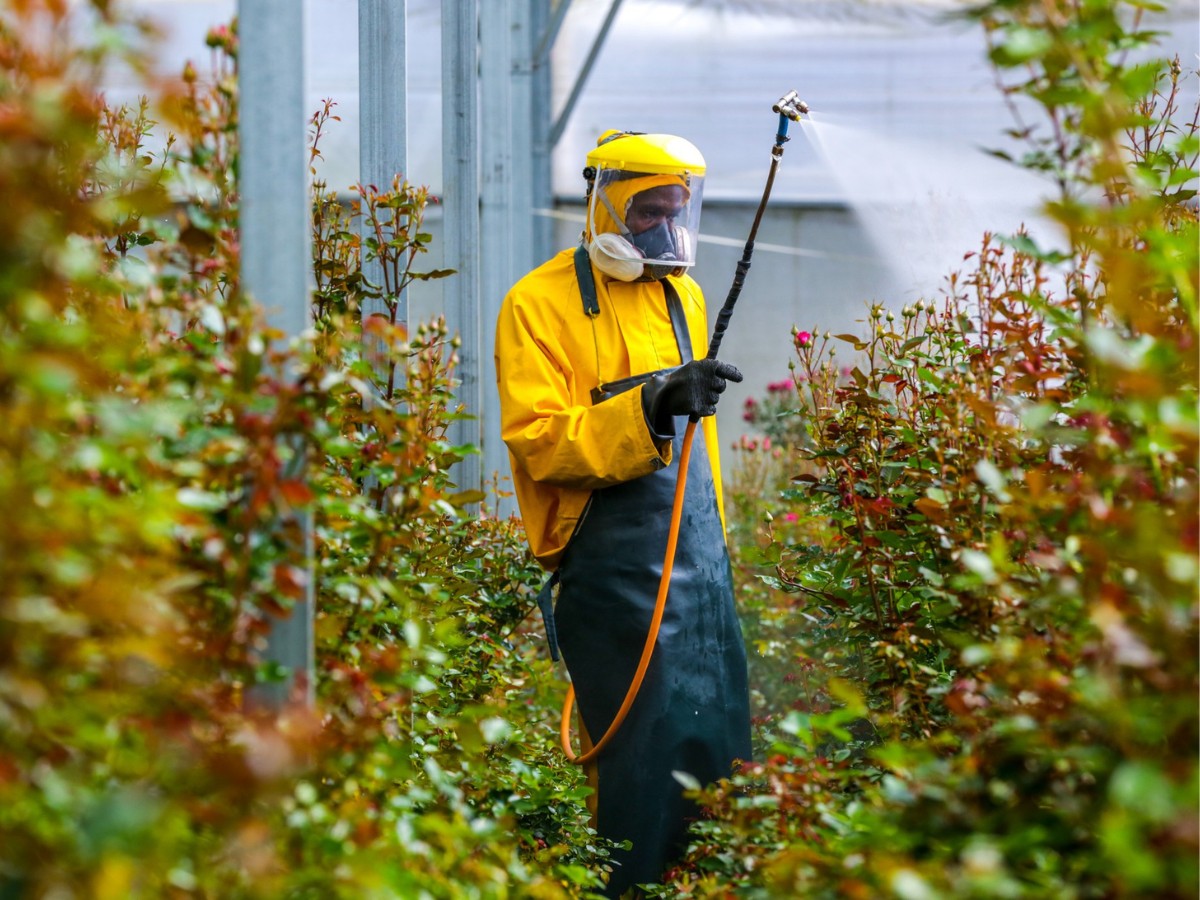
For cut flowers and potted ornamentals, the bar is high. The crop must arrive free of visible damage and within strict maximum residue limits set by retail and by EU policies such as the Farm to Fork pesticide reduction target for 2030.
What Floriculture Is Protecting Against
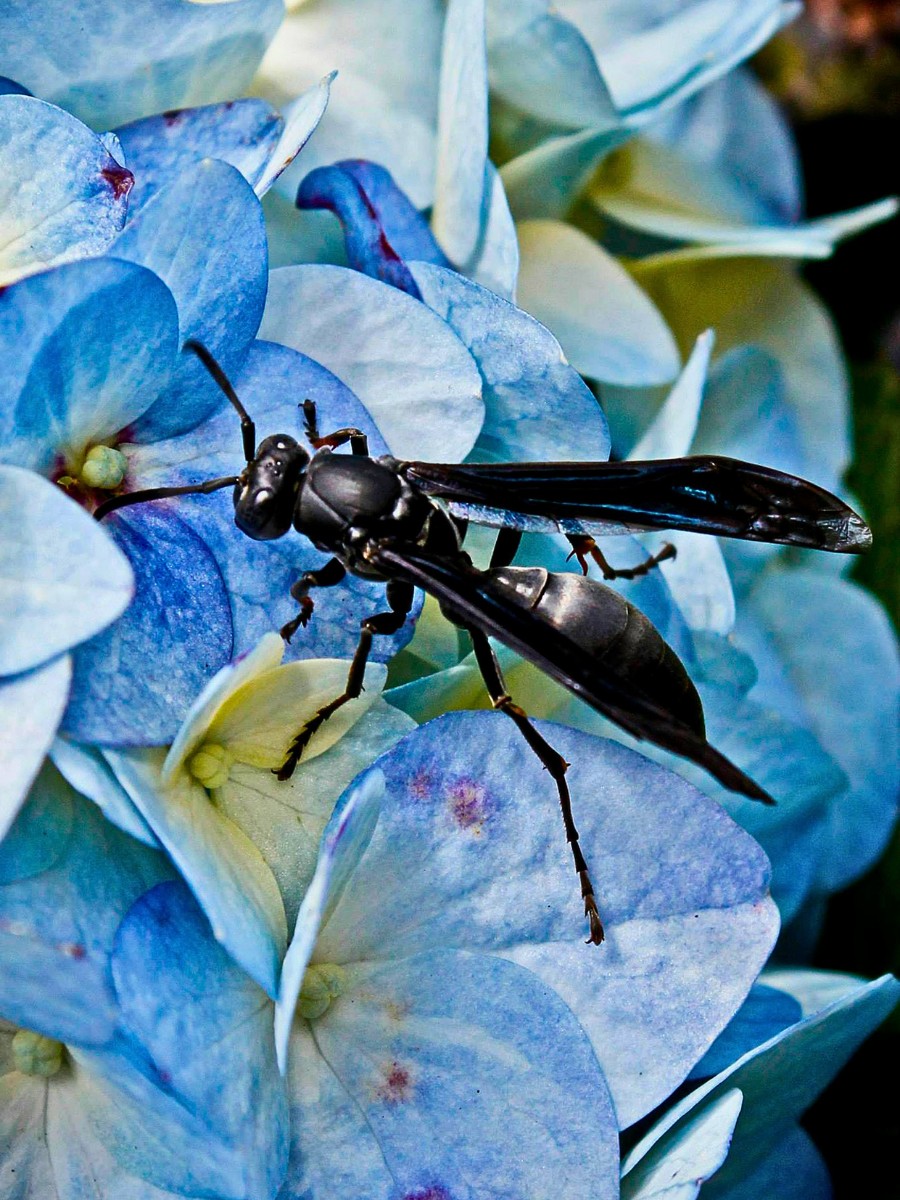
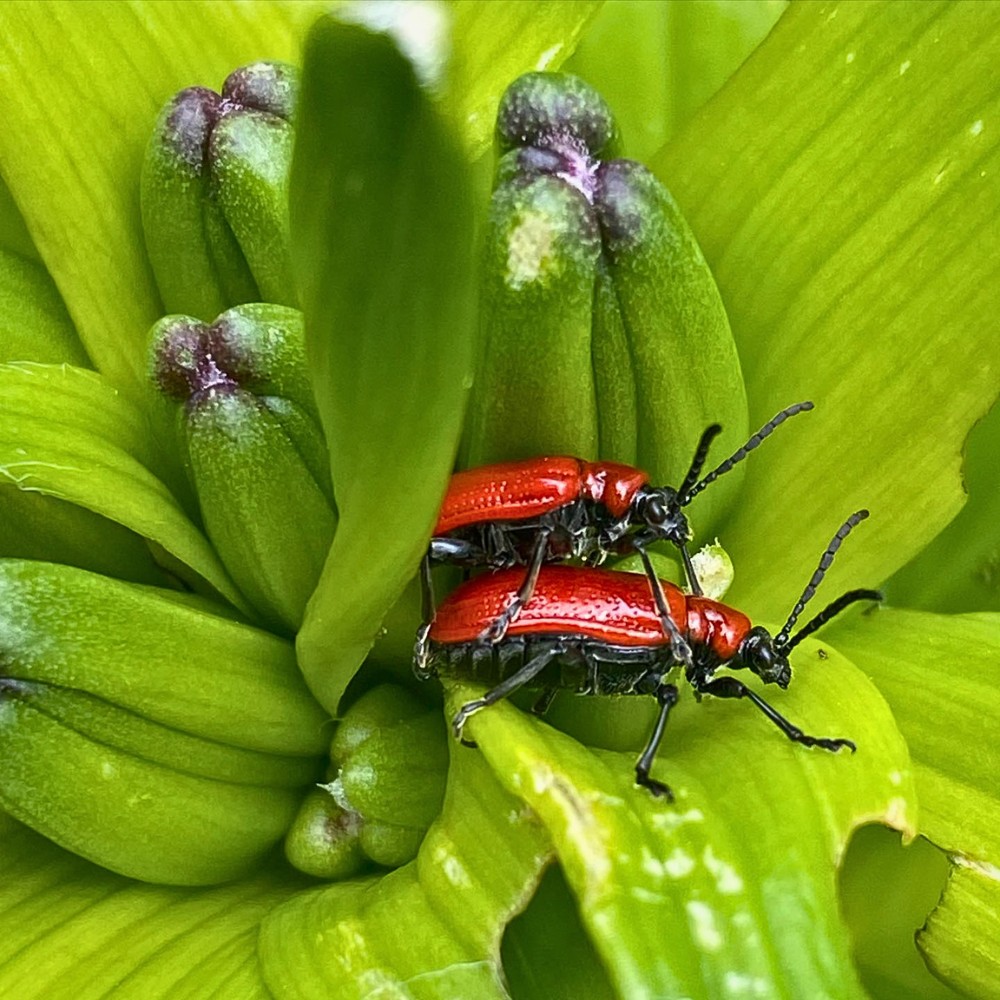
The pest and disease landscape in floriculture is demanding. Cut flower crops, by nature, are grown at high density, often under controlled greenhouse conditions that inadvertently favor fast pest proliferation. Spider mites are among the most persistent challenges, particularly in rose production. Thrips cause direct damage to petals and foliage while also transmitting viruses. Aphids, whiteflies, and leaf miners are common across a wide range of ornamental species. There are more!
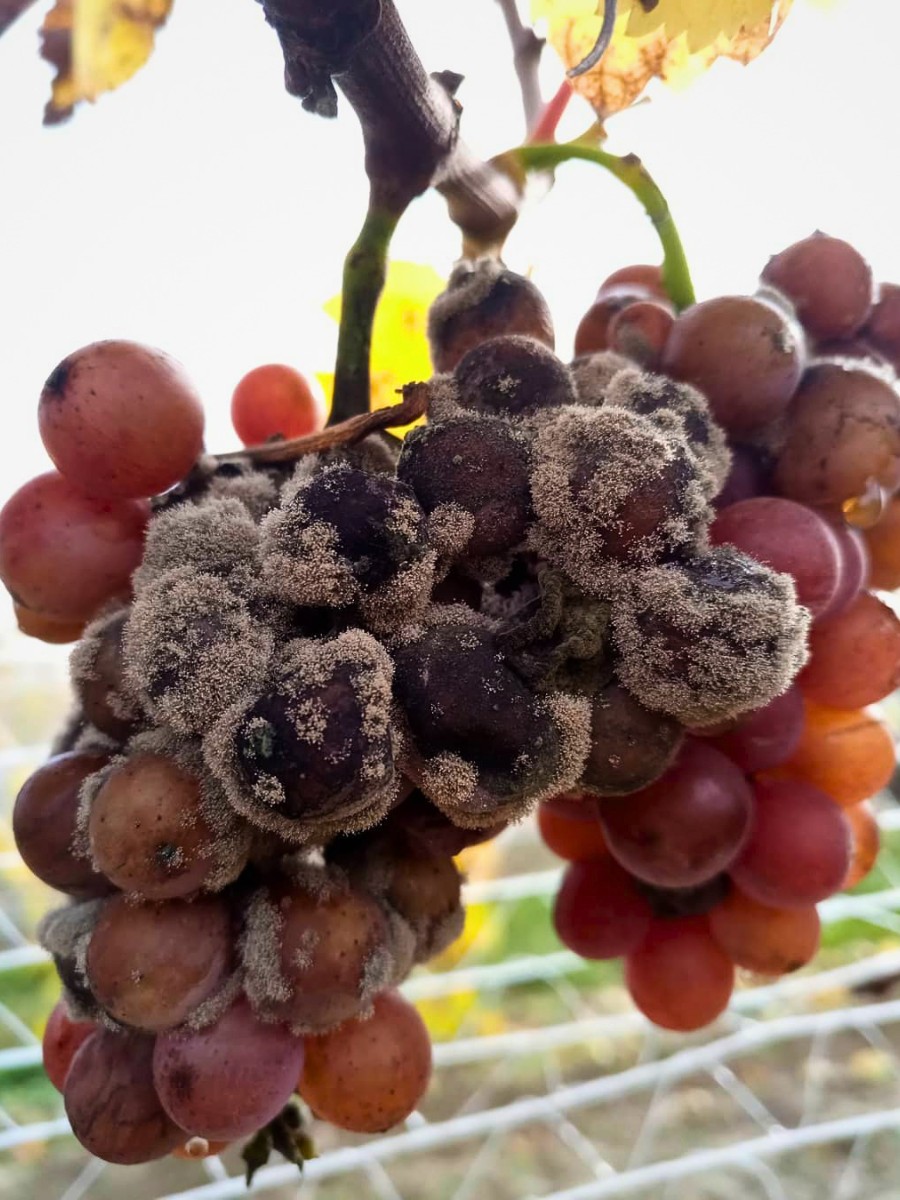
On the disease side, botrytis (grey mould) is arguably the single most destructive pathogen in the cut flower industry, capable of rendering entire batches unsaleable in just a matter of days. Powdery mildew and downy mildew are chronic concerns in roses and other susceptible species.
To address these threats, growers have historically relied on broad-spectrum chemical programs developed by different companies. While such products highlight the technical sophistication of modern chemical programs, they also point to the continued reliance on synthetic chemistry that the flower sector is working to reduce.
Does Chemical Control Still Matter?
Synthetic fungicides, insecticides, herbicides, and growth regulators remain important in floriculture, especially for fast knock‑down of outbreaks that escape early detection, addressing quarantine pests where even a single interception can block a shipment, and addressing diseases, like botrytis, in long transport chains, where reliable protection is essential.
In countries where the threat of pests, like False Codling Moth (FCM), is rampant, strict phytosanitary checks are pushing growers to maintain very low pest levels. So, when biological options are insufficient, targeted chemical use may be part of the solution, provided it follows resistance‑management guidelines and respects pre‑harvest intervals.
That said, however, the global direction is clear that regulators and retailers are pressing for less and safer chemistry, and for documented use of Integrated Pest Management (IPM) before synthetic tools are applied, if need be.
The Rise of Biological Crop Protection (And IPM)
The move toward biological crop protection is hardly ever a niche interest among idealistic growers anymore. It is gaining commercial seriousness, scientifically advancing the global market. The biological crop protection market, valued at approximately USD 6.5 billion in 2025, is projected to reach USD 11.53 billion by 2030, growing at a compound annual growth rate of 12.2%. This is driven by regulatory pressure on synthetic pesticides, increasing demand for residue-free production, and continued investment in microbial bio-control research and development.
Within floriculture specifically, several categories of biological solutions have proven reliable enough to form the basis of professional IPM programs. Koppert Biological Systems, founded in the Netherlands by grower Jan Koppert, has been instrumental in making these tools commercially accessible. Their range spans predatory mites, parasitic wasps, beneficial nematodes, and beneficial microorganisms, all designed to control pests while leaving no chemical residues and requiring no pre-harvest waiting period.
Specific biological products that floriculture growers are deploying with success include Phytoseiulus persimilis for spider mite control, Amblyseius cucumeris for thrips management, and the entomopathogenic fungi Beauveria bassiana and Metarhizium anisopliae for targeted insect suppression. On the disease management side, microbial agents based on Bacillus subtilis are being used increasingly as an alternative to synthetic fungicides for botrytis suppression.
In Dutch Chrysanthemum production, several projects have, as a result, shown effectiveness, including thrips management using natural enemies as part of IPM, supported by careful monitoring and compatible chemistry. They combine predatory mites, beneficial fungi, and traps as a comprehensive biological approach to thrips in the ornamentals.
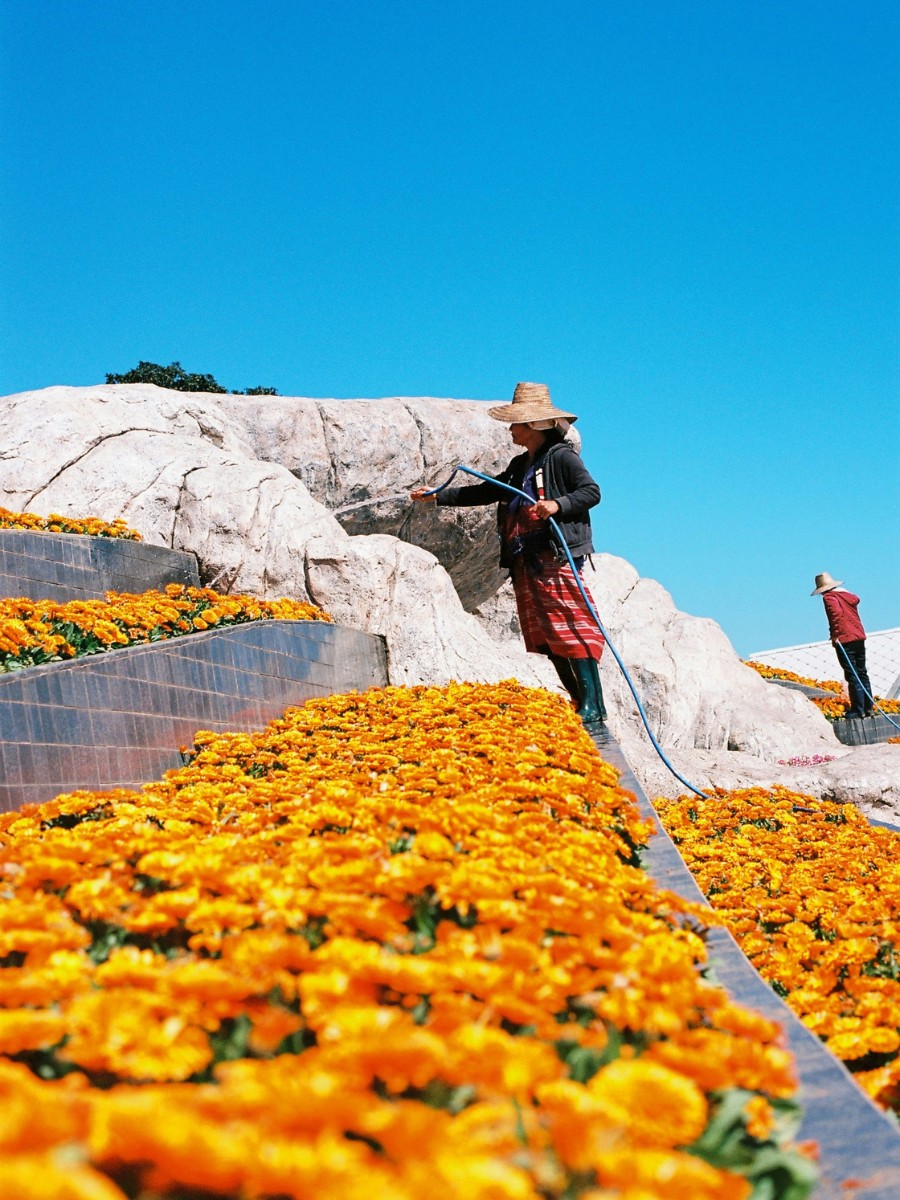
Another interesting example in container crops uses marigolds as guardian plants to attract thrips, where they are then controlled with slow‑release predatory mites and Beauveria in the substrate, giving two to three months of suppression with minimal insecticide input.
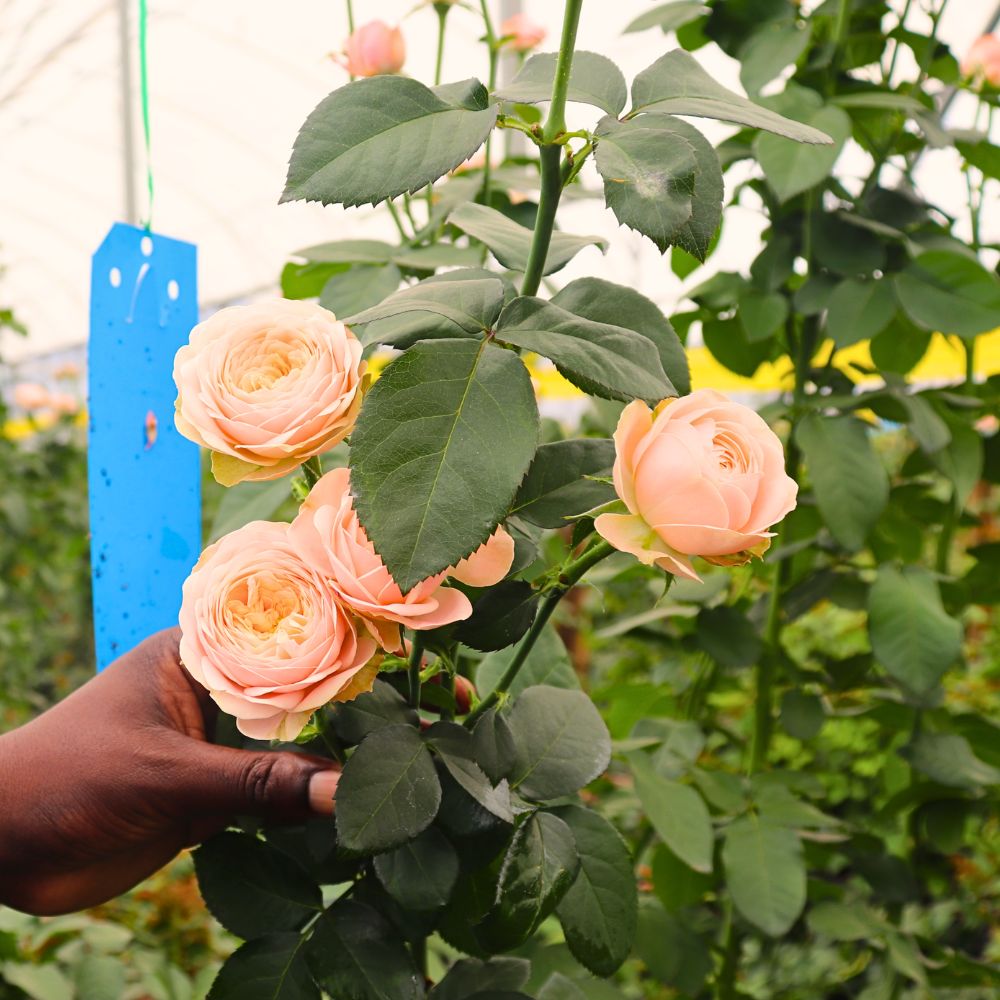
Elsewhere at Herburg Roses (Nini), a sustained biological program implemented, achieved a significant reduction in chemical use in just a single year. Several of the grower’s greenhouses operate on a fully biological basis. With scouts monitoring the greenhouses, checking, and determining their crop protection strategy, guided by data.
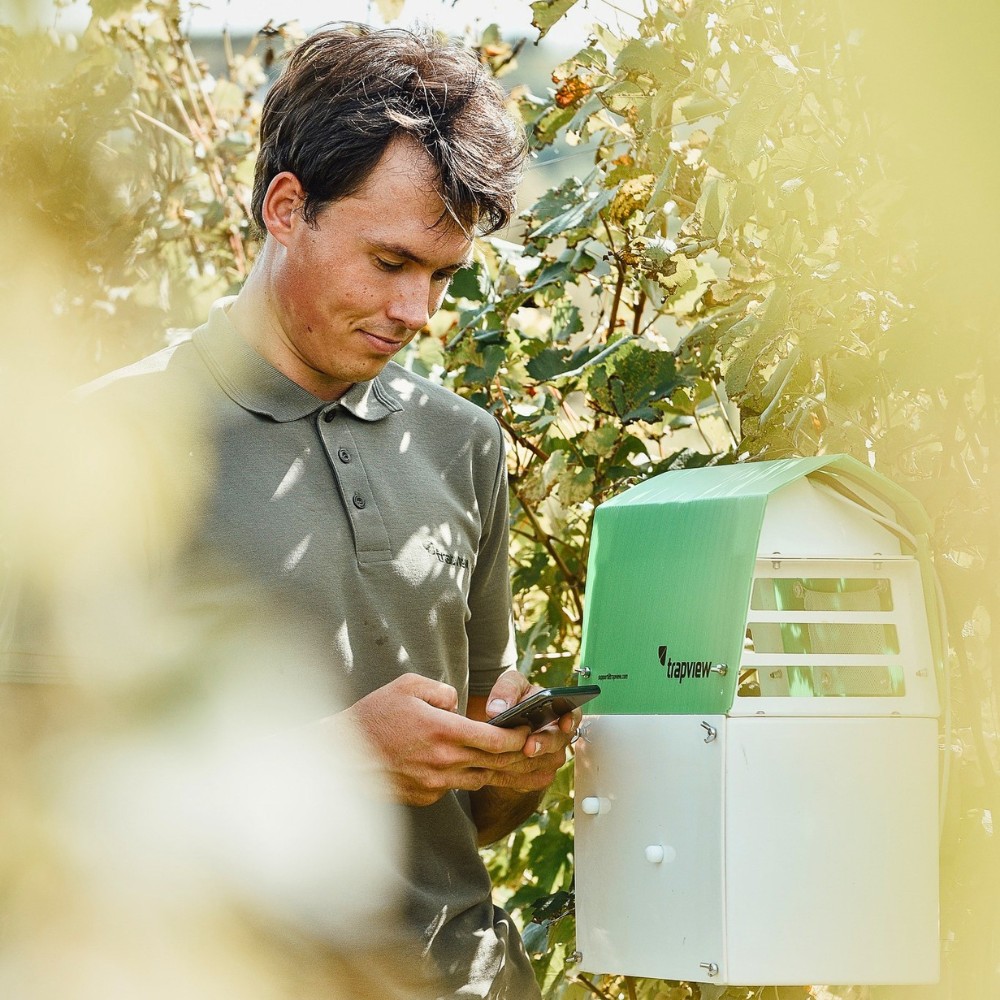
Essentially, IPM depends on crop monitoring and scouting as systematic observation throughout the plants and flowers' growth cycle, using tools such as sticky traps and pheromone traps to detect pest presence early and respond accordingly, before pest populations exceed economic thresholds.
The results are materializing. Data published by Royal FloraHolland in 2025 indicates that figures from the past decade show a 78% decline in the use of the most harmful crop protection substances in ornamental horticulture. Globally, cut flower growers are using 35% less pesticide per kilogram of active ingredient per hectare than they were ten years ago.
Growers are, practically, more and more using preventative solutions and biological pest control measures, a trend observed worldwide and driven by legislation, market demands, and their motivation to deliver a more sustainable product.
Is Variety Selection an Often Overlooked Strategy?
Savvy growers know that crop protection does not start with a spray program, but with the seed or cutting that is planted. Variety selection is, therefore, among the most far-reaching decisions a grower makes. Its influence on crop protection is forthright.
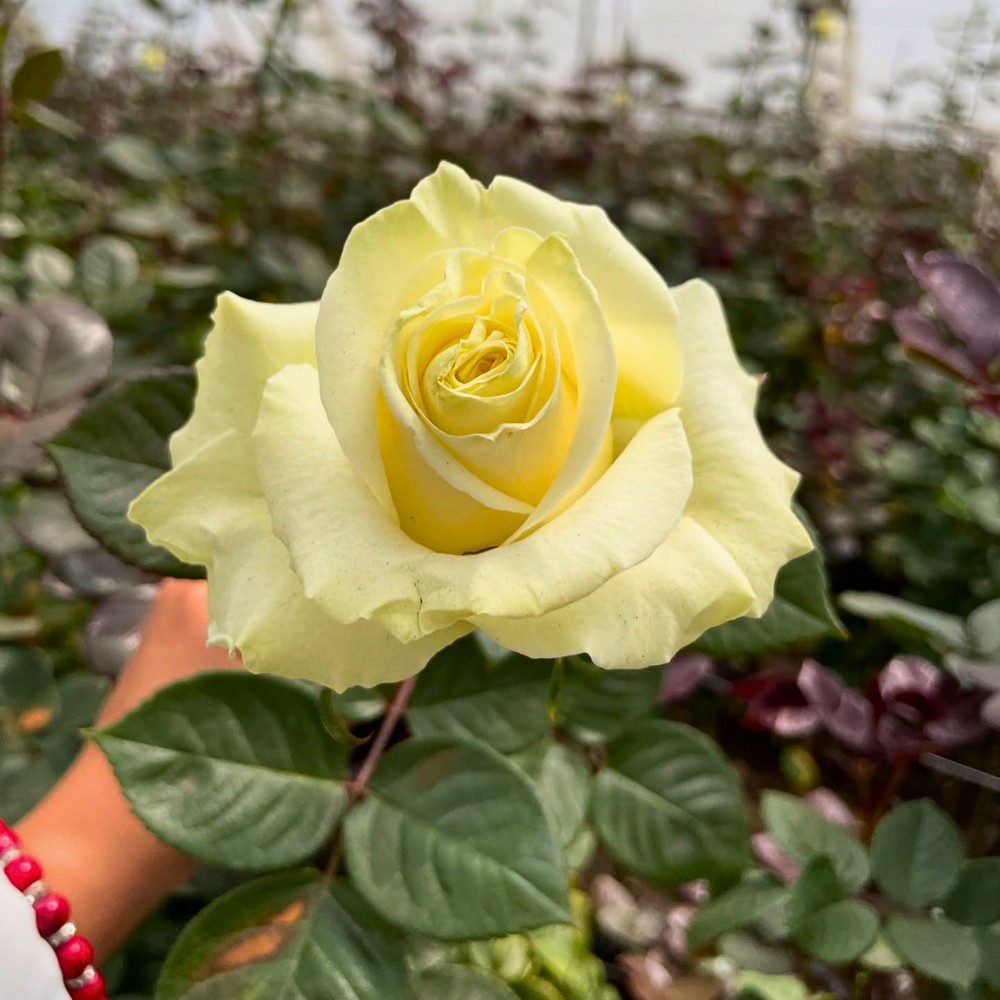
Some breeders are investing in genetic resistance to the diseases and pests that cost the industry the most. In other words, that means a variety with natural resistance to botrytis or mildew requires fewer protective applications across its entire production cycle.
On Regulatory Pressure and Market Accountability
The regulatory environment surrounding crop protection in Europe is changing. The E.U’s Farm to Fork Strategy, as part of the broader Green Deal, set a target of reducing the use and risk of chemical pesticides by 50% by 2030. While the proposed Sustainable Use Regulation (SUR) was withdrawn in March 2024 following (political) opposition, the overarching course remains unchanged.
Much has been happening, nonetheless. Progress data published by the Commission in July 2025 showed that in the six years from 2018 to 2023, there was already an overall decrease of 58% in the use and risk of chemical pesticides from the 2015-2017 baselines, suggesting the 2030 target is within reach if current trends continue.
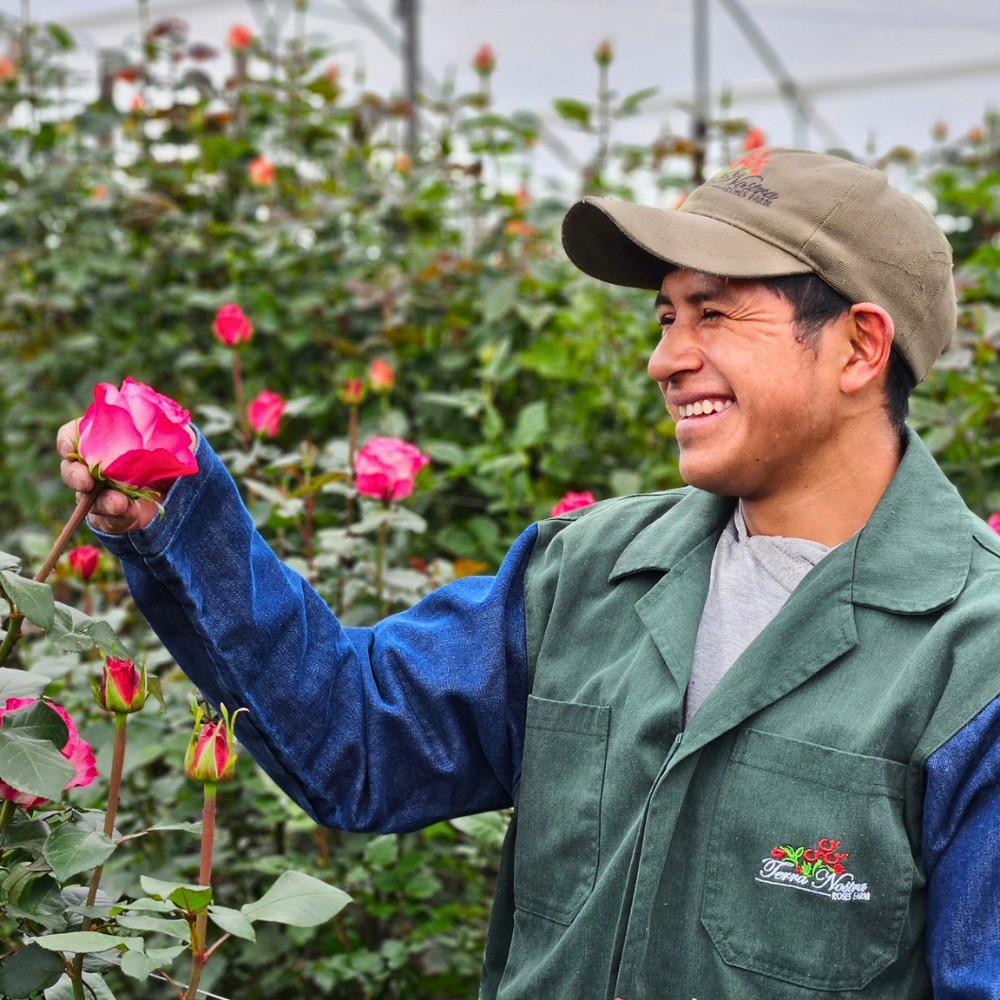
With that in mind, for floriculture operations operating in global export markets, certification standards are relevant. MPS, GLOBALG.A.P., Florverde, and others all include crop protection benchmarks. Meeting these standards is not open to discussion anymore when it comes to the access requirements for premium retail and wholesale channels.
Feature image by Plant pests and diseases. Header image by Gustavo Fring.