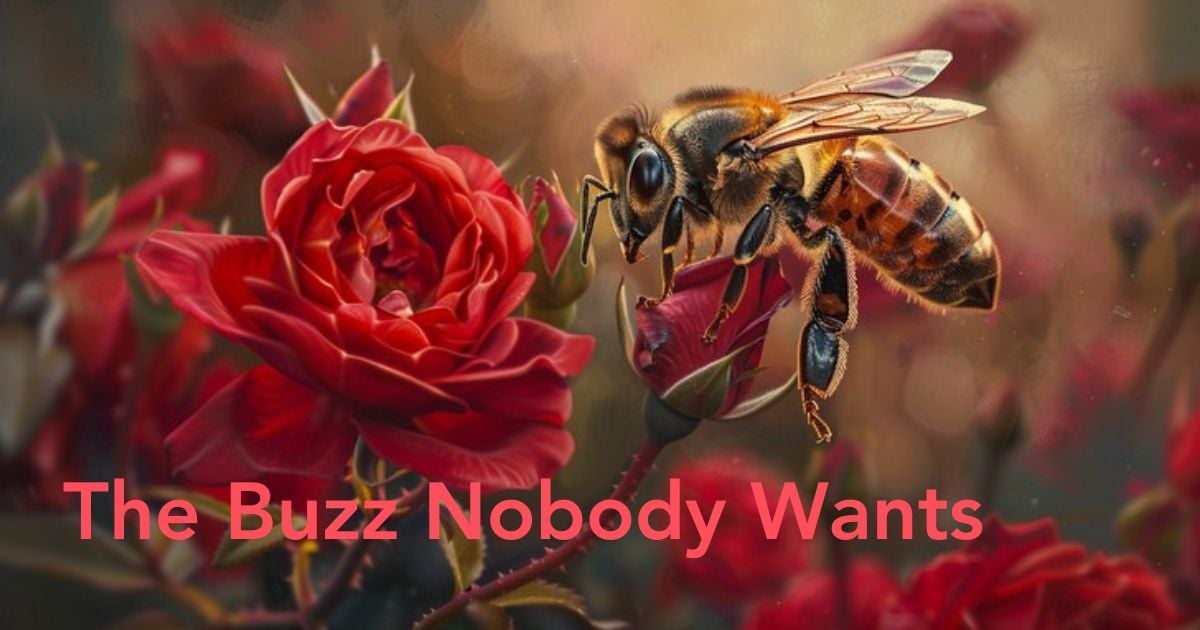
Walk into a commercial greenhouse filled with tomatoes, peppers, or strawberries, and you will likely hear the familiar hum of bees moving between plants. In these crops, bees are valued partners, helping growers achieve better pollination and stronger harvests.
But step inside a commercial rose greenhouse, where flowers are grown not for food but for beauty, and the story changes completely. There are no buzzing hives placed between the rows. In fact, growers carefully work to keep bees and other pollinators away from their roses. For many flower lovers, this seems surprising. After all, roses and bees feel like they belong together. Yet in the world of professional cut flower production, every decision is made around one goal: producing the highest quality flowers possible.
Roses Are Grown for Beauty, Not Seeds
The biggest difference comes down to purpose. Food crops such as tomatoes and strawberries depend on pollination to produce fruit. Roses grown for the cut flower industry follow an entirely different journey. Almost none of them are grown from seed at all. Instead, growers propagate roses through cuttings and grafting, cloning a parent plant's exact genetics to guarantee the same stem length, color, and shape every single time.
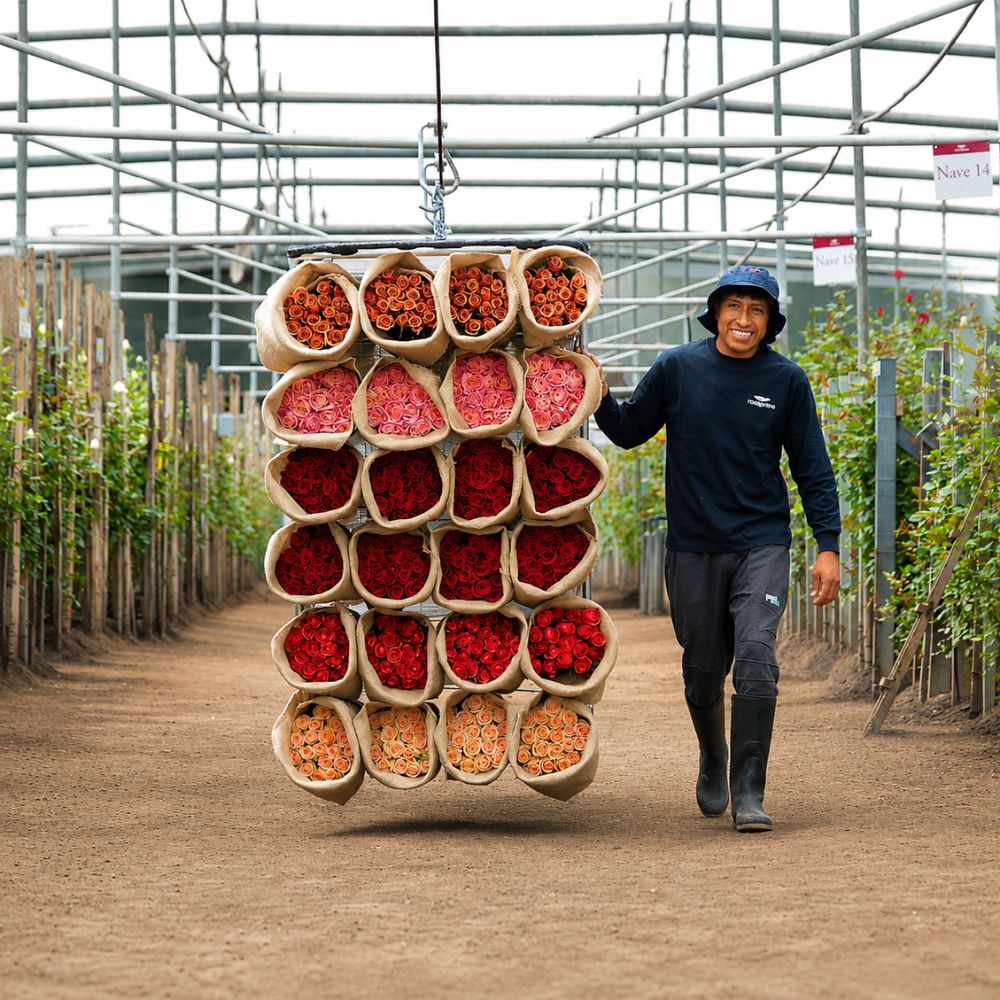
Photo by Rosaprima
That means pollination, the entire reason a flower evolved to attract a bee in the first place, serves no purpose inside a rose greenhouse. Growers are not waiting for seeds. They are cultivating strong stems, healthy foliage, and perfectly formed flowers that meet the expectations of markets around the world.
The real reason bees are a problem: pollination makes roses die faster
Here is the part most people never expect. It is not only that bees are unnecessary in a rose greenhouse. It is possible that a successful visit from a bee can actively work against the grower. Once a rose flower is pollinated, the plant begins redirecting energy towards reproduction. Instead of focusing entirely on maintaining the freshness and structure of the flower, resources shift towards forming a seed pod, known as a rose hip. Petals can loosen and drop earlier than they should, and the flower's vase life, one of the most important quality measures in the cut flower trade, can shorten as a result.
A rose destined for export is judged on details many consumers never see: the length and strength of its stem, the shape of its petals, and its ability to arrive looking fresh after travelling thousands of kilometers, sometimes staying fresh for a customer for a week or more. Even losing a single day of vase life can affect how a stem is graded and priced. A pollinated rose is, quietly, a rose that has already started counting down.
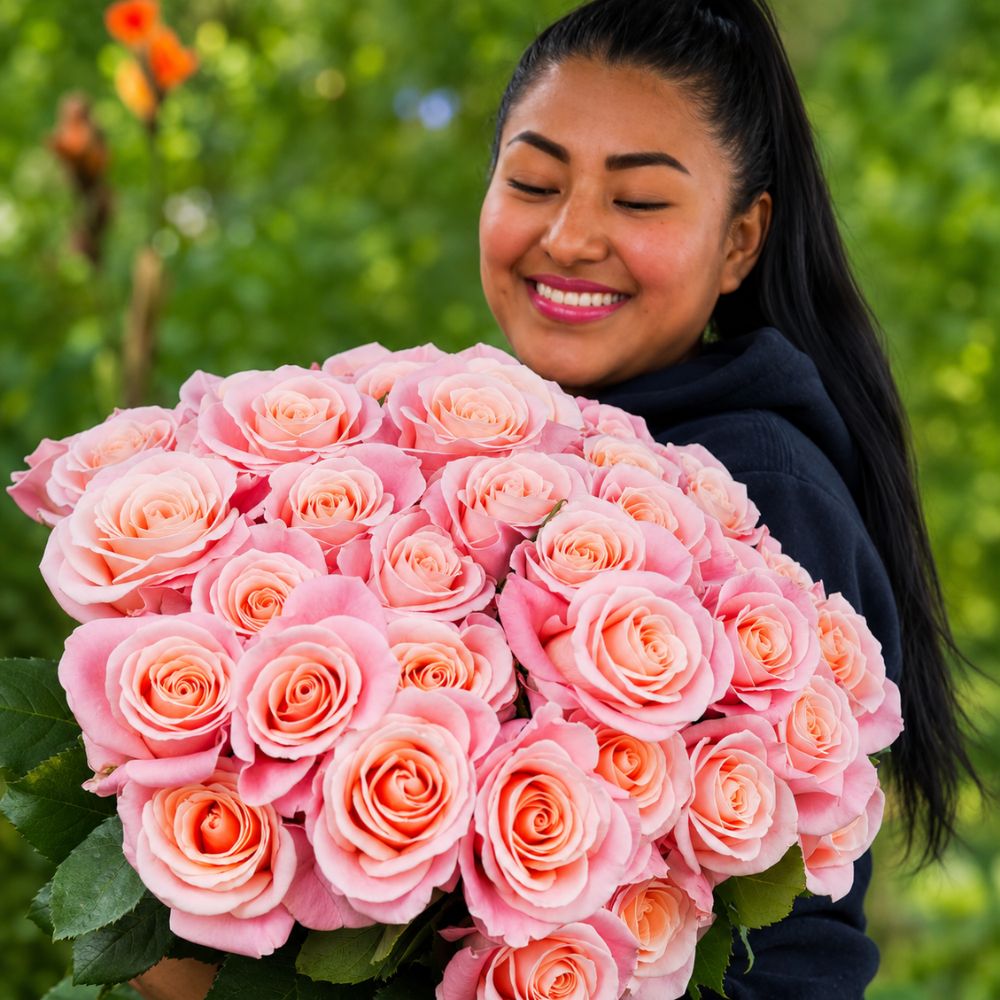
Photo by Rosaprima
So while a bee visiting a tomato flower is doing valuable work, a bee visiting a rose is working against the very qualities the grower spent months trying to achieve.
Why Bees Can Complicate More Than Pollination
A commercial rose greenhouse is a carefully balanced environment. Temperature, humidity, nutrition, pests, and plant health are constantly monitored to create the best possible conditions for the crop.
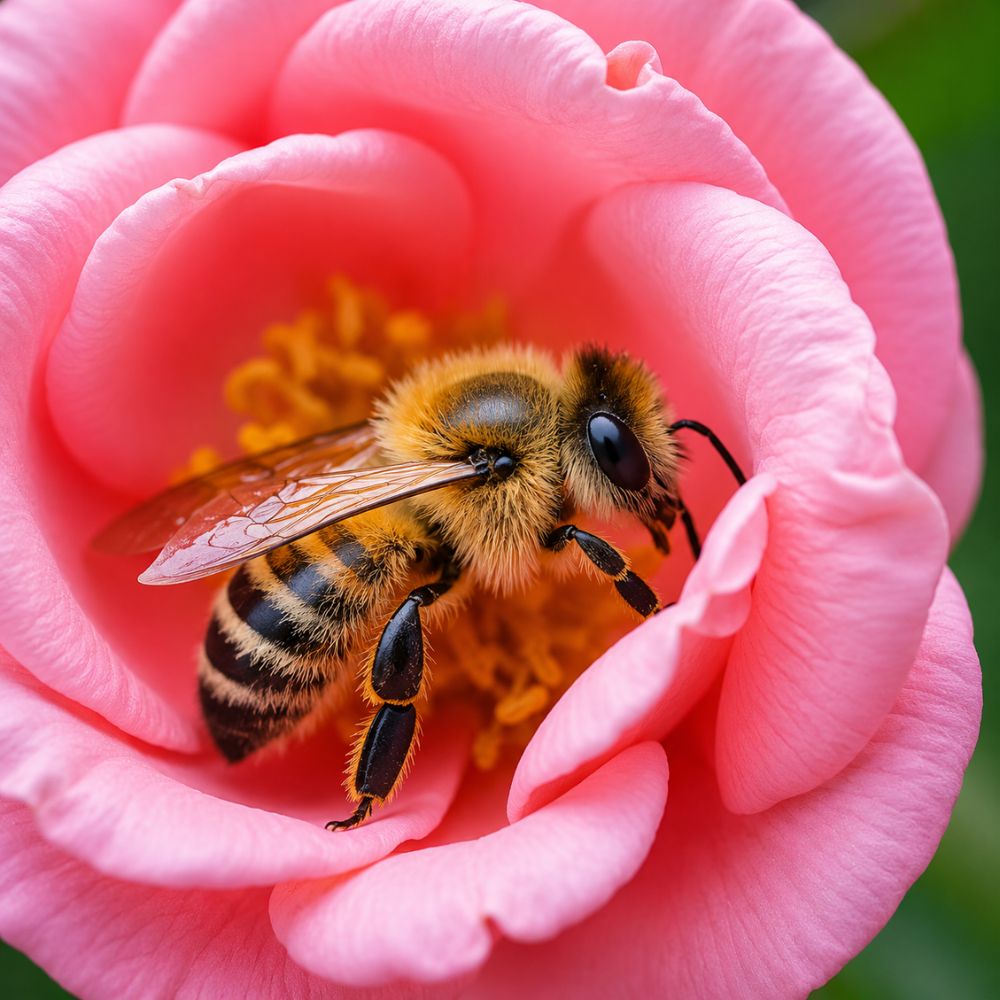
Photo by Dreamstime
Rose growers use carefully planned integrated pest management systems, where beneficial insects and biological controls are managed with precision. Introducing free-moving pollinators into that system adds an unpredictable variable, one more thing to monitor in an environment built entirely around control.
Why Bees Are Welcome in Some Greenhouses but Not Others
The difference is not about whether growers value bees. It is about understanding what each crop actually needs. A tomato plant needs pollination to produce tomatoes. A strawberry plant needs pollination to develop quality fruit. A cut rose, however, reaches its purpose before pollination ever becomes relevant, and paradoxically, pollination is the one thing that can shorten that purpose. The same insect that plays an essential role in one greenhouse can become an unwanted visitor in another.
Finding the Balance Between Nature and Production
Keeping bees out of rose greenhouses does not mean flower farms are disconnected from nature. Many modern flower farms invest in biodiversity, maintaining natural habitats around their growing areas, encouraging beneficial insects, and using responsible farming practices that support healthier ecosystems. Interestingly, roses themselves still play a role outside the greenhouse walls.
Leafcutter bees, for example, rely on rose foliage rather than the flowers to build their nests, snipping the neat circular notches many gardeners recognize instantly. In that setting, the same plant that greenhouses keep bee-free becomes a quiet contributor to pollinator life.
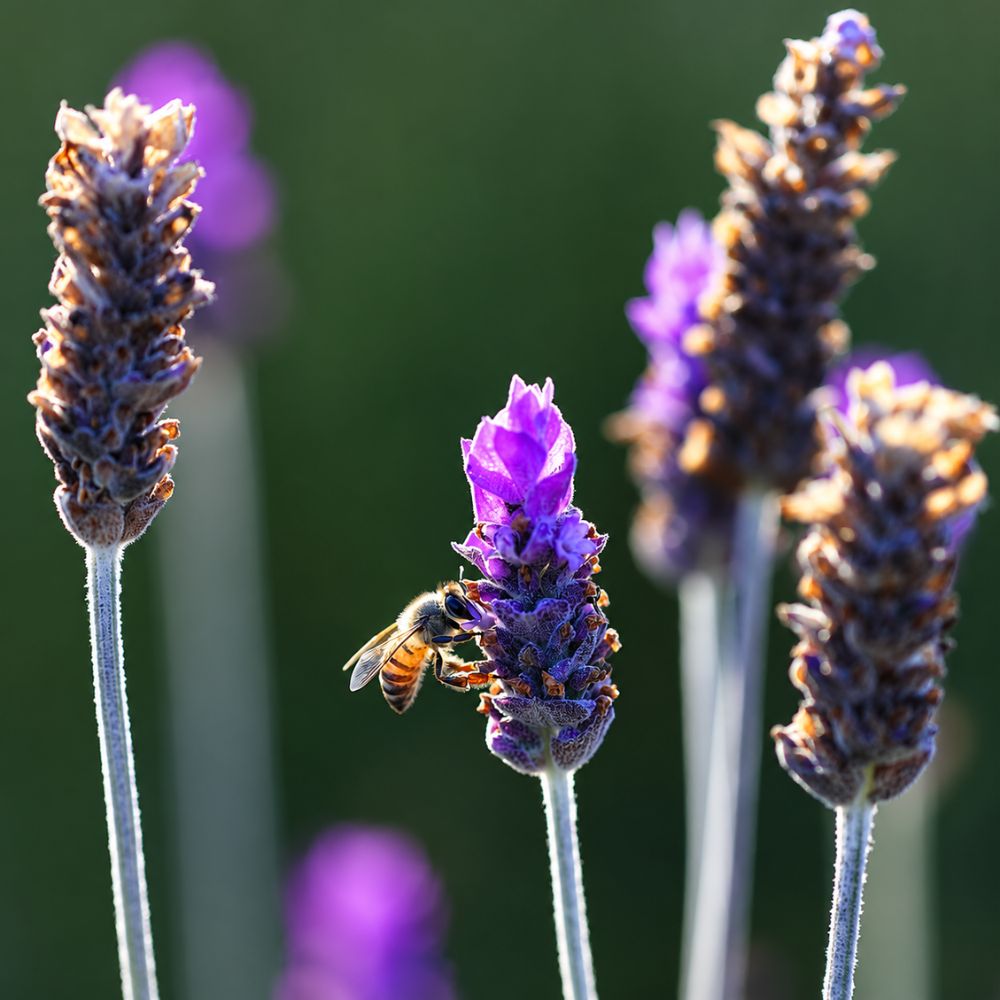
Photo by Tambuzi Flowers
The goal is not to remove nature from flower production. It is to understand how different parts of nature work together, and when to keep them apart.
For growers, producing roses is a careful conversation between science and the natural world. Every stem represents months of planning, patience, and expertise. The final flower may look effortless, but behind it is a highly skilled process designed around precision. Bees and flowers will always share a special relationship. But in commercial rose production, the best results sometimes come from knowing when to invite nature closer, and when to give the flower space to grow.