
Growing your own coffee plants indoors and enjoying homemade coffee from them is pretty achievable. Coffea arabica, responsible for a large share of the world's commercial coffee supply, is not only resourceful but also a beautiful houseplant. With glossy, deep-green leaves and delicate white flowers, this tropical beauty brings ornamental appeal and personality to your home.
As attractive houseplants with fragrant white flowers and colorful berries that improve indoor air quality, these plants offer more than just the possibility of homegrown beans. But to get these benefits, there’s a lot to know when growing this plant at home. While Arabica coffee plant care requires patience and attention, it is manageable for dedicated indoor gardeners.
Coffea Arabica’s Origin and Design Potential
Coffea arabica, commonly called the Arabian coffee plant, originates from the highland forests of Ethiopia and Yemen. This species accounts for roughly 60-75% of global coffee production and is prized for producing beans with superior flavor compared to its cousin, Coffea canephora (Robusta).
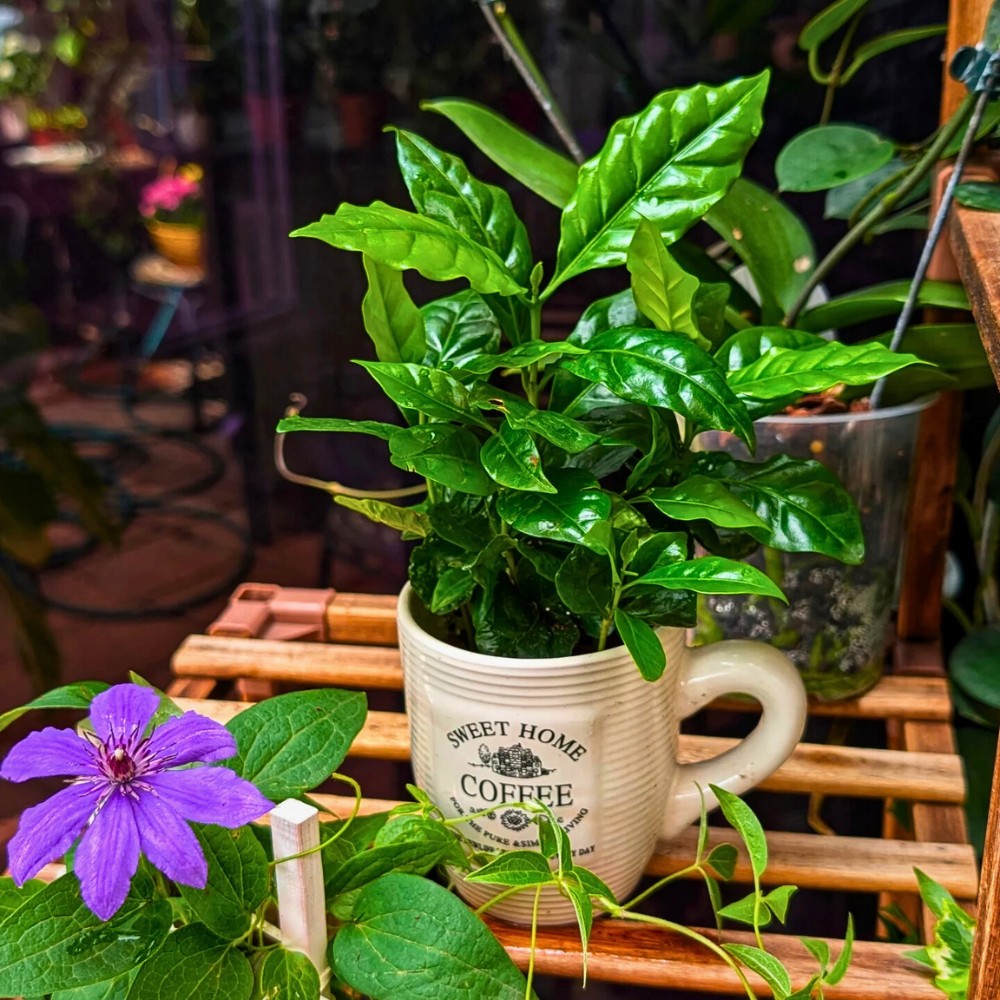
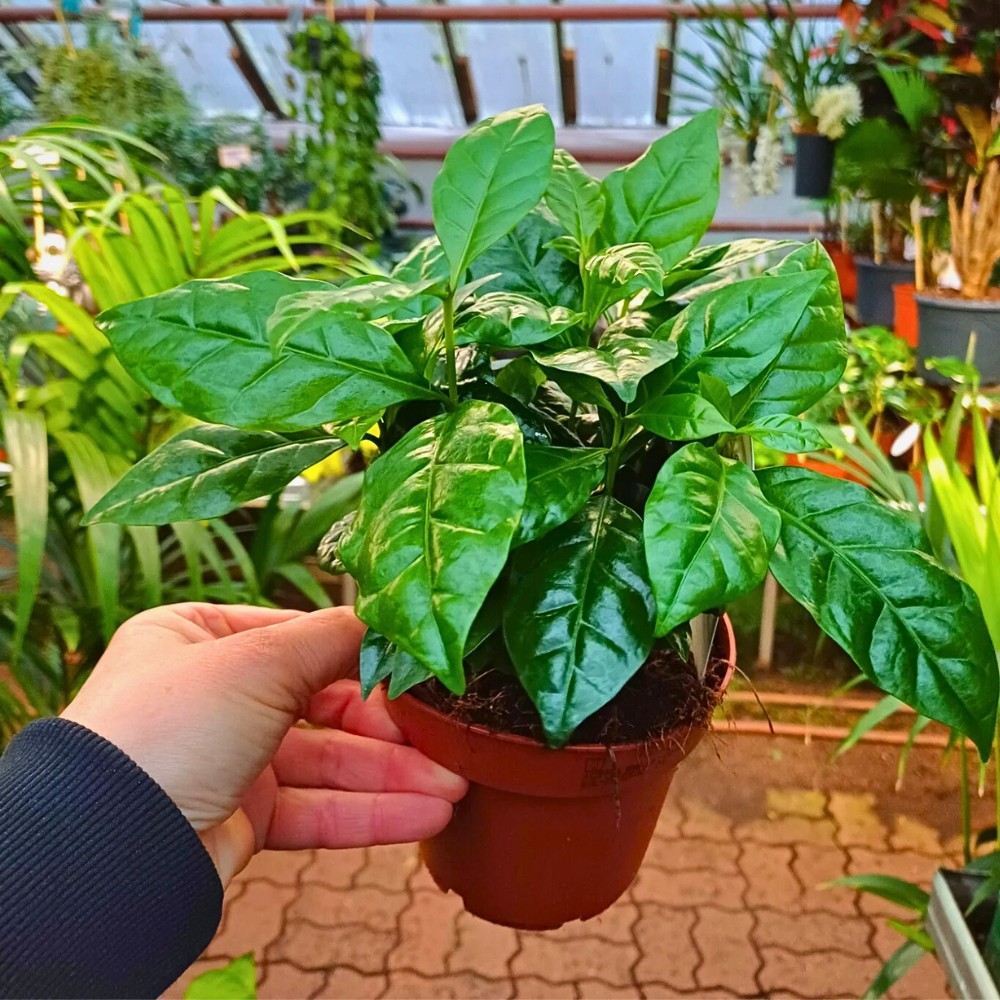
This origin directly influences its preferences for moderate light, consistent moisture, and warm temperatures. In their native habitat, these coffee trees grow as understory plants beneath the forest canopy, reaching 4.5 to 5.5 meters tall, and develop glossy, deep-green, lance-shaped leaves that are 6 to 12 cm long, sometimes reaching 10 to 20 cm.
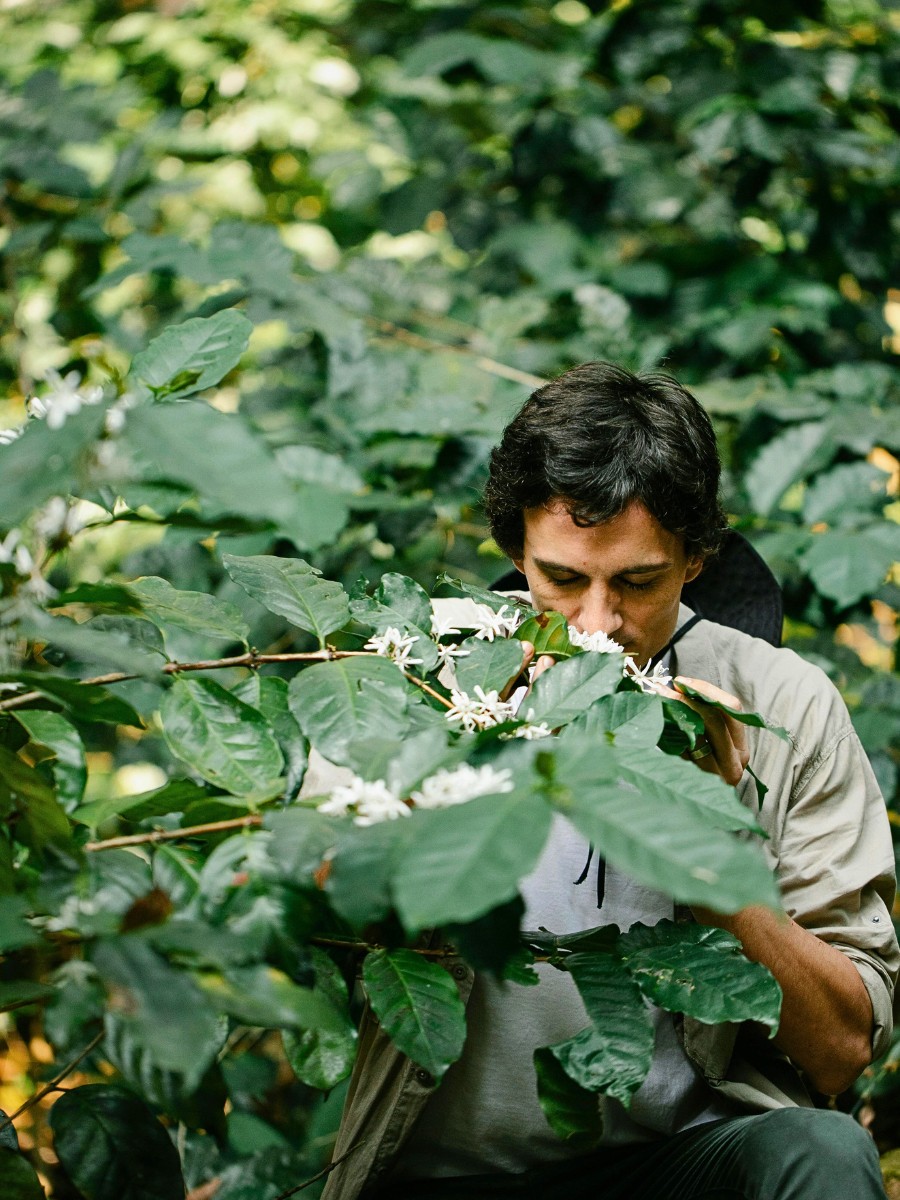
These young leaves often emerge with a bronze or copper tint before maturing to deep green. After several years of growth, mature plants produce clusters of fragrant white flowers (typically in late winter or spring) that smell wonderfully sweet, reminiscent of jasmine. These flowers eventually give way to green berries that ripen to red, each containing two coffee beans. These cherry-like berries often create displays that few houseplants match.
Aesthetic Appeal of the Plant - Coffea Arabica
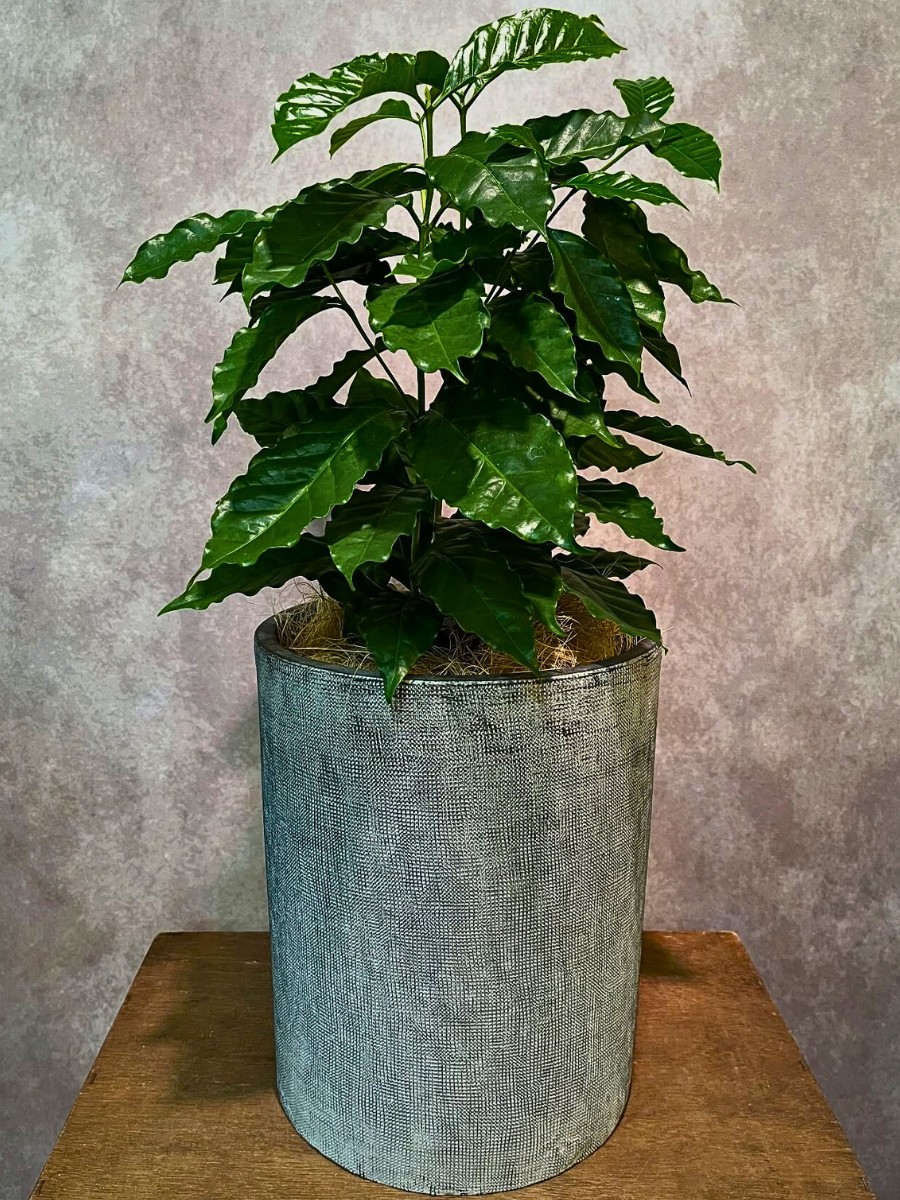
As a design element, the Arabica coffee plant adds a refined tropical flair to interior spaces. Its upright growth habit and lustrous foliage make it suitable for placement on floors in bright corners, offices, or sunrooms. The dense branching creates a whole, bushy appearance that works well as a standalone specimen or grouped with other tropical plants such as Bird of Paradise or fiddle leaf fig, and others.
The architectural quality of coffee plants also suits modern and mid-century design styles exceptionally well. Their structured form provides visual weight and grounding in minimalist spaces and eclectic, plant-filled rooms, while the glossy leaves reflect light beautifully, adding life to the space. Some designers incorporate mature coffee plants into offices, where they add refinement while requiring less attention than many flowering houseplants.
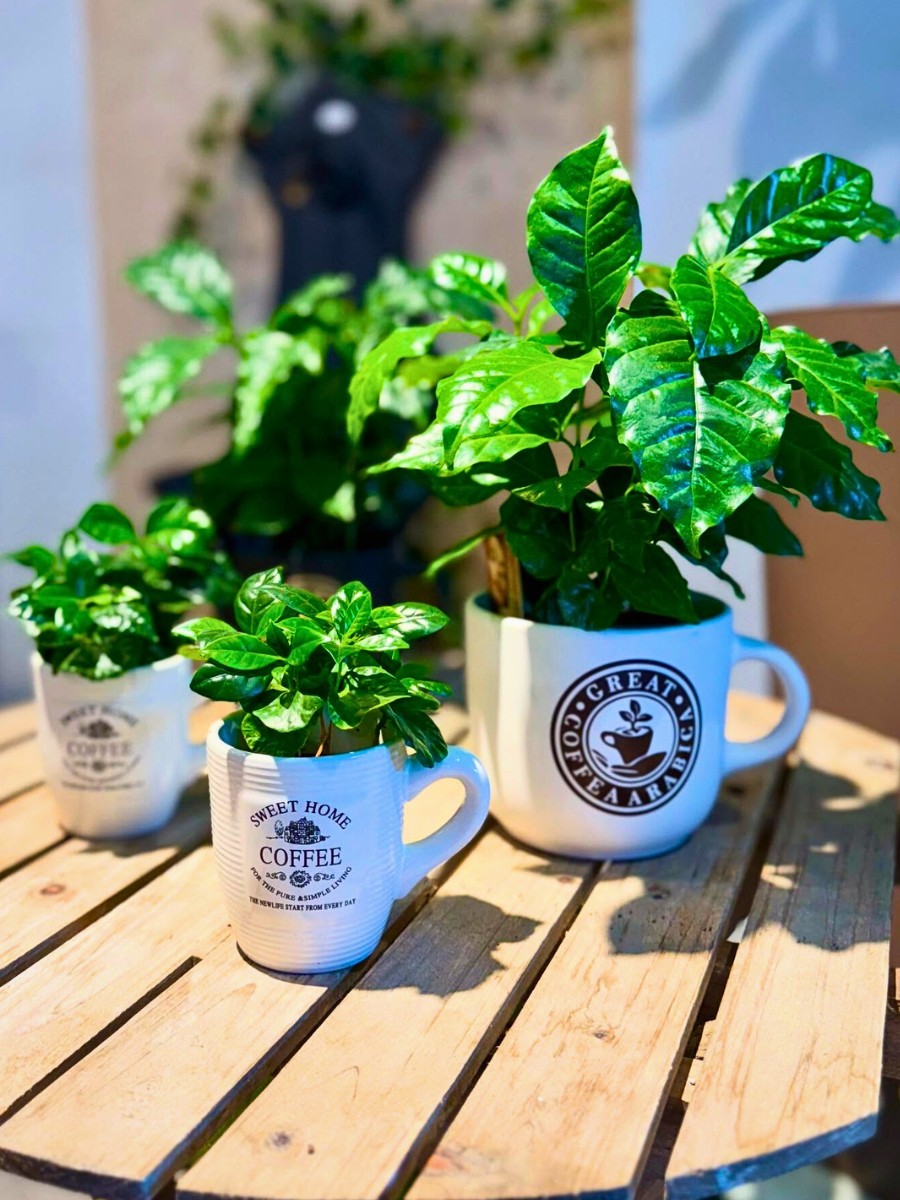
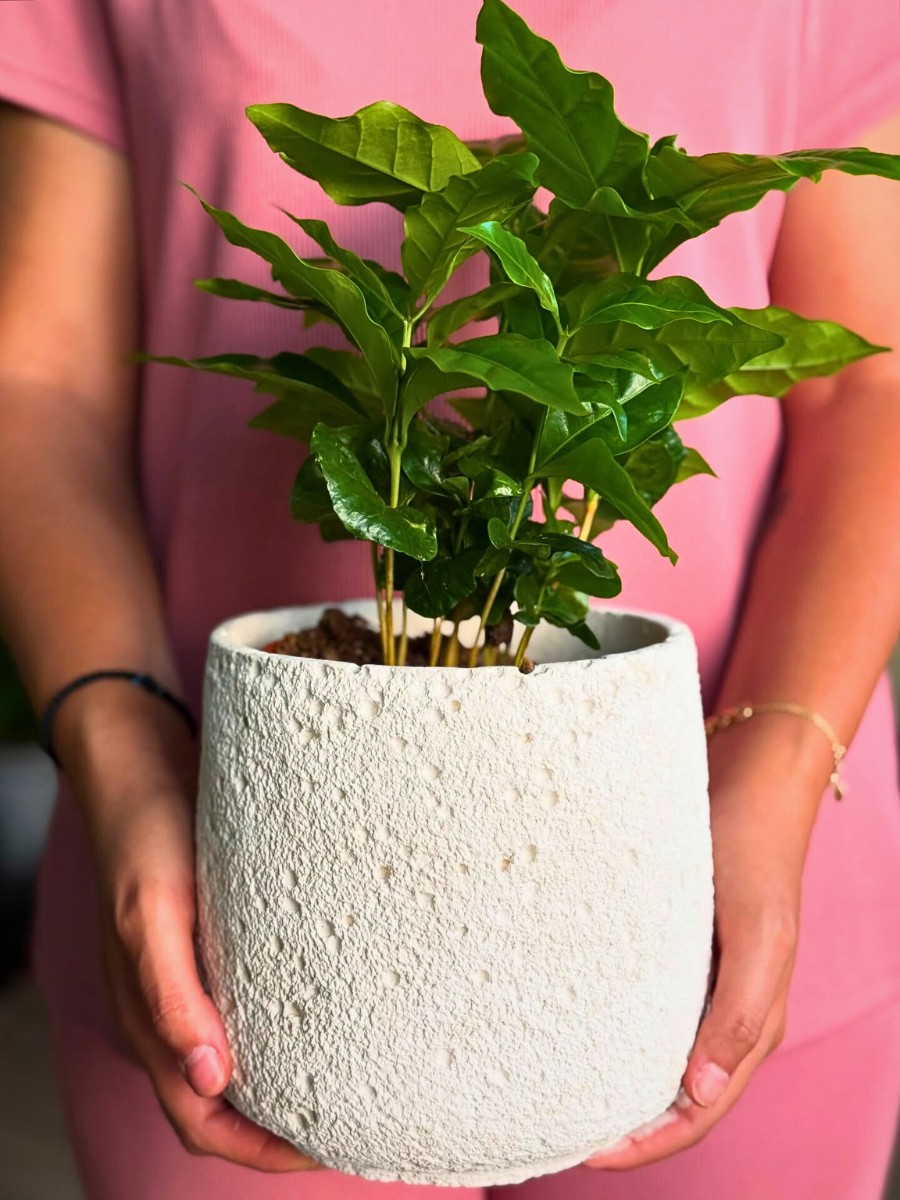
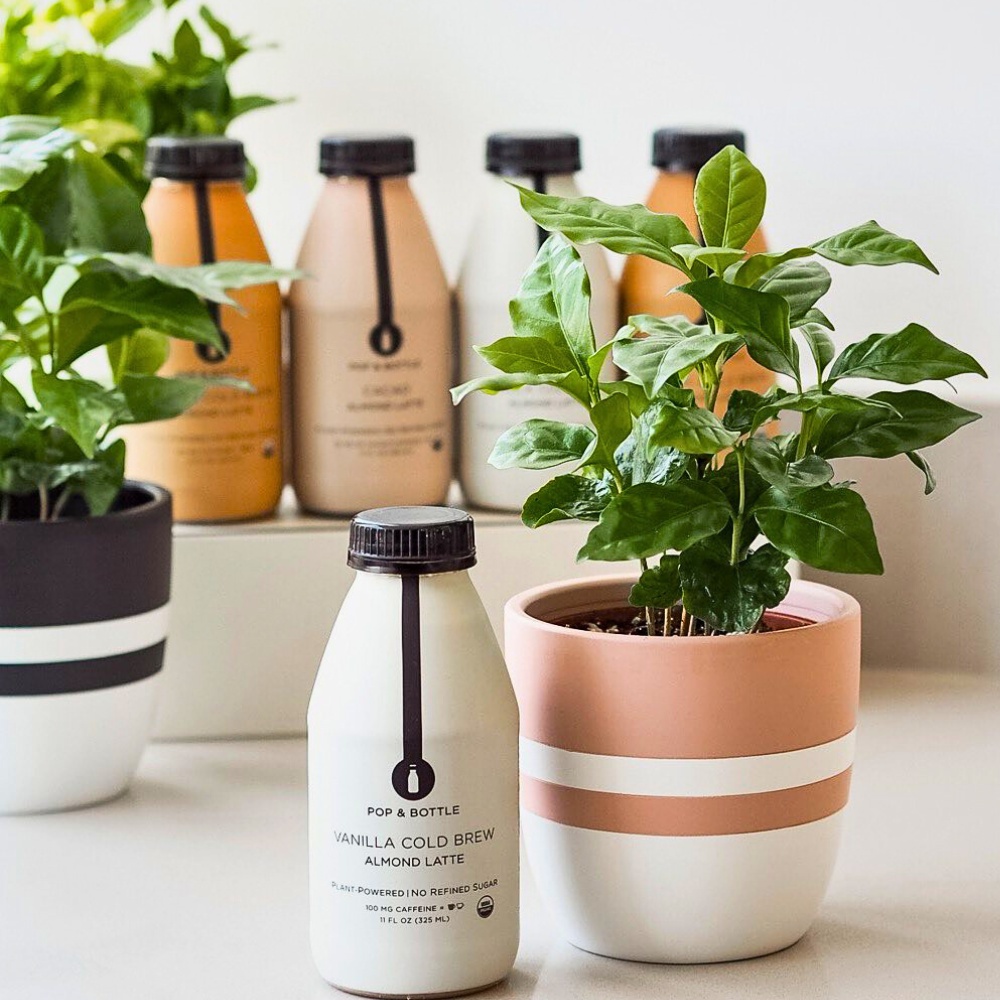
Notably, when designing with the plant, consider placing your coffee tree in a decorative ceramic pot that complements your décor. The plant's relatively slow growth makes it manageable for indoor spaces without frequent pruning, though it appreciates room to spread its branches naturally.
How to Grow and Care for Coffea Arabica
Now that you know about the plant’s origins and aesthetic appeal, perhaps you may want to grow it for yourself. Here’s what you’d like to know about its growth and care regimen.
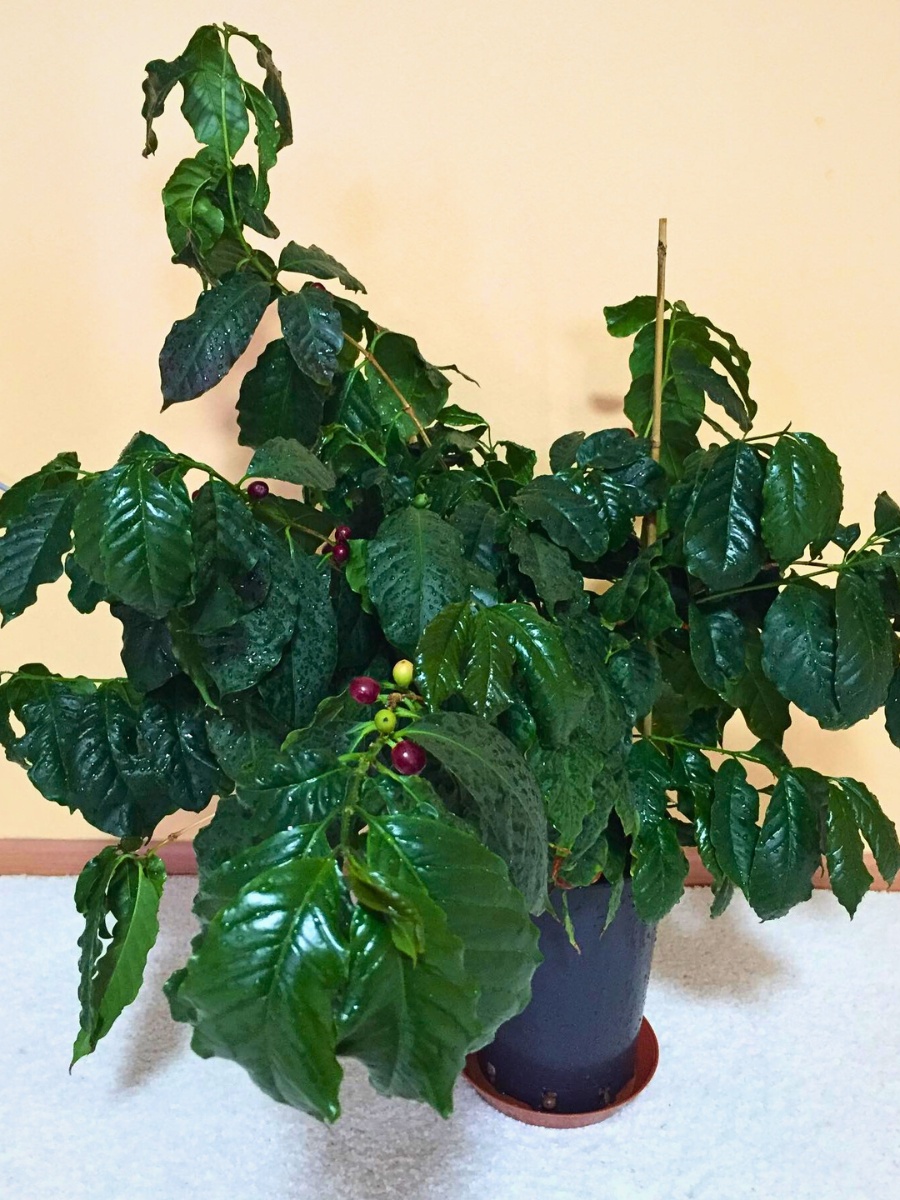
Light Conditions for Coffea Arabica Plant Care
Proper lighting is essential when caring for Coffea arabica. Light affects foliage health, flowering, and fruit production. In their native tropical understory, coffee plants grow under larger trees, receiving filtered, indirect sunlight. Replicate these conditions indoors by placing your plant in bright, indirect light. East-facing windows provide gentle morning sun without harsh afternoon rays. North-facing windows perform well in warmer climates, while west-facing windows may require sun filtering with sheer curtains.
Coffee plants require bright conditions to initiate flower buds. If your space lacks sufficient natural light, supplemental grow lights are essential to provide 12 to 14 hours of light per day during the active growing season. Watch for signs of insufficient light, including leggy growth with widely spaced leaves, pale or smaller leaves, and nonflowering.
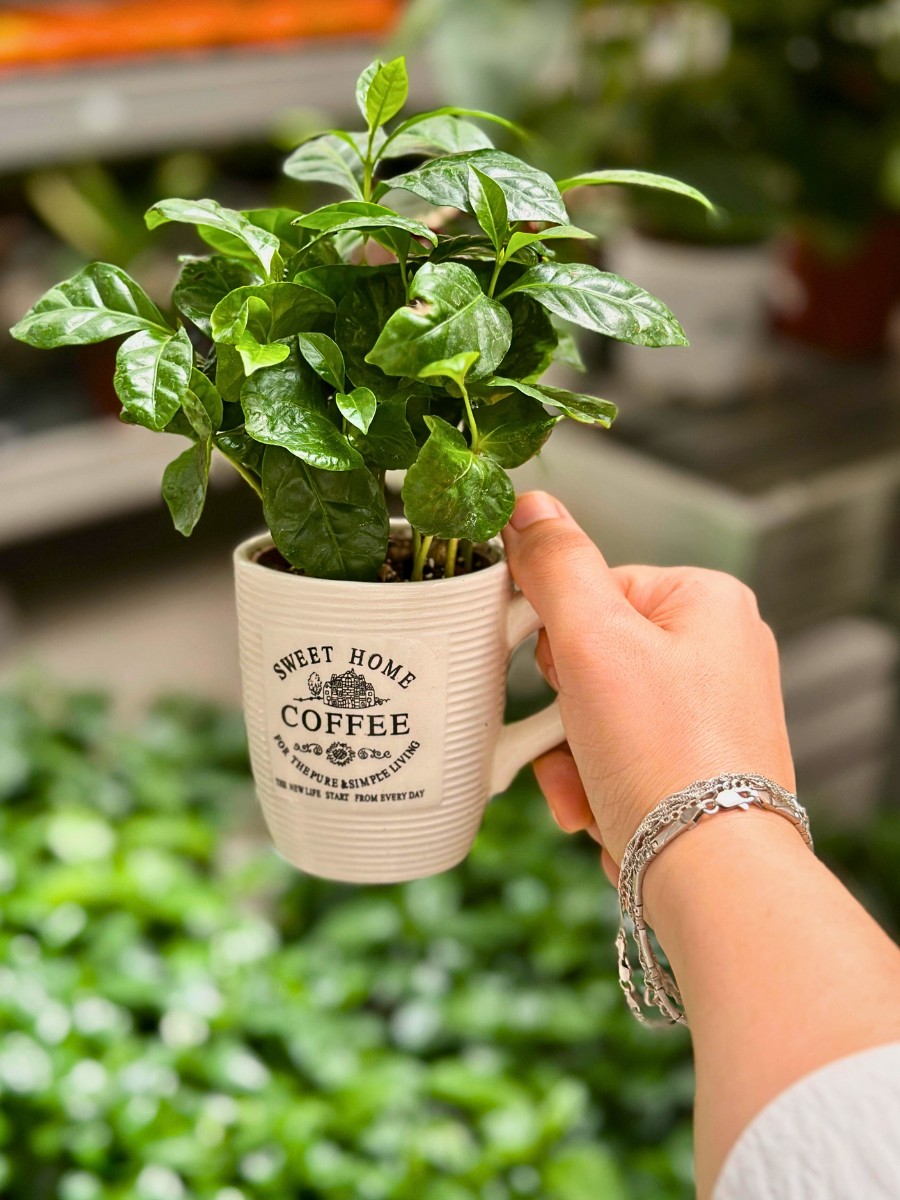
If your plant stretches toward the light source with long spaces between leaves, move it to a brighter location. Excessive direct sun causes leaf bleaching, brown spots, and yellowing with brown, crispy edges. So, rotate your plants a quarter turn every week or two to ensure even growth on all sides. However, if your mature plant still isn't setting fruit, inadequate light combined with insufficient humidity may be the issue.
Watering Your Coffea Arabica Plant
Water management is crucial for coffee Arabica care. Keep the soil moist but never waterlogged. Coffee plants have shallow, fibrous roots that prefer consistently moist soil but are equally susceptible to root rot from excessive moisture. The key is to maintain even moisture without allowing the soil to become saturated or bone-dry.
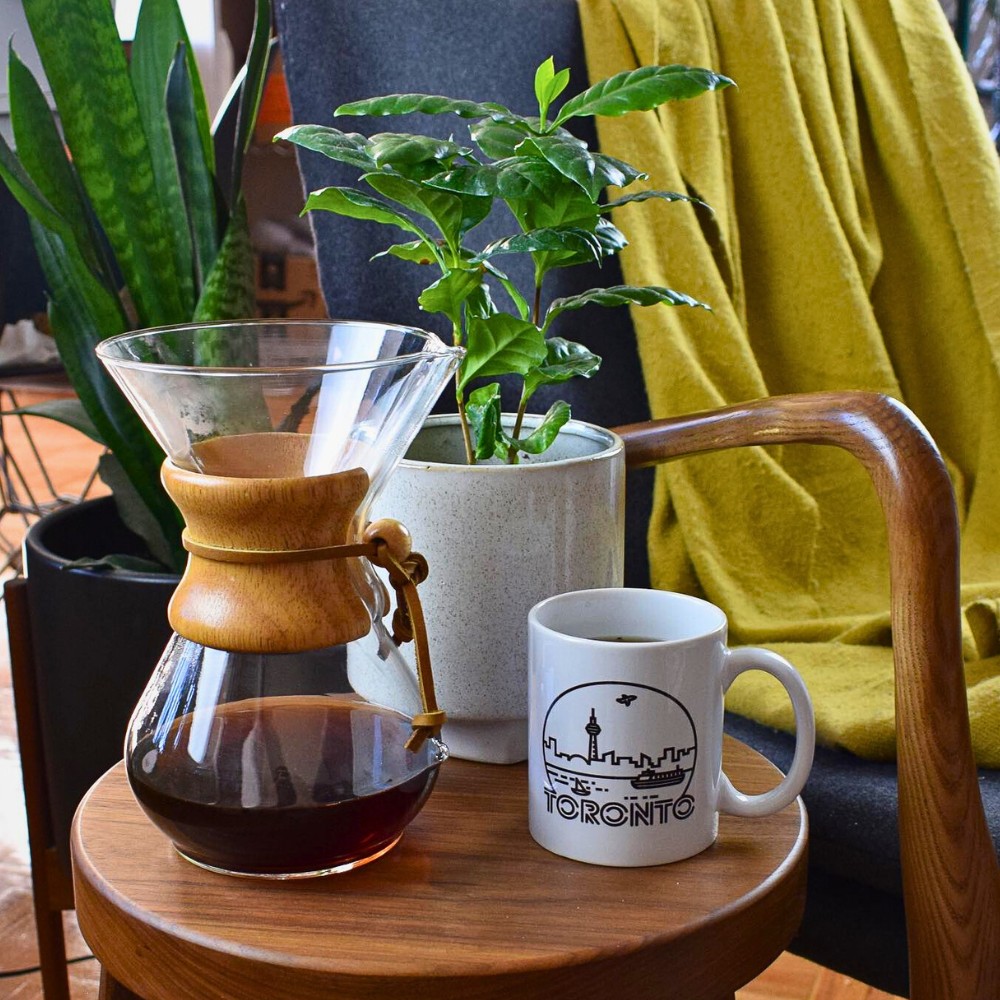
During the active growing season, from spring through early fall, water when the top inch of soil feels dry to the touch. This typically means watering once or twice per week, though frequency varies based on temperature, humidity, pot size, and soil composition. During the cooler months, reduce the frequency to every 10 to 14 days, allowing slightly more time for drying between waterings.
Coffee plants also prefer soft water, ideally rainwater or distilled water. Tap water with high mineral content accumulates salt residues, which damage roots and inhibit nutrient uptake. If using it, let it sit for 24 hours before use. Always use pots with drainage holes and water until the liquid drains freely. Never let pots sit in standing water.
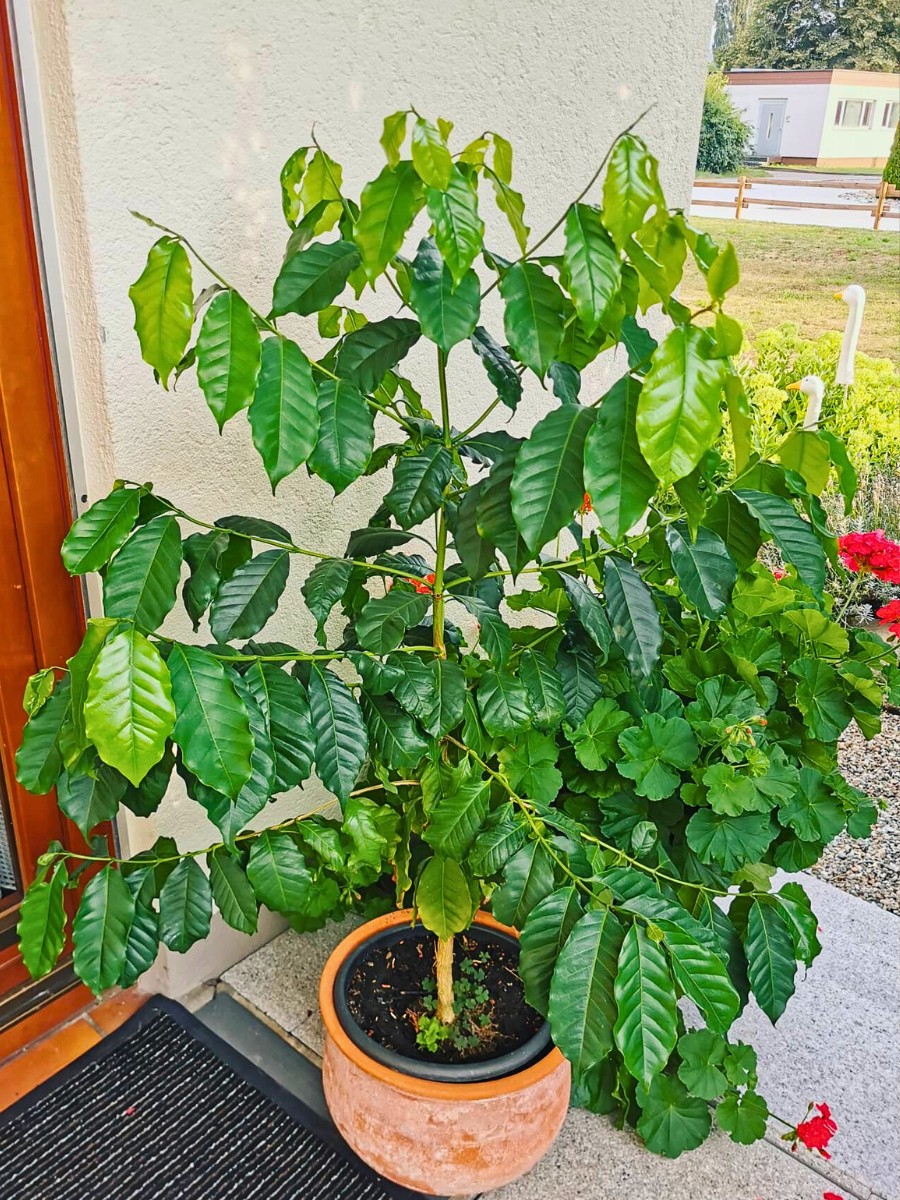
Overwatering shows as yellowing leaves, mushy stems, and a sour smell from the soil. These indicate root rot; immediately remove the plant, trim any blackened or mushy roots with clean scissors, and repot in fresh soil. Signs of underwatering include drooping leaves, dry soil pulling away from pot edges, and leaf drop. The thick, waxy leaves, however, help coffee Arabica plants tolerate brief dry spells better than constant overwatering.
Creating the Ideal Soil Mix for Coffee Arabica
How to care for an Arabica coffee plant also depends on the appropriate soil conditions. Coffee plants require well-draining soil that retains adequate moisture and is slightly acidic. The ideal pH range is 5.5 to 6.5, replicating natural forest soil conditions. Standard potting mix often works, but enriching it creates optimal conditions.
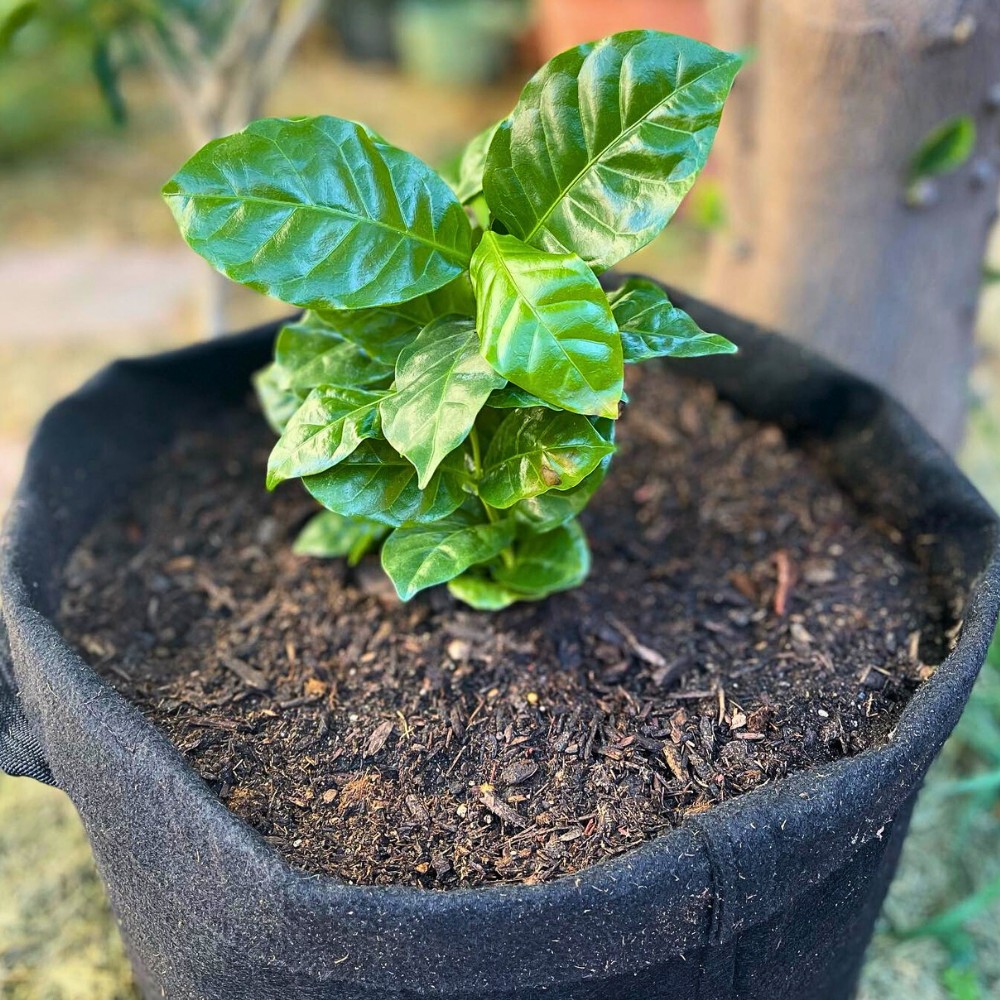
You can also create a custom mix by combining equal parts high-quality potting soil and compost or well-rotted manure, adding perlite, pumice, or coarse sand for drainage and aeration, and peat moss or pine bark to increase acidity and improve moisture retention. This balance provides organic matter that retains nutrients and moisture, combined with adequate drainage to prevent waterlogging.
When repotting, gently loosen the existing soil around the roots but avoid excessive disturbance. Fill around the plant with fresh soil mix, patting gently to eliminate large air pockets without compacting. Include a drainage layer of clay pellets at the bottom of pots. Also, never use heavy garden soil or potting soil intended for vegetables. Test the soil by watering: if water drains slowly, increase the perlite and sand content until drainage improves.
Temperature and Humidity Requirements
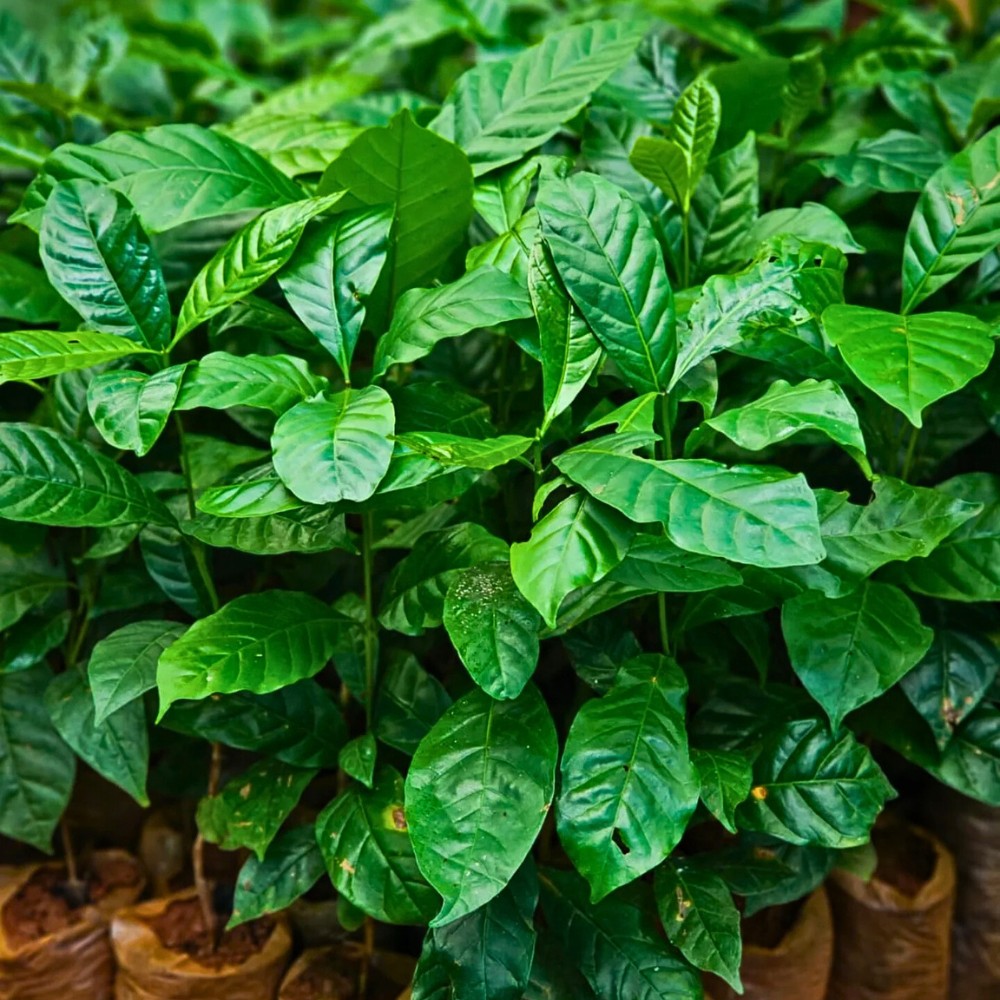
Coffea arabica thrives in warm conditions but is particular about temperature ranges. Maintain daytime temperatures between 21°C and 27°C, and ideally between 18°C and 21 °C at night. Research on Arabica cultivation shows optimal growth occurs at mean annual temperatures between 18°C and 23°C. Temperatures below 15°C slow growth significantly and cause leaf drop. Prolonged exposure above 29°C increases pest vulnerability and causes leaf yellowing.
Coffee plants also profit from a slight cool period during winter. Maintaining temperatures between 15°C and 18°C for 4 to 6 weeks promotes flower bud development for spring blooming. Protect the plant from sudden temperature changes, cold drafts, or heat from radiators and vents.
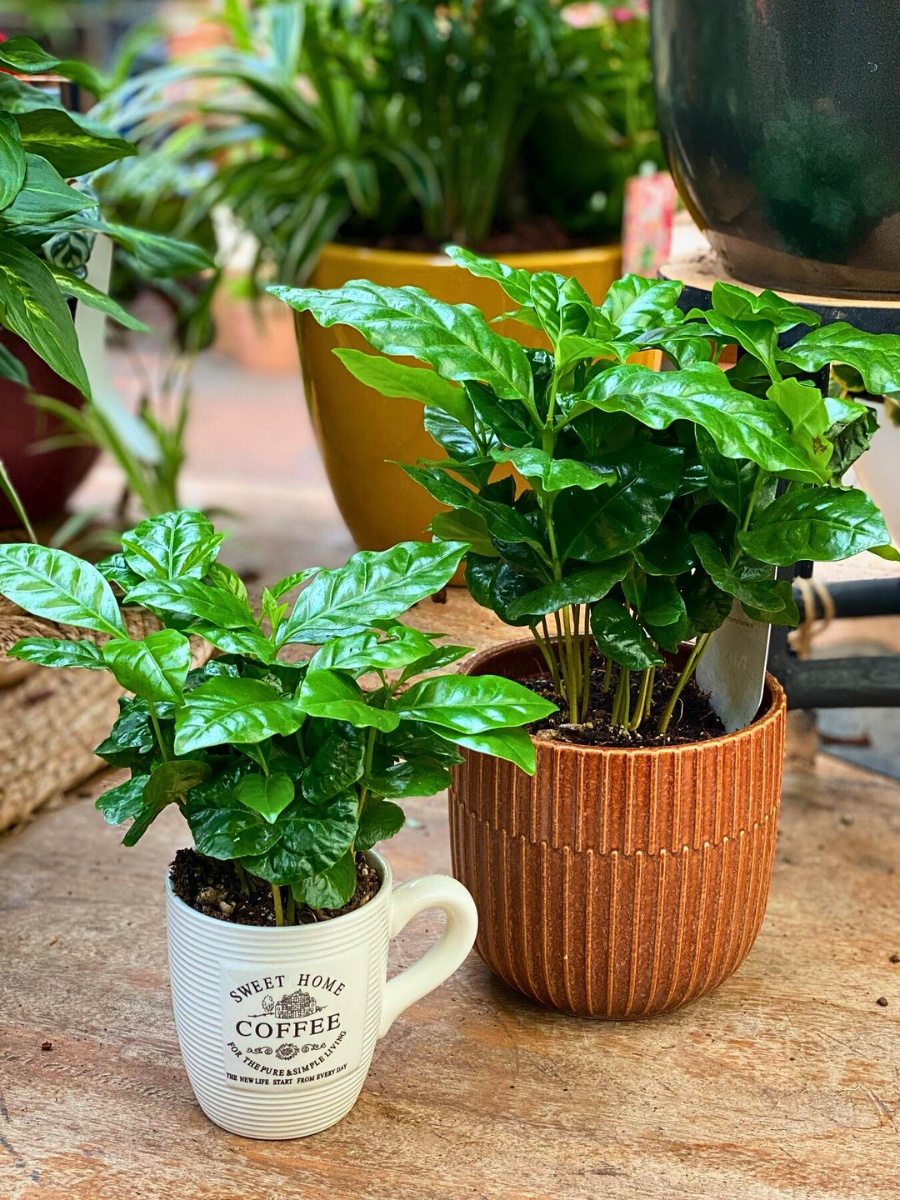
Humidity is equally important for Arabica coffee plant care. These tropical plants thrive in humidity between 50% and 80%, though they tolerate household humidity of 40% to 50% with supplemental misting. Low humidity causes leaf edges to brown, reduces flowering, and increases spider mite vulnerability.
Regular misting with lime-free water, particularly in dry seasons, provides temporary relief for the plant but isn't a substitute for sustained humidity. Place pots on humidity trays with pebbles and water, with pots sitting on pebbles above the water level, and group plants together to create humid microclimates.

Some growers place coffee plants in naturally humid rooms, such as bathrooms or kitchens, provided adequate light is available. Also, small tabletop humidifiers work well for both plant and personal comfort. Basically, stable conditions matter more than perfection. Sudden temperature swings or humidity fluctuations stress plants and can cause leaf drop.
Nutrition and Feeding Schedules
Coffee plants are moderate feeders that require consistent nutrition during the growing season. During spring and summer, fertilize every two weeks with a water-soluble fertilizer diluted to half strength. A 10-10-10 or 5-5-5 formula provides equal parts nitrogen, phosphorus, and potassium, supporting foliage development and flowering. In fall and winter, reduce feeding to once monthly or eliminate it if the plant enters dormancy.
A plant in cool environments doesn't require fertilizing. However, if you maintain warm temperatures and use grow lights year-round, the plant continues to grow and benefits from lighter, less frequent feeding. Organic-minded growers can use compost tea, worm casting tea, or seaweed solution, which provide gentler, slower-release nutrition and help maintain slightly acidic soil pH. Also, avoid high-nitrogen fertilizers unless foliage is a priority. Excessive nitrogen promotes leaves at the expense of flowers and fruits.
For mature plants that you hope will flower and fruit, switch to a fertilizer higher in phosphorus during late winter and early spring to encourage flower production. Acid-loving plant fertilizers formulated for Azaleas are ideal, as they help maintain the acidic soil pH coffee plants prefer while providing necessary nutrients. Also, flush the soil monthly by pouring water slowly through until draining from the bottom for one to two minutes. This removes accumulated salt residues from fertilizer, which can harm roots.
Pruning and Shaping Your Coffee Tree
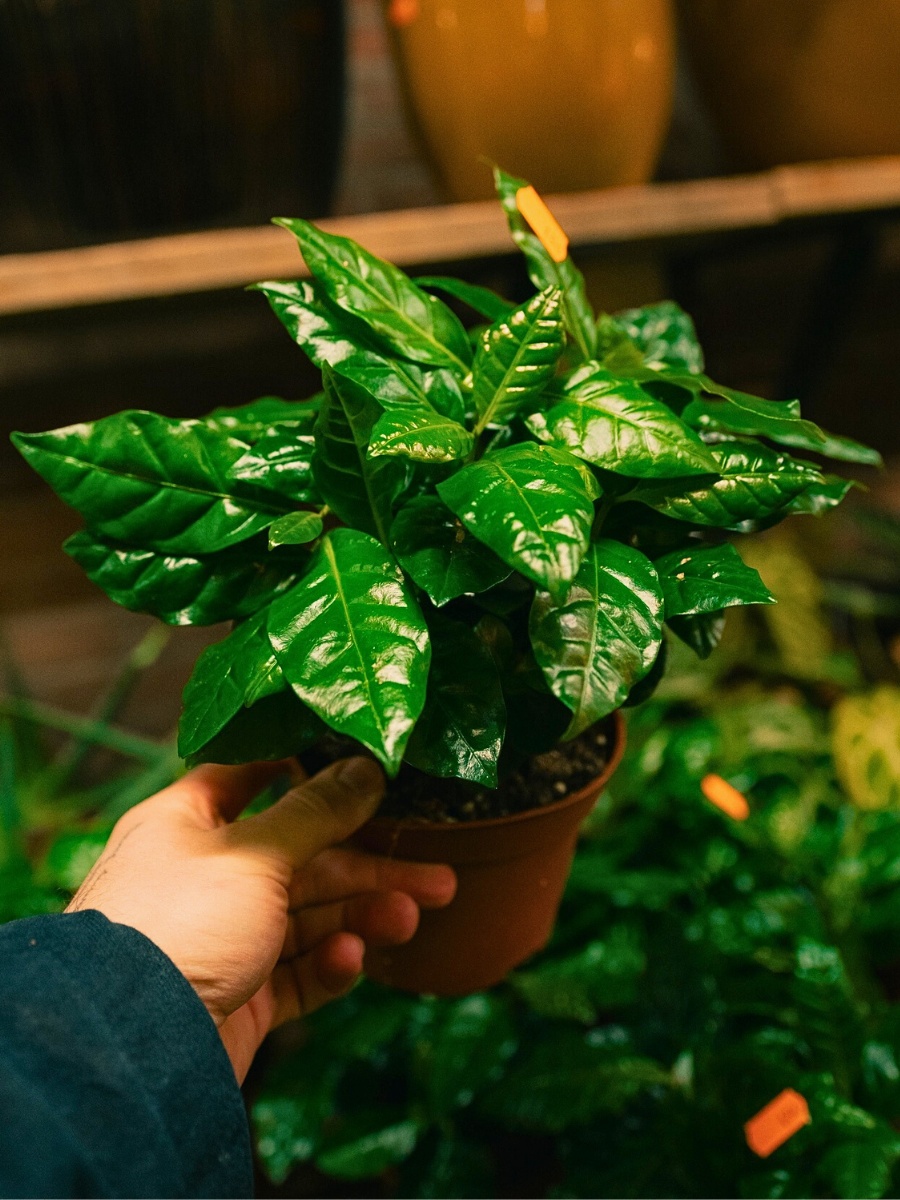
Regular pruning in your coffee Arabica plant care routine helps maintain an attractive shape, encourages bushier growth, and promotes better flowering. Coffee trees naturally want to grow tall and leggy, but strategic pruning creates fuller, more compact specimens better suited to indoor spaces. In early spring, before new growth begins, trim back any leggy stems by cutting just above a leaf node. This stimulates branching and creates a denser canopy.
Remove dead, damaged, diseased, or yellowing leaves throughout the year to keep plants looking tidy and prevent disease. Cut about one-third of the longest stems to encourage new branching. Always cut just above a leaf node at a slight angle to encourage outward growth – clean pruning shears with rubbing alcohol before and after use.
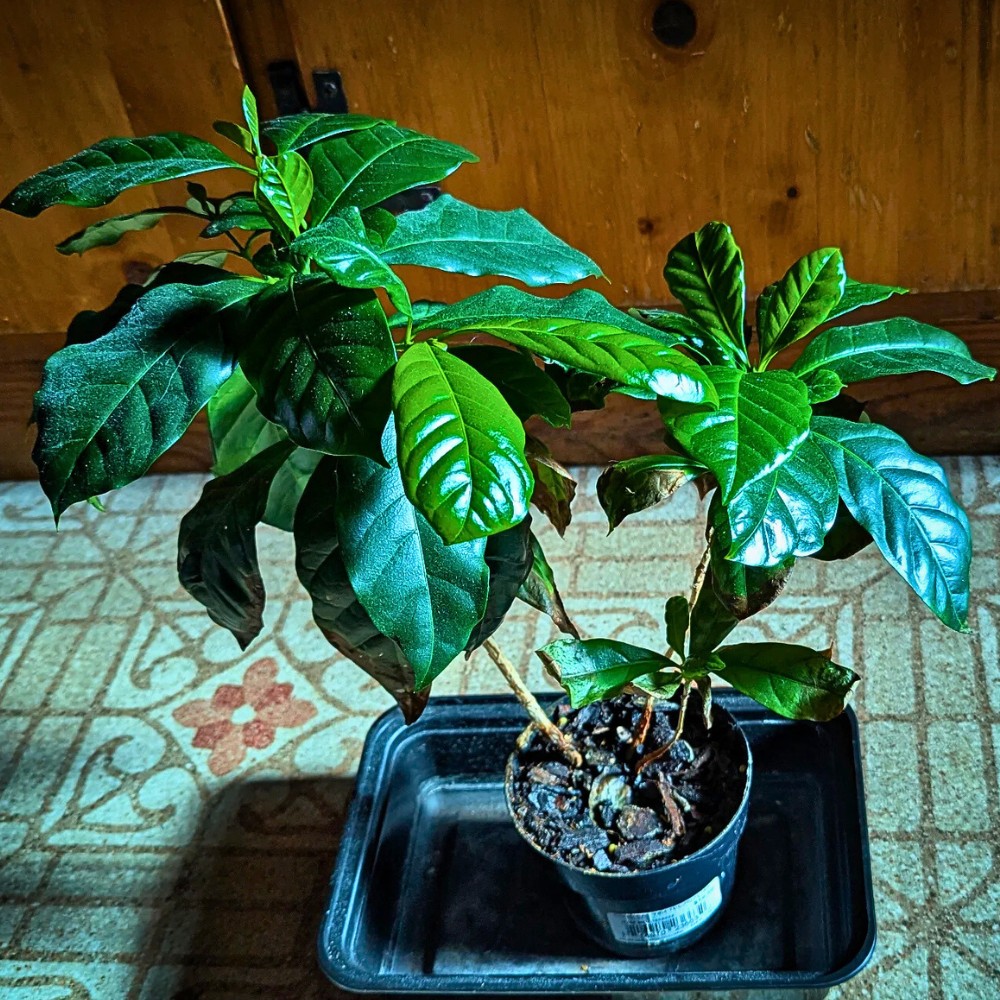
Also, pinch back the growing tips of young plants to encourage branching from lower on the stem, creating a bushier foundation. If your plant grows too tall for your space, don't hesitate to cut it back significantly. Coffee trees respond well to hard pruning and will regrow with proper care.
Some growers prefer a single-trunk tree form, while others allow several stems to create a bushier appearance. Both approaches work well. Remove any branches that cross or rub against each other, and thin the center of the plant if it becomes too dense to improve air circulation and reduce disease risk.
Repotting Your Coffee Plant
Caring for a Coffea arabica plant also includes understanding when and how to repot it. Most coffee plants should be repotted every 18 to 24 months during the spring growing season. This is done when roots emerge from drainage holes, when the soil dries faster after watering, or when the plant becomes noticeably root-bound. Choose pots only slightly larger, typically one to two inches wider. However, coffee plants produce better flowering when slightly root-bound, so resist using large containers, and always use pots with adequate drainage holes.
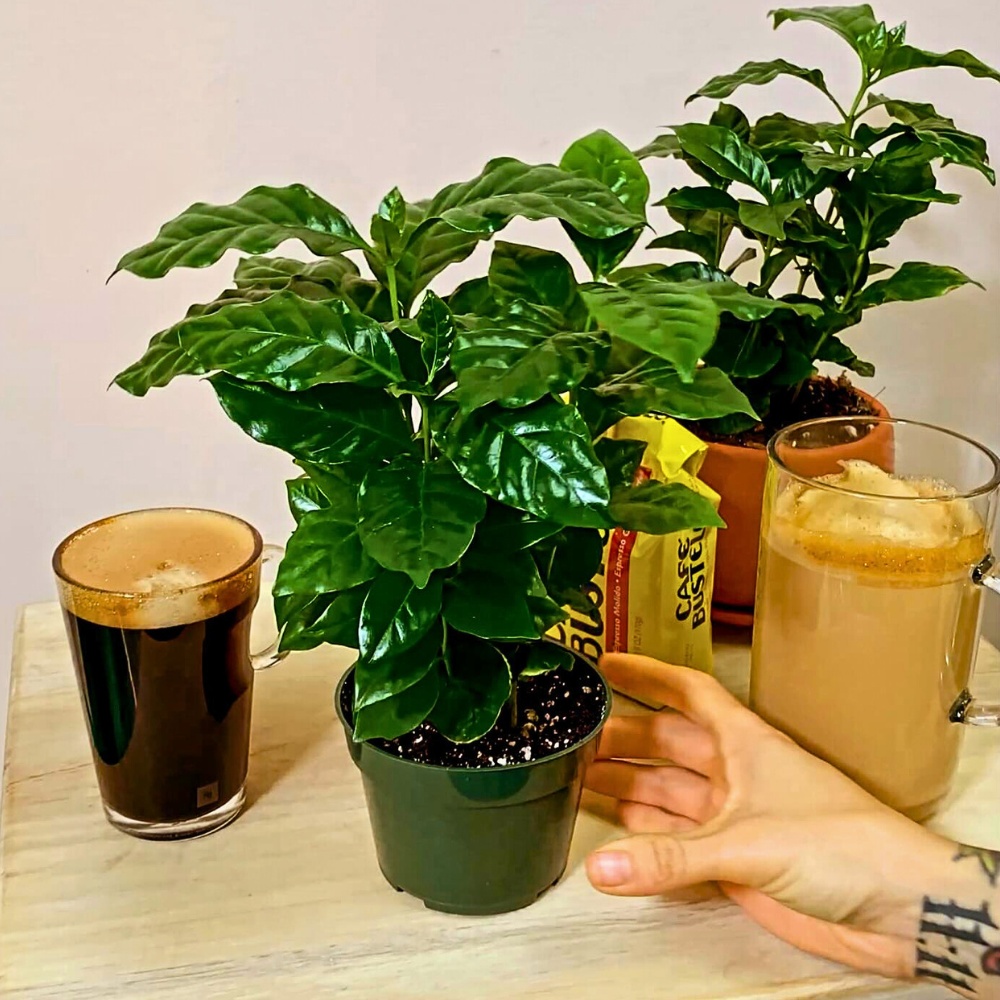
How do you repot the plant? Water your plant a few hours before repotting. Gently remove and loosen the root ball with your fingers, particularly if it is root-bound, then position it in a new pot and add fresh soil mix. Next, water thoroughly to settle the soil, and place repotted plants in bright, indirect light for one to two weeks to recover. Don't fertilize for about a month after repotting.
Propagation Methods for Coffea Arabica
Propagating coffee plants offers two methods with different difficulty levels. Stem cuttings are more reliable for home growers. In spring or early summer, take 4 to 6-inch cuttings from new, healthy growth just below a leaf node. Each cutting needs at least two to three pairs of leaves. Remove lower leaves, keeping only the top pair.

Dip cut ends in rooting hormone powder to increase success rates significantly. Plant cuttings in moist, well-drained potting mix, then cover loosely with plastic or place in propagation trays to maintain high humidity. Avoid excessive moisture, which can cause rot. Keep cuttings in warm conditions (21°C to 24°C) with bright, indirect light. Roots typically develop within 4 to 8 weeks. Once new growth emerges, remove the plastic and gradually acclimate the young plant to normal conditions.
Growing from seed is possible but challenging. Coffee seeds must be fresh and have a specific moisture content; commercially roasted or dried beans will not germinate. Seeds from ripe, freshly picked coffee cherries have the best viability. Plant them 1.5 inches deep in deep pots with well-draining soil, keeping the soil moist but not soggy. Germination can be frustratingly slow and unpredictable, taking 2-3 months or longer.
Common Coffea Arabica Pests and Challenges
Coffee plants can face several pest and disease issues in indoor environments. Spider mites are most frequent, appearing in hot, dry conditions. These tiny arachnids create fine webbing and cause stippled, yellowed leaves as they feed on sap. Increase humidity by misting and grouping plants. For infestations, spray foliage with water mixed with organic insecticidal soap every few days.
Mealybugs also appear as white, powdery clusters on leaf axils and new growth. Aphids similarly cluster on tender leaves. Both can be removed by gently rubbing with a damp cloth, by spraying with water, or by using organic insecticidal soap for persistent infestations.
Root rot develops when the soil remains too wet. Stems become soft, leaves yellow, and drop. The only solution is to repot immediately in fresh soil after removing rotted roots. Prevent it through proper drainage and careful watering. Likewise, leaf drop can result from sudden temperature changes, cold drafts, or inconsistent watering. Address it by maintaining steady, warm conditions and reliable moisture.
Powdery mildew also appears as a white coating, caused by high humidity and poor air circulation. Improve air movement with small fans and reduce leaf wetness from misting to address this condition. Also, coffee leaf rust appears as reddish-brown spots on the undersides of leaves in humid, cool conditions. It can be prevented by ensuring adequate air circulation and maintaining temperatures above 21°C when humidity is high.
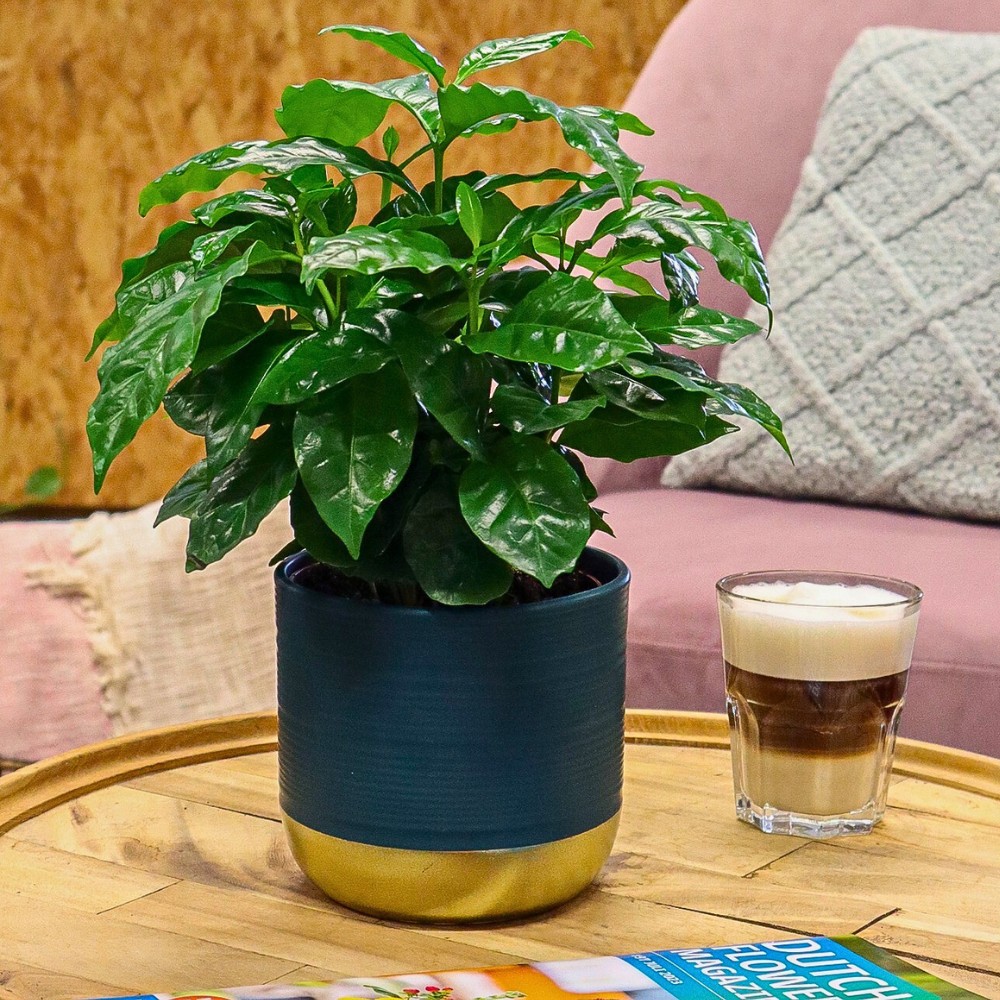
With these care guidelines, you are sure to have a thriving Coffea arabica plant blossoming in your home. So, go ahead and try one.
Feature image by Meryemce. Header image by @houseplant.co.uk.