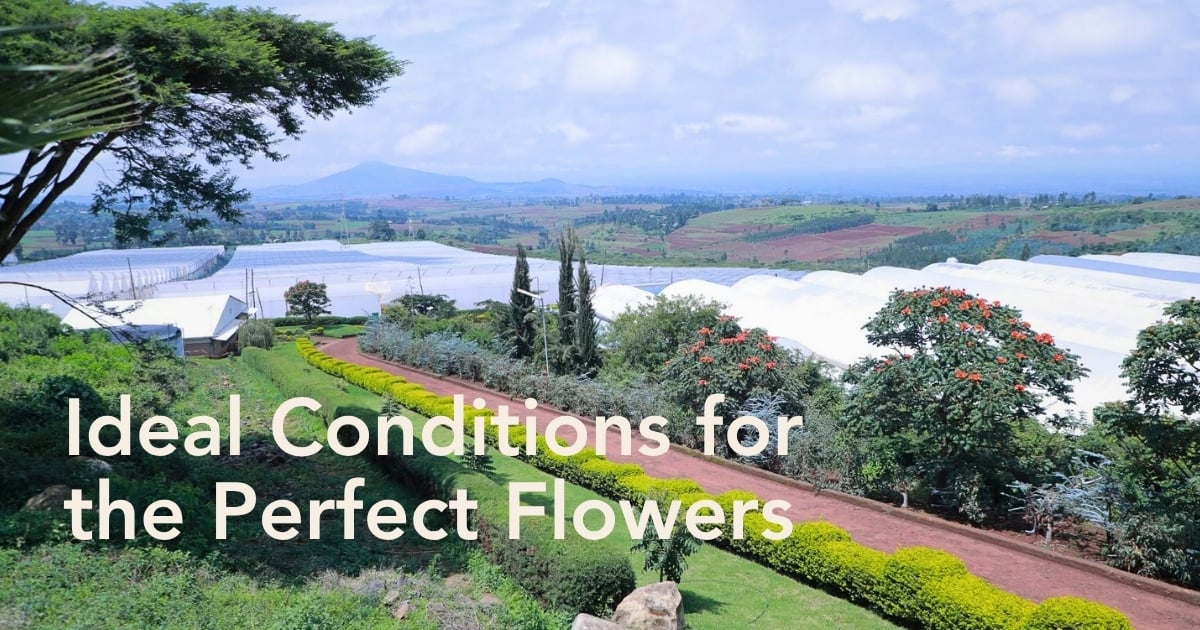
Ethiopia is Africa's second-largest flower exporter, and for a good reason. A combination of factors has contributed to this growth in the country's floriculture, and altitude is one of them. The country's highland farms produce flowers, especially roses prized for their large heads, deep color, and long stems. Its equatorial location and year-round sunlight, likewise, present growing conditions that not many other regions can equal.
Across key production clusters such as Bishoftu, Batu, Hawassa, Holeta, and Bahir Dar, these physical conditions and the environments grant Ethiopian cut flowers a unique commercial advantage in global markets. But then again, even with these ideal conditions, for the most part, the success of Ethiopia’s floriculture industry is largely credited to the Ethiopian Horticulture Producer Exporters Association (EHPEA), which supports growers in harnessing the naturally presented conditions while promoting sustainable practices.
How Ethiopia's Microclimates Create Superior Cut Flowers
Ethiopia's flower farms are largely located at elevations ranging from 1,600 to 2,500 meters above sea level, with many operating above the 2,000-meter mark. This altitude produces a natural cooling effect. While days tend to remain warm and bright, the nights turn cool.
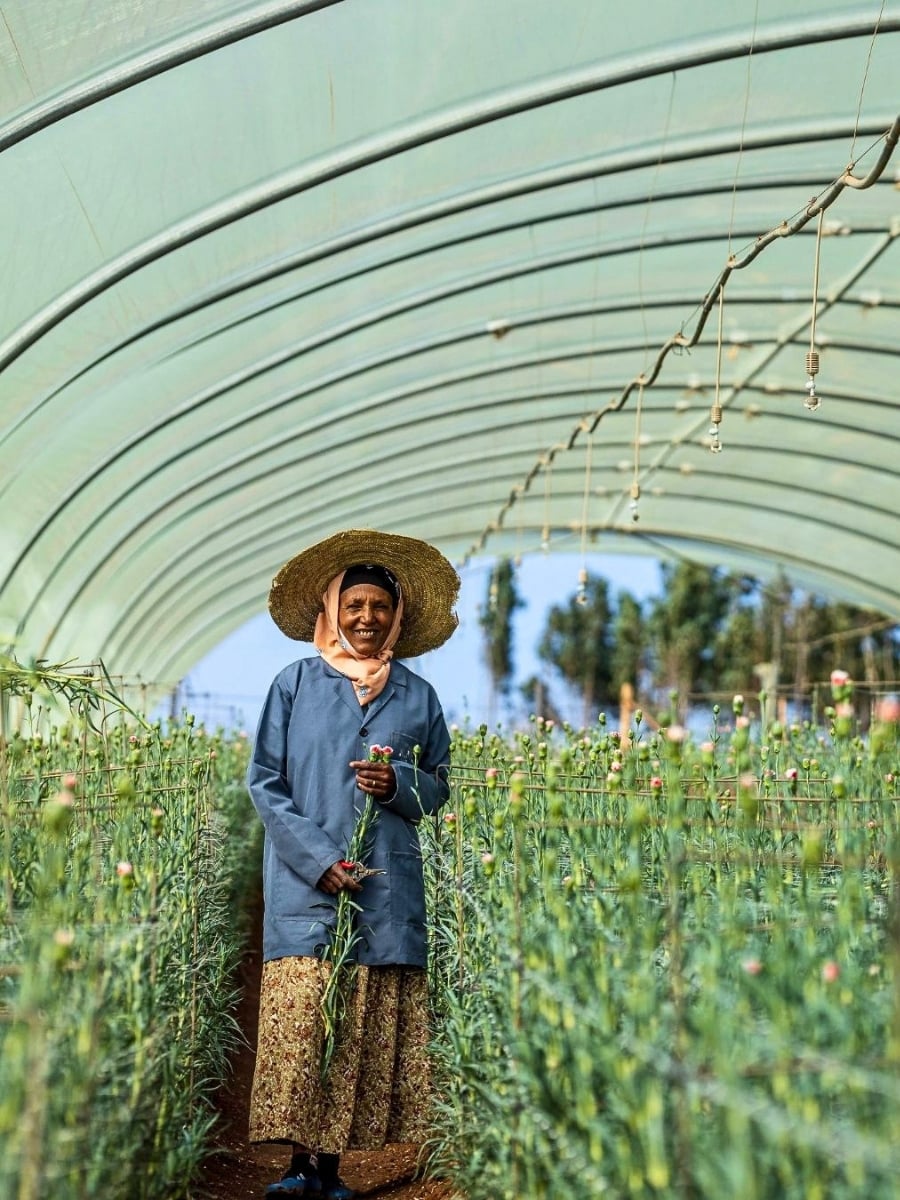
Flowers grown under these conditions develop a lot more slowly, allowing them to build denser petals, stronger stems, and larger flower heads. Instead of rushing to bloom, roses and summer flowers mature gradually over extended schedules, with the deliberate growth pace allowing plant tissue to absorb nutrients efficiently and construct thick cell walls.
As a result, plants cultivated across these high-altitude belts feature qualities like sturdy stems capable of supporting heavy flower heads and standing up to international freight conveyance. A rose grown at 1,950 meters near Bishoftu, for instance, can reach a head size of up to 5.5 cm, a defining quality that growers attribute to altitude.
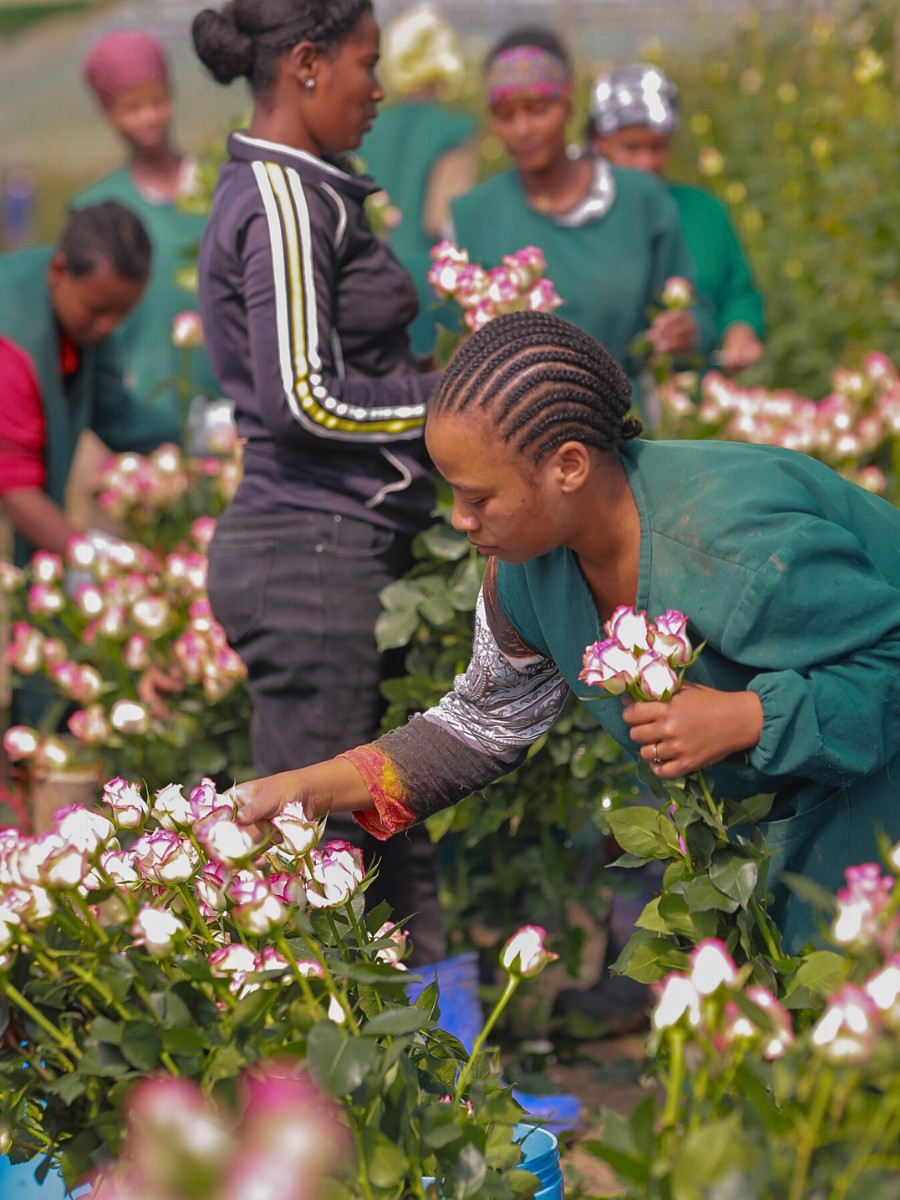
Reliable sunlight also plays a key role. Being close to the equator, Ethiopia gets reliable solar radiation throughout the year. The cooler nighttime temperatures are equally important, as they reduce respiration rates in the plant. This means less energy is lost overnight since plants do not exhaust sugars built up during daylight.
The result is that this accumulated energy reserve and more resources are directed toward flower development, encouraging larger bud sizes and multi-layered petal counts. Also, unlike many other production zones that face seasonal light shortages, Ethiopian farms have the benefit of steady photosynthesis and uniform growth cycles. All these would explain why growers often report larger flowers with richer color saturation and firmer petal structure compared to flowers produced at lower elevations.
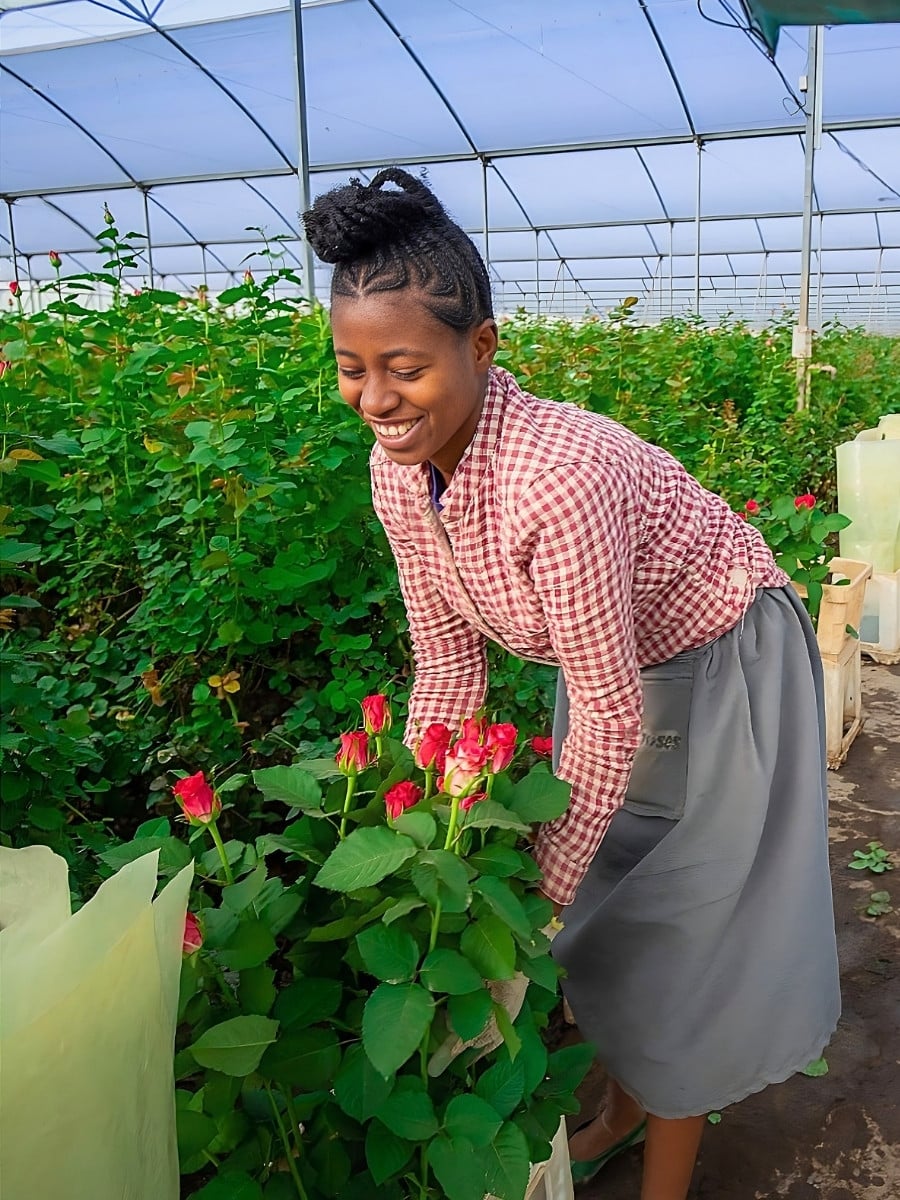
Soil conditions are also important to note. Many production areas rest on volcanic soils rich in minerals and well suited to different flower varieties. These soils drain effectively, support strong root development, and provide the nutrient base that high-quality cut flowers require.
Regional Microclimates Across the Flower Belt
Ethiopia's topography largely creates diverse microclimates tailored to varied flowers. The corridor running through Bishoftu and Batu, for instance, hosts a major concentration of flower operations. Bishoftu, also known as Debre Zeit, sits at roughly 1,900 to 2,000 meters above sea level, an altitude widely regarded as ideal for large-headed roses destined for premium markets.

The region hosts large rose operations that serve both auction and direct markets. Growers like AQ Roses established nurseries here specifically to capitalize on the altitude for growing larger bud sizes, while maintaining secondary growing sites near Lake Ziway to serve high-volume wholesale and supermarket channels.
Further down the valley, Batu, still widely called Ziway, is between 1,600 and 1,900 meters. This moderate elevation provides ideal conditions for intermediate rose varieties and high-volume workhorse flowers that supply international retail chains. The lakeside environment offers another key resource in that it provides reliable fresh water from Lake Ziway and nearby water basins.
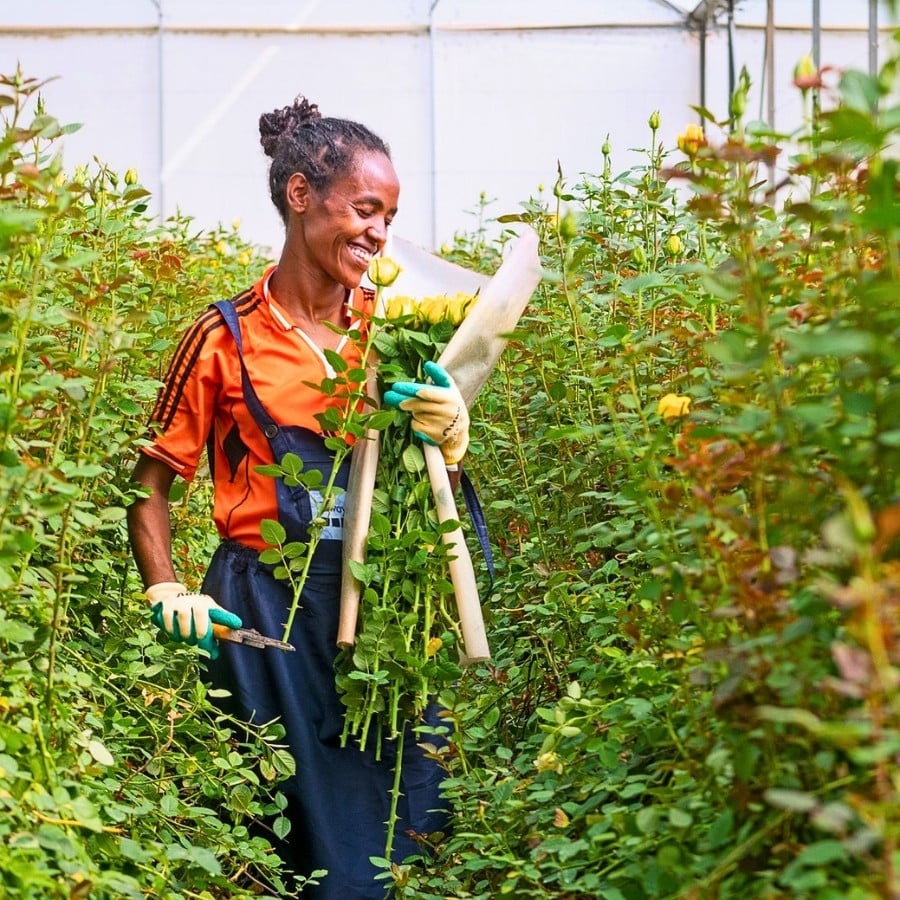
West of Addis Ababa, Holeta has several farms operating above 2,300 meters and at this great altitude, pronounced day-to-night temperature variations build exceptionally dense plant tissue. Farms in this region specialize in large-headed hybrid tea roses and robust spray roses requiring maximum stem strength. Of note is that in response to international buyer demand, operations across Holeta, Ziway, Debre Zeit, Bahir Dar, and Welkite have expanded production toward these larger-headed intermediate varieties.
Southward in south-central Ethiopia, in the Sidama region, Hawassa and surrounding highland plains are located near several smaller Rift Valley lakes at elevations matching the northern flower belt. Hawassa, in particular, has a reputation for high-quality summer flowers and filler crops, including Gypsophila, statice, Alstroemeria, and Limonium, with growers like Klaver Flowers producing these varieties. The region's high plains produce fillers with perfect stalks and saturated colors that maintain shelf life past lower-elevation alternatives.

Northwards along Lake Tana, Bahir Dar is also a growing frontier for Ethiopian floriculture. Sitting at 1,800 meters, Bahir Dar offers mild, water-rich conditions, with the region's unique microclimate differing from the central highlands. As land usage grows near Addis Ababa, growers look toward regions like Bahir Dar and others with direct airport infrastructure to scale their production while preserving the highland advantages that define Ethiopian floral products' quality.
Sebeta, Koka, and other clusters around Addis Ababa are other great production sites with ideal conditions, and together, these zones form a network that allows Ethiopia to supply a wide range of roses and other cut flowers to buyers in Europe, the Middle East, and elsewhere.
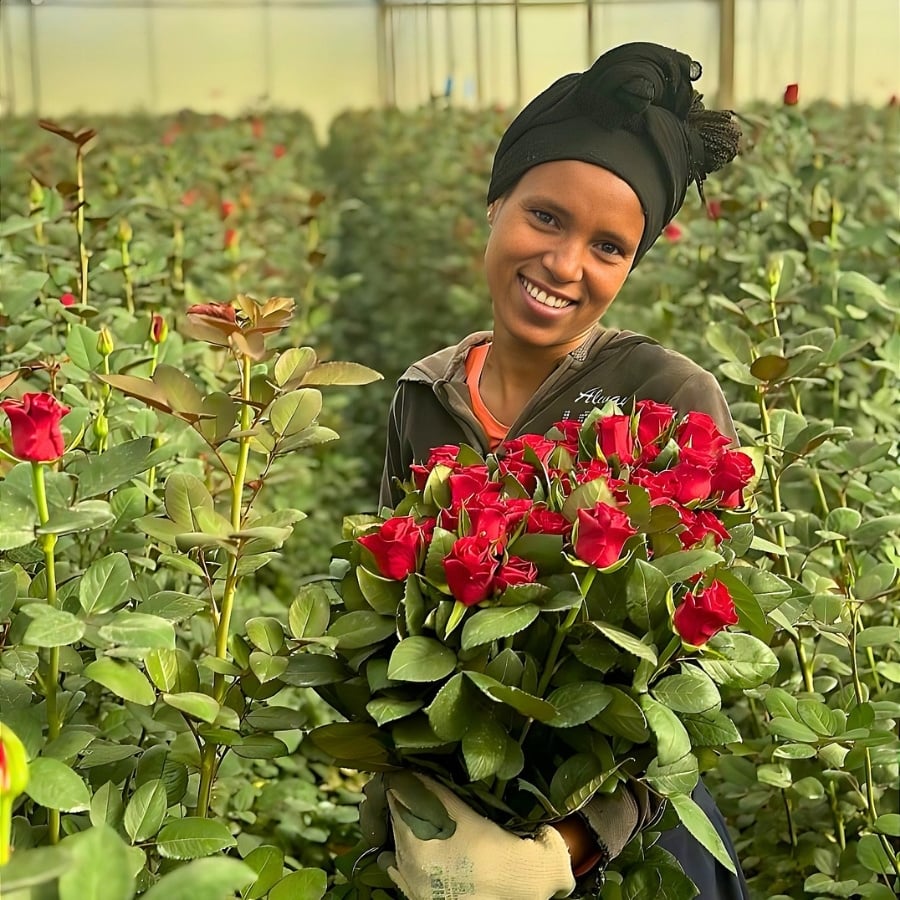
EHPEA's Role in Driving Sustainable Growing and Resource Management
But all these favorable conditions and microclimates do not mean much if there is no responsible management to sustain long-term floral production and trade success. EHPEA plays its part here. Ethiopian floriculture largely draws on abundant natural water reserves fed by seasonal rainfall that replenishes mountain aquifers and lakes. The highland topography allows farms to capture, store, and manage the surface rainwater efficiently.
Thermal stability across these growing regions, on the other hand, lowers operational energy requirements. While greenhouses in cold climates consume significant fossil fuel or electric energy to maintain winter heat, Ethiopia's natural climate maintains appropriate temperatures with minimal artificial heating or cooling, which reduces overall carbon impact across farm operations.

Growers also use water conservation practices, such as automated drip irrigation systems that supply water and nutrients right to the plant roots. Closed-loop hydroponic systems collect runoff water, run it through filtration, and recirculate it through production cycles. All these methods protect regional aquifers while ensuring flowers get steady nutrition for reliable development.
Yet while natural geography provides the foundation, EHPEA's structured institutional leadership transforms this natural and environmental potential into floriculture production and flower trade success. The Association has, since its inception, been the organization putting all these systems in place. The EHPEA Code of Practice's framework, for instance, oversees environmental and sustainable practices alongside other relevant systems, ensuring that flowers grown under Ethiopia's environmental conditions meet international market requirements.
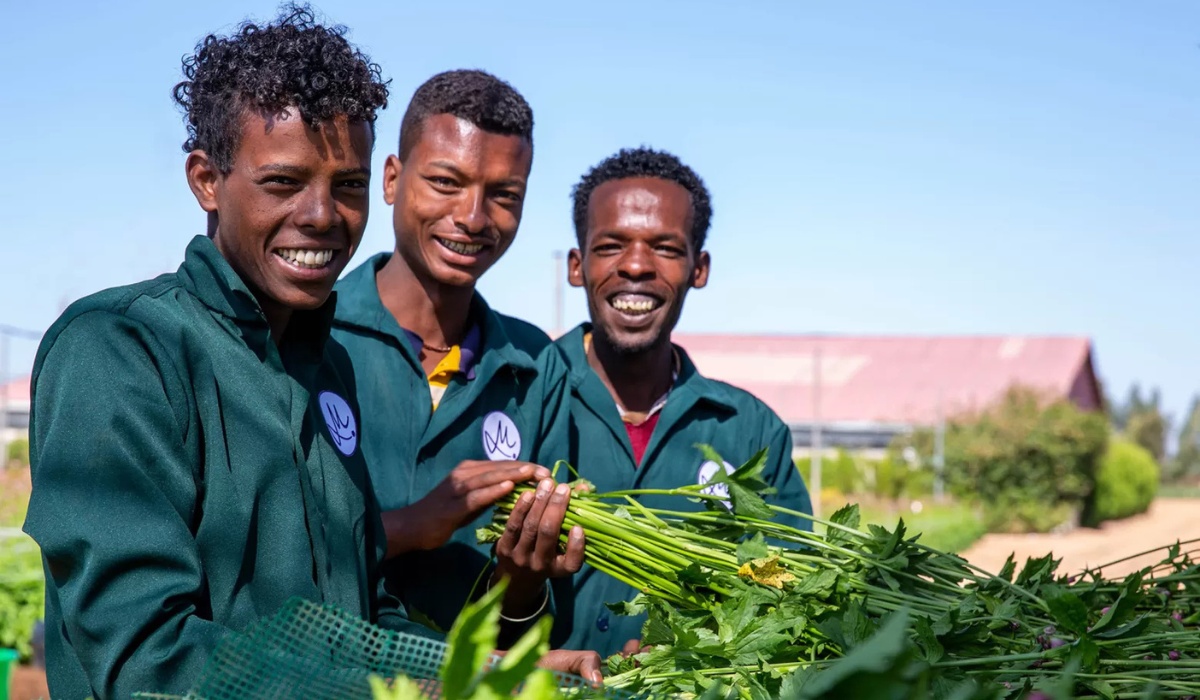
The organization further collaborates with government authorities, logistics providers, and aviation operators to maintain an uninterrupted cold chain and temperature-controlled facilities, guaranteeing that the flowers produced under the country’s ideal conditions in regions like Ziway, Holeta, Bishoftu, Hawassa, or Bahir Dar reach international markets in good condition.
The Beauty of Unmatched Geographical Advantages
Ethiopia's topographical advantages are quite hard to replicate elsewhere, which is a bonus for the country's floriculture industry. The combination of high elevation, equatorial sunlight, cool nights, and volcanic soil gives the country a natural edge in flower production that cannot be fully substituted by technology.
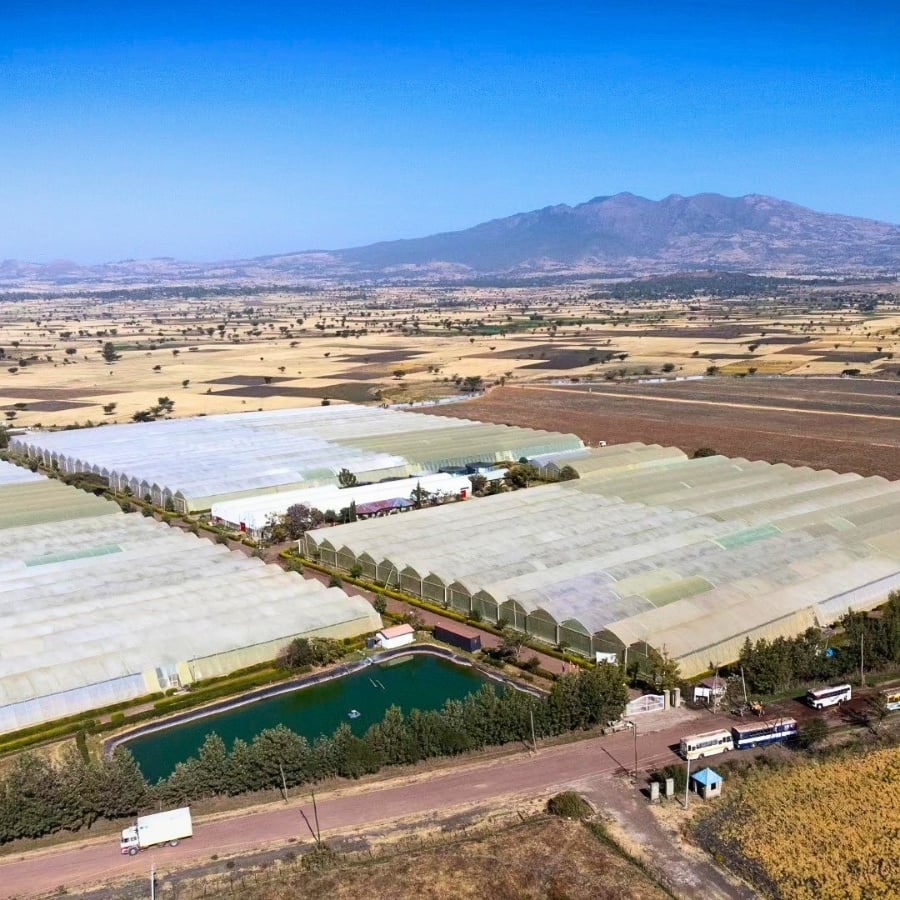
EHPEA's work, on the other hand, ensures that the natural advantage that the country has is matched by responsible production practices, a skilled workforce, and a reputation for reliability trusted by international buyers. For the flower industry, this is how natural altitude, reliable conditions, and industry coordination work together to supply world-class flowers.
Header image by EHPEA.