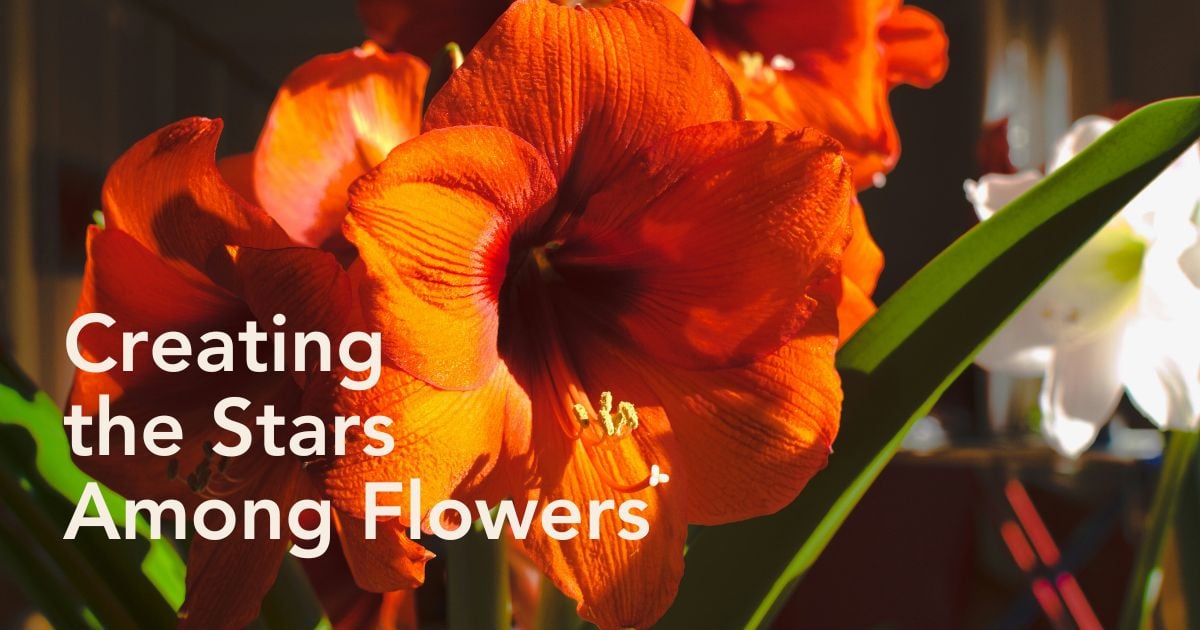
Amaryllis is one of those flowers that easily command a space. Very few flowers have it that easy. Four to six trumpet-shaped florets, each spanning up to 20 cm across, erupt from a thick stem on a bare bulb placed in a pot with nothing but water; it is a performance that has taken the floriculture trade more than 200 years of engineering.
This flower, which consumers reach for at the holidays and florists rely on mainly from October through May, is not just a wildflower from the Andes dressed up for retail. It is the result of one of the most sustained and refined breeding programs in the bulb flower industry. Yet its story – how the hybrids are developed, who breeds them today, and how they are grown is one of the global flower industry's most underappreciated chapters.
The Flower Called Amaryllis Is Technically Hippeastrum
The flower most people call Amaryllis is in principle a Hippeastrum (which means knight's star in Greek). This is important because it shapes everything about how the plant is bred, grown, and traded. Hippeastrum is a genus of approximately 90 species native to tropical and subtropical regions of Central and South America.
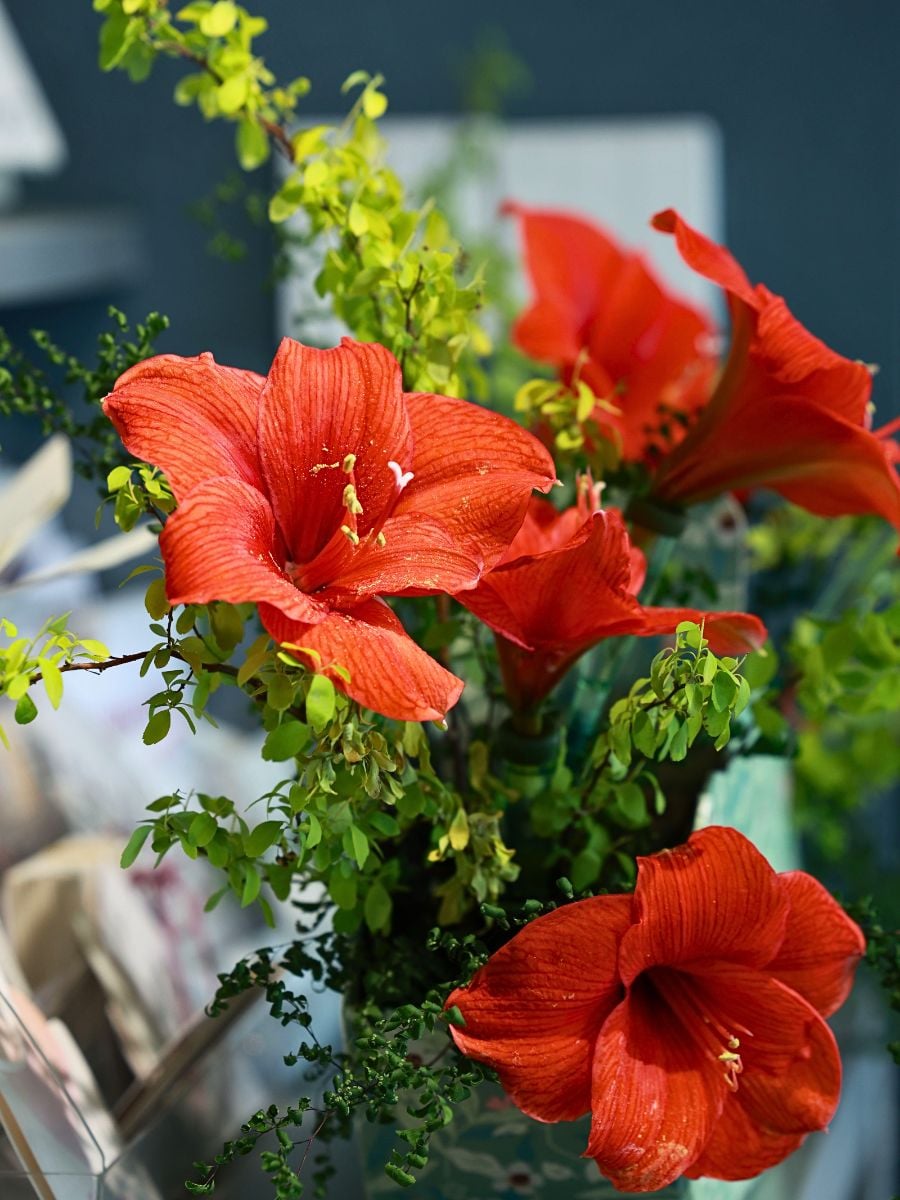
True Amaryllis is a separate South African genus. Its only accepted species is Amaryllis belladonna (Belladonna lily). Amaryllis paradisicola, found in the Northern Cape of South Africa, is the only other recognized true wild species. The commercial confusion was born in the 18th century when explorers lumped South American and South African bulbs under the same name, and it stuck because the marketing value of ‘Amaryllis' proved too strong to dislodge. The name Amaryllis therefore remained to refer to Hippeastrum and its cultivated hybrids.
The difference matters to breeders because the genetic raw material for commercial varieties comes from the Hippeastrum gene pool, which is richer and more complex than the true Amaryllis (Belladonna). While the genus Hippeastrum holds nearly 90 species, most modern commercial hybrids are derived from just six of them, pulled from wildly different habitats across the Andes, the Atlantic forest of Brazil, and the Caribbean. The depth and variation in this pool is what has allowed breeders to produce an assortment of hundreds of cultivated hybrids.
First Hybrids and How Breeding Began in England, and the Netherlands
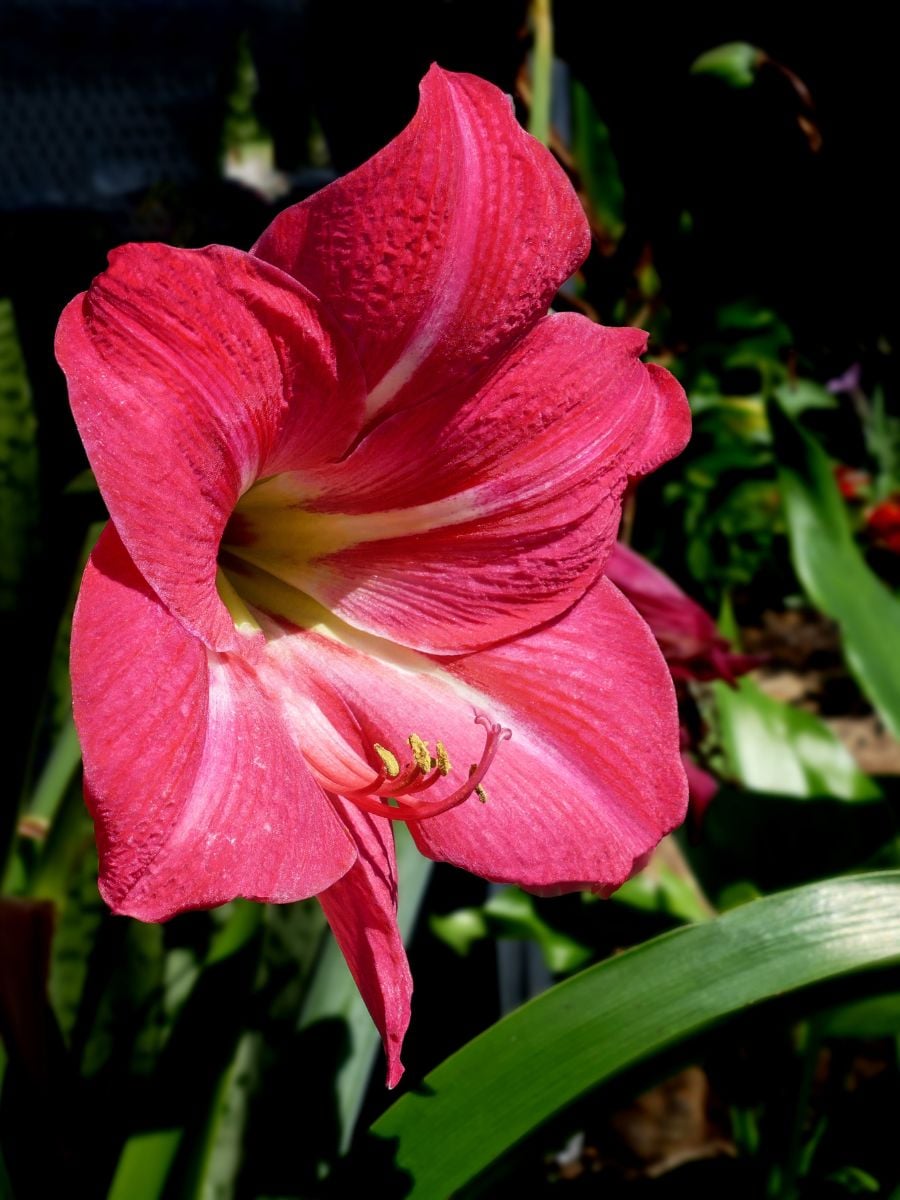
Amaryllis breeding began in England in 1799, when the first recorded hybrid was produced from crossing two Hippeastrum species. These early English hybrids were novelties, admired by wealthy collectors and displayed in private conservatories. Commercial interest followed as Dutch bulb growers recognized their market potential and began importing species from South America to develop cultivars. By mid-to-late-19th century, the new hybrids had reached North America, particularly in Texas, California, and Florida.
The Dutch also established themselves as the dominant force in the international bulb trade. Among the most notable early breeding names were the De Graaff Brothers, whose family business, founded by Cornelis de Graaff in 1723, became significant in the 19th century when Jan de Graaff and his sons developed the Reginae strain of hybrids. Their varieties, including Graveana and Empress of India, set standards for large-flowered performance that defined what buyers expected.
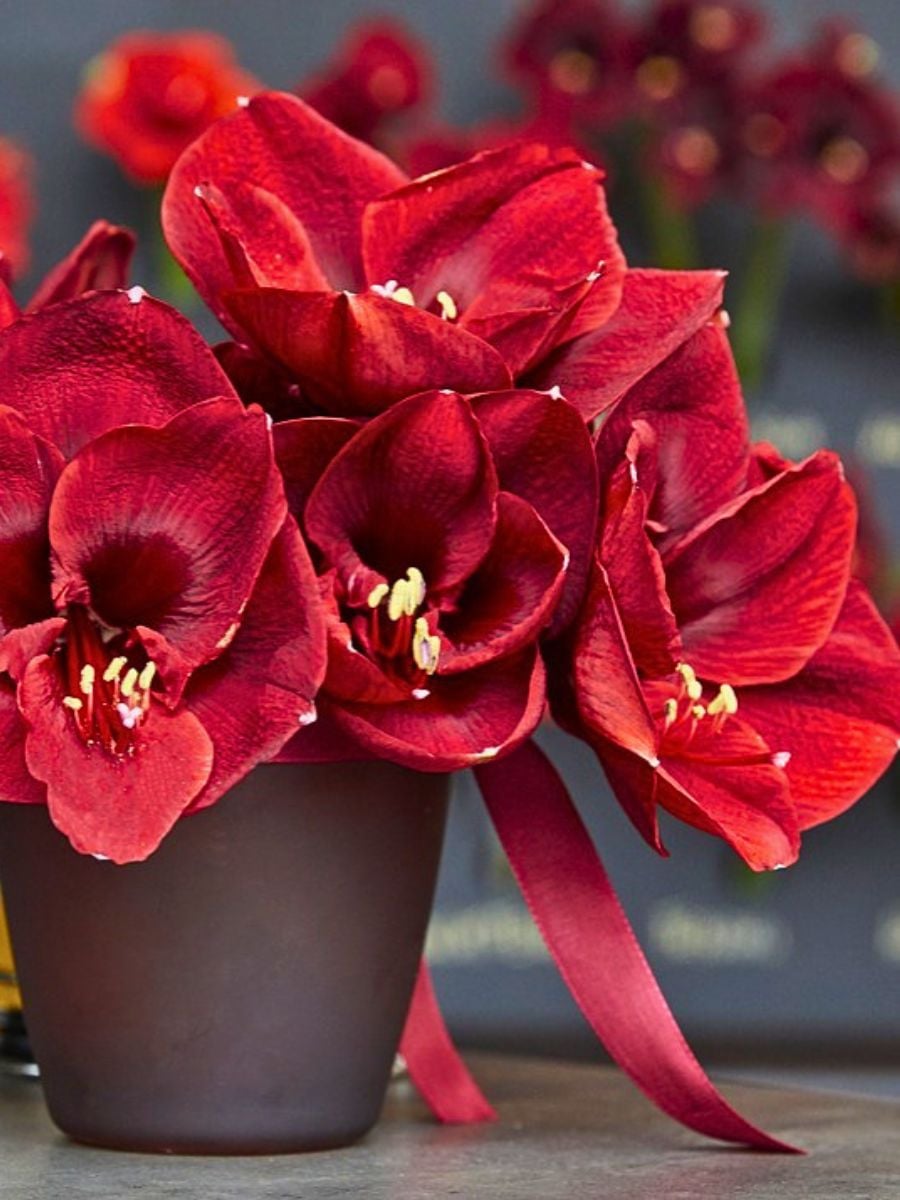
Ludwig & Co., a Dutch firm, extended the legacy into the 20th century, developing named vegetative-propagated varieties that were distributed internationally and represented in North America by specialist nurseries through at least the middle of the century. Apple Blossom, introduced by Ludwig in 1954, a pink-and-white variety that remains one of the most widely planted Amaryllis cultivars in the world, is a product of this era’s systematic selection work.
The Hadeco Story and How South Africa Became a Global Powerhouse
One of the most important case studies in commercial Amaryllis breeding is the founding and growth of Hadeco in South Africa. When two young Dutch growers moved to South Africa in 1946 after World War II, they brought their bulb expertise and planted the seeds of what would become one of the world’s largest Hippeastrum producers.
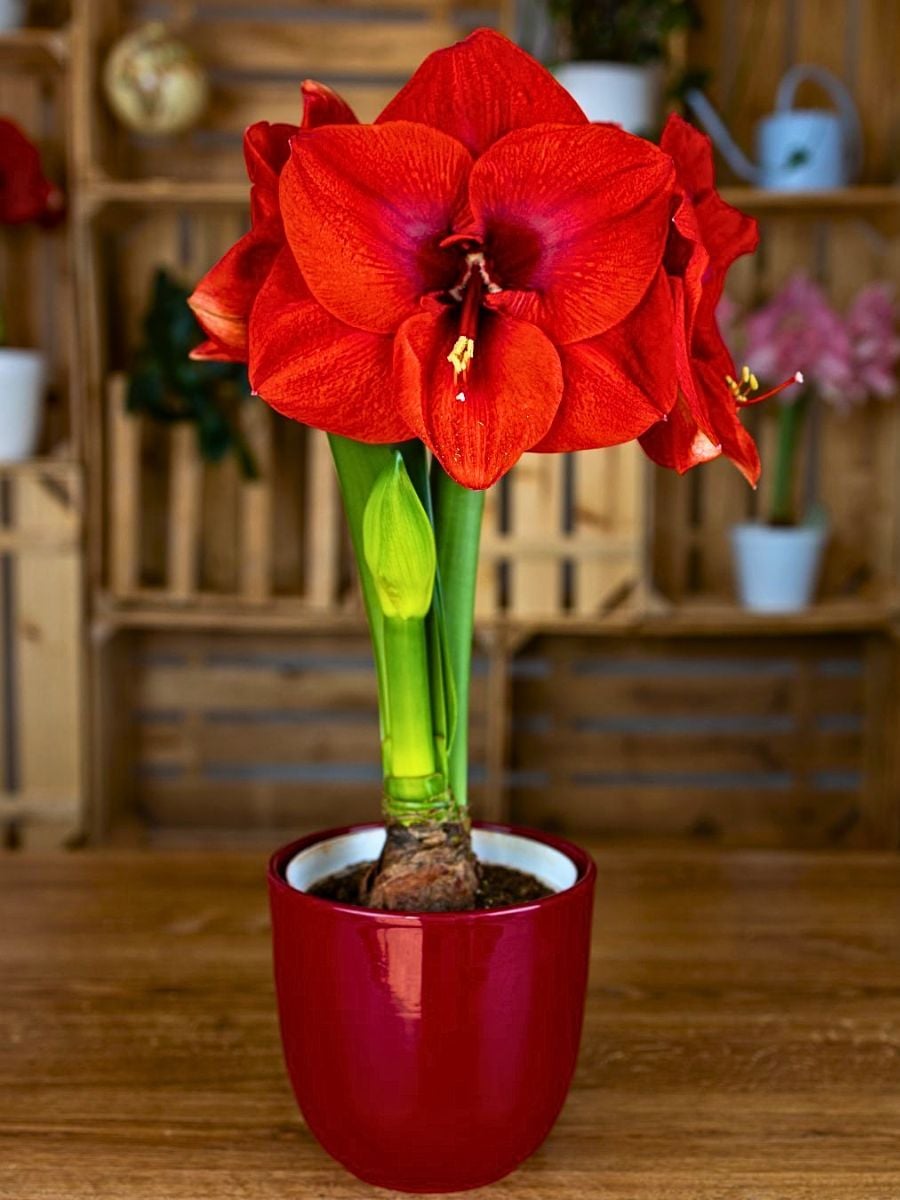
Founded on the South African Highveld, Hadeco leveraged the Southern Hemisphere’s growing seasons, which allow bulb maturation at times that create commercial advantages over Northern Hemisphere production, and developed a hybridization program that extends to an international wholesale operation. Hadeco is now an international leader in the breeding, growing, and worldwide distribution of Hippeastrum bulbs, fresh cut flowers, and in vitro laboratory-produced plant material.
Their variety series, including the Sonatini range for pot plant production and the Sonata series for larger container formats, cover the full range of commercial applications, with ongoing hybridization efforts focusing on numerous scapes per bulb, quick flower initiation after preparation, and vigorous disease resistance.
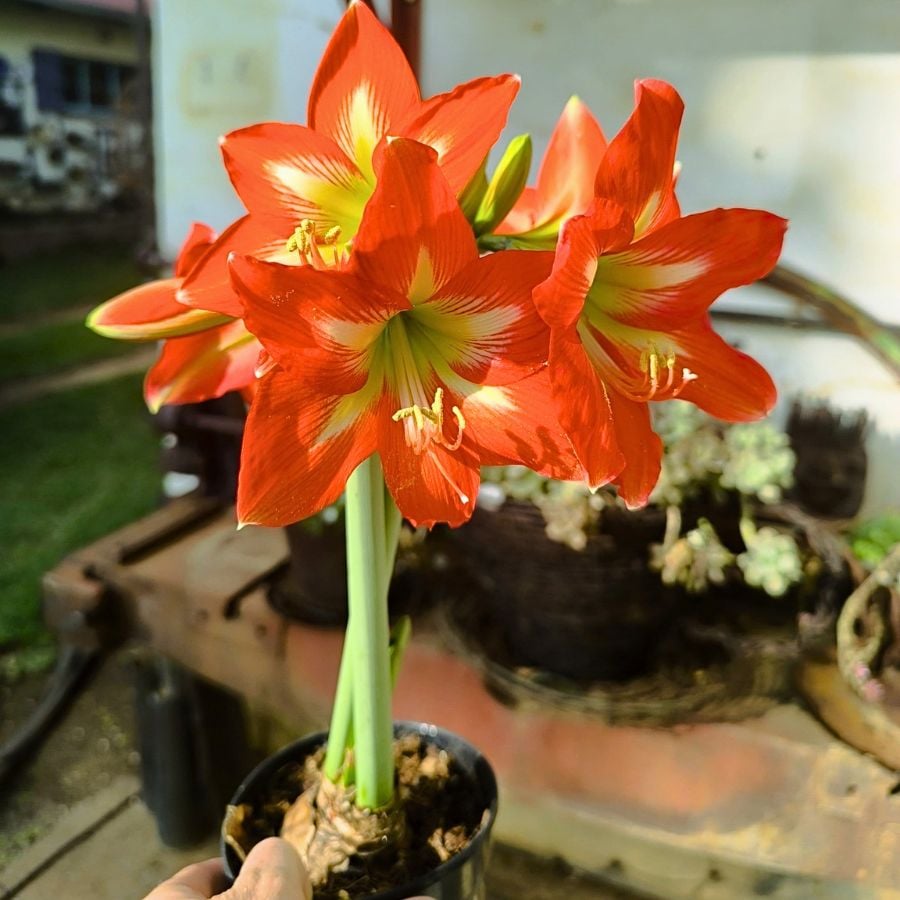
An important commercial reality about South African-grown bulbs is their seasonal offset from Dutch production. Southern Hemisphere-grown, South African Amaryllis bulbs bloom earlier than Dutch varieties when sold into the Northern Hemisphere holiday market, which is one reason South African production has maintained a strong position even as Dutch growing capacity grew from the 1970s.
The Genetics of a Deliberately Complex Flower
Amaryllis breeding is technically demanding because of the ploidy of its commercial cultivars. Most varieties currently on the market are tetraploid, carrying four sets of chromosomes and not the two sets found in wild diploid species. The commercial breeding of tetraploid populations of Hippeastrum has an intensive history, with such hybrids showing optimal traits in flower size and capsule number. Tetraploidy in plants often correlates with larger cell sizes, more vigorous growth, and bigger flowers, which is what commercial Amaryllis breeding has historically prioritized.
The consequence, however, is significant genetic complexity. Ploidy levels in Hippeastrum range from diploid to octoploid, and the seed-setting rate of hybrids is high, producing large and variable populations from any given cross. This high fertility is useful for generating diversity but makes tracing parentage and predicting offspring characteristics difficult. As one genomic study noted, the existence of super-parent inheritance in Hippeastrum and the high progeny variability make it hard to trace the origin of varieties even with modern analytical tools.
For breeders working with the tetraploid commercial pool, this means that even a cross between two well-characterized parent varieties produces a heterogeneous offspring population. Selection from this population depends on years of visual evaluation and field trialing before an individual plant is considered worth advancing, let alone commercializing.
Controlled Crossing and What Happens in a Breeding Program
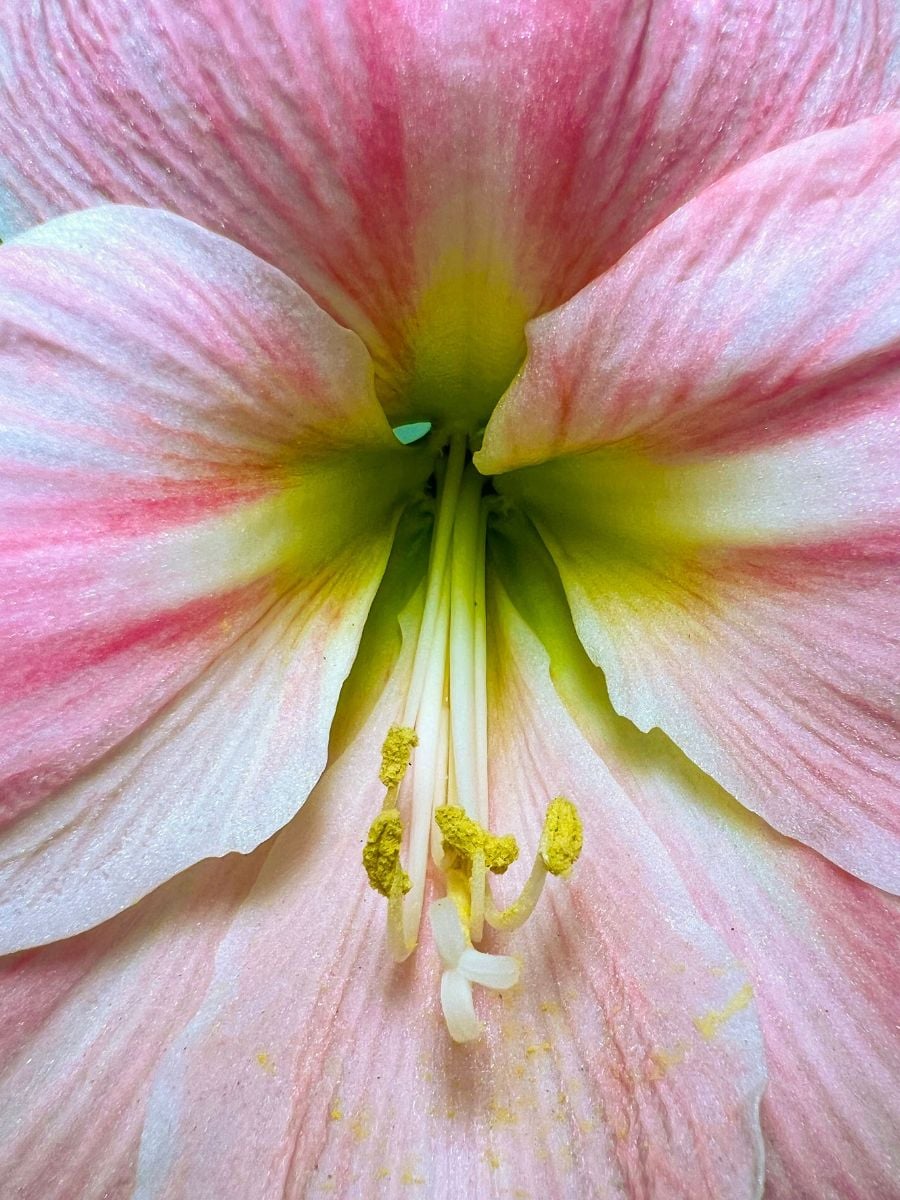
The mechanics of making a new Amaryllis cross remain labor-intensive in practice. A breeder selects two parent plants based on their complementary traits: one might carry an unusual color pattern, exceptional stem strength, or numerous scapes per bulb, while the other has large tepal size, good keeping quality, or heat tolerance. The anthers of the seed parent are removed before pollen shedding to prevent self-pollination, and pollen collected from the selected male parent is applied directly to the stigma.
Because Hippeastrum is naturally pollinated by moths and carpenter bees in the wild, the flower’s structure is adapted for external pollen transfer. Breeders can work with this by collecting pollen at peak viability, which for most cultivars means within the first two days after anther dehiscence, and storing it refrigerated for transfers to plants not yet in flower.
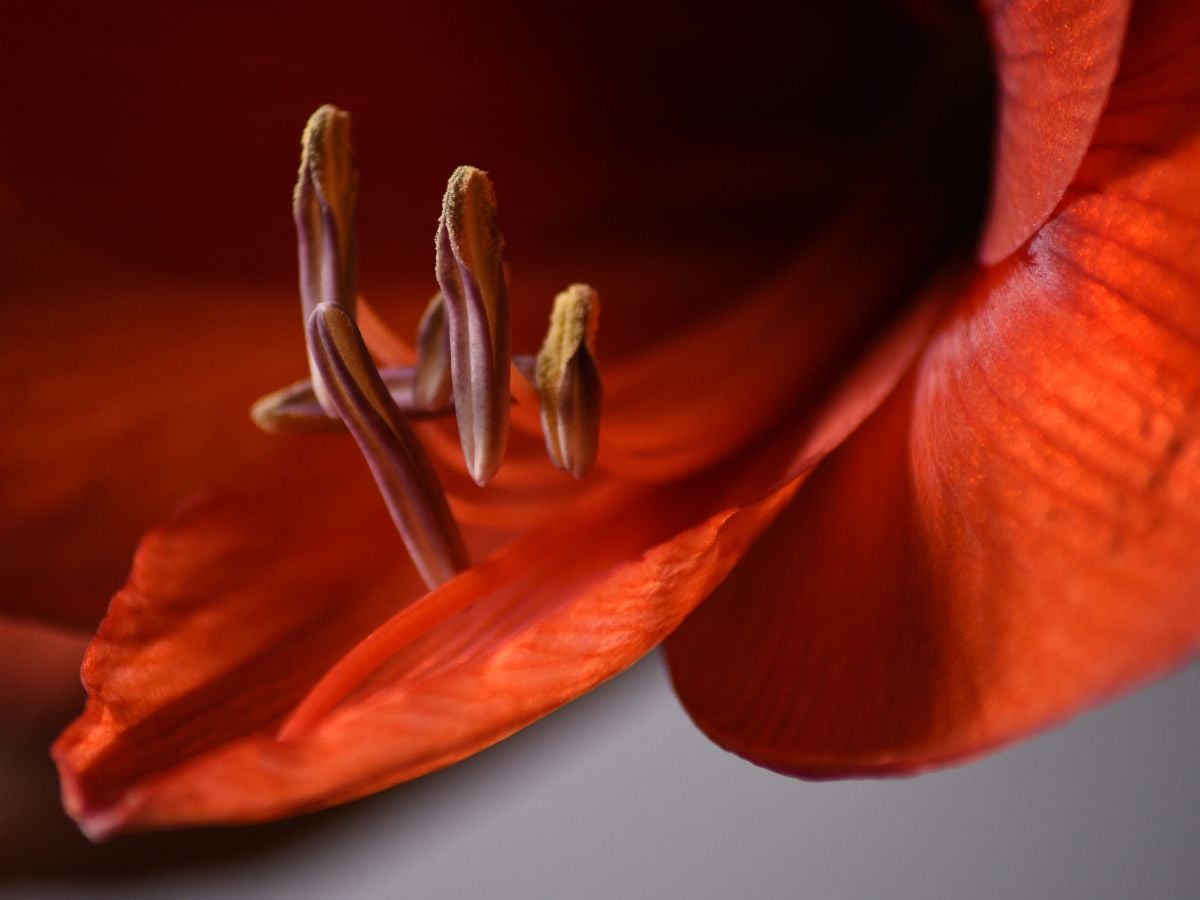
For large programs that incorporate wild diploid species not well represented in the existing commercial tetraploid pool, storage and careful timing of crosses are essential. After a successful cross, seed capsules develop over approximately six to eight weeks. Seeds are collected, cleaned, and sown under warm, humid conditions. Germination is generally reliable, but the real wait starts thereafter.
A seedling raised from an Amaryllis cross typically takes three to five years to reach flowering size, which means a breeder may make a cross today and not see the first flowers from that cross until well into the next decade. Programs that aim at complex multi-generation hybrids, as the more ambitious scientific breeding efforts do, can span 10 to 20 years before a commercially usable selection emerges.
Dr. Alan Meerow at the USDA’s ARS program in Miami ran such a long-range program for decades, beginning in 1988 to introduce diploid wild species not represented in the existing commercial tetraploid pool. His team crossed H. papilio, H. brasilianum, H. reticulatum var. striatifolium, H. fragrantissimum, and other species to produce selections with evergreen foliage, novel floral form, and fragrance, traits absent from standard commercial varieties.
His hybrid ‘Utopia’, a complex seventh-generation hybrid, began with a cross of H. ambiguum and H. papilio, with successive introgression of H. brasilianum and commercial cultivars across several generations. His work remains a landmark example of how interspecific hybridization can grow what the genus is capable of expressing.
The Selection Criteria of What Breeders Look For
Once seedlings from a cross reach flowering, selection begins in earnest. A cross may produce dozens to hundreds of seedlings, and breeders assess each one against a defined set of objectives. In commercial programs, there are several weighted criteria.
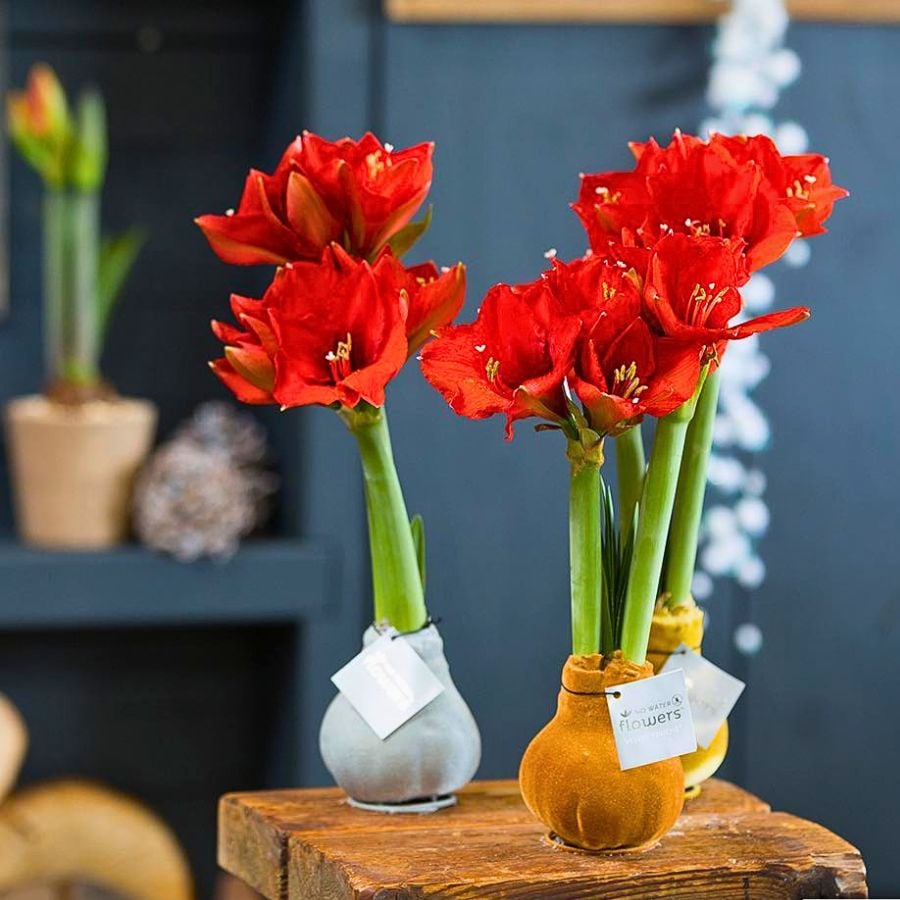
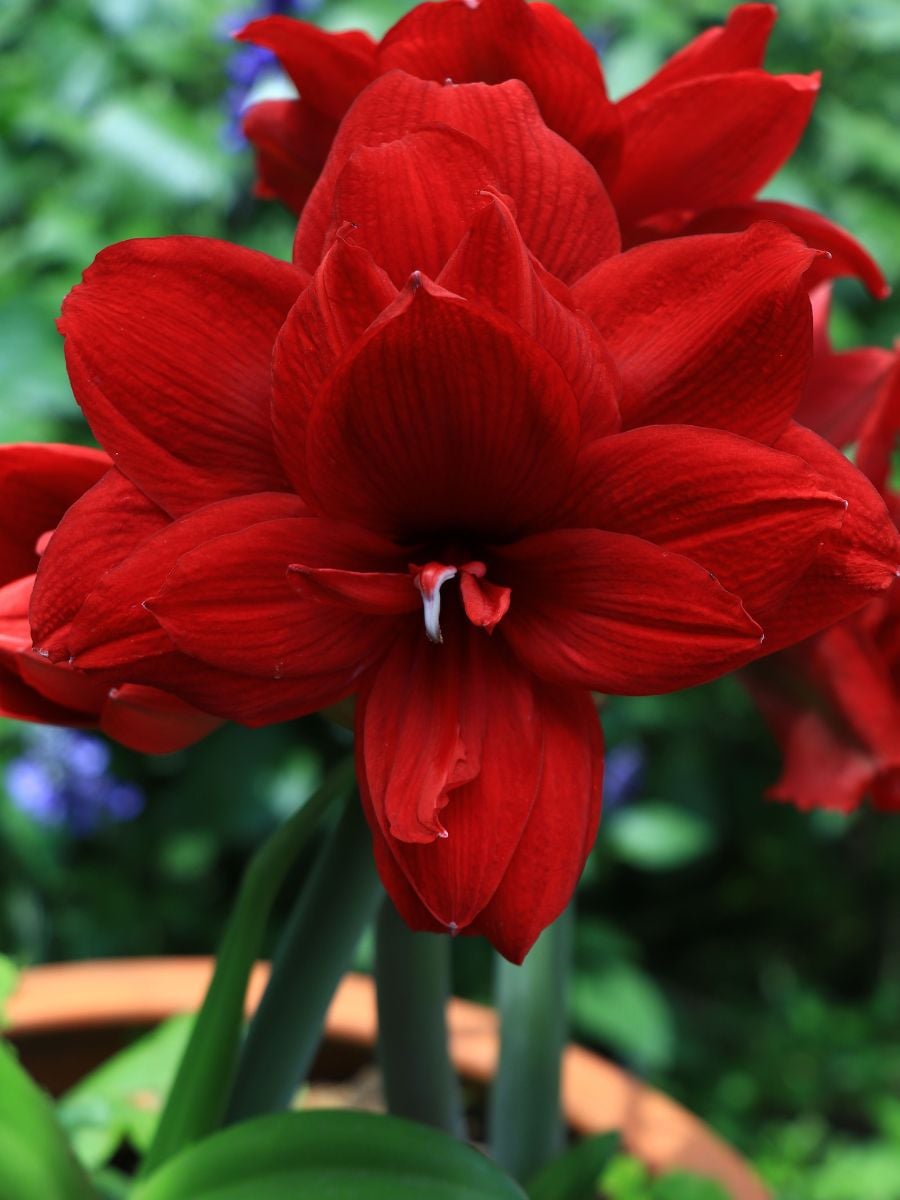
Flower size: The tepal spread of today’s premium varieties reaches 20 cm and beyond, a dimension that directly influences the visual impact of both potted and cut flower products. Flower form matters equally, with breeders selecting for fully flat-opening tepals that display the full width of the flower instead of the reflexed or downward-curving form of many wild species. Breeding programs have changed the natural tendency of tepal tips to curve downwards so that tepals now often open wide and flat, a trait that now seems natural but is the creation of selection pressure.
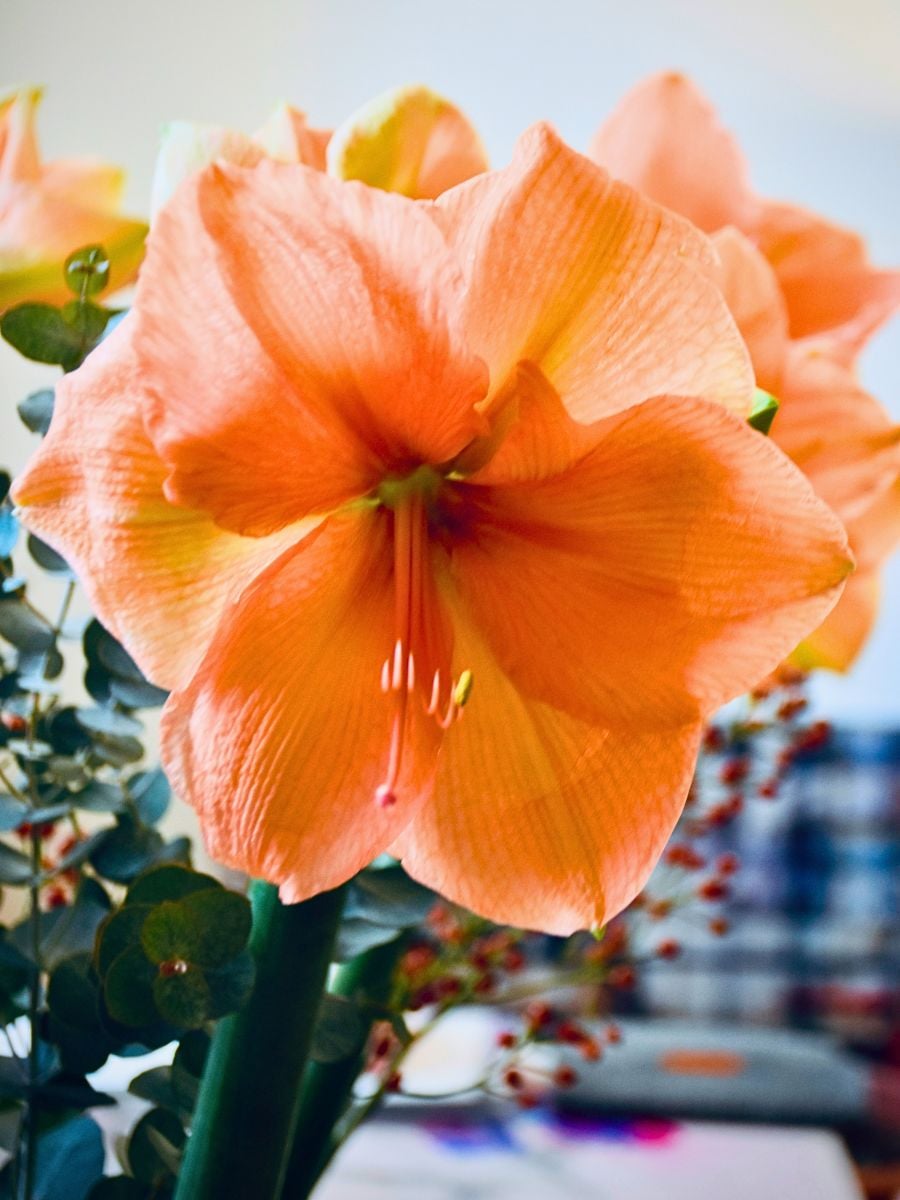
Color novelty: This factor also drives much of the commercial differentiation. The standard palette of red, pink, white, orange, and salmon was largely established by mid-20th century Dutch and South African breeding. Contemporary programs focus on striped and multicolored patterns, the picotee edge, the cybister or spider form with narrow, curling tepals, and the double-flowered types where additional petals replace stamens and create a full, peony-like appearance. The origin of double-flowered Amaryllis is highly complex, and using pollen of double-flowered cultivars has become a standard method for creating double-flowered hybrids on a commercial basis.
Scape count per bulb: A bulb that produces two, three, or more scapes instead of just one effectively increases the value of each bulb to a grower and provides more to a retailer. Several flowers per umbel, typically four to six in standard cultivars, also contribute to display value.
For the cut flower market specifically, stem strength, hollow-stem stability, and bud opening performance under cold chain conditions are what breeders prioritize. Flower stalks cut at the tight or semi-tight bud stage have longer vase life than those cut at the early bud opening stage, which means breeders selecting for cut flower use must also evaluate how well their selections perform when harvested early and opened in water instead of on the plant.
Why Bulb Scale Cutting Dominates Commercial Propagation and Production
Once a worthy selection is identified, the challenge moves from genetic creativity to faithful reproduction. Amaryllis cannot be propagated from seed in commercial practice, because seed offspring are all genetically unique and would not reproduce the characteristics of the selected variety. All commercially sold Amaryllis varieties are therefore propagated vegetatively, and the dominant method is twin scale cutting, sometimes called double scaling.
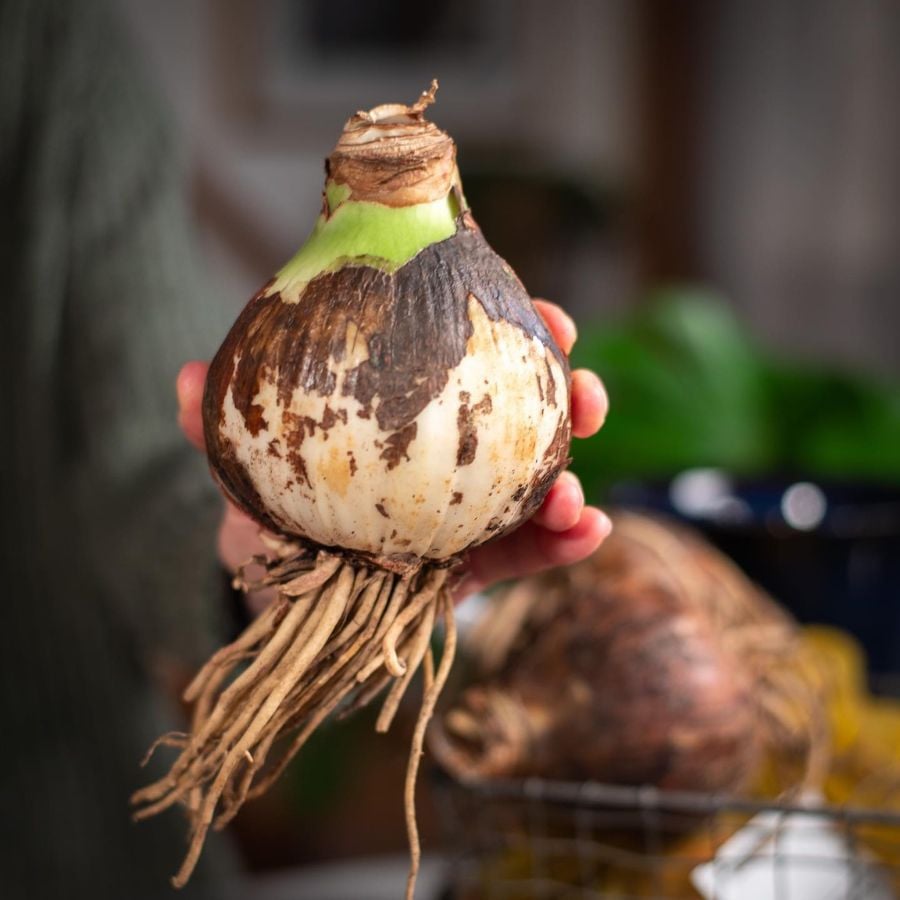
Twin scale cutting involves cutting the mother bulb into about 12 vertical segments, each of which is then subdivided into five to six twin-scale units, each consisting of two scale layers attached to a section of the basal plate. These units are treated with a fungicide dip, dried briefly, and placed in moist vermiculite at temperatures of around 21 to 24°C. Within 8 to 12 weeks, small bulblets develop from each twin-scale unit and are grown on for three to five years before reaching commercial flowering size.
Because the natural multiplication rate of Hippeastrum is low, scaling is the most efficient commercial propagation method available, but it is still slow compared to seed production. A mother bulb produces perhaps 60 to 70 twin-scale units, from which perhaps 50 viable bulblets develop, and they take years to mature. This bottleneck is one of the reasons that premium Amaryllis varieties command the prices they do, and it is why tissue culture, which can produce hundreds of plants from one explant in weeks, has attracted serious investment as a complementary or alternative propagation route.
Tissue culture has also been successfully developed for Hippeastrum, using bulb scale explants in a proliferating medium that can also induce root formation without needing a separate rooting phase. From just four bulbs, researchers have obtained 200 micro-propagated shoots in six months. Such throughput changes the economics of bringing a new variety to commercial scale, though the requirement for specialized laboratory infrastructure limits who can access the technology.
Other propagation methods in commercial use include offset bulbil removal, where daughter bulbs that develop naturally around the mother bulb are separated and grown on, and basal cutting, where sections of the basal plate are used as explants. But none of these is as scalable as twin scaling or tissue culture for large commercial programs.
Michael 'Mr. Plant Geek' Perry with Amaryllis varieties at Vreugdenhil Bulbs & Plants.
The Netherlands and the Industrial Scale of the Modern Trade
While South Africa and Brazil developed significant production capacity, the Netherlands consolidated its position as the dominant source of commercial Amaryllis bulbs through the second half of the 20th century. The US alone imports more than 100 million Amaryllis bulbs each year, and Dutch-produced bulbs represent the largest share of this volume. Dutch breeders and growers have historically operated in close coordination, with breeding firms supplying proprietary genetics to specialist bulb growers who scale production across the polder landscape.
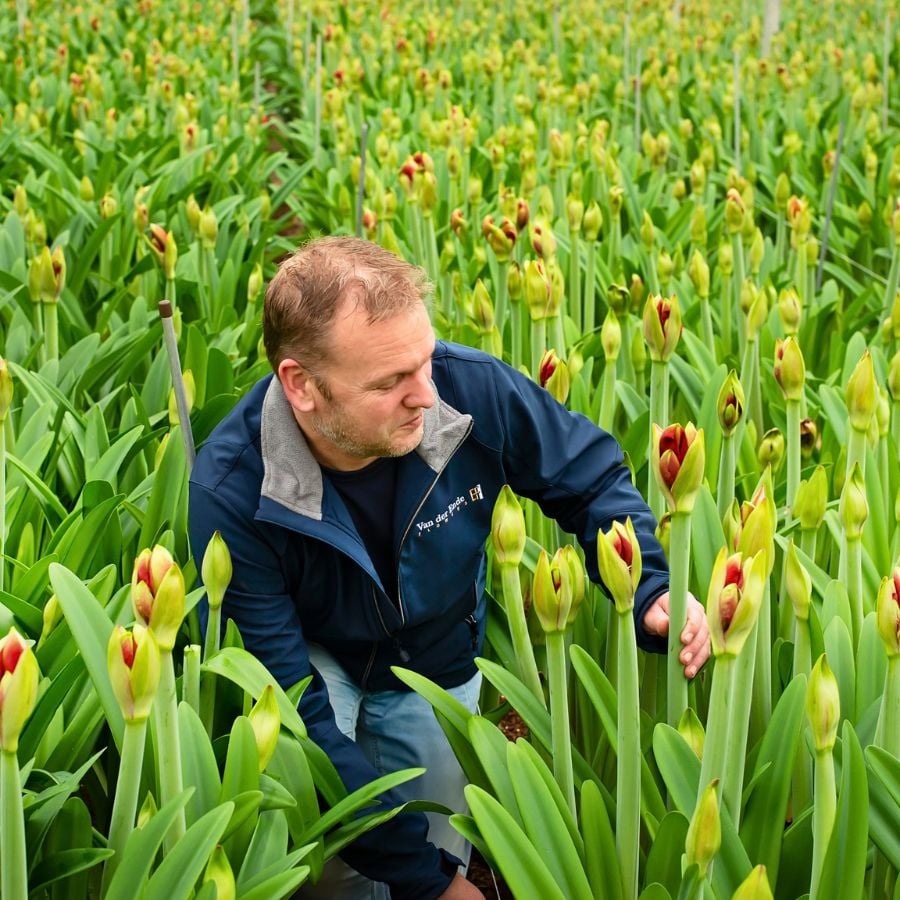
Key Dutch players in the supply network include specialist operations like Penning Freesia, Kwekerij Amazone, Wijnen Amaryllis Innovation, PK Amaryllis, and Komoriya Nursery’s distribution partners, each taking different positions across the breeder-grower-wholesaler chain. There are also notable ones like the platform Hello Amaryllis, and growers Boers Amaryllis and Van der Ende Flowers, based in Maasdijk near Naaldwijk, as well as Decorum grower Vreugdenhil Bulbs & Plants.

Israeli breeding has also made significant strides. Grower Saad-Assaf runs its own breeding lines, with production focused primarily on color groups. The country's ability to produce bulbs year-round under warm, controlled conditions has made it a reliable source of variety innovation in international floral trade.
Elsewhere, Komoriya Nursery Co. in Japan has maintained a recognized Hippeastrum breeding and growing program, particularly noted for unusual variety crosses and cybister-adjacent hybrid forms. Agro Floral Peru and Terra Viva Bulbos in Brazil exemplify South American production complementing the Dutch and South African supply. In the U.S., Dr. Meerow has published widely on Hippeastrum genetics, documenting two decades of interspecific hybridization work that has significantly advanced scientific understanding of the flower.
Amaryllis’ Final Leg
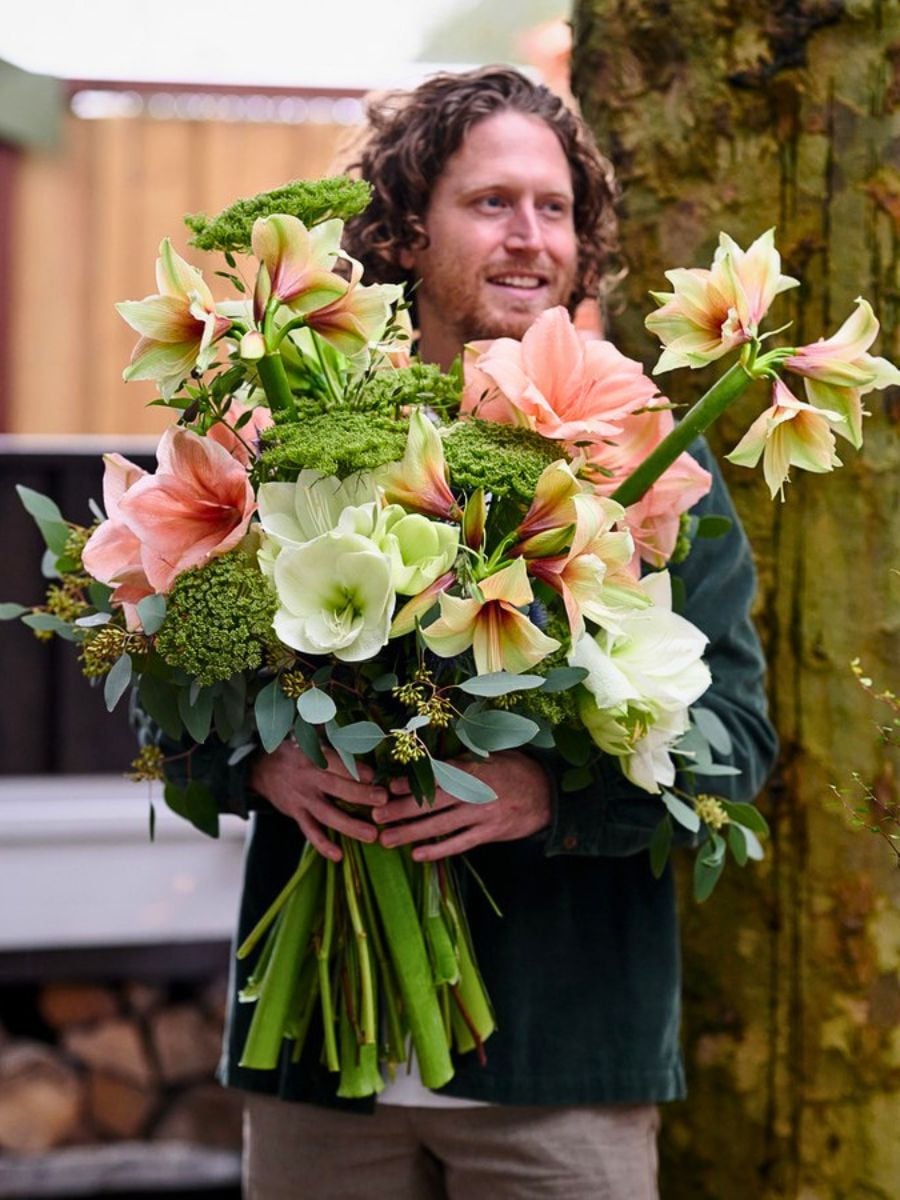
For the cut flower trade, Amaryllis is available year-round with peak supply running from October through May, aligning with the Northern Hemisphere’s winter holiday period. Cut flowers are harvested with buds showing color but not yet open and stored at 5 to 10°C, which suspends bud development during transit.
Flower stalks cut at the tight or semi-tight bud stage and placed immediately in distilled water achieve longer vase life than those cut at a more advanced stage, and well-handled cut Amaryllis produces vase life of seven to fourteen days, with individual flowers within an umbel lasting two to five days before being replaced by the next bud opening.
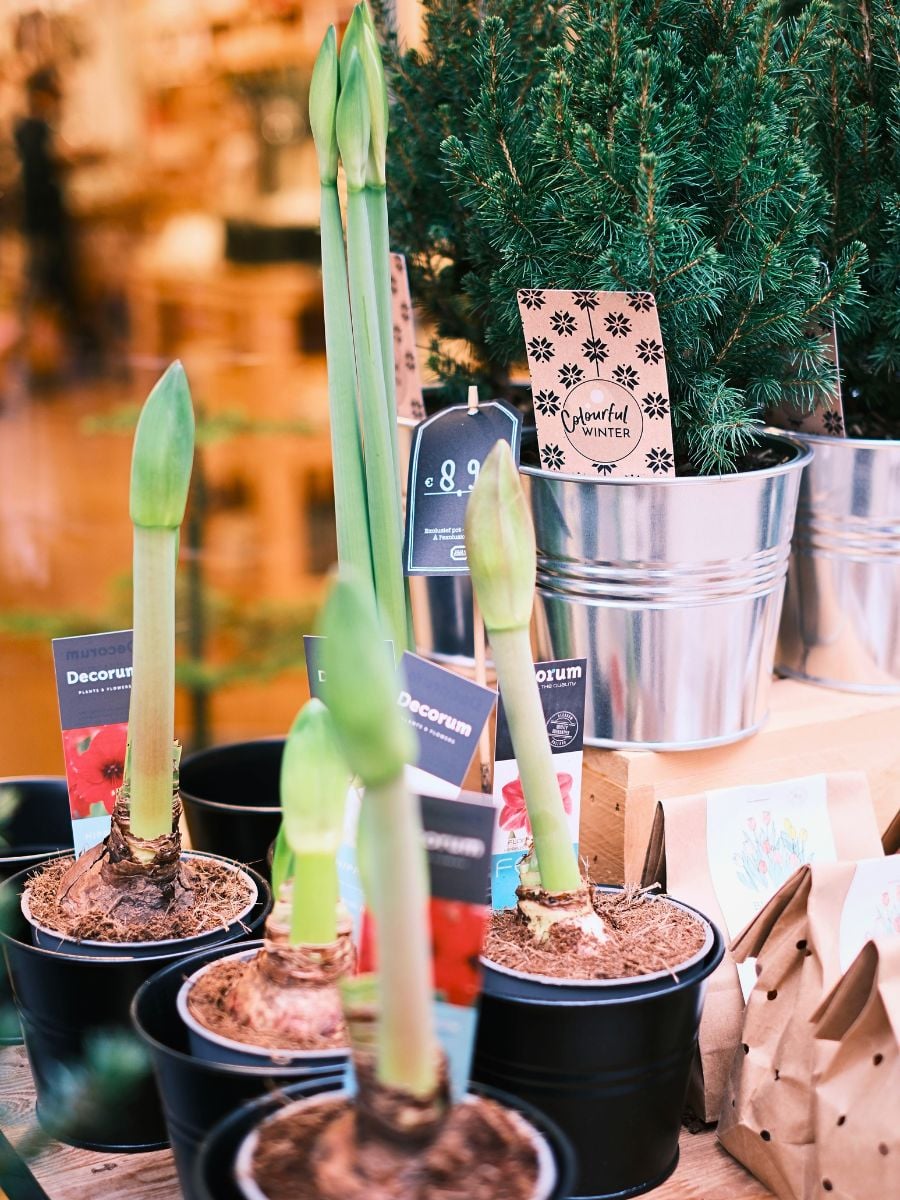
One practical characteristic that florists must manage is the hollow stem. Amaryllis stems are structurally unlike most other cut flowers, and their natural tendency to split and curl at the cut end is a characteristic that does not affect vase life but can affect appearance. Experienced handlers wrap the cut end in waterproof tape or insert a support stake into the hollow stem to maintain structural integrity in arrangements.
Featured image: @BaiTao. Header image: Frank Eiffert.