December in the Northern Hemisphere demands that flowers do something difficult. They are required to look festive and provide beauty even when the garden outside has gone dormant. Driven by forced bulb techniques, equatorial harvests, and specialized glasshouse cultivation, this month brings its own rich assortment of flowers. It is a month defined by deep reds, clean whites, evergreens that never stopped being green, and other scented greenery. And each flower has its own story, and even its own rules.
It is, therefore, worthy to understand the December seasonality. And this requires looking beyond traditional cycles to evaluate photoperiod manipulation, cold-chain logistics, and specific structural choices for winter arrangements. How, then, do this month's florals work? Which flowers carry it, and what makes the difference between just a week of beauty and a whole month of it?
What ‘Seasonal’ Means in December’s Florals
In the Northern Hemisphere, few flowers grow outdoors in December, so 'seasonal' largely means what peaks under glass, indoors, or along global supply chains. To bypass local frost, supply relies on a few systems.
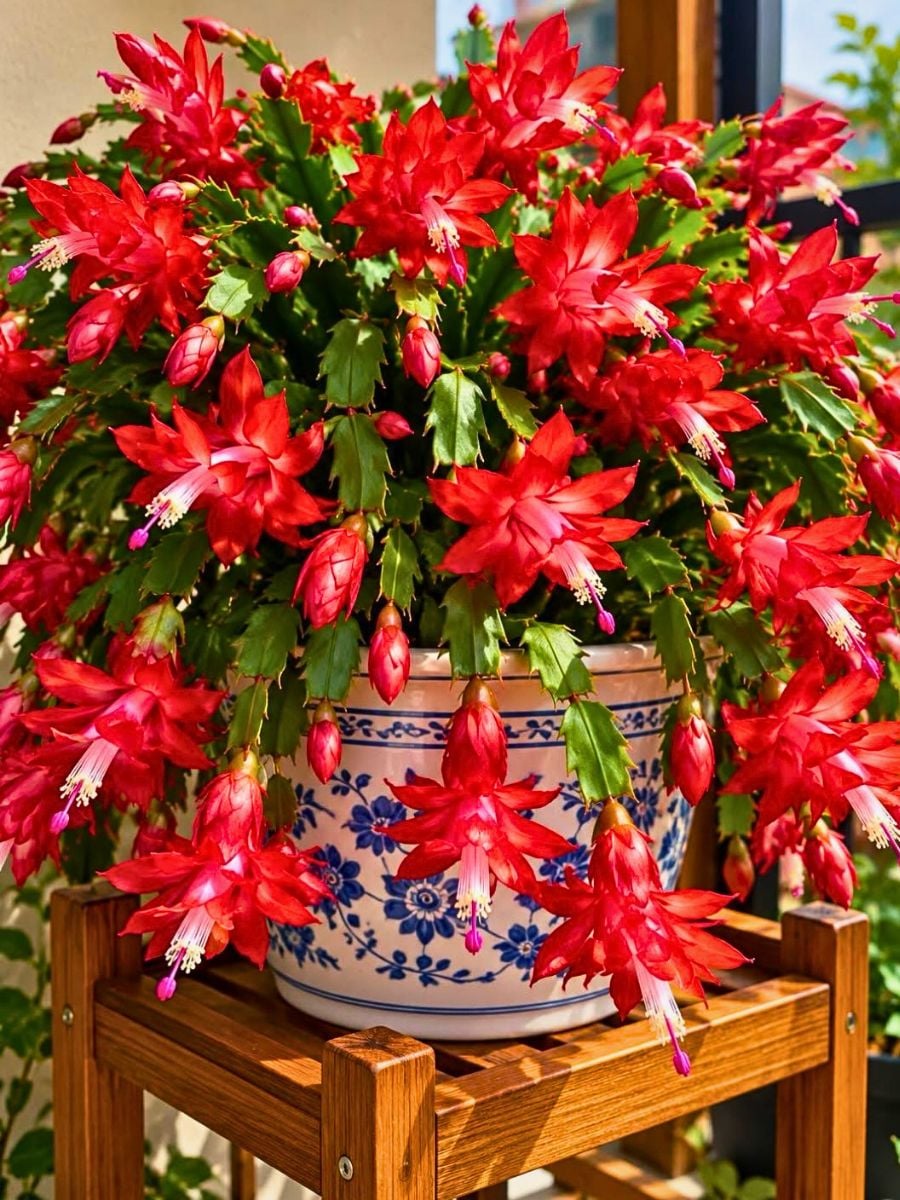
- Photoperiod manipulation: Many winter staples are short-day plants that only trigger blooms when nights grow long. In climate-controlled greenhouses, growers use blackout curtains and artificial lighting to cue Poinsettias and Christmas Cacti (Schlumbergera) to color up right on schedule for December.
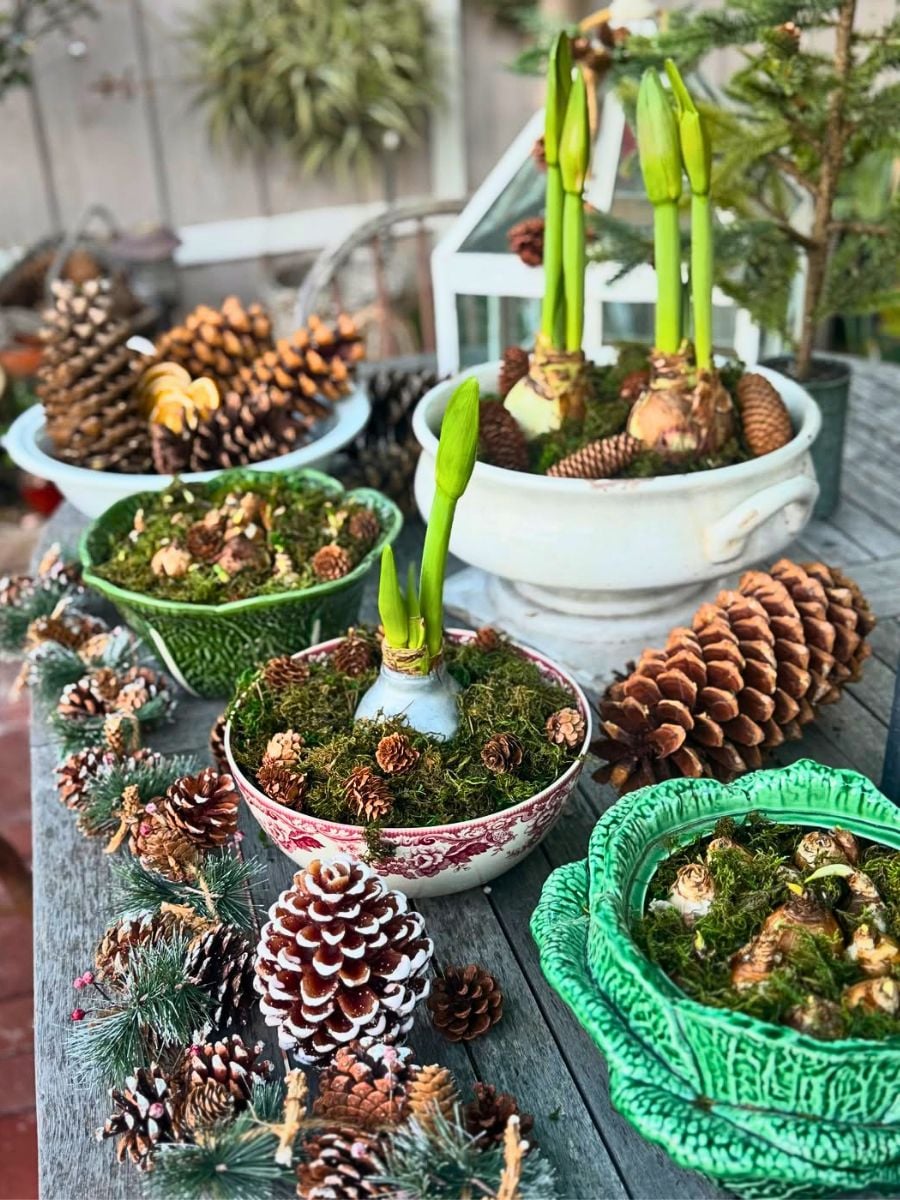
- Forced-bulb dormancy: Spring bulbs naturally need weeks of freezing temperatures before sprouting. Growers replicate this winter chill in commercial coolers, and then move bulbs like amaryllis and paperwhites into warm greenhouses so they bloom right in time for the holidays.
- Equatorial harvests and cold-chain logistics: Because equatorial regions get twelve hours of steady sunlight year-round, high-altitude farms in Colombia, Ecuador, Kenya, and Ethiopia never go dormant. Growers time their flowers' peak in December, using refrigerated air freight and cold chain to keep them fresh until they reach winter markets.
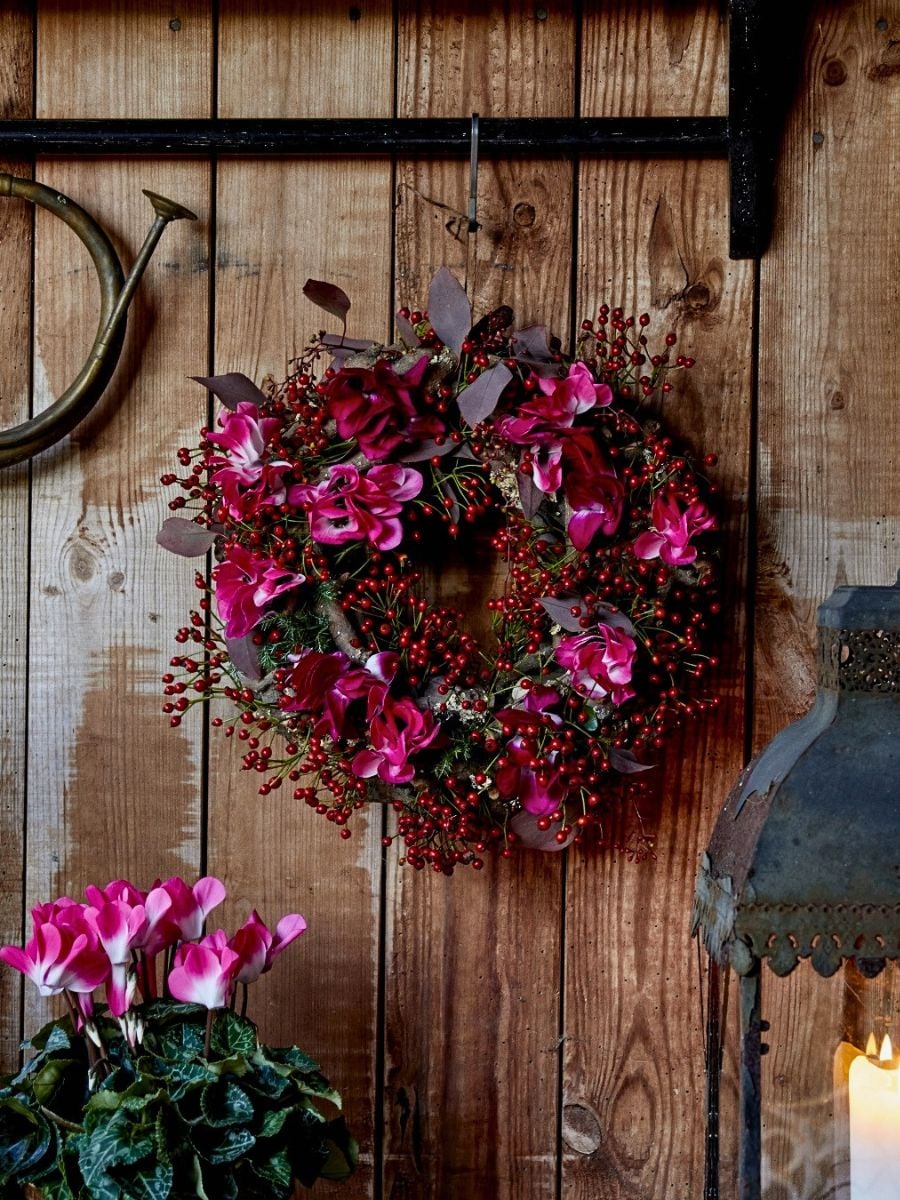
Meanwhile, evergreens carry much of the structural load. Pine, cedar, and fir last all winter, while holly and winterberry deliver bold red color without any petals. Elsewhere in the Southern Hemisphere, it tells a different story altogether. Because December opens summer there, seasonal flowers come straight from outdoor farms and gardens rather than forced bulbs or heated greenhouses.
Red and White and Why They Rule the Month
Red and white dominate December tables for good reasons. Red roses carry love and warmth, and white roses, as the guide to Christmas flowers and plants explains, suggest calm and winter landscapes. Roses come year-round from greenhouses and highland farms, which is why they are the reliable base of so many winter arrangements.
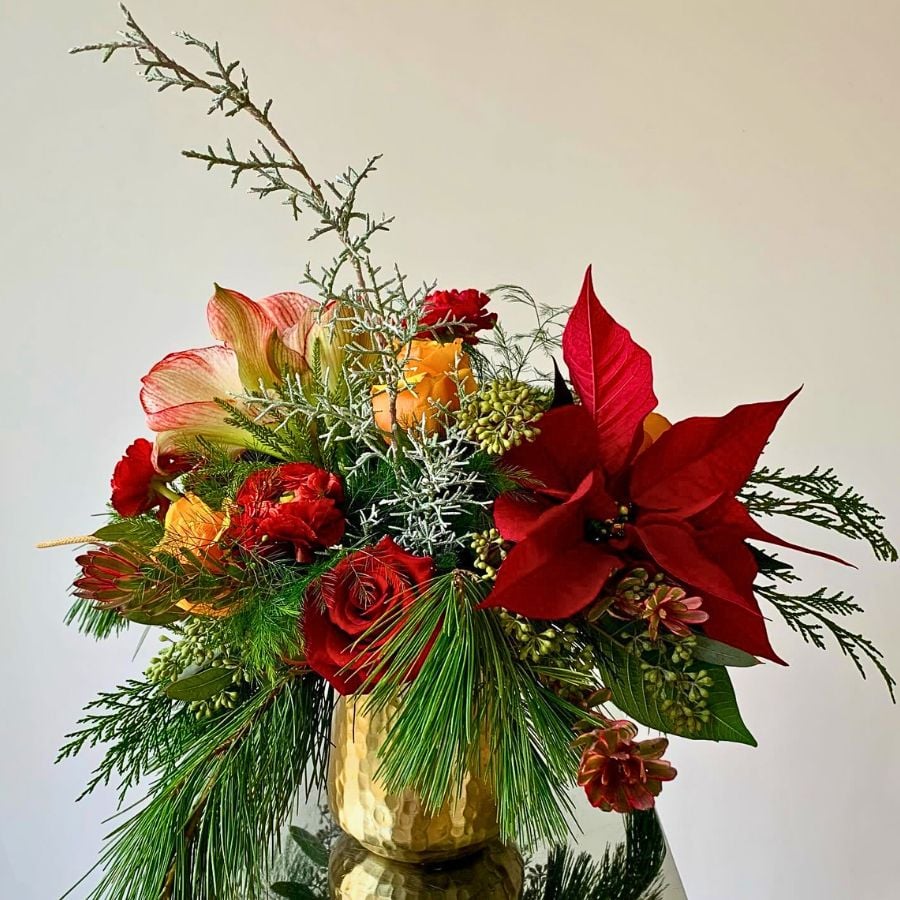
But the Poinsettia brings the most famous red of all. It is native to southern Mexico, where the Aztecs called it cuetlaxochitl and used it as a dye, and Spanish missionaries later named it the Flower of the Holy Night. It carries the name of Joel Poinsett, the first U.S. ambassador to Mexico, who sent cuttings home in the 1820s, and the colored parts are bracts, not petals, as the Old Farmer's Almanac Poinsettia story explains.
A Mexican Poinsettia legend tells of a girl named Pepita who had no gift for the Christ child and brought weeds that turned red. National Poinsettia Day, just as well, falls on December 12.

Focal Bulbs and Architectural Flowers Timed to the Calendar
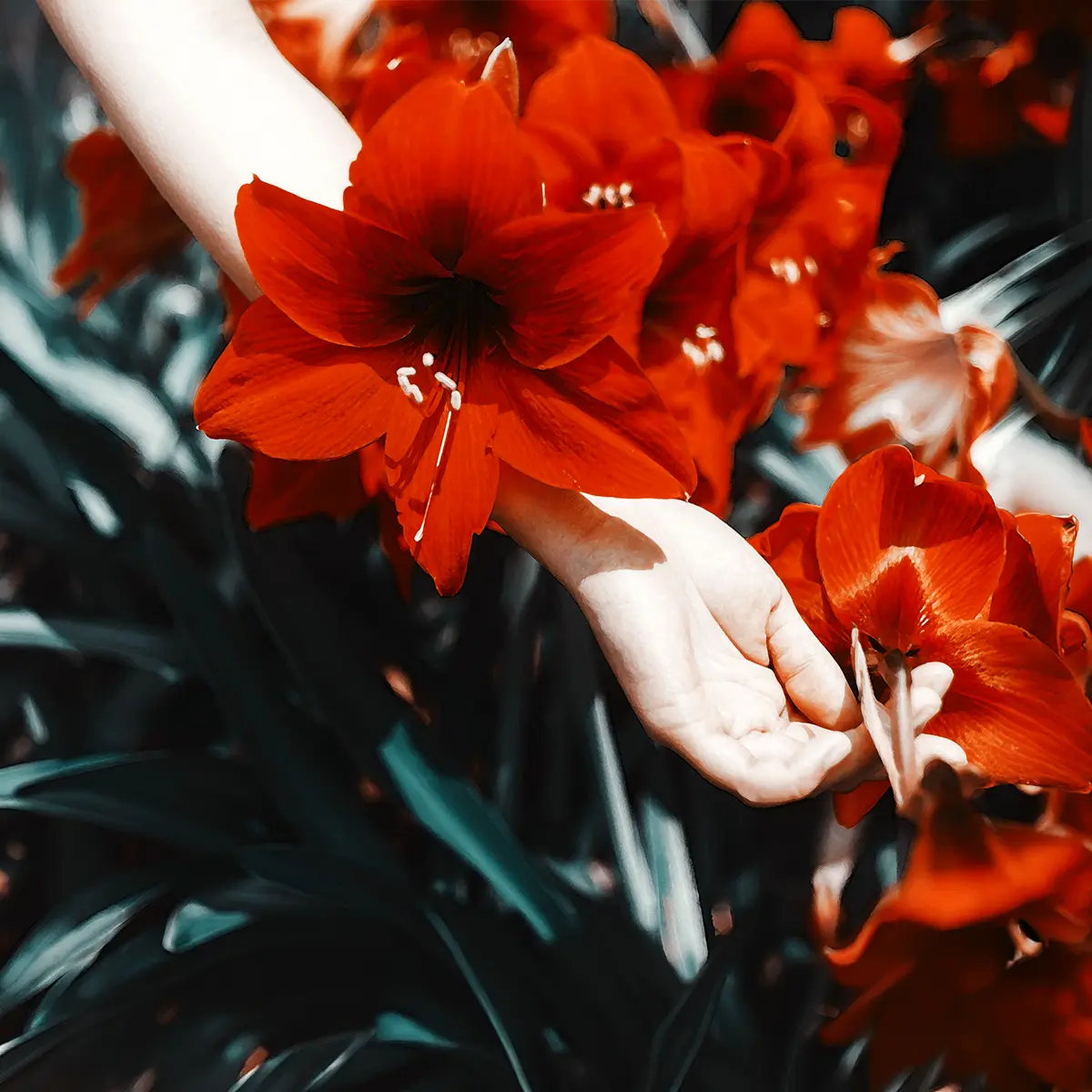
Among winter focal flowers, not many match the visual weight and performance of Hippeastrum, commercially known as Amaryllis. Originating in tropical and subtropical regions of South America, Amaryllis is grown from substantial bulbs that store large energy reserves.
It became a holiday flower because its bulbs can be forced to open indoors in winter. Dutch bulbs flower six to eight weeks after potting, while South African bulbs take less time, so potting in early to mid-November brings flowers by Christmas.
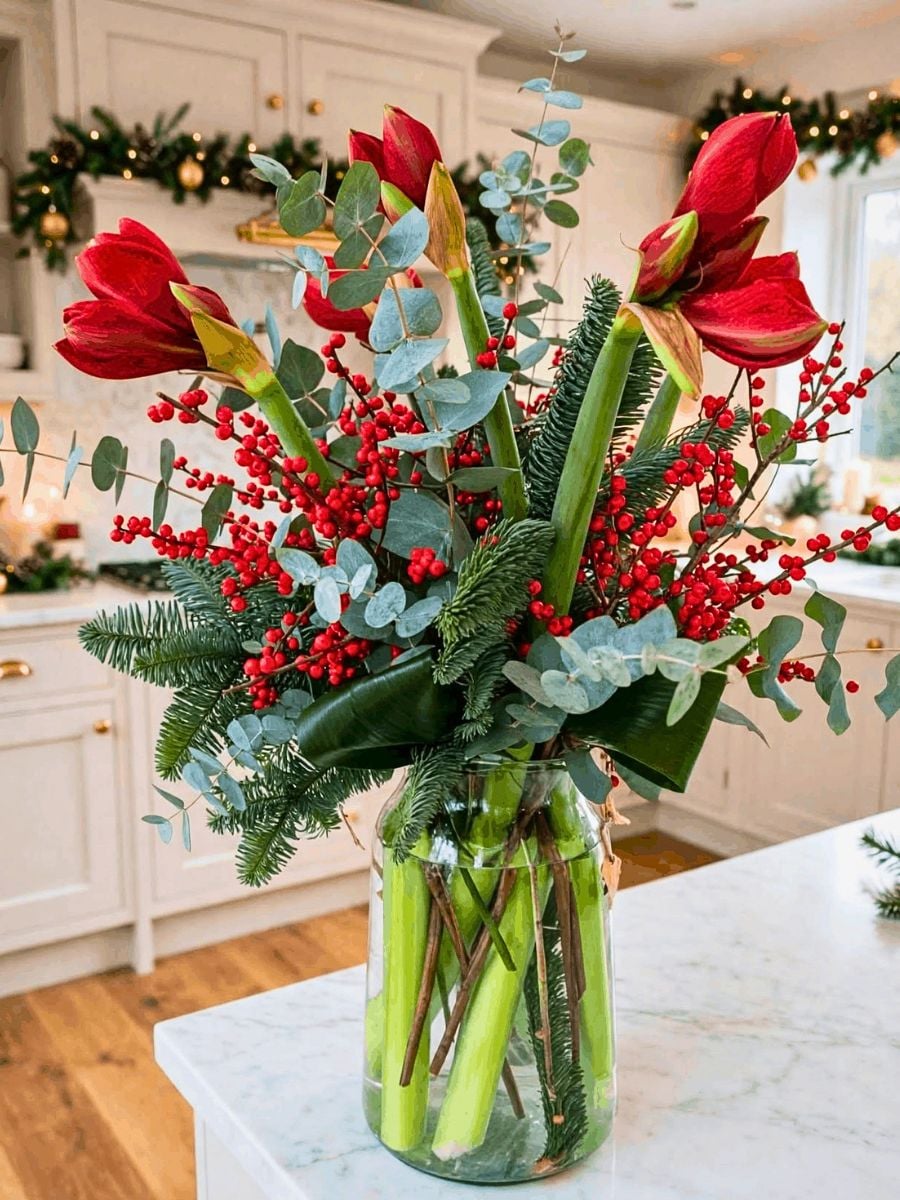
- The mechanism: Commercial Dutch and South African growers subject bulbs to controlled cold storage to induce dormancy before warming them up, aligning peak bloom precisely with December.
- Design and handling: A thick, hollow stem typically yields four massive flowers opening in succession. Because the hollow stem can split under heavy flower weight, florists often insert a thin wooden dowel into the stem or wrap the base with clear waterproof tape. Shallow water in a heavy base keeps the flower’s stem from splitting and prevents bacterial fouling.
Concurrently, forced Paperwhite Narcissus (Narcissus papyraceus) forms a key staple of indoor December displays. They are, in fact, a December birth flower with a noticeable scent. Unlike yellow garden Daffodils that require a prolonged cold chill to break dormancy, Paperwhites are warm-climate Mediterranean native bulbs that force easily indoors without cold treatment.
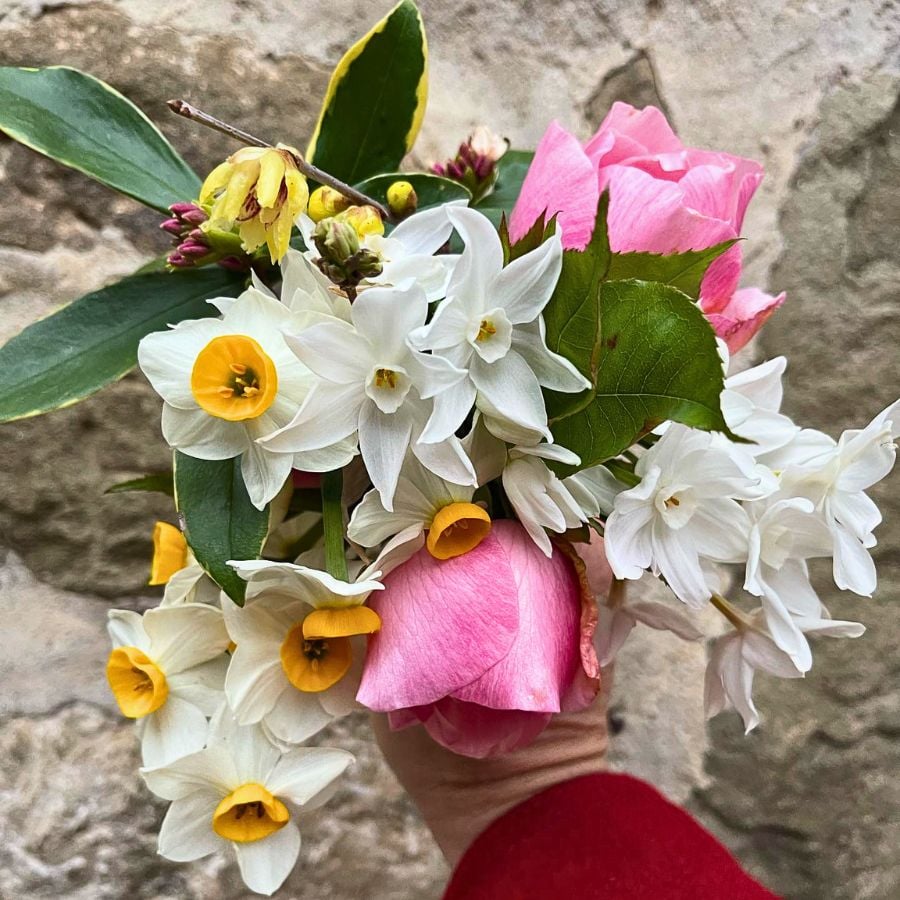
Placed over pebbles in shallow water, they produce clusters of fragrant white blossoms within three to four weeks. Their high stem elongation rate can lead to flopping, which is commonly mitigated in home settings by adding a minor alcohol solution (such as a 4% to 5% ethanol blend) to slightly stunt stem growth without affecting flower size.
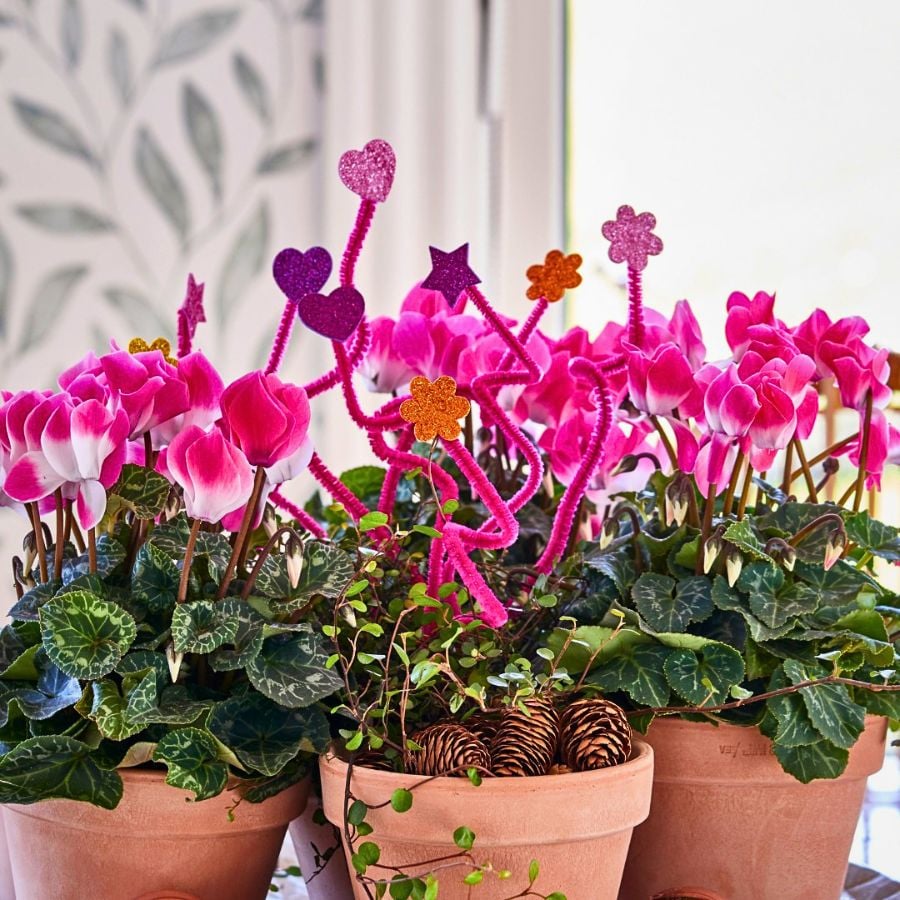
Cyclamen also gives up to about three months of indoor flowers, though significant warmth makes the buds fail. Christmas Cactus is also another good example, though it should not be moved once buds form.
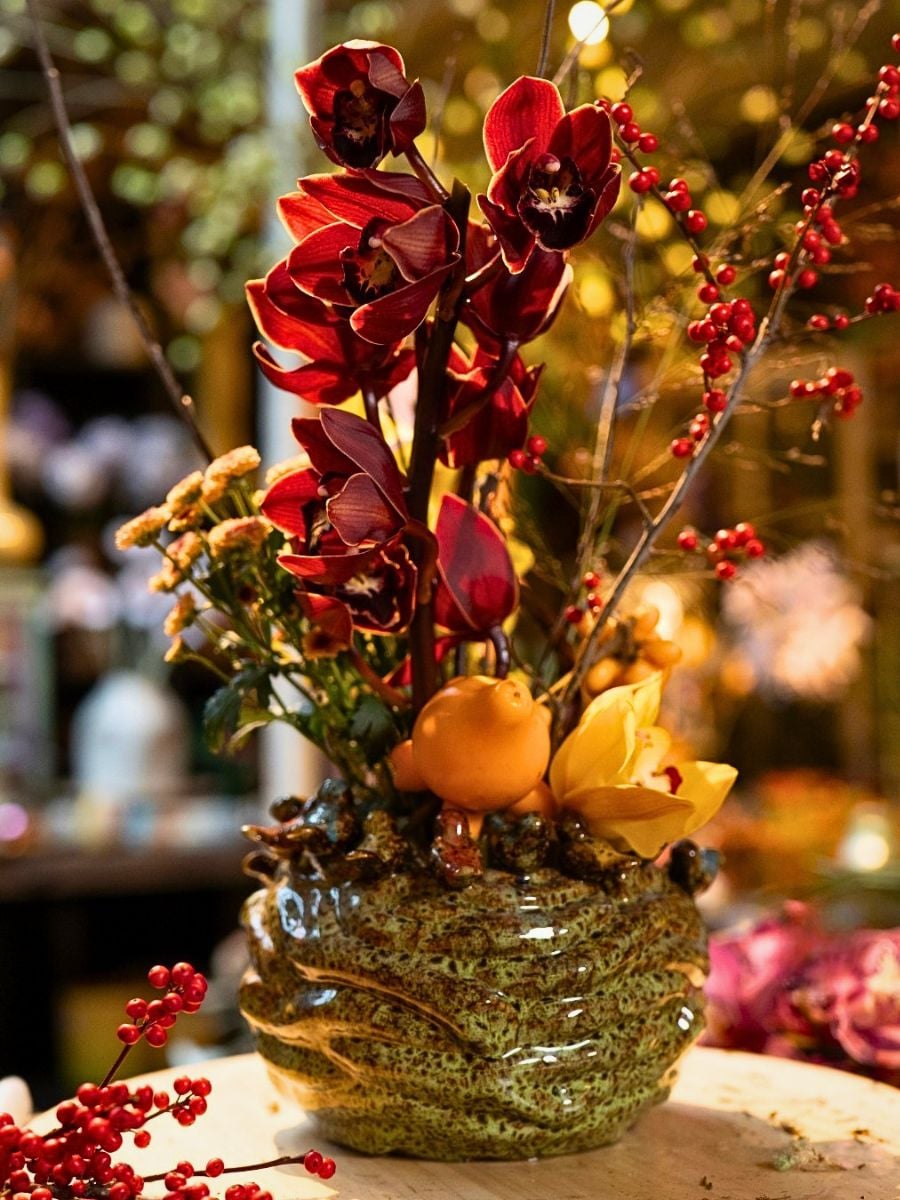
Cymbidium, one of the oldest cultivated orchids, with evidence of cultivation in China 2,500 years ago, is also one of the most durable luxury cut flowers during the holiday period. Unlike fragile cut flowers, Cymbidium sprays feature thick, waxy petals designed to tolerate cooler temperatures.
Largely imported from regions with specialized microclimates, such as high-altitude farms, as well as grown in climate-controlled greenhouses, Cymbidium orchids can last upwards of three to four weeks in a vase. Plus, they resist indoor heating stress exceptionally well, provided they are kept hydrated and away from direct heating vents.
Other flowers bridge winter and spring, including Ranunculus, which comes in burgundy, chocolate, pastel pink, and white, and Anemones, which add black-centered contrast to soft flowers.
Delicate Flowers Like the ‘Winter Rose’ and Cold-Climate Specialties
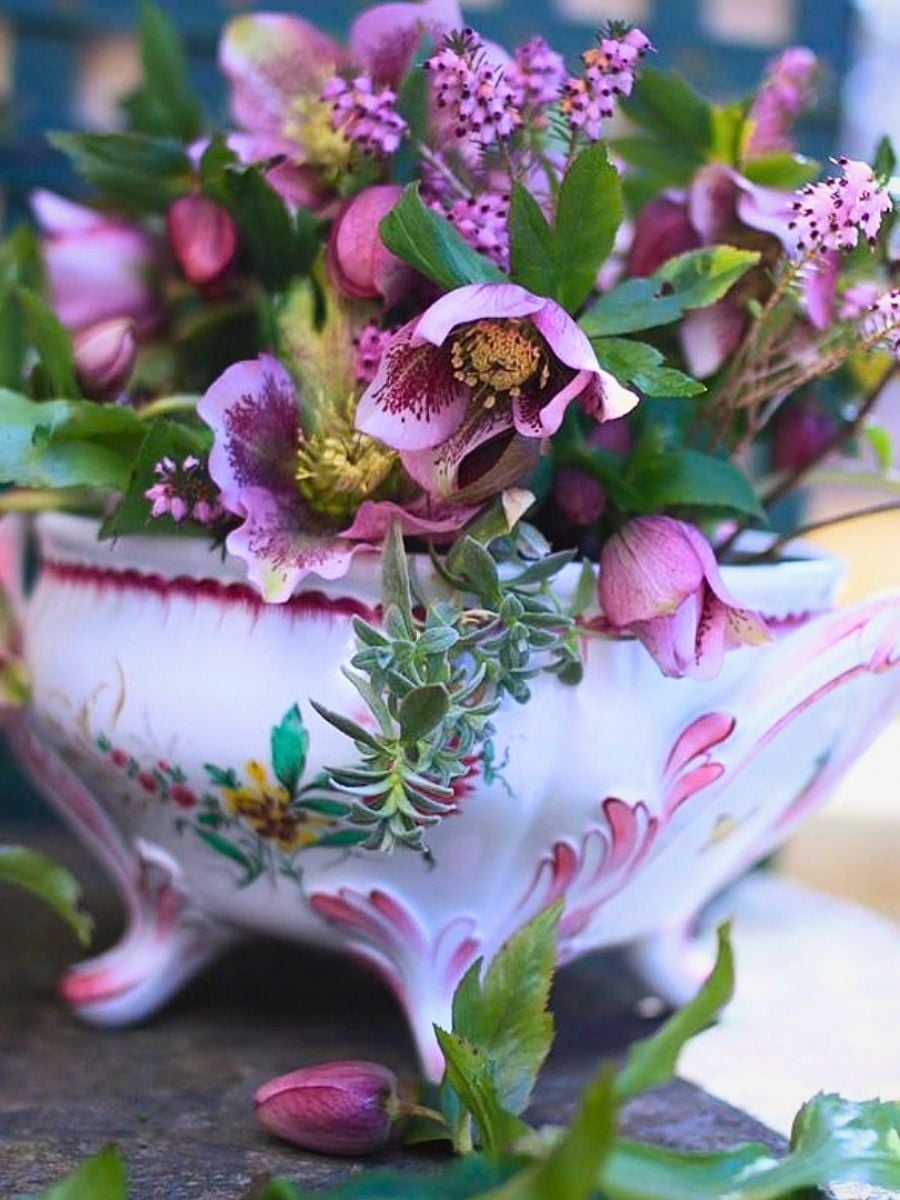
While garden roses are imported year-round from high-altitude equatorial farms, December still features a distinct native cold-bloomer, though not really a rose: Helleborus niger, commonly called the Christmas Rose. Hellebores bloom when most garden flora is completely dormant. However, handling them as cut flowers requires specific conditioning.
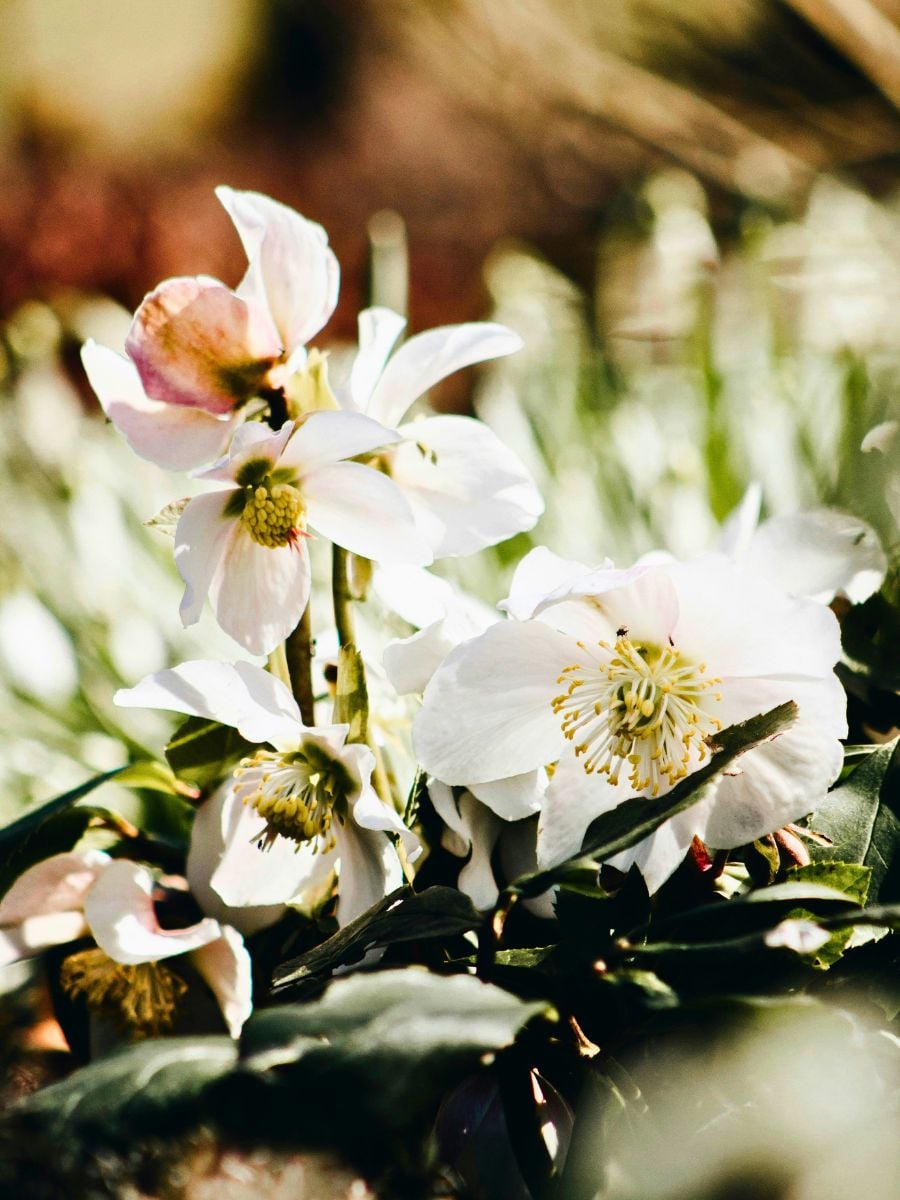
The cutting stage is important. Flowers cut too young will wilt within hours. Florists usually source flowers harvested at the ‘classic’ stage, when seed pods begin to form, and tissues have hardened. Hydration is also important. The flowers require a fresh angled cut and deep, clean water treated with a commercial nutrient and bacterial inhibitor solution.
Also note their design structure. The natural nodding habit of hellebore heads provides movement and organic form in soft, romantic winter arrangements. In addition to these flowers, other forced bulbs like early-season tulips, hyacinths, and Iris begin appearing at auction clocks by mid-December, bringing early spring color into late-winter displays.
Fragrance, Greenery, Woody Branches, Berries… and Old Seasonal Traditions
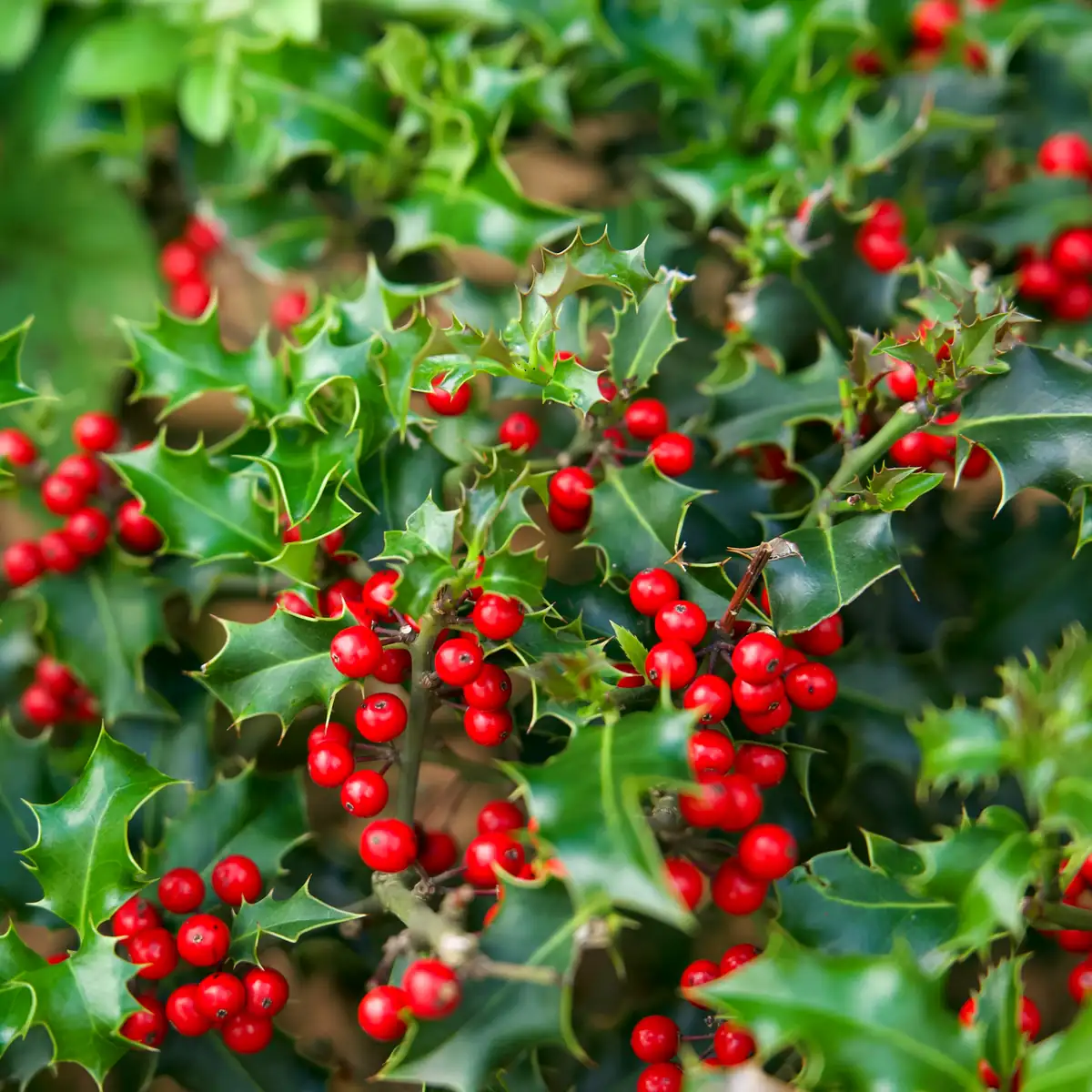
Greenery brings the season's scent. Holly, for instance, which stays green through winter, stands for good fortune, and winterberry keeps its berries from early December until after New Year. In the UK, people hung Holly and ivy in welcome rings over doors. Mistletoe, on the other hand, stands for romance, fertility, and vitality, and English heritage dates the first written record of kissing under it to a 1784 opera.
Evergreens are practical just as well. Noble Fir lasts many weeks even without water, and can be used in Advent wreaths. Juniper, with a strong scent, makes wreaths or a small alternative tree that can return to the garden after the holidays. Pine, for its part, is heavy, so use short pieces at the base of an arrangement and let eucalyptus and willow give height and movement. It is also rich in natural essential oils that provide seasonal fragrance while holding its needles indoors.
No December floral analysis is complete without accounting for woody fruiting branches and winter foliage, which form the structural spine of seasonal floral design. Ilex verticillata (Winterberry), unlike evergreen Holly, and as already noted, is a deciduous holly that drops its leaves in late autumn, leaving bare stems covered in dense clusters of scarlet berries. Cut Ilex branches last for weeks without water loss concerns, so they are ideal for tall vase arrangements and structural holiday installations.
Buying and Caring for December Season Flowers
Cold is the biggest threat for this month. Flowers can, for instance, chill when they move from truck to door, so ask the florist to wrap them well and carry plants straight to a slightly warm room. Dry indoor heat is also a risk, so keep arrangements away from radiators, drafts, and candles, especially near dry greenery. Also, as this seasonal flower shopping guide explains, supply and demand rise suddenly around holidays, so ordering ahead secures better flowers.
Also important is to choose by role. Amaryllis and Poinsettia suit a statement piece, while white roses, Ranunculus, and others work for gifts and tables. For a host gift, Anthurium, white Phalaenopsis, and a Christmas cactus are ideal and last longer. So, whichever hemisphere you are in, December does well for flowers chosen with the season in mind. A well-timed bulb, a properly taken-care-of poinsettia, or a bowl of scented evergreens conveys the mood of the month even beyond the holidays.
Featured image by @rootedinthyme. Header image by Chuttersnap.