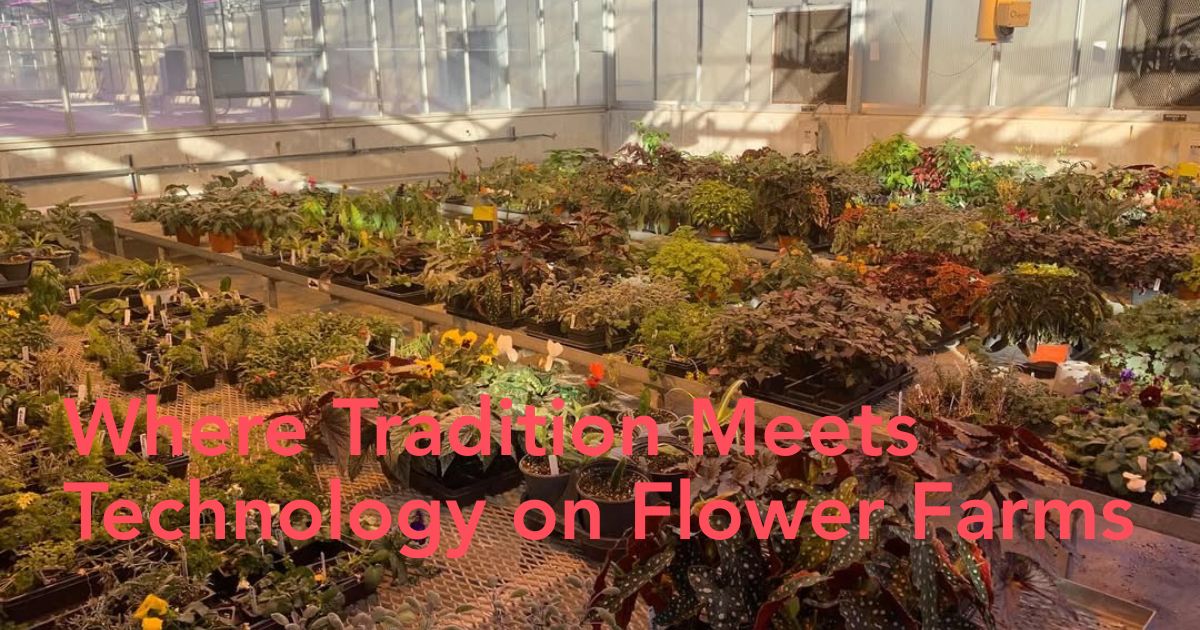
Spend a morning on a flower farm and it feels like two worlds stitched together. You still see growers doing the things they have always done. They touch the soil. They check leaves with the same quiet focus they learned from their parents. But nearby, you might notice a tablet sitting on a crate or a phone buzzing with a new reading from a sensor hidden under the beds. It is a strange mix at first, though farmers will tell you it makes their days easier and a little less wasteful.
Digital tools have slowly become part of the routine. They keep track of weather shifts, deliveries, and which buyer needs what. And because farms talk to partners across borders now, many growers take small precautions when they work on shared devices or while traveling.
You can find more floral inspiration here: Sustainability Defined - Understanding the Meaning of This Concept in Floriculture
Learning From What the Soil Says
A big part of sustainability happens before anyone sees a bloom. Sensors buried in the beds send updates about moisture and nutrients throughout the day. For growers who once relied on routine watering, this feels like someone turning on a light in a dim room. They water only when the soil asks for it. The fields stay healthier, and the pumps run far less than they used to.
Light and temperature readings help in small but important ways, too. Shade cloth can go up earlier on hot days. Ventilation can be adjusted without overthinking. These little choices save energy over time and help the plants settle into a more natural rhythm.
Why Timing Still Decides Everything
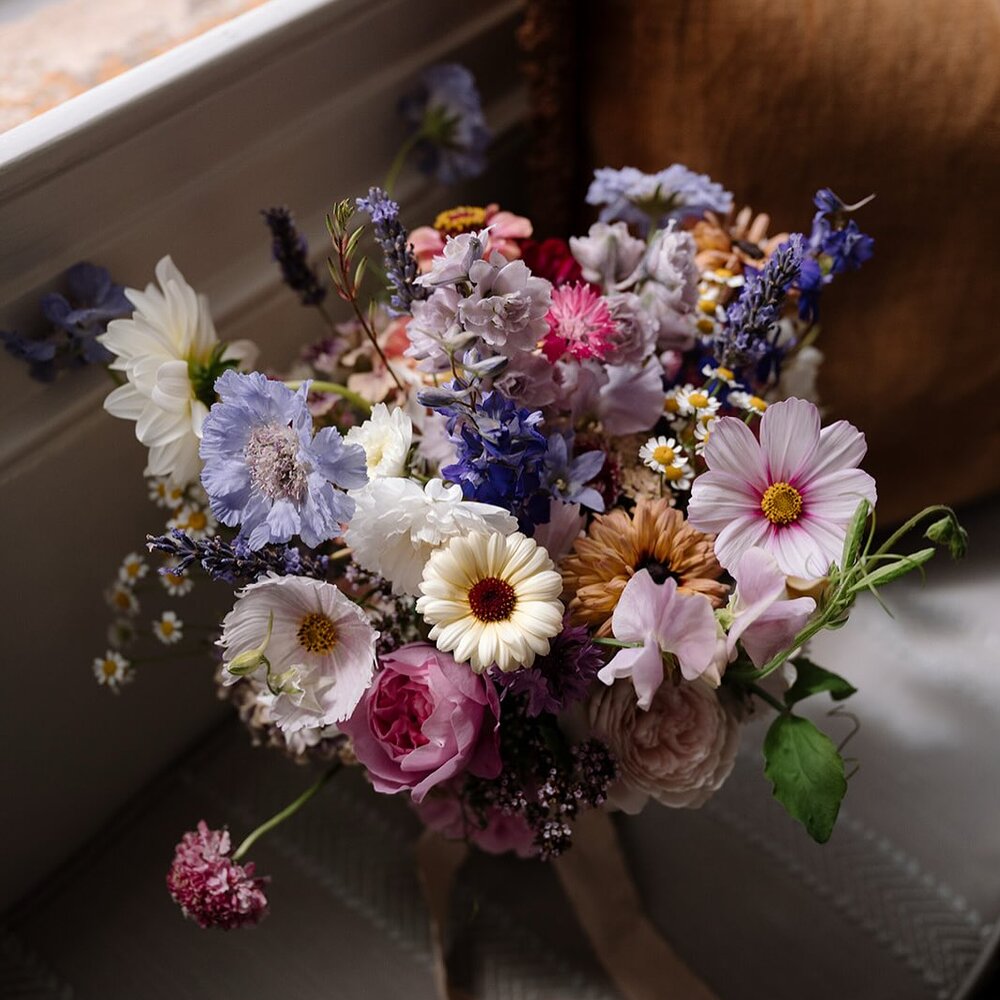
Ask any farmer what keeps them up at night, and they will mention timing. Cut too early or too late, and the whole shipment can lose value. Digital platforms are not perfect, but they give growers a clearer sense of when each variety is reaching its best moment. This can mean the difference between a crate that arrives full of promise and one that droops before it gets to the florist.
When harvest timing improves, waste goes down. There is less rushing, fewer emergency transports, and fewer losses in cold storage. It is not only good for the environment. It helps the farm stay steady during a season when the margins are thin.
Some growers also take small precautions when coordinating shipment details from shared networks or while traveling. They may use simple tools such as ExpressVPN to keep their schedules and account access protected during the busiest weeks of the season.
Following the Flowers After They Leave the Farm
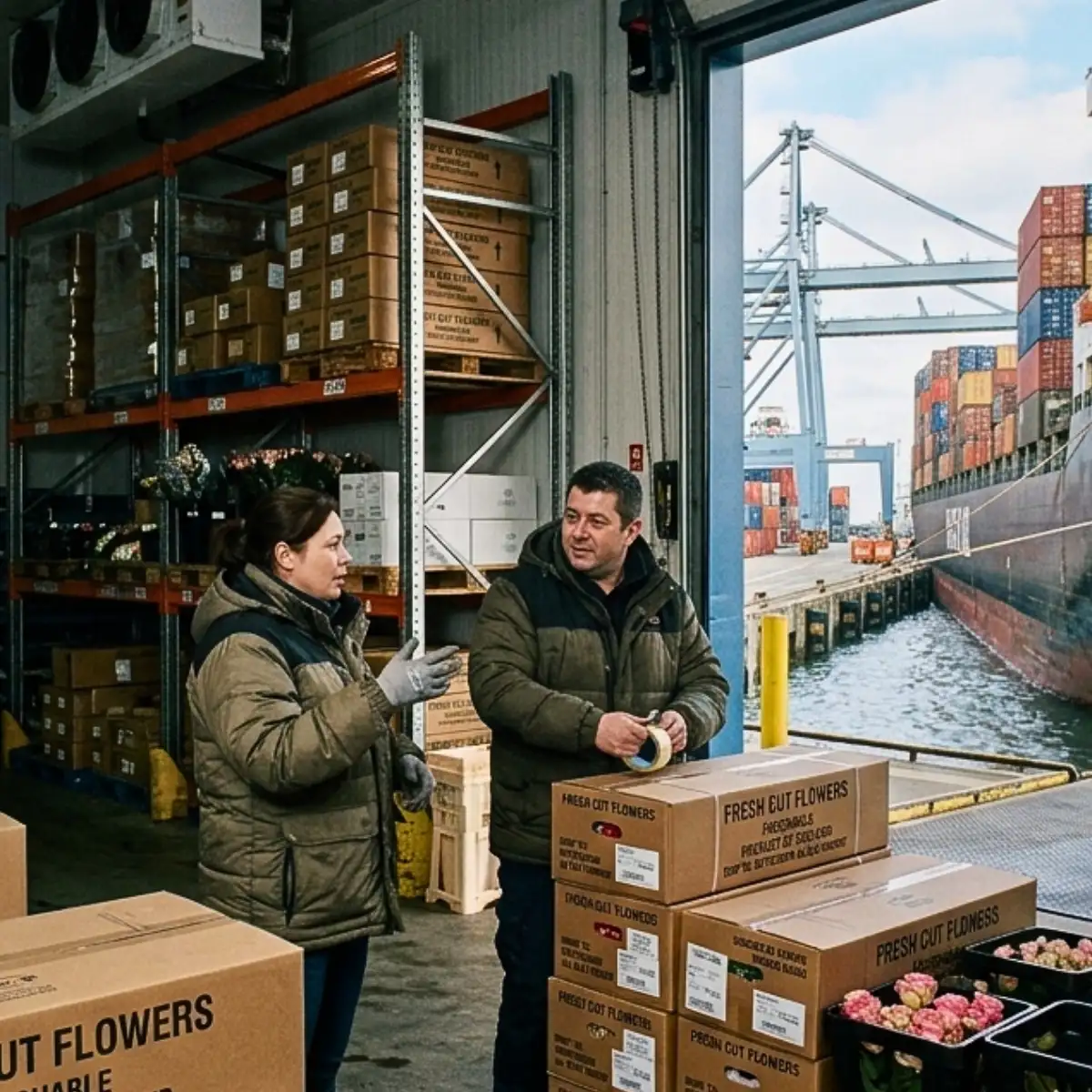
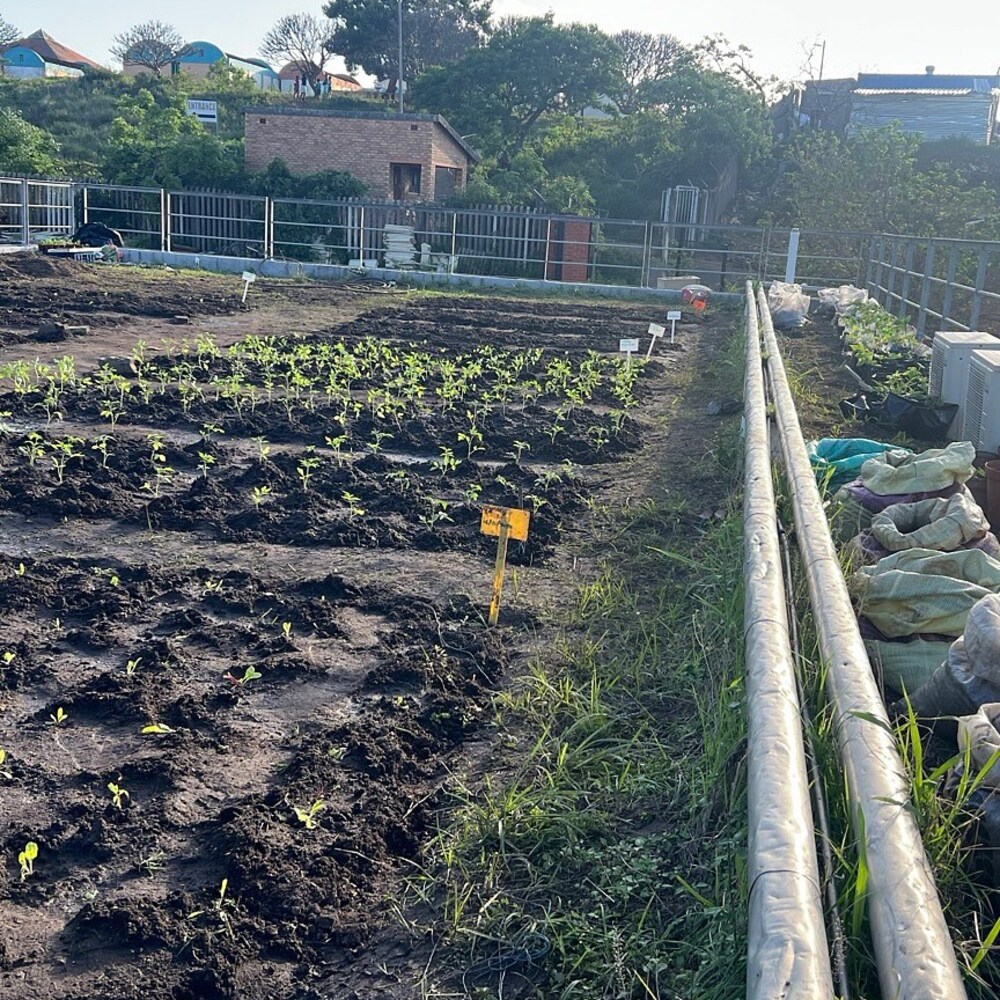
Once a flower is cut, the journey becomes delicate. Trucks, storage rooms, airports, and distribution centers all play a role in how long a bloom stays fresh. With digital tracking, growers no longer guess what happened along the way. A crate might show a temperature dip. A route might consistently cause delays. Patterns that used to be invisible are now easy to trace.
This visibility makes the supply chain feel more honest. Buyers appreciate it. They want to know how the farm works and where the stems travel before arriving in their shops. For anyone who wants a broader look at how digital systems are changing farming in general, this systematic review on digital transformation by Research Gate gives a solid picture of the trends shaping agriculture today.
A Wider Market for Small Farms
One quiet change brought by digital supply chains is the opening of doors for smaller growers. Cooperatives can now share platforms and approach markets that once felt unreachable. They can take part in larger orders, share shipping, and introduce their flowers to buyers who would never have found them otherwise. Growth happens without losing the character that makes small farms special.
Looking Ahead With One Foot in the Past
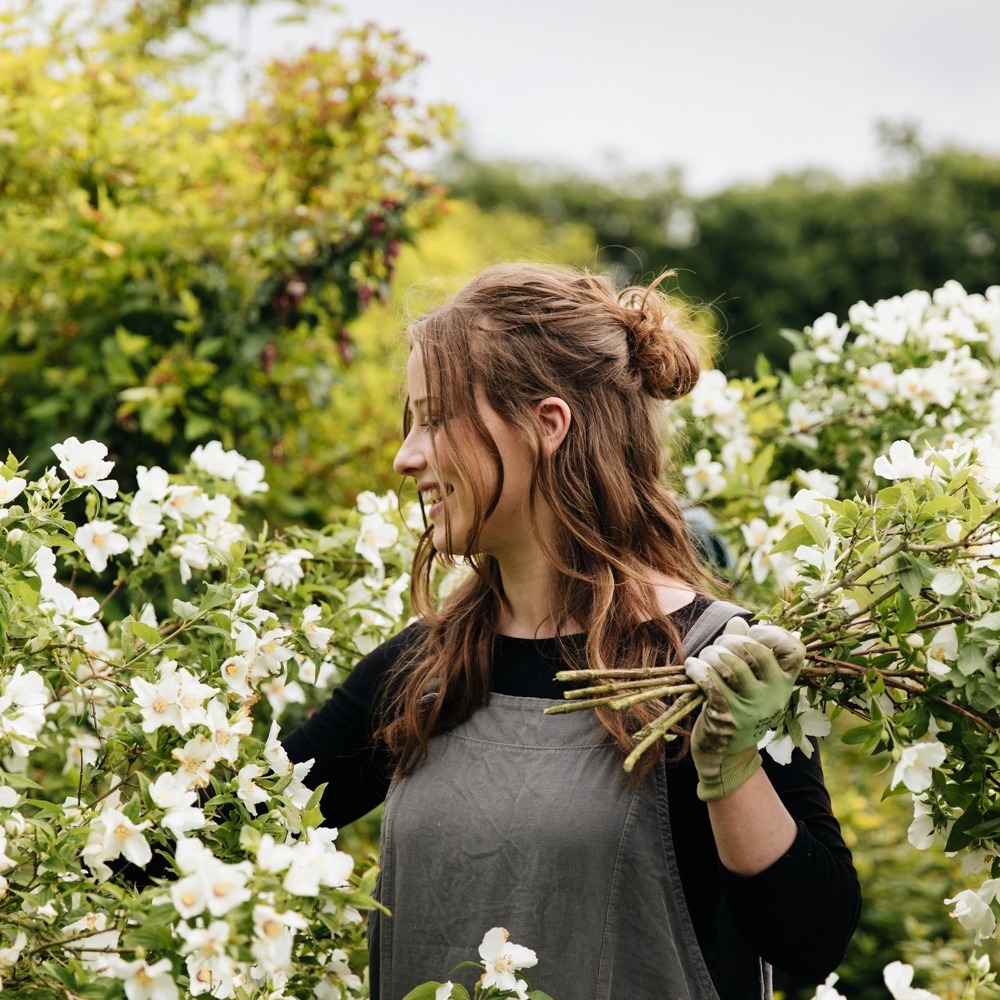
No tool can replace a grower’s instincts. People who have walked the same fields for decades understand things no dashboard can describe. What digital tools do is reduce the uncertainty that once ate up time and resources. Sustainability becomes easier when decisions are rooted in clearer information.
The future of floriculture will likely look like the present, only more connected. Farmers will continue to rely on their senses and their craft. They will also use data to protect their land and their livelihoods. If both sides work together, the flowers that reach the vase will carry not only beauty but a story of careful, thoughtful stewardship.