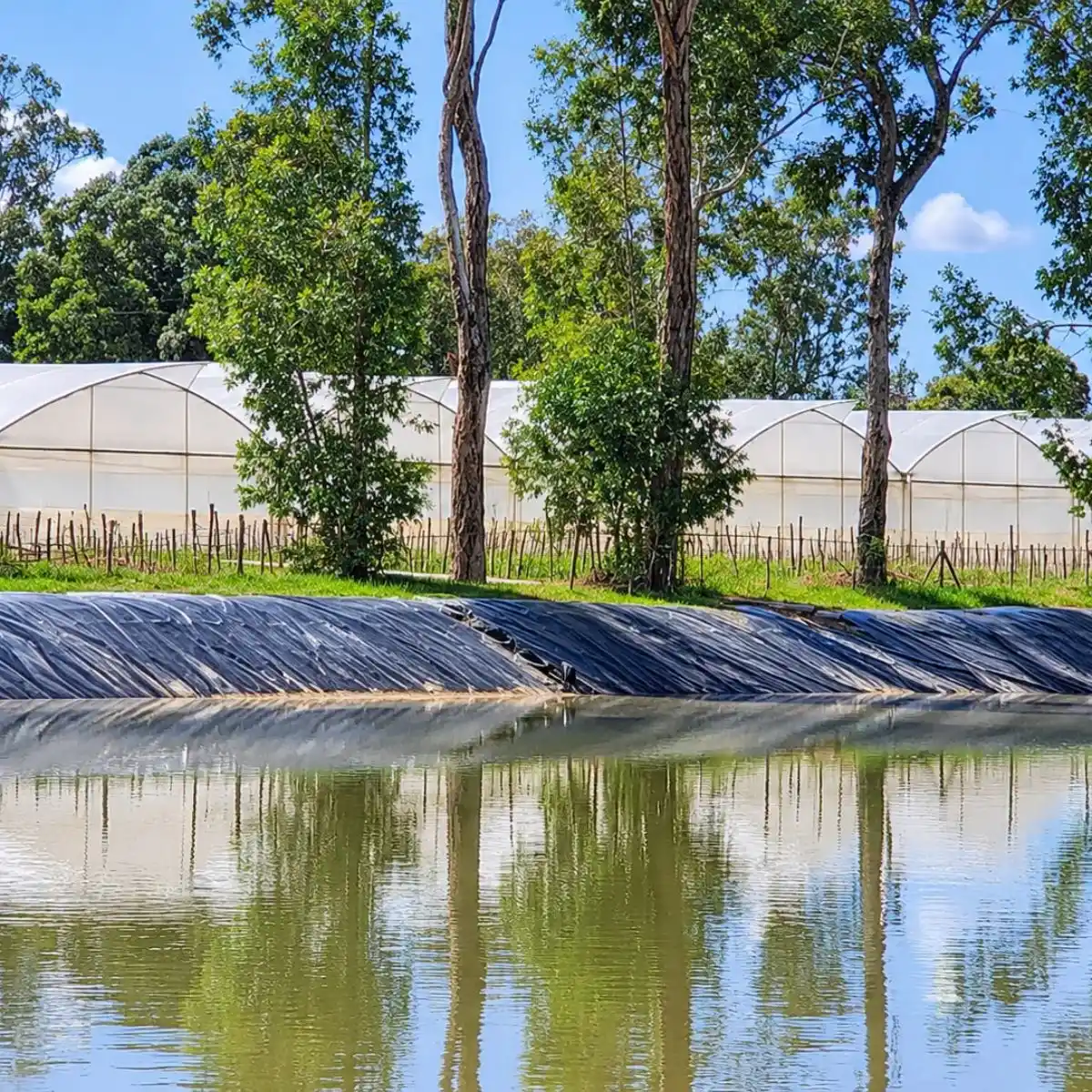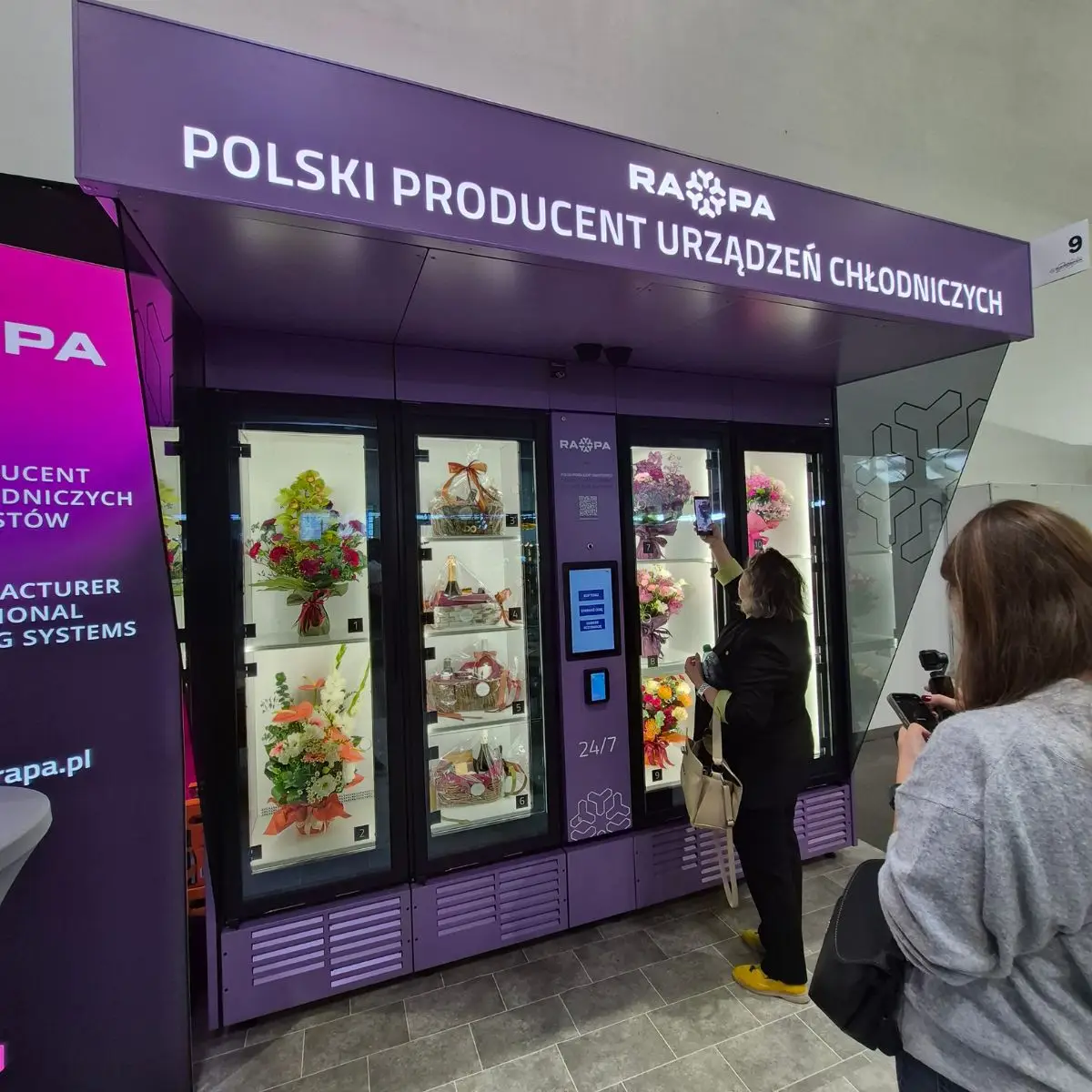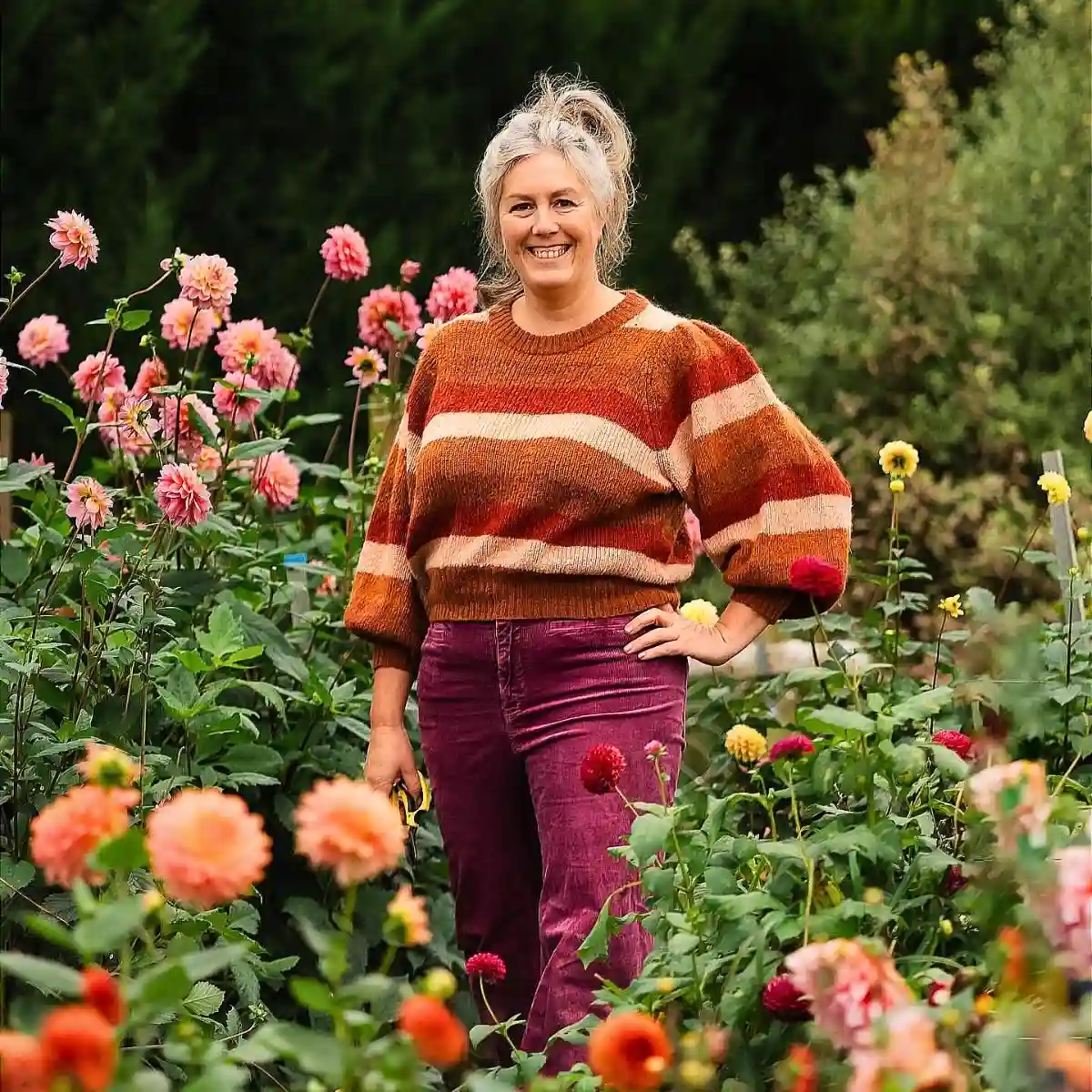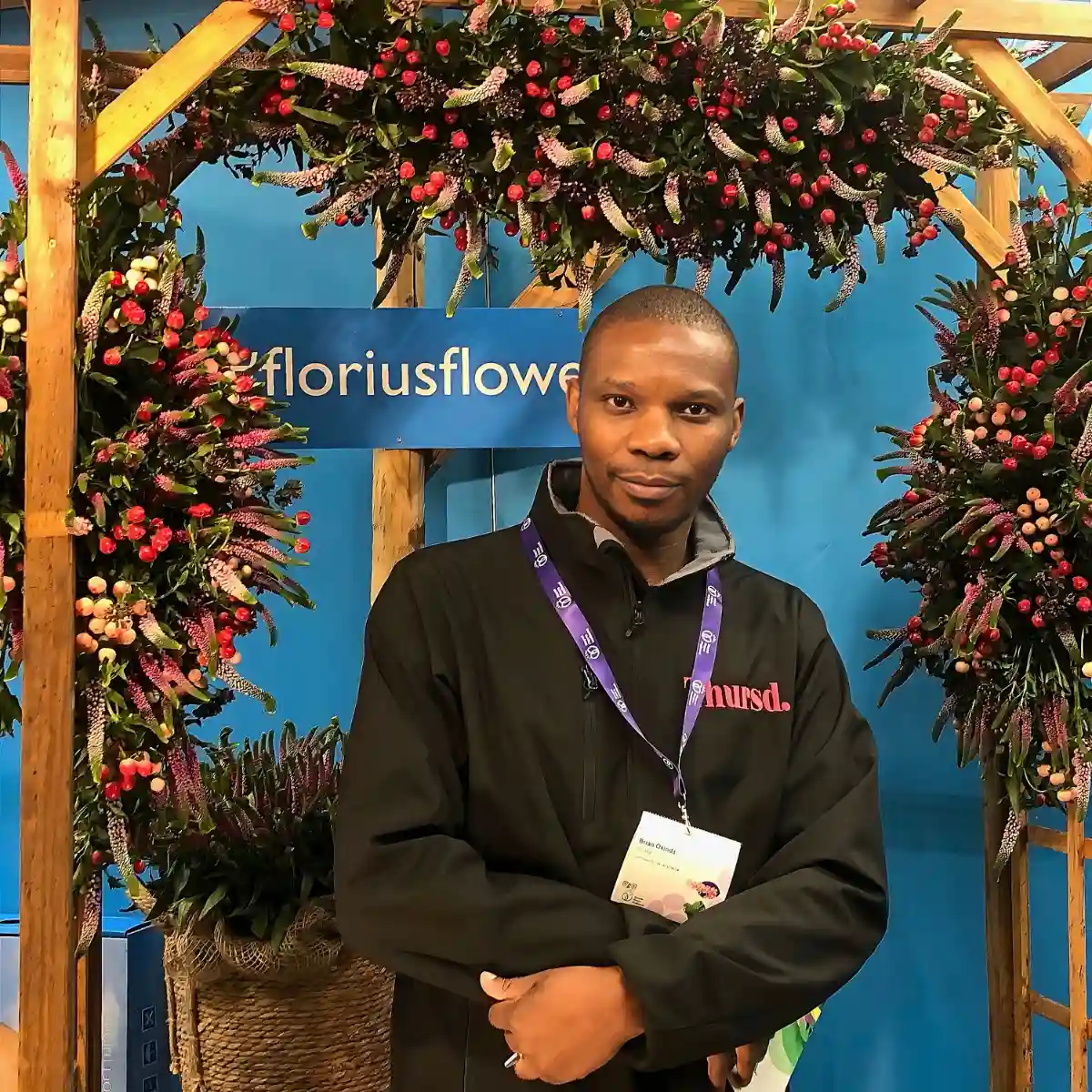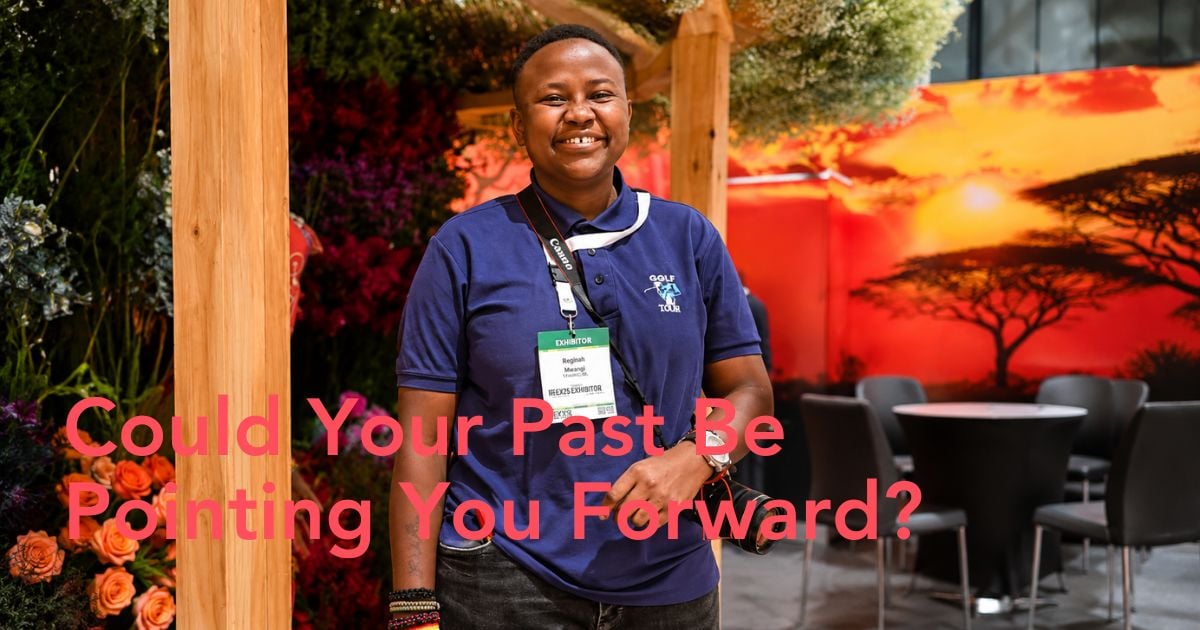
For Reginah Mwangi, the floral industry has always been part of who she is. It's not something discovered later in life. Growing up in Kenya, she spent much of her childhood wandering through rose greenhouses, surrounded by flowers that would eventually travel to homes, florists, and events around the world. At the time, they were simply part of everyday life. Looking back, they became the beginning of a career she could never have imagined.
Today, Reginah is Thursd's Kenya and East Africa Content Editor, sharing the stories of the growers, breeders, florists, flower farms, and people who continue to make East Africa one of the world's most influential floral regions. In many ways, she has come full circle. Of course, this is just the start of her editorial career, but there's no doubt that for Thursd, Reginah is doing an excellent job.
A Childhood Among Roses
For Reginah, childhood memories are filled with loving care, rows of roses, greenhouse paths, and the rhythm of flower farms that surrounded her as she grew up. Those early experiences gave her something many people never have: an understanding that every stem represents countless people working with respect, dedication, and passion.
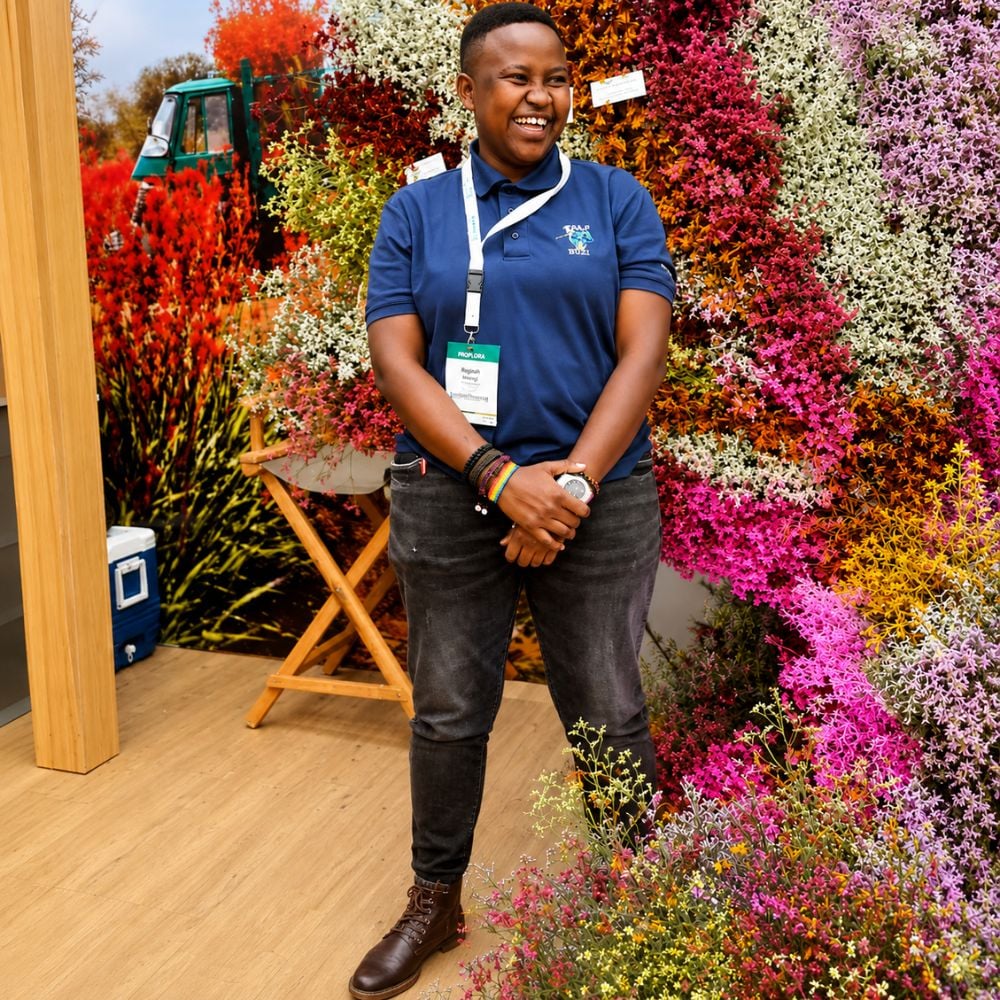
Today, when she writes about flower farms or interviews industry professionals, she isn't simply reporting on the industry. She understands it from the inside.
Giving East Africa a Global Voice
Kenya has become one of the world's leading producers of cut flowers, supplying florists and consumers across every continent. Yet behind those flowers are people whose stories are often less visible than the products they grow. That is where Reginah makes a difference.
As Kenya and East Africa Content Editor, she works closely with growers, breeders, exporters, designers, and floral businesses, helping to share their knowledge, innovations, and achievements with a global audience. Every article is another opportunity to showcase not only what East Africa produces but also the people who make it possible.
More Than Reporting
Good storytelling begins with curiosity. Reginah enjoys discovering the people behind the flowers, understanding what drives them, and translating those conversations into articles that inform and inspire.
Because she understands both the local culture and the international floral industry, she can bridge two worlds. She brings global readers closer to East Africa while helping local companies share their stories far beyond their own borders. That connection makes her work an important part of the Thursd editorial team.
Growing Together
The floral industry is constantly evolving. New varieties are introduced. Sustainability continues to develop. Growers innovate. Markets change. By staying close to the people shaping those developments, Reginah helps ensure that readers experience not only the flowers themselves but also the ideas, challenges, and passion behind them. Her work reminds us that every flower has a story, and every story deserves to be told.
Getting to Know Reginah
Behind every article is a person with her own story. We'd love to hear more about hers.
When did you first realize that flowers would become part of your career?
"I never really set out to build a career in flowers. Funnily enough, I think the flowers found me before I found them. I realized flowers would become part of my career when I was working in a completely different industry. At the time, I was a storyteller for a comic book, and my colleagues would often ask me to bring them flowers whenever I went home. That eventually led to more farm visits, and when COVID hit, I went back home and later joined Tambuzi as their Product Development and Marketing Specialist.
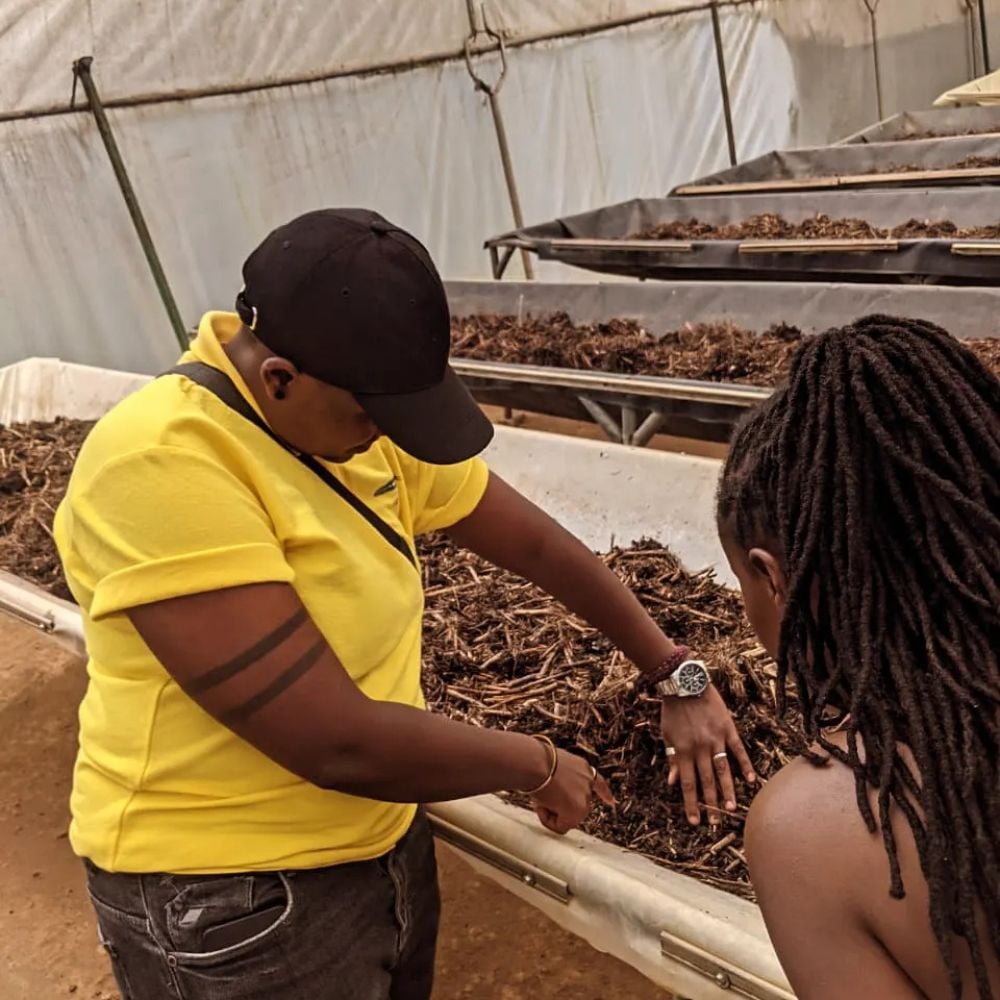
That is really where my journey with flowers began in earnest. I worked closely with growers and breeders, helping to introduce new varieties to market and collaborating with companies such as David Austin and Parfum Flower Company. I also gathered farm content that showcased Tambuzi as a whole, attended farm visits and flower shows, and experienced many different sides of the industry. I have always loved jobs that offer exposure and do not require me to sit in one place for hours, and Tambuzi gave me exactly that. Looking back, I think the flowers found me before I even realized they would become such an important part of my career."
What are your strongest childhood memories of growing up around Kenyan flower farms?
"One of my strongest childhood memories is being fascinated by why flowers had different scents. I could never understand how this was possible when they were growing in the same soil. Some roses had incredible fragrances, while others had absolutely no scent at all. I remember using a mortar and pestle to crush petals and try to make my own perfume, haha.
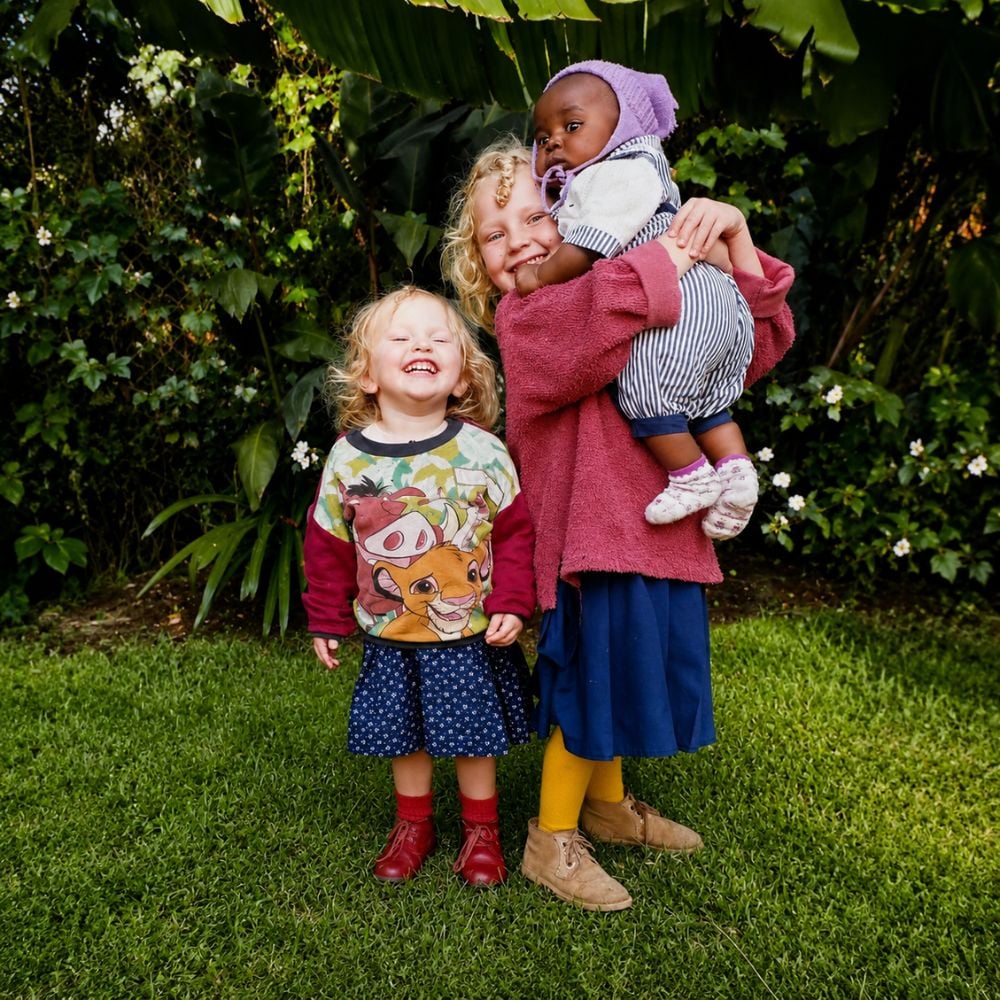
Growing up as a Kenyan child, I found being surrounded by greenhouses and so much open land fascinating. There were foliage plants, herbs, roses, beekeeping, and even more than 1,000 pigs and horses all within the same compound. I remember Hamish, Maggie's son, teaching me how to ride a horse. I also spent a lot of time biking around. Honestly, by the time I grew up, I had become a country girl. There was something incredibly peaceful about growing up surrounded by animals, fresh air, greenery, and all those different scents. It is a lifestyle I would love to return to in the long run. I think living in the countryside gave me a kind of peace that I sometimes miss in city life."
How has growing up in Kenya influenced the way you write about the floral industry?
"Growing up in Kenya has taught me that many people do not even realize how significant Kenya is in the global floral market. I feel incredibly privileged to have grown up around flowers and to have developed such a deep understanding of floriculture.
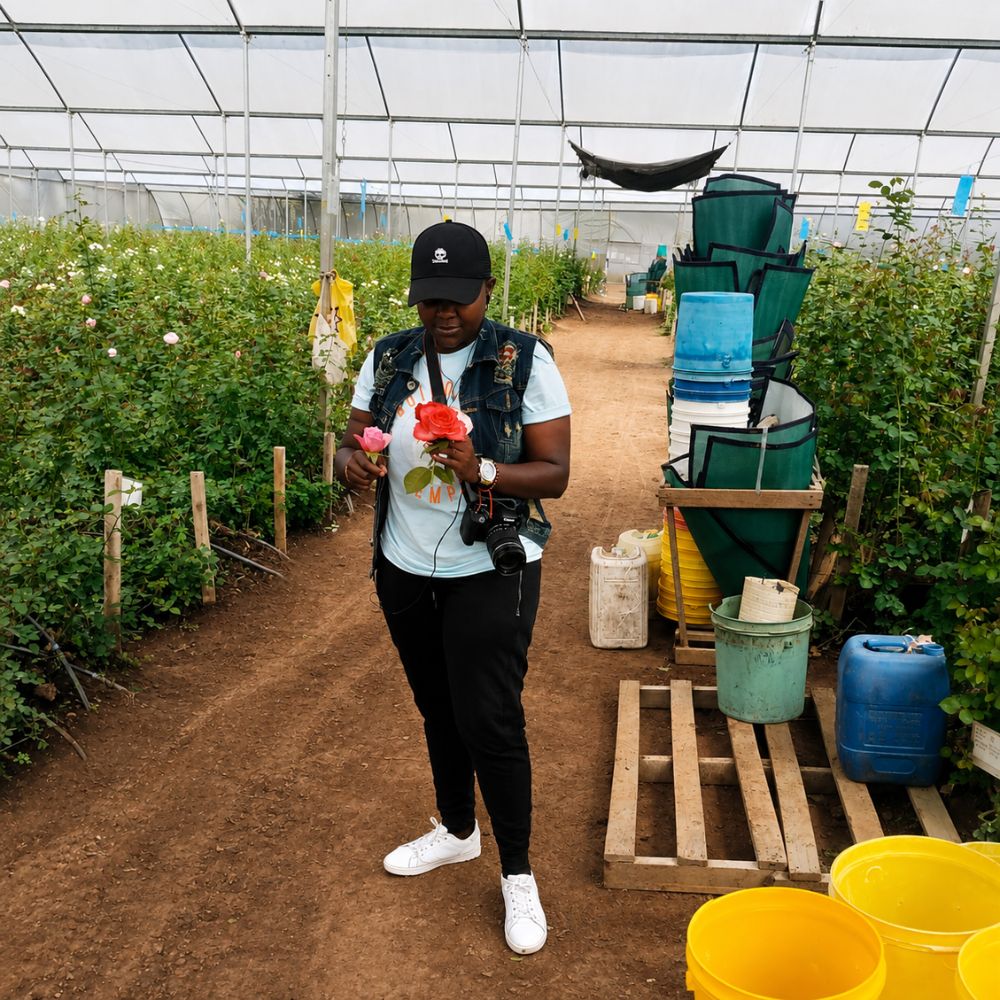
Whenever I talk or write about flowers, people are often surprised by how much there is to know. I see that reaction both locally and now globally through my work with Thursd. Being in this space makes me feel like I have something unique to offer. Knowing that I can enlighten someone about something they may never have known before is a real game-changer for me. It makes the work feel bigger than simply writing an article. It feels like I am helping people see a part of Kenya that they may otherwise never encounter."
What do you enjoy most about telling the stories of growers, breeders, and florists?
"When I write about growers, breeders, and florists, I try to channel their emotions and personalities to a global audience. Florists are all so different. They curate flowers based on their own emotions, aesthetics, styles,s and ways of seeing beauty. Growers and breeders have their own sense of identity too, especially when they are talking about their brands, new varieties, es and what they hope to bring to the market.
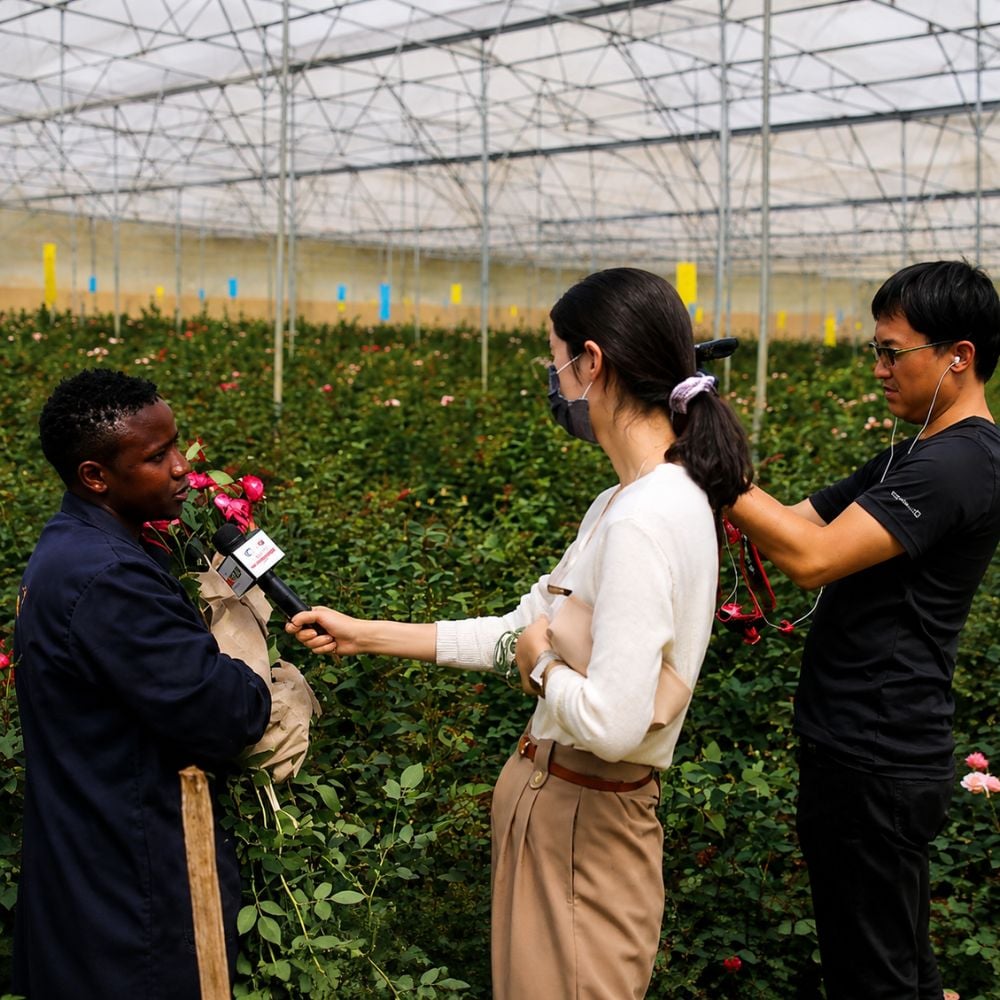
There is also something very special about the trust people place in you when they allow you to tell their story. That trust creates space for deeper connections, and before I realize it, I have made good friends within the industry and the conversation has moved beyond work. I have found that people in horticulture are generally incredibly warm, happy, accommodating, and approachable. I sometimes joke that flowers must really do something to the way we see the world."
Is there one article you've written for Thursd that you're especially proud of, and why?
"Tough question! I am honestly proud of everything I have written for Thursd, but if I had to choose one, it would be the very first piece I wrote, which was about myself. I do not think I had ever really described myself so openly to a public audience before. Writing that piece felt incredibly vulnerable, but it ended up being the article that received some of the most compliments.
It gave me the confidence to keep writing and to bring more emotion into my work. Even now, I try to give every article a human touch because I think people connect with stories when there is something emotionally real behind them."
What do you hope readers around the world learn about East Africa through your stories?
"I hope readers come away seeing East Africa not simply as a place where flowers are grown, but as a region full of people, stories, creativity, resilience, and a deep connection to the land. Through my stories, I want to show the world the East Africa that often exists beyond the headlines. The farmers who have devoted generations to the soil, the people quietly building something meaningful, the innovation happening in our fields, and the communities whose lives are intertwined with agriculture and nature.
I also hope my stories challenge the way Africa is sometimes viewed from the outside. There is so much beauty, expertise, ambition,n and possibility here, and I want to tell those stories with honesty and pride. Ultimately, I hope readers feel something when they encounter East Africa through my work. I want them to feel closer to the people, curious about the places, and perhaps see the region not just as a destination or a source of products, but as a place with a soul, a history, and stories worth listening to."
What is something people outside the industry often misunderstand about flower farming in Kenya?
"I think one of the biggest misconceptions is that people see flowers simply as beautiful things, without realizing how much science, skill, and diversity exists behind them. For example, many people outside the industry do not even know that garden-scented roses exist, particularly here in Kenya. They assume a rose is simply a rose, without knowing that different varieties can have completely different scents, colors, shapes, vase lives, and bud heads.
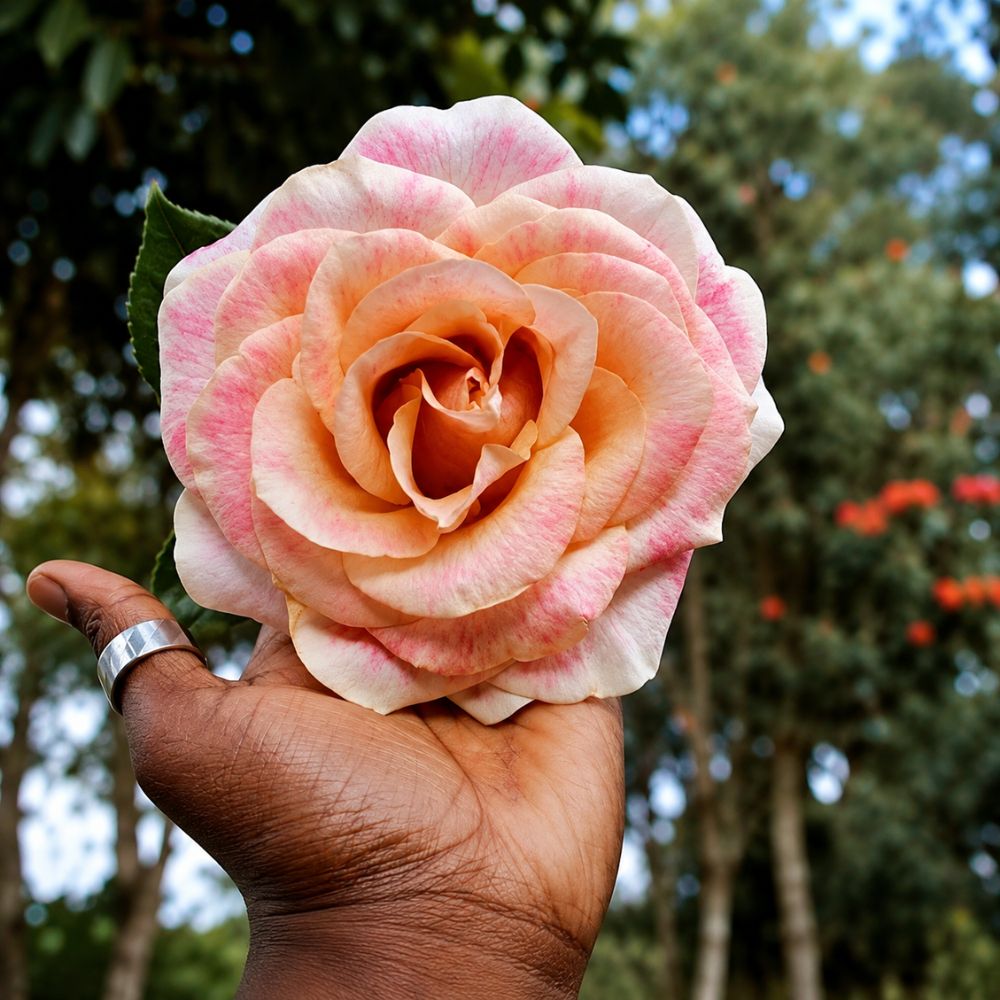
Even something as simple as the way a rose opens or how long it lasts in a vase is influenced by the variety and the care it receives from the farm all the way to the consumer. I think that is what fascinates me most about flower farming. The more you look closely, the more you realize how much there is to learn. There is an entire world behind the flower that most people only encounter for a few days in a vase, and I hope my stories can help make that world visible."
Which flower best represents your personality, and why?
"I have two favorites, and for very different reasons.
Lady Killer is probably my first choice. I love its velvety texture and that deep, dark red hue. Since black is my favorite color, I am naturally drawn to roses that come close to it, and Lady Killer is the closest I have seen to a black rose here in Kenya. Its scent is incredible too. It has such a strong presence that the flower is almost impossible to miss.
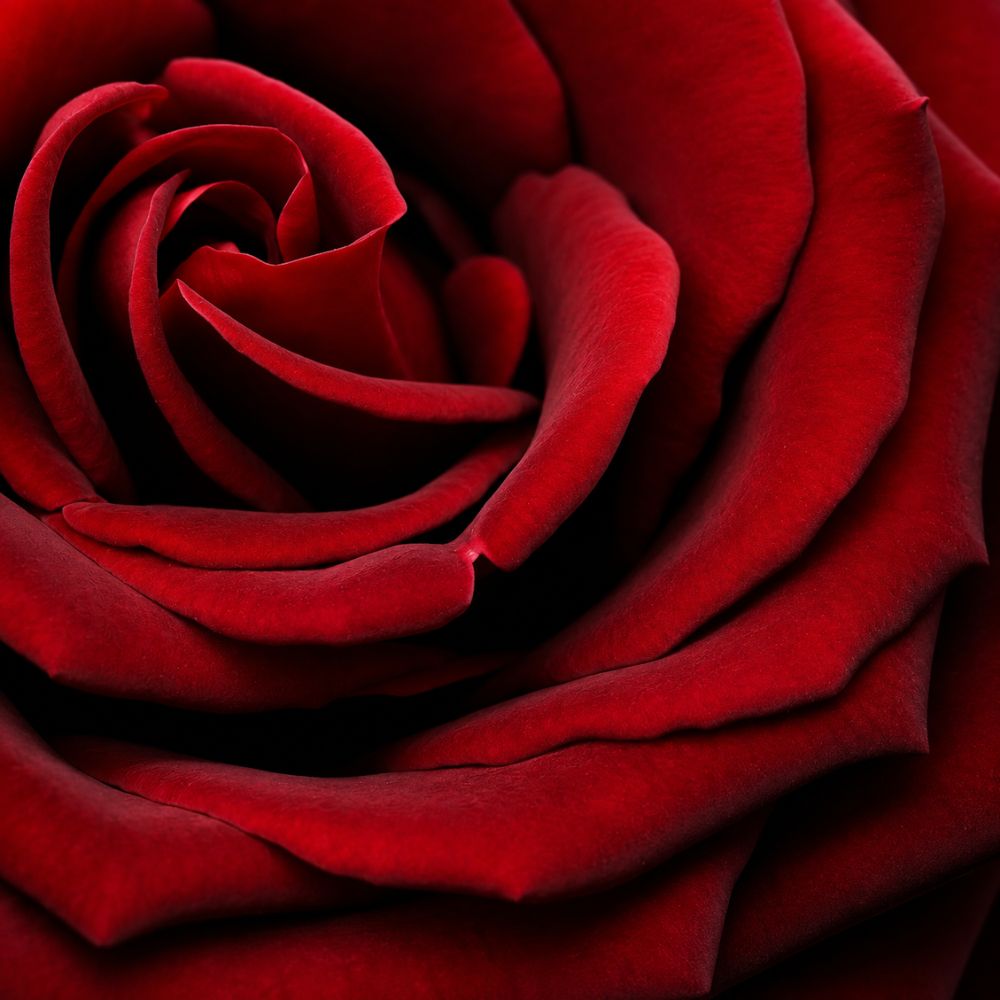
Having grown up queer in a country and community that does not always acknowledge or make space for people like me, I think I naturally connect with things that are bold and unapologetic. And honestly, the name Lady Killer speaks for itself. It is dramatic, confident, and impossible to ignore. In many ways, that feels very much like me.
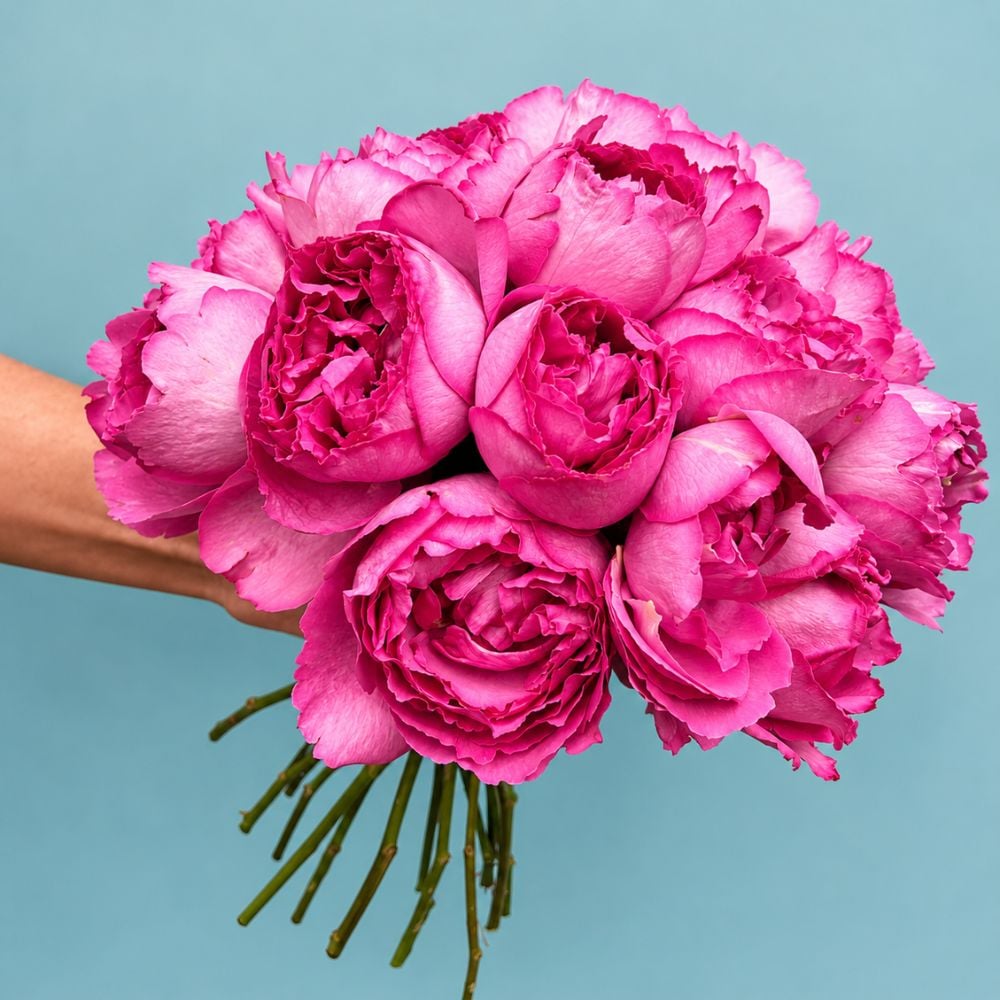
The other would be Yves Piaget. I love how uniquely messy it looks, yet somehow it still manages to steal glances. It has this beautiful, slightly unruly character that makes you want to look at it twice. And as if the appearance was not enough, its scent will let you know she is in the room before you even see her. I also really love its bud head. Despite its messy, almost wild appearance, there is something incredibly beautiful about the way it forms."
What's your favorite food? Your hobbies? Your way to relax?
"I love, love pasta. Any pasta has me in a full chokehold, haha. I also enjoy seafood quite a lot.
For hobbies, anything that gets me outdoors has my attention. I love cycling and am a bit of a gym rat, so keeping fit has become part of my personality by now. I also enjoy anything that gets the adrenaline pumping.
But I am very artsy too. You will probably catch me painting or drawing whenever I have some time to spare. I think that creative side of me needs an outlet.
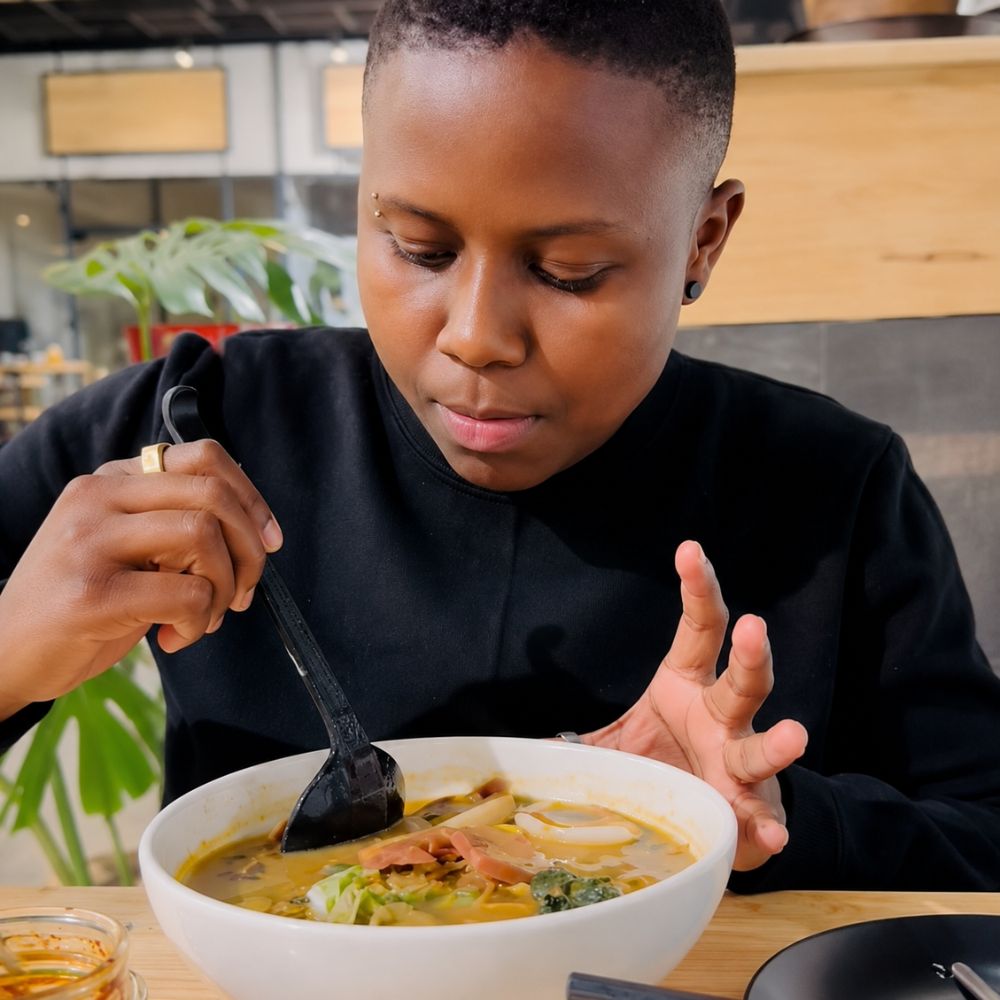
When I want to relax, I love trying new restaurants and going on solo dates. There is something about experiencing a new place, discovering a new cuisine, and getting a fresh perspective on life that really recharges me. It feeds my creativity and makes me feel less stagnant."
If you could take every Thursd reader to one place in Kenya, where would you take them?
"I am a water sign, so probably somewhere near the ocean or a lake, haha. But if I had to choose one place, I would take every Thursd reader to Watamu.
There is something about Watamu that instantly slows me down. The turquoise water, white sandy beaches, the food, the warmth,h and that feeling of being surrounded by nature. It is the kind of place where I can disappear for a few days and come back feeling like I have met a different version of myself.
Then there is Mida Creek, a beautiful tidal ecosystem surrounded by mangroves and an important stopover for migratory birds. You can explore it with the tides, drifting through the mangrove channels before eventually finding yourself on a white sandy beach. And just beyond Watamu is Arabuko Sokoke Forest, one of the largest remaining coastal forests in East Africa, with some incredibly rare and endemic wildlife.
So yes, I would take them to Watamu. Not just because it is beautiful, but because it captures something I love about Kenya: there is always another layer to discover. You can go for the beach, but stay for the marine life, the forests, the culture, the food, and the feeling of being completely alive."
What does being part of the Thursd family mean to you?
"Honestly, being part of the Thursd family feels like a dream come true. It feels like I have finally found a space that feels like home, where my curiosity, creativity, and love for storytelling can exist together."
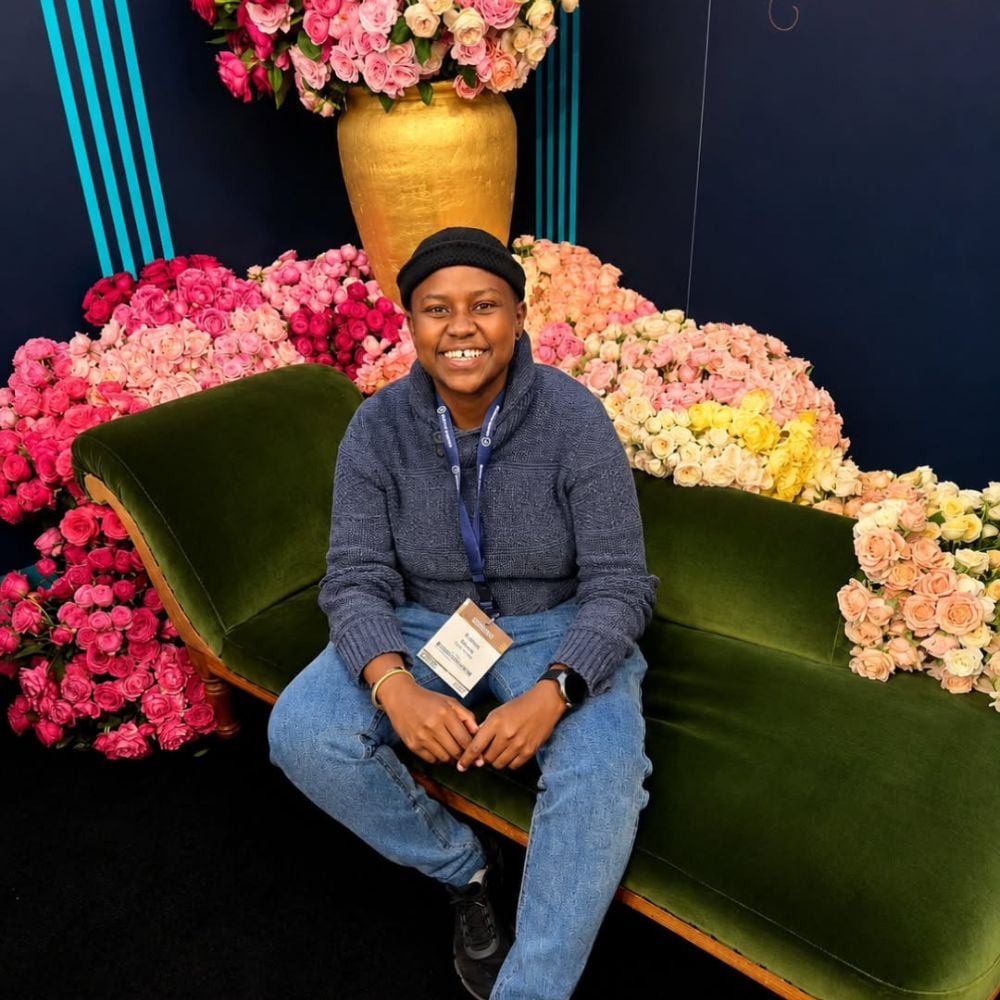
"From the moment I joined, the team has been incredibly welcoming and accommodating. I have felt trusted, encouraged,d and given the space to bring my own voice into the work, and that means a lot to me. I am also incredibly excited about the growth and exposure that being part of Thursd can offer. There is so much I want to learn, so many stories I want to tell, and so much of East Africa that I believe deserves to be seen and heard by a global audience.
Being able to contribute to that through a platform like Thursd feels incredibly meaningful. I honestly cannot imagine where this journey could take me, and that is part of what makes it so exciting. I feel like I have only just begun, and I am ready to learn, grow, take risks, and give this everything I have. For me, being part of the Thursd family is not just about having a job. It feels like being given a seat at a table I have always wanted to sit at, and I am very grateful to be here.
This is a ride I am fully ready to take with all I have."
Staying Connected to Her Roots
From wandering through rose greenhouses as a little girl to writing for a worldwide audience, Reginah's trajectory reflects the power of staying connected to your roots. Today she helps introduce East Africa's floral industry to readers around the world, building understanding, appreciation, and connections one story at a time.
And perhaps that is the most rewarding part of her work: knowing that the flowers she grew up with continue to inspire people across the globe.