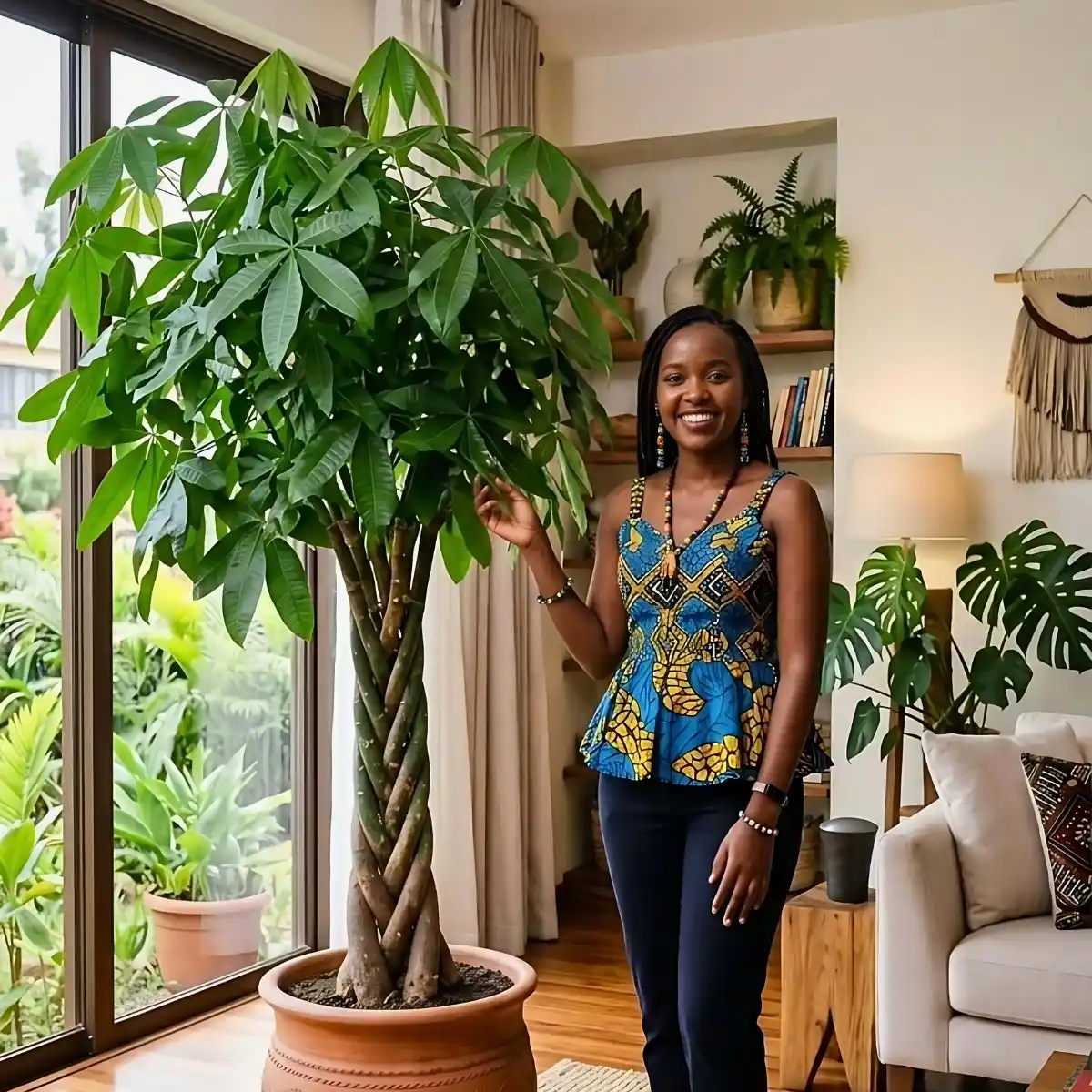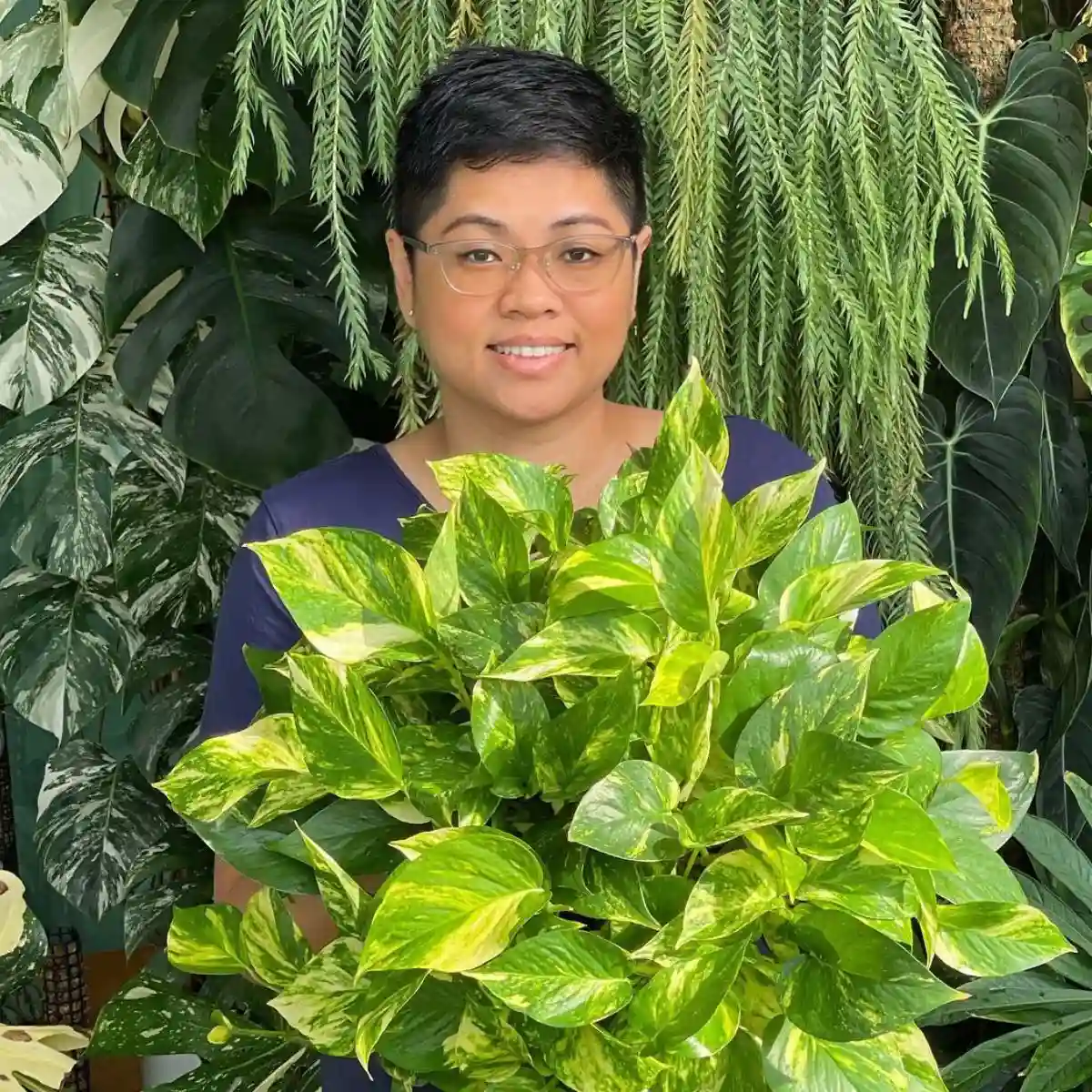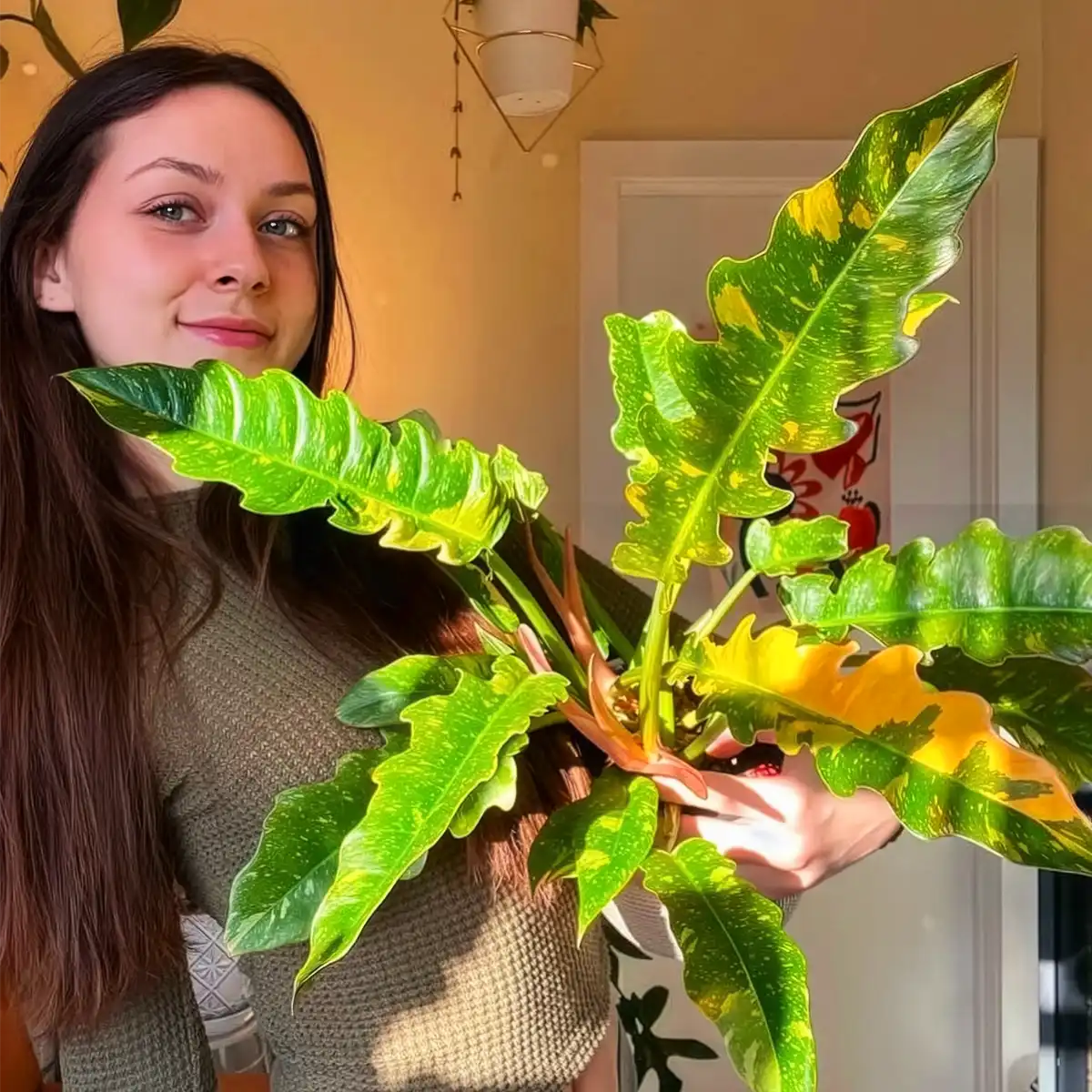
In early to mid-January, once the holidays are over and the festive decorations are packed away, many notice how quiet and bare their homes suddenly feel. But with the Christmas tree and its trimmings gone, there is always something comforting about a potted plant that remains quietly seated on the windowsill, or an unassuming potted houseplant that continues to grow in the living room corner, perhaps, previously overlooked for the festive decor. That is when one truly appreciates their presence.
Every January 10th, National Houseplant Appreciation Day prompts people to pause and celebrate these green companions that stick around, ask little, and continue giving so much in return. On January 10th, we recognize all the benefits that houseplants have, and continue to bring into living spaces throughout the year. Think of the fresh air, natural beauty, and an intimate sense of connection to nature.
Origins of This Modern Houseplant Appreciation Tradition
National Houseplant Appreciation Day was established in 2012 by The Gardener's Network, giving people an official reason to spotlight the value of indoor plants. The timing couldn't be more perfect. By mid-January, most homes have said goodbye to wreaths, garlands, and evergreen boughs. Rooms that sparkled with seasonal cheer suddenly feel empty and colorless.
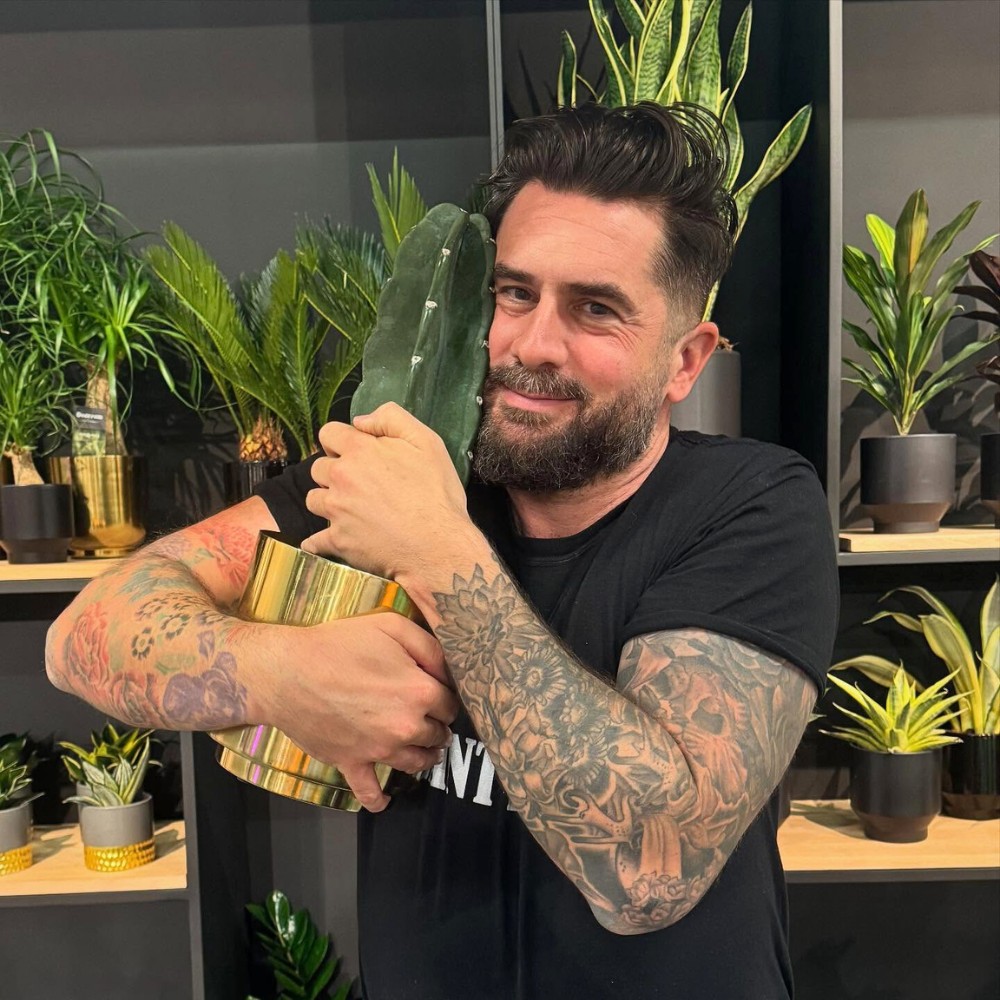
This observance arrives just when people need it most. Plus, the winter season, especially in colder climates, often feels barren and draining then. The tradition draws on a much longer history of people bringing plants indoors. Houseplants were used by wealthy families to decorate their large estates as far back as 500 BC. Ancient Egyptians kept papyrus and other plants in their dwellings, while Romans adorned their villas with potted ivy and various medicinal herbs.
In 1652, agricultural expert Sir Hugh Plat wrote about the possibility of conservatories and greenhouses in his book 'The Garden of Eden', opening doors to new ways of cultivating plants year-round. The Victorian era witnessed a houseplant craze, thanks to Wardian cases, the early terrariums that enabled people to grow exotic specimens indoors.
These glass enclosures made it possible to transport delicate plants across oceans, bringing foreign species into parlors and drawing rooms across Europe and America, and sparking widespread fascination with exotic houseplants among the upper classes. The fad of keeping flowering orchids and ornamental plants indoors became a status symbol and a passion that spread throughout society.
Today's houseplant enthusiasm continues this long tradition that initially started as a luxury for the wealthy, but has evolved into an accessible hobby enjoyed by anyone, regardless of their home size or gardening experience. National Houseplant Appreciation Day, therefore, honors the tradition, encouraging people to enjoy the benefits of houseplants within their own homes.
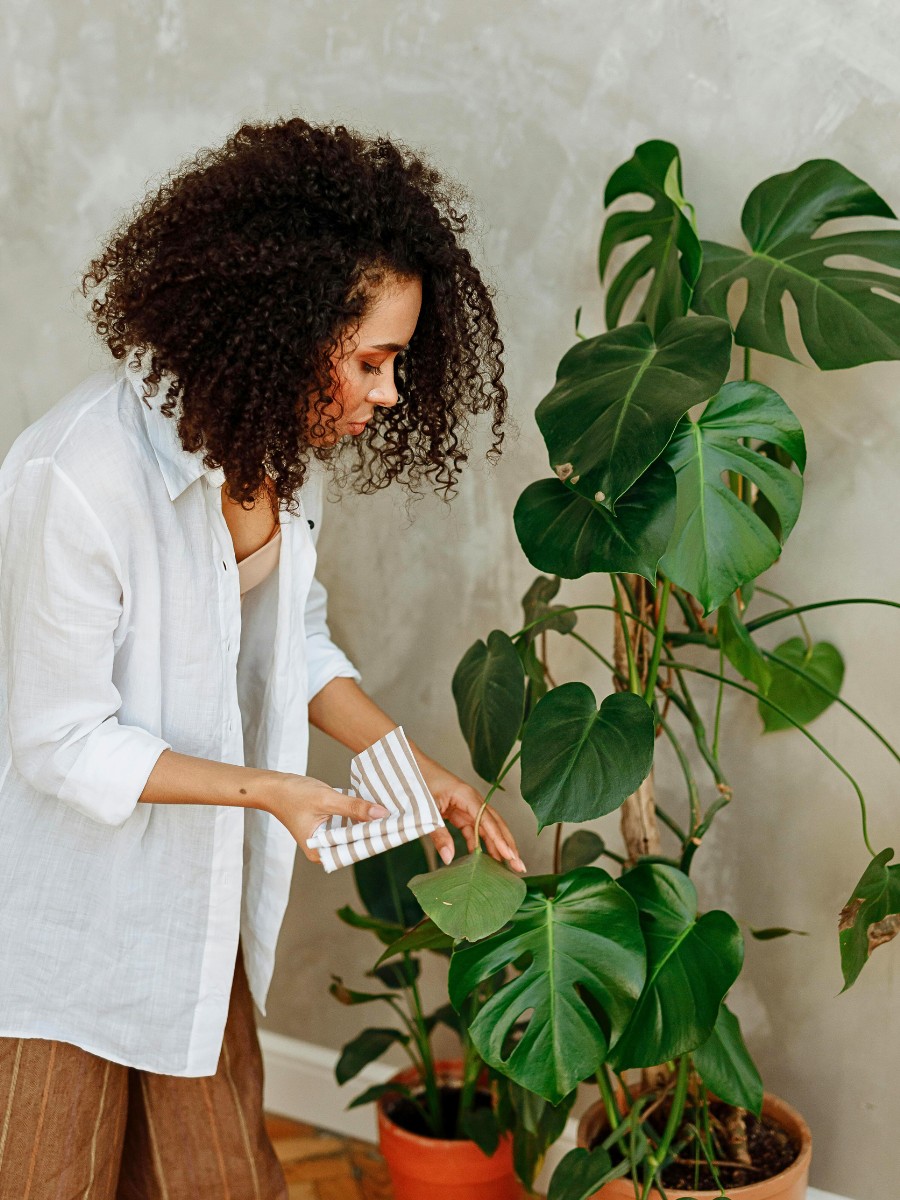
So, What Are the Benefits of Living With Houseplants?
A lot has been said (and is known) already about the benefits of houseplants and why they matter. Check, for instance, this article about Air So Pure. Yet, understanding them helps people appreciate why dedicating time and caring for houseplants is worthwhile. One of the biggest contributions houseplants make is their ability to absorb carbon dioxide and release fresh oxygen into our living spaces. While it might seem surprising that small plants could noticeably affect air quality, scientific research has validated this benefit.
NASA's Clean Air Study found that specific houseplants, such as the peace lily (Spathiphyllum) and spider plant (Chlorophytum comosum), actively remove toxins and pollutants from indoor air through photosynthesis, harnessing sunlight to convert carbon dioxide into stored energy, with oxygen as a byproduct. With some of the most suitable houseplants to cheer your indoors, Decorum growers like Van der Voort Potplanten, have some of the most unique peace lilies you can check out.

Houseplants also release moisture into the air, naturally increasing humidity levels indoors. This moisture has a cooling effect, lowering indoor temperatures slightly. Different plants release varying amounts of humidity, allowing one to select species based on their preferences.
Tropical plants typically produce more moisture than desert varieties like succulents, while temperate plants fall somewhere in between. Flowering and scented plants additionally add pleasant fragrance particles to the air, meaning houseplants work to make the home more comfortable and pleasant to live in, and aren't just beautiful faces.
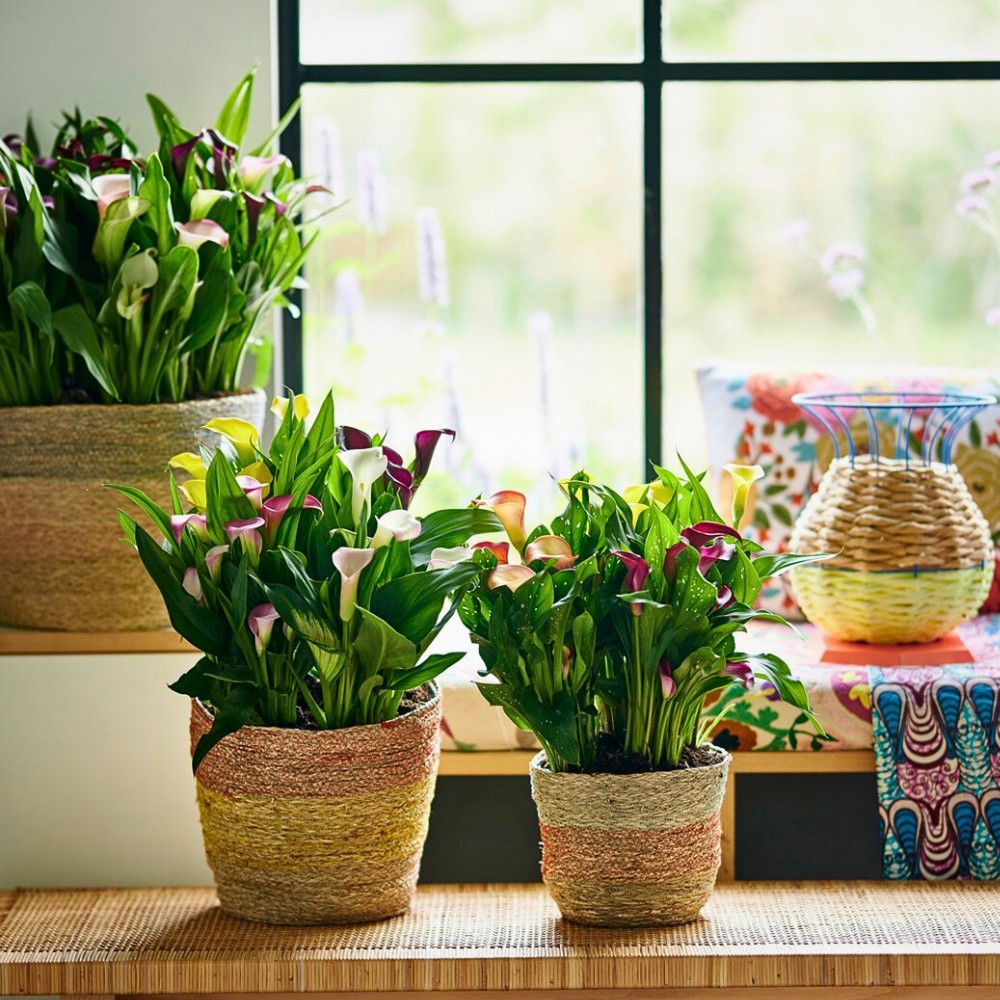
Other houseplants do much more. Aloe vera, for example, has thick, pointy leaves that contain a gel useful for treating minor burns, scrapes, and sunburned skin. The same gel is a natural moisturizer, eye makeup remover, and even a shaving cream.
Others offer nutritional benefits; you can grow fresh herbs on windowsills, bringing the taste of homegrown basil, mint, and rosemary to your meals. More ambitious gardeners cultivate small citrus trees or other edible plants indoors, getting the satisfaction of eating fresh food they personally grow and nurture.
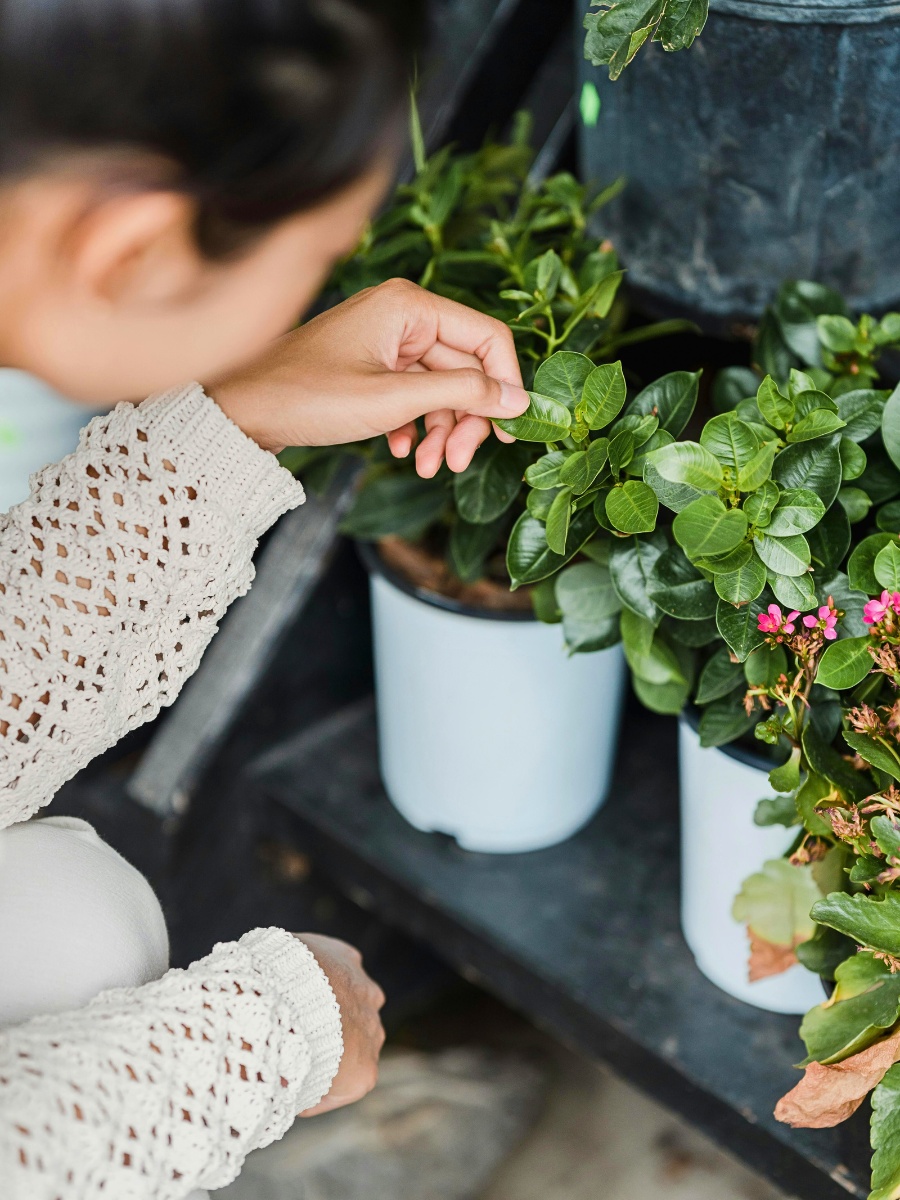
Also, research indicates that tending houseplants offers significant psychological benefits. The act of caring for a living thing creates routine and purpose. Studies show that plants respond positively to verbal interaction and music, which means talking to your houseplants isn't silly, but beneficial for their growth. And watching them grow and thrive in response to your care creates that connection to the natural world, even when you're stuck indoors
Likewise, the presence of greenery indoors reduces stress, improves focus, improves mental well-being, and creates a sense of calm. For people living in urban environments or areas with limited access to greenery, houseplants provide a connection to nature.
How People Observe National Houseplant Appreciation Day
Celebrating National Houseplant Appreciation Day takes many forms, and there's no wrong way to participate. For those who already have houseplants, the day offers a chance to show them some extra love.
This might mean repotting a root-bound specimen, adding fresh fertilizer, pruning away dead leaves, or simply moving a plant to a better spot where it can thrive. Yes, some people talk to their plants on this day, a practice that research suggests may help plants grow stronger, though scientists aren't entirely sure why.
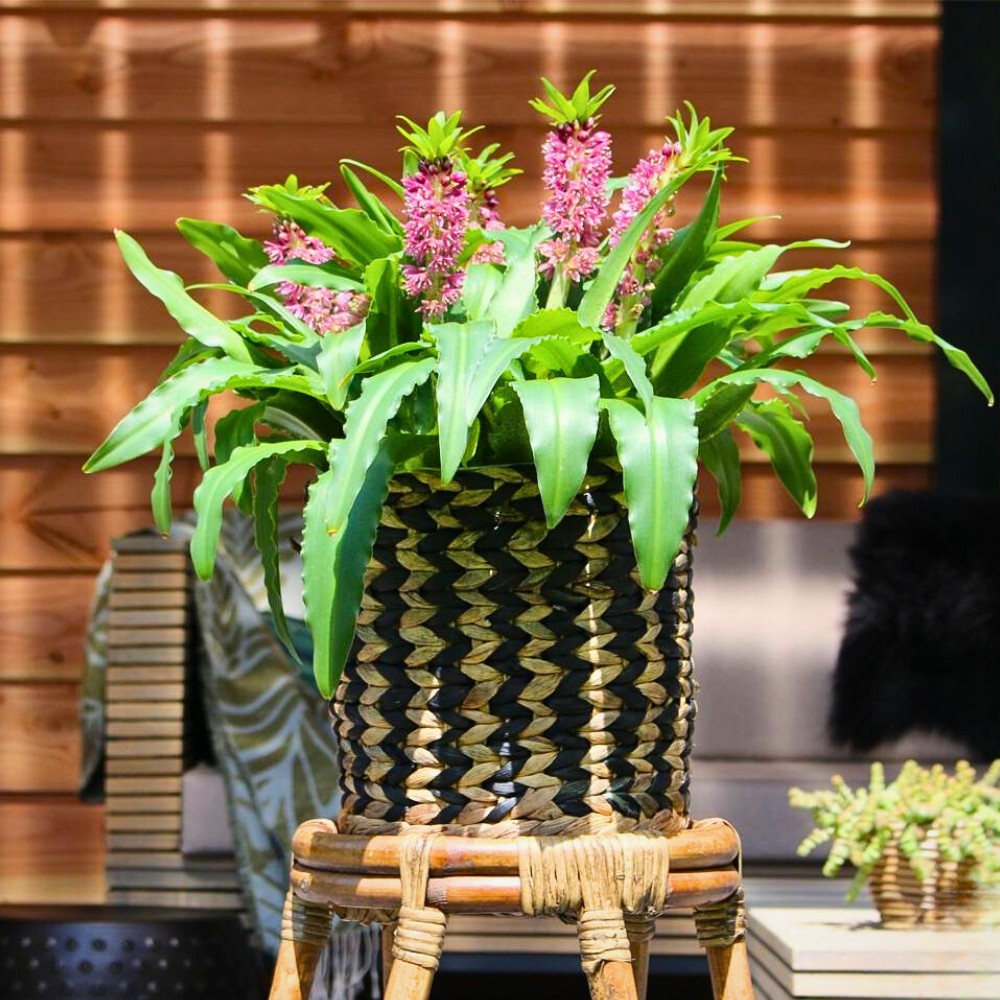
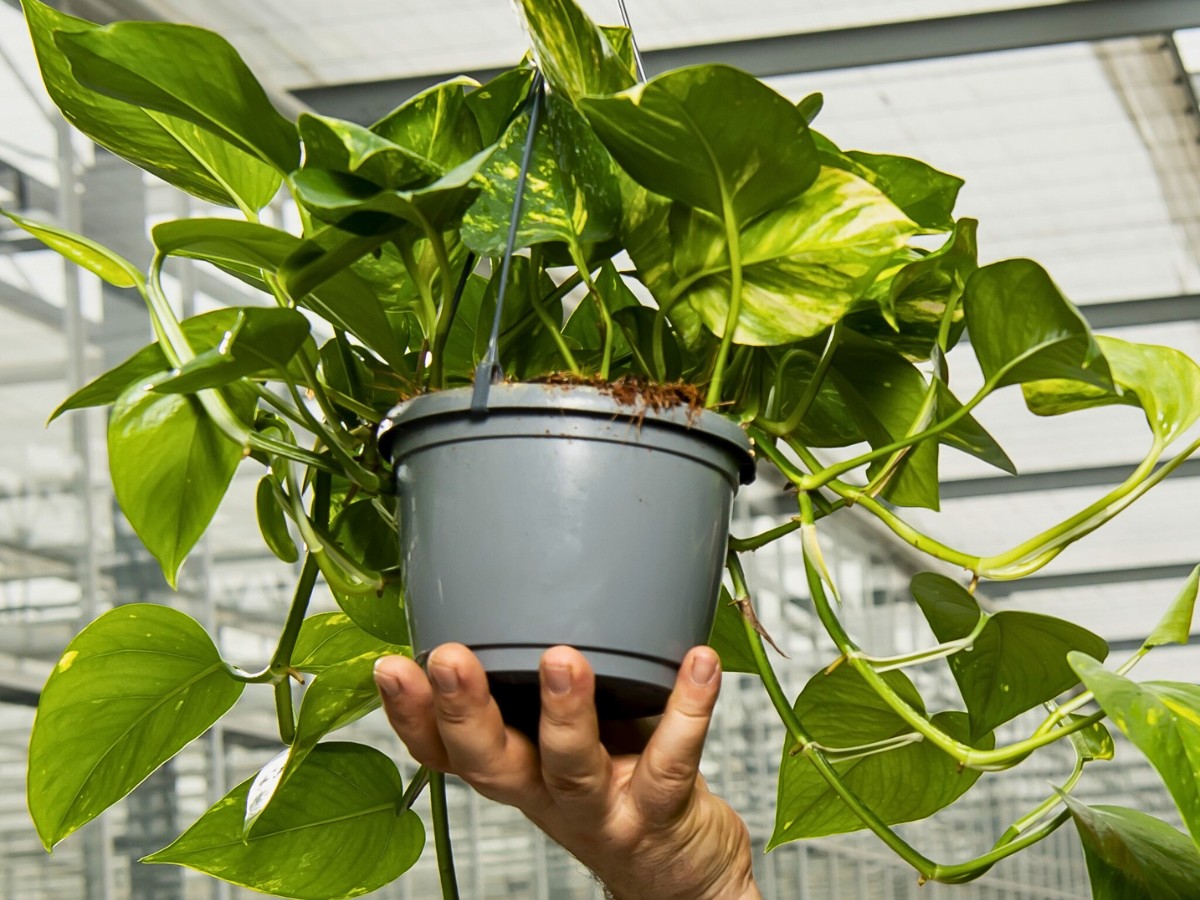
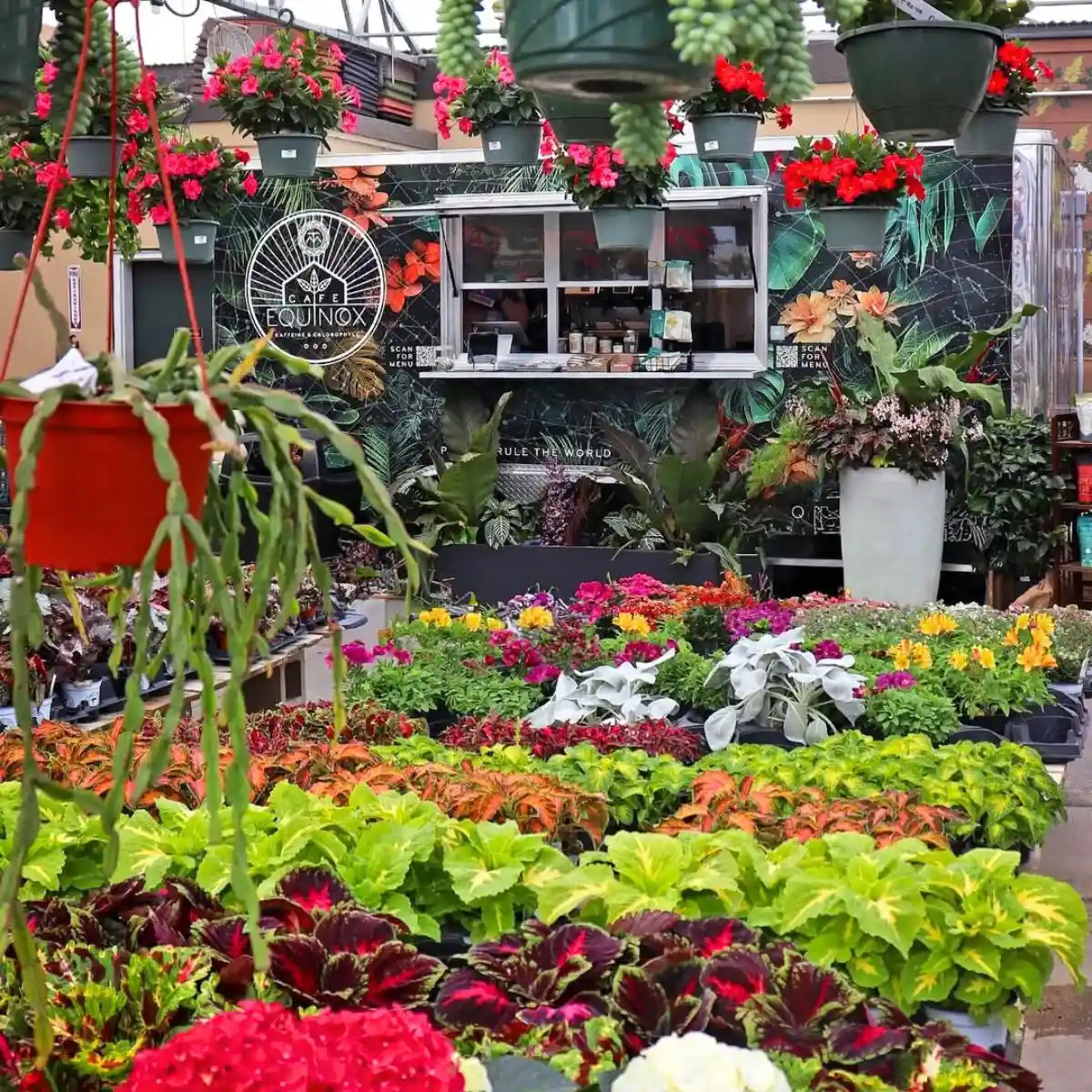
Others use January 10th as the perfect excuse to add a new member to their indoor garden. Visiting a local nursery lets you explore different varieties and get expert advice on which plants match your lifestyle and living conditions. You will get help understanding light requirements, watering schedules, and which species are most forgiving for beginners versus which ones demand more attention.
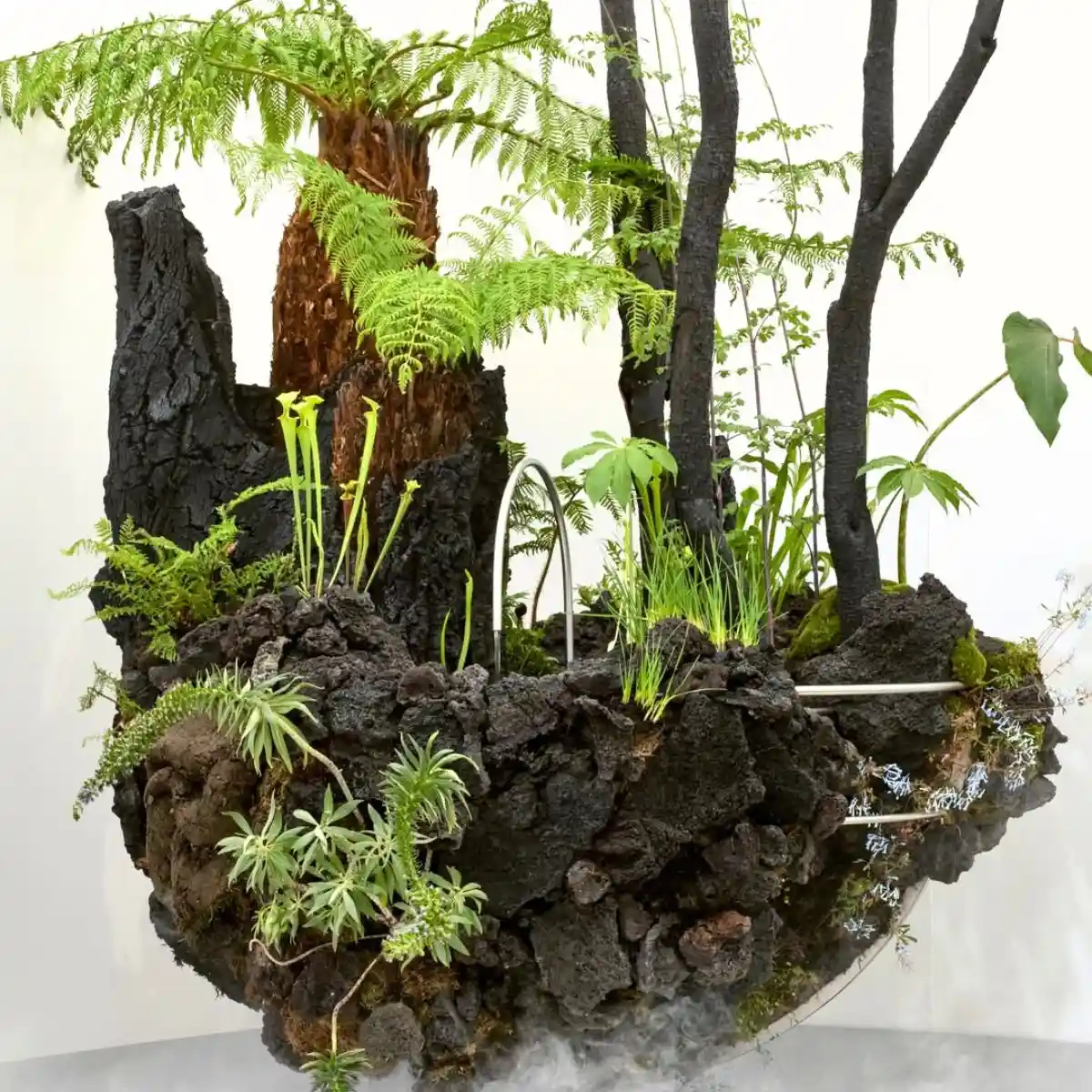
For the creative types, the day calls for playful decoration. Some dress up their plant pots with paint, fabric, or decorative containers. Others arrange their plants in eye-catching groupings, creating miniature indoor gardens on shelves or side tables.
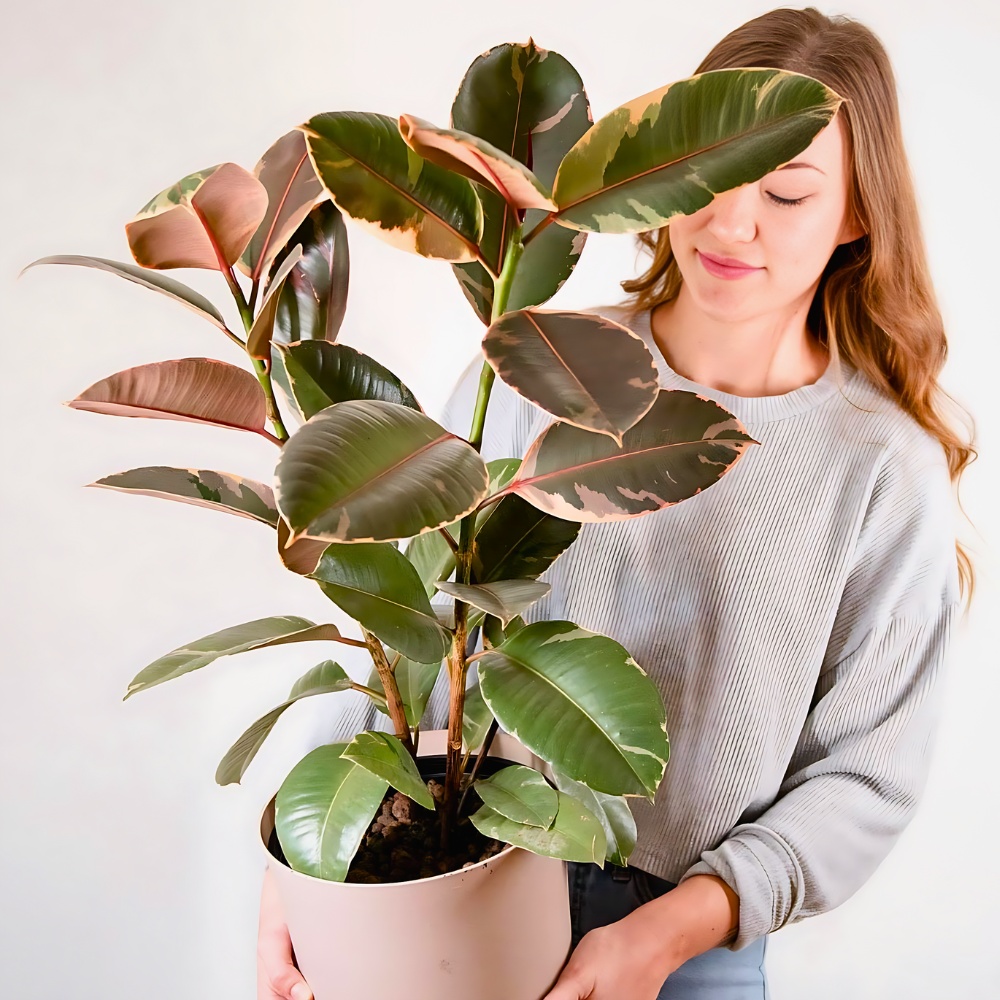
Plant swaps have also grown popular, where friends and neighbors exchange cuttings or share propagated baby plants. Social media also plays a leading role in the celebration. People share photos of their favorite plants, offer care tips, and connect with fellow plant lovers around the world using relevant hashtags.
Some create playlists specifically for their plants. Yes, plants respond to music and sound. A playlist featuring plant-themed songs, like 'Feed Me, Seymour!' by The Little Shop of Horrors or Bruce Springsteen's 'Secret Garden', or 'Mother Earth's Plantasia', an entire 1976 electronic album by Mort Garson, specifically composed to soothe plants and promote their growth.
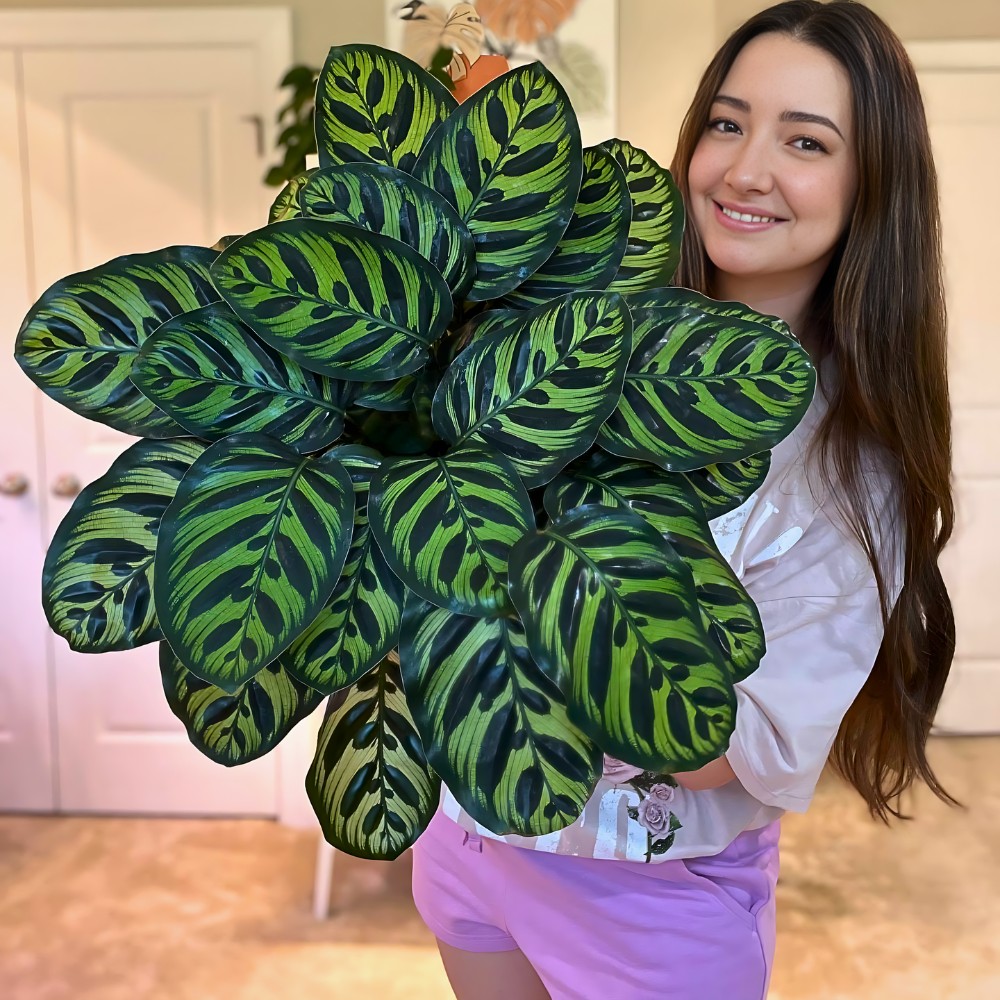
Getting Started With Houseplants
For those new to houseplants, the options can feel overwhelming. But many varieties are quite forgiving and perfect for beginners. Pothos thrives on neglect and can survive in low light conditions. Snake plants are nearly indestructible and only need watering every few weeks. Spider plants readily produce baby plants that can be easily propagated. These are all perfect to start with, and can even be shared by friends.
Succulents and cacti appeal to those who want greenery without a demanding care schedule. These prefer bright light and infrequent watering. Overwatering is, in fact, the most common way people kill succulents, so they are a true case of less attention producing better results.
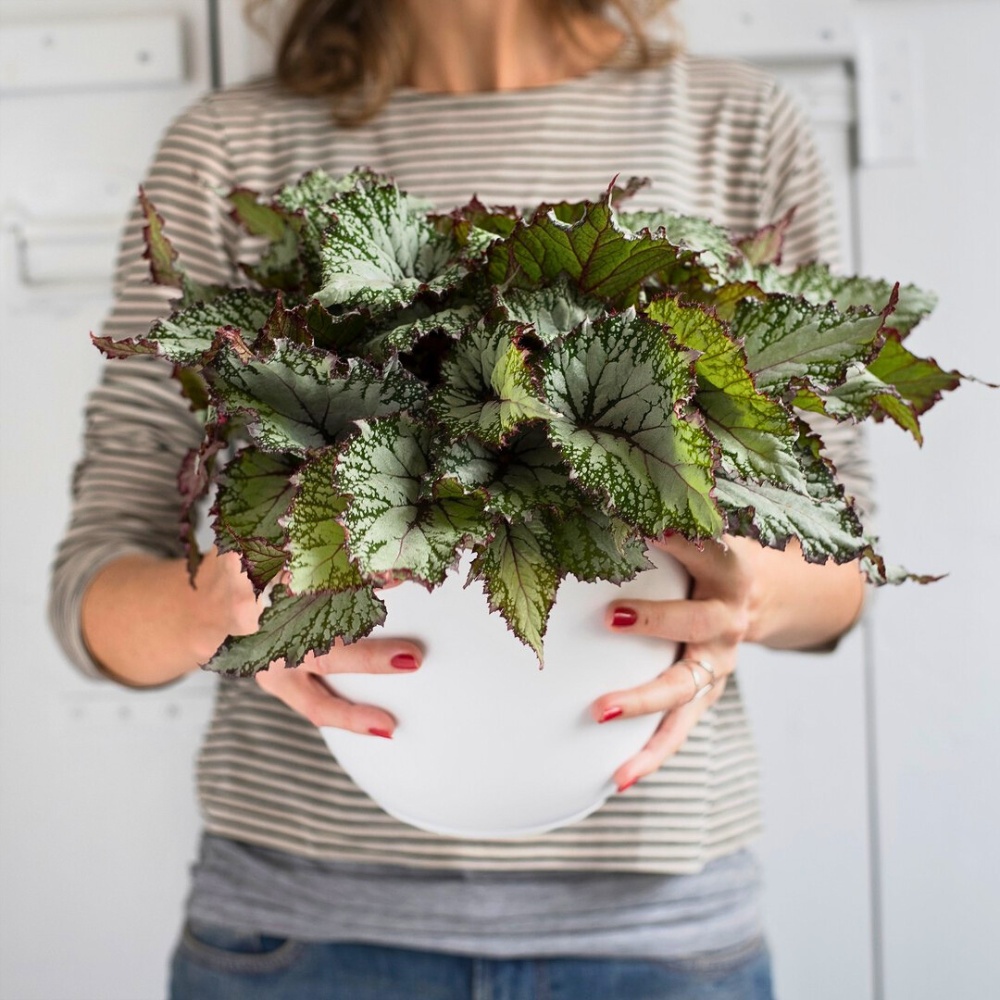
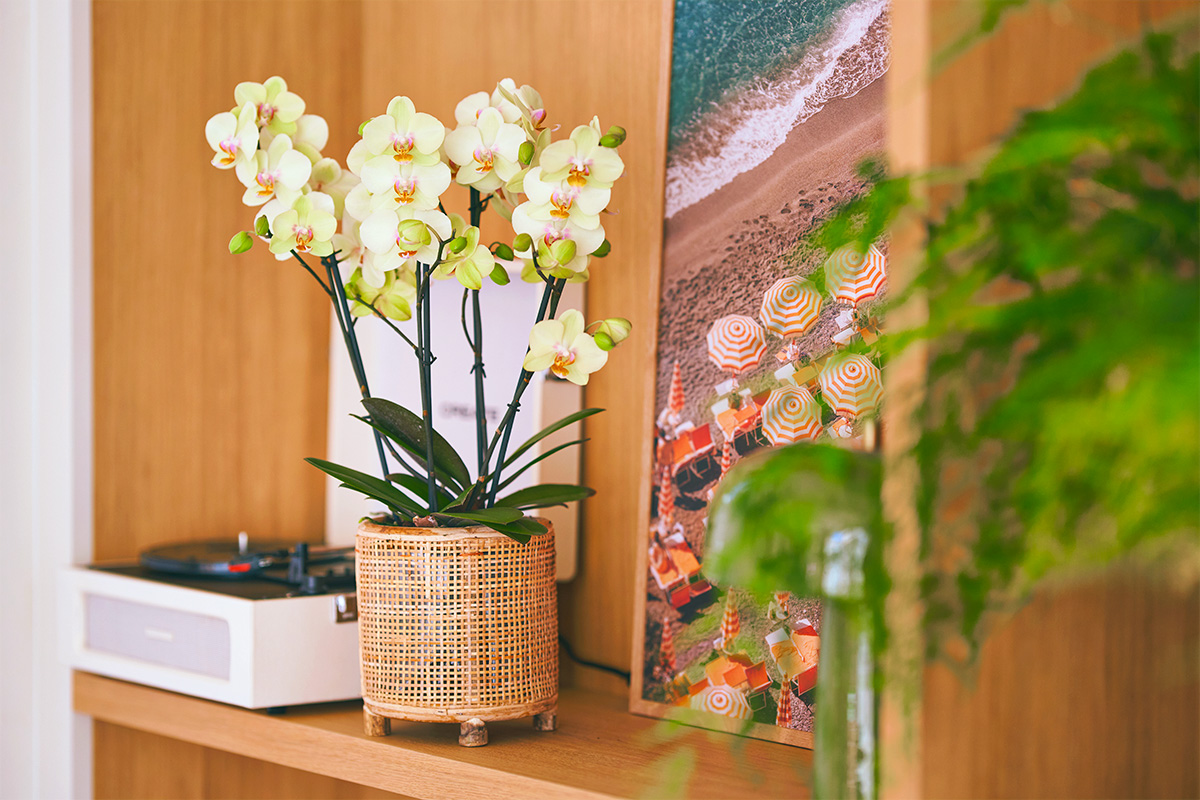
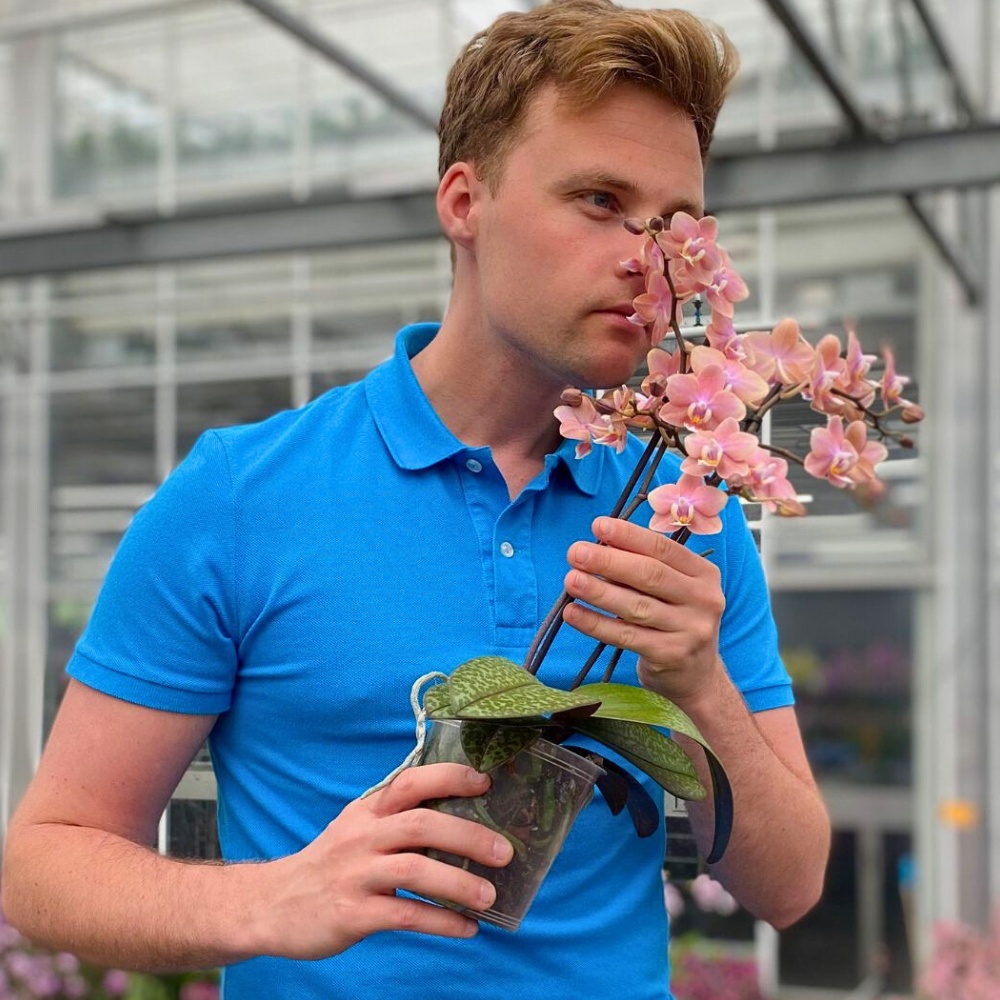
For people who want something showier, African violets produce cheerful flowers in shades of purple, pink, and white. They prefer moisture and moderate light. Orchids, once considered finicky, have become much more accessible as growers have developed hardier varieties.
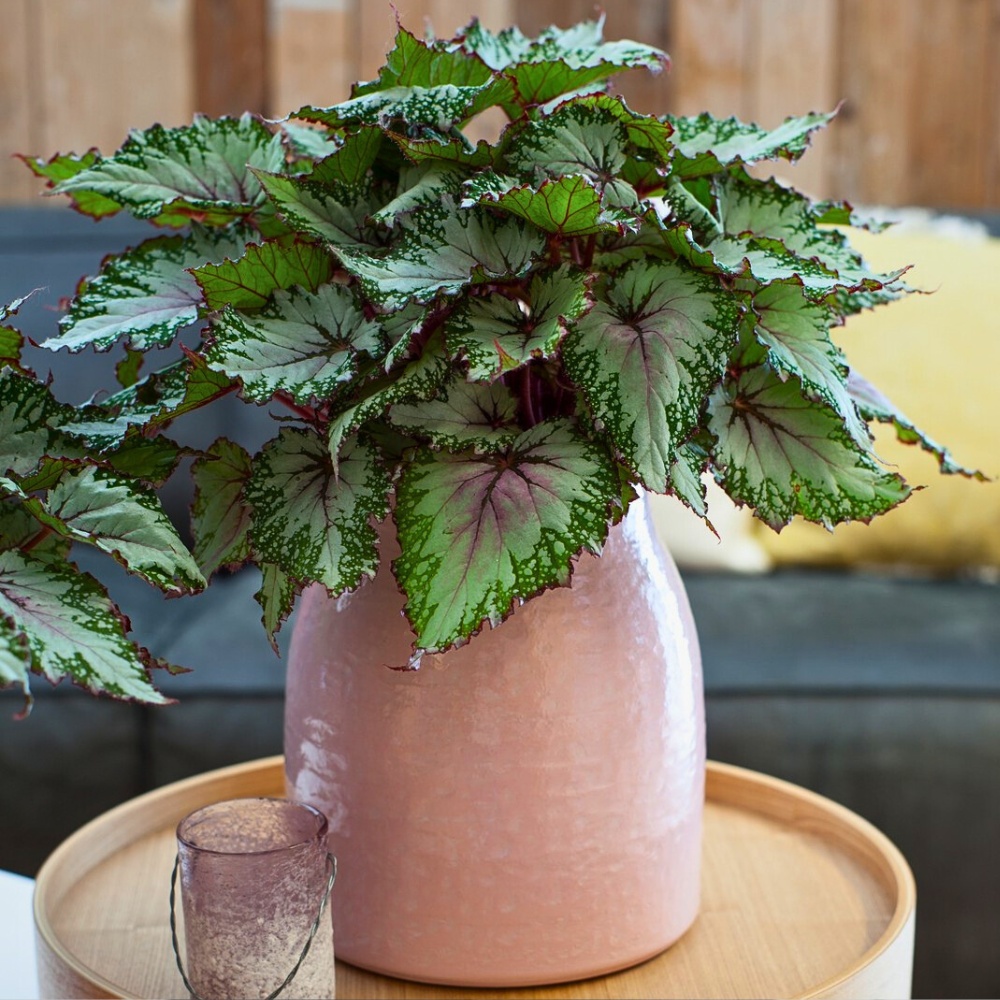
Breeders such as Anthura are constantly developing new attractive colors and shapes, like with the new Vintura series. Likewise, for those seeking colorful flowering plants indoors, breeder Koppe's Begonias and calla lilies from Simply Calla provide distinct options
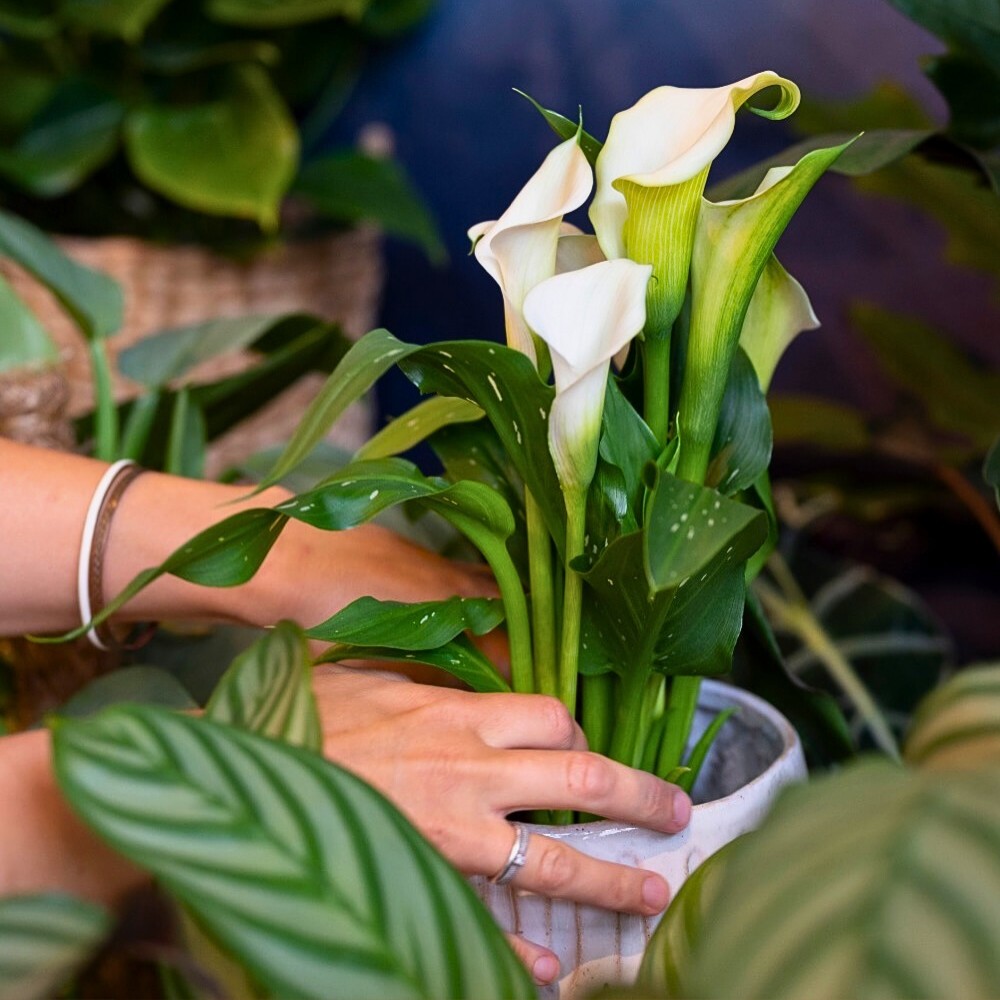
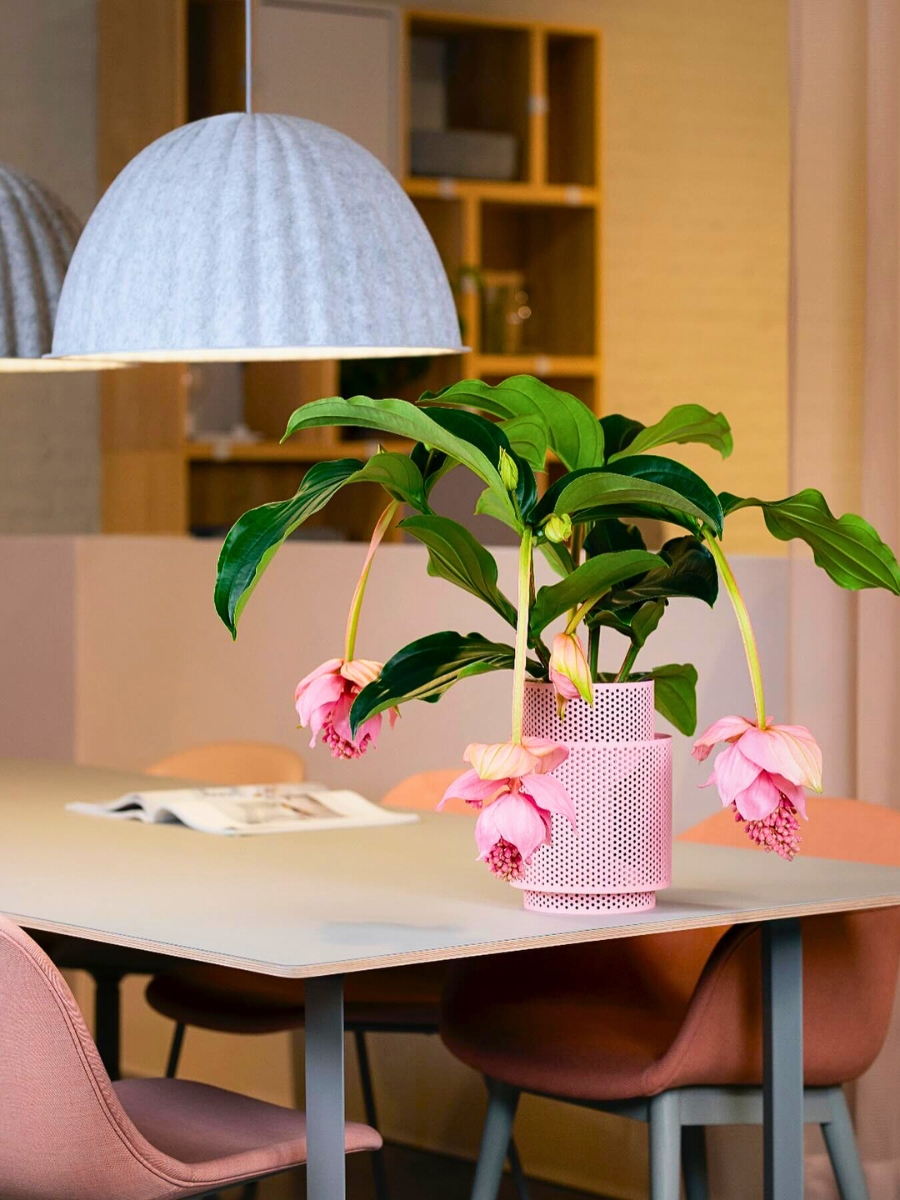
Begonias provide continuous flowering with minimal fuss, their compact growth making them perfect for windowsills and small spaces. Calla lilies, meanwhile, deliver architectural drama with their elegant, chalice-like flowers that can last for weeks. Both plants appreciate humidity and bright, indirect light, making them natural companions in an indoor garden that aims to bring bold color and sophisticated beauty to any room.
The key lies in matching the houseplant to your environment and lifestyle. Consider how much natural light your space receives, how often you are home to water, and whether you tend to over-care or under-care. An honest assessment of these factors will guide you toward plants that will survive and flourish in your care.
How to Make It a Year-Round Practice
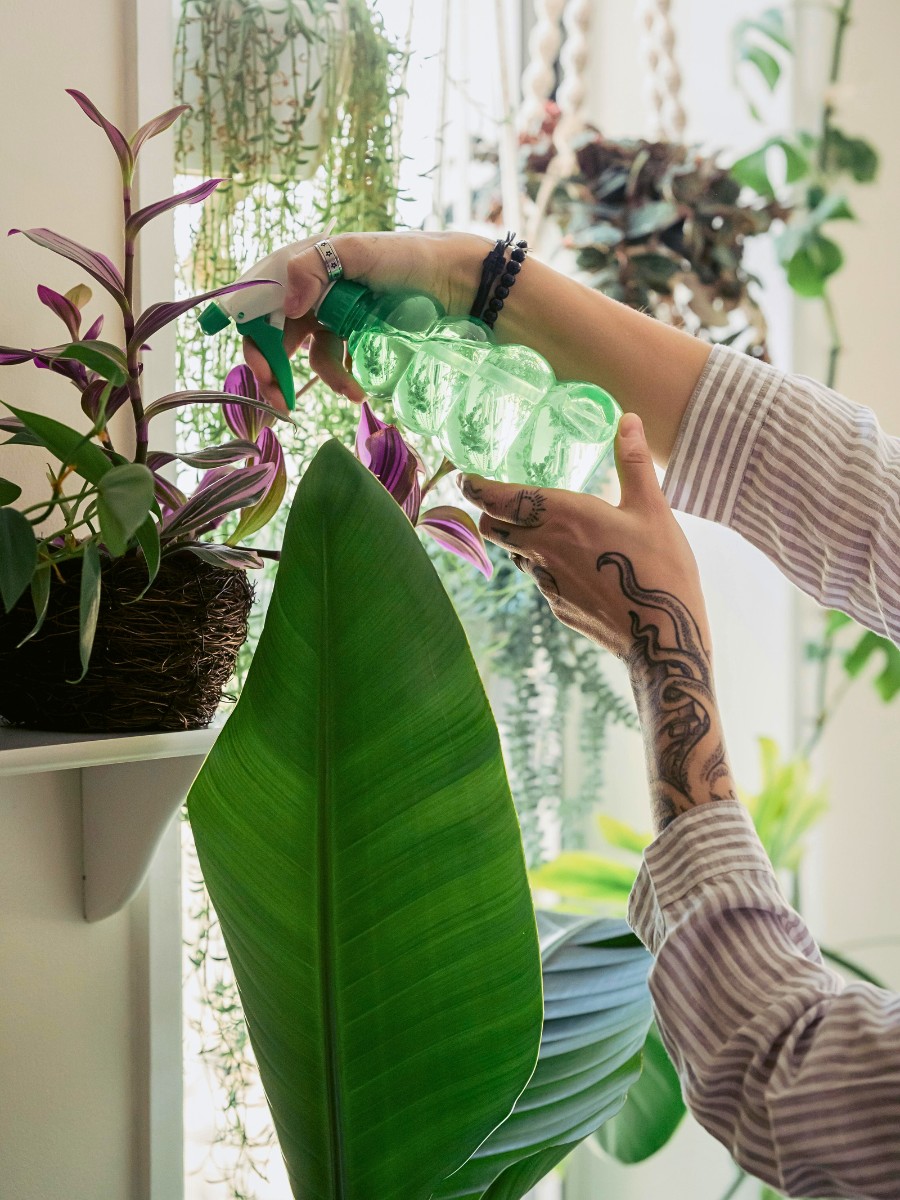
While National Houseplant Appreciation Day provides one special moment to focus on these leafy friends, the real deal is when that attention extends throughout the year, because more than just decorations, houseplants are living things that respond to care and attention. Establishing simple routines, therefore, makes plant care manageable.
Check soil moisture routinely by sticking your finger an inch into the soil. If it feels dry, water thoroughly until excess drains from the bottom of the pot. Wipe dust off leaves monthly to help them absorb more light. Rotate plants every few weeks so all sides receive equal light exposure and growth stays balanced.
Heed what your plants say. Yellowing leaves often signal overwatering, while brown, crispy edges suggest underwatering or low humidity. Pale new growth might mean the plant needs more light, and leggy stems reaching toward windows definitely indicate a need for brighter light conditions.
As you spend more time with your plants, you develop an intuition for what they need. You notice when growth patterns change with the seasons, when it's time to move up to a larger pot, or when a plant needs propagation to create new baby plants.
This is what National Houseplant Appreciation Day really celebrates. Not just the plants themselves, but the connection people build with living things that depend on them and give beneficially back. This January 10th, appreciate these green companions that share your space. And note that they are worth celebrating any day of the year.
Feature image by @happy_houseplants. Header image by freepik.