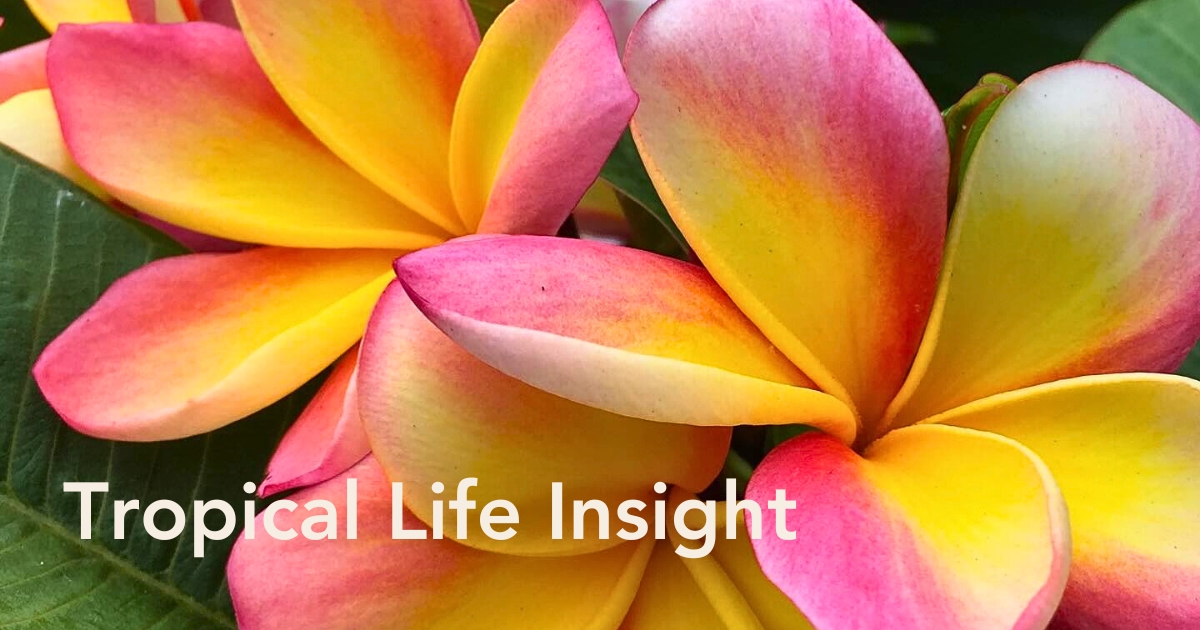
The Plumeria flower carries a depth of cultural, spiritual, and emotional meaning. It is known and loved across many regions, yet few flowers hold as many layered interpretations. For centuries, people in the tropical areas have used Plumeria in ceremonies, daily rituals, greetings, and personal expression. Its presence in gardens, temples, and gatherings is familiar, and so is the desire to understand what the Plumeria flower truly represents.
This article takes a detailed look at the Plumeria flower meaning and the frangipani flower meaning, the cultural roots behind both names, and the beliefs connected to this flower across the world. It also explains color-based symbolism, spiritual associations, and why Plumeria continues to influence art, tattoos, design, and personal identity. Each section is structured to help readers understand the meaning of Plumeria and frangipani from many angles.
What Is the Plumeria Flower and Why Is It Also Called Frangipani?
Plumeria is the botanical name of the plant, while frangipani is a popular common name used in many regions. The two words refer to the same flower. The name Plumeria comes from Charles Plumier, a French botanist who recorded plants of the Caribbean islands. The name frangipani has a different origin. It is believed to have come from an Italian noble family known for scented creations that resembled the fragrance of this flower.
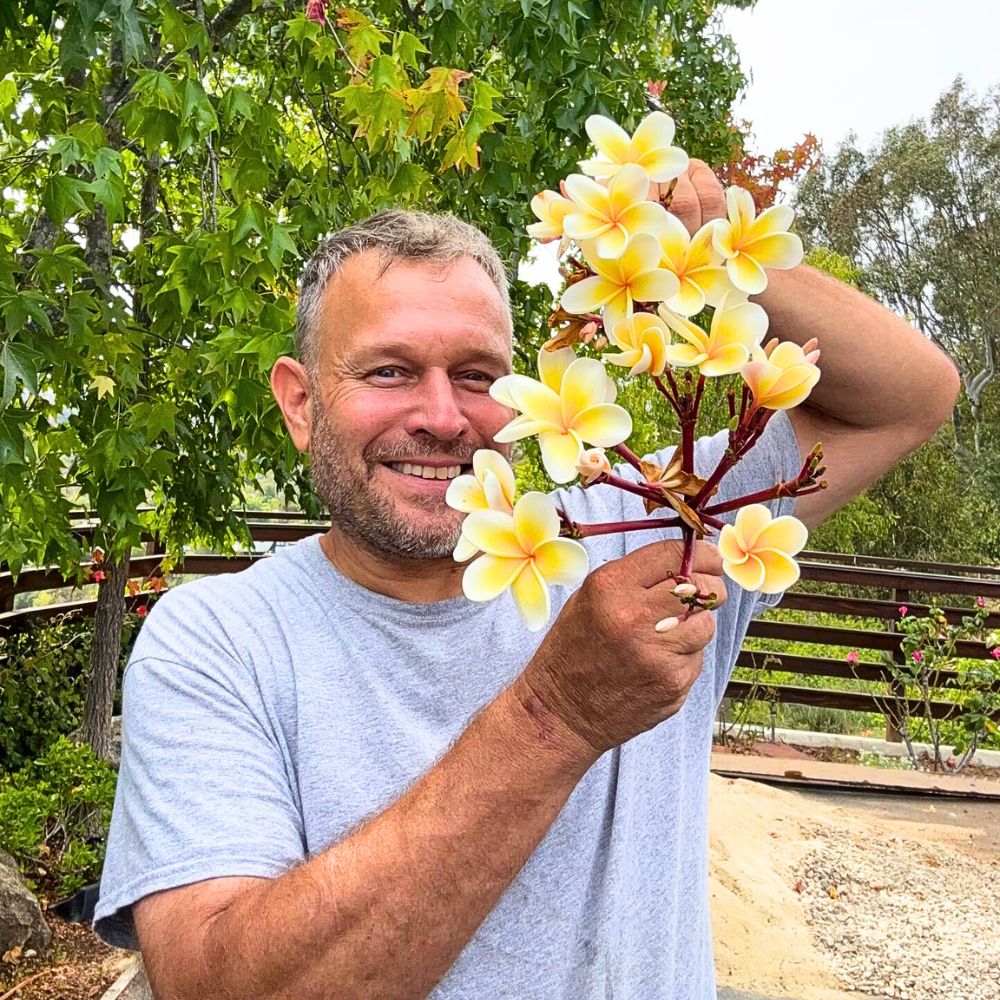
Plumeria trees grow in warm climates. They are found in the Caribbean, Hawaii, Central America, South America, Southeast Asia, India, and across many Pacific islands. This wide presence explains why many cultures attach unique meanings to the flower. While the scientific name is Plumeria, the word frangipani remains strong in daily language, especially in Asia, Oceania, and island nations.
Plumeria Flower Meaning in Different Cultures
The Plumeria flower's meaning shifts depending on where it is found. In the Pacific islands, it often stands for hospitality, welcome, and peace. Visitors are greeted with flower leis, and Plumeria plays an important part in that tradition. The act of giving these flowers represents warmth and openness.
In Central and South America, Plumeria is linked to life transitions. It appears in spiritual rituals, memorials, and moments of reflection. Some communities see it as a symbol of renewal or the start of a new chapter. Its cycle of shedding leaves and blooming again has reinforced this idea over time.
In Southeast Asia, Plumeria is used in ceremonies and at places of worship. People use the flower when offering prayers or during important cultural gatherings. Here, the meaning of the Plumeria flower often connects to devotion and gratitude.
In Hawaii, Plumeria can communicate personal expression. For example, the position of the flower behind the ear can indicate relationship status. This simple gesture shows how deeply the flower is integrated into culture.
Frangipani Flower Meaning in Regions Where It Holds Deep Significance
Frangipani's meaning also varies by region. In India, the flower is associated with spiritual grounding and inner balance. It appears in temple environments and is part of daily offerings. The meaning of the frangipani flower here leans toward dedication, knowledge, and purity of intention.
In Indonesia, the flower is found in ceremonies, rituals, and temple architecture. Communities in Bali, Sumatra, and other islands treat frangipani with deep respect. It is common in weddings, funerals, and spiritual gatherings. The symbolism is tied to continuity, the human journey, and the connection between the physical and the spiritual world.
In Oceania, frangipani can represent friendship and community. It appears in gatherings, cultural dances, and shared traditions. It is often used to celebrate unity or welcome guests.
In Buddhist regions, the flower signals calm and clarity. People place it at shrines or meditation spaces as a reminder to remain steady and aligned with inner values.
What Does the Plumeria Flower Mean?
Many people search for a direct answer to what the Plumeria flower means. There is no single definition, but certain themes appear across cultures. One of the most common interpretations is new beginnings. People associate the flower with the start of a journey or a fresh phase in life.
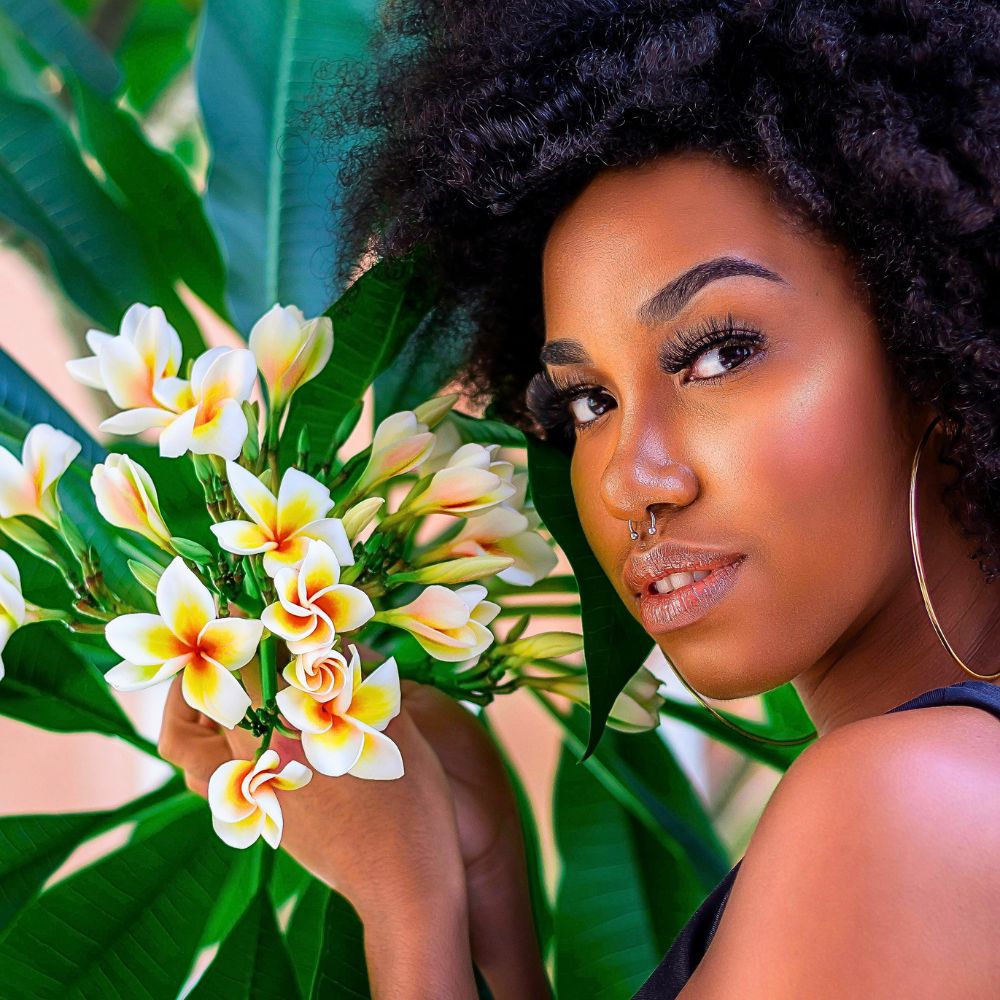
Plumeria can also signify renewal. Its growth habit reinforces this. When the tree appears bare or dormant, it later produces flowers again with strength. This cycle has inspired people to view Plumeria as a sign that life can be restored or regained.
The flower is also linked to devotion. In many communities, Plumeria appears in religious or spiritual settings. It is offered to express sincerity, gratitude, and respect. Some people use the flower as a reminder of values that matter to them.
Another meaning is remembrance. The flower appears in memorial events or reflective ceremonies. It stands for memory, connection to loved ones, and honoring the past.
What Is the Meaning of the Frangipani Flower?
The meaning of the frangipani flower overlaps with Plumeria but also carries interpretations shaped by regional practices. One of the strongest associations is spiritual presence. In temple environments and sacred spaces, frangipani is used to maintain a sense of calm and focus.
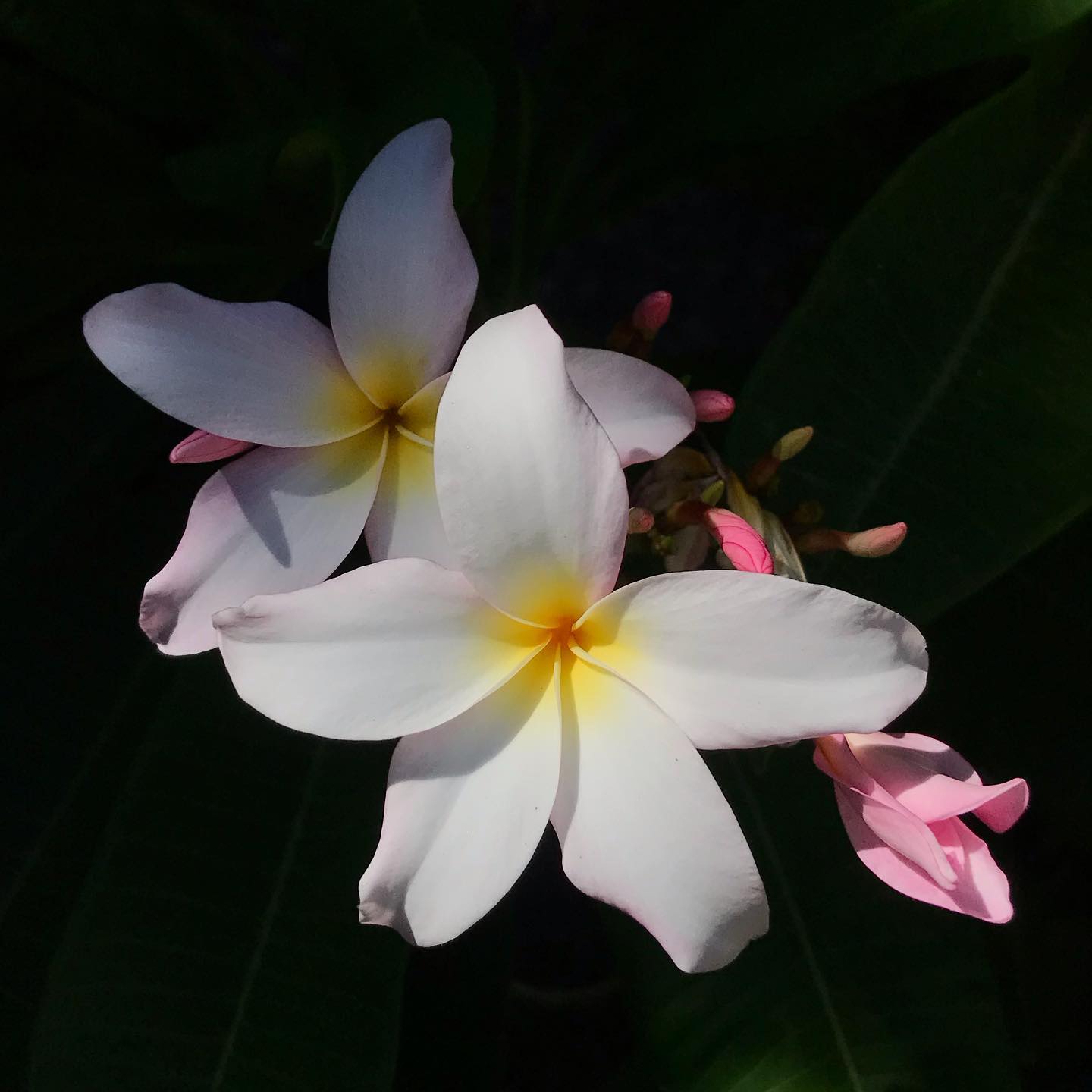
Frangipani also represents sincerity and loyalty in some cultures. People give flowers to express trust or friendship. These meanings appear in both daily life and ceremonial settings.
Another interpretation is the movement from one stage of life to another. In communities where frangipani plays a role in funerals or rites of passage, the flower signals acceptance and transition.
People also connect frangipani with inner strength. Even when the tree faces challenging conditions, it still produces flowers. This has encouraged many to view the flower as a reminder of resilience.
Color-Based Interpretations of Plumeria and Frangipani Flowers
The meaning the Plumeria flower carries can shift depending on the color. People often attach specific intentions or emotions to each tone.
White Plumeria or frangipani often relates to clarity, simplicity, and sincerity. It appears in ceremonies where purity of intention matters.
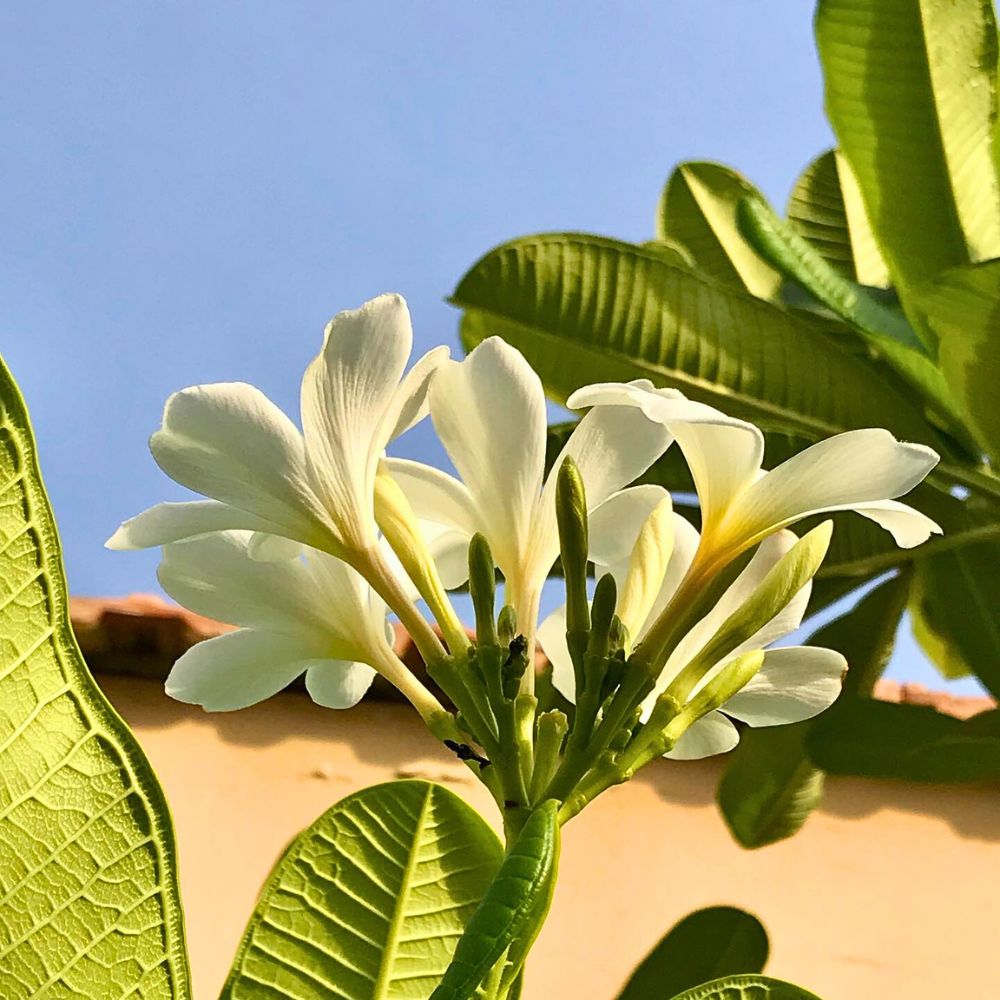
Yellow Plumeria can represent optimism, encouragement, or a hopeful outlook. It is common in settings where people want to inspire growth or confidence.
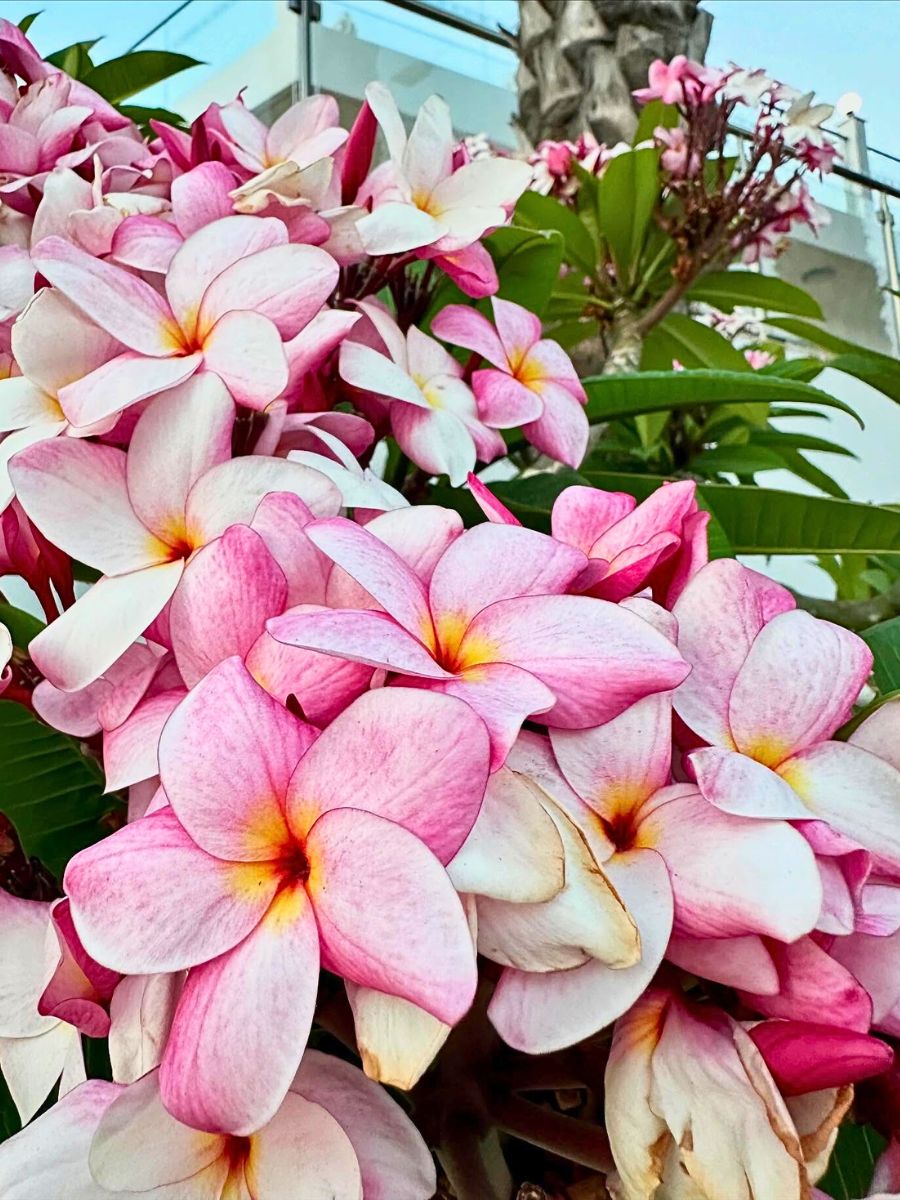
Pink frangipani flower meaning is strongly connected to affection and emotional depth. People associate pink Plumeria with care, appreciation, and the importance of meaningful relationships.
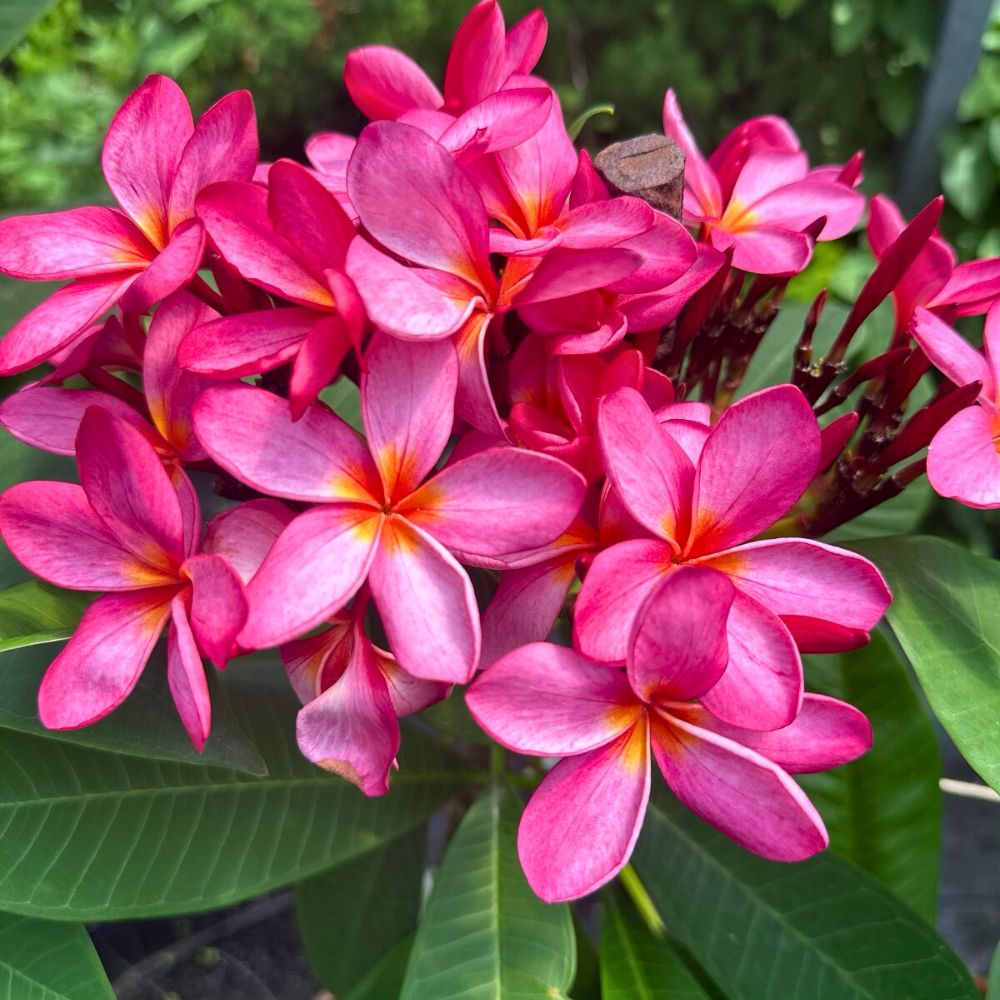
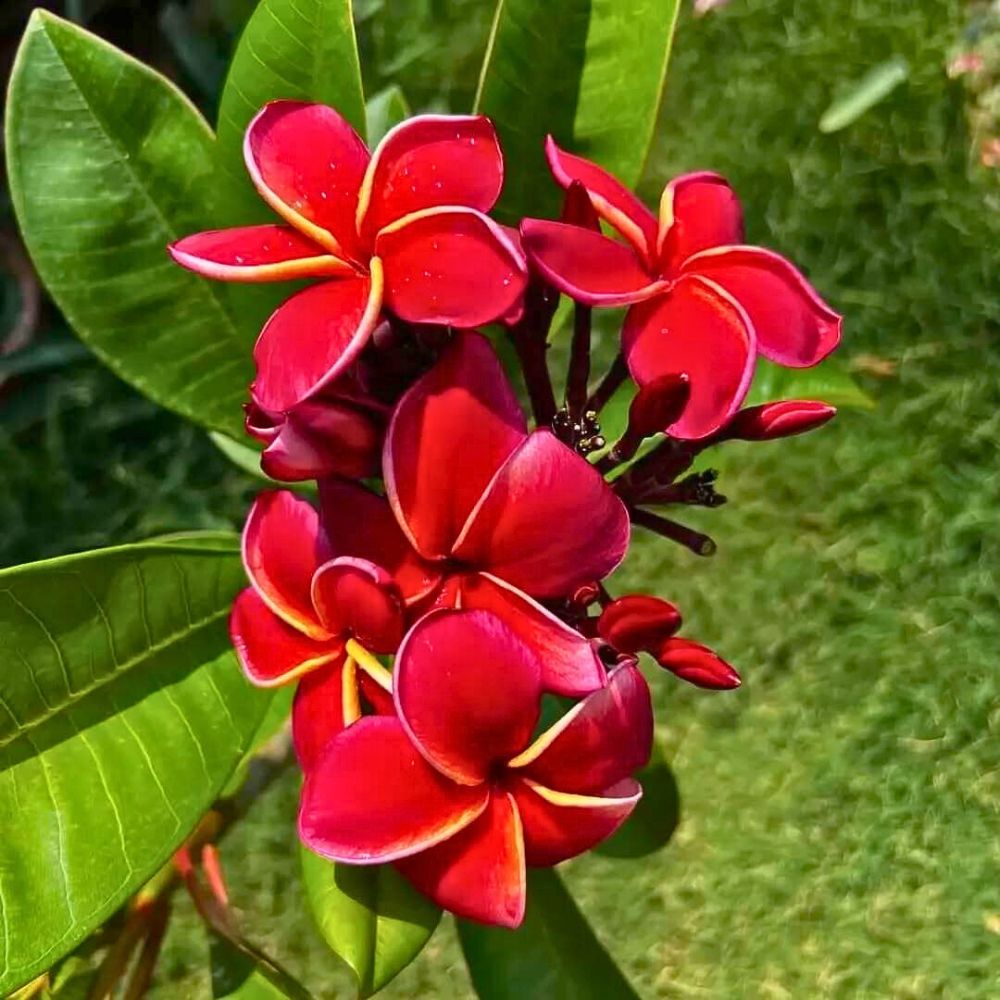
Red Plumeria tends to symbolize commitment or strong emotion. It often appears when people want to communicate dedication or passion for a cause, idea, or relationship.
Multicolored Plumeria or frangipani can represent the fullness of life and an acceptance of different experiences.
Plumeria Flower Meaning in Bali and Other Spiritual Locations
The Plumeria flower's meaning in Bali carries unique cultural weight. The flower is present in temples, ceremonies, and daily life. People use it in offerings, place it near statues, and carry it during rituals. It is seen as a bridge between the physical world and the spiritual realm.
In Bali, the flower can represent protection, guidance, and the continuity of life. It is common in weddings and other pivotal events. Visitors quickly notice how deeply integrated Plumeria is in the rhythm of the island.
Other spiritual locations share similar meanings. In Thailand, Laos, and Cambodia, frangipani can signify respect for ancestors. In Polynesia, it is a sign of peace and welcome.
Plumeria in Rituals, Spiritual Practices, and Daily Life
People across the world use Plumeria in important ceremonies. It appears in weddings where it can represent unity or a shared journey. In memorial gatherings, it can symbolize remembrance and reflection. In meditation, the flower is used to create a grounded environment.
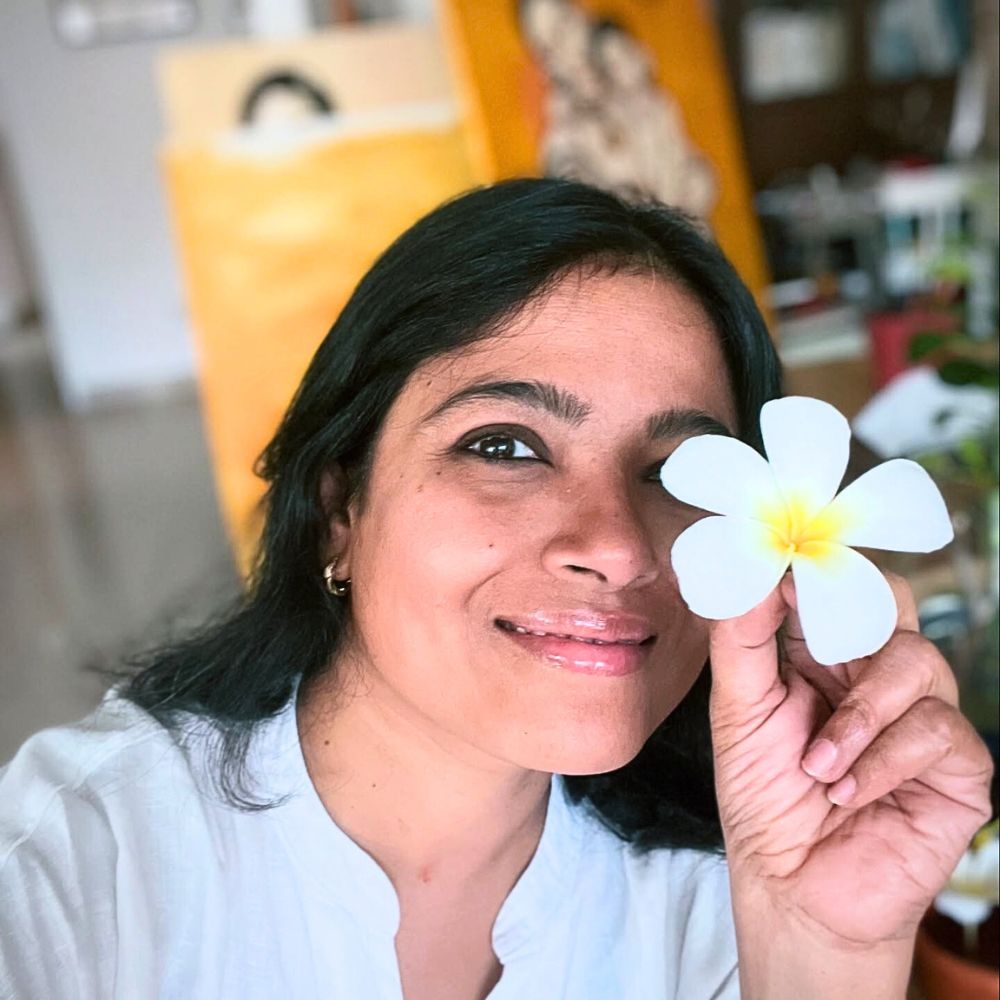
In daily life, Plumeria can represent recognition or appreciation. People wear it as a sign of identity or place it in homes for comfort. The flower also appears in hospitality gestures, where it signals welcome and goodwill.
Why Plumeria and Frangipani Inspire Jewelry and Tattoo Art
People who choose Plumeria tattoos or frangipani jewelry often want a symbol of transformation or renewal. The flower serves as a reminder to stay grounded or to embrace change. For others, it represents personal heritage or a place with emotional meaning.
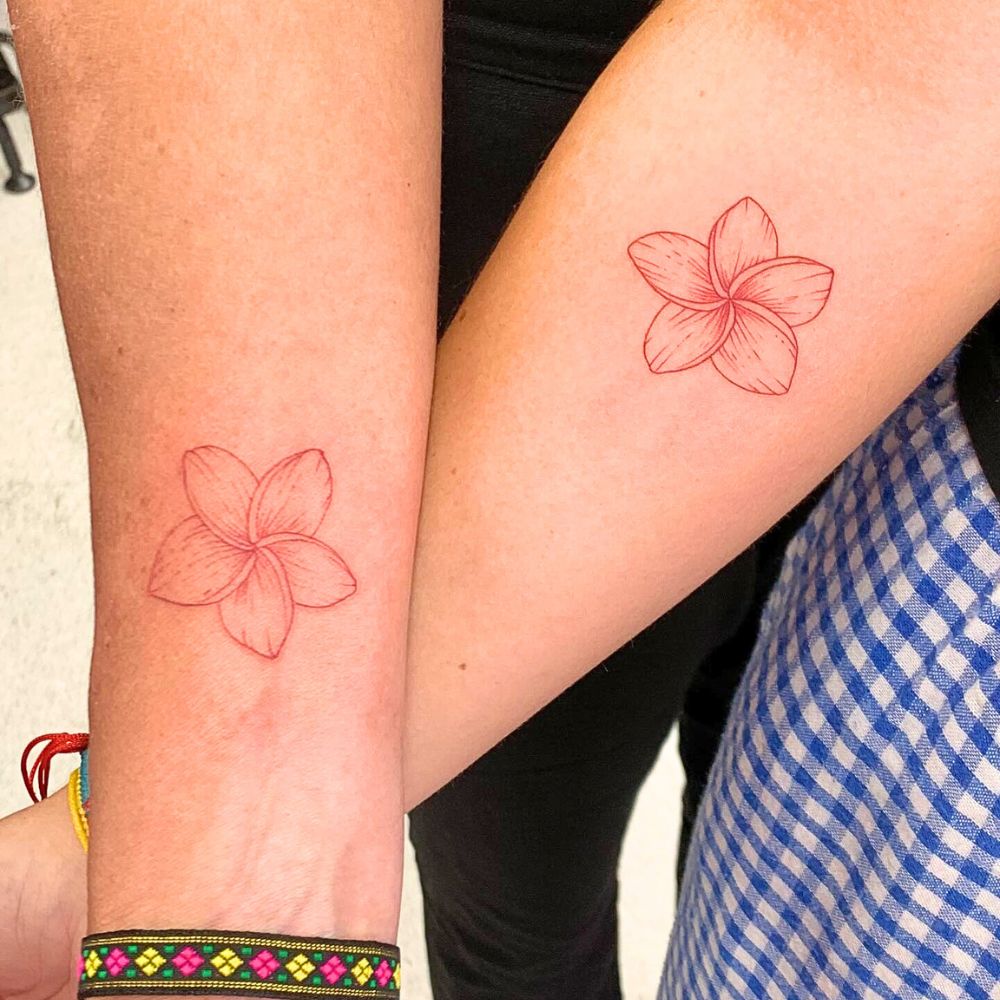
Artists gravitate toward the flower because of its strong outlines and clear shape. It works well in many design styles. Jewelry makers use it to represent closeness, memory, or spiritual connection. Tattoo artists use it to communicate strength, clarity, or life transitions.
Growing the Plumeria Plant
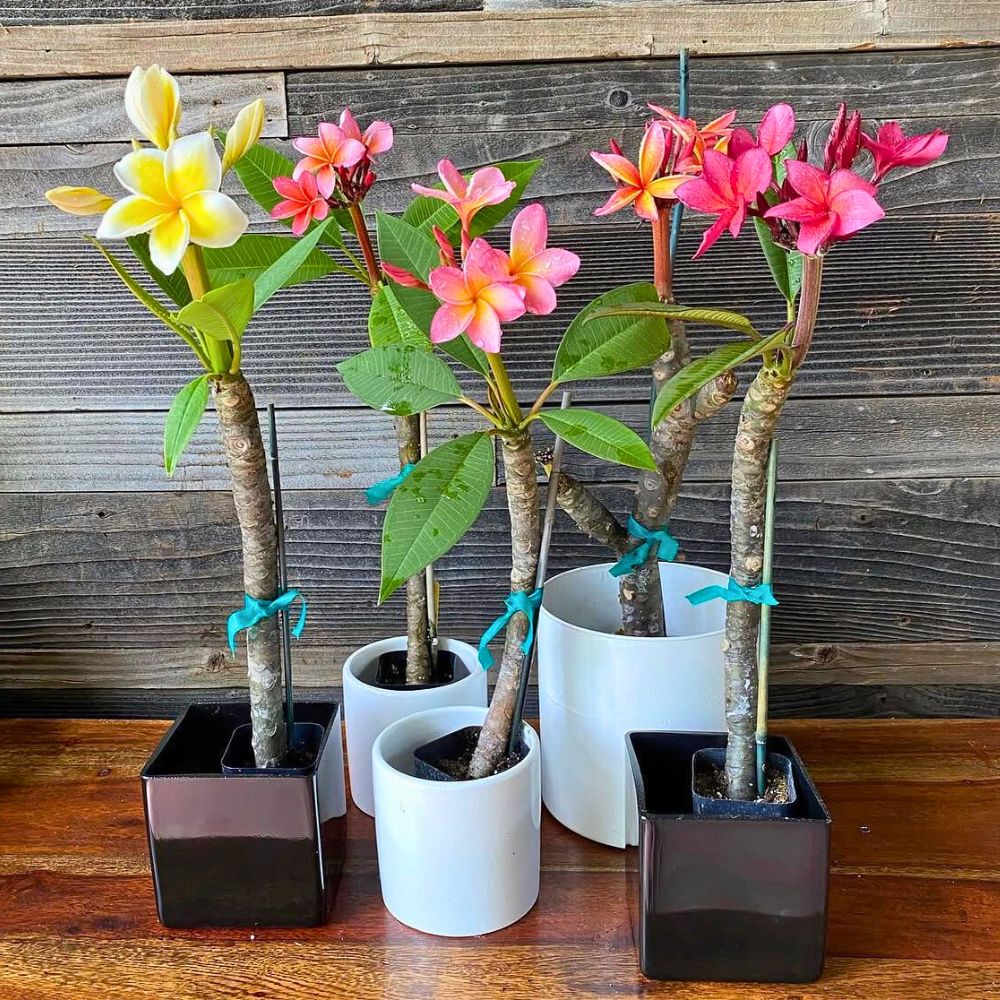
Plumeria plants prefer warm climates, direct sunlight, and moderate watering. They thrive when the soil drains well. Gardeners often grow them from cuttings because the plant roots easily. With regular care, pruning, and moisture control, Plumeria trees remain strong and productive.
How Florists Use Plumeria in Design
Florists use Plumeria in tropical compositions, cultural displays, and hospitality arrangements. The flower holds its shape well and adds a clear focal point. It appears in celebrations, retreats, and island events. Its cultural meaning makes it a favorite in thematic design work.
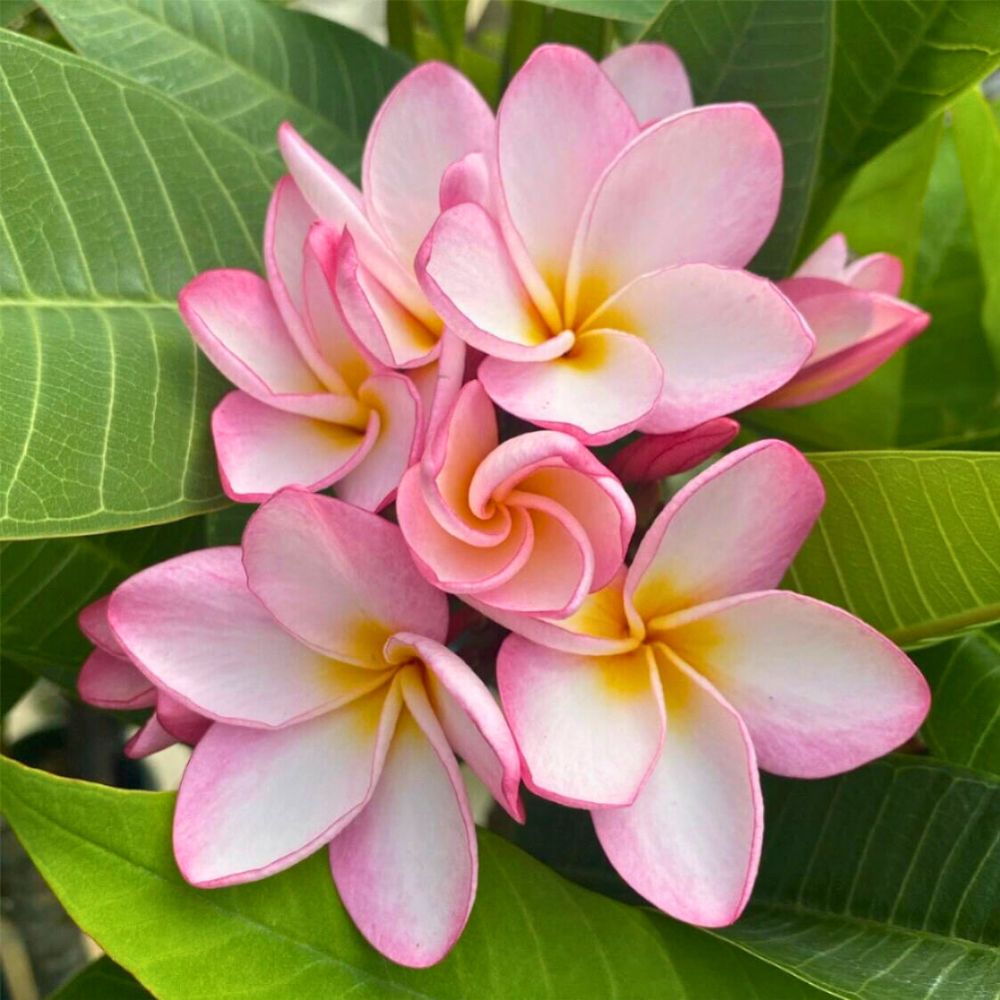
Plumeria and frangipani continue to carry deep meaning across cultures. From hospitality and devotion to renewal and resilience, the flower has become a personal and cultural symbol around the world. Its presence in ceremonies, art, design, and daily life keeps the meaning of the Plumeria flower and frangipani flower relevant for many generations.
Header image by @Tim's Garden Centre.