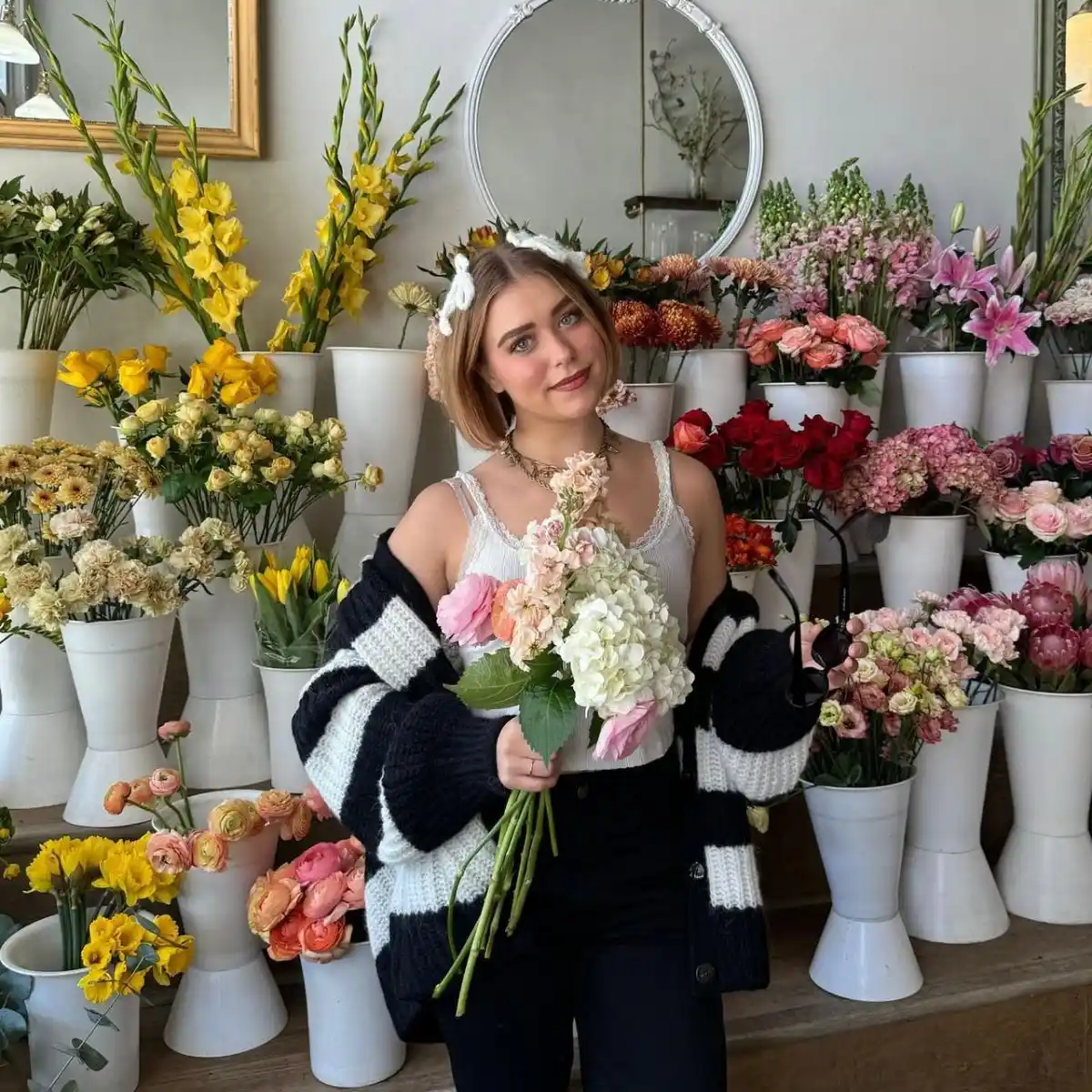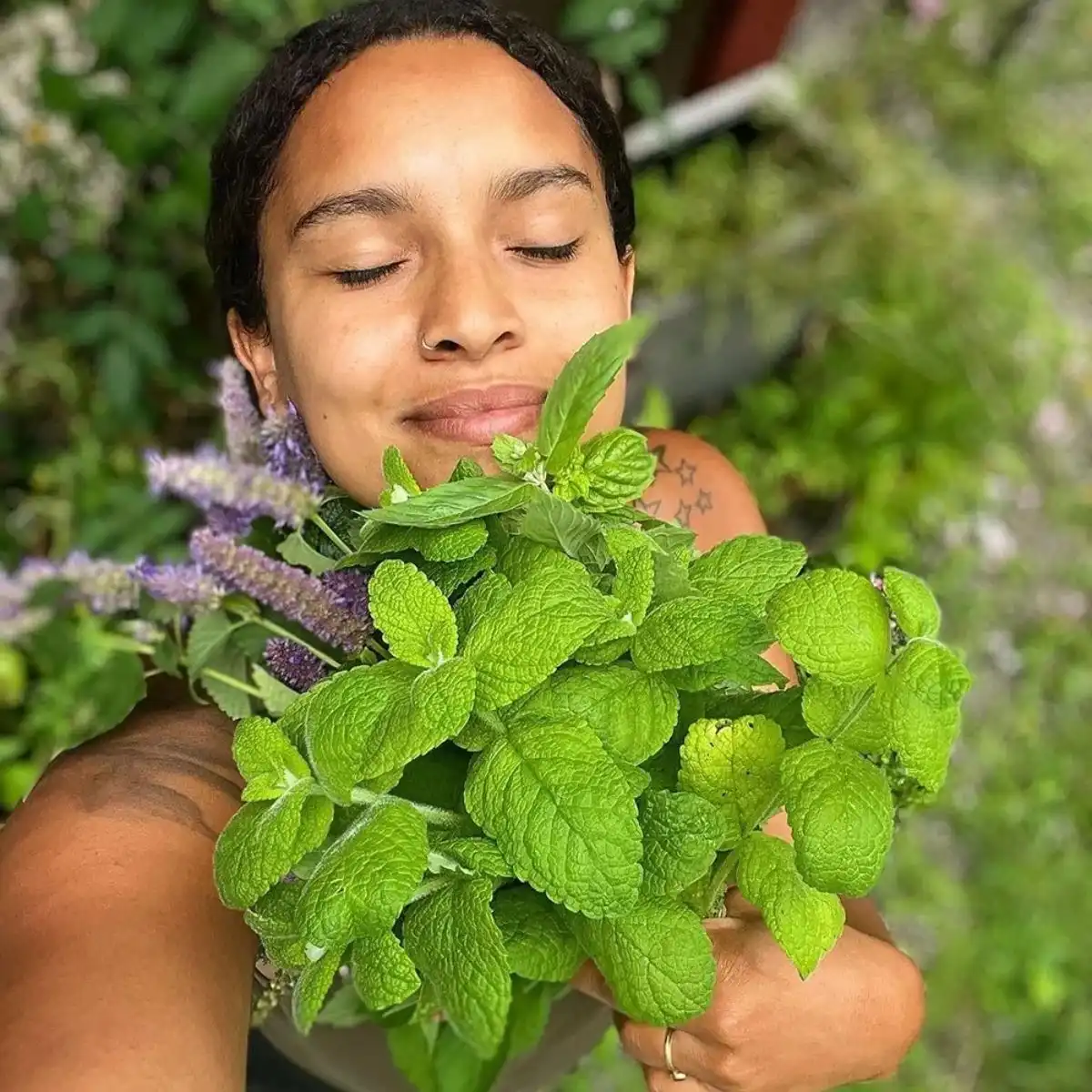
Walk into a flower shop, and you will notice something almost immediately. Some flowers fill the room with fragrance before you even see them, while others appear just as beautiful yet carry little to no scent at all.
A few stems of fragrant stock or freesia can transform an entire space. Place them next to elegant roses such as White O'Hara or Juliet, and each offers its own distinctive aroma. Yet many modern hybrid tea roses may surprise people by having only a faint fragrance despite their stunning appearance. So why do some flowers smell stronger than others? The answer lies in a mix of biology, evolution, breeding, and growing conditions.
Flowers Speak Through Fragrance
A flower's scent is more than a pleasant feature. It is part of the plant's natural communication system.
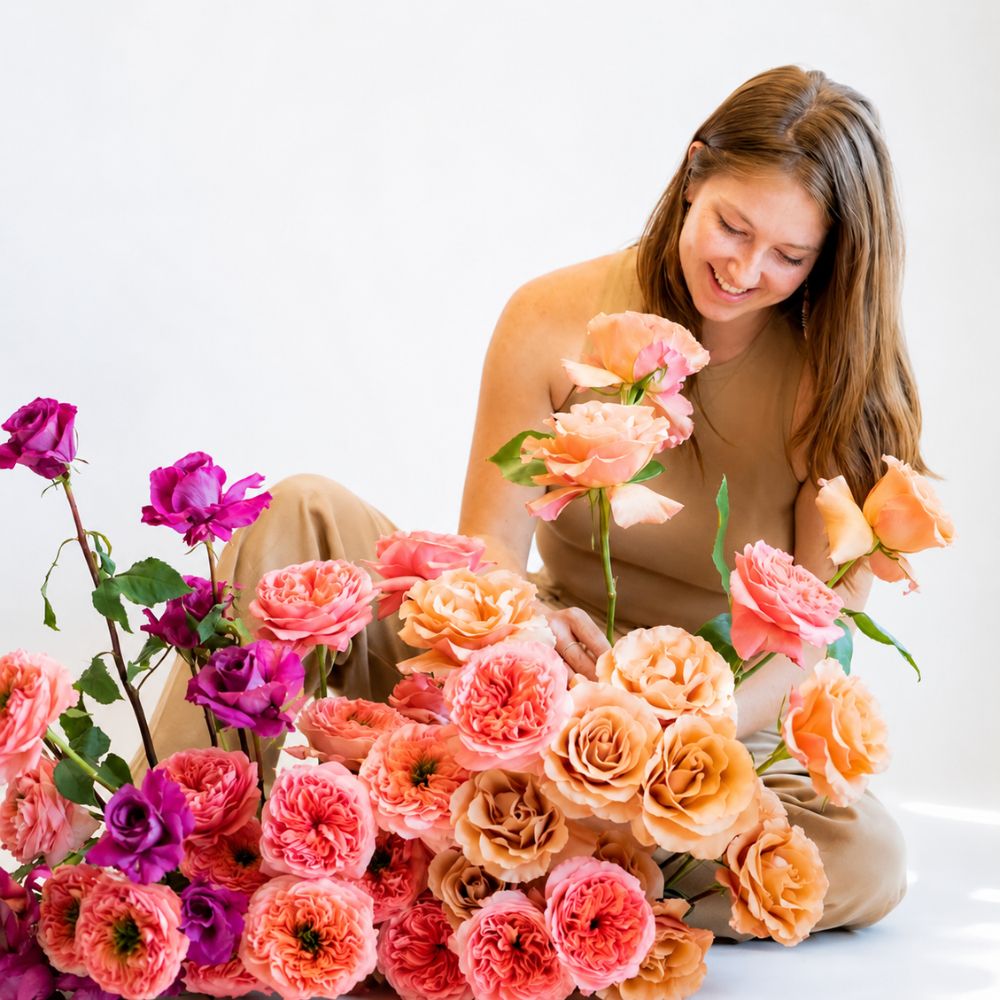
Flowers release tiny natural compounds, known as volatile organic compounds, into the air. These compounds create the fragrances we associate with different flowers, from sweet and fruity to citrusy, spicy, or slightly peppery. Every flower produces its own blend, giving each variety a scent as distinctive as its color or shape. That is why no two flowers smell exactly alike.
Fragrance Began as an Invitation
Long before flowers were arranged in bouquets, fragrance served a practical purpose. Plants evolved scent to attract pollinators such as bees, butterflies, and moths. A strong fragrance signals that nectar or pollen is available, encouraging pollinators to visit. Not all flowers release fragrance at the same time. Some are most aromatic during the day when bees are active, while others become more fragrant in the evening to attract night pollinators. Nature matches scent to the habits of the insects each flower depends on.
Why Modern Roses Sometimes Smell Less
Many flower lovers are surprised to learn that some of today's cut roses are less fragrant than older garden varieties. This is not because breeders have forgotten about scent. It is because they are balancing many qualities at once.
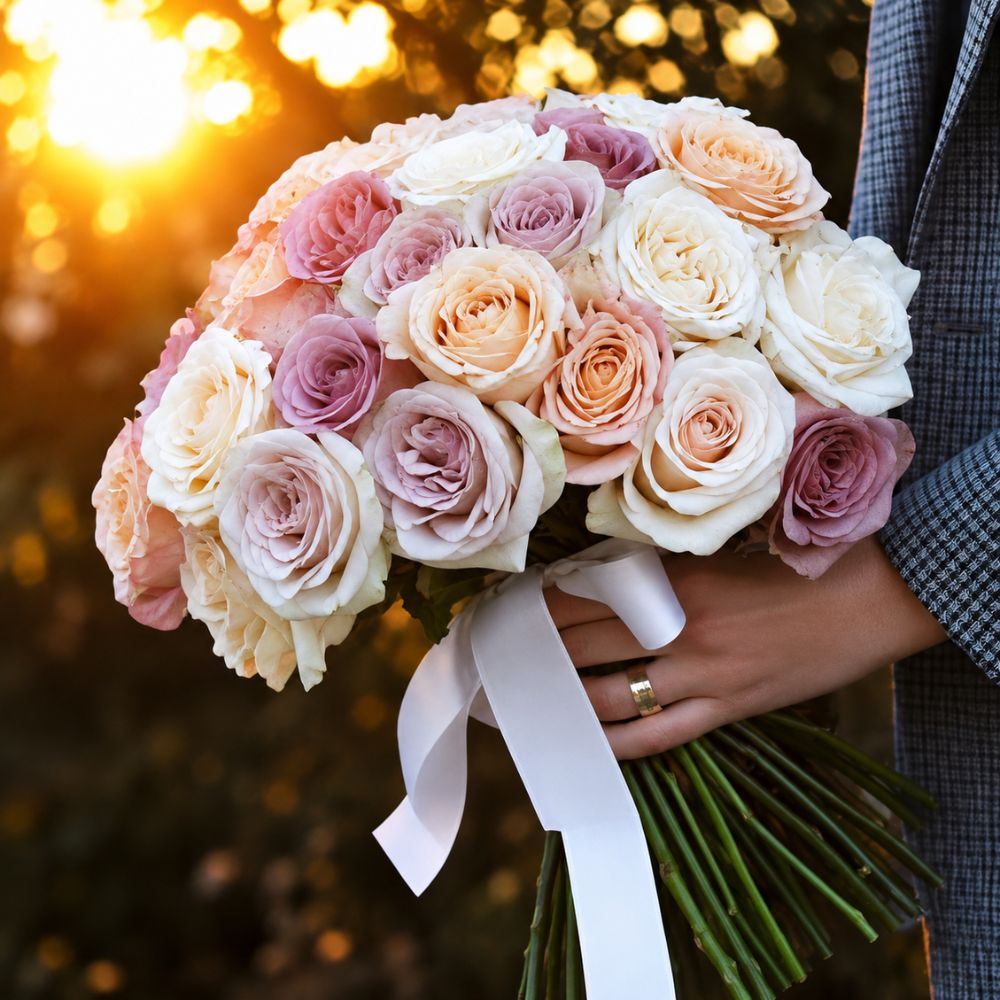
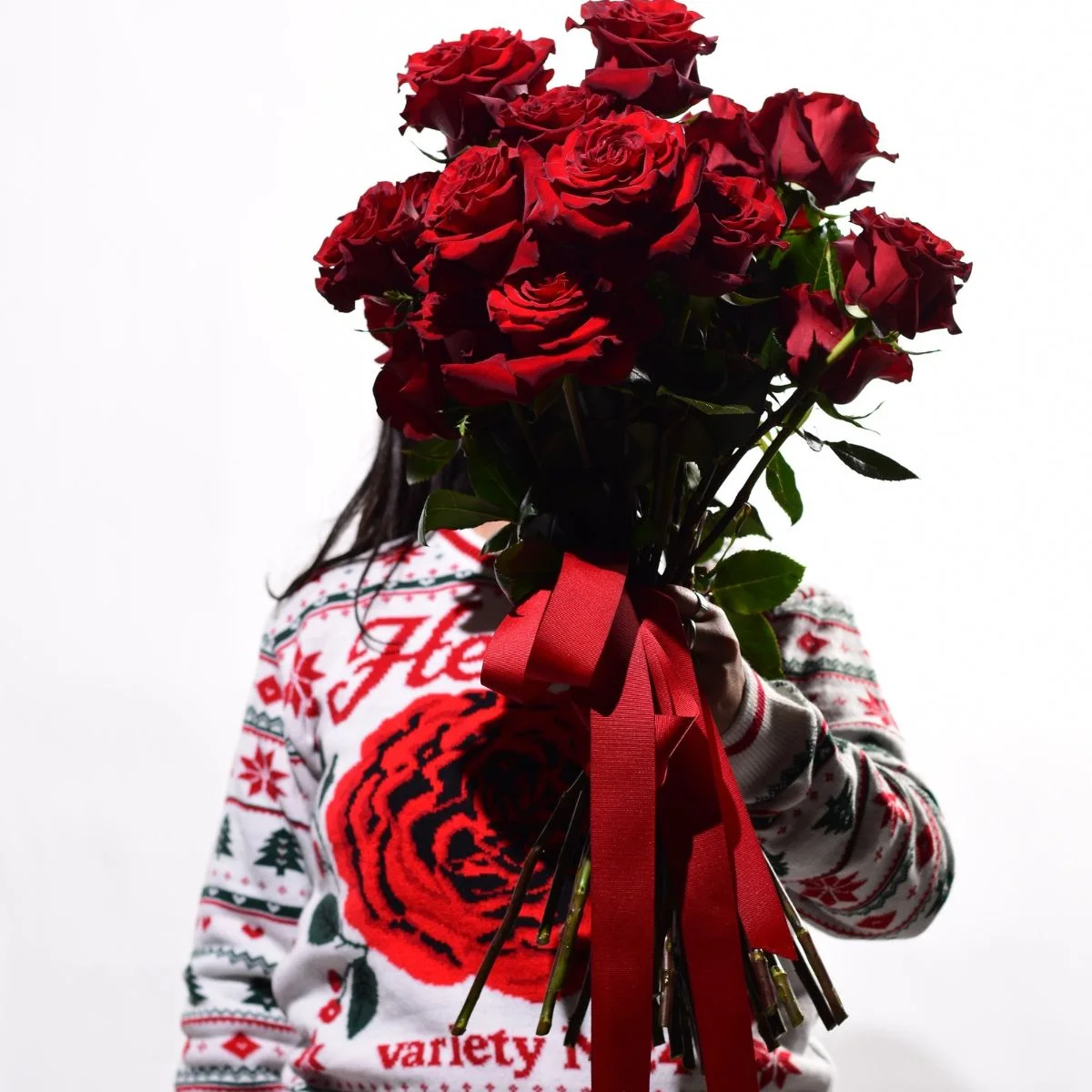
A commercial rose must produce strong stems, hold excellent vase life, travel long distances, resist disease, and deliver consistent quality year-round. These traits are essential for growers, exporters, wholesalers, and florists, so fragrance becomes one consideration among several rather than the top priority. Fortunately, some breeders still develop varieties that combine beauty with scent. Garden roses such as White O'Hara, Prince Jardinier, and Juliet are admired not only for their appearance but also for their rich fragrance, proving that elegance and perfume can still coexist.
Temperature Changes What You Smell
Have you noticed flowers seem more fragrant on a warm afternoon than a cool morning? Temperature plays a real role. Warmer conditions help fragrance compounds evaporate more easily into the air, making scent easier to detect. Cooler temperatures slow this process, which is why the same bouquet can smell different at different times of day. The stage of the flower matters too. As many flowers open fully, fragrance becomes more noticeable, then gradually fades as the flower ages.
Some Flowers Are Naturally More Fragrant
Certain varieties have earned a reputation for their scent:
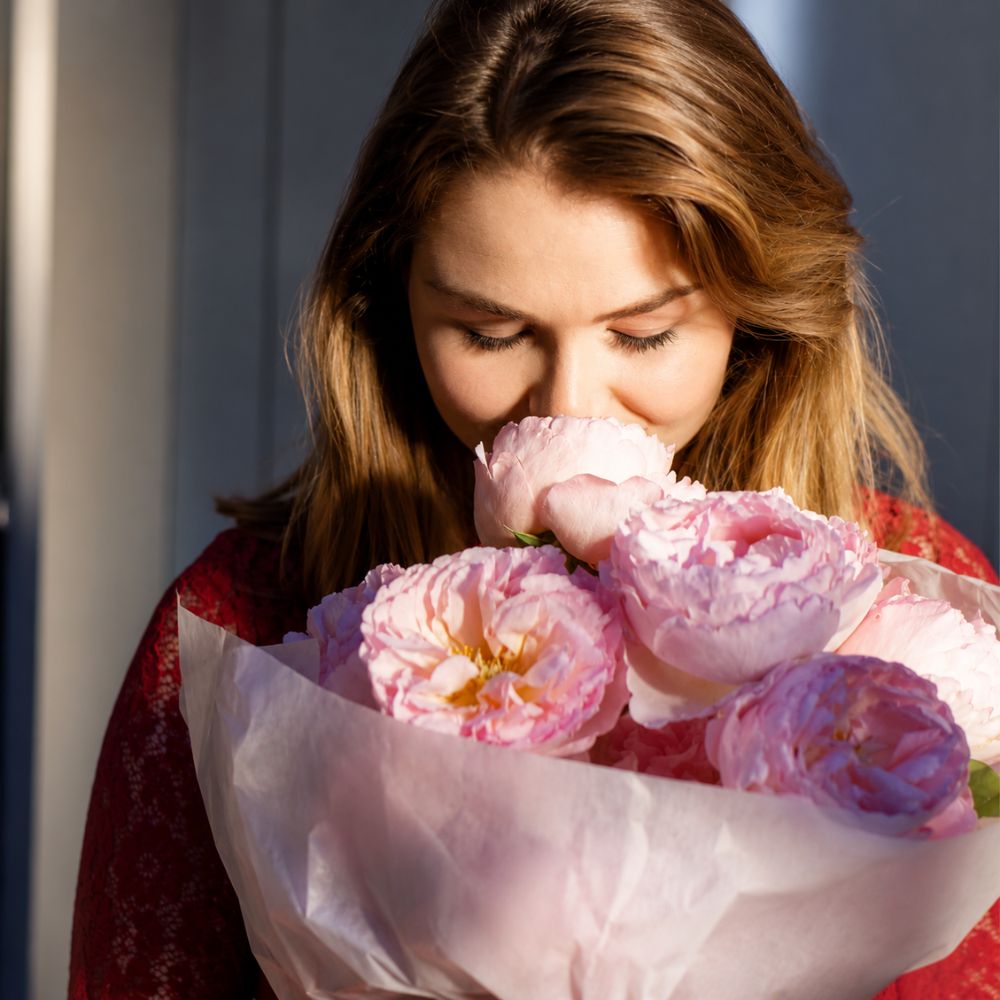
Freesia is loved for its fresh, citrus-inspired fragrance. Stock offers a warm, spicy perfume that fills a room. Hyacinths carry a rich, sweet aroma that announces their presence almost instantly. Gardenias produce a creamy scent that has inspired perfumes for generations. Sweet peas combine delicate petals with a soft, honey-like scent many gardeners treasure. Among roses, White O'Hara and Juliet continue to remind the industry that fragrance remains one of the flower's most cherished qualities.
Does More Fragrance Mean Better Quality?
Not necessarily. A lightly scented flower can still be exceptionally fresh, long-lasting, and visually stunning; an intensely fragrant flower is not automatically superior. A hybrid tea rose bred primarily for vase life and shipping durability may carry almost no scent. In contrast, a garden rose like Juliet, bred with fragrance as a priority, delivers both beauty and perfume, just with different trade-offs in stem strength and shelf life.
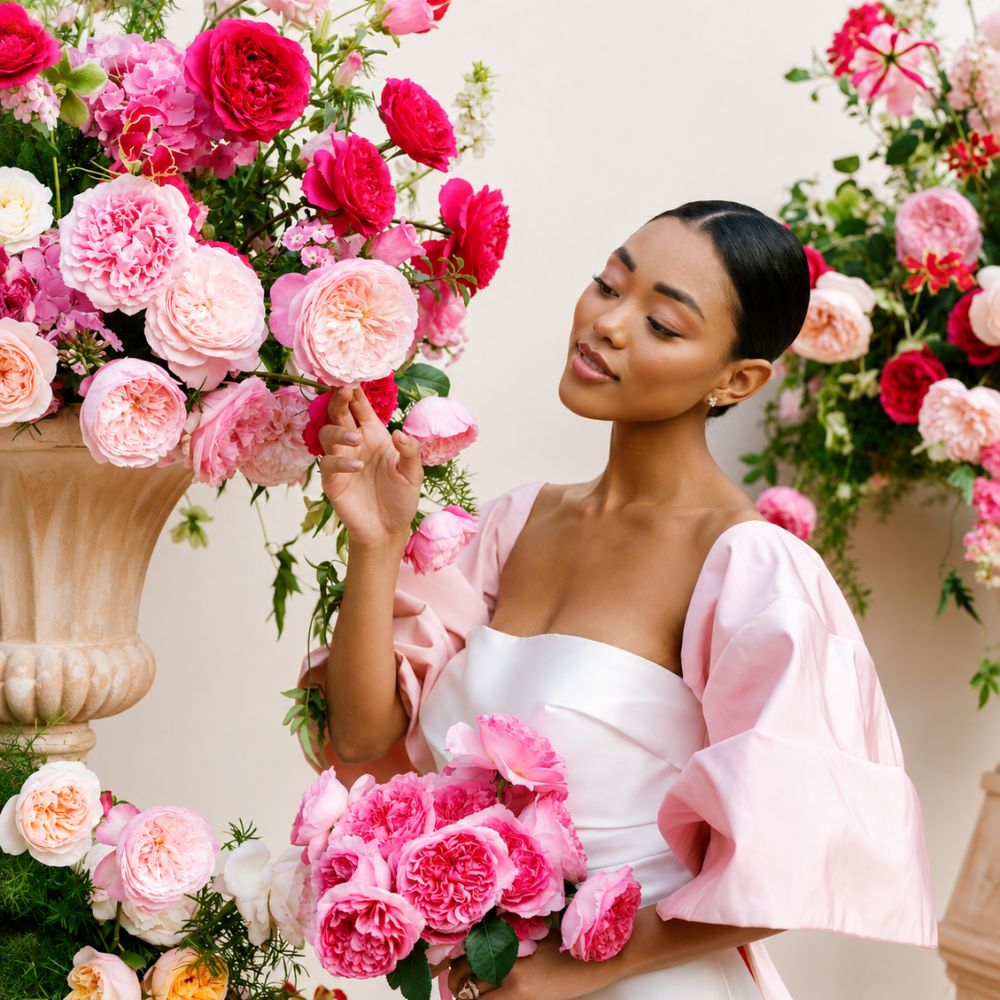
For florists, the right choice depends on the setting. A wedding venue may call for restrained fragrance that will not overwhelm the room, while a bouquet destined for someone's home may benefit from flowers that perfume the space. No universal standard exists; the best choice depends on the occasion, the design, and the recipient.
A Fragrance Worth Remembering
As breeding continues to introduce new colors and shapes, fragrance remains one of the most distinctive qualities a flower can offer. It shapes memory and atmosphere in a way appearance alone cannot.
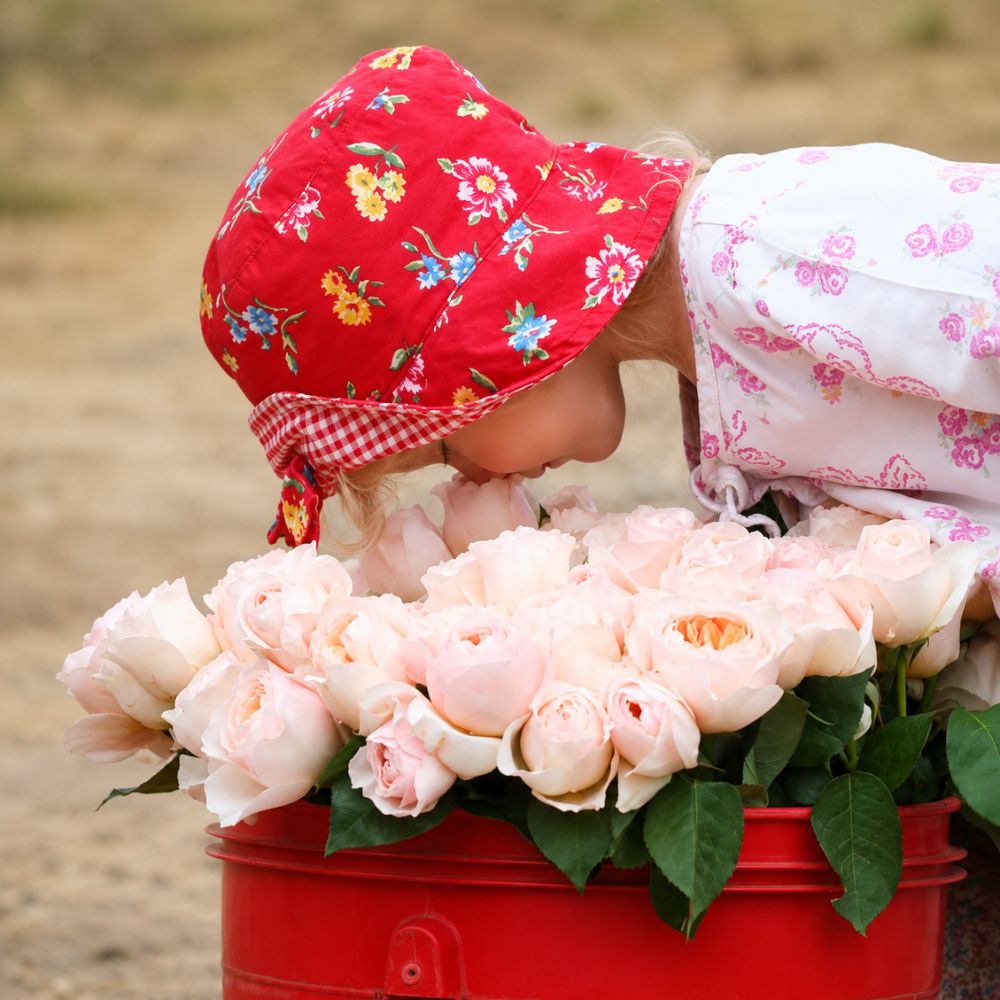
Whether it is the elegant perfume of White O'Hara, the romantic scent of Juliet, the freshness of freesia, or the unmistakable aroma of stock, fragrance reminds us that flowers are experienced beyond sight. The next time you pause to smell a bouquet, that scent is the result of nature, careful breeding, and generations of horticultural expertise, working together in something too easy to take for granted.
Header image by Yulia Gapeenko @Vecteezy.