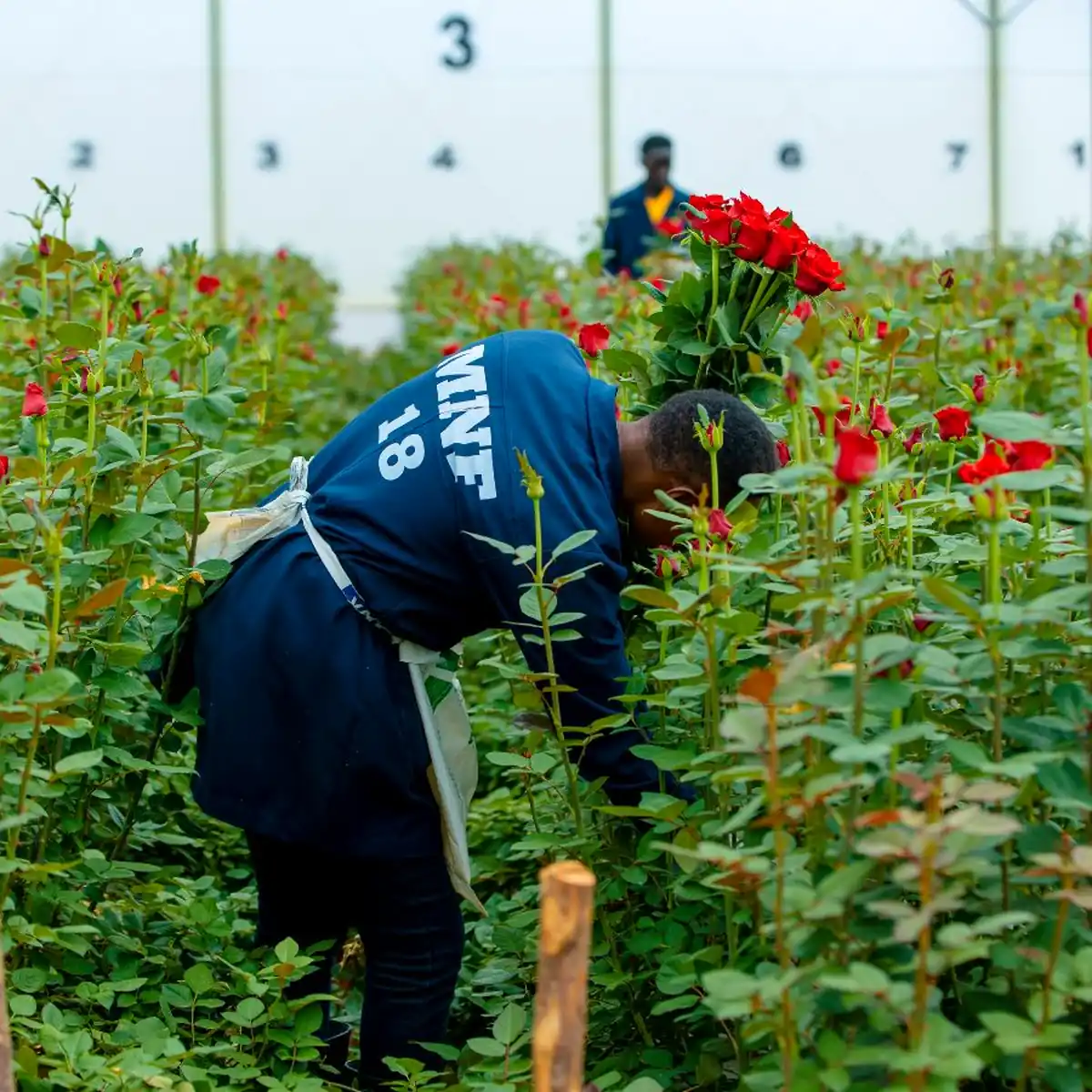
Flowers make people romantic about the business. A stem grown in the Kenyan highlands can travel thousands of kilometers and end up on a table in Amsterdam, Dubai, or Hong Kong. That journey is beautiful, but the business behind it is far less sentimental. Within one month, four people, including local entrepreneurs and importers, approached me about starting a flower export business from Kenya. All asked the same question: How do I get started?
My answer begins with the costs nobody mentions and the realities that determine whether you survive your first year. After more than a decade in Kenya’s flower export industry, I have watched promising businesses enter with confidence and disappear within months. This is what I wish someone had explained before their first shipment.
The Margin Reality Behind Every Shipment
The figure that surprises most newcomers is the margin. In my experience with exports to the Middle East, a good transaction may produce a margin of about 20 percent. Under difficult conditions, it can fall to 10 percent or less. Many people enter the industry expecting 40 percent because they subtract the farm price from the selling price and assume the difference is theirs.

The real calculation begins after that subtraction. Freight, handling, quality control, certification, packaging, commissions, claims, and rejected product all sit between buying and selling. With a perishable product, a margin that looks generous on paper can disappear before the consignment reaches the buyer.
Freight Can Rewrite the Business Model
Freight is usually the highest cost and the least predictable variable. During peak periods or major disruptions, logistics can represent 40 to 60 percent of total export costs. Recent reporting on Thursd showed air freight rates rising from about USD 3.10 per kilogram to nearly USD 5.00 as Middle East tensions reduced capacity and disrupted routes.
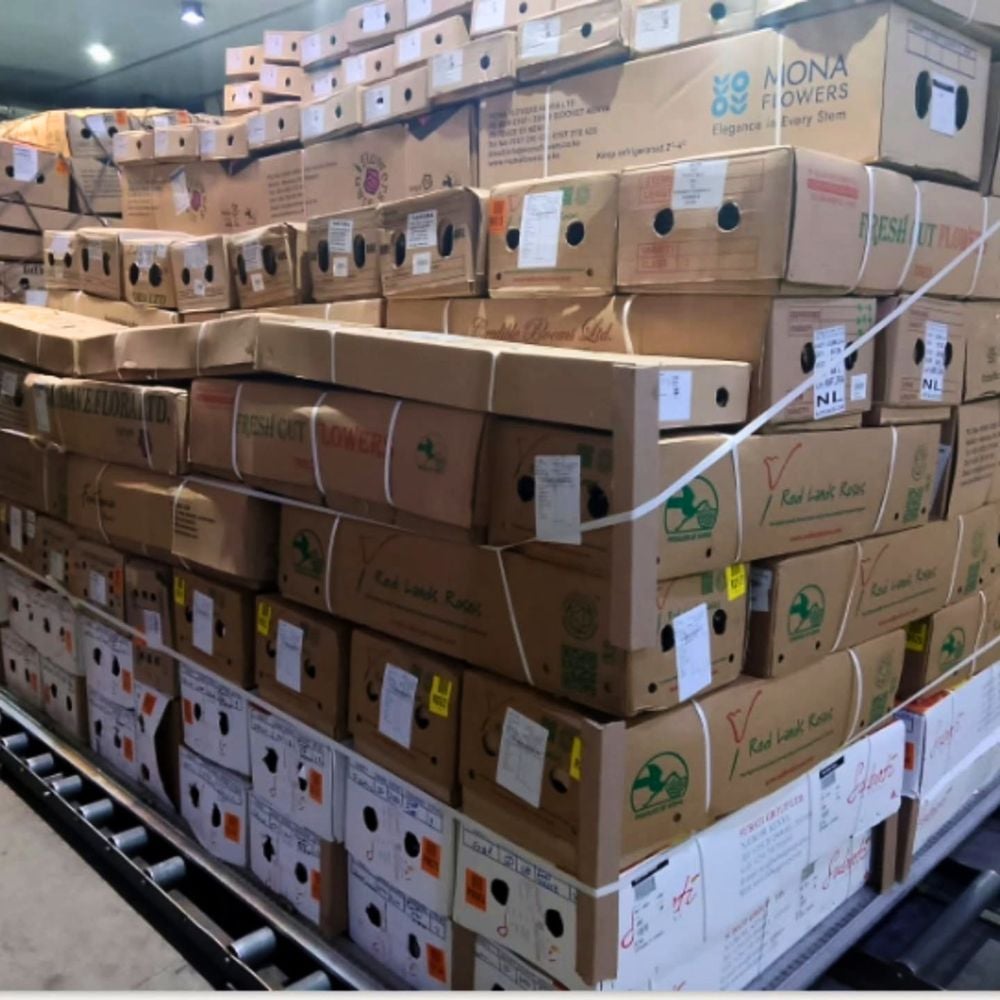
That increase can make an agreed selling price commercially impossible. New exporters sometimes promise clients a fixed price without defining what happens when freight changes. The risk must be discussed before the first contract is signed. Valentine’s Day, Mother’s Day, and other peaks also require early space reservations as capacity tightens and dynamic pricing takes effect.
Quality, Compliance, and the Cold Chain
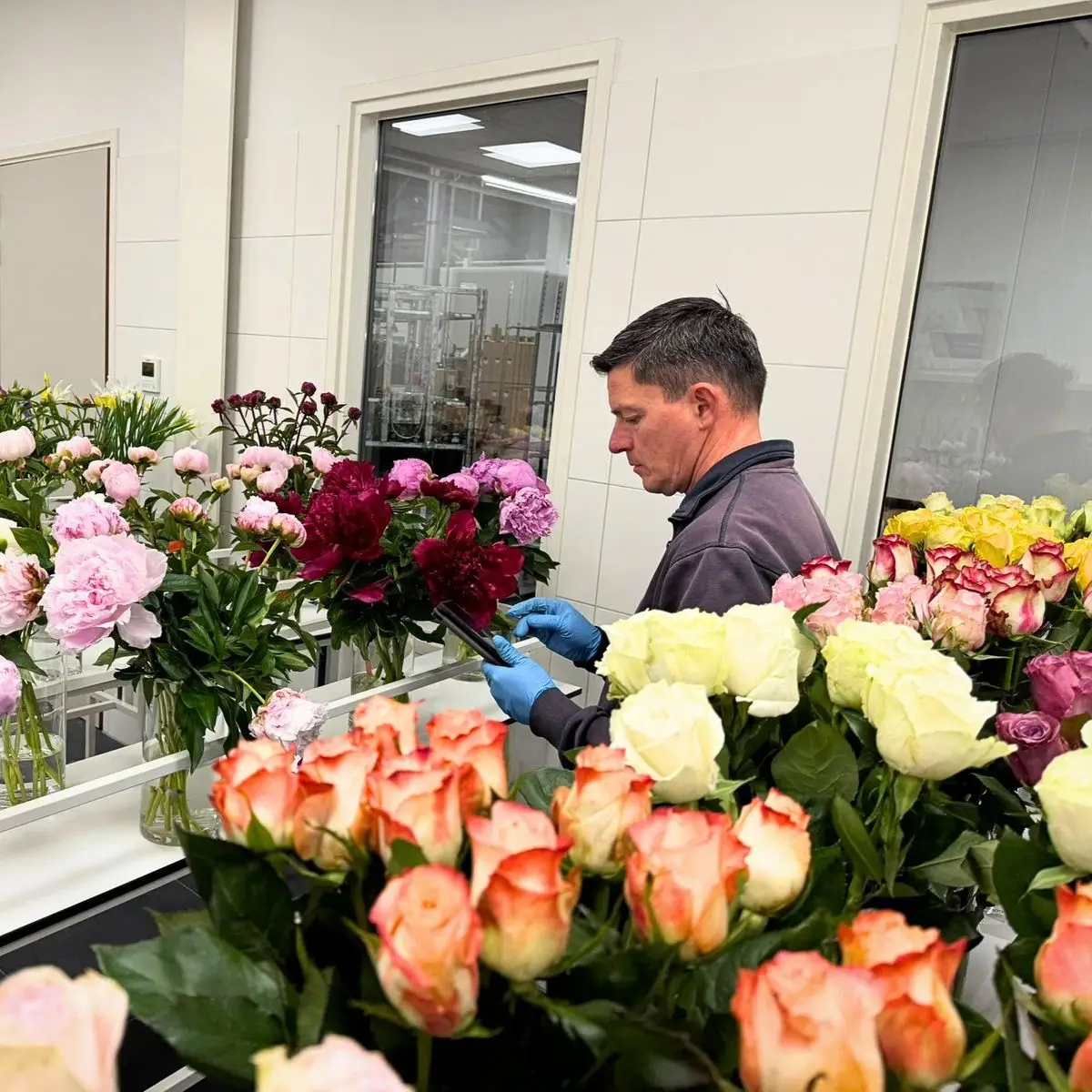
Quality control is not optional. A controller may inspect flowers at the farm before dispatch, checking the variety, stem length, head size, freshness, health, and order specification. Rejected flowers may already have been paid for, while regrading or repacking creates further costs. Some buyers also require independent third-party inspection.
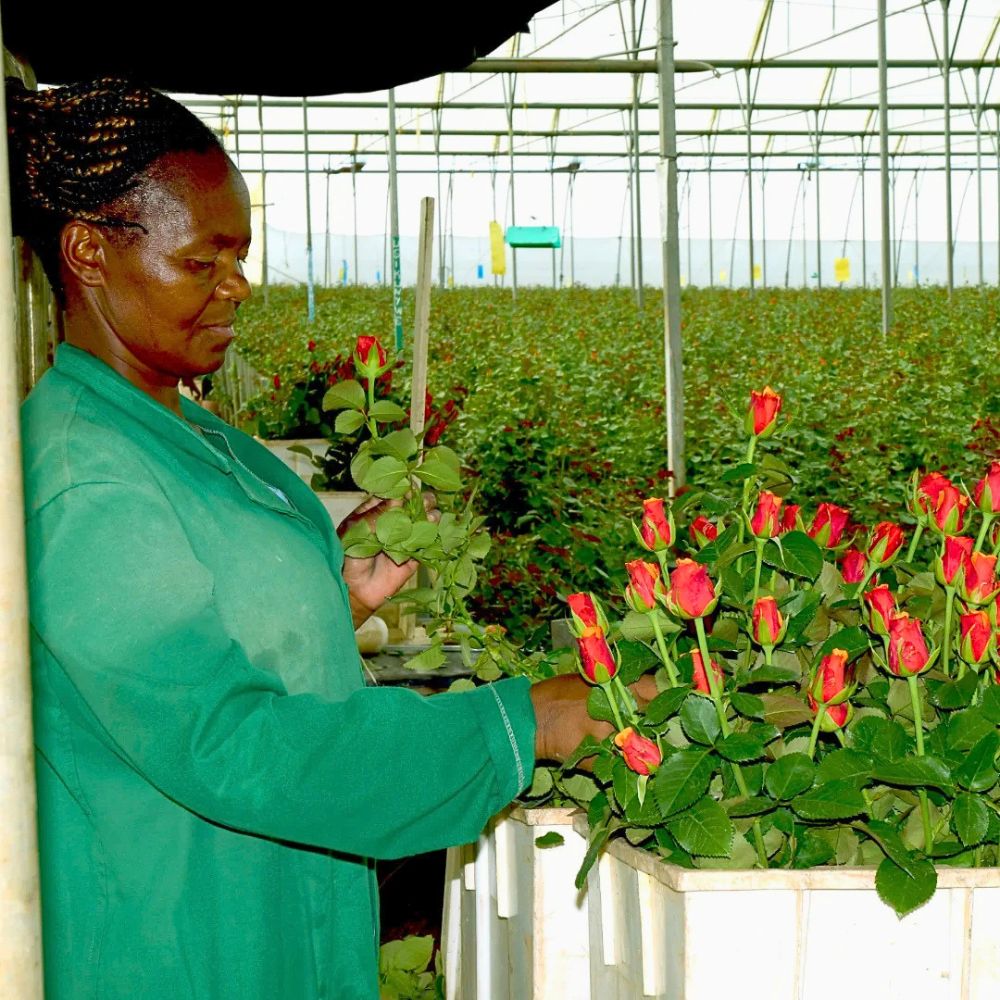
KEPHIS phytosanitary certification is required for export shipments, while destination markets may impose further plant health, documentation, sustainability, and import requirements. Understand them before accepting an order, not after a consignment has been stopped.
Temperature control protects everything already invested in the product. Refrigerated storage, suitable transport to Jomo Kenyatta International Airport, and reliable airport cold facilities all matter. A break in the cold chain reduces vase life and can lead to a claim.
Perishability Turns Delays Into Losses
One grounded flight, missed connection, or airport delay can change the value of an entire shipment. Flowers may arrive late, warm, dehydrated, or below specification. The buyer can reject part of the order, and the exporter absorbs the cost of the product, freight, handling, and lost trust.

Kenya Flower Council estimates cited by Thursd in 2026 indicated that about USD 4 million in flower exports could be at risk each week during acute logistics disruptions. Insurance, alternative routing, claims procedures, and contingency funds are survival tools. Hope is not a logistics plan.
Choose the Market Before You Chase Clients
Sales strategy should come before client acquisition. Europe, the Middle East, the Far East, and regional African markets differ in preferred varieties, prices, certification demands, and relationships. European buyers often emphasize consistency, certification, and sustainability. Middle Eastern markets may prioritize speed, flexibility, and competitive pricing. Far Eastern buyers can have specific variety and reliability requirements.
Trying to serve every market from the beginning weakens the offer. Choose one, understand how it buys, and build around those realities. Then answer the harder question: Why should a buyer choose you over an established exporter? Variety selection, dependable quality, communication, sourcing relationships, and problem-solving can create a position that price alone cannot defend.
Credit Terms Can Decide Whether You Survive
New clients often request credit, receiving and selling the flowers before paying the exporter after 60 or 90 days. Meanwhile, the exporter has already paid the farm, freight provider, quality controller, certification costs, and agent commissions. The sale may be profitable while the business has no cash for the next order.

Every first shipment needs written payment terms, a credit limit, due dates, and a process for late payment. Check new buyers and avoid increasing exposure because a client promises to pay soon. VAT refund delays can create another gap between money spent and recovered. Working capital is what keeps the next shipment moving.
Seasonality and Agents Must Be Priced In
Demand does not remain constant. For many European accounts, July and August are quieter as buyers travel and regular orders reduce. This familiar pattern becomes a crisis when an exporter expects August revenue to finance September operations. Reserves built during stronger periods help when orders slow.
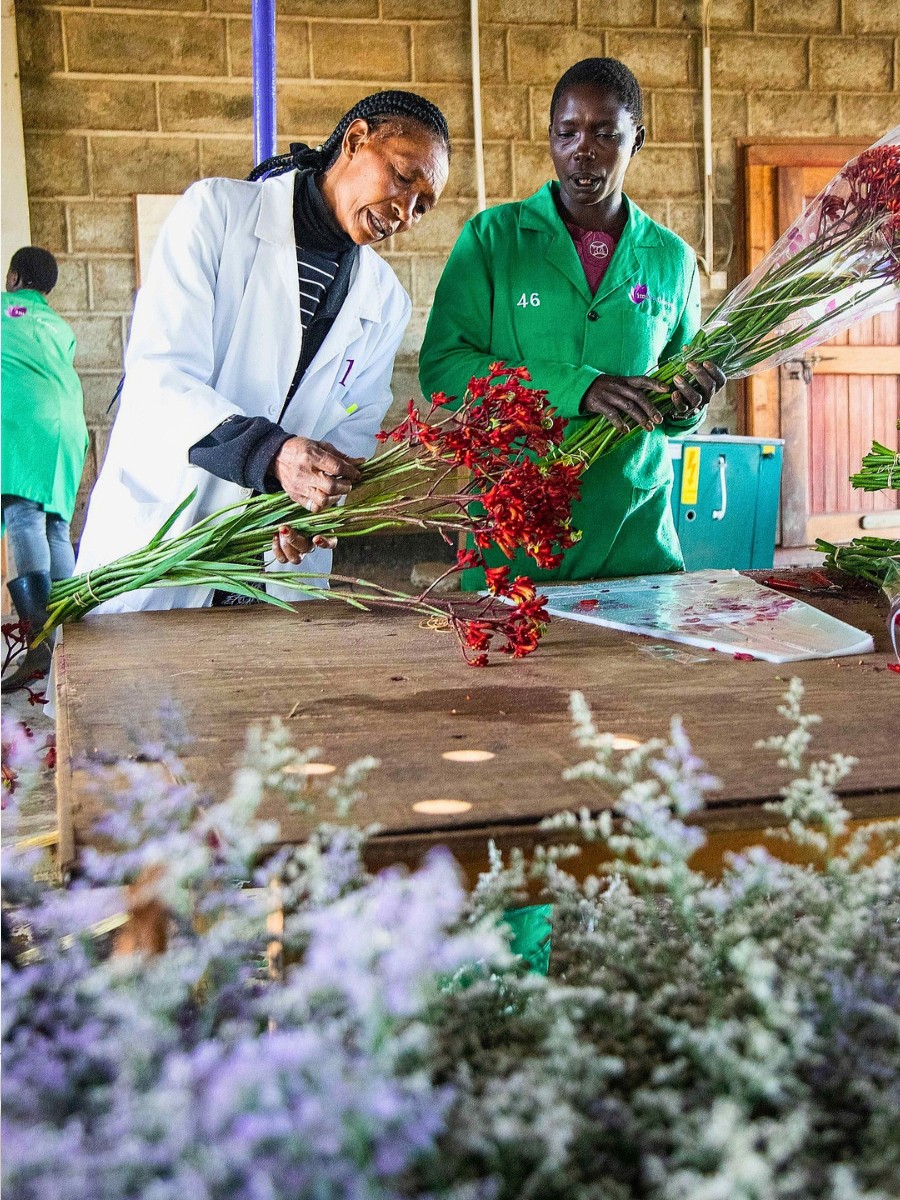
Agents can provide market knowledge and valuable introductions, but their commissions come from an already narrow margin. The agreement should define the percentage, whether it applies to gross or net sales, when it is payable, and what happens if the client stops ordering.
Preparation Makes the Opportunity Real
Kenya’s flower industry generated about KES 110 billion, or roughly USD 845 million, in export earnings in 2025 and supports more than 200,000 direct jobs. The opportunity is real, the international demand exists, and Kenyan flowers have an established place in global markets.
The people who succeed, however, are rarely those who arrive with enthusiasm alone. They understand their costs before projecting revenue. They study freight before agreeing on prices, confirm payment terms before shipping, and prepare for quiet months before cash becomes tight. They also seek guidance from people who know what business plans and spreadsheets tend to miss.

The margins are thin. The pressure is real. The product is unforgiving. Yet when a consignment leaves Nairobi in good condition and reaches the customer exactly as promised, there is still nothing quite like it.
Welcome to the business of flowers.
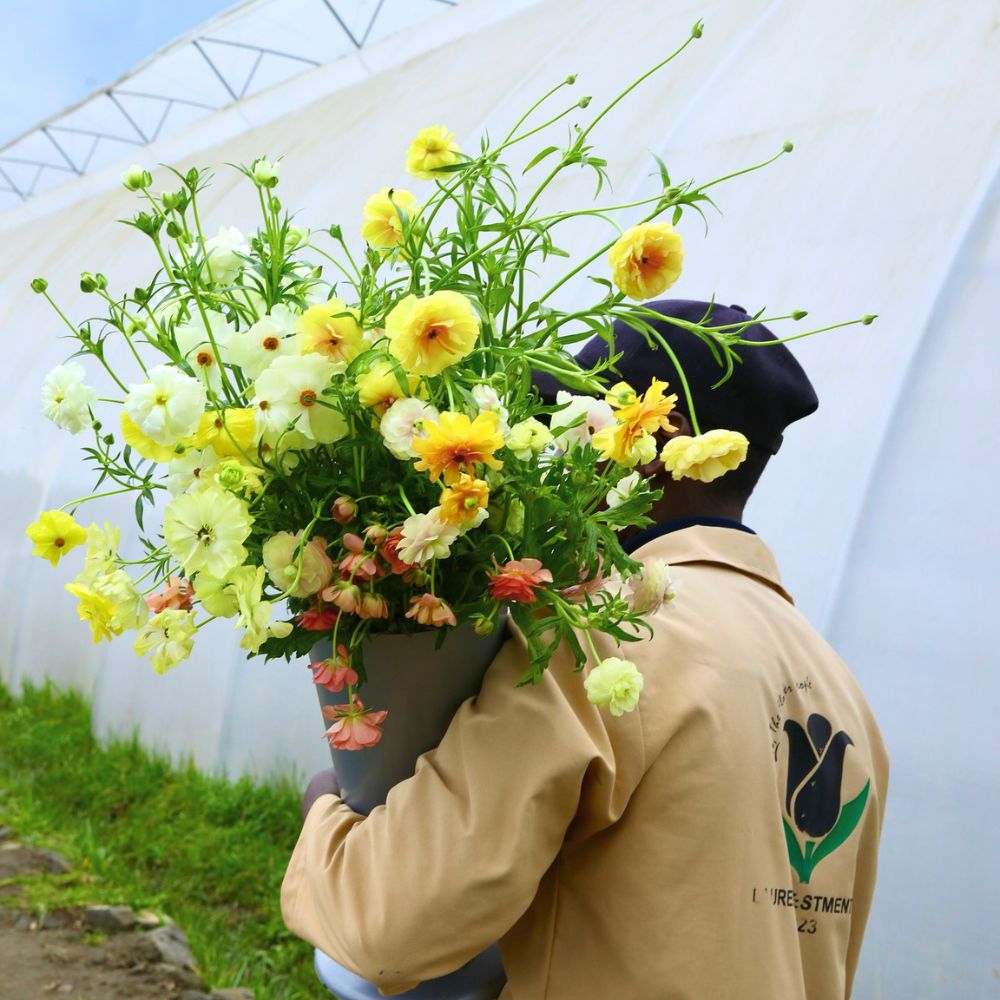
Header image by @meryberyflowerskenya.
Beatrice Cheruon is a floriculture and export specialist based in Nairobi, Kenya, with more than a decade of experience in Kenya’s flower export industry. She writes about the business of flowers in her newsletter, Flourish, and contributes to Thursd.