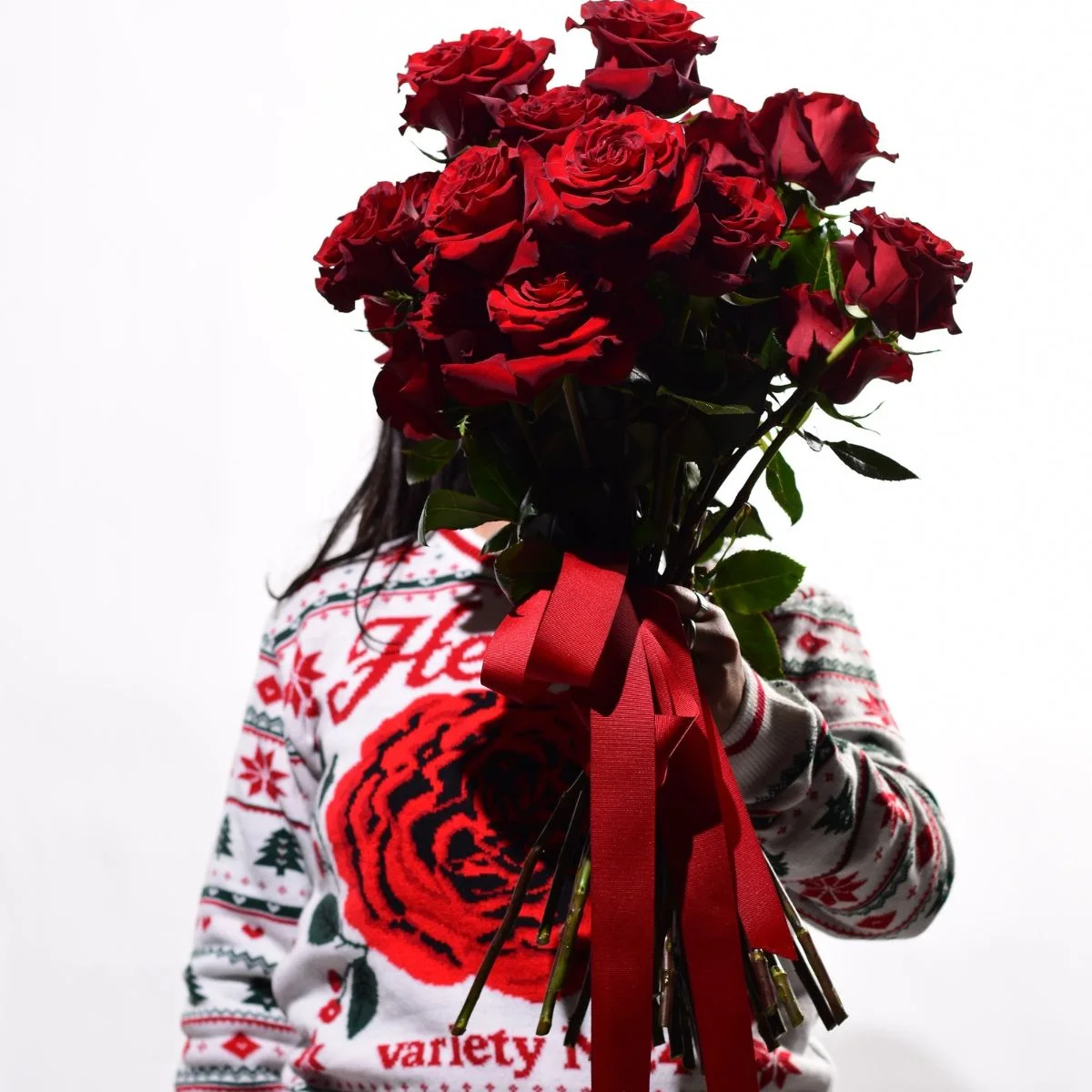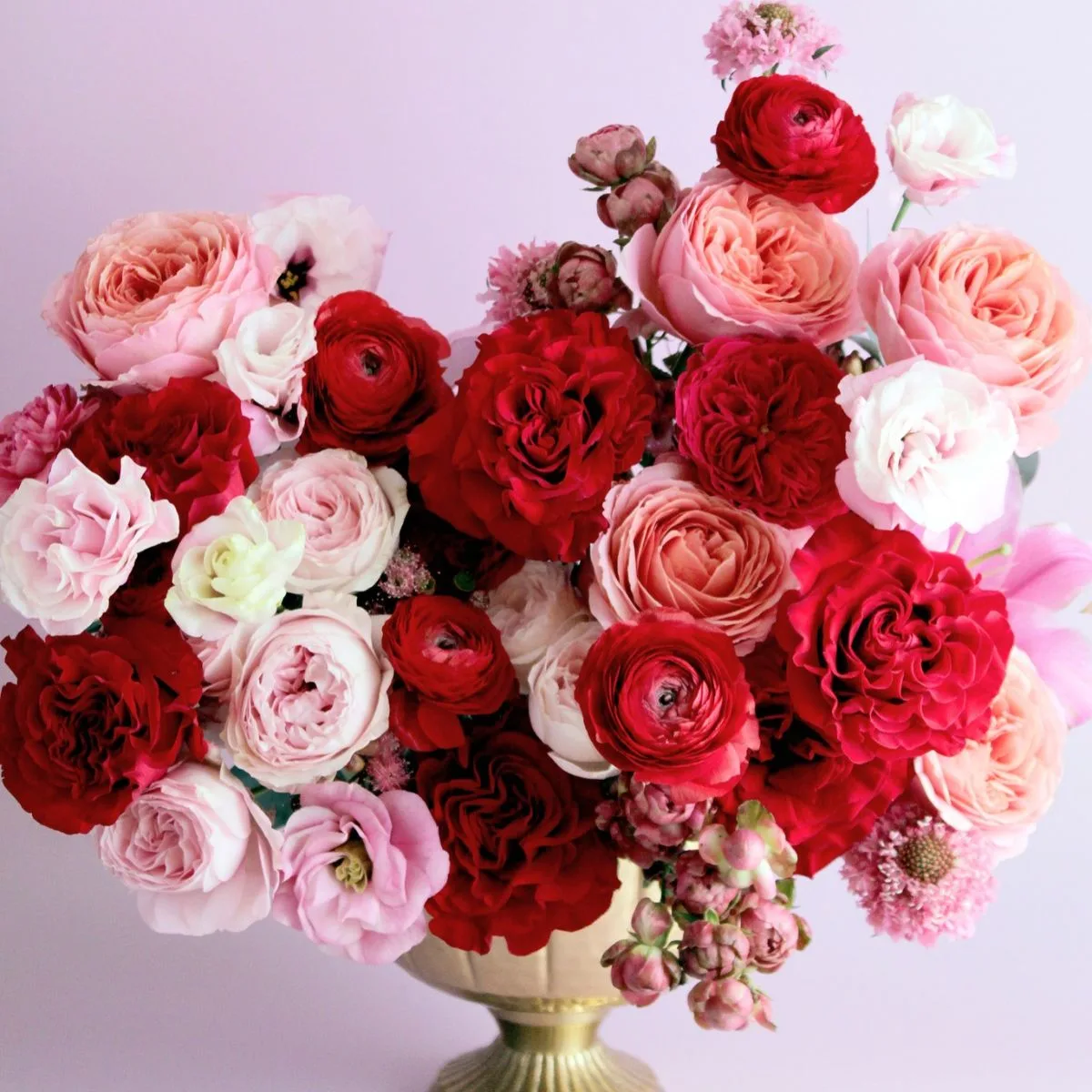
Luxury used to shout. Oversized centerpieces. Saturated reds. Jewel-toned arrangements built to be seen from across a room. For years, that was the formula: more color, more volume, more spectacle.
Now the opposite is happening, and it's happening fast. Walk into a high-end wedding this season, scroll through a luxury florist's portfolio, or flip through the latest editorial spreads, and the shift is unmistakable. The flowers aren't louder anymore. They're quieter, and somehow that's exactly what reading is expensive.
Borrowed From Fashion, Rebuilt in Petals
The phrase "quiet luxury" originated in fashion: no visible logos, exceptional materials, and craftsmanship that speaks for itself rather than a label doing the talking. Floral design has picked up the same logic almost perfectly.
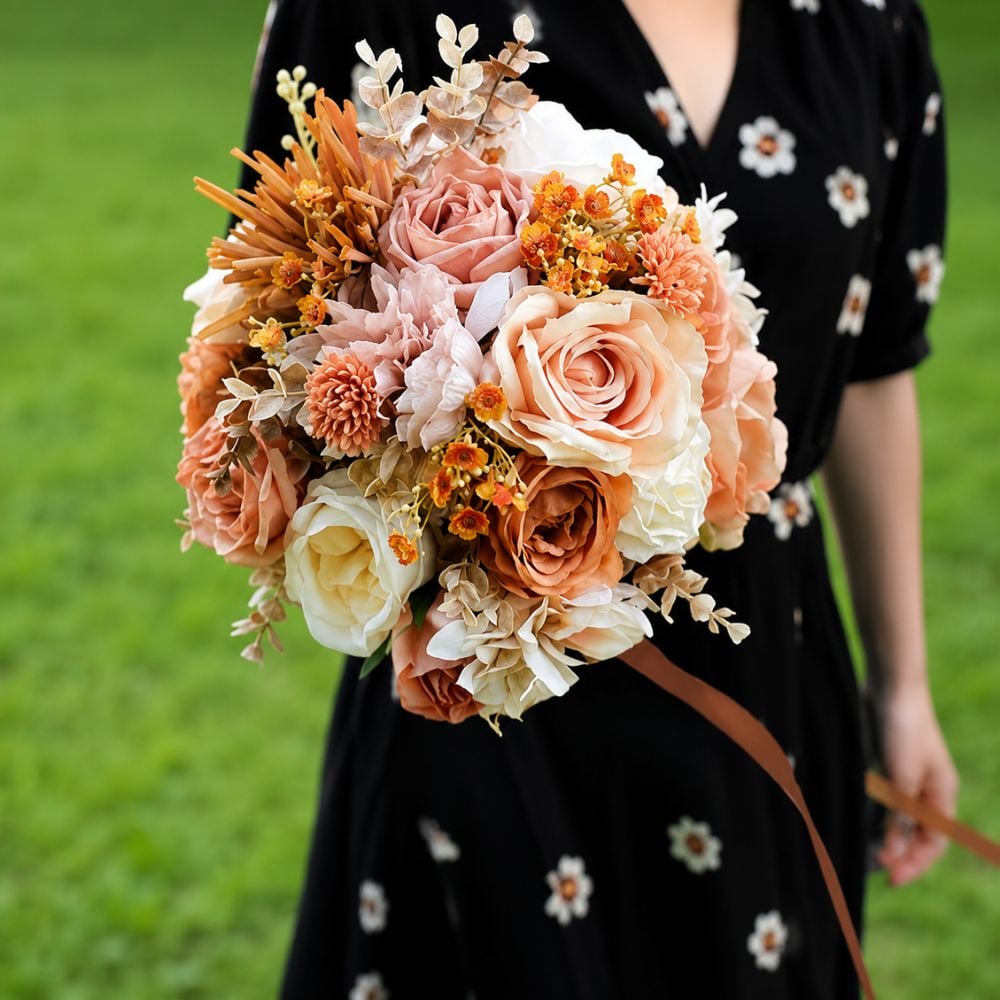
The most sought-after arrangements right now aren't winning on color. They're winning on texture, shape, and restraint, built from carefully layered neutrals instead of a single showstopper stem. Every flower gets room to breathe. The result looks effortless, which is precisely the point, since almost nothing about it actually is.
This isn't a passing color moment. It's a complete redefinition of what "expensive" should look like in a bouquet.
The Rose That Started It
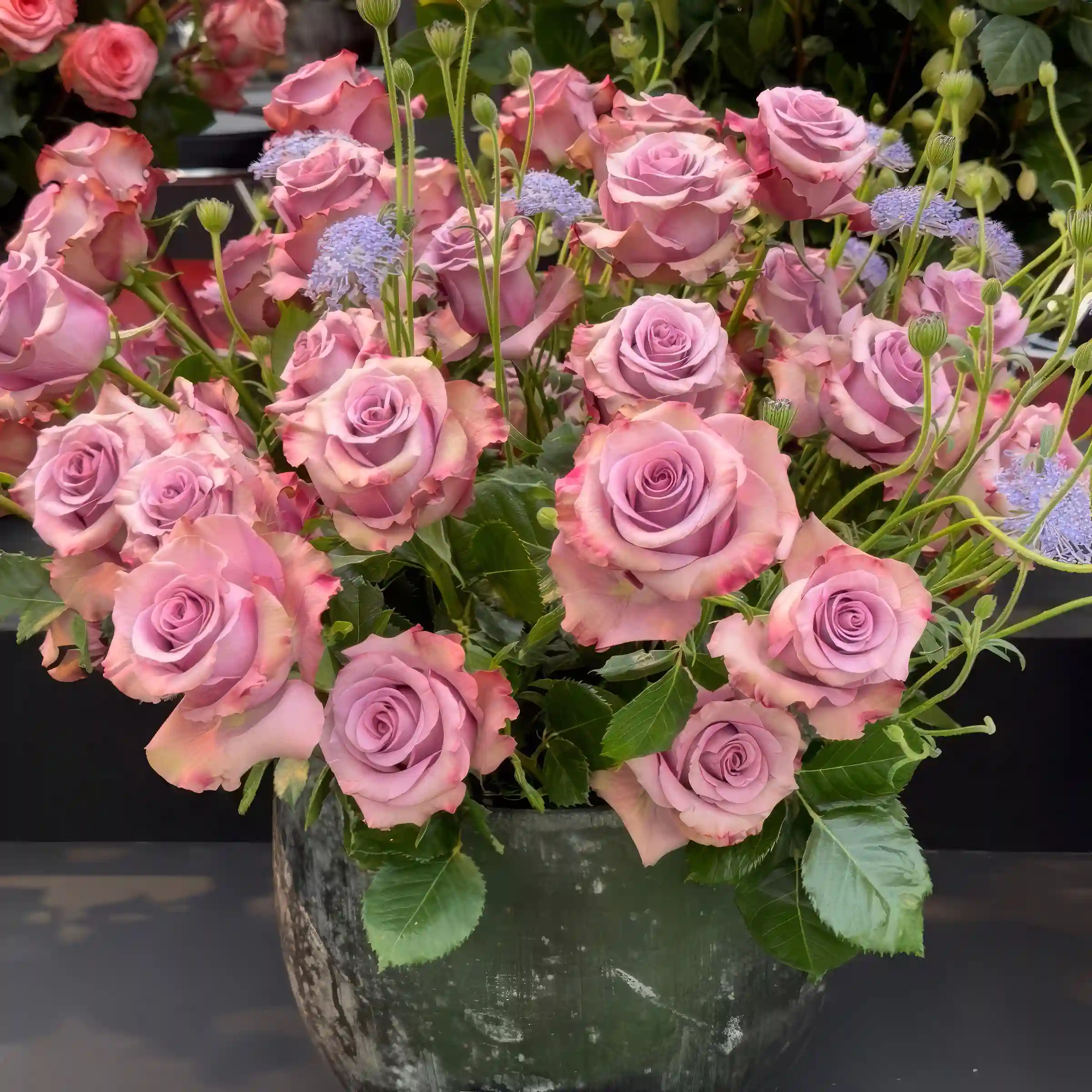
No flower captures the shift better than the garden rose. Unlike a standard hybrid tea, a garden rose opens slowly into deep, layered petals that look almost hand-painted rather than grown. That romantic, unhurried quality has made certain varieties into genuine design icons.
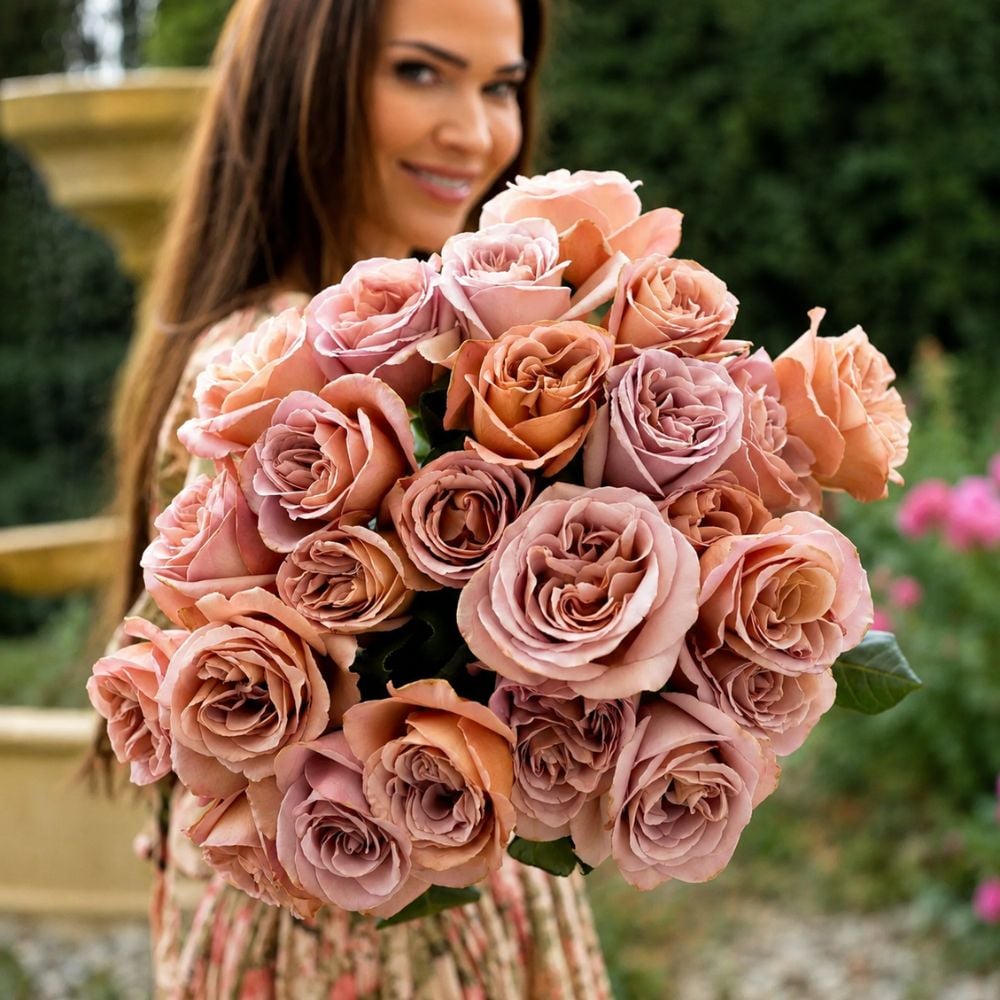
Café Latte leads the pack: coffee-beige petals that seem to shift tone with the light, now one of the most requested roses in high-end floral work worldwide. Toffee roses bring a warmer, caramel note that slots into almost any modern palette without a fight.
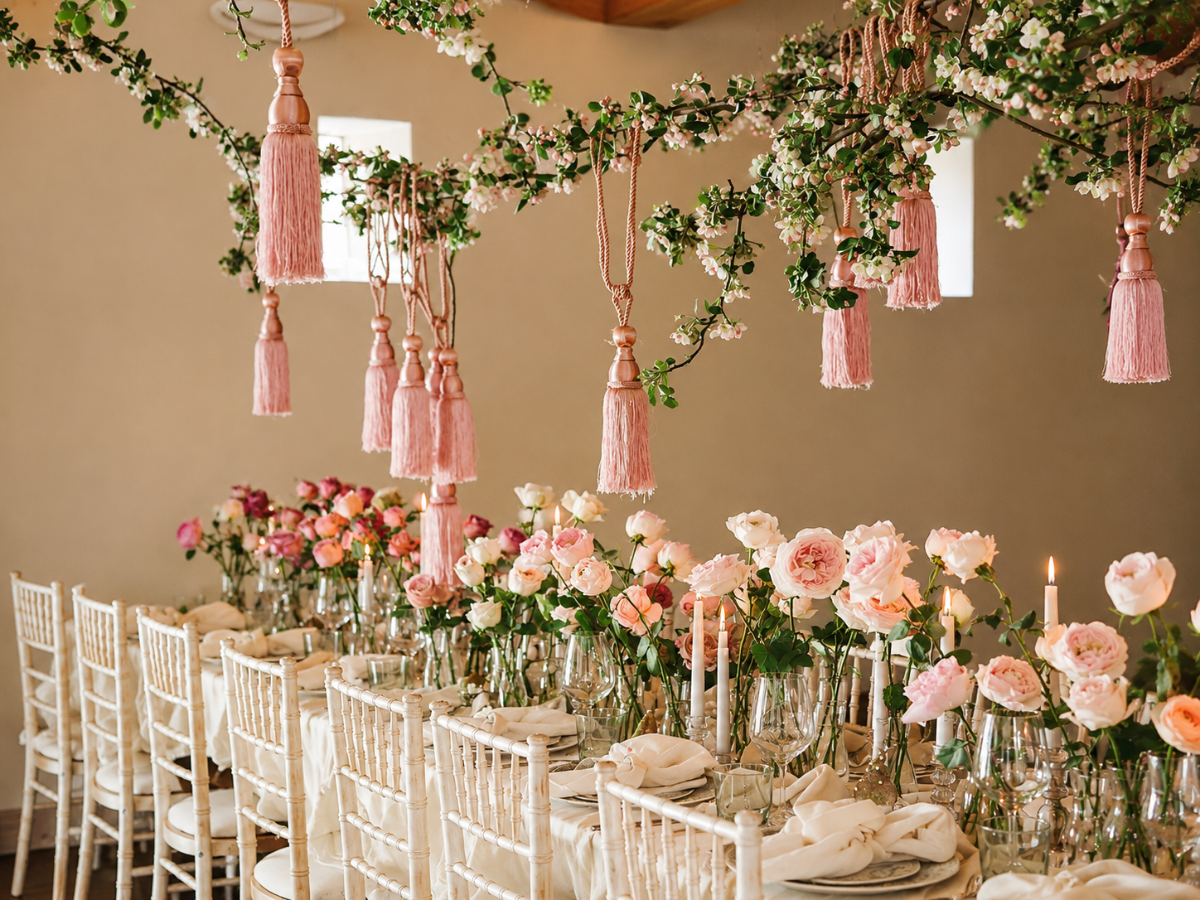
Ivory varieties like White O'Hara anchor bridal work the way they have for years, while blush tones such as Pink O'Hara and Princess Miyuki add softness without ever tipping into loud.
None of these roses is trying to be the loudest thing in the room. They're built to make people lean in and look twice. That's the entire strategy.
Dahlias Changed the Rules
If one flower single-handedly rewrote the palette, it's the Café au Lait dahlia.
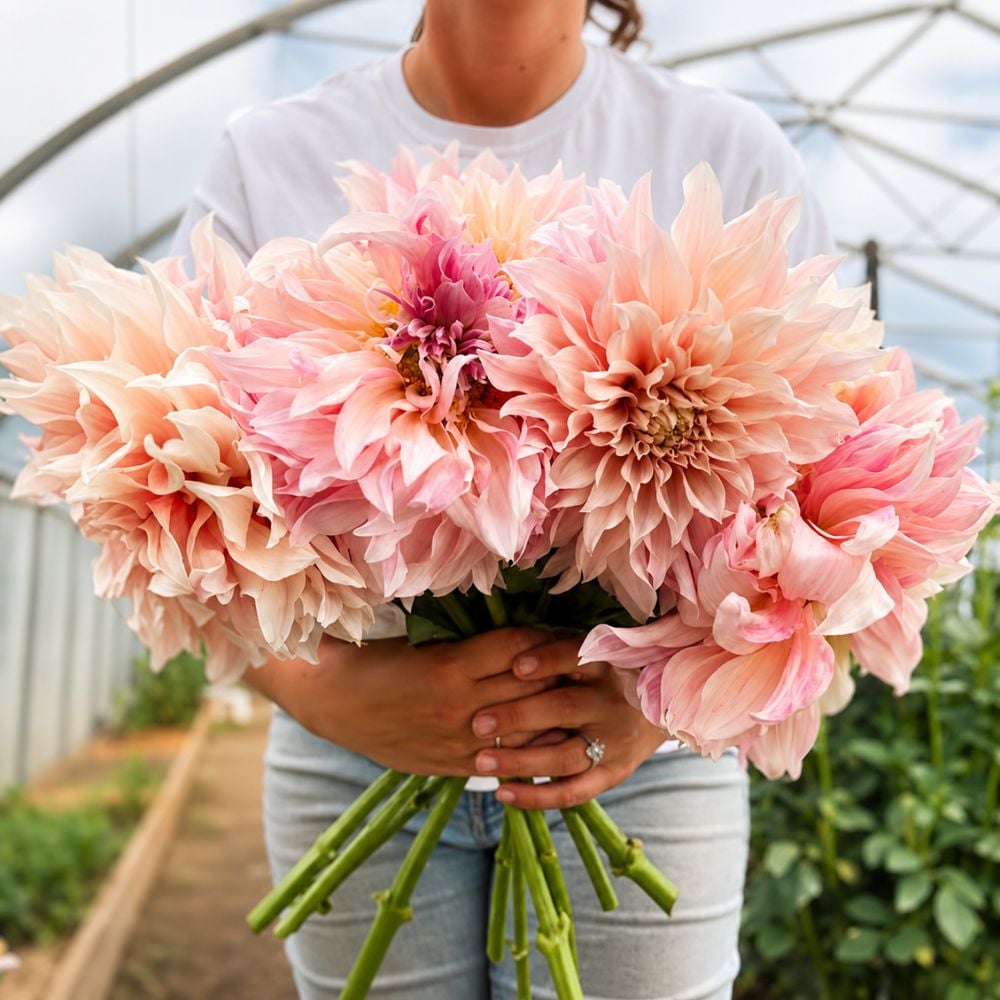
Its oversized blooms drift somewhere between blush, cream, mocha, and dusty peach, and no two stems ever look quite the same. That unpredictability, which would have been a flaw in a more traditional arrangement, has become the entire appeal. Designers now build full arrangements around a single Café au Lait bloom, the way they once built around a dozen red roses.
Other muted dahlia varieties have followed the same script, proving something the industry didn't fully believe a decade ago: softness can command just as much attention as saturation, if it's handled with enough confidence.
The Supporting Cast Stopped Supporting
Ranunculus and tulips round out the palette, adding movement and sculptural shape without breaking the calm. But the real surprise is what's happening with green.
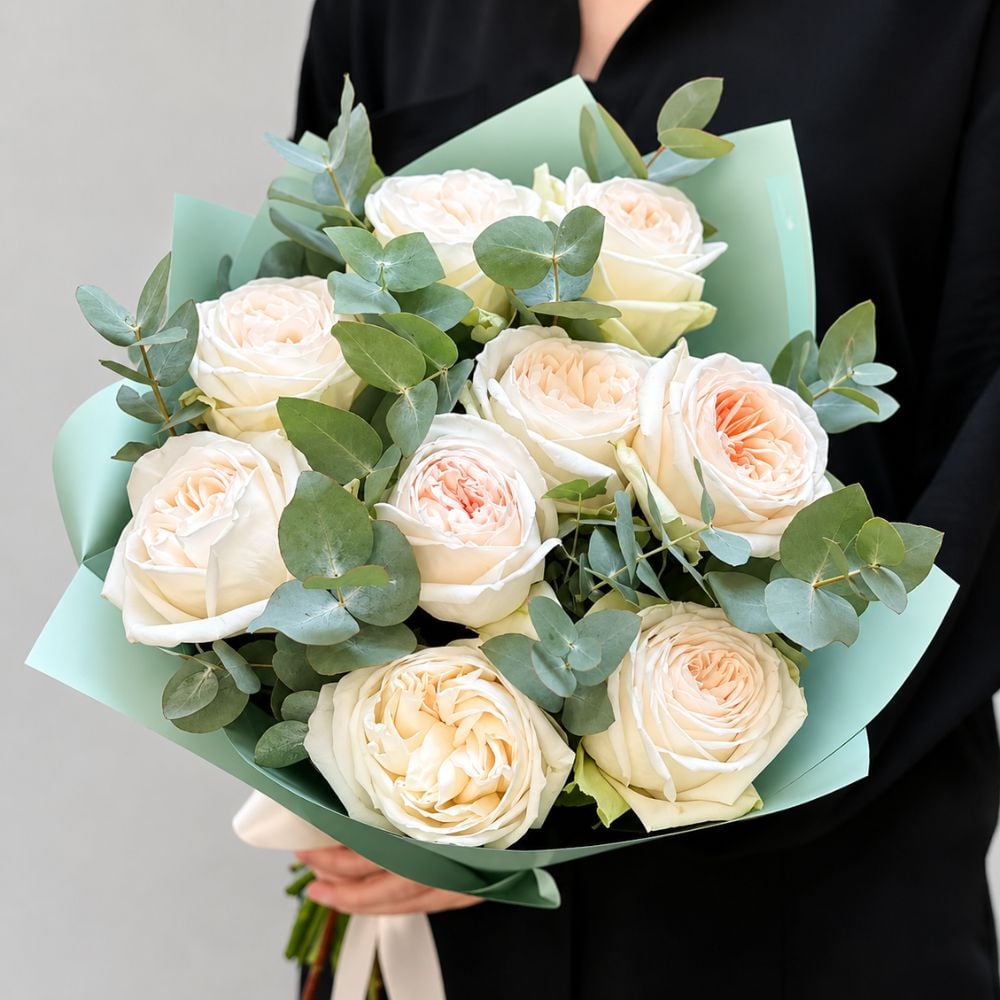
For decades, foliage was background noise, there to fill space around the "real" flowers. Not anymore. Sculptural eucalyptus, layered greenery, and structural stems are increasingly the stars of an arrangement rather than the fillers around it. Entire bouquets now lean almost entirely on green and texture, proving that color was never actually required to create drama in the first place.
Why This Palette Keeps Winning
The appeal isn't just visual. Neutral, muted flowers photograph beautifully in natural light, which matters enormously for weddings and events built around a camera as much as a room. They sit comfortably against linen, stone, and wood, the materials dominating contemporary interior design right now. And they're versatile in a way saturated color rarely is: the same Café Latte rose can read as rustic at a countryside wedding, refined in a city ballroom, or modern in a stripped-back venue, depending only on what's placed beside it.
That flexibility is rare, and it's exactly why florists keep returning to this palette rather than treating it as a passing trend.
Every Era Gets Its Signature
Floral design has always mirrored the decade it belongs to. Bold contrast defined the early 2000s. Blush pink defined the 2010s. This decade is defining itself through restraint: confidence over spectacle, texture over excess, subtlety over saturation.
The flowers themselves haven't changed. Café Latte, White O'Hara, Toffee roses, and Café au Lait dahlias were all available years before anyone called this a movement. What changed is the definition sitting underneath them.
The flowers didn't get quieter. Luxury did, and everyone in floral design is racing to keep up with what that now means.
Header image by @Flower Moxie