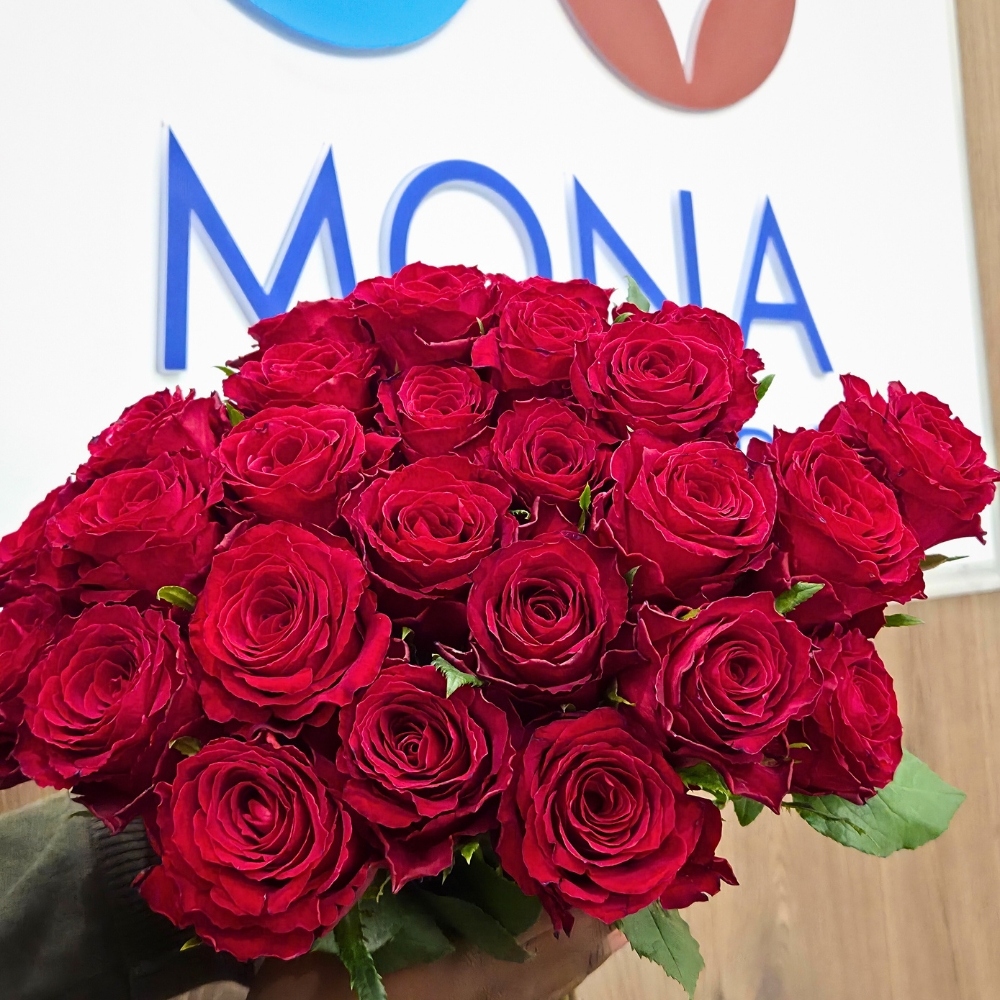
Valentine's Day is the most romantic day of the year and the most important commercial date for the global rose sector. In the U.S., rose sales during this period reached into the billions, with red roses making up nearly 70% of all flower sales. Globally, over 250 million rose stems are produced for this holiday alone.
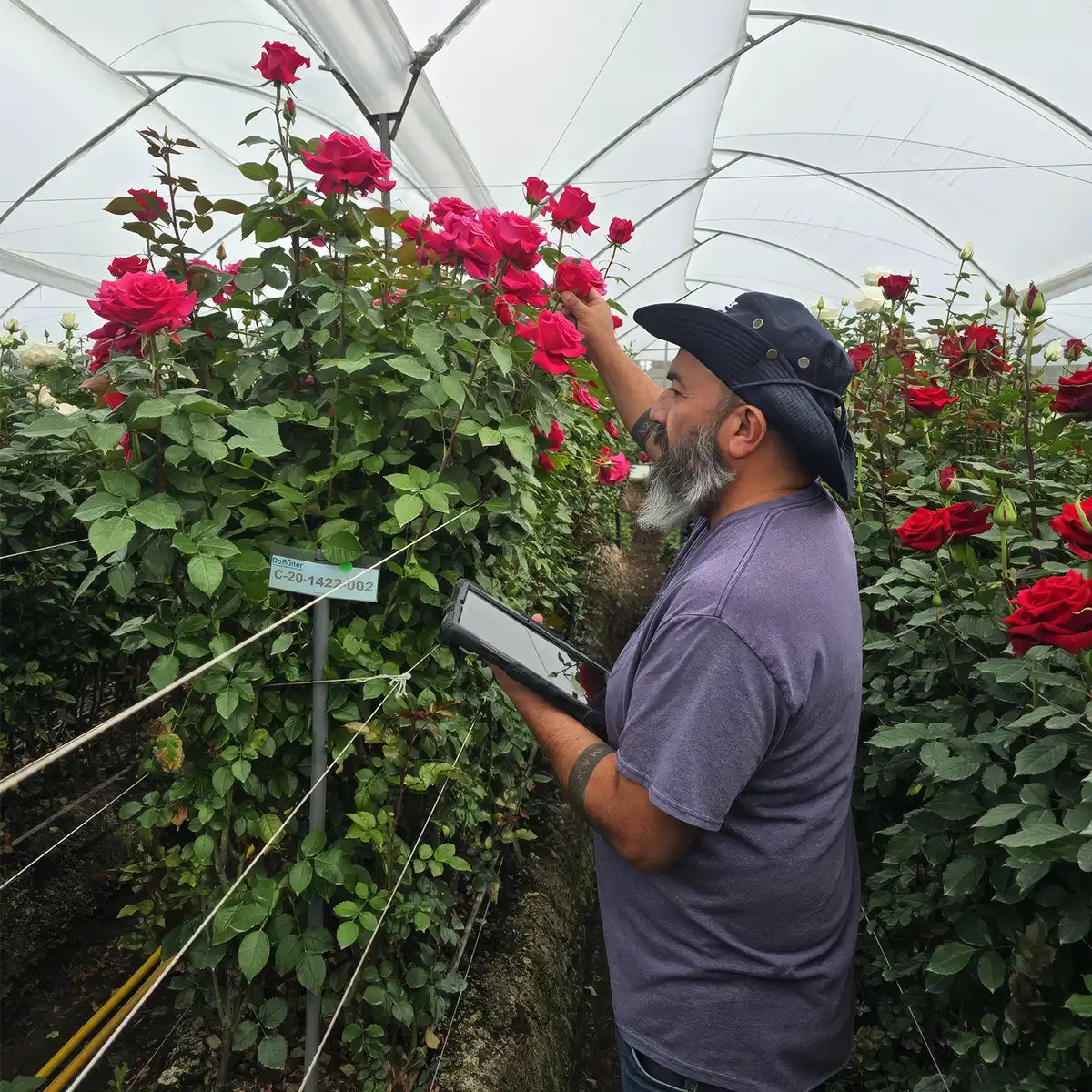
But behind each bloom lies a story of human dedication and scientific innovation. It can take 8 to 10 years of careful breeding work to create a single new rose variety. Breeders enhance not only color and fragrance, but also vase life, disease resistance, and sustainability, improving consumer experience and reducing environmental impact.
The Global Significance of Valentine's Day for the Rose Sector
Valentine's Day is not only an emotional celebration but also a defining commercial moment for the international rose industry. Production planning, logistics, and market preparation revolve around this peak period.
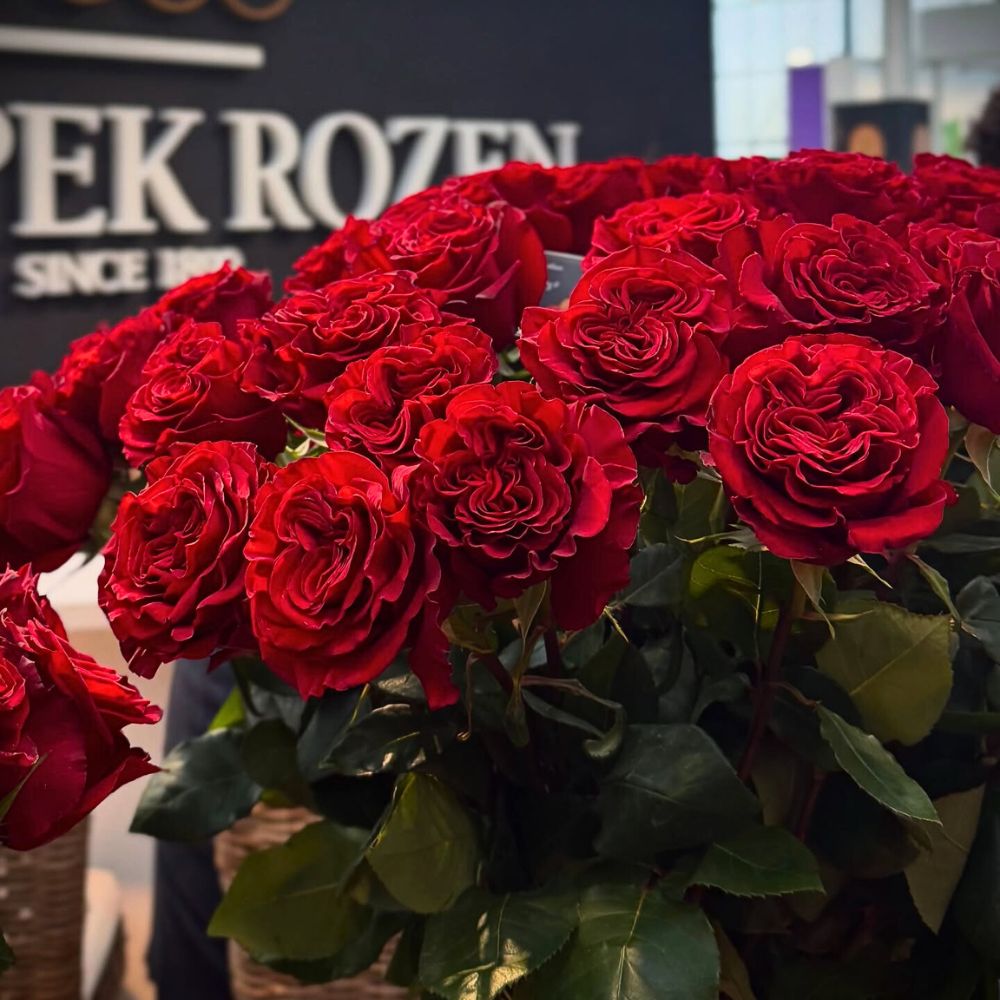
With more than 250 million stems produced worldwide for a single holiday, the scale of coordination across breeders, growers, traders, importers, and retailers is immense. Red roses dominate demand, but each delivered stem represents years of prior development.
The Long Road to a Single New Variety
It can take nearly a decade to bring a new rose variety to market. Eight to ten years of breeding, testing, selecting, and refining are required before a variety is ready for commercial production.
Breeders focus on more than aesthetic traits. They work to improve performance in the vase, strengthen resistance to pests and diseases, and develop varieties that respond better to sustainability pressures. In today's environment, this includes reducing chemical inputs, lowering losses, and ensuring that roses can withstand longer logistics chains, including sea freight transport.

Developing roses that are more resilient, resource efficient, and climate robust requires continuous investment in research, testing, and advanced breeding technologies. Without innovation, the industry cannot meet its sustainability targets or remain competitive in a rapidly changing global market.
A Growing Threat to Innovation
That innovation, however, is increasingly threatened by illegal propagation and weak respect for Plant Breeders' Rights. Leading rose breeders, organized under the International Rose Breeders Association, a crop section of CIOPORA, report a growing number of cases where protected rose varieties are propagated and traded without proper authorization.
"Innovation in horticulture depends directly on how well we protect the work of plant breeders. That's why strong legal frameworks are essential, they safeguard breeders' creations and ensure fair compensation for the many years invested in developing a single new variety," explained CIOPORA Secretary General Dr. Edgar Krieger.

The misuse of protected varieties harms not only breeders but the entire supply chain. Growers, importers, traders, florists, and ultimately consumers are affected. It undermines trust, damages business relationships, and leads to unfair market competition.
"Every illegally propagated rose weakens a system built on trust, innovation, and long-term investment. Breeders, growers, traders, and retailers all rely on clear rules and fair competition. Without proper respect for Plant Breeders' Rights and royalty systems, the entire value chain is at risk. Fair trade can never be truly fair, or sustainable, if flowers are not legally grown. This is a challenge the global industry must take more seriously," says Jelle Posthumus, Chair of IRBA (International Rose Breeders Association).
Respecting Breeders’ Rights Strengthens the Entire Value Chain
This Valentine's Day, IRBA is calling on all players across the rose supply chain to honor the work behind each stem. That means verifying the origin of planting material, complying with plant breeders' rights, and ensuring the delivery of authentic, authorized varieties.

Respecting breeders' rights is not just a legal issue. It is a prerequisite for continued innovation that allows roses to thrive in a changing world, meet sustainability goals, and be produced and transported more efficiently and responsibly.
Research shows that growers using protected, improved varieties can see yields increase by 21% and incomes rise by up to 46%. These figures underline the practical value of structured royalty systems and legally protected breeding work.
The Role of CIOPORA in Protecting Breeding Innovation
CIOPORA is the International Association of Breeders of Asexually Reproduced Horticultural Varieties. Breeders of such varieties account for two-thirds of all Plant Variety Rights titles in the world. For over 60 years, CIOPORA has represented these breeders in all matters of Intellectual Property protection and aims to foster an environment in which the innovation of these breeders can flourish.
CIOPORA is a member-based, non-profit organization. Through the CIOPORA Academy, a specialized international education program on IP for plants tailored to the needs of the green sector, the organization also provides workshops and live webinars. Its learner community consists of plant breeders, participants of the horticultural value chain, IP lawyers, and patent attorneys. With programs attended by over 500 professionals from more than 25 countries, the CIOPORA Academy aims to serve as a global reference program on IP for the green business.
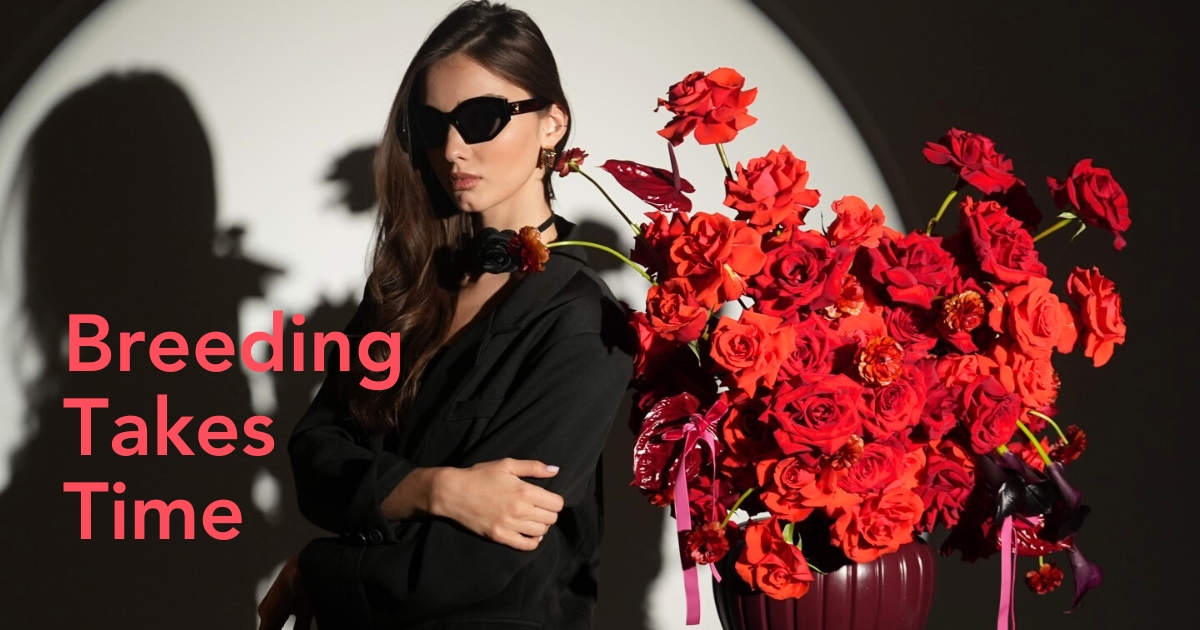
Love Takes Time, So Does Breeding
In short, Valentine's Day is about love, and love, like breeding, takes time.
Every rose sold for this celebration represents years of scientific effort, financial investment, and coordinated work across the value chain. Protecting breeders' rights ensures that innovation continues, sustainability goals remain achievable, and the global rose sector can keep delivering quality roses responsibly and competitively.

This Valentine's Day, remember what stands behind each stem and why respecting innovation is essential for the future of roses.
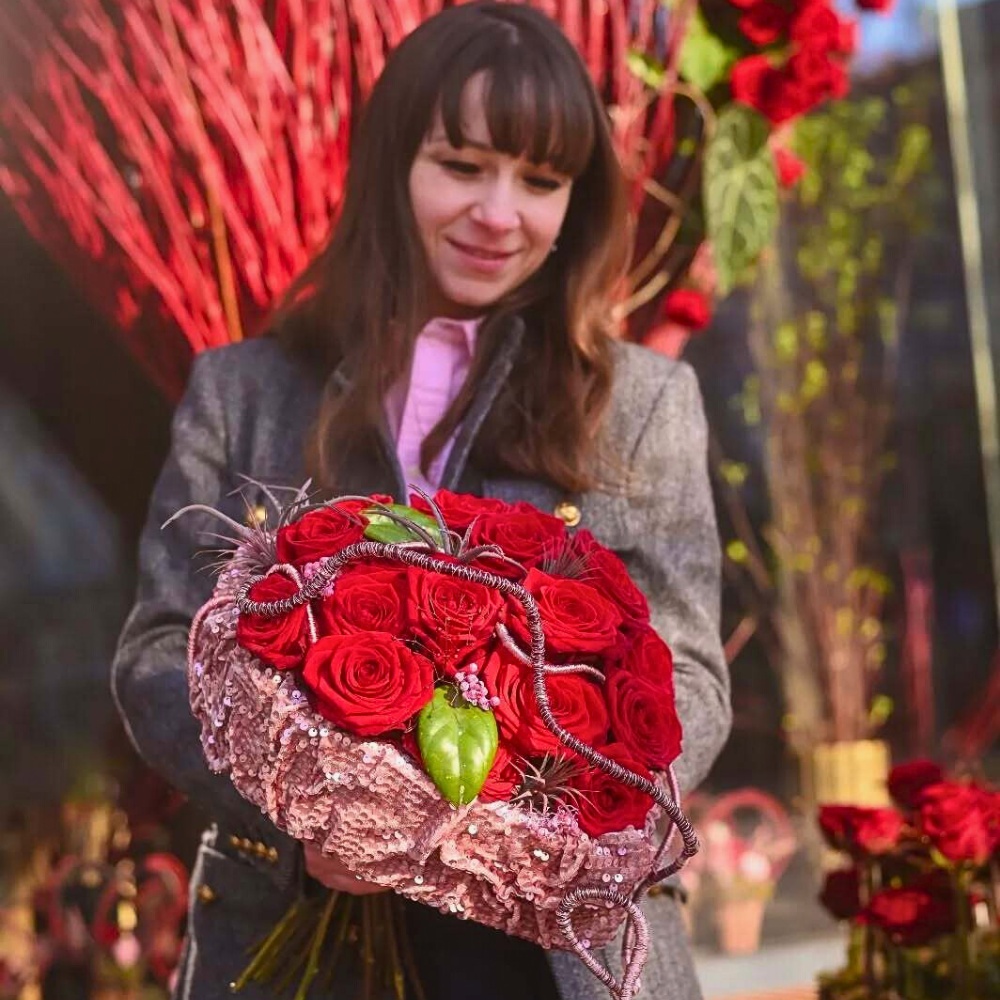
Header and feature image by @cameliaflowershop.