The rose market is not asking growers to choose between proven varieties and fresh introductions. It wants both. That sounds simple, but in Ecuador, where rose growers work with demanding export markets, long logistics routes, shifting costs, and customers with very different preferences, that balance is anything but simple.
For growers, a rose variety is never just a color. It is a production decision, a market decision, and often a long-term business decision. A proven variety gives confidence because growers know how it behaves in the greenhouse, how it grades, how it travels, and how customers respond. A novelty brings another kind of value. It gives the market something fresh, helps farms stand out, and gives florists and designers new stories to work with.
That is where De Ruiter Innovations Latin America has a strong and honest story to tell. The company is not only bringing new genetics to Ecuador. It is also standing on a foundation of varieties that have already earned their place in the market. Rose Esperance, Rose Proud, and Rose Sweet Unique are not just familiar names. They are part of the reason many growers continue to trust De Ruiter when making the next decision for their farm.
Ecuador’s Rose Market Needs Balance
Ecuador has a strong position in the global rose business. Its high-altitude farms are known for large-headed roses, long stems, strong colors, and a premium image in export markets, worth over $ 1,000 million in 2025. The country supplies different customer groups, from high-volume buyers in the United States to more specific premium channels in Europe and beyond.
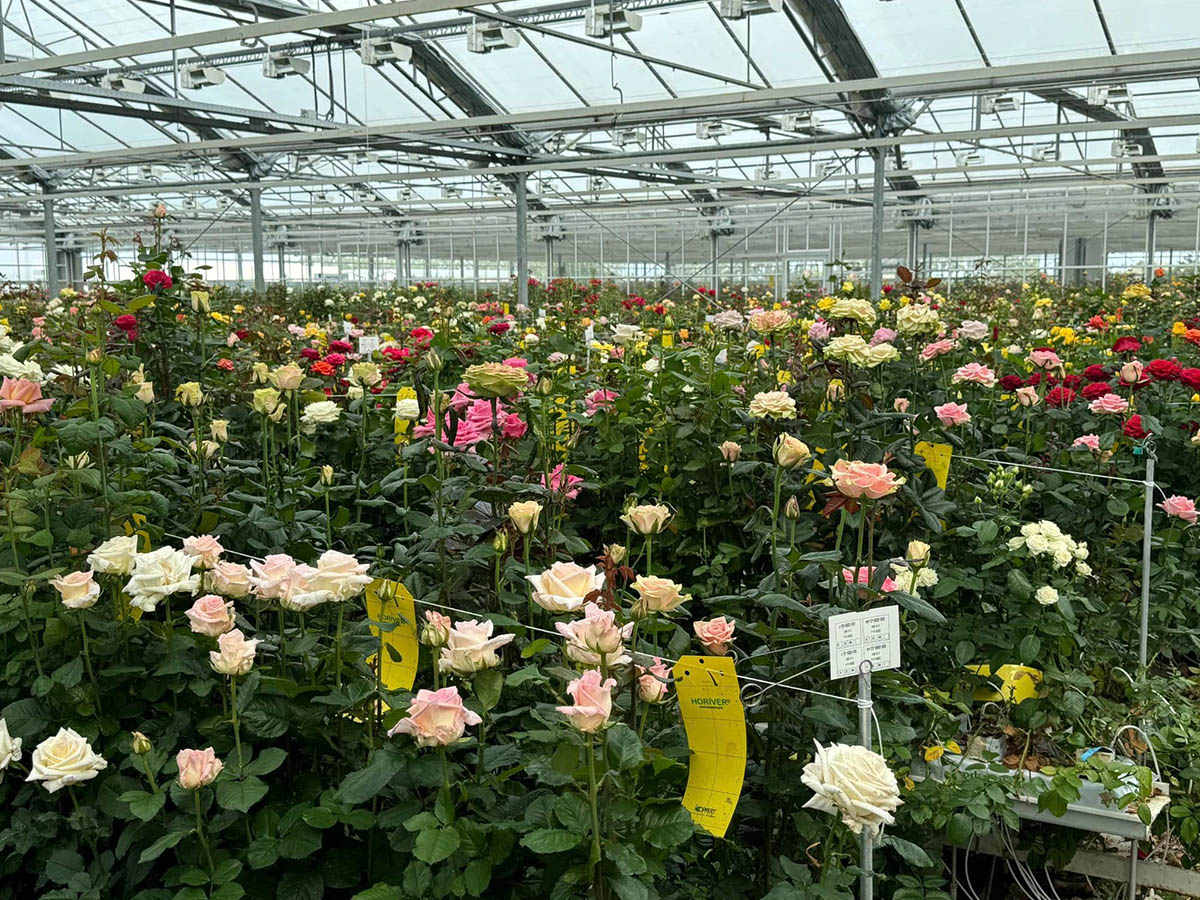
That diversity makes variety choice a serious business decision. A rose has to perform in the greenhouse, hold its quality after harvest, travel well, and still look convincing when it reaches the florist or consumer. Growers need varieties that fit their production realities and their buyers' expectations.
Recent seasons have made this even clearer. Freight costs, tariffs, market pressures, and more selective buying behavior all place additional weight on variety decisions. For growers, reliability protects daily business. Innovation creates future opportunities. The strongest assortments are built with both in mind.
Proven Varieties Are Still Part of the Future
In a market that constantly looks for novelty, established roses continue to play an important role. They bring knowledge, predictability, and confidence. Growers understand how they produce. Buyers know how they sell. Florists know how they behave.
Rose Sweet Unique is a good example. This pink rose has remained visible in the market for many years, while many other varieties have disappeared. Its staying power comes from a mix of color, vase performance, grower familiarity, and customer recognition.
Rose Esperance also carries that trusted side of the De Ruiter portfolio. It is a variety many people in the industry recognize, and that recognition helps when growers and buyers plan programs, sales, and customer commitments.
Rose Proud brings similar value in the white rose category, where consistency is key. White roses are often used for weddings, events, sympathy work, and premium retail. A dependable white variety gives growers and buyers a practical tool in a category where quality expectations are high.
Together, these varieties show that long-term performance still counts. A breeder’s strength is visible in its new introductions, but also in the varieties that keep earning space in greenhouses and sales programs year after year.
But the Market Still Wants Something New
Reliability gives growers a base. New varieties help them move forward. Florists, designers, wholesalers, and retailers all look for roses that bring a fresh color, shape, opening, or story. A grower who only works with proven names can become too predictable. A grower who chases every novelty takes on too much risk.
That is why the selection process matters. A new variety needs more than a good first impression. It must offer something to the market and still make sense in production. De Ruiter Innovations Latin America works in that space, where new genetics are judged by their commercial value as much as by their appearance.
The Enigma Line by De Ruiter Ecuador fits this thinking. The line focuses on new roses with stable plant behavior, strong stems, reliable post-harvest performance, and market relevance. It shows how novelty can be introduced with discipline, giving growers a way to renew their assortment without stepping blindly into risk.
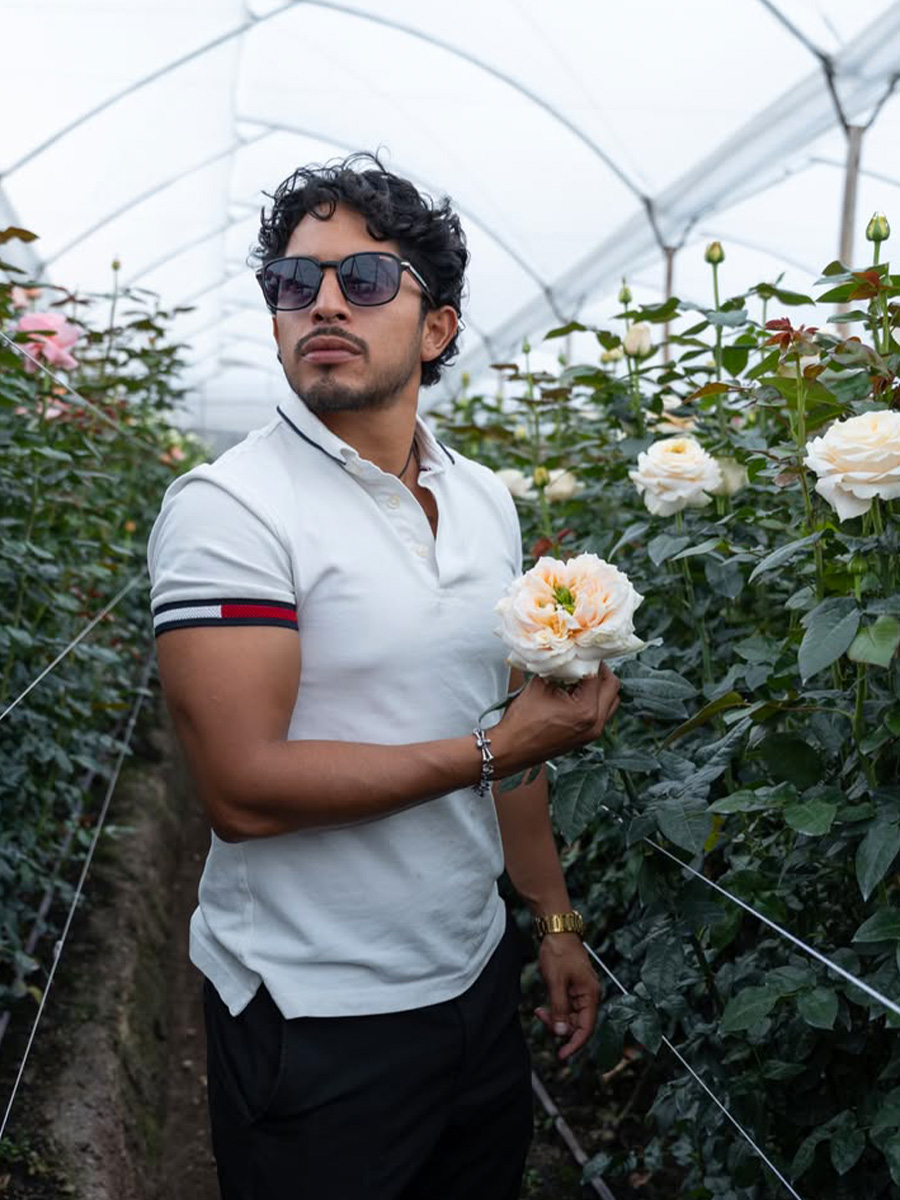
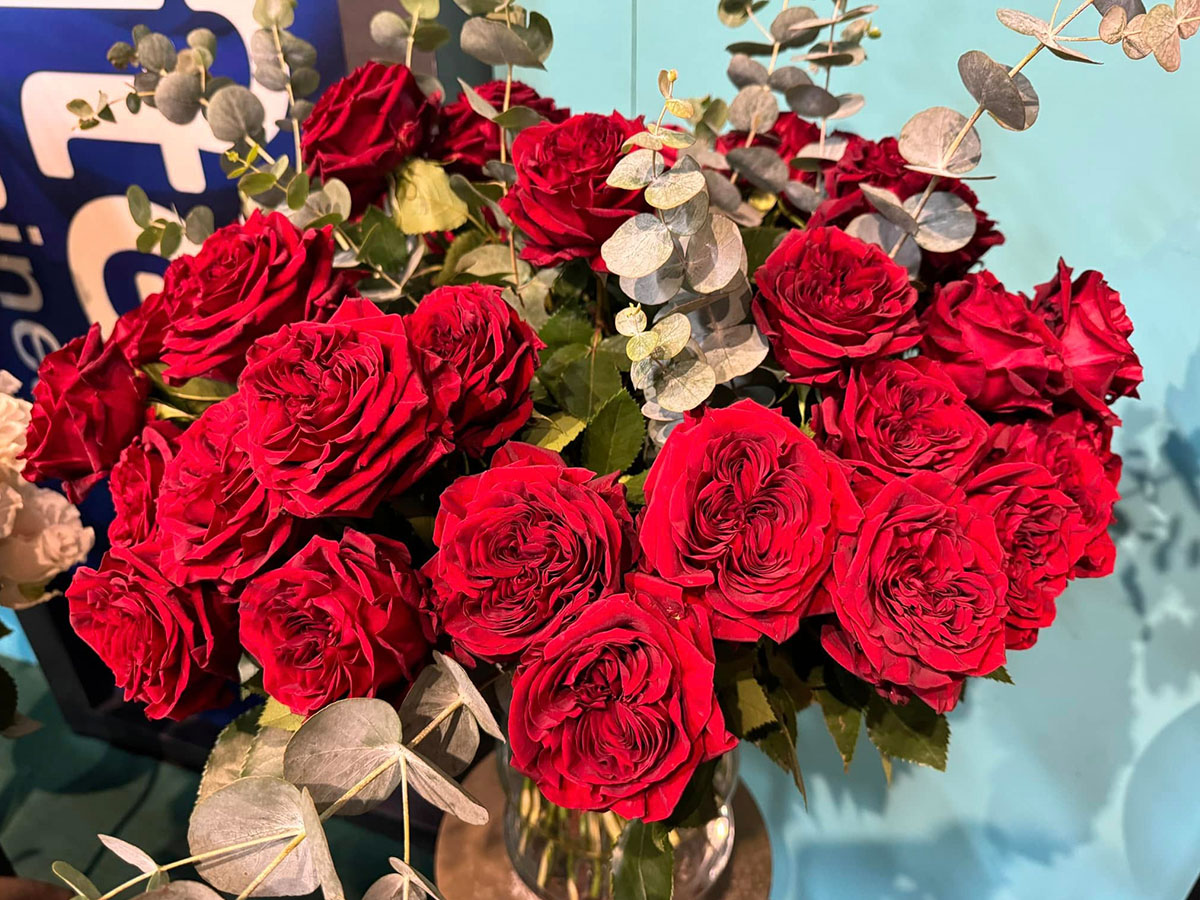
The X-Pression family shows another side of this development. Garden-style roses have become more important in premium floral design, especially for florists and event designers looking for fuller shapes and more character. Their value increases when that look comes together with enough uniformity, productivity, and vase performance to work commercially.
Different Markets, Different Expectations
The United States and Europe remain important for Ecuadorian roses, but their expectations are not always the same. The U.S. market is strongly driven by volume, seasonal peaks, price sensitivity, and reliable supply. Valentine’s Day and Mother’s Day still shape much of the planning. In this market, growers need roses that can deliver consistency at scale.
Europe often puts more emphasis on product definition, quality, certification, traceability, and assortment depth. The Netherlands remains an important trade hub, while premium florists and event designers across Europe keep looking for varieties with a clear identity.
These different market needs make a balanced portfolio essential. Proven varieties support the core business. Novelties create options for customers looking for something fresh. The mix gives growers more flexibility, especially when market conditions shift.
A Breeder’s Role Is Also Guidance
Good breeding is more than creating new names. For growers, the real value lies in introductions that have been tested, understood, and placed in the right market context. A new rose has to match production conditions, customer needs, and sales potential.
That makes breeder support important. Growers need clear information about productivity, stem length, grading, vase life, transport behavior, and market response. They also need honest advice about which varieties are ready for broader planting and which still need time.
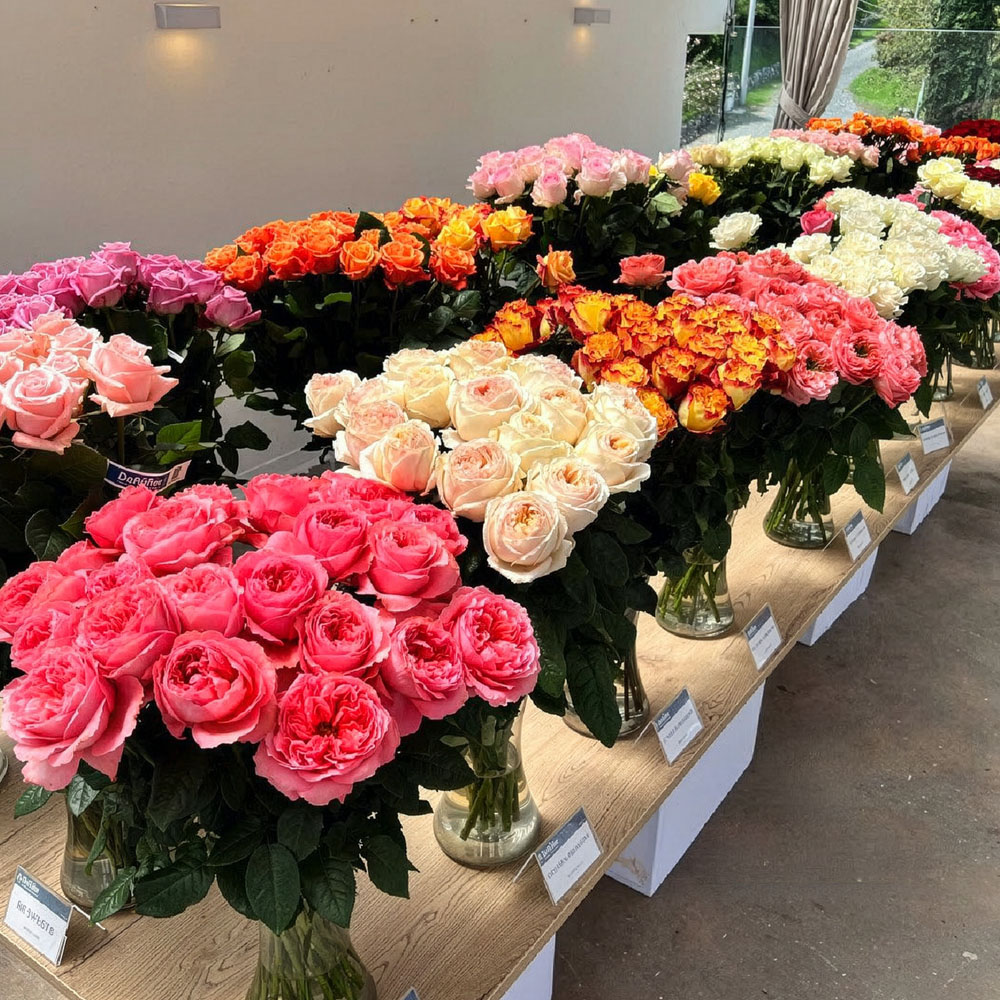
De Ruiter Innovations Latin America can support growers in both directions. With established varieties such as Rose Esperance, Rose Proud, and Rose Sweet Unique, it offers names with a proven track record. With new lines and introductions, it gives growers access to fresh genetics that can open new market conversations.
The Strength of Delivering Both
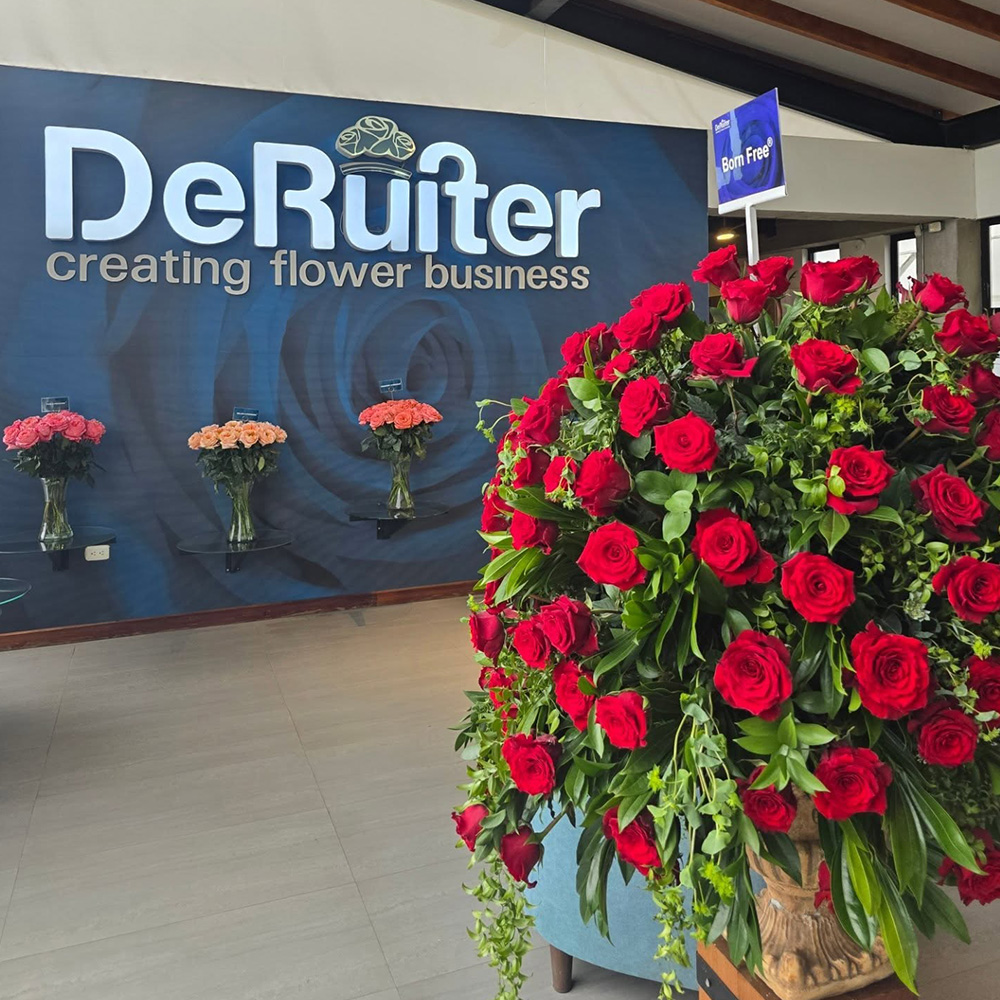
The message for De Ruiter Innovations Latin America is clear: innovation and reliability are connected. Growers need trusted varieties to secure their base and new genetics to keep their offer relevant.
Proven roses build confidence with growers and buyers. New introductions bring renewal to the market. When both sides are present in one portfolio, growers can serve today’s demand while preparing for tomorrow’s opportunities.
For Ecuadorian growers, that combination has real value. It allows them to stay commercially secure while keeping their assortment fresh. It allows them to serve buyers who want the known names, while also offering something new to customers who are ready to move.
The rose market will always want the next thing. But it will also always need flowers that perform. The strongest breeders are the ones that understand both sides.
De Ruiter Innovations Latin America is one of those breeders. Not because it chooses between proven roses and novelties, but because it has built its position around delivering both. And in a market as demanding and diverse as Ecuador, that balance may be exactly what growers need most.
If you plan to visit this year's Expo Flor Ecuador from 6-8 October 2026, you will find De Ruiter at booth D09, ready to help you achieve that balance between innovation and reliability.
Header and feature image by @deruiterecuador.