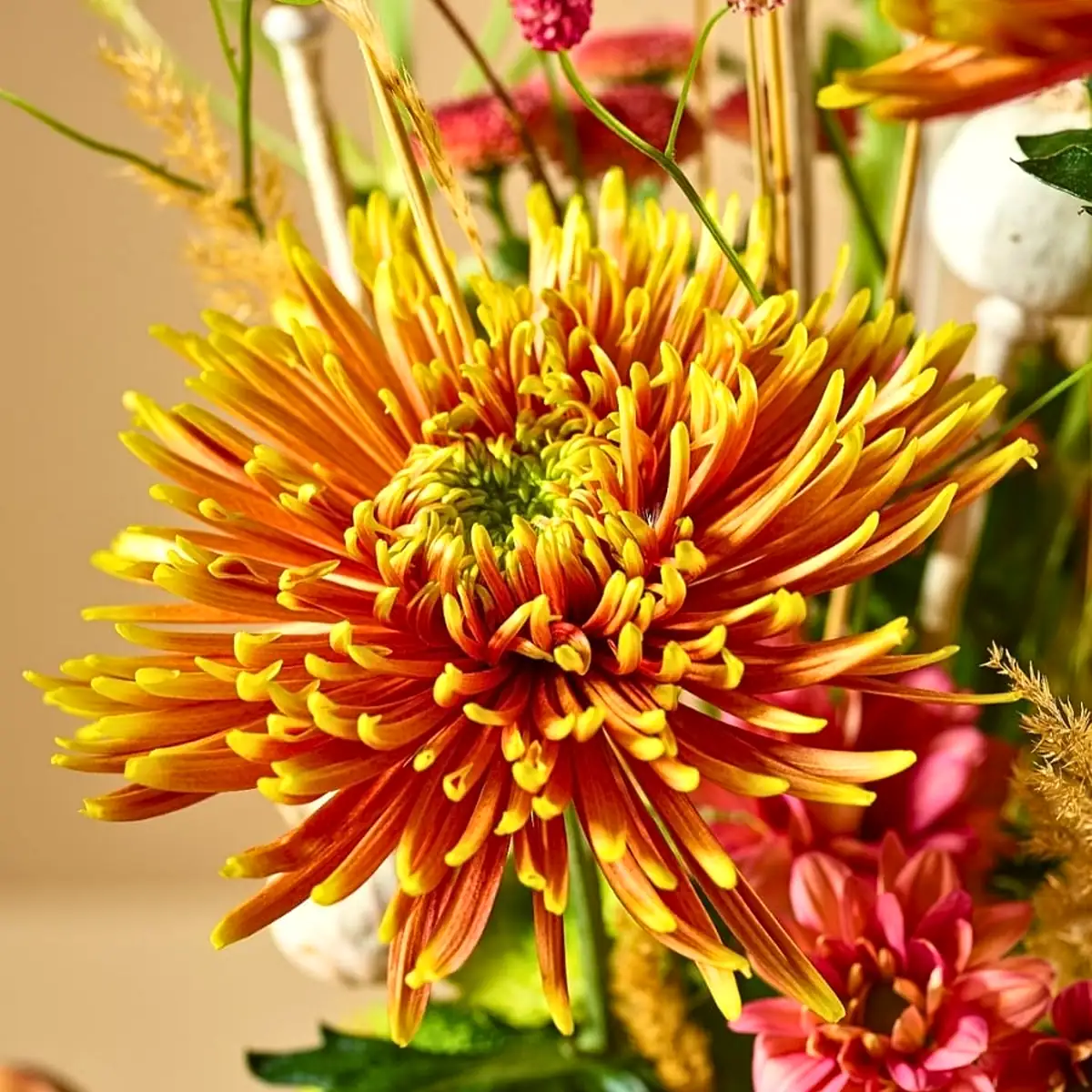
When we speak of durable or hardy flowers, we do not just mean a flower that survives a missed watering or two. Real durability in the garden is a mix of traits like their resilience to bounce back from an early spring frost, the fortitude to stand tall through a summer heat wave, and the tenacity to return year after year with an even more impressive display than the previous one.
These flowers and plants want little but give back generously. They are the practically unostentatious yet impressive heroes of the flower garden, transforming gardening from a high-maintenance hobby into a delightful practice. But in the same breath, we could also be talking of cut flowers that last long enough in a vase or bouquet. All these are the definition of a wise floral investment for the gardener or florist.
What Is Behind the Idea of Garden Flowers' Staying Power?
What exactly makes a flower durable? It often comes down to a combination of evolutionary adaptations and biological structures. Many of the most resilient perennials develop deep taproots, which allow them to access water way below the soil's surface during dry spells. Others, like the stonecrop or sedum, have fleshy leaves that store moisture, making them really drought-tolerant. Their succulent nature allows them to thrive in conditions that would leave others wilting.
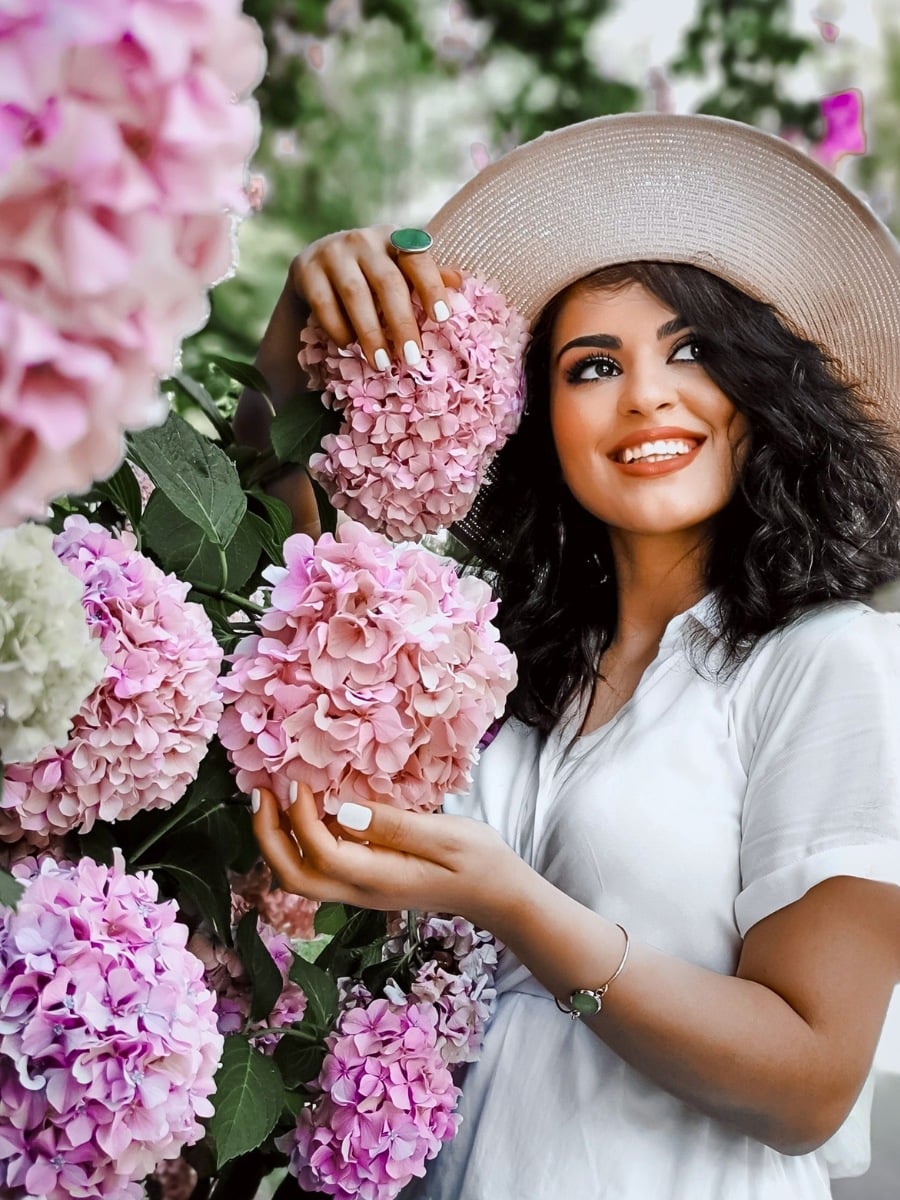
Photo by Kader D. Kahraman
Some others feature silver or fuzzy leaves, an adaptation that helps reduce moisture loss by reflecting sunlight and trapping a layer of humid air close to the leaf surface. This is their clever evolutionary trick for surviving in hot, dry environments. Durability also comes from genetic hardiness; many of the toughest flowers are native to regions with challenging climates, like the Mediterranean and the North American prairies. They have been honed by nature to withstand such extremes.
Durability (As Cut Flowers) Even Outside of the Garden
The concept of durability when it comes to flowers equally stretches away from the flowering plant in the garden ground to the practical sense of floral design, for those who love to bring them in as cut flowers; vase life is a primary concern. Certain flowers are, as a result, bred and grown for their longevity in a vase.
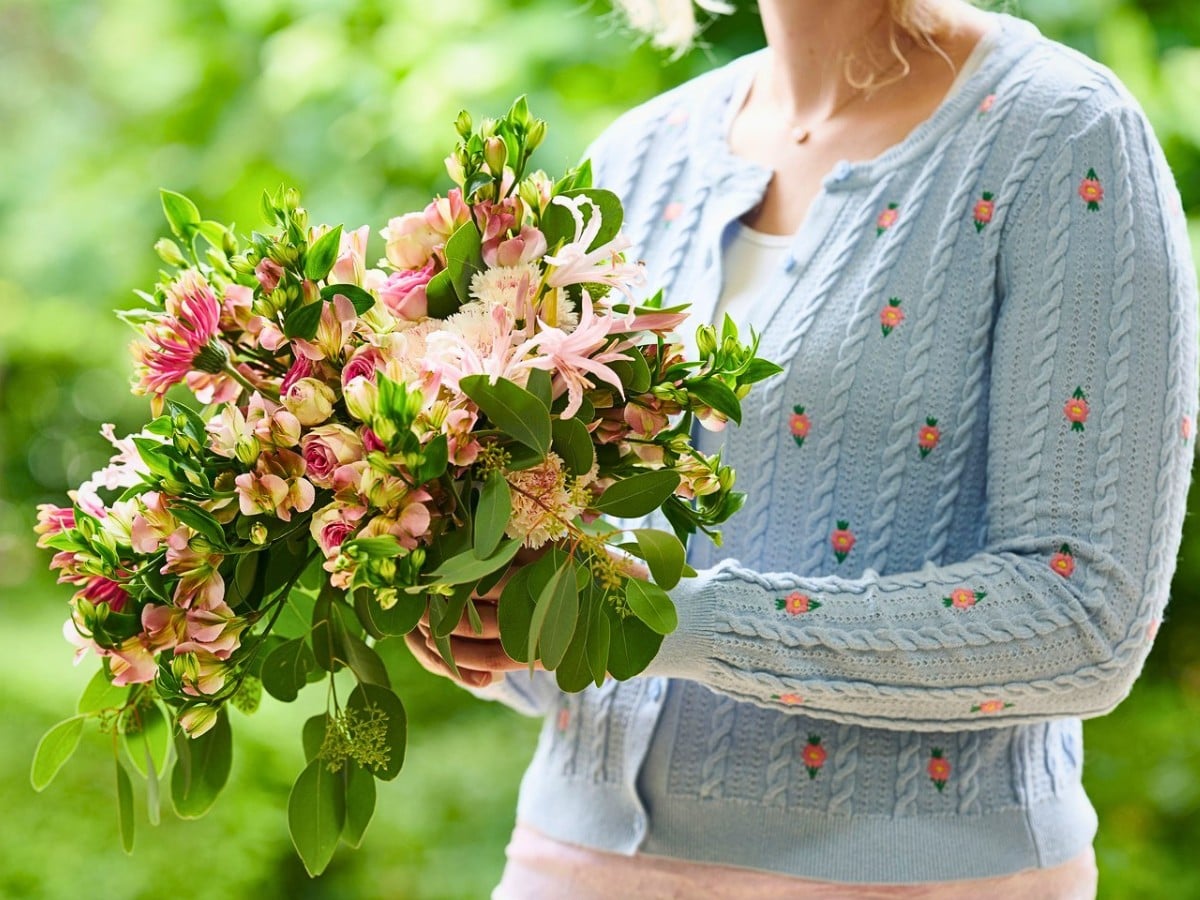
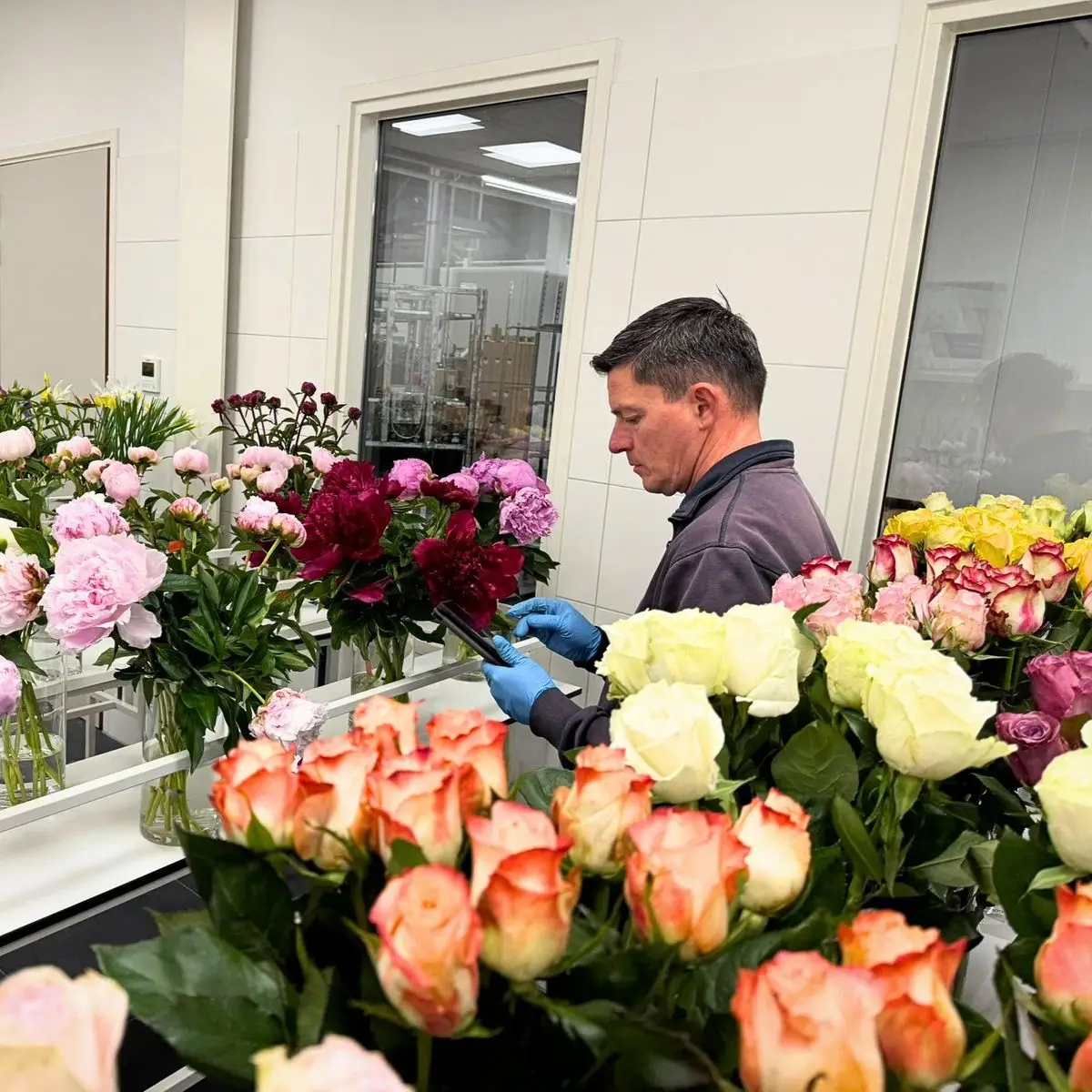
Photo by @royalvanzanten
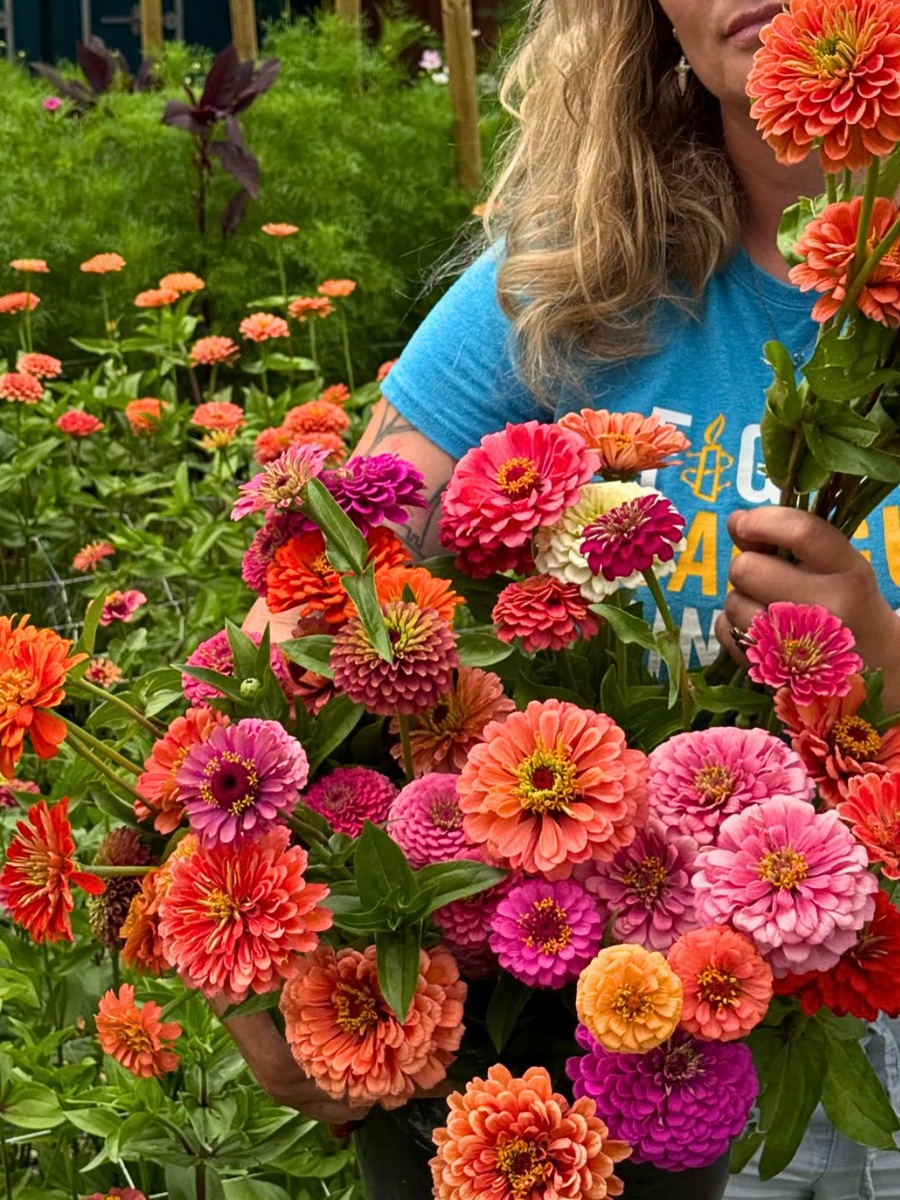
Alstroemeria is one that offers an impressive vase life of up to two weeks or longer, with many flowers per stem. Royal Van Zanten’s Charmelia® has, for example, been bred for a vase life of no less than 21 days. Chrysanthemum, carnations, Hypericum, Freesia, lilies, orchids, Anthuriums, Hydrangea, zinnia, some rose varieties, and several others are also noted for their tough flowers’ long-lasting nature, making them ideal for cut flower use in busy households and high-traffic areas.
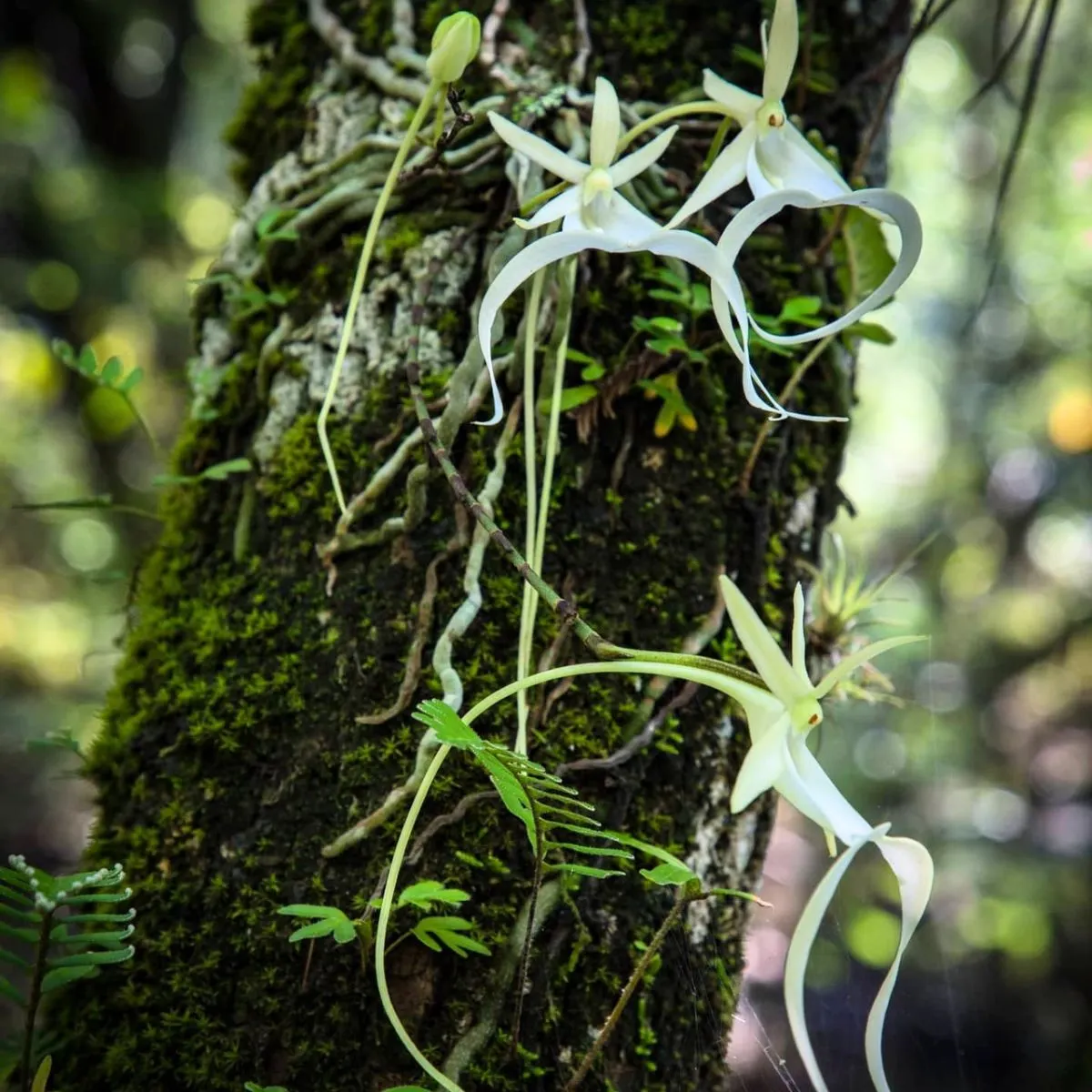
For a case in point for a truly lasting cut flower, you may want to look to the Cymbidium orchid. With good care, these strong flowers can have a vase life of four to five weeks! Still, some foliage like Ruscus hypophyllum can last in arrangements for a month or longer. When selecting flowers for cutting, considering their natural durability can make the difference between a bouquet that lasts a few days and one that lasts in the home for weeks.
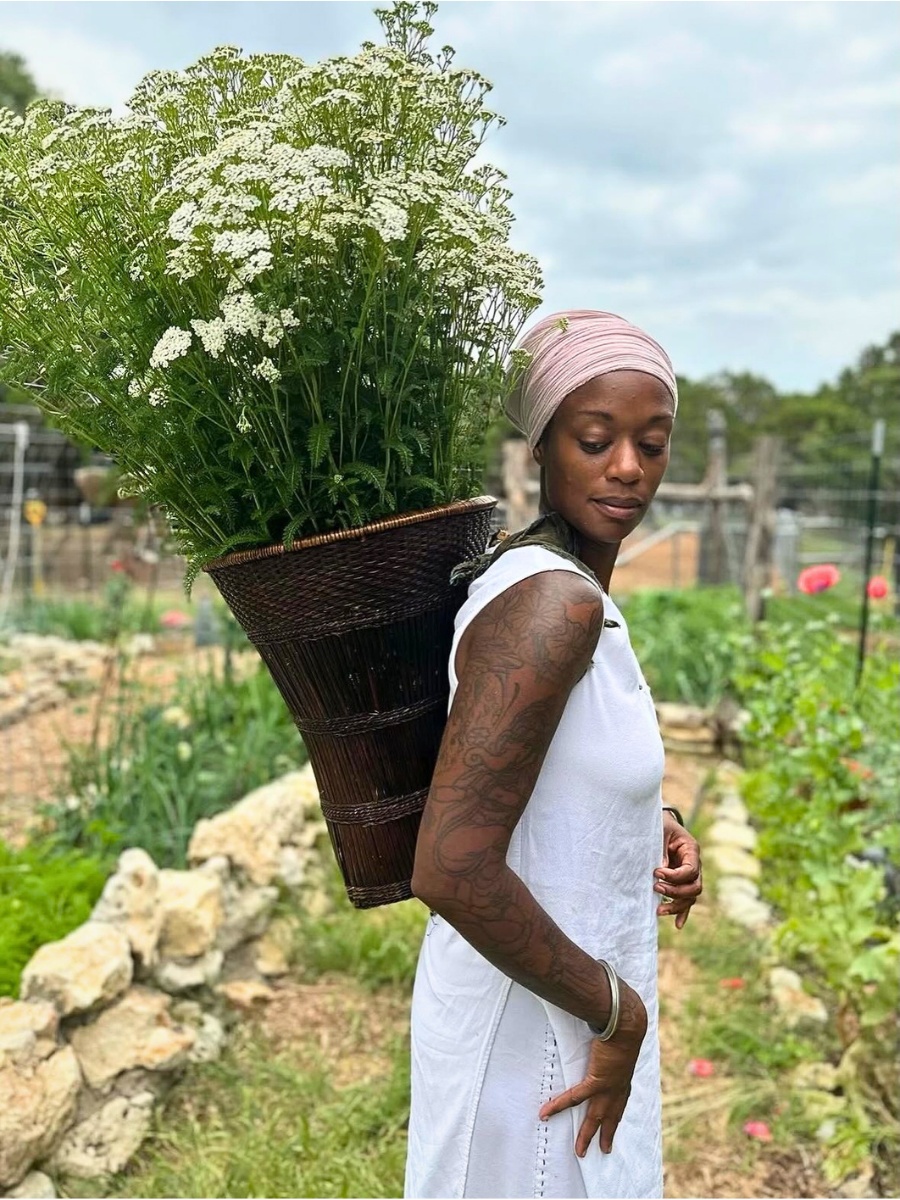
Photo by @bluecypressbotanicals
An Ensemble of Resilient Garden Flower Characters
The list of durable flowers for the garden is wonderfully diverse, offering options for nearly every situation. For sunny, dry spots, the coneflower, or Echinacea, is a top contender. These colorful, daisy-like flowers are not just beautiful but are also hardier than they look, especially in warm climates. And they attract pollinators with abandon.
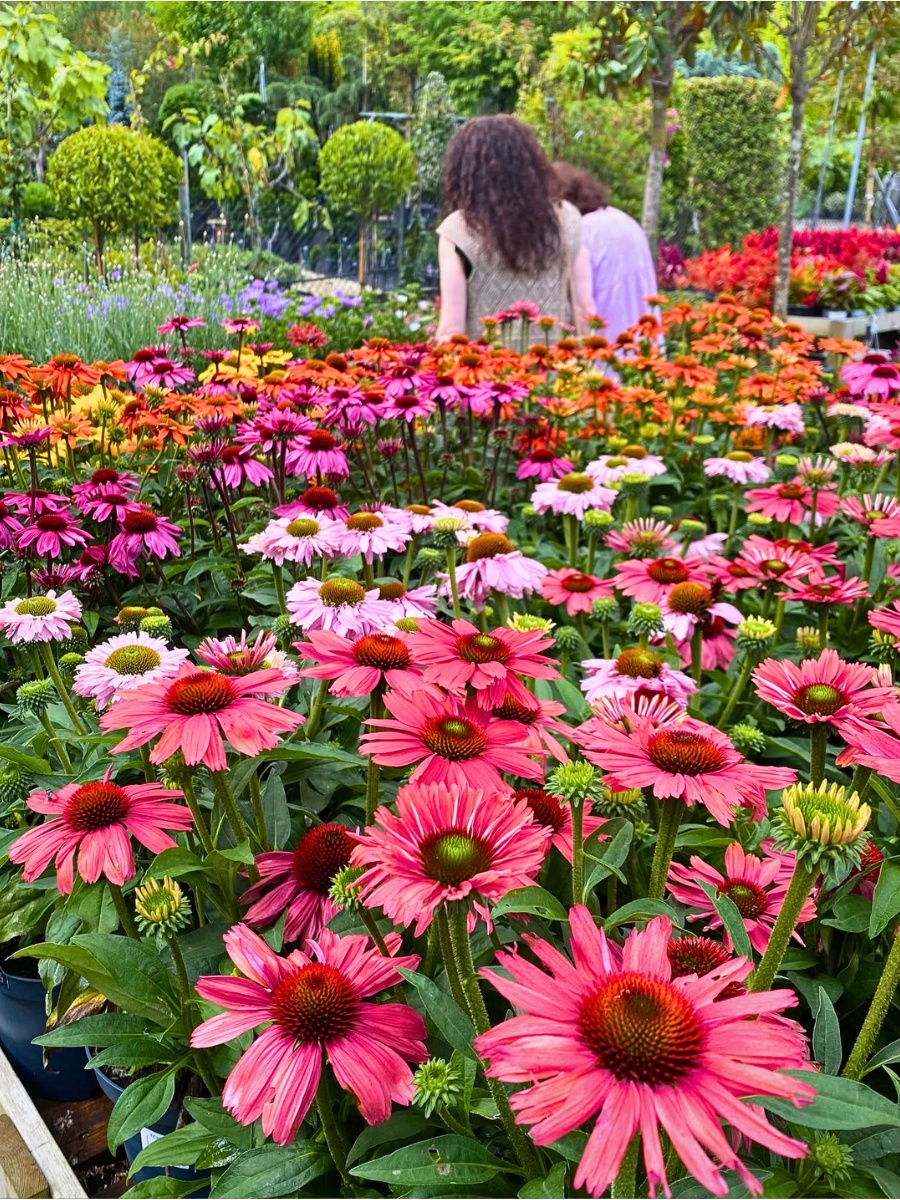
Another sun-worshipper is the yarrow, or Achillea, a bushy flowering plant that produces clusters of delicate flowers above fern-like leaves. It is incredibly reliable in tough weather, surviving both near-swamp-like conditions and immense heat. This flowering plant thrives in poor and dry soils and barely needs watering once established.
Still, for another practically indestructible plant, consider catmint. This aromatic perennial is a pollinator magnet, drought-tolerant, and deer-resistant. It forms a dense bush of bright-colored flowers and silvery-green foliage that looks good all season long. The Russian sage is another champion of durability, with willowy, silvery foliage covered in tiny bright blue flowers that bloom for months.
If you have a shadier spot, do not despair. Hostas are renowned for their durability, with lush, expansive leaves that create texture and interest. They are shade-tolerant and require very little maintenance. Another tough plant for tricky conditions is the cranesbill, or hardy Geranium.
This low-growing groundcover can grow in all sorts of soils and conditions, and its spicy-minty scent even deters rabbits and deer. It is one for which you can start with just one specimen and, over the years, divide and transplant to fill other areas of the garden.
A Selection of More Notable Durable Flowers
For a more comprehensive set of ideas, there are several other outstanding, durable flowers to consider for your garden. Black-Eyed Susan (Rudbeckia hirta) is a classic, cheerful flower with golden-yellow petals and a dark center. It is incredibly easy to grow, self-seeds freely, and requires minimal care.
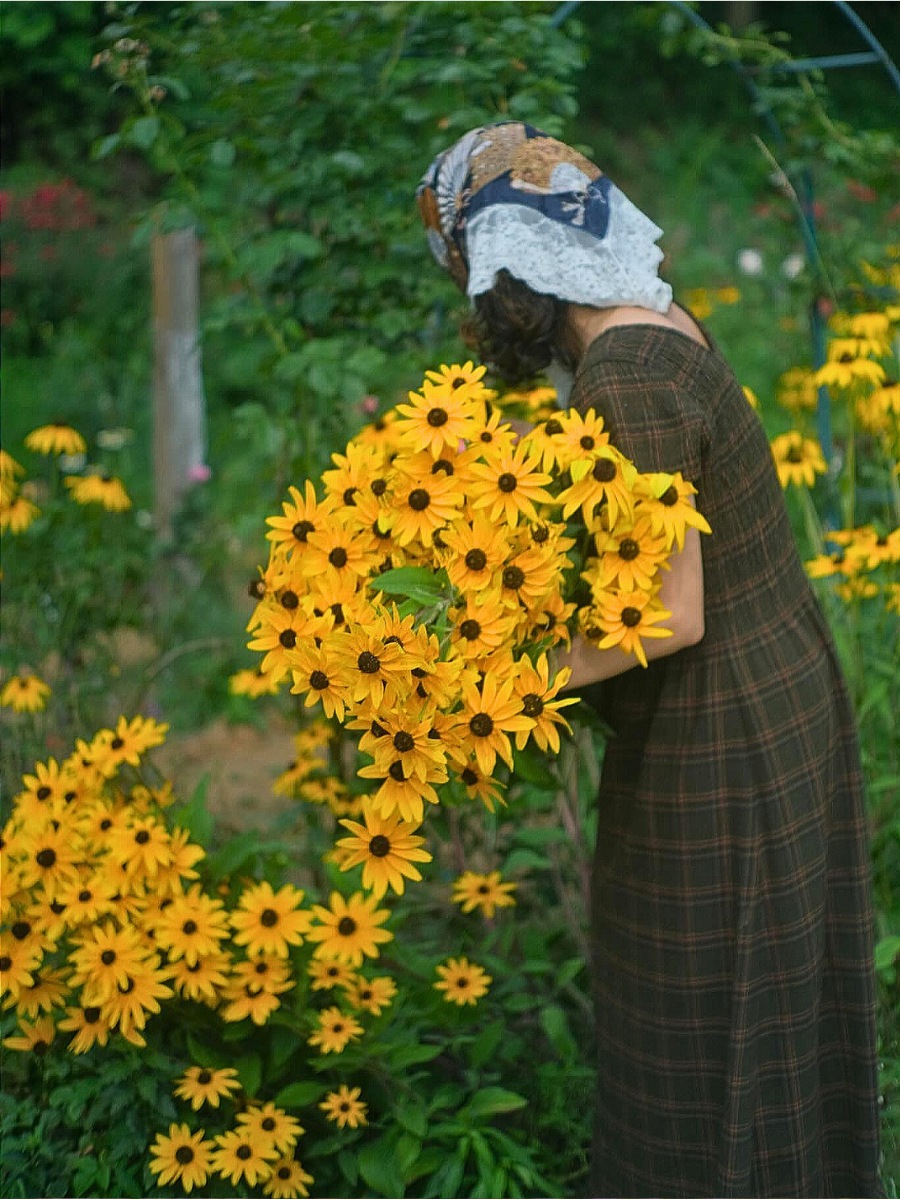
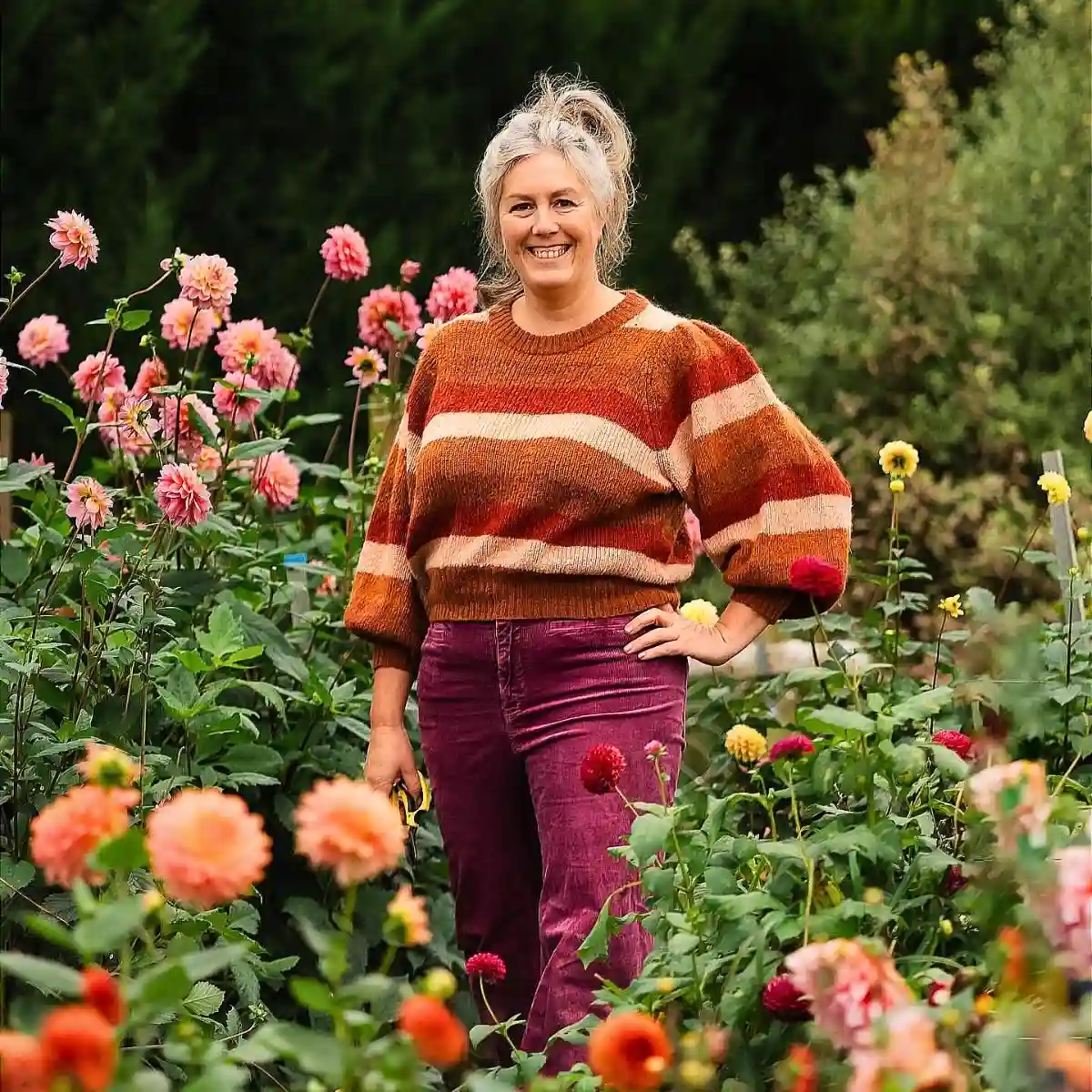
Photo by @bella_hwa
Daylily (Hemerocallis) is perhaps the easiest flowering perennial to care for. These flowers grow quickly, are long-lived, and adapt to almost any soil, tolerating both drought and temporary wet periods. Salvia is also a good example. Native to the Mediterranean and North America, this hardy plant is drought-resistant and produces tall, vibrant flowers in shades from deep purple to pink and even red.
Coreopsis, almost similar in look to daisies, is also a low-maintenance flower that blooms between summer and fall and is incredibly drought-tolerant, even thriving in rocky, poor soils. There is also Agastache, which somewhat resembles lavender. These tall, long-lasting purple plants are known for their ability to withstand heat and draw pollinators. Many of these garden flowers can also be used as cut flowers, ideal for creating natural-looking wildflower bouquets which are increasingly loved.
Historical and Practical Points to Ponder
The use of such durable flowers is not a modern invention. Native plants have been the spine of resilient gardens for many years. As Elizabeth Brown, author of 'The Beginner’s Cut Flower Garden', points out, native plants are often the best choice for handling weather swings because they are already adapted to the local climate. This is a return to an older, wiser way of gardening that works with nature instead of going against it.
In the language of flowers, a Victorian-era pastime, different flowers held specific meanings. For instance, while not always directly linked to durability, the peony is a ‘most cherished long-lived perennial’, and in some cultures, it symbolizes prosperity and good fortune. The stonecrop, or sedum, is sometimes associated with peace and tranquility, which are fitting sentiments for a plant that brings a lasting calm and reliability.
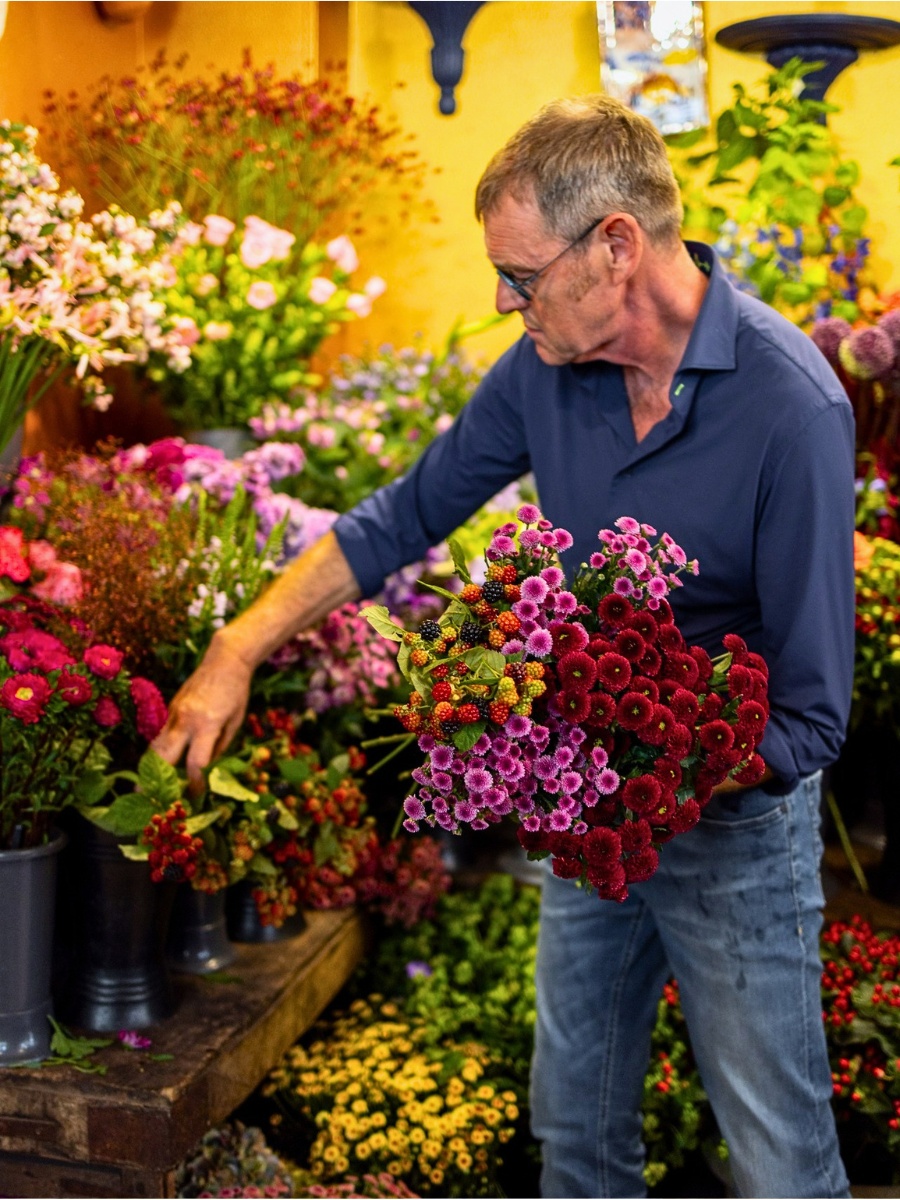
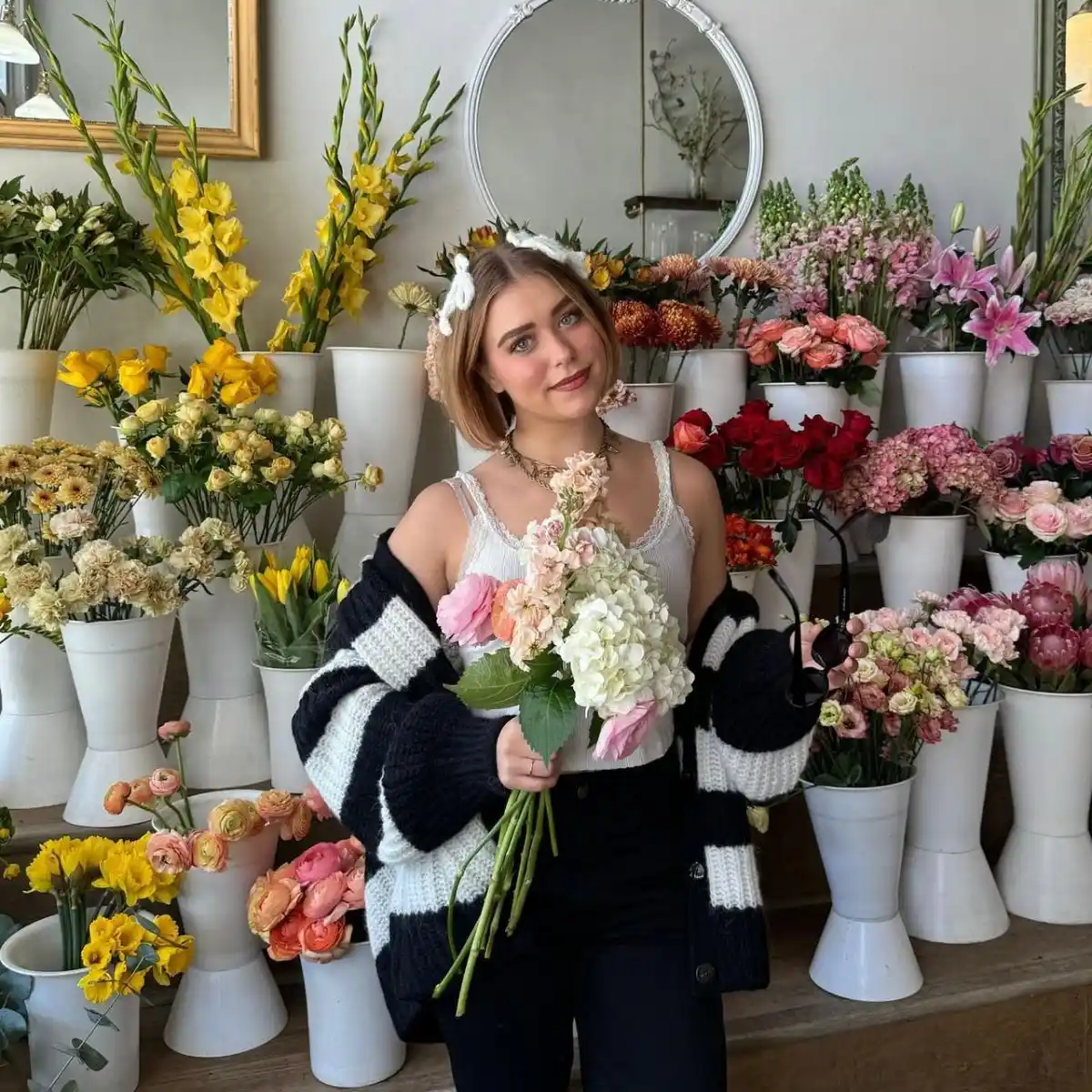
Photo by @madiba.flowerpower
In the end, the idea of durable flowers, or a garden filled with these long-lasting flowering plants, gives peace of mind; a space that can withstand occasional neglect, surprise heat waves, and unpredictable weather, yet still provide a spectacular show alongside the delight and beauty of gardening without constant worry.
Featured image by Kader D. Kahraman. Header image by Vika Glitter