People often ask me why I have spent my life on something that dies in a week. It is a fair question. Thirty-five years in flowers. A florist shop, then importing, then international marketing, and now Thursd. Friends from that time went into software and real estate, products that scale and last.
But I learned something behind the counter of my first shop that they never got to see. Nobody buys flowers for the flowers.
What People Were Actually Buying
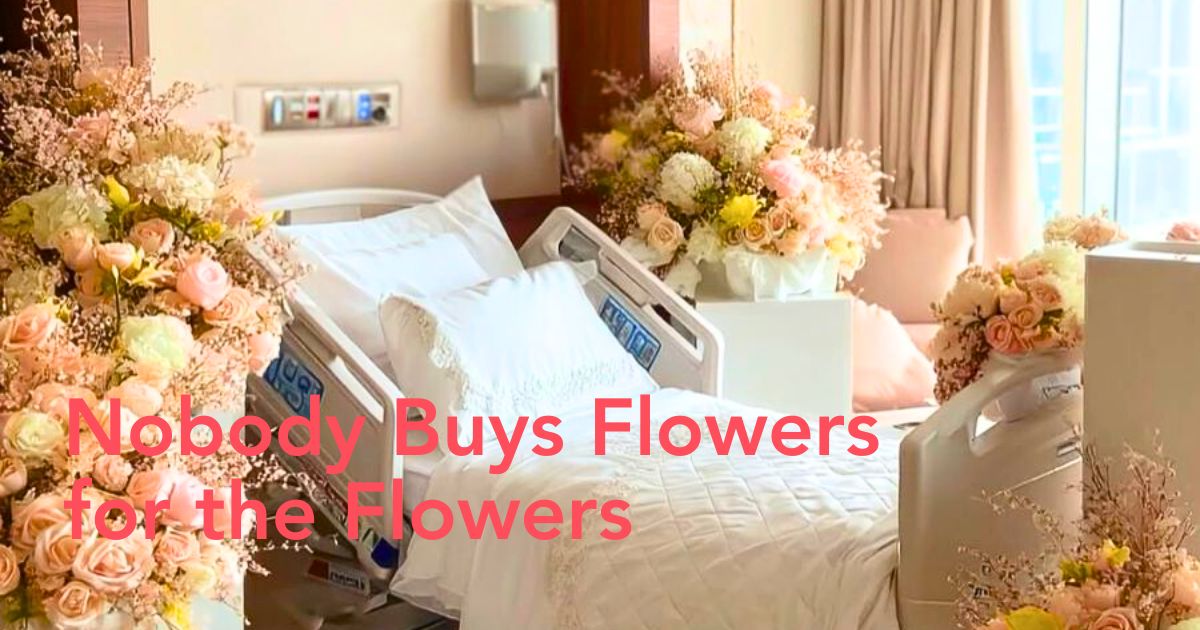
They came in before a hospital visit. After a fight. On the morning of a funeral, or the last day of a colleague. People handed me the most difficult feeling they had that week, and I handed them back a bunch of stems.
That is the product. Not the stems. The moment.

Ask someone leaving a shop what they just bought and they will name the occasion, never the variety. Which tells you something uncomfortable about how this industry talks to itself. We compare vase life, stem length, and color trends. All of it matters to the people who grow and sell. None of it is why the purchase happened.
The Dying Is the Mechanism, Not the Flaw
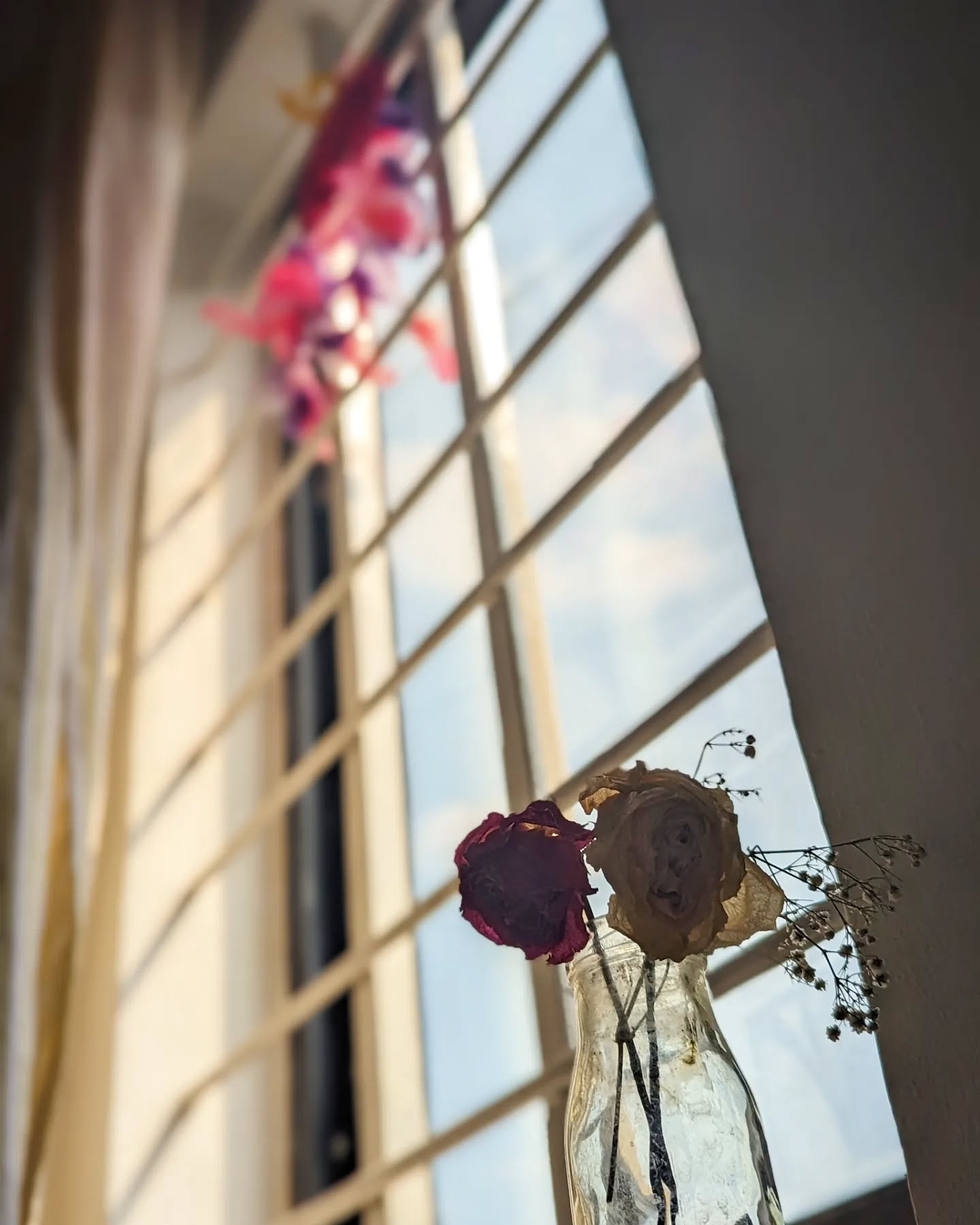
The standard objection is that flowers do not last, and people say it slightly apologetically, as if they have caught us out. It is backward. A gift that lasts forever cannot say anything about now. A flower says: this matters today, and I spent something real to say so. It cannot be paused, screenshotted, or regenerated at a higher resolution. Its whole meaning is tied to happening once.
That is worth sitting with in a year when nearly everything else became infinitely reproducible. We spent a decade making every image and every message repeatable and free, and in doing it we quietly made the few things that are not reproducible matter more than they did before. A grandmother's hand on a stem she will not see next week is not a file. It does not survive being copied.
So the impermanence people apologize for is the entire reason the thing works.
Half a Million People Behind One Gesture
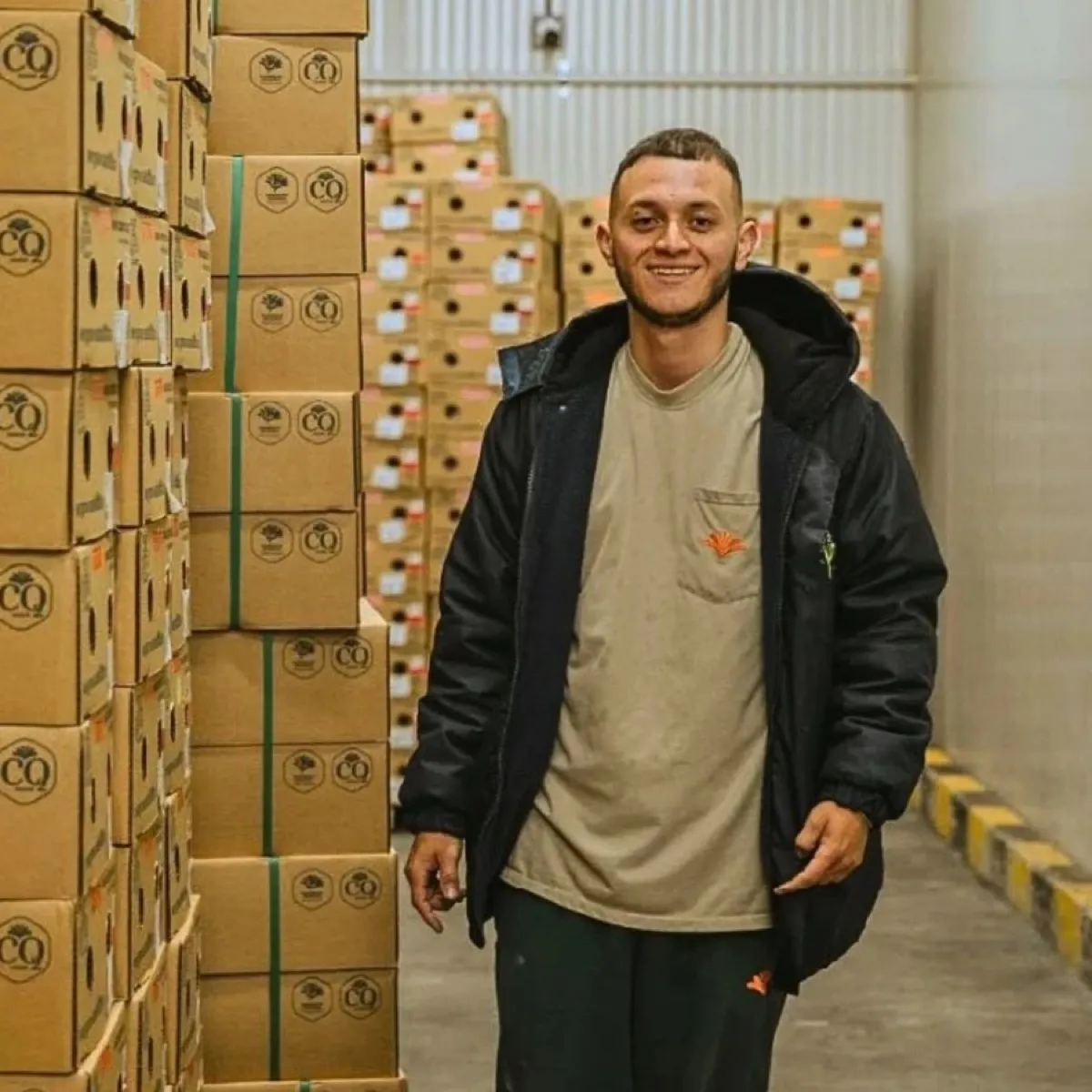
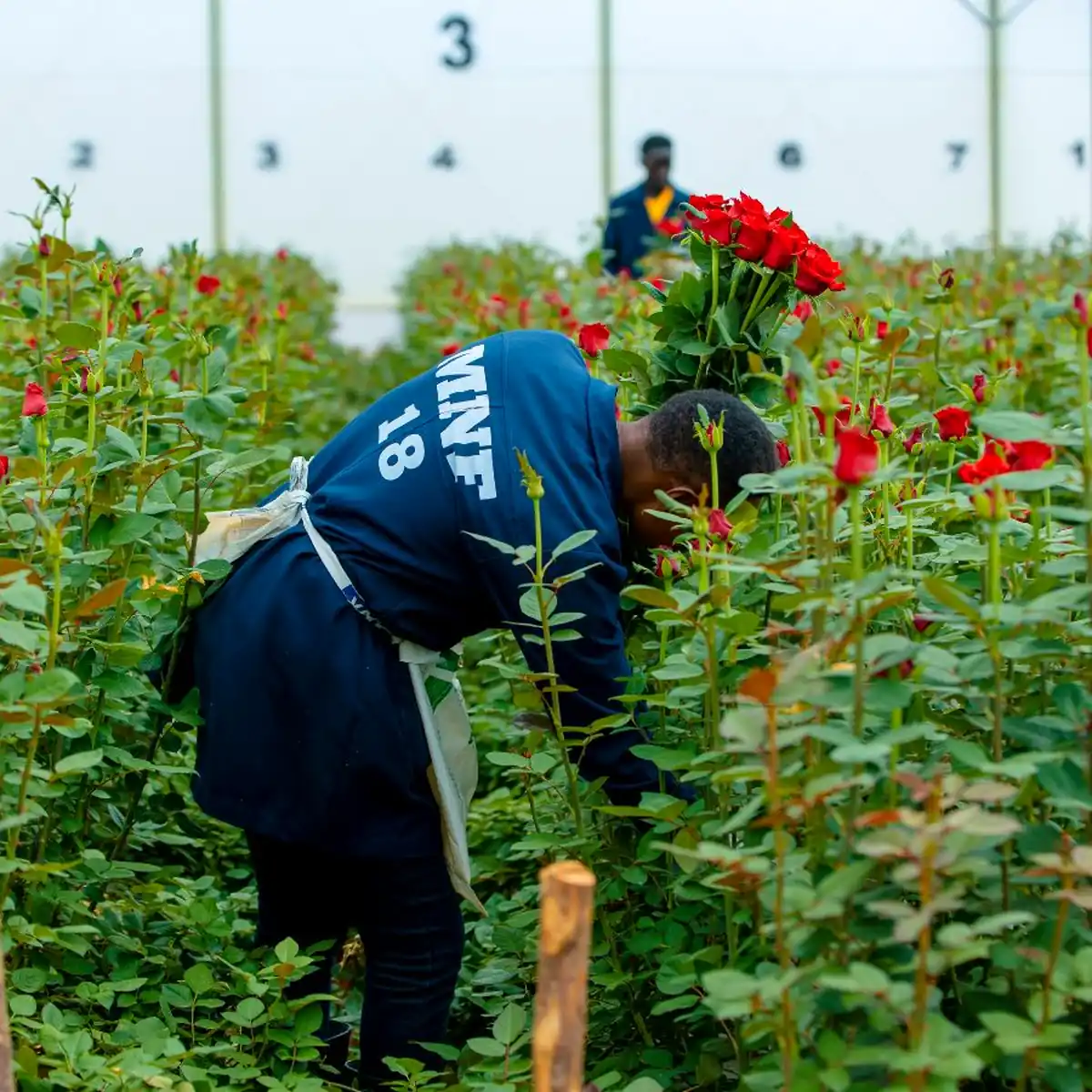
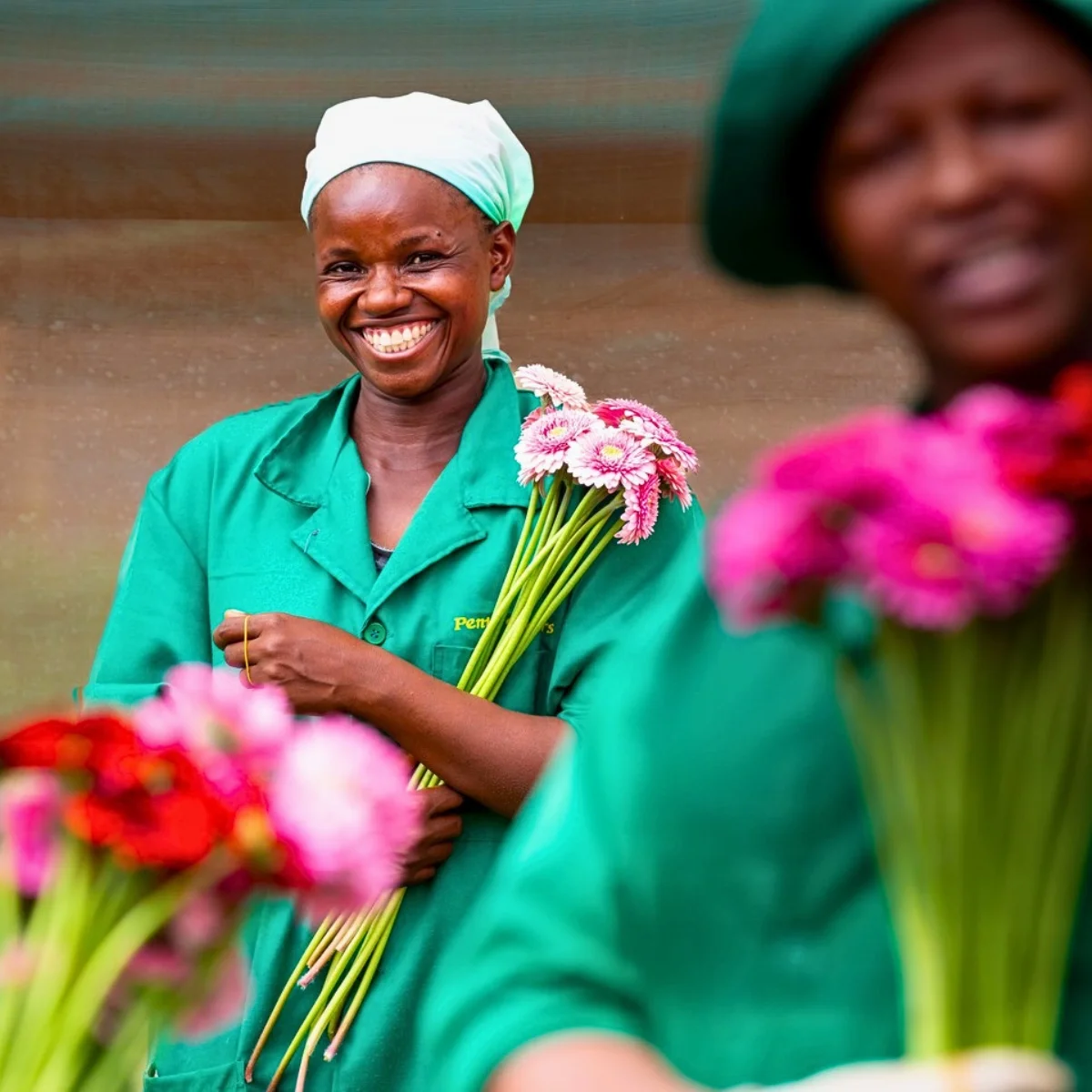
There is a less romantic half to this, and the sector should say it more often. The gesture is only possible because an enormous and almost invisible system makes it available on the day someone needs it. In Kenya alone the flower industry supports around half a million livelihoods, direct and indirect, according to the Kenya Flower Council. The chain runs from a greenhouse in Naivasha to a hospital room in Rotterdam in roughly two days.
Nobody buying a bunch on a Tuesday afternoon thinks about that, and they do not need to. But it is why the emotional need can actually be met. The need has always existed. What changed is that the logistics caught up with it.
It also reframes the argument people keep having about flowers from far away. When someone calls an imported bunch indefensible, they are talking about a chain that half a million people depend on. And the footprint case is not what they assume: origin and growing method decide it, not distance on a map. A bunch from a heated greenhouse nearby can carry more emissions than one grown in natural sunlight and flown in.
What the Sector Keeps Getting Wrong
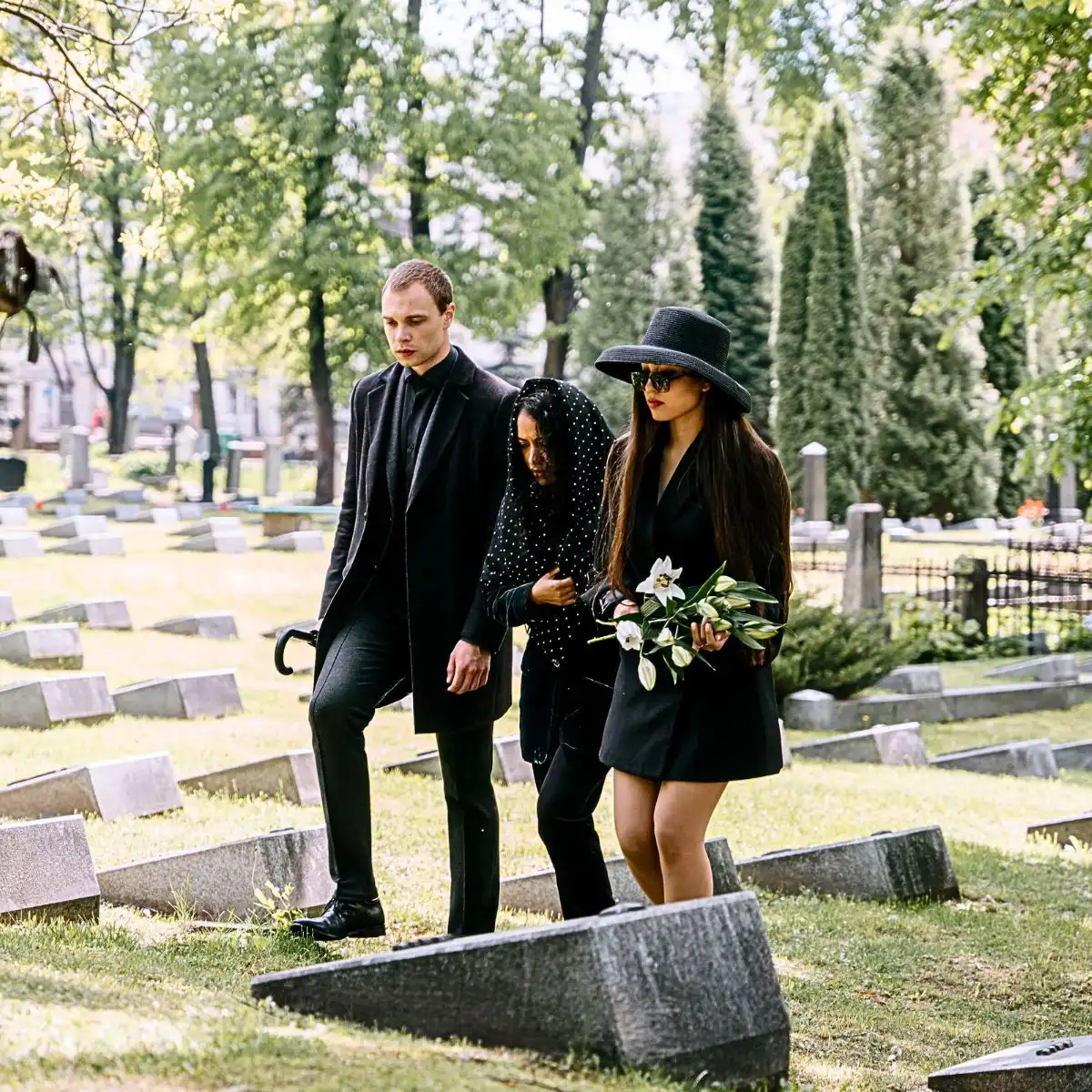
Here is the practical consequence, and it costs money. The biggest demand moments of the year are not floral events. They are funerals, weddings, sports finals, political ceremonies, and apologies. Nobody wakes up planning to buy flowers. Something happens, and flowers turn out to be the only available answer.
Which means demand is created somewhere else entirely, by people who do not think of themselves as making a decision about flowers at all. And we market almost exclusively to each other. Growers to traders, traders to florists, florists to growers, all of us describing the stems. Meanwhile, the moment that triggers the purchase is being shaped outside the trade, by nobody in particular.
That is a gap, and it is the most valuable unclaimed ground in this industry.
"Nobody buys flowers for the flowers. They buy them for a mother in hospital, for a wife after a fight, for a colleague's last day, for a grave. We keep selling the stems and wondering why the story does not land."
What the Sector Should Do Next
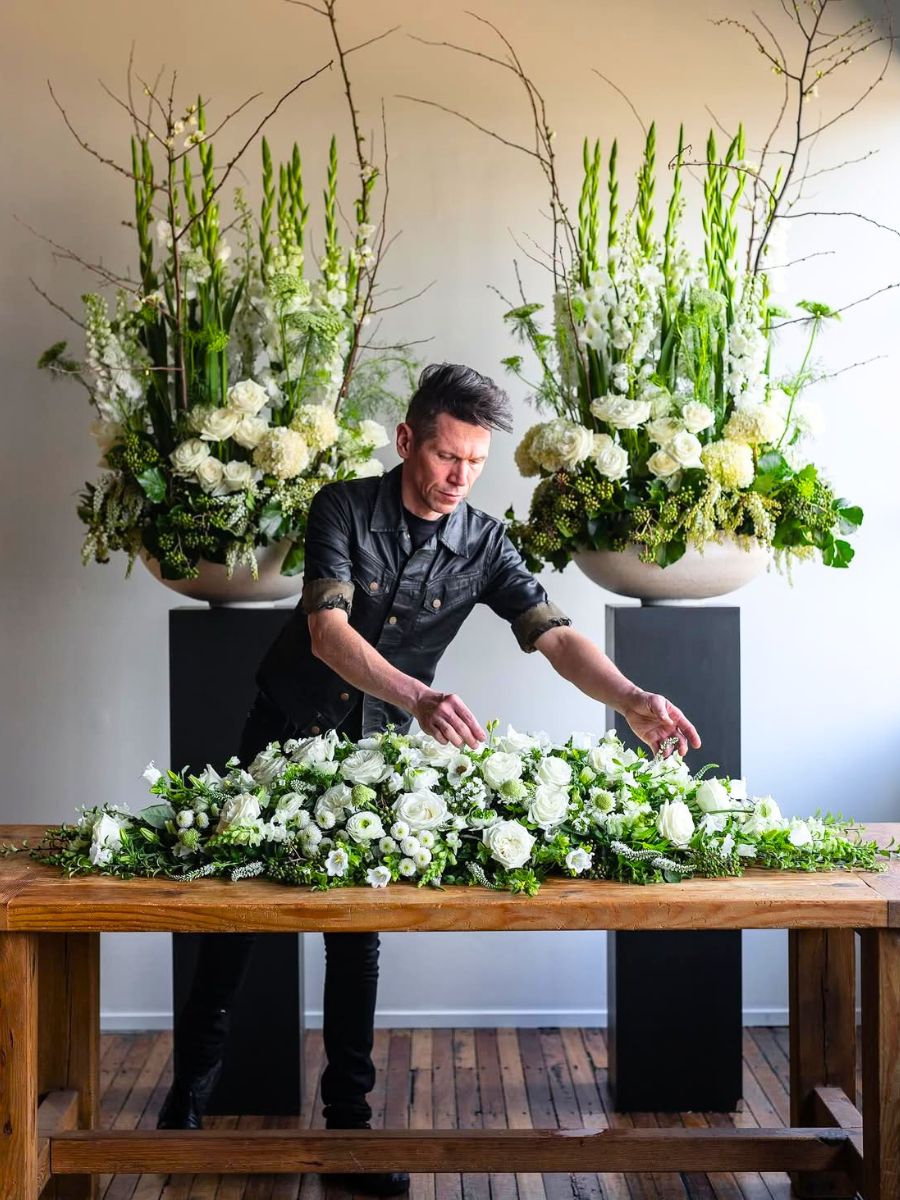
- Sell the moment, not the stem. The customer is not comparing varieties. They are trying to say something they cannot say out loud, and looking for the object that says it best.
- Show the chain. Half a million livelihoods is not a sustainability footnote. It is the reason the gesture is possible at short notice, and it is a far stronger story than any color trend.
- Stop apologizing for the vase life. The short life is the mechanism. Explaining that well is worth more than another week of freshness claims.
- Go where demand is actually made. Funerals, weddings, sport, and public ceremony create the need. Almost none of our marketing is there.
Thirty-five years in, I still think this is the most interesting product in the world. Not a product, really. The shortest and clearest signal of care humans ever invented.
No flowers, no future.
Sources: Kenya Flower Council on sector employment. Related reading on Thursd: Cut Flowers Are So Beneficial for Humans Emotional Wellness.