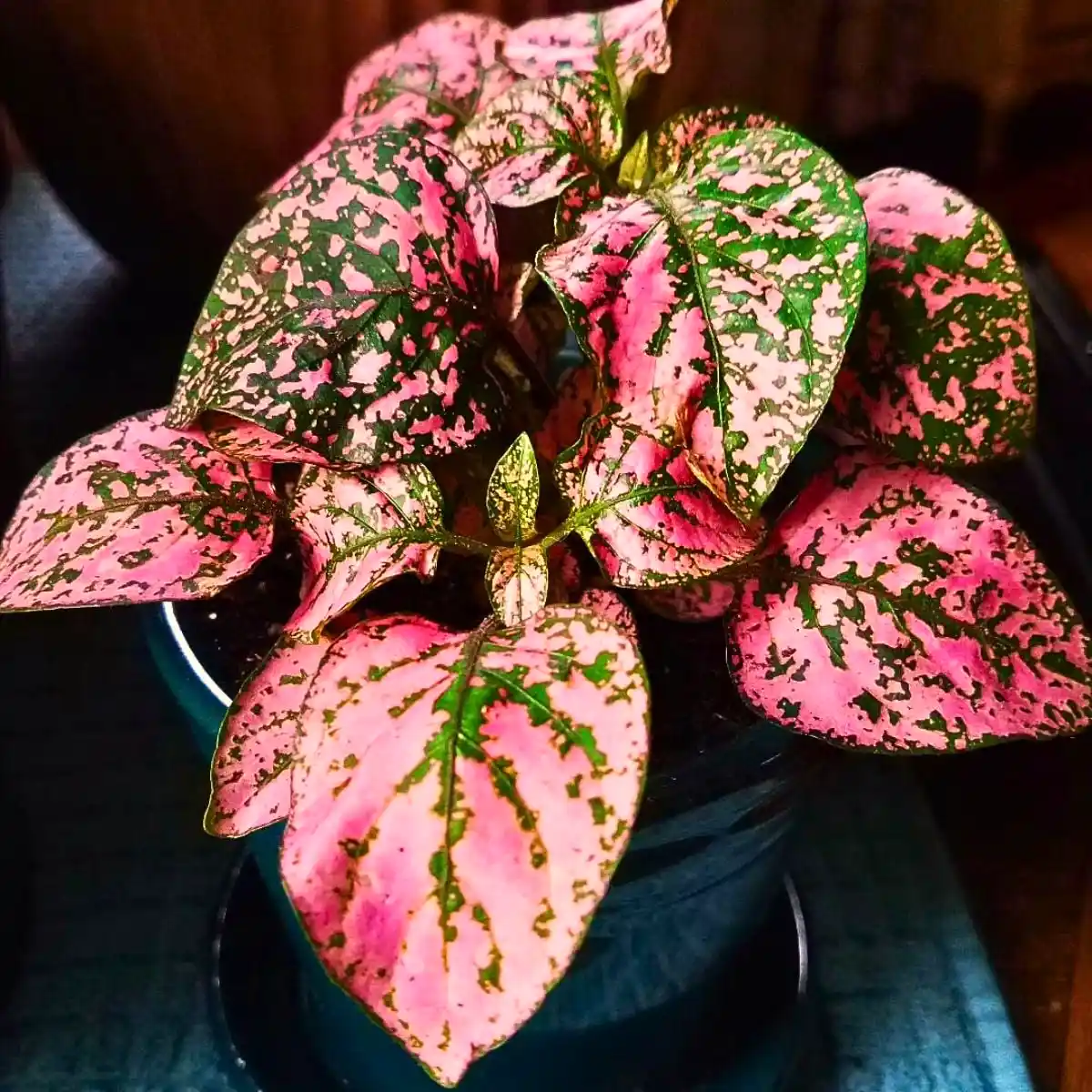
It's December 27. The wrapping paper is gone, the leftovers are nearly gone, and the living room still looks like a garden center. There's a Poinsettia on the windowsill, an amaryllis stalk leaning toward the light, a cactus that just finished flowering, and a tree that's starting to drop needles on the floor. So what now? Most Christmas plants after Christmas can stay with you for years. A few are honestly done. And almost everything else, from the tree to the wreath on the door, can still feed your garden. Here's what to keep, what to compost, and where each one goes next.
Keep, Compost, or Replant? The Quick Sort
Start with a five-minute walk around the house. Most plants fall into one of three piles, and you don't have to decide everything today.
| What you have | The honest answer | What to do this week |
|---|---|---|
| Poinsettia | Keep it as a houseplant, or compost it | Bright spot, no drafts, water when the pot feels light |
| Amaryllis | Keep the bulb | Cut off the faded flowers, keep every leaf |
| Christmas cactus | Keep it for decades | Water a little less until new growth starts |
| Cyclamen | Keep it while it flowers | The coolest bright room you have |
| Christmas rose (Helleborus niger) | Plant it out | A week in a cool, sheltered place, then the garden |
| Potted fir or spruce | Replant it, if it's hardy where you live | Out of the warm room as soon as you can |
| Norfolk Island pine | Keep it as a houseplant | Take off the decorations, away from the heating |
| Cut tree, wreaths, and greens | Recycle them | Strip every decoration, then the collection point or the garden |
The rest of this page takes them one by one. For the full care story of each plant, follow the link in its section.

Poinsettia After Christmas: Houseplant, Compost, or a Year of Darkness
Good news first: your Poinsettia isn't finished. Penn State's Master Gardeners write that Poinsettias in the home often keep their color until March or April. So keep giving it what it had in December: a bright spot out of drafts and away from the radiator, and water only when the pot feels light.
When the bracts finally drop, you have three honest options, and all three are fine.
- Compost it. The extension services say so plainly. A seasonal plant is allowed to be seasonal.
- Keep it green. It turns into a leafy houseplant that wants the same light and watering, plus food once new growth starts. Once nights stay above 10°C (50°F), it can spend the summer outside in part shade.
- Make it red again. That takes a year, and Penn State's warning goes first: a reflowered plant is rarely as full as the one you bought.
Still tempted? The trick is darkness, not fertilizer. A Poinsettia colors its bracts when the nights get long. So from late September, it needs 14 to 16 hours of total darkness every night for eight to ten weeks. A closet works, and so does a box. One switched-on lamp can cost you the color. Before that, you prune it back to about 20 cm (8 inches) in March or April and pinch the new shoots through the summer. The whole calendar, month by month, is in the Poinsettia care guide.

Amaryllis After Flowering: The Leaves Make Next Year's Flowers
This is where a lot of amaryllis bulbs get lost. It's a shame, because a saved bulb gets bigger every year. As each flower fades, cut it off together with the small swollen part behind it, so the plant doesn't spend its energy on seed. The stalk can go 2.5 to 5 cm (1 to 2 inches) above the bulb, as Iowa State does it, or stay until it turns yellow. Both work.
The leaves are the important part. Those long green straps refill the bulb for next winter. Give them your sunniest window, water when the surface of the mix is nearly dry, and feed every two to four weeks at half strength. After the last frost, the pot can go outside for the summer, sunk into a garden bed.
Want flowers again next Christmas? The bulb needs a cool spell of 10 to 13°C (50 to 55°F) for eight to ten weeks in the fall. After that, it flowers four to six weeks into the warmth. The amaryllis care guide counts it back for you. One more thing: the bulb is the most poisonous part of the plant for cats and dogs, so a bulb resting in the garage still needs a shelf.

Christmas Cactus After the Holidays (Or Is It a Thanksgiving Cactus?)
Here's the easy one. A holiday cactus asks for very little after it flowers: water a bit less until new growth starts, keep it in bright, indirect light, and leave it alone. Has it grown too big? January or February, right after flowering, is the time for a bigger cut. Twist or clip the stems where two segments meet. Repot only every third year, because it flowers best with its roots a little crowded.
Did yours flower in November? Then take a look at the edge of a stem segment. Two to four sharp points, like a crab's claw, mean you have a Thanksgiving cactus. You're in good company: most plants sold as Christmas cactus are Thanksgiving cacti. Here's how to tell a Christmas cactus from a Thanksgiving cactus. They need exactly the same care, so nothing changes this week.
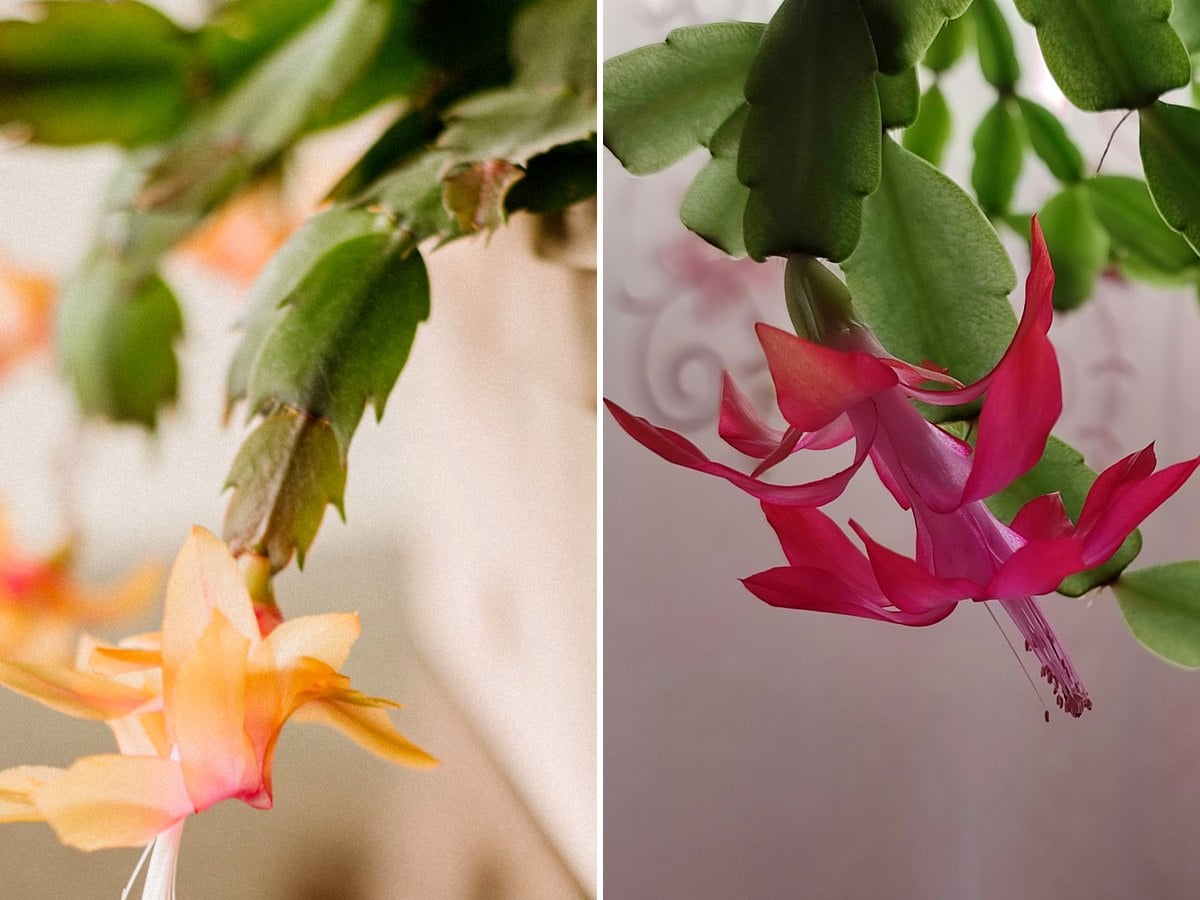
Next fall it needs long nights to set buds again: 14 hours or more of darkness for about six weeks and nights around 13 to 16°C (55 to 60°F). For flowers at Christmas, start in late October. It's all in the Christmas cactus care guide, together with how to root the pieces you cut off.

Cyclamen and Christmas Rose: One Rests, One Goes Outside
These two look like winter cousins on the windowsill, but after the holidays they part ways.
Cyclamen: Keep It Cool, Then Let It Sleep
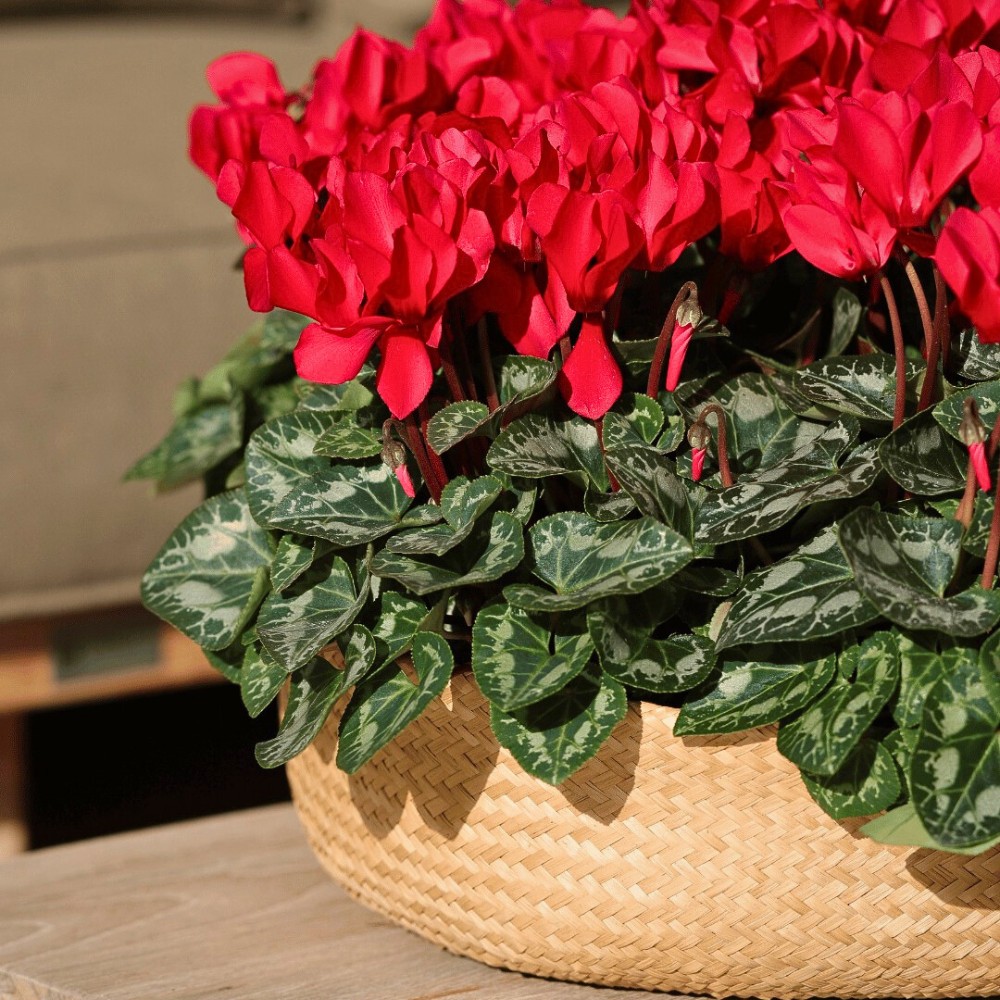
A florist Cyclamen can keep flowering well into the new year in a cool, bright room. When flowering slows down in spring and the leaves start to yellow, that's the plant going dormant, not dying. Water less and less, keep the tuber cool and nearly dry for six to eight weeks, then start again in late summer. Be realistic, though. Clemson notes that most people throw the plant away after flowering, because a reflowered Cyclamen is rarely as compact as the one from the shop. It costs nothing to try. The steps are in the guide to Cyclamen care and types.
Christmas Rose: A Garden Plant That Came in for the Holidays
The Christmas rose, Helleborus niger, is a hardy perennial, and a warm living room is the wrong place for it. Give it a week or so in a sheltered, unheated spot in January, then plant it in the garden in part shade or in a larger, deep pot. It may need a season to settle in before it flowers well again. And when it does, it'll come back every winter. The hellebore care guide has the details.

Living Christmas Tree and Norfolk Island Pine: Out in Steps
A tree with roots is a promise you made at the garden center. Now's the time to keep it.
Potted Fir or Spruce
Time matters here. University of Illinois Extension keeps a living tree indoors for four to five days in total, because a warm room can wake it from its winter dormancy. So don't let it linger. Reverse the way it came in: a few days in an unheated garage or shed that stays above freezing, root ball watered, then outside. Plant it on a mild day, with the top of the root ball level with the ground. Water it well and spread 5 to 8 cm (2 to 3 inches) of mulch over the roots. The first year decides whether it settles in, so keep watering when the rain falls short.
Not every potted tree survives replanting. A Nordmann fir is hardy in USDA zones 4 to 6 and a Fraser fir in 4 to 7. A dwarf Alberta spruce can also live in a container on a balcony for several years. The guide to living Christmas trees has the full table and the frozen-ground plan.

Norfolk Island Pine
This one's not a fir at all, and it doesn't go outside in a northern winter. In early January, take off the decorations and give it the brightest cool spot you have, away from the heating. Water whenever the top of the soil is dry, and hold off on fertilizer and repotting until spring. If the pot turns out to hold several small trees, you can separate them in spring. It can spend the summer on a patio in bright shade, and next December it's your tree again. See the Norfolk Island pine care guide.

Christmas Tree Recycling: What Cities Do With Your Tree
A cut tree can't be replanted, but it's far from waste. Before it goes anywhere, strip it completely: lights, ornaments, hooks, tinsel, and the netting. Penn State Extension also warns that flocking, the artificial snow, can make a tree harder to recycle.
Then check what your town does, because most towns do something. Many municipalities collect trees at the curb or at drop-off points in January and chip them into mulch and compost. New York City turned it into a festival. During Mulchfest last season, from December 26, 2025, to January 11, 2026, NYC Parks took trees at 76 sites, 35 of them with a chipper. The mulch goes back to nourish city trees and plants. New Yorkers chipped over 52,000 trees in 2025.
In the Netherlands, the tree often becomes pocket money. The municipality of Dijk en Waard paid primary school children 50 cents per tree they brought to a collection point on January 10, 2026. Plenty of Dutch towns run a similar race every January. Utrecht set up 40 collection points for the trees of Christmas 2021 and turned them into compost used as ground cover.
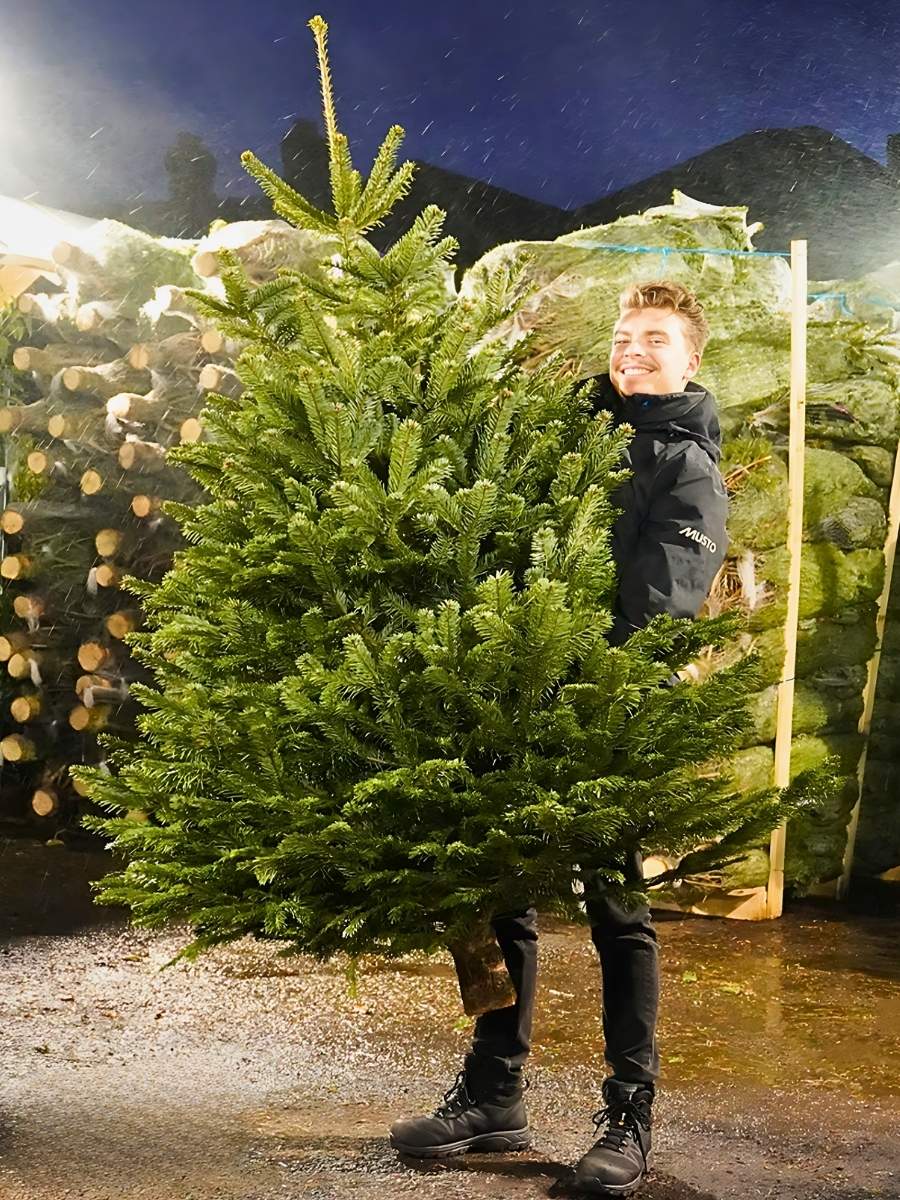
Got a garden? Then you can recycle it yourself. Cut off the branches and lay them over your perennials, where they protect the crowns from frost swings and drying winds. Penn State names hellebores, snowdrops, and fall-planted pansies. The trunk and the rest can go in a quiet corner as a brush pile, where birds and small animals shelter while it slowly decays. Or stand the whole tree up in the yard and hang homemade bird feeders on it, as Clemson Extension suggests. That's one tree, a second winter.
Wreaths, Garlands, and Cut Greens: Compost, Mulch, Reuse
Wreaths and garlands are the same conifer material as the tree, just with more hardware. Take off the ribbon, the baubles, and anything glittered, then cut the greens off the wire frame. The greens go on the compost heap or, like the tree branches, over the perennial bed. The wire frame goes in the cupboard for next year.

Cut Ilex is the one branch that may still look good on New Year's Day. "Ilex can be enjoyed without any doubt for at least three weeks," says grower Laurens Kompier of Nursery Kompier in the Ilex care tips. The University of Maryland Extension even expects the berries to hold until you compost the arrangement after New Year. Keep it cool, but don't leave it outside on a hard frost: holly that freezes after cutting can turn black. When it's done, branches and berries go on the compost too. Just keep the berries away from children and pets on the way out, because they're mildly toxic.

Looking for the greens that last longest next year? The list of the best Christmas greens starts there, and the guide to types of fir trees covers the tree itself.
Christmas Lives On in the Garden and on the Windowsill
So, what's left by Twelfth Night? A Poinsettia that might stay red until Easter. An amaryllis bulb building next winter's flowers. A cactus that will outlive the sofa. And a tree that's now mulch, a brush pile, or fifty cents for a kid in Dijk en Waard. Very little of Christmas needs to go in the bin.
When the shopping starts again next December, the roundup of Christmas flowers and plants to grow or gift and the guide to holiday table flowers are ready for you.
Sources: Penn State Extension, Recycling a Real Christmas Tree (Annette MaCoy, updated November 2025); Clemson Cooperative Extension, Repurposing Christmas Trees to Benefit Wildlife (HGIC 1754, updated November 2023); NYC Parks on Mulchfest 2026, via Norwood News; Gemeente Dijk en Waard; Gemeente Utrecht. Plant care facts from the Thursd care guides linked in each section, and the extension sources named there.
Header image: Amaryllis Ferrari and Night Fever with pine by Laura Draghici of Chic Fleuriste, photo by Marius Petre Photography. Featured image: Poinsettia Indra, photo by Beekenkamp.