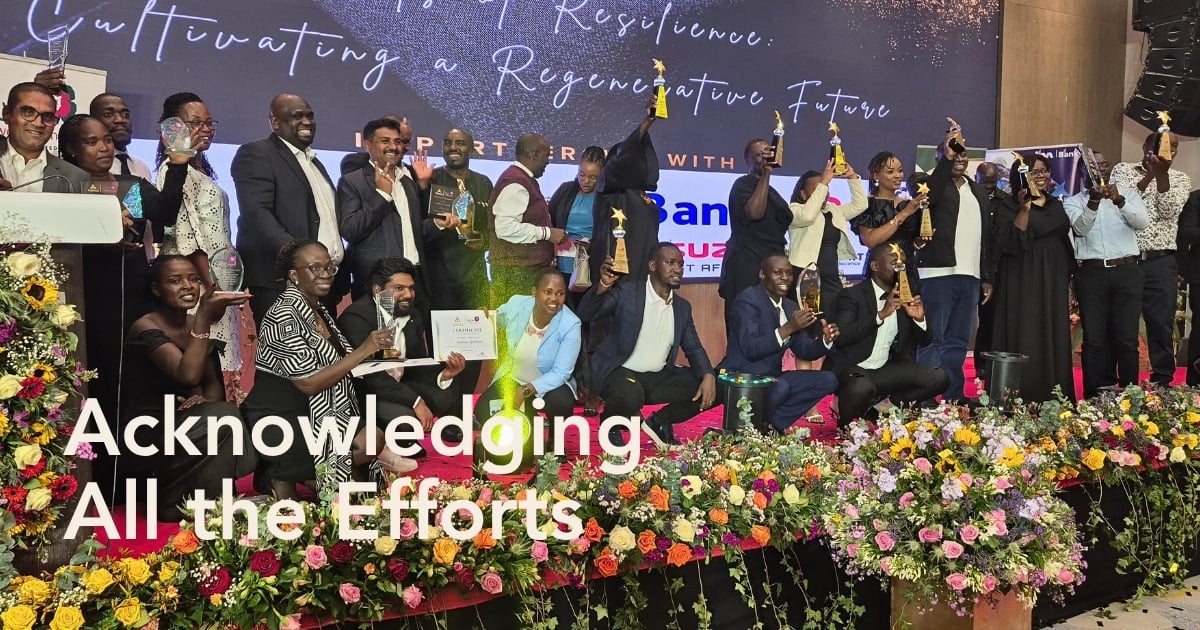
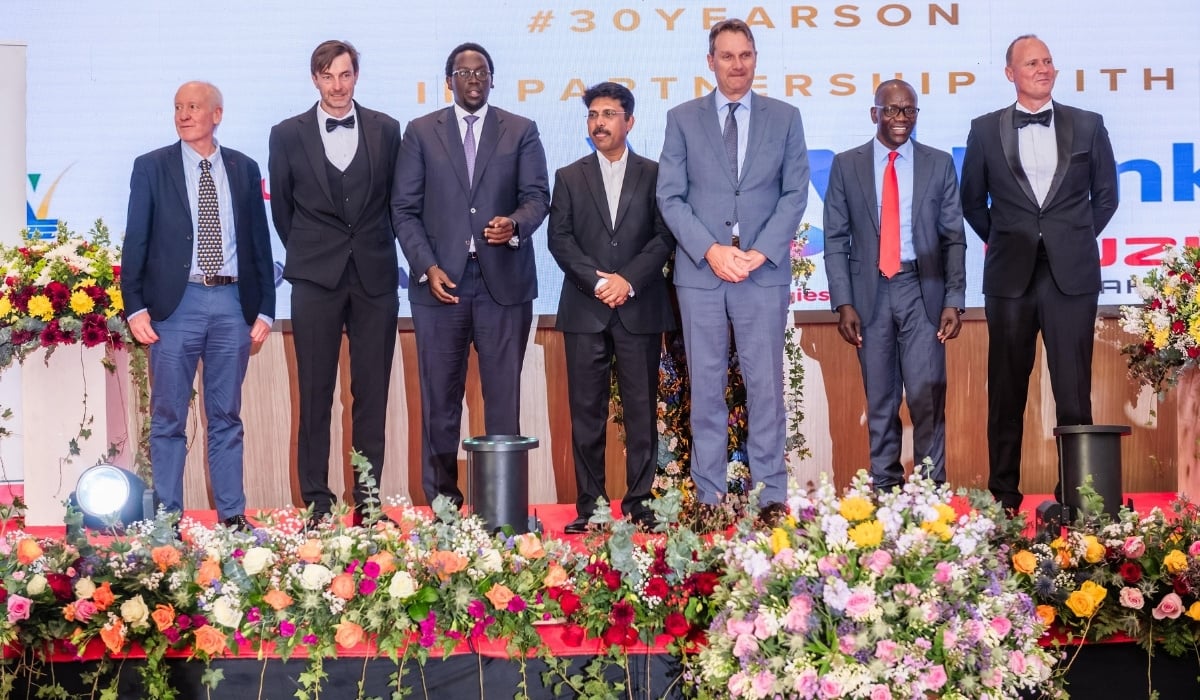
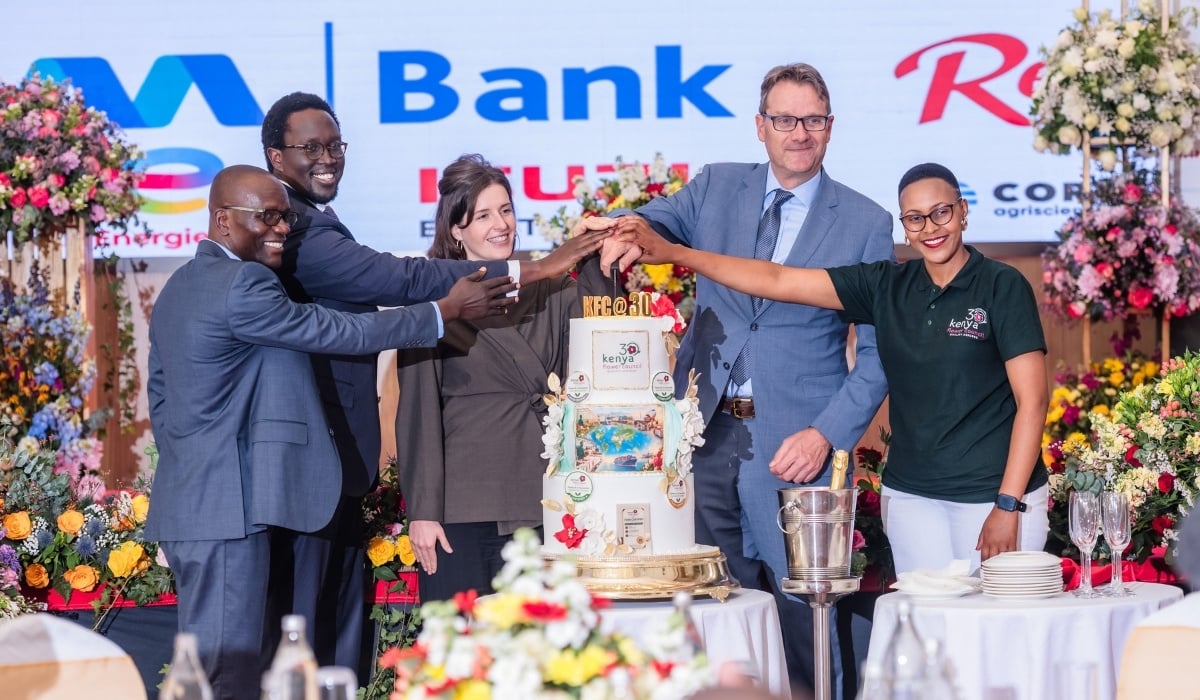
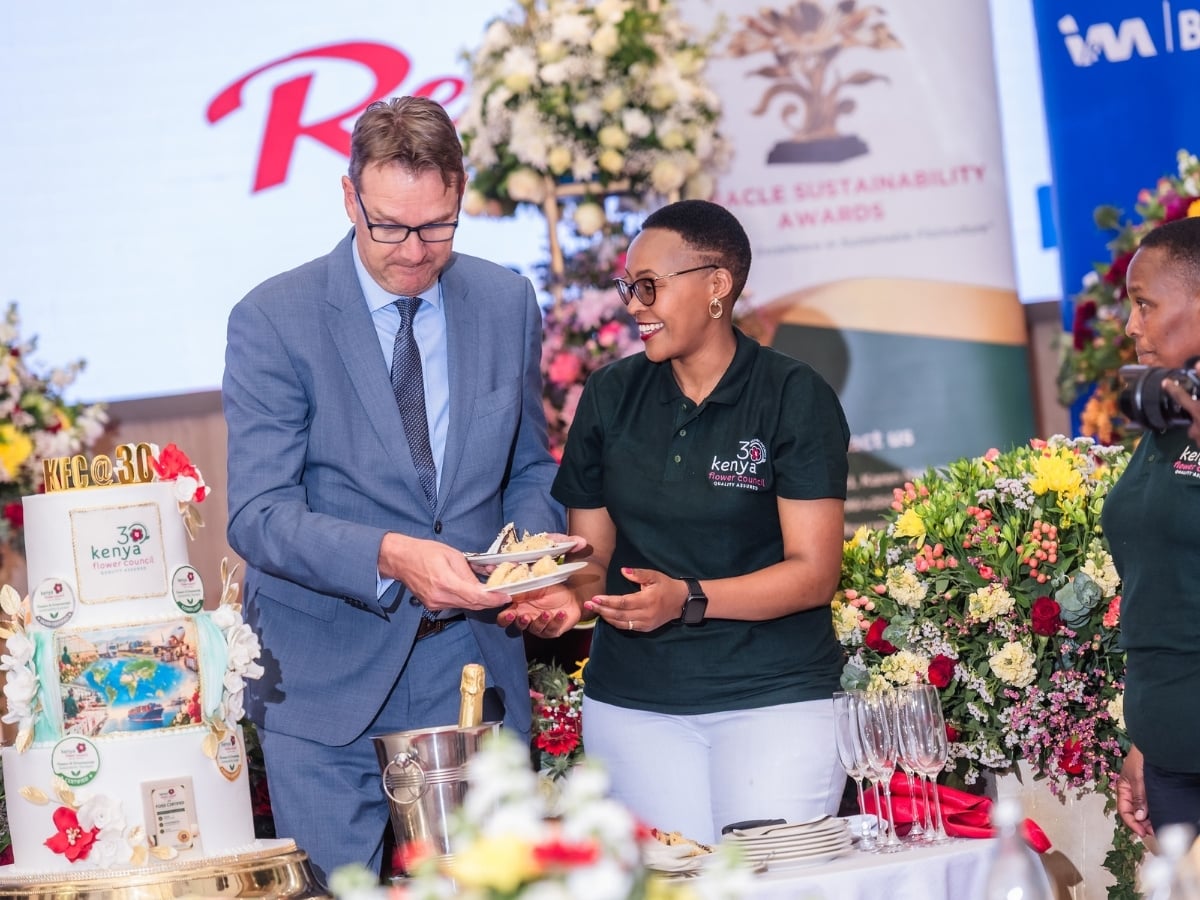
Kenya's flower industry marked a huge milestone on September 11th, 2026, as Kenya Flower Council (KFC) celebrated 30 years of championing, shaping, and redefining the country's flower industry. The KFC@30 celebrations, themed ‘Driving Resilience and Global Competitiveness, 30 Years On!’, brought together officials, diplomats, growers, and exporters.
They also took part in the 3rd annual Pinnacle Sustainability Awards thereafter. The Awards recognize different players in the country’s flower value chain for their sustainable practices. The 2026 event marked the biggest edition yet.
Marking Three Decades of Growth
KFC was founded in 1996 by five flower growers and exporters who wanted a collective voice for the sector. 30 years later, the organization represents more than 130 flower producers and close to 100 associate members, covering the large majority of Kenya's cut flower trade.
Kenya's floriculture industry continues to play a significant role in the country's export economy, with its flowers reaching many markets worldwide. In 2025, Kenya exported approximately 130,600 tons of cut flowers valued at KSh81.3 billion (about USD627 million), with flowers accounting for about 62% of the value of fresh horticultural exports.
Speaking during the celebrations, KFC CEO Clement Tulezi said the anniversary presents an opportunity to look back and recognize not only the resilience of the Council, but also the people and partnerships that have put together and raised Kenya's flower industry.
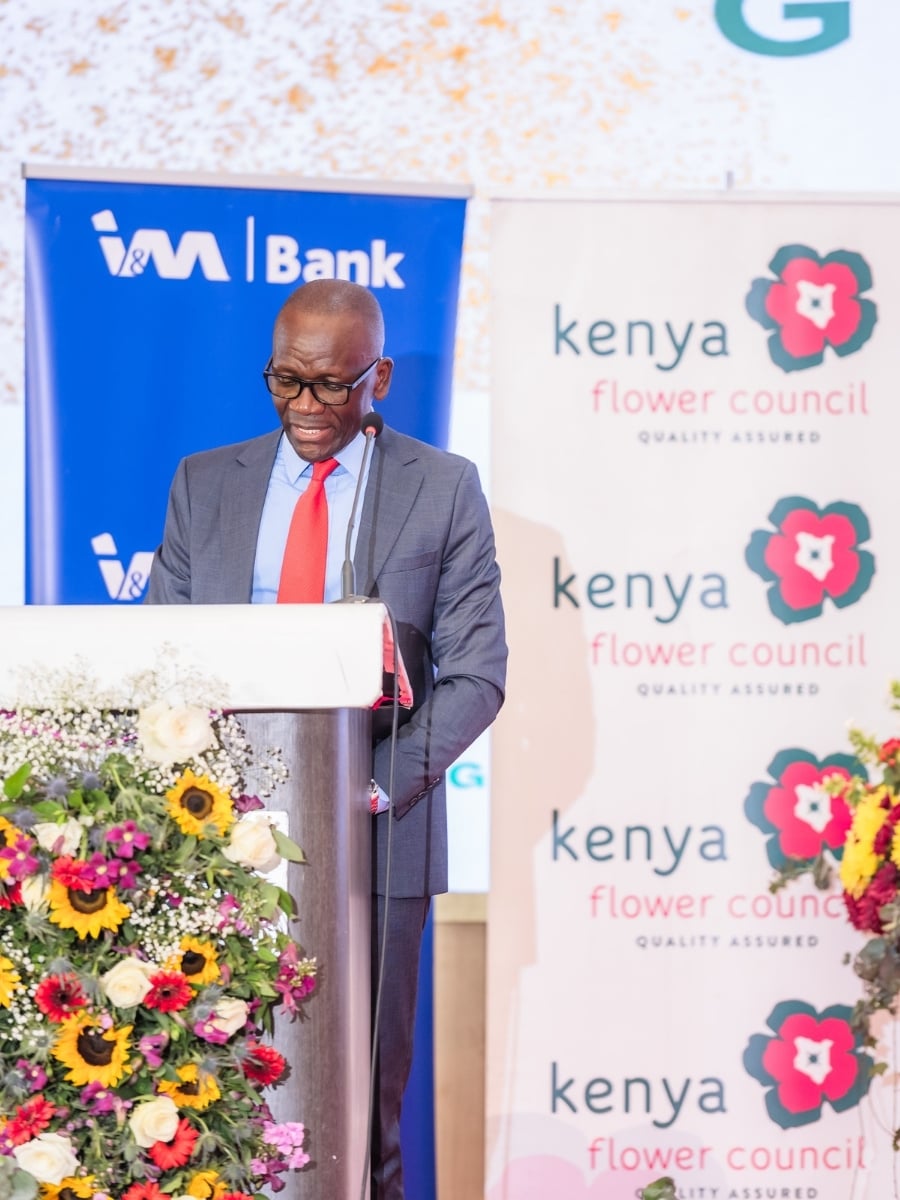
Clement Tulezi:
“We are not simply celebrating the longevity of an organization. We are celebrating the remarkable journey of an industry, the people who built it, the partnerships that sustained it, and the resilience that has made Kenyan flowers globally competitive.”
Clement opened the anniversary event by framing the 30-year milestone as a look back paired with a push forward. The industry, he noted, now generates approximately KSh110 billion (about USD850 million) a year (up from the previous year), directly employs roughly 200,000 people, most of them women, and supplies about 40% of cut flowers entering the European market, which are all significant feats.
Clement also credited the industry's staying power to lessons learned through events like droughts, floods, currency volatility, and the disruption of COVID-19, when flights grounded and export markets briefly closed. "Competitiveness without resilience is fragile," he said. But then again, he pointed out that the next 30 years will demand a Council that is faster, more data-driven, and better connected internationally, definitely more than the one working today.
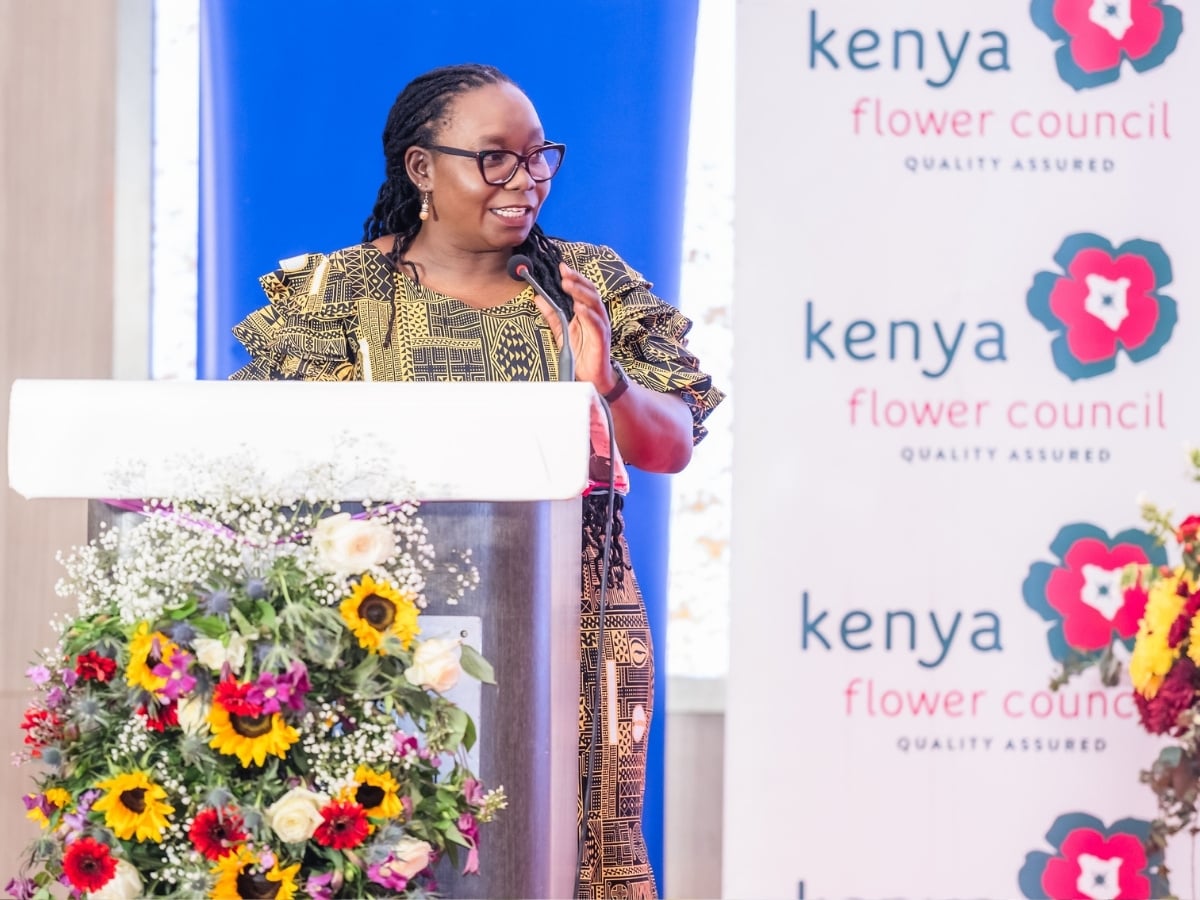
KFC Board Chair Chris Kulei, Sian Flowers' Managing Director, echoed this sentiment. He described the anniversary as proof of what "five farms and a shared conviction" can build. Chris made reference to the Code of Practice introduced in 1996, which has since developed into the Flowers and Ornamentals Sustainability Standard (FOSS), as well as several other efforts supported by member farms, and asked the Council to view the next three decades of its being as a responsibility to learn and earn, and not just a legacy to admire.
The Netherlands Reaffirms a Long-Standing Partnership
The Ambassador of the Kingdom of the Netherlands to Kenya, Henk Jan Bakker, was the Chief Guest at the event. He described the Kenya-Netherlands relationship as one built around more than trade, alluding to the shared work in breeding and genetics, biological crop protection, greenhouse technology, water management, logistics, and research.
Henk Jan Bakker:
“Kenya and the Netherlands do not simply trade flowers. We have built a horticultural partnership around flowers.”
But more than that, he also emphasized that the future of the relationship should increasingly focus on innovation, sustainable production, resilient logistics, responsible trade and knowledge exchange. Sustainability, he stressed, is increasingly becoming fundamental to competitiveness and market access, so he encouraged the industry to view it as an ongoing pursuit and not just a checklist to accomplish.
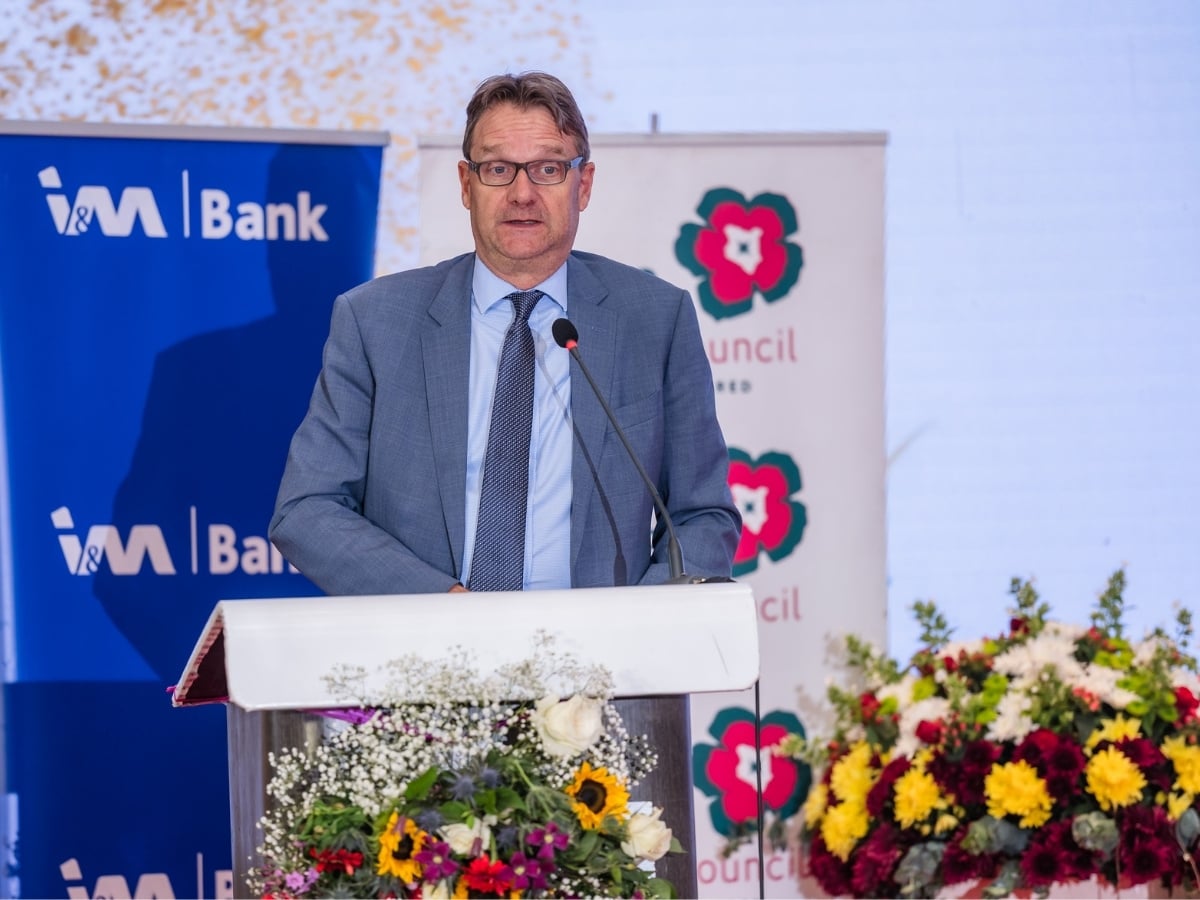
“Sustainability should not become a race to comply with the next requirement. It should be a race to become better.”
Government Weighs in on Competitiveness and Climate Resilience
Kenya’s Cabinet Secretary for Agriculture and Livestock Development, Mutahi Kagwe, in his speech, described floriculture as a full economic ecosystem stretching from farm workers and agronomists to freight forwarders, banks, and cold chain operators.
Buyers, the Cabinet Secretary said, are not just interested in flowers’ color, freshness, and vase life but also in how much water is used, how workers are treated, and whether crop protection and biodiversity practices deployed in their production meet global standards.
In his statement, read by a representative from his office, he urged relevant agencies to reduce regulatory duplication, strengthen phytosanitary systems, and treat horticultural logistics, including airport efficiency and sea freight corridors, as strategic economic infrastructure. His remarks closed with a commitment to the continued partnership with the private sector as the flower industry expands out of its traditional European markets and into others like the Middle East and Asia.
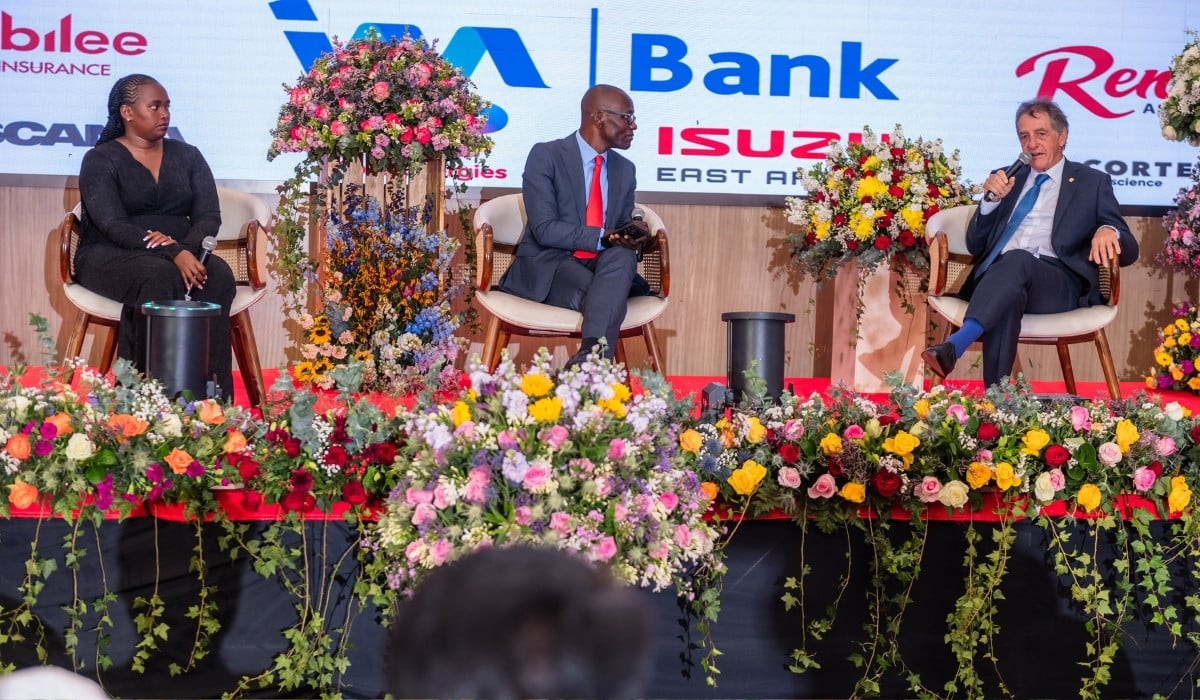
Sustainability Takes Center Stage at the Pinnacle Awards
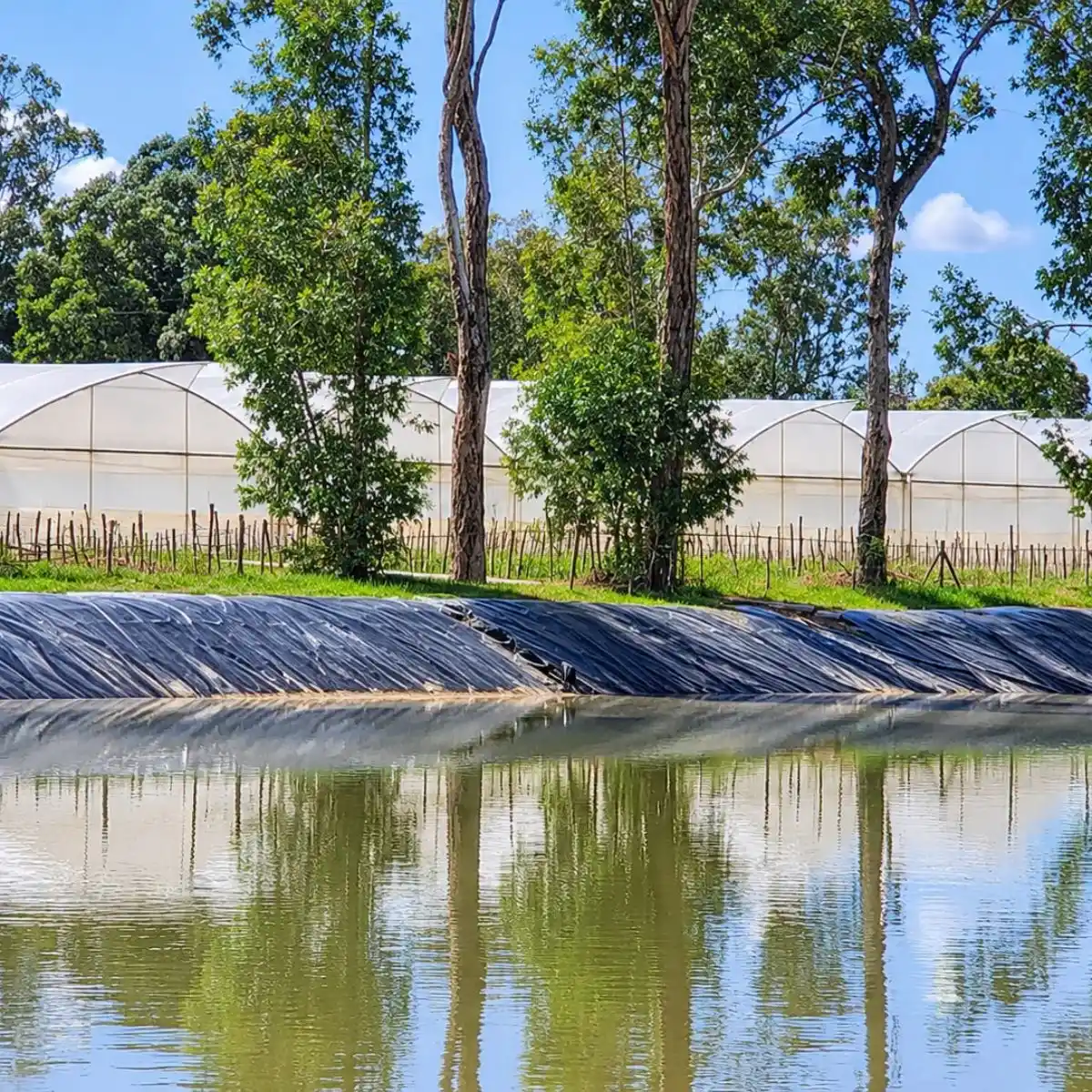
The evening's second part featured the Pinnacle Sustainability Awards, whose participation grew significantly this time round. On this front, KFC CEO Clement Tulezi stated that Kenya is not just following the sustainability journey but leading it. He pointed to KFC data showing that 92% of their member farms use integrated pest management, 85% have adopted efficient irrigation systems, and more than 60% rely on renewable energy sources.
Clement Tulezi:
“For this year’s awards, 45 entries were enrolled, compared with 23 flower farms reported in 2025, representing an increase of approximately 96%. The entries generated 135 submissions for assessment, supported by 1,036 pieces of evidence. This translates to an average of approximately 7.7 pieces of evidence per submission, demonstrating the depth of documentation supporting the assessment process.”
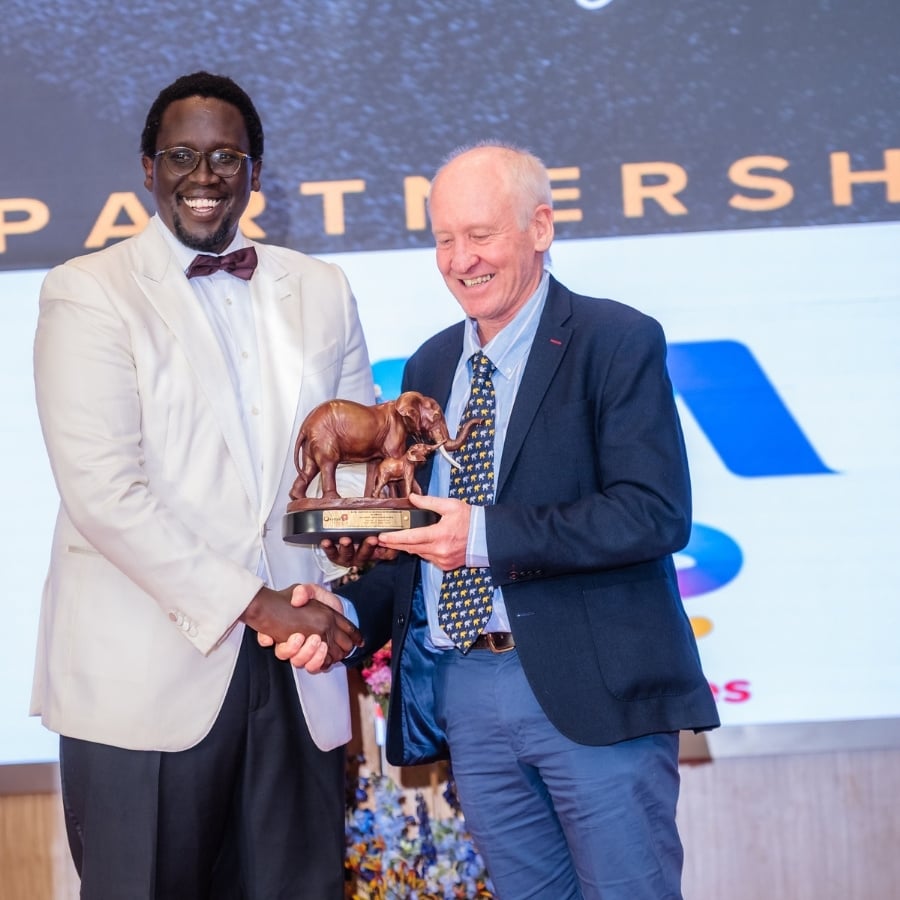
Chris Kulei, the KFC Board Chairman, struck a similar note, praising flower farms that kept investing in sustainable practices like water recycling and solar power even as freight and compliance costs increased. He termed their consistency a discipline rather than a luxury reserved for good years.
Chris Kulei:
“The nominees and the winners we celebrate this evening are not just running good farms, but are also writing the playbook the rest of us will follow. But let’s be honest, plenty of farms doing exactly this kind of work aren’t on today’s shortlist, and that doesn’t make their efforts any less. Whether you’re up for an award tonight or back at the farm getting ready for tomorrow’s harvest, you’re part of the same story.”
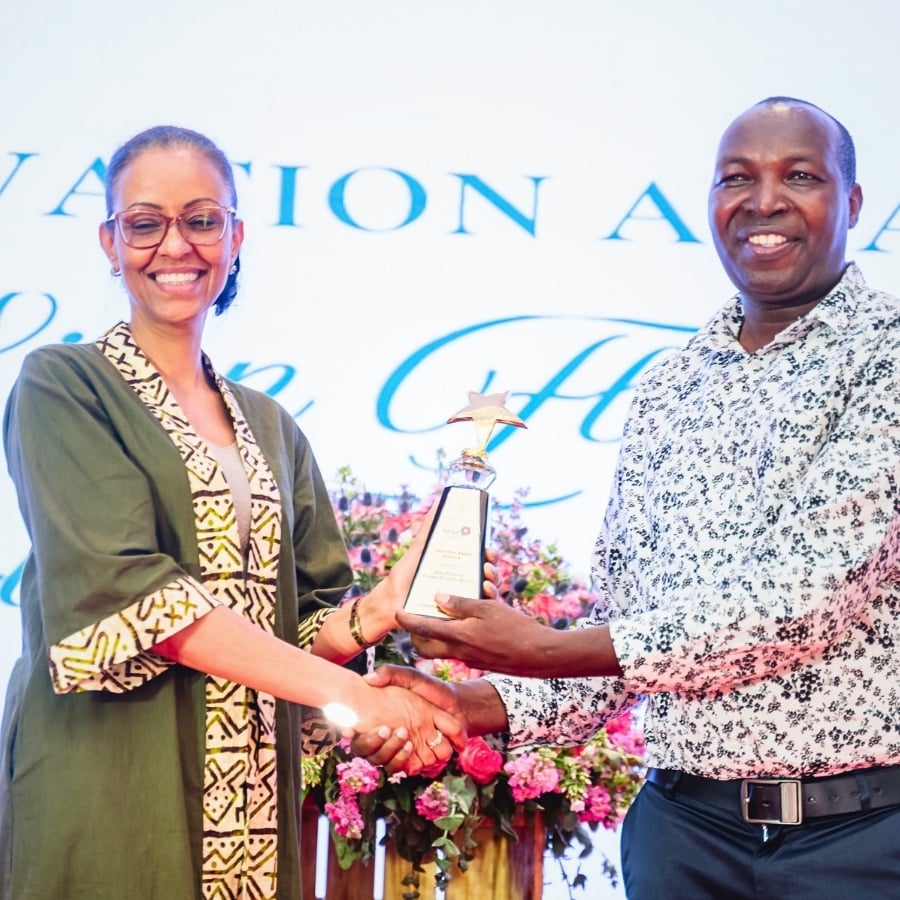
2026 Pinnacle Sustainability Award Winners
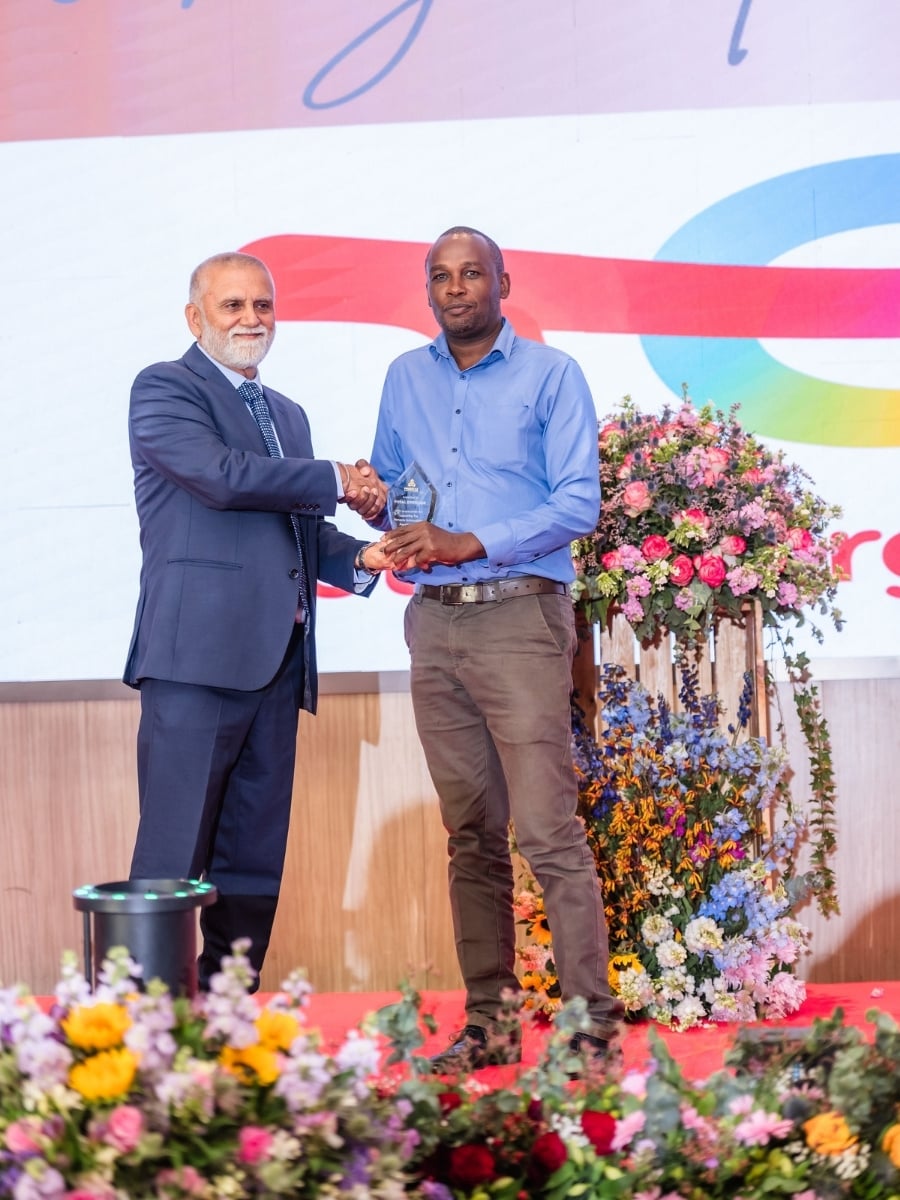
When it came to the awards, the Golden Bloom Awards, the evening's top honors, went to Kariki Ltd., for its KD Farm in Molo, in the large-scale category, and Carzan Flowers (K) Ltd., for its MR Farm in Molo, in the medium-scale category.
Category winners recognized for the strongest submissions included:
- Best Soil Health Management: Imani Flowers Limited
- Most Efficient Constructed Wetland: Carzan Flowers (K) Limited, KS Farm, Rongai
- Best Employee Welfare Programs: Red Lands Roses SEZ PLC
- Best Community Partnership Programs: Flamingo Horticulture (K) Limited, Kingfisher Farm
- Best Organic Waste Management: Rift Valley Roses (K) Ltd
- Sustainability Excellence Award, Renewable Energy and Biodiversity: Tambuzi Ltd
- Innovation Award, Producers: Sian Flowers, Maasai Flowers (K) Ltd
- Young Emerging Leaders Award: Flamingo Horticulture (K) Limited, Kingfisher Farm
- Best Sustainable Packaging: Red Lands Roses SEZ PLC
- Innovation Award, Associates: The Flower Source Limited
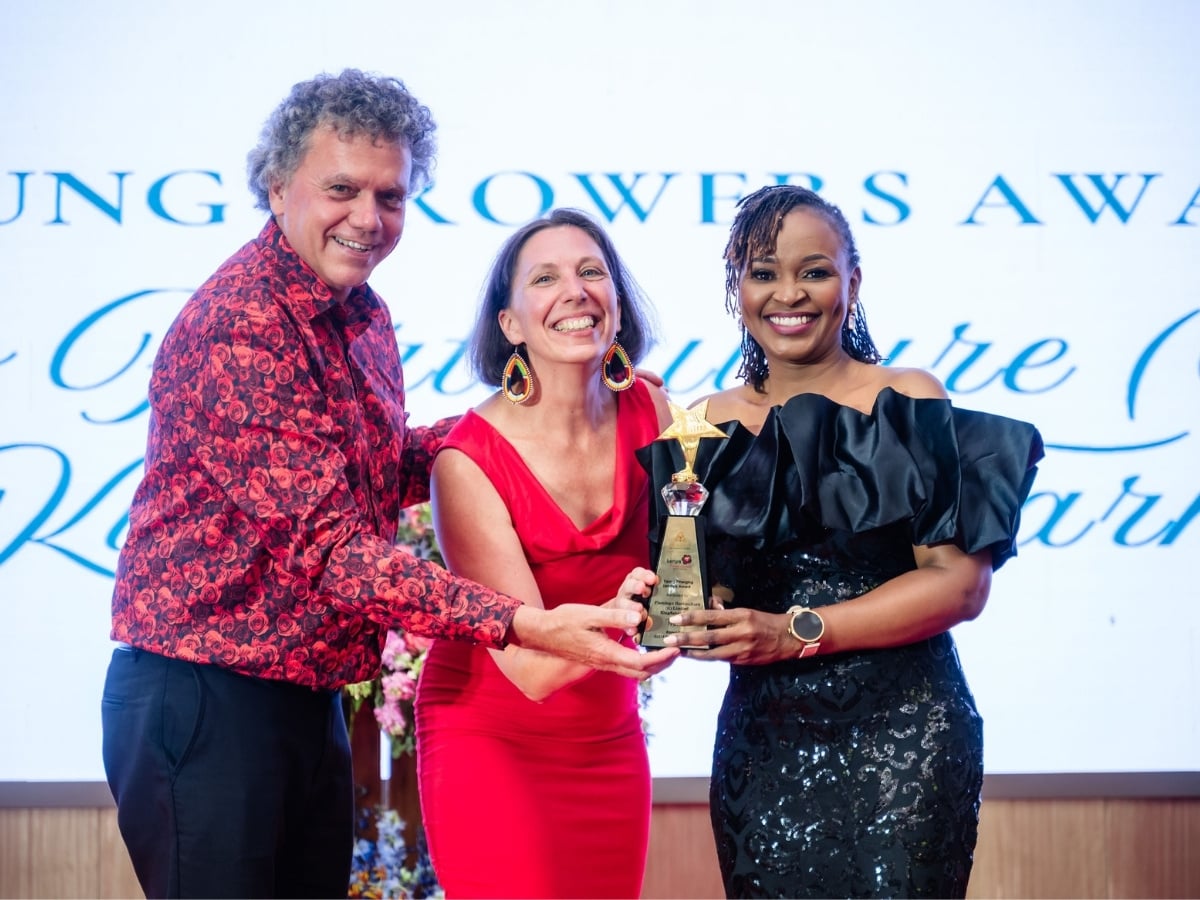
There was also the Most Improved in Non-Conformity Closure recognition, which tracks how quickly farms correct their compliance gaps. This was awarded to Pamoja Flowers Kenya Limited, followed by Cenacle Kenya Limited and Gatoka Ltd. The event also celebrated Marginpar CEO Richard ‘Kiki’ Fernandes and Inder Nain, Managing Director, Xpressions Flora Ltd, for helping build and nurture sustainability within the Kenyan floriculture landscape.
KFC also recognized the organizations that supported the KFC@30 celebrations and the 2026 Pinnacle Sustainability Awards, including I&M Bank, RentCo Africa, Royal FloraHolland, Kenya Power, TotalEnergies, Scania, Isuzu East Africa, Jubilee Insurance, Corteva, and PKF.
Looking Onward to the Next 30 Years
Both Clement and Chris used their closing comments to point onward toward the future, with the KFC CEO noting that "the KFC of 2056 cannot simply be a bigger version of the KFC of 2026." He called for even more improvement and greater investment in artificial intelligence (AI), precision agriculture, and workforce development.
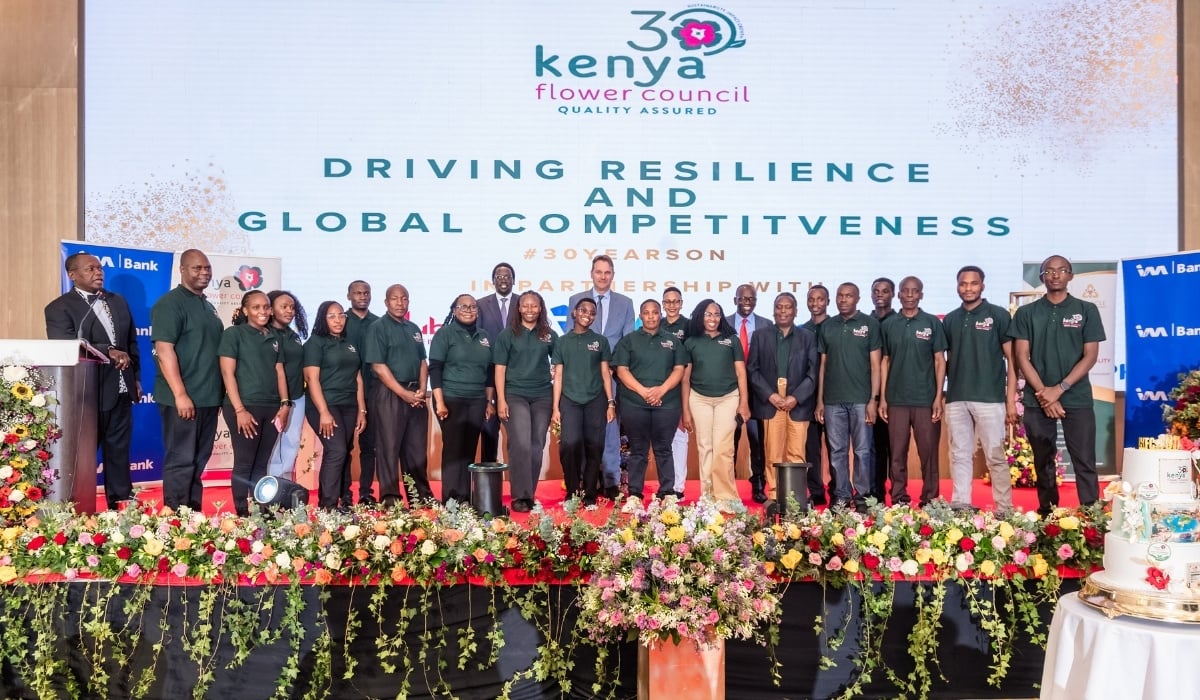
Chris, on the other hand, asked the Council's board and committees to view the 30th anniversary as a starting line, with new markets in sight, greater community investment, and a stronger industry to pass on to the next generation of growers. But even then, all the events of the evening pointed to the idea that Kenya's flower sector has established a credible sustainability record over three decades, and its subsequent chapter will be judged on how this record grows and keeps pace with the evolving global flower market.