In 1996, a small group of Kenyan flower growers and exporters came together around an idea that, at the time, seemed rather too ambitious to achieve. They realized that Kenya's fast-developing flower industry needed not only commercial success but also a credible industry institution that is capable of representing growers, establishing standards, and ensuring responsible flower production (while strengthening it).
30 years later, this organization, now the Kenya Flower Council (KFC), represents roughly 80% of the country’s flower industry, playing one of the most important roles in maintaining Kenya’s position among the top four cut flowers and ornamentals exporters globally. This year, the Council marks its 30th Anniversary, with the main event taking place during the 2026 annual Pinnacle Sustainability Awards. The Anniversary tells the whole story of how Kenyan floriculture has grown and what it looks forward to.
The Association Behind This Globally-Recognized Flower Industry
Kenya's flower industry has helped position the country among the world's leading cut flower exporters, generating roughly USD 845 million in export earnings in 2025 alone. Back home, the sector supports hundreds of thousands of jobs directly and sustains over a million livelihoods across farms, packhouses, logistics and other related services.
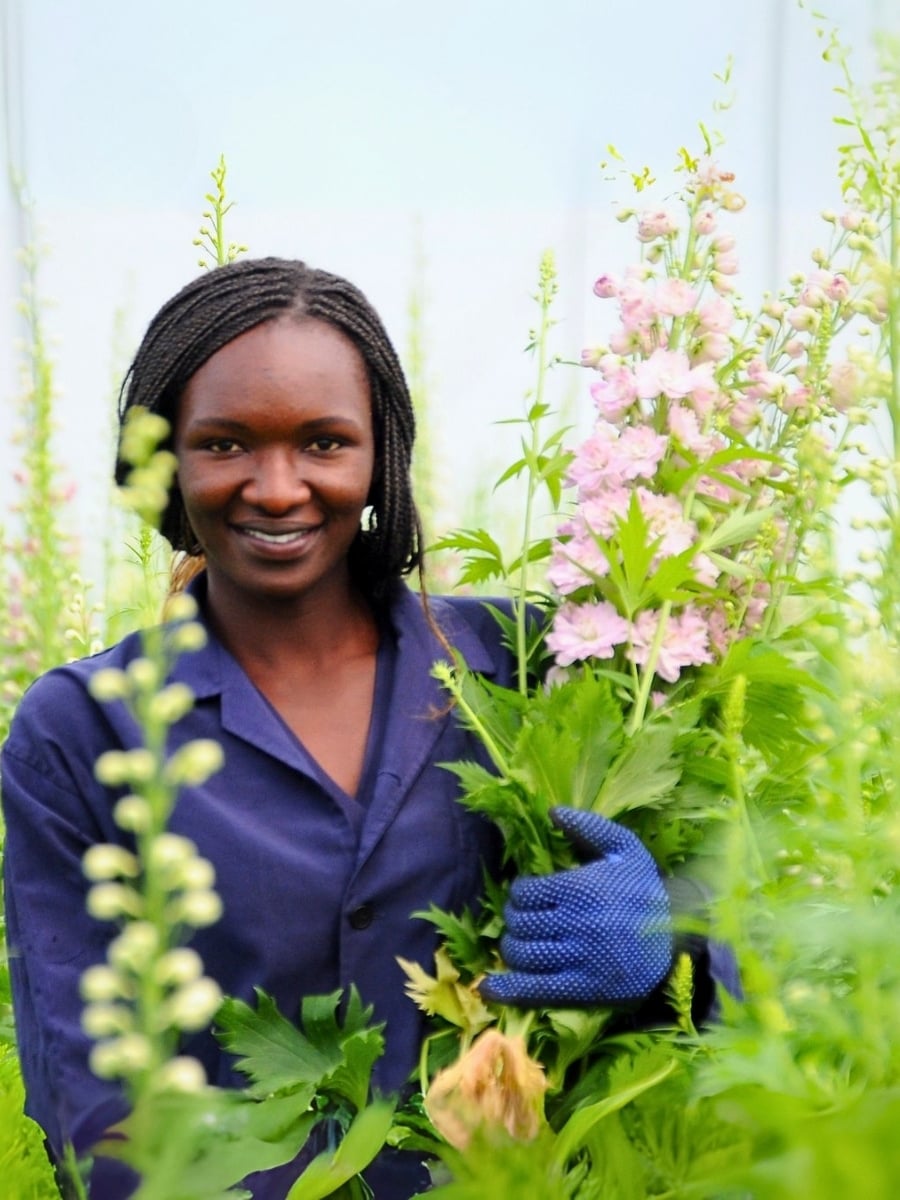
KFC’s role in the growth of this sector into one of the economy’s mainstays tells only part of the industry’s story. The Council's larger contribution has been driving the industry, helping it move from individual farm practices toward a more organized collective system that is built around representation, sustainability assurance, certification, market access and, perhaps most importantly, continuous improvement.
This means that at 30, KFC is not just marking its longevity, but also three decades during which expectations placed on flower producers across the East African country have changed significantly, and during which Kenya has kept adapting and reinventing itself to remain a serious player in international floriculture. All that can be seen.
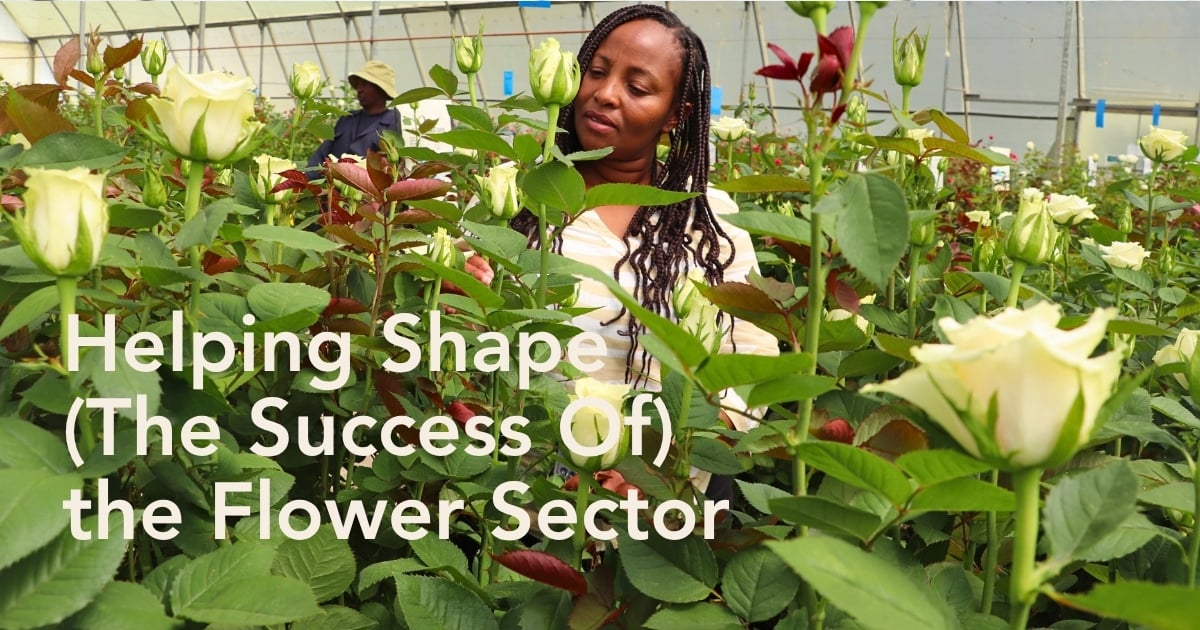
Kenyan flowers are also a major economic story in their own right. The sector not only supports more than 200,000 jobs and sustains over a million livelihoods when packhouses, cargo handling, logistics, and input suppliers are factored alongside the farms themselves, but also has women making up more than 60% of the workforce. They form the core of daily production.
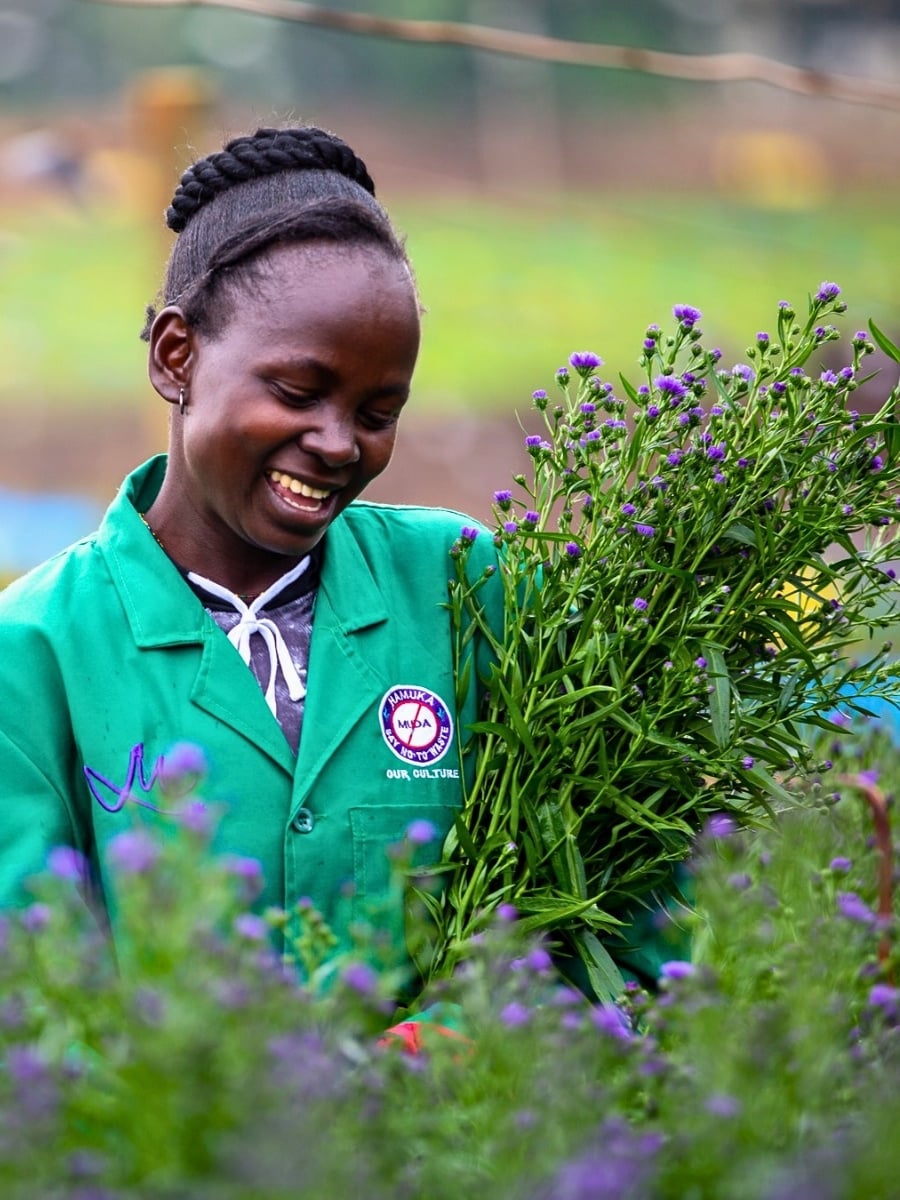
These reasons, and the magnitude of the responsibilities involved, explain why an organization capable of representing the industry collectively, as opposed to using a farm-by-farm approach, has proven to be so important over the roughly three decades of the sector's exponential growth, expansion, and development.
Growth From a Code of Practice to an Internationally Benchmarked Standard
One of the strongest threads running through KFC's 30-year journey is standards. They weave themselves throughout the Council's history. KFC’s original Code of Practice was established in 1996 to guide safer, more responsible floriculture. In May 2014, this code was formally renamed the Flowers and Ornamentals Sustainability Standard, known as FOSS, which echoed the Council’s wider scope covering social responsibility, environmental performance and Good Agricultural Practices.
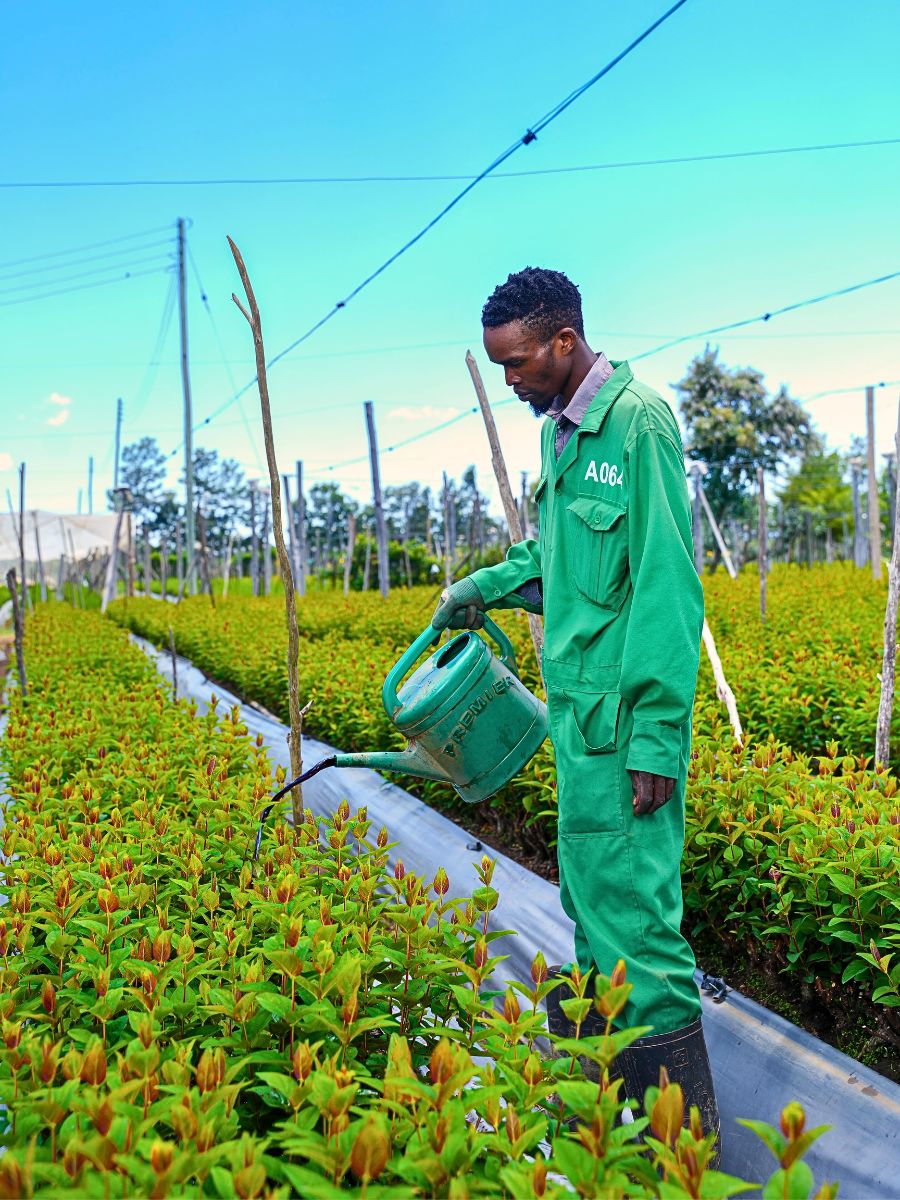
FOSS has significant influence internationally. Its certification scheme has been accredited by the South African National Accreditation System (SANAS) since August 2008, and it is benchmarked against GLOBALG.A.P.'s Integrated Farm Assurance standard for flowers and ornamentals. FOSS is also part of the Floriculture Sustainability Initiative's (FSI) Basket of Standards and, as of December 2025, gained recognition under the Consumer Goods Forum's Sustainable Supply Chain Initiative for social compliance. KFC is also updating FOSS against SSCI Social Criteria v2.1 and Environment Criteria v2.0.
Why, one would perhaps ask, do these milestones matter? It is all because international flower trade runs on trust that has to be established and proven, as opposed to just being claimed. Retailers want confidence that the flowers they buy were grown under systems addressing worker welfare, environmental management, and responsible farming, and growers need assurance of systems that markets really recognize. Yet FOSS progressively guarantees that.
Supporting the Industry’s Collective Voice Alongside Certification
But the Council's role has always extended even past standards and audits. For its three decades of being, KFC has engaged in trade facilitation, government relations, market access, sector data and policy advocacy on behalf of an industry that relies on, and is governed by, collective action.
Alone, a grower cannot negotiate national trade arrangements or shape phytosanitary policy in a destination market. The Council's value is, therefore, partly in bringing growers together around shared interests while connecting the industry to regulators, buyers, certification bodies, development partners and investors, and the global markets, whether they are traditional markets or new, emerging ones.
Silver and Gold Certifications as a Starting Point
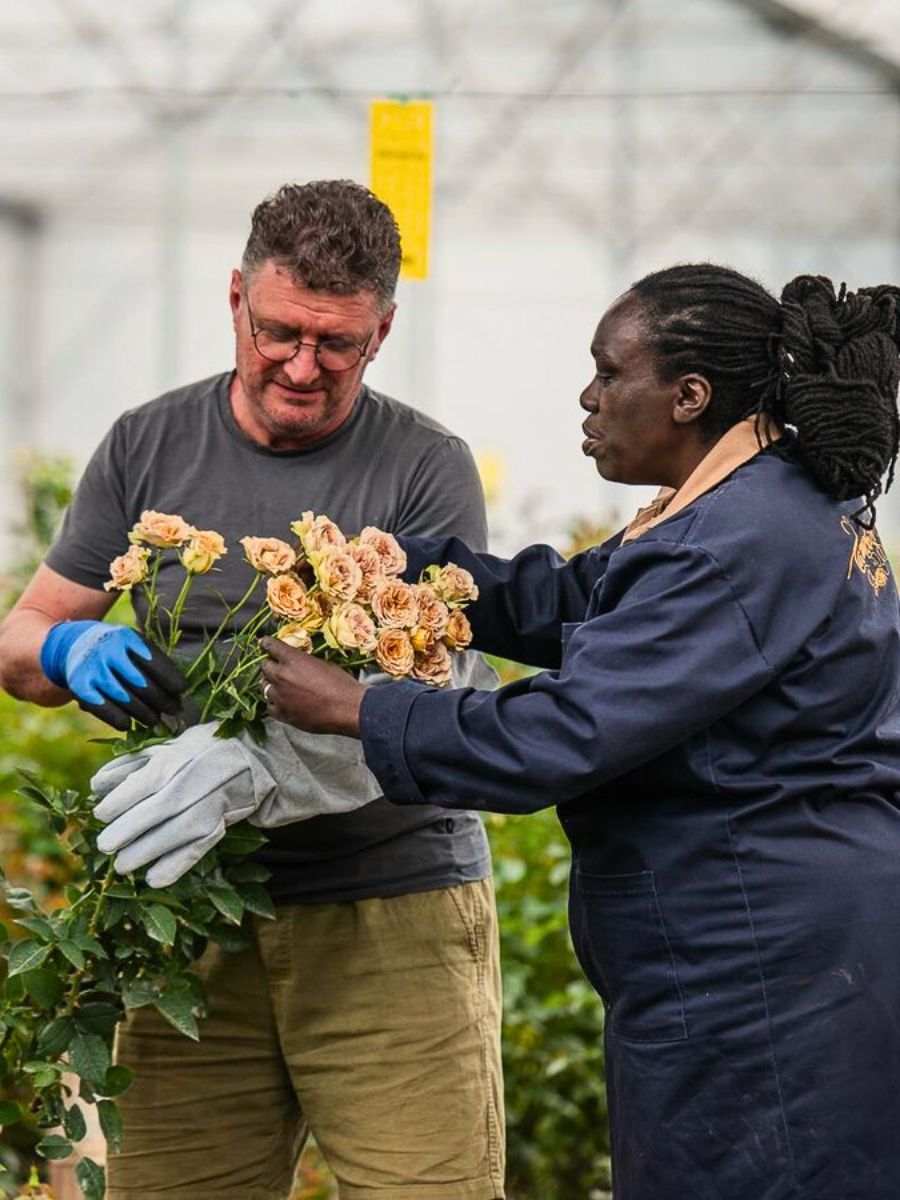
FOSS certification works through two levels, Silver and Gold. Silver establishes the applicable requirements a producer must meet across environmental, social, and Good Agricultural Practice areas. Gold, on the other hand, goes further, requiring additional criteria that establish and validate higher levels of sustainability performance, such as advanced resource efficiency, biodiversity programs, and quantifiable carbon reduction.
This distinction has nothing to do with farm size, but reveals the depth and comprehensiveness of the practices in place. It also communicates something important about the Council's sustainability philosophy, in that certification should not become where improvement ends. Water use can grow even more efficient, energy systems cleaner, waste better managed, worker wellbeing stronger, plant protection can be more targeted, biodiversity can be restored effectively, and management systems can be made more data-driven.
People Are at the Center of Kenyan Flowers
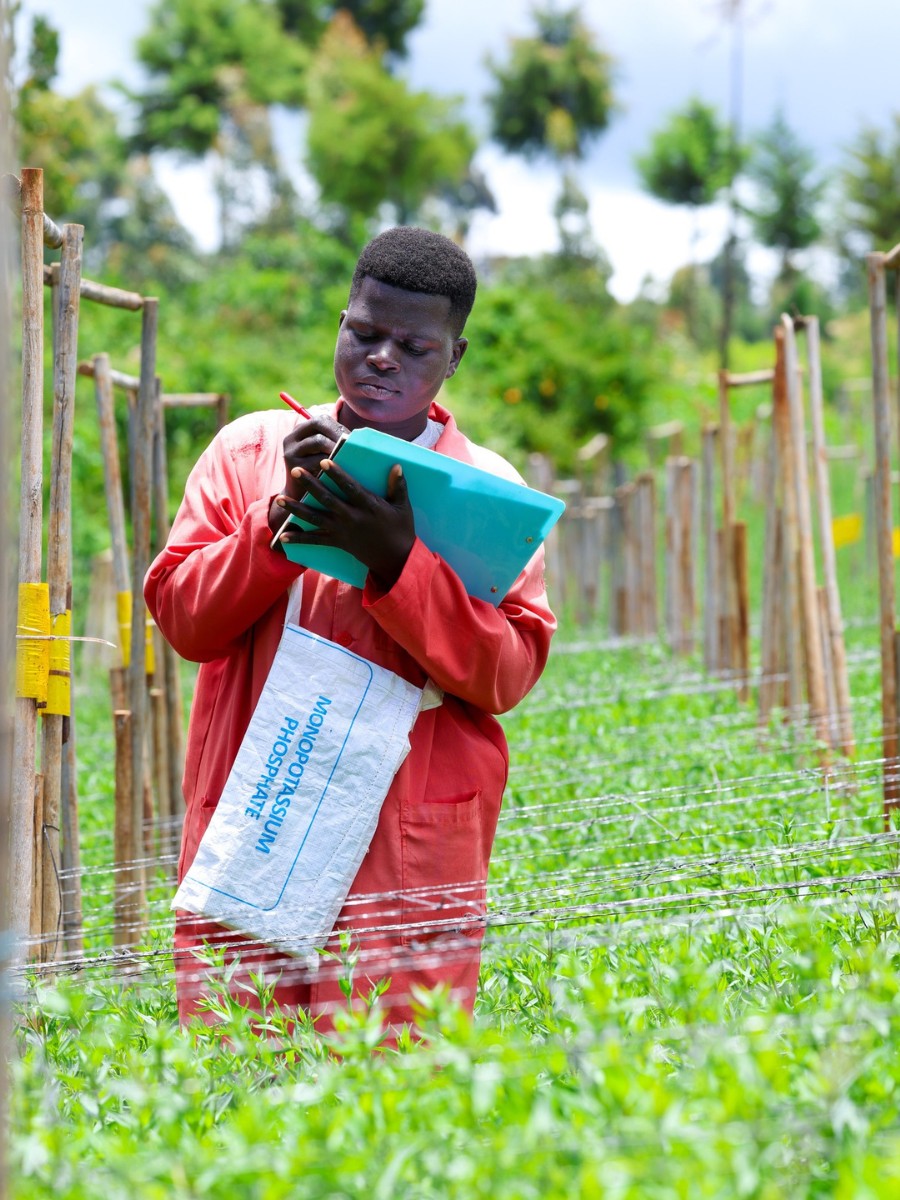
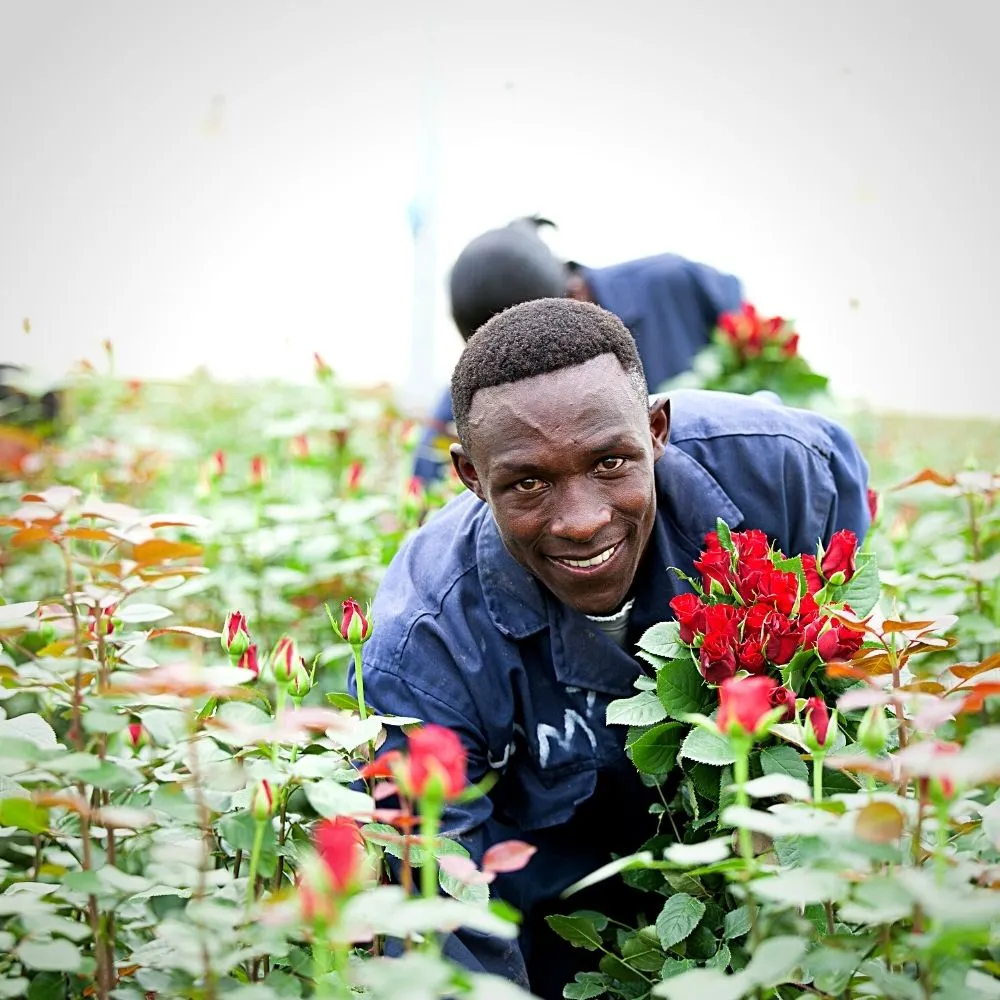
Because standards and statistics only tell part of the whole story, there is more that KFC does that has to be noted. Flowers are grown by people, and social sustainability is at the very heart of what FOSS was established and designed to protect. Workers propagate plants, monitor crops, manage irrigation, oversee pest control, harvest flowers, grade them, and prepare shipments that connect Kenya to customers globally.
FOSS incorporates social requirements alongside environmental and Good Agricultural Practices criteria. It covers fair wages, health and safety, and freedom of association, while its Gold framework pushes further into community engagement, career development, and healthcare and worker welfare.
For international buyers, the story of a flower is increasingly important almost as much as the flower itself. Yet for Kenya, it matters even more, because the industry's long-term credibility depends on whether growth benefits the people producing it as much as the businesses exporting it.
Environmental Performance and Buyer Confidence
The environmental questions facing floriculture today are very different from those of 1996. Water management has become more urgent, energy efficiency now affects both environmental performance and production costs, and crop protection is experiencing fast regulatory change in key export markets.
KFC's standards have evolved alongside these pressures. Recent reporting on the Council's membership points to widespread adoption of integrated pest management, efficient irrigation systems, and renewable energy sources among certified farms, which are practices (and facts) that continue to be verified and updated as the growers make improvements.

This idea and direction are important commercially, just as they are environmentally. Efficient water use reduces operational risk, while renewable energy improves resilience against rising costs, better biological pest control reduces reliance on chemical interventions, and sustainable packaging answers retailer demands while cutting resource use.
For those navigating tightening regulations, from European sustainability rules to phytosanitary requirements, FOSS certification therefore offers assurance that Kenyan flowers are grown responsibly and can be traced back through a credible system. Sustainability, in other words, has become part of how the industry competes and not just a condition for market entry.

Yet, as it is already clear, FOSS’ Silver and Gold Certifications are the starting points, while compliance with these certifications is, in itself, a continuous journey. A credible sustainability system creates a foundation and then continually raises the bar and ambition even higher. This philosophy (of continuous improvement) is what connects FOSS to one of KFC's newer initiatives, the Pinnacle Sustainability Awards.
Giving the Industry a Platform to Reward Its Own Excellence
The Pinnacle Sustainability Awards were created around the idea that an industry investing so much knowledge, capital, and effort into sustainable and responsible floriculture production should also have a way to recognize the people and organizations driving this progress.

The awards examine a different question from what standards and certification do. Instead of seeking to know whether a farm has met a standard, they focus on what the industry players are doing exceptionally well, and how this excellence can inspire others to emulate. Continuous improvement at play!
The program has grown quickly since its first, Council-led edition, when winners were identified through performance observed during certification audits. A second edition opened nominations to members directly, drawing 25 producer members across nine categories.
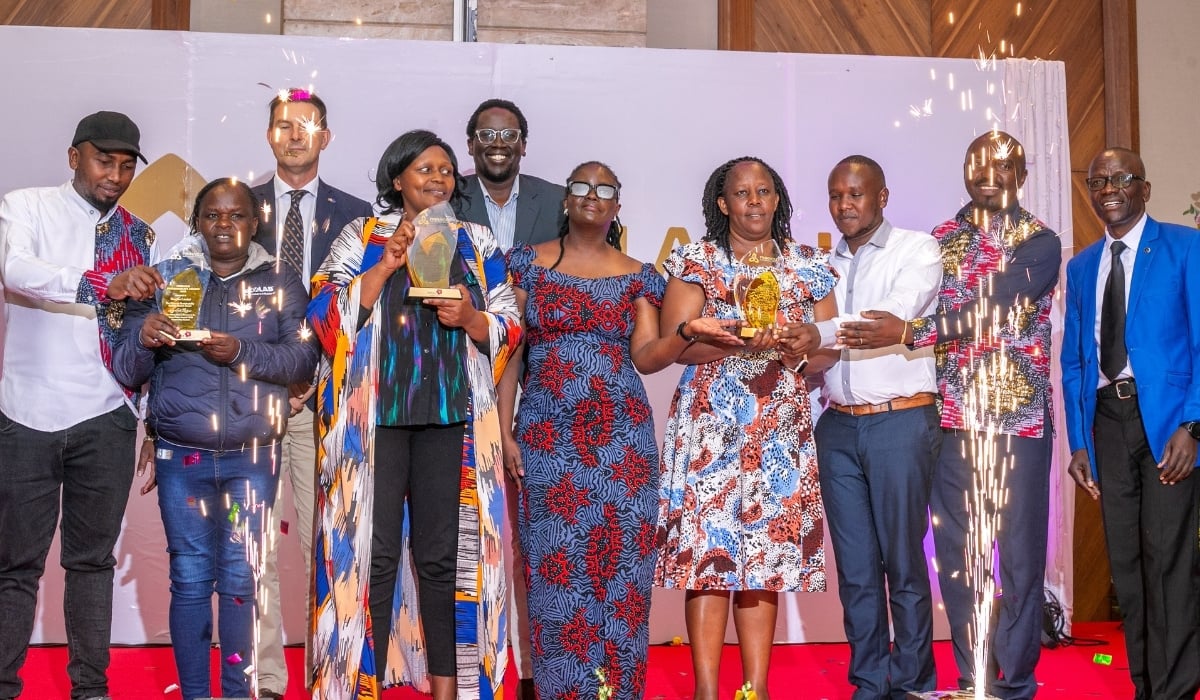
The 2026 Pinnacle Sustainability Awards, themed ‘Driving Resilience and Global Competitiveness, 30 Years On,’ take them a notch higher, making them more comprehensive and inclusive. For the first time, associate members have a tailored Innovation Award of their own, acknowledging that innovation in floriculture also extends from the farms to the businesses and services that support the sector.
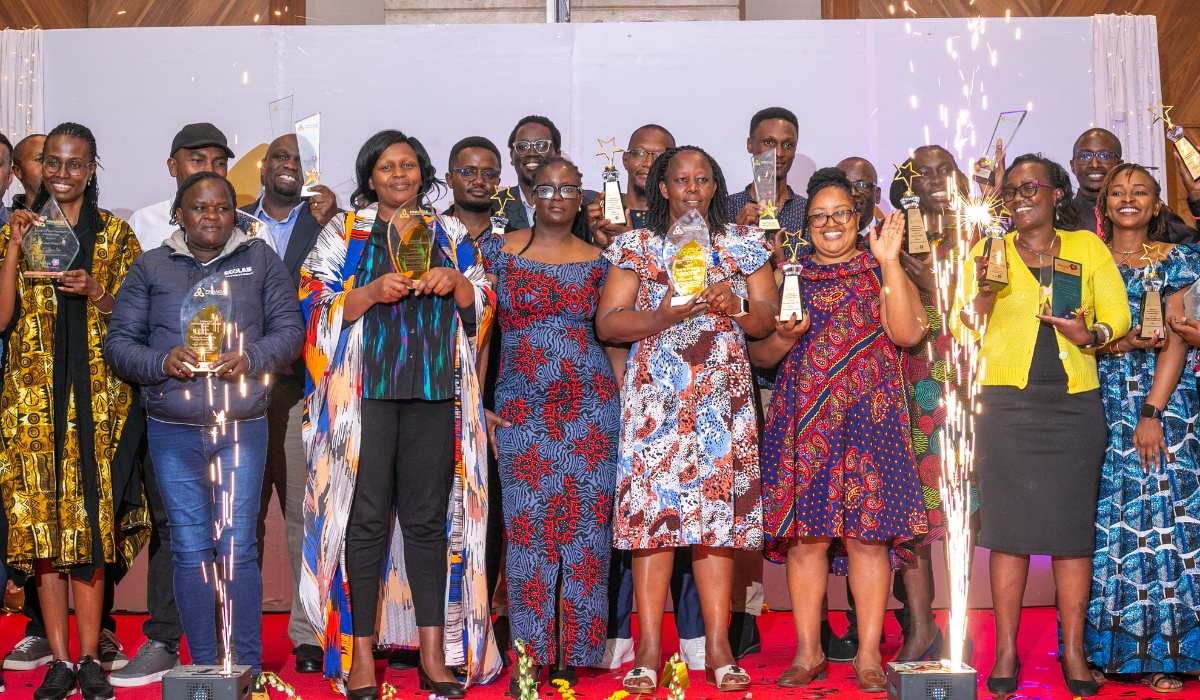
The Innovation Award is therefore presented in two categories:
- Innovation Award – Producer Members
- Innovation Award – Associate Members
These bring the total to 11 categories, which cut across the full range of sustainability direction in practice, and recognize different scopes of excellence across the Kenyan floriculture value chain. The overall categories are:
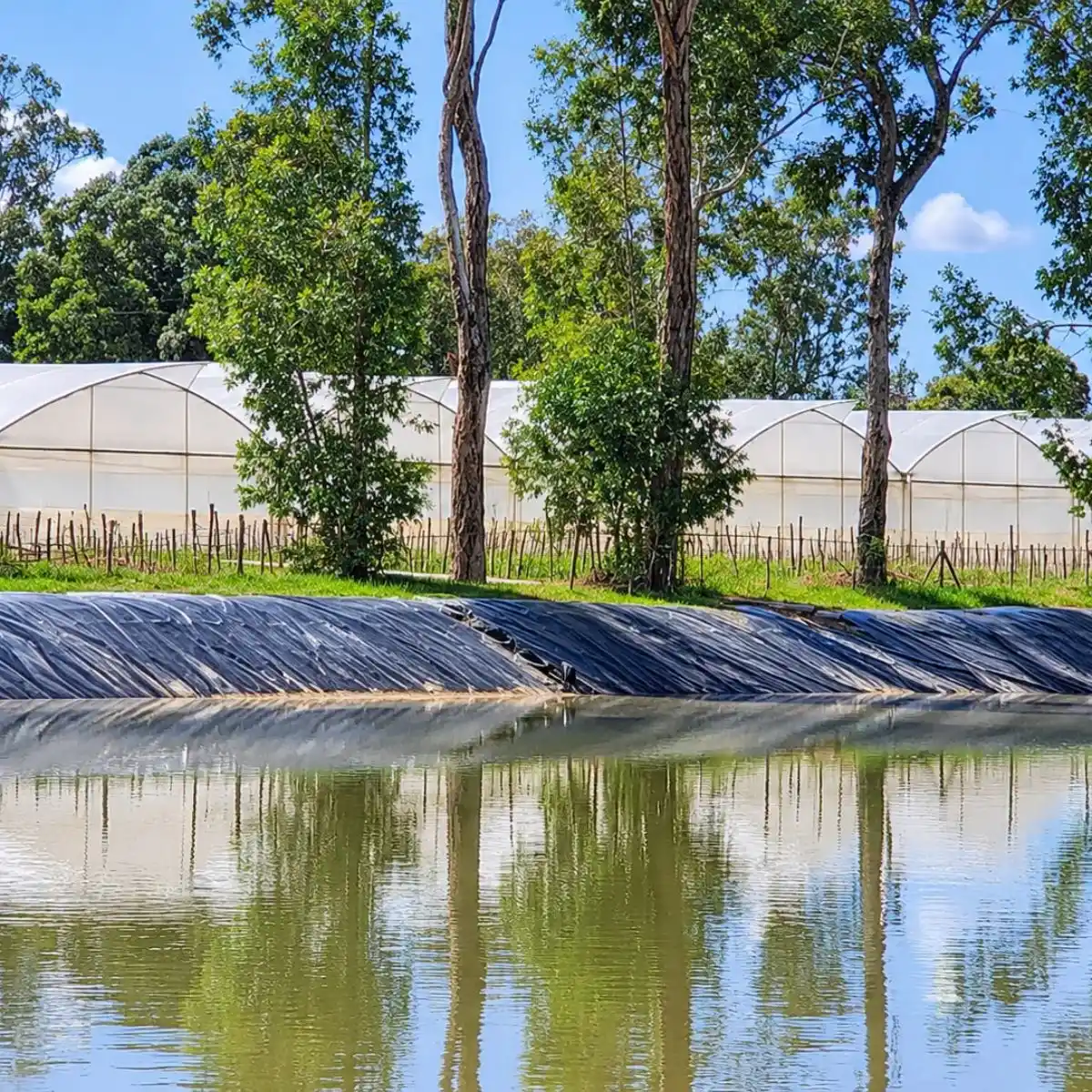
- Most Efficient Constructed Wetland
- Best Sustainable Packaging
- Best Soil Health Management
- Best Employee Welfare Programs
- Best Community Partnership Program
- Best Organic Waste Management
- Sustainability Excellence Award – Renewable Energy and Biodiversity
- Innovation Award – Producer Members
- Innovation Award – Associate Members
- Young Growers Award
- Golden Bloom Awards
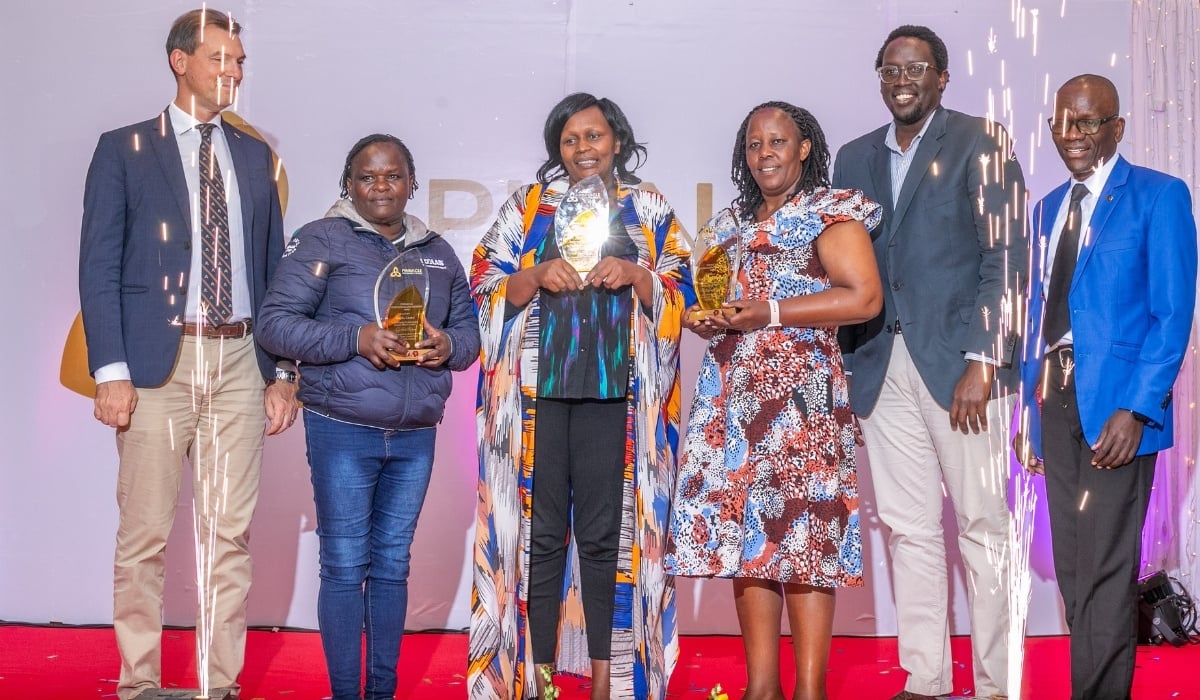
For some insight, the Golden Bloom Awards recognize farms with exceptional audit results, specifically the fewest non-conformities, judged separately across large, medium, and small-scale categories. In 2025, the recognition went to Timaflor Limited (large scale), Kariki Ltd's KR Farm in Juja (medium scale), and Jangwani Roses PLC (small scale), which drew a connective link between certification performance and industry recognition.
Judging across all categories, notably, remains fully independent of the Council, with submissions assessed on impact, innovation, scalability, and alignment with FOSS and other international standards, as well as the quality of supporting evidence.
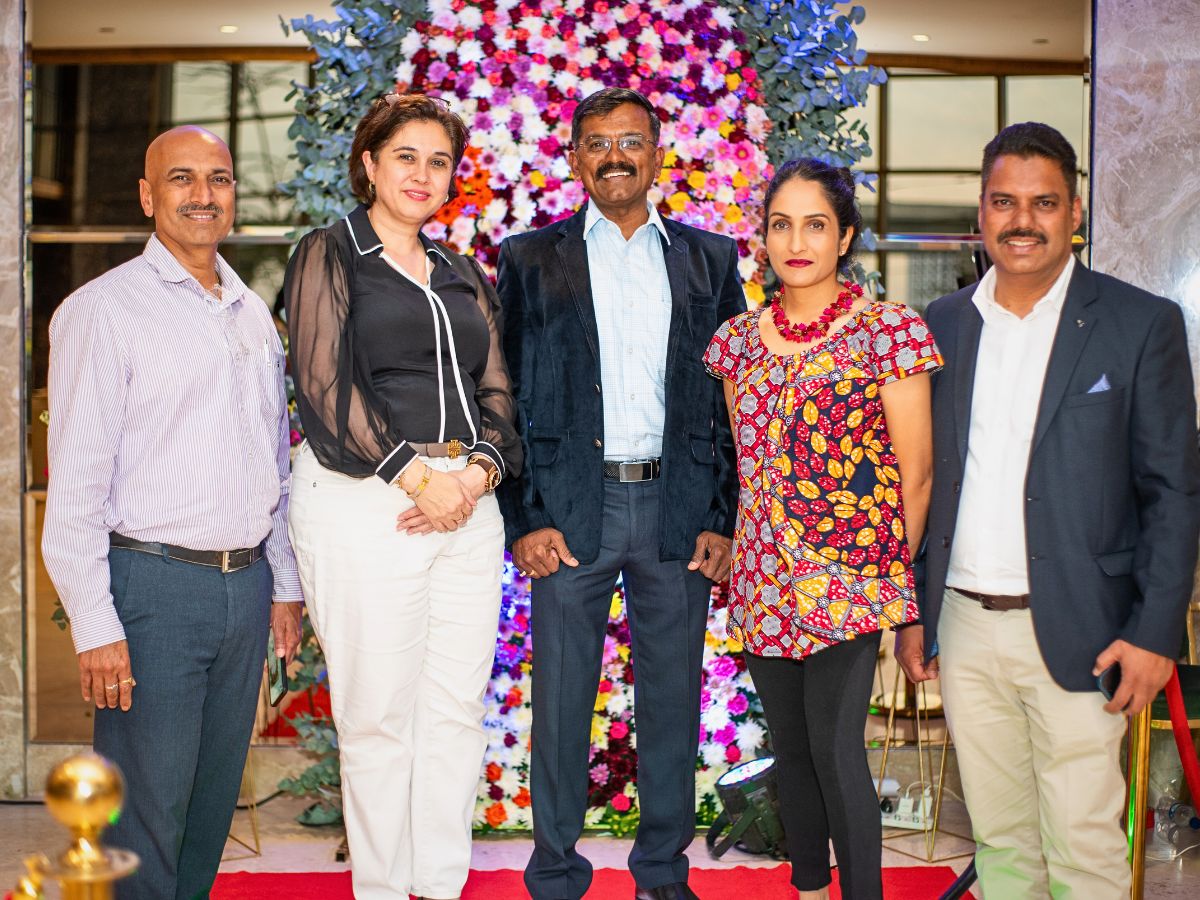
Pinnacle Sustainability Awards and the Impact of Learning From Peers
But more than producing winners, the Pinnacle Sustainability Awards provide a peer-learning and benchmarking platform, which is perhaps the most significant development in the whole idea. Its participatory approach was designed to encourage sector-wide knowledge-sharing and for participants to benchmark against each other.
When the awards opened to member nominations, the idea was not only to create competition but also to give members a clear view of what excellence looks like from within their own industry, as opposed to just through an audit report. The 2025 edition showed this potential. But it has grown even more in the 2026 edition, with farms studying past winners and examining what they are doing right that their peers could also learn from.

This development has seen the Awards become more than just a once-a-year event, and they are now a continuous mechanism for learning and improvement. They push the flower farms to progress further, from meeting the foundational requirements of FOSS Silver into pursuing Gold-level performance and even further. Their point is to make excellence more visible and therefore reproducible across the sector.
Why the Next 30 Years Will Demand Even More
KFC's 30th Anniversary is as much about the future as it is about the past, because the environment facing Kenyan floriculture is fast changing. Climate change is intensifying pressure on water, production systems and pest management, while European and other markets continue revisiting issues like pesticides, residues, carbon performance, social due diligence and supply-chain transparency.
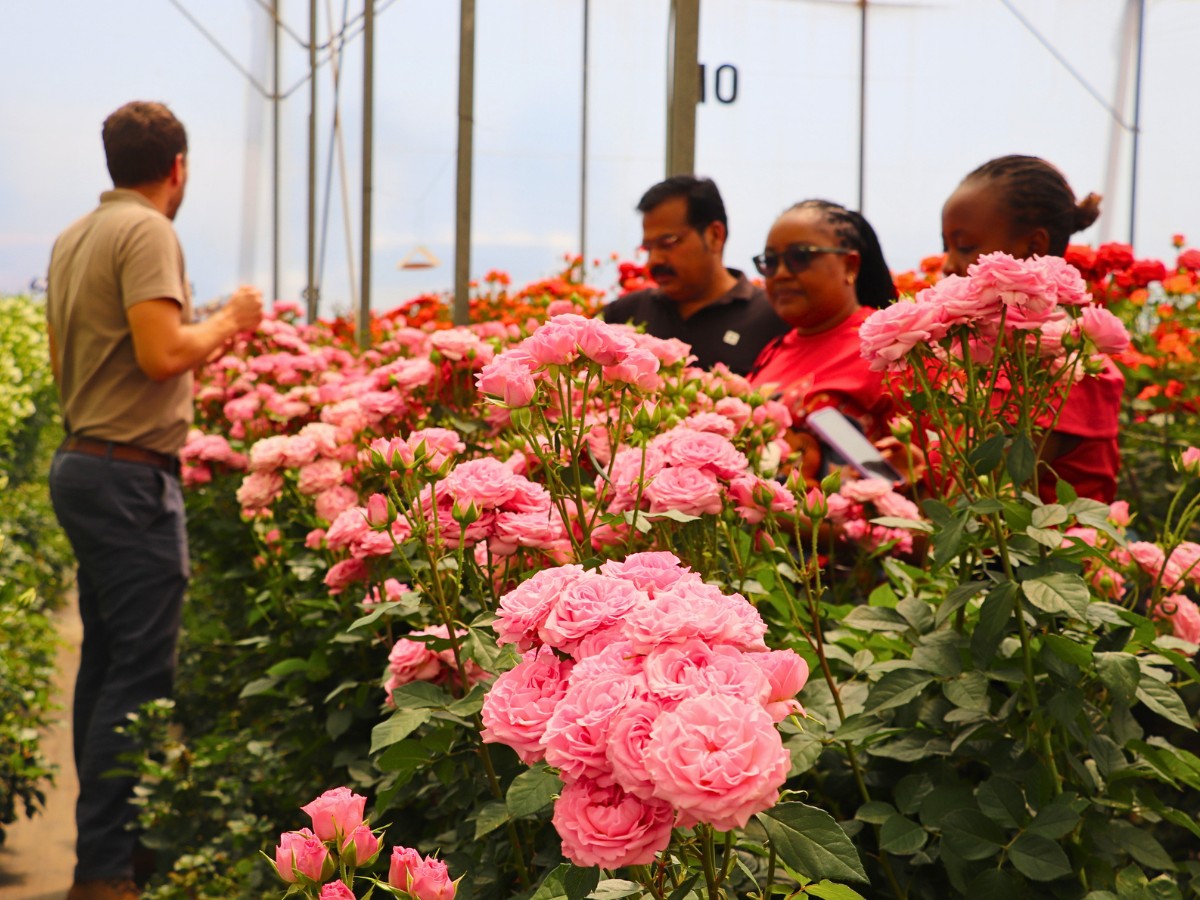
Freight costs and capacity also remain commercially important, while sea freight and other lower-carbon logistics solutions continue developing, just as much as digital certification and better sector data increase expectations for credible evidence. Meanwhile, Kenya must continue growing new and emerging markets while protecting long-established relationships with European buyers.
So, the next stage of KFC's work should be measured not just by how many farms hold certificates, but by whether Kenyan floriculture becomes more resilient, data-driven, inclusive, more innovative, and easier for global customers to trust. Small and medium-sized growers must also be part of this journey, since making credible sustainability systems accessible even beyond large operations strengthens the depth and resilience of the industry and expands the community of Kenyan growers able to participate confidently in demanding markets.

KFC’s 30-Year Institution Is Still an Unfinished Journey
Perhaps the strongest lesson from KFC's three decades is that sustainability is never finished. A standard made in 1996 could not remain unchanged and still be relevant in 2026; certification cannot remain credible without independent oversight and continuous improvement; an export industry cannot remain competitive without constantly adjusting to markets; and leadership cannot simply celebrate yesterday's achievements, but must anticipate future risks.
The Pinnacle Sustainability Awards are, therefore, a fitting part of KFC's 30th Anniversary. They recognize achievement, but more importantly, create ambition. They show growers what is possible and bring innovative practices into public view, while recognizing workers, farms and businesses whose ideas can influence the wider industry. They also reinforce the principle that certification should be a platform for improvement and not the end of the sustainability course.
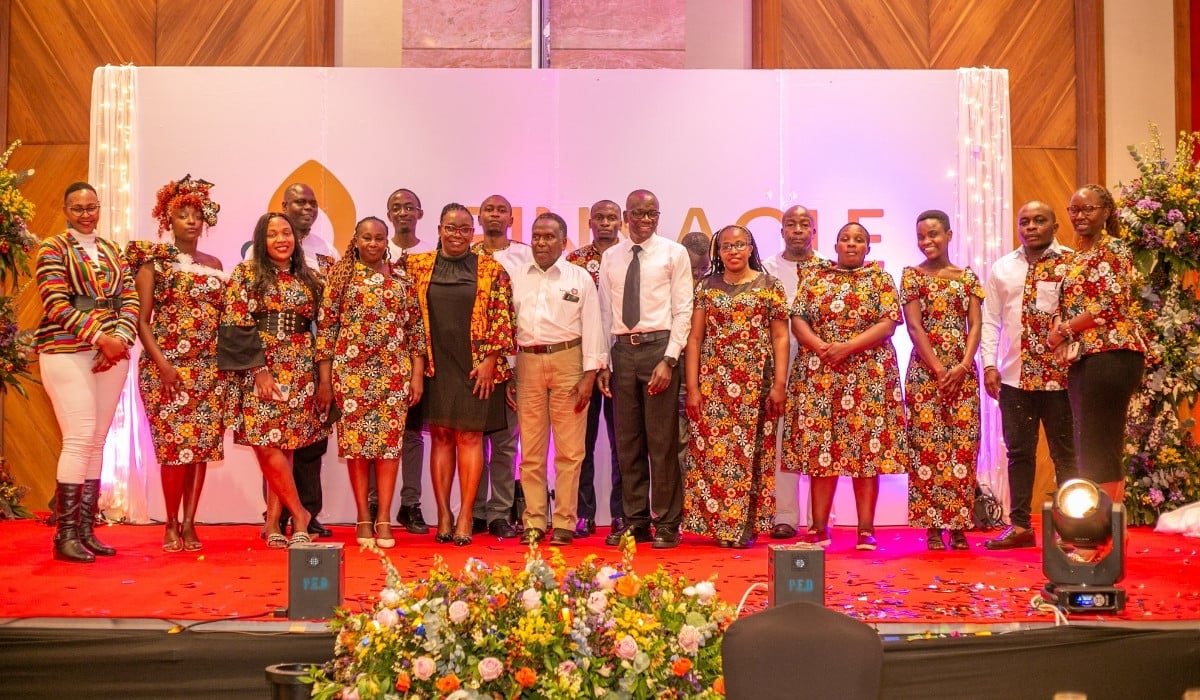
KFC marks 30 years, but the whole idea is much more than just about an Anniversary. It is about an industry that has progressively grown and organized itself around standards and global market expectations, growers and workers who have adapted through successive periods of change, and a Kenyan institution that has sought to give the industry a collective voice and a credible framework for responsible floricultural production.