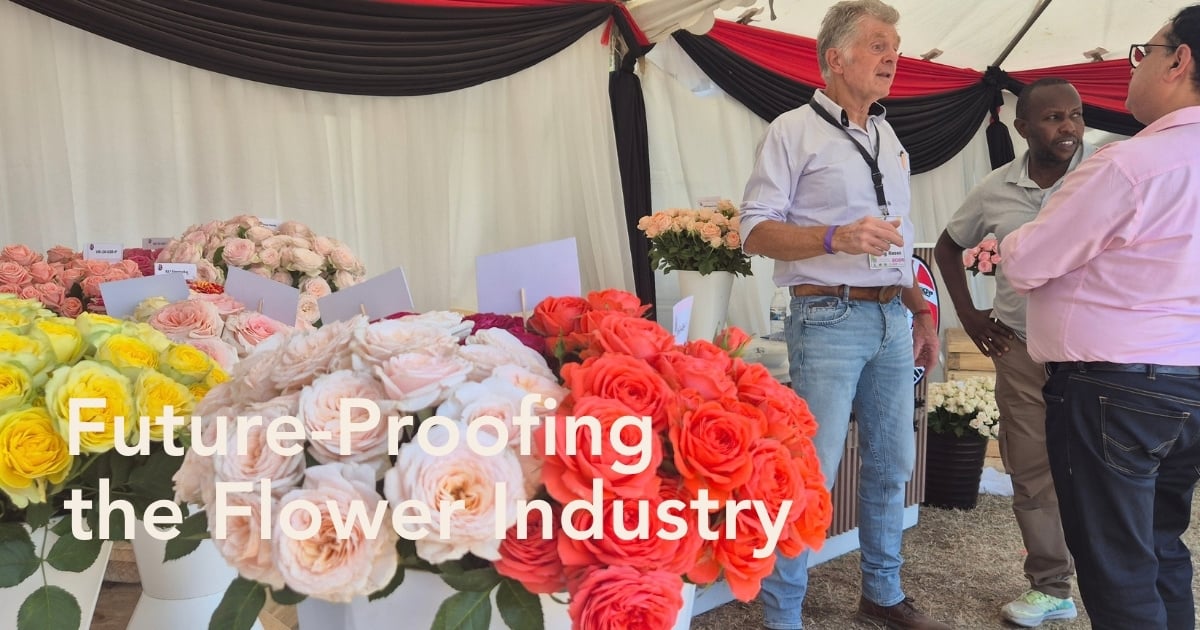
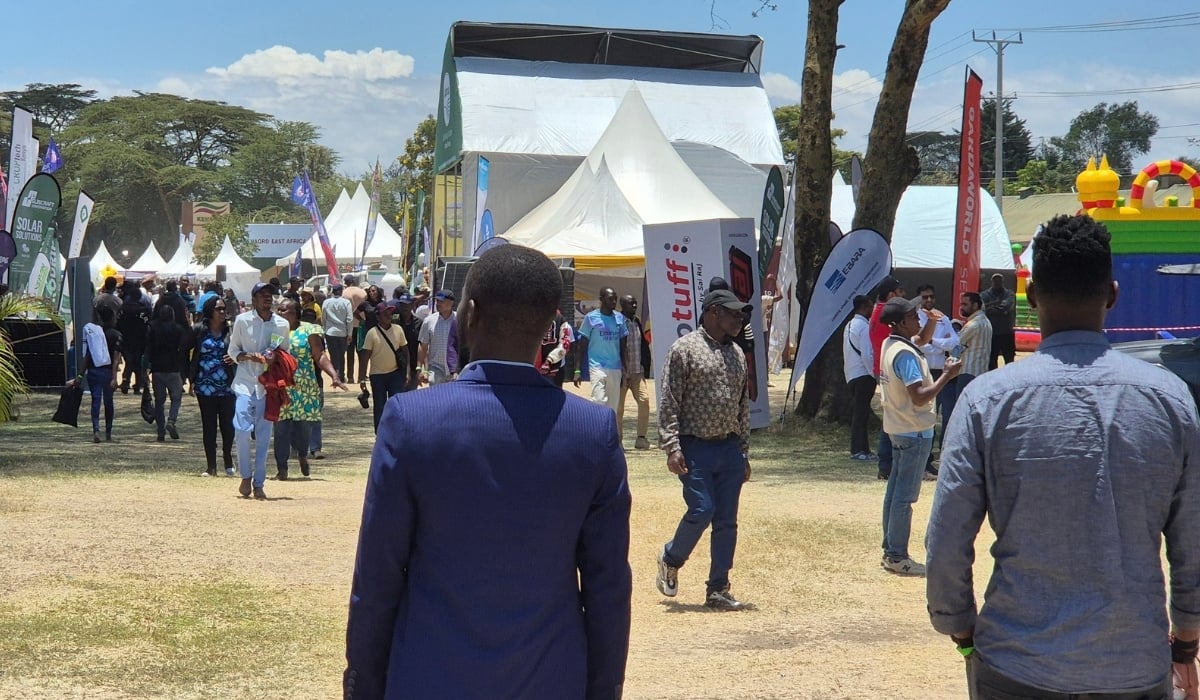
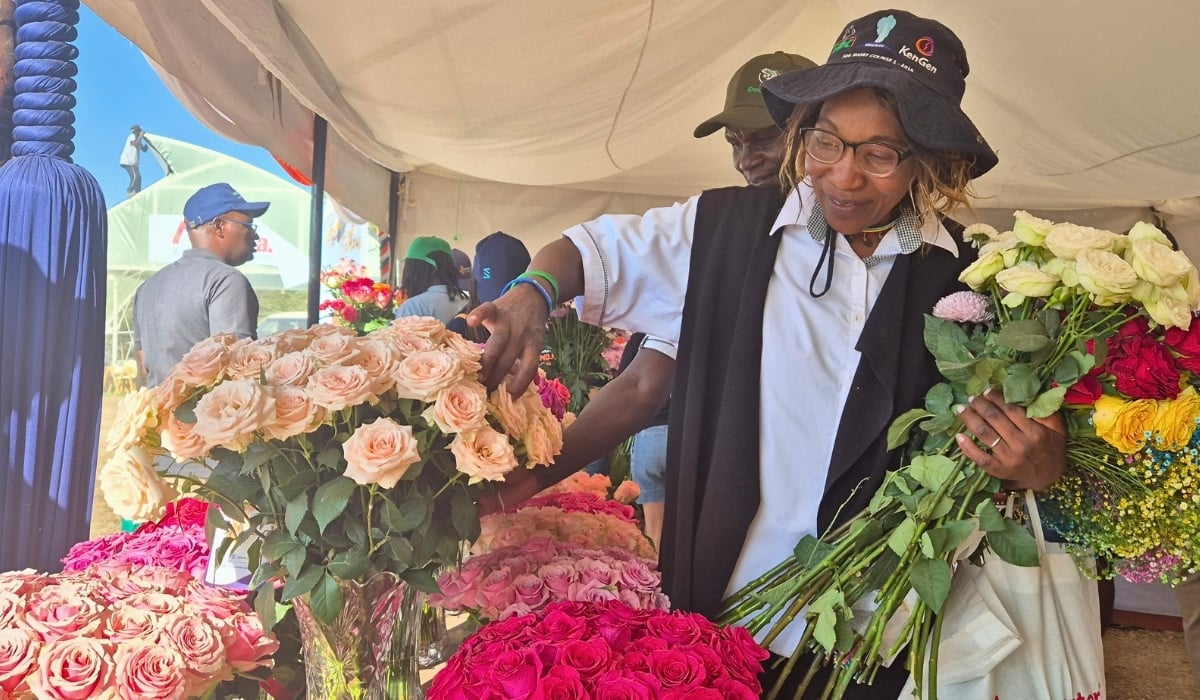
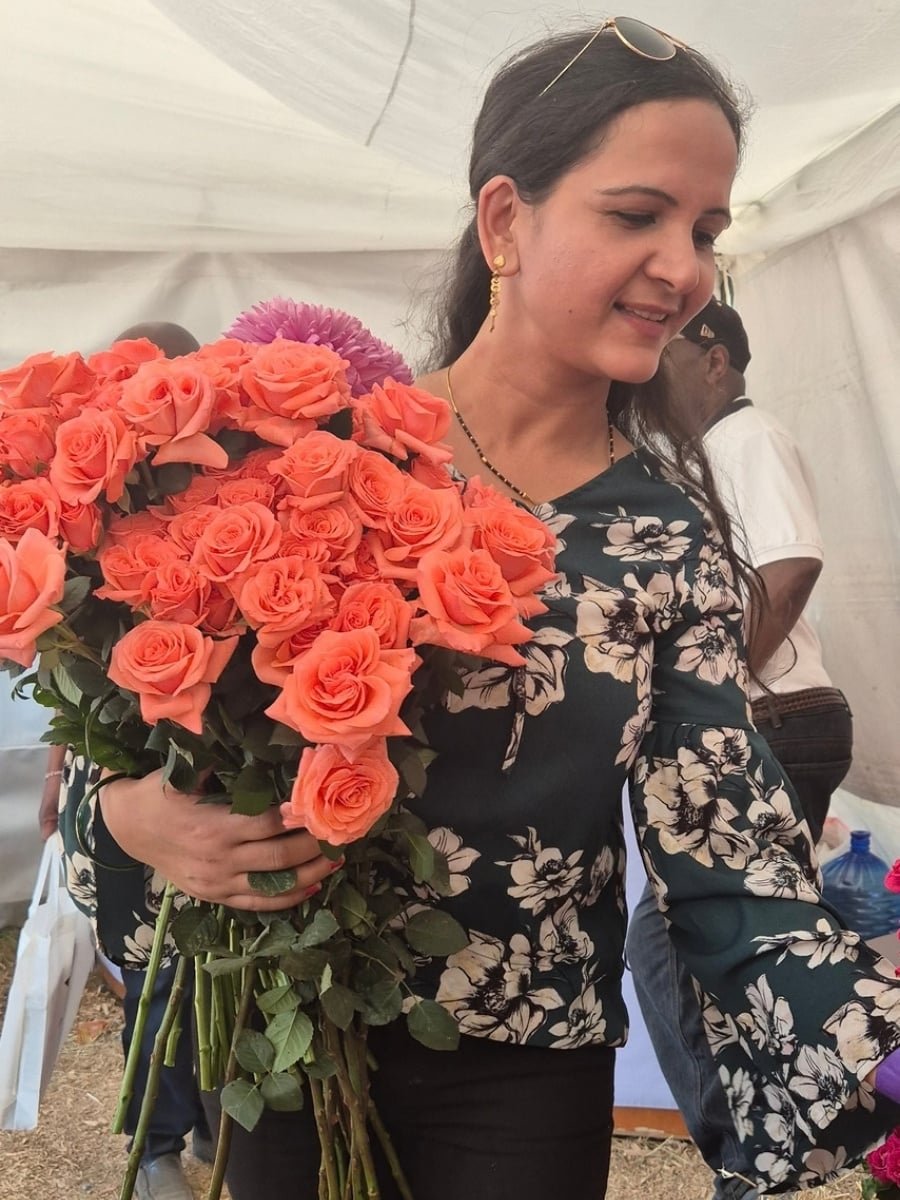
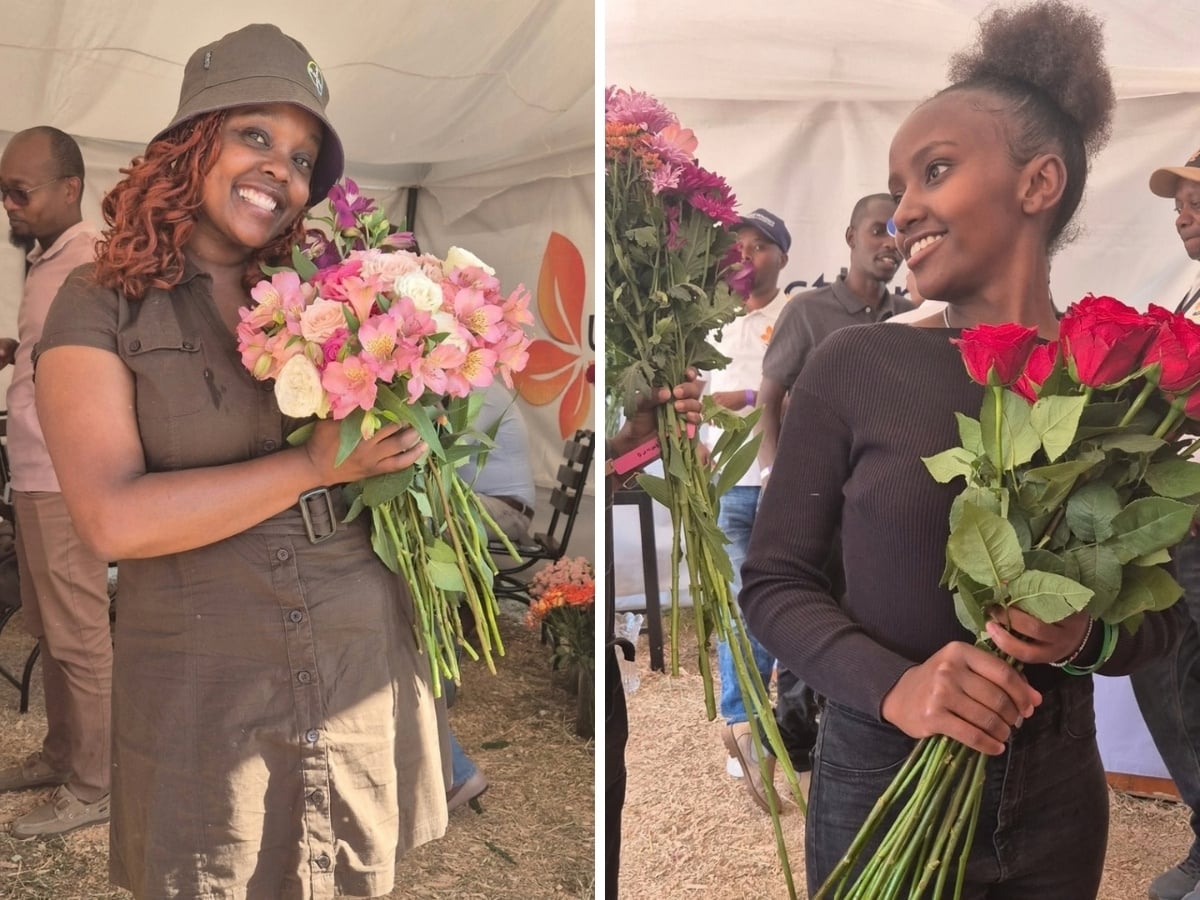
On September 18th and 19th, 2026, the 23rd edition of the Naivasha Horticultural Fair took place in Kenya's premier floriculture town, Naivasha. An outdoor event held under the sunny skies just outside the town, this event, one must admit, is really growing in popularity; perhaps because it is outdoorsy in nature. John Pouw, the Licensing and Marketing expert at Viking Roses, even made reference to this.
But that aside, despite being a generally horticultural (and even agricultural) event in nature, the fair pointed to a transformative era for the Kenyan floriculture sector. Set against the backdrop of Lake Naivasha – without a doubt the historical heartbeat of Africa’s flower production – the fair brought together well over 300 exhibitors from more than 15 countries.
The Atmosphere Was Highly Optimistic
While the visual spectacle, sprawling displays, and varied showcases were undeniable – and caught much of the attention – the underlying narrative, one would say, was one of structural evolution. For the floriculture industry (for obvious reasons) in Kenya, the fair was less about celebrating the status quo and, for the most part, focused on adapting to a fast-changing global market, which meant something for commercial breeders (and even visiting growers), logistics players, and other service providers present.

Conversations, generally, pointed to a sector navigating a complex matrix of European regulatory frameworks, evolving consumer expectations, climate change, logistics, volatile input costs, and more. Yet, even then, the atmosphere was highly optimistic.
From breakthrough breeding strategies to ideas on exploring sea freight, there was a definitive blueprint for how Kenyan floriculture is future-proofing its supply chain, emphasizing resilience, sustainability, and technological integration. Here are a few things that, for many, stood out.

Making the Sea Freight Concept a Commercial Reality
For years, ocean transport for cut flowers was viewed as a supplementary logistical experiment. The goings-on have, nonetheless, established it as a structural necessity. Driven by the dual pressures of exorbitant air freight rates and stringent carbon footprint reduction mandates from international markets, including European retailers, the transition to sea logistics is reshaping postharvest protocols.
The cold-chain and logistics sectors have, for instance, continually grown, showing highly advanced controlled atmosphere (CA) container technologies designed to preserve flower quality during ocean voyages to key ports like Rotterdam.
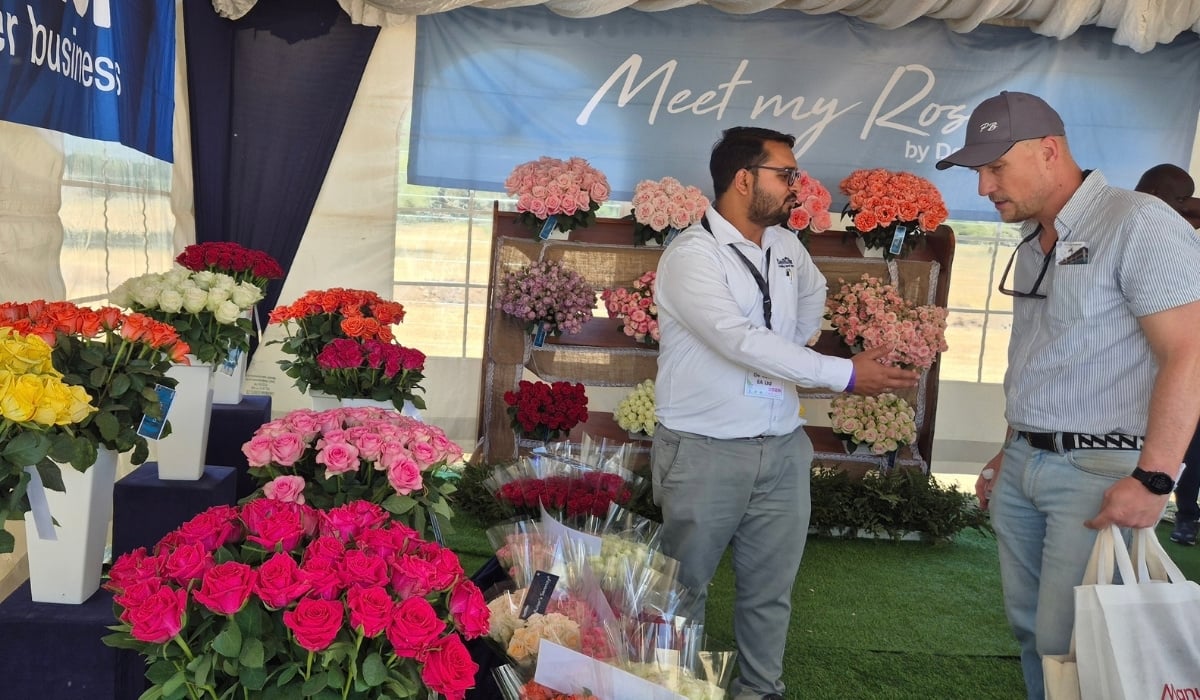
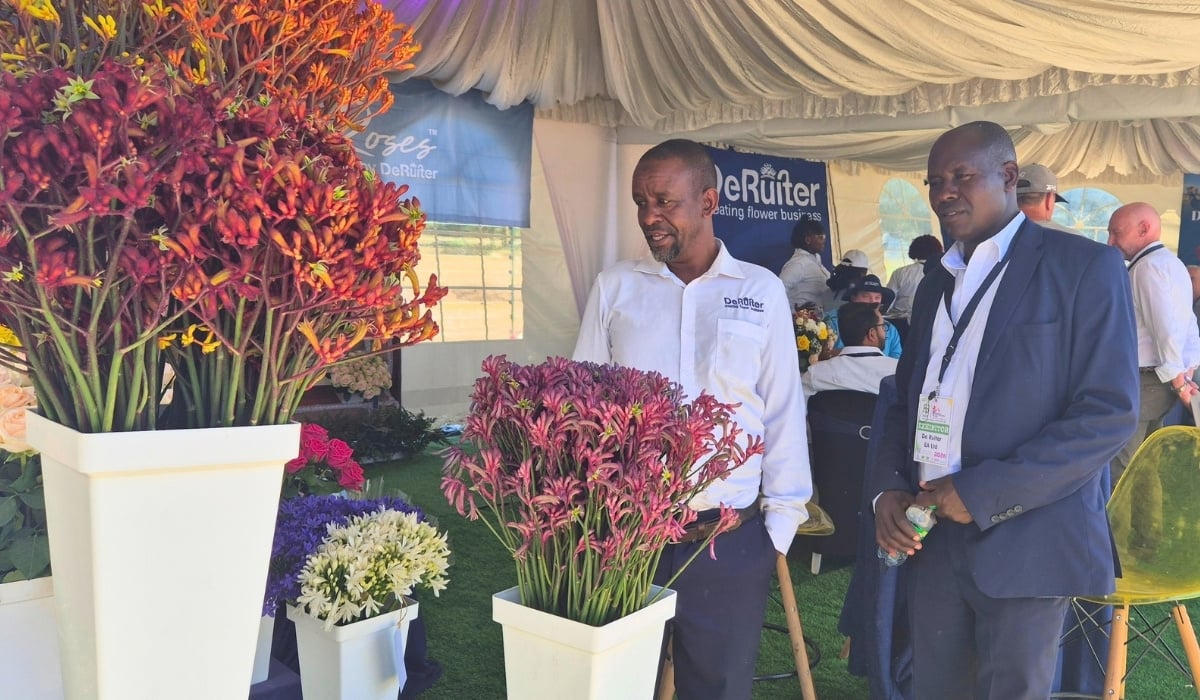
One-on-one discussions even emphasized the crucial nature of the ‘first mile,’ the critical initial stage of logistics where freshly harvested flowers and produce are transported from local farms to regional hubs or cooling facilities (like those managed by InspiraFarms) before being shipped globally.
Seamless railway connectivity from the Naivasha Inland Container Depot (ICD) to the Port of Mombasa is also becoming important for maintaining an unbroken cold chain. In effect, pack-house operations must be redesigned with several factors in mind, including the understanding that sea freight is unforgiving of any temperature fluctuations.
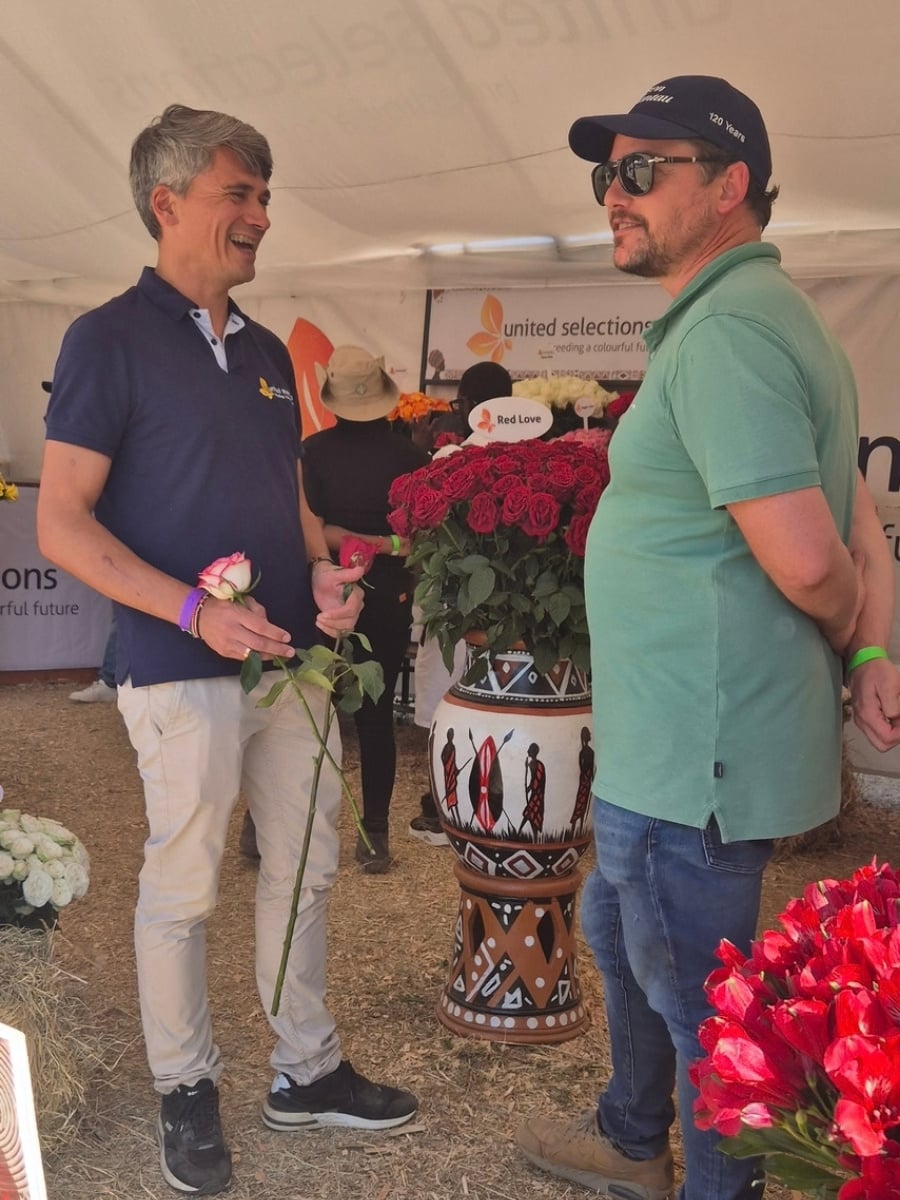
But even then, this logistical development could open up new geographical markets. While the EU and the UK remain foundational, logistics providers are also mapping out new maritime corridors into the Middle East, Southeast Asia, and Australia, allowing Kenyan growers to diversify their client base and reduce reliance on traditional market systems.
Next-Generation Breeding With Robustness and Resilience in Mind
The transition in transport logistics has put some demands on flower genetics. Breeders including De Ruiter East Africa, United Selections, Interplant, Viking Roses, Select Breeding, and others emphasize the focus on transportability of their varieties.
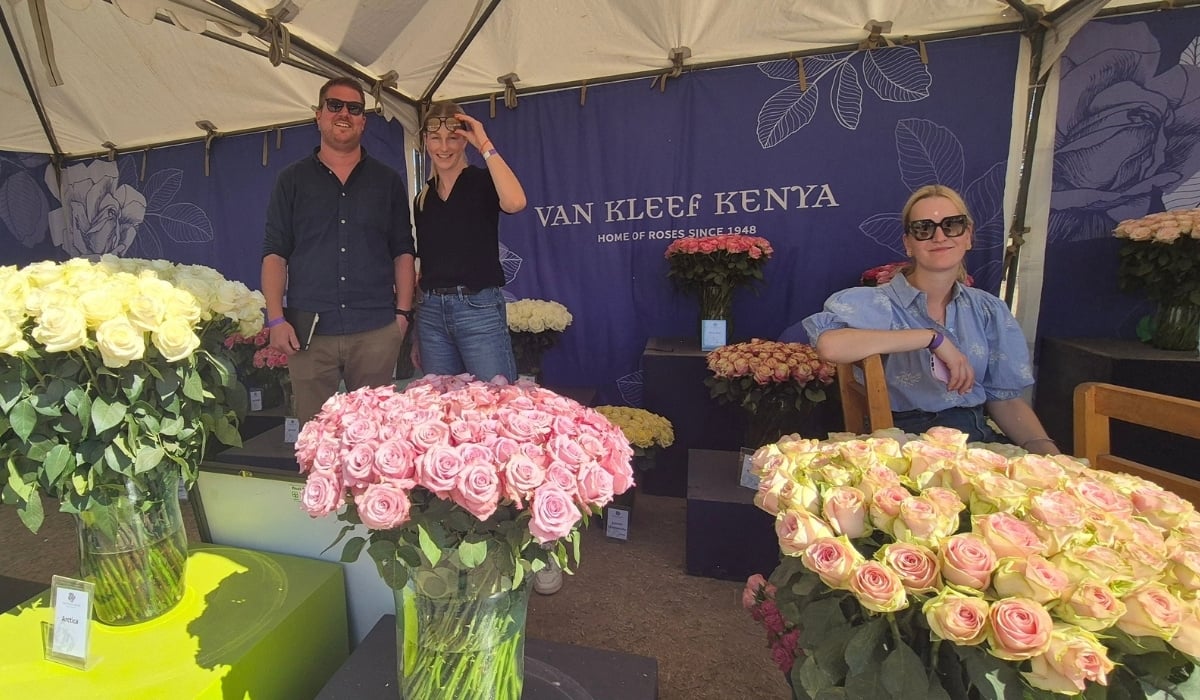
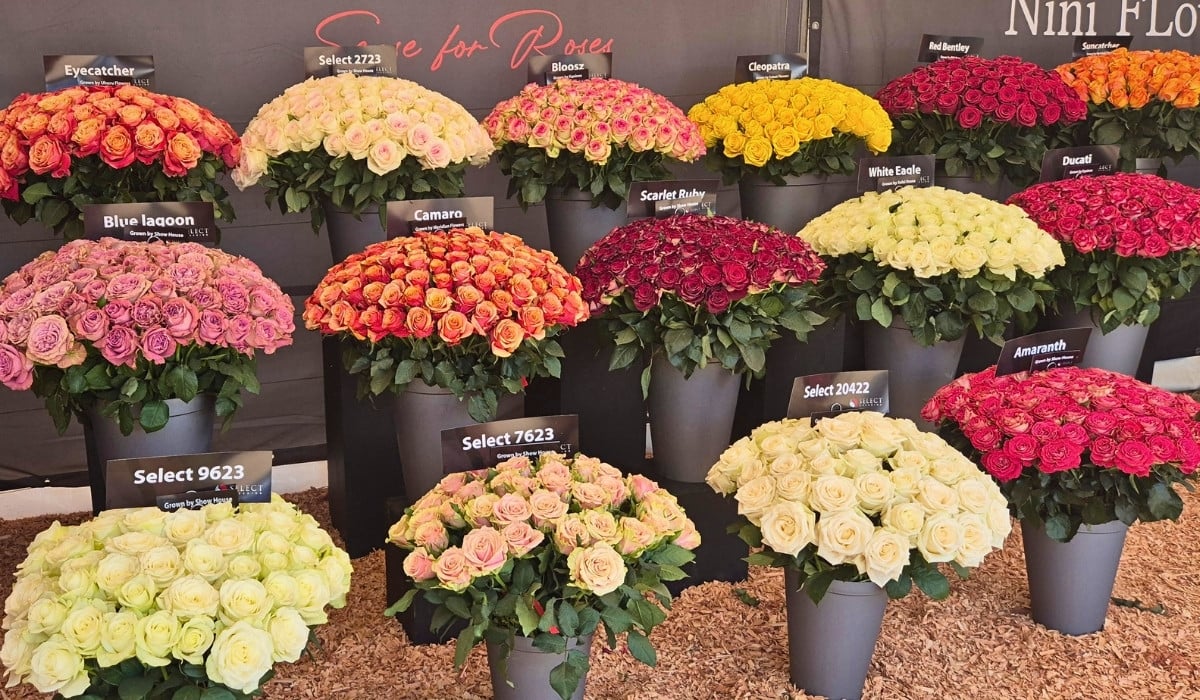
Varieties developed by these and other breeders factor sea freight in their development. A move toward ocean transit for cut flowers definitely means even more innovation, especially when it comes to vase life and postharvest treatment, a segment where Chrysal is generally a key player.
There are developments ongoing with regard to this. Several breeders, for example, run multi-year biotesting programs in cooperation with research groups such as Wageningen University & Research (WUR) to screen specific rose, carnation, and Alstroemeria lines for suitability for maritime transport.

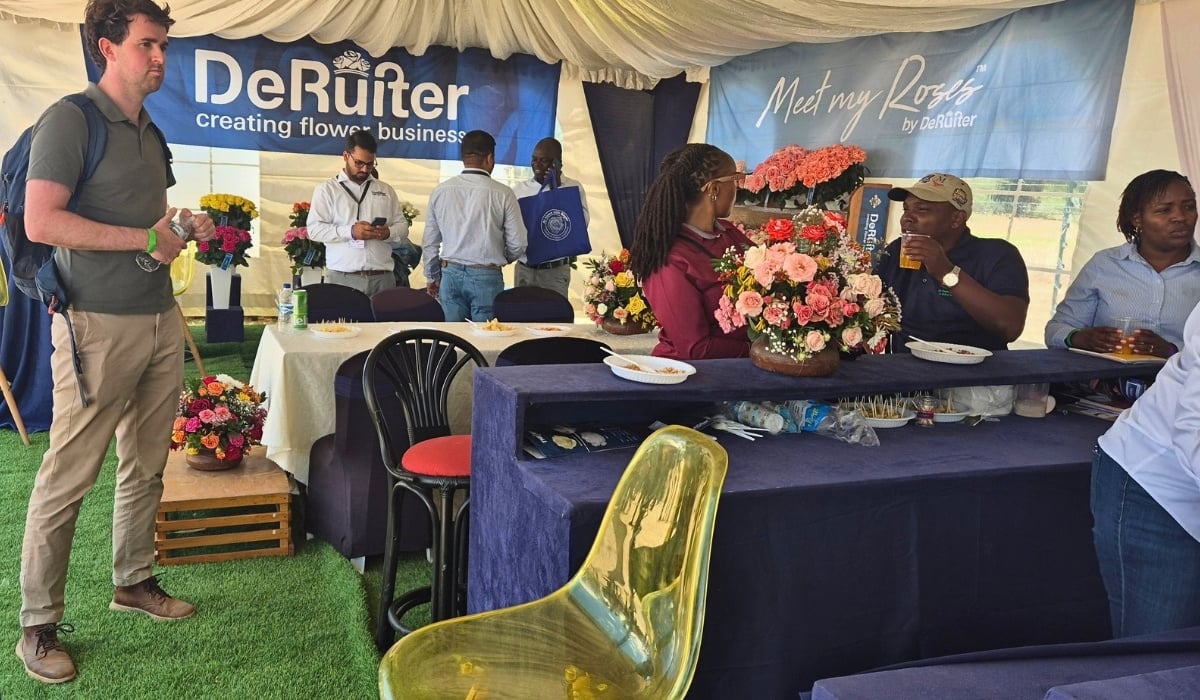
These flowers need to exhibit qualities like delayed bud opening and high resistance to Botrytis (De Ruiter, Interplant Roses, United Selections, Meilland International, and Dümmen Orange are actively involved in this), which are crucial traits for flowers spending weeks in dark, humid containers.
But freight aside, climate resilience is also a key issue. With erratic weather patterns impacting flower cultivation, there is a heightened demand for varieties that can thrive amid temperature fluctuations and high pest pressures without compromising on flowers’ quality, head size, or petal count.
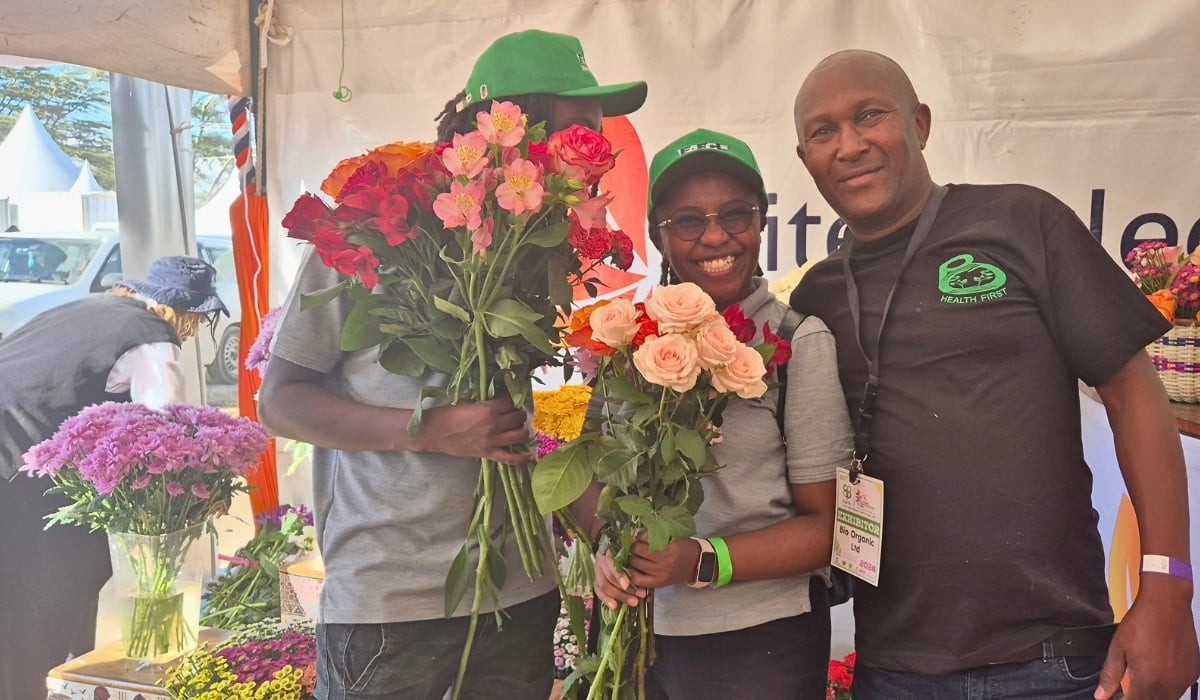
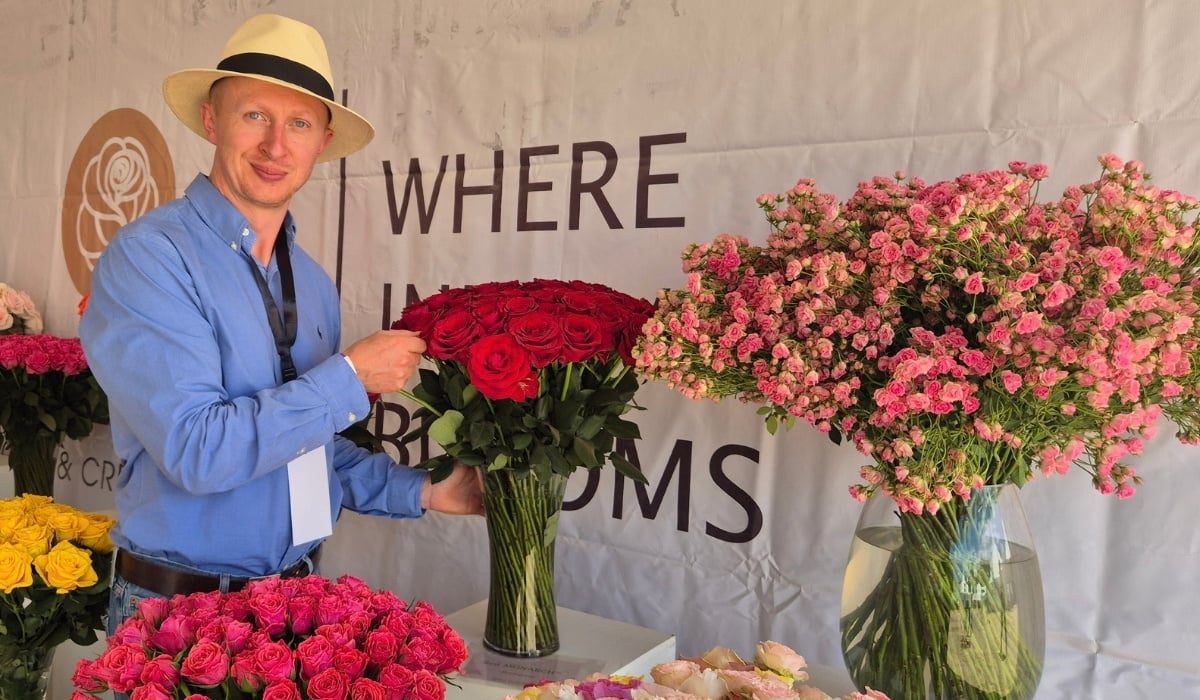
Meilland’s Rowan Godfrey spoke of their variety, Red MONARCH® Meiriposo, showing good signs against certain pests, such as thrips. Other than Bliss Flora, Rowan said several other growers, including Sian Flowers (Maasai Farm), Kikwetu Flowers, Subati, and Veg Pro, are trialing it.
Sustainability Standards, Compliance, and Biologicals
Compliance with Europe's tightening environmental standards, particularly the EU Corporate Sustainability Due Diligence Directive, is a key touchpoint for every commercial grower. The modern floriculture market demands radical transparency, and sustainability is now the baseline for market entry. Many discussions referenced the stringent requirements of the Kenya Flower Council (KFC) FOSS standards, outlining them as essential tools for navigating the evolving market demands.

Regulatory pressure has also catalyzed a massive move toward biological crop protection. Bio-pesticides, bio-fungicides, and integrated pest management (IPM) strategies are, as a result, becoming more relevant, as shown by companies like Bioline Agrosciences.
The general goal is a significant reduction in synthetic chemical residues to meet strict EU maximum residue limits (MRLs) while maintaining immaculate crop quality. Soil health, beneficial insects, and microbial soil amendments are also becoming essential.
Precision Agriculture and the Tech-Enabled Farm
Resource management within the Lake Naivasha basin remains a sensitive and vital issue. Acknowledging their role as conservators of this vital water source, flower farms are turning to precision agriculture to minimize their environmental footprint. The fair highlighted how technological integration is, as a result, becoming standard practice across the sector.
In this context, manufacturing and agri-tech firms, including Majitec and Afro Drip, showed state-of-the-art closed-loop hydroponic systems, automated climate control sensors, and precision drip irrigation networks. These technologies offer real-time data on soil moisture, nutrient uptake, and microclimates, allowing farm managers to apply water and fertilizers with pinpoint accuracy.
Others, like Elgon Kenya Ltd, have options for drip irrigation and rainwater harvesting and storage on farms. Additionally, the adoption of commercial-scale green energy and solar infrastructure made a key talking point. With energy costs rising, growers are aggressively investing in off-grid and grid-tied solar solutions to power facilities like cold storage units, further cutting operational costs and carbon emissions.
The Outlook Presented, However, Remains Confident and Optimistic
The 2026 Naivasha Horticultural Fair, nonetheless, made one thing quite clear. It showed that the Kenyan floriculture and general horticulture and agriculture sectors are not just surviving the pressures of global market changes, but also proactively making efforts aimed at engineering their futures.
Embracing structural changes like transitioning to sea freight, investing heavily in resilient breeding, enforcing rigorous sustainability standards, and adopting precision technology shows how the flower industry, in particular, is safeguarding its leading position among those at the apex when it comes to global flower production.
Essentially, it all showed that the flower industry’s commitment to quality remains uncompromising, but the methodology behind producing the perfect flower is also becoming smarter, greener, and more technologically advanced than before.